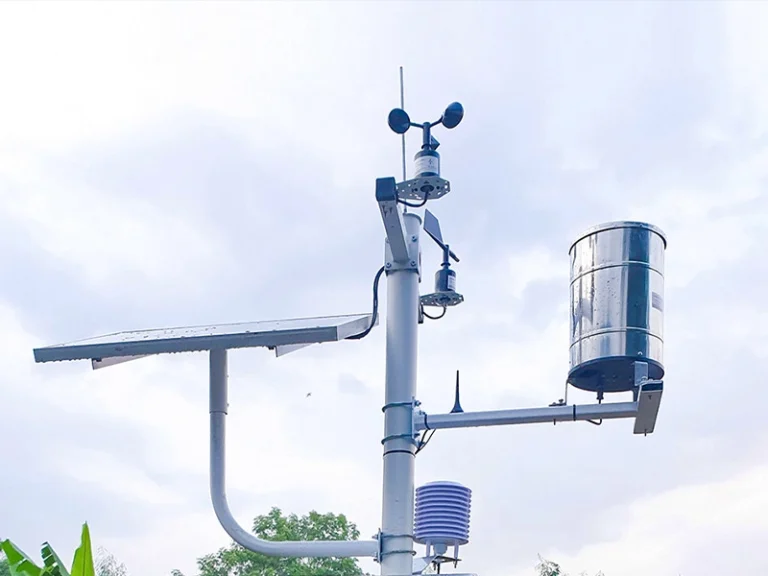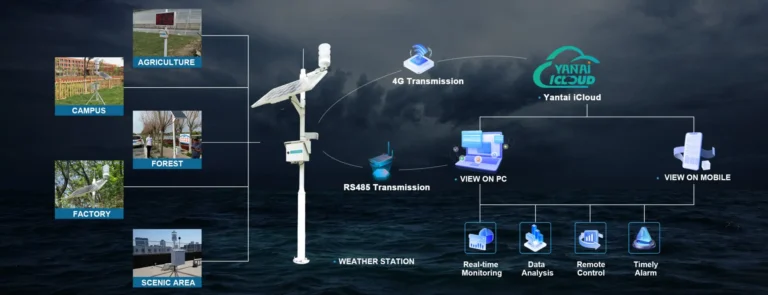
Bức xạ mặt trời là nguồn năng lượng cơ bản chi phối khí hậu Trái Đất, cung cấp năng lượng cho các hệ thống năng lượng tái tạo và duy trì năng suất nông nghiệp. Pyranometer là một thiết bị chuyên dụng được thiết kế để đo lường các thông số này; nó được chế tạo để chịu được môi trường ngoài trời khắc nghiệt đồng thời cung cấp dữ liệu chính xác và đáng tin cậy một cách nhất quán trong thời gian dài. Cho dù bạn đang tiến hành đánh giá địa điểm cho các nhà máy điện mặt trời quy mô công nghiệp, tối ưu hóa lịch trình tưới tiêu dựa trên các mô hình bốc hơi-thoát hơi, hay thực hiện nghiên cứu khoa học khí hậu, việc hiểu sâu về công nghệ pyranometer là điều thiết yếu.
Hướng dẫn toàn diện này cung cấp cho các nhà quản lý mua hàng, kỹ sư và nhà nghiên cứu mọi thông tin cần biết về Pyranometer, từ nguyên lý hoạt động cơ bản đến các tiêu chí lựa chọn nâng cao. Bạn sẽ tìm hiểu về ưu nhược điểm so sánh của các công nghệ cảm biến khác nhau, xác định thông số kỹ thuật nào là quan trọng đối với ứng dụng cụ thể của bạn và khám phá cách lắp đặt và bảo trì đúng cách có thể bảo vệ giá trị khoản đầu tư của bạn về chất lượng dữ liệu. Sau khi hoàn thành hướng dẫn này, bạn sẽ được trang bị để tự tin lựa chọn Pyranometer phù hợp nhất cho dự án của mình. Nếu bạn đang so sánh các Pyranometer cho một dự án giám sát năng lượng mặt trời, điều quan trọng là phải hiểu sự khác biệt giữa các cấp hiệu suất ISO. Xem hướng dẫn của chúng tôi về [Pyranometer Class A so với Class B] để có những cân nhắc lựa chọn thực tế.
Pyranometer là gì?
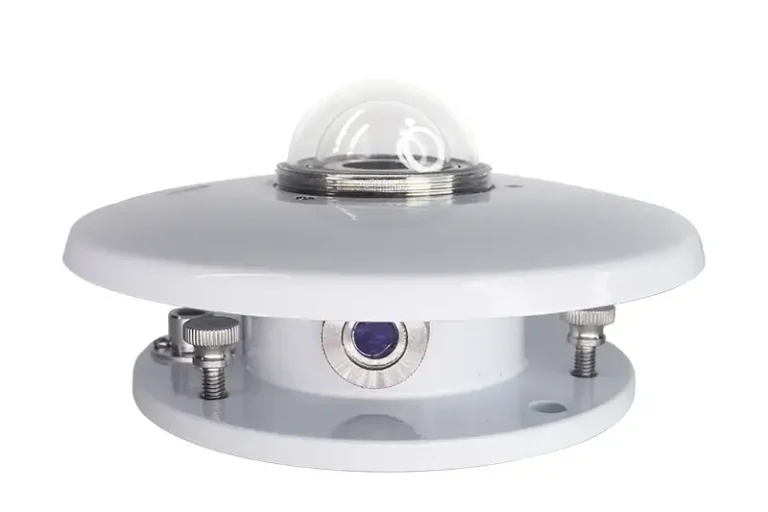
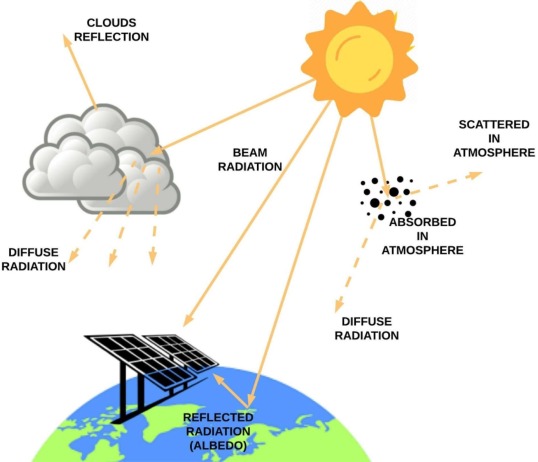
Pyranometer là một loại cảm biến dùng để đo cường độ bức xạ mặt trời trên một bề mặt phẳng, thường được biểu thị bằng đơn vị watt trên mét vuông (W/m²). Khác với pyrheliometer chỉ đo ánh sáng mặt trời trực tiếp từ đĩa mặt trời, pyranometer đo tổng lượng bức xạ sóng ngắn đến từ toàn bộ bán cầu phía trên cảm biến, bao gồm cả ánh sáng mặt trời trực tiếp và bức xạ khuếch tán do khí quyển tán xạ.
Thuật ngữ “pyranometer” bắt nguồn từ hai từ tiếng Hy Lạp là pyr (lửa) và ano (bầu trời), nghĩa đen là “thiết bị đo lửa trên bầu trời”. Các thiết bị này đã được cải tiến qua nhiều thập kỷ để trở thành tiêu chuẩn vàng trong việc đo lường Cường độ bức xạ mặt trời ngang toàn cầu (GHI) – thông số bức xạ mặt trời được theo dõi phổ biến nhất trong lĩnh vực khí tượng học và các ứng dụng năng lượng tái tạo. (Bức xạ mặt trời là gì? Hướng dẫn toàn diện về đo lường và giám sát)
Pyranometer hoạt động như thế nào?
Các thiết bị đo bức xạ mặt trời thường sử dụng một trong hai công nghệ cảm biến sau:
- Cảm biến dựa trên nhiệt điện: Các cảm biến này sử dụng một bộ cảm biến nhiệt điện, bao gồm nhiều cặp nhiệt điện nằm dưới một bề mặt hấp thụ màu đen. Bức xạ mặt trời làm nóng bề mặt này, tạo ra sự chênh lệch nhiệt độ từ đó sinh ra một điện áp nhỏ tỷ lệ thuận với cường độ bức xạ. Một vòm kính chính xác có chức năng lọc bỏ bức xạ hồng ngoại sóng dài, cho phép bức xạ mặt trời sóng ngắn (285–2800 nm) đi qua.
- Cảm biến photodiode (tế bào silicon): Các cảm biến này sử dụng đi-ốt quang silicon, tạo ra dòng điện khi tiếp xúc với ánh sáng. Mặc dù có giá thành rẻ hơn và tốc độ nhanh hơn, đi-ốt quang lại có dải đáp ứng quang phổ hẹp hơn (400–1100 nm), dẫn đến khả năng xảy ra sai số đo lường trong các điều kiện khí quyển thay đổi.
Cả hai loại cảm biến này đều được hiệu chuẩn để đo bức xạ mặt trời so với hằng số mặt trời — khoảng 1361 W/m² tại tầng khí quyển trên của Trái Đất.
Các thuật ngữ chính: GHI, DNI và DHI
Để hiểu được các phép đo bức xạ mặt trời, cần phải nắm rõ các thuật ngữ sau:
- Cường độ bức xạ mặt trời ngang toàn cầu (GHI): Tổng lượng bức xạ mặt trời nhận được trên một bề mặt nằm ngang, bao gồm cả bức xạ trực tiếp và bức xạ khuếch tán. Lượng này được đo bằng các thiết bị đo bức xạ mặt trời tiêu chuẩn.
- Cường độ bức xạ trực tiếp (DNI): Lượng bức xạ nhận được trực tiếp từ đĩa Mặt Trời, được đo trên một bề mặt vuông góc với các tia nắng. Các thiết bị đo bức xạ trực tiếp (pyrheliometer) trên các hệ thống theo dõi Mặt Trời đo lường DNI, một thông số quan trọng đối với các ứng dụng năng lượng mặt trời tập trung (CSP).
- Cường độ bức xạ ngang khuếch tán (DHI): Bức xạ bị tán xạ bởi khí quyển, được đo bằng các thiết bị đo bức xạ mặt trời (pyranometer) có bộ phận che chắn để ngăn chặn ánh sáng mặt trời trực tiếp.
Mối quan hệ giữa các tham số này được biểu diễn bởi phương trình:
GHI = DNI × cos(θ) + DHI, trong đó θ là góc thiên đỉnh của Mặt Trời.
Tại sao việc đo lường bức xạ mặt trời chính xác lại quan trọng?
Dữ liệu bức xạ mặt trời chính xác có vai trò quan trọng trong nhiều lĩnh vực. Trong ngành năng lượng tái tạo thương mại, ngay cả một sai số nhỏ trong đánh giá nguồn tài nguyên cũng có thể dẫn đến việc tính toán sai sản lượng năng lượng, gây thiệt hại hàng triệu đô la. Tương tự, dữ liệu bức xạ không chính xác trong nông nghiệp có thể dẫn đến việc tưới tiêu không hiệu quả hoặc gây căng thẳng cho cây trồng.
Các ứng dụng của năng lượng mặt trời
- Đánh giá nguồn lực: Các nhà phát triển các nhà máy điện mặt trời quy mô lớn (trị giá từ 1.450 đến 1.420 triệu) cần có dữ liệu đáng tin cậy về nguồn năng lượng mặt trời. Các nghiên cứu khả thi đáp ứng tiêu chuẩn tài chính yêu cầu phải có ít nhất một năm dữ liệu đo đạc tại hiện trường bằng các thiết bị đo bức xạ mặt trời (pyranometer) loại A theo tiêu chuẩn ISO 9060 để giảm thiểu độ không chắc chắn trong dự báo sản lượng điện. Việc nâng cao độ chính xác của đo đạc lên 21% có thể giúp giảm đáng kể chi phí dự án hoặc cải thiện các điều kiện tài chính.
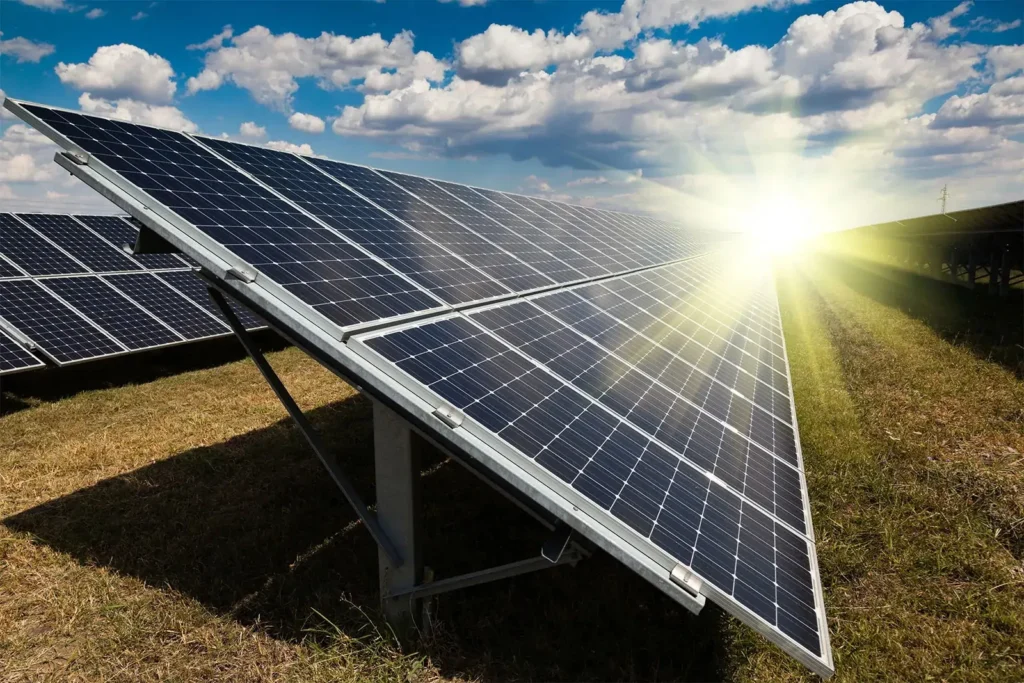
- Giám sát hiệu suất: Khi đi vào hoạt động, các nhà máy điện mặt trời sử dụng thiết bị đo bức xạ mặt trời (pyranometer) để tính toán Hệ số Hiệu suất (PR), bằng cách so sánh sản lượng năng lượng thực tế với mức tối đa lý thuyết dựa trên cường độ bức xạ mặt trời được đo được. Việc phát hiện sớm sự suy giảm Hệ số Hiệu suất (PR) giúp xác định các vấn đề như bụi bẩn bám trên tấm pin hoặc sự cố thiết bị, từ đó ngăn ngừa tổn thất doanh thu.
Giám sát nông nghiệp và môi trường
- Mô hình hóa sự bốc hơi và thoát hơi nước: Phương trình Penman-Monteith, vốn rất quan trọng trong việc tính toán lượng bốc hơi tham chiếu (ET₀), đòi hỏi phải có dữ liệu bức xạ mặt trời chính xác. Các hệ thống tưới tiêu nhằm tối ưu hóa việc sử dụng nước dựa vào các thiết bị đo bức xạ mặt trời (pyranometer) để cân bằng nhu cầu nước của cây trồng với các nỗ lực tiết kiệm nước, đặc biệt là ở những vùng khan hiếm nước.
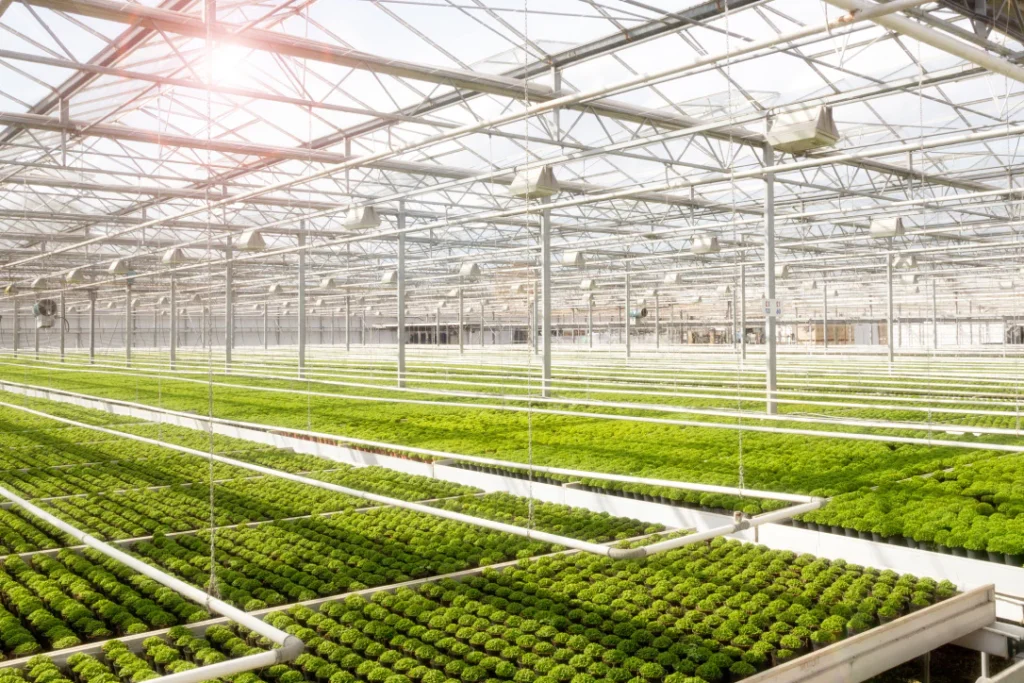
- Mô hình hóa sự phát triển của cây trồng: Bức xạ quang hợp (PAR) — loại ánh sáng mà thực vật sử dụng cho quá trình quang hợp — liên quan đến bức xạ mặt trời phổ rộng. Các nhà nghiên cứu sử dụng máy đo bức xạ mặt trời (pyranometer) kết hợp với cảm biến PAR để nghiên cứu tác động của lượng ánh sáng có sẵn đối với năng suất cây trồng trong các điều kiện khí hậu và mùa vụ khác nhau.
Nghiên cứu khí tượng
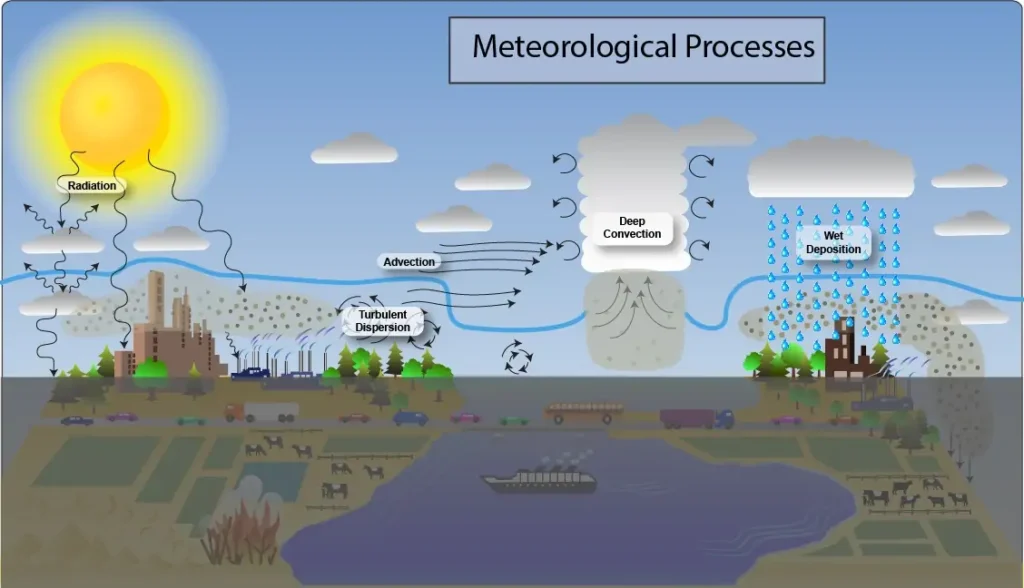
Các cơ quan khí tượng quốc gia dựa vào mạng lưới các thiết bị đo bức xạ mặt trời (pyranometer) để thu thập dữ liệu thực địa chính xác, nhằm xác thực các đánh giá về bức xạ mặt trời dựa trên vệ tinh và nâng cao độ chính xác của dự báo thời tiết. Các nhà khoa học khí hậu cũng sử dụng các bản ghi dài hạn từ các thiết bị đo bức xạ mặt trời để theo dõi các xu hướng như “hiện tượng mờ đi toàn cầu” và “hiện tượng sáng lên toàn cầu”, từ đó giúp xác định những thay đổi tinh vi trong khí quyển có liên quan đến ô nhiễm và các phản ứng dây chuyền của khí hậu.
Các loại máy đo bức xạ mặt trời chính và phương pháp đo bức xạ
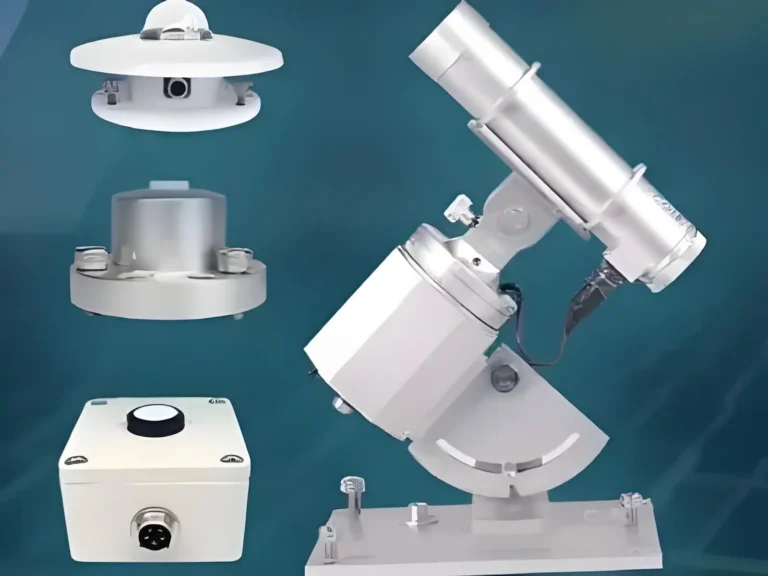
Yantai Sensor cung cấp một loạt các thiết bị đo bức xạ mặt trời và máy đo cường độ ánh sáng có độ chính xác cao, phù hợp với nhiều nhu cầu đo lường khác nhau, bao gồm các lĩnh vực như bức xạ cực tím (UV), bức xạ mặt trời và bức xạ mặt trời trực tiếp. Dưới đây là một số loại chính:
Máy đo cường độ ánh sáng UV RYZW
Được thiết kế chuyên dụng để đo cường độ ánh sáng tia cực tím, phù hợp cho việc giám sát môi trường và các ứng dụng công nghiệp.
Phạm vi đo: 200–400 nm (UV-A, UV-B, UV-C); Độ chính xác: ±5%
Đặc điểm: Độ chính xác cao; được sử dụng rộng rãi để theo dõi cường độ tia UV; phù hợp cho các nghiên cứu về bảo vệ môi trường và sức khỏe.
Cảm biến bức xạ mặt trời TBQ 2C
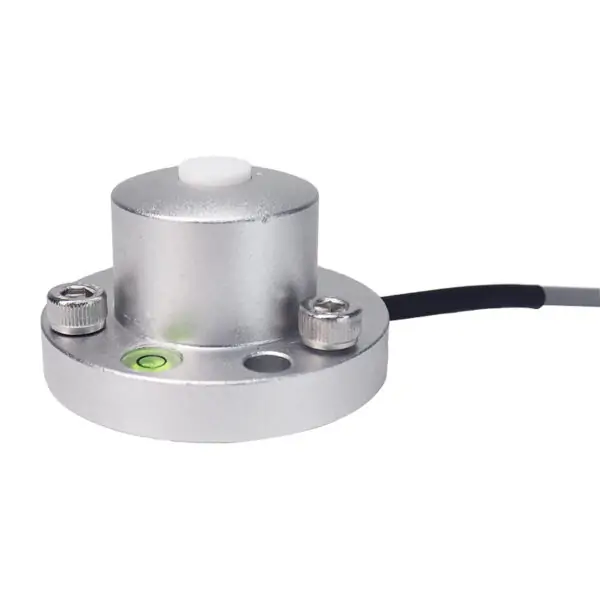
Một thiết bị đo bức xạ mặt trời kiểu nhiệt điện cực cổ điển, thích hợp để đánh giá môi trường và tài nguyên năng lượng mặt trời.
Dải quang phổ: 285–2800 nm; Độ chính xác: ±5%
Đặc điểm: Độ chính xác cao; thích hợp để theo dõi bức xạ mặt trời và đánh giá tài nguyên trong thời gian dài.
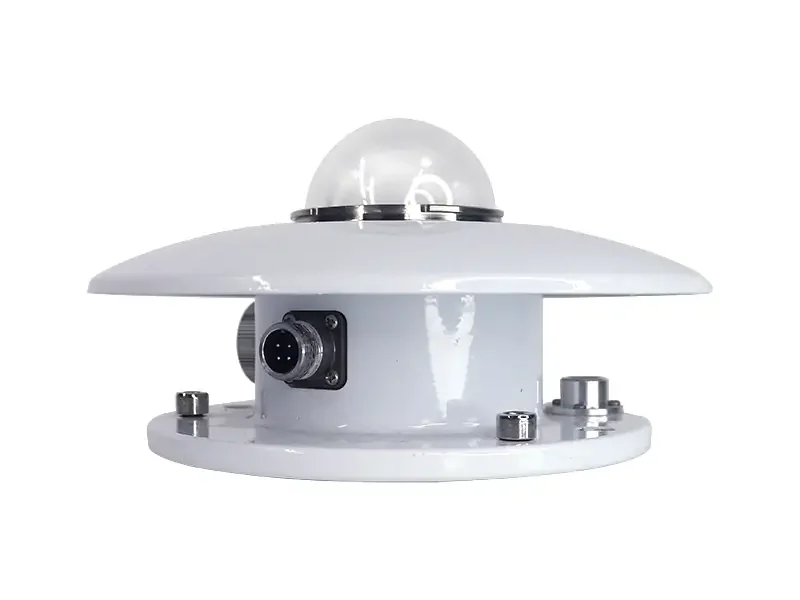
Cảm biến cường độ ánh sáng mặt trời tổng hợp XF-C60
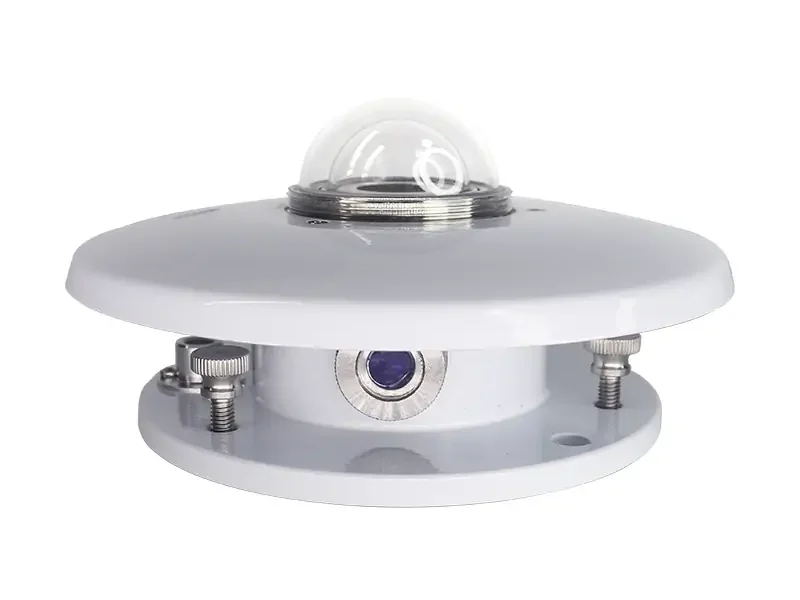
Cảm biến này được sử dụng để đo cường độ bức xạ mặt trời tổng hợp và phù hợp để sử dụng trong các dự án năng lượng mặt trời và trạm khí tượng.
Dải quang phổ: 285–2800 nm; Độ chính xác: ±3%
Tính năng: Tốc độ phản hồi cao, thích hợp để giám sát hiệu suất của các hệ thống điện mặt trời.
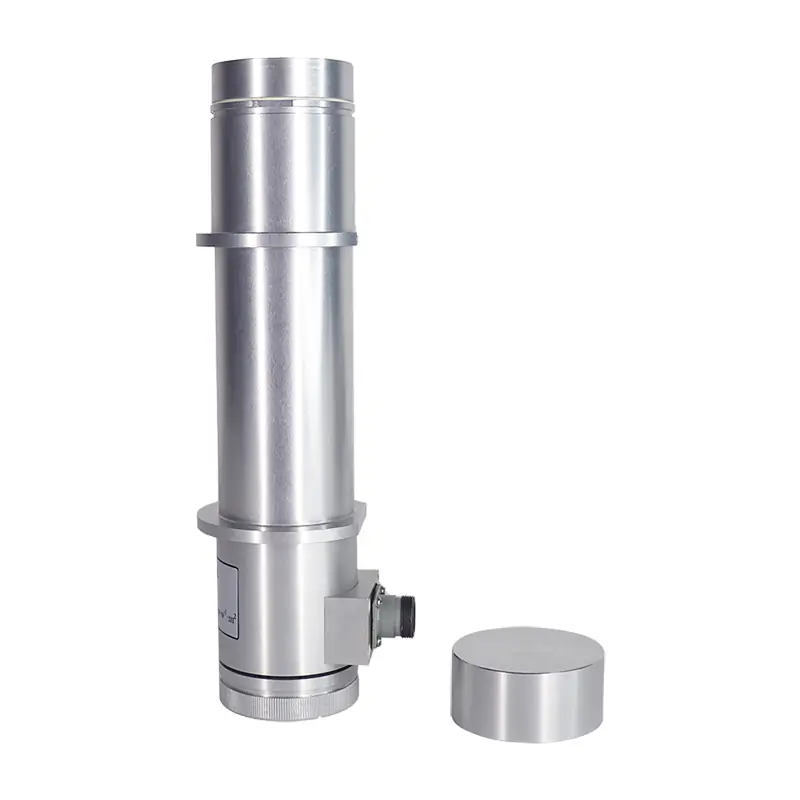
Ống quang học của máy đo bức xạ mặt trời XF-CT10
Được thiết kế chuyên dụng để đo bức xạ mặt trời trực tiếp, thường được sử dụng trong các hệ thống năng lượng mặt trời tập trung (CSP) và nghiên cứu khí tượng.
Thông số cơ bản: Dải quang phổ: 400–2800 nm; Độ chính xác: ±2%
Tính năng: Đo bức xạ mặt trời trực tiếp với độ chính xác cao, phù hợp cho nghiên cứu chuyên sâu và các ứng dụng năng lượng mặt trời.
Các loại pyranometer
Tổ chức Khí tượng Thế giới (WMO) xác định chất lượng của pyranometer thông qua ba hạng mục chính, mỗi hạng mục phù hợp với các ứng dụng khác nhau. Tất cả các quá trình hiệu chuẩn pyranometer đều được truy xuất về Hệ tham chiếu bức xạ thế giới (WRR), hệ thống này đo lường tổng bức xạ với độ không chắc chắn trong khoảng 0,31 TP3T.
Ba loại pyranometer của WMO tương ứng với các hạng mục của ISO như sau:
- Loại A (Chất lượng cao): Các thiết bị đo bức xạ mặt trời này là loại chính xác nhất, được sử dụng để thực hiện các phép đo chính xác trong các ứng dụng có yêu cầu cao như đánh giá tài nguyên và nghiên cứu khoa học.
- Loại B (Chất lượng tốt): Phù hợp cho việc giám sát chung và sử dụng trong hoạt động, các thiết bị này mang lại độ chính xác đáng tin cậy cho các nhà máy điện mặt trời và trạm khí tượng.
- Loại C (Chất lượng trung bình): Được thiết kế cho các ứng dụng cơ bản, các thiết bị đo bức xạ mặt trời này thường được sử dụng trong giáo dục hoặc các đánh giá sơ bộ, nơi độ chính xác tuyệt đối không phải là yếu tố quan trọng.
Làm thế nào để chọn máy đo bức xạ mặt trời phù hợp với ứng dụng của bạn?
Với dải giá rộng (từ $200 đến $5.000+), việc lựa chọn thiết bị đo bức xạ mặt trời phù hợp đòi hỏi phải cân bằng giữa nhu cầu kỹ thuật và ngân sách.
Ngân sách so với độ chính xác
- Đối với độ chính xác cao (Yêu cầu loại A):
Nếu quý vị cần dữ liệu chính xác để đánh giá tiềm năng năng lượng mặt trời, tài trợ dự án hoặc nghiên cứu khí tượng, hãy đầu tư vào các thiết bị đo bức xạ mặt trời kiểu thermopile loại A theo tiêu chuẩn ISO 9060 ($2,000-$5,000). Các thiết bị này mang lại độ chính xác cần thiết cho các ứng dụng quan trọng, nơi chất lượng dữ liệu có thể ảnh hưởng đến các khoản đầu tư lớn. - Đối với giám sát hoạt động (Loại B – Đủ điều kiện):
Khi nhà máy điện mặt trời đã đi vào hoạt động, các thiết bị đo bức xạ mặt trời loại B ($800-$2,000) cung cấp độ chính xác đủ cao để phục vụ cho việc giám sát và ra quyết định bảo trì. Việc hiệu chuẩn định kỳ và kiểm tra dữ liệu tự động là yếu tố then chốt để đảm bảo hiệu suất hoạt động đáng tin cậy. - Dùng cho mục đích sàng lọc hoặc giáo dục (loại C hoặc photodiode đều được chấp nhận):
Đối với việc đánh giá sơ bộ hiện trường, mục đích giáo dục hoặc giám sát môi trường nói chung, các giải pháp có chi phí thấp hơn như cảm biến nhiệt điện loại C hoặc cảm biến quang điện ($200-$800) là phù hợp, miễn là người dùng nhận thức rõ về giới hạn độ chính xác của chúng.
Điều kiện môi trường và độ bền
- Điều kiện khí hậu khắc nghiệt:
Trong các điều kiện môi trường khắc nghiệt, cần kiểm tra dải nhiệt độ và độ bền vật liệu của máy đo bức xạ mặt trời. Thép không gỉ loại hàng hải và các linh kiện điện tử được phủ lớp bảo vệ có khả năng chống ăn mòn tốt hơn so với nhôm tiêu chuẩn. - Độ ẩm cao:
Ở những vùng có khí hậu nhiệt đới hoặc gió mùa, bạn nên chọn các mẫu có vòm thông gió hoặc sưởi ấm, hoặc những mẫu sử dụng chất hút ẩm có tuổi thọ cao hơn để giảm thiểu công việc bảo trì. - Các cơ sở từ xa:
Đối với những vị trí khó tiếp cận, nên ưu tiên sử dụng các thiết bị đo bức xạ mặt trời có tính năng làm sạch tự động và chu kỳ bảo trì dài hơn, chẳng hạn như các thiết bị có hệ thống sưởi vòm để ngăn chặn sự tích tụ của tuyết hoặc băng.
Tích hợp với các hệ thống ghi dữ liệu
- Tín hiệu đầu ra:
Các cảm biến nhiệt điện (thermopile pyranometers) tạo ra điện áp đầu ra mức thấp (0–50 mV), do đó cần sử dụng các thiết bị ghi dữ liệu có trở kháng đầu vào cao và độ phân giải phù hợp (16 bit trở lên). Các cảm biến quang điện (photodiode) có thể có các tín hiệu đầu ra khác nhau (0–5 V, 4–20 mA), đòi hỏi phải cấu hình thiết bị ghi dữ liệu cho phù hợp. - Hệ số hiệu chuẩn:
Hãy đảm bảo rằng thiết bị ghi dữ liệu của bạn có thể nhập hệ số độ nhạy của pyranometer từ chứng chỉ hiệu chuẩn để chuyển đổi chính xác dữ liệu thô thành cường độ bức xạ (W/m²). - Các giao thức truyền thông:
Hãy kiểm tra xem thiết bị ghi dữ liệu của bạn có hỗ trợ giao thức truyền thông phù hợp (Modbus RTU, SDI-12, v.v.) hay không. Các thiết bị đo bức xạ mặt trời của Yantai Sensor tương thích với tất cả các nền tảng ghi dữ liệu chính và đã được cấu hình sẵn để dễ dàng cài đặt.
Bạn đã sẵn sàng lựa chọn thiết bị đo bức xạ mặt trời phù hợp cho dự án năng lượng mặt trời, nông nghiệp hoặc khí tượng của mình chưa? Liên hệ với đội ngũ kỹ thuật của chúng tôi Hãy liên hệ với Yantai Sensor để nhận được những đề xuất phù hợp dựa trên yêu cầu về độ chính xác, điều kiện môi trường và ngân sách của bạn.
Các phương pháp hay nhất trong việc lắp đặt pyranometer
Ngay cả những thiết bị đo bức xạ mặt trời chất lượng cao nhất cũng sẽ cho kết quả không chính xác nếu được lắp đặt không đúng cách. Việc tuân thủ các hướng dẫn này sẽ đảm bảo khoản đầu tư của bạn mang lại các kết quả đo lường chính xác và đáng tin cậy ngay từ ngày đầu tiên.
Lựa chọn vị trí và chiều cao lắp đặt
Vật cản tầm nhìn: Tổ chức Khí tượng Thế giới (WMO) khuyến nghị các vị trí lắp đặt pyranometer phải có góc che khuất đường chân trời <10° ở mọi hướng, tốt nhất là <5°. Một quy tắc đơn giản: không có vật thể nào được nằm gần hơn 10 lần chiều cao của nó so với mặt cảm biến. Ví dụ, một cây cao 5 mét phải cách xa ít nhất 50 mét.
Những suy ngẫm về bề mặt: Tránh lắp đặt trên các bề mặt có độ phản xạ cao như mái nhà màu trắng, mặt nước hoặc các khu vực phủ tuyết, trừ khi ứng dụng của bạn yêu cầu cụ thể việc đo bức xạ phản xạ. Cỏ hoặc địa hình tự nhiên là lựa chọn lý tưởng. Đối với việc lắp đặt trên mái nhà, hãy lắp đặt thiết bị ở độ cao ít nhất 0,5–1 mét so với bề mặt để giảm thiểu hiệu ứng đảo nhiệt đô thị.
Chiều cao lắp đặt: Các tiêu chuẩn khí tượng quy định độ cao lắp đặt của các thiết bị đo bức xạ mặt trời ngang (pyranometer) là từ 1,5 đến 2 mét so với mặt đất. Đối với các ứng dụng điện mặt trời (PV) đo cường độ bức xạ trên mặt phẳng mảng pin (POA), cần lắp đặt cảm biến trên cùng mặt phẳng với các tấm pin mặt trời, tốt nhất là ở độ cao giữa mảng pin và tránh xa bóng của khung.
Cân bằng và định hướng
Độ chính xác khi cân bằng: Các thiết bị đo bức xạ mặt trời ngang phải được cân bằng trong phạm vi ±1°. Hầu hết các thiết bị chất lượng cao đều được trang bị thước cân bằng bọt khí. Cần kiểm tra độ cân bằng định kỳ, đặc biệt là sau những đợt thời tiết khắc nghiệt hoặc khi kết cấu lắp đặt bị lún.
Góc phương vị: Đối với các phép đo GHI, hướng góc phương vị không quan trọng vì cảm biến hướng thẳng lên trên. Tuy nhiên, đối với các pyranometer nghiêng dùng để đo bức xạ tại điểm quan sát (POA), cần căn chỉnh cảm biến sao cho chính xác với góc nghiêng và hướng góc phương vị của hệ thống pin mặt trời (thường là hướng Nam thực ở Bắc bán cầu và hướng Bắc thực ở Nam bán cầu). Sử dụng la bàn và điều chỉnh sai số do độ lệch từ.
Tránh những sai lầm thường gặp khi lắp đặt
Đường đi của cáp: Hãy dẫn dây cáp theo hướng xuống từ cảm biến để ngăn nước xâm nhập. Tránh đi dây cáp gần động cơ, bộ biến tần hoặc máy biến áp, vì những thiết bị này có thể gây nhiễu điện từ. Sử dụng dây cáp có lớp chắn và đảm bảo nối đất đúng cách, đặc biệt là đối với các cảm biến nhiệt điện cực có tín hiệu yếu.
Hệ thống thông gió: Đảm bảo luồng không khí lưu thông tốt xung quanh thân cảm biến. Một số mẫu cảm biến dạng vòm được trang bị hệ thống thông gió nhằm giảm hiện tượng ngưng tụ và đẩy nhanh quá trình khô ráo sau khi mưa hoặc sương đọng.
Chống sét: Ở những vị trí hở, nên cân nhắc lắp đặt hệ thống chống sét. Mặc dù các thiết bị đo bức xạ mặt trời có kích thước tương đối nhỏ, nhưng một tia sét đánh gần đó có thể làm hỏng các linh kiện điện tử nhạy cảm. Hãy tham khảo hướng dẫn của nhà sản xuất để biết các phương pháp nối đất hiệu quả nhất.
Cảm biến Yantai chúng tôi cung cấp các hướng dẫn lắp đặt chi tiết kèm theo các sản phẩm máy đo bức xạ mặt trời, và đội ngũ hỗ trợ kỹ thuật của chúng tôi luôn sẵn sàng xem xét bản vẽ mặt bằng trước khi lắp đặt để giúp quý khách tránh những sai sót thường gặp.
Bảo trì và hiệu chuẩn
Ngay cả những thiết bị đo bức xạ mặt trời bền bỉ nhất cũng cần được bảo dưỡng định kỳ để duy trì chất lượng đo lường trong suốt thời gian sử dụng—thường là từ 10 đến 20 năm trở lên đối với các mẫu sử dụng cảm biến nhiệt điện.
Lịch trình vệ sinh và kiểm tra
Vệ sinh mái vòm: Đây là công việc bảo dưỡng quan trọng nhất. Phân chim, bụi, phấn hoa và các chất bẩn khác bám trên vòm kính có thể làm giảm cường độ bức xạ đo được từ 2–10%TP3T, đôi khi còn nhiều hơn trong môi trường nhiều bụi hoặc khu vực nông nghiệp.
- Tần suất: Hàng tuần tại các khu vực nhiều bụi, hàng tháng tại các môi trường sạch hơn, sau các hiện tượng thời tiết lớn
- Phương pháp: Nước cất và một miếng vải mềm, không xơ. Tránh chạm vào vòm bằng tay trần (dầu có thể gây ra vết bẩn). Đối với các vết bám cứng đầu, hãy sử dụng cồn isopropyl hoặc dung dịch tẩy rửa được nhà sản xuất chấp thuận
- Giải pháp tự động hóa: Một số công trình sử dụng hệ thống rửa mái vòm tự động với chế độ phun nước định kỳ, đặc biệt hữu ích đối với các địa điểm hẻo lánh
Thay thế chất hút ẩm: Đối với các thiết bị đo bức xạ mặt trời (pyranometer) có hộp chứa chất hút ẩm có thể tháo rời (thường chứa gel silica), cần kiểm tra chất hút ẩm hàng năm và thay thế khi chất này đã bão hòa (màu sắc chuyển từ xanh lam sang hồng). Độ ẩm bên trong thân vòm sẽ gây ra hiện tượng ngưng tụ và dẫn đến sai số trong đo lường.
Kiểm tra thực tế: Các cuộc kiểm tra hàng quý cần bao gồm:
- Kiểm tra mức bọt khí (cảm biến chưa bị lệch)
- Các kết nối cáp (bị ăn mòn, lỏng lẻo)
- Phụ kiện lắp đặt (rỉ sét, độ bền)
- Tình trạng vòm (vết nứt, vết xước)
Khi nào cần hiệu chuẩn lại máy đo bức xạ mặt trời
Các tiêu chuẩn ISO khuyến nghị hiệu chuẩn lại 2 năm một lần đối với các thiết bị được sử dụng trong các ứng dụng yêu cầu độ chính xác cao. Tuy nhiên, tuổi thọ của các cảm biến giám sát hoạt động có thể kéo dài lên đến 3–5 năm nếu các cuộc kiểm tra so sánh thực địa cho thấy hiệu suất đạt yêu cầu.
Các phương pháp hiệu chuẩn:
- Điều chỉnh lại tại nhà máy: Trả lại cho nhà sản xuất hoặc phòng thí nghiệm hiệu chuẩn được công nhận. Cung cấp giấy chứng nhận hiệu chuẩn mới có tính truy xuất nguồn gốc theo các tiêu chuẩn quốc tế (WRR – Hệ thống Tham chiếu Phóng xạ Thế giới).
- So sánh thực địa: So sánh với một máy đo bức xạ mặt trời chuẩn đã được hiệu chuẩn gần đây trong điều kiện thời tiết ổn định và trời quang đãng. Nếu chênh lệch vượt quá ±2%, cần tiến hành hiệu chuẩn lại.
Các dấu hiệu cho thấy máy đo bức xạ mặt trời của bạn cần được hiệu chuẩn lại:
- Dữ liệu luôn cao hơn hoặc thấp hơn so với các trạm tham chiếu lân cận
- Những biến động đột ngột và không rõ nguyên nhân trong các chỉ số
- Hư hỏng vật lý đối với vòm hoặc thân cảm biến
- Tiếp xúc với các hiện tượng thời tiết cực đoan (sét, mưa đá, lũ lụt)
Khắc phục các sự cố thường gặp
Không có độ trôi điểm gốc: Nếu các giá trị đo được vào ban đêm không bằng không (vượt quá độ lệch điểm không được quy định của thiết bị), điều này có thể cho thấy có ảnh hưởng của nhiệt độ hoặc sự cố về điện tử. Hãy kiểm tra xem thiết bị có được nối đất đúng cách hay không và đảm bảo rằng vỏ bảo vệ không tích tụ nhiệt từ các thiết bị lân cận.
Dữ liệu nhiễu: Sự dao động quá mức có thể do lớp cách điện của cáp kém, hiện tượng vòng lặp đất hoặc nhiễu điện từ. Hãy kiểm tra lại tất cả các kết nối và cân nhắc di chuyển thiết bị ghi dữ liệu ra xa các thiết bị có công suất cao.
Các chỉ số thấp so với dữ liệu vệ tinh: Việc thường xuyên đánh giá thấp mức độ bám bẩn thường là dấu hiệu cho thấy kính vòm bị bám bẩn. Ngay cả một lớp màng mỏng không thể nhìn thấy bằng mắt thường cũng có thể làm giảm độ truyền sáng đi vài phần trăm.
Kết luận
Các thiết bị đo bức xạ mặt trời đóng vai trò quan trọng trong việc đo lường chính xác bức xạ mặt trời trong nhiều lĩnh vực công nghiệp, từ các dự án năng lượng tái tạo quy mô lớn đến nông nghiệp chính xác và giám sát khí hậu. Bằng cách nắm rõ những điểm khác biệt chính về công nghệ cảm biến, tiêu chuẩn hiệu chuẩn và thông số kỹ thuật, bạn có thể đưa ra quyết định sáng suốt, phù hợp nhất với nhu cầu kỹ thuật và ngân sách của mình.
Khi nhu cầu về dữ liệu bức xạ mặt trời chính xác ngày càng tăng, Cảm biến Yantai hỗ trợ quý khách lựa chọn giải pháp phù hợp nhất cho ứng dụng của mình. Nếu quý khách có bất kỳ thắc mắc nào hoặc cần tư vấn để chọn được thiết bị đo bức xạ mặt trời phù hợp, xin đừng ngần ngại liên hệ với đội ngũ kỹ thuật của chúng tôi. Chúng tôi luôn sẵn sàng hỗ trợ quý khách đưa ra lựa chọn tốt nhất để dự án của quý khách đạt được thành công.