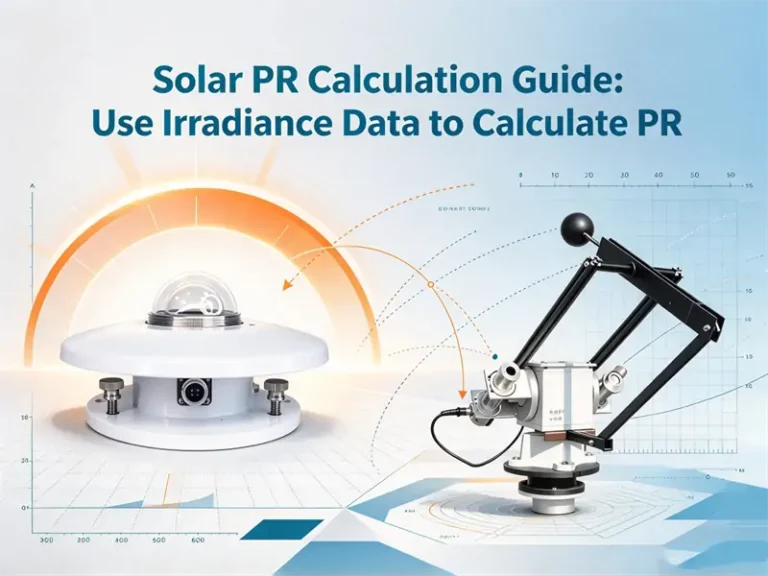
Giới thiệu
Khi công suất lắp đặt quang điện (PV) toàn cầu tiếp tục tăng, các trang trại năng lượng mặt trời quy mô lớn đã trở thành một thành phần quan trọng của năng lượng sạch. Tuy nhiên, chỉ dựa vào các mô-đun và bộ biến tần hiệu suất cao không đảm bảo rằng một trang trại năng lượng mặt trời sẽ luôn duy trì hiệu suất phát điện tối ưu. Các yếu tố môi trường như sự thay đổi của bức xạ mặt trời, nhiệt độ mô-đun tăng cao, tốc độ gió, lượng mưa, tích tụ bụi và thời tiết khắc nghiệt đều có thể tác động trực tiếp đến hiệu suất phát điện và tuổi thọ thiết bị.
Theo dữ liệu từ Cơ quan Năng lượng Quốc tế (IEA), tổn thất phát điện do các yếu tố môi trường có thể chiếm từ 5% đến 15% sản lượng điện hàng năm ở một số khu vực, và khi bụi tích tụ trên các mô-đun nghiêm trọng, tổn thất phát điện thậm chí có thể vượt quá 20%. Do đó, ngày càng nhiều nhà thầu EPC, nhà đầu tư năng lượng mặt trời và công ty O&M đang triển khai các giải pháp giám sát môi trường trang trại năng lượng mặt trời chuyên nghiệp để cung cấp hỗ trợ dữ liệu đáng tin cậy cho phân tích hiệu suất, chẩn đoán sự cố và ra quyết định O&M thông qua giám sát thời gian thực các thông số môi trường.
Bài viết này cung cấp một phân tích toàn diện về tầm quan trọng của giám sát môi trường trong các nhà máy điện PV, các thông số giám sát chính, thành phần hệ thống, tiêu chuẩn ngành và khuyến nghị mua sắm để giúp bạn lựa chọn giải pháp giám sát môi trường đáp ứng nhu cầu dự án của mình.
Hệ thống Giám sát Môi trường Nhà máy Điện Mặt trời là gì?
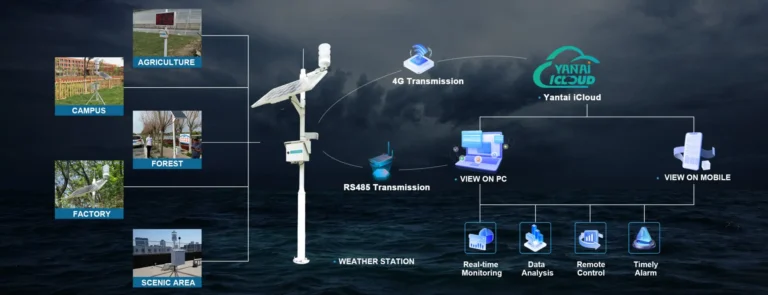
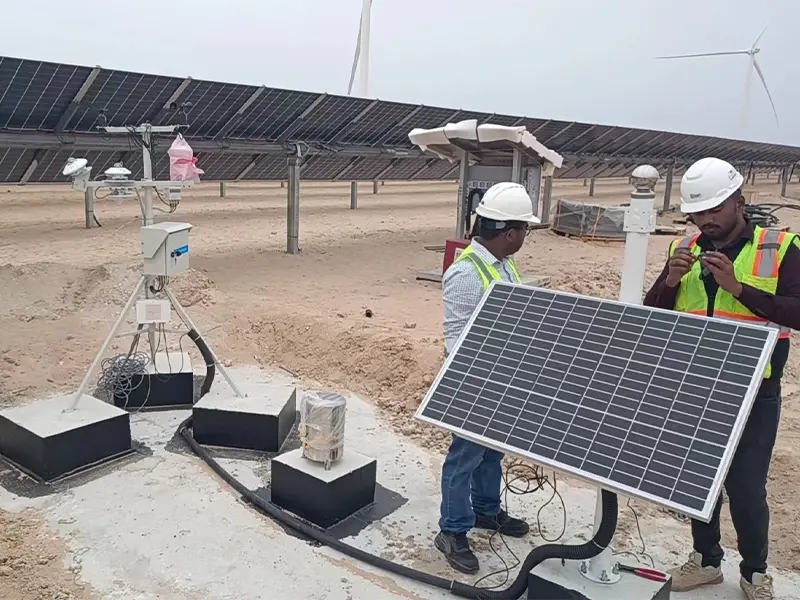
Hệ thống giám sát môi trường nhà máy điện quang điện là một hệ thống thông minh tích hợp thu thập dữ liệu cảm biến, truyền dữ liệu, phân tích thông minh và quản lý nền tảng. Bằng cách triển khai một loạt các cảm biến độ chính xác cao tại hiện trường nhà máy điện, hệ thống tự động thu thập các thông số môi trường và khí tượng chính cần thiết cho vận hành hòa lưới suốt ngày đêm. Hệ thống giám sát trang trại năng lượng mặt trời giải quyết hiệu quả các điểm đau của ngành như phạm vi hạn chế của thiết bị giám sát truyền thống, sự không nhất quán dữ liệu và sự lộn xộn của thiết bị.
Hệ thống giám sát những thông số cốt lõi nào?
- Bức xạ mặt trời: Bức xạ tổng cộng nằm ngang, bức xạ tổng cộng nghiêng, bức xạ trực tiếp, bức xạ khuếch tán, số giờ nắng đỉnh.
- Nhiệt độ: Nhiệt độ môi trường xung quanh, nhiệt độ mặt sau mô-đun PV.
- Khí tượng: Tốc độ gió, hướng gió, độ ẩm môi trường, áp suất khí quyển.
Tại sao các Trang trại Năng lượng Mặt trời Cần Hệ thống Giám sát Môi trường?
Giám sát môi trường đã dần phát triển từ một công cụ hỗ trợ truyền thống thành một phần không thể thiếu của các nhà máy điện quang điện hiện đại. Đối với các nhà máy điện mặt đất quy mô lớn, dữ liệu môi trường chính xác không chỉ cải thiện hiệu suất phát điện mà còn giúp các đội vận hành và bảo trì nhanh chóng xác định vấn đề, giảm rủi ro vận hành và đáp ứng các yêu cầu dữ liệu giám sát của ngày càng nhiều dự án quốc tế.
Cải thiện Hiệu suất Phát điện
Giám sát thời gian thực bức xạ mặt trời, nhiệt độ và tốc độ gió giúp phân tích sản lượng điện thực tế của các mô-đun và cải thiện hiệu quả sử dụng năng lượng.
Giảm thiểu rủi ro hoạt động
Phát hiện sớm các điều kiện thời tiết bất thường, sự cố thiết bị và xu hướng suy giảm hiệu suất giúp giảm thiểu thời gian ngừng hoạt động ngoài kế hoạch.
Nâng cao Độ chính xác của Phân tích PR
Dữ liệu môi trường đóng vai trò là cơ sở quan trọng cho việc tính toán Tỷ lệ Hiệu suất (PR), giúp đánh giá hiệu quả vận hành thực sự của nhà máy điện.
Đáp ứng Yêu cầu Tiêu chuẩn IEC
Ngày càng nhiều dự án PV quốc tế yêu cầu giám sát môi trường theo IEC 61724-1, nâng cao độ tin cậy của việc nghiệm thu dự án và tài chính.
Hỗ trợ O&M Từ xa
Tích hợp với hệ thống SCADA, giải pháp này cho phép giám sát từ xa, cảnh báo và phân tích dữ liệu, cải thiện hiệu quả vận hành và bảo trì.
Kéo dài Tuổi thọ Thiết bị
Giám sát sự thay đổi của nhiệt độ, độ ẩm và tốc độ gió giúp giảm nguy cơ lão hóa mô-đun và hư hỏng thiết bị.
Các yếu tố môi trường ảnh hưởng đến hiệu suất phát điện của nhà máy điện mặt trời như thế nào?
Công suất đầu ra của các mô-đun quang điện không chỉ phụ thuộc vào bức xạ mặt trời mà còn bị ảnh hưởng bởi nhiều yếu tố môi trường khác nhau, chẳng hạn như nhiệt độ, tốc độ gió, độ ẩm, lượng mưa và tích tụ bụi. Chỉ bằng cách thu thập toàn diện dữ liệu này, người ta mới có thể phân tích chính xác hiệu suất phát điện và tình trạng sức khỏe của hệ thống.
Cường độ bức xạ mặt trời
Bức xạ mặt trời là yếu tố chính quyết định sản lượng điện quang điện và đóng vai trò là cơ sở quan trọng để tính toán sản lượng điện lý thuyết và Tỷ lệ Hiệu suất (PR).
- Xác định công suất đầu ra lý thuyết của các mô-đun
- Được sử dụng để tính toán Tỷ lệ Hiệu suất
- Đánh giá tác động của bóng che
- Hỗ trợ dự báo phát điện
Nhiệt độ mô-đun
Nhiệt độ của mô-đun quang điện càng cao thì hiệu suất chuyển đổi của nó càng thấp. Nói chung, cứ tăng 1°C nhiệt độ của mô-đun silicon tinh thể, công suất đầu ra giảm khoảng 0,3% đến 0,5%.
Chức năng Chính:
- Phân tích nguyên nhân giảm hiệu suất phát điện
- Đánh giá hiệu suất tản nhiệt của mô-đun
- Tối ưu hóa thiết kế lắp đặt
- Cải thiện độ chính xác của phân tích PR
Nhiệt độ môi trường
Nhiệt độ môi trường xung quanh ảnh hưởng đến hiệu suất hoạt động của bộ biến tần, thiết bị lưu trữ năng lượng và toàn bộ hệ thống.
Chức năng Chính:
- Tinh chỉnh mô hình nhiệt độ mô-đun
- Đánh giá môi trường vận hành
- Cải thiện độ chính xác dự báo
- Bảo vệ thiết bị
Tốc độ Gió & Hướng Gió
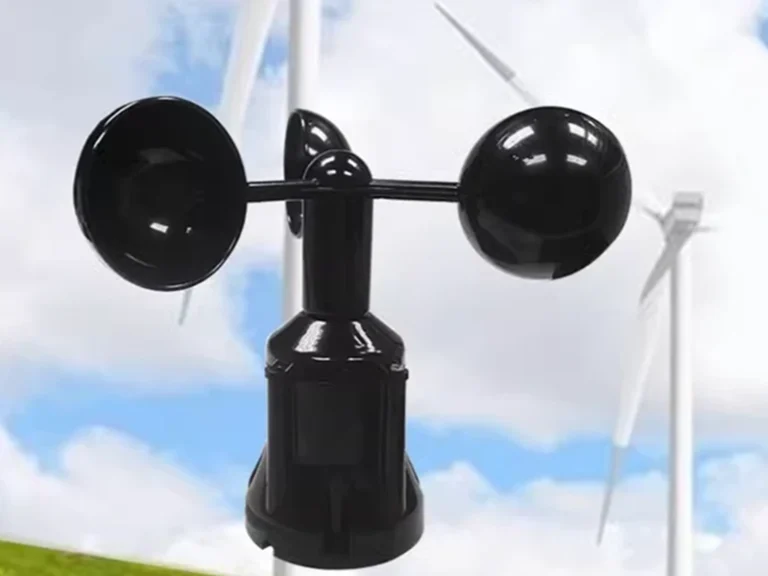
Tốc độ gió giúp các mô-đun tản nhiệt, trong khi hướng gió ảnh hưởng đến hướng tích tụ bụi.
Chức năng Chính:
- Cải thiện hiệu suất tản nhiệt của mô-đun
- Xác định các điều kiện thời tiết khắc nghiệt
- Tối ưu hóa lịch trình vệ sinh
- Hỗ trợ thiết kế an toàn kết cấu
Lượng mưa
Lượng mưa không chỉ ảnh hưởng đến sản xuất điện mà còn giúp làm sạch tự nhiên các mô-đun.
Chức năng Chính:
- Xác định xem có cần vệ sinh thủ công hay không
- Tối ưu hóa chi phí vận hành và bảo trì
- Nâng cao hiệu suất phát điện
- Hỗ trợ thiết kế thoát nước
Độ ẩm
Môi trường có độ ẩm cao dễ dẫn đến hiệu ứng PID, ngưng tụ hơi nước và ăn mòn thiết bị.
Chức năng Chính:
- Giảm thiểu rủi ro PID
- Xác định môi trường dễ xảy ra ngưng tụ hơi nước
- Kéo dài tuổi thọ thiết bị
- Cải thiện độ tin cậy của thiết bị
Giám sát tình trạng bẩn
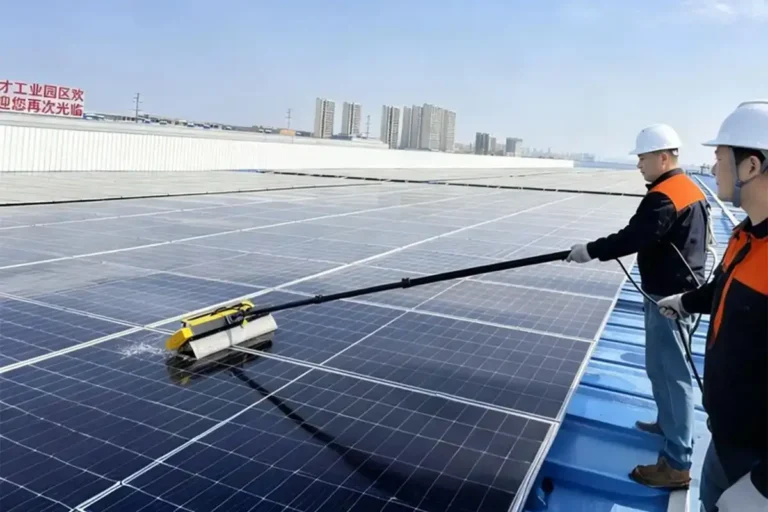
Bám bẩn đã trở thành yếu tố quan trọng ảnh hưởng đến các nhà máy điện mặt trời ở khu vực sa mạc, khai thác mỏ và ven biển. Các nghiên cứu cho thấy, ở một số vùng khô hạn, bám bẩn có thể gây tổn thất sản lượng điện từ 5% đến 30%.
- Tối ưu hóa lịch trình vệ sinh
- Giảm chi phí nhân công
- Tăng sản lượng năng lượng
- Cải thiện lợi tức đầu tư
Giải pháp Giám sát Môi trường Trang trại Năng lượng Mặt trời bao gồm những thiết bị nào?
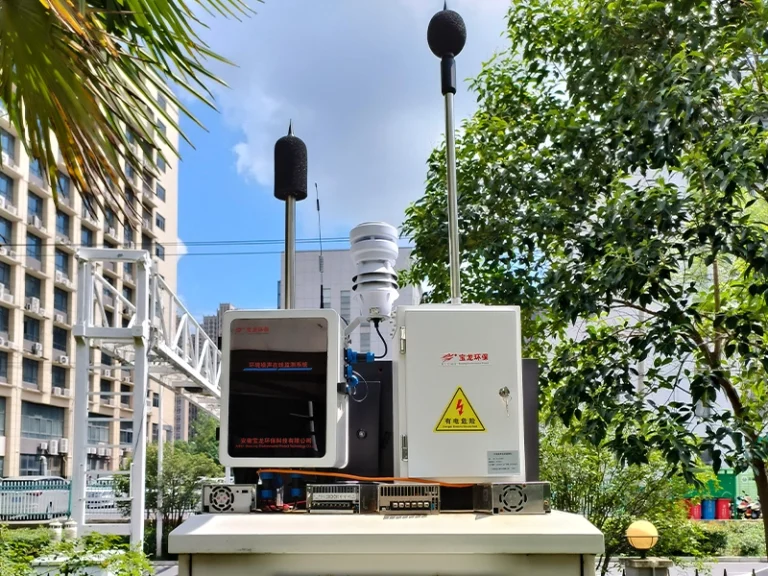
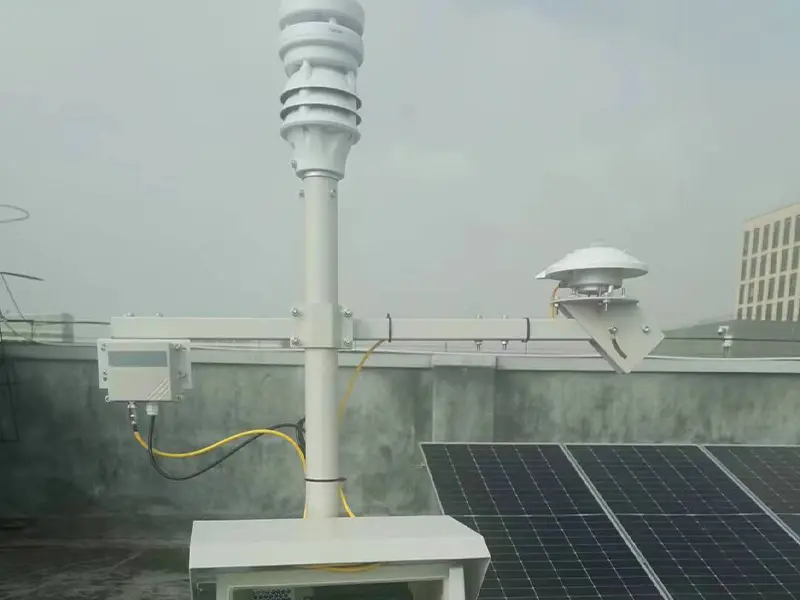
Một hệ thống giám sát môi trường toàn diện thường bao gồm nhiều cảm biến có độ chính xác cao, thiết bị thu thập dữ liệu, mạng truyền thông và nền tảng giám sát. Hãy liên hệ với đội ngũ kỹ thuật của chúng tôi để được cấu hình linh hoạt phù hợp với quy mô dự án của bạn.
| Các thông số giám sát | Thiết bị được khuyến nghị | Chức năng chính |
|---|---|---|
| Cường độ bức xạ mặt trời | Máy đo bức xạ mặt trời | Giám sát Bức xạ Mặt trời |
| Bức xạ POA | Cảm biến POA | Bức xạ bề mặt của mô-đun giám sát |
| Nhiệt độ môi trường | Cảm biến nhiệt độ | Giám sát Nhiệt độ Môi trường |
| Nhiệt độ mô-đun | Cảm biến PT100 | Giám sát Nhiệt độ Mô-đun |
| Tốc độ gió | Cảm biến Gió Siêu âm | Phân tích An toàn và Quản lý Nhiệt |
| Hướng gió | Cảm biến hướng gió | Phân tích Thời tiết |
| Lượng mưa | Thiết bị đo lượng mưa | Giám sát Lượng mưa |
| Độ ẩm | Cảm biến độ ẩm | Giám sát Độ ẩm |
| Áp suất | Cảm biến Khí áp | Phân tích Thời tiết |
| Thiết bị ghi dữ liệu | Bộ thu thập dữ liệu | Thu thập dữ liệu |
| Cổng giao tiếp | RS485/4G/Ethernet | Truyền dữ liệu |
| Nền tảng đám mây | Nền tảng SCADA | Giám sát Từ xa |
Việc triển khai hệ thống giám sát môi trường có thể mang lại những lợi ích gì cho trang trại năng lượng mặt trời?
Đối với các nhà đầu tư vào nhà máy điện mặt trời, giám sát môi trường không chỉ là công cụ thu thập dữ liệu mà còn là phương tiện chính để gia tăng lợi nhuận dự án.
Nâng cao hiệu suất phát điện và độ chính xác vận hành & bảo trì
- Chẩn đoán Sự cố Chính xác: Bằng cách so sánh sản lượng điện thực tế với sản lượng điện lý thuyết dựa trên dữ liệu bức xạ, có thể nhanh chóng xác định lỗi chuỗi hoặc bất thường của thiết bị.
- Tối ưu hóa Chiến lược Vận hành và Bảo trì: Bằng cách đối chiếu dữ liệu môi trường với dữ liệu sản xuất điện, hệ thống có thể phân biệt chính xác giữa biến động sản lượng điện do yếu tố môi trường và do sự cố thiết bị, từ đó tối ưu hóa lịch vệ sinh mô-đun, kế hoạch bảo trì thiết bị và chiến lược điều độ nhà máy điện.
- Phân tích Tổn thất Nhiệt: Bằng cách giám sát liên tục nhiệt độ mặt sau của mô-đun, có thể phân tích chính xác tổn thất nhiệt, giúp nhân viên vận hành và bảo trì xác định các vấn đề tiềm ẩn như điểm nóng, sự cố mô-đun và tản nhiệt kém.
Đảm bảo An toàn Hòa lưới và Ổn định Lưới điện
- Cảnh báo Sớm về Biến động Điện năng: Đối với các nhà máy điện quang điện hòa lưới, hệ thống có thể dự báo chính xác biến động sản lượng điện do thời tiết khắc nghiệt và đưa ra cảnh báo sớm về các rủi ro tiềm ẩn đối với hoạt động hòa lưới.
- Hỗ trợ Điều độ Lưới điện: Dữ liệu giám sát thời gian thực có thể được tải lên đồng bộ nền tảng điều độ lưới điện, cung cấp hỗ trợ dữ liệu chính xác cho điều độ lưới điện thông minh, đảm bảo sản lượng quang điện khớp chính xác với nhu cầu tải lưới điện.
Hỗ trợ quản lý vòng đời đầy đủ của nhà máy điện
- Đánh giá tài nguyên và Dự báo doanh thu: Dữ liệu môi trường liên tục, dài hạn có thể được sử dụng để đánh giá tài nguyên năng lượng mặt trời, dự báo doanh thu sơ bộ cho nhà máy điện và hiệu chuẩn dữ liệu viễn thám vệ tinh.
- Hỗ trợ Nghiên cứu và Thiết kế: Dữ liệu cũng hỗ trợ nghiên cứu cân bằng năng lượng khí quyển và phân tích biến đổi khí hậu, đồng thời cung cấp hỗ trợ cho việc nâng cấp và lựa chọn địa điểm nhà máy điện.
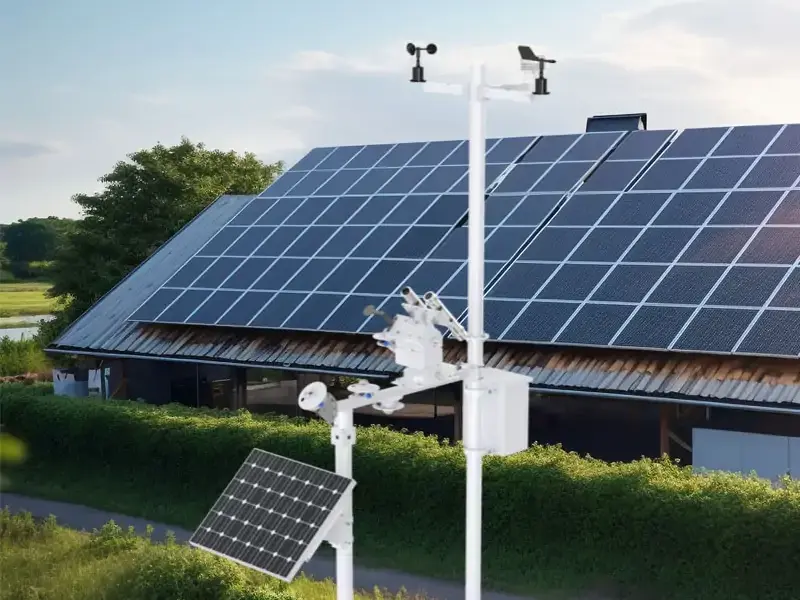
Trạm thời tiết so với Hệ thống giám sát môi trường
| Hạng mục so sánh | Trạm khí tượng | Hệ thống Giám sát Môi trường |
|---|---|---|
| Các thông số giám sát | Chỉ có dữ liệu khí tượng cơ bản: nhiệt độ, độ ẩm, tốc độ gió, hướng gió, lượng mưa, áp suất khí quyển | Đầy đủ các thông số khí tượng + chuyên dụng cho PV: bức xạ mặt trời (GHI), bức xạ POA, nhiệt độ module, dữ liệu bám bẩn, v.v. |
| Khả năng phân tích dữ liệu | Hiển thị và ghi nhật ký dữ liệu cơ bản | Phân tích nâng cao, bao gồm Tỷ lệ hiệu suất (PR), phân tích tổn thất năng lượng và đánh giá hiệu suất hệ thống |
| Tích hợp SCADA | Tích hợp hạn chế hoặc không có | Tích hợp đầy đủ SCADA / EMS / nền tảng đám mây qua RS485 / Modbus RTU / Ethernet / 4G |
| Tuân thủ IEC 61724 | Một phần hoặc không tuân thủ | Tuân thủ đầy đủ IEC 61724-1 (Hệ thống giám sát Lớp A/B/C) |
| Quản lý từ xa | Giám sát cục bộ cơ bản hoặc truy cập từ xa hạn chế | Giám sát từ xa thời gian thực, bảng điều khiển đám mây, hệ thống cảnh báo và phân tích dữ liệu lịch sử |
| Khả năng mở rộng | Khả năng mở rộng hạn chế | Hệ thống có khả năng mở rộng cao với hỗ trợ thêm cảm biến (POA, bám bẩn, aerosol, albedo, v.v.) |
| Phạm vi ứng dụng | Nông nghiệp, quan trắc thời tiết cơ bản, dự án quy mô nhỏ | Trang trại năng lượng mặt trời quy mô tiện ích, dự án EPC, nhà máy điện PV |
| Độ phức tạp của hệ thống | Thấp, thiết bị độc lập | Trung bình đến cao, giải pháp hệ thống tích hợp |
| Giá trị đầu tư | Chỉ cung cấp thông tin thời tiết cơ bản | Cải thiện trực tiếp sản lượng năng lượng và ROI dự án thông qua tối ưu hóa hiệu suất |
| Giá trị Vận hành và Bảo trì (O&M) | Hiểu biết bảo trì hạn chế | Cho phép bảo trì dự đoán và tối ưu hóa vận hành nâng cao |
Ứng dụng trong các Dự án Năng lượng Mặt trời Khác nhau
Các dự án quang điện mặt trời đang phát triển đa dạng trên toàn thế giới, từ các nhà máy điện mặt đất quy mô lớn đến các hệ thống mái nhà phân tán, cũng như các nhà máy điện nổi và trên sa mạc. Các yêu cầu đối với hệ thống giám sát môi trường khác nhau đáng kể giữa các kịch bản ứng dụng khác nhau này. Việc lựa chọn giải pháp giám sát phù hợp không chỉ cải thiện hiệu suất phát điện mà còn giảm chi phí O&M và tối ưu hóa lợi tức đầu tư dài hạn.
Trang trại Năng lượng Mặt trời Quy mô Tiện ích
Tập trung vào giám sát bức xạ và hiệu suất PR độ chính xác cao để tối đa hóa sản lượng năng lượng và hỗ trợ tích hợp SCADA.
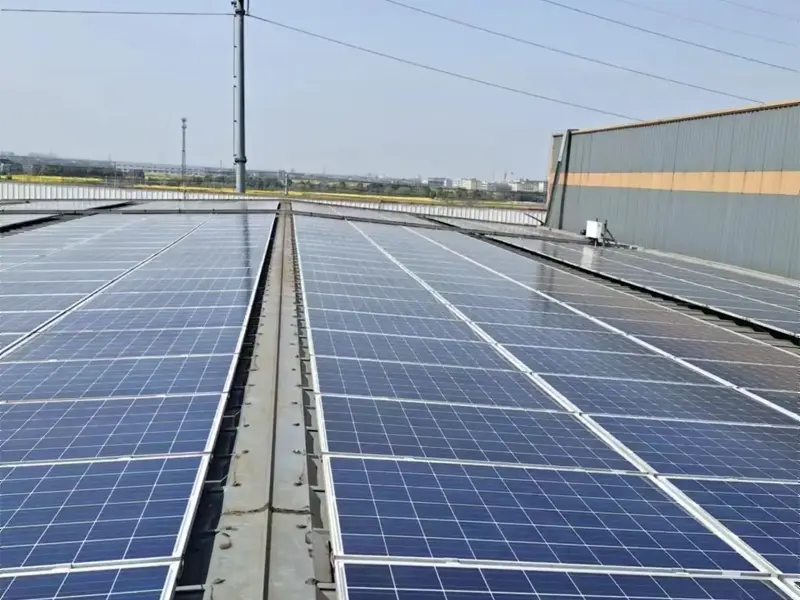
Hệ thống PV Mái nhà Thương mại & Công nghiệp
Được thiết kế để theo dõi hiệu suất hệ thống và giám sát từ xa hiệu quả về chi phí với cấu hình cảm biến đơn giản hóa.
Trang trại Năng lượng Mặt trời Nổi
Yêu cầu giám sát độ ẩm, tốc độ gió và vi khí hậu bề mặt nước để đảm bảo an toàn kết cấu và ổn định lâu dài.
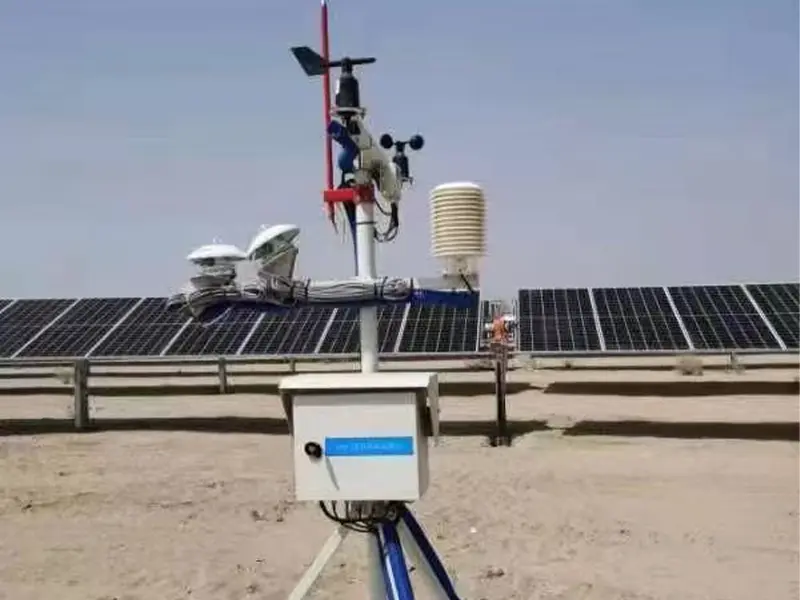
Dự án Năng lượng Mặt trời Sa mạc
Nhấn mạnh vào phát hiện bám bẩn, giám sát tác động của bụi và khả năng chịu nhiệt độ cao để giảm tổn thất năng lượng đáng kể.
Nhà máy Năng lượng Mặt trời ở Vùng Núi & Địa hình Phức tạp
Sử dụng các trạm giám sát phân tán để nắm bắt các biến thể vi khí hậu và cải thiện độ chính xác sản lượng năng lượng trên địa hình không bằng phẳng.
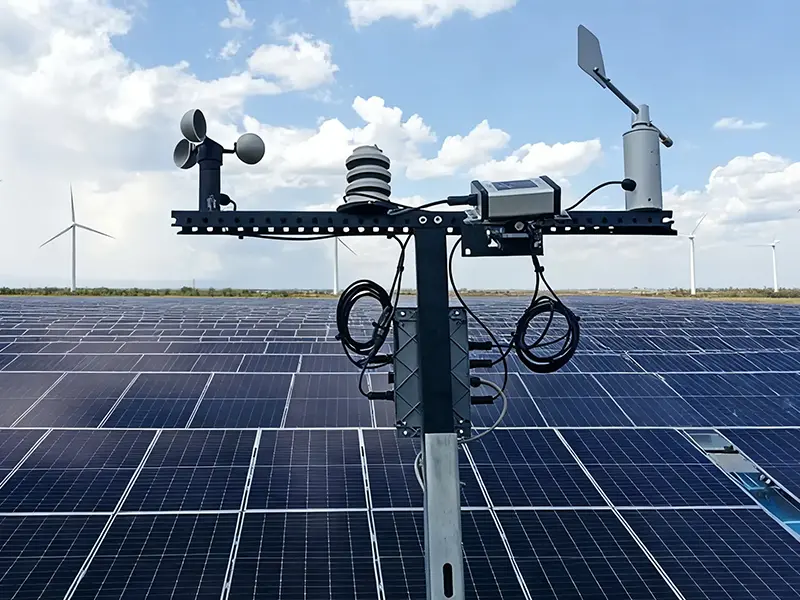
Dự án Năng lượng Tái tạo Hỗn hợp
Tích hợp dữ liệu môi trường năng lượng mặt trời và gió vào hệ thống SCADA/EMS để tối ưu hóa dự báo năng lượng và điều độ lưới điện.
Làm thế nào để chọn giải pháp giám sát môi trường phù hợp cho trang trại năng lượng mặt trời?
Yêu cầu đối với hệ thống giám sát môi trường thay đổi tùy theo quy mô dự án, vị trí địa lý và hạn chế ngân sách. Trong quá trình mua sắm, khuyến nghị tập trung vào các khía cạnh sau.
- Tích hợp Tất cả trong Một:
Không cần lắp ráp riêng lẻ hoặc đi dây phức tạp; tất cả các yếu tố giám sát được tích hợp vào một giải pháp tất cả trong một duy nhất. - Độ chính xác và Ổn định Cao:
Được trang bị cảm biến bức xạ nhiệt điện trở có độ chính xác cao và cảm biến tốc độ và hướng gió siêu âm, đảm bảo dữ liệu chính xác và đáng tin cậy. - Thiết kế Bền bỉ:
Có cấp bảo vệ cao (ví dụ: IP65) và chịu được các điều kiện ngoài trời khắc nghiệt như nhiệt độ cao, cực lạnh, gió, mưa và bụi. - Hỗ trợ Vận hành và Bảo trì Thông minh:
Cho phép tải dữ liệu lên nền tảng giám sát dựa trên đám mây theo thời gian thực, tạo điều kiện cho trực quan hóa dữ liệu, truy xuất lịch sử, xuất báo cáo và cảnh báo bất thường. - Các giao thức truyền thông:
Hỗ trợ nhiều giao diện, bao gồm RS485, Modbus RTU, SDI-12, 4G và Ethernet. - Khả năng Tương thích Hệ thống:
Tích hợp liền mạch với các nền tảng SCADA, EMS và bên thứ ba.
Tại sao chọn Yantai Sensor?
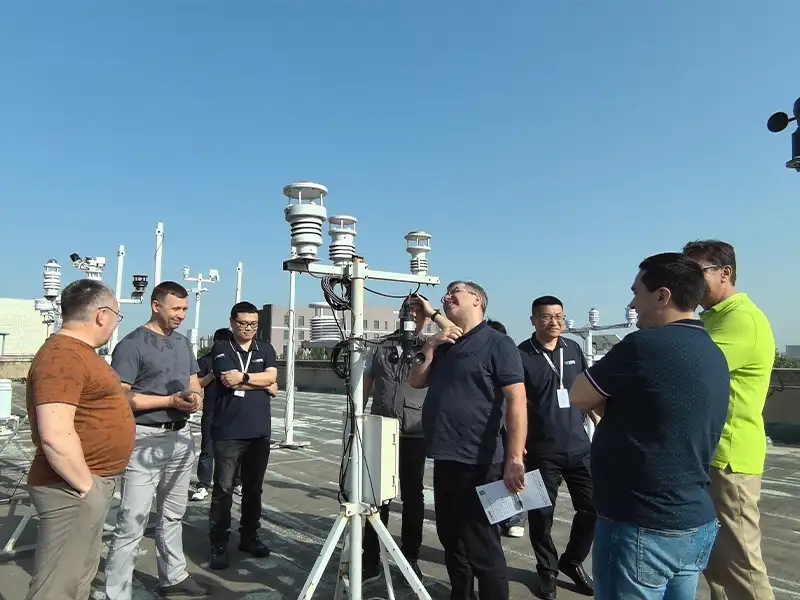
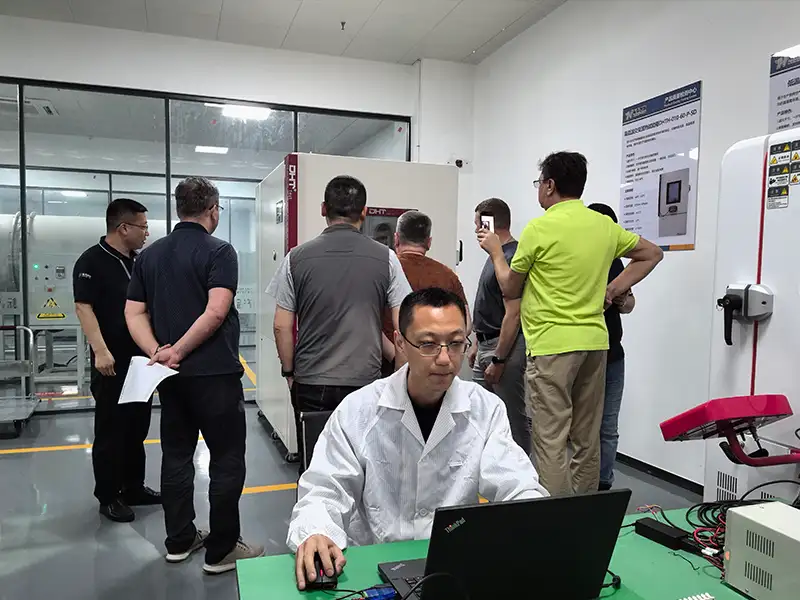
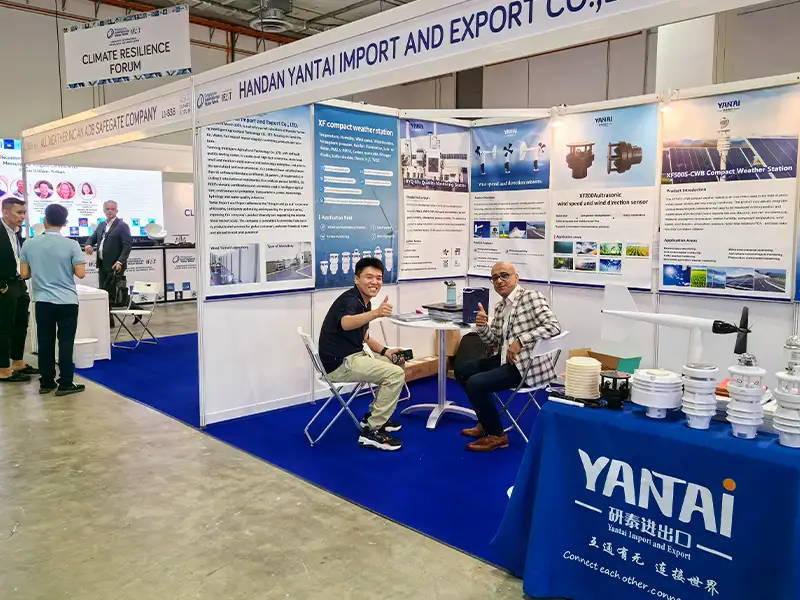
Là nhà sản xuất thiết bị giám sát môi trường chuyên nghiệp, Yantai Sensor cam kết cung cấp các giải pháp giám sát môi trường ổn định và đáng tin cậy cho các nhà máy điện mặt trời trên toàn thế giới.
Thế mạnh của chúng tôi bao gồm:
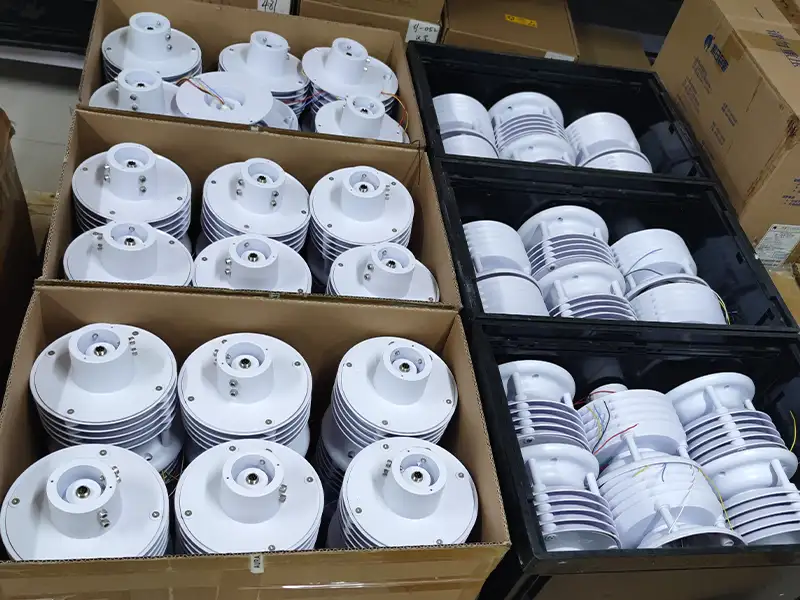
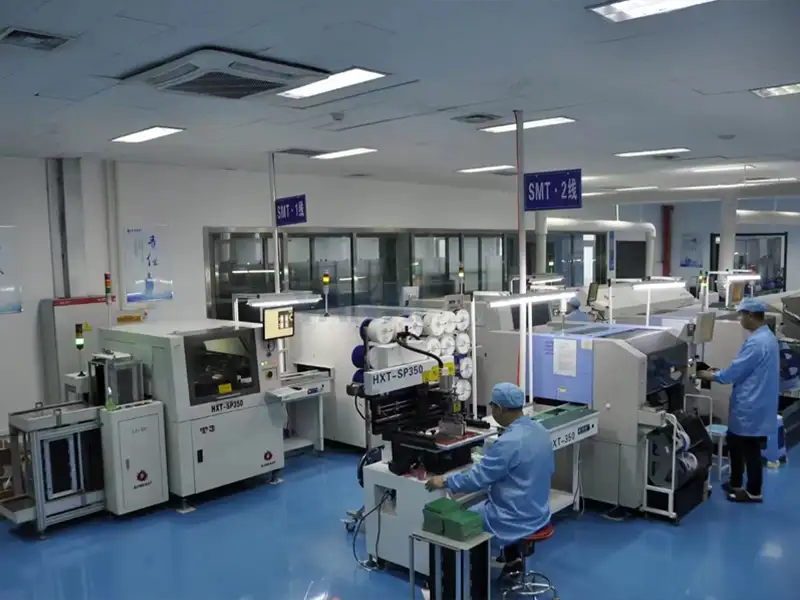
Nghiên cứu, phát triển và sản xuất nội bộ
Kinh nghiệm sâu rộng trong các dự án trang trại năng lượng mặt trời
Hỗ trợ Tùy chỉnh OEM/ODM
Cảm biến Giám sát Môi trường Độ chính xác Cao
Hỗ trợ các Giao thức Truyền thông Bao gồm RS485, Modbus, 4G và LoRa
Tuân thủ các Tiêu chuẩn Quốc tế, như IEC 61724-1
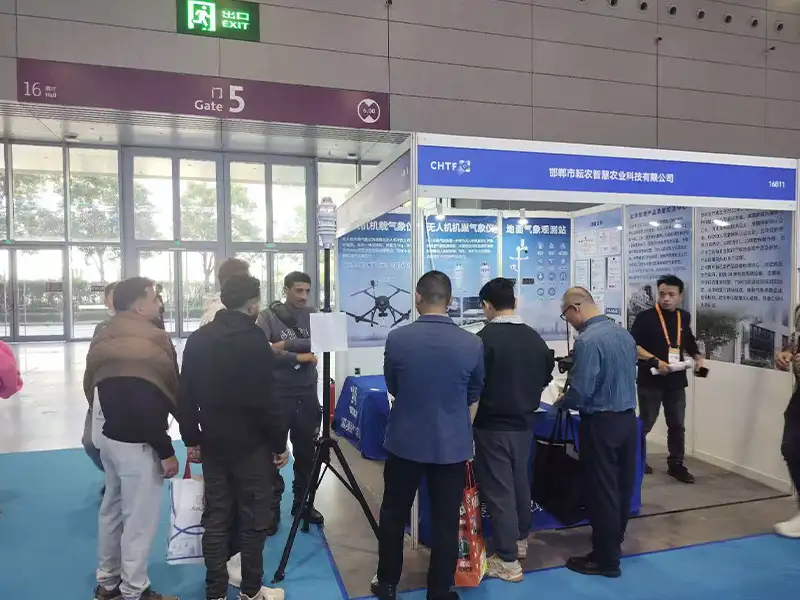
Hỗ trợ Kỹ thuật Toàn cầu và Giao hàng Nhanh chóng
Cho dù bạn là nhà thầu EPC, nhà tích hợp hệ thống hay nhà vận hành nhà máy điện mặt trời, Yantai Sensor có thể cung cấp các khuyến nghị chuyên nghiệp về cấu hình hệ thống giám sát môi trường phù hợp với nhu cầu dự án của bạn.
Kết luận
Khi ngành công nghiệp quang điện tiếp tục phát triển theo hướng vận hành thông minh và số hóa hơn, các giải pháp giám sát môi trường trang trại năng lượng mặt trời đã trở thành một thành phần thiết yếu để nâng cao hiệu suất nhà máy điện và giảm thiểu rủi ro vận hành. Bằng cách giám sát bức xạ mặt trời, nhiệt độ mô-đun, tốc độ gió, lượng mưa và các thông số môi trường chính khác trong thời gian thực, chủ dự án có thể phân tích chính xác hơn hiệu quả phát điện, tối ưu hóa chiến lược O&M và cải thiện lợi nhuận đầu tư dài hạn.
Nếu bạn đang lên kế hoạch cho một dự án năng lượng mặt trời mới hoặc nâng cấp hệ thống giám sát hiện tại, vui lòng liên hệ liên hệ Yantai Sensor. Đội ngũ chuyên nghiệp của chúng tôi sẽ cung cấp cho bạn các giải pháp giám sát môi trường tùy chỉnh dựa trên quy mô dự án, môi trường ứng dụng và yêu cầu kỹ thuật, giúp trang trại năng lượng mặt trời của bạn đạt được hiệu quả phát điện cao hơn và vận hành ổn định lâu dài hơn.