Giới thiệu
Nhiều nhà máy điện mặt trời hiện nay được trang bị hệ thống giám sát inverter để theo dõi sản lượng điện, nhưng các đội vận hành thường cần thêm thông tin để hiểu nguyên nhân đằng sau sự biến động hiệu suất. Khi sản lượng thực tế không đạt kỳ vọng, các câu hỏi vẫn còn đó: Sự khác biệt này do thay đổi thời tiết, bức xạ mặt trời không đủ, bụi bẩn trên tấm pin, hay các vấn đề tiềm ẩn của hệ thống? Nếu không có dữ liệu môi trường đáng tin cậy, việc đánh giá chính xác tình trạng nhà máy và đưa ra quyết định bảo trì sáng suốt là rất khó khăn.
Một Hệ thống Giám sát PV được thiết kế tốt sẽ kết hợp dữ liệu sản lượng điện với các phép đo môi trường như bức xạ mặt trời, nhiệt độ, điều kiện gió và các yếu tố đặc thù khác của địa điểm. Lớp giám sát bổ sung này cho phép chủ sở hữu nhà máy điện mặt trời và đội O&M phân tích hiệu suất tốt hơn, xác định các yếu tố ảnh hưởng và phát triển các chiến lược bảo trì có mục tiêu hơn.
Việc lựa chọn giải pháp giám sát PV phù hợp đòi hỏi nhiều hơn là chỉ chọn từng cảm biến riêng lẻ. Cấu hình hệ thống phải phù hợp với quy mô dự án, mục tiêu giám sát, điều kiện môi trường và yêu cầu tích hợp. Hướng dẫn này khám phá các yếu tố lựa chọn chính, bao gồm yêu cầu giám sát, cấu hình hệ thống, tùy chọn cảm biến, kịch bản ứng dụng và các giải pháp giám sát PV của Yantai Sensor cho các ứng dụng quang điện khác nhau. Nếu bạn muốn tìm hiểu 天气监测如何提升光伏电站的投资回报率, ,请点击该文章。.
Chức năng của Hệ thống Giám sát PV
Hệ thống Giám sát PV giúp các nhà vận hành nhà máy điện mặt trời thu thập dữ liệu vận hành và môi trường, đánh giá thay đổi hiệu suất và hỗ trợ các quyết định bảo trì chính xác hơn. Bằng cách kết hợp thông tin phát điện với các phép đo môi trường, hệ thống cung cấp hiểu biết rõ ràng hơn về điều kiện vận hành thực tế của nhà máy PV.Tìm hiểu những cảm biến thường được yêu cầu cho nhà máy PV trong hướng dẫn của chúng tôi: Cần những cảm biến nào cho một nhà máy điện mặt trời?
Thu thập Dữ liệu Thời gian Thực và Giám sát Hiệu suất PV
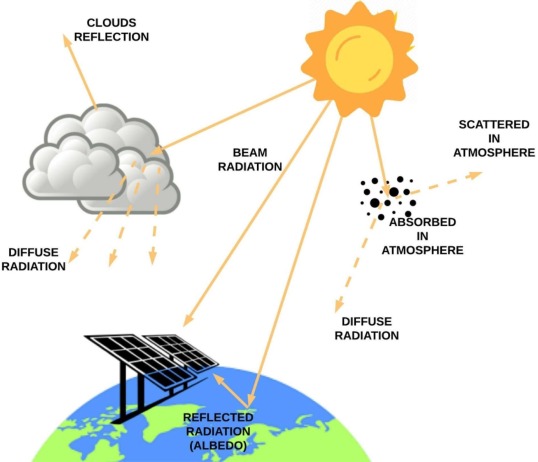
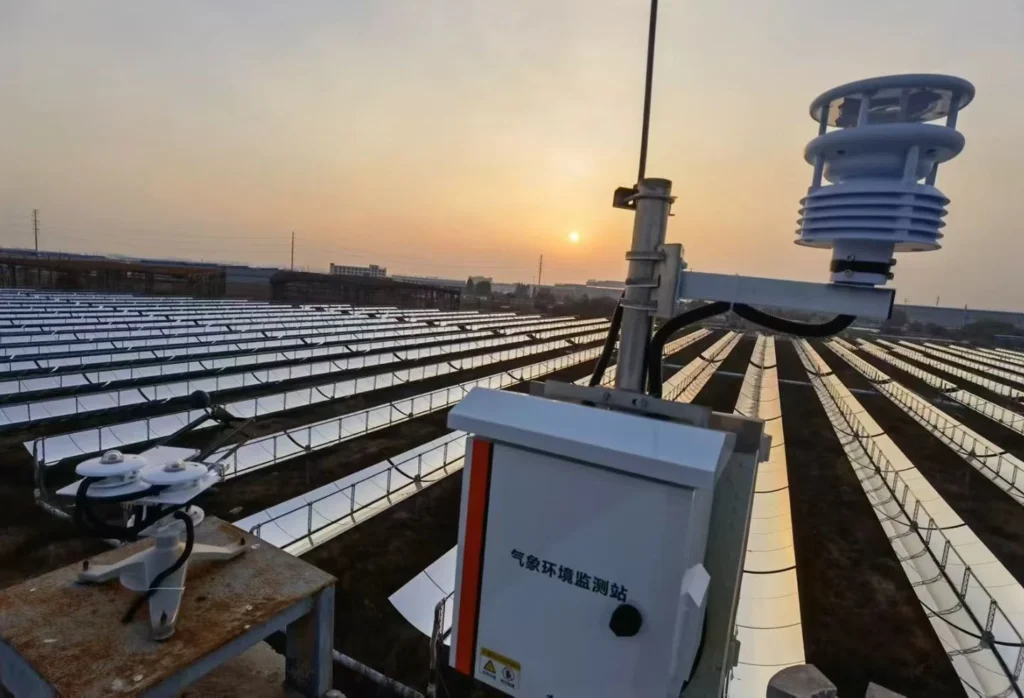
Hệ thống Giám sát PV thu thập các thông số chính bao gồm bức xạ mặt trời, nhiệt độ tấm pin, nhiệt độ môi trường, điều kiện gió và dữ liệu sản lượng điện. So với chỉ dữ liệu từ inverter, các phép đo môi trường giúp người vận hành phân tích sự khác biệt giữa sản lượng thực tế và dự kiến, đồng thời đánh giá các yếu tố ảnh hưởng đến hiệu suất PV.
Giám sát Điều kiện Môi trường cho Nhà máy Điện Mặt trời
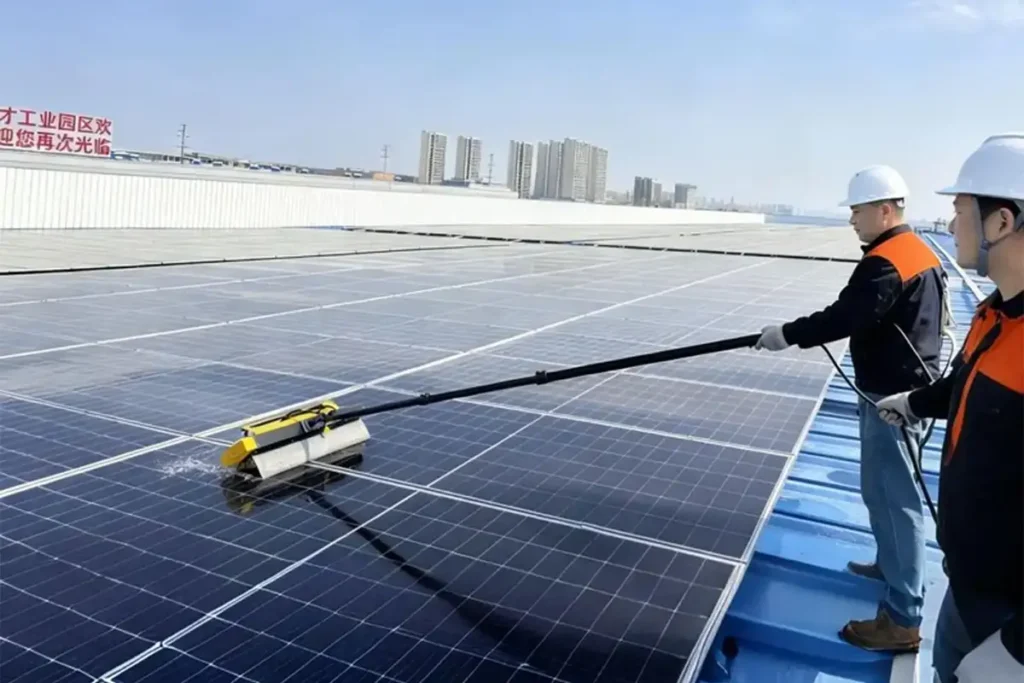
Các nhà máy điện mặt trời trong các môi trường khác nhau phải đối mặt với các thách thức vận hành khác nhau, chẳng hạn như tích tụ bụi ở khu vực sa mạc, thay đổi nhiệt độ ở khí hậu khắc nghiệt và biến động thời tiết. Giám sát môi trường cung cấp dữ liệu bổ sung để đánh giá các tác động bên ngoài đến sản lượng năng lượng và hỗ trợ các chiến lược vận hành phù hợp với từng địa điểm.
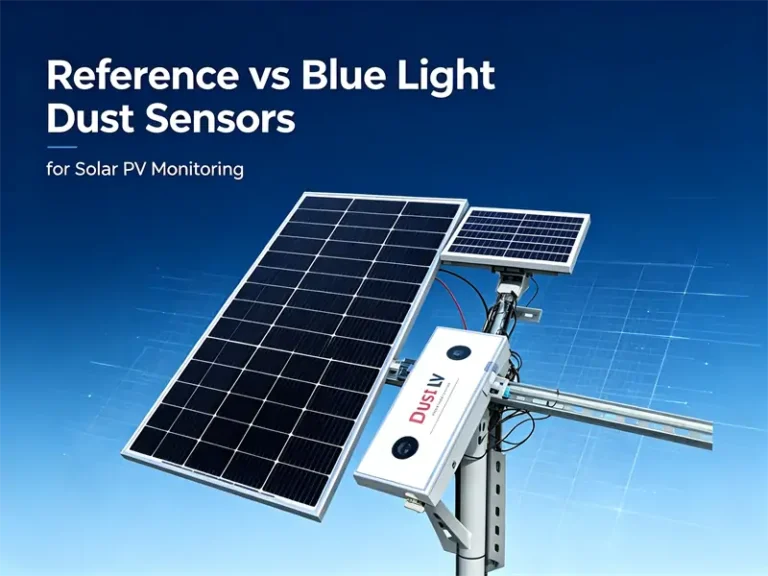
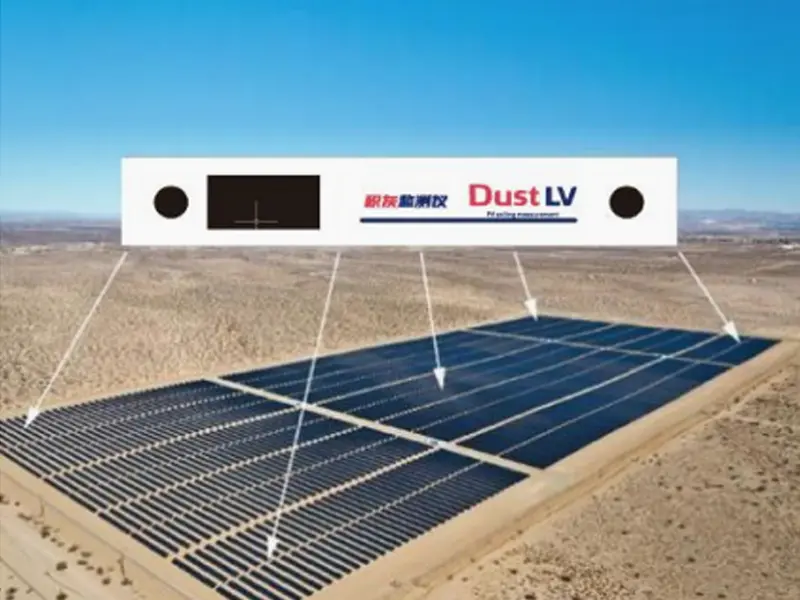
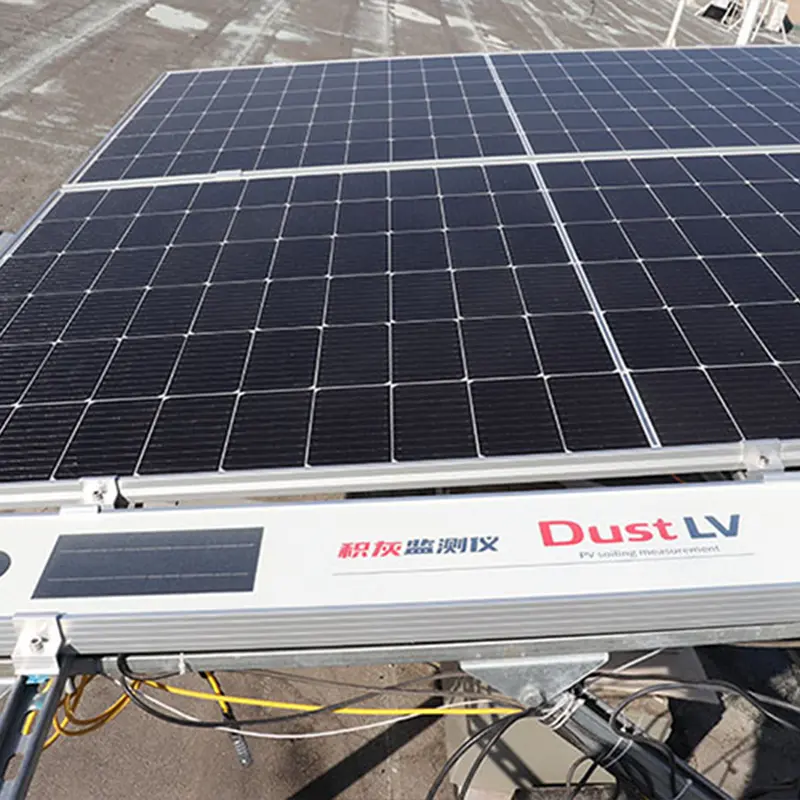
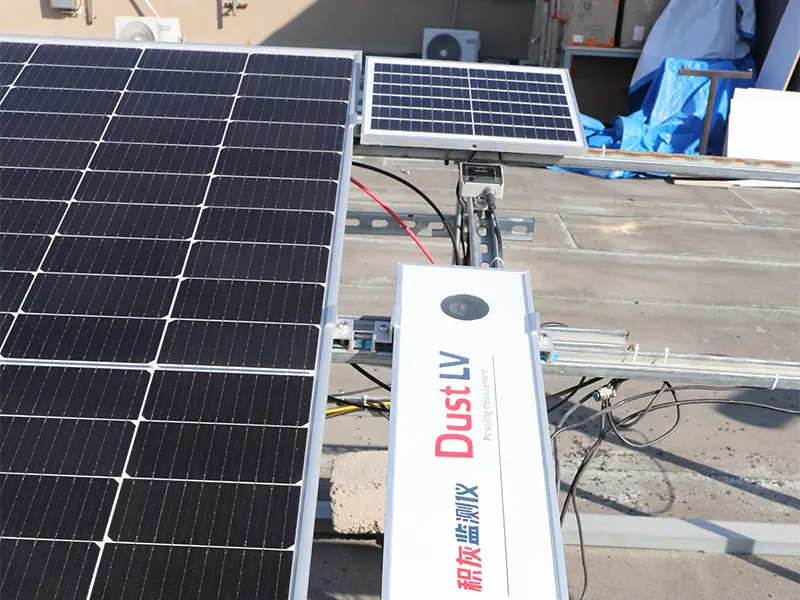
Đối với các ứng dụng PV có nhiều bụi, Thiết bị Giám sát Tình trạng Ô nhiễm Tấm pin DustLV giúp theo dõi tình trạng ô nhiễm của tấm pin và cung cấp dữ liệu hỗ trợ cho việc lập kế hoạch vệ sinh.
Phân tích Dữ liệu và Hỗ trợ Quyết định Bảo trì
Phân tích dữ liệu liên tục cho phép người vận hành PV xác định độ lệch hiệu suất, điều kiện vận hành bất thường và các yêu cầu bảo trì tiềm ẩn. Bằng cách kết hợp dữ liệu sản lượng với thông tin môi trường, đội bảo trì có thể đưa ra các quyết định có mục tiêu hơn cho việc kiểm tra, vệ sinh và vận hành lâu dài nhà máy PV.
Lựa chọn Cấu hình Hệ thống Giám sát PV dựa trên Yêu cầu Ứng dụng
Việc lựa chọn Hệ thống Giám sát PV nên dựa trên quy mô dự án, môi trường lắp đặt và mục tiêu vận hành. Các ứng dụng quang điện khác nhau có yêu cầu khác nhau về thu thập dữ liệu, độ chính xác đo lường và tích hợp hệ thống. Cấu hình phù hợp đảm bảo rằng thông tin thu thập được có thể hỗ trợ đánh giá hiệu suất, lập kế hoạch bảo trì và quản lý nhà máy lâu dài.Nếu bạn muốn xem IEC 61724 ảnh hưởng như thế nào đến giám sát PV và lựa chọn cảm biến, [Hướng dẫn IEC 61724] cung cấp tổng quan thực tiễn.
Giám sát PV Nhỏ gọn cho Hệ thống Điện Mặt trời Quy mô Nhỏ và Phân tán
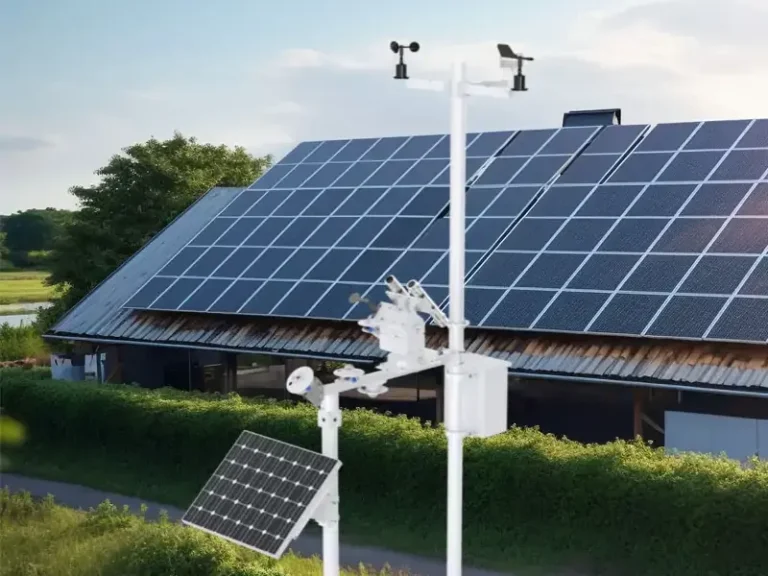
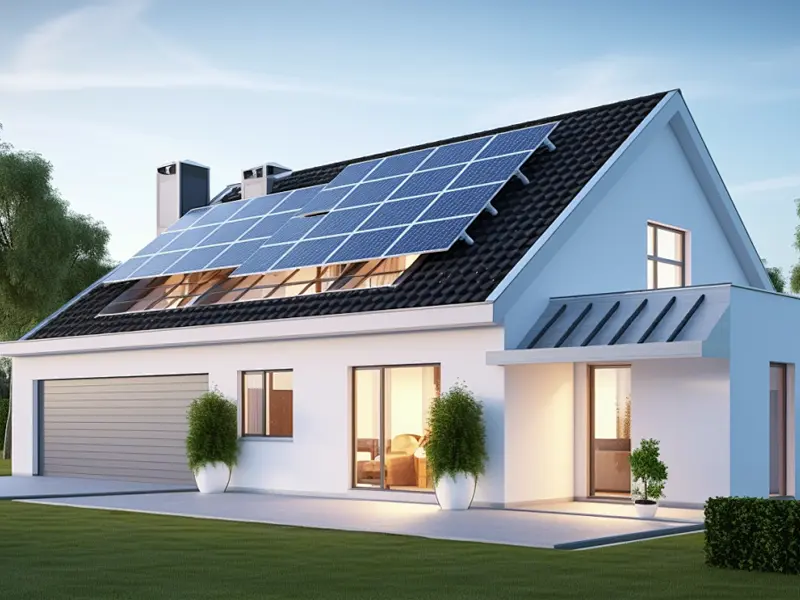
Các hệ thống PV nhỏ và phân tán, bao gồm lắp đặt điện mặt trời trên mái nhà và các dự án thương mại nhỏ, thường có không gian lắp đặt hạn chế và yêu cầu giám sát đơn giản. Các dự án này chủ yếu cần dữ liệu môi trường thiết yếu để hiểu điều kiện vận hành mà không làm tăng thêm độ phức tạp không cần thiết cho hệ thống. Cấu hình giám sát nhỏ gọn phù hợp cho các ứng dụng cần triển khai đơn giản, thu thập dữ liệu ổn định và phân tích hiệu suất PV cơ bản.
Sản phẩm Đề xuất:
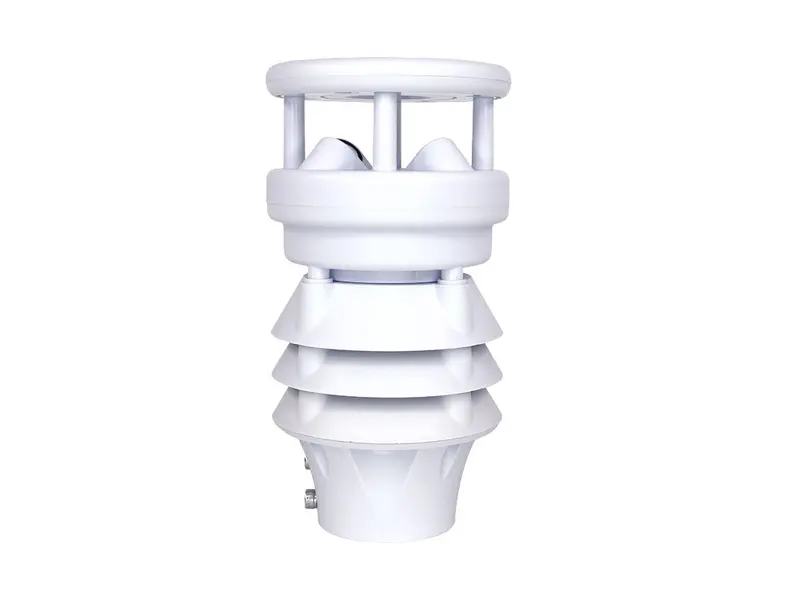
Trạm điện mặt trời XF500S-CWB với cảm biến thời tiết nhỏ gọn
XF500S-CWB được thiết kế cho các ứng dụng PV phân tán nơi tính linh hoạt lắp đặt và hiệu quả không gian là quan trọng. Cảm biến tích hợp đo bức xạ mặt trời, nhiệt độ môi trường, độ ẩm, tốc độ gió, hướng gió và nhiệt độ tấm pin trong một cấu trúc nhỏ gọn. Nó cung cấp dữ liệu thời tiết thiết yếu cho giám sát hiệu suất PV và giúp người vận hành hiểu các điều kiện môi trường ảnh hưởng đến sản lượng điện.

Giám sát Môi trường Tích hợp cho các Dự án PV Thương mại và Công nghiệp
Các dự án PV thương mại và công nghiệp yêu cầu thông tin môi trường chi tiết hơn để đánh giá sản lượng năng lượng và hỗ trợ lập kế hoạch vận hành. So với các hệ thống nhỏ, các dự án này thường có diện tích lắp đặt lớn hơn và điều kiện vận hành phức tạp hơn, đòi hỏi thu thập dữ liệu thời tiết liên tục và khả năng tương thích với các nền tảng giám sát.
Sản phẩm Đề xuất:
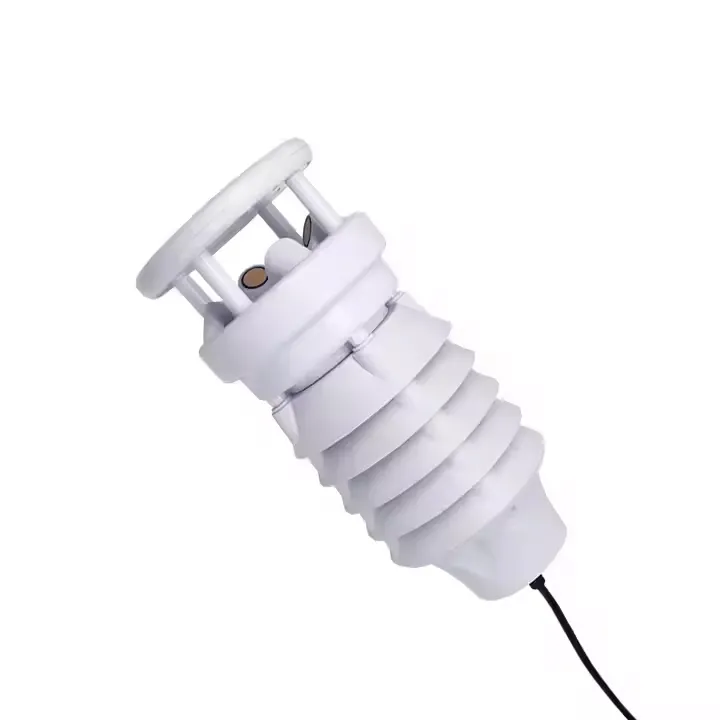
Trạm giám sát môi trường năng lượng mặt trời RYQ-3
RYQ-3 cung cấp giải pháp giám sát môi trường PV đa thông số cho các ứng dụng năng lượng mặt trời thương mại. Hệ thống thu thập các yếu tố môi trường chính bao gồm bức xạ mặt trời, nhiệt độ, độ ẩm, điều kiện gió và nhiệt độ tấm pin. Hệ thống hỗ trợ thu thập dữ liệu thời tiết, đánh giá hiệu suất PV và tích hợp với các hệ thống giám sát hiện có để phân tích vận hành lâu dài.
Cấu hình Giám sát Độ chính xác Cao cho các Trang trại Điện Mặt trời Quy mô Tiện ích
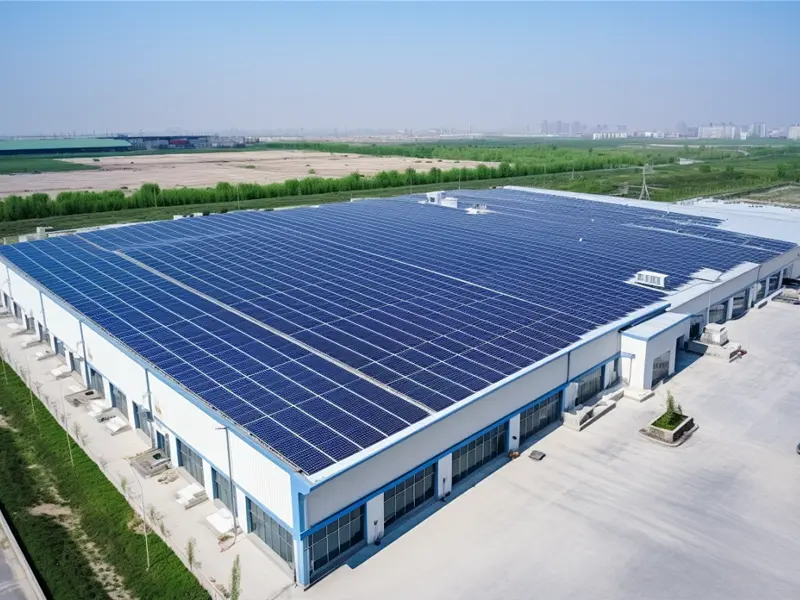
Các trang trại điện mặt trời quy mô tiện ích yêu cầu các phép đo môi trường chính xác vì sự biến động của tài nguyên mặt trời và điều kiện thời tiết có thể ảnh hưởng trực tiếp đến sản lượng năng lượng. Một cấu hình giám sát hoàn chỉnh nên kết hợp dữ liệu khí tượng với phép đo bức xạ mặt trời chính xác để hỗ trợ phân tích tỷ lệ hiệu suất (PR), so sánh sản lượng dự kiến so với thực tế và đánh giá tài nguyên mặt trời dài hạn.
Giải pháp Đề xuất:
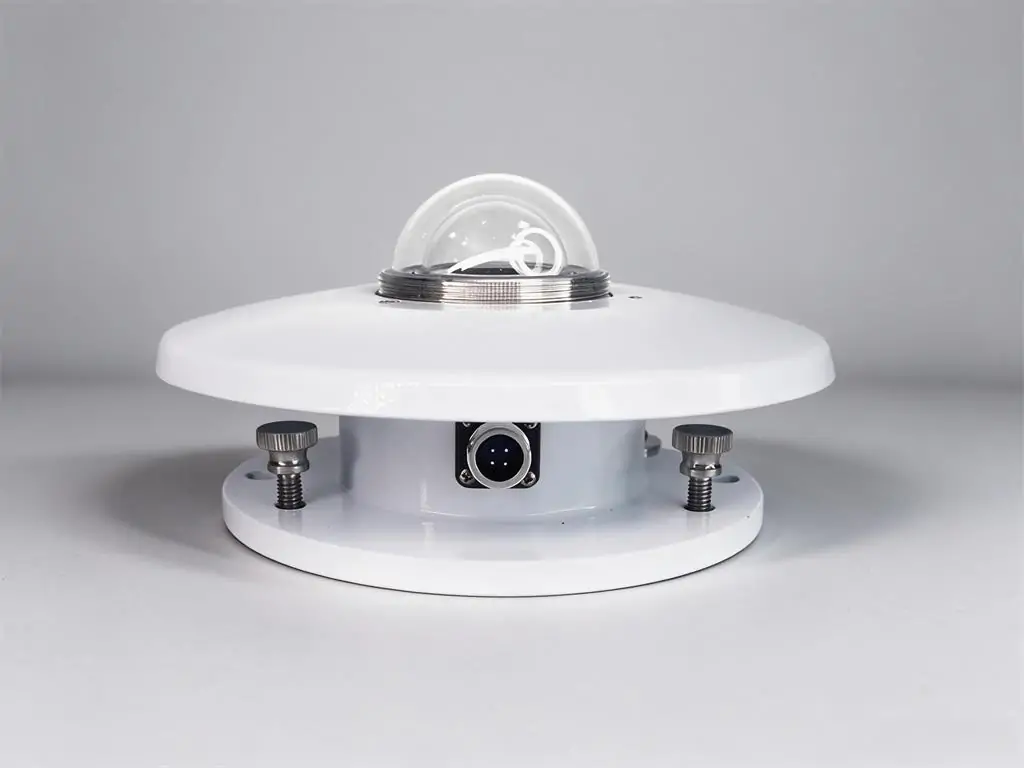
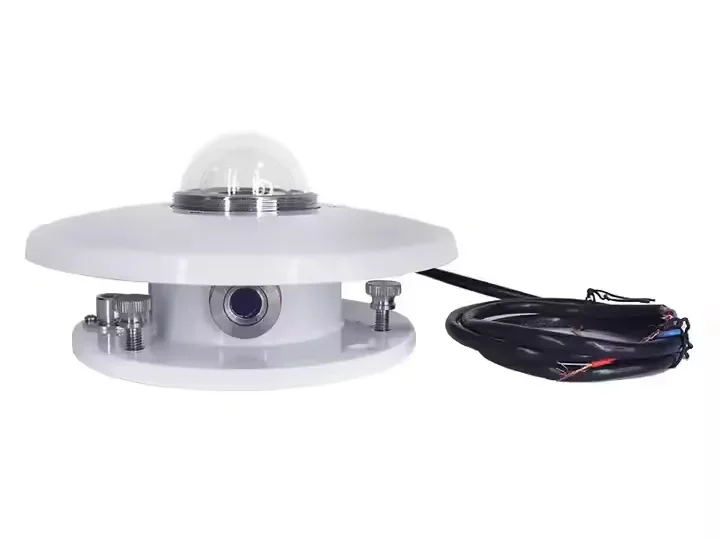
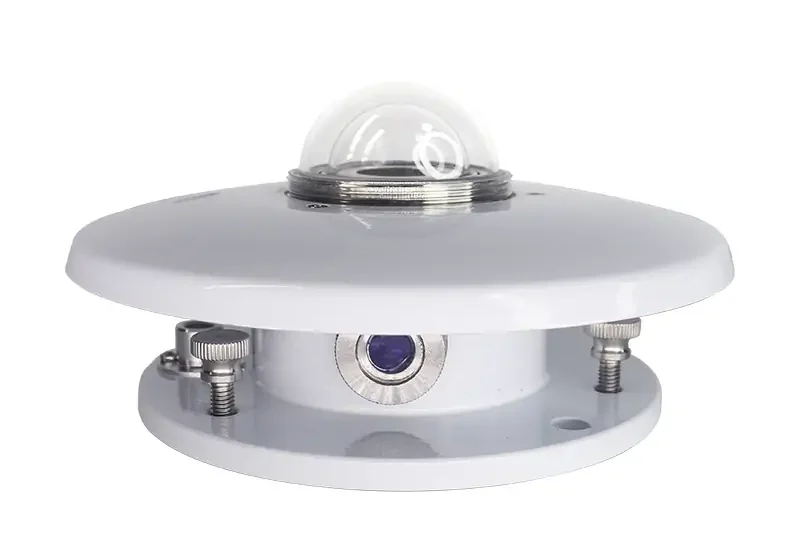
Cảm biến bức xạ mặt trời TBQ-2C Pyranometer
TBQ-2C được thiết kế cho các ứng dụng PV quy mô tiện ích yêu cầu đo bức xạ mặt trời chính xác. Sử dụng công nghệ cảm biến nhiệt điện, thiết bị đo bức xạ mặt trời với độ chính xác cao và cung cấp dữ liệu thiết yếu cho đánh giá hiệu suất PV, phân tích tỷ lệ hiệu suất (PR) và đánh giá tài nguyên năng lượng mặt trời. Hiệu suất đo ổn định của thiết bị phù hợp cho các ứng dụng giám sát năng lượng mặt trời dài hạn.
Cấu Hình Giám Sát Bụi Bẩn Cho Nhà Máy Điện Mặt Trời Chịu Ảnh Hưởng Bởi Bụi
Các nhà máy điện mặt trời đặt tại khu vực sa mạc, vùng khô hạn và môi trường công nghiệp có thể gặp tình trạng bụi tích tụ trên bề mặt module, ảnh hưởng đến sản lượng năng lượng và làm tăng yêu cầu bảo trì. Lịch trình vệ sinh truyền thống có thể không phản ánh chính xác tình trạng thực tế của module, gây khó khăn trong việc xác định thời điểm vệ sinh phù hợp. Giám sát bụi bẩn cung cấp thông tin trực tiếp về mức độ ô nhiễm và hỗ trợ các quyết định bảo trì chính xác hơn. Nếu bạn muốn tìm hiểu về các giải pháp giám sát bụi tốt nhất cho nhà máy điện mặt trời, vui lòng nhấp vào bài viết.
Sản phẩm Đề xuất:
Thiết bị giám sát tình trạng ô nhiễm của mô-đun quang điện DustLV
DustLV được phát triển cho các ứng dụng giám sát bụi bẩn PV bằng cách theo dõi các thay đổi liên quan đến ô nhiễm bề mặt module. Thông qua công nghệ đo quang học, thiết bị đánh giá tình trạng tích tụ bụi và cung cấp dữ liệu hỗ trợ cho việc lập kế hoạch vệ sinh. Thiết bị phù hợp cho các nhà máy điện mặt trời hoạt động trong môi trường nhiều bụi, nơi các quyết định bảo trì phụ thuộc vào tình trạng thực tế của module.
Các Yếu Tố Cần Xem Xét Khi Lựa Chọn Hệ Thống Giám Sát PV
Việc lựa chọn Hệ Thống Giám Sát PV phù hợp nên bắt đầu từ việc hiểu rõ mục đích giám sát và dữ liệu yêu cầu. Các dự án quang điện khác nhau có thể tập trung vào các mục tiêu khác nhau, chẳng hạn như đánh giá hiệu suất phát điện, phân tích tác động thời tiết hoặc xác định các yếu tố môi trường ảnh hưởng đến sản lượng. Do đó, cấu hình hệ thống phải phù hợp với các phép đo yêu cầu, bao gồm bức xạ mặt trời, nhiệt độ module, điều kiện môi trường xung quanh và các thông số khác cần thiết cho phân tích vận hành.
Hệ thống giám sát được lựa chọn cũng phải tương thích với cơ sở hạ tầng PV hiện có và môi trường lắp đặt. Đối với các nhà máy điện mặt trời thương mại và quy mô tiện ích, khả năng tương thích truyền thông với hệ thống SCADA, nền tảng thu thập dữ liệu và hệ thống quản lý năng lượng là điều cần thiết cho vận hành tập trung. Đồng thời, độ ổn định của thiết bị trong điều kiện ngoài trời như bụi, độ ẩm, biến động nhiệt độ và tiếp xúc lâu dài với ánh nắng mặt trời ảnh hưởng trực tiếp đến tính nhất quán của phép đo và yêu cầu bảo trì.
长期可扩展性和供应商能力也是光伏监测项目的重要考量因素。由于监测需求可能在运营生命周期内扩展,系统应允许在需要时增加额外传感器、数据功能或定制配置。具备光伏应用经验的供应商能够针对不同项目条件,提供更合适的系统集成、技术支持及基于应用的建议。欲了解更多信息,请点击 《太阳辐射测量精度指南》
Các Sai Lầm Thường Gặp Khi Lựa Chọn Hệ Thống Giám Sát PV
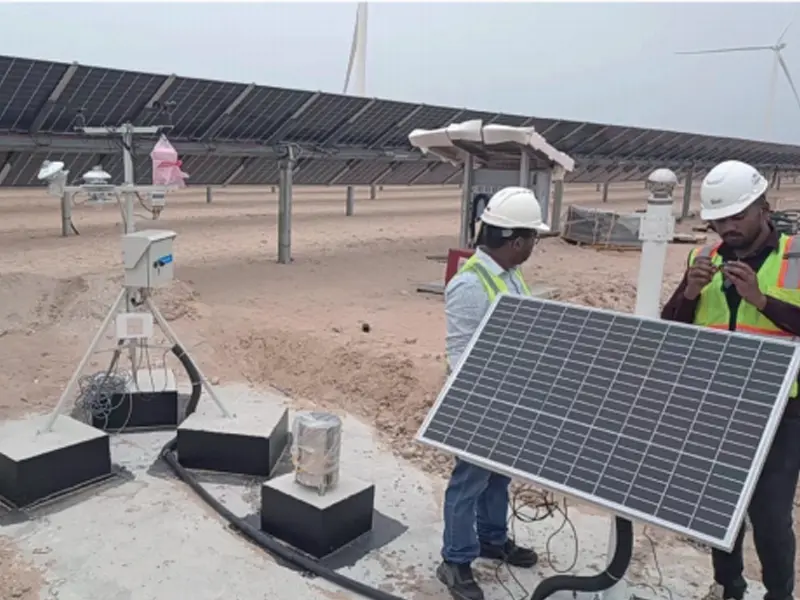
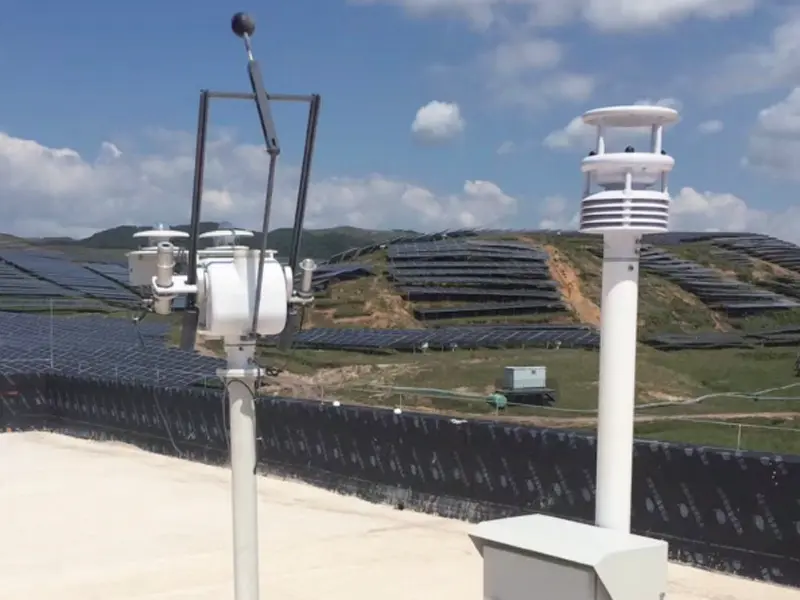
Một sai lầm phổ biến khi lựa chọn Hệ Thống Giám Sát PV là chỉ tập trung vào thông số kỹ thuật của thiết bị mà không xác định trước các mục tiêu giám sát yêu cầu. Dựa trên kinh nghiệm của chúng tôi trong các ứng dụng giám sát quang điện, nhiều dự án ban đầu tập trung vào việc mua cảm biến và thiết bị nhưng bỏ qua dữ liệu thực sự cần thiết cho phân tích vận hành và quyết định bảo trì. Các dự án khác nhau có thể yêu cầu các phép đo khác nhau, chẳng hạn như bức xạ mặt trời, điều kiện thời tiết, nhiệt độ module hoặc thông tin về bụi bẩn. Nếu không có yêu cầu dữ liệu rõ ràng, hệ thống có thể thu thập thông tin không cần thiết trong khi không cung cấp hỗ trợ hiệu quả cho việc đánh giá các thay đổi về hiệu suất.
Một vấn đề khác là bỏ qua nhu cầu mở rộng trong tương lai. Khi các dự án PV phát triển, khả năng tương thích truyền thông hạn chế hoặc khả năng mở rộng hệ thống không đầy đủ có thể tạo ra khó khăn khi thêm cảm biến mới, tích hợp với nền tảng SCADA hoặc quản lý nhiều địa điểm. Một giải pháp giám sát phù hợp không chỉ đáp ứng các yêu cầu hiện tại của dự án mà còn cung cấp sự linh hoạt cho các nâng cấp trong tương lai và vận hành lâu dài.
Các Lưu Ý Về Lắp Đặt Và Bảo Trì Dài Hạn
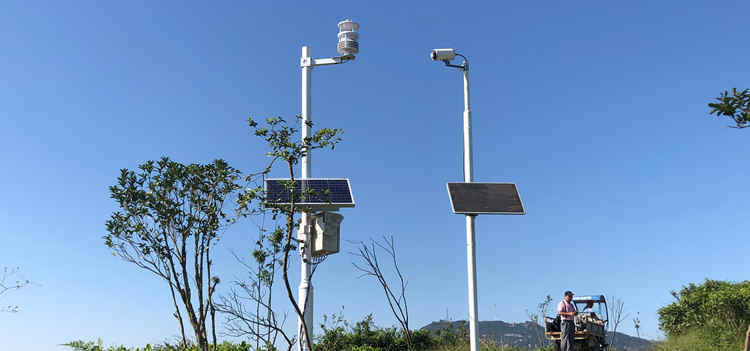
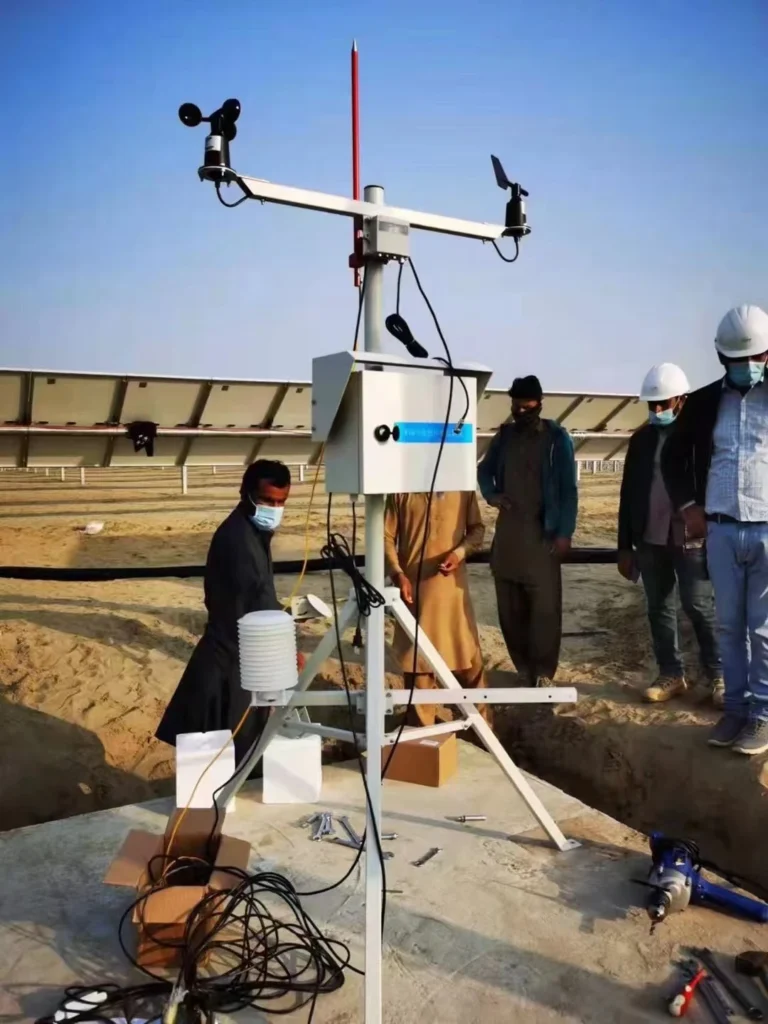
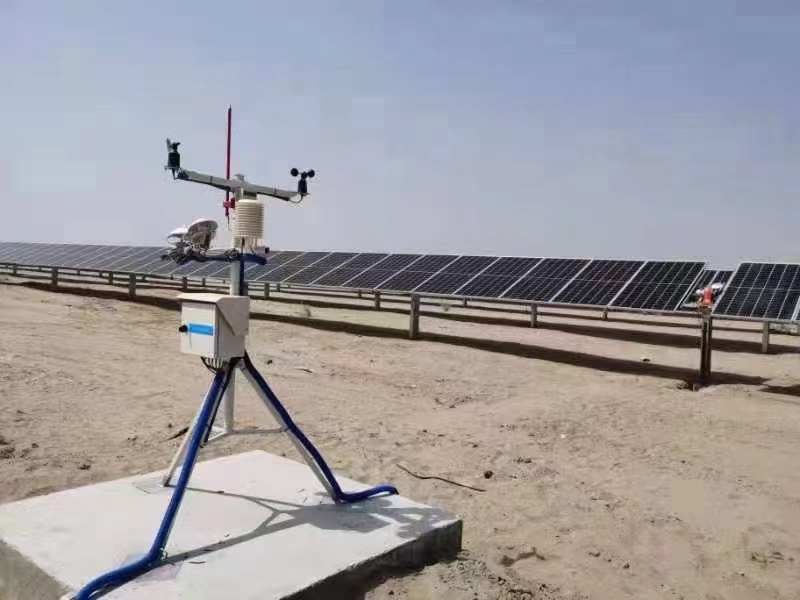
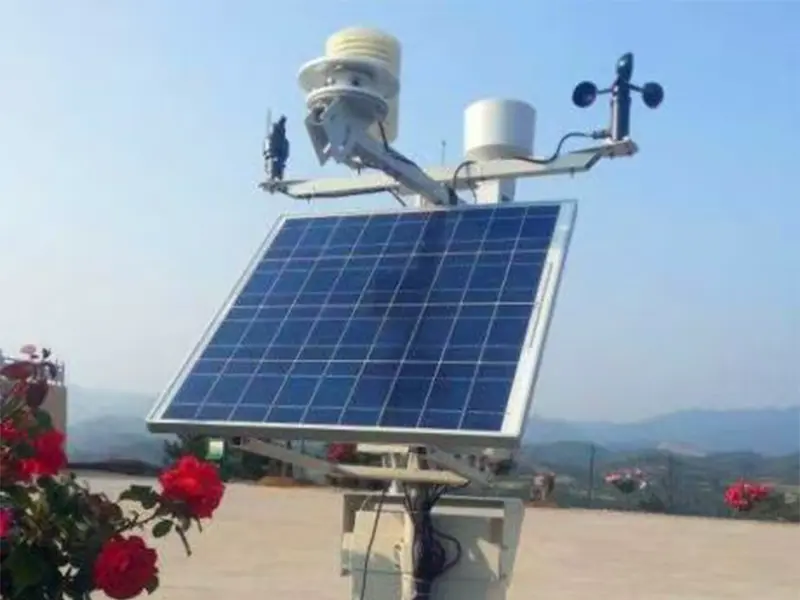
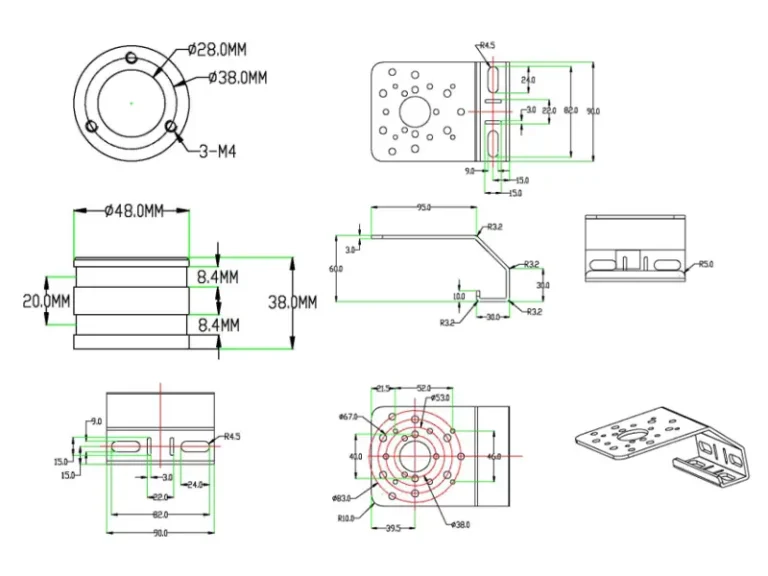
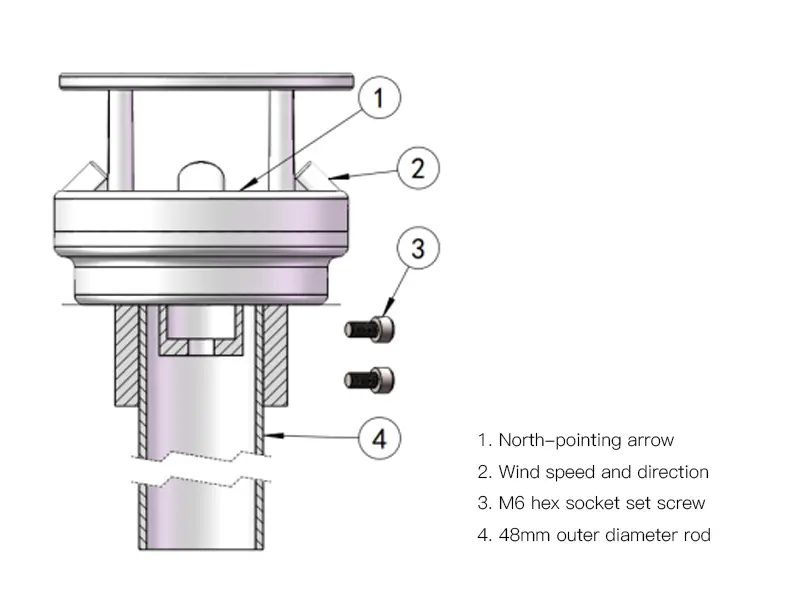
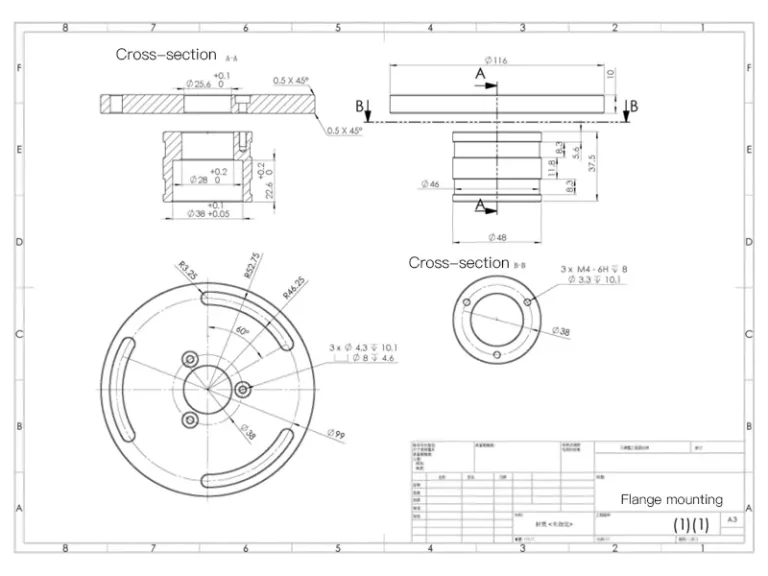
Độ chính xác của Hệ Thống Giám Sát PV không chỉ phụ thuộc vào cảm biến mà còn vào việc lắp đặt đúng cách tại hiện trường. Trong quá trình triển khai, vị trí cảm biến phải đại diện cho môi trường vận hành thực tế của nhà máy điện mặt trời, đồng thời tránh bóng che, vật cản xung quanh và góc lắp đặt không phù hợp có thể ảnh hưởng đến kết quả đo. Đối với các thông số như bức xạ mặt trời, nhiệt độ và điều kiện gió, việc tiếp xúc và vị trí lắp đặt phù hợp là điều cần thiết để đảm bảo dữ liệu thu thập được có thể sử dụng cho phân tích hiệu suất đáng tin cậy.
Vận hành lâu dài cũng đòi hỏi bảo trì định kỳ để giữ dữ liệu giám sát nhất quán và chính xác. Việc vệ sinh thường xuyên các bề mặt đo bức xạ, xác minh hiệu chuẩn và so sánh dữ liệu với điều kiện vận hành của nhà máy giúp phát hiện sớm các sai lệch đo lường tiềm ẩn. Trong các dự án PV thực tế, hệ thống giám sát thường hoạt động nhiều năm trong điều kiện ngoài trời, vì vậy việc lựa chọn thiết bị có hiệu suất ổn định, dễ bảo trì và bảo vệ môi trường phù hợp là quan trọng để giảm chi phí dịch vụ và đảm bảo dữ liệu khả dụng liên tục.Để có thêm hướng dẫn thực tiễn về lựa chọn cảm biến, bố trí và thu thập dữ liệu môi trường tại các trang PV lớn, xem Giải pháp giám sát điện mặt trời tiện ích.
Kết luận
Việc lựa chọn Hệ Thống Giám Sát PV phù hợp đòi hỏi nhiều hơn việc chỉ theo dõi dữ liệu phát điện. Một giải pháp phù hợp cần được đánh giá dựa trên quy mô dự án, mục tiêu giám sát, điều kiện môi trường và yêu cầu tích hợp hệ thống. Bằng cách kết hợp các chức năng giám sát với nhu cầu vận hành thực tế, các nhà vận hành nhà máy điện mặt trời có thể thu được dữ liệu đáng tin cậy hơn cho việc đánh giá hiệu suất, lập kế hoạch bảo trì và quản lý dài hạn.
Cảm biến Yantai cung cấp các giải pháp giám sát PV tùy chỉnh bằng cách kết hợp các cảm biến giám sát môi trường, thiết bị đo bức xạ mặt trời và công nghệ giám sát bụi bẩn cho các ứng dụng quang điện khác nhau. Với cấu hình linh hoạt và các giải pháp đo lường tập trung vào ứng dụng, Yantai Sensor giúp các dự án PV xây dựng hệ thống giám sát đáng tin cậy hỗ trợ vận hành hiệu quả và bảo trì dựa trên dữ liệu.