如何选择光伏监控系统以实现太阳能电站的精准监测?

导言

Many solar plants today are equipped with inverter monitoring systems to track electricity generation, but operational teams often need more information to understand the reasons behind performance variations. When actual output does not meet expectations, questions remain: Is the difference caused by weather changes, insufficient solar irradiance, module soiling, or potential system issues? Without reliable environmental data, it is difficult to accurately evaluate plant conditions and make informed maintenance decisions.

A well-designed PV Monitoring System combines power generation data with environmental measurements such as solar irradiance, temperature, wind conditions, and other site-specific factors. This additional layer of monitoring allows solar plant owners and O&M teams to better analyze performance, identify influencing factors, and develop more targeted maintenance strategies.

Selecting the right PV monitoring solution requires more than choosing individual sensors. The system configuration should match the project scale, monitoring objectives, environmental conditions, and integration requirements. This guide explores key selection factors, including monitoring requirements, system configurations, sensor options, application scenarios, and Yantai Sensor’s PV monitoring solutions for different photovoltaic applications.If you’d like to learn how weather monitoring improves the ROI of solar plants, ,请点击该文章。.

Functions of a PV Monitoring System

A PV Monitoring System helps solar plant operators collect operational and environmental data, evaluate performance changes, and support more accurate maintenance decisions. By combining power generation information with environmental measurements, it provides a clearer understanding of actual PV plant operating conditions.

Real-Time Data Acquisition and PV Performance Monitoring

A PV Monitoring System collects key parameters including solar irradiance, module temperature, ambient temperature, wind conditions, and power generation data. Compared with inverter data alone, environmental measurements help operators analyze the difference between actual and expected output and evaluate factors affecting PV performance.

Environmental Condition Monitoring for Solar Plants

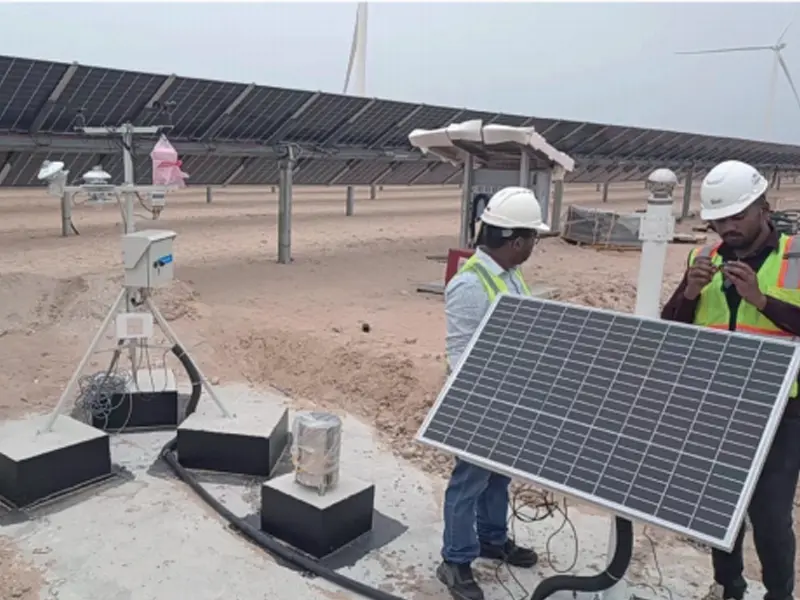
Solar plants in different environments face different operational challenges, such as dust accumulation in desert areas, temperature changes in extreme climates, and weather variations. Environmental monitoring provides additional data to evaluate external impacts on energy production and support site-specific operation strategies.

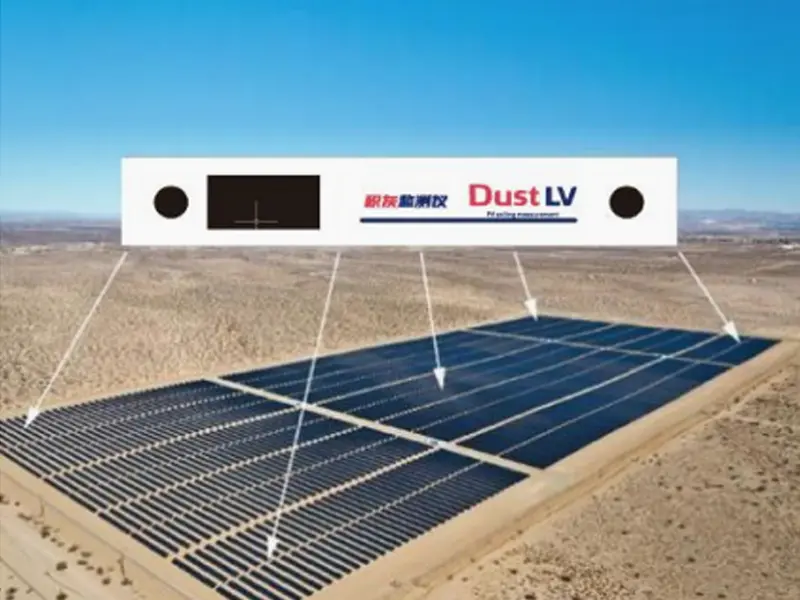
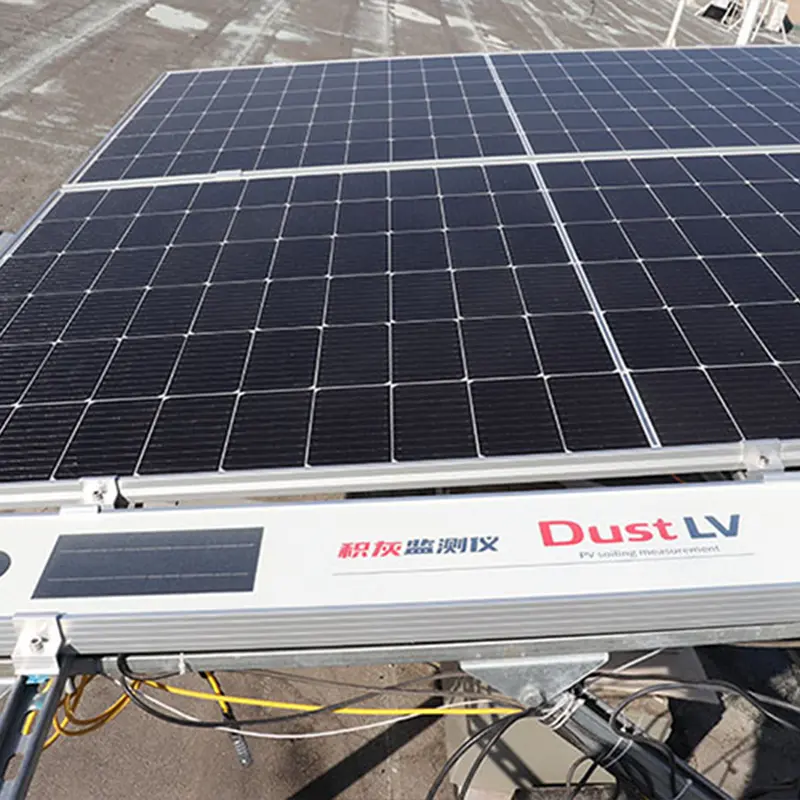
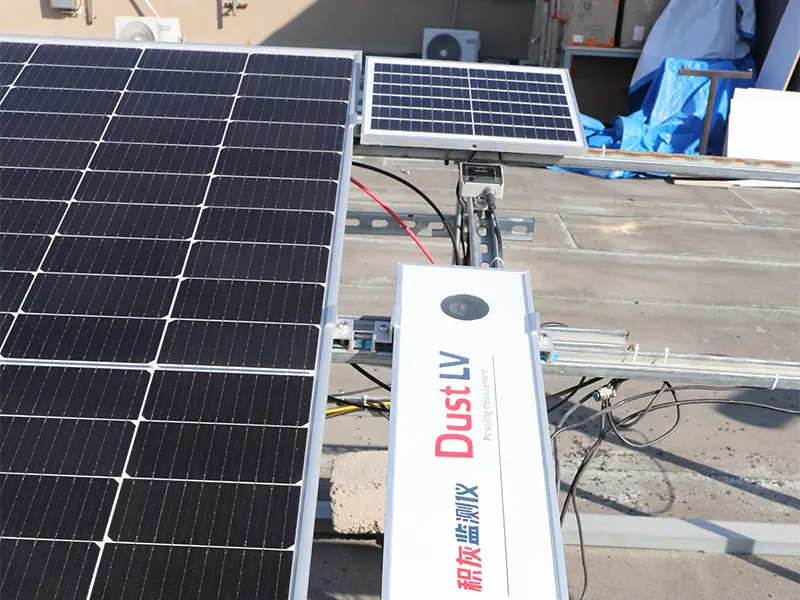
For high-dust PV applications, DustLV Photovoltaic Module Pollution Status Monitor helps track module pollution conditions and provides data support for cleaning planning.

Data Analysis and Maintenance Decision Support

Continuous data analysis allows PV operators to identify performance deviations, abnormal operating conditions, and potential maintenance requirements. By combining generation data with environmental information, maintenance teams can make more targeted decisions for inspection, cleaning, and long-term PV plant operation.

Choose PV Monitoring System Configuration Based on Application Requirements

The selection of a PV Monitoring System should be based on the project scale, installation environment, and operational objectives. Different photovoltaic applications have different requirements for data collection, measurement accuracy, and system integration. A suitable configuration ensures that collected information can support performance evaluation, maintenance planning, and long-term plant management.

Compact PV Monitoring for Small and Distributed Solar Systems

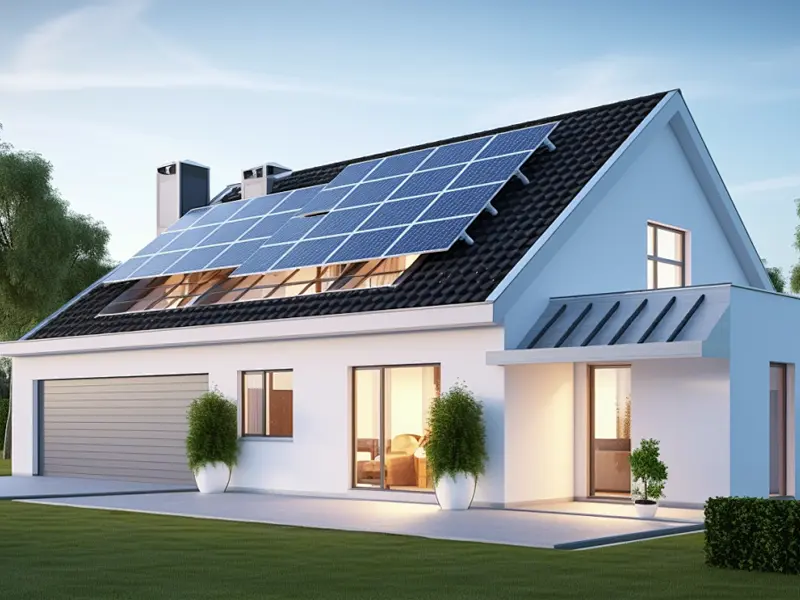
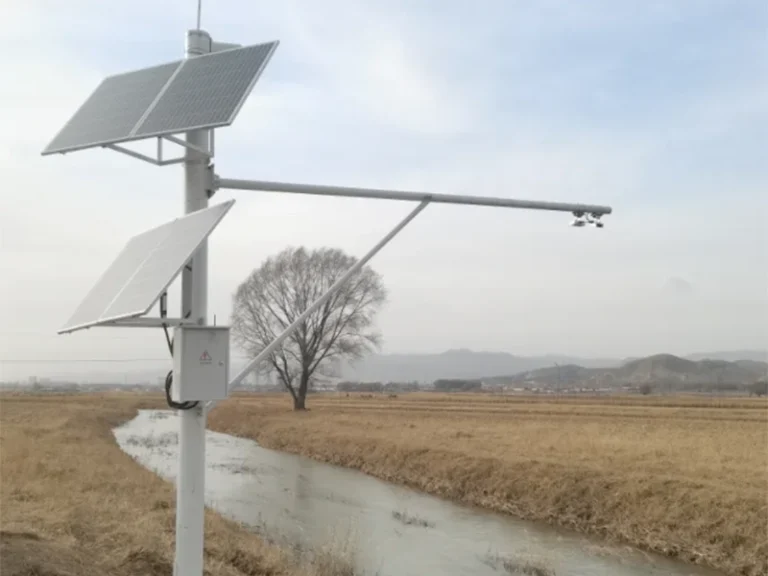
Small and distributed PV systems, including rooftop solar installations and small commercial projects, usually have limited installation space and straightforward monitoring requirements. These projects mainly require essential environmental data to understand operating conditions without adding unnecessary system complexity. A compact monitoring configuration is suitable for applications that need simple deployment, stable data collection, and basic PV performance analysis.

Recommended Product:

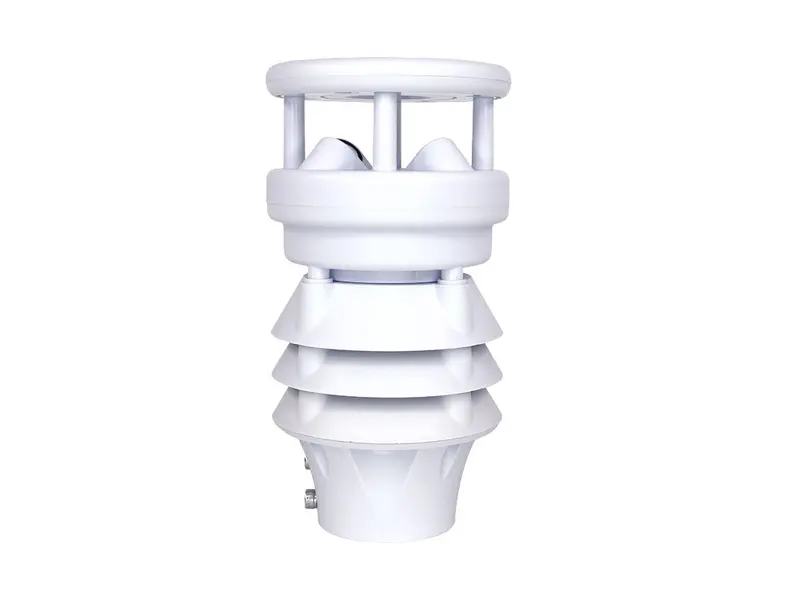
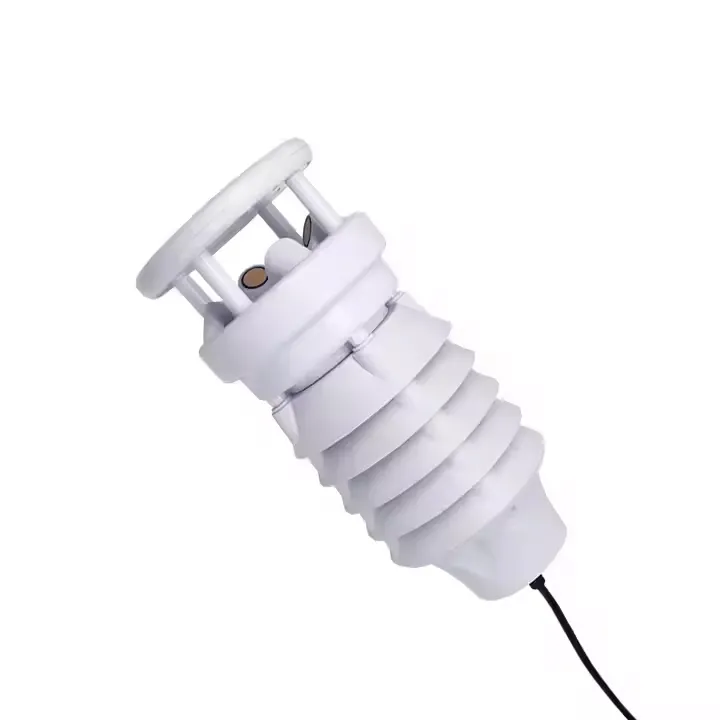
XF500S-CWB 光伏电站紧凑型气象传感器

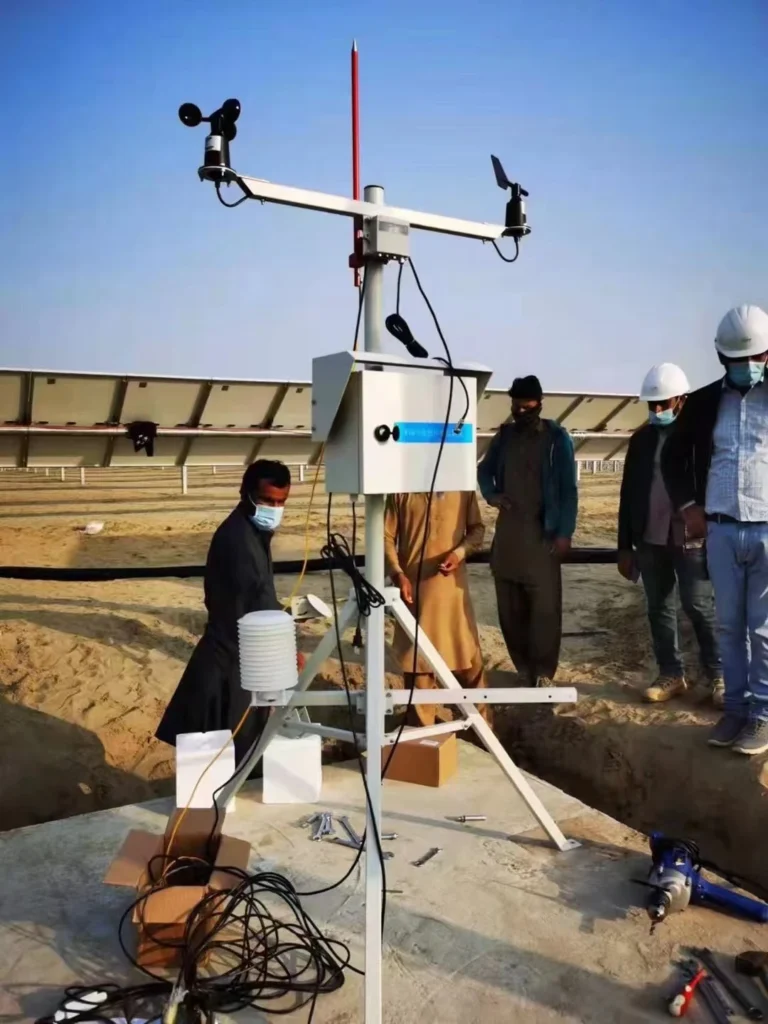
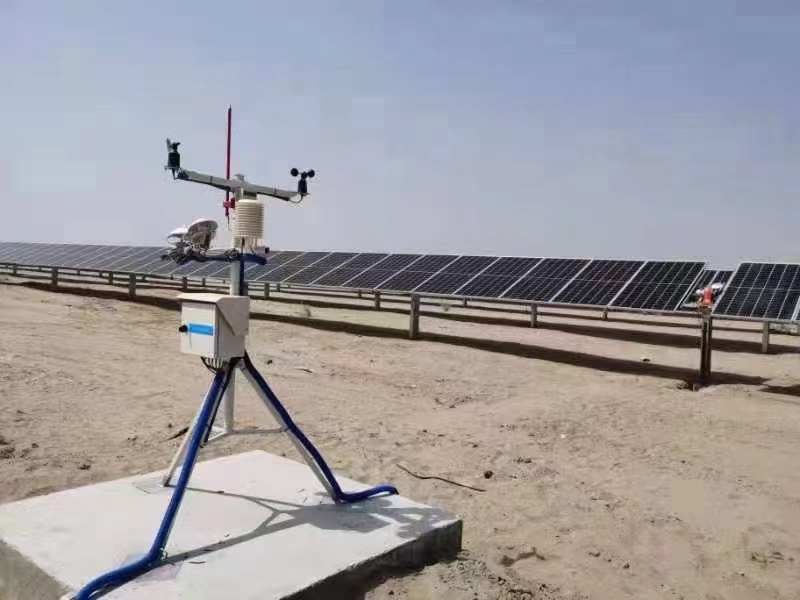
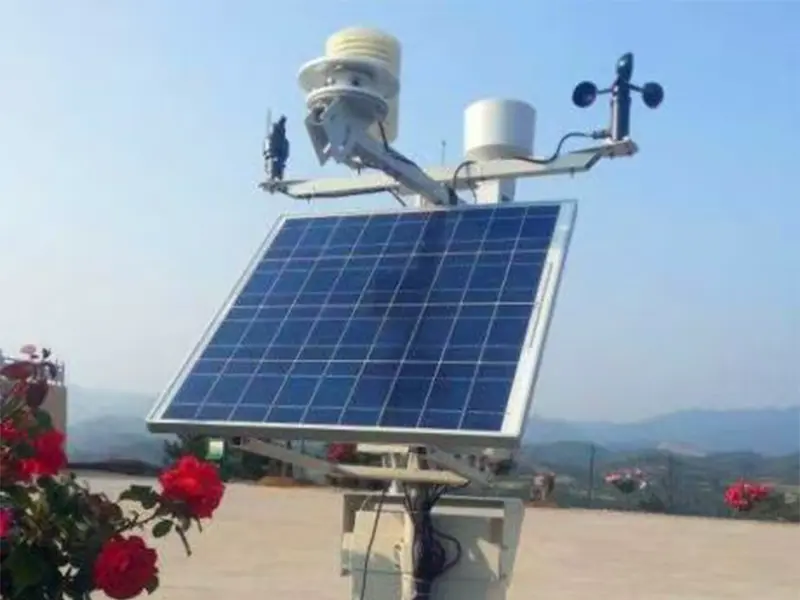
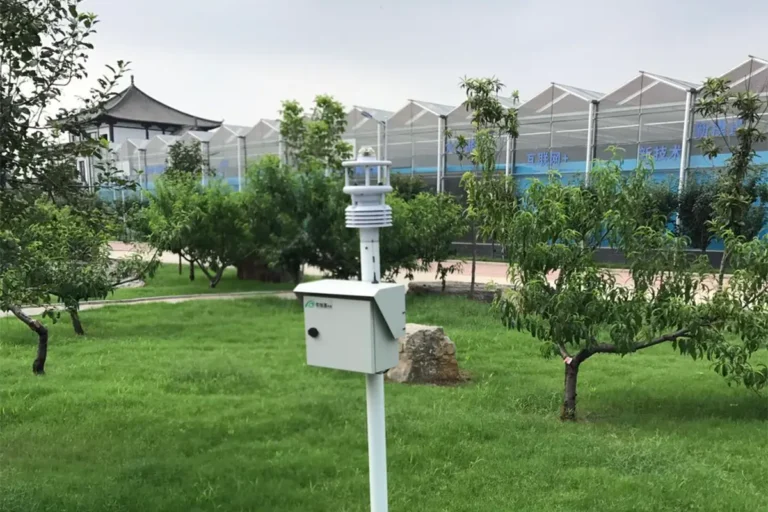
XF500S-CWB is designed for distributed PV applications where installation flexibility and space efficiency are important. The sensor integrates solar radiation, ambient temperature, humidity, wind speed, wind direction, and module temperature measurement in one compact structure. It provides essential weather data for PV performance monitoring and helps operators understand environmental conditions affecting power generation.

Integrated Environmental Monitoring for Commercial and Industrial PV Projects

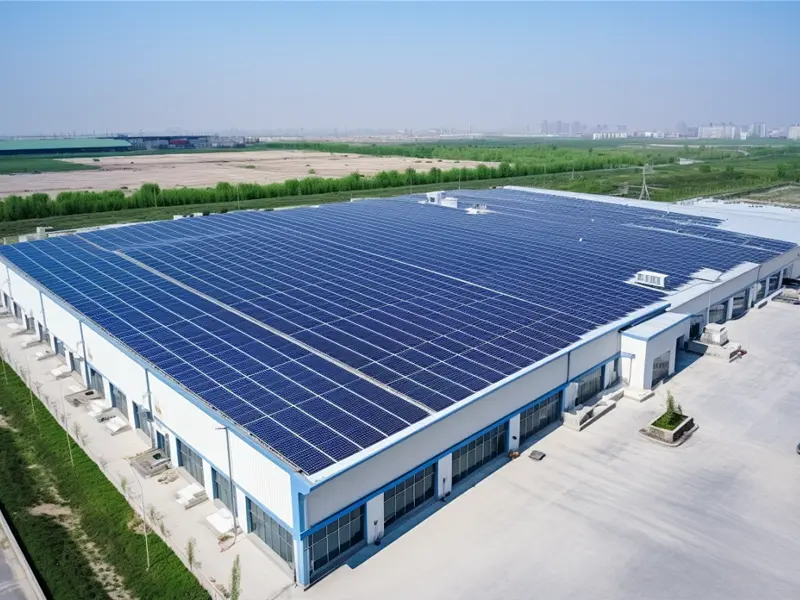
Commercial and industrial PV projects require more detailed environmental information to evaluate energy production and support operation planning. Compared with small systems, these projects often involve larger installation areas and more complex operating conditions, requiring continuous weather data collection and compatibility with monitoring platforms.

Recommended Product:

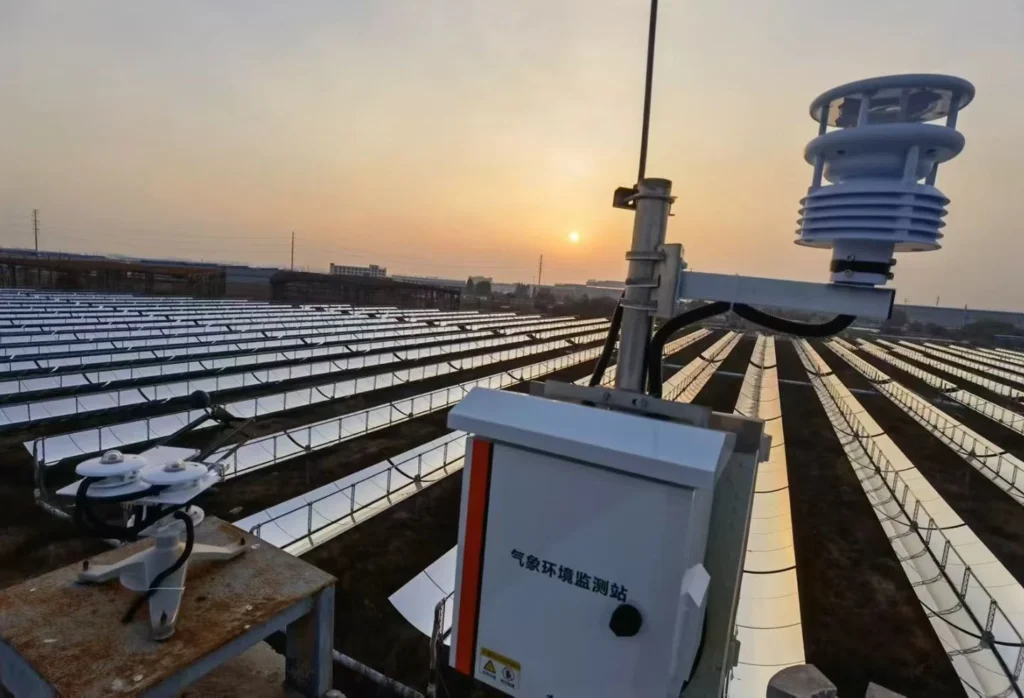
RYQ-3 太阳能光伏环境监测站

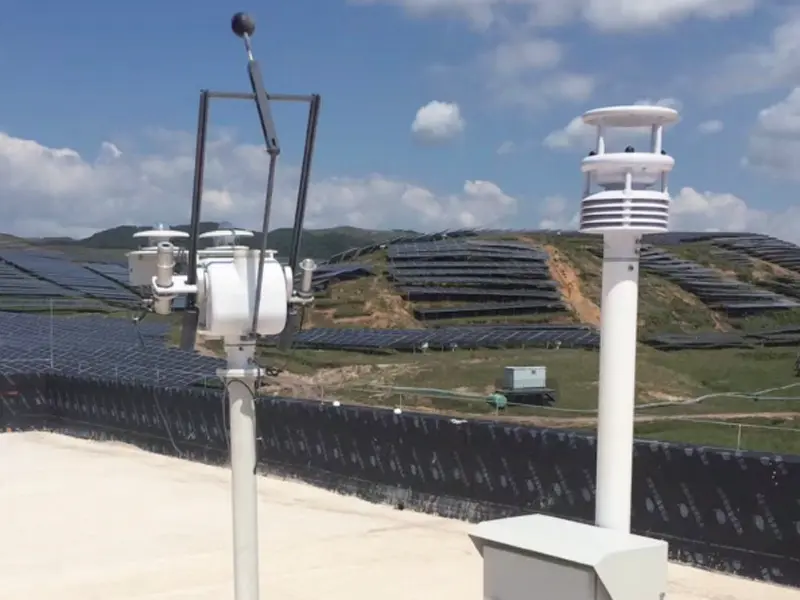
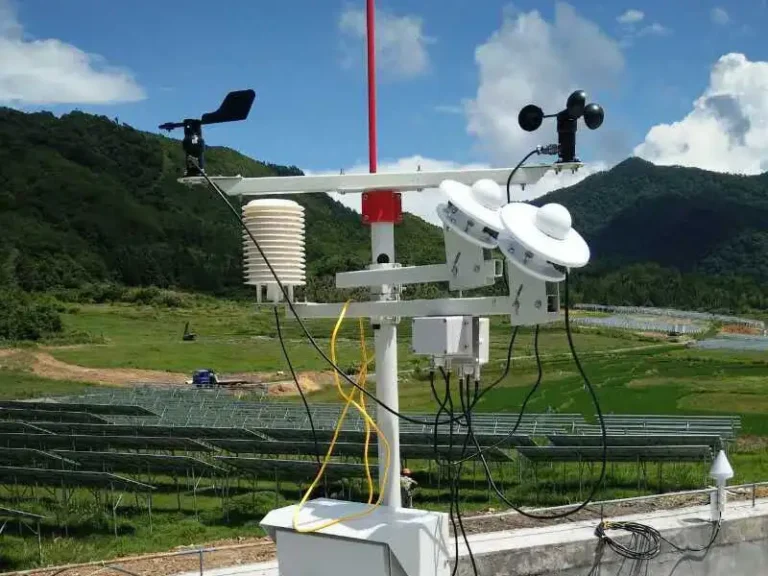
RYQ-3 provides a multi-parameter PV environmental monitoring solution for commercial solar applications. It collects key environmental factors including solar radiation, temperature, humidity, wind conditions, and module temperature. The system supports weather data collection, PV performance evaluation, and integration with existing monitoring systems for long-term operational analysis.

High-Accuracy Monitoring Configuration for Utility-Scale Solar Farms

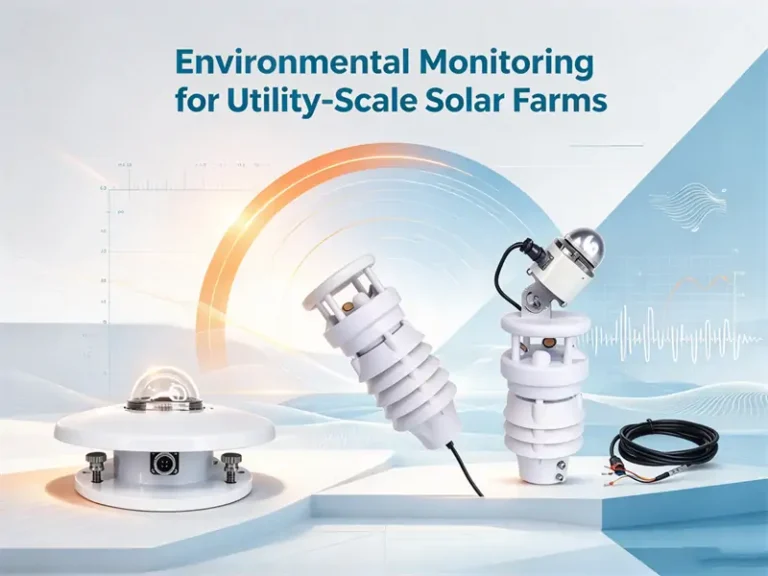
Utility-scale solar farms require accurate environmental measurements because variations in solar resources and weather conditions can directly influence energy output. A complete monitoring configuration should combine meteorological data with precise solar irradiance measurement to support performance ratio (PR) analysis, expected versus actual output comparison, and long-term solar resource assessment.

Recommended Solution:

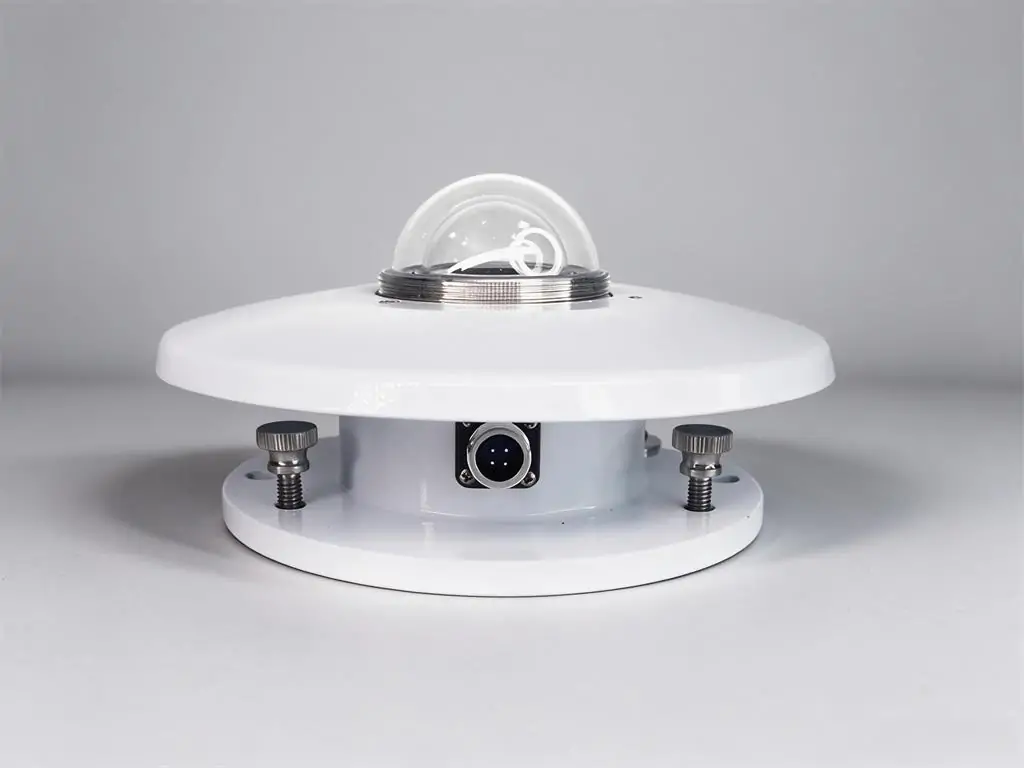
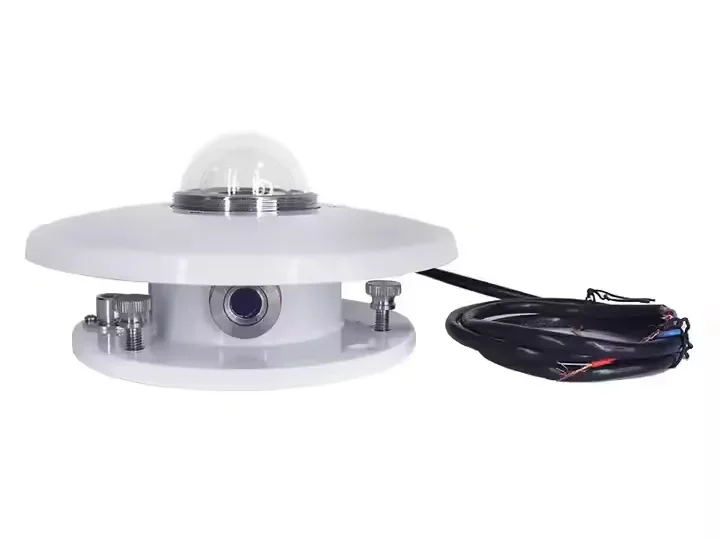
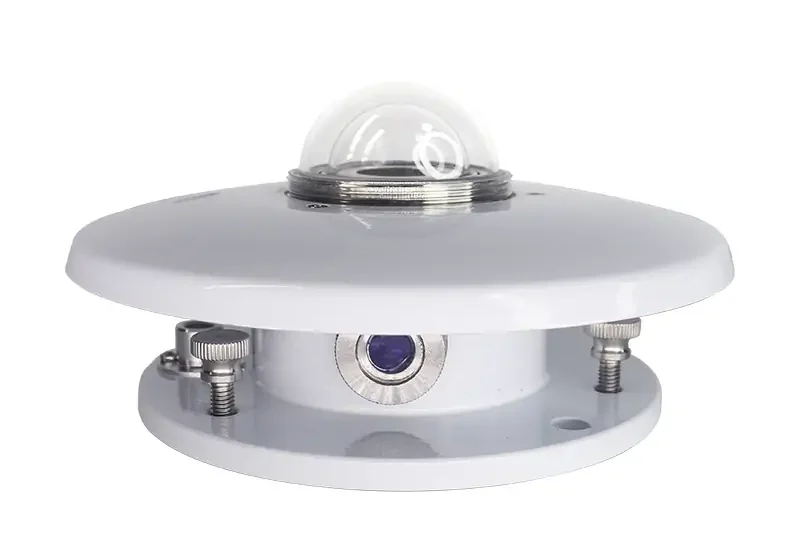
TBQ-2C Pyranometer 太阳辐射传感器

TBQ-2C is designed for utility-scale PV applications that require accurate solar irradiance measurement. Using thermopile sensing technology, it measures solar radiation with high precision and provides essential data for PV performance evaluation, performance ratio (PR) analysis, and solar resource assessment. Its stable measurement performance makes it suitable for long-term solar monitoring applications.

Soiling Monitoring Configuration for Dust-Affected PV Plants

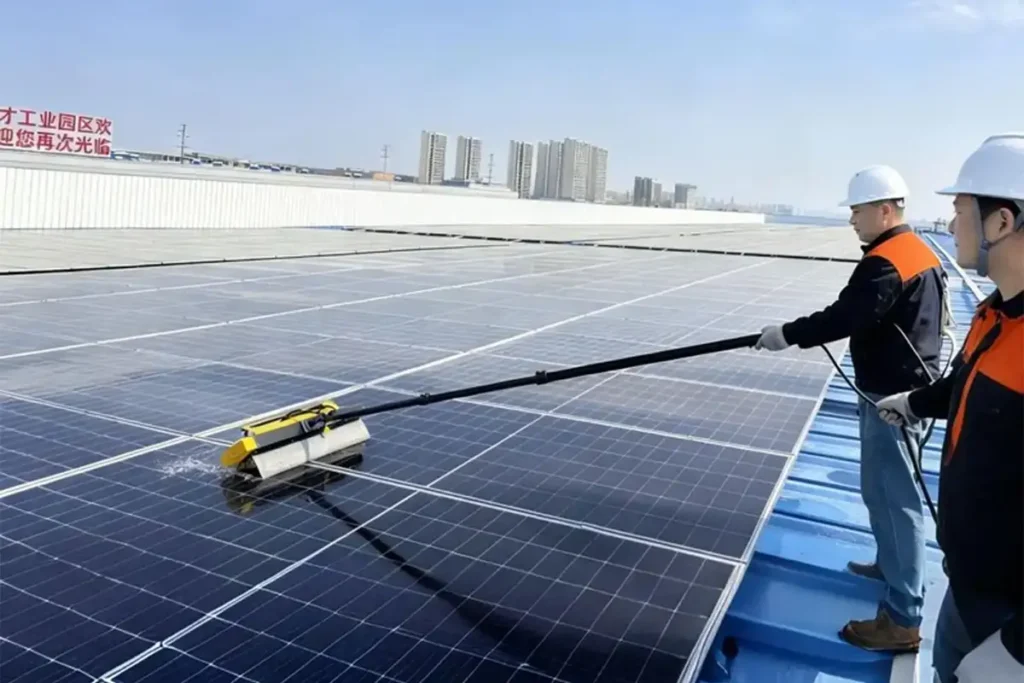
PV plants located in desert areas, dry regions, and industrial environments may experience dust accumulation on module surfaces, which can affect energy yield and increase maintenance requirements. Traditional cleaning schedules may not accurately reflect actual module conditions, making it difficult to determine the appropriate cleaning time. Soiling monitoring provides direct information about contamination levels and supports more precise maintenance decisions.If you want to learn about the best solar dust monitoring solutions for solar PV plants, please click on the article.

Recommended Product:

DustLV 光伏模块污染状态监测器

DustLV is developed for PV soiling monitoring applications by tracking changes related to module surface contamination. Through optical measurement technology, it evaluates dust accumulation conditions and provides data support for cleaning planning. It is suitable for solar plants operating in dusty environments where maintenance decisions depend on actual module conditions.

Factors to Consider When Choosing a PV Monitoring System

Selecting the right PV Monitoring System should start with understanding the monitoring purpose and required data. Different photovoltaic projects may focus on different objectives, such as evaluating power generation performance, analyzing weather impact, or identifying environmental factors affecting output. Therefore, the system configuration should match the required measurements, including solar irradiance, module temperature, ambient conditions, and other parameters needed for operational analysis.

The selected monitoring system should also be compatible with the existing PV infrastructure and installation environment. For commercial and utility-scale solar plants, communication compatibility with SCADA systems, data acquisition platforms, and energy management systems is essential for centralized operation. At the same time, equipment stability under outdoor conditions such as dust, humidity, temperature variation, and long-term solar exposure directly affects measurement consistency and maintenance requirements.

Long-term scalability and supplier capability are also important considerations for PV monitoring projects. As monitoring requirements may expand during the operation lifecycle, the system should allow additional sensors, data functions, or customized configurations when needed. A supplier with experience in photovoltaic applications can provide more suitable system integration, technical support, and application-based recommendations for different project conditions.

Common Mistakes When Choosing PV Monitoring Systems

A common mistake in selecting a PV Monitoring System is focusing only on equipment specifications without first defining the required monitoring objectives. Based on our experience with photovoltaic monitoring applications, many projects initially focus on purchasing sensors and devices but overlook what data is truly needed for operation analysis and maintenance decisions. Different projects may require different measurements, such as solar irradiance, weather conditions, module temperature, or soiling information. Without clear data requirements, the system may collect unnecessary information while failing to provide effective support for evaluating performance changes.

Another issue is overlooking future expansion needs. As PV projects grow, limited communication compatibility or insufficient system scalability can create difficulties when adding new sensors, integrating with SCADA platforms, or managing multiple sites. A suitable monitoring solution should not only meet current project requirements but also provide flexibility for future upgrades and long-term operation.

Installation and Long-Term Maintenance Considerations

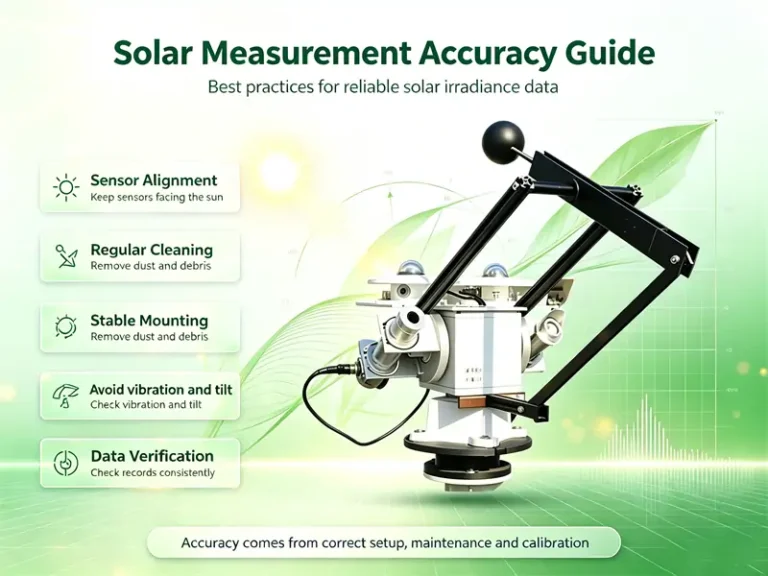
The accuracy of a PV Monitoring System depends not only on the sensor itself but also on whether it is correctly installed in the field. During deployment, sensor location should represent the actual operating environment of the PV plant, while avoiding shading, surrounding obstacles, and improper mounting angles that may affect measurement results. For parameters such as solar irradiance, temperature, and wind conditions, proper exposure and installation position are essential to ensure that collected data can be used for reliable performance analysis.

Long-term operation also requires regular maintenance to keep monitoring data consistent and accurate. Routine cleaning of radiation measurement surfaces, calibration verification, and data comparison with plant operating conditions help identify potential measurement deviations at an early stage. In practical PV projects, monitoring systems often operate for many years under outdoor conditions, so selecting equipment with stable performance, easy maintenance, and suitable environmental protection is important for reducing service costs and ensuring continuous data availability.

结论

Selecting the right PV Monitoring System requires more than simply tracking power generation data. A suitable solution should be evaluated based on the project scale, monitoring objectives, environmental conditions, and system integration requirements. By matching monitoring functions with actual operational needs, solar plant operators can obtain more reliable data for performance evaluation, maintenance planning, and long-term management.

烟台传感器 provides customized PV monitoring solutions by combining environmental monitoring sensors, solar radiation measurement devices, and soiling monitoring technologies for different photovoltaic applications. With flexible configurations and application-focused measurement solutions, Yantai Sensor helps PV projects build reliable monitoring systems that support efficient operation and data-driven maintenance.

常见问题

逆变器监控系统主要关注电力性能数据,如功率输出、电压和电流。光伏监控系统则将此类信息与环境测量数据相结合,包括太阳辐照度、温度和天气状况,帮助运营者理解性能变化的原因,并评估太阳能电站的实际运行条件。.

最重要的参数取决于监测目的,但太阳辐照度、组件温度、环境温度和发电数据通常是必需的。辐照度提供了性能评估的参考条件,而温度和天气数据有助于分析环境对光伏输出的影响,并识别异常运行状况。.

合适的配置取决于项目规模、安装环境和集成需求。小型分布式光伏系统通常需要紧凑的监测解决方案,而商业及公用事业规模的光伏电站可能需要集成环境监测、太阳辐射测量以及用于集中运维管理的通信接口。.

光伏组件上的积尘会降低能量输出,尤其在沙漠、干燥及工业环境中尤为显著。污秽监测可提供污染程度信息,帮助运维人员判断何时确实需要清洁。该方法可避免不必要的清洁周期,并支持更具成本效益的长期太阳能电站运维策略。.

是的。许多光伏监控系统支持标准通信方式,如RS485和Modbus,可与数据记录器、SCADA平台及现有能源管理系统连接。安装前,用户应确认通信兼容性、数据需求和集成方法,以确保系统平稳运行。.

Sensors should be installed in locations that represent the actual operating environment of the PV plant. Solar radiation sensors require proper sunlight exposure without shading, while weather sensors should avoid interference from surrounding structures. Correct installation location is essential for obtaining accurate data and improving the reliability of performance analysis.

Maintenance frequency depends on installation conditions and sensor types. Regular cleaning of radiation measurement surfaces, calibration verification, and data quality checks are recommended to maintain measurement accuracy. For PV plants located in dusty or harsh outdoor environments, more frequent inspection may be required to ensure stable long-term monitoring performance.

Before purchasing, users should evaluate monitoring objectives, required parameters, environmental conditions, communication compatibility, and future expansion needs. A suitable PV Monitoring System should not only provide accurate measurements but also support long-term operation, maintenance decisions, and integration with existing solar plant management systems.

相关文章