导言
Dust accumulation is a common challenge faced by solar PV plant operators, especially in regions with dry climates, strong winds, frequent dust storms, or high levels of airborne particles. When dust and other contaminants accumulate on photovoltaic modules, they reduce 太阳辐射 absorption, affect module performance, and create uncertainty in overall energy production. Without accurate monitoring data, operators often depend on fixed cleaning schedules, which may result in unnecessary maintenance costs or delayed cleaning that leads to avoidable power losses.
Solar Dust Monitoring Solutions provide photovoltaic operators with accurate information about module soiling conditions, dust accumulation trends, and potential energy losses caused by environmental contamination. By continuously monitoring PV soiling conditions and analyzing the relationship between dust accumulation and power performance, operators can optimize cleaning schedules, improve O&M planning, and maintain more stable energy output.
This article explains how solar dust monitoring systems work, why PV plants need soiling monitoring, what components are included in a complete solution, and how to select the right monitoring system for different solar applications. It also introduces practical solutions for utility-scale solar farms, rooftop PV projects, and harsh environments such as desert solar plants.If you’d like to learn more about “The Ultimate Guide to PV Module Soiling Loss Monitoring: Protecting Your Solar ROI,” please click on the article.
Why Solar PV Plants Need Dust Monitoring Solutions?
Dust accumulation, also known as PV soiling, is one of the major environmental factors affecting solar power generation. When dust, sand particles, and airborne contaminants build up on photovoltaic modules, they reduce the amount of sunlight reaching the solar cells and can cause measurable energy losses. However, the impact of soiling is not always consistent, as it changes with climate conditions, wind direction, rainfall, geographic location, and surrounding environments.
For PV plant operators, the challenge is not only the presence of dust but also the difficulty of identifying when cleaning is actually required. Fixed cleaning schedules cannot accurately reflect real-time soiling conditions, which may lead to unnecessary maintenance costs or delayed cleaning that affects energy output. Solar Dust Monitoring Solutions provide continuous information about module contamination levels, helping operators understand soiling conditions and make more accurate cleaning and O&M decisions.If you’d like to learn 天气监测如何提升太阳能电站的投资回报率, ,请点击该文章。.
Dust Accumulation Affects PV Energy Production
Dust accumulation blocks part of the solar radiation reaching photovoltaic cells, reducing module output and increasing soiling losses over time. In large-scale solar farms, even small differences in module contamination across different areas can affect overall energy yield, making accurate monitoring important for understanding the actual impact of dust on power generation.
Dust Accumulation Varies Across Different PV Environments
The rate of dust accumulation varies depending on local environmental conditions. Desert solar plants are more affected by sand particles and dust storms, while industrial and agricultural PV projects may experience contamination from airborne particles, soil, or organic materials. These differences make it difficult to determine cleaning requirements through visual inspection or fixed maintenance intervals.
Optimize Cleaning Decisions and Reduce O&M Costs
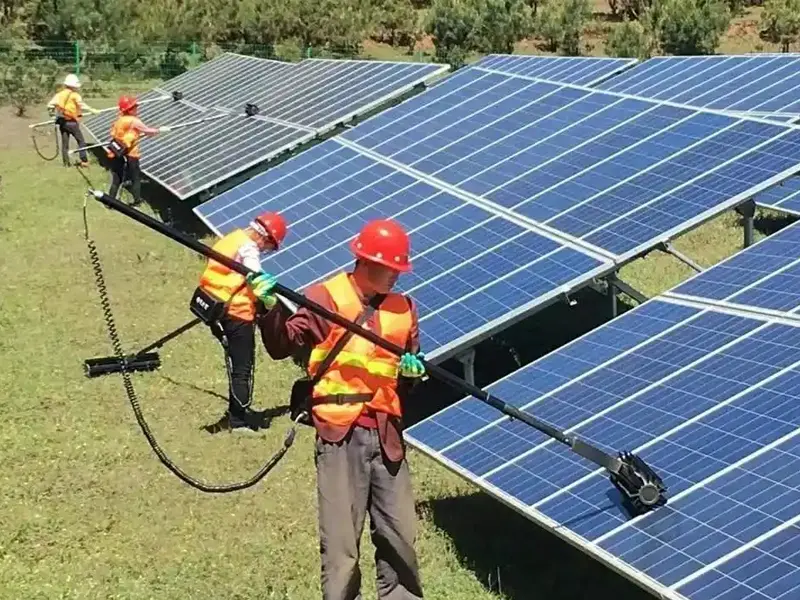
Traditional PV cleaning strategies often rely on scheduled maintenance or manual checks, which may result in cleaning too early or too late. Solar Dust Monitoring Solutions provide real-time soiling information, allowing operators to better evaluate cleaning requirements, reduce unnecessary cleaning activities, and avoid additional energy losses caused by excessive module contamination.
How Solar Dust Monitoring Systems Work?
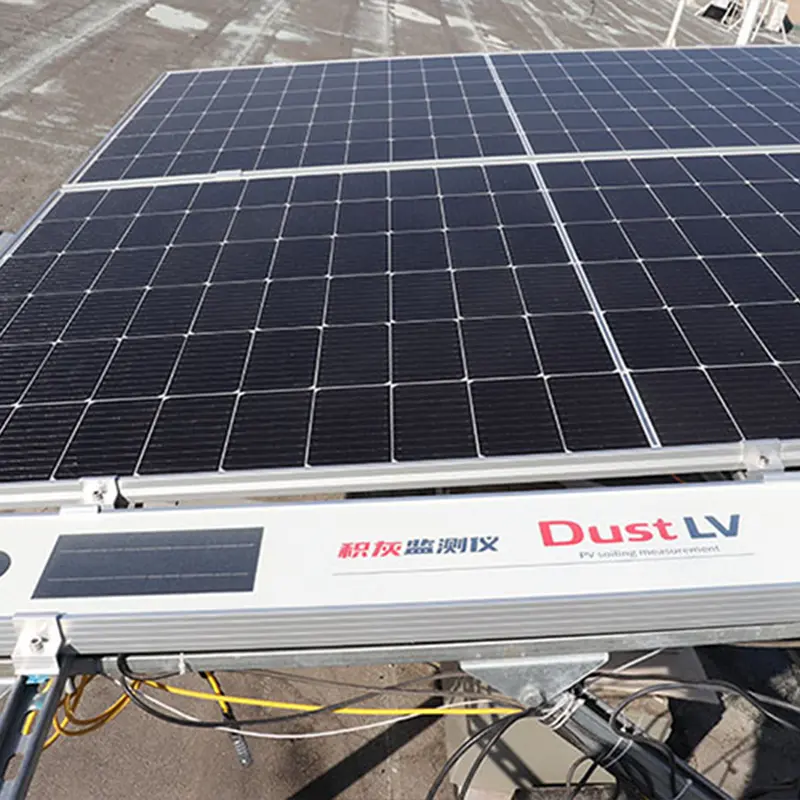
Solar dust monitoring systems evaluate the impact of dust accumulation on photovoltaic performance by measuring changes caused by module soiling. The system collects contamination data, analyzes potential energy losses, and provides a reference for cleaning decisions. Through continuous monitoring of PV soiling conditions, operators can better understand dust impact and move from fixed cleaning schedules toward more accurate maintenance strategies.
Optical Dust Monitoring Technology
Optical dust monitoring technology measures PV soiling conditions by detecting changes in light transmission caused by dust accumulation on photovoltaic surfaces. By comparing optical signals before and after contamination occurs, the system can evaluate dust impact on solar radiation availability and estimate potential energy losses. This measurement method is suitable for utility-scale PV plants, commercial solar systems, and distributed solar installations that require continuous monitoring of module contamination.
Reference Cell Based Soiling Measurement
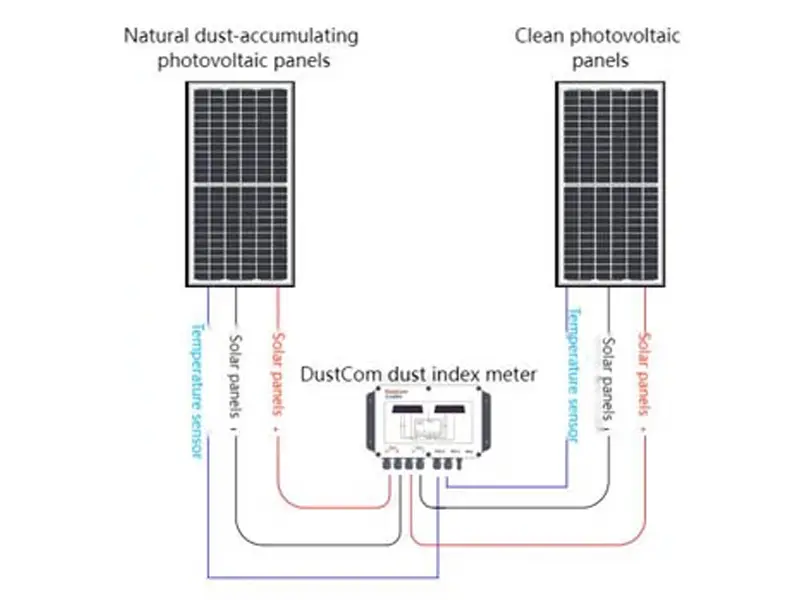
Reference cell based measurement evaluates the influence of dust by comparing the performance difference between a clean reference surface and a naturally contaminated surface. The system calculates the soiling ratio (SR) based on changes in received solar radiation, allowing operators to estimate energy losses and determine whether module cleaning is required. This method is widely used for PV soiling monitoring because it directly reflects the impact of dust accumulation on photovoltaic performance.
Data Collection and Cleaning Decision Process
After measuring module contamination levels, the monitoring system collects and analyzes soiling data to identify changes in dust accumulation and potential power losses. The collected information can be transmitted through communication interfaces such as RS485, Modbus, or remote monitoring platforms, allowing operators to review real-time conditions and make cleaning decisions based on actual soiling levels rather than fixed maintenance intervals.
Components of a Solar Dust Monitoring System
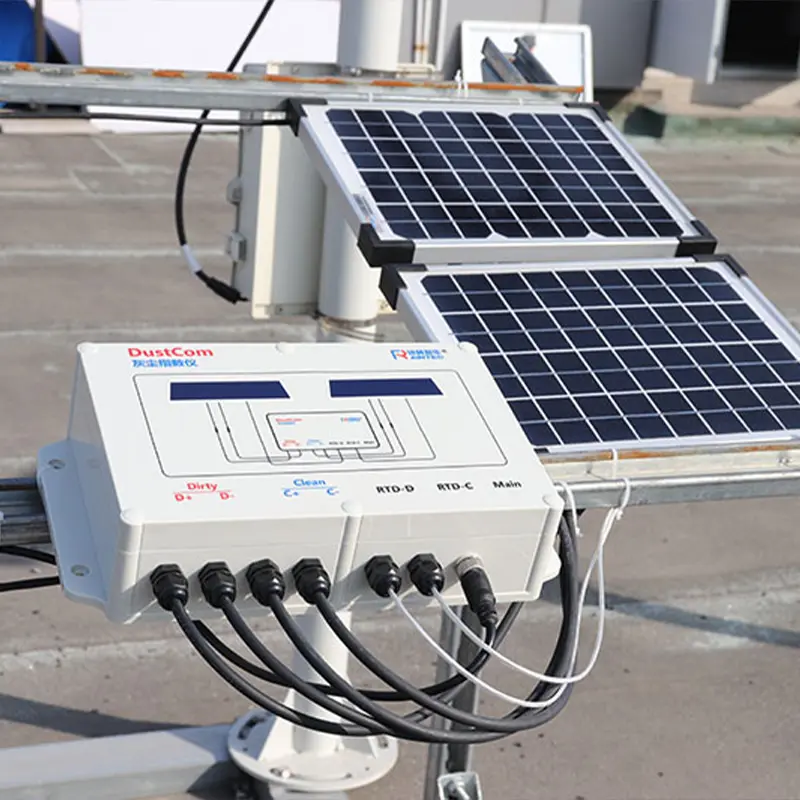
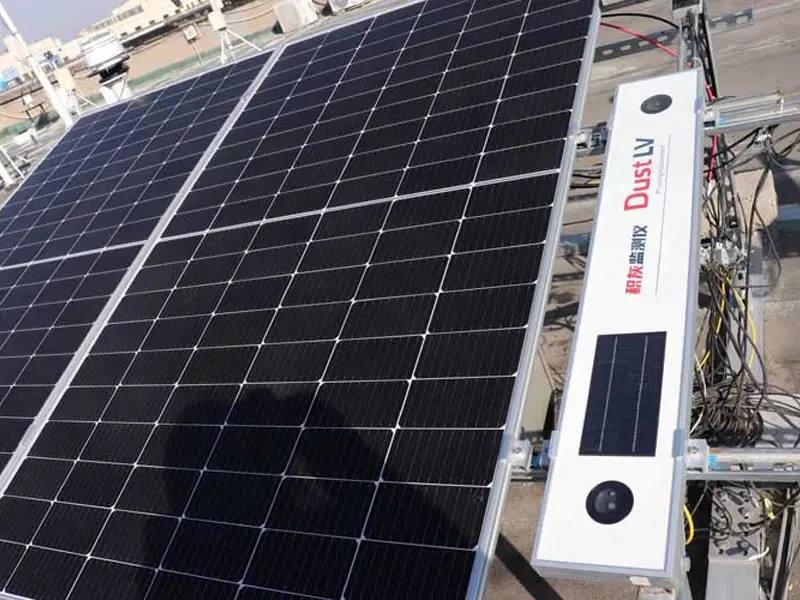
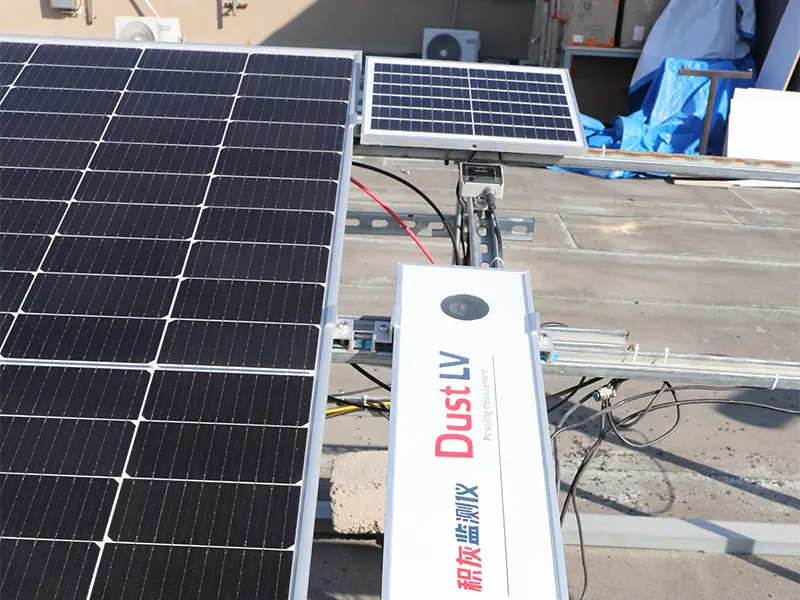
A complete solar dust monitoring system consists of three main parts: dust monitoring sensors, environmental monitoring sensors, and data management systems. These components work together to collect field data, evaluate PV soiling conditions, and provide a reliable information base for solar plant operation and maintenance.
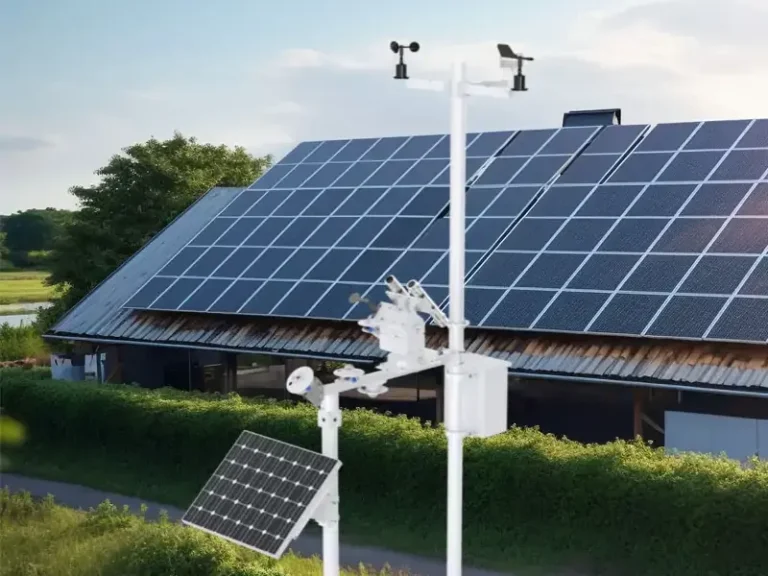
The dust monitoring sensor is the core measurement unit, while environmental sensors such as 太阳辐射, 风速, 温度, 和 rainfall sensors provide additional information about the conditions that influence dust deposition. By combining contamination data with environmental factors, the system can provide a more complete view of changes in the PV operating environment.
The collected data is transmitted and managed through data loggers, communication modules, and monitoring platforms. This allows PV operators to access monitoring information remotely and integrate the system with existing plant management systems. Together, these components form a complete monitoring solution for tracking soiling conditions and supporting more efficient PV plant management.If you want to learn about 适用于光伏电站的最佳太阳能粉尘监测解决方案, ,请点击该文章。.
Solar Dust Monitoring Solutions for PV Plant Applications
Yantai Sensor provides solar dust monitoring solutions designed for different photovoltaic applications, from distributed solar systems to large-scale PV plants. By monitoring module contamination conditions and tracking soiling changes, these solutions provide reliable data for evaluating cleaning requirements and supporting efficient solar plant operation and maintenance.If you’d like to learn more about “Reference vs. Blue Light Dust Sensors for Solar PV Monitoring,” click on the article.
DustLV 光伏模块污染状态监测器
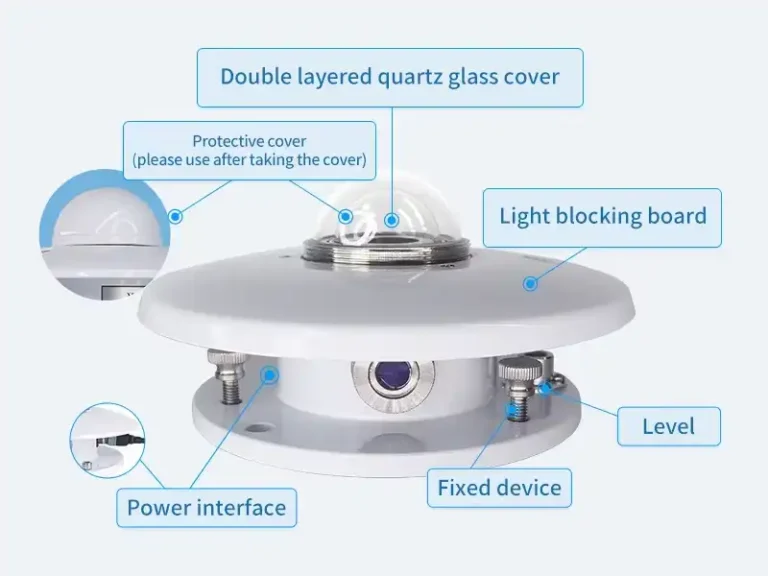
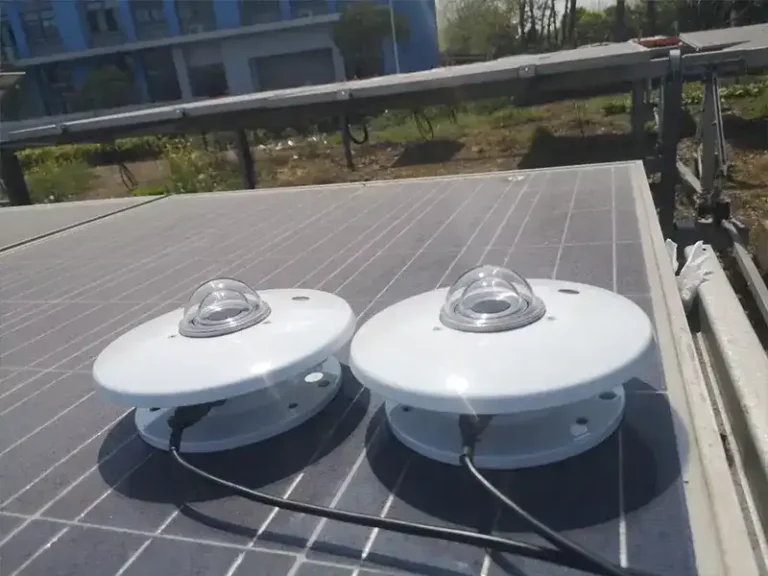
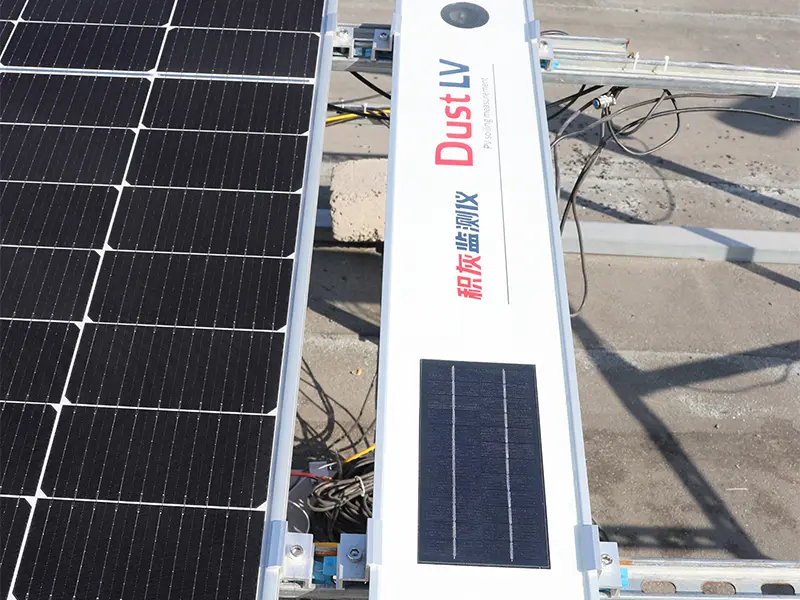
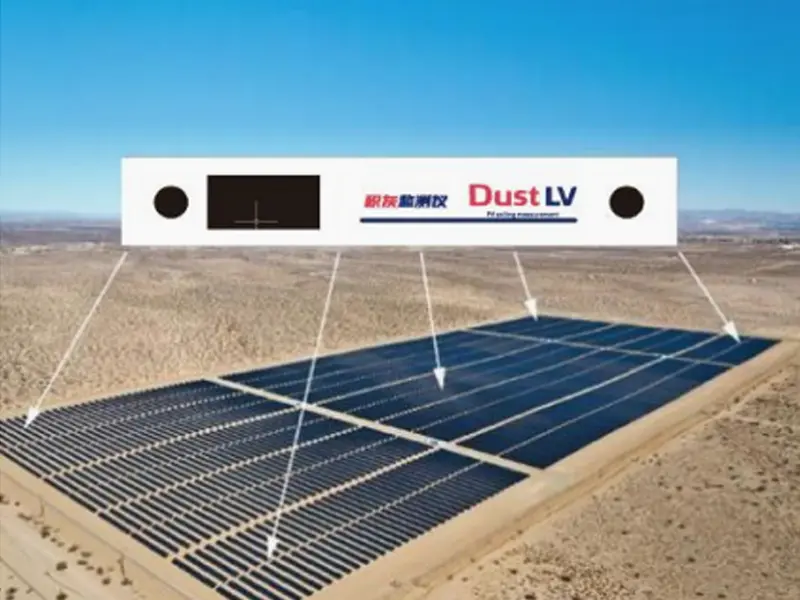
尘埃LV is a photovoltaic soiling monitoring sensor designed to evaluate contamination levels on solar module surfaces through optical measurement technology. It continuously monitors module pollution conditions and provides information about dust accumulation trends, making it suitable for rooftop PV systems, small and medium-sized solar plants, and PV research applications where compact and continuous monitoring is required.
With its optical sensing design and long-term outdoor operation capability, DustLV helps users understand module cleanliness changes without relying on frequent manual inspections, providing a practical monitoring option for distributed PV projects.
DustCom 光伏粉尘指数监测系统
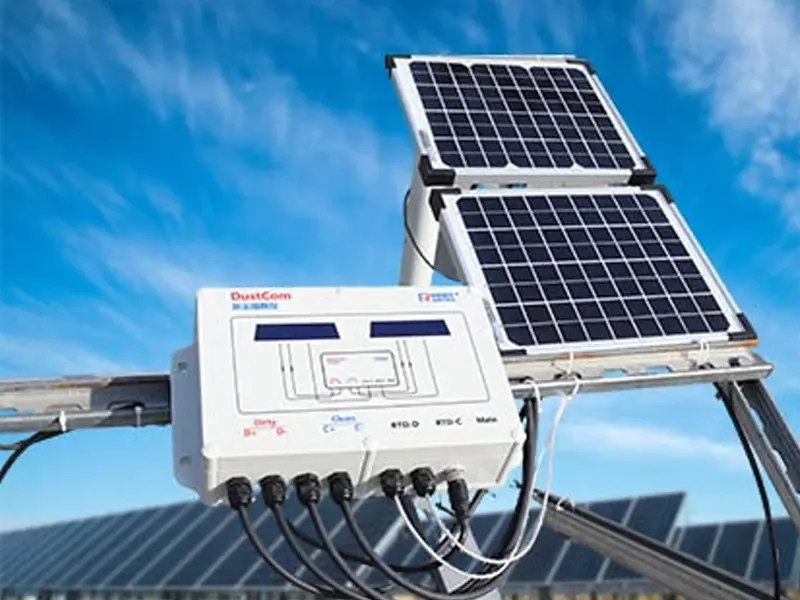
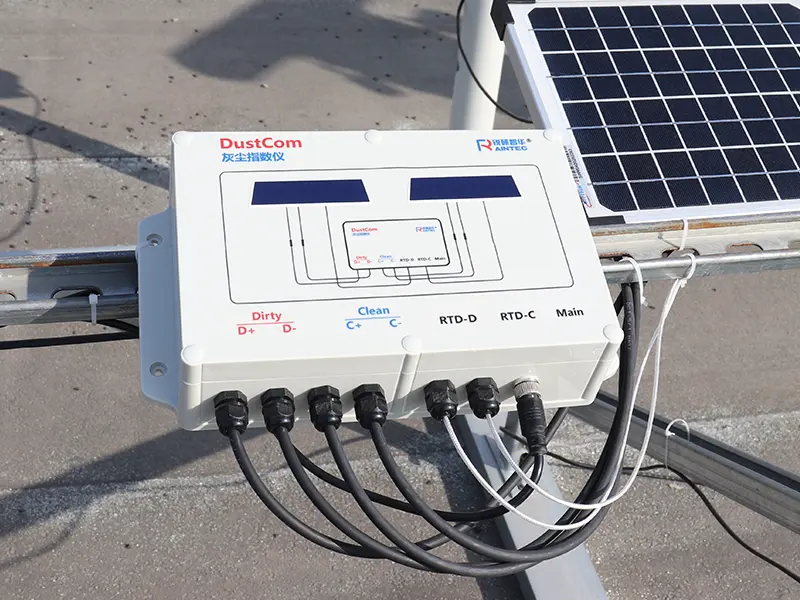
DustCom is a solar soiling monitoring system designed for PV plants that require continuous evaluation of dust-related performance losses. By comparing the difference between clean and contaminated PV conditions, the system calculates dust impact and provides quantitative data for analyzing soiling trends and maintenance requirements.
Designed for utility-scale solar farms, desert PV projects, and renewable energy stations, DustCom supports long-term data recording and integration with PV monitoring platforms, making it suitable for projects that require centralized operation and maintenance management.
How to Select the Right Solar Dust Monitoring Solution?
Selecting the right solar dust monitoring solution requires balancing project requirements, monitoring objectives, and future operation needs. Instead of choosing a system based on a single feature, PV operators should evaluate whether the solution can provide suitable monitoring capabilities for their specific project and support long-term maintenance management.
Define the Monitoring Purpose Before Selection
Before selecting a solution, PV operators should clarify what information they need from the monitoring system. Some projects may focus on tracking module contamination levels, while others may require continuous soiling data for cleaning management or integration with a larger PV performance analysis system. A clear monitoring objective helps determine the appropriate solution configuration and avoids unnecessary functions.
Choose a Solution That Matches Project Requirements
The suitable monitoring solution depends on factors such as PV project scale, installation conditions, and operation methods. Large solar farms may require a more comprehensive monitoring setup for centralized management, while smaller PV systems may prefer a simpler and more flexible solution. Matching the system configuration with actual project requirements helps improve practical application value.
Consider Supplier Support and Long-Term Service
Solar dust monitoring systems are installed for long-term outdoor operation, making supplier support an important part of the selection process. Beyond equipment performance, PV operators should consider technical guidance, installation support, system compatibility assistance, and after-sales service to ensure stable operation throughout the project lifecycle.
Solar Dust Monitoring Applications
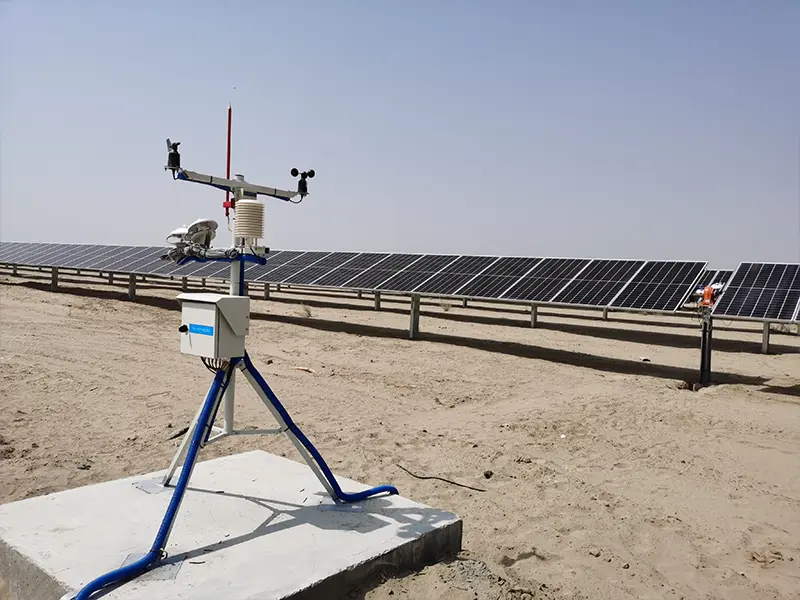
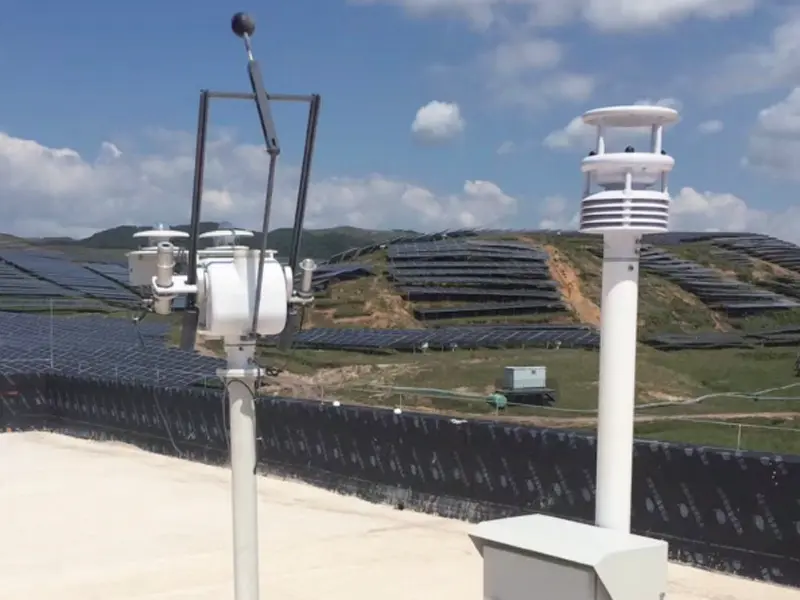
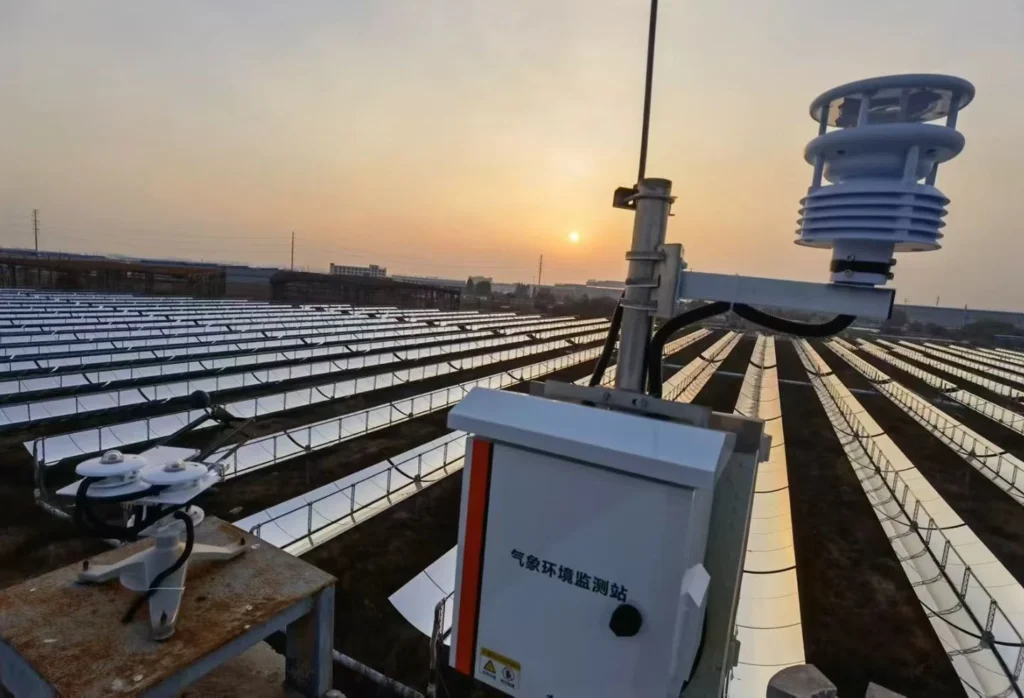
Solar dust monitoring solutions are widely used in different photovoltaic projects, including large-scale solar farms, commercial rooftop PV systems, and solar plants located in harsh environments. Since dust accumulation is influenced by climate conditions, installation location, and surrounding environments, different PV applications require different monitoring approaches to understand soiling conditions and support maintenance planning.
Typical applications include:
- Utility-scale solar farms: Large ground-mounted PV plants require continuous monitoring of soiling trends, energy loss impact, and environmental factors to support centralized O&M management.
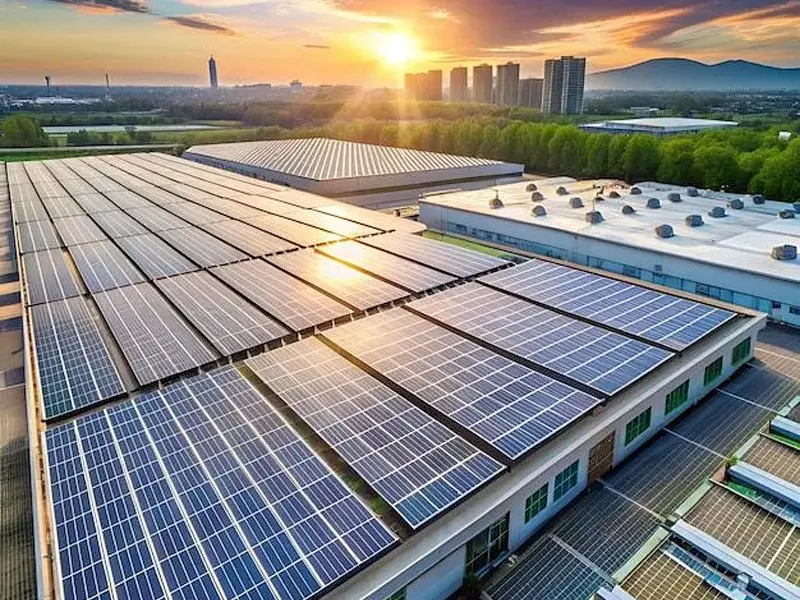
- Commercial rooftop PV systems: Factory and commercial rooftop installations benefit from compact monitoring solutions that allow remote checking of module contamination conditions and reduce the need for frequent manual inspections.
- Desert solar PV projects: Solar plants in dry and high-dust regions require monitoring solutions that can operate under strong winds, dust storms, and extreme temperatures to track contamination changes and support cleaning decisions.
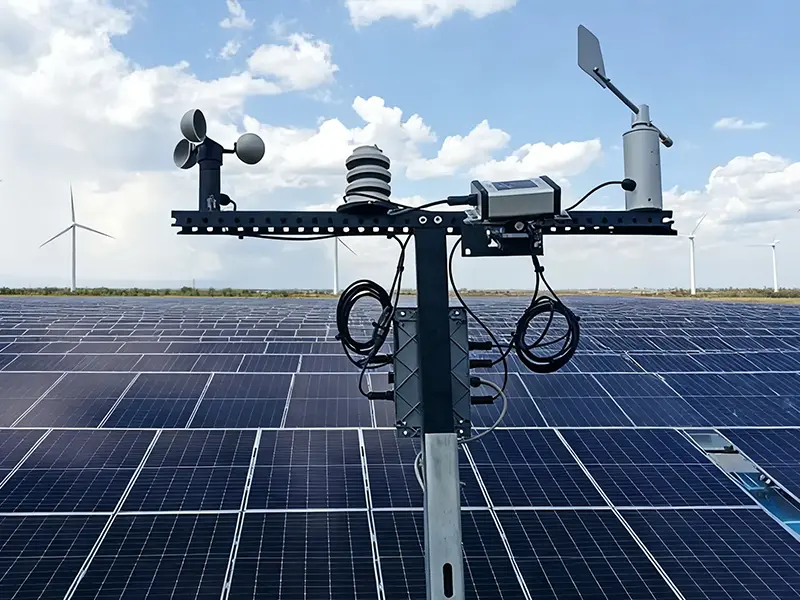
Installation and Maintenance Considerations for Solar Dust Monitoring Systems
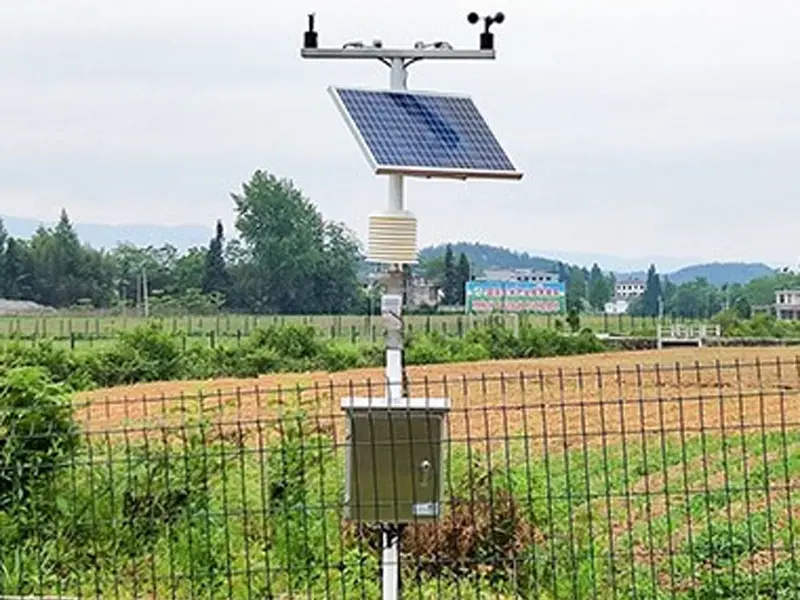
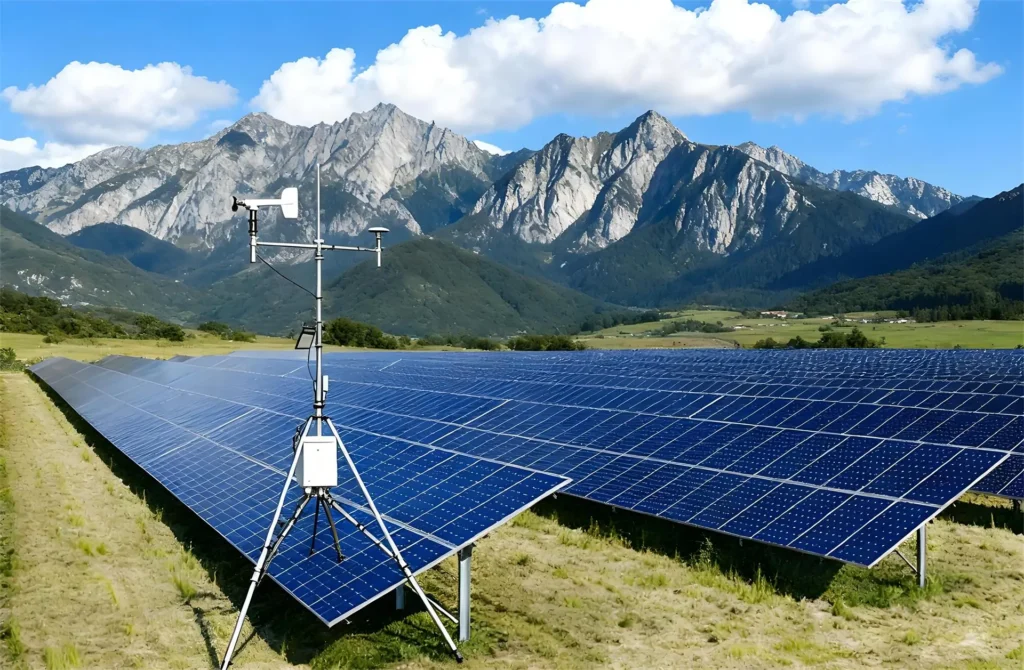
The quality of solar dust monitoring data is influenced by both installation conditions and routine equipment management. The monitoring point should reflect the actual exposure of the PV array, while stable mounting and proper protection reduce measurement deviations caused by external factors. During daily operation, inspection of the sensor surface, equipment condition, and recorded data is necessary to keep the monitoring system working properly.
Important considerations include:
- Representative Monitoring Position: The sensor should be installed in an area with similar dust exposure to the surrounding PV modules. Locations affected by shading, obstacles, or unusual contamination sources should be avoided, as they may create inaccurate readings.
- Stable Installation Structure: The device should be firmly fixed to prevent movement caused by wind or vibration. The sensor angle should match the PV module surface so that the collected data reflects actual soiling conditions.
- Routine Inspection: The sensing surface should be checked regularly for dust deposits or physical damage. Reviewing data changes and communication status can identify abnormal readings caused by environmental changes or equipment problems.
- Outdoor Protection: Solar dust monitoring equipment operates under continuous exposure to sunlight, rain, temperature changes, and airborne particles. Proper housing protection and cable management are important for reducing failures in outdoor installations.
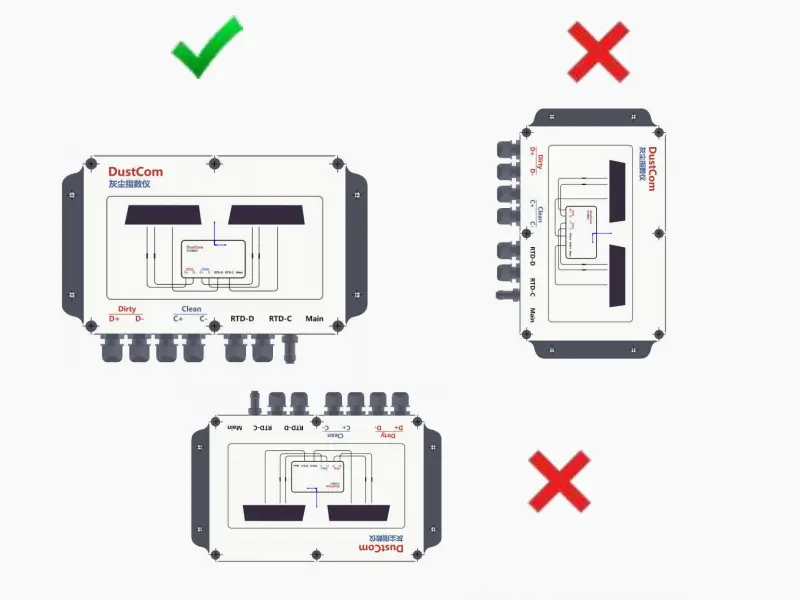
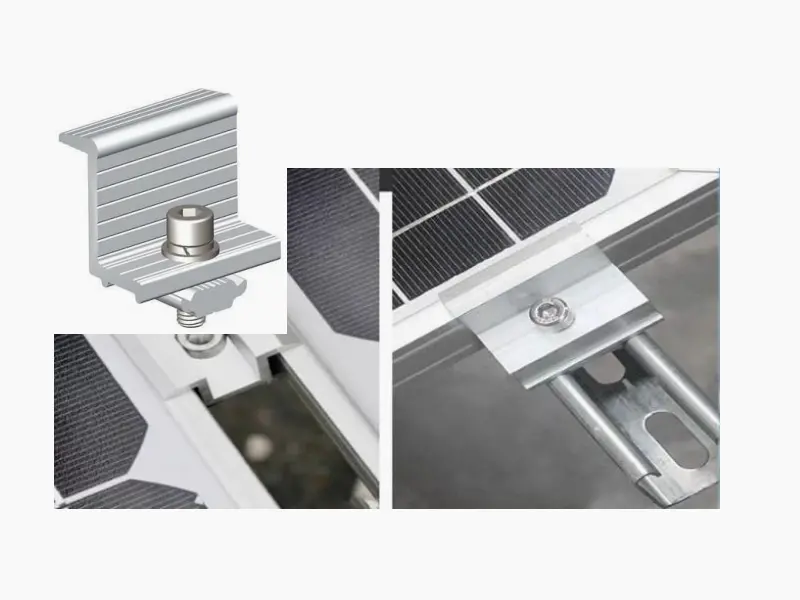
Challenges and Solutions of Solar Dust Monitoring in PV Plants
Solar dust monitoring in PV plants involves practical challenges that can affect the value of monitoring data. Uneven dust accumulation, changing environmental conditions, and integration requirements may influence how operators use soiling information for daily maintenance decisions. Addressing these issues requires solutions designed for real PV operating environments..
Challenge: Uneven Dust Accumulation Makes Soiling Assessment Difficult
Dust does not accumulate evenly across a solar plant. Differences in wind direction, terrain, module installation angle, and surrounding pollution sources can cause significant variations between different areas of the PV array. A single monitoring point or unrepresentative measurement location may not reflect the actual soiling condition of the entire plant, making cleaning decisions less accurate.
解决方案
Solar dust monitoring systems should be installed in representative areas of the PV site and combined with actual plant conditions for analysis. By tracking dust accumulation trends over time, operators can better understand contamination changes across the PV array and plan cleaning activities based on real conditions.
Challenge: Integrating Dust Monitoring Data into Existing PV O&M Systems
Many solar plants already use monitoring platforms, data loggers, and SCADA systems to manage daily operations. If dust monitoring equipment cannot communicate with existing systems, soiling data may remain separate from other plant information and have limited practical value. In addition, outdoor equipment must continue operating under conditions such as strong sunlight, rainfall, and temperature fluctuations.
解决方案
A suitable solar dust monitoring solution should provide flexible data communication and stable outdoor operation. Integration with existing PV monitoring systems allows operators to combine soiling information with plant performance data, while proper equipment design and maintenance procedures help maintain consistent operation in field environments.
结论
Solar Dust Monitoring Solutions provide a practical approach for managing soiling risks in photovoltaic plants. By monitoring dust accumulation, analyzing soiling conditions, and combining environmental and PV operation data, operators can better understand contamination impacts and develop more effective cleaning strategies. From utility-scale solar farms to commercial PV systems, accurate dust monitoring helps improve the visibility of plant conditions and supports more data-based maintenance decisions.
For PV projects facing dust-related power losses or uncertain cleaning schedules, Yantai Sensor provides solar dust monitoring solutions designed for different application requirements. Contact our team to discuss your PV plant conditions, monitoring needs, and suitable sensor configurations for your project.