导言
Solar radiation measurement is an important part of photovoltaic (PV) monitoring systems because solar irradiance directly affects the energy output of PV modules. Accurate irradiance data allows operators to evaluate actual system performance, analyze power generation changes, and understand whether output variations are related to weather conditions or system issues.
In a PV plant, factors such as sunlight intensity, module temperature, shading, dust accumulation, and equipment condition can all influence power generation. Solar radiation sensors provide the necessary environmental data to compare available solar energy with actual output, helping operators improve performance analysis and support daily operation and maintenance.
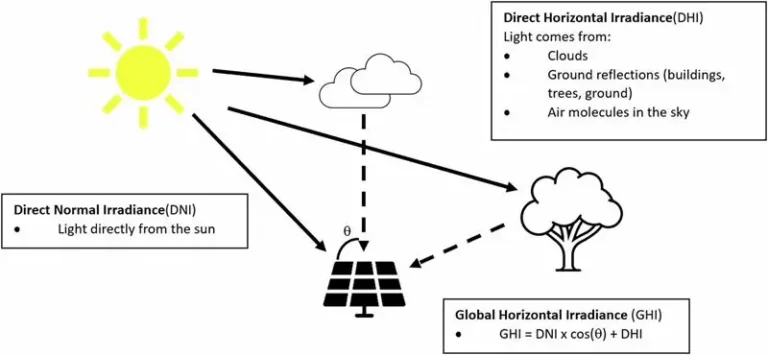
Different PV applications require different solar radiation measurement solutions. Pyranometers, solar irradiance sensors, photovoltaic weather stations, and solar tracking measurement systems are designed for specific monitoring requirements. This guide introduces the best solar radiation sensors for PV monitoring systems and explains how to select a suitable solution for different solar energy projects.If you’d like to learn more about “How to Measure Direct Normal Irradiance (DNI) Accurately,” click on the article.
Why Solar Radiation Sensors Are Important for PV Monitoring Systems?
Solar radiation directly determines the available energy input of a photovoltaic system. During daily operation, PV operators often face a practical question: when power output decreases, is it caused by lower solar irradiance or by a problem within the PV system? Without accurate irradiance measurements, it is difficult to separate weather-related fluctuations from equipment or performance issues.
Solar radiation sensors provide the irradiance data needed to evaluate PV system performance, compare expected and actual output, and support more accurate operation decisions.
Performance Ratio Evaluation and System Performance Analysis
Solar radiation sensors are widely used for Performance Ratio (PR) evaluation, which compares the actual energy output of a PV system with the expected output under the available solar irradiation conditions.
PR = Actual Energy Output / (Installed Capacity × Reference Irradiance)
By combining irradiance measurements with inverter output data, operators can analyze whether energy losses are caused by temporary weather changes or by issues such as module soiling, shading, degradation, or inverter faults. This helps maintenance teams identify abnormal performance more efficiently and avoid relying only on power output data when diagnosing system problems.If you’d like to learn more about “总辐射表与太阳辐射传感器:有何区别?”, click on the article.
Solar Resource Assessment and Energy Forecasting
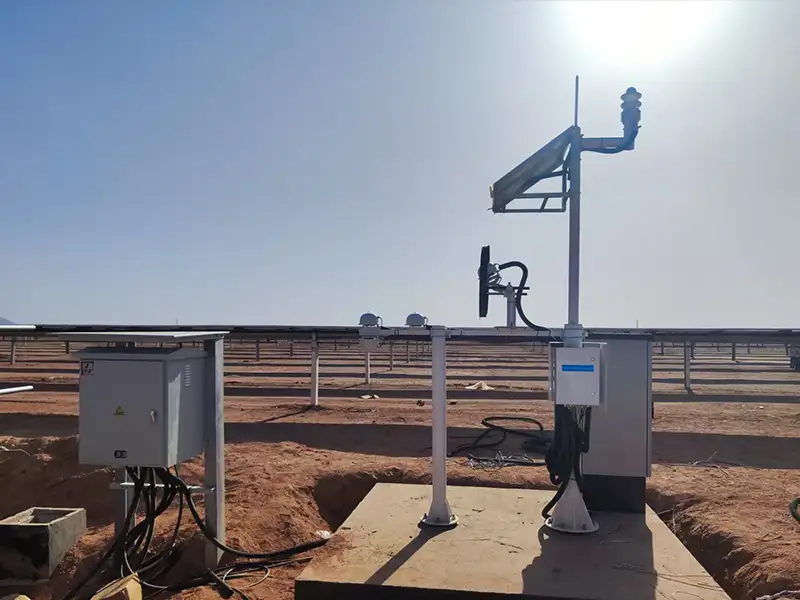
Accurate solar radiation measurement is important throughout the lifecycle of a PV project. During the planning stage, irradiance data helps developers evaluate solar resources, estimate expected energy production, and select suitable system designs. After commissioning, continuous radiation monitoring provides reference data for analyzing daily and seasonal power generation changes, improving generation forecasts, and supporting the operation of large-scale PV plants.
Real-Time PV Monitoring and Smart O&M
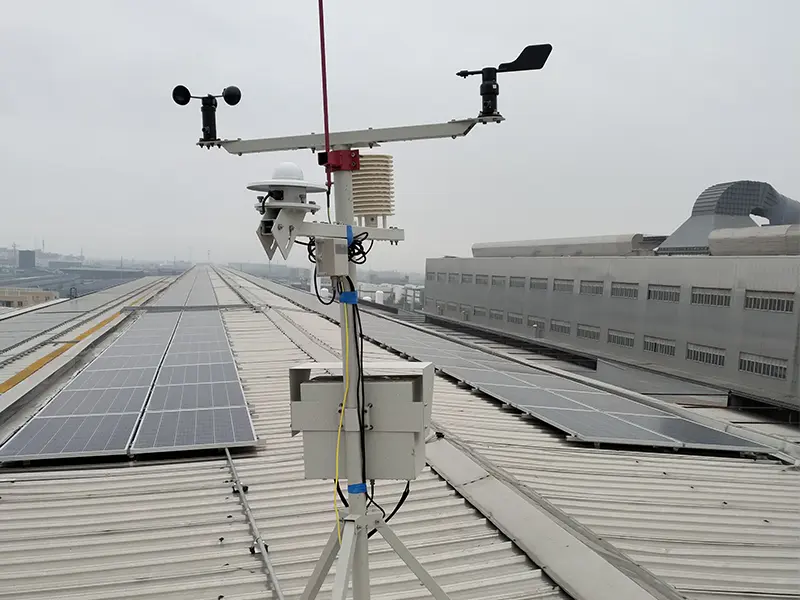
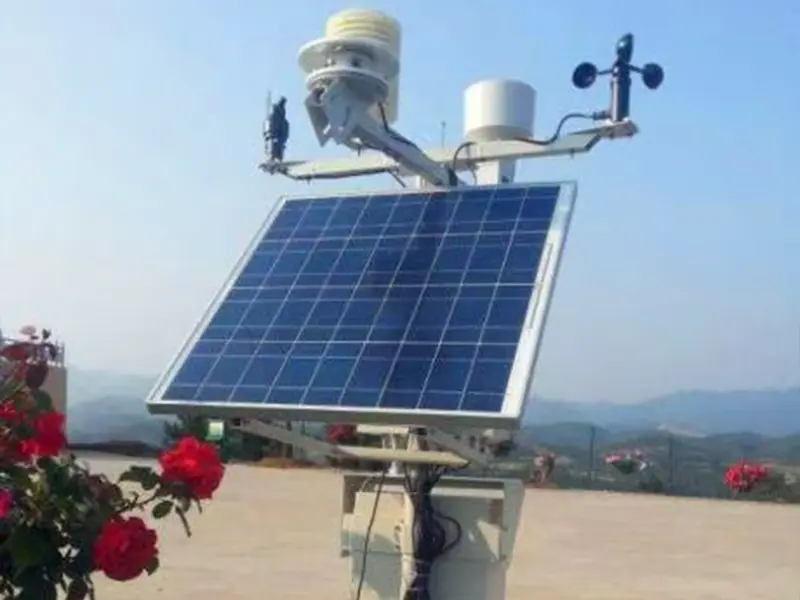
In a PV monitoring system, solar radiation sensors are usually integrated with SCADA systems, photovoltaic weather stations, and inverter monitoring platforms to provide environmental and electrical data in one system.
Real-time irradiance information allows operators to compare sunlight conditions with actual power generation. For example, if irradiance remains stable while output drops, the system can indicate potential issues such as dirty modules, shading, or equipment faults. This helps O&M teams focus inspections on specific areas, reduce troubleshooting time, and maintain more stable plant operation.
Types of Solar Radiation Sensors Used in PV Systems
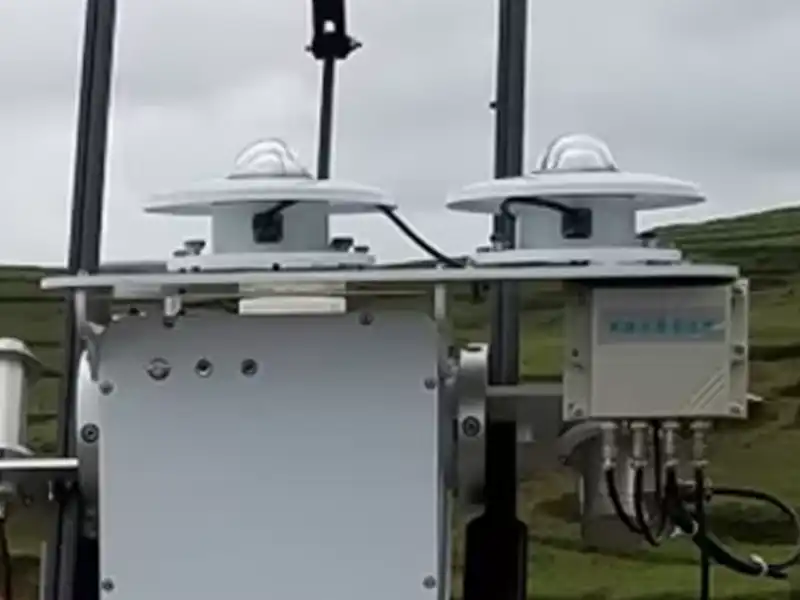
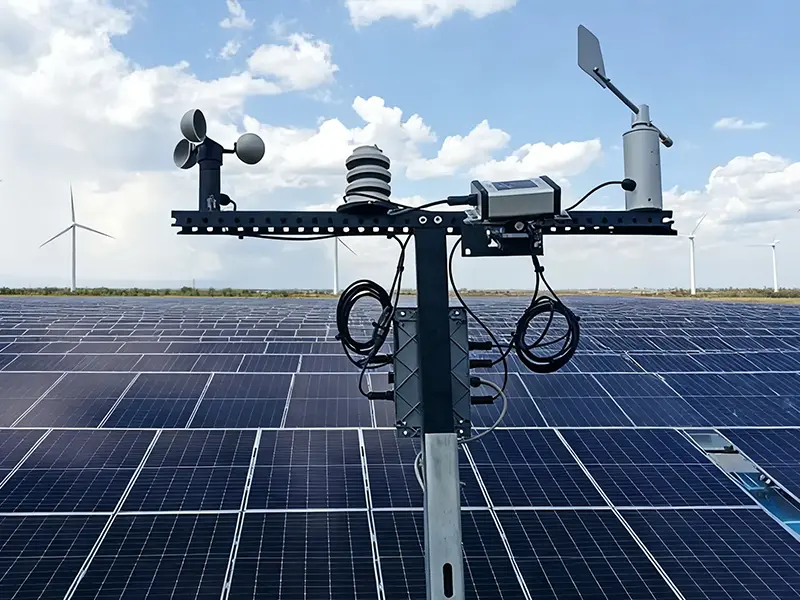
Different PV projects require different types of solar radiation measurements. A rooftop solar system may only need basic irradiance monitoring, while utility-scale PV plants often require additional environmental data to evaluate system performance. The most commonly used solutions include pyranometers for GHI measurement, solar tracking systems for DNI measurement, and photovoltaic weather stations for combined solar and weather monitoring.
Pyranometer for Global Solar Radiation Measurement
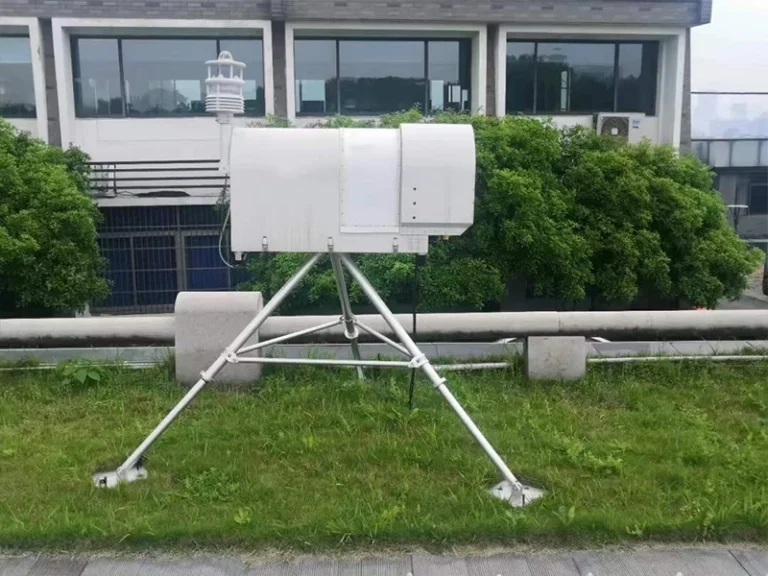
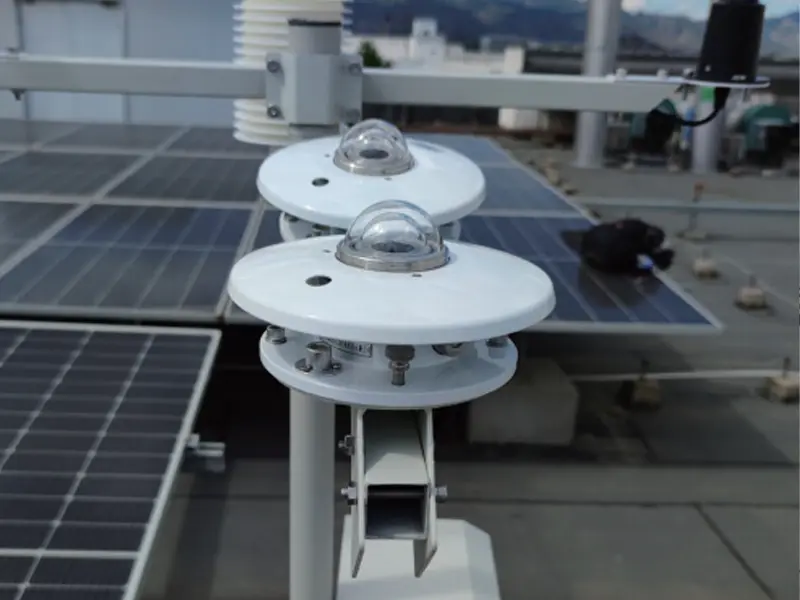
A solar pyranometer is one of the most commonly used solar radiation sensors in photovoltaic monitoring systems. It measures global horizontal irradiance (GHI), including both direct and diffuse solar radiation received on a horizontal surface.
In PV applications, pyranometers provide reference irradiance data for performance analysis, energy yield evaluation, and solar resource assessment. They are widely used in utility-scale solar plants, meteorological stations, and solar monitoring systems that require continuous radiation measurements.
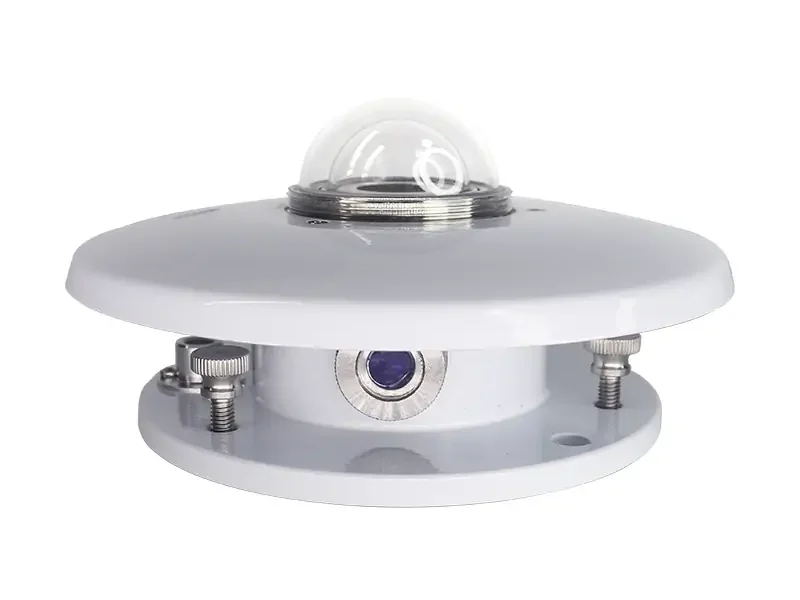
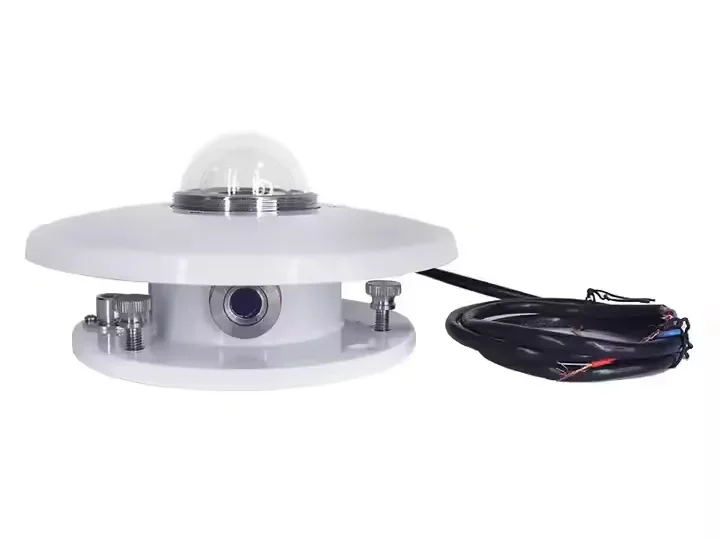
TBQ-2C Pyranometer 太阳辐射传感器
The TBQ-2C Pyranometer Solar Radiation Sensor is designed for solar radiation measurement in photovoltaic monitoring and environmental observation applications. It measures total solar radiation and provides irradiance data for PV performance evaluation, solar resource assessment, and weather monitoring. Its thermopile sensing technology and dual-layer quartz glass dome structure help maintain measurement stability and reduce the influence of environmental conditions during outdoor operation.
Automatic Tracking Solar Radiation Measurement System for DNI Monitoring
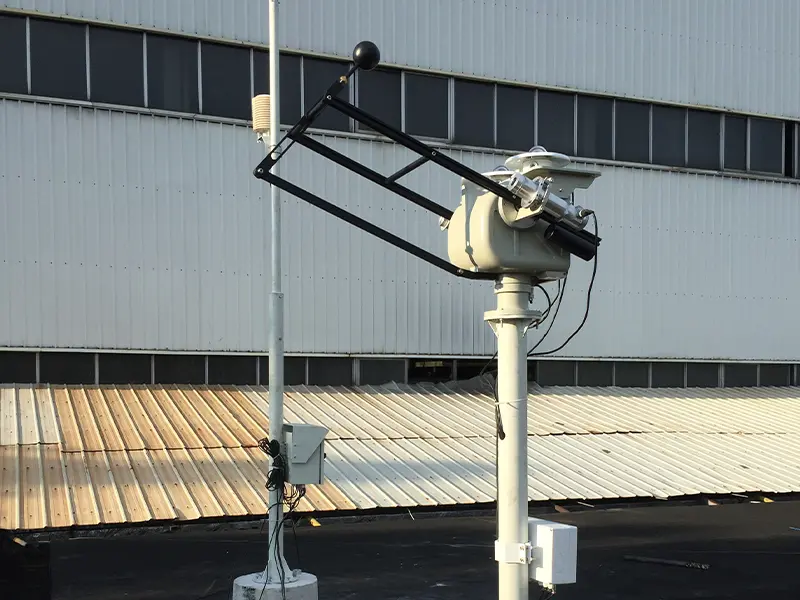
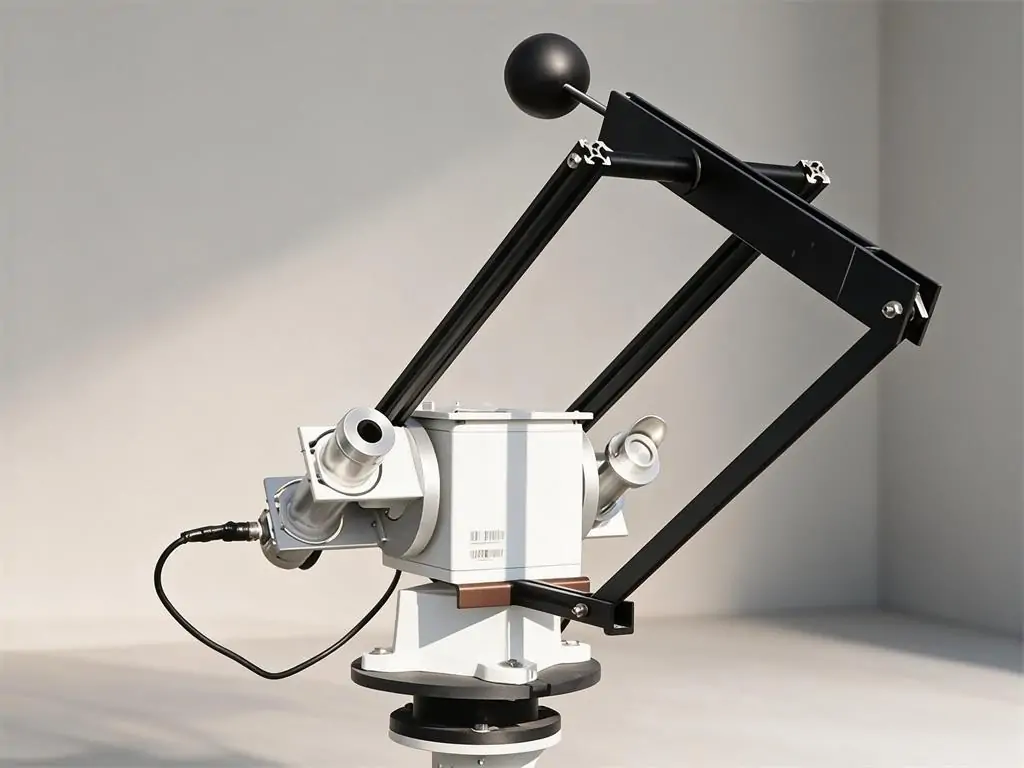
While pyranometers are mainly used to measure GHI, DNI solar radiation sensors require accurate positioning toward the sun to measure direct normal irradiance. An automatic tracking solar radiation measurement system uses a solar tracker to follow the sun’s movement and maintain the correct measurement angle throughout the day.
DNI data is mainly used for solar resource assessment, solar research, and applications that require accurate direct radiation measurement. Compared with fixed radiation sensors, tracking systems provide more precise data for analyzing direct solar radiation conditions.
SAUT 自动跟踪太阳辐射测量系统
SAUT自动跟踪太阳辐射测量系统 is designed for direct normal irradiance (DNI) measurement in photovoltaic plants, meteorological observation, and solar research projects. The system integrates an automatic solar tracker with radiation sensors to maintain accurate alignment with the sun and collect continuous DNI data for solar resource evaluation and radiation monitoring.
Solar Photovoltaic Weather Stations for Environmental Monitoring
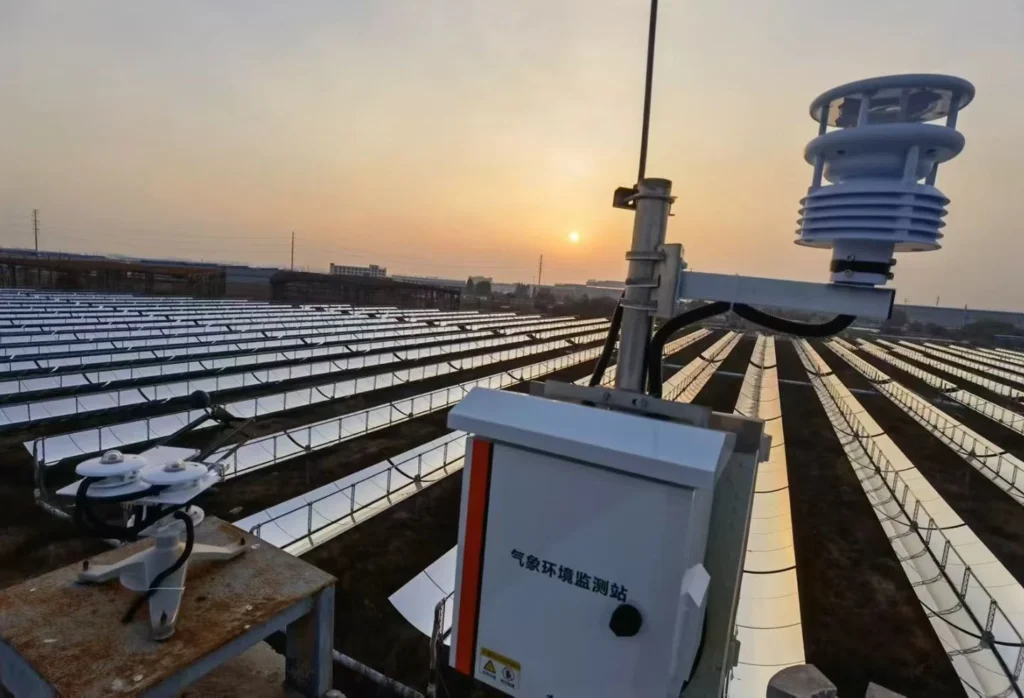
Solar irradiance is the main energy source for PV power generation, but environmental conditions such as temperature, humidity, wind speed, wind direction, and rainfall can also affect system output. For large-scale PV projects, combining solar radiation measurement with weather monitoring helps provide more complete operating data.
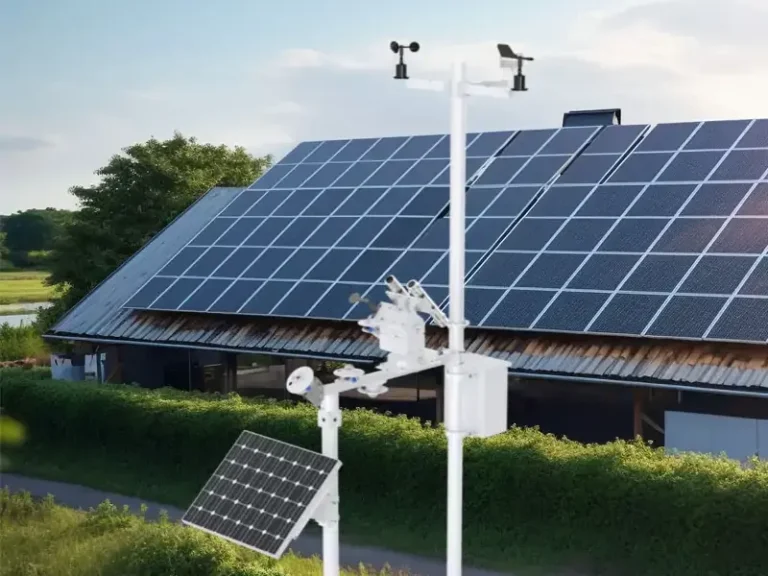
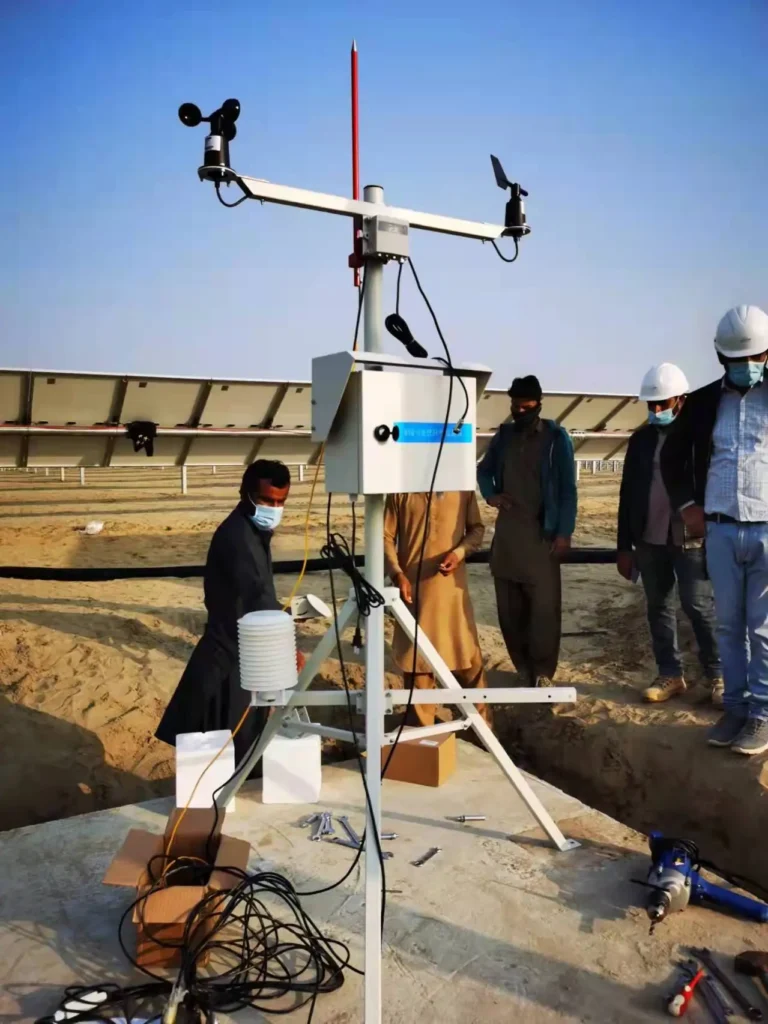
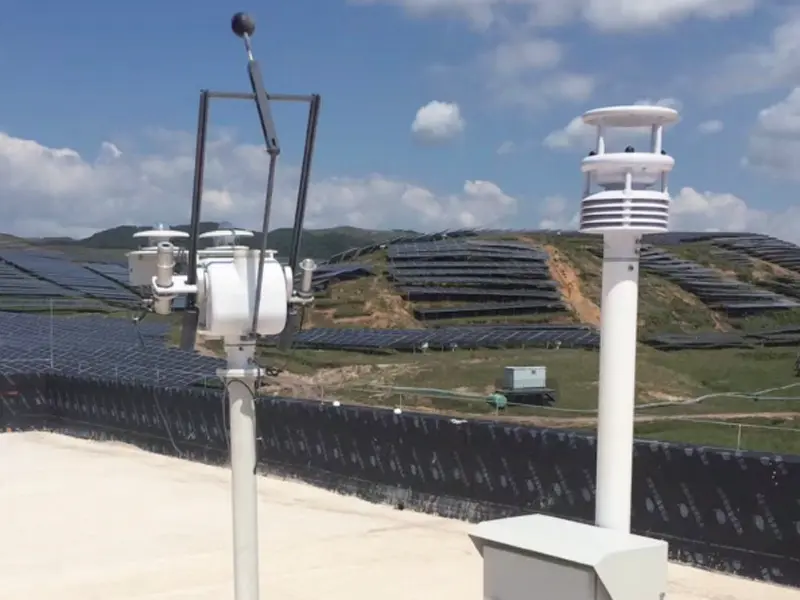
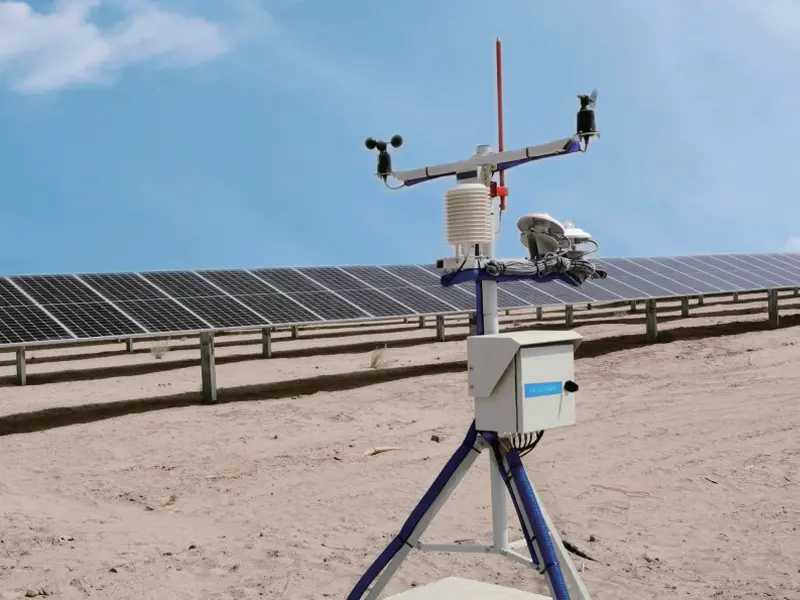
A PV weather station integrates multiple environmental sensors to collect solar and weather information, which can be used for PV performance analysis, power forecasting, and daily operation monitoring.
RYQ-3 太阳能光伏环境监测站
The RYQ-3 Solar Photovoltaic Environmental Monitoring Station is designed for photovoltaic power plants that require multiple environmental measurements. It integrates solar radiation, temperature, humidity, wind, and other weather sensors to provide environmental data for PV performance analysis and operation monitoring. The collected data helps operators analyze changes in power generation caused by different environmental conditions.
UV Solar Radiation Sensors for Solar Monitoring
In addition to measuring total solar radiation, ultraviolet radiation monitoring provides additional information about solar spectrum changes and environmental conditions. UV sensors are used in applications where ultraviolet radiation data is required for solar research, environmental observation, and photovoltaic studies.
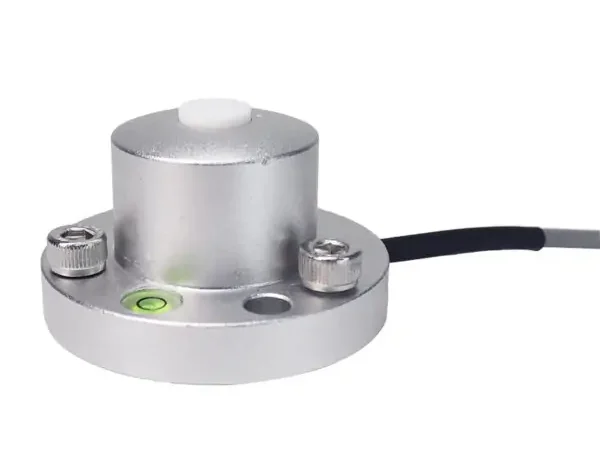
RY-ZW UV Light Radiation Sensor
The RY-ZW UV Light Radiation Sensor is designed to measure ultraviolet radiation intensity for photovoltaic, meteorological, and environmental monitoring applications. It measures UV radiation in the 280–400 nm wavelength range and provides data for solar radiation analysis, environmental monitoring, and scientific research. Its fast response and stable measurement performance make it suitable for outdoor UV radiation measurement.
Best Solar Radiation Sensors for Different PV Applications
Different PV projects have different monitoring requirements. A utility-scale solar plant usually needs continuous irradiance and weather data for performance analysis, while a solar resource assessment project requires more accurate direct radiation measurement. The suitable sensor combination depends on the monitoring purpose, project scale, and required measurement parameters.
| 光伏应用 | Recommended Sensor | Main Measurement |
| Utility-scale PV plant | Pyranometer + PV Weather Station | GHI, temperature, humidity, wind data |
| Solar resource assessment | 自动跟踪太阳辐射测量系统 | DNI |
| Rooftop PV system monitoring | Irradiance Sensor / Pyranometer | 太阳辐照度 |
| PV performance testing and research | Pyranometer + Environmental Sensors | Irradiance and weather parameters |
| PV plants in dusty environments | Dust Monitoring Sensor + Irradiance Sensor | Module soiling impact |
Solar Radiation Sensors Selection Guide for PV Projects
Choosing a solar radiation sensor for a PV project depends on the system size, monitoring purpose, and operating conditions. From our project experience, many buyers focus only on accuracy while overlooking installation environment and system compatibility. A suitable sensor should provide stable and reliable irradiance data throughout the PV system lifecycle.
Measurement Accuracy Requirements
Sensor accuracy should match the project requirements. Residential PV systems usually need standard irradiance monitoring, while commercial projects often use calibrated pyranometers for performance evaluation. Utility-scale plants typically require Class A sensors for accurate PR analysis and long-term energy assessment.
安装环境
Outdoor PV sites face dust, temperature changes, humidity, and corrosion risks. When selecting a sensor, buyers should consider IP protection, temperature compensation, corrosion resistance, and calibration stability. These factors directly affect long-term measurement reliability and maintenance costs.
Communication and Data Integration
The sensor should be compatible with the PV monitoring system. RS485 and Modbus are commonly used for SCADA and data logger integration, while wireless options are suitable for distributed PV projects. Confirming communication compatibility before purchase helps reduce installation and upgrade issues.
Practical Selection Considerations for Different PV Projects
Based on our experience, the best sensor is not always the most expensive one. PV developers should balance accuracy, reliability, maintenance requirements, and integration needs to select a solution that fits the actual project conditions.
Additional Sensors for Improving PV Performance Monitoring
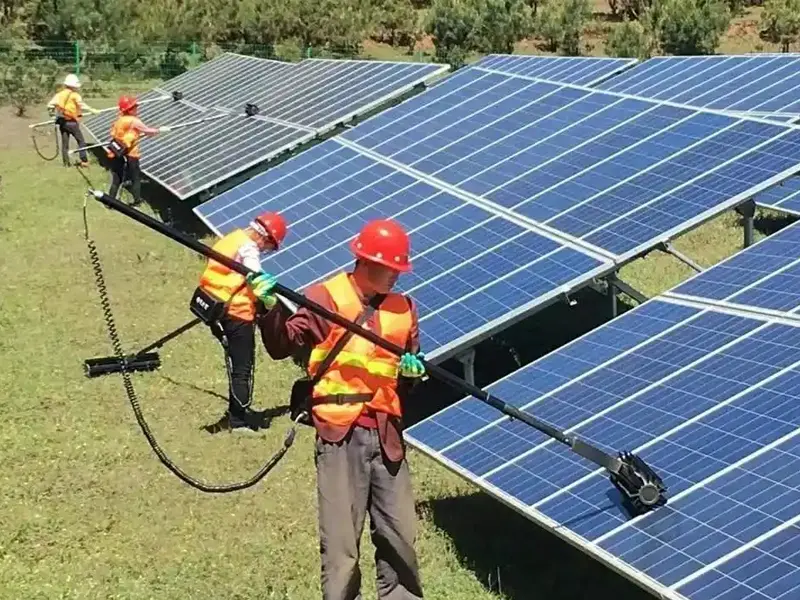
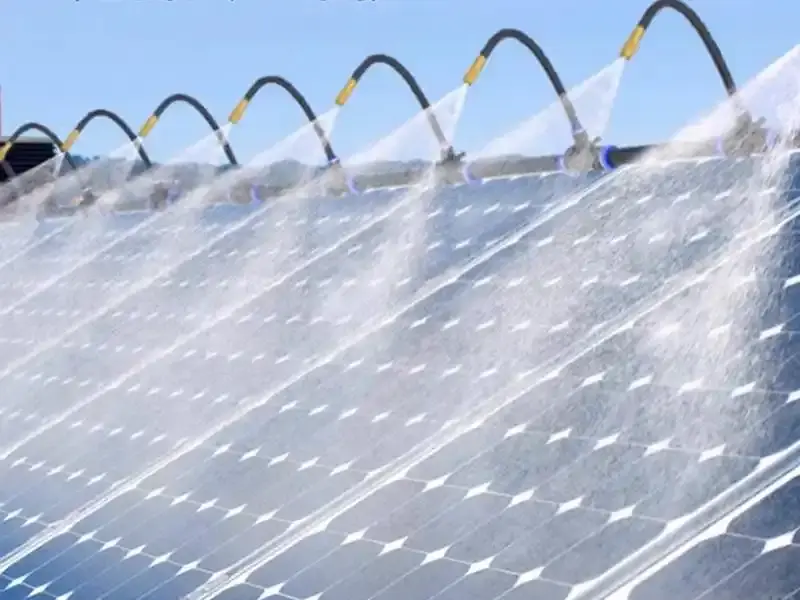
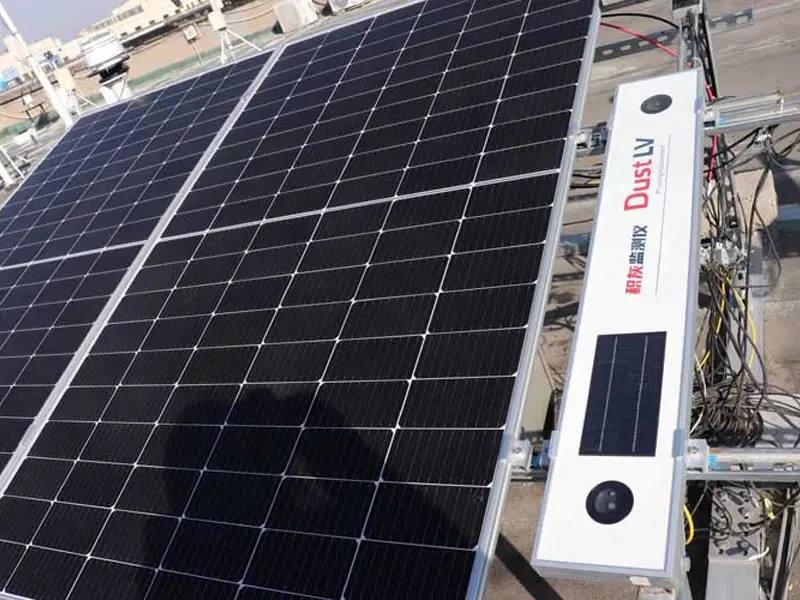
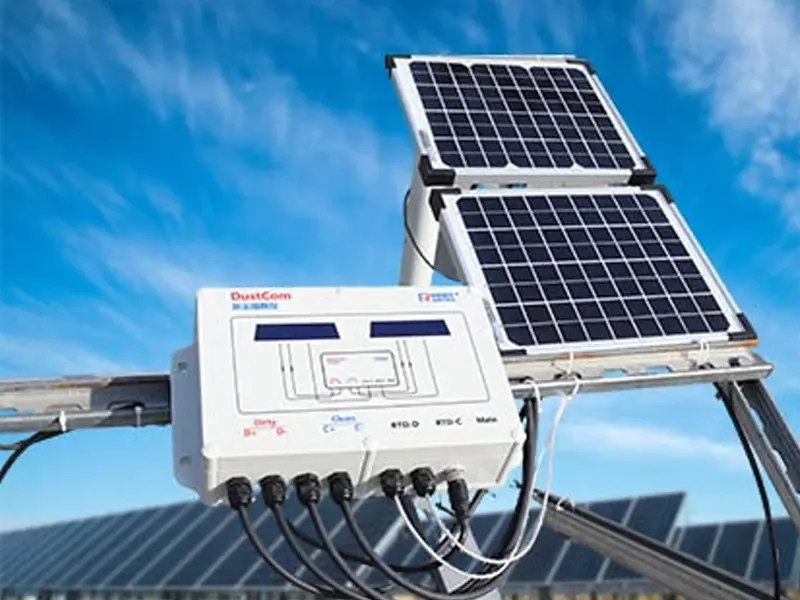
Solar irradiance data shows the available solar resource, but it does not explain all power losses in a PV system. In actual operation, dust accumulation on module surfaces can reduce sunlight reception and affect power output, especially in desert areas, industrial zones, and large solar farms where manual inspection is difficult. To monitor soiling impact, DustLV 光伏模块污染状态监测器 和 DustCom 光伏粉尘指数监测系统 can be used as additional monitoring devices.
DustLV Photovoltaic Module Pollution Status Monitor focuses on the current pollution condition of PV modules and helps operators determine whether cleaning is required based on actual module soiling levels. DustCom Photovoltaic Dust Index Monitoring System is designed for continuous dust index tracking, providing long-term data on dust accumulation trends. In large PV plants, this information can support cleaning schedule decisions and help evaluate the impact of soiling on energy production.
Recommended Solar Radiation Sensor Configuration for PV Monitoring Systems
The right sensor setup depends on the project size and monitoring purpose. In our experience, a small commercial PV system usually needs only a compact irradiance sensor, temperature sensor, and data logger for daily monitoring. Larger solar farms may require accurate irradiance measurement together with weather, wind, and dust monitoring to identify changes in power output.
For research sites or projects requiring detailed solar resource data, an automatic tracking system and DNI measurement can be added. We normally recommend starting with the data the project actually needs rather than adding sensors unnecessarily, which keeps the system easier to install, integrate, and maintain.
How to Install Solar Radiation Sensors Correctly?
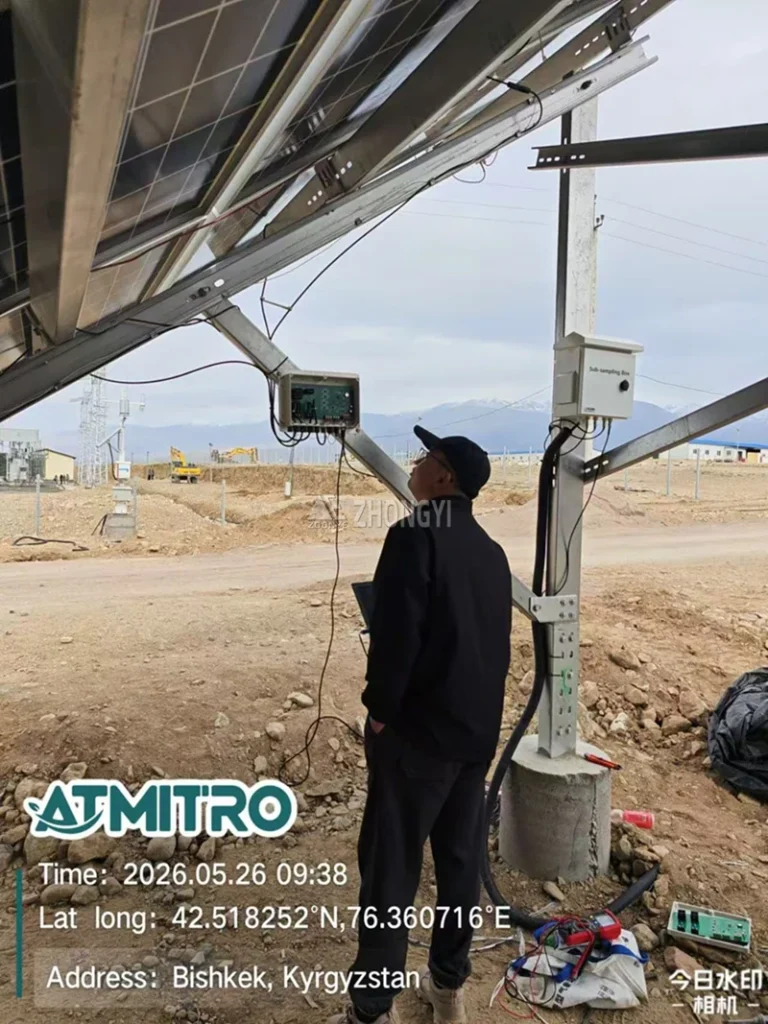
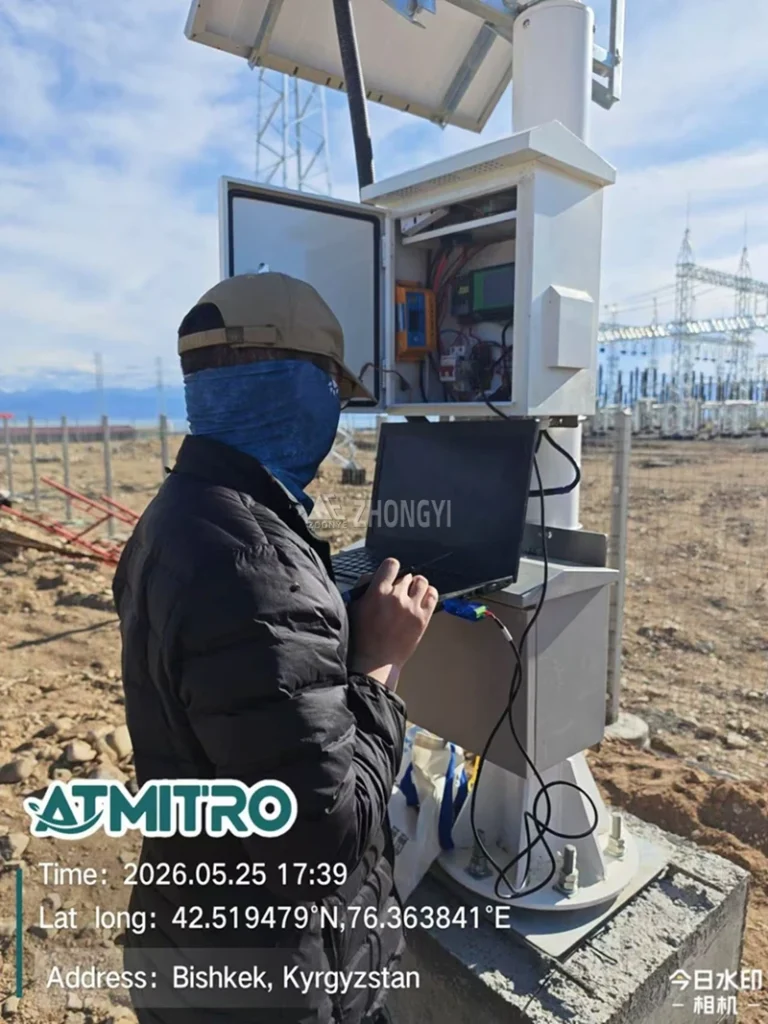
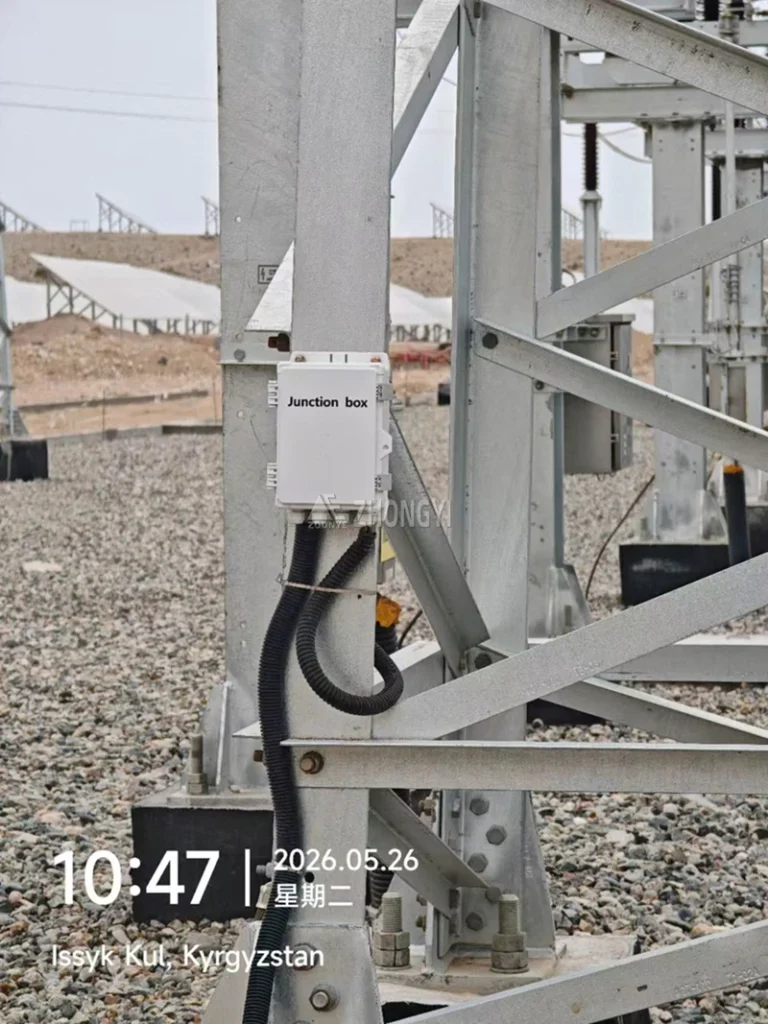
Choose an open location where trees, buildings, equipment, or PV structures will not shade the sensor during the measurement period. The mounting angle and orientation should match the measurement purpose: a horizontal sensor must be level, while a plane-of-array sensor should follow the same tilt and azimuth as the PV modules. In our project experience, poor positioning and small installation-angle errors are common causes of inconsistent irradiance data. The mounting structure should also be rigid, weather-resistant, and properly sealed against water and dust.
Keep the sensing surface clean and inspect the mounting, cable connections, and waterproof seals regularly, particularly at dusty or high-humidity sites. Cleaning should use suitable soft materials to avoid damaging the optical surface. Calibration should also follow the sensor manufacturer’s recommended interval, especially for long-term PV performance monitoring. These basic installation and maintenance practices have a direct effect on the reliability of the irradiance data used for system performance analysis.
结论
Choosing the right solar radiation sensor is an important part of building a reliable PV monitoring system. The selection should consider the project scale, measurement purpose, installation environment, data accuracy, and system integration rather than sensor price alone. Small commercial systems may only require a compact irradiance sensor, while utility-scale and research projects may need higher-accuracy pyranometers, solar tracking systems, weather stations, and dust monitoring equipment.
Proper installation and regular maintenance are equally important. Correct positioning, leveling, cleaning, and calibration help keep irradiance data consistent throughout long-term operation. For PV projects with specific measurement or integration requirements, our team can help evaluate the site conditions and recommend a suitable solar radiation sensor configuration based on the actual monitoring needs. 联系我们 to discuss your project requirements and sensor selection.