导言
太阳能已成为全球可再生能源转型的重要组成部分,但光伏系统可用的太阳光远比表面看起来复杂。理解GHI、DNI与DHI的区别对于掌握太阳辐射的分布与测量方式至关重要,因为这三个参数描述了到达地球表面的太阳光的不同组成部分。.
在日常生活中,我们将阳光视为单一能源,但太阳辐射会因太阳位置、大气条件、云层覆盖和天气变化而持续变化。对于太阳能工程师和光伏运营商而言,理解这些差异有助于改进太阳能资源评估、能源预测以及光伏系统性能分析的准确性。如果您想了解 什么是太阳辐射传感器, ,请点击该文章。.
太阳能中的GHI、DNI与DHI分别是什么?
到达地球表面的太阳辐照度通常分为三个主要组成部分:GHI(水平总辐射)、DNI(直接法向辐射)和DHI(水平散射辐射)。这些参数描述了不同形式的太阳辐射,广泛应用于太阳能资源评估和光伏系统分析。.
- GHI(水平总辐射):水平面上接收到的总太阳辐射,包括直接辐射和散射辐射。.
- DNI(直接法向辐射):垂直于太阳光线方向的表面上接收到的直接太阳辐射。.
- DHI(水平散射辐射):经大气散射后到达水平面上的太阳辐射。.
这三个参数之间的关系为: GHI = DNI × cos(θz) + DHI
其中θz表示太阳天顶角,即太阳光线与垂直方向之间的夹角。.
该公式表明,GHI由两部分组成:直接太阳辐射和散射太阳辐射。因此,GHI通常作为一般太阳能资源评估的关键指标,而DNI和DHI则提供关于直接阳光强度和大气散射条件的更详细信息。.
什么是水平总辐射(GHI)?
GHI的定义
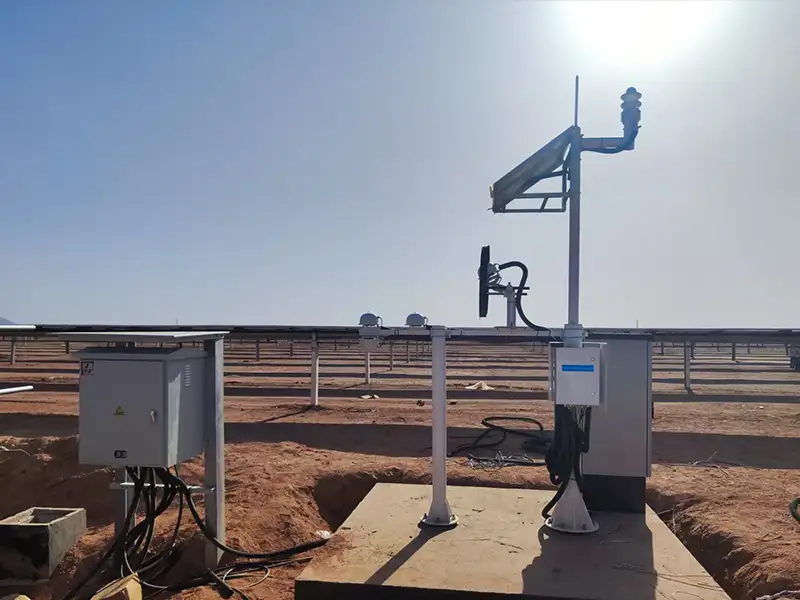
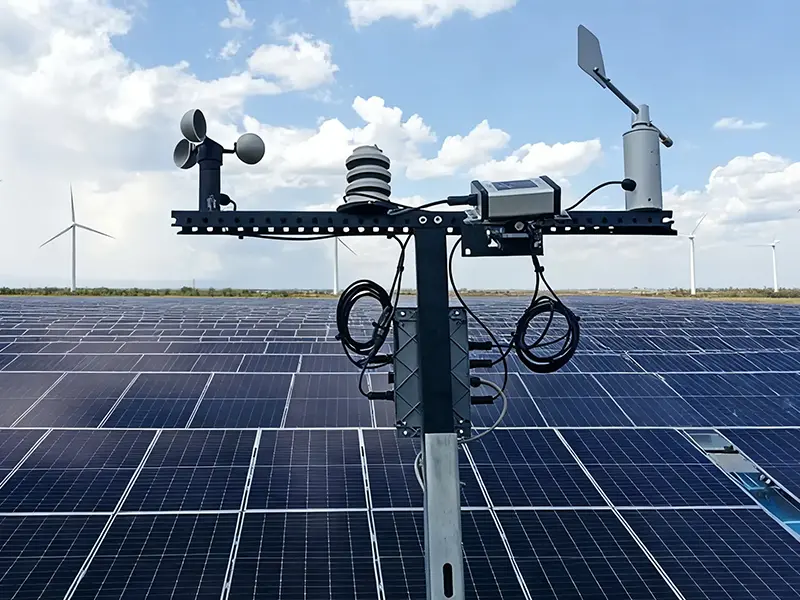
全球水平辐照度(GHI) 指水平面上从整个天空接收到的总太阳辐照度。它是描述特定位置太阳辐射条件的重要测量参数。.
在太阳能应用中,水平总辐射数据有助于工程师评估太阳能资源可用性,并了解到达地面的太阳辐射量。测量的GHI值会随环境条件持续变化,包括太阳位置、云层覆盖、大气颗粒物和季节变化。因此,准确且连续的GHI监测对于获取可靠的太阳能资源数据至关重要。.
如何测量GHI?
GHI通常使用总辐射表或太阳辐射传感器进行测量,传感器水平安装,且视野无遮挡,能够接收整个天空的太阳辐射。.
可靠的GHI测量系统需要具备:
- 180°视场角,以捕获来自整个天空半球的大阳辐射。.
- 余弦响应,确保阳光以不同角度到达传感器时仍能保持测量精度。.
- 水平安装,确保测量结果符合水平总辐射的定义。.
在光伏监测应用中,GHI传感器通常与气象站或数据采集系统集成,以持续收集太阳辐射数据。结合温度、湿度和风速等其他环境参数,所采集的数据可支持准确的太阳能资源评估和光伏系统分析。.
为什么GHI对光伏系统很重要?
水平总辐射是光伏项目全生命周期中最重要的太阳辐射参数之一。在建设光伏电站之前,开发商通过分析长期GHI数据来评估太阳能潜力、比较不同选址位置,并估算预期发电量。.
在系统设计和运行阶段,GHI数据用于光伏模拟模型,以预测年发电量并优化系统配置。实时GHI监测还能提高太阳能发电预测精度,帮助运营商应对天气相关的波动,维持稳定的能源输出。.
通过将实测辐照度数据与实际发电量进行对比,光伏运营商可以识别性能损失、评估系统效率,并优化运维策略。.
什么是直接法向辐射(DNI)?
DNI的定义
直接法向辐射(DNI)指垂直于太阳光方向的表面上接收到的直接太阳辐射量。它仅测量直接来自太阳的直射光束辐射,不包括大气散射的散射辐射或周围表面反射的辐射。.
DNI代表特定位置可用的直接阳光强度,是评估依赖聚光或跟踪式太阳辐射应用的重要参数。测量值受大气条件影响,包括云层覆盖、气溶胶、湿度和空气污染,这些因素会减少到达地面的直接阳光量。.
如何测量DNI?
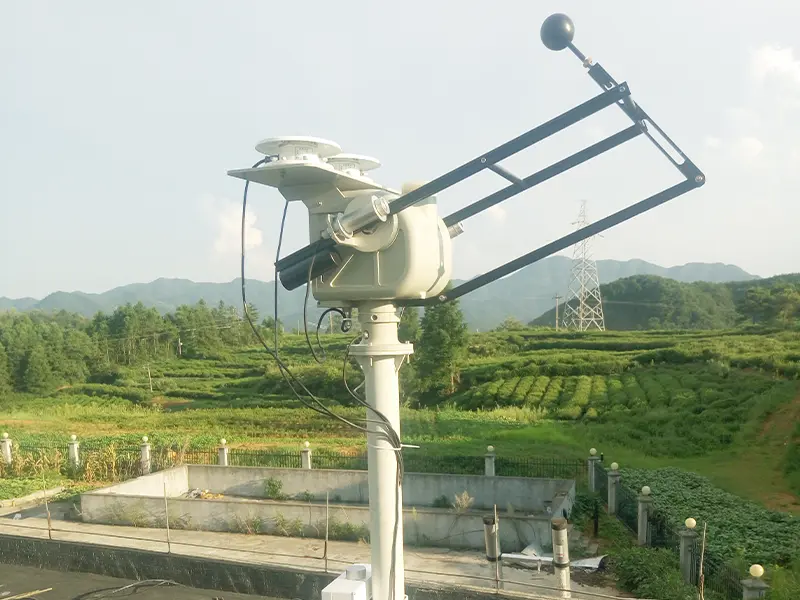
DNI测量需要专用设备,因为传感器必须始终与太阳光方向对齐,才能准确捕获直接太阳辐射。与采用固定水平安装的GHI测量不同,DNI测量需要持续跟踪太阳的运动。如果您想了解更多关于 如何准确测量直接法向辐照度(DNI), ,请点击此处阅读文章。.
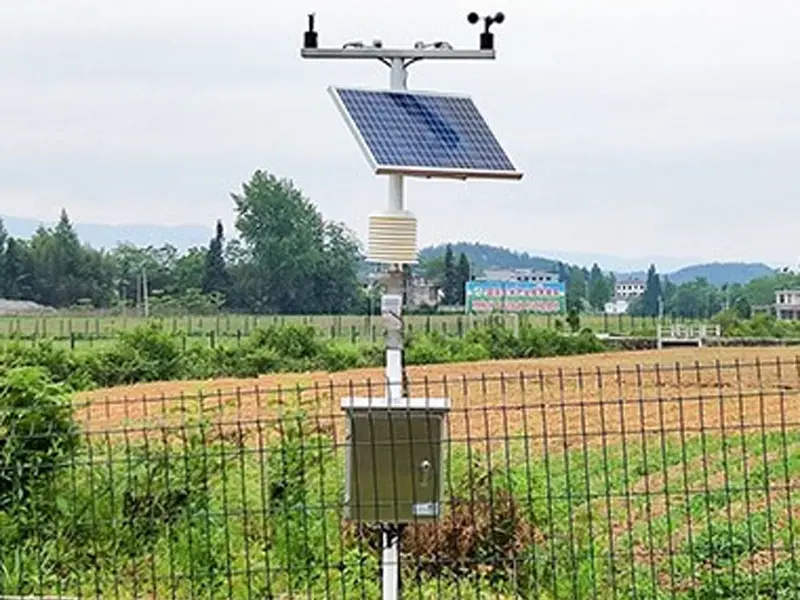
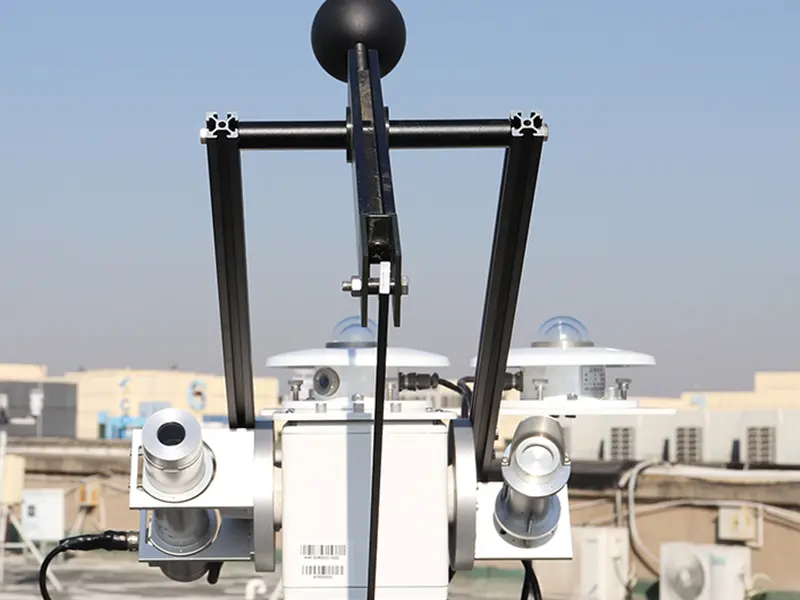
典型的直接法向辐射测量系统由直接辐射表和太阳跟踪器组成。直接辐射表用于测量直接太阳辐射强度,而太阳跟踪器自动调整传感器位置,使其在一天中始终保持正对太阳。.
准确的DNI测量依赖于精确的对准和稳定的跟踪性能。传感器必须始终与入射阳光保持垂直,以避免因太阳位置变化而产生的测量误差。由于这些要求,DNI测量系统比标准太阳辐射监测系统更为复杂,但为直接太阳能应用提供了关键数据。如果您想了解 如何测量光伏系统的太阳辐照度, ,请点击该文章。.
DNI测量的应用
DNI对于依赖直射阳光而非总太阳辐射的太阳能技术尤为重要。准确的DNI数据有助于工程师评估某地是否适合直接太阳能利用,并优化系统性能。.
聚光太阳能发电(CSP)
DNI是聚光太阳能发电系统最重要的太阳能资源参数。CSP技术利用镜子或透镜聚焦直射阳光,将其转化为高温热能用于发电。由于散射辐射无法有效聚光,DNI值较高的地区更适合CSP开发。.
太阳能热利用系统
太阳能热利用系统依赖直射太阳辐射来收集太阳能并将其转化为热能。DNI测量有助于评估可用太阳能资源,支持系统设计,并提高太阳能供热应用的能源输出预测精度。.
跟踪式太阳能系统
DNI对于配备跟踪机制的太阳能系统同样具有重要价值。通过跟踪太阳运动,跟踪系统可以捕获更多直射阳光,尤其是在直射辐射水平较高的地区。DNI数据有助于确定太阳能跟踪的潜在收益,并支持性能评估。.
什么是散射水平辐照度(DHI)?
DHI的定义
散射水平辐照度(DHI)是指阳光经大气散射后,在水平面上接收到的太阳辐射。与直接从太阳到达的直射太阳辐射不同,DHI来自云层、空气分子、气溶胶及其他大气颗粒物引起的散射阳光。.
DHI代表来自整个天空穹顶的太阳辐射散射分量,不包括直射太阳光束。其数值随云量、大气透明度、空气质量及季节变化等环境条件而改变,是了解当地太阳辐射特征的重要参数。.
如何测量DHI?
散射水平辐照度测量需要将散射辐射与直射阳光分离,以便仅捕获来自天空的散射辐射。最常用的方法是使用遮光环总辐射表,该设备在水平面上测量太阳辐射的同时遮挡直射太阳光束。.
A typical DHI measurement system combines a pyranometer with a shading device or solar tracking shading mechanism. The shading system continuously blocks the sun’s direct path while allowing diffuse radiation from the surrounding sky to reach the sensor. Since accurate DHI measurement depends on precise shading and stable positioning, proper calibration and installation are essential for obtaining reliable diffuse radiation data.
Why Is DHI Important?
DHI provides valuable information about atmospheric scattering conditions and is an important parameter for solar resource assessment and photovoltaic system modeling. By analyzing diffuse radiation, engineers can better understand how environmental conditions affect the solar energy available at a specific location.
Cloud cover, aerosols, and atmospheric changes can significantly influence the amount of diffuse radiation reaching the ground. Continuous DHI monitoring helps solar operators evaluate weather impacts, analyze changes in solar radiation patterns, and improve the accuracy of solar resource assessments.
For photovoltaic systems, especially tilted solar panels and advanced PV simulation models, accurate DHI data helps estimate the diffuse radiation received by solar modules. Combined with other solar radiation parameters, Diffuse Horizontal Irradiance measurements improve energy yield calculations, enhance PV performance predictions, and support more reliable system design and operation.
GHI vs DNI vs DHI: Main Differences
GHI, DNI, and DHI represent different components of solar radiation reaching the ground. GHI measures total solar radiation on a horizontal surface, DNI measures direct sunlight perpendicular to the sun’s rays, and DHI measures scattered solar radiation from the sky. Together, these three parameters provide a complete understanding of solar resources for photovoltaic systems and solar energy applications.
The key differences between GHI, DNI, and DHI can be summarized based on their measurement direction, radiation type, required equipment, and typical applications.
| 参数 | GHI | DNI | DHI |
| 全名 | Global Horizontal Irradiance | Direct Normal Irradiance | Diffuse Horizontal Irradiance |
| Measurement Surface | Horizontal plane | Surface perpendicular to sunlight | Horizontal plane |
| Radiation Type | Direct + diffuse radiation | Direct beam radiation only | Diffuse radiation only |
| Main Measurement Device | 测温仪 | 带太阳跟踪器的直接辐射表 | 遮光总辐射表 |
| 测量方法 | Fixed horizontal measurement | Sun-tracking direct radiation measurement | Measures scattered radiation after blocking direct sunlight |
| Main Applications | PV resource assessment, energy yield estimation, solar monitoring | CSP systems, solar thermal systems, tracking solar systems | PV modeling, weather analysis, solar resource evaluation |
| Common Units | W/m², kWh/m² | W/m², kWh/m² | W/m², kWh/m² |
Relationship Between GHI, DNI, and DHI
Although GHI, DNI, and DHI represent different solar radiation components, they are closely connected and together provide a complete picture of solar energy conditions at a specific location. The measured values are influenced by atmospheric conditions during sunlight transmission, including cloud cover, atmospheric absorption, and aerosol concentration.
In practical solar monitoring, the proportion between direct and diffuse radiation can reveal local weather characteristics. A higher DNI value generally indicates clearer atmospheric conditions with stronger direct sunlight, while increased DHI often reflects greater atmospheric scattering caused by clouds, haze, or particles in the air.
For photovoltaic systems, analyzing these parameters together provides more reliable performance evaluation than using a single irradiance value. Combined with plane-of-array (POA) irradiance measurements, GHI, DNI, and DHI data help improve PV energy yield estimation, system modeling accuracy, and long-term performance analysis.
Why Solar Irradiance Measurement Matters for PV Systems?
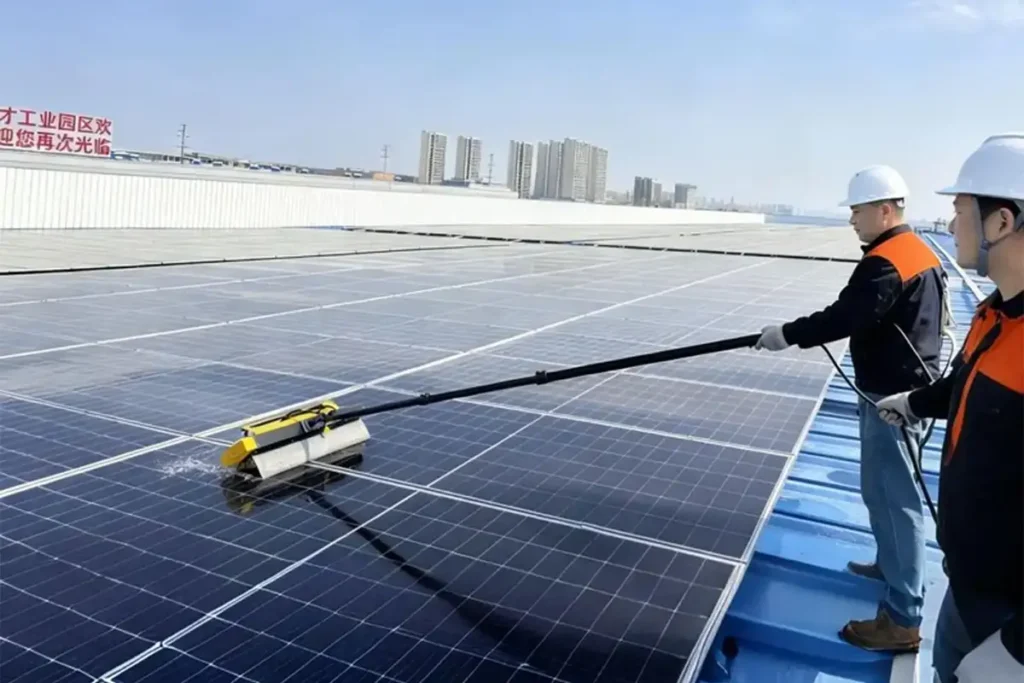
Accurate solar irradiance data is an important reference for photovoltaic project development and operation. From evaluating a potential site to checking actual system performance, reliable irradiance measurements help engineers understand whether a PV system is working under expected solar conditions and where improvements may be needed.If you’d like to learn more about the 用于光伏监测系统的最佳太阳辐射传感器, ,请点击该文章。.
Solar Site Assessment
Before building a photovoltaic project, developers need long-term solar radiation data to understand the energy potential of a location. Measurements such as GHI, DNI, and DHI help evaluate local solar resources, compare different sites, and estimate possible energy production before investment decisions are made.
In practice, historical solar data is often more valuable than short-term weather observations because PV projects usually operate for decades. Reliable irradiance records provide a more accurate basis for system sizing, installation planning, and energy yield estimation.
PV Performance Monitoring
During PV system operation, solar irradiance measurement helps operators determine whether changes in power output are caused by weather conditions or actual system issues. By comparing measured irradiance with power generation data, operators can identify potential problems such as shading, module performance degradation, or inverter abnormalities.
From our experience working with solar monitoring applications, one common issue is that low power output does not always mean equipment failure. Without accurate irradiance data as a reference, it is difficult to distinguish between a cloudy day and a real system performance problem. Continuous monitoring provides the additional information needed for more efficient operation and maintenance decisions.
Solar Forecasting
Solar irradiance data is also widely used in photovoltaic power forecasting. When combined with environmental parameters such as temperature, humidity, and wind speed, irradiance measurements help improve prediction accuracy under changing weather conditions.
For large-scale PV plants, more accurate forecasting allows operators to better manage power fluctuations, support grid stability, and improve renewable energy scheduling.
How Are GHI, DNI, and DHI Measured in Solar Monitoring Systems?
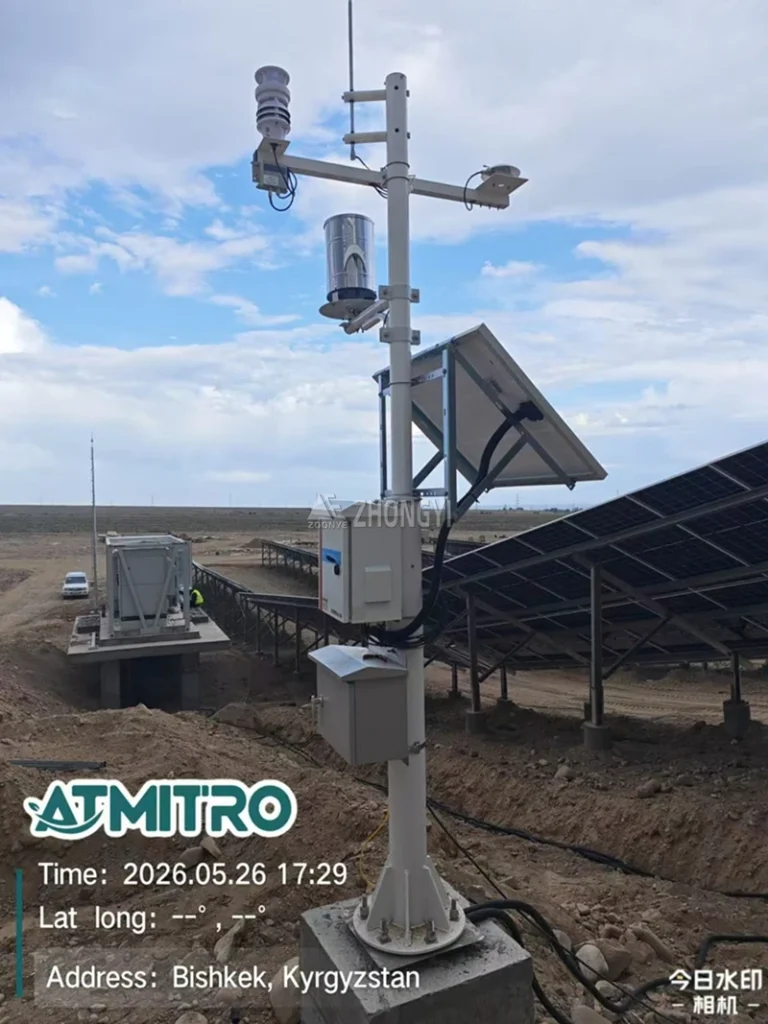
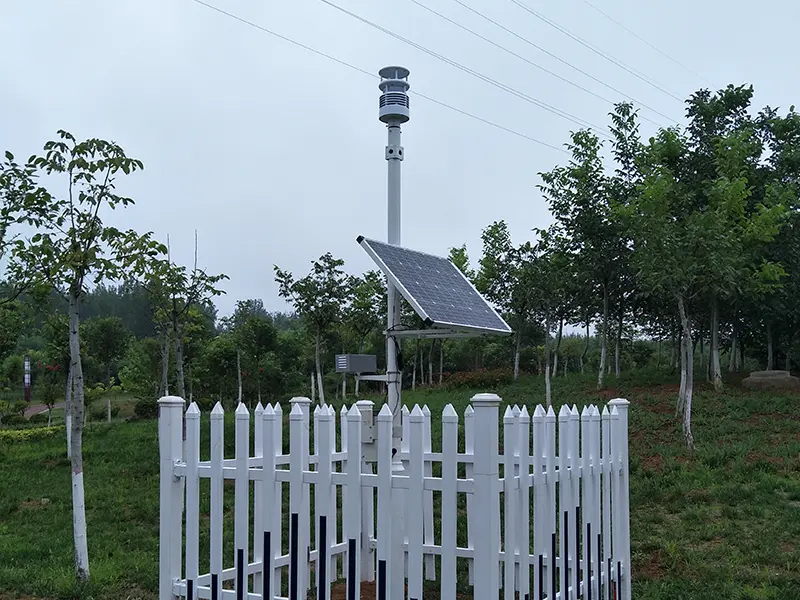
In solar monitoring systems, GHI, DNI, and DHI are measured through different sensing methods based on their radiation characteristics. GHI is typically measured with a horizontal solar radiation sensor, while DNI and DHI require more specialized measurement approaches, such as solar tracking or shading mechanisms, to separate direct and diffuse radiation components.
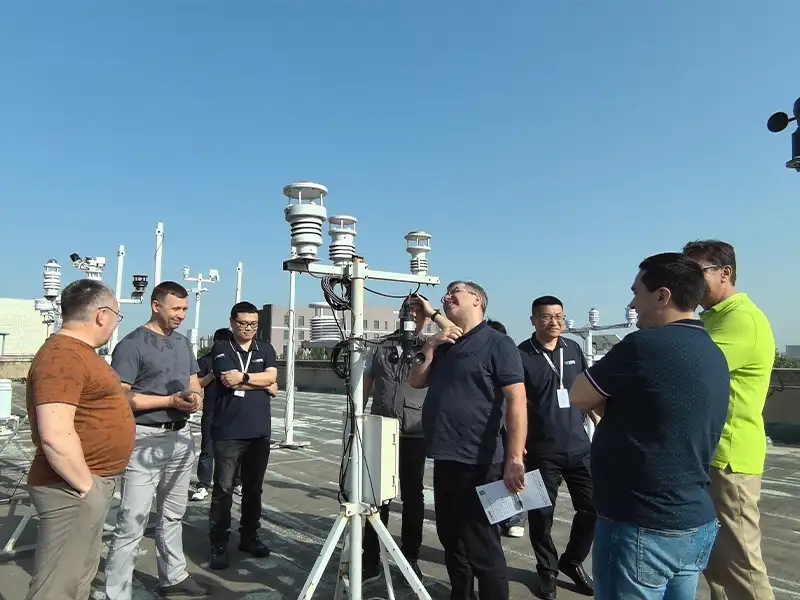
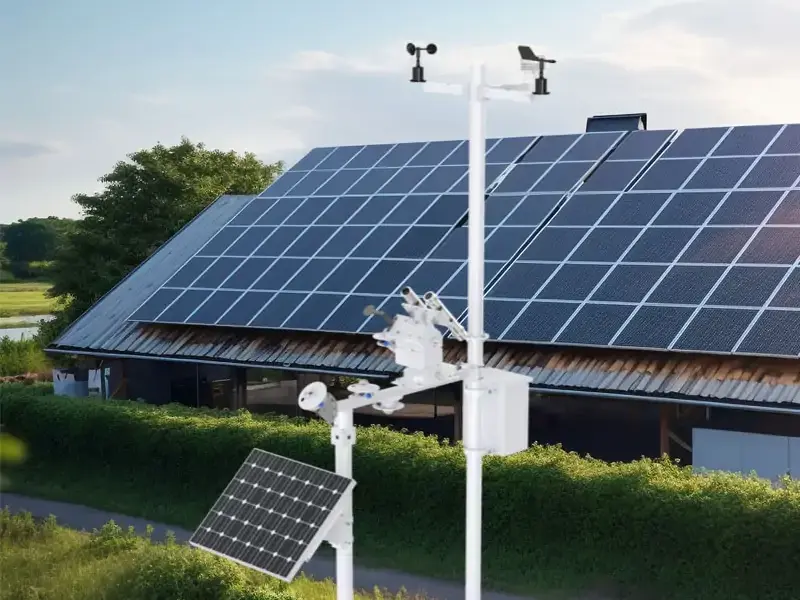
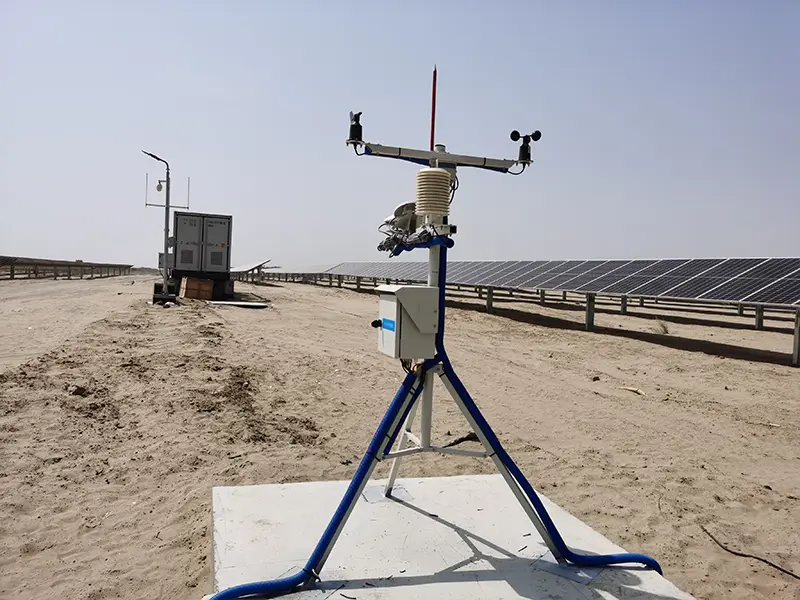
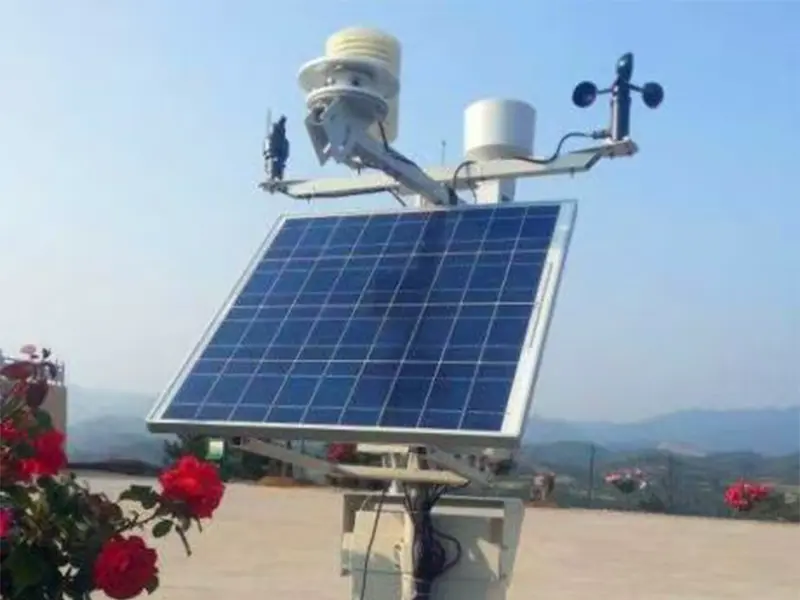
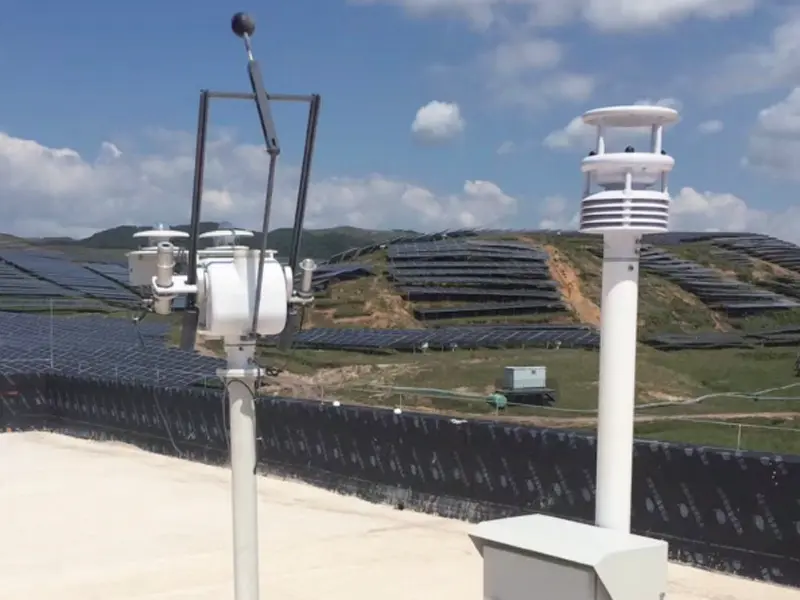
For practical PV monitoring applications, Yantai Sensor solar radiation measurement solutions provide reliable environmental data acquisition for photovoltaic plants, weather stations, and renewable energy research. The monitoring system can collect solar irradiance data together with temperature, humidity, wind speed, and other atmospheric conditions, then transmit the information through a data logger to a monitoring platform for PV performance analysis and energy management. A typical system structure includes: Solar radiation sensor → Data logger → Monitoring platform → PV analysis system.
GHI, DNI, and DHI Selection Guide for Different Solar Applications
Different solar projects require different irradiance parameters depending on system design, energy conversion method, and monitoring objectives. Choosing the right combination of GHI, DNI, and DHI measurements helps improve solar resource assessment, system simulation accuracy, and long-term performance analysis.
| 应用 | Important Parameters | Why These Parameters Matter |
| 屋顶光伏系统 | GHI | Evaluates solar resource availability and supports energy estimation. |
| Utility-Scale PV Plants | GHI + POA Irradiance | Assesses solar resources and actual radiation received by PV modules. |
| Concentrated Solar Power (CSP) Plants | DNI | Measures direct sunlight available for solar concentration. |
| Solar Research Stations | GHI + DNI + DHI | Provides complete solar radiation data for analysis and modeling. |
| 天气监测站 | GHI + DHI | Monitors solar conditions and atmospheric scattering changes. |
For most photovoltaic projects, GHI is the starting point for solar resource evaluation, while DNI and DHI become more important when the project requires detailed radiation analysis. For example, areas with frequent cloud cover may have a higher diffuse radiation contribution, making DHI valuable for improving PV performance modeling. Projects using solar tracking systems or concentrated solar technologies usually require more accurate DNI monitoring because direct sunlight has a greater impact on system output.
From a practical monitoring perspective, selecting the right measurement combination should consider the project type, local climate conditions, and required data accuracy. A properly configured solar monitoring system can provide more reliable data for PV design, operation analysis, and future performance optimization.
结论
GHI, DNI, and DHI are more than three solar radiation measurements — they provide different perspectives on how solar energy reaches the Earth’s surface and how it can be utilized in renewable energy projects. By understanding the relationship between direct, diffuse, and total solar radiation, engineers can select appropriate monitoring methods, improve PV system evaluation, and build more reliable energy forecasting models.
In real solar projects, accurate irradiance data is the foundation for making confident decisions, from site assessment and system design to daily operation and performance analysis. Yantai Sensor provides solar radiation monitoring solutions designed for photovoltaic plants, weather stations, and renewable energy applications, helping customers collect reliable environmental data for better system management.Contact Yantai Sensor to discuss your solar monitoring requirements and find a suitable measurement solution for your project.