Giới thiệu
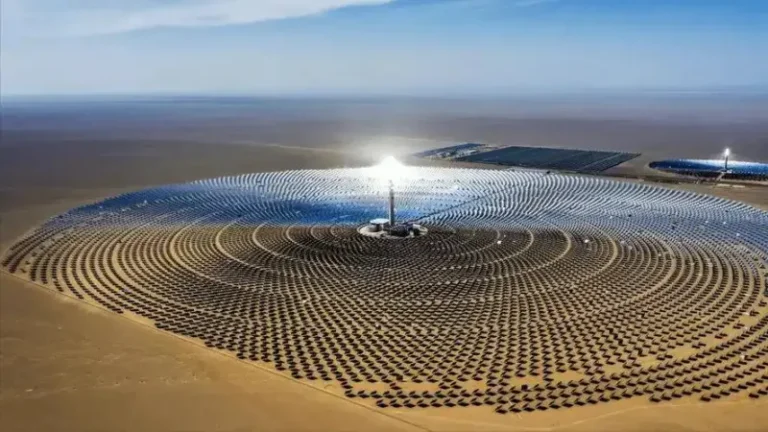
Một trang trại năng lượng mặt trời có thể có nhiều ánh nắng nhưng vẫn sản xuất ra ít điện hơn dự kiến. Vậy phần sản lượng thất thoát đó đang đi đâu? Sự thay đổi về bức xạ mặt trời, nhiệt độ mô-đun PV cao hơn, bụi tích tụ hoặc điều kiện gió thay đổi đều có thể ảnh hưởng đến hiệu suất của nhà máy. Tuy nhiên, khi sản lượng điện giảm, không phải lúc nào cũng dễ dàng xác định liệu sự thay đổi đó chỉ đơn thuần do thời tiết hay là dấu hiệu của một vấn đề hiệu suất cần được quan tâm.
Đây là lý do tại sao dữ liệu môi trường đáng tin cậy lại quan trọng khi bạn muốn Tăng Sản Lượng Năng Lượng Mặt Trời. Bằng cách liên tục theo dõi bức xạ mặt trời, nhiệt độ mô-đun, gió, độ ẩm, mức độ bám bẩn và các điều kiện hiện trường khác, các nhà vận hành có thể xây dựng một bức tranh rõ ràng hơn về cách hệ thống PV đang hoạt động trong điều kiện vận hành thực tế. Khi các phép đo này được so sánh với sản lượng điện theo thời gian thực, chúng cung cấp một tham chiếu hữu ích để xác định sản lượng bất thường, đánh giá thay đổi hiệu suất và quyết định thời điểm cần bảo trì hoặc kiểm tra thêm.
This guide explores how environmental sensors for solar farms can support higher and more consistent energy production, including the role of irradiance monitoring, module temperature measurement, wind and weather monitoring, and soiling assessment. It also explains how environmental data can be integrated with solar farm performance monitoring and existing SCADA systems, how sensor measurements can support performance analysis and maintenance decisions, and how to select a practical sensor configuration based on plant size, site conditions, tracking system, monitoring requirements, and existing infrastructure.For more information on UV exposure monitoring in photovoltaic systems, including sensor selection, installation, and data integration, see our guide to Cảm biến UV cho tấm pin mặt trời.
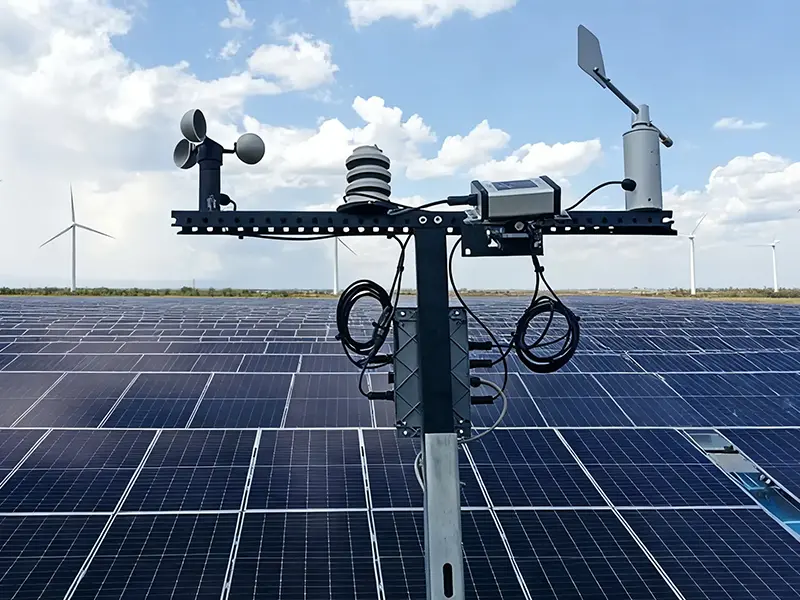
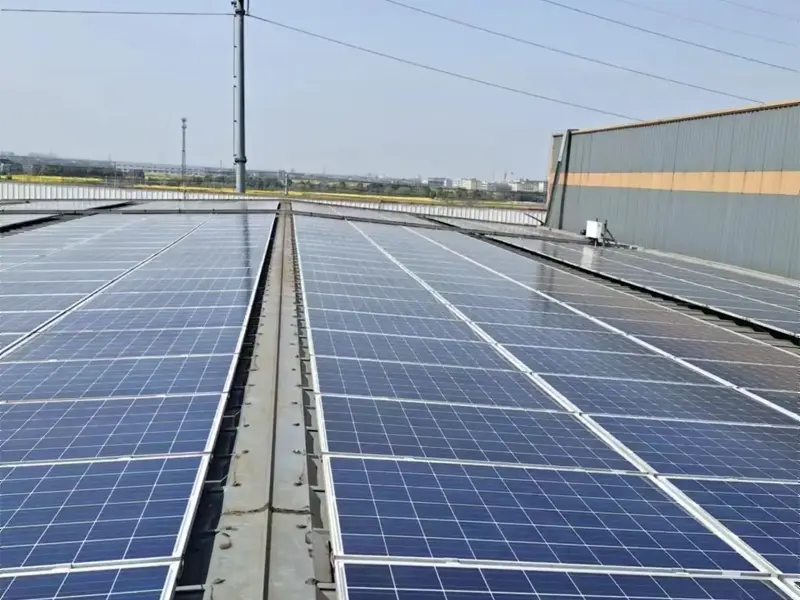
Điều Gì Ảnh Hưởng Đến Sản Lượng Của Trang Trại Năng Lượng Mặt Trời?
Sản lượng của trang trại năng lượng mặt trời trước tiên được xác định bởi lượng năng lượng mặt trời có sẵn tại địa điểm. Bức xạ là yếu tố môi trường trực tiếp nhất, trong khi nhiệt độ mô-đun, mây, gió và bụi bẩn có thể làm thay đổi cách dàn PV hoạt động trong điều kiện thực tế. Ví dụ, nhiệt độ mô-đun cao hơn thường làm giảm sản lượng điện của PV, trong khi bụi trên bề mặt mô-đun có thể hạn chế ánh sáng mặt trời đến các tế bào quang điện. Các điều kiện này thay đổi trong suốt cả ngày và theo mùa, vì vậy sản lượng thấp hơn không phải lúc nào cũng chỉ ra sự cố thiết bị. Để có giải thích chi tiết hơn về các tổn thất hiệu suất phổ biến, hãy xem 5 yếu tố hàng đầu làm giảm hiệu suất của tấm pin mặt trời.
Thiết kế hệ thống và hiệu suất thiết bị sau đó quyết định mức độ hiệu quả mà nguồn năng lượng mặt trời có sẵn được chuyển đổi thành điện năng. Hướng đặt mô-đun, bố trí dàn pin, kết cấu lắp đặt, lựa chọn bộ biến tần, hoạt động MPPT, thiết kế cáp, che bóng, không khớp và tình trạng thiết bị đều có thể ảnh hưởng đến sản lượng năng lượng cuối cùng. Một hệ thống được thiết kế tốt sẽ giảm thiểu các tổn thất điện và chuyển đổi có thể tránh được, trong khi cấu hình theo dõi và thiết bị phù hợp có thể giúp dàn PV thu được nhiều năng lượng mặt trời có sẵn hơn trong điều kiện hiện trường thích hợp.
Phần cuối cùng là vận hành và bảo trì. Vệ sinh thường xuyên, kiểm tra, phát hiện sự cố và giám sát hiệu suất giúp ngăn chặn các vấn đề nhỏ phát triển thành tổn thất năng lượng kéo dài. Tuy nhiên, các nhà vận hành cần dữ liệu tham chiếu đáng tin cậy để biết liệu sự thay đổi sản lượng là do thời tiết hay do vấn đề tiềm ẩn của hệ thống. So sánh sản lượng thực tế với bức xạ, nhiệt độ mô-đun, gió và các phép đo môi trường khác cung cấp cơ sở rõ ràng hơn cho việc giám sát hiệu suất trang trại năng lượng mặt trời và giúp xác định nơi có thể thực hiện các cải tiến thực tế. Đây là nơi các cảm biến môi trường trở nên có giá trị cho các nỗ lực Tăng Sản Lượng Năng Lượng Mặt Trời.
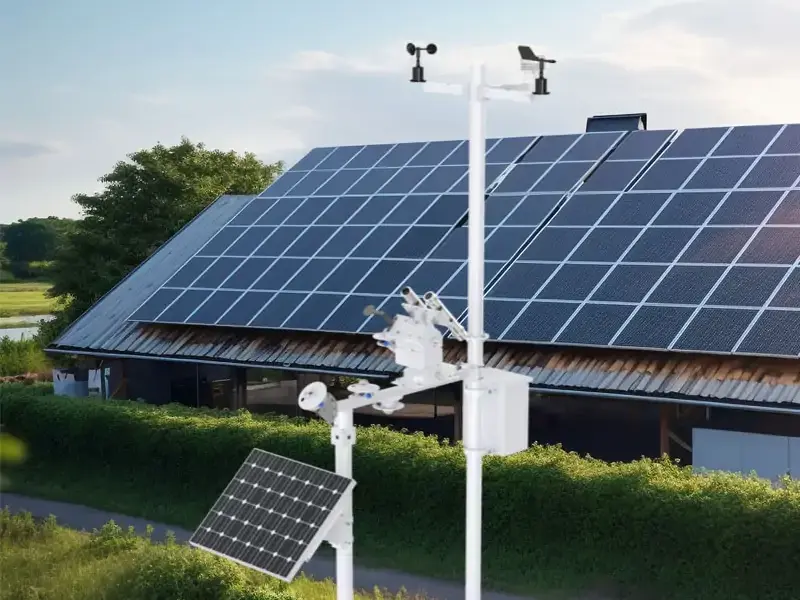
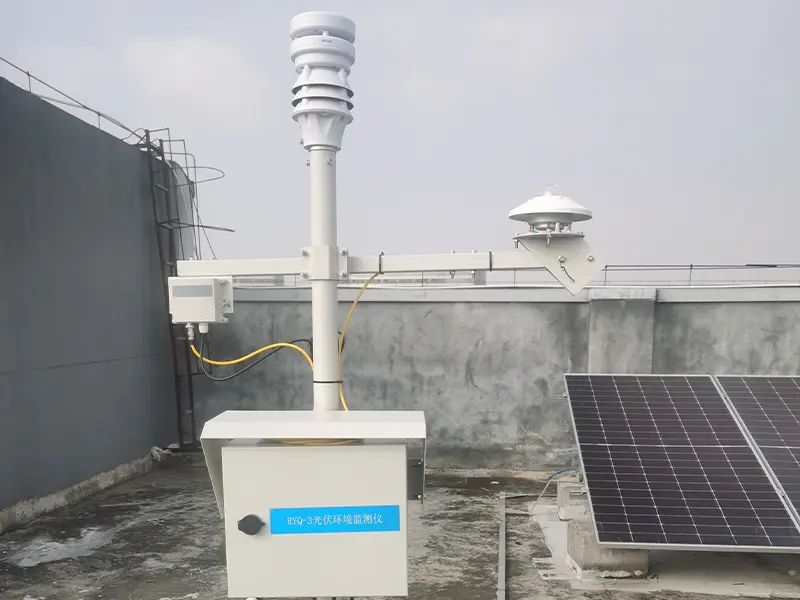
Giám Sát Môi Trường Giúp Tăng Sản Lượng Năng Lượng Mặt Trời Như Thế Nào?
Cảm biến môi trường giúp các nhà vận hành trang trại năng lượng mặt trời đưa ra quyết định tốt hơn bằng cách hiển thị các điều kiện mà hệ thống PV đang tạo ra điện. Thay vì chỉ nhìn vào sản lượng điện, các nhà vận hành có thể sử dụng dữ liệu bức xạ, nhiệt độ mô-đun, gió, độ ẩm và bụi bẩn để hiểu liệu nhà máy có đang hoạt động như mong đợi hay không. Điều này giúp dễ dàng tách biệt các thay đổi liên quan đến thời tiết thông thường khỏi các vấn đề hiệu suất có thể cần kiểm tra hoặc bảo trì.
Giá trị đến từ việc kết nối các phép đo môi trường với dữ liệu sản lượng thực tế. Bức xạ cung cấp tham chiếu cho năng lượng mặt trời có sẵn, nhiệt độ mô-đun giúp giải thích các tác động nhiệt đến hiệu suất PV, trong khi gió và các phép đo thời tiết khác bổ sung bối cảnh vận hành. Dữ liệu bụi bẩn cũng có thể hỗ trợ các quyết định vệ sinh. Khi các phép đo này được so sánh với dữ liệu SCADA hoặc bộ biến tần, các nhà vận hành có thể xác định sự sai lệch hiệu suất sớm hơn, tập trung bảo trì vào nơi cần thiết và sử dụng thông tin đáng tin cậy hơn để Tăng Sản Lượng Năng Lượng Mặt Trời trong suốt vòng đời vận hành của trang trại năng lượng mặt trời.
Thiết Lập Đường Cơ Sở Tài Nguyên Năng Lượng Mặt Trời Chính Xác
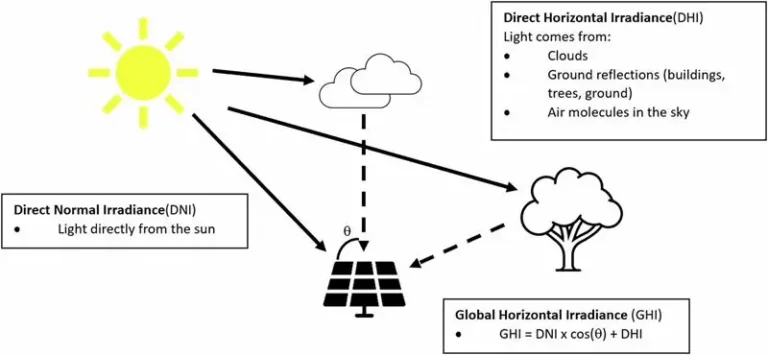
Bức xạ mặt trời là phép đo đầu tiên cần xem xét khi đánh giá sản lượng của trang trại năng lượng mặt trời. Nó cho các nhà vận hành biết lượng năng lượng mặt trời thực tế đang đến dàn PV tại một thời điểm nhất định. Khi bức xạ và sản lượng điện thay đổi cùng nhau, sự biến động đó có thể chỉ đơn giản phản ánh sự thay đổi của ánh sáng mặt trời. Tuy nhiên, khi nguồn năng lượng mặt trời có sẵn tương đối ổn định nhưng sản lượng lại giảm, thì có lý do để xem xét kỹ hơn hệ thống PV. Do đó, dữ liệu bức xạ đáng tin cậy cung cấp cho các nhà vận hành một tham chiếu thực tế để giám sát hiệu suất trang trại năng lượng mặt trời và giúp họ đánh giá liệu nhà máy có đang sản xuất như mong đợi hay không.
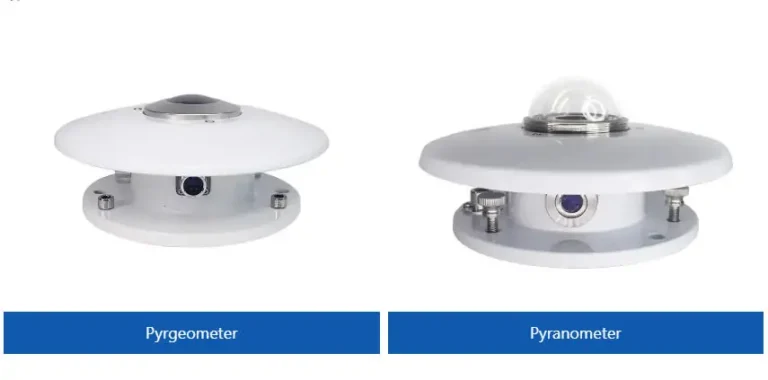
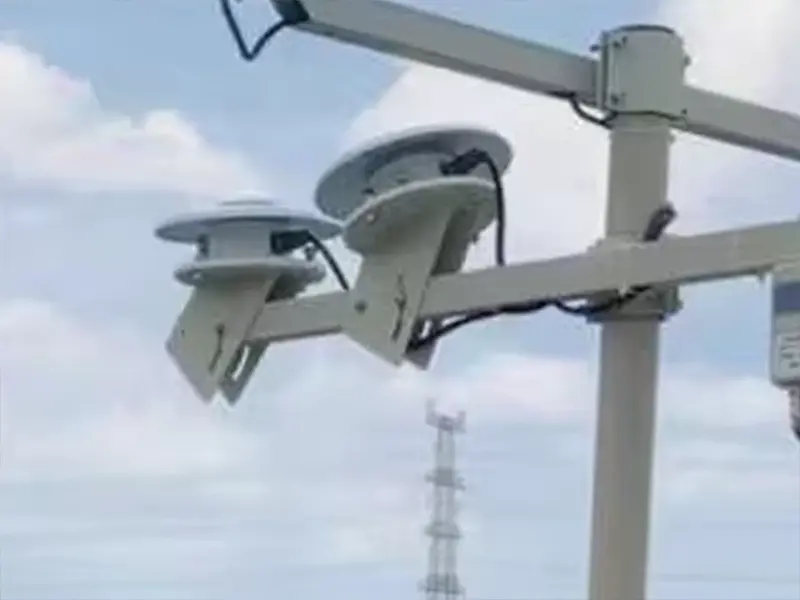
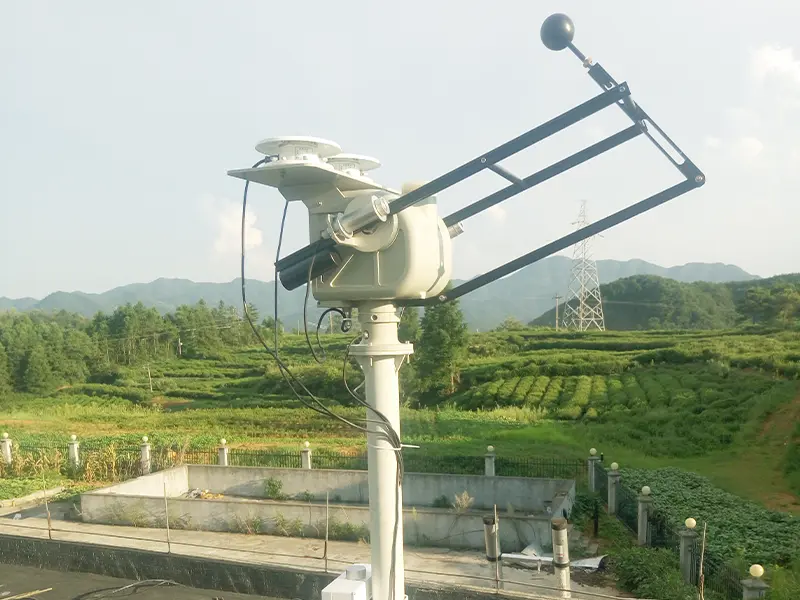
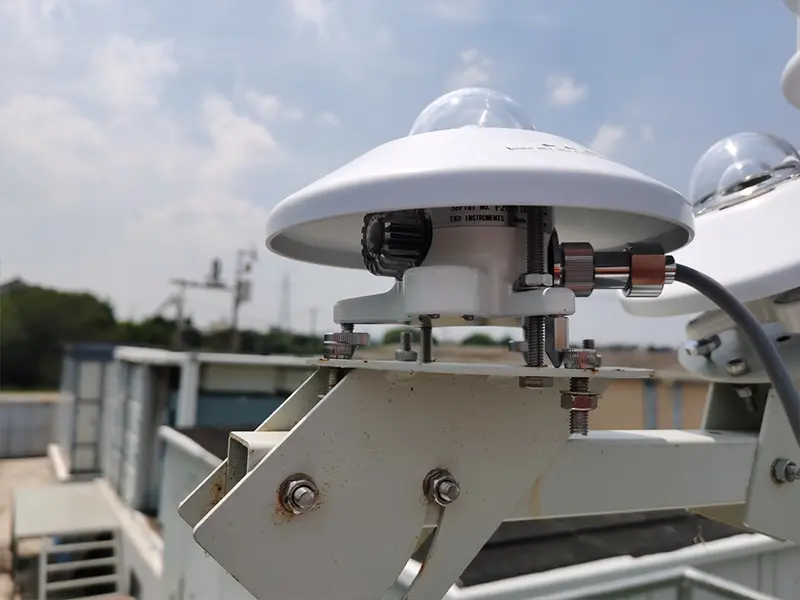
Thiết bị đo phù hợp phụ thuộc vào cách nguồn năng lượng mặt trời cần được đánh giá. Đối với giám sát bức xạ thông thường, Máy Đo Tổng Bức Xạ Mặt Trời RYQ-3, TBQ-2C Máy đo bức xạ tổng hợp, và Cảm Biến Bức Xạ Mặt Trời SR30 cung cấp các lựa chọn để đo bức xạ mặt trời tại hiện trường. Trong trường hợp ứng dụng yêu cầu hệ thống đo tự động theo dõi mặt trời, Hệ Thống Đo Bức Xạ Mặt Trời Tự Động Theo Dõi SAUT cung cấp một cách tiếp cận khác. Bằng cách kết hợp các phép đo này với dữ liệu sản lượng điện, các nhà vận hành có thể xây dựng một bức tranh đáng tin cậy hơn về hiệu suất nhà máy và xác định các thay đổi mà nếu không có thể khó giải thích.
Theo Dõi Nhiệt Độ Mô-Đun PV
Tấm pin PV không hoạt động ở cùng nhiệt độ với không khí xung quanh. Dưới ánh nắng mạnh, bề mặt tấm pin có thể nóng hơn đáng kể so với môi trường xung quanh, và nhiệt độ vận hành cao hơn thường làm giảm sản lượng điện của tấm pin PV. Việc theo dõi nhiệt độ tấm pin cùng với bức xạ mặt trời giúp người vận hành hiểu rõ hơn về sự thay đổi sản lượng, đặc biệt khi hai giai đoạn có lượng nắng tương tự nhưng điều kiện nhiệt khác nhau.
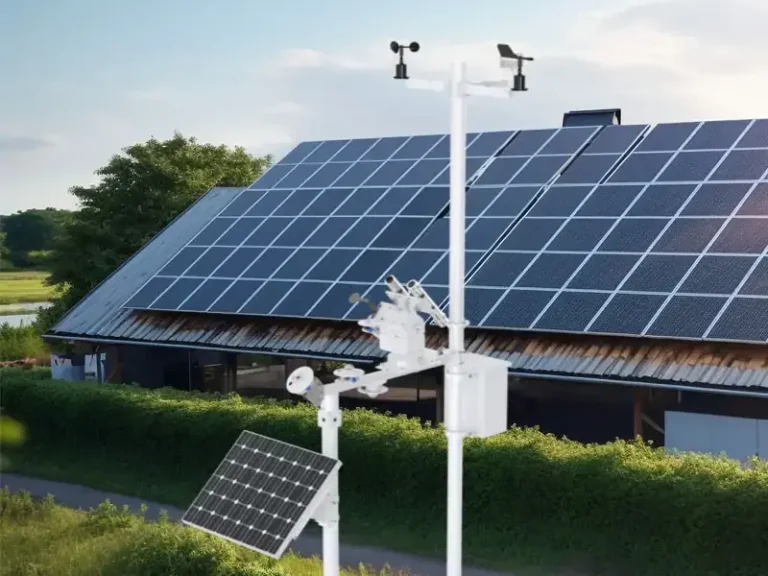
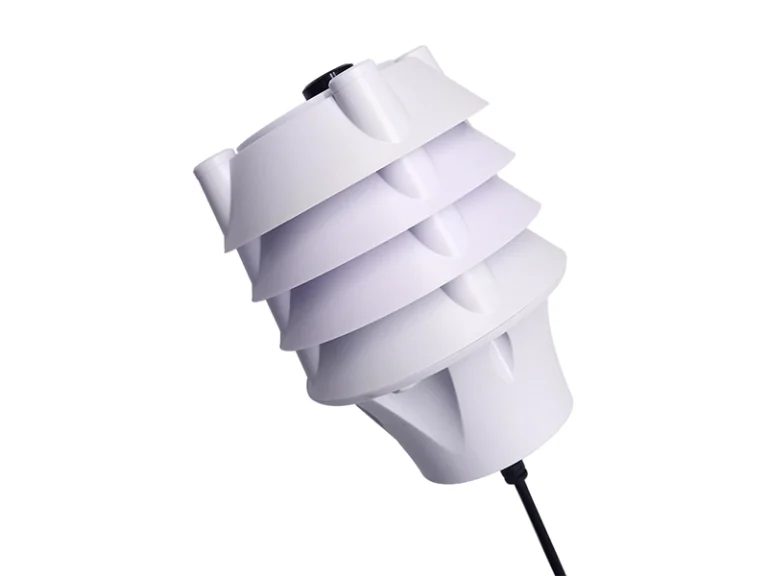
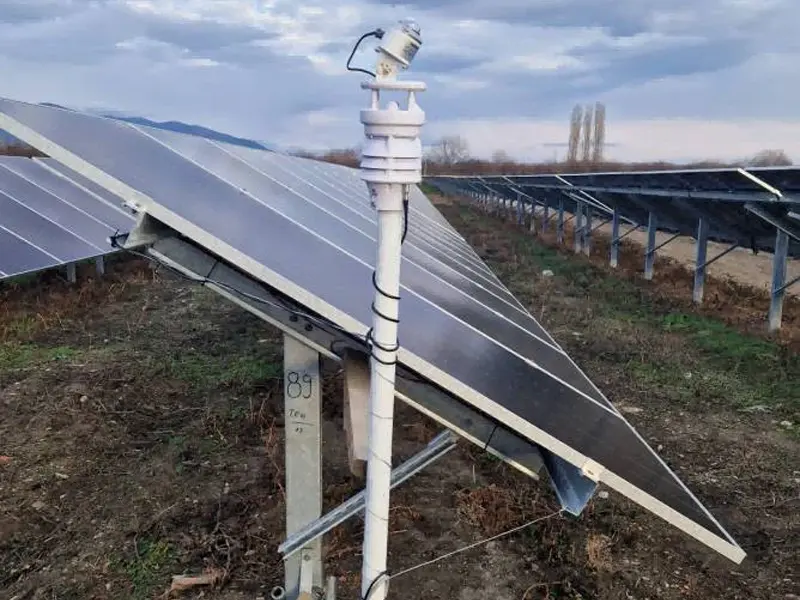
Vì lý do này, việc theo dõi nhiệt độ thường được tích hợp trong hệ thống giám sát thời tiết PV thay vì được xử lý như một phép đo riêng biệt. Cảm biến thời tiết compact PV XF500S-CWB cung cấp nhiệt độ và các phép đo môi trường khác trong một thiết lập nhỏ gọn cho các khu vực lắp đặt PV. Khi dữ liệu nhiệt độ của nó được so sánh với bức xạ và sản lượng điện thực tế, người vận hành có thể đánh giá tốt hơn hiệu suất nhiệt bình thường, xác định các thay đổi bất thường, và xây dựng cơ sở hữu ích hơn cho việc giám sát hiệu suất dài hạn của trang trại năng lượng mặt trời.
Theo dõi gió và điều kiện môi trường xung quanh
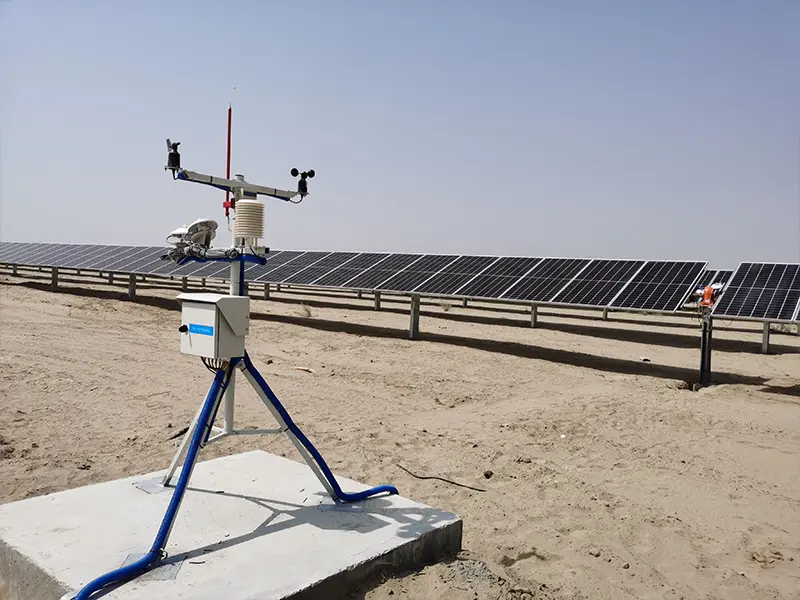
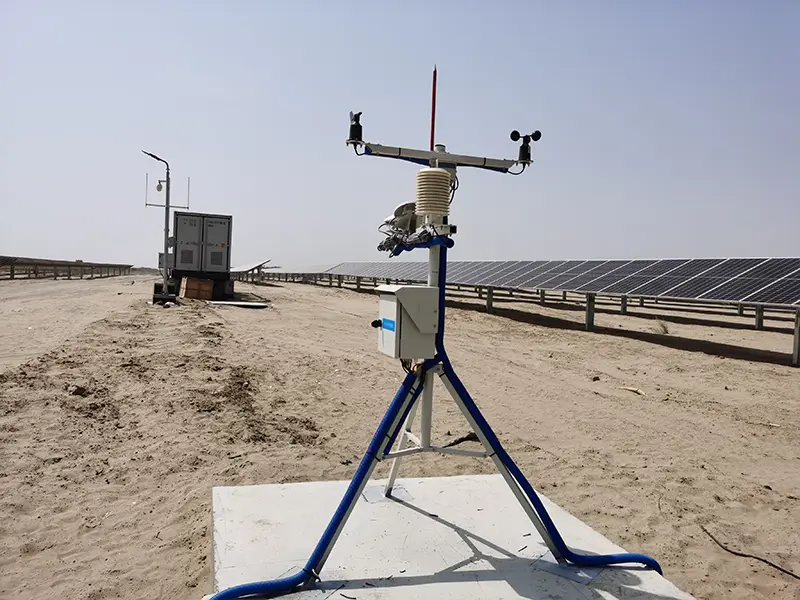
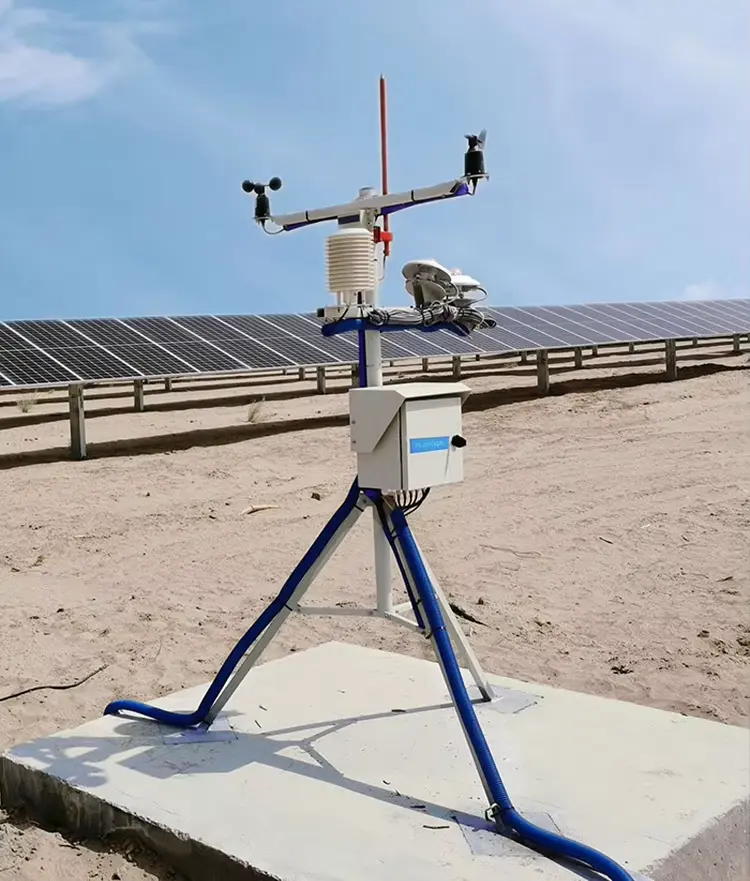
Tốc độ gió, hướng gió, nhiệt độ môi trường và độ ẩm cung cấp bối cảnh quan trọng để hiểu điều kiện vận hành của tấm pin PV. Gió ảnh hưởng đến tốc độ tản nhiệt của tấm pin, trong khi nhiệt độ môi trường giúp giải thích sự thay đổi nhiệt độ tấm pin. Độ ẩm cũng có thể giúp đặc trưng hóa điều kiện thời tiết địa phương, đặc biệt tại các khu vực có biến động theo mùa hoặc theo ngày đáng kể. Bằng cách theo dõi các điều kiện này cùng với bức xạ và sản lượng điện, người vận hành có thể phân biệt tốt hơn giữa các thay đổi liên quan đến thời tiết bình thường và các vấn đề hiệu suất tiềm ẩn.
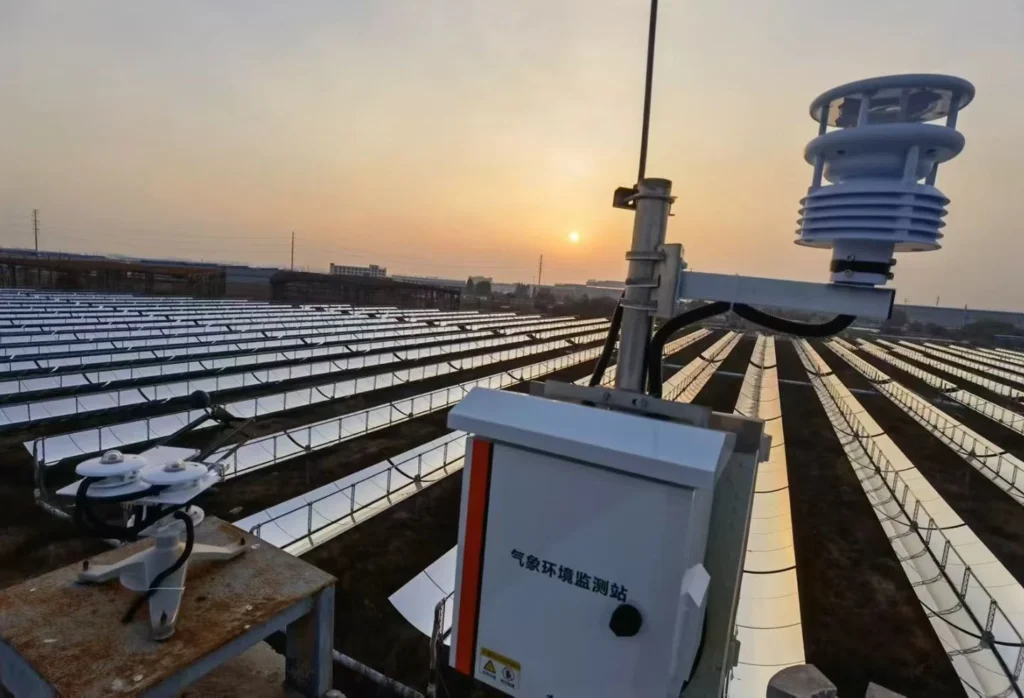
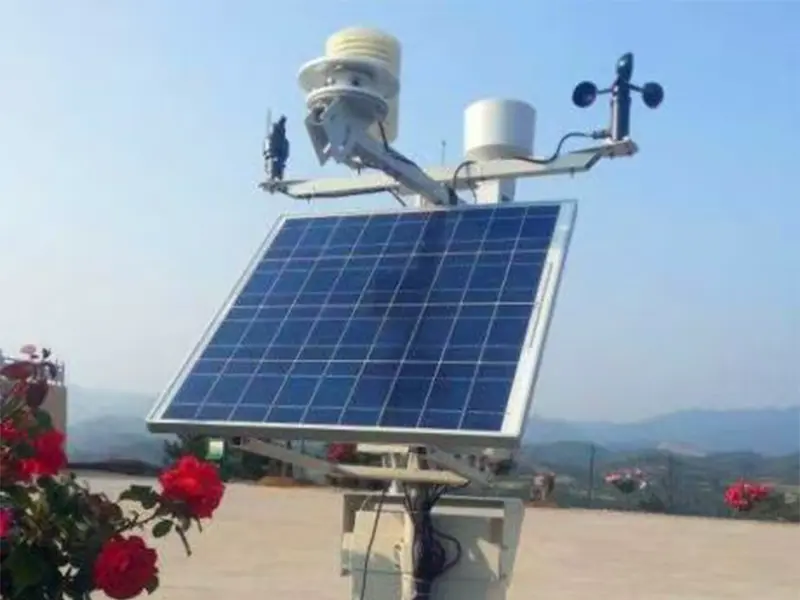
Trạm khí tượng năng lượng mặt trời có thể kết hợp nhiều phép đo môi trường vào một thiết lập giám sát duy nhất, giúp thu thập dữ liệu nhất quán trên toàn bộ trang trại năng lượng mặt trời dễ dàng hơn. Đối với các dự án chủ yếu cần đo bức xạ mặt trời ngoài trời, Cảm biến ngoài trời bức xạ mặt trời RYZW cung cấp một lựa chọn tập trung hơn. Cấu hình phù hợp nên dựa trên khí hậu của khu vực, mục tiêu giám sát, vị trí lắp đặt cảm biến và khả năng tương thích với hệ thống thu thập dữ liệu hoặc SCADA hiện có.
Theo dõi bám bẩn và điều kiện vệ sinh
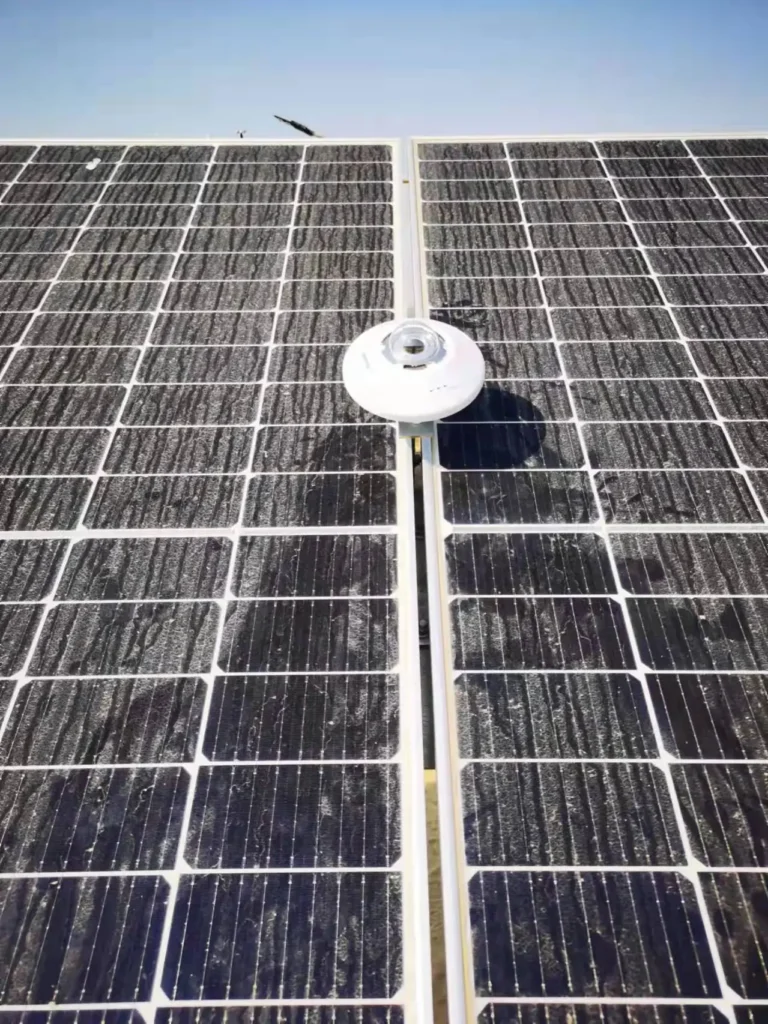
Bám bẩn có thể dần dần làm giảm lượng ánh sáng mặt trời đến tấm pin PV, nhưng việc vệ sinh theo lịch trình cố định có thể không phải lúc nào cũng là phương pháp hiệu quả nhất. Sự tích tụ bụi, lượng mưa, độ ẩm và thay đổi hiệu suất PV có thể khác biệt đáng kể theo khu vực và mùa. Việc theo dõi các điều kiện này giúp người vận hành có cơ sở tốt hơn để quyết định khi nào cần vệ sinh và giúp kết nối các hành động bảo trì với những thay đổi thực tế trong sản lượng của trang trại năng lượng mặt trời.
Đối với các trang trại năng lượng mặt trời nơi tích tụ bụi là mối quan tâm đáng kể, Hệ thống giám sát chỉ số bụi PV DustCom và Thiết bị giám sát tình trạng bám bẩn tấm pin PV DustLV có thể được sử dụng để đánh giá bám bẩn chuyên dụng. Các phép đo của chúng có thể được đánh giá cùng với dữ liệu bức xạ mặt trời và sản lượng điện để xác định liệu khoảng cách hiệu suất ngày càng tăng có liên quan đến ô nhiễm bề mặt tấm pin hay không. Điều này cung cấp cơ sở thực tế hơn cho việc giám sát bám bẩn năng lượng mặt trời, quyết định vệ sinh và giám sát hiệu suất PV liên tục.

So sánh điều kiện môi trường với sản lượng điện thực tế
Dữ liệu môi trường trở nên hữu ích nhất khi được so sánh với điện năng thực tế mà hệ thống PV tạo ra. Sự sụt giảm sản lượng trong thời gian bức xạ thấp có thể chỉ đơn giản phản ánh điều kiện thời tiết thay đổi, trong khi sản lượng thấp bất thường trong điều kiện bức xạ và nhiệt độ tương tự có thể chỉ ra vấn đề hệ thống. Sự so sánh này giúp người vận hành xác định liệu có cần điều tra thêm hay không thay vì coi mọi biến động sản lượng là lỗi thiết bị.
Bằng cách kết hợp giám sát bức xạ mặt trời, nhiệt độ tấm pin, đo thời tiết và dữ liệu SCADA hoặc biến tần, người vận hành có thể xây dựng bức tranh rõ ràng hơn về hiệu suất trang trại năng lượng mặt trời trong điều kiện vận hành thực tế. Khi phát hiện sai lệch hiệu suất, dữ liệu có thể giúp thu hẹp phạm vi điều tra đến các khu vực như biến tần, chuỗi tấm pin, tấm pin, bóng che hoặc bám bẩn. Điều này làm cho giám sát môi trường trở thành một phần thực tế của giám sát hiệu suất PV và giúp người vận hành đưa ra quyết định sáng suốt hơn để Tăng sản lượng năng lượng mặt trời.
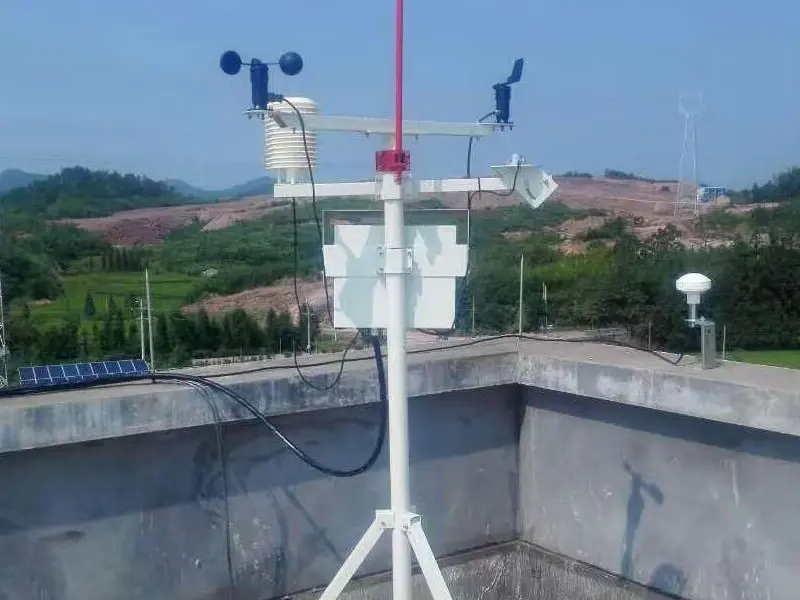
Làm thế nào để lựa chọn cảm biến môi trường cho trang trại năng lượng mặt trời?
Không phải mọi trang trại năng lượng mặt trời đều cần các cảm biến môi trường giống nhau. Sự kết hợp phù hợp phụ thuộc vào quy mô nhà máy, yêu cầu giám sát, cấu hình bộ theo dõi và khí hậu địa phương. Bắt đầu với các phép đo cần thiết cho giám sát hiệu suất PV, sau đó thêm cảm biến dựa trên điều kiện cụ thể của khu vực.
Lựa chọn cảm biến dựa trên yêu cầu giám sát
Đối với giám sát hiệu suất trang trại năng lượng mặt trời cơ bản, bức xạ mặt trời, nhiệt độ tấm pin và nhiệt độ môi trường thường là điểm khởi đầu. Các dự án có mối quan tâm về thời tiết hoặc bảo trì lớn hơn có thể bổ sung giám sát gió, độ ẩm, lượng mưa hoặc bám bẩn.
| Yêu cầu giám sát | Cảm biến khuyến nghị |
| Giám sát PV cơ bản | Bức xạ + nhiệt độ tấm pin + nhiệt độ môi trường |
| Theo dõi thời tiết | Cảm biến lõi + gió + độ ẩm |
| Khu vực nhiều bụi | Cảm biến lõi + cảm biến bám bẩn |
| Giám sát lượng mưa | Cảm biến lõi + cảm biến mưa |
| Đo bức xạ chi tiết | Pyranometer hoặc hệ thống đo bức xạ theo dõi |
Đối với đo bức xạ, có thể lựa chọn Máy đo tổng bức xạ mặt trời RYQ-3, Máy đo tổng bức xạ TBQ-2C, Cảm biến bức xạ mặt trời SR30 và Hệ thống đo bức xạ mặt trời tự động theo dõi SAUT theo yêu cầu dự án. Đối với giám sát bám bẩn, Hệ thống giám sát chỉ số bụi PV DustCom và Thiết bị giám sát trạng thái bám bẩn mô-đun PV DustLV có sẵn để đánh giá chuyên dụng.
Kết hợp cảm biến với vị trí lắp đặt và hệ thống giám sát
Việc lựa chọn cảm biến cũng cần xem xét môi trường lắp đặt thực tế và hệ thống giám sát hiện có. Hệ thống PV cố định và hệ thống theo dõi có thể yêu cầu các bố trí lắp đặt khác nhau, trong khi các khu vực nhiều bụi, nhiều gió, ẩm ướt hoặc có lượng mưa cao có thể cần các phép đo môi trường bổ sung. Cảm biến nên được lắp đặt tại các vị trí đại diện và tránh che chắn không cần thiết hoặc nhiễu cục bộ.
Các cảm biến được chọn cũng cần tương thích với bộ ghi dữ liệu và hệ thống SCADA của nhà máy, bao gồm giao diện truyền thông và yêu cầu nguồn điện. Tổ hợp cảm biến cần thiết phụ thuộc vào quy mô nhà máy, yêu cầu giám sát, cấu hình bộ theo dõi và khí hậu địa phương. Một hệ thống giám sát thời tiết PV thực tế nên thu thập dữ liệu cần thiết để phân tích hiệu suất mà không cần thiết bị không cần thiết.

Cảm biến môi trường hỗ trợ sản lượng điện mặt trời cao hơn như thế nào?
Cảm biến môi trường cung cấp dữ liệu vận hành cần thiết để hiểu tại sao sản lượng điện mặt trời thay đổi. Cảm biến đo các điều kiện như bức xạ mặt trời, nhiệt độ mô-đun, gió, độ ẩm, lượng mưa và mức độ bám bẩn, trong khi bộ ghi dữ liệu thu thập và lưu trữ các phép đo. Điều này tạo ra một bản ghi liên tục về các điều kiện môi trường ảnh hưởng đến hệ thống PV thay vì chỉ dựa vào sản lượng điện.
Dữ liệu thu thập được sau đó có thể được tích hợp với dữ liệu SCADA, bộ biến tần và dữ liệu phát điện. So sánh điều kiện môi trường với sản lượng thực tế giúp người vận hành xác định khi nào sự thay đổi sản lượng chỉ đơn giản do ánh sáng mặt trời thấp hơn hoặc thời tiết bất lợi và khi nào nó có thể chỉ ra một vấn đề hiệu suất tiềm ẩn. Điều này cung cấp cơ sở đáng tin cậy hơn để điều tra các vấn đề như nhiệt độ mô-đun quá cao, bám bẩn, che chắn hoặc hành vi bất thường của thiết bị.
Bước cuối cùng là chuyển những phát hiện này thành các quyết định bảo trì và vận hành. Người vận hành có thể sử dụng dữ liệu môi trường để ưu tiên vệ sinh khi mức độ bám bẩn trở nên đáng kể, điều tra sản lượng bất thường khi điều kiện môi trường ổn định và đánh giá thay đổi hiệu suất theo thời gian. Cảm biến môi trường không trực tiếp tăng sản lượng điện; chúng cung cấp dữ liệu cần thiết để xác định các tổn thất có thể tránh được và đưa ra quyết định tốt hơn có thể hỗ trợ sản lượng điện mặt trời cao hơn và ổn định hơn.
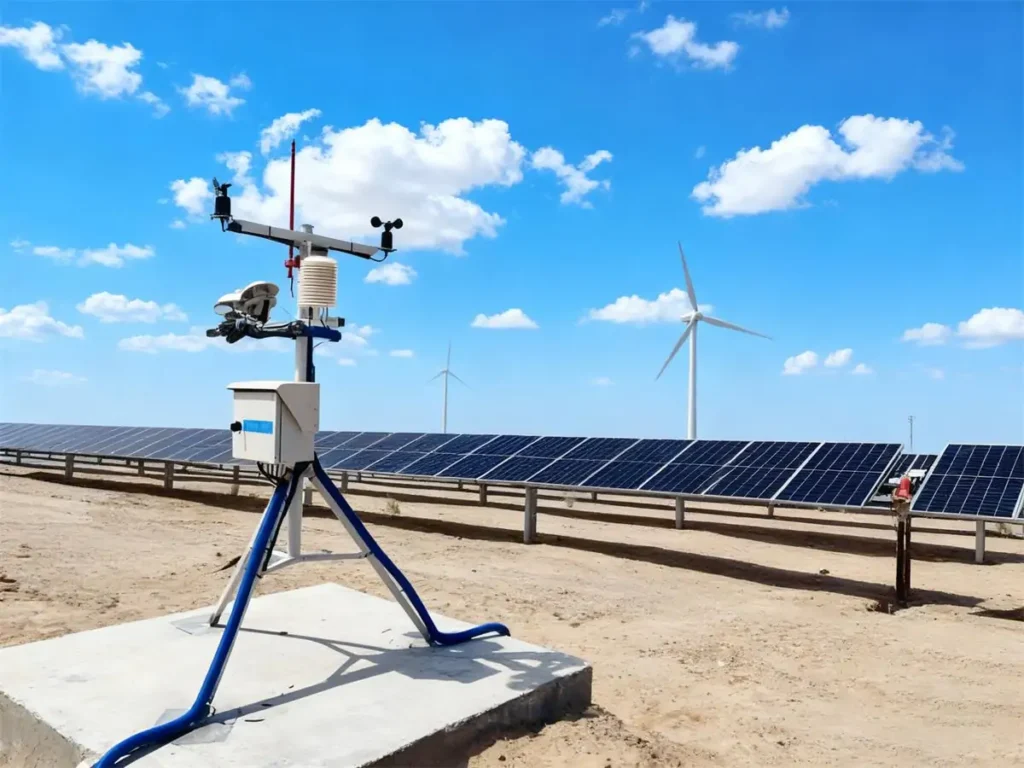
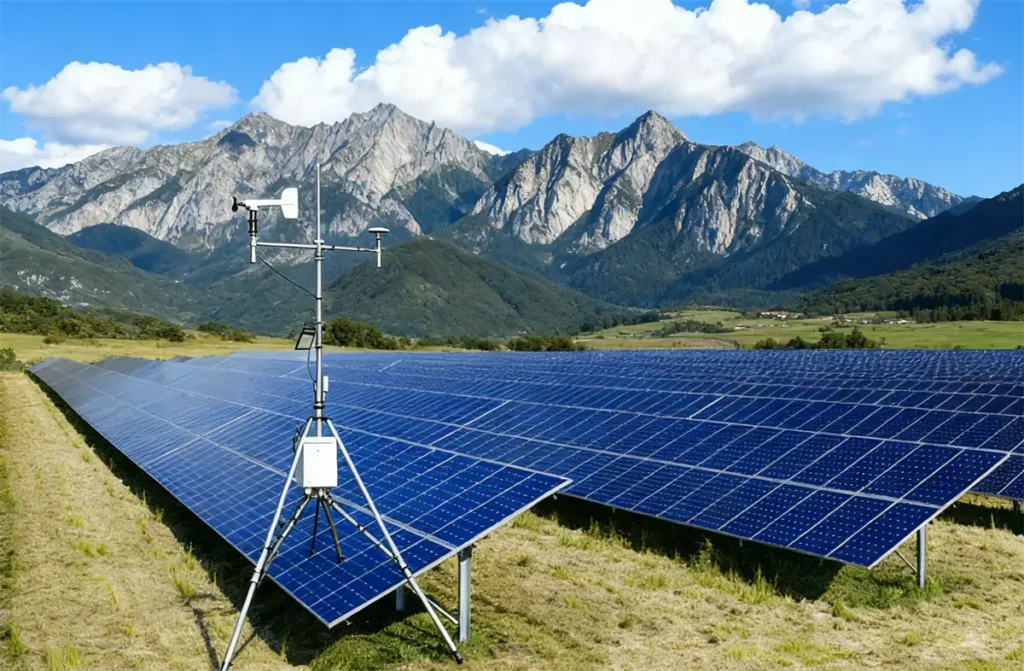
Cấu hình cảm biến môi trường cho các nhà máy điện mặt trời khác nhau
Cấu hình cảm biến môi trường nên phù hợp với quy mô nhà máy điện mặt trời, điều kiện vị trí và mục tiêu giám sát. Các nhà máy quy mô tiện ích thường yêu cầu dữ liệu bức xạ và nhiệt độ mô-đun đáng tin cậy cùng với giám sát thời tiết môi trường xung quanh và tích hợp SCADA, trong khi các khu vực nhiều bụi có thể bổ sung giám sát bám bẩn để hỗ trợ quyết định vệ sinh. Hệ thống theo dõi nên ưu tiên đo bức xạ POA và điều kiện gió, trong khi các khu vực nóng hoặc ẩm có thể yêu cầu giám sát chặt chẽ hơn về nhiệt độ, độ ẩm, lượng mưa và gió. Cấu hình cuối cùng cũng cần xem xét vị trí lắp đặt cảm biến, khả năng tương thích bộ ghi dữ liệu và truyền thông, cũng như liệu có cần nhiều điểm đo để thể hiện điều kiện trên toàn dãy PV hay không.
| Loại nhà máy điện mặt trời | Giám sát cốt lõi | Cảm biến khuyến nghị |
| Nhà máy điện mặt trời quy mô tiện ích | Tài nguyên mặt trời, hiệu suất mô-đun, thời tiết | Cảm biến bức xạ, cảm biến nhiệt độ mô-đun, cảm biến nhiệt độ & độ ẩm môi trường, cảm biến tốc độ/hướng gió |
| Nhà máy điện mặt trời nhiều bụi | Bức xạ, bám bẩn, điều kiện vệ sinh | Cảm biến bức xạ, cảm biến nhiệt độ mô-đun, hệ thống giám sát bám bẩn |
| Nhà máy điện mặt trời có hệ thống theo dõi | Bức xạ POA, thời tiết, điều kiện vận hành bộ theo dõi | Cảm biến bức xạ POA, cảm biến nhiệt độ mô-đun, cảm biến gió |
| Khí hậu nóng hoặc ẩm | Điều kiện nhiệt, độ ẩm, lượng mưa, gió | Cảm biến nhiệt độ mô-đun, cảm biến nhiệt độ & độ ẩm môi trường, cảm biến bức xạ, cảm biến gió, cảm biến mưa |
Cân nhắc về lắp đặt và bảo trì
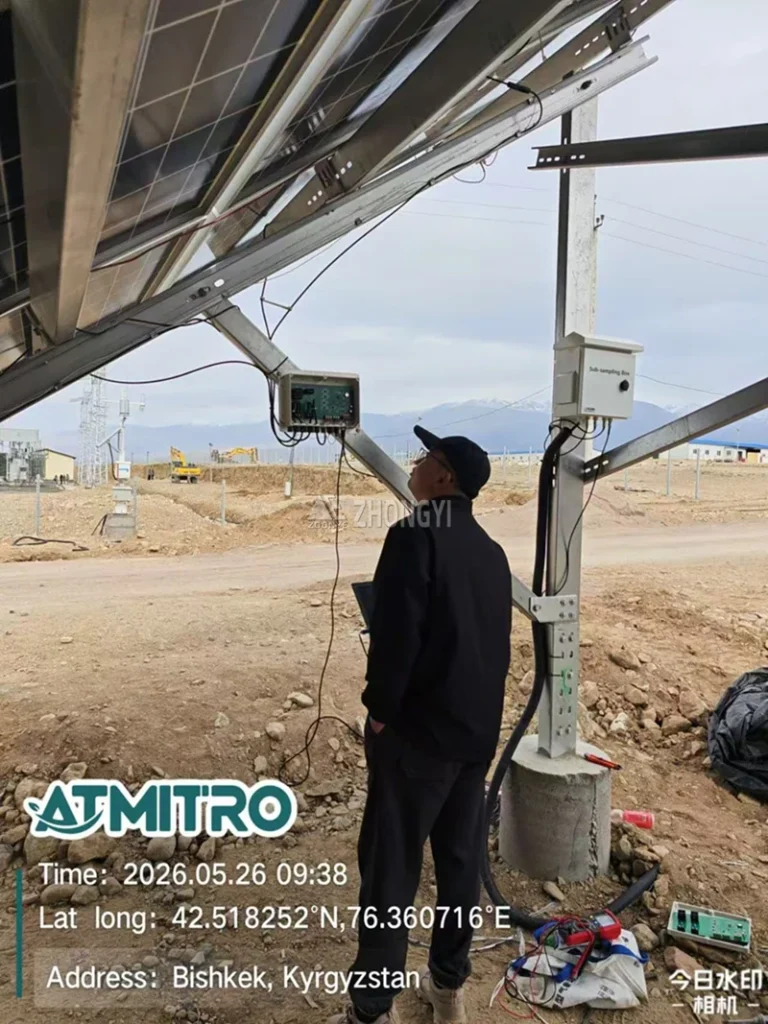
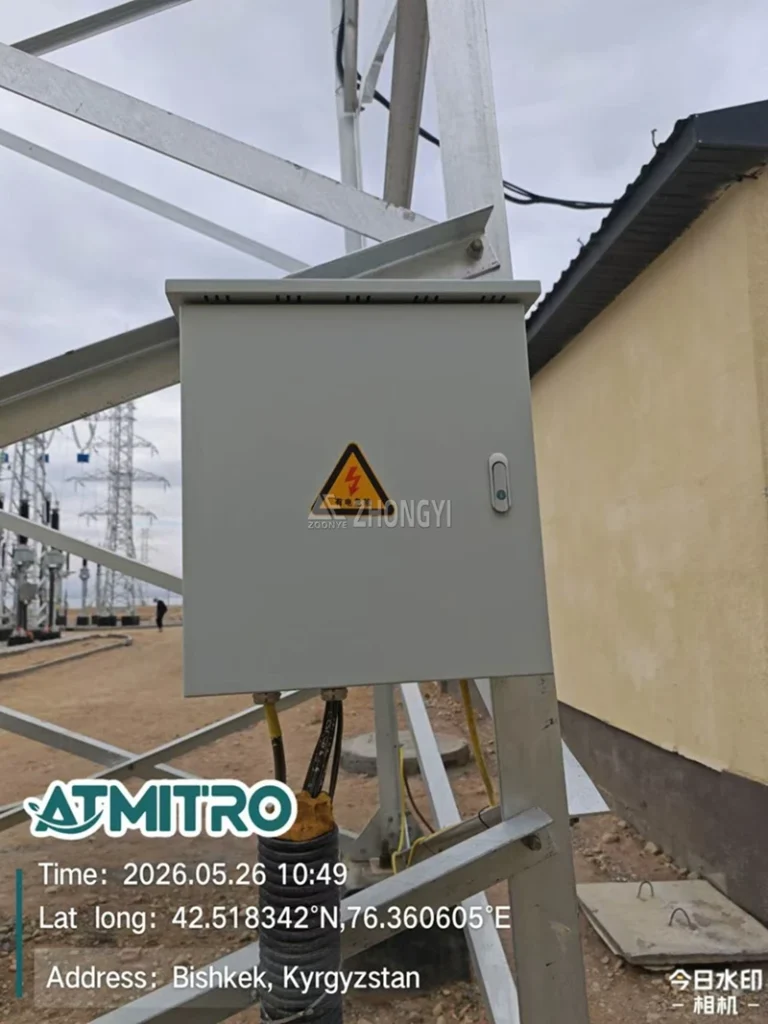
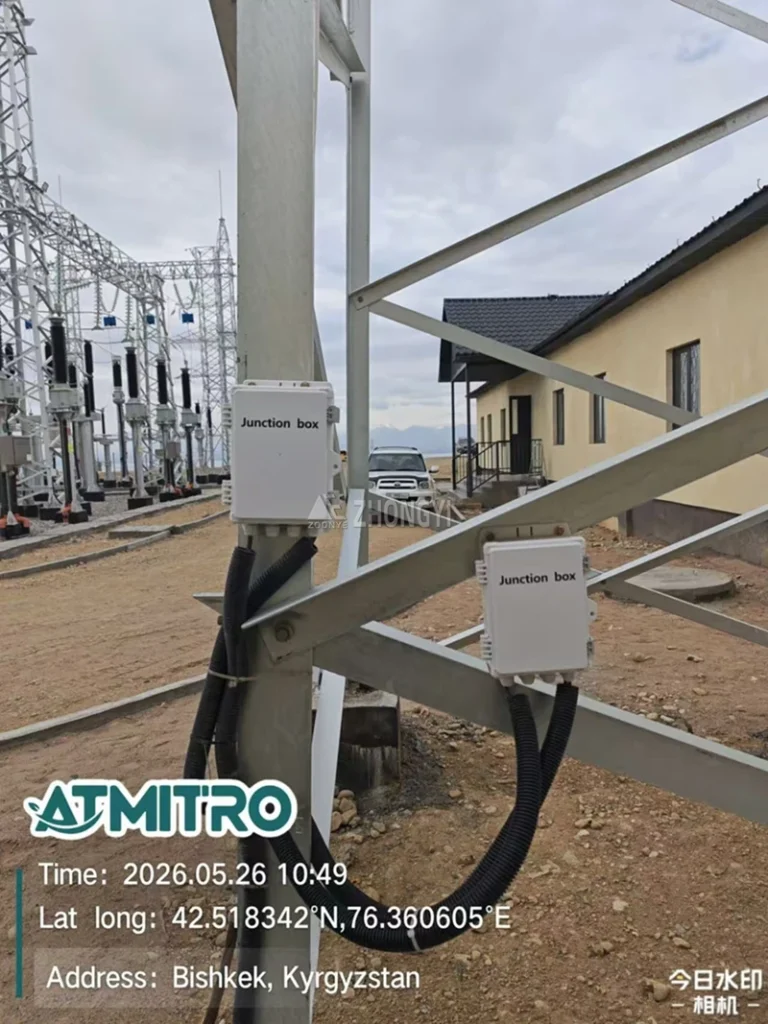
Lắp đặt đúng cách là điều cần thiết để có dữ liệu môi trường đáng tin cậy. Cảm biến bức xạ nên được lắp đặt với cùng độ nghiêng và hướng với dãy PV được giám sát và được đặt ở vị trí mà các công trình, thiết bị hoặc thảm thực vật gần đó không gây che chắn. Cảm biến nhiệt độ mô-đun nên được gắn chặt vào bề mặt sau của các mô-đun đại diện với tiếp xúc nhiệt tốt, tránh các vị trí bị ảnh hưởng bởi hộp nối, thanh ray lắp đặt hoặc các nguồn nhiệt bất thường. Việc đi dây cáp cũng nên giảm nhiễu điện và ứng suất cơ học không cần thiết, đặc biệt tại các khu vực PV ngoài trời lớn.
Bảo trì thường xuyên giúp duy trì chất lượng đo ổn định trong suốt vòng đời vận hành của nhà máy điện mặt trời. Bề mặt cảm biến bức xạ nên được kiểm tra và vệ sinh thường xuyên vì bụi, phân chim hoặc cặn nước có thể làm sai lệch phép đo bức xạ, trong khi cảm biến nhiệt độ và thời tiết nên được kiểm tra về hư hỏng vật lý, kết nối lỏng lẻo và mức độ tiếp xúc với môi trường. Hiệu chuẩn nên tuân theo yêu cầu của nhà sản xuất cảm biến và tiêu chuẩn giám sát của dự án, với việc xác minh định kỳ bằng thiết bị tham chiếu phù hợp khi cần thiết. Cảm biến chính xác là điều cần thiết vì dữ liệu môi trường kém có thể dẫn đến đánh giá hiệu suất và quyết định bảo trì không chính xác.
Kết luận
Các cảm biến môi trường không tự tạo ra thêm điện năng. Giá trị của chúng nằm ở việc cung cấp dữ liệu hiện trường đáng tin cậy, giúp các nhà vận hành nhà máy điện mặt trời hiểu được điều kiện vận hành thực tế và xác định liệu sự thay đổi sản lượng điện có liên quan đến bức xạ mặt trời, nhiệt độ, thời tiết, bụi bẩn hay các điều kiện hiện trường khác hay không. Bằng cách kết hợp các phép đo môi trường với dữ liệu phát điện thực tế, các nhà vận hành có thể thiết lập đường cơ sở hiệu suất rõ ràng hơn, xác định các thay đổi bất thường và đưa ra quyết định tốt hơn về kiểm tra, vệ sinh, bảo trì và vận hành hệ thống.
Trong thực tế, cách tiếp cận là Đo lường → Giám sát → So sánh → Chẩn đoán → Hành động. Cấu hình cảm biến phù hợp phụ thuộc vào quy mô nhà máy điện mặt trời, khí hậu, hệ thống theo dõi và yêu cầu giám sát, với các phép đo được tích hợp vào hệ thống thu thập dữ liệu hoặc SCADA hiện có khi cần thiết. Nếu bạn đang tìm cách Tăng Sản lượng Điện Mặt trời thông qua giám sát môi trường tốt hơn, liên hệ với đội ngũ của chúng tôi để thảo luận về dự án điện mặt trời của bạn và tìm cấu hình giám sát phù hợp với điều kiện vận hành thực tế của dự án.