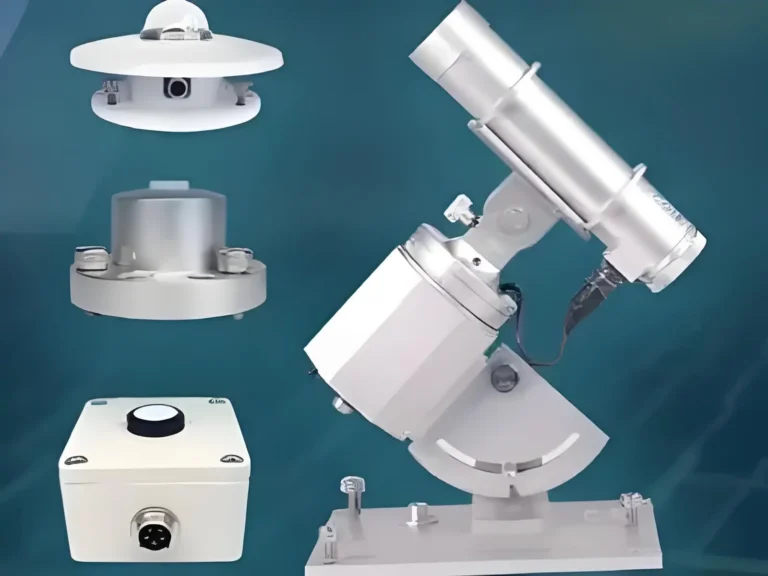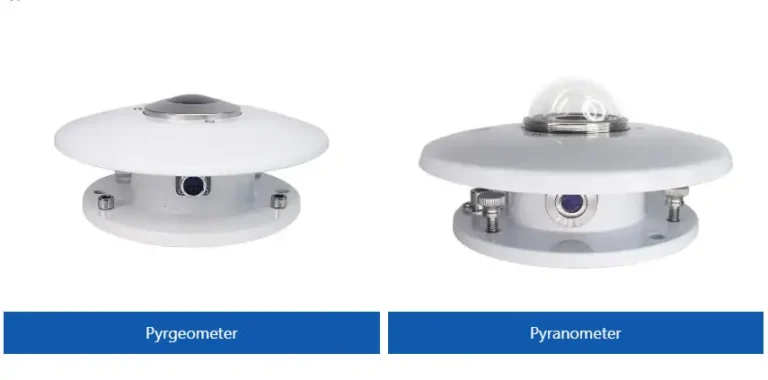
When choosing a pyranometer for solar projects, EPC contractors and procurement teams often find that products with similar specifications are not necessarily suitable for the same application. A project may require plane-of-array (POA) irradiance measurements, while a supplier offers a sensor designed primarily for global horizontal irradiance (GHI). In other cases, the measurement range or accuracy may meet the initial requirements, but the output signal is incompatible with the existing data logger. These differences can affect system integration, data reliability, and the overall cost of the monitoring setup.
So, how to choose a pyranometer that fits the actual project requirements? The decision should start with the intended measurement and the monitoring requirements, rather than price or a single accuracy figure. This guide explains the key factors to consider when evaluating a pyranometer for solar projects, helping buyers assess whether a sensor’s performance, specifications, and installation requirements match the intended application.
Define Your Solar Project’s Irradiance Measurement Requirements
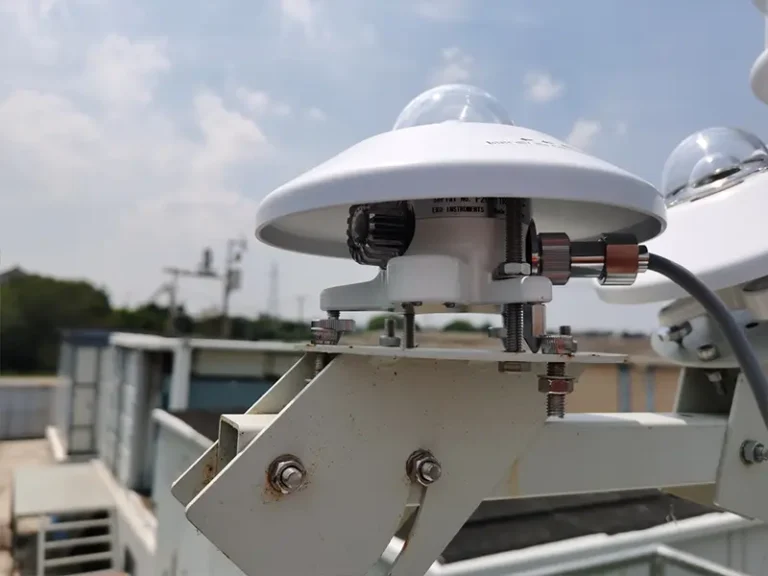
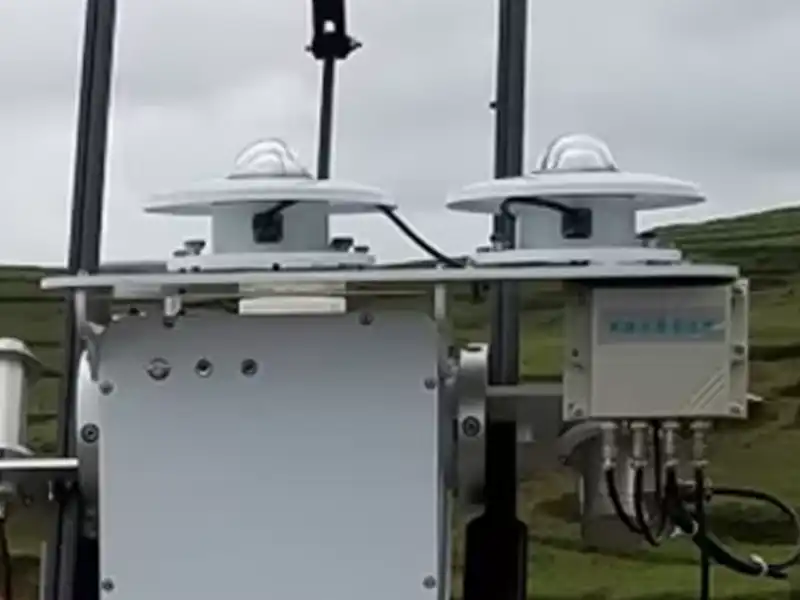
Start pyranometer selection by clarifying what the project needs to learn from its irradiance data. During site development, measurements help assess the available solar resource and support energy yield estimates. Once a PV plant is operating, the focus shifts to the radiation received by the modules and its relationship with actual power generation. These different objectives influence the type of irradiance information the monitoring system needs to collect.
Solar Resource Assessment vs. PV Performance Monitoring
For solar resource assessment, the priority is to understand the site’s solar conditions over time. Irradiance data helps project developers evaluate solar availability, seasonal variations, and the potential energy yield before committing to a project. The measurements should provide a reliable picture of the site’s resource conditions rather than simply record short-term weather changes.
PV performance monitoring serves a different purpose. After commissioning, operators need to understand how changes in sunlight affect the plant’s power output. Irradiance measurements provide the environmental reference for evaluating module performance under actual operating conditions. The focus is therefore on the radiation reaching the PV array and how well the collected data reflects the conditions experienced by the monitored modules.
These applications are closely related, but their measurement objectives are not identical. Resource assessment examines the site’s solar potential, while operational monitoring helps explain how the installed system performs under the available sunlight.
How PV System Design Affects Irradiance Measurement Requirements
Array layout and operating method also affect solar pyranometer selection. A sensor arrangement suitable for a fixed-tilt installation may not represent the conditions experienced by a tracking or bifacial array.
- Trang trại năng lượng mặt trời quy mô tiện ích: Large sites may contain different terrain, array orientations, and local shading conditions. Measurement points need to represent the monitored sections of the plant; a single reading should not automatically be treated as representative of the entire site.
- Commercial and rooftop PV systems: Roof orientation, module tilt, surrounding buildings, and available installation space affect the conditions around the array. Measurements should reflect the actual module layout rather than an unrelated open area on the roof.
- Solar tracking systems: The modules change their position throughout the day. The project must account for this movement when deciding whether measurements should represent the changing module plane or a separate reference plane.
- Hệ thống PV hai mặt: Both module surfaces contribute to energy generation. In addition to front-side irradiance, the monitoring objective may require information about rear-side radiation and reflected sunlight from the ground.
These project differences define the measurement scope for pyranometer selection. They also help determine whether the monitoring setup needs a standalone pyranometer or a more integrated arrangement. The next step is to examine the instrument classifications and standards against the project’s documented requirements.
Understand Pyranometer Accuracy Classes and Industry Standards
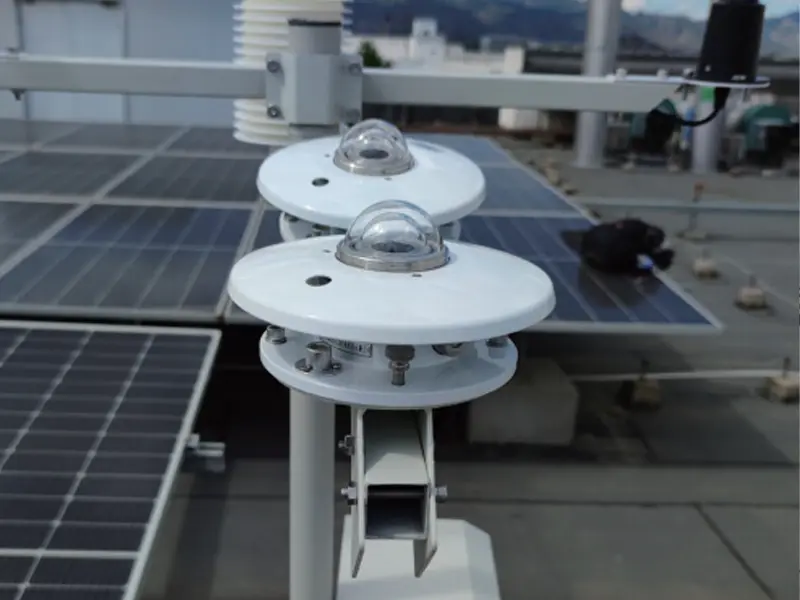
ISO 9060:2018 classifies pyranometers according to their measurement performance. IEC 61724-1:2021 specifies irradiance sensor requirements for PV monitoring systems. For pyranometer selection, the two standards address different aspects of measurement and should not be treated as interchangeable.
What Do Class A, Class B, and Class C Mean Under ISO 9060?
ISO 9060:2018 divides pyranometers into three performance classes: Class A, Class B, and Class C. Class A has the strictest requirements, followed by Class B and Class C.
For pyranometer selection, review the performance parameters behind each class:
- Thời gian phản hồi: How quickly the sensor responds to changes in irradiance.
- Zero Offset: Unwanted output under zero irradiance conditions.
- Non-Stability: Changes in sensor sensitivity over time.
- Non-Linearity: Deviation from a linear response across the measurement range.
- Directional Response: Changes in response as the angle of incoming radiation varies.
- Temperature Response: Output variation caused by ambient temperature changes.
- Spectral Error: Differences between the sensor’s spectral response and the reference spectrum.
These parameters are assessed together to determine the instrument’s class. Class A does not represent a fixed accuracy of ±1%, and Class B does not automatically mean ±2%. Each parameter has its own performance limits.
How IEC 61724-1 Defines Irradiance Sensor Requirements
IEC 61724-1:2021 sets different pyranometer requirements for Class A and Class B PV monitoring systems. The required instrument class also depends on whether irradiance is measured on the front or rear side of a bifacial array.
| Monitoring application | Pyranometer requirement |
|---|---|
| Class A system, front-side POA/GHI | ISO 9060 Class A, spectrally flat; calibration uncertainty ≤2% |
| Class A system, rear-side | ISO 9060 Class C or better; calibration uncertainty ≤3% |
| Class B system | ISO 9060 Class C or better; calibration uncertainty ≤3% |
For these measurements, the standard specifies calibration uncertainty at 1,000 W/m², a measurement range up to 1,500 W/m², and resolution of 1 W/m² or better.
This distinction matters in pyranometer selection. A Class A PV monitoring system does not require every irradiance sensor to be ISO 9060 Class A. The required instrument class depends on its measurement position and application.
For a closer comparison of the two higher classes, see Nhật xạ kế Cấp A so với Cấp B: Bạn cần loại nào?.
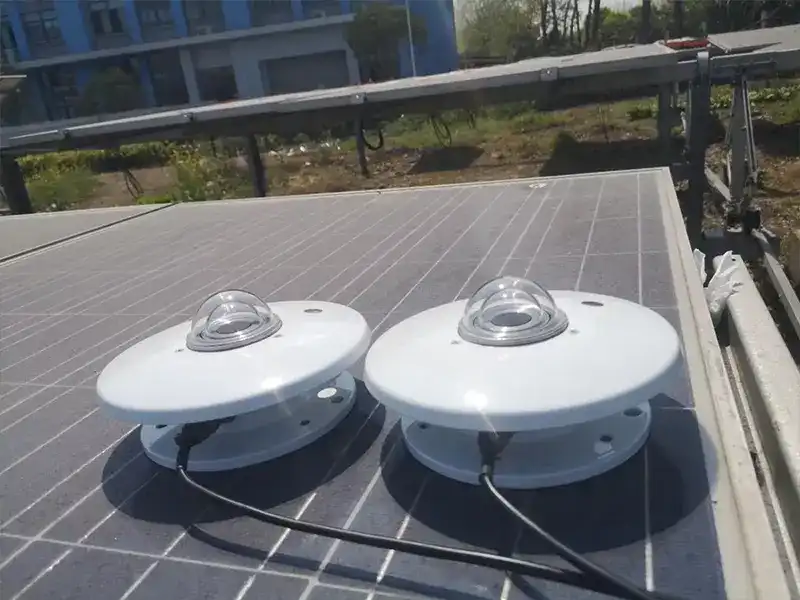
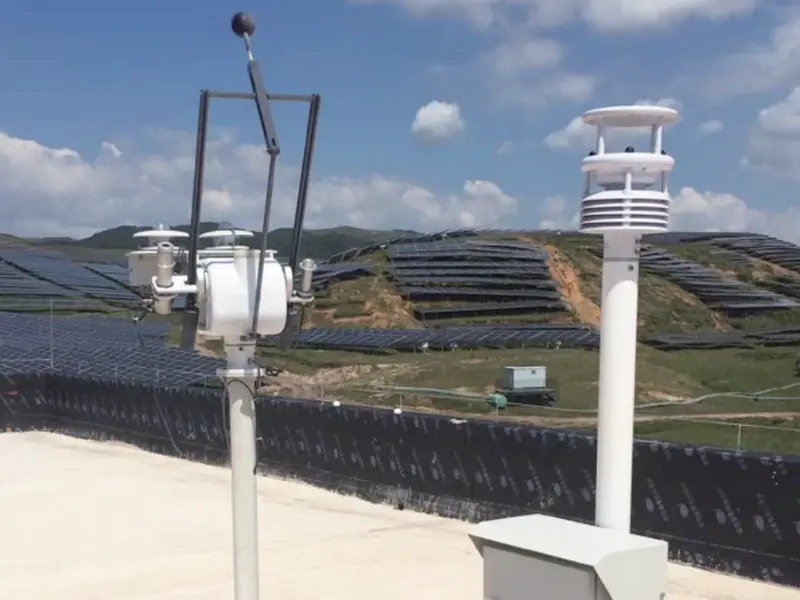
Thermopile vs. Silicon Pyranometers: Which Technology Fits Your Project?
Thermopile and silicon pyranometers differ in spectral response, response time, and measurement characteristics. Pyranometer selection depends on the required irradiance measurement and how the data will be used in your solar project.
Differences Between Thermopile and Silicon Sensors
| So sánh | Pyranometer Thermopile | Silicon-Based Sensor |
|---|---|---|
| Nguyên lý đo lường | Measures absorbed solar radiation through a thermopile | Converts incident light into an electrical signal using a silicon photodiode |
| Đáp ứng phổ | Broad response, typically around 0.3–3.2 μm, depending on the model | Narrower response, limited by the photodiode’s spectral sensitivity |
| Thời gian phản hồi | Thường chậm hơn | Thường nhanh hơn |
| Temperature effects | Temperature response needs to be considered | Temperature compensation is important |
| Ứng dụng điển hình | Broadband solar irradiance and meteorological measurements | Fast irradiance measurements and PV reference applications |
Pyranometer Selection by Sensor Technology
- For broadband solar radiation measurement: A thermopile pyranometer is generally more suitable for solar resource assessment and long-term irradiance monitoring.
- For fast-response measurements: A silicon-based solar irradiance sensor may be appropriate. For PV reference measurements, check its spectral match with the module technology.
- For integrated PV monitoring: Check whether the system measures the required POA irradiance and provides the environmental parameters needed for performance analysis.
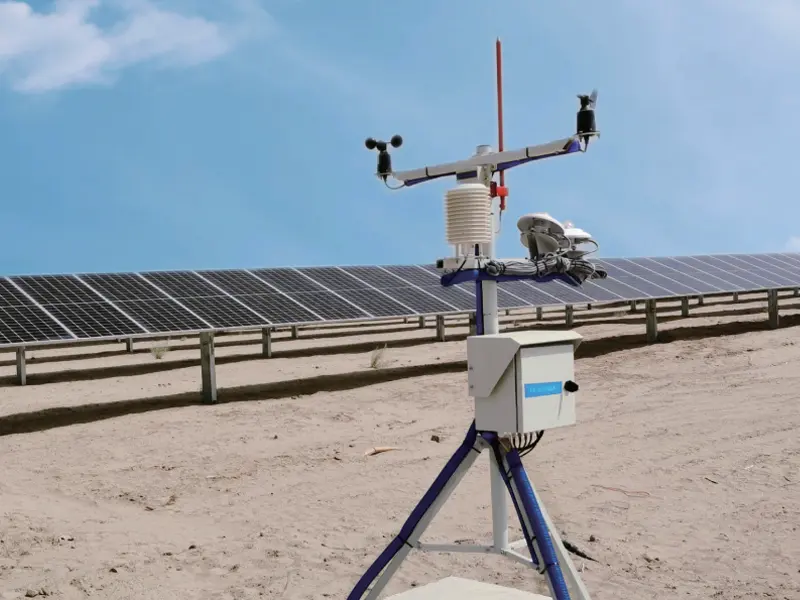
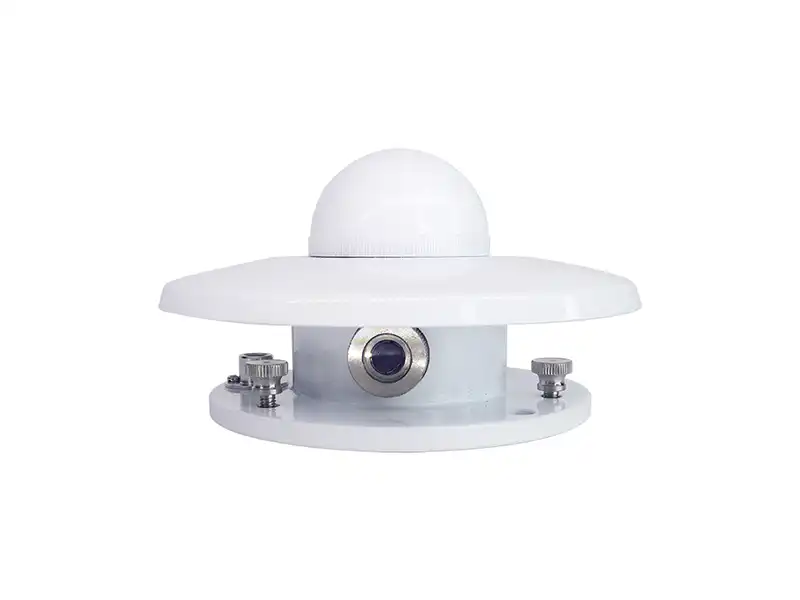
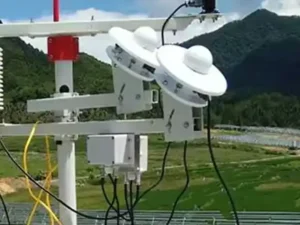
The Yantai Sensor XF500S-CWB combines POA irradiance measurement with environmental and module temperature monitoring. Its standard configuration uses a TBQ-2C-D thermopile sensor, making it an example of an integrated PV weather sensor based on thermopile measurement technology.
The technology comparison in Nhiệt điện trở so với Quang điện trở Silicon: Ưu và Nhược điểm provides more detail on spectral response and measurement applications.
Choose the Right Irradiance Measurement: GHI, POA, DHI, or DNI
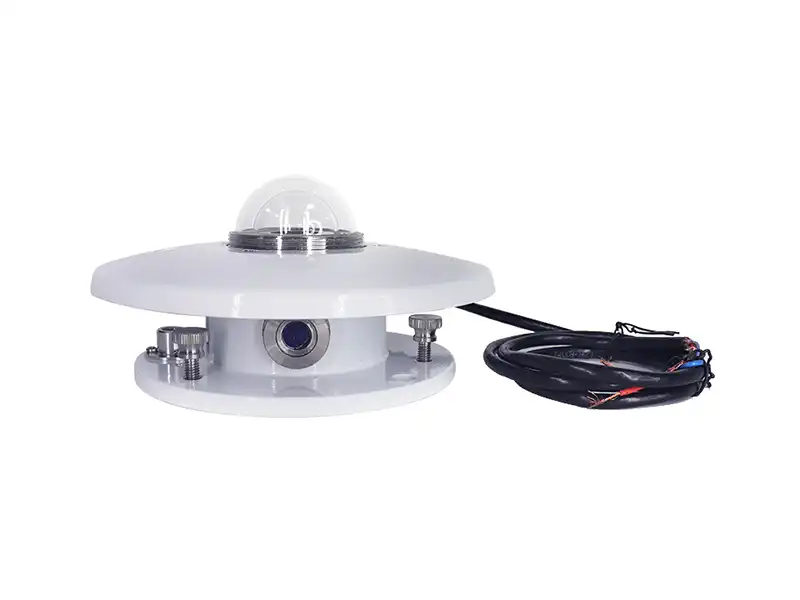
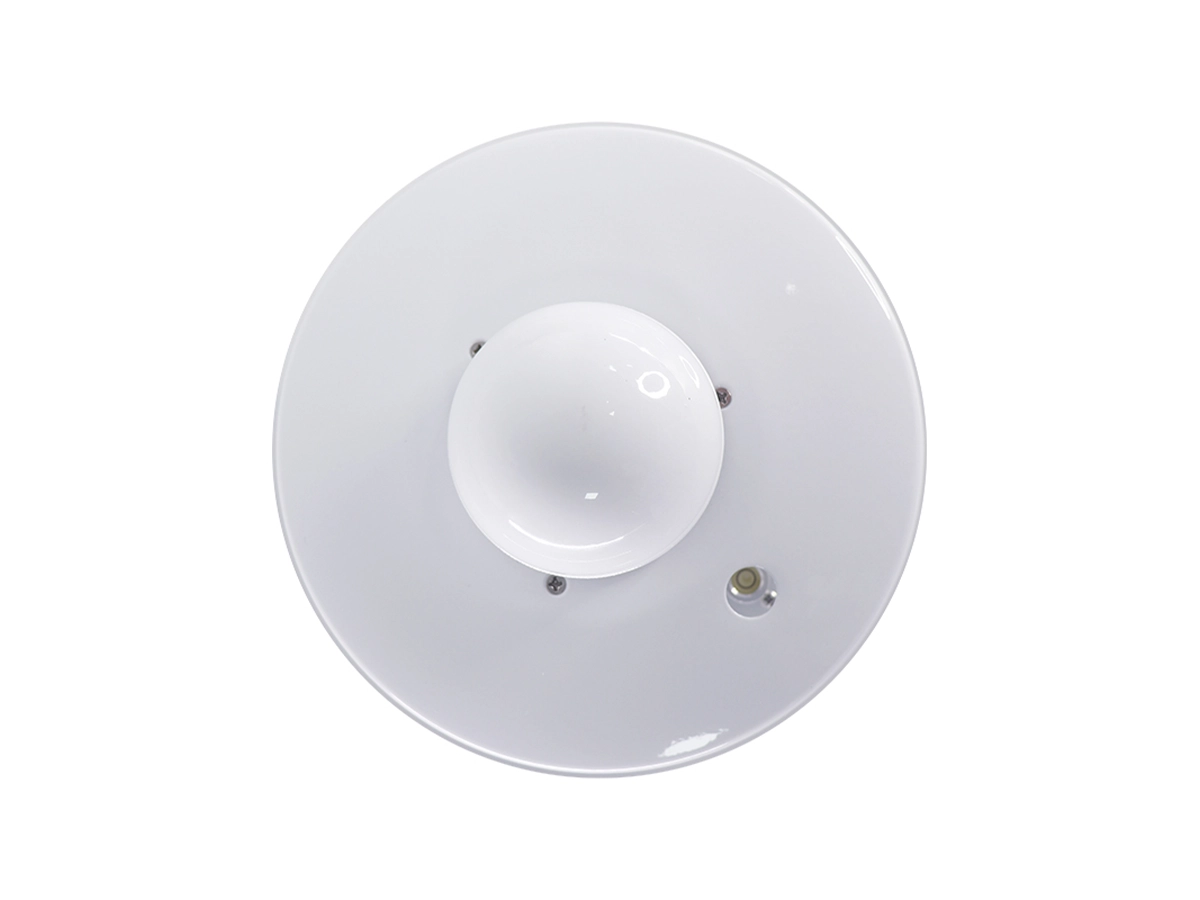
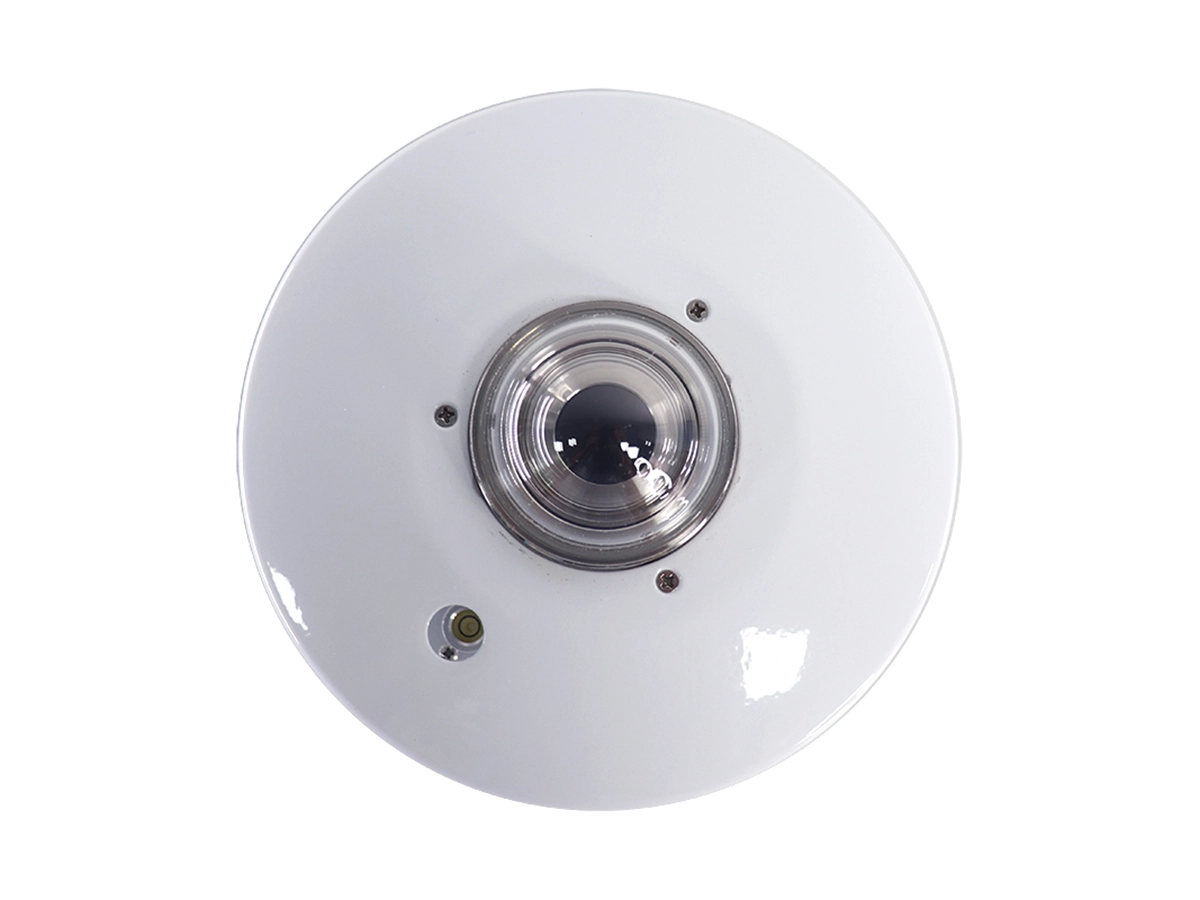
Solar pyranometer selection starts with the measurement target. Global Horizontal Irradiance (GHI) measures total radiation on a horizontal surface, while Plane of Array (POA) irradiance measures radiation received by the PV module plane. Diffuse Horizontal Irradiance (DHI) and Direct Normal Irradiance (DNI) separate diffuse and direct solar radiation. The required solar irradiance measurements depend on the project’s monitoring objectives, array design, and performance evaluation needs.
Cường độ bức xạ mặt trời ngang toàn cầu (GHI)
GHI measures the total solar radiation received by a horizontal surface, including the horizontal component of direct sunlight and diffuse radiation from the sky. It is commonly used for solar resource assessment, site evaluation, and meteorological monitoring. For GHI measurements, pyranometer selection must allow horizontal installation and proper leveling. GHI cannot directly replace POA measurements when PV modules are installed at a tilt, because the two measurements represent different irradiance planes.
Plane of Array (POA) Irradiance
POA irradiance measures solar radiation received on a surface aligned with the PV module plane. It provides a more direct reference for evaluating the irradiance available to the modules than horizontal GHI. Pyranometer selection must allow installation suited to the array design:
| PV system | POA sensor installation |
|---|---|
| Fixed-tilt system | Match the sensor’s tilt and orientation to the module array. A separate mounting bracket can be used; direct attachment to a module is not necessary. |
| Tracking system | If the objective is to measure irradiance on the moving module plane, the sensor should follow the tracker’s changing position. |
Diffuse Horizontal Irradiance (DHI) and Direct Normal Irradiance (DNI)
DHI measures diffuse solar radiation received by a horizontal surface, excluding direct sunlight. It is typically measured using a pyranometer with a shading device, such as a shading ball or ring, to block the direct solar beam. Depending on the device and measurement method, corrections may be needed to account for the portion of the sky obscured by the shading device.
DNI measures direct solar radiation on a surface perpendicular to the sun’s rays. It is generally measured using a máy đo bức xạ mặt trời mounted on a solar tracker that follows the sun. A standard pyranometer cannot directly replace this setup because it does not independently measure the direct solar beam.
The relationship between these three measurements is:
GHI = DHI + DNI × cos(θz)
Here, θz represents the solar zenith angle. Separate DHI and DNI measurements are useful for detailed solar resource assessment and radiation analysis, but they are not automatically required for routine PV performance monitoring.
The individual radiation components are explained in GHI, DNI và DHI trong năng lượng mặt trời là gì?.
Additional Irradiance Measurements for Bifacial PV Systems
Bifacial modules receive solar radiation from both front and rear surfaces, so front-side POA alone may not fully represent the irradiance conditions affecting the modules. A more complete measurement setup may include:
- Front-side POA irradiance: Measures radiation received by the front surface of the modules.
- Rear-side irradiance: Measures radiation reaching the back of the modules. The sensor should be positioned parallel to the module rear surface at a representative location, away from local obstructions.
- Albedo measurement: Evaluates ground reflectance by comparing incoming and reflected solar radiation under suitable measurement conditions. Ground materials such as soil, gravel, concrete, and snow can affect the result.
Albedo and rear-side irradiance are not interchangeable. Albedo describes ground reflectance, while rear-side irradiance measures the radiation reaching the module’s back surface. Rear-side readings also depend on array height, row spacing, module geometry, shading, and sensor position. Multiple measurement points may be needed to represent variations across a bifacial array.
Technical Specifications to Check Before Buying a Pyranometer
The next step in pyranometer selection is to compare the specifications of models that meet the measurement requirements. The following four areas help determine whether a pyranometer is suitable for the project and compatible with its monitoring system.
| Pyranometer selection criteria | Key specifications | What to verify |
|---|---|---|
| Measurement performance | Measurement range, sensitivity, spectral response | Confirm that the range and spectral response suit the measurement objective, and that the output signal can be properly acquired. |
| Response characteristics | Response time, temperature response, cosine response | Check how the sensor performs under changing irradiance, ambient temperatures, and different solar angles. |
| Calibration and stability | Calibration uncertainty, long-term stability, calibration documentation | Verify calibration traceability, measurement uncertainty, stability specifications, and available calibration documents. |
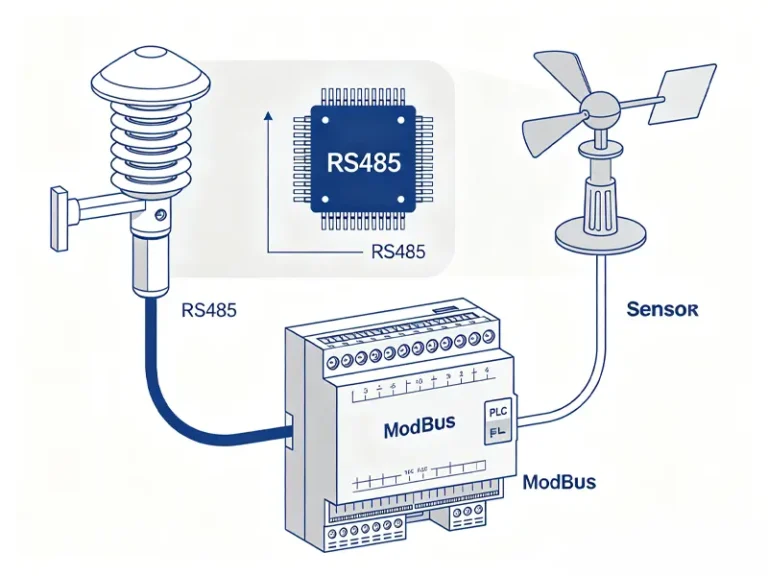
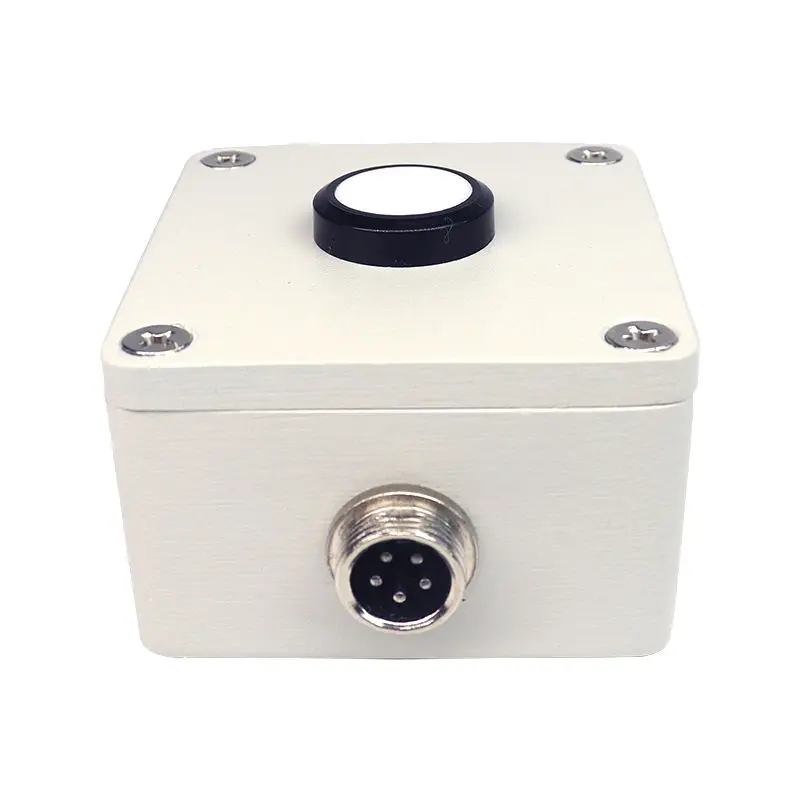
| Electrical compatibility | Output signal, communication protocol, power supply, data logger input | Confirm that the sensor’s electrical output and communication settings match the data acquisition system. |
Pyranometer selection requires checking these specifications together rather than comparing them individually. A pyranometer may meet the required measurement performance but still cause integration problems if its output, power supply, or calibration documentation does not meet project requirements.
Installation and Environmental Conditions That Affect Pyranometer Performance
Installation conditions are part of solar pyranometer selection and affect the reliability of irradiance data. Even a suitable sensor can produce misleading readings if its measurement angle, installation position, or outdoor conditions are not properly considered.
Mounting Position, Tilt, and Orientation
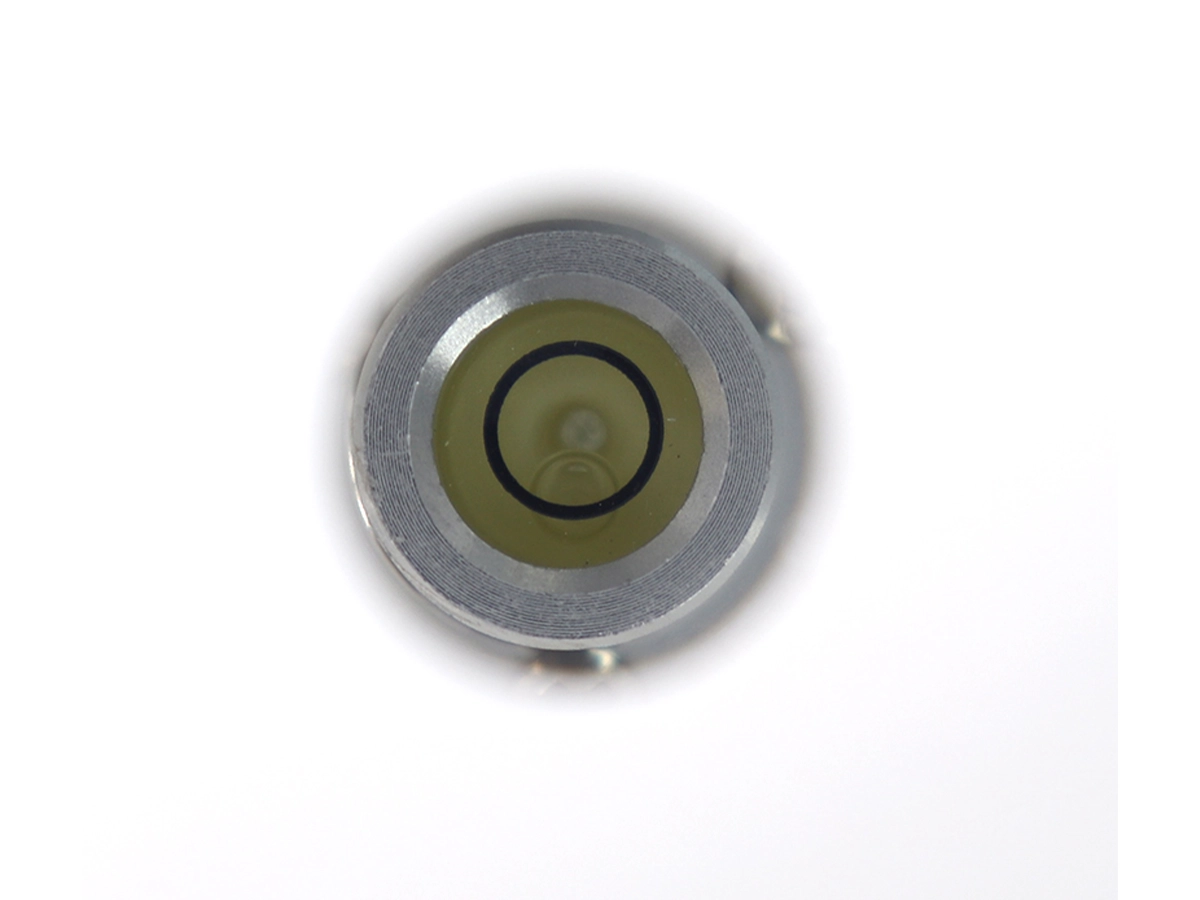
The mounting angle depends on the irradiance being measured. A GHI pyranometer should be installed horizontally and leveled, while a POA sensor should match the tilt and azimuth of the PV modules.
For fixed arrays, an independent bracket can be used if it maintains the same measurement plane. For tracking systems, the sensor only needs to follow the tracker when the objective is to measure irradiance on the moving module plane. Adjustable measurement panels, such as those available on the XF500S-CWB, help align the sensor with the required angle.
Avoiding Shading and Choosing a Representative Measurement Point
Buildings, trees, poles, mounting structures, and nearby equipment can block sunlight and affect readings. However, avoiding direct shading is only part of the installation decision. The sensor should also be positioned where its readings reflect the irradiance conditions of the monitored array.
For large solar farms, differences in terrain, array orientation, and local shading may require separate measurement points. A pyranometer measures irradiance at its own location, not across a fixed area, so sensor quantity and placement should follow the actual plant layout rather than an assumed coverage range.
Dew, Frost, Dust, and Snow Protection
Dew and frost can reduce light transmission through the sensor dome, while dust gradually affects measurement readings. Snow may cover the sensing surface and interrupt measurements entirely.
Pyranometer selection for humid, cold, or dusty sites should account for the sensor design and available accessories. Heating or ventilation may help where condensation and frost are frequent, but these options add power and maintenance requirements and are not necessary for every installation.
Outdoor Protection and Electrical Safety
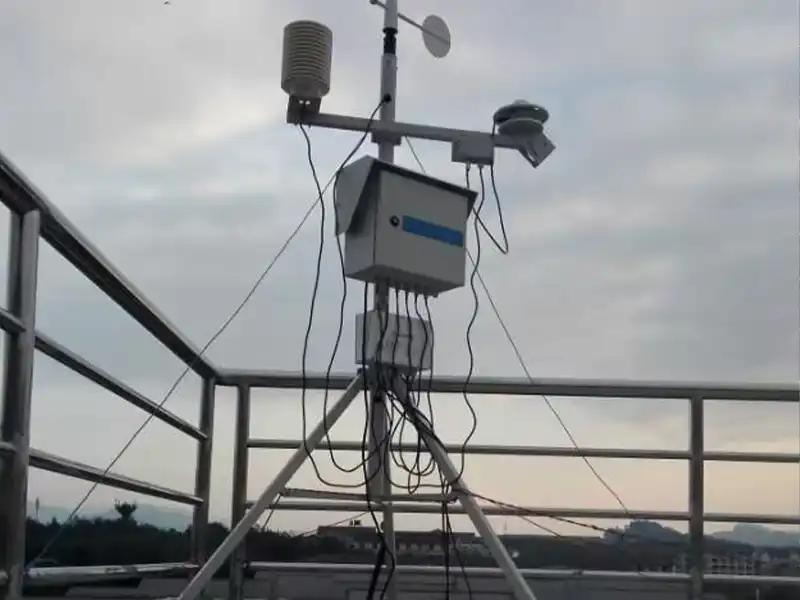
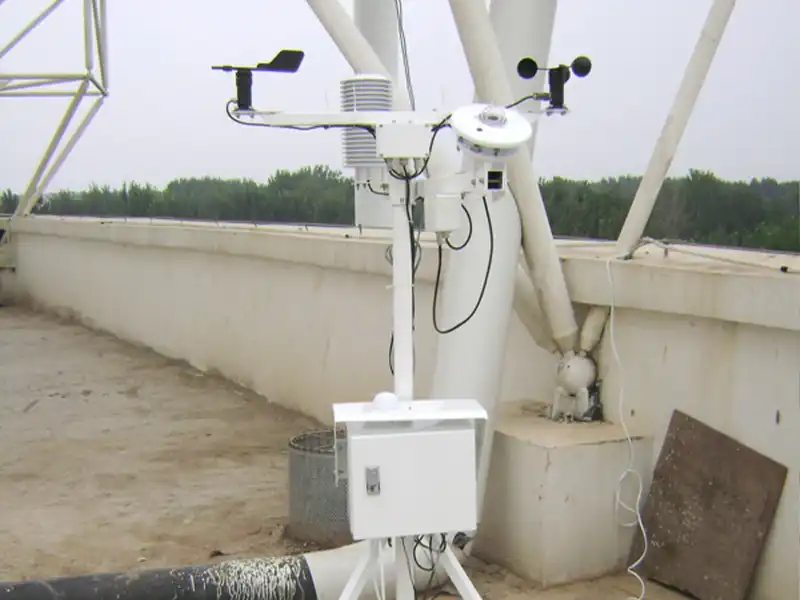
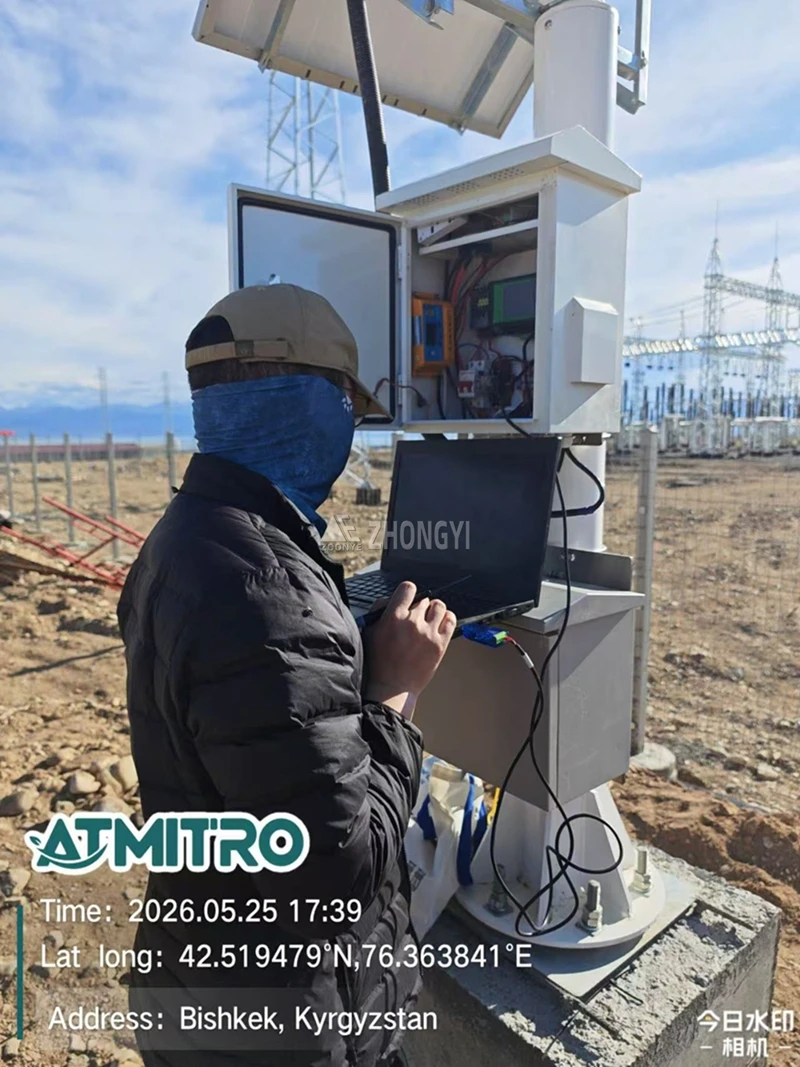
For outdoor monitoring, pyranometer selection also involves checking enclosure protection, cable connections, and operating temperature range. Sealed connectors and suitable cable entries help reduce moisture-related problems.
Grounding, cable shielding, and surge protection should also be considered as part of the site electrical design. An IP67 rating indicates protection against specified dust and water ingress; it does not mean the sensor is lightning-proof or more accurate. Power and signal lines may need separate surge protection depending on the installation’s exposure.
For the practical setup steps, Hướng dẫn lắp đặt pyranometer | Cách lắp đặt đúng để đo bức xạ mặt trời chính xác covers mounting, leveling and connection checks.
Calibration and Maintenance for Reliable Long-Term Measurements
Pyranometer selection should account for routine maintenance: keeping the sensing dome clean and checking components that may affect measurement performance. The required work depends on the instrument design and site conditions.
Routine Cleaning and Inspection
Check the sensor dome for dust, bird droppings, water stains, or other deposits. Clean it with a soft, lint-free cloth using the method recommended by the manufacturer. Avoid abrasive materials that could scratch the dome. If the instrument has a desiccant, check its condition and replace it according to the manufacturer’s instructions.
Cleaning frequency depends on the site. Dusty locations may require more frequent cleaning, while areas with frequent rainfall can still develop water stains or deposits. Record cleaning dates and any maintenance work. After servicing, check that the sensor has not shifted and that its orientation still matches the intended measurement plane.
Pyranometer Calibration and Data Checks
Review the calibration certificate during pyranometer selection and again at commissioning, checking the calibration date, stated uncertainty, and traceability information. If WRR traceability is required by the project, confirm that it is explicitly documented in the certificate or supporting records.
The recalibration interval should follow the manufacturer’s recommendations and the project’s measurement uncertainty requirements. Historical calibration results can also help determine whether the interval needs to be reviewed. If readings differ unexpectedly from a properly calibrated reference instrument, first check the dome condition, sensor alignment, and data acquisition. If the discrepancy remains, arrange a calibration check and retain the results for future data review.
Calibration methods and traceability are discussed in Tiêu chuẩn Hiệu chuẩn Pyranometer: Yêu cầu, Phương pháp và Thực hành Tốt nhất theo ISO 9847.
Choosing the Right Pyranometer Configuration for Different Solar Projects
Pyranometer selection depends on the required measurement planes, monitoring accuracy, and other environmental data the project needs. The following configurations illustrate solar pyranometer selection for common PV applications.
Trang trại Năng lượng Mặt trời Quy mô Tiện ích
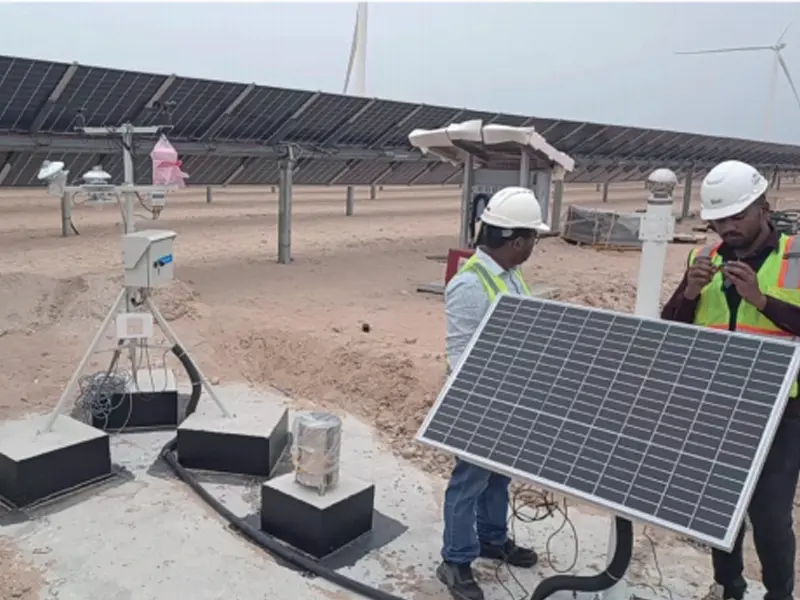
Large solar farms may need independent GHI and POA measurements, depending on the monitoring requirements. Sensor locations should account for array layout, terrain, and shading. Pyranometer selection for a specified ISO 9060 class requires documentation confirming the instrument’s classification.
Commercial and Rooftop PV Systems
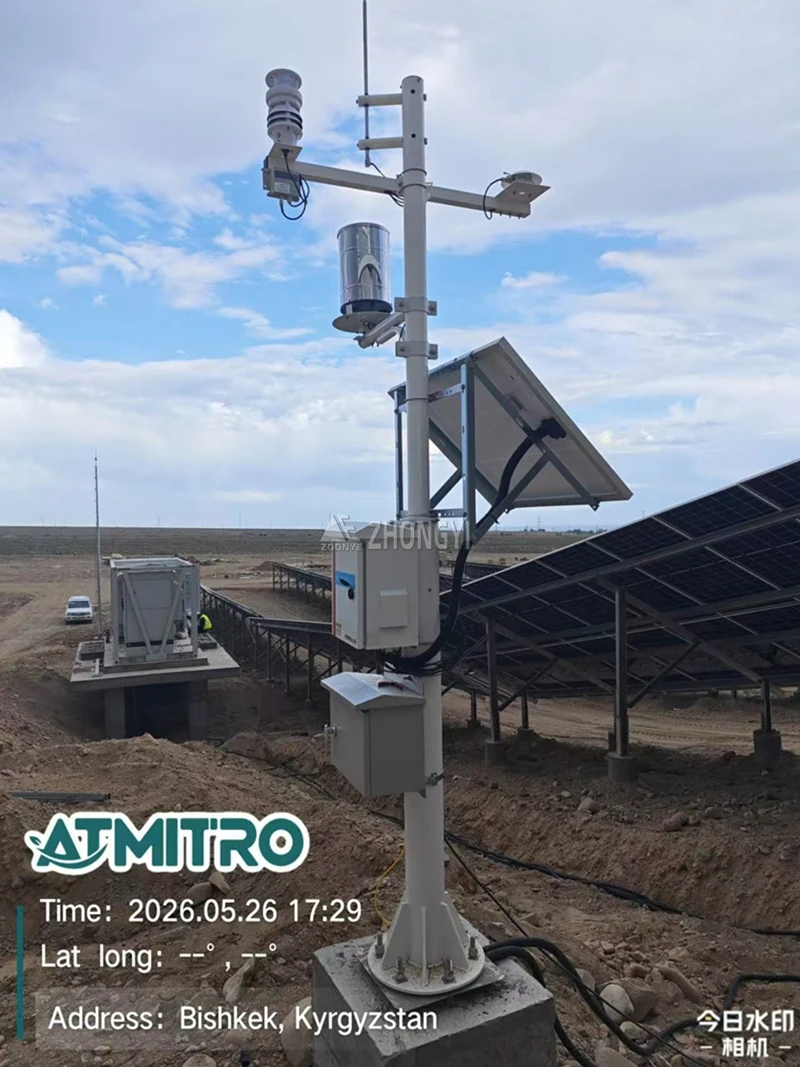
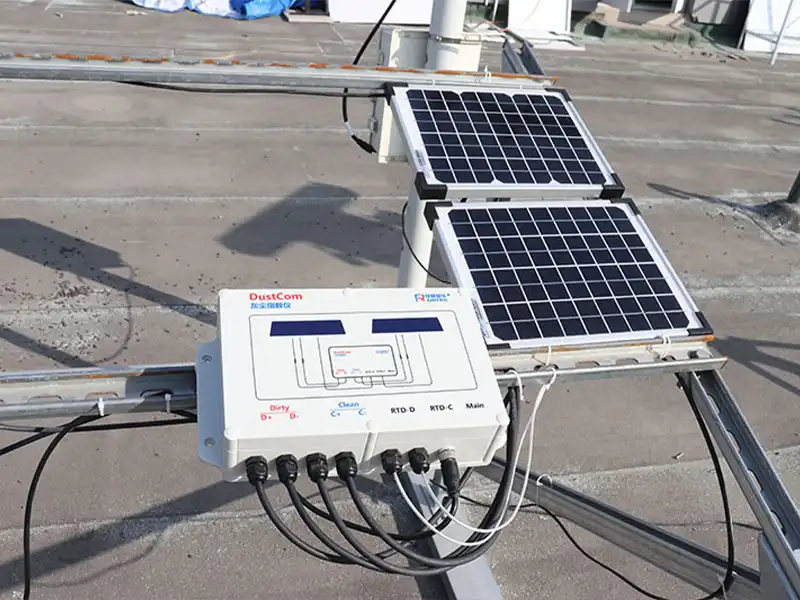
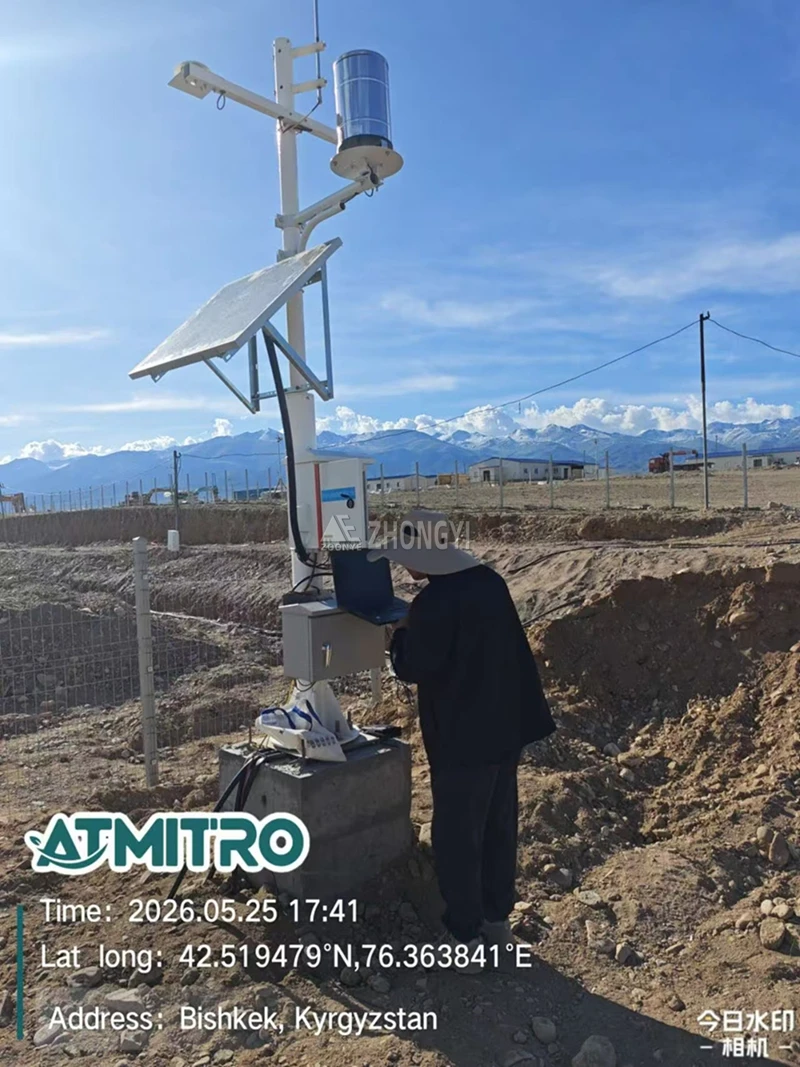
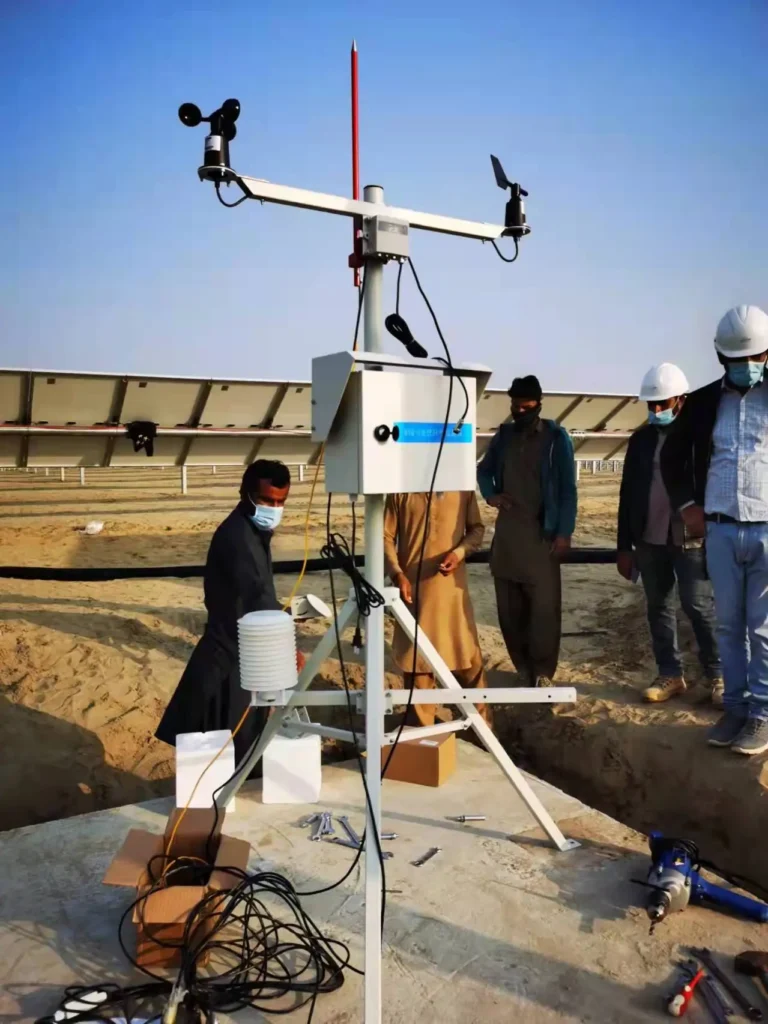
For rooftop projects with limited installation space, an integrated PV weather sensor can collect POA irradiance, module temperature, ambient temperature, and other weather data at one location. The XF500S-CWB supports this arrangement through RS485/Modbus RTU communication. Its standard configuration uses a TBQ-2C-D pyranometer; other pyranometer models and classifications are optional and should be confirmed against the project requirements.
Bifacial and Tracking PV Systems
Bifacial projects may require separate measurements of front-side POA, rear-side irradiance, and albedo. For tracking systems, the sensor must follow the modules when measuring the changing POA plane. Solar pyranometer selection for these arrays must account for sensor positions and the number of measurement points.
Independent Pyranometers vs. Integrated PV Weather Sensors
| Selection factor | Independent pyranometer | Integrated PV weather sensor |
|---|---|---|
| Measurement focus | Dedicated irradiance measurement | Irradiance and multiple weather parameters |
| Cài đặt | Separate sensor installation | Multiple sensors in one unit |
| Cấu hình | Flexible instrument selection | Depends on available sensor options |
| Best suited to | Specific irradiance and classification requirements | Combined PV and weather monitoring |
Choose an independent pyranometer when the project requires dedicated irradiance measurements or a specified instrument classification. An integrated PV weather sensor is more practical when several PV and weather parameters need to be collected at the same location. Base pyranometer selection on the monitoring specification, not simply the number of functions in the device.
Kết luận
Knowing how to choose a pyranometer starts with three practical checks: define the measurement objective, confirm the required measurement performance, and review the installation and operating conditions. Determine whether the project needs GHI, POA, or other irradiance measurements, then check the relevant ISO 9060 classification, IEC 61724-1 requirements, signal interface, power supply, mounting position, and calibration arrangements. A suitable pyranometer for solar projects should meet the actual monitoring and acceptance requirements, rather than simply offer the highest specification.
Yantai Sensor provides solar radiation sensors and integrated PV weather monitoring equipment for different project needs. Our team can help with pyranometer selection by reviewing measurement requirements, sensor specifications, communication interfaces, and installation conditions to identify a suitable configuration. Liên hệ Yantai Sensor to discuss your project requirements and find the right monitoring equipment for your solar installation.