导言
When setting up a PV monitoring system, buyers need to decide how to connect the sensors to the data logger. Should they use cables, or send data wirelessly? The answer depends on the site. A large solar farm may have monitoring points spread across a wide area. A rooftop project may have limited space for cables. At a remote site, network coverage and power supply can also be a problem. These conditions affect installation, data transmission, and maintenance. This is why buyers need to compare wireless vs wired PV monitoring systems before choosing equipment.
Both systems collect data such as solar irradiance, ambient temperature, module temperature, wind speed, and wind direction. The difference is how this data reaches the data logger, gateway, or monitoring platform. A wired system uses cables, while a wireless system sends data through a radio or network connection. This article looks at how both systems work, compares their communication methods, installation costs, data stability, and maintenance needs. It also explains when a hybrid setup may be useful and what buyers should check when matching PV monitoring sensors with a communication system.
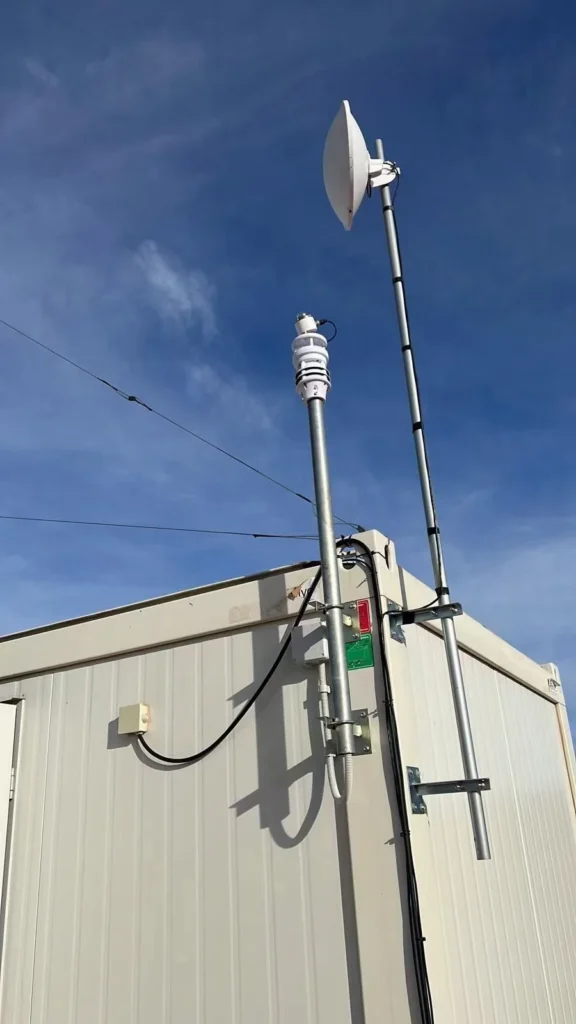
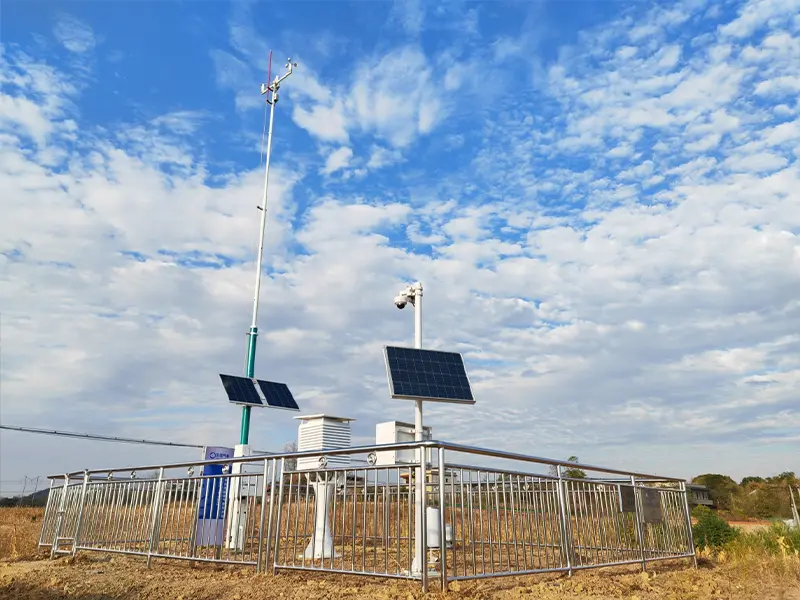
What Is a Wired PV Monitoring System?
A wired PV monitoring system connects environmental sensors, data loggers, and gateways through physical cables. It is commonly used in solar power plants where monitoring points are fixed and cable routes can be planned. Different communication technologies can be used within the same system. For example, sensors may connect to a data logger through RS485, while the gateway sends data to a monitoring platform through Ethernet or fiber optic links.
How Does a Wired PV Monitoring System Work?
A typical wired PV monitoring setup follows this data path:
PV Environmental Sensors → RS485 + Modbus RTU → Data Logger / Gateway → Ethernet or Fiber Optic → Monitoring Platform
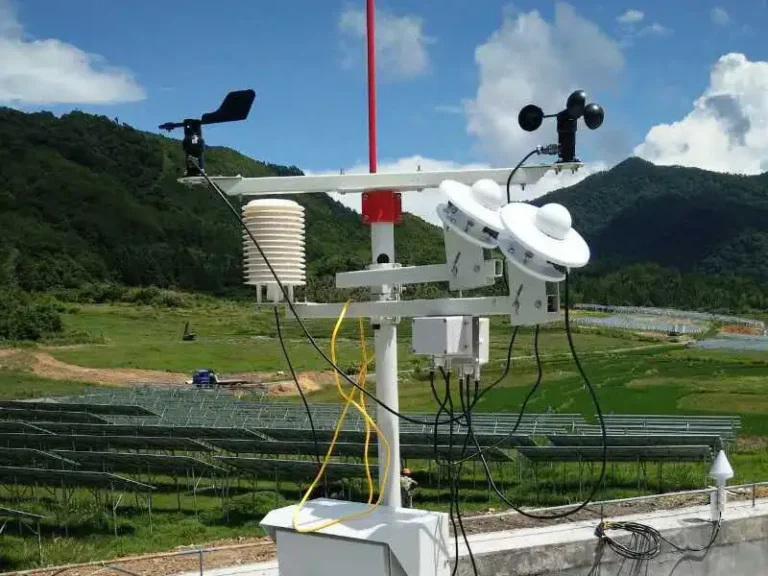
Environmental sensors measure solar irradiance, ambient temperature, module temperature, wind speed, and other site conditions. Their readings are sent to a data logger or gateway through cables. In RS485 PV monitoring, RS485 provides the electrical interface for serial communication, while Modbus RTU defines how devices exchange data. The two work together but serve different purposes.
"(《世界人权宣言》) XF700SL紧凑型气象站,具备太阳辐射监测功能 provides a practical example of an RS485 sensor connection using Modbus RTU with a compatible data logger.
The data logger or gateway then sends the collected readings to a monitoring platform through Ethernet or fiber optic connections. Ethernet is a network technology, while fiber optic is a data transmission medium. They can be used together in the same network.
Advantages and Limitations of Wired PV Monitoring
A wired PV monitoring system does not depend on wireless signal coverage. Fixed connections support centralized sensor management, and some devices can also receive power through the cable infrastructure. This setup suits projects where monitoring points are fixed and cable routes are accessible.
However, installing cables across large or uneven sites can increase construction work. Adding monitoring points later may require additional cabling. Cable damage, loose connectors, poor grounding, and electrical interference can also affect data transmission. Long RS485 lines require suitable cable specifications, correct wiring, and proper terminal resistance. Where monitoring points are widely spread or cable routes are difficult to access, wireless communication may reduce installation work.
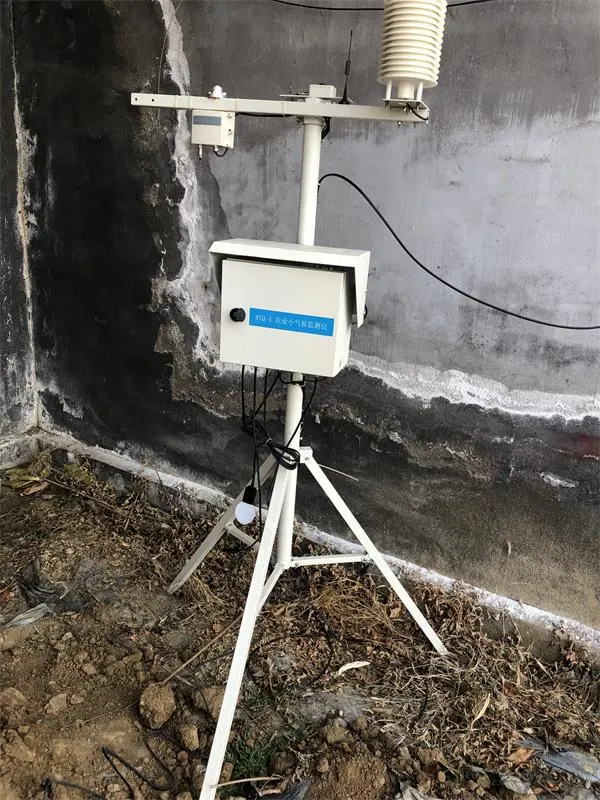
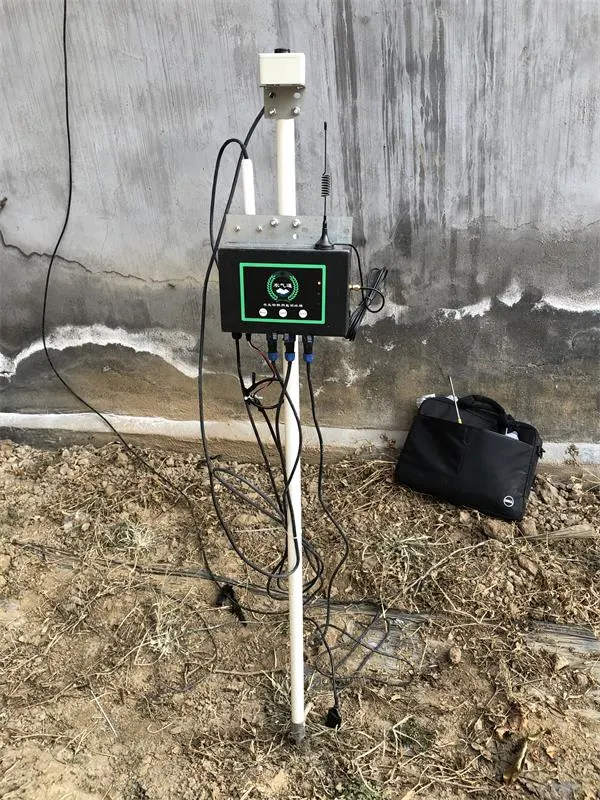
What Is a Wireless PV Monitoring System?
A wireless PV monitoring system uses radio or cellular networks to transmit monitoring data. It suits solar projects where monitoring points are scattered or cable installation is difficult. However, wireless communication may be used between sensors and gateways or only for remote data upload.
How Does Wireless PV Monitoring Work?
A wireless PV monitoring system commonly uses two configurations:
Wireless sensor connection: PV Sensor / Wireless Node → Wi-Fi, LoRa or 4G/LTE → Gateway → Monitoring Platform. Sensors transmit readings directly to a gateway or network without long communication cables.
Wired sensors with wireless data upload: PV Sensors → RS485 → Data Logger / Gateway → 4G/LTE → Monitoring Platform. Sensors remain connected through cables, while the gateway uses a cellular network to upload data.
In both setups, wireless data transmission does not mean wireless power supply. Sensors and communication nodes may still require external power or batteries.
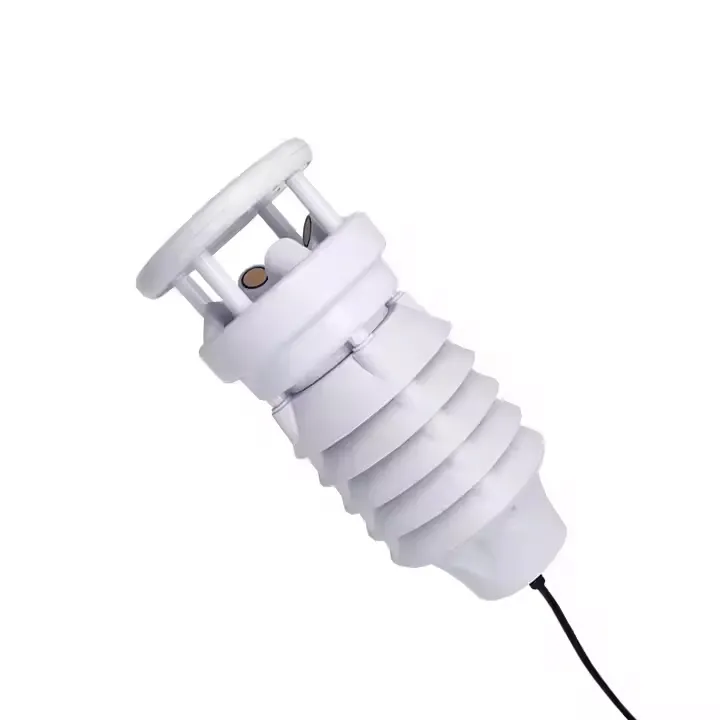
For distributed monitoring points, review the XF500S-CWB 光伏电站紧凑型气象传感器 无线太阳辐射传感器 and confirm the supplied communication configuration, gateway requirements and power arrangement.
Advantages and Limitations of Wireless PV Monitoring
A wireless solar monitoring system reduces communication cabling and makes it easier to connect sensors across scattered monitoring points. It can also simplify expansion where installing new cables is difficult. However, signal coverage, transmission distance, physical obstacles, and electromagnetic interference can affect communication. The gateway must also support the required number of connected nodes. Cellular connections require local 4G/LTE coverage and may involve recurring data costs, while battery-powered nodes need power checks and battery replacement.
The choice of technology depends on site conditions. Wi-Fi requires suitable network coverage, 4G/LTE depends on cellular service, and LoRa supports low-power radio communication over longer distances under suitable conditions. LoRa and LoRaWAN are different: LoRa is a radio modulation technology, while LoRaWAN is a communication protocol.
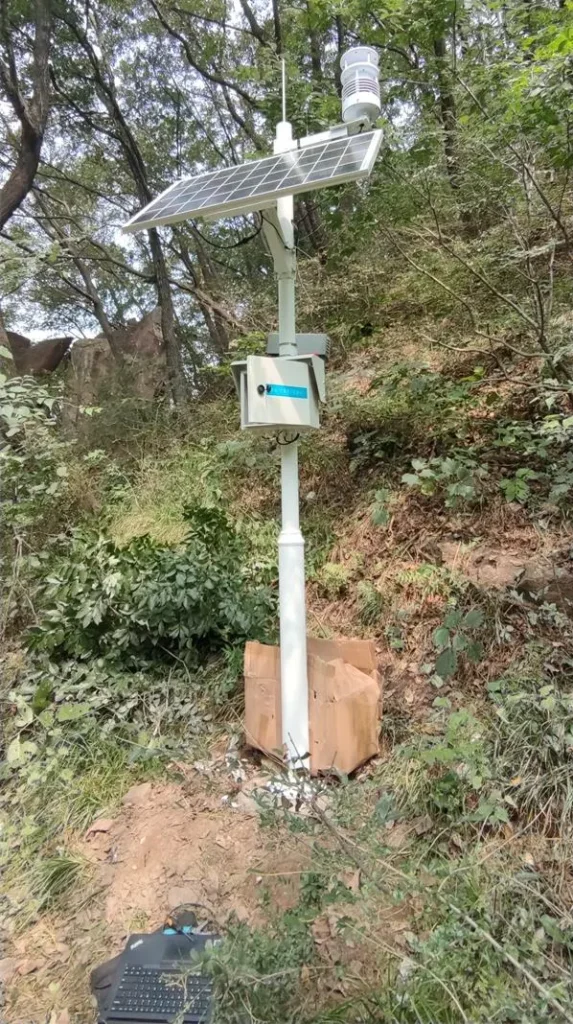
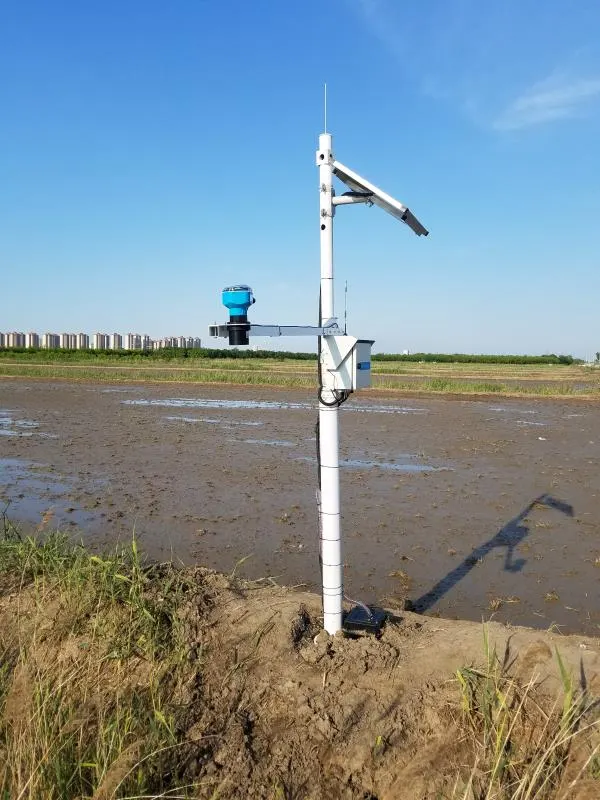
Which Communication Technologies Are Used in PV Monitoring Systems?
Different PV monitoring communication methods serve different roles in a solar monitoring system. Some provide connections between field devices, while others handle local networking or long-distance data transmission. Buyers need to understand these differences when checking sensor interfaces, data logger compatibility, and solar monitoring system connectivity.
Wired Communication Technologies: RS485, Ethernet and Fiber Optic
RS485, Modbus RTU, Ethernet, and fiber optic are common in wired PV monitoring, but they serve different functions.
- RS485: An electrical interface standard for serial communication, commonly used to connect environmental sensors and other field devices to data loggers.
- Modbus RTU: A serial communication protocol often used with RS485. It defines how devices exchange measurement data in Modbus RTU PV monitoring.
- Ethernet: A wired networking technology used to connect data loggers, gateways, switches, and servers within a local network.
- Fiber Optic: A transmission medium that carries data through light. It is useful for long-distance network links and locations where electrical isolation is required.
In practice, RS485 PV monitoring often handles communication at the field-device level, while Ethernet or fiber optic connects equipment across the site network. The choice depends on transmission distance, network layout, and equipment interfaces.
Wireless Communication Technologies: Wi-Fi, 4G/LTE, LoRa and NB-IoT
Wireless technologies differ in network coverage, data capacity, and power requirements.
- Wi-Fi: Connects devices to a local wireless network and requires suitable access point coverage.
- 4G/LTE: Uses cellular networks for remote data transmission. Local operator coverage and data plans need to be checked.
- LoRa: A low-power radio modulation technology suited to small amounts of data over relatively long distances under suitable conditions.
- LoRaWAN: A network protocol built around LoRa that manages communication between nodes and gateways.
- NB-IoT: A cellular IoT technology designed for low-data-rate devices. Availability depends on local operator support and network coverage.
For wireless PV communication, the suitable technology depends on data volume, transmission frequency, site coverage, and node power supply. Low power consumption does not necessarily mean high data capacity.
When selecting equipment, check that interfaces, protocols, register addresses, and data formats are compatible. The same applies to wireless nodes and gateways. These factors also help assess the reliability, installation requirements, and operating costs of wired and wireless PV monitoring systems.
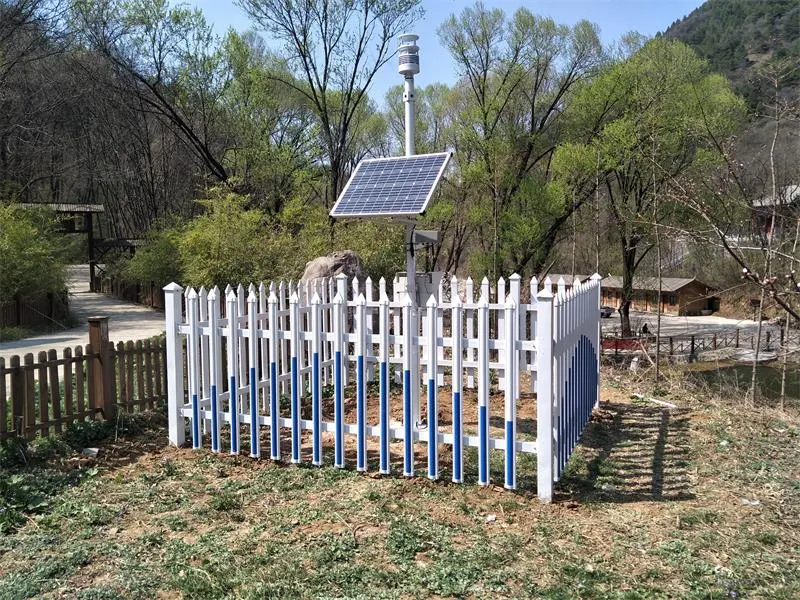
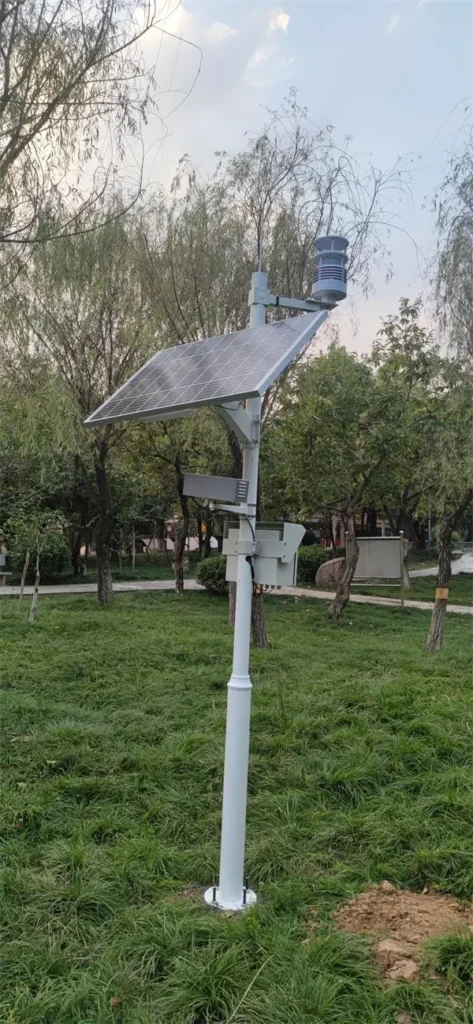
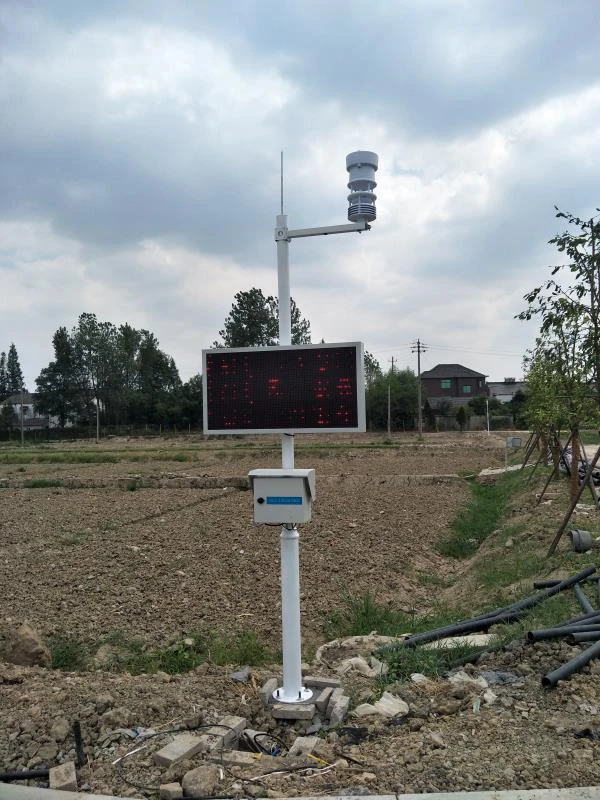
Wired vs Wireless PV Monitoring Systems: Main Differences
When comparing wireless vs wired PV monitoring systems, buyers need to look beyond the communication method. Data transmission, installation conditions, maintenance, and future expansion all affect system performance and operating costs.
| Comparison factor | Wired PV monitoring system | Wireless PV monitoring system |
| Data connection | Physical cables | Radio or cellular network |
| Signal quality | Depends on cable condition, wiring, and interference | Depends on signal strength, coverage, and obstacles |
| 安装 | Requires cable routing and protection | May reduce field cabling |
| Initial cost | Includes cables, accessories, and installation labor | Includes wireless modules, gateways, and network access |
| 维护 | Cables, connectors, and grounding | Signals, antennas, networks, and batteries where applicable |
| Expansion | May require additional wiring or communication capacity | Depends on gateway and network capacity |
| 电源 | Separate or cable-based power arrangement | External power or batteries, depending on the device |
Data Transmission Reliability and Signal Stability
In a wired setup, data travels through physical cables without depending on radio coverage. However, cable quality, loose connectors, grounding, and electromagnetic interference can still affect transmission. Wireless connections depend on signal strength, antenna placement, and the surrounding environment. Buildings, metal structures, and nearby equipment may weaken signals or interrupt communication.
In wired vs wireless communication, the main difference is how each connection handles site conditions and signal interruptions. Both require proper equipment configuration, gateway buffering, error detection, and retransmission to maintain PV monitoring data reliability. Buyers should also distinguish communication reliability from sensor accuracy: delayed or missing readings do not necessarily mean the sensor itself is measuring incorrectly.
The U.S. Department of Energy’s Monitoring Platforms for Solar Photovoltaic Systems also identifies data backup and recovery, service access and cybersecurity as considerations when selecting a monitoring platform.
Installation Cost and Deployment Flexibility
The PV monitoring system installation cost depends on cable routes, site access, equipment, and the number of monitoring points. A wired installation may require communication cables, cable trays, protective conduits, connectors, and additional labor. These requirements can increase installation work on large rooftops, uneven terrain, or sites where monitoring points are spread out. Wireless communication can reduce field wiring and simplify installation at scattered or hard-to-reach locations. However, wireless modules, gateways, antennas, and network access also add to the equipment cost.
A wireless PV monitoring system does not automatically cost less simply because it uses fewer cables. Cellular data charges, gateway installation, and future maintenance should also be included in the calculation. Where cable routes are accessible and monitoring points are fixed, wired installation may be straightforward. Where cable installation is difficult or monitoring points may change, wireless communication can offer more flexibility.
Maintenance, Power Supply and Scalability
PV monitoring system maintenance involves checking different parts of the communication setup. Wired systems need checks on cable condition, connectors, grounding, and physical protection. Wireless systems require attention to signal strength, antenna connections, network status, and batteries where battery-powered devices are used. Both systems need a suitable power supply for sensors, data loggers, and gateways. A wireless connection does not mean the sensor can operate without external power or a battery.
For long-term operation, PV monitoring system scalability depends on the capacity of the entire setup. Adding devices to a wired system may require additional cabling, available RS485 bus capacity, compatible device addresses, or suitable data logger interfaces. A wireless system must have enough gateway capacity, network coverage, and support for additional nodes. Buyers should check these limits before installation, especially when future project expansion is planned.
The choice depends on the site layout and operating requirements. Fixed monitoring points with accessible cable routes may suit wired connections, while scattered sensors and difficult cable routes may favor wireless communication. This is also the main consideration when comparing wired vs wireless solar monitoring. Buyers should assess project conditions, equipment compatibility, and long-term costs before selecting a setup.
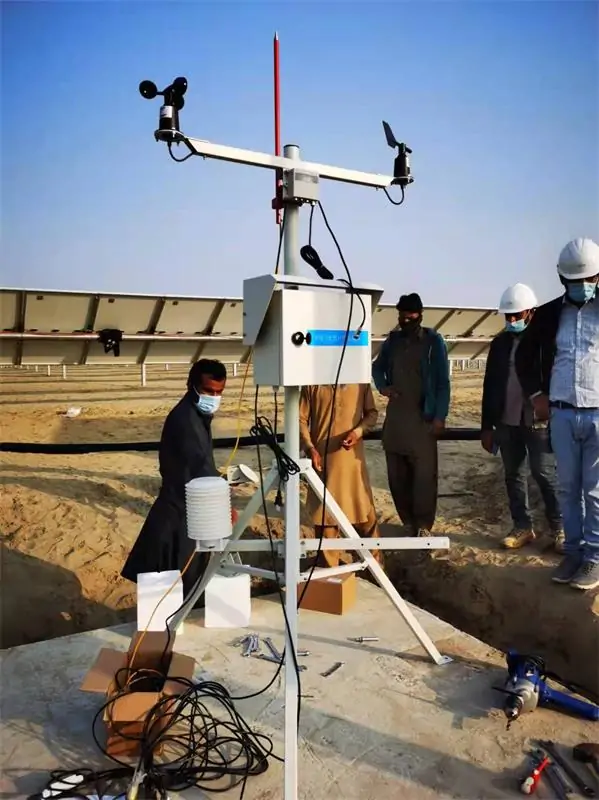
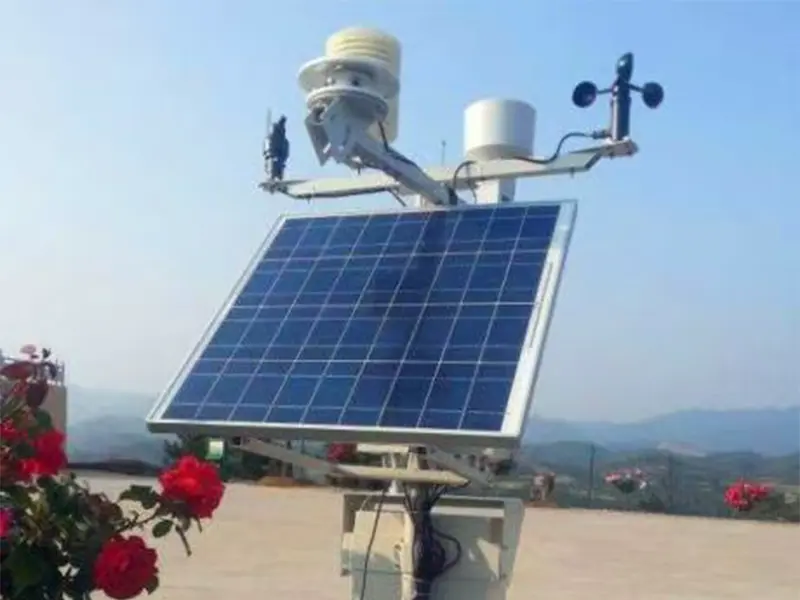

How to Choose the Right PV Monitoring Communication System?
Choosing a PV monitoring communication system starts with the actual conditions at the site. Buyers need to know where the sensors will be installed, how far they are from the data logger, whether power and network connections are available, and whether the equipment can work together. These details help determine the right solar monitoring system connectivity and whether wired, wireless, or hybrid communication is more suitable.
The broader requirements for sensor selection, data acquisition and platform compatibility are covered in 如何选择光伏监控系统以实现太阳能电站的精准监测?.
Assess Project Layout and Communication Distance
First, mark the locations of the PV monitoring sensors, data loggers, and gateways on the site plan. On a large solar farm, sensors may be installed across several areas. On a rooftop project, cable routes may be limited by the building layout and existing equipment. The number of monitoring points matters, but their actual locations and distances from the receiving devices matter just as much.
For RS485 connections, the usable distance depends on the cable, wiring layout, baud rate, and termination. Wireless connections depend on signal coverage between the sensor nodes and gateway, including obstacles along the way. From our experience with PV monitoring equipment, checking the planned connection points on site before ordering is a practical step. It helps identify cable routing problems and weak wireless coverage before installation begins.
Evaluate Site Conditions, Power Supply and Network Availability
Electrical equipment such as inverters, switching power supplies, and control cabinets can affect communication. For wired connections, use suitable cables and pay attention to shielding, grounding, and separation from power cables. For a wireless solar monitoring system, check signal strength at the actual sensor locations and make sure antennas are positioned properly.
Power and network access also need to be checked. Some sensors require an external DC supply, while remote wireless nodes may use batteries or independent solar power. A wireless connection does not mean the device can operate without power cables or batteries. If the gateway uses 4G/LTE to upload data, confirm local network coverage and check whether it can store readings when the connection is temporarily lost.
Compare Total Investment and Operating Costs
The PV monitoring system cost includes more than the sensors and communication modules. Wired installations may need cables, conduits, cable trays, connectors, and extra labor. Wireless systems may require additional gateways, antennas, communication modules, and cellular data plans. Battery replacement, troubleshooting, and future expansion can also add to operating costs. When comparing wired vs wireless PV monitoring cost, consider installation and ongoing expenses together rather than choosing the option with the lower equipment price.
Confirm Sensor and Data Logger Compatibility
Before placing an order, check whether the sensors can communicate with the selected data logger and gateway. Confirm the output interface, communication protocol, data format, and power requirements. For RS485 Modbus compatibility, having an RS485 interface on both devices is not enough. They must also use compatible baud rates, communication addresses, and register mappings. Ask the supplier to confirm these details and provide the required register information before installation. This can prevent connection and data-reading problems during commissioning.
Some projects may need more than one communication method. For example, sensors in accessible areas can use wired connections, while those in difficult-to-reach locations can communicate wirelessly. The next section looks at how a hybrid PV monitoring system can combine both methods.
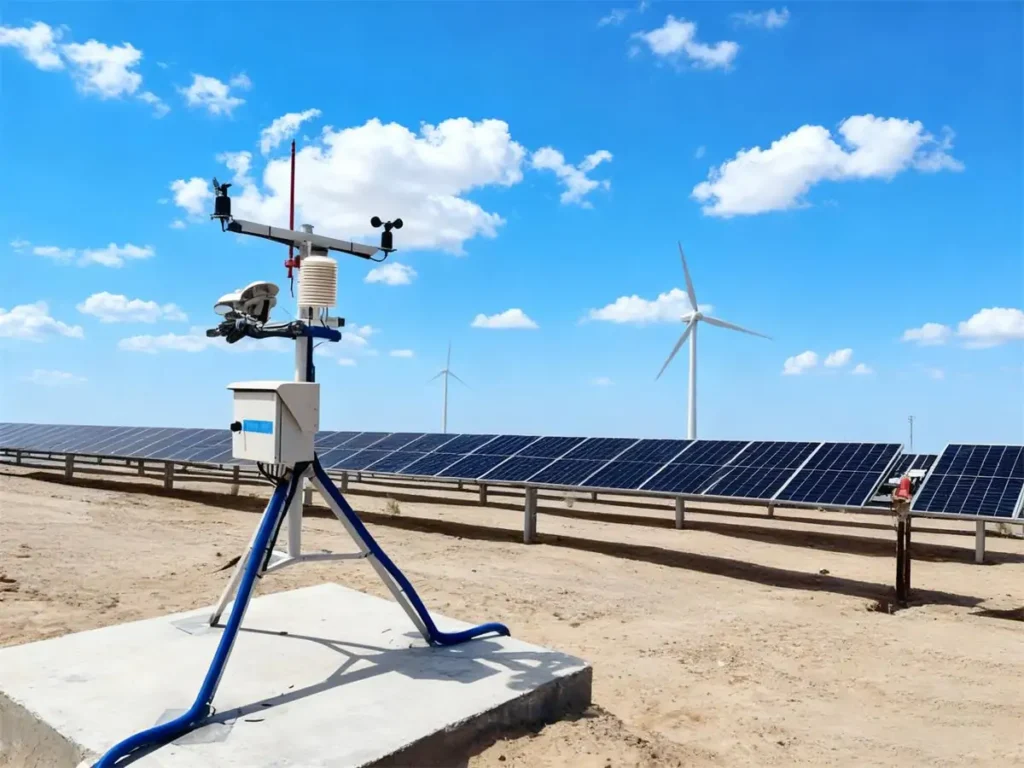
Why Hybrid Communication Is Practical for Many PV Projects?
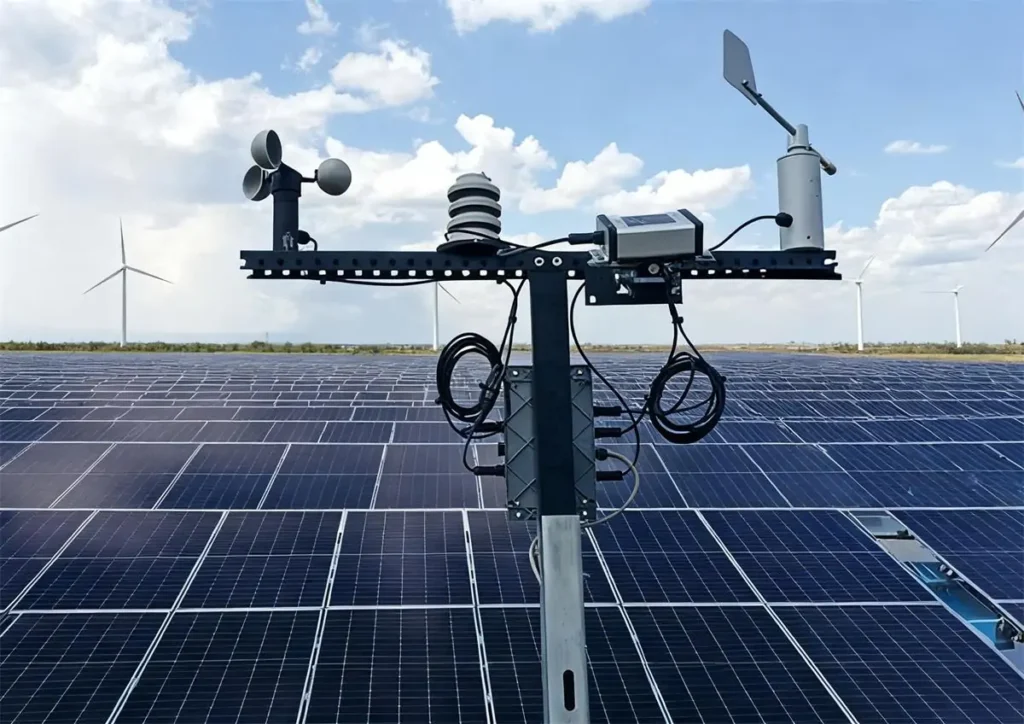
A hybrid PV monitoring system combines wired and wireless connections to meet different data transmission needs. For example, environmental sensors can connect to a data logger through RS485 using Modbus RTU, while the gateway uploads readings to a remote monitoring platform through Ethernet, fiber optic, or 4G/LTE. This allows field devices and remote connections to use different communication methods without requiring every sensor to support wireless transmission.
Hybrid communication is useful when monitoring points are spread across different areas, cable installation is difficult in some locations, or an existing system needs additional sensors. Large solar farms, commercial rooftops, and remote PV plants may benefit from this arrangement. Each connection method can serve the locations where it is more practical, reducing unnecessary cabling while retaining wired connections where they are easier to install. However, projects with simple layouts and accessible cable routes may not need a hybrid setup.
How to Integrate PV Monitoring Sensors with a Communication System?
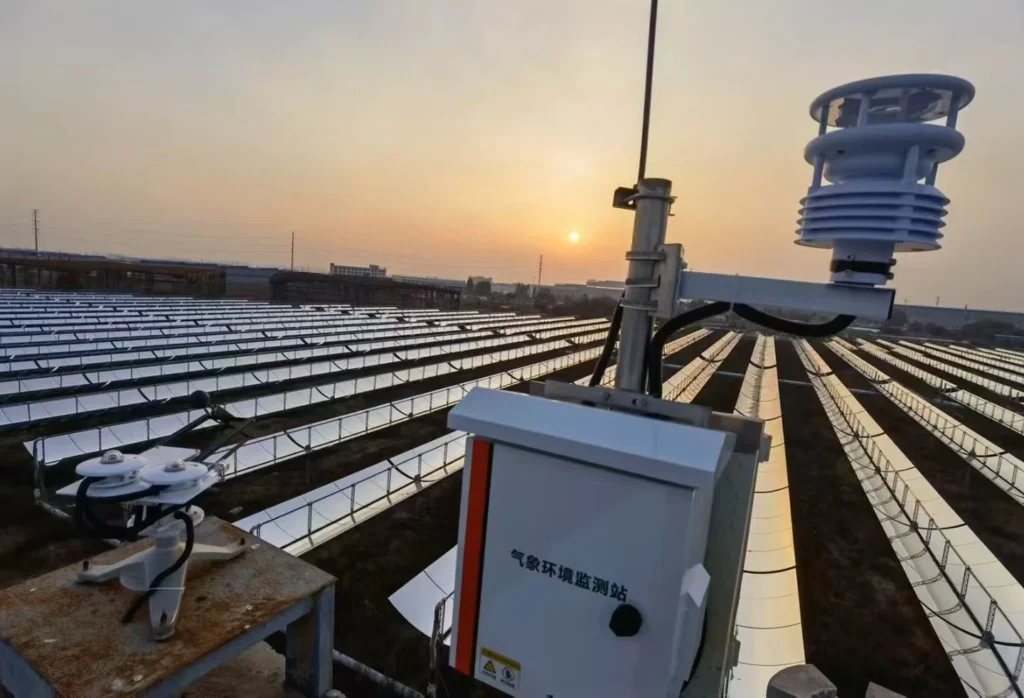
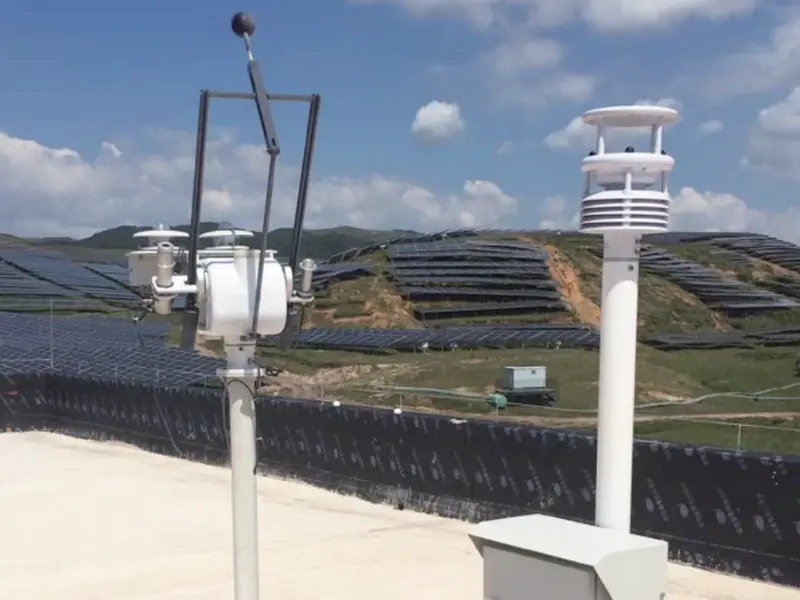
Integrating PV monitoring sensors requires matching measurement requirements with sensor outputs and data logger capabilities. Proper PV monitoring sensor integration helps ensure that the selected devices can measure the required parameters and work with the planned communication setup.
Match Monitoring Parameters with the Right Sensors
Select sensors according to the project’s monitoring requirements.
| 监测参数 | 传感器类型 |
| 太阳辐照度 | 测温仪 |
| 环境温度 | 温度传感器 |
| 光伏组件温度 | 模块温度传感器 |
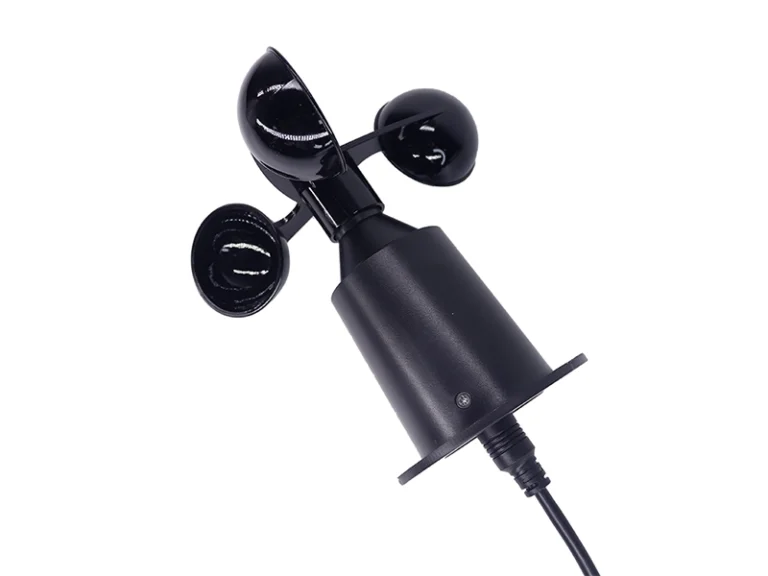
| 风速 | 风速计 |
| 风向 | 风向传感器 |
| 相对湿度 | 湿度传感器 |
Pay attention to measurement differences. GHI and POA irradiance require different sensor orientations, while ambient temperature and module temperature measure different conditions.
The measurements and timing requirements should be defined before selecting the communication setup; What Data Should a Solar Monitoring System Collect? explains the data needed for PV performance analysis.
Check Sensor Interfaces and Communication Protocols
Check the PV sensor communication interface and confirm that the sensor output matches the data logger input. Common options include RS485, SDI-12, and analog signals. For digital sensors, confirm the protocol, baud rate, device address, and register mapping. For analog outputs, check the supported input type and range. Also verify the power supply requirements. A matching interface alone does not guarantee device compatibility.
Verify Sensor Configuration and Installation Requirements
Check the measurement range, accuracy, calibration information, mounting requirements, and environmental protection rating of the selected solar monitoring sensors. These specifications determine whether the devices suit the monitoring location.
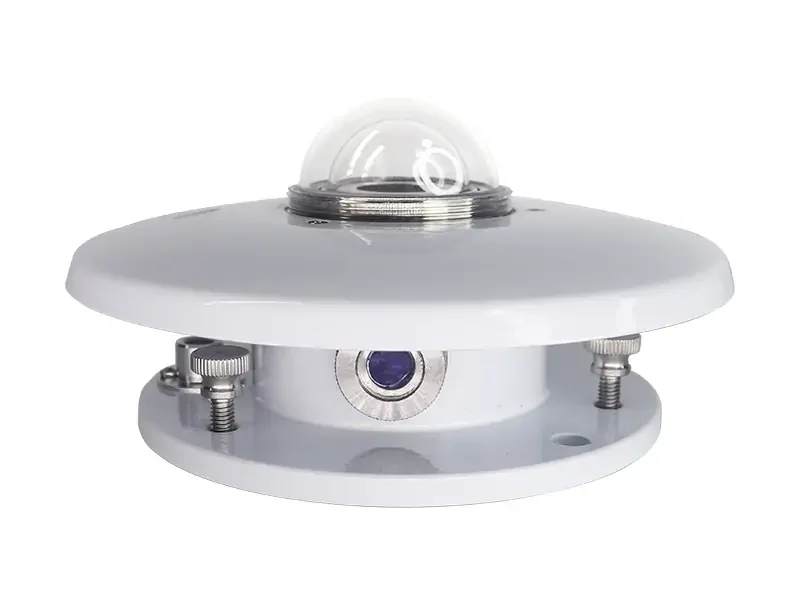
例如,, the TBQ-2C Class 1 Pyranometer is a solar irradiance sensor designed for solar radiation measurement, with a spectral response range of 0.3–3.2 μm. The RYQ-3 Solar Photovoltaic Monitor can be evaluated for projects requiring multiple environmental measurements. Confirm its actual measurement channels and communication specifications before integration.
How to Install and Maintain a PV Monitoring Communication System?
Proper PV monitoring system installation involves checking device compatibility, power connections, communication settings, and data transmission. Regular inspections after commissioning help identify faults and maintain data reliability.
| Stage | Key checks | Common issues to watch for |
| 安装 | Sensor interfaces, wiring polarity, power supply, and grounding | Incompatible connections or loose wiring |
| 配置 | Device addresses, baud rates, protocols, and data logger settings | Incorrect parameters or register mapping |
| Commissioning | Signal coverage, gateway and antenna position, end-to-end data transmission | Weak wireless signals or missing readings |
| Troubleshooting | RS485 connections, network status, gateway operation, and sensor readings | Communication interruptions or incorrect data |
| Routine maintenance | Sensor mounting, cable condition, connectors, batteries, and data records | Physical damage, power issues, or incomplete records |
| A级 / 光谱平坦级A级 | Follow manufacturer specifications and site conditions | Measurement drift or inaccurate readings |
During commissioning, verify that sensor readings reach the monitoring platform correctly. If data is missing or inaccurate, check communication connections, sensor installation, and calibration. Routine solar monitoring system maintenance should follow manufacturer recommendations.
Before commissioning either setup, use the 光伏监测安装指南 to check sensor connections, logger settings and the records received by the monitoring platform.
结论
Choosing between wireless vs wired PV monitoring systems depends on site layout, cable access, monitoring point locations, and network availability. Wired communication suits projects with accessible cable routes and fixed monitoring points. Wireless communication works well where cabling is difficult and network coverage is sufficient. A hybrid PV monitoring system offers flexibility when different areas require different connection methods. The right setup also depends on suitable solar monitoring sensors, compatible interfaces, and reliable data acquisition equipment.
Yantai Sensor supplies solar irradiance sensors and multi-parameter weather monitoring equipment. We help buyers select products based on monitoring requirements, installation conditions, and communication interfaces, with product documentation and technical support for system integration. 联系Yantai Sensor with your project requirements to discuss suitable sensors, communication interfaces, and integration options.