隧道亮度传感器与照度传感器:差异详解

导言

When specifying sensors for a tunnel lighting project, engineers often face a simple but important question: should the system use a tunnel luminance sensor or a tunnel illuminance sensor? Both sensors measure light conditions, but they do not measure the same photometric quantity or serve exactly the same purpose. Choosing the wrong sensor can result in unsuitable measurement data, ineffective lighting control, or unnecessary adjustments to the monitoring system.

The key difference in a tunnel luminance sensor vs illuminance sensor is what the sensor measures. A tunnel luminance sensor measures the brightness of a surface or scene from a defined viewing direction, expressed in cd/m², while a tunnel illuminance sensor measures the amount of light falling onto a surface, expressed in lux (lx). This distinction becomes particularly important when designing tunnel lighting monitoring for entrance lighting, threshold zones, interior illumination, and lighting control.

For engineers and system integrators, the choice is therefore not simply about which sensor has higher accuracy. It starts with understanding what needs to be measured, where the measurement is taken, and how the resulting data will be used in the lighting system. That is where the difference between luminance and illuminance becomes important.

Tunnel Luminance Sensor vs Illuminance Sensor: Quick Comparison

When selecting a light sensor for a tunnel project, the main difference is not simply where the device is installed. It is what optical quantity the sensor is designed to measure and how that measurement is used. A tunnel luminance sensor measures luminance from a defined viewing direction, while a tunnel illuminance sensor measures the amount of light incident on a surface. This difference affects the sensor’s optical design, installation geometry, and role in tunnel lighting monitoring.

特点隧道亮度传感器隧道照度传感器
Measurement quantityLuminance照度
单位cd/m²勒克斯(lx)
What it measuresBrightness of a surface or scene from a defined viewing directionLight falling onto a surface
Typical targetRoad surface, tunnel entrance, or other defined visual fieldRoad surface or measurement plane
Typical applicationEntrance lighting, threshold-zone assessment, adaptive lighting controlInterior lighting monitoring, lighting verification, and control feedback
Key optical considerationField of view and viewing directionSensor orientation and cosine response
Typical installationPositioned to view the target area from a defined anglePositioned to measure incident light on the required plane
Main system roleProvides luminance data for lighting control and visual-condition assessmentProvides illuminance data for lighting monitoring and performance verification
Typical outputsRS485, Modbus, 4–20 mA, 0–10 V*RS485, Modbus, 4–20 mA, relay, etc.*

什么是隧道亮度传感器?

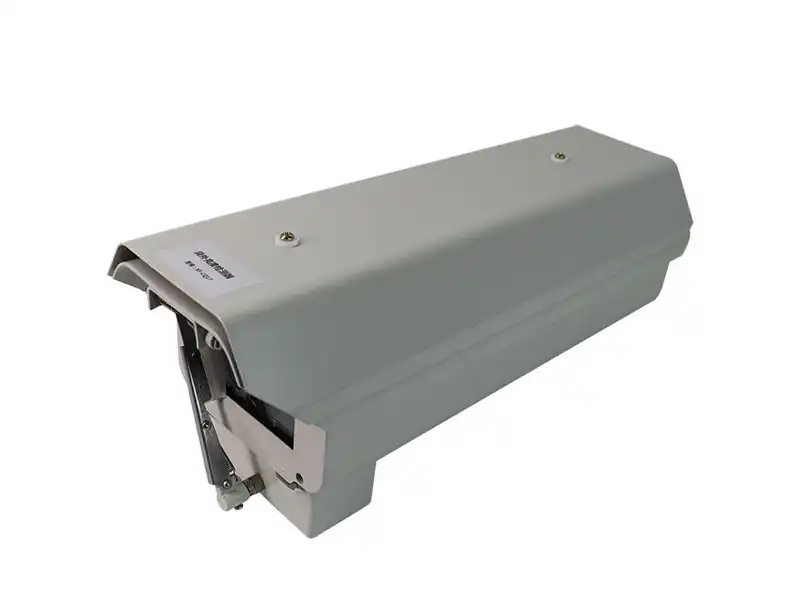
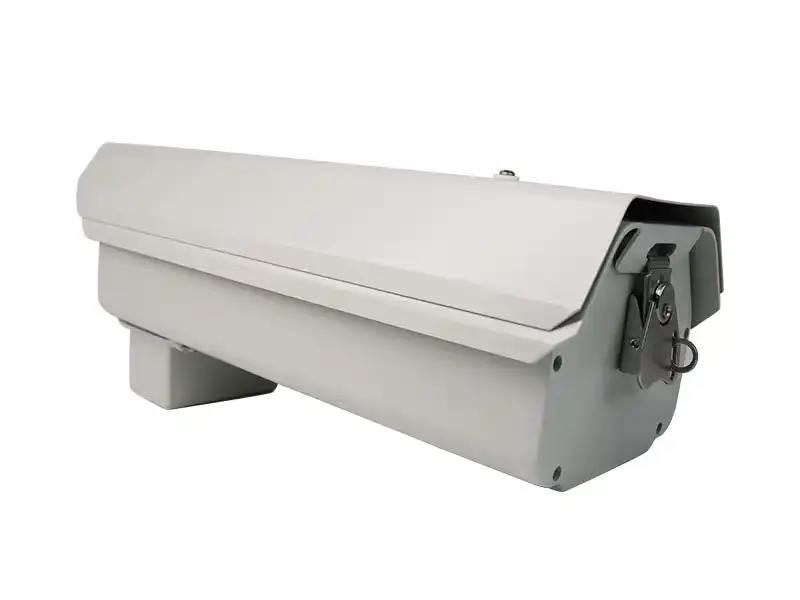
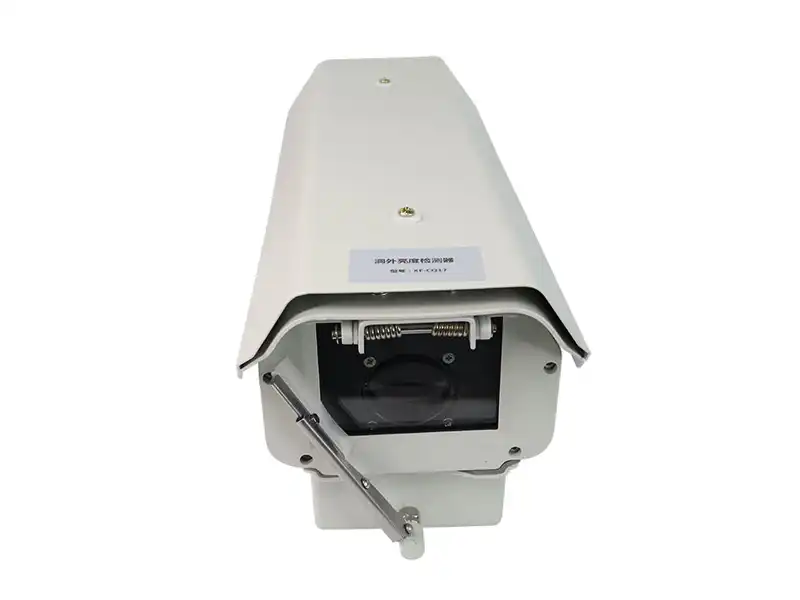
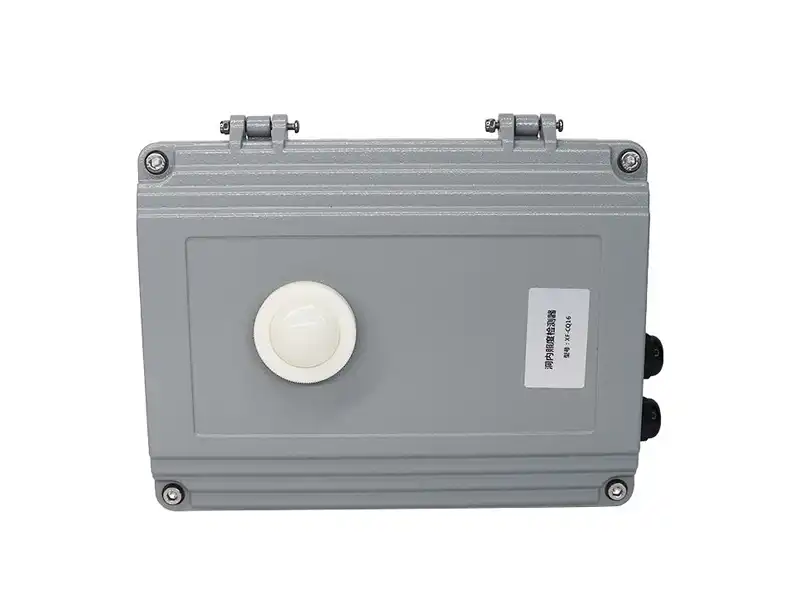
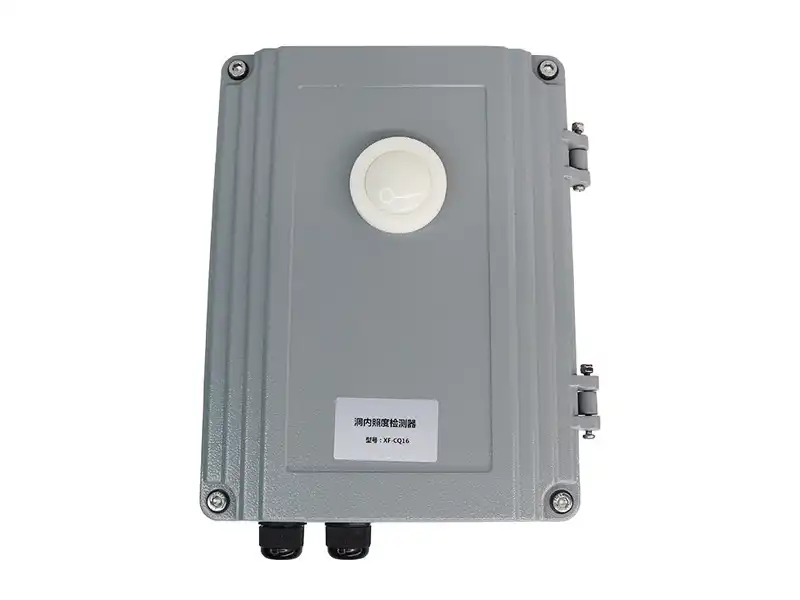
隧道亮度传感器 is an optical device that measures the brightness of a road surface or defined visual area in candela per square metre (cd/m²). Unlike an illuminance sensor, which measures the amount of light falling onto a surface in lux, a luminance sensor measures light reflected from the target toward the sensor from a defined viewing direction.

What Does a Tunnel Luminance Sensor Measure?

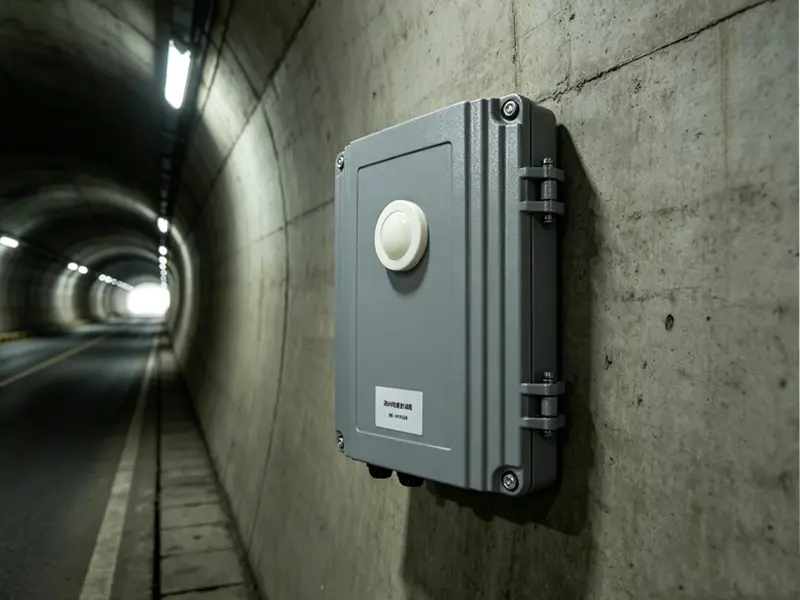
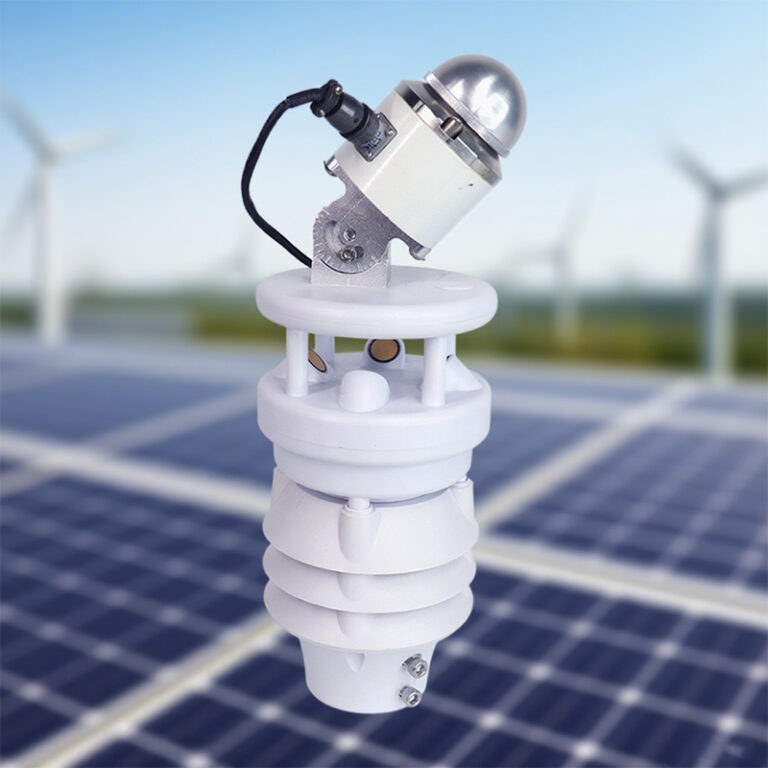
A tunnel luminance sensor measures the brightness of a road surface or defined visual area in cd/m², based on a specific viewing direction and field of view. Using an optical lens, photodiode, and V(λ) spectral filter, it converts reflected light into a calibrated luminance value. Yantai Sensor’s model covers 0–7000 cd/m², with ≥20° horizontal and vertical measuring angles and RS485/4–20 mA outputs for system integration.

Why Is Luminance Important at the Tunnel Entrance?

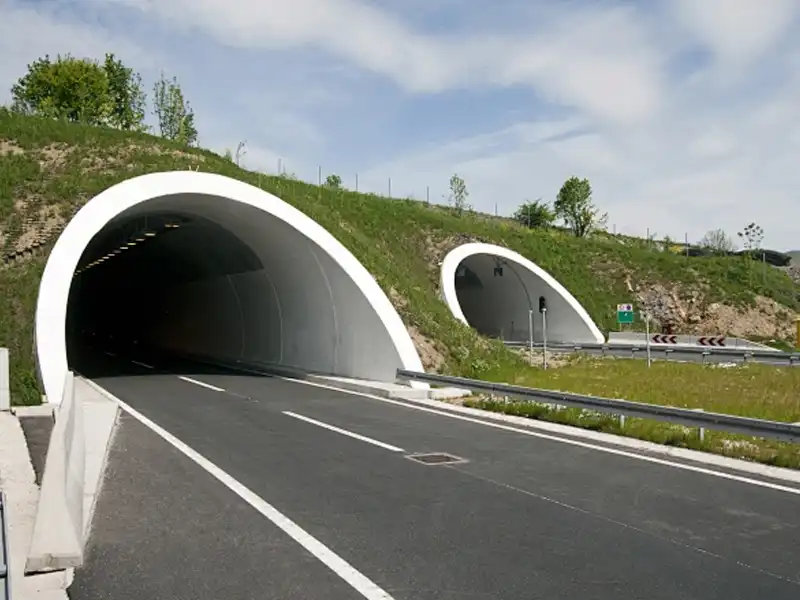
At a tunnel entrance, drivers transition from a bright outdoor environment to a much darker interior. A large difference in brightness can make the tunnel appear like a black hole, temporarily reducing the driver’s ability to recognize the road and obstacles.

Measuring entrance luminance helps determine the brightness conditions around the threshold zone and transition zone. This data can be used to adjust entrance lighting according to changing daylight conditions, supporting adaptive lighting while maintaining appropriate visual conditions for drivers.

What Is a Tunnel Illuminance Sensor?

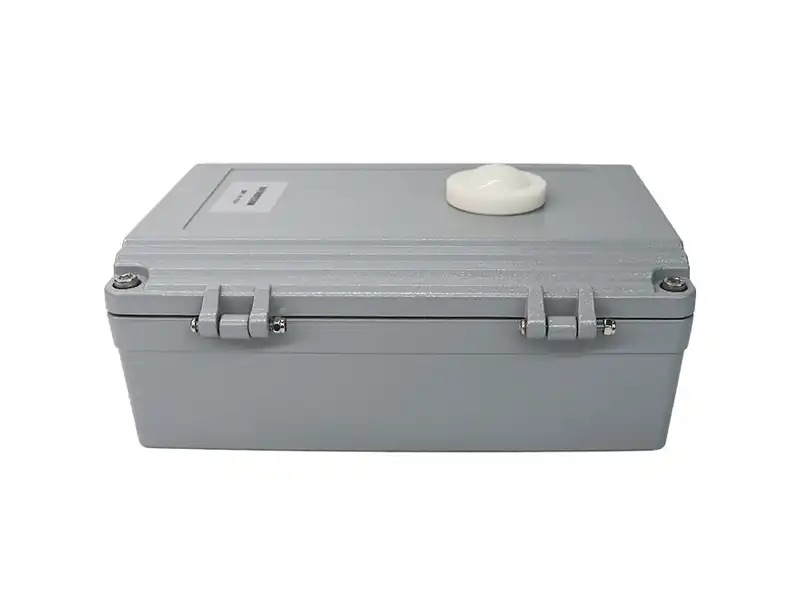
A tunnel illuminance sensor measures the amount of light incident on a surface in lux (lx). In tunnel applications, it determines the illumination actually received by a defined measurement plane, such as the road surface, providing engineers with data to evaluate the lighting level delivered by tunnel luminaires and its compliance with the requirements of a specific area.

What Does a Tunnel Illuminance Sensor Measure?

The measured illuminance value represents the amount of light received by the specified measurement plane under actual operating conditions. For tunnel projects, this allows engineers to assess the lighting level on the road surface, rather than judging brightness visually. The result can be affected by luminaire distribution, sensor orientation, and the position of the measurement plane, so correct installation and an appropriate optical response are important for obtaining representative data.

Where Is an Illuminance Sensor Used in a Tunnel?

A tunnel illuminance sensor is commonly installed in the tunnel interior to measure road-surface lighting levels and verify actual illumination performance. Depending on the project requirements, it may also be used at tunnel entrances, exits, or other designated measurement areas. The measurement data can support lighting verification, commissioning, and maintenance, helping engineers identify insufficient illumination or changes in lighting performance.

Tunnel Luminance vs Illuminance: What Is the Difference?

The main difference between tunnel luminance and illuminance is what each sensor measures. Luminance describes light coming from a surface or visual field, while illuminance describes light falling onto a surface. This difference determines the appropriate unit, optical geometry, and measurement application.

Measurement Quantity: cd/m² vs lux

A tunnel luminance sensor measures luminance in cd/m², describing light reflected or emitted from a surface in a defined viewing direction. A tunnel illuminance sensor measures illuminance in lux (lx), describing the light incident on a defined measurement plane. Because they measure different photometric quantities, the two values are not interchangeable for the same measurement task.

Measurement Direction and Field of View

The measurement geometry is fundamentally different between the two sensors. A tunnel luminance sensor must consider the viewing angle, field of view, target area, viewing direction, and reflected light entering the sensor. A tunnel illuminance sensor focuses on sensor orientation, incident light, measurement plane, and cosine response.

In simple terms, a luminance sensor looks at a target, while an illuminance sensor measures light arriving at a surface.

Measurement Location

Measurement LocationTypical Measurement Quantity
Tunnel entranceLuminance
Threshold zoneLuminance
Transition zoneLuminance / project-specific
Tunnel interior照度
Road surface lighting verification照度
Lighting performance verification照度

The actual measurement location should follow the tunnel lighting design and applicable project requirements. Luminance is particularly relevant to entrance and threshold-zone assessment, while illuminance is commonly used to verify lighting levels at defined surfaces inside the tunnel.

Control vs Monitoring

In a lighting system, luminance data can be used as an input for entrance lighting control, while illuminance data can be used to verify the lighting level delivered at a defined location. For tunnel lighting monitoring, the appropriate sensor configuration depends on the lighting design, applicable standards, and overall system architecture.

How Tunnel Luminance and Illuminance Sensors Support Tunnel Lighting Monitoring?

Tunnel lighting monitoring uses different photometric measurements to understand both the light conditions around the tunnel entrance and the actual lighting level inside the tunnel. A tunnel luminance sensor can provide luminance data for entrance lighting control, while a tunnel illuminance sensor measures illumination at defined interior locations. Together, they can support lighting control, verification, and maintenance without treating the two measurements as interchangeable.

Luminance-Based Tunnel Lighting Control

A tunnel luminance sensor measures changes in luminance at or around the tunnel entrance. This information can be used as an input for entrance lighting control, allowing the lighting system to respond to changing daylight conditions. In an adaptive lighting strategy, the measured luminance helps determine an appropriate lighting level for the entrance and threshold area.

Illuminance Monitoring Inside the Tunnel

A tunnel illuminance sensor measures the illumination received by a defined measurement plane in lux (lx). Inside the tunnel, this provides direct information about the lighting level at the road surface or other specified locations. The resulting illuminance measurement can be used for interior lighting verification, commissioning, routine inspection, and maintenance.

Combining Both Sensors in One Tunnel Lighting Monitoring System

In some tunnel projects, the two sensors can work together because they provide different types of measurement data:

Outdoor / Entrance Light → Tunnel Luminance Sensor → Lighting Controller / PLC → Tunnel Lighting → Tunnel Illuminance Sensor → Monitoring & Verification

The tunnel luminance sensor provides information about changing entrance conditions, while the tunnel illuminance sensor helps verify the lighting level delivered inside the tunnel. This complementary approach can improve the consistency of tunnel lighting monitoring, while the exact sensor configuration and control logic should follow the project design, applicable standards, and system architecture.

Which Sensor Should You Choose for Your Tunnel Project?

The right sensor depends on what needs to be measured, where the measurement is taken, and how the data will be used. Use the table below to quickly match common tunnel lighting requirements with the appropriate sensor.

Project Requirement推荐传感器主要用途
Tunnel entrance brightness measurement隧道亮度传感器Measures luminance of the entrance or defined visual area in cd/m虏
Threshold-zone lighting control隧道亮度传感器Provides luminance data for entrance lighting adjustment
Driver visual adaptation assessment隧道亮度传感器Evaluates brightness conditions from the driver’s viewing perspective
Adaptive or dynamic entrance lighting隧道亮度传感器Responds to changing external and entrance luminance
Interior tunnel lighting measurement隧道照度传感器Measures illumination received by a defined surface in lux
Road surface illumination verification隧道照度传感器Checks actual lighting levels at the measurement plane
Lighting commissioning and maintenance隧道照度传感器Supports lighting performance verification and routine inspection
Entrance control + interior verificationBoth SensorsCombines entrance luminance measurement with interior illuminance verification

In simple terms, choose a tunnel luminance sensor when the project focuses on the brightness of a visual scene, particularly at the entrance and threshold zone. Choose a tunnel illuminance sensor when the requirement is to measure the lighting level received by a defined surface inside the tunnel.

For projects requiring both entrance luminance-based control and interior illuminance monitoring, the two sensors can be used together. The final selection should be based on the tunnel lighting design, measurement requirements, applicable standards, and system architecture.

Factors When Selecting a Tunnel Light Sensor

When selecting a tunnel light sensor, measurement range and accuracy are only part of the decision. The sensor should first match the expected light conditions and required measurement target, with sufficient range to avoid saturation while maintaining useful resolution at lower light levels. Optical characteristics also matter: field of view, viewing geometry, spectral response, and cosine response should correspond to the intended measurement method. Calibration capability and long-term measurement stability are equally important, particularly when the sensor is used for continuous control or verification rather than occasional testing.

For long-term tunnel operation, the sensor must also integrate reliably with the existing control and monitoring infrastructure. Check RS485, Modbus, 4–20 mA, relay, or other required interfaces, as well as communication compatibility with the PLC, SCADA, or lighting controller. Environmental protection is equally important in tunnels exposed to dust, moisture, condensation, vibration, and temperature changes, so the enclosure, IP rating, mounting arrangement, and maintenance access should suit the actual installation conditions. For B2B projects, a reliable selection is therefore one that combines measurement performance, system compatibility, environmental durability, calibration support, and long-term maintainability rather than simply choosing the sensor with the highest accuracy specification.

Common Mistakes When Selecting Tunnel Luminance and Illuminance Sensors?

Selecting a tunnel light sensor based only on one parameter or the initial purchase price can create problems during installation and long-term operation. Common mistakes include:

  • Confusing luminance with illuminance — selecting the wrong measurement type because both are used for tunnel lighting.
  • Choosing only by measurement accuracy — overlooking optical performance, calibration stability, response characteristics, and actual measurement requirements.
  • Ignoring field of view and installation geometry — an incorrect viewing angle, sensor orientation, or measurement plane can affect the representativeness of the collected data.
  • Using the wrong measurement location — applying luminance and illuminance sensors without considering whether the project requires entrance visual-condition measurement or interior lighting-level verification.
  • Selecting only by price — a low initial cost may result in higher maintenance or replacement costs if the sensor lacks suitable environmental protection or durability.
  • Ignoring system compatibility — the sensor output, communication protocol, power supply, or interface may not match the existing PLC, SCADA, or lighting control system.
  • Failing to verify supplier capability — insufficient manufacturing, calibration, technical support, or spare-parts capability can create long-term project risks.
  • Not confirming key specifications in advance — measurement range, IP rating, operating temperature, response time, output interface, and communication protocol should be checked against the actual project requirements.

A reliable selection should therefore consider the measurement target, optical configuration, installation environment, system compatibility, and supplier support as a complete package. Before procurement, engineers should confirm the required measurement range and accuracy, installation geometry, communication interface, environmental protection, and integration requirements to ensure the sensor can operate reliably throughout the project lifecycle and work correctly within the overall tunnel lighting monitoring system.

结论

The key difference between a tunnel luminance sensor vs illuminance sensor is the photometric quantity and measurement geometry used. A tunnel luminance sensor measures surface luminance in cd/m², making it suitable for entrance conditions, threshold-zone assessment, and adaptive lighting. A tunnel illuminance sensor measures incident light in lux, providing data for interior lighting level assessment, verification, commissioning, and maintenance. Understanding these differences helps engineers select the right sensor according to the measurement target, installation position, and system requirements, improving the reliability of tunnel lighting monitoring.

For tunnel projects, the right sensor is only part of the solution. Yantai Sensor provides tunnel luminance and illuminance sensor solutions with configurable measurement ranges, communication interfaces, power supplies, mounting arrangements, and environmental protection options to meet different project requirements. From sensor selection and technical specification to system integration, we can support engineers and system integrators in developing a practical sensing solution for tunnel lighting applications. Contact Yantai Sensor to discuss your project requirements and get a suitable sensor recommendation.

常见问题

隧道亮度传感器以cd/m²为单位测量来自特定表面或视野的光线,而照度传感器则以勒克斯(lx)为单位测量入射到表面的光线。由于它们测量不同的光度学量并采用不同的测量几何结构,因此适用于不同的应用场景。亮度通常与隧道入口条件相关,而照度则广泛用于内部照明评估。.

隧道亮度传感器通常安装在其能够清晰观测隧道入口、阈值区或其他指定视觉区域的位置。其视场角、观测方向及安装角度应与所需测量目标相匹配。安装还应尽量减少可能影响亮度测量的遮挡、眩光、反射及污染。.

隧道光照度传感器通常安装在需要评估照明水平的指定测量位置,例如内部路面区域。其朝向和测量平面应符合项目要求。正确定位至关重要,因为光照度取决于到达测量表面的光线数量与方向。.

是的。这两种传感器可在同一隧道照明系统中提供互补信息。亮度传感器可测量入口视觉条件,并为入口照明控制提供输入,而照度传感器可验证指定内部位置的照明水平。当项目需要入口控制与内部照明验证,而非单一测量类型时,同时使用两者非常有用。.

所需的测量范围应根据实际安装点的预期光照条件来确定。入口亮度传感器需要足够的量程以应对变化的日光,而内部照度传感器则应匹配预期的隧道照明水平。合适的量程应提供足够的余量以防止饱和,同时在正常操作条件下保持有用的分辨率。.

除了精度之外,还需考虑测量范围、光谱响应、视场角或余弦响应、校准稳定性、工作温度、防护等级、安装方式、电源及通信接口。这些规格决定了传感器能否在实际隧道环境中产生具有代表性的测量数据,并在长期运行中与控制系统或监测系统保持兼容。.

Yes. Depending on the model, tunnel light sensors can support interfaces such as RS485, Modbus, and 4–20 mA for integration with PLC, SCADA, lighting controllers, or other automation systems. Before procurement, confirm the required communication protocol, wiring, power supply, data format, and connection method to avoid compatibility problems during installation and commissioning.

Start with the measurement target, not the sensor model. Choose a luminance sensor when the project needs to evaluate brightness from a defined viewing direction, particularly around tunnel entrances and threshold areas. Choose an illuminance sensor when the requirement is to measure light received by a defined surface, such as the road surface inside the tunnel. Some projects may require both.

相关文章