
With the rapid expansion of distributed photovoltaic power generation in Hebei Province, grid operators require more accurate solar power forecasting to maintain stable grid operation. Because photovoltaic output is directly influenced by environmental factors such as solar irradiance, temperature, wind speed, and humidity, sudden weather changes can lead to significant fluctuations in power generation.
To address this challenge, several distributed solar plants need to deploy an Environmental Monitoring Station system to collect real-time meteorological data. Yantai Sensor provided reliable environmental inputs for photovoltaic power forecasting models, to improve the stability of solar energy integration into the power grid.
- الطراز: Environmental Monitoring Station
- Usage: solar irradiance, temperature, wind speed, and humidity
- التوريد: 12-24VDC, solar power
- المخرجات: RS485(Modbus)
- الموقع: China
- التاريخ: 2025
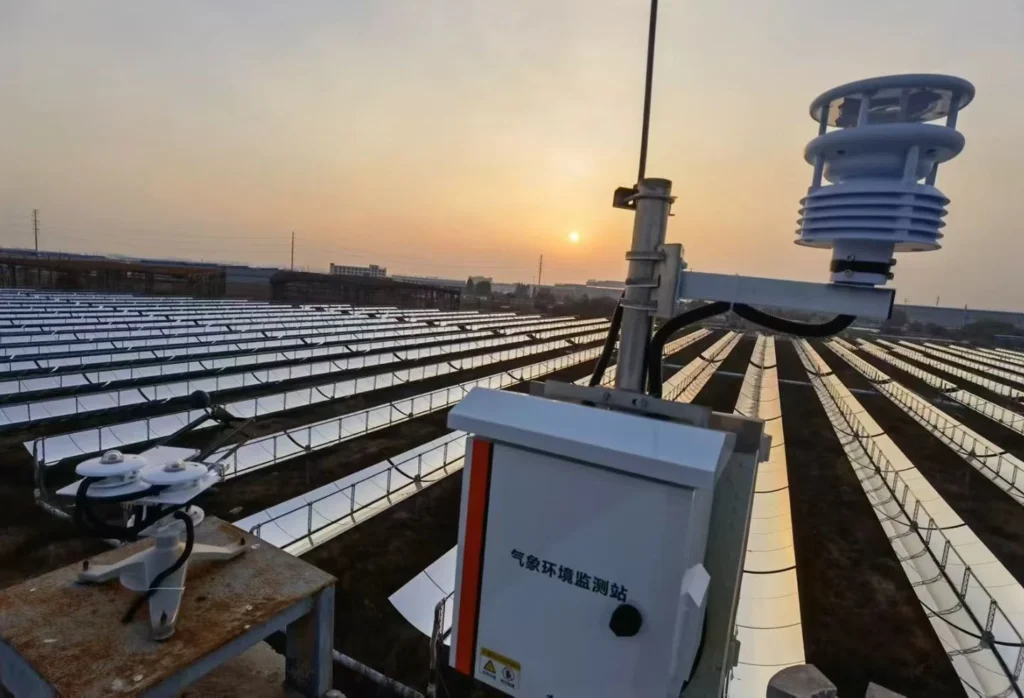
Project Background
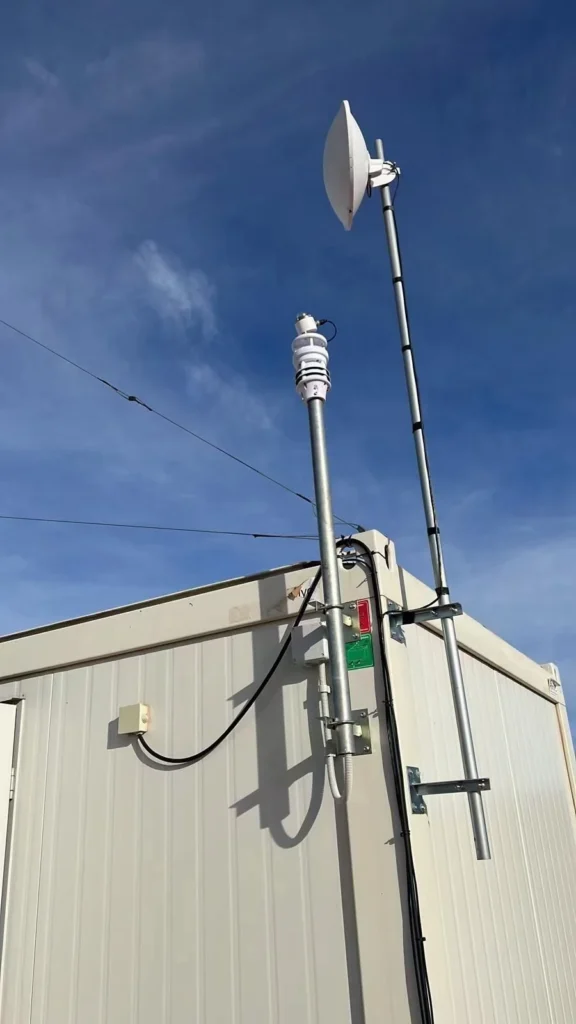
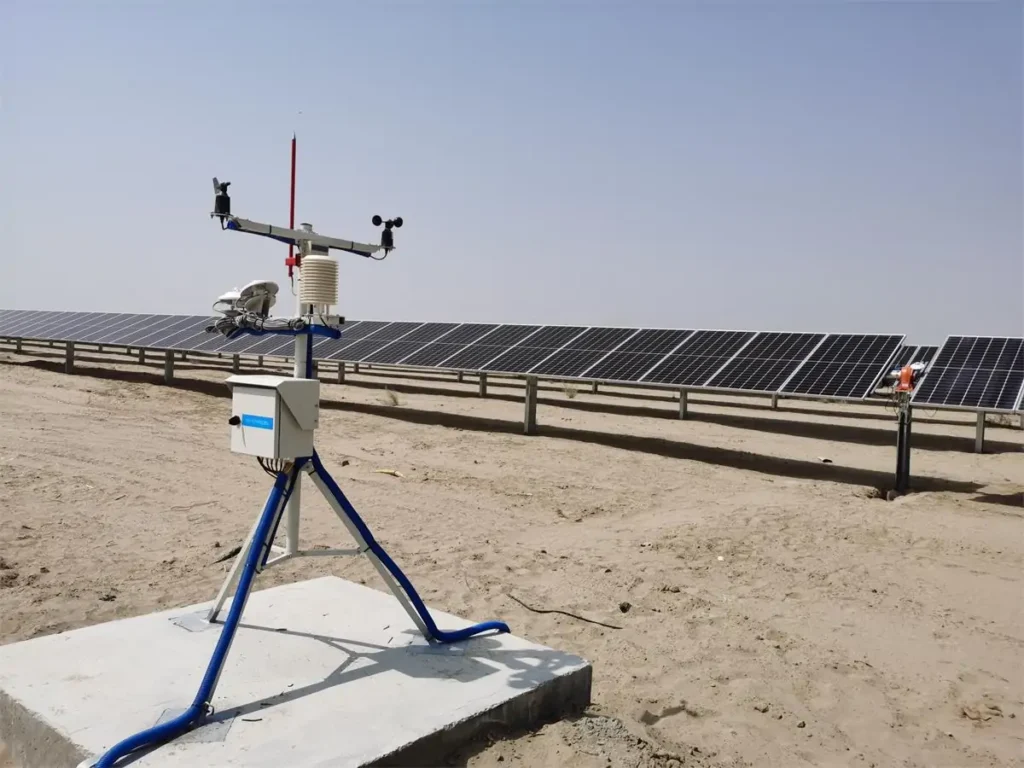
In this project, 5 Environmental Monitoring Stations were installed across multiple distributed photovoltaic sites, including factory rooftops, commercial buildings, and solar installations. The monitored PV capacity of the project reaches approximately 12 MW.
Each station integrates multiple sensors and data transmission modules to ensure accurate environmental data collection. The key monitoring parameters include:
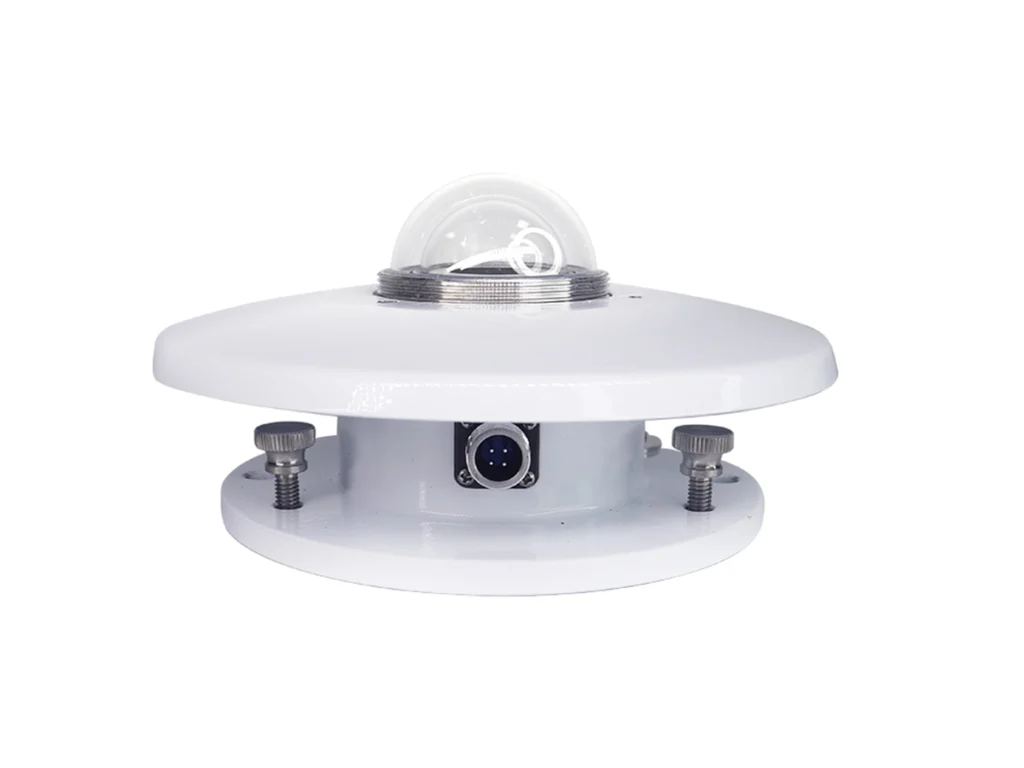
- TBQ-2C Solar irradiance sensor for precise radiation measurement
- PV module temperature sensor for monitoring panel performance
- Ambient temperature and humidity sensor
- Wind speed and wind direction sensor
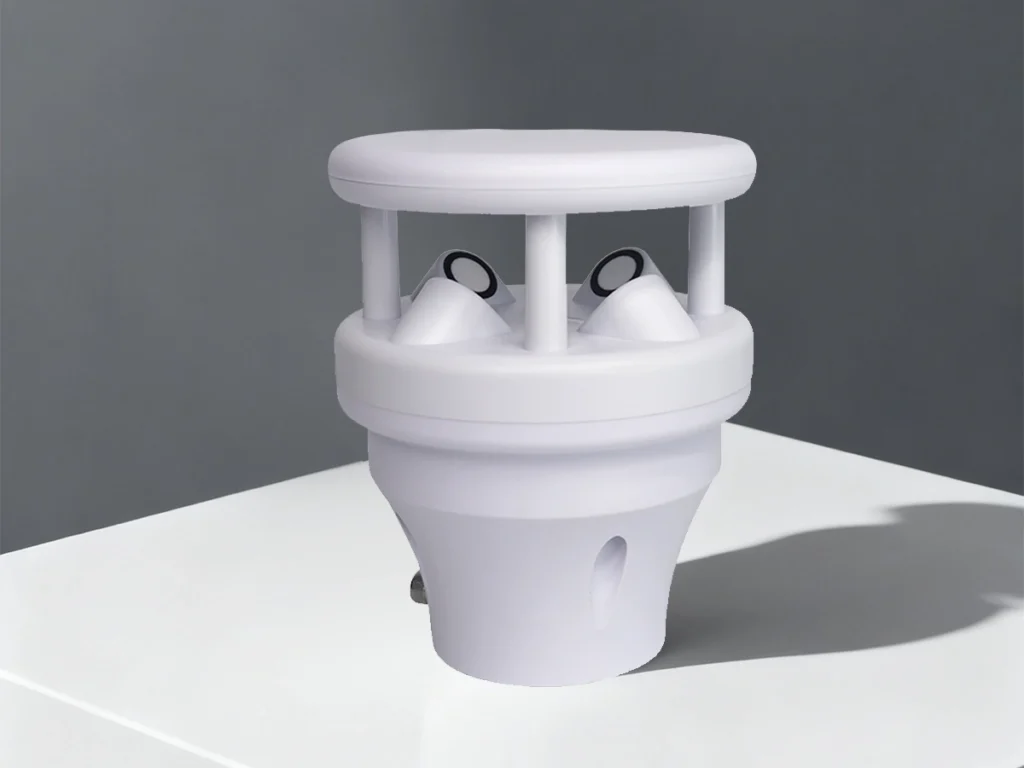
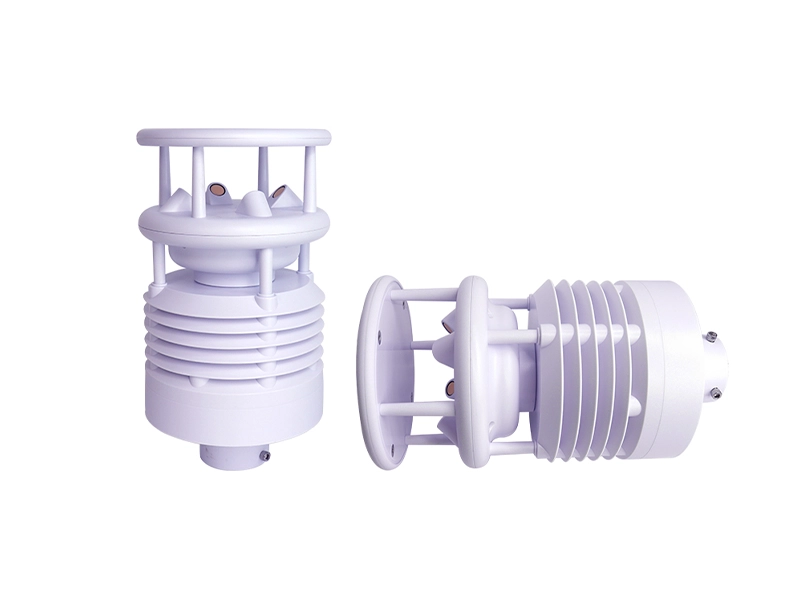
- XF500S-CWB Photovoltaic Power Station Compact Weather Sensor
- Integrated data acquisition system
Gallery Show
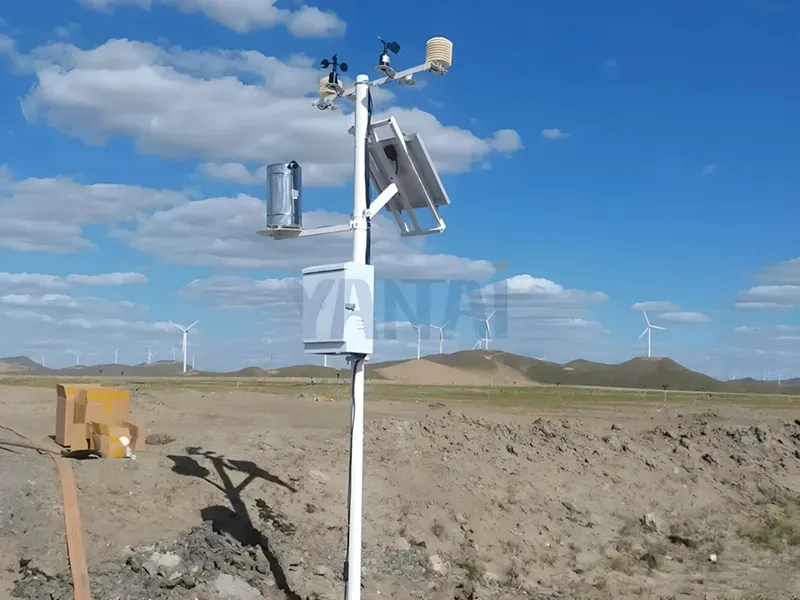
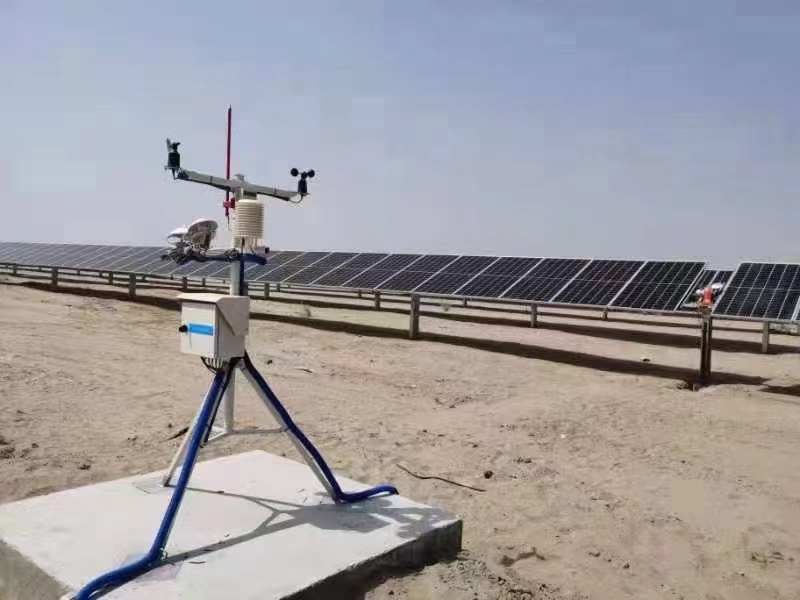
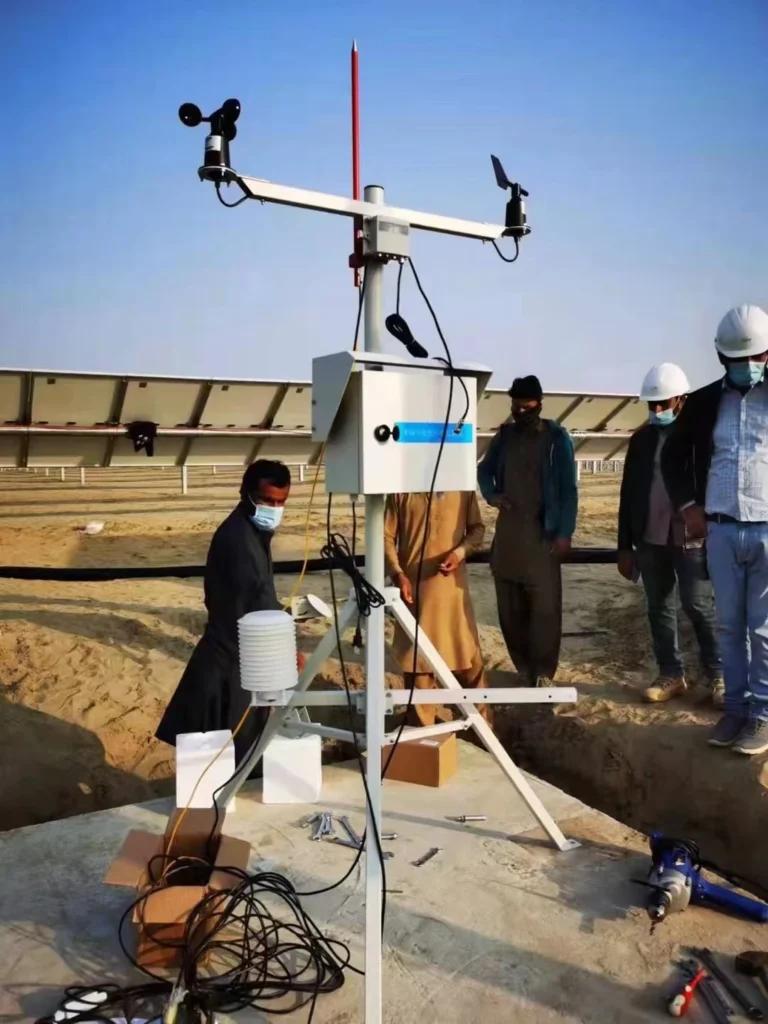 RYQ-3 Solar Photovoltaic Environmental Monitoring Station
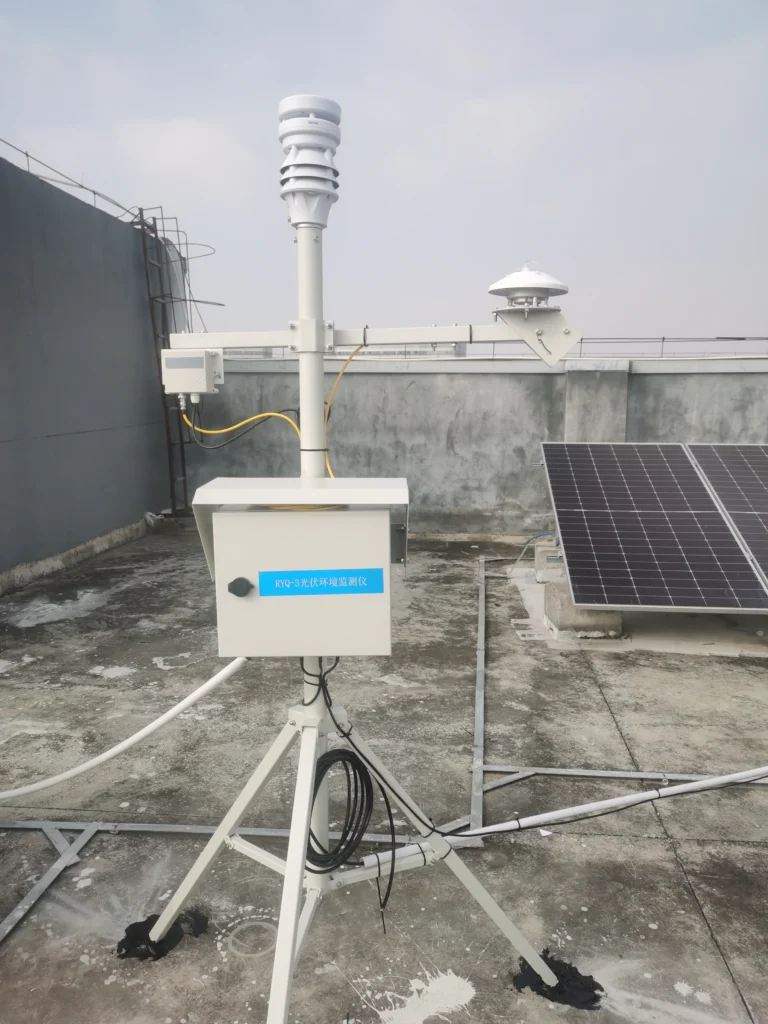 RYQ-3 Solar Photovoltaic Environmental Monitoring Station
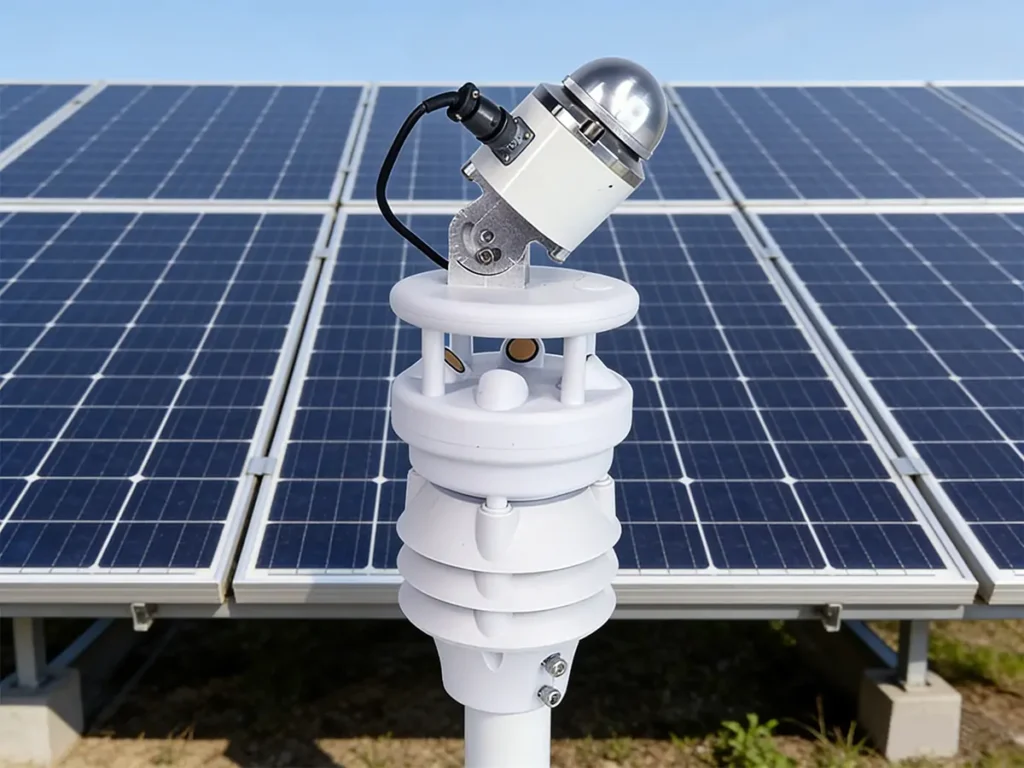
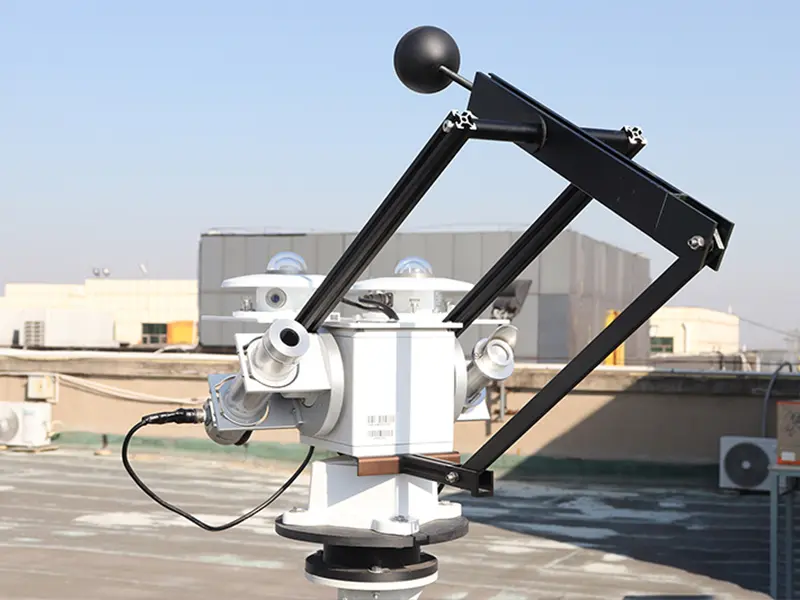
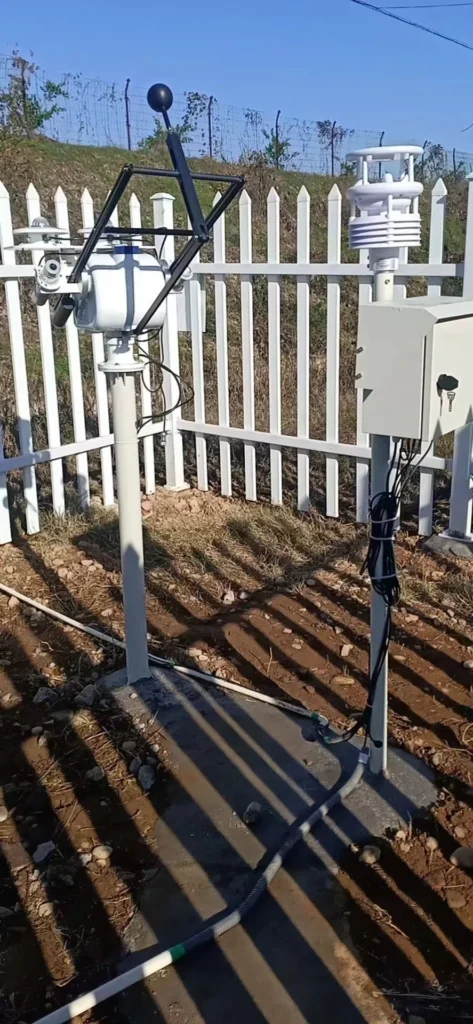 SAUT-Automatic-Tracking-Solar-Radiation-Measurement-System.webp
 محطة الطاقة الكهروضوئية المدمجة XF500S-CWB مستشعر الإشعاع الشمسي اللاسلكي لمحطة الطاقة الكهروضوئية XF500S-CWB
The Environmental Monitoring Station collects environmental data every 60 seconds and transmits the information to the regional renewable energy management platform through 4G communication, enabling real-time monitoring and forecasting.
In the later stages of the project, the management platform continuously collects key parameters such as solar irradiance, module temperature, ambient temperature and humidity, and wind speed. By integrating this data with power generation metrics, the dispatch center has developed a more precise photovoltaic power forecasting model. After six months of operation, data indicates a 15% improvement in short-term photovoltaic power prediction accuracy. The model maintains stable forecasting performance even under historically challenging conditions at the power station, including cloudy weather and rapid weather changes.
Additionally, the PV environmental monitoring system provides operational guidance. For instance, when data reveals excessively high module temperatures or abnormal drops in irradiance, maintenance personnel can promptly investigate module malfunctions, accumulation issues, or equipment failures, thereby minimizing power generation losses. Some sites have further optimized module scheduling and maintenance cycles based on monitoring data, enhancing overall power generation efficiency through cleaning.
By deploying photovoltaic environmental monitors and irradiance monitoring systems, the Hebei PV project has not only elevated power monitoring standards but also established reliable data support for precision operations and maintenance. Practice demonstrates that amid expanding PV scale, enhancing environmental monitoring has become a critical technical approach to improving renewable energy management capabilities while providing essential data foundations for grid security and stable operation.
المنتجات ذات الصلة

مقالات ذات صلة
اتصل بنا
هل تبحث عن حلول استشعار ذكية مخصصة؟ فريقنا متخصص في تقديم حلول قابلة للتطوير ومرنة ومصممة خصيصاً لتلبية احتياجاتك الخاصة.
املأ النموذج الآن للحصول على حل مخصص. سيقدم خبراؤنا المشورة المهنية ويضمنون سير مشروعك بسلاسة. اتصل بنا اليوم لبدء تعزيز الكفاءة!