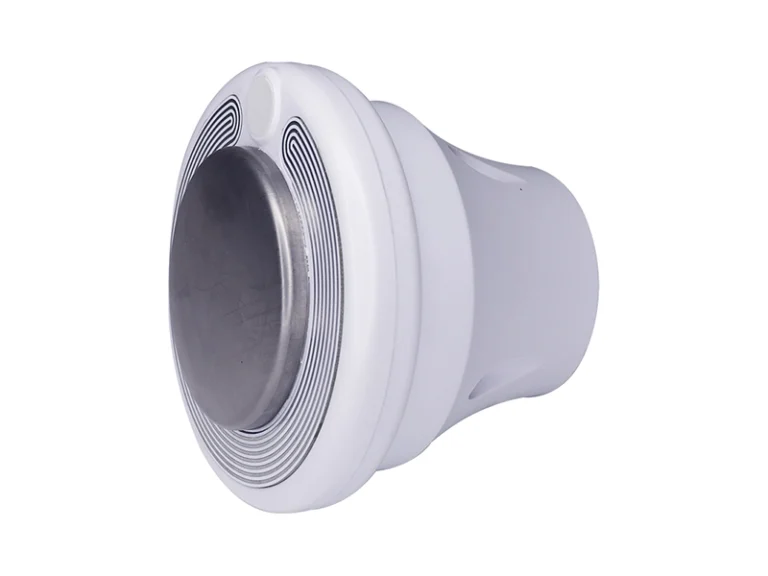
When planning a traffic monitoring project, one of the first challenges is deciding what needs to be measured at each location. A highway project may require traffic flow, visibility, and road surface data, while an urban road or tunnel may have different monitoring requirements. Relying on vehicle detection alone does not provide a complete picture of road conditions, especially when weather changes, poor visibility, or slippery surfaces affect driving safety. For project contractors and system integrators, the challenge is to identify the right monitoring parameters and match them with suitable sensors before designing the system.
Traffic sensors provide the field data needed to monitor both traffic activity and the conditions that affect road operation. The traffic sensors applications extend beyond vehicle detection to include weather, visibility, road surface, and environmental monitoring. This article examines how traffic sensors are used in highways, urban roads, tunnels, bridges, and smart cities, and how different monitoring data can support road safety and intelligent transportation systems (ITS).
What Do Traffic Sensors Monitor in Smart Transportation Systems?
Traffic conditions involve more than the number of vehicles on the road. Weather, pavement conditions, and visibility can also affect traffic flow and road safety. Depending on the location, smart transportation systems use different sensors to monitor these factors and give operators a clearer picture of what is happening on the road.
Vehicle Movement and Traffic Flow
Traffic sensors track vehicle presence, traffic volume, speed, lane occupancy, and vehicle type. Radar, video detection, and inductive loops are commonly used, depending on the road layout and detection requirements.
This information helps operators spot congestion, compare traffic conditions between lanes, and make decisions about traffic signals and road management.
Road Surface and Weather Conditions
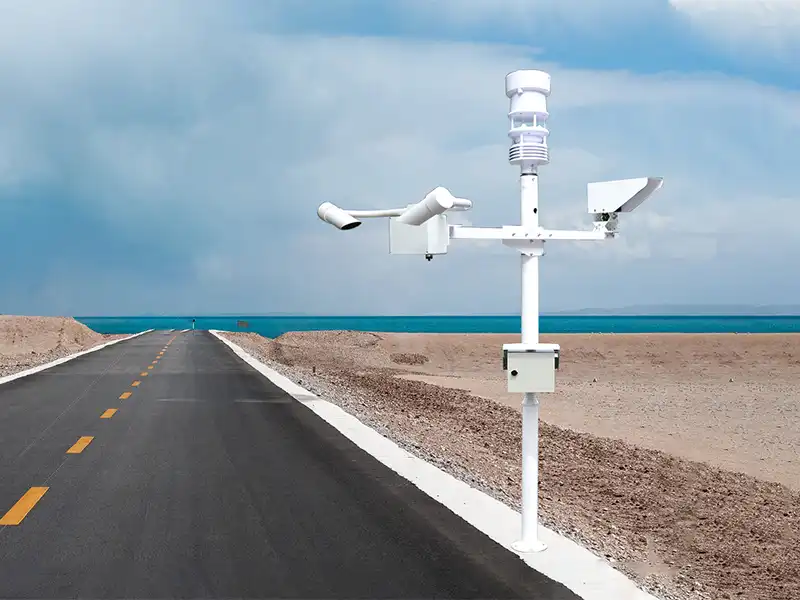
Road surface conditions can change quickly during rain, snowfall, or cold weather. Road condition sensors detect factors such as pavement temperature and the presence of water, ice, or snow, helping operators identify potentially hazardous sections.
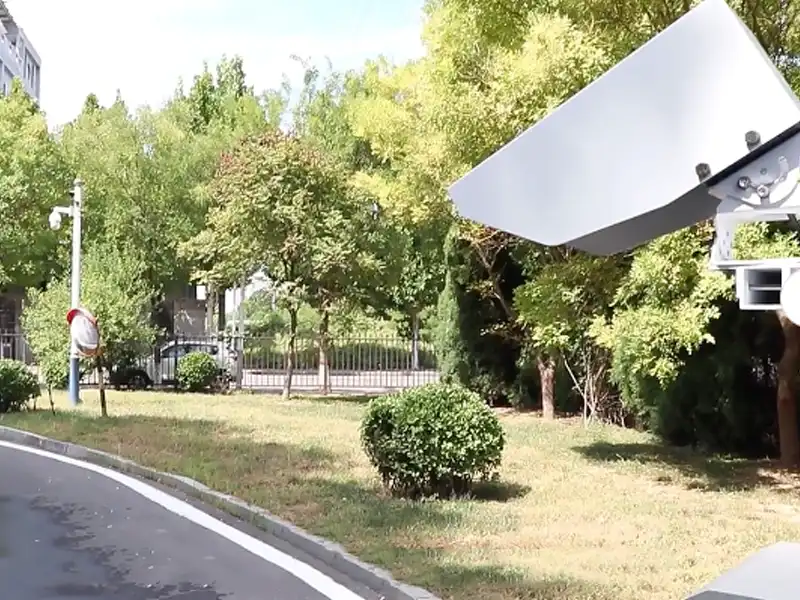
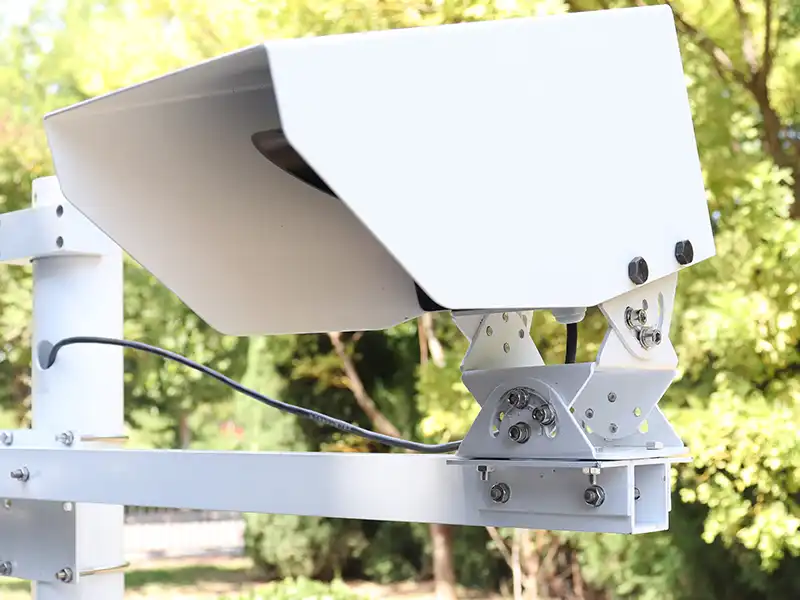
Weather stations provide additional information, including air temperature, rainfall, and wind speed. These measurements complement surface data, but they are not interchangeable. For example, low air temperatures alone cannot confirm that a road surface has frozen. Yantai Sensor’s XF-CQ11 Road Condition Sensor can be used to collect road surface condition data for highway monitoring.
En FHWA Environmental Sensor Station guide describes the different roles of weather, visibility and pavement sensors.
Visibility and the Surrounding Environment
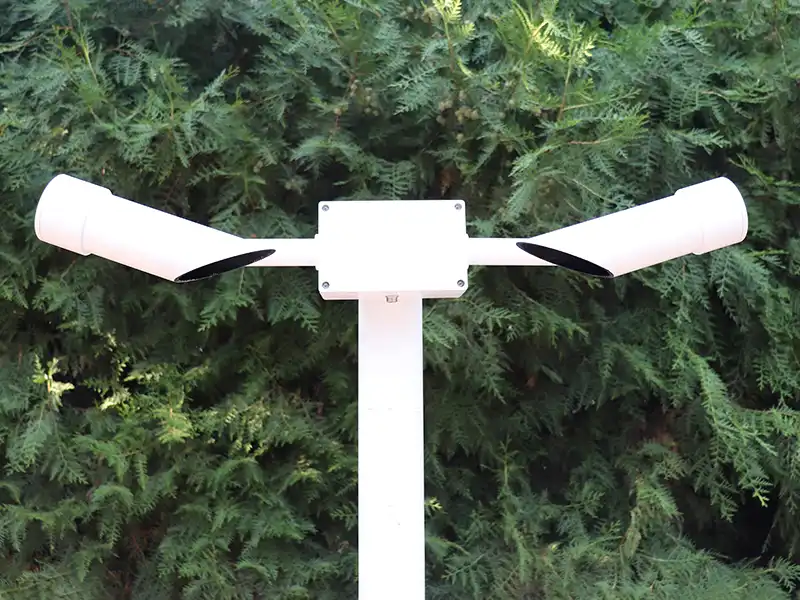
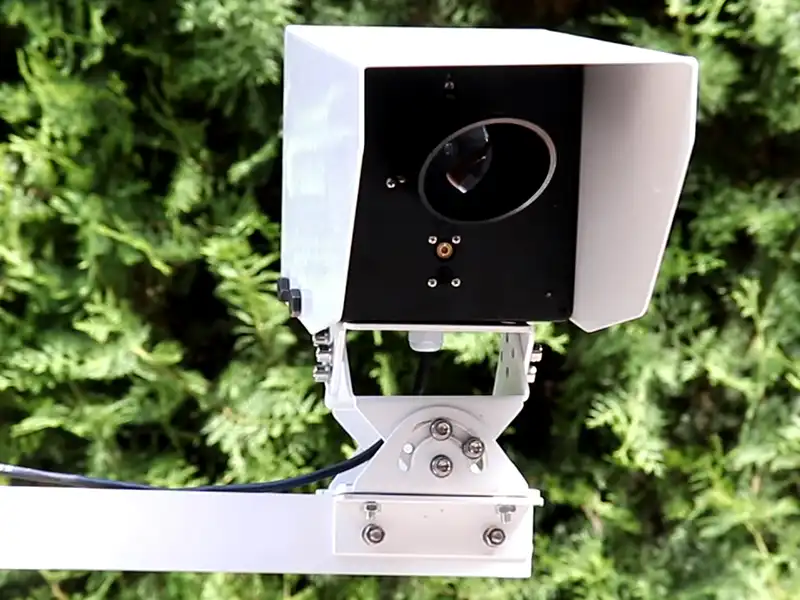
Fog, dust, and heavy rain can reduce visibility, making it harder for drivers to judge road conditions ahead. Visibility sensors help track changes in visibility distance, particularly on highways, at tunnel entrances, and along other sections where poor visibility may affect driving.
Environmental monitoring may also include traffic noise measurements near urban roads and residential areas. In tunnels, lighting and air quality can require separate monitoring. For example, a color temperature sensor measures the color characteristics of lighting, while illuminance requires a different type of sensor.
What Are the Main Applications of Traffic Sensors?
Traffic sensors are used in different ways depending on the road environment and the problems transportation managers need to address. On highways, the focus may be on traffic flow and adverse weather, while urban roads, tunnels, and bridges have their own monitoring requirements. Understanding these applications helps determine which sensors are needed, what they should measure, and how the collected data can support road safety and traffic management.
Highway Traffic Monitoring and Road Safety
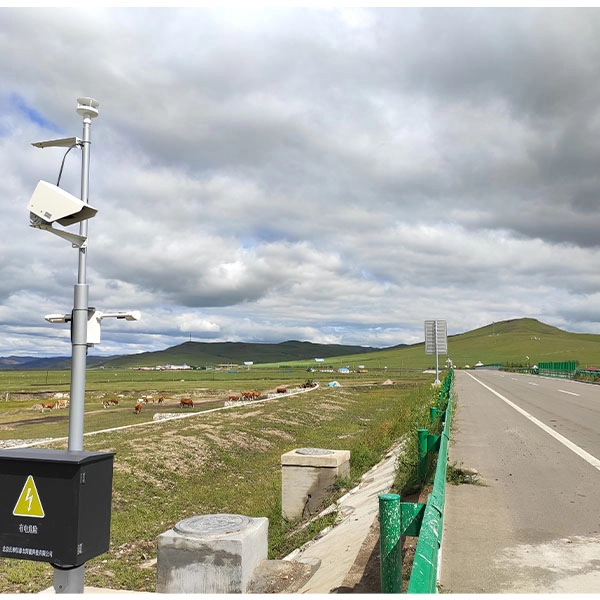
Highways combine high travel speeds with long road stretches, making drivers more vulnerable to sudden changes in weather and road conditions. Effective highway traffic monitoring therefore needs to look beyond vehicle movement and account for the environment along the route.
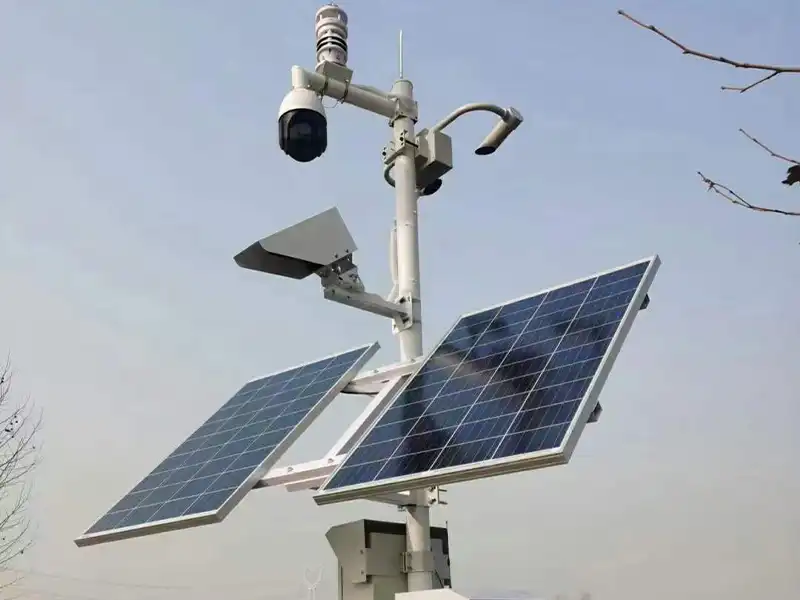
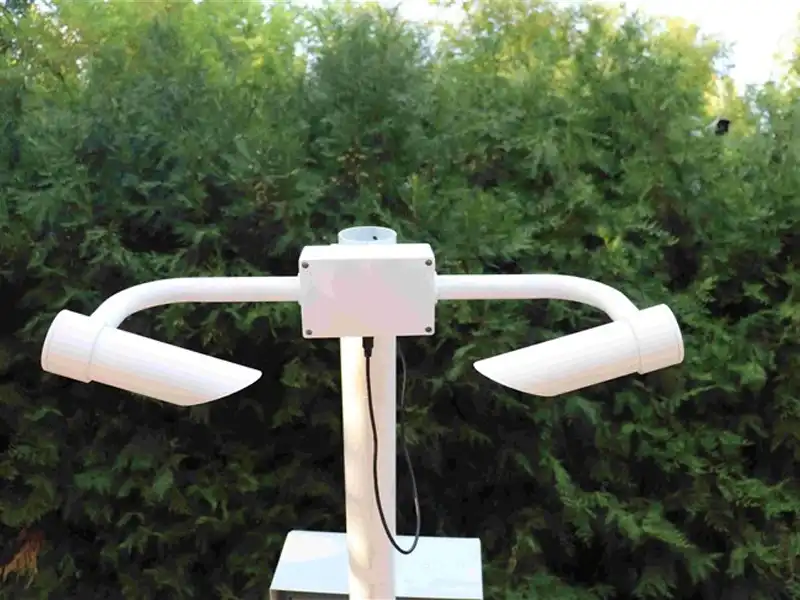
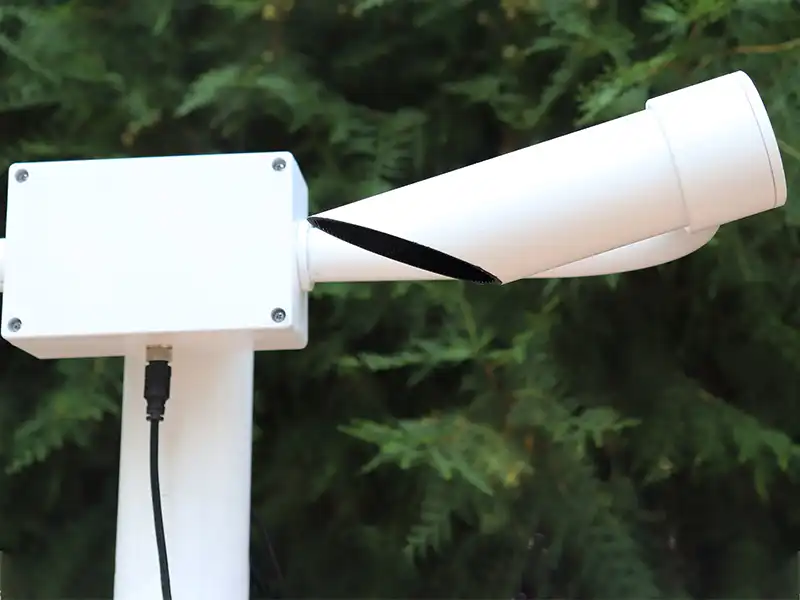
Vehicle detectors track traffic volume, speed, and changes in traffic flow, helping operators identify congestion and unusual slowdowns. Weather stations record local factors such as wind speed, rainfall, and air temperature, while visibility sensors measure how far drivers can see in fog or heavy rain. For highway projects that require visibility data, Yantai Sensor’s XF-CQ10 Visibility Sensor can be used to track changes in visibility along the road.
Pavement conditions also matter, particularly during rain, snowfall, and cold weather. The XF-CQ11 Road Condition Sensor can monitor road surface temperature and conditions such as water, ice, or snow, giving operators a better basis for assessing slippery-road risks. When vehicle, weather, visibility, and road surface data are considered together, a highway sensor system can provide a more complete picture of potential traffic safety risks. The Smart Highway Monitoring System article discusses the broader system configuration.
Urban Roads and Intersection Traffic Management
Traffic conditions on urban roads can shift quickly throughout the day. At busy intersections, uneven vehicle flow often leads to long queues and delays, making it important to understand how traffic moves through each lane.
Vehicle detectors track traffic volume, speed, and lane occupancy. This data can be used by adaptive signal control systems to adjust signal timing in response to changing demand. The sensors collect the readings, while the control system determines how the lights should respond.
Traffic also affects the areas around busy roads. In residential neighborhoods and along major urban routes, Yantai Sensor’s Sensor de ruido exterior can record noise levels and help city managers assess the impact of road activity on nearby communities. This adds an environmental perspective to urban traffic management.
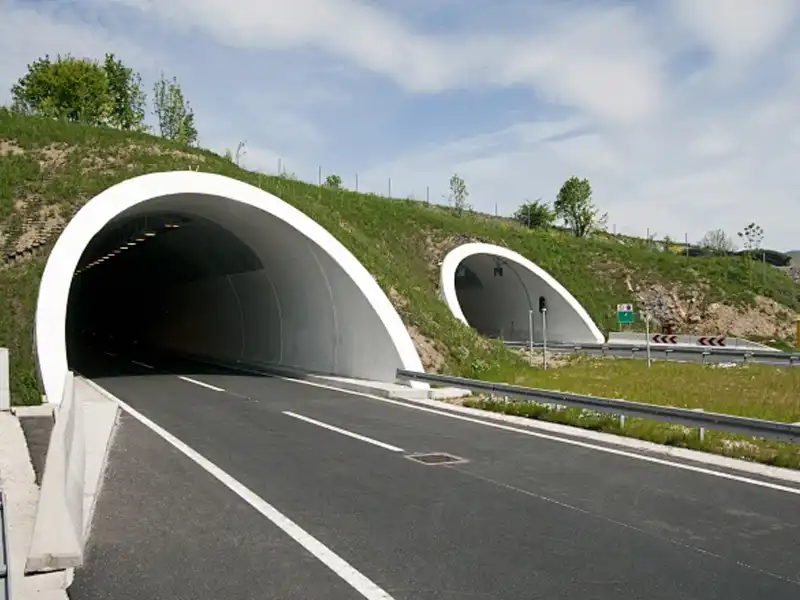
Tunnel Monitoring and Lighting Safety
Driving conditions can change quickly when vehicles enter or leave a tunnel. Differences in natural light, together with smoke, dust, or poor visibility, can affect how well drivers see the road ahead. These conditions make visibility and road environment monitoring important parts of tunnel safety management.
Visibility sensors help track changes in visibility near tunnel entrances and inside the tunnel. Road condition sensors can also be used where pavement temperature and surface conditions, such as water or ice, need to be checked. These measurements give operators a better understanding of potential driving risks within the tunnel.
Lighting requires a separate assessment. Yantai Sensor’s Sensor de temperatura del color measures the color characteristics of tunnel lighting, which can be useful when checking changes in the lighting environment. However, color temperature alone does not show how bright the road surface appears or how much light reaches it. Illuminance and luminance measurements are still needed for a more complete lighting assessment.The separate measurement tasks are explained in Sistema de Monitoreo de Túneles: Sensores, Aplicaciones y Beneficios.
Bridge and Adverse Weather Monitoring
Bridges and elevated roads are often exposed to stronger crosswinds and more direct weather changes than roads in sheltered areas. Rain, falling temperatures, and fog can further affect driving conditions, making it important to understand how the local environment changes around these structures.
For bridge weather monitoring, Yantai Sensor’s Estación Meteorológica Inteligente Compacta XF600L can collect wind speed, wind direction, rainfall, air temperature, and other local weather data. The XF-CQ11 Road Condition Sensor adds information about pavement conditions, while the XF-CQ10 Visibility Sensor tracks visibility when fog or heavy rain reduces drivers’ sight distance.
Each device covers a different part of the road environment. Looking at weather, pavement, and visibility readings together gives road operators more context when assessing adverse weather risks. These measurements concern driving conditions, not the structural integrity of the bridge itself, which requires dedicated sensors for vibration, strain, and deformation monitoring.
Smart City and Urban Environmental Management
In a smart city, road conditions and environmental quality can vary considerably from one district to another. Busy traffic corridors, residential neighborhoods, and commercial areas may experience different levels of traffic noise and different local weather conditions.
Yantai Sensor’s Outdoor Noise Sensor can record sound levels at selected locations, while weather monitoring sensors provide local readings such as temperature, humidity, rainfall, and wind speed. By comparing data from multiple monitoring points over time, city managers can identify differences between districts and track changes in urban environmental conditions, providing useful references for environmental assessment and planning.
How Do Traffic Sensors Support Intelligent Transportation Systems (ITS)?
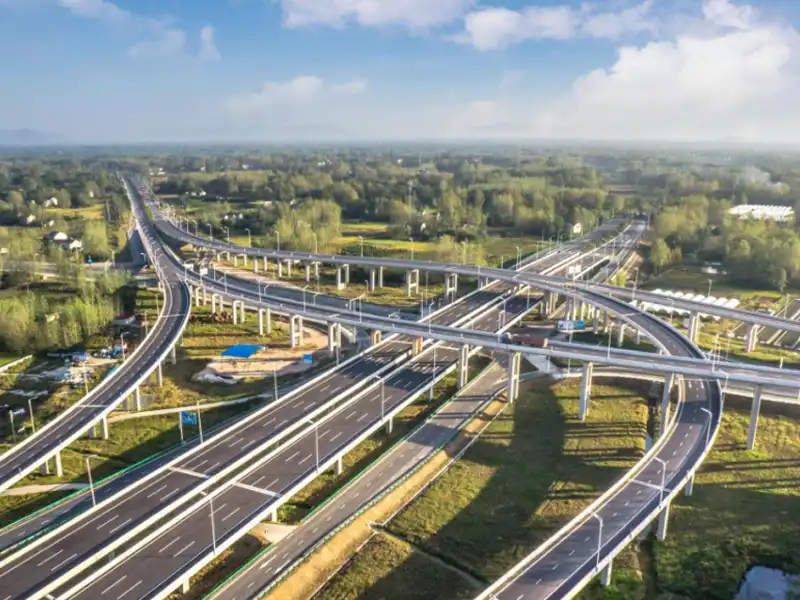
Traffic sensor applications extend beyond individual monitoring points. In intelligent transportation systems (ITS), roadside sensors collect data that can be transmitted to acquisition devices and monitoring platforms. This connects measurements from different locations and gives operators more information for traffic and road management.
From Sensor Data Collection to Traffic Analysis
Sensors convert roadside conditions into measurable data. Vehicle detectors provide traffic counts and speed readings, while visibility, road condition, weather, and noise sensors report data about their respective monitoring targets. These readings have different meanings and must be interpreted according to what each sensor measures. Combined, they give the ITS platform a broader view of road conditions.
Data Transmission and System Integration
Sensor data can reach acquisition terminals or gateways through wired or wireless connections. The interface and protocol must match the receiving equipment. For example, Yantai Sensor’s XF-CQ10 Visibility Sensor supports RS485/Modbus, while its XF600L Compact Smart Weather Station supports RS485/Modbus and lists 4–20 mA output. Before integration, engineers should check signal compatibility, communication settings, data format, and update intervals.
From Monitoring Data to Traffic Management Decisions
An ITS platform can organize readings from different monitoring points and compare changes over time. For example, reduced visibility readings combined with road surface warnings can help operators assess weather-related risks and decide whether further inspection or traffic control measures are needed. Sensors provide the measurements; the platform and traffic managers interpret the data and determine the response.
What Should Be Considered When Deploying Traffic Sensors?
Traffic sensors applications vary across highways, urban roads, and tunnels, but successful deployment depends on more than the monitoring equipment itself. Installation conditions, monitoring coverage, environmental adaptability, and system compatibility all affect data quality and long-term operation. These factors should be considered during project planning to ensure reliable monitoring under actual road conditions.
Monitoring Requirements and Sensor Installation
Start by defining the monitoring objectives and required measurement parameters. Highway projects may focus on visibility and road weather, while urban roads may need traffic flow and noise data. Tunnel monitoring may involve visibility and lighting conditions.
Once the monitoring requirements are clear, consider sensor mounting height, orientation, distance from the monitored area, and nearby obstacles. For example, visibility sensors need a suitable position and measurement direction to avoid obstruction or interference from surrounding structures. Installation should follow the requirements in the product manual.
Environmental and Communication Compatibility
Roadside equipment is exposed to changing temperatures, rainfall, humidity, dust, and wind over long periods. Check each sensor’s operating temperature, IP protection rating, and power requirements against the conditions at the installation site. These specifications should be verified for the actual model rather than assumed to apply to an entire product range.
Communication compatibility also needs to be checked before installation. Sensor outputs, protocols, and data formats must match the data acquisition equipment and monitoring platform. Some Yantai Sensor devices support RS485 and Modbus communication, but the available interfaces depend on the specific model.
How Can Integrated Road Monitoring Improve Traffic Management?
Integrated road monitoring combines data from different sensors to provide a more complete view of road conditions. On an intelligent highway, traffic flow, weather, visibility, and pavement measurements complement each other, helping operators assess road conditions and identify potential risks.
- Better Road Condition Assessment: Combining weather, visibility, and pavement data helps operators understand local road conditions more accurately. For example, rainfall and air temperature alone cannot confirm whether a road surface has frozen.
- Improved Traffic Safety Management: Traffic flow, visibility, and road surface readings provide complementary information for identifying potential hazards and assessing road safety risks.
- More Consistent Monitoring and Maintenance: Historical monitoring data helps identify recurring abnormalities, prioritize site inspections, and plan road maintenance activities.
Conclusión
Traffic sensors applications depend on road conditions and specific monitoring objectives. Highways, tunnels, and urban roads require different combinations of traffic, visibility, pavement, and weather monitoring. When these data are collected and considered together, they help operators better understand road conditions, assess potential safety risks, and manage environmental impacts.
Reliable sensor measurements, compatible communication interfaces, and proper system integration provide the foundation for effective smart transportation systems. Yantai Sensor provides road and environmental monitoring equipment and technical support for different project requirements. If you are planning a highway, tunnel, or urban road monitoring project, contacte a Yantai Sensor to discuss your monitoring requirements and suitable equipment configurations.