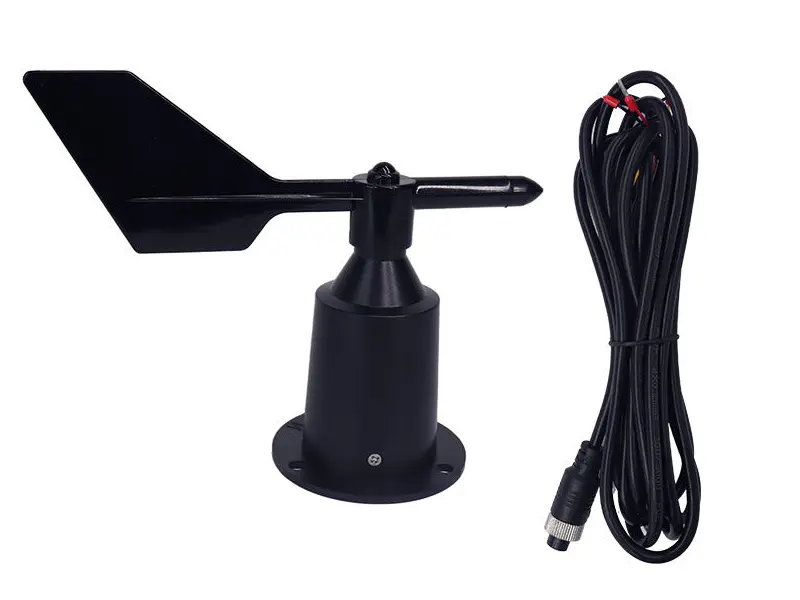
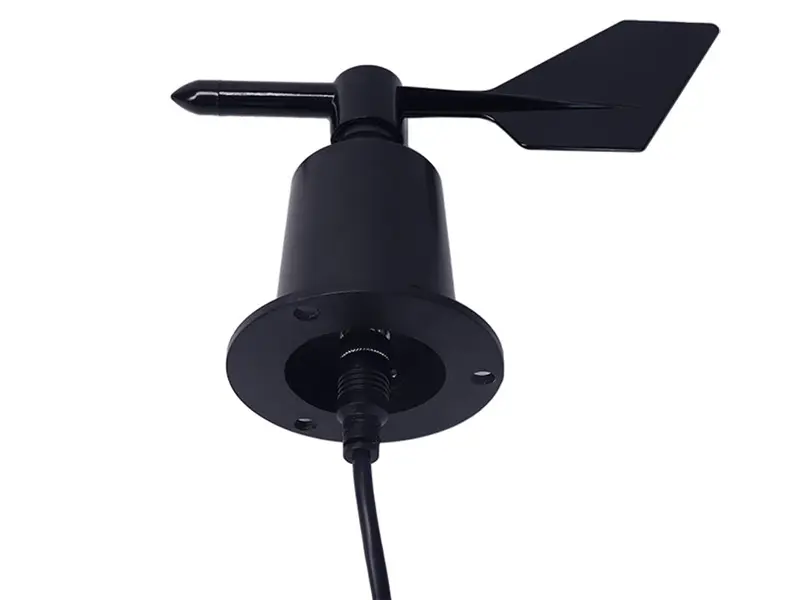
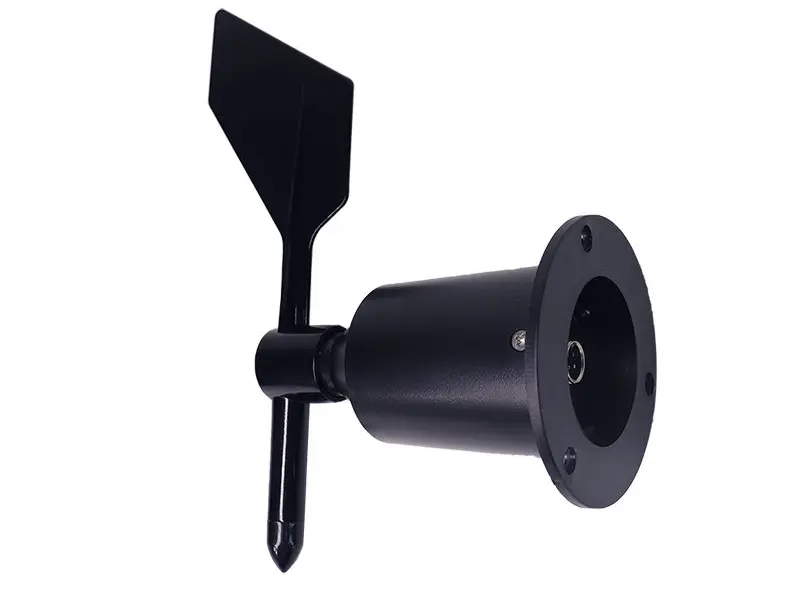
Sensor de dirección del viento RY-FX02-X-485
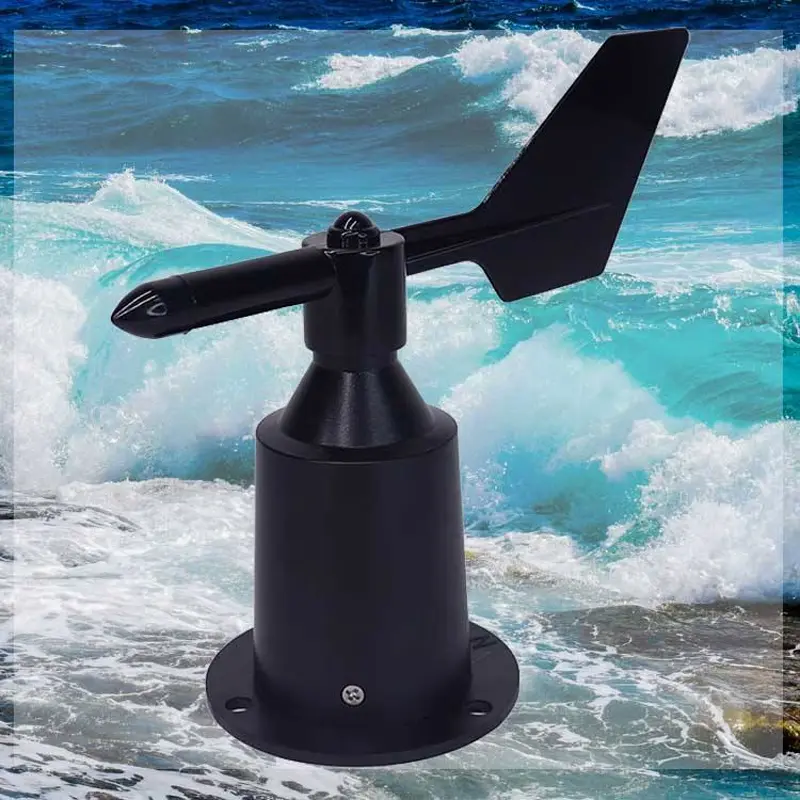
El sensor de dirección del viento RY-FX02-X-485 se utiliza para medir la dirección del viento en entornos exteriores, registrar los 16 azimuts de la dirección del viento y mostrar los resultados en grados. Puede emitir una señal RS485 según sea necesario. Se utiliza ampliamente para la medición de la velocidad del viento en invernaderos, en el ámbito de la protección del medio ambiente, en estaciones meteorológicas, en buques, en muelles y en la acuicultura.
- Señal de salida: 4-20 mA (4 hilos)
- Velocidad inicial del viento: 0,6 m/s
- Rango de medición: 0-360°
- Tensión de funcionamiento: 24 V CC/12 V CC
- Potencia de calefacción: 50 W
Precio: $20.54-$24.65
Introducción
Este sensor de dirección del viento RY-FX02-X-485 se utiliza para medir la dirección del viento en entornos exteriores. Mide la dirección del viento de forma omnidireccional en 360° y cuenta con un sistema de calefacción eléctrico. La señal de salida es de 4-20 mA.
Principio de funcionamiento del sensor de dirección del viento:
El principio de funcionamiento del sensor de dirección del viento se basa en una veleta giratoria que se orienta según la dirección del viento. A medida que la veleta se mueve con el flujo de aire, el elemento sensor interno detecta su posición y convierte la rotación mecánica en una señal eléctrica. A continuación, el circuito interno procesa la señal y la emite como una señal estándar de 4–20 mA, que representa la dirección del viento dentro de la Rango de medición de 0 a 360° para su uso en estaciones meteorológicas y sistemas de vigilancia medioambiental.
Estructura del sensor de dirección del viento
- Veleta (indicador de la dirección del viento)
La paleta aerodinámica gira con el viento y se orienta según la dirección del viento, lo que permite detectar con precisión la dirección del flujo de aire. - Elemento sensor de dirección
Los componentes sensores internos (como los elementos magnéticos o basados en potenciómetros) convierten la rotación de la paleta en señales eléctricas que indican la dirección del viento. - Circuito de procesamiento de señales
El circuito electrónico integrado procesa la señal detectada y la convierte en señales de salida estándar, tales como RS485 o 4–20 mA para facilitar su integración con los sistemas de supervisión. - Módulo de calefacción eléctrica
Una función de calefacción opcional evita la acumulación de hielo y nieve, lo que garantiza mediciones estables y fiables en entornos fríos o adversos. - Carcasa protectora
La resistente carcasa exterior protege los componentes internos del polvo, la lluvia y la corrosión, lo que permite su funcionamiento a largo plazo en exteriores. - Soporte de montaje o interfaz para poste
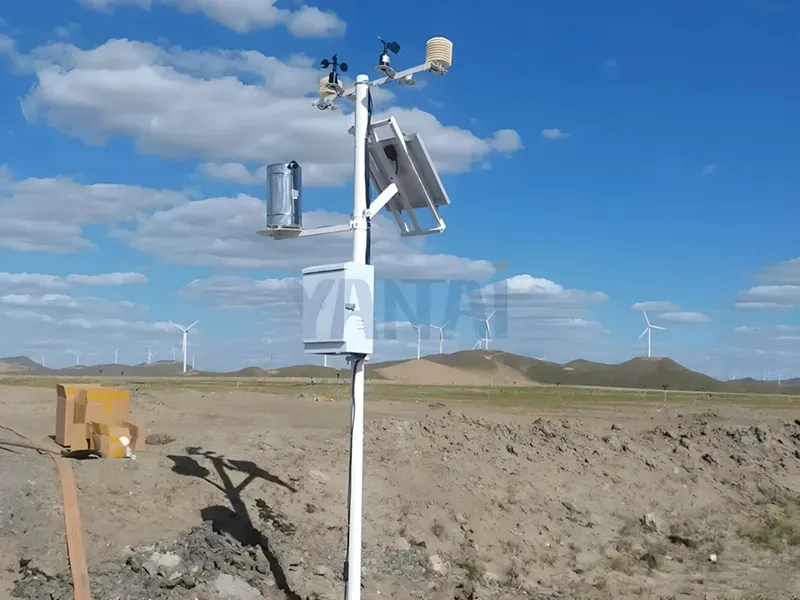
Diseñado para facilitar su instalación en estaciones meteorológicas, torres, barcos, muelles o estructuras de invernaderos. - Interfaz de cable y señal
Permite la conexión a registradores de datos, controladores o sistemas de monitorización para la transmisión en tiempo real de datos sobre la dirección del viento.
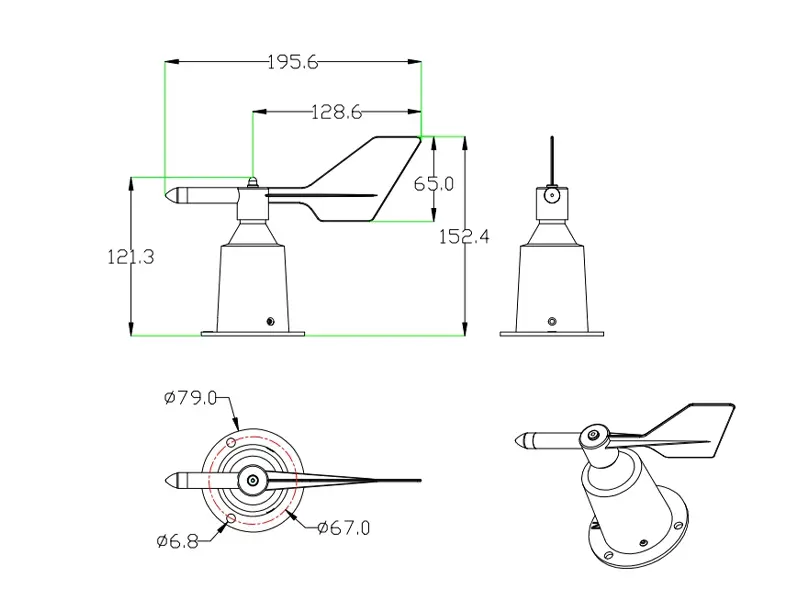
Detalles
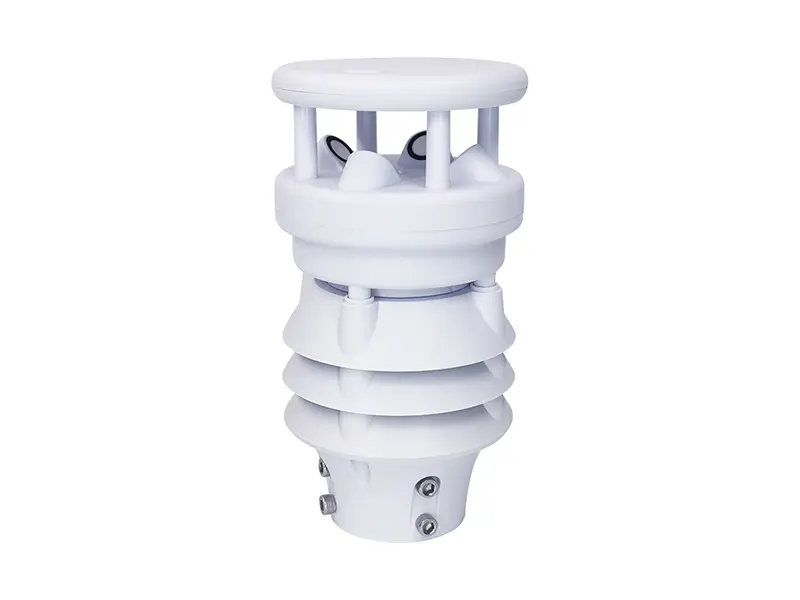
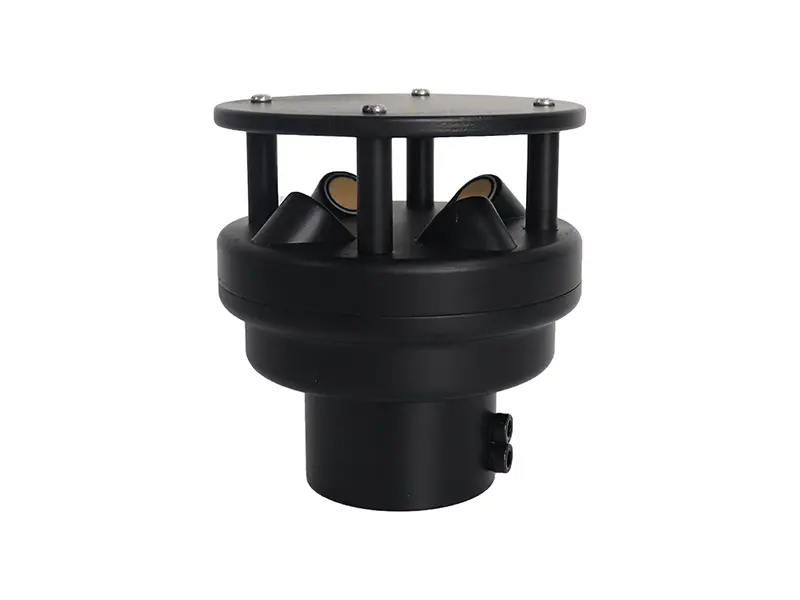
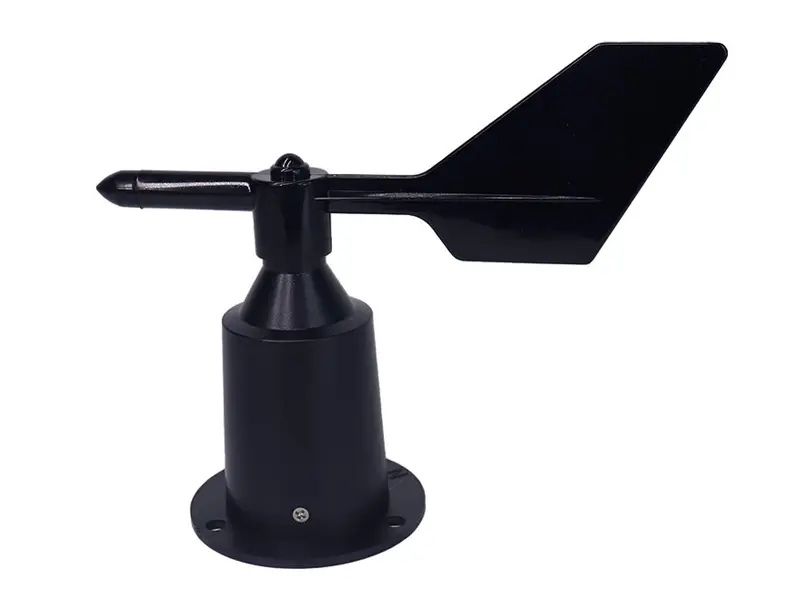
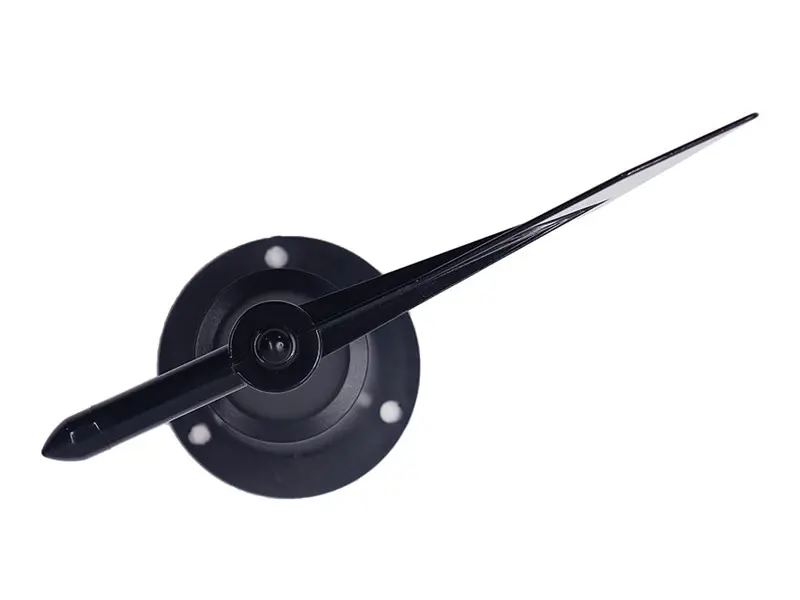
Examina el sensor de velocidad y dirección del viento desde distintos ángulos. El siguiente esquema ilustra el diseño estructural del sensor, sus elementos sensores y su resistente carcasa, lo que permite un control preciso de la dirección del viento en entornos exteriores.
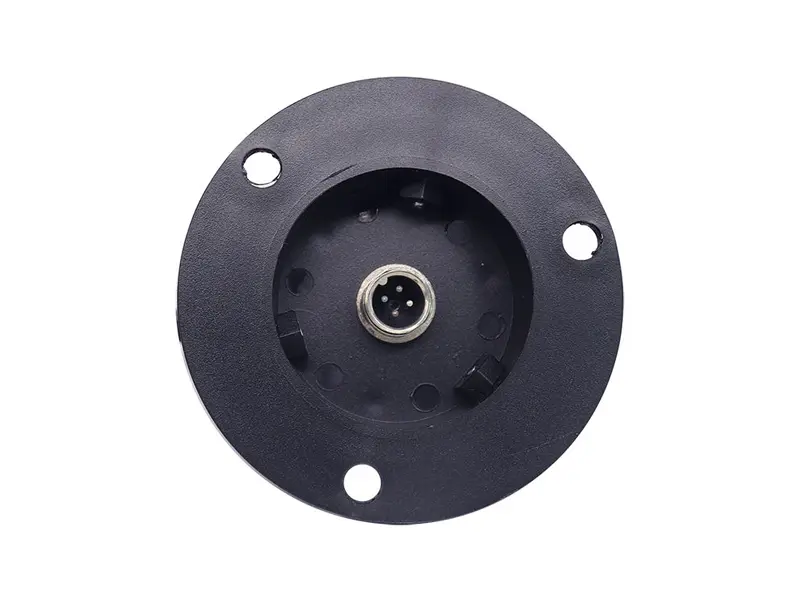
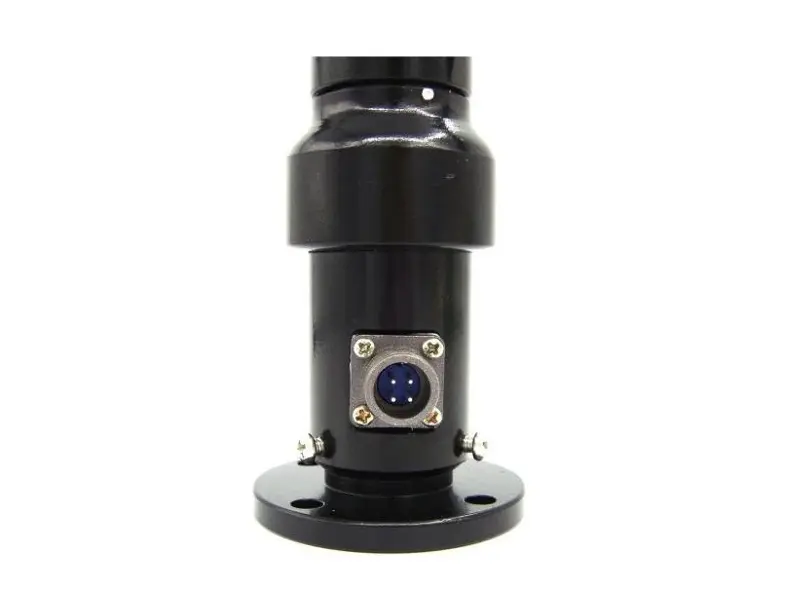
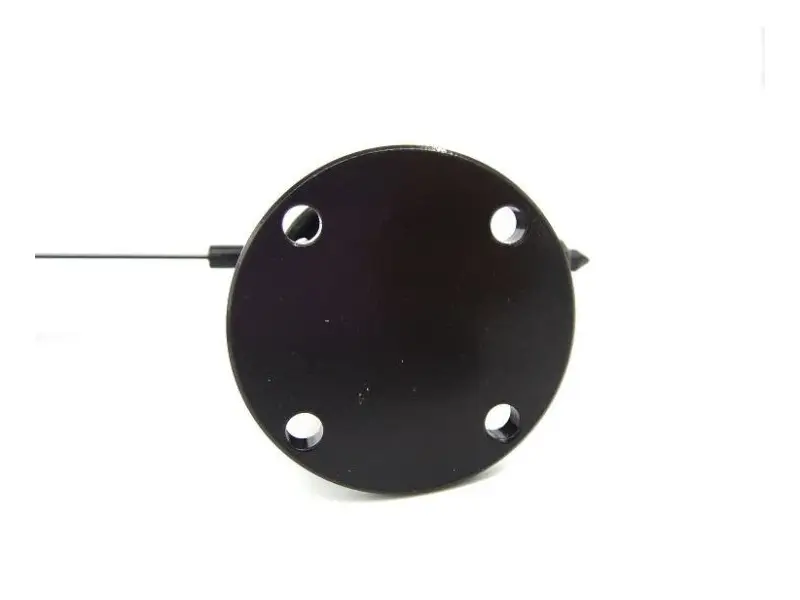
Especificaciones
La información sobre los parámetros del sensor de dirección del viento abarca especificaciones clave como el modelo, la señal de salida, el rango de medición, la tensión de funcionamiento y los materiales de construcción, y cumple con los requisitos de medición de la dirección del viento para la vigilancia meteorológica, la vigilancia medioambiental y diversas aplicaciones al aire libre. A continuación se indican los principales parámetros técnicos de este sensor de viento:
Parámetros
| Modelo | FX02-R-S para diestros |
| Señal de salida | 4-20 mA (4 hilos) |
| Velocidad inicial del viento | 0,6 m/s |
| Rango de medición | 0-360° |
| Tensión de trabajo | 24 V CC/12 V CC |
| Potencia de calefacción | 50 W |
| Material | Cuerpo de la copa (metal), pala (nailon) |
| Color | Negro |
| Cable | 3m |
| Cableado | Conector aeronáutico de 7 pines |
Incluye un sensor de dirección del viento
Tamaño compacto
Fácil de transportar e instalar
Alta precisión
Amplio rango de medición, datos estables y fiables
Estructura razonable
Diseño interno científico, aspecto exquisito
Señal estable
Alta linealidad de la información, gran distancia de transmisión
Gran capacidad antiinterferencias
Garantiza un funcionamiento estable en entornos complejos
Fácil de usar
Mantenimiento sencillo, funcionamiento fiable a largo plazo
Aplicaciones del sensor de dirección del viento
Los sensores de dirección del viento permiten supervisar en tiempo real la dirección del viento en el entorno y se utilizan ampliamente en la observación meteorológica, la seguridad vial, la supervisión energética y la vigilancia del medio ambiente marino, lo que proporciona datos fiables para la supervisión medioambiental y el análisis meteorológico. A continuación se enumeran algunas aplicaciones de los sensores de dirección del viento:
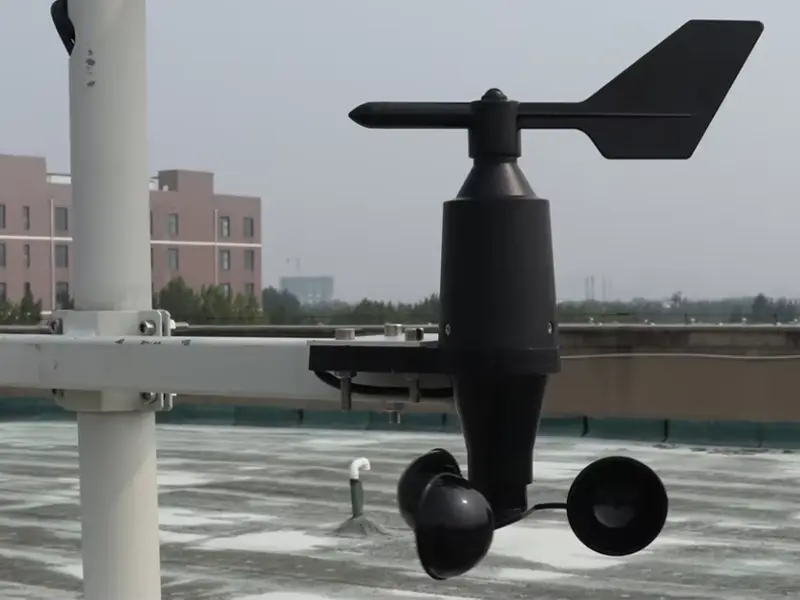
Estaciones de vigilancia meteorológica
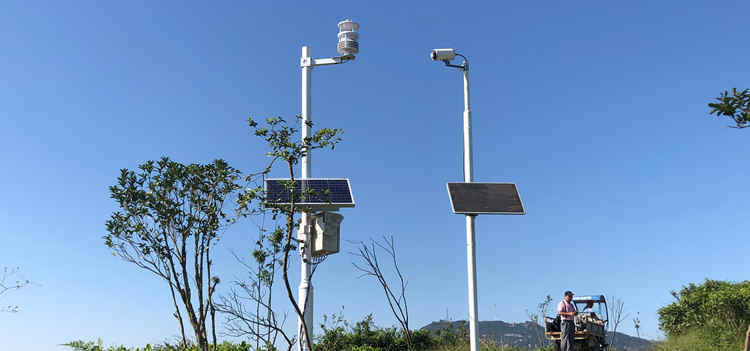
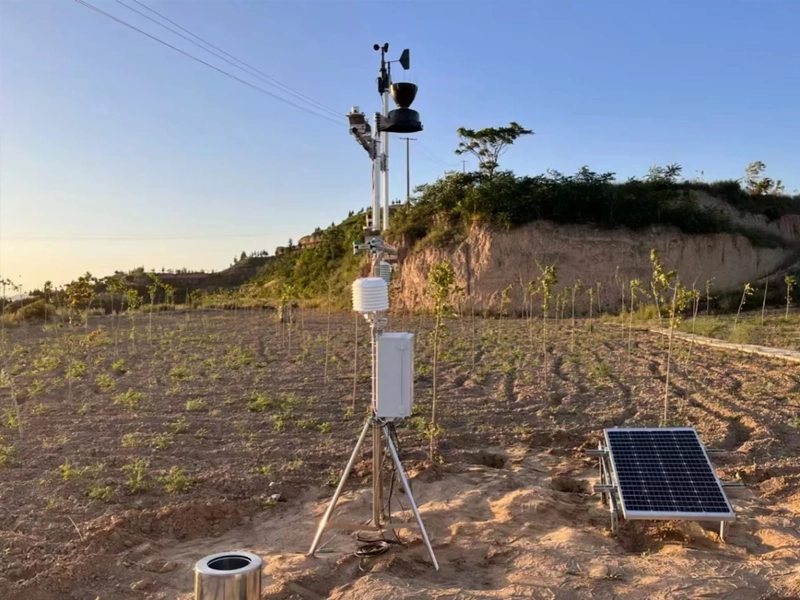
Se utiliza para recopilar datos sobre la dirección del viento en las estaciones meteorológicas, lo que proporciona una base de datos fundamental para las observaciones meteorológicas y la investigación climática.

Equipo para altitudes elevadas
Adecuado para equipos situados a gran altitud, como grúas de torre y torres de comunicaciones, ya que facilita su funcionamiento mediante la supervisión de la dirección del viento.

Puertos y terminales
Supervisa la dirección del viento en las zonas portuarias, proporcionando datos de referencia para el atraque de buques, las operaciones portuarias y la programación.

Embarcaciones marítimas
Se utiliza para supervisar la dirección del viento durante la navegación de los buques, con el fin de mejorar la seguridad de la navegación y la concienciación medioambiental.

Aeropuertos y helipuertos remotos
Proporciona datos en tiempo real sobre la dirección del viento en aeropuertos y zonas de aterrizaje de helicópteros para garantizar la seguridad de los vuelos.

Túneles de carretera y ferroviarios
Se utiliza en los sistemas de monitorización ambiental de túneles para facilitar el control de la ventilación y la gestión de la seguridad vial.
sensor de dirección de veleta personalizado
Para adaptarse a los requisitos de diversos proyectos y entornos de instalación, el sensor de dirección con veleta ofrece una amplia variedad de opciones de personalización —entre las que se incluyen interfaces de señal, métodos de montaje y configuraciones estructurales— que pueden adaptarse a aplicaciones específicas.
Opciones de personalización
- Opciones de señal de salida
Se dispone de señales de salida RS485, 4–20 mA, 0–5 V y 0–10 V para su integración con diversos sistemas de monitorización y registradores de datos. - Longitud del cable
La longitud del cable se puede ajustar según las necesidades de instalación. - Tipo de conector
Hay disponibles diferentes tipos de conectores, como los enchufes de aviación o los conectores impermeables. - Función de calefacción
Se puede añadir un módulo de calefacción opcional para su funcionamiento en condiciones de frío o de formación de hielo. - Configuración de montaje
Se pueden adaptar diferentes estructuras de montaje o tamaños de instalación para estaciones meteorológicas o postes de vigilancia. - Opciones de materiales
Se pueden elegir diferentes materiales para la carcasa en función de las condiciones ambientales.
Sensor de dirección del viento Fabricante y Proveedor
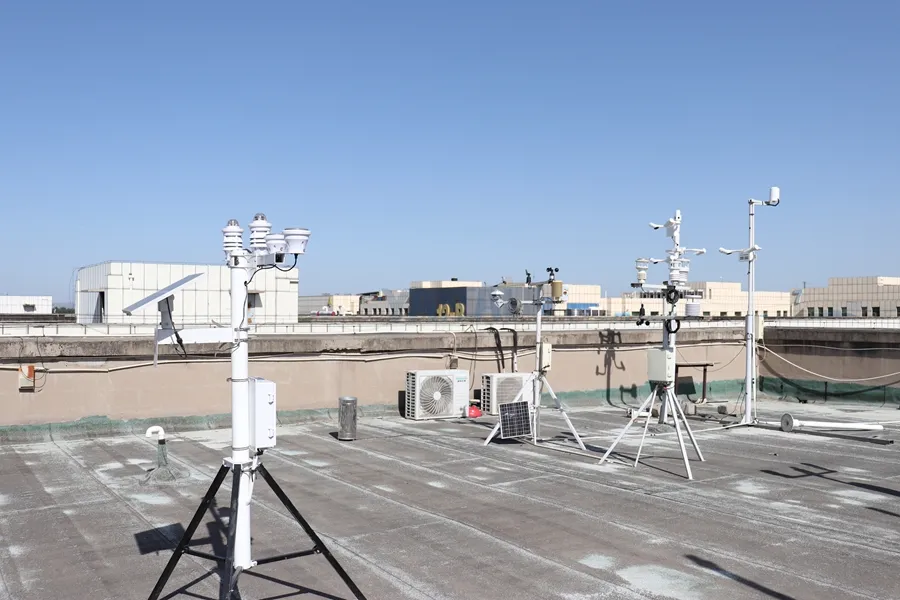
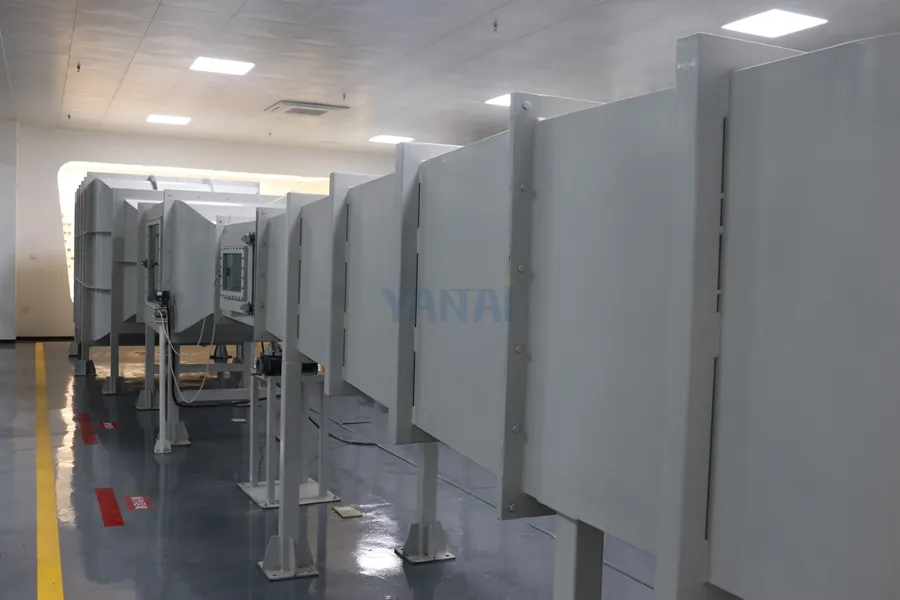
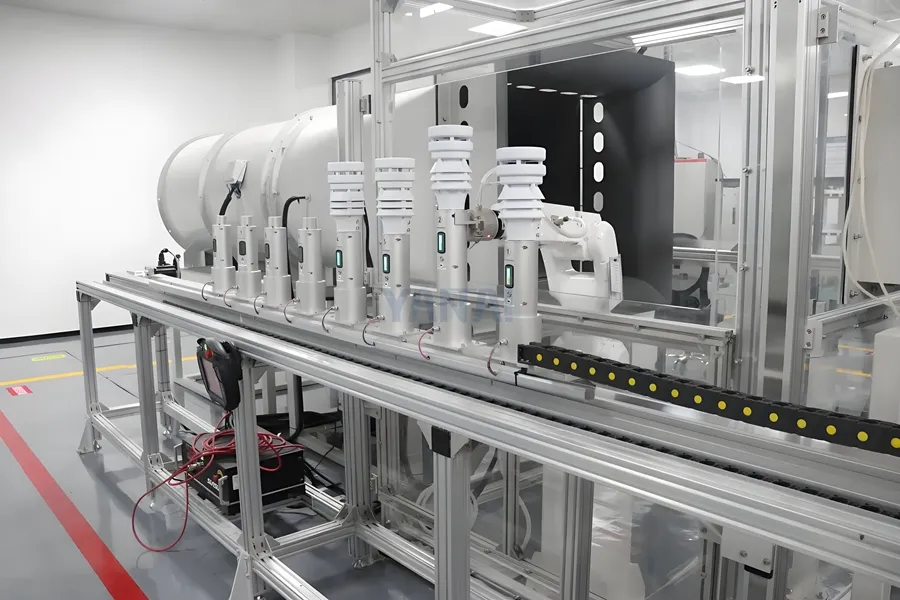
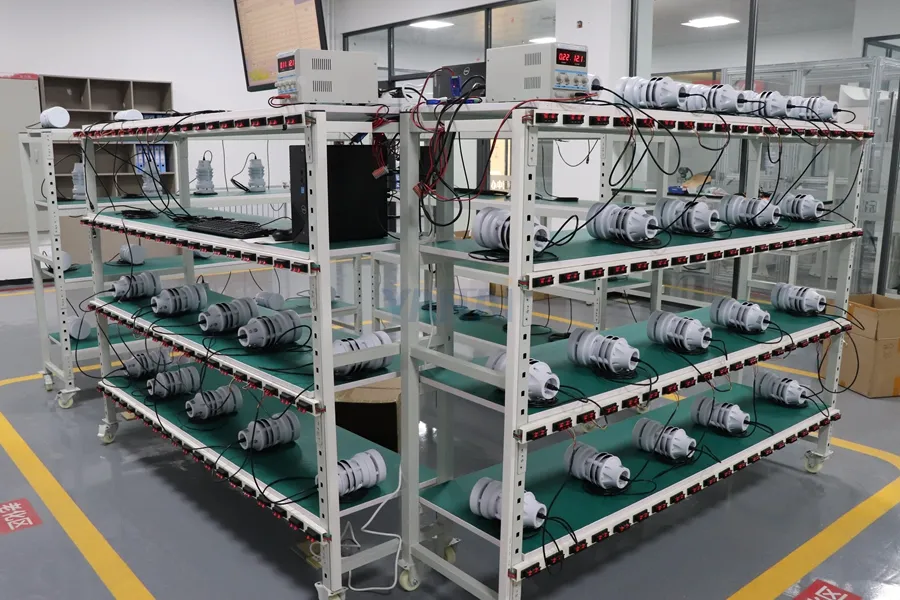
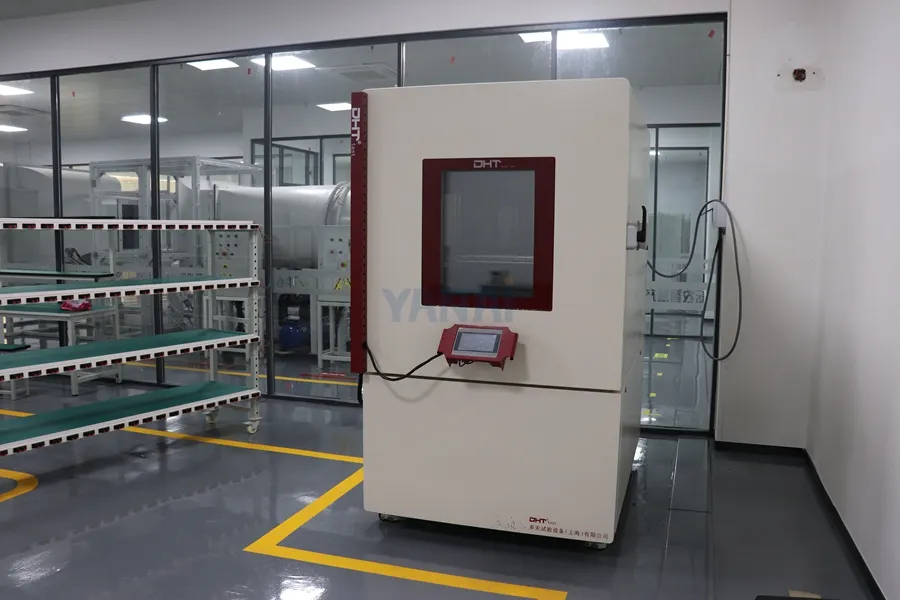
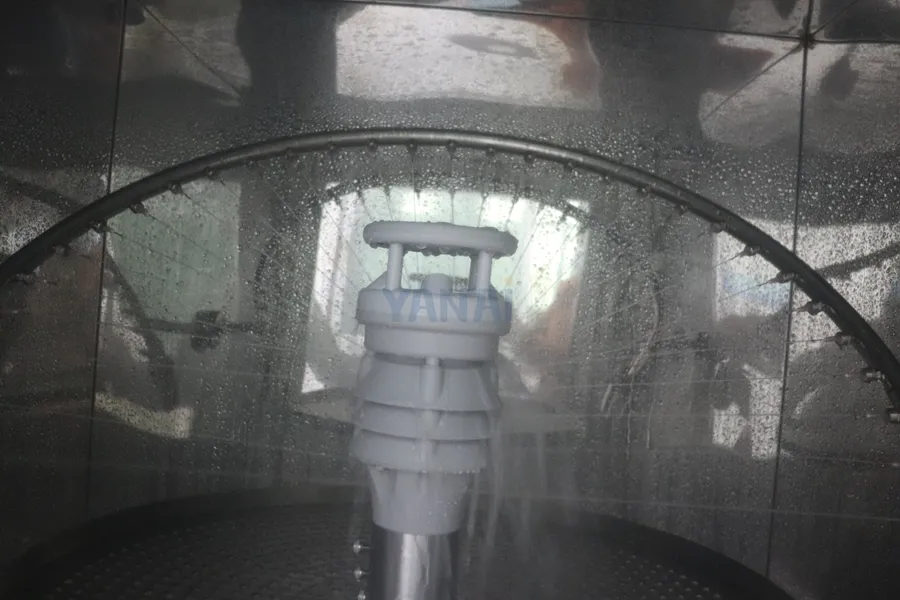
Yantai Sensor es un fabricante y proveedor especializado en sensores de dirección del viento, dedicado a ofrecer soluciones de alta precisión para la medición de la dirección del viento en el ámbito de la vigilancia meteorológica y medioambiental. Nuestros sensores están diseñados para un funcionamiento fiable a largo plazo en entornos al aire libre, como estaciones meteorológicas, puertos, buques, parques eólicos, centrales solares, y sistemas de monitorización medioambiental. Gracias a unas instalaciones de producción avanzadas, una capacidad propia de I+D y un laboratorio profesional de túnel de viento, cada sensor de dirección del viento se somete a rigurosas pruebas, entre las que se incluyen ensayos de envejecimiento a alta temperatura y alta humedad, ciclos de congelación-descongelación, resistencia a la niebla salina y pruebas de rendimiento con vientos fuertes, con el fin de garantizar mediciones precisas y estables en condiciones adversas.
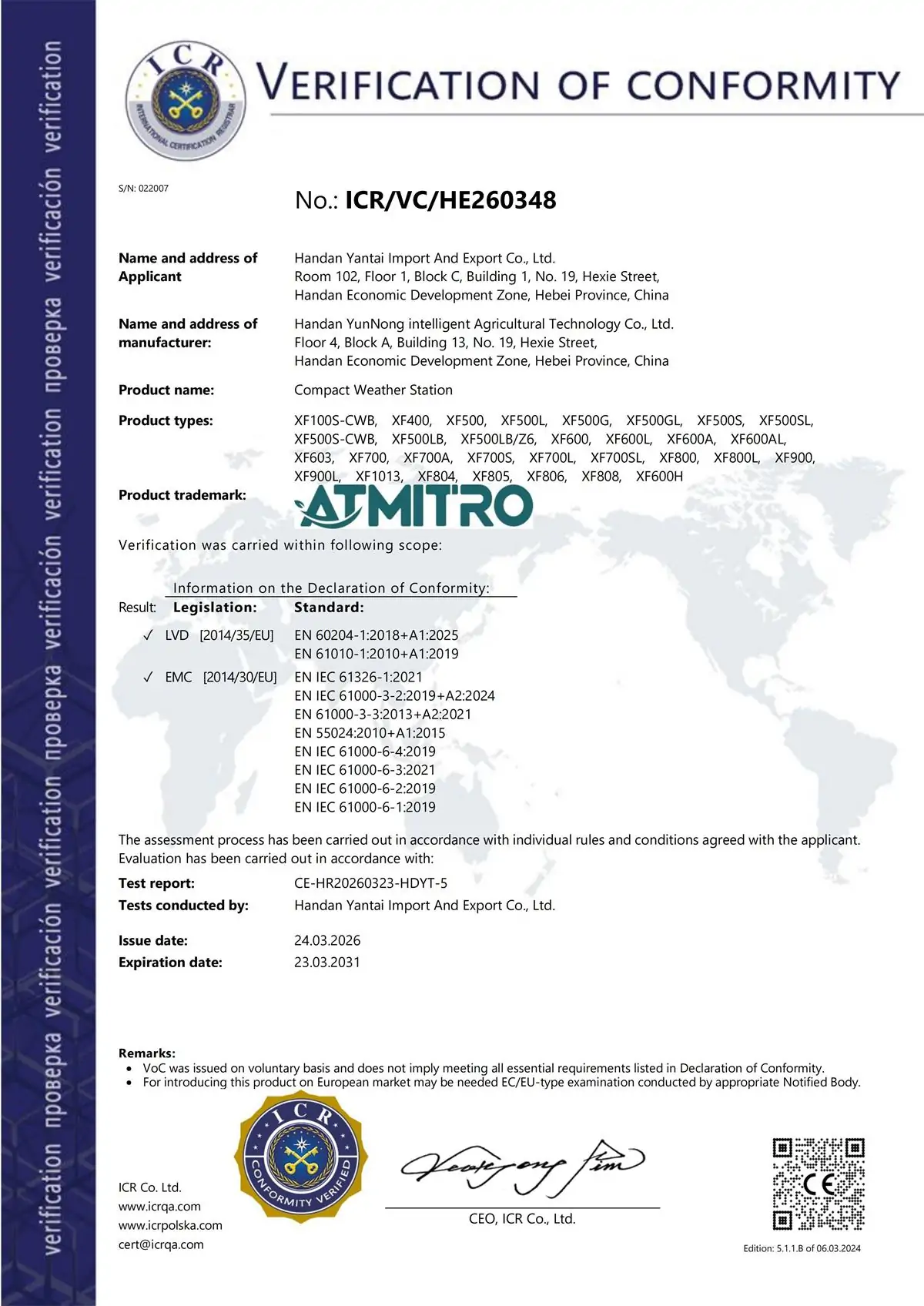
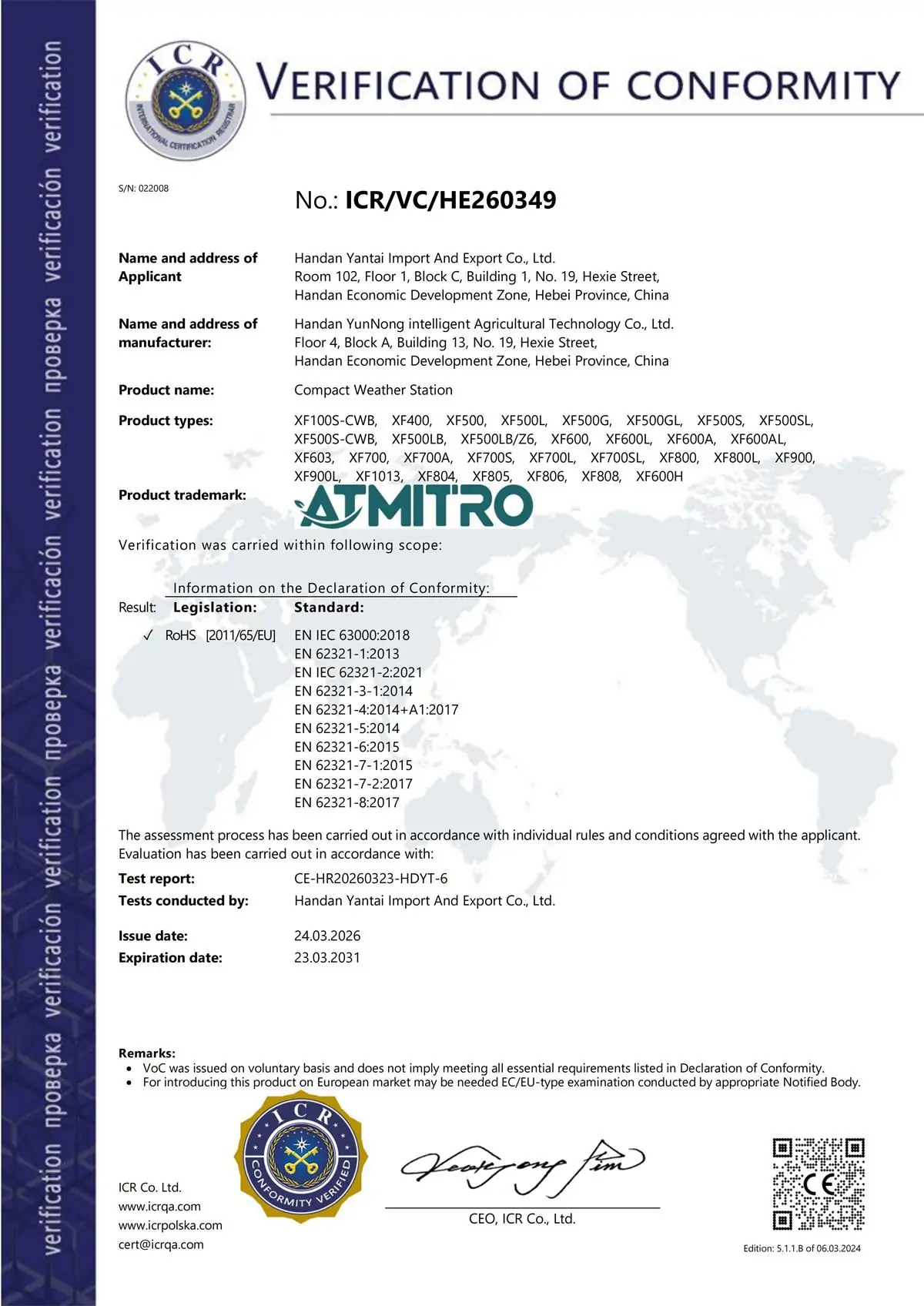
Con múltiples marcas independientes, más de 10 patentes y certificaciones como CE, ISO y RoHS, nuestros sensores de dirección del viento se utilizan ampliamente en la vigilancia meteorológica, los proyectos de energías renovables, la observación marina, la seguridad en el transporte y las redes de vigilancia medioambiental. Desde el suministro de sensores estándar hasta la personalización para proyectos concretos, ofrecemos soluciones flexibles que incluyen diferentes señales de salida, opciones de calefacción y configuraciones de instalación, lo que permite una monitorización fiable del viento para una amplia gama de aplicaciones industriales y científicas en todo el mundo.