Introducción
Una carretera puede sonar de forma completamente diferente en distintos momentos del día. El tráfico matutino puede generar un ruido de fondo constante, mientras que los vehículos pesados, la congestión o un camión que pasa pueden producir picos de corta duración. Para los operadores de autopistas, planificadores urbanos y equipos de monitoreo ambiental, el desafío no es simplemente medir estos cambios una vez, sino comprender cómo el ruido del tráfico cambia con el tiempo y bajo diferentes condiciones del sitio.
Aquí es donde un sistema de monitoreo de ruido de tráfico resulta útil. En lugar de depender de mediciones manuales ocasionales, recopila datos de sonido de forma continua y puede combinarlos con información meteorológica y ambiental. Esto facilita la identificación de patrones de ruido, la comparación entre ubicaciones de monitoreo y la comprensión de si los cambios en los niveles medidos están relacionados con la actividad del tráfico o con las condiciones circundantes.
Pero construir un punto de monitoreo confiable implica más que instalar un micrófono junto a una carretera. La selección del sensor, la ubicación de instalación, la exposición a la intemperie, la transmisión de datos, el suministro eléctrico y el mantenimiento a largo plazo pueden afectar la calidad y utilidad de los datos recopilados. Entonces, ¿qué componentes se necesitan realmente, cómo funcionan en conjunto y qué deben considerar los equipos de proyecto antes del despliegue?
Esta guía desglosa los componentes clave, el proceso de trabajo, las consideraciones de instalación y las aplicaciones prácticas del monitoreo de ruido de tráfico, con un enfoque en cómo los sensores de ruido para exteriores y el equipo de monitoreo meteorológico de apoyo pueden integrarse en una solución de monitoreo confiable. Al seleccionar sensores para el monitoreo de carreteras, consulte nuestra guía sobre Estación Meteorológica de Carretera vs Estación Meteorológica: Diferencias Clave Explicadas

¿Qué es un sistema de monitoreo de ruido de tráfico?
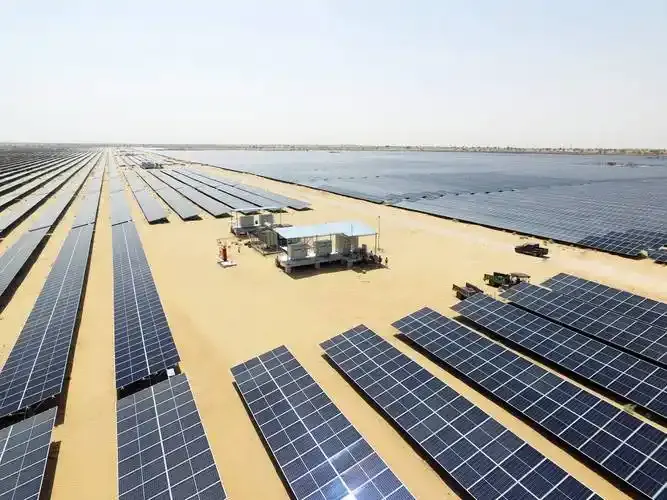
El ruido del tráfico varía según el flujo de vehículos, el tipo de vehículo, la velocidad, las condiciones de la carretera y la hora del día. Para las carreteras cercanas a zonas residenciales, escuelas u hospitales, las mediciones ocasionales pueden no mostrar el panorama completo. Un sistema de monitoreo de ruido de tráfico proporciona un monitoreo continuo y automatizado para recopilar y gestionar datos de ruido a lo largo del tiempo, ayudando a los equipos de proyecto a comprender los patrones de ruido y respaldar la gestión ambiental. Para proyectos en regiones áridas, Soluciones de Monitoreo Solar para Desiertos can help operators track dust accumulation, weather conditions, and PV performance to support maintenance decisions.
Monitoreo de ruido de tráfico vs. monitoreo general de ruido
El monitoreo de ruido de tráfico se centra específicamente en el ruido generado por el tráfico vehicular y en cómo cambia bajo diferentes condiciones de tráfico y ambientales. Además del nivel de presión sonora, LAeq y Lmax, una estación de monitoreo puede recopilar datos de frecuencia, temperatura, humedad, velocidad del viento, dirección del viento y precipitación. Combinar estas mediciones con información de tráfico ayuda a los usuarios a identificar tendencias de ruido y evaluar la efectividad de las medidas de control de ruido.
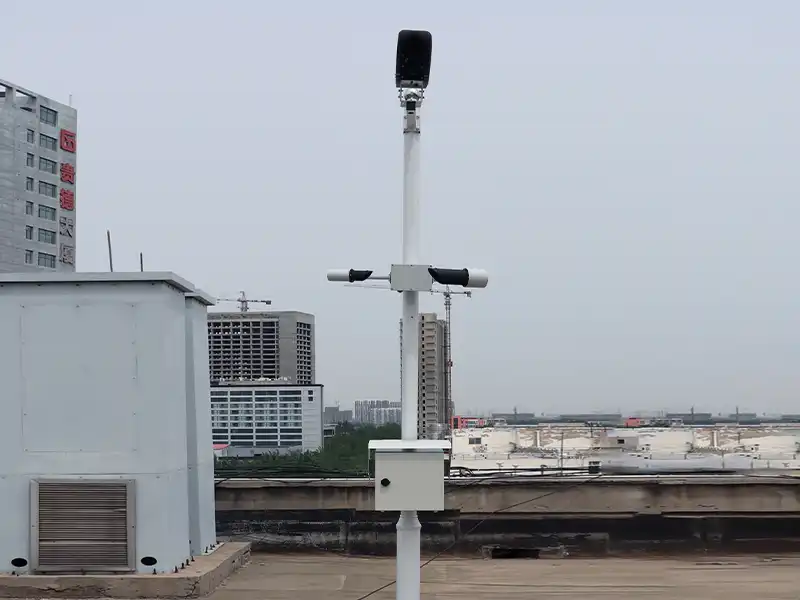
Un sistema típico incluye un sensor de ruido para exteriores, equipos de adquisición de datos y comunicación, y una plataforma de gestión. El sensor recopila datos de sonido, mientras que los equipos de comunicación los transmiten a la plataforma para almacenamiento, visualización, análisis y alertas. Dependiendo del proyecto, también se pueden integrar sensores meteorológicos y otros dispositivos de monitoreo para proporcionar una visión más completa del entorno de monitoreo.
¿Cómo funciona el monitoreo de ruido de tráfico?
Un proceso de monitoreo típico avanza desde la captura de sonido hasta el procesamiento de señales, la transmisión de datos y el análisis remoto. Cada etapa desempeña un papel diferente en la conversión del ruido de la carretera en datos de monitoreo confiables.
Captura de sonido y procesamiento de señales
El sensor de ruido de tráfico captura los cambios en la presión del aire causados por los vehículos que pasan y los convierte en señales eléctricas. Las señales se amplifican, filtran y procesan con ponderación de frecuencia para calcular dB, dBA, LAeq y Lmax. Esto permite que el ruido de la carretera, que cambia continuamente, se convierta en datos estandarizados para monitoreo y comparación.
Adquisición de datos, transmisión y plataforma en la nube
Después del procesamiento, el dispositivo de monitoreo o registrador de datos registra las mediciones y las transmite mediante RS485/Modbus RTU, 4G o una puerta de enlace IoT. La plataforma en la nube puede recopilar datos de múltiples puntos de monitoreo, mostrar tendencias de ruido de forma remota y activar alertas por umbrales. También se pueden integrar datos meteorológicos y ambientales, ayudando a los usuarios a evaluar los cambios de ruido bajo diferentes condiciones del sitio.

Componentes de un sistema de monitoreo de ruido de tráfico
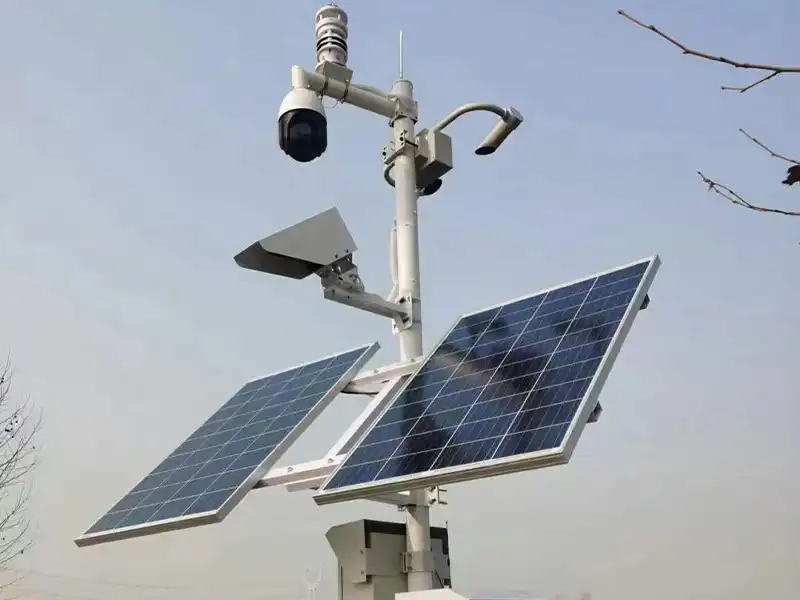
Un sistema típico de monitoreo de ruido de tráfico consta de un sensor de ruido, equipos de monitoreo meteorológico, dispositivos de adquisición de datos y comunicación, y una configuración adecuada de protección y suministro eléctrico para exteriores. Estos componentes trabajan en conjunto para recopilar, transmitir y gestionar datos continuos de ruido en carretera.
Sensor de ruido de tráfico
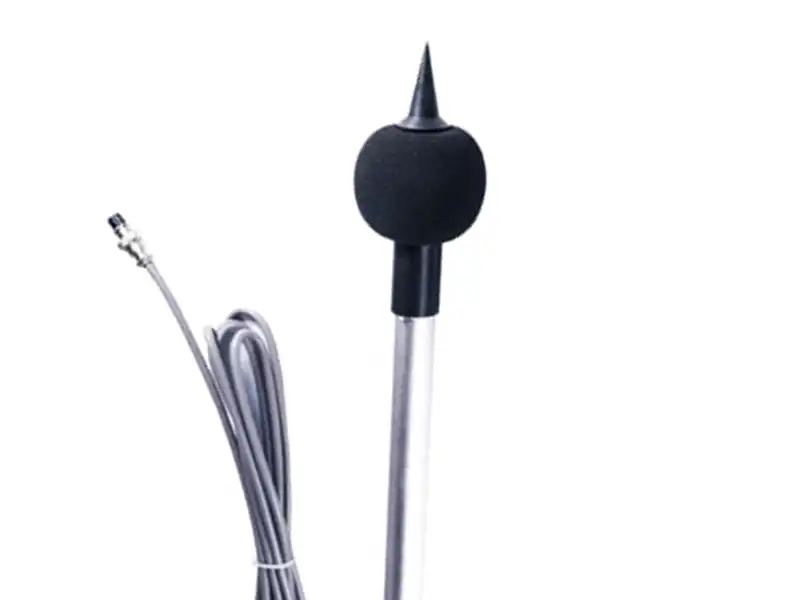
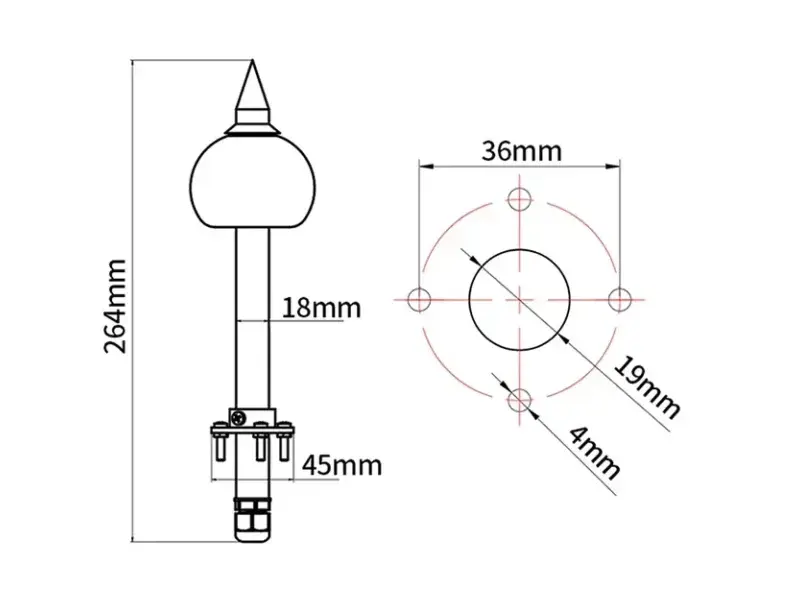
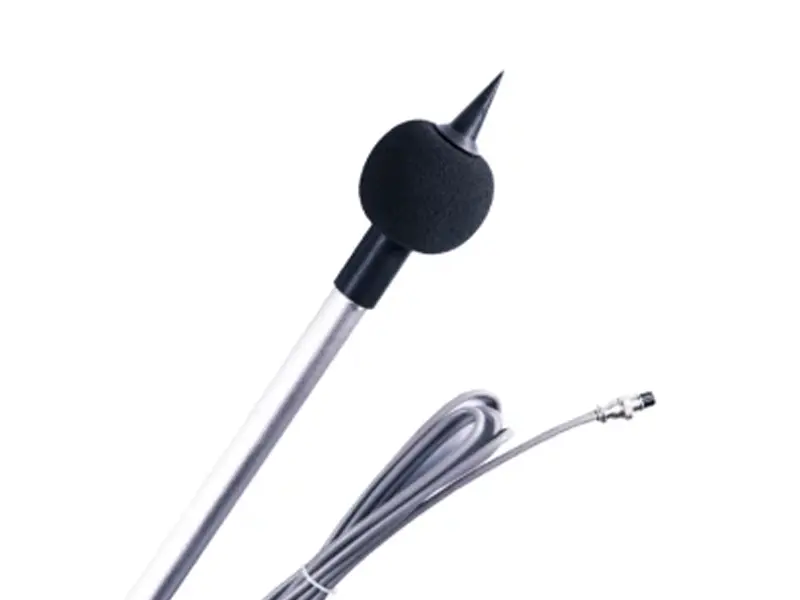
El sensor de ruido de tráfico es el dispositivo de medición principal para el monitoreo en carretera. Al seleccionarlo, considere el rango de medición, la precisión, la respuesta de frecuencia, la protección para exteriores y la interfaz de comunicación. El sensor debe proporcionar mediciones estables a largo plazo e integrarse fácilmente con el sistema de adquisición de datos y comunicación del proyecto.
Sensor de monitoreo meteorológico
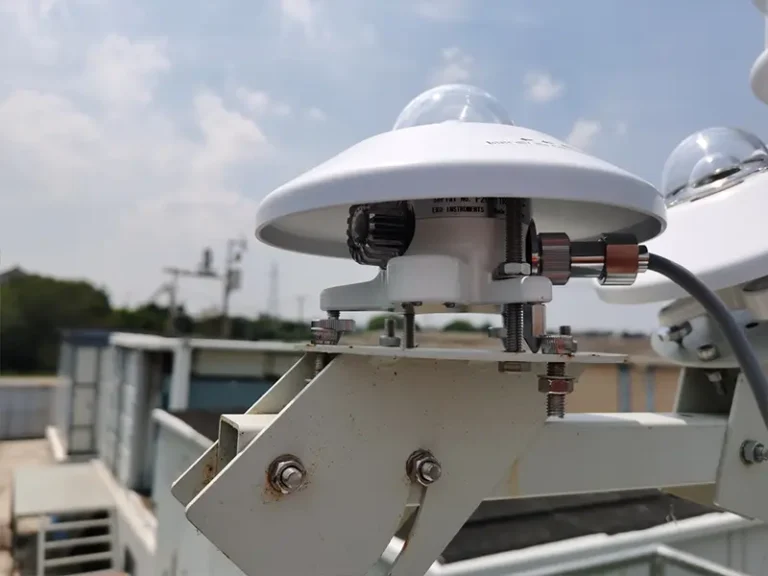
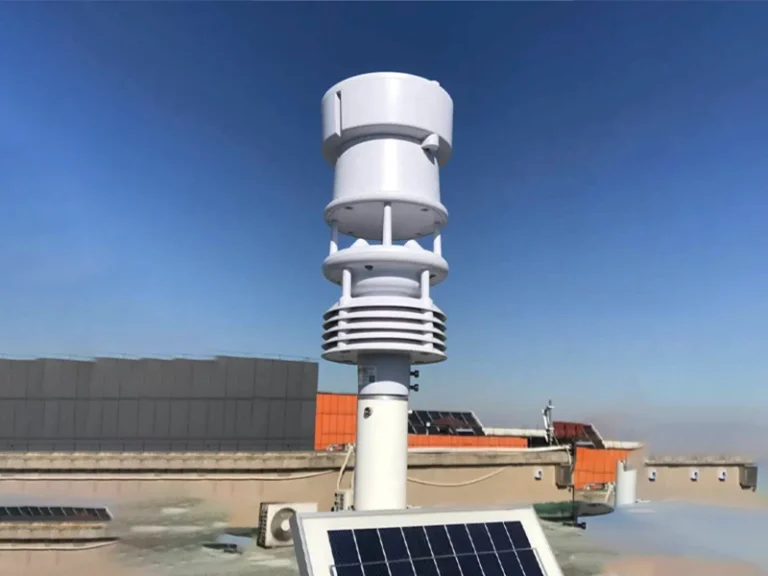
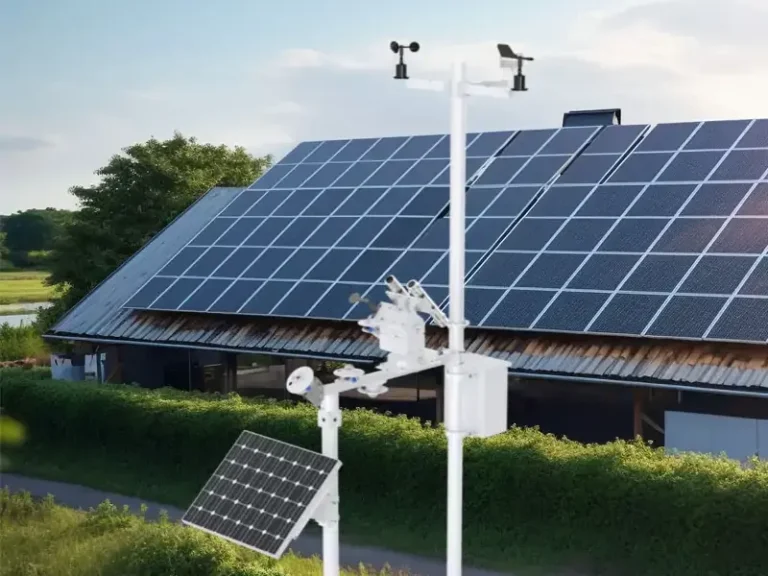
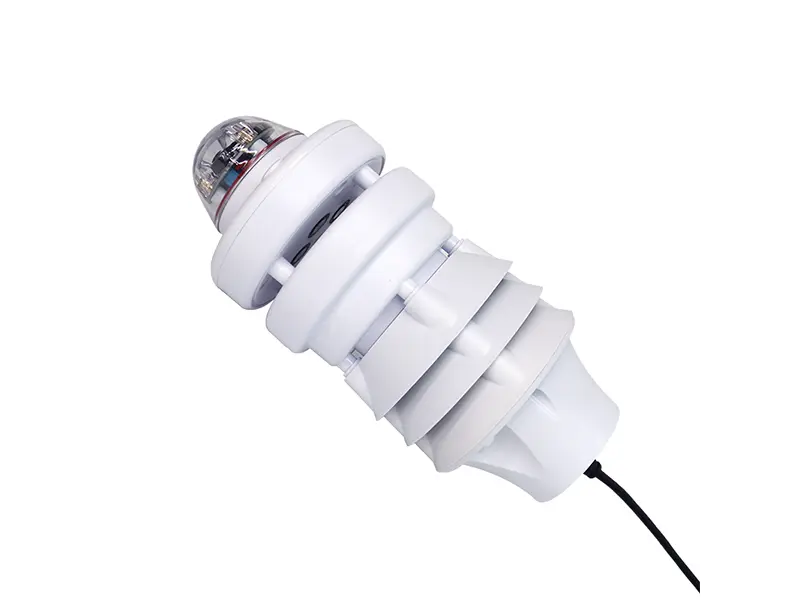
Las mediciones de ruido en exteriores pueden verse influenciadas por las condiciones climáticas, especialmente el viento, la temperatura, la humedad y la precipitación. Una estación meteorológica compacta puede registrar estas condiciones junto con los datos de ruido, ayudando a los usuarios a interpretar los cambios en los niveles de sonido e identificar influencias ambientales. La estación meteorológica inteligente compacta XF600L de Yantai Sensor puede integrarse en configuraciones de monitoreo en exteriores para este propósito.
Registrador de datos y módulo de comunicación
El registrador de datos recopila las mediciones de los sensores conectados, almacena los datos y los envía a la plataforma de monitoreo mediante RS485/Modbus RTU, 4G o una puerta de enlace IoT, según el proyecto. Una ruta de datos típica es Sensor → Registrador de datos → Comunicación → Plataforma en la nube, lo que permite acceder y gestionar de forma remota múltiples puntos de monitoreo en carretera.
Suministro eléctrico y protección para exteriores
Los equipos en carretera deben permanecer estables durante la operación prolongada en exteriores. La alimentación eléctrica puede configurarse según las condiciones del sitio, mientras que una impermeabilización adecuada, resistencia a los rayos UV y protección IP ayudan a proteger los sensores y componentes electrónicos de la lluvia, el polvo y los cambios de temperatura.
¿Por qué son importantes los datos meteorológicos en el monitoreo de ruido de tráfico en carretera?
En la monitorización del ruido del tráfico rodado, las condiciones meteorológicas pueden influir en cómo se propaga el sonido desde la carretera hasta el punto de medición. El viento, la temperatura, la humedad y las precipitaciones pueden afectar los niveles de ruido medidos, lo que hace que los datos meteorológicos sean útiles para interpretar los resultados de la monitorización a largo plazo y comparar mediciones recopiladas en diferentes condiciones.
Viento, Temperatura y Humedad
La velocidad y dirección del viento pueden alterar la forma en que el sonido se propaga entre la fuente de tráfico y el punto de medición. La temperatura y la humedad también influyen en la absorción acústica atmosférica. Registrar estas condiciones junto con las mediciones de ruido proporciona un contexto ambiental importante al analizar cambios en el ruido del tráfico.
Precipitaciones y Condiciones de la Carretera
Las precipitaciones pueden introducir interferencias acústicas adicionales, mientras que las superficies de carretera mojadas pueden cambiar las características del ruido de contacto neumático-carretera. Registrar las precipitaciones y las condiciones relacionadas ayuda a los usuarios a identificar influencias ambientales y comprender mejor las variaciones en los datos de ruido del tráfico a largo plazo.
Aplicaciones de Monitorización de Ruido del Tráfico e Instalación de Sensores
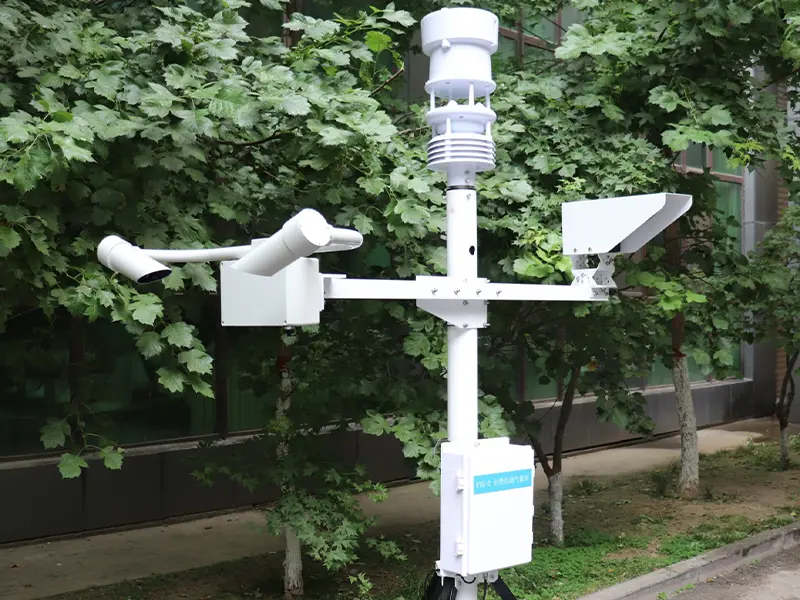
La monitorización del ruido del tráfico respalda la gestión del ruido, la planificación del tráfico y la evaluación de medidas de control del ruido. La ubicación de los sensores debe considerar el trazado de la carretera, el entorno circundante, los objetivos de monitorización y las posibles fuentes de interferencia.
Autopistas y Vías Rápidas
La monitorización a largo plazo del ruido del tráfico rodado se utiliza comúnmente cerca de autopistas, límites residenciales, puentes e intercambiadores para evaluar la exposición al ruido del tráfico y evaluar las medidas de control del ruido. Los puntos de medición deben reflejar las áreas más afectadas por el tráfico rodado en lugar de simplemente seguir un patrón de instalación fijo.
Carreteras Urbanas y Zonas Sensibles
La monitorización urbana se centra en intersecciones, congestión, períodos de tráfico punta y áreas cercanas a hogares, escuelas y hospitales. Las mediciones continuas ayudan a identificar cambios en el ruido del tráfico y proporcionan datos útiles para la gestión del ruido urbano y la planificación de mitigación.
Monitorización medioambiental en ciudades inteligentes
Múltiples puntos de medición pueden conectarse a un sistema centralizado de monitorización de ruido para la recopilación continua de datos y la gestión remota. Los datos de ruido también pueden combinarse con información meteorológica y de tráfico para respaldar un análisis ambiental más amplio e identificar patrones de ruido en diferentes ubicaciones.
Factores de Instalación del Sensor que Afectan la Calidad de los Datos
La altura del micrófono, la distancia a la carretera, las superficies reflectantes, los edificios, las barreras, la vegetación y la exposición al viento pueden afectar los resultados de las mediciones. El punto de medición debe proporcionar un entorno acústico representativo mientras minimiza interferencias evitables.




¿Cómo Seleccionar un Sensor de Ruido del Tráfico?
Seleccionar un sensor de ruido del tráfico no se trata simplemente de elegir el sensor con mayor precisión. En nuestra experiencia, el mejor enfoque es comenzar con las condiciones reales de monitorización y luego verificar si el sensor puede proporcionar datos estables e integrarse con el resto del sistema.
Comience con los requisitos de medición. Verifique el rango de medición requerido, la precisión y la respuesta de frecuencia para el proyecto. Por ejemplo, el sensor de ruido exterior de Yantai Sensor proporciona un rango de medición de 30–130 dB, una precisión de ±1,5 dB y un rango de frecuencia de 31,5 Hz–12,5 kHz, cubriendo los requisitos comunes para la monitorización continua de ruido exterior.
Luego considere la usabilidad a largo plazo. Un sensor para instalación en carretera debe funcionar como parte de una configuración de monitorización completa, no como un dispositivo aislado. La interfaz de comunicación, el método de adquisición de datos, la protección ambiental y la compatibilidad con equipos de soporte deben considerarse antes del despliegue. Esto es particularmente importante cuando varios puntos de medición se conectarán a la misma plataforma.
Finalmente, considere lo que sucede después de la instalación. Para proyectos a largo plazo, el suministro del sensor es solo el punto de partida. El soporte técnico, la integración de sistemas, la personalización, la calibración, el mantenimiento y el servicio postventa pueden afectar directamente la fiabilidad de la red de monitorización. Recomendamos evaluar la capacidad del proveedor para respaldar la aplicación completa en lugar de comparar únicamente las especificaciones del producto.


Problemas comunes en la monitorización del ruido del tráfico
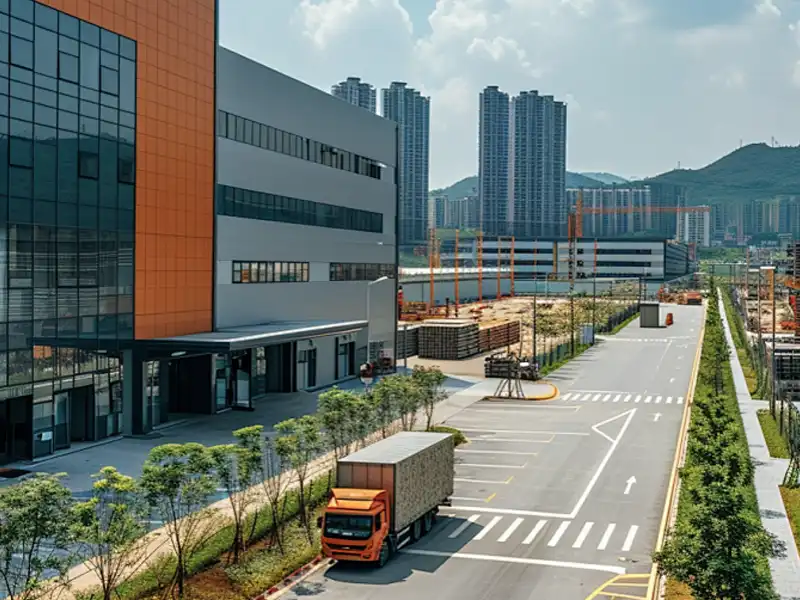
Los datos de ruido del tráfico pueden cambiar incluso cuando el equipo de monitorización funciona con normalidad. En la práctica, los principales desafíos suelen provenir del clima, la ubicación del sensor, las condiciones del tráfico y la interpretación de los datos. Identificar estos factores ayuda a los usuarios a separar la variación normal de los problemas reales de medición.
- Interferencia meteorológica: El viento y la lluvia pueden afectar las mediciones de ruido y la propagación del sonido. Registre los datos meteorológicos junto con los datos de ruido para una mejor interpretación.
- Ubicación deficiente del sensor: Los edificios, muros, árboles y estructuras viales pueden afectar las mediciones. Elija una ubicación representativa con interferencia mínima.
- Condiciones cambiantes del tráfico: El volumen de tráfico, el tipo de vehículo, la velocidad y la congestión pueden causar fluctuaciones notables en el ruido. Períodos de monitorización más largos proporcionan datos más representativos.
- Cambios inexplicables en los datos: Las variaciones de ruido no siempre indican una falla del sensor. Compare los datos de ruido con los registros de tráfico y meteorológicos antes de sacar conclusiones.
- Mantenimiento insuficiente: Los sensores exteriores están expuestos al polvo, la humedad y los cambios de temperatura. La inspección regular, la limpieza y la calibración ayudan a mantener un rendimiento estable.
Conclusión
Un sistema confiable de monitorización de ruido del tráfico se basa en más que un sensor de sonido. Como se discutió anteriormente, la calidad de la medición depende del sensor adecuado, las condiciones de instalación apropiadas, los datos meteorológicos de apoyo, la comunicación estable y el mantenimiento adecuado a largo plazo. La monitorización continua también ayuda a los usuarios a comprender cómo el volumen de tráfico, las condiciones de la carretera y el clima contribuyen a los cambios en los niveles de ruido.
Para autopistas, carreteras urbanas, intersecciones y proyectos de monitoreo ambiental, Yantai Sensor proporciona sensores de ruido exteriores y soluciones compactas de monitoreo meteorológico que pueden configurarse según los diferentes requisitos del proyecto. Si está planificando un nuevo punto de monitoreo o una red de monitoreo de múltiples sitios, contacte a Yantai Sensor para discutir los requisitos de medición y encontrar una configuración de sensor adecuada para su aplicación.