Intégration des capteurs de qualité de l'air dans les systèmes de stations météorologiques agricoles
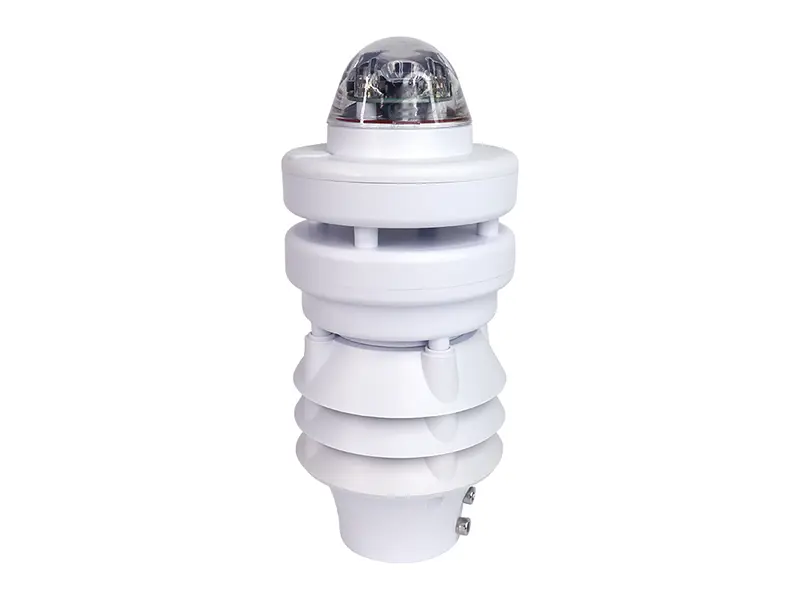
Air quality sensors integration with farm weather station systems combines particulate matter and gas monitoring with meteorological measurements for agricultural environments. Depending on the configuration, the system can monitor PM2.5, PM10, CO₂, ammonia, and other specified gases alongside temperature, humidity, atmospheric pressure, wind speed, and rainfall. Designed for farms, orchards, livestock areas, and agricultural research, it helps users track air quality changes and understand local environmental conditions, with sensor selection, power supply, and data transmission tailored to site requirements.
- Température de l'air : -40℃~60℃
- Humidité de l'air : 0-100%RH
- Pression atmosphérique : 300 hPa~1100 hPa
- Alimentation électrique : CC 9 à 30 V
- Niveau de protection : IP65
Prix : $1552.94-$1863.53
Introduction
Agricultural air quality monitoring requires more than measuring particulate matter alone. Dust from field operations and livestock activities can affect local air conditions, while wind speed and direction help interpret how airborne particles disperse. Integrating air quality sensors with a farm weather station allows users to collect PM2.5, PM10, and selected gas measurements alongside meteorological data, providing a more complete record of environmental conditions at the monitoring site.
For a broader overview of agricultural weather monitoring, see What Is the Importance of a Weather Station in Agriculture?.
Structure of Air Quality Sensors Integration with Farm Weather Station Systems
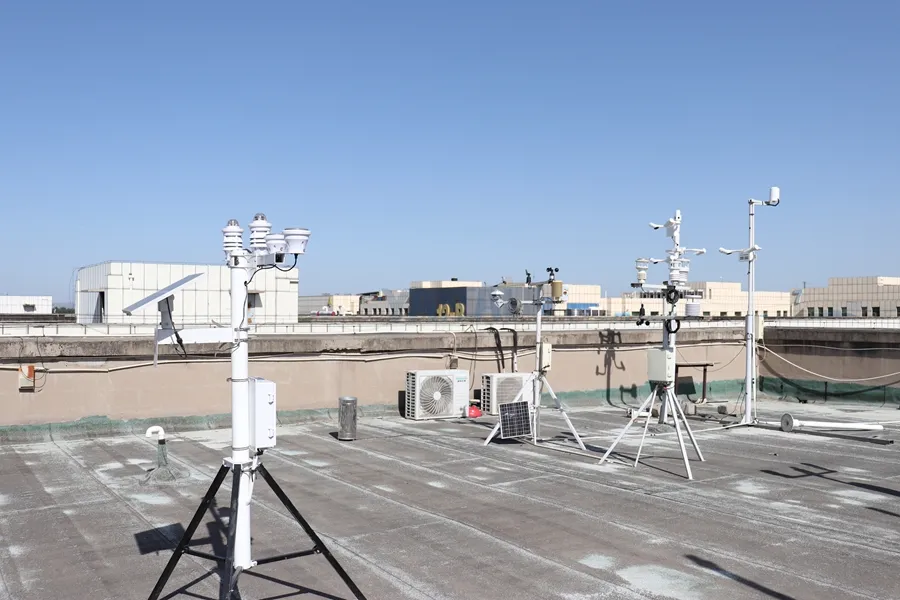
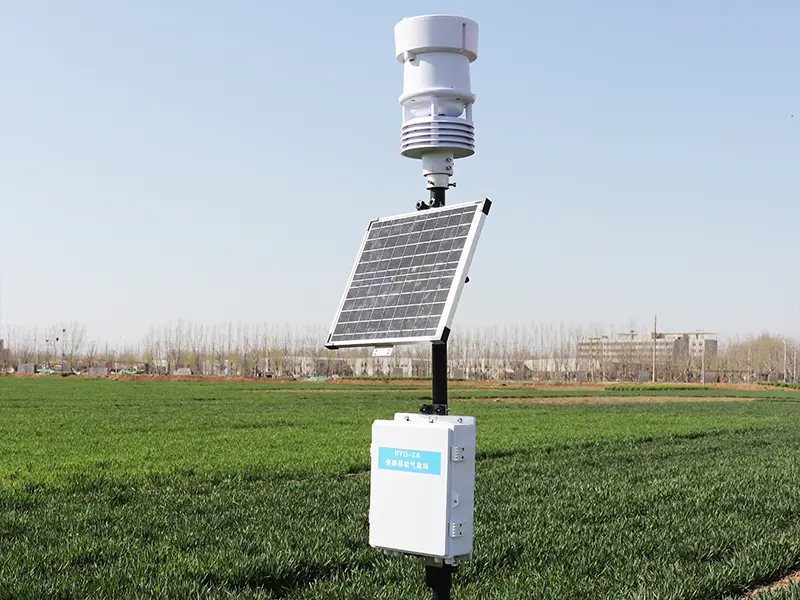
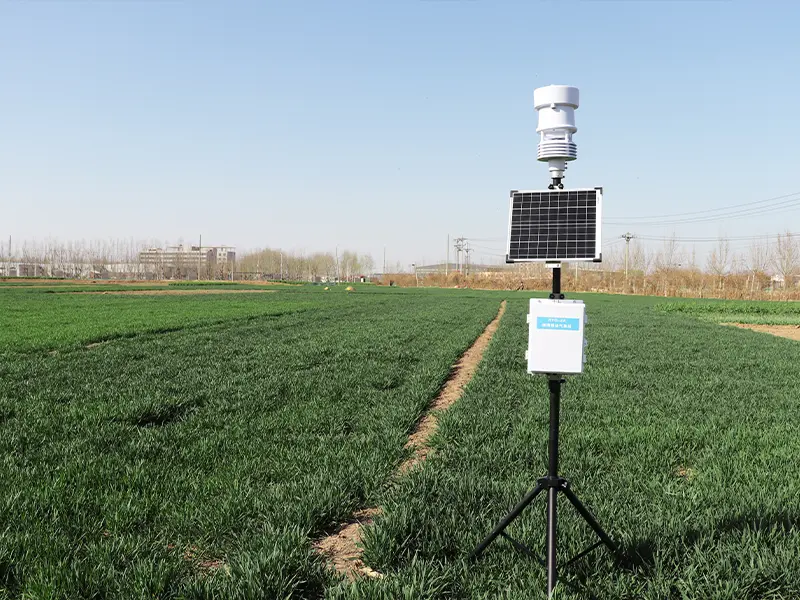
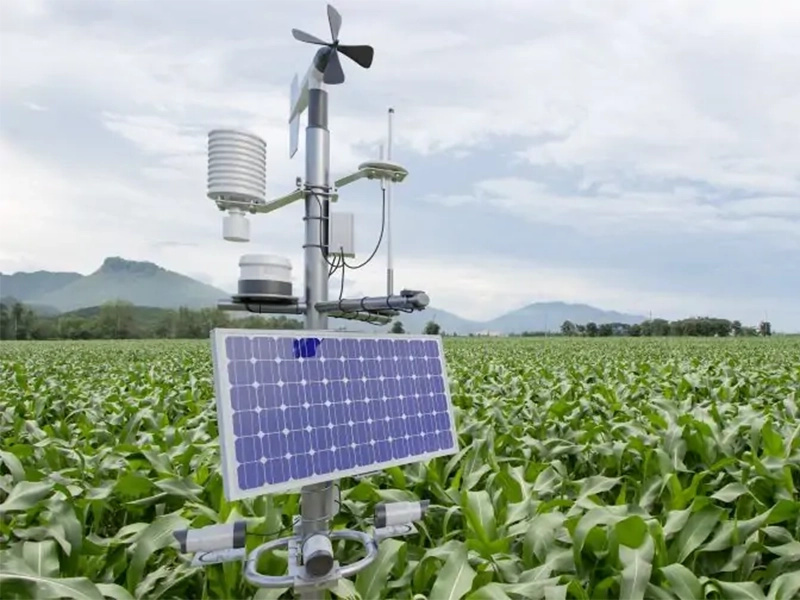
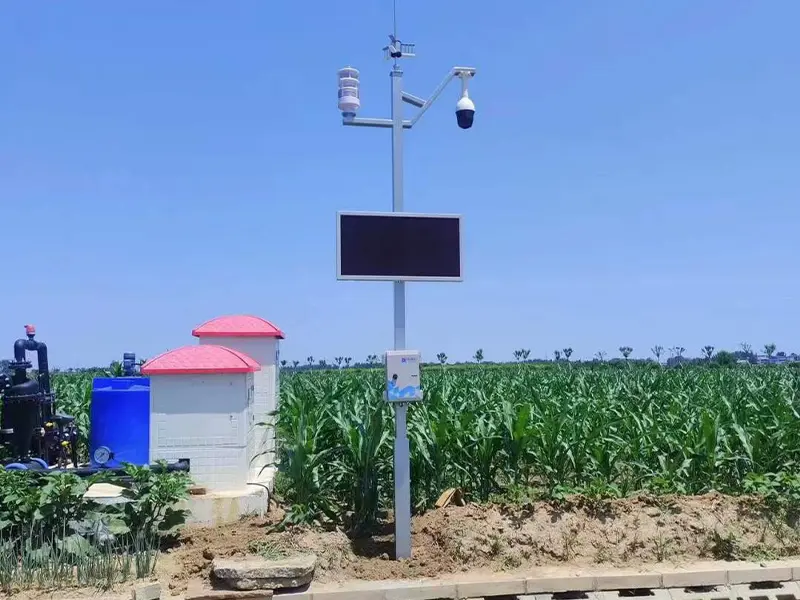
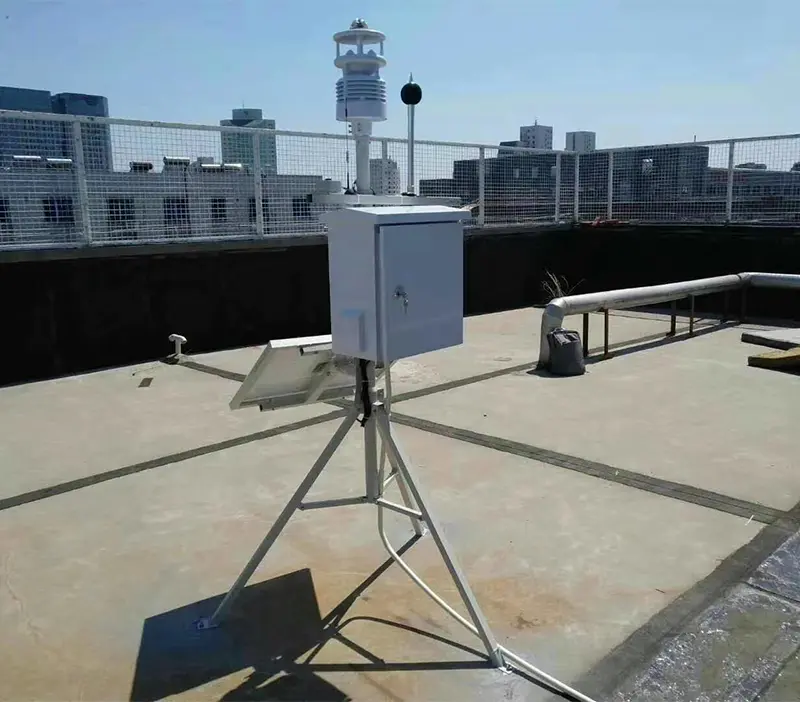
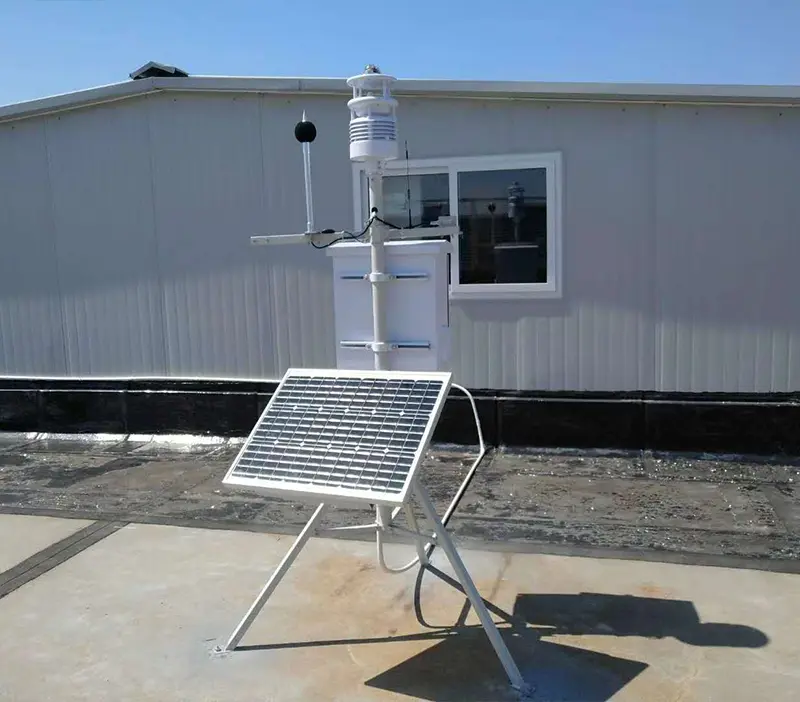
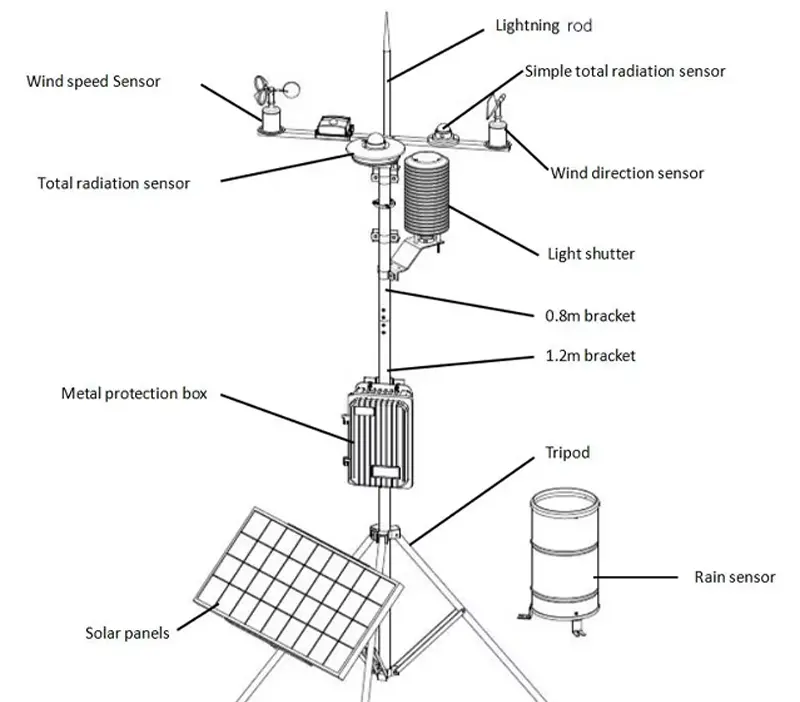
The system consists of air quality and meteorological sensors, a data acquisition and transmission unit, mounting and power components, and a monitoring platform. The configuration depends on the required measurements and site conditions.
- Unité de surveillance de la qualité de l'air
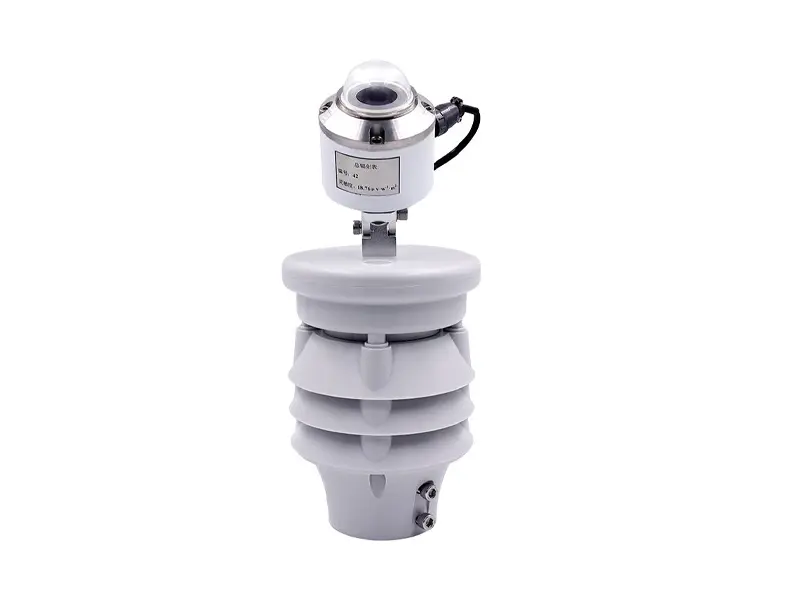
Monitors PM2.5, PM10, total suspended particulate (TSP) matter and selected gaseous pollutants according to the installed sensors. - Unité de surveillance météorologique agricole
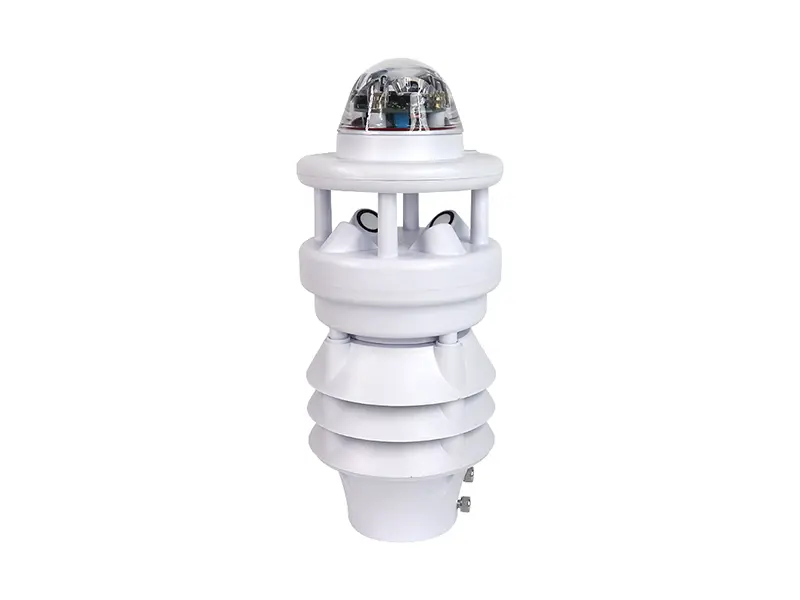
Measures wind speed, wind direction, temperature, humidity, and rainfall to record local weather conditions alongside air quality data. - Data Acquisition and Transmission System
Collects readings from connected sensors and transfers them through supported interfaces, such as 4G or RS485. - Power Supply and Mounting
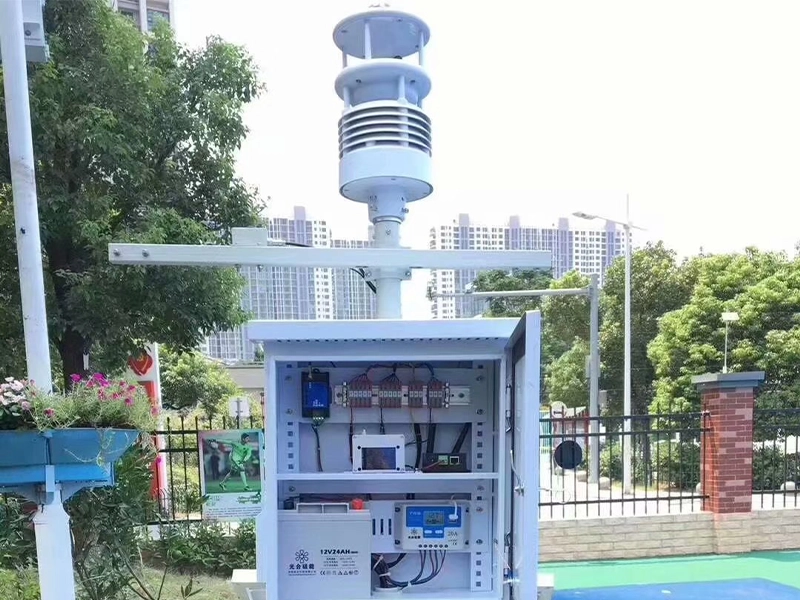
Provides the required sensor mounting and power arrangements. Solar panels and battery storage can be configured for suitable installations. - Plateforme de surveillance
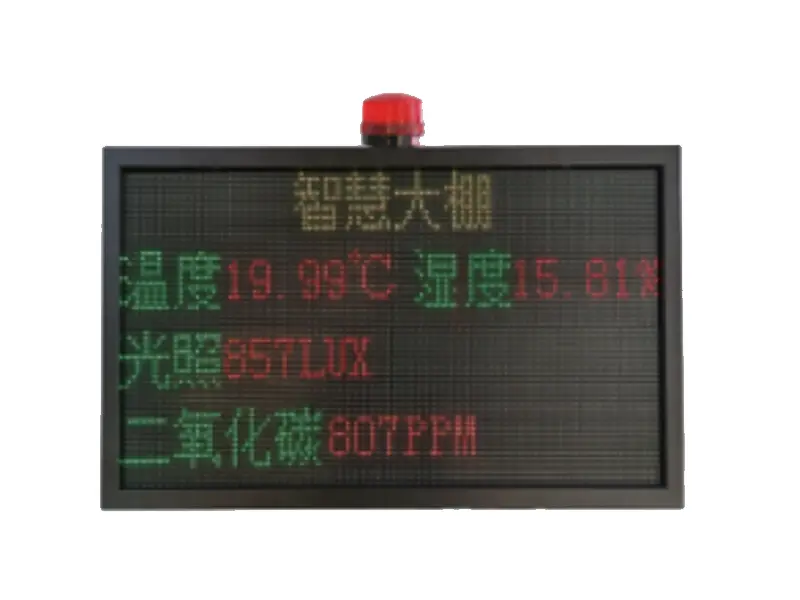
Displays collected measurements and supports data storage and analysis. Threshold alerts are available where supported by the platform.
Spécifications
Technical specifications for the air quality monitoring unit, meteorological sensors, data acquisition and transmission system, power supply, and enclosure protection. Actual configuration depends on the selected sensors and system requirements.
Paramètres
| Catégorie de paramètres | Paramètres spécifiques | Spécifications techniques |
|---|---|---|
| Capteur de qualité de l'air | Plage de mesure des PM2.5 | 0-1000 μg/m³ |
| Plage de mesure des PM10 | 0-2000 μg/m³ | |
| Précision et temps de réponse | Précision : ±10% (0-500μg/m³) ; temps de réponse : ≤10s | |
| Capteur météorologique agricole | Plage de température | -40~60℃, Accuracy: ±0.3℃ |
| Plage d'humidité | 0~100% RH, Précision : ±3% RH | |
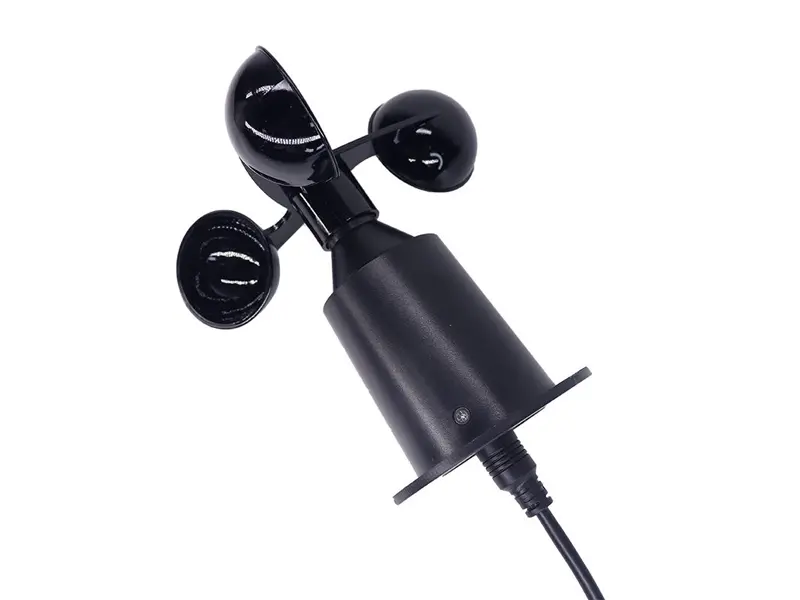
| Plage de vitesse du vent | 0~60 m/s, précision : ±0,3 m/s | |
| Gamme d'éclairage | 0~200000 lx, Précision : ±5% | |
| Transmission des données | Mode et distance de transmission | 4G/RS485 ; distance de transmission sans fil : ≥1000m (zone ouverte) |
| Alimentation électrique | Panneau solaire et batterie | Panneau solaire : 20W ; Batterie de stockage : 12V/10Ah, supporte 7-10 jours de travail sans surveillance |
| Environnement de travail | Température et niveau de protection | Température de fonctionnement : -40℃ ~ +85℃ ; Niveau de protection : IP65 |
Final system configuration and pricing depend on the selected sensors, monitoring parameters, installation conditions, power supply, and data transmission requirements; please contact us with your project requirements for a tailored quotation.
Caractéristiques de la surveillance de la qualité de l'air dans les exploitations agricoles
Integrated Air Quality Monitoring
Combines particulate matter and selected gas measurements with local weather data.
Configurable Sensor Parameters
Selects air quality and meteorological sensors according to monitoring requirements.
Environmental Data Analysis
Helps track air quality variations alongside changes in local weather conditions.
Flexible Data Transmission
Supports compatible communication methods based on site connectivity and system requirements.
Adaptable Site Installation
Accommodates different mounting structures and power options for site conditions.
Centralized Data Management
Enables measurement viewing and data storage through a compatible monitoring platform.
Applications of Integrated Farm Weather and Air Quality Monitoring
Integrated farm weather and air quality monitoring combines particulate matter or selected gas measurements with local meteorological data. Sensor selection depends on the agricultural environment, target pollutants, and monitoring objectives.
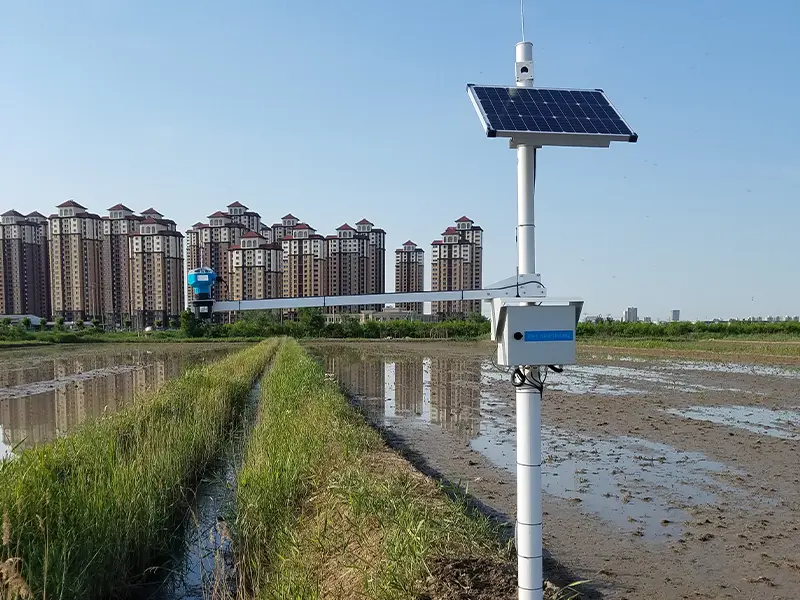
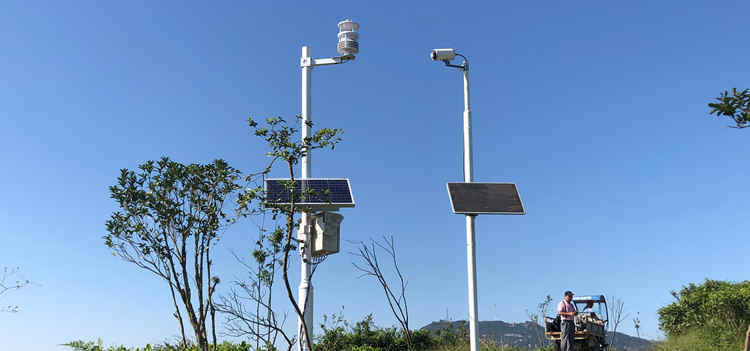
Surveillance des cultures en plein champ
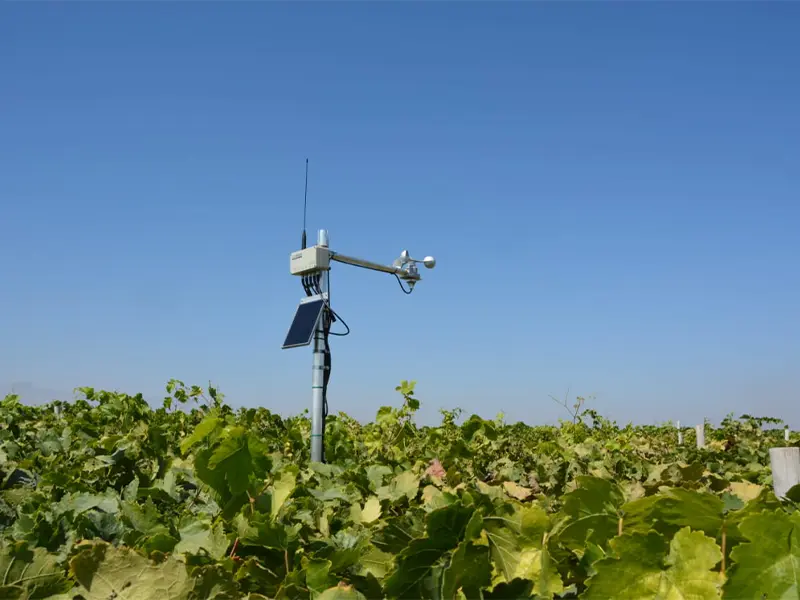
Tracks PM2.5 and PM10 alongside wind speed and direction to monitor airborne dust and assess its movement across open farmland.
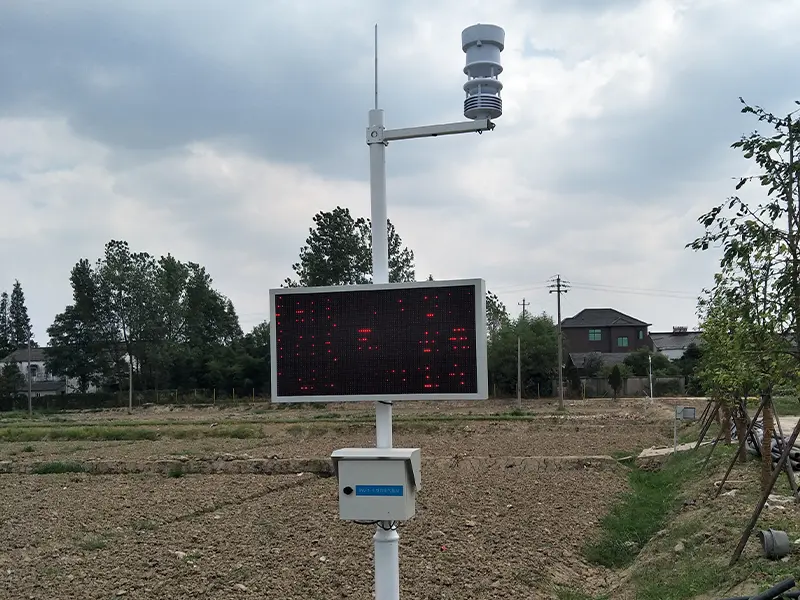
Livestock Farms and Surrounding Areas
Monitors selected gases and particulate matter alongside wind conditions to help assess changes in air quality around livestock facilities and nearby agricultural land.
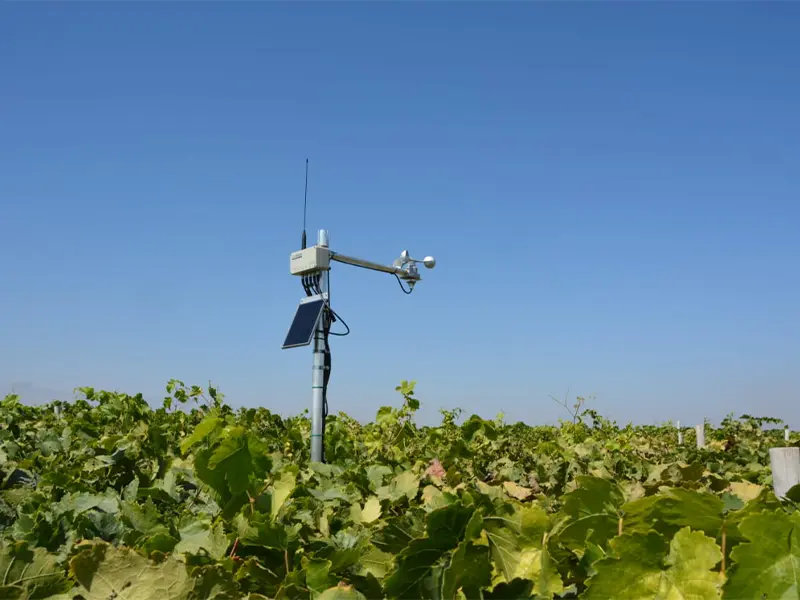
Orchards and High-Value Crop Production
Records particulate matter and local weather conditions to support long-term environmental monitoring in orchards, tea plantations, and other specialty crop areas.
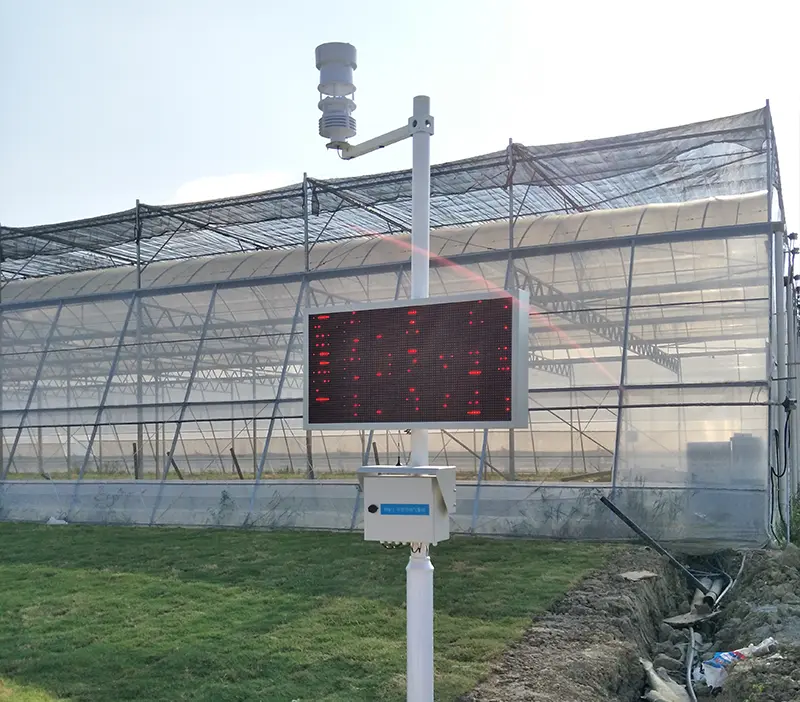
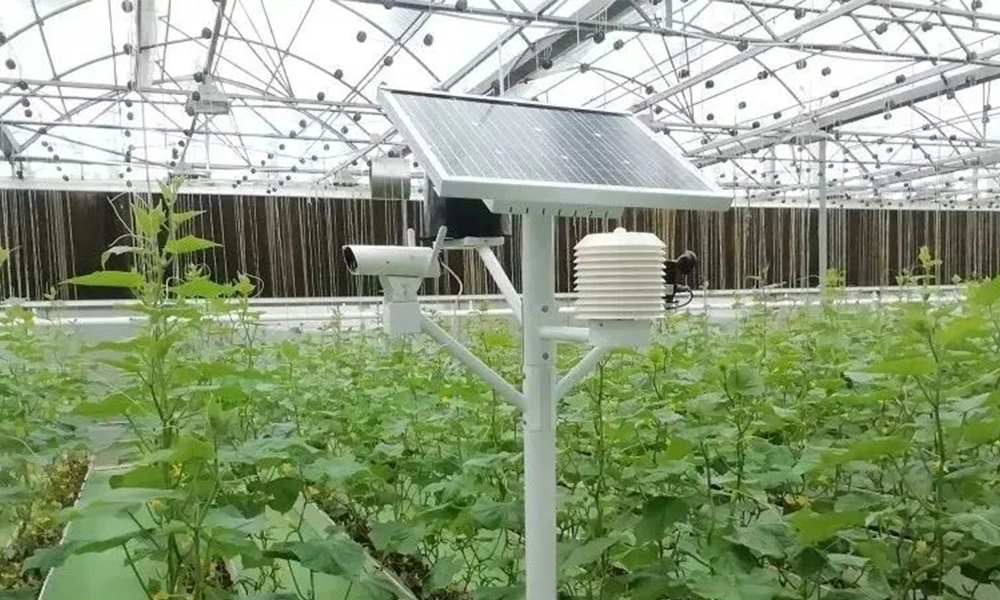
Greenhouses and Agricultural Research
Combines temperature, humidity, and selected air quality measurements to document indoor growing conditions or support controlled agricultural field studies.
Cas
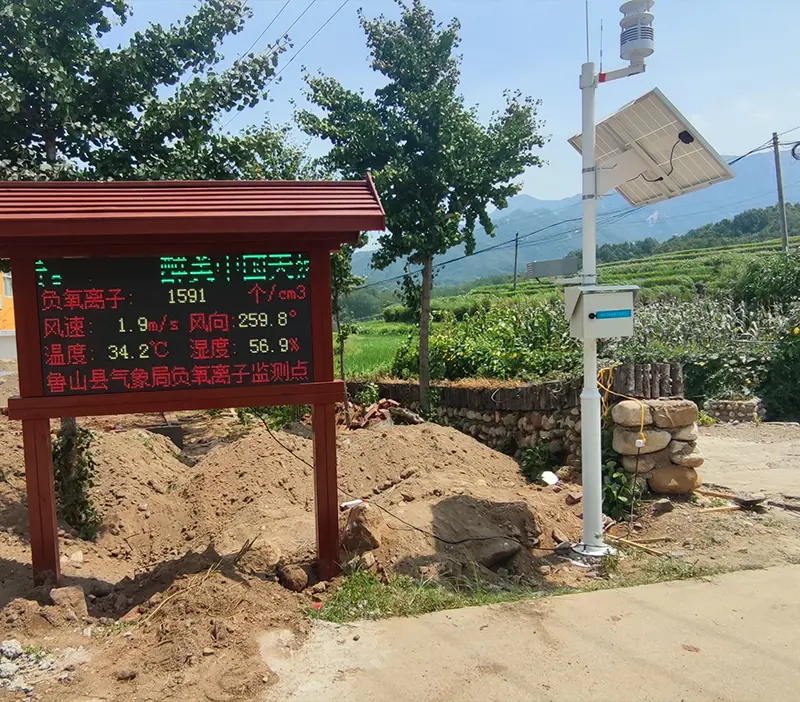
The Sanmenxia Negative Air Ion Monitoring System Project demonstrates Yantai Sensor’s experience in integrating atmospheric environmental monitoring with meteorological data collection. This type of integrated approach is relevant to agricultural projects that need to monitor air quality indicators alongside local weather conditions. Depending on the application, air quality sensors and meteorological sensors can be selected to match specific monitoring objectives, site conditions, and data collection requirements.
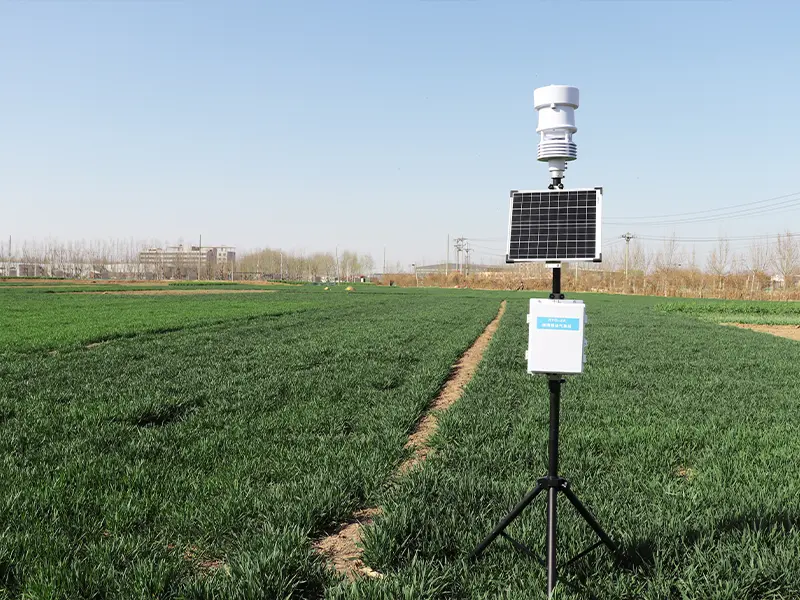
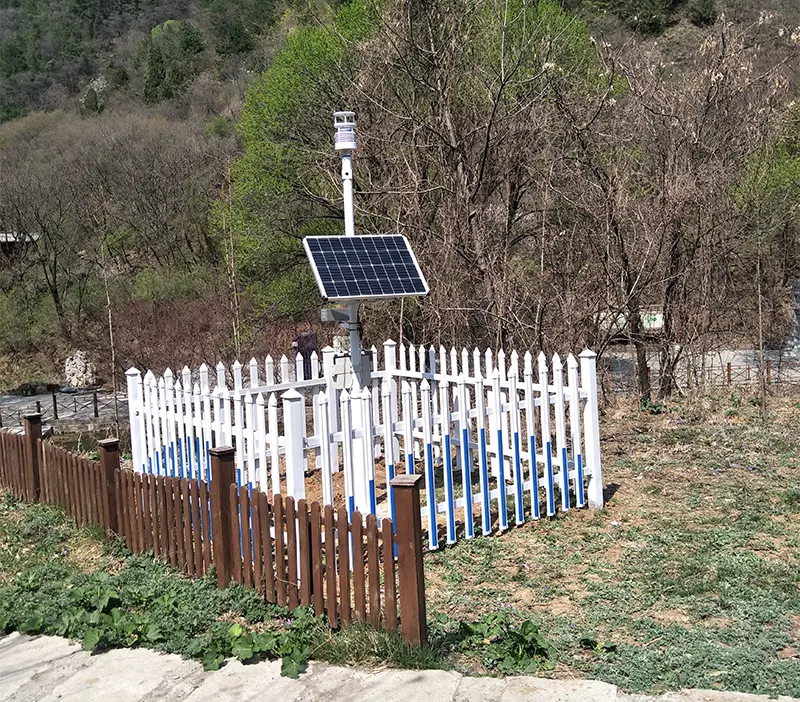
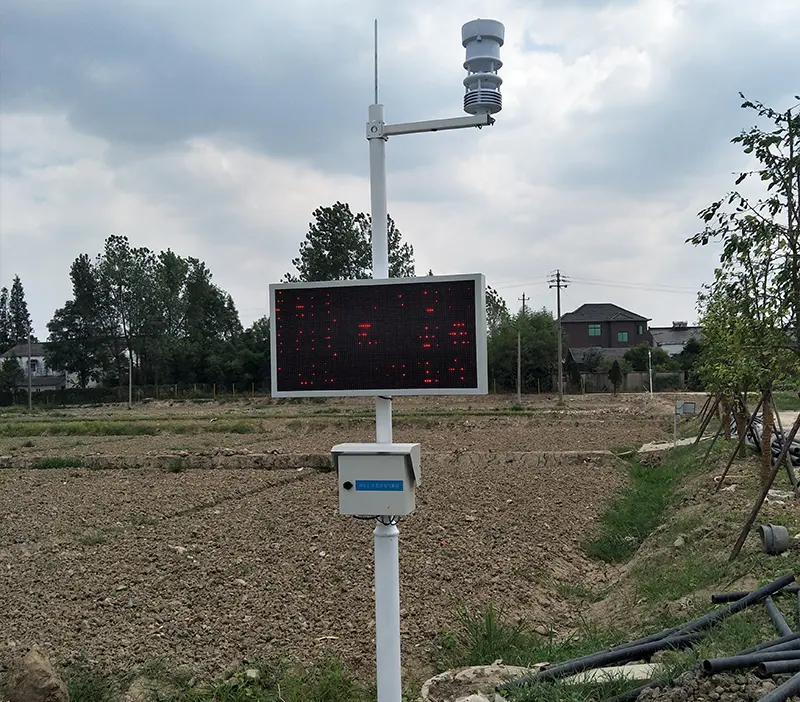
système intelligent de surveillance de la qualité de l'air dans l'agriculture sur mesure
Every agricultural project has different monitoring objectives, site conditions, and infrastructure requirements. Yantai Sensor can tailor air quality and meteorological sensor configurations, communication methods, power supplies, and mounting structures to suit your application. Whether you are monitoring open fields, greenhouses, orchards, or livestock facilities, share your target parameters, installation environment, data transmission requirements, and power conditions so we can recommend a suitable configuration.
Options de personnalisation
- Air Quality Sensors: Select PM2.5, PM10, and other supported gas sensors according to monitoring requirements.
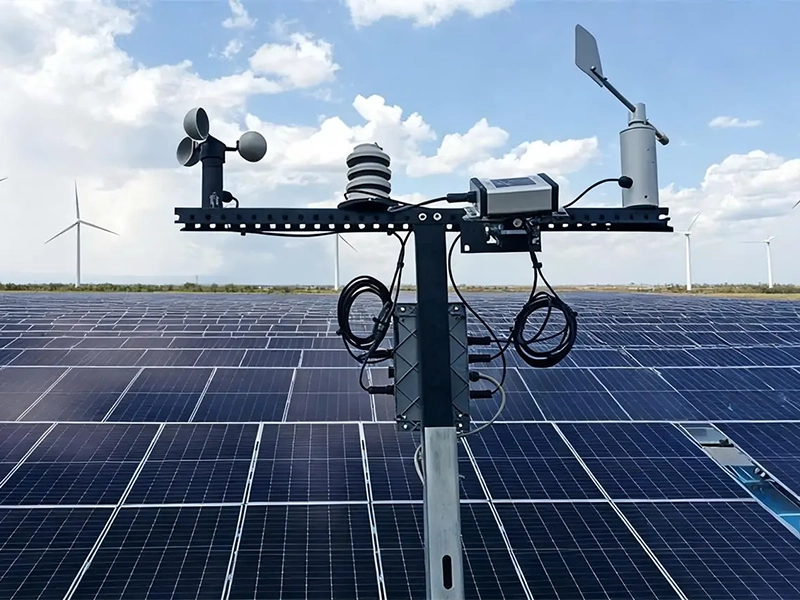
- Meteorological Sensors: Configure temperature, humidity, wind speed, wind direction, rainfall, and other required parameters.
- Transmission des données : Confirm compatible communication interfaces and transmission methods for the project.
- Alimentation électrique : Specify the available power source and whether solar power is required.
- Mounting and Protection: Define installation structures and environmental protection requirements according to site conditions.
- Data Management: Specify data display, storage, remote access, and other required functions for compatibility review.
- OEM and ODM: Discuss branding and product customization requirements where applicable.
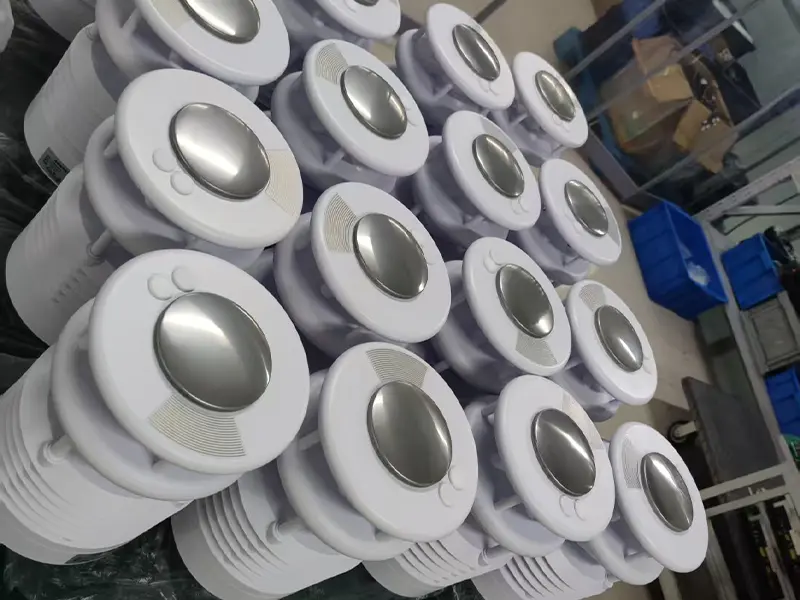
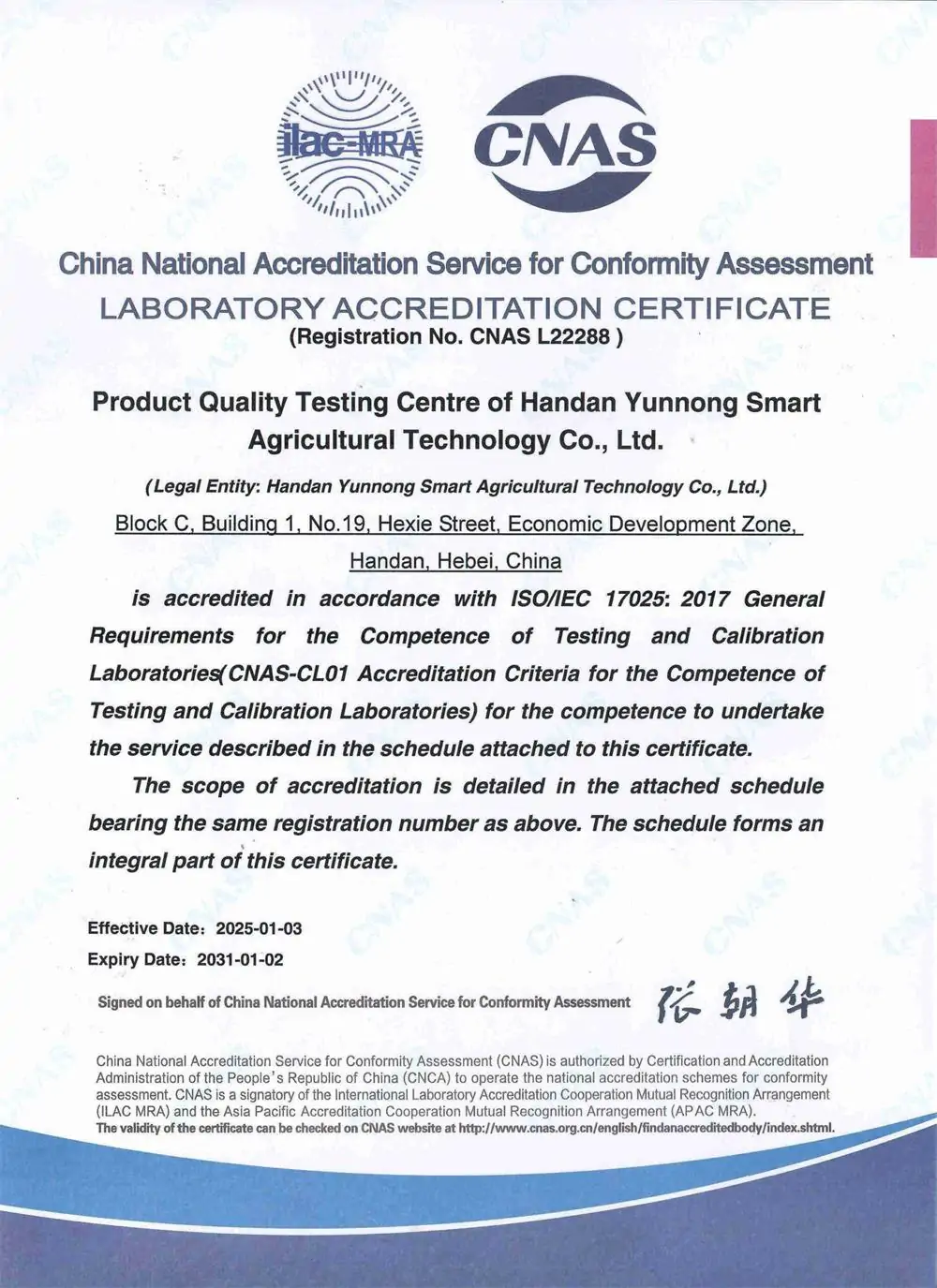

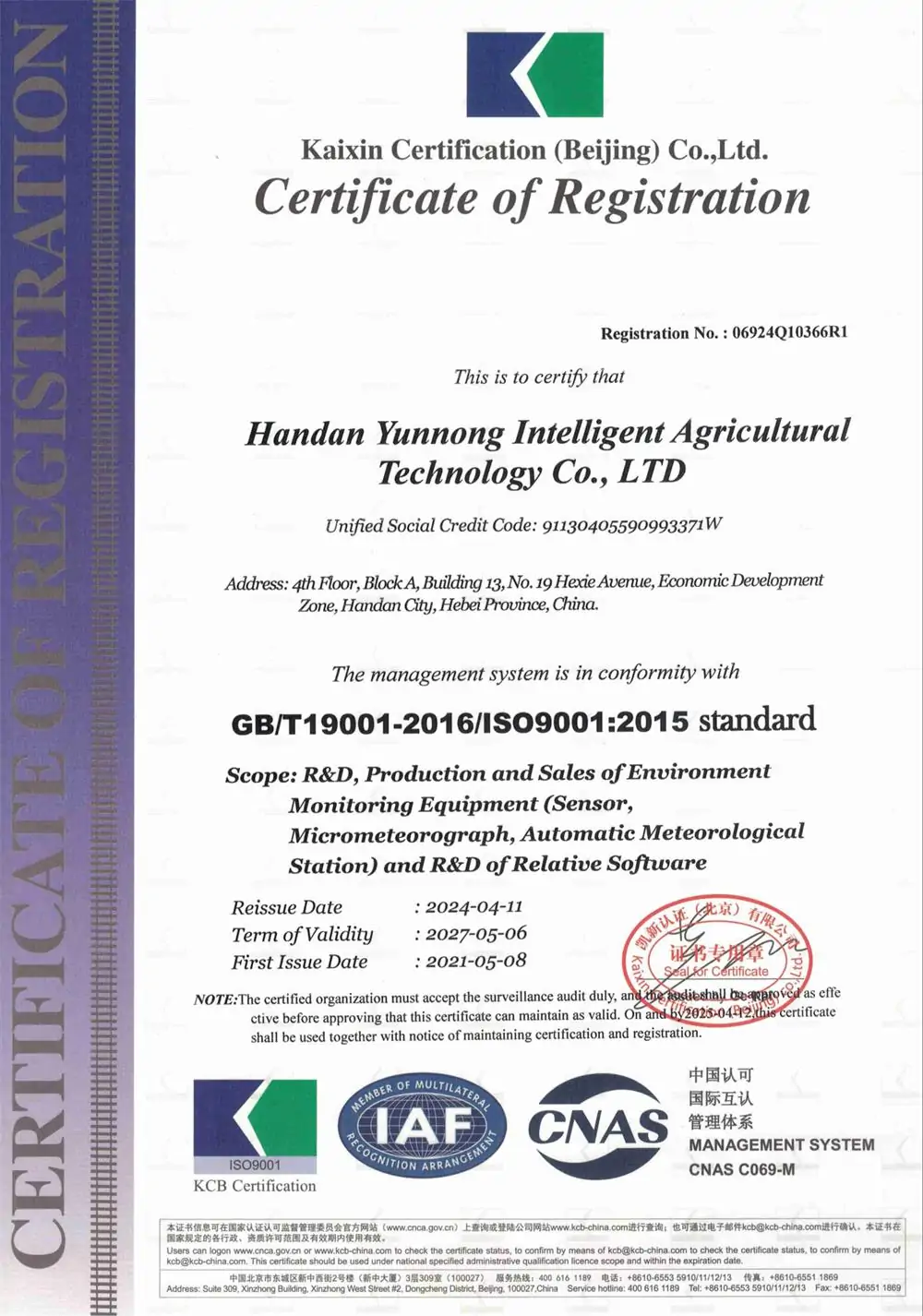

Fabricant et fournisseur de stations météorologiques agricoles avec capteurs de qualité de l'air
Yantai Sensor provides farm weather station systems integrated with air quality sensors for agricultural environmental monitoring. The system combines selected air quality measurements, such as PM2.5 and PM10, with local meteorological data to help users monitor changes in airborne particles alongside weather conditions. Sensor configuration can be adapted to the monitoring needs of open fields, orchards, greenhouses, and livestock facilities.
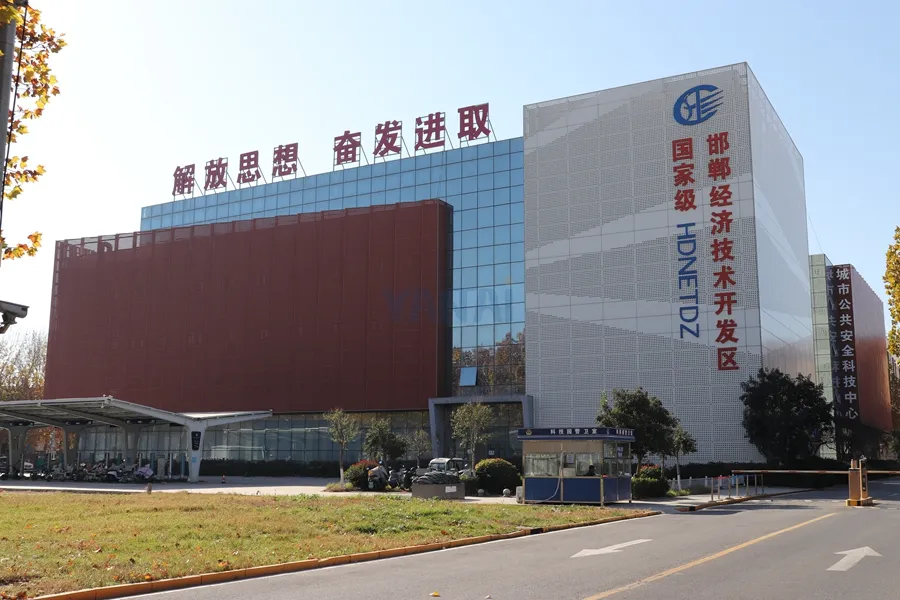
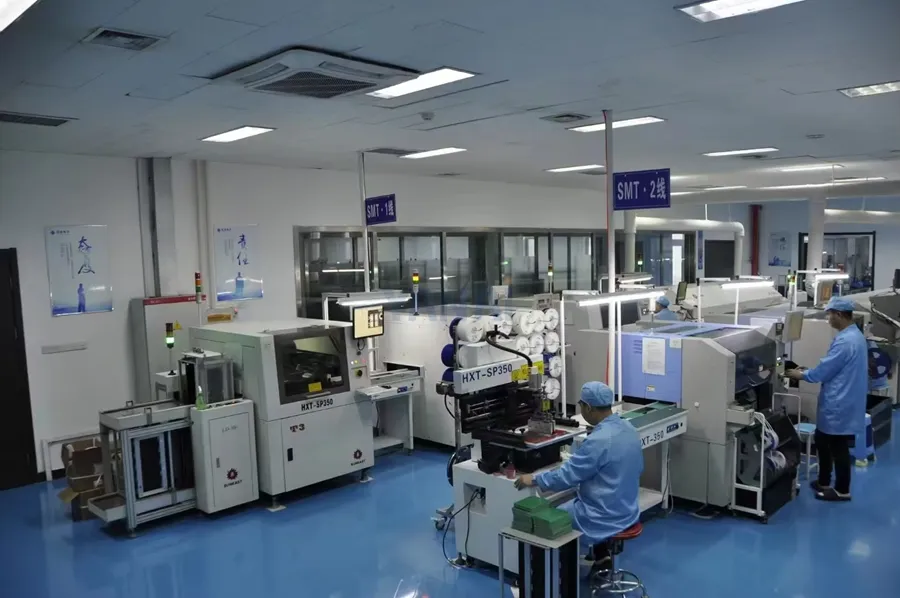
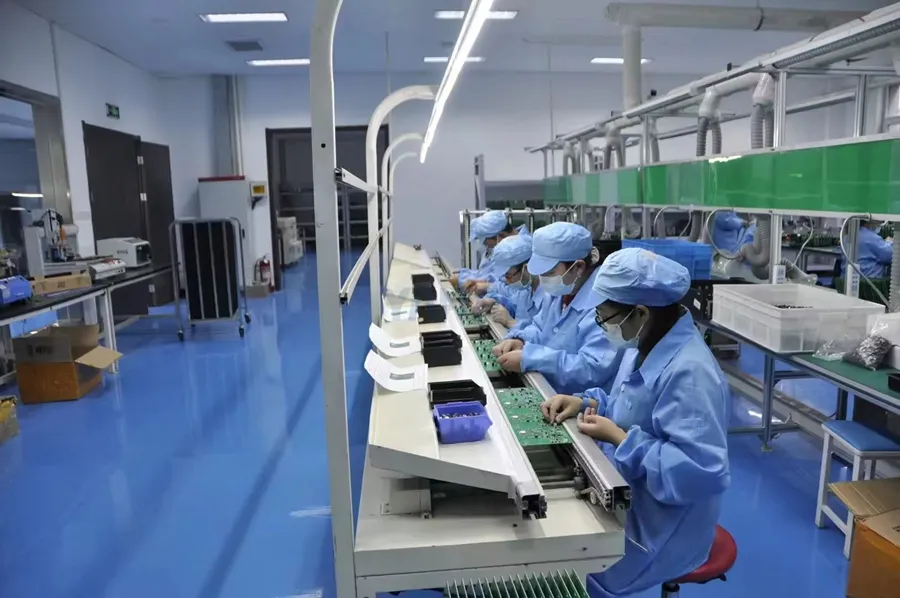
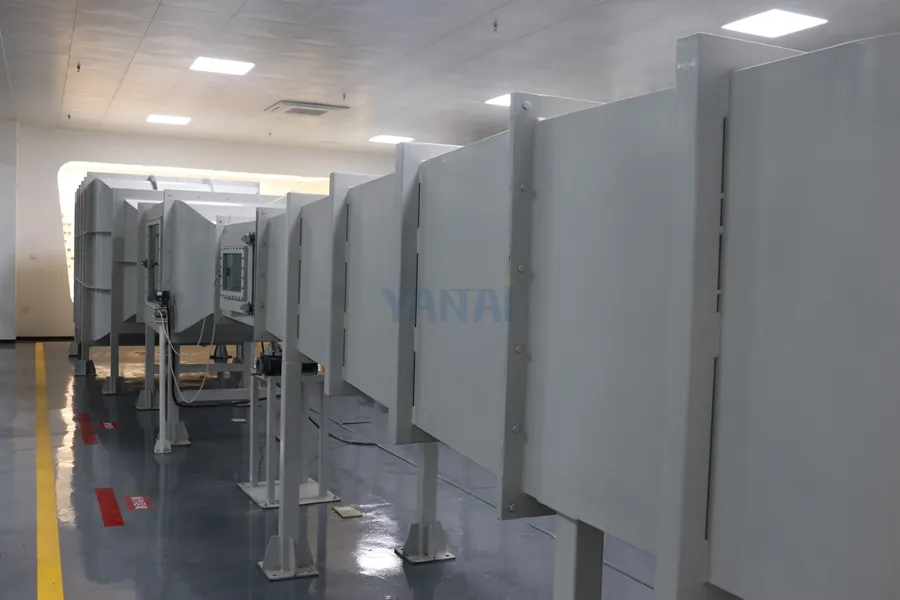
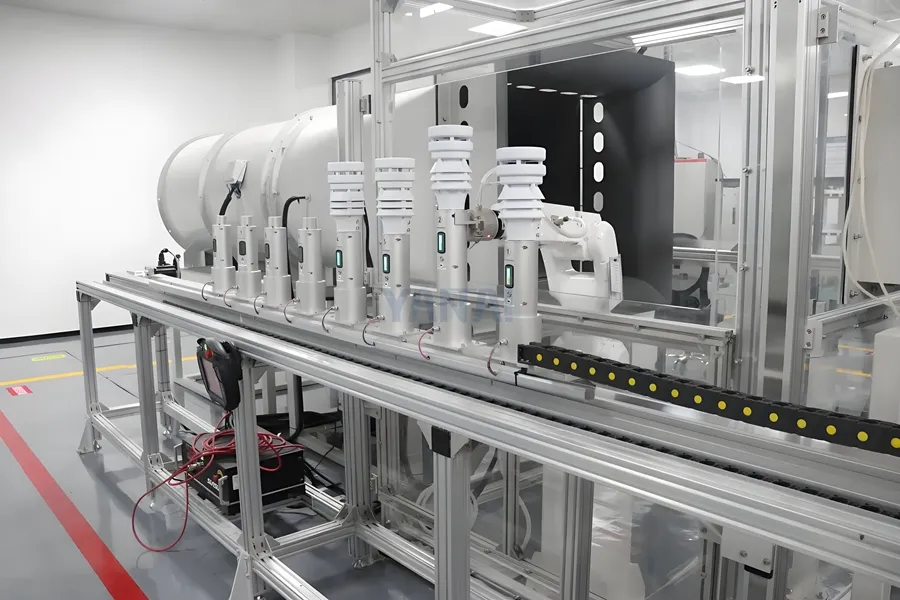
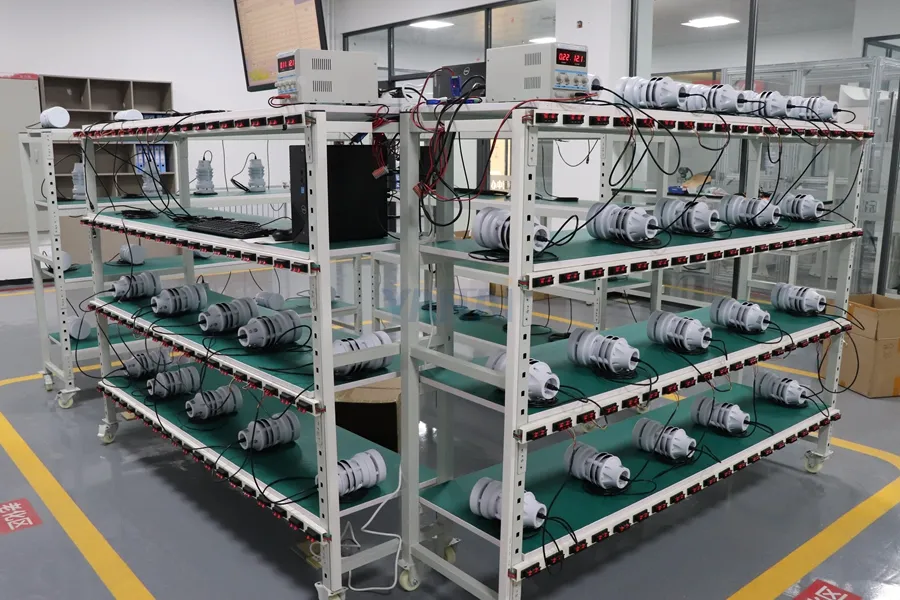
As a manufacturer and supplier, Yantai Sensor supports project-specific sensor selection, data transmission options, power supply, and installation configurations. The monitoring parameters and system setup depend on the application requirements and selected components. For more information about our company and capabilities, visit À propos de Yantai Sensor ou contacter notre équipe to discuss your project.