Introduction
L'énergie solaire est devenue un élément important de la transition mondiale vers les énergies renouvelables, mais la lumière du soleil disponible pour les systèmes photovoltaïques est plus complexe qu'il n'y paraît. Comprendre la différence entre GHI, DNI et DHI est essentiel pour appréhender la distribution et la mesure du rayonnement solaire, car ces trois paramètres décrivent différentes composantes de la lumière solaire atteignant la surface terrestre.
Dans la vie quotidienne, nous percevons la lumière du soleil comme une source d'énergie unique, mais le rayonnement solaire change en permanence en raison de la position du soleil, des conditions atmosphériques, de la couverture nuageuse et des variations météorologiques. Pour les ingénieurs solaires et les exploitants de centrales photovoltaïques, comprendre ces différences permet d'améliorer l'évaluation des ressources solaires, la prévision énergétique et la précision de l'analyse des performances des systèmes photovoltaïques. Si vous souhaitez savoir ce qu'est un capteur solaire, cliquez sur l'article.
Que sont le GHI, le DNI et le DHI dans l'énergie solaire ?
Le rayonnement solaire atteignant la surface terrestre est généralement divisé en trois composantes principales : le GHI (rayonnement global horizontal), le DNI (rayonnement direct normal) et le DHI (rayonnement diffus horizontal). Ces paramètres décrivent différentes formes de rayonnement solaire et sont largement utilisés pour l'évaluation des ressources solaires et l'analyse des systèmes photovoltaïques.
- GHI (rayonnement global horizontal) : le rayonnement solaire total reçu sur une surface horizontale, incluant le rayonnement direct et le rayonnement diffus.
- DNI (rayonnement direct normal) : le rayonnement solaire direct reçu sur une surface perpendiculaire aux rayons du soleil.
- DHI (rayonnement diffus horizontal) : le rayonnement solaire diffusé par l'atmosphère et reçu sur une surface horizontale.
La relation entre ces trois paramètres est la suivante : GHI = DNI × cos(θz) + DHI
où θz représente l'angle zénithal solaire, c'est-à-dire l'angle entre les rayons du soleil et la direction verticale.
Cette formule montre que le GHI se compose de deux éléments : le rayonnement solaire direct et le rayonnement solaire diffus. Par conséquent, le GHI est couramment utilisé comme indicateur clé pour l'évaluation générale des ressources solaires, tandis que le DNI et le DHI fournissent des informations plus détaillées sur l'intensité du rayonnement direct et les conditions de diffusion atmosphérique.
Qu'est-ce que le rayonnement global horizontal (GHI) ?
Définition du GHI
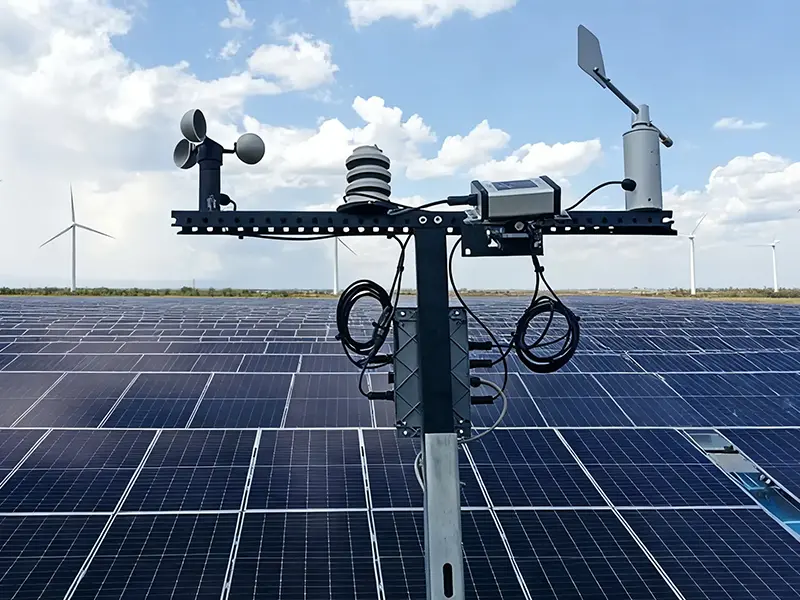
Irradiance horizontale globale (GHI) Le GHI désigne le rayonnement solaire total reçu sur une surface horizontale provenant de l'ensemble du ciel. C'est un paramètre de mesure important utilisé pour décrire les conditions de rayonnement solaire à un emplacement donné.
Dans les applications d'énergie solaire, les données de rayonnement global horizontal aident les ingénieurs à évaluer la disponibilité des ressources solaires et à comprendre la quantité de rayonnement solaire atteignant le sol. La valeur du GHI mesurée change en continu en fonction des conditions environnementales, notamment la position du soleil, la couverture nuageuse, les particules atmosphériques et les variations saisonnières. Par conséquent, un suivi précis et continu du GHI est essentiel pour obtenir des données fiables sur les ressources solaires.
Comment le GHI est-il mesuré ?
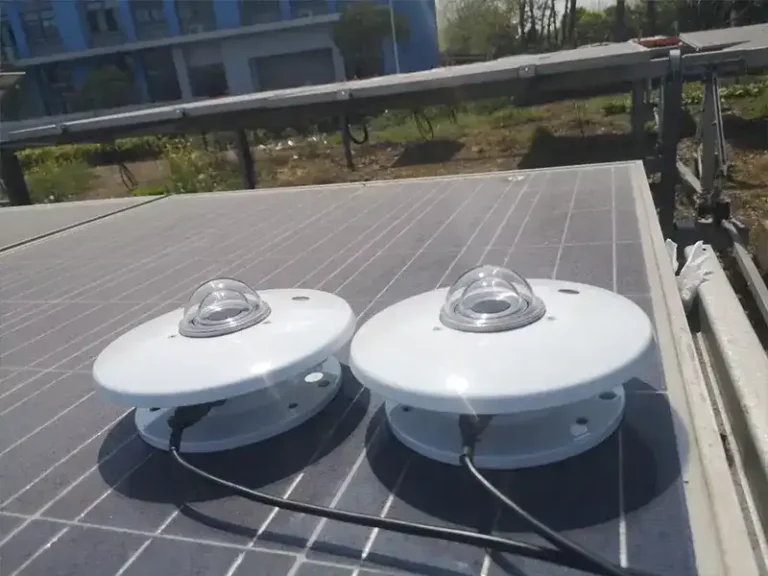
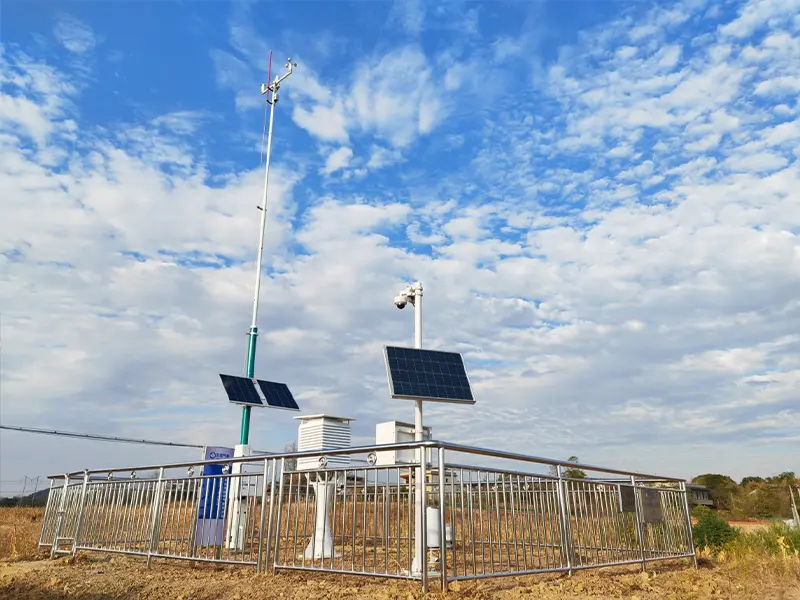
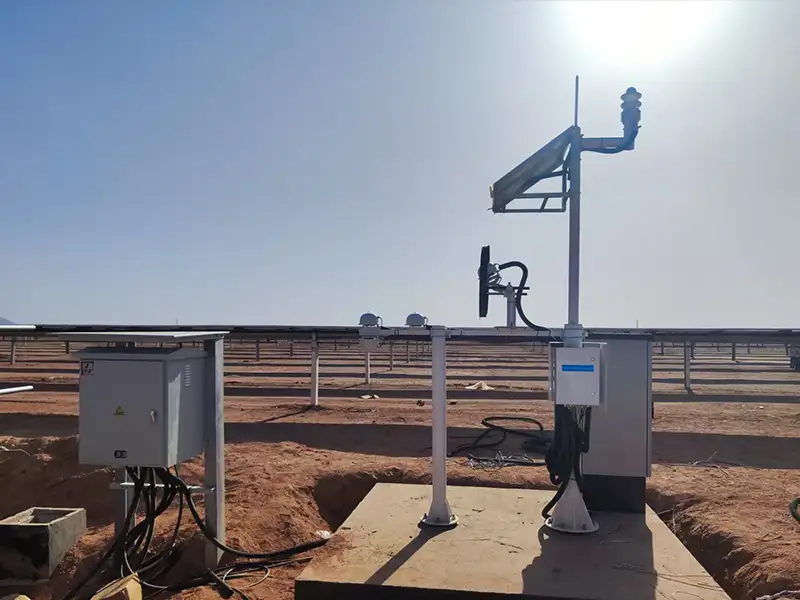
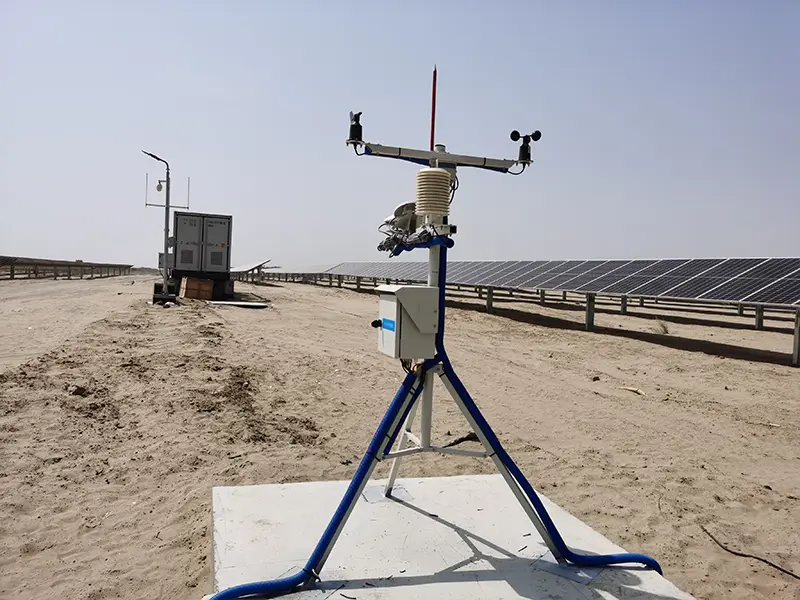
Le GHI est généralement mesuré à l'aide d'un pyranomètre ou d'un capteur de rayonnement solaire installé sur une surface horizontale avec une vue dégagée sur le ciel.
Un système de mesure du GHI fiable nécessite :
- Un champ de vision de 180° pour capturer le rayonnement solaire provenant de l'ensemble de l'hémisphère céleste.
- Une réponse cosinus pour maintenir la précision de mesure lorsque la lumière du soleil atteint le capteur sous différents angles.
- Une installation horizontale pour garantir que la mesure correspond à la définition du rayonnement global horizontal.
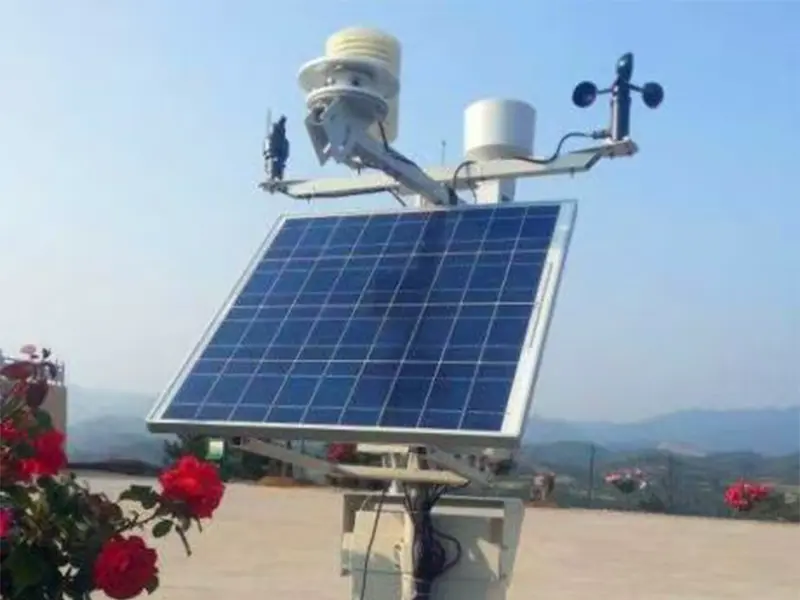
Dans les applications de surveillance photovoltaïque, les capteurs de GHI sont souvent intégrés à des stations météorologiques ou à des systèmes d'acquisition de données pour collecter en continu les données de rayonnement solaire. Combinées à d'autres paramètres environnementaux, tels que la température, l'humidité et la vitesse du vent, les données collectées permettent une évaluation précise des ressources solaires et une analyse des systèmes photovoltaïques.
Pourquoi le GHI est-il important pour les systèmes photovoltaïques ?
Le rayonnement global horizontal est l'un des paramètres de rayonnement solaire les plus importants tout au long du cycle de vie des projets photovoltaïques. Avant la construction d'une centrale photovoltaïque, les développeurs analysent les données de GHI à long terme pour évaluer le potentiel solaire, comparer différents sites et estimer la production d'énergie attendue.
Pendant la conception et l'exploitation du système, les données de GHI sont utilisées dans les modèles de simulation photovoltaïque pour prédire le rendement énergétique annuel et optimiser la configuration du système. La surveillance du GHI en temps réel améliore également la précision des prévisions de production solaire, aidant les exploitants à gérer les fluctuations liées aux conditions météorologiques et à maintenir une production d'énergie stable.
En comparant les données de rayonnement mesurées à la production d'électricité réelle, les exploitants de centrales photovoltaïques peuvent identifier les pertes de performance, évaluer l'efficacité du système et optimiser les stratégies d'exploitation et de maintenance.
Qu'est-ce que le rayonnement direct normal (DNI) ?
Définition du DNI
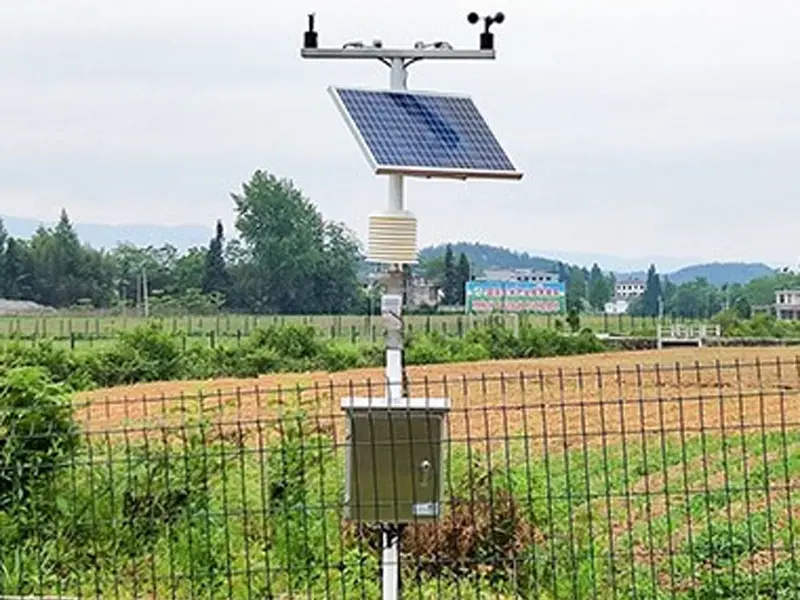
Le rayonnement direct normal (DNI) désigne la quantité de rayonnement solaire direct reçu sur une surface perpendiculaire à la direction de la lumière du soleil. Il mesure uniquement le faisceau de rayonnement direct provenant du soleil et n'inclut pas le rayonnement diffusé par l'atmosphère ni le rayonnement réfléchi par les surfaces environnantes.
Le DNI représente l'intensité de la lumière solaire directe disponible à un emplacement spécifique et constitue un paramètre important pour l'évaluation des ressources solaires dans les applications qui dépendent du rayonnement solaire concentré ou suivi. La valeur mesurée est affectée par les conditions atmosphériques, notamment la couverture nuageuse, les aérosols, l'humidité et la pollution de l'air, qui peuvent réduire la quantité de lumière solaire directe atteignant le sol.
Comment le DNI est-il mesuré ?
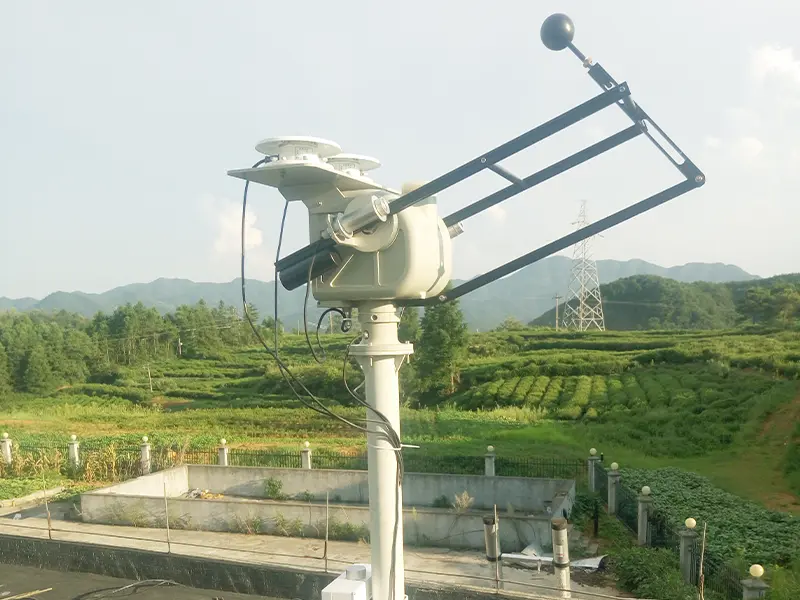
La mesure du DNI nécessite un équipement spécialisé car le capteur doit toujours être aligné avec la direction de la lumière du soleil pour capturer avec précision le rayonnement solaire direct. Contrairement à la mesure du GHI, qui utilise une installation horizontale fixe, la mesure du DNI nécessite un suivi continu du mouvement du soleil. Si vous souhaitez en savoir plus sur comment mesurer avec précision l'irradiance normale directe (DNI), veuillez cliquer ici pour lire l'article.
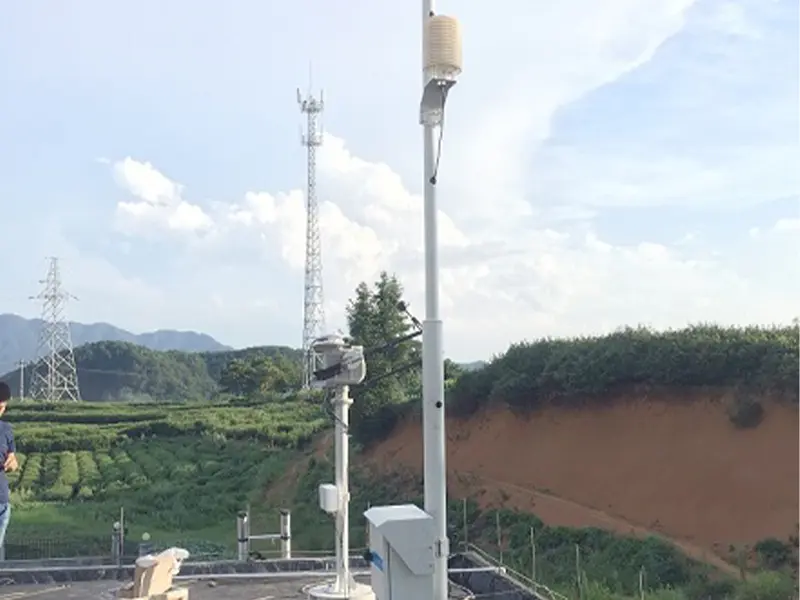
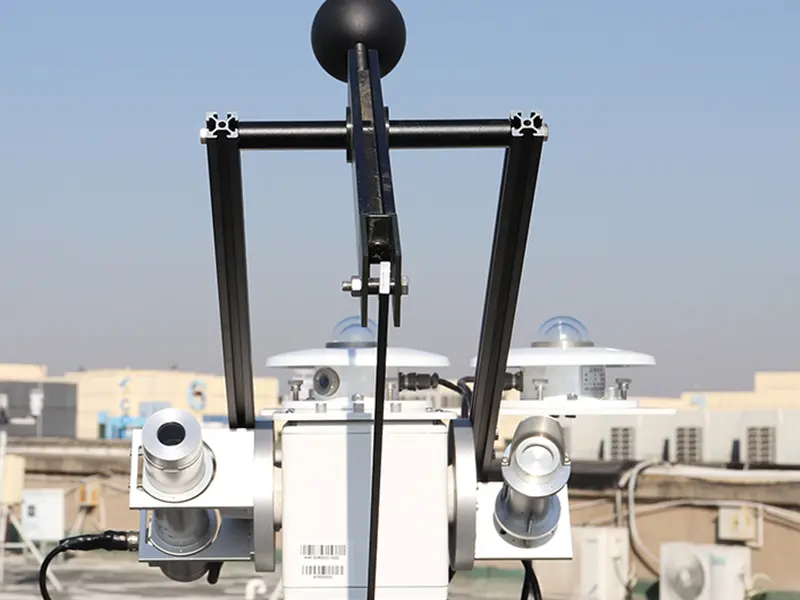
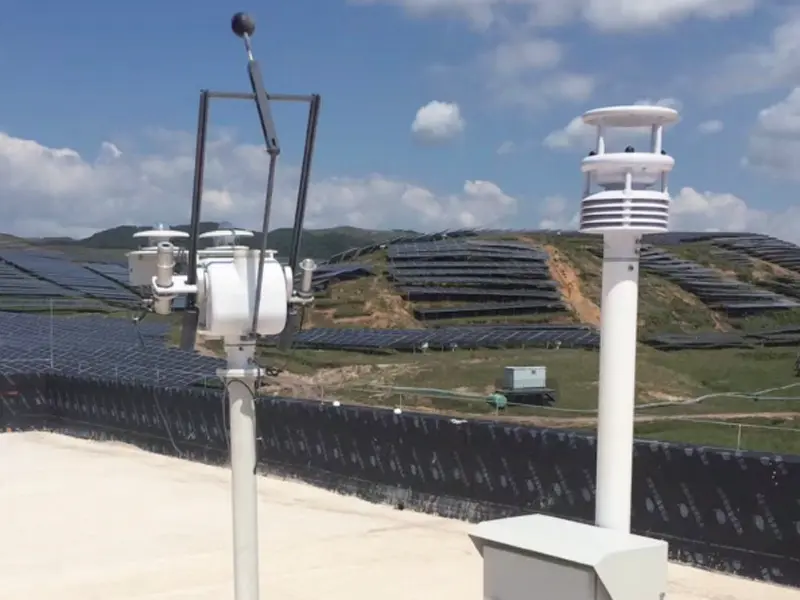
Un système typique de mesure du rayonnement direct normal se compose d'un pyrhéliomètre et d'un traqueur solaire. Le pyrhéliomètre est utilisé pour mesurer l'intensité du rayonnement solaire direct, tandis que le traqueur solaire ajuste automatiquement la position du capteur pour le maintenir pointé directement vers le soleil tout au long de la journée.
Une mesure précise du DNI dépend d'un alignement précis et d'une performance de suivi stable. Le capteur doit rester perpendiculaire au rayonnement solaire incident pour éviter les erreurs de mesure causées par les variations de la position du soleil. En raison de ces exigences, les systèmes de mesure du DNI sont plus complexes que les systèmes standard de surveillance du rayonnement solaire, mais fournissent des données critiques pour les applications d'énergie solaire directe.Si vous souhaitez en savoir plus sur la façon de mesurer l'irradiance solaire pour les systèmes photovoltaïques, cliquez sur l'article.
Applications de la mesure du DNI
Le DNI est particulièrement important pour les technologies solaires qui dépendent du rayonnement solaire direct plutôt que du rayonnement solaire total. Des données précises de DNI aident les ingénieurs à évaluer si un site est adapté à l'utilisation de l'énergie solaire directe et à optimiser les performances du système.
Énergie solaire à concentration (CSP)
Le DNI est le paramètre de ressource solaire le plus important pour les systèmes d'énergie solaire à concentration. Les technologies CSP utilisent des miroirs ou des lentilles pour concentrer le rayonnement solaire direct et le convertir en énergie thermique à haute température pour la production d'électricité. Étant donné que le rayonnement diffus ne peut pas être concentré efficacement, les zones présentant des valeurs élevées d'irradiance normale directe sont plus adaptées au développement de la CSP.
Systèmes solaires thermiques
Les systèmes solaires thermiques dépendent du rayonnement solaire direct pour collecter et convertir l'énergie solaire en chaleur. Les mesures de DNI aident à évaluer les ressources solaires disponibles, à soutenir la conception des systèmes et à améliorer les prévisions de production d'énergie pour les applications de chauffage solaire.
Systèmes solaires à suivi
Le DNI est également précieux pour les systèmes solaires équipés de mécanismes de suivi. En suivant le mouvement du soleil, les systèmes de suivi peuvent capter davantage de rayonnement solaire direct, en particulier dans les régions à niveaux élevés de rayonnement direct. Les données de DNI aident à déterminer les avantages potentiels du suivi solaire et soutiennent l'évaluation des performances.
Qu'est-ce que l'irradiance horizontale diffuse (DHI) ?
Définition du DHI
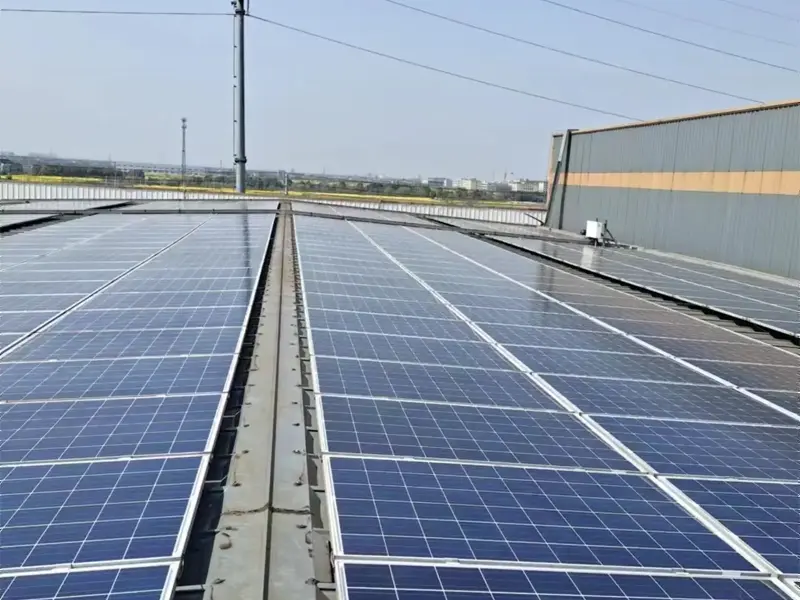
L'irradiance horizontale diffuse (DHI) désigne le rayonnement solaire reçu sur une surface horizontale après que la lumière du soleil a été diffusée par l'atmosphère. Contrairement au rayonnement solaire direct qui voyage directement du soleil, le DHI provient de la lumière solaire diffusée par les nuages, les molécules d'air, les aérosols et d'autres particules atmosphériques.
Le DHI représente la composante diffuse du rayonnement solaire provenant de l'ensemble de la voûte céleste, à l'exclusion du faisceau solaire direct. Sa valeur varie en fonction des conditions environnementales telles que la couverture nuageuse, la transparence atmosphérique, la qualité de l'air et les variations saisonnières, ce qui en fait un paramètre important pour comprendre les caractéristiques locales du rayonnement solaire.
Comment le DHI est-il mesuré ?
La mesure de l'irradiance horizontale diffuse nécessite de séparer le rayonnement diffus de la lumière solaire directe afin que seul le rayonnement diffusé provenant du ciel soit capté. L'approche la plus courante consiste à utiliser un pyranomètre ombragé, qui mesure le rayonnement solaire sur une surface horizontale tout en bloquant le faisceau solaire direct.
Un système typique de mesure du DHI combine un pyranomètre avec un dispositif d'ombrage ou un mécanisme d'ombrage à suivi solaire. Le système d'ombrage bloque en continu le trajet direct du soleil tout en permettant au rayonnement diffus provenant du ciel environnant d'atteindre le capteur. Étant donné qu'une mesure précise du DHI dépend d'un ombrage précis et d'un positionnement stable, un étalonnage et une installation appropriés sont essentiels pour obtenir des données fiables sur le rayonnement diffus.
Pourquoi le DHI est-il important ?
Le DHI fournit des informations précieuses sur les conditions de diffusion atmosphérique et constitue un paramètre important pour l'évaluation des ressources solaires et la modélisation des systèmes photovoltaïques. En analysant le rayonnement diffus, les ingénieurs peuvent mieux comprendre comment les conditions environnementales affectent l'énergie solaire disponible à un emplacement donné.
La couverture nuageuse, les aérosols et les changements atmosphériques peuvent influencer considérablement la quantité de rayonnement diffus atteignant le sol. La surveillance continue du DHI aide les exploitants solaires à évaluer les impacts météorologiques, à analyser les variations des régimes de rayonnement solaire et à améliorer la précision des évaluations des ressources solaires.
Pour les systèmes photovoltaïques, en particulier les panneaux solaires inclinés et les modèles de simulation PV avancés, des données DHI précises aident à estimer le rayonnement diffus reçu par les modules solaires. Combinées à d'autres paramètres de rayonnement solaire, les mesures d'éclairement horizontal diffus améliorent les calculs de rendement énergétique, renforcent les prévisions de performance PV et soutiennent une conception et une exploitation plus fiables des systèmes.
GHI vs DNI vs DHI : principales différences
Le GHI, le DNI et le DHI représentent différentes composantes du rayonnement solaire atteignant le sol. Le GHI mesure le rayonnement solaire total sur une surface horizontale, le DNI mesure la lumière directe du soleil perpendiculaire aux rayons solaires, et le DHI mesure le rayonnement solaire diffusé provenant du ciel. Ensemble, ces trois paramètres offrent une compréhension complète des ressources solaires pour les systèmes photovoltaïques et les applications d'énergie solaire.
Les principales différences entre le GHI, le DNI et le DHI peuvent être résumées en fonction de leur direction de mesure, du type de rayonnement, de l'équipement requis et des applications typiques.
| Paramètres | GHI | DNI | DHI |
| Nom complet | Éclairement horizontal global | Éclairement normal direct | Éclairement horizontal diffus |
| Surface de mesure | Plan horizontal | Surface perpendiculaire à la lumière du soleil | Plan horizontal |
| Type de rayonnement | Rayonnement direct + diffus | Rayonnement direct uniquement | Rayonnement diffus uniquement |
| Principal dispositif de mesure | Pyranomètre | Pyrhéliomètre avec suiveur solaire | Pyranomètre ombragé |
| Méthode de mesure | Mesure horizontale fixe | Mesure du rayonnement direct avec suivi solaire | Mesure du rayonnement diffus après blocage de la lumière directe du soleil |
| Applications principales | Évaluation des ressources PV, estimation du rendement énergétique, surveillance solaire | Systèmes CSP, systèmes solaires thermiques, systèmes solaires à suivi | Modélisation PV, analyse météorologique, évaluation des ressources solaires |
| Unités courantes | W/m², kWh/m² | W/m², kWh/m² | W/m², kWh/m² |
Relation entre le GHI, le DNI et le DHI
Bien que le GHI, le DNI et le DHI représentent différentes composantes du rayonnement solaire, ils sont étroitement liés et fournissent ensemble une image complète des conditions d'énergie solaire à un emplacement donné. Les valeurs mesurées sont influencées par les conditions atmosphériques lors de la transmission de la lumière solaire, notamment la couverture nuageuse, l'absorption atmosphérique et la concentration d'aérosols.
Dans la surveillance solaire pratique, la proportion entre rayonnement direct et diffus peut révéler les caractéristiques météorologiques locales. Une valeur DNI plus élevée indique généralement des conditions atmosphériques plus claires avec une lumière directe du soleil plus intense, tandis qu'un DHI accru reflète souvent une plus grande diffusion atmosphérique causée par les nuages, la brume ou les particules dans l'air.
Pour les systèmes photovoltaïques, l'analyse conjointe de ces paramètres fournit une évaluation des performances plus fiable que l'utilisation d'une seule valeur d'irradiance. Combinées aux mesures d'irradiance dans le plan du générateur (POA), les données GHI, DNI et DHI contribuent à améliorer l'estimation du rendement énergétique PV, la précision de la modélisation des systèmes et l'analyse des performances à long terme.
Pourquoi la mesure de l'irradiance solaire est-elle importante pour les systèmes PV ?
Des données précises d'irradiance solaire constituent une référence importante pour le développement et l'exploitation de projets photovoltaïques. De l'évaluation d'un site potentiel à la vérification des performances réelles du système, des mesures d'irradiance fiables aident les ingénieurs à comprendre si un système PV fonctionne dans des conditions solaires attendues et où des améliorations peuvent être nécessaires. Si vous souhaitez en savoir plus sur les meilleurs capteurs de rayonnement solaire pour les systèmes de surveillance PV, cliquez sur l'article.
Évaluation du site solaire
Avant de construire un projet photovoltaïque, les développeurs ont besoin de données de rayonnement solaire à long terme pour comprendre le potentiel énergétique d'un emplacement. Des mesures telles que le GHI, le DNI et le DHI aident à évaluer les ressources solaires locales, à comparer différents sites et à estimer la production d'énergie possible avant de prendre des décisions d'investissement.
En pratique, les données solaires historiques sont souvent plus précieuses que les observations météorologiques à court terme, car les projets PV fonctionnent généralement pendant des décennies. Des enregistrements d'irradiance fiables fournissent une base plus précise pour le dimensionnement du système, la planification de l'installation et l'estimation du rendement énergétique.
Surveillance des performances PV
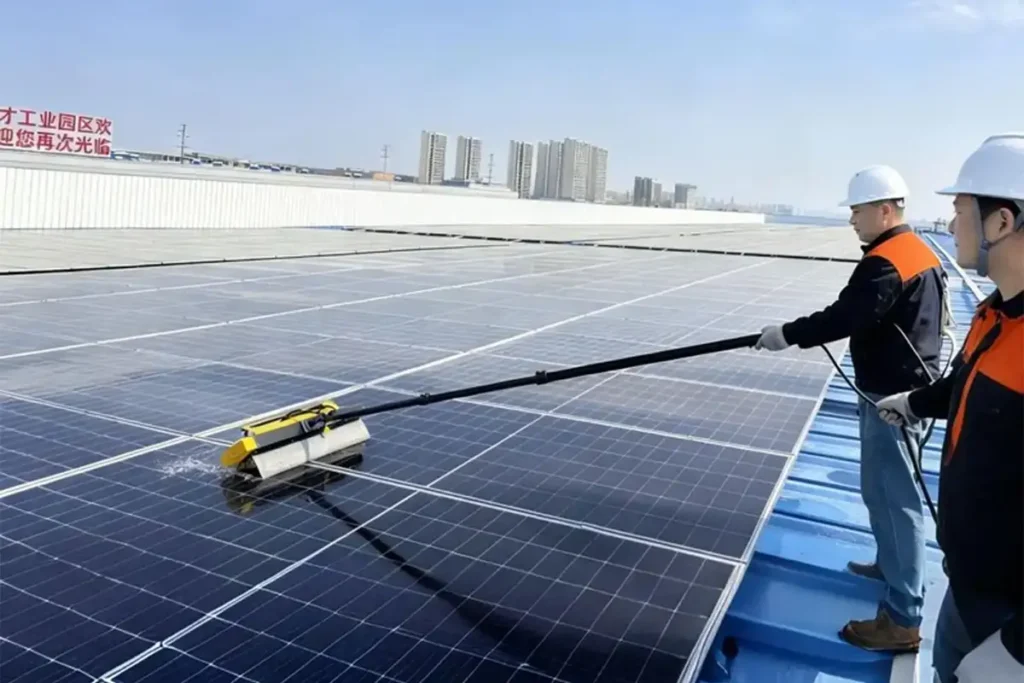
Pendant l'exploitation du système PV, la mesure de l'irradiance solaire aide les exploitants à déterminer si les variations de la production d'énergie sont causées par les conditions météorologiques ou par de réels problèmes du système. En comparant l'irradiance mesurée avec les données de production d'énergie, les exploitants peuvent identifier des problèmes potentiels tels que l'ombrage, la dégradation des performances des modules ou les anomalies des onduleurs.
D'après notre expérience avec les applications de surveillance solaire, un problème courant est qu'une faible production d'énergie ne signifie pas toujours une défaillance de l'équipement. Sans données d'irradiance précises comme référence, il est difficile de distinguer une journée nuageuse d'un véritable problème de performance du système. La surveillance continue fournit les informations supplémentaires nécessaires pour des décisions d'exploitation et de maintenance plus efficaces.
Prévision solaire
Les données d'irradiance solaire sont également largement utilisées dans la prévision de la production photovoltaïque. Combinées à des paramètres environnementaux tels que la température, l'humidité et la vitesse du vent, les mesures d'irradiance contribuent à améliorer la précision des prévisions dans des conditions météorologiques changeantes.
Pour les grandes centrales PV, des prévisions plus précises permettent aux exploitants de mieux gérer les fluctuations de puissance, de soutenir la stabilité du réseau et d'améliorer la planification de l'énergie renouvelable.
Comment le GHI, le DNI et le DHI sont-ils mesurés dans les systèmes de surveillance solaire ?
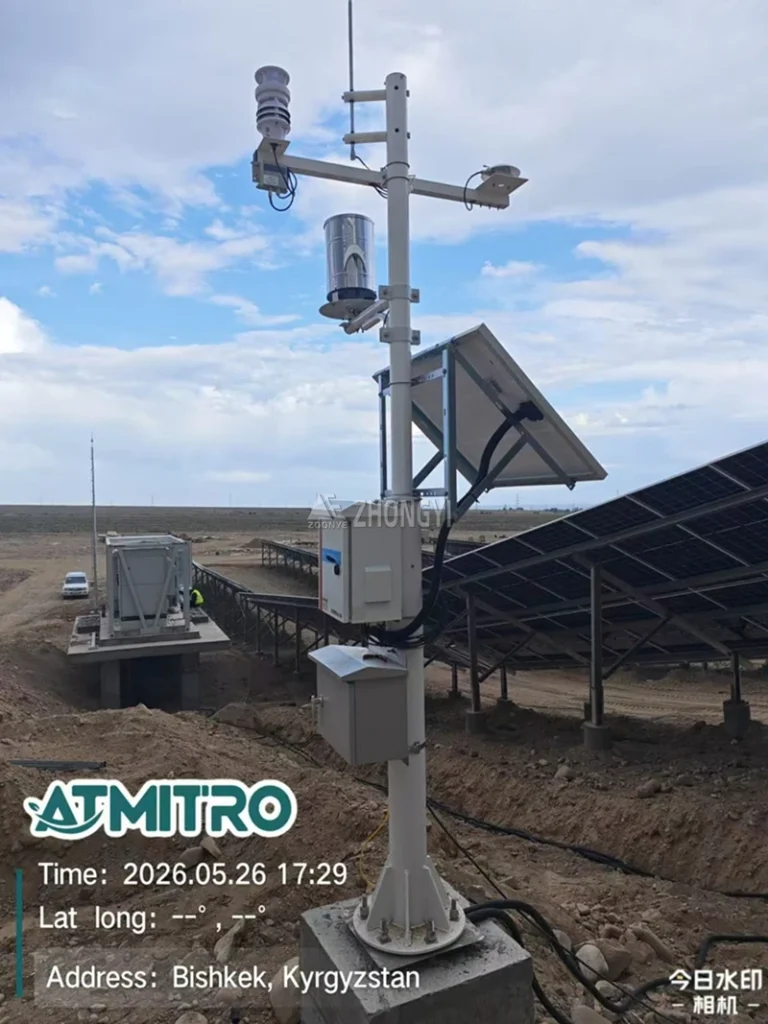
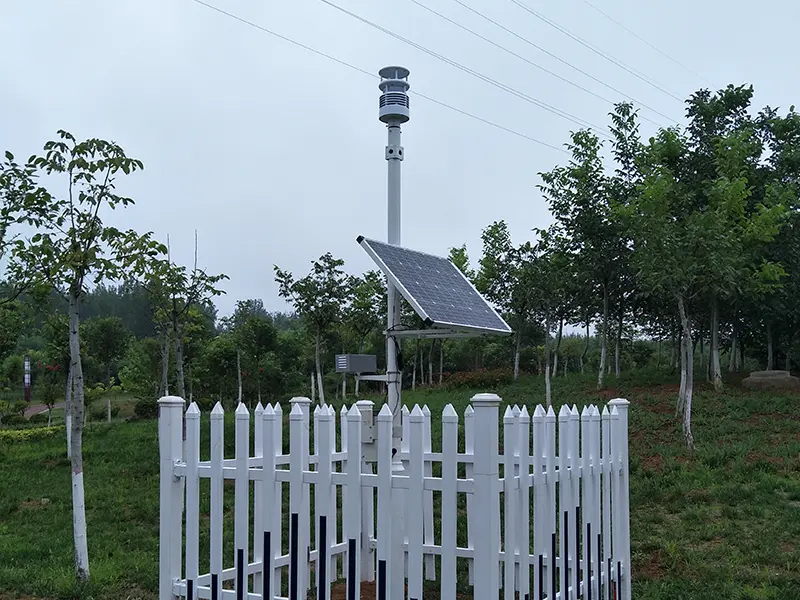
Dans les systèmes de surveillance solaire, le GHI, le DNI et le DHI sont mesurés à l'aide de différentes méthodes de détection basées sur leurs caractéristiques de rayonnement. Le GHI est généralement mesuré avec un capteur de rayonnement solaire horizontal, tandis que le DNI et le DHI nécessitent des approches de mesure plus spécialisées, telles que le suivi solaire ou des mécanismes d'occultation, afin de séparer les composantes de rayonnement direct et diffus.
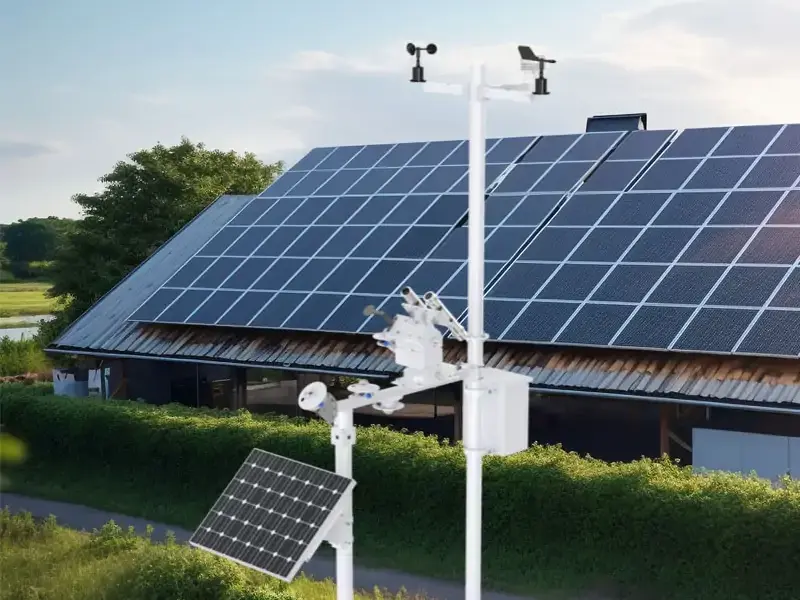
Pour les applications pratiques de surveillance photovoltaïque, les solutions de mesure du rayonnement solaire de Yantai Sensor fournissent une acquisition fiable de données environnementales pour les centrales photovoltaïques, les stations météorologiques et la recherche sur les énergies renouvelables. Le système de surveillance peut collecter des données d'irradiance solaire ainsi que la température, l'humidité, la vitesse du vent et d'autres conditions atmosphériques, puis transmettre les informations via un enregistreur de données vers une plateforme de surveillance pour l'analyse des performances photovoltaïques et la gestion de l'énergie. Une structure système typique comprend : Capteur de rayonnement solaire → Enregistreur de données → Plateforme de surveillance → Système d'analyse photovoltaïque.
Guide de sélection du GHI, du DNI et du DHI pour différentes applications solaires
Différents projets solaires nécessitent différents paramètres d'irradiance en fonction de la conception du système, de la méthode de conversion d'énergie et des objectifs de surveillance. Le choix de la combinaison appropriée de mesures GHI, DNI et DHI contribue à améliorer l'évaluation des ressources solaires, la précision de la simulation des systèmes et l'analyse des performances à long terme.
| Application | Paramètres importants | Pourquoi ces paramètres sont importants |
| Systèmes photovoltaïques en toiture | GHI | Évalue la disponibilité des ressources solaires et soutient l'estimation de l'énergie. |
| Centrales photovoltaïques à grande échelle | Irradiance GHI + POA | Évalue les ressources solaires et le rayonnement réel reçu par les modules photovoltaïques. |
| Centrales solaires à concentration (CSP) | DNI | Mesure la lumière directe du soleil disponible pour la concentration solaire. |
| Stations de recherche solaire | GHI + DNI + DHI | Fournit des données complètes sur le rayonnement solaire pour l'analyse et la modélisation. |
| Stations de surveillance météorologique | GHI + DHI | Surveille les conditions solaires et les variations de diffusion atmosphérique. |
Pour la plupart des projets photovoltaïques, le GHI est le point de départ de l'évaluation des ressources solaires, tandis que le DNI et le DHI deviennent plus importants lorsque le projet nécessite une analyse détaillée du rayonnement. Par exemple, les zones à couverture nuageuse fréquente peuvent présenter une contribution plus élevée du rayonnement diffus, ce qui rend le DHI précieux pour améliorer la modélisation des performances photovoltaïques. Les projets utilisant des systèmes de suivi solaire ou des technologies solaires à concentration nécessitent généralement une surveillance plus précise du DNI, car la lumière directe du soleil a un impact plus important sur la production du système.
D'un point de vue pratique de la surveillance, le choix de la combinaison de mesures appropriée doit tenir compte du type de projet, des conditions climatiques locales et de la précision requise des données. Un système de surveillance solaire correctement configuré peut fournir des données plus fiables pour la conception photovoltaïque, l'analyse d'exploitation et l'optimisation future des performances.
Conclusion
Le GHI, le DNI et le DHI sont plus que trois mesures du rayonnement solaire — ils offrent différentes perspectives sur la manière dont l'énergie solaire atteint la surface de la Terre et sur la façon dont elle peut être utilisée dans les projets d'énergie renouvelable. En comprenant la relation entre le rayonnement direct, diffus et total, les ingénieurs peuvent sélectionner des méthodes de surveillance appropriées, améliorer l'évaluation des systèmes photovoltaïques et construire des modèles de prévision énergétique plus fiables.
Dans les projets solaires réels, des données d'irradiance précises constituent la base pour prendre des décisions en toute confiance, de l'évaluation du site et de la conception du système à l'exploitation quotidienne et à l'analyse des performances. Yantai Sensor fournit des solutions de surveillance du rayonnement solaire conçues pour les centrales photovoltaïques, les stations météorologiques et les applications d'énergie renouvelable, aidant les clients à collecter des données environnementales fiables pour une meilleure gestion des systèmes.Contactez Yantai Sensor pour discuter de vos besoins en surveillance solaire et trouver une solution de mesure adaptée à votre projet.