Introduction
A solar PV system can continue operating normally even when a layer of dust has accumulated on the panels. But if energy production starts to fall, how can you tell whether the loss is caused by reduced solar irradiance, high module temperature, weather conditions, or simply soiling on the panel surface? And if dust is the cause, how much energy is actually being lost?
The dust impact on solar panels is not determined by how dirty a module looks. Dust can reduce the sunlight reaching the PV cells and cause uneven surface contamination, while the actual energy loss varies with solar panel dust characteristics, rainfall, wind, module tilt, and site conditions. For solar plant operators, the practical challenge is therefore not just knowing that dust is present, but measuring its impact on PV performance and deciding when cleaning is economically worthwhile. Solar soiling monitoring can provide site-specific data to help evaluate these losses and support more informed O&M decisions.
This article explains how dust affects solar panel performance, what factors influence soiling losses, how dust impact on solar panels can be measured, and how solar panel dust monitoring solutions can help PV operators identify performance losses and make more informed cleaning and maintenance decisions.If you want to learn about the 5 principaux facteurs réduisant l’efficacité des panneaux solaires, cliquez sur l'article.
How Does dust impact on solar panel efficiency?
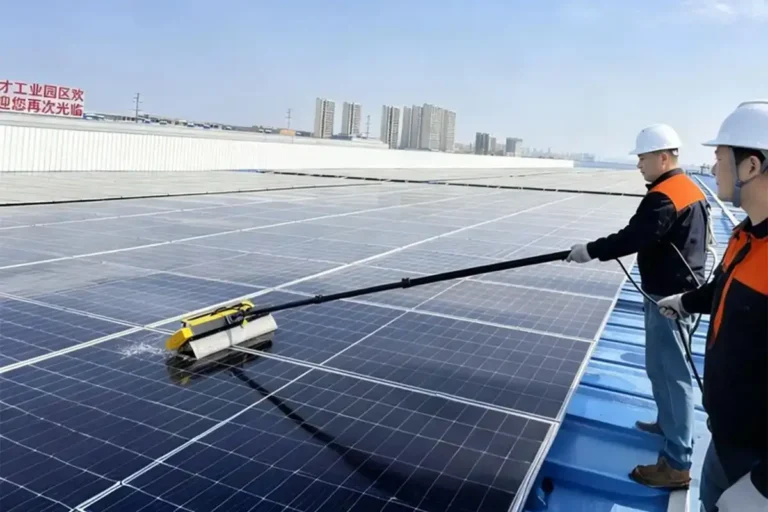
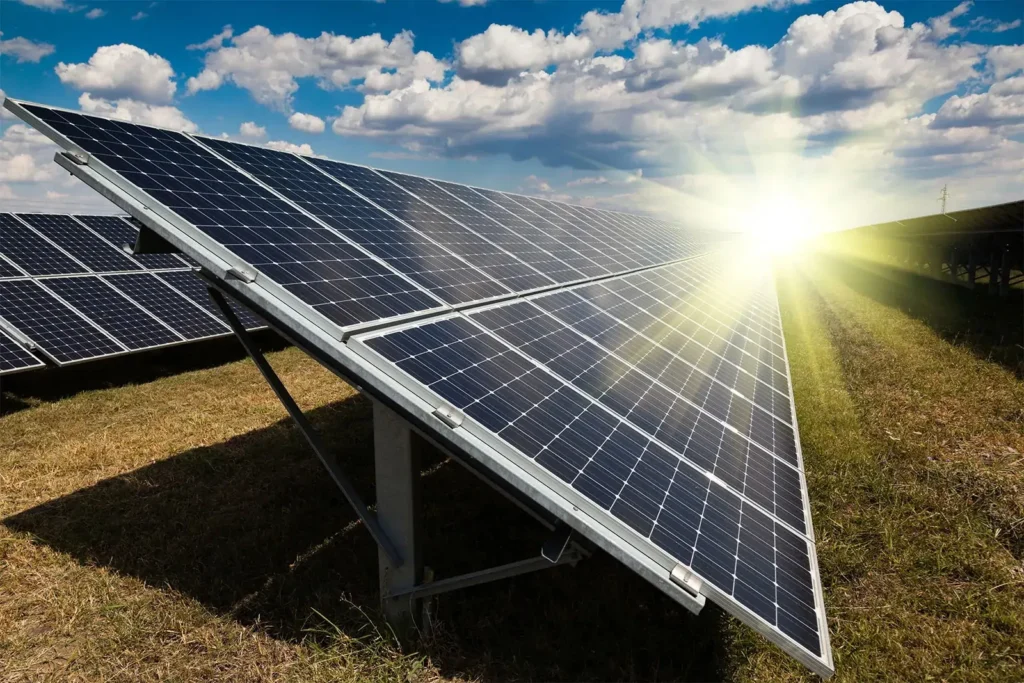
Dust on the front surface of a solar panel reduces the sunlight that reaches the photovoltaic cells. Even a relatively thin layer can interfere with light transmission, while heavier or uneven deposits can create additional electrical problems. Over time, these effects appear as lower module output and reduced energy yield.
The way solar panel dustaffects a PV module is not limited to simple light blockage. Surface deposits can reduce available irradiance, create localized shading, and interact with the module’s operating environment. These effects are especially important when contamination is concentrated on part of a module rather than spread evenly across the surface.
Reduced Sunlight Reaching the PV Cells
The first effect of dust on solar panelsoccurs at the module surface. Dust particles deposited on the front glass absorb, reflect, or scatter part of the incoming solar radiation before it reaches the cells. The cells then receive less usable irradiance, which can reduce electrical output. This is the main reason soiling becomes a direct source of energy loss in operating PV systems.
The amount of light lost is related to the properties and coverage of the deposit. A light, uniform layer may have a relatively small effect at first, while a dense deposit can block considerably more radiation. In practice, the important issue is not simply whether solar panel dust is visible, but how much of the incoming radiation is prevented from reaching the active cell area.
Uneven Dust Can Cause Localized Electrical Losses
Dust rarely settles in a perfectly uniform layer. Bird droppings, mud, leaves, and accumulated particles around the module frame can cover specific sections of the glass. The affected cells receive less sunlight than cells in cleaner areas, creating an uneven current distribution within the module.
This type of contamination is different from uniform soiling across the entire surface. Localized shading can cause electrical mismatch and may place additional stress on affected cells. Under unfavorable conditions, it can also contribute to hot spots. The actual result depends on where the contamination occurs, the cell layout, and the module’s bypass-diode configuration.
solar panel dust Can Affect Module Operating Temperature
Module temperature is another factor when assessing PV output. Cell temperature rises with solar irradiance and is also influenced by ambient temperature, wind, mounting structure, and ventilation around the module. Since PV electrical characteristics change with temperature, a hot module can produce less power even when sunlight levels remain high.
Dust should not be assigned a fixed temperature increase or a fixed percentage of power loss. Its effect varies with the material deposited on the surface and the surrounding weather conditions. In field operation, a drop in output may involve several factors at the same time, including soiling, irradiance and module temperature. Separating these effects is important when evaluating the actual solar panel dust impact on solar panels.
What Factors Determine Dust Accumulation on Solar Panels?
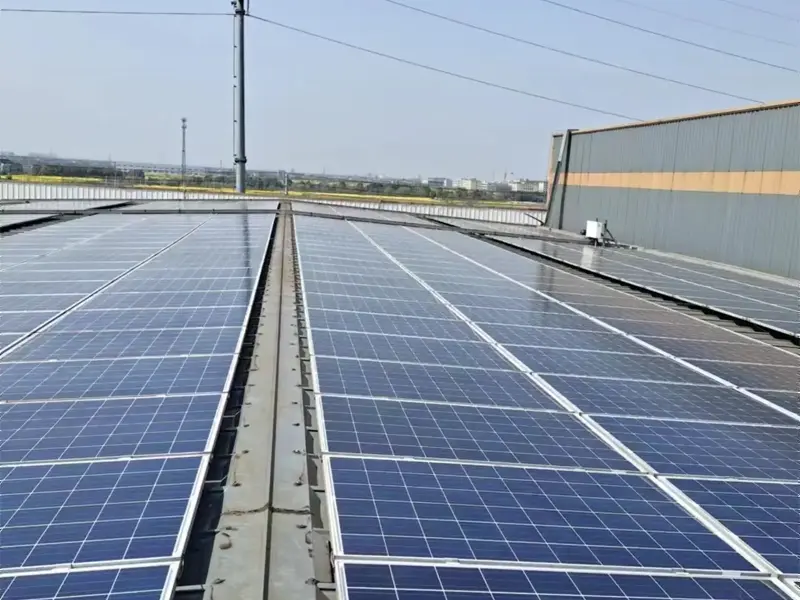
Dust accumulation on solar panels is not the same at every PV site. Dry weather, local dust sources, rainfall, wind exposure, module tilt, and the type of material deposited on the glass all affect how quickly soiling develops. Even within the same region, one plant may need more frequent cleaning than another because of differences in its immediate surroundings.
Climate and Rainfall
Long dry periods usually give airborne particles more time to build up on module surfaces, which is why soiling can become a more significant O&M issue in arid and semi-arid regions. Seasonal rainfall changes this pattern, but rain should not automatically be treated as a cleaning event. Heavy rainfall can wash away loose solar panel dust, while light rain may move particles across the glass and leave residue after the water evaporates. The result depends on rainfall intensity, duration, and the material already present on the module.
Wind, Dust Sources and Local Environment
Wind is one of the main ways dust reaches a PV array, particularly where the site is exposed to bare soil or nearby sources of airborne particles. Desert areas, agricultural land, construction sites, mining operations, highways, and industrial facilities can each produce different types of soiling. A plant beside an unpaved road, for example, may experience a very different accumulation rate from another plant located only a few kilometers away. Coastal sites can also have persistent deposits associated with salt-containing aerosols and humid conditions.
Module Tilt and Installation Conditions
Module tilt affects how easily loose particles remain on the glass and how rainfall flows across the surface. Low-tilt modules may retain more solar panel dust, while a steeper surface can help loose material move downward with rain or gravity. There is no single tilt angle that guarantees low soiling, since the result also depends on latitude, rainfall, wind, tracker configuration, module framing, and drainage. Areas around the lower module edge and frame can be particularly prone to retaining dirty water and accumulated material.
Particle Characteristics and Soiling Type
The material itself also determines how persistent the deposit becomes. Fine mineral dust can form a thin, relatively uniform layer, while clay, mud, industrial particles, agricultural residue, and mixed solar panel dust may adhere differently to the glass. Humidity and repeated wetting and drying can make some deposits harder to remove. Localized contamination such as bird droppings or mud should be considered separately from general dust because a small contaminated area can create much stronger shading than an equally distributed layer of loose particles.
How Much Efficiency Can Solar Panels Lose From Dust?
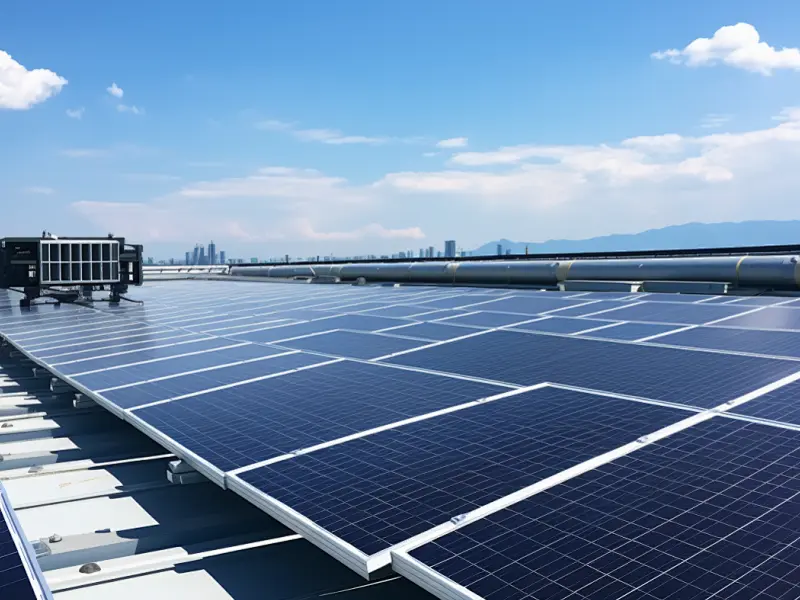
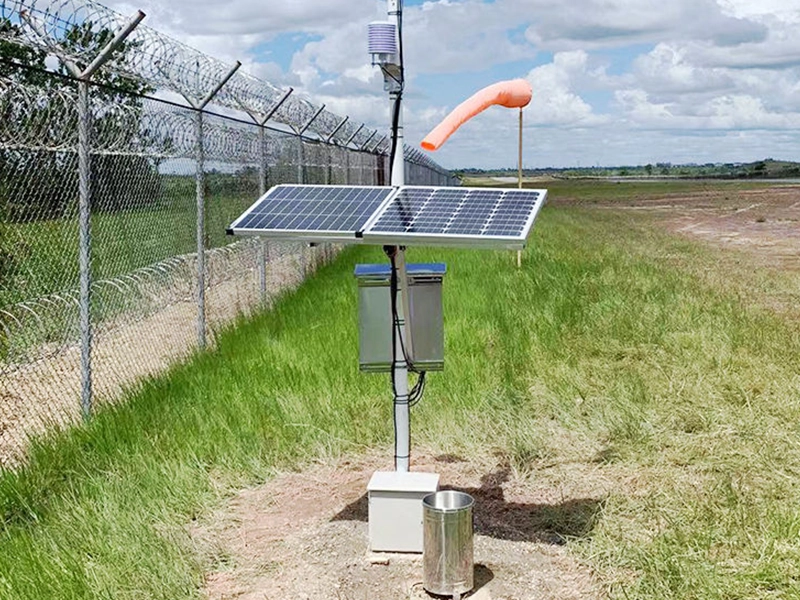
There is no universal percentage of efficiency loss caused by dust. In PV operation, the effect is generally described as soiling loss, referring to the reduction in power output or energy yield caused by material deposited on the module surface. The actual loss varies with dust deposition rate, rainfall, local environment, particle properties, and the time since the last cleaning.
Field studies show substantial differences between PV sites. Research in the Atacama Desert found daily soiling rates ranging from less than 0.05% to more than 0.4% per day at different locations, demonstrating that dust-related losses can develop at very different rates even within the same region. A fixed value such as 5%, 10%, 20%, or 30% therefore cannot represent all PV systems.
| Condition | Typical PV Impact |
| Light surface dust | Small but measurable optical loss |
| Continuous dry deposition | Progressive soiling loss |
| Heavy dust accumulation | Significant reduction in energy yield |
| Localized contamination | Potentially disproportionate electrical impact |
| Dust combined with high temperature | Combined effect on PV output |
| Long periods without cleaning | Increasing cumulative energy loss |
How Can You Measure the Impact of Dust on Solar Panels?
Knowing that a PV module is dusty does not tell you how much energy the soiling is costing. A reliable assessment needs to separate the effect of surface contamination from changes in irradiance, module temperature, weather, and other operating conditions. For this reason, PV soiling assessment focuses on comparing the performance of a clean reference with that of a naturally soiled reference under the same environmental conditions.
Visual Inspection Is Not Enough
Visual inspection is useful for identifying obvious dirt, bird droppings, mud, or uneven deposits, but it cannot provide a reliable value for energy loss. Two modules may look similarly dirty while producing different soiling losses because the deposits differ in coverage, particle properties, or distribution. Conversely, a thin-looking layer may still have a measurable effect on the available solar radiation. A photograph or routine site inspection can therefore identify where contamination exists, but not accurately determine how much PV performance has been lost.
Compare Clean and Soiled PV References
A more direct approach is to compare a clean reference with a soiled reference exposed to the same site conditions. The two references experience essentially the same irradiance and weather, while their difference in electrical response reflects the effect of surface soiling. The basic calculation can be expressed as:
Soiling Loss = 1 − (Soiled Reference Performance / Clean Reference Performance)
This clean-versus-soiled comparison is consistent with the approach used for PV soiling assessment in IEC 61724-1. Instead of estimating the effect from how dirty a module appears, the method produces a measurement that can be tracked over time and used to quantify the actual soiling loss at the site.
DustLV vs DustCom: Which Solar Dust Monitoring Solution Do You Need?
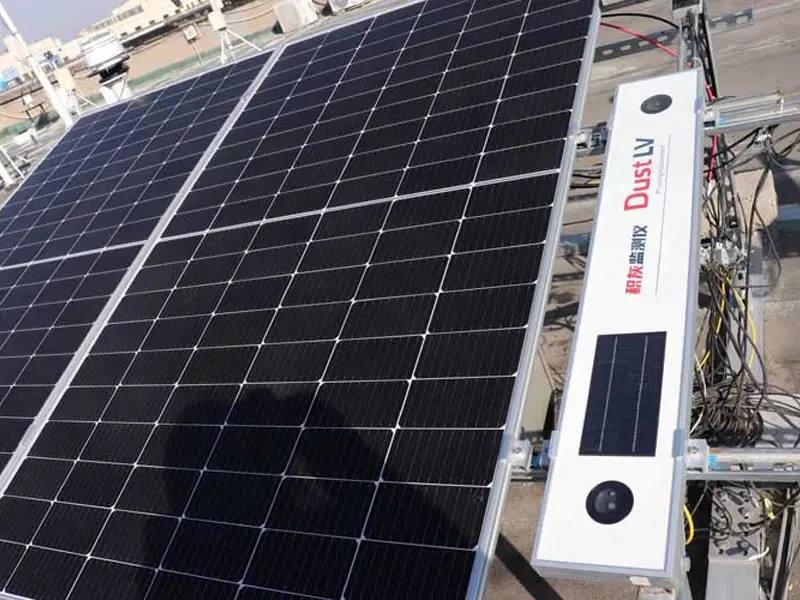
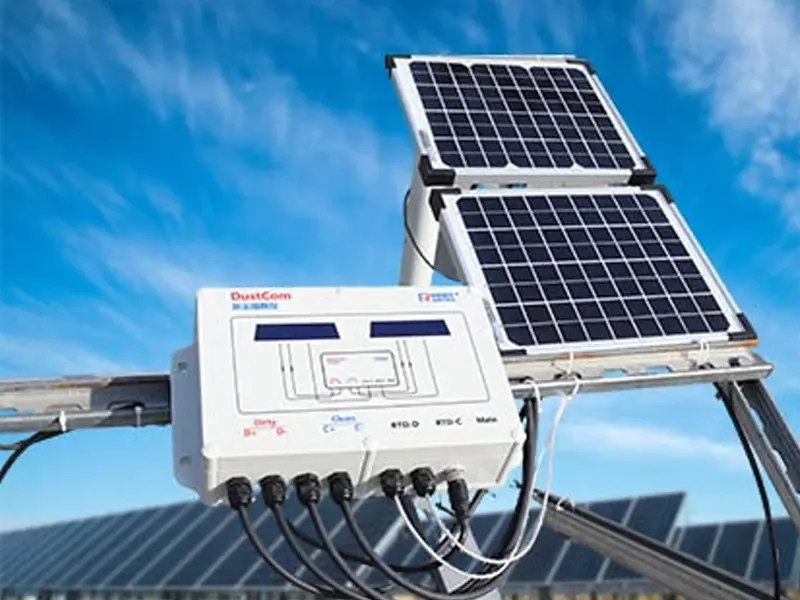
Yantai Sensor provides two solar dust monitoring solutions for different PV O&M requirements. Contrôle de l'état de pollution des modules photovoltaïques DustLV focuses on tracking surface contamination and dust accumulation, while Système de surveillance de l'indice de poussière photovoltaïque DustCom is designed to quantify the effect of soiling on PV performance. For a deeper comparison of sensing technologies, see Reference vs Blue Light Dust Sensors: Which Is Better?
| Requirement | DustLV | DustCom |
| Detect surface contamination | ✓ | ✓ |
| Monitor dust accumulation | ✓ | ✓ |
| Quantify soiling-related performance loss | En quantité limitée | ✓ |
| Compare clean and soiled PV references | — | ✓ |
| Support cleaning decisions | ✓ | ✓ |
| Continuous monitoring | ✓ | ✓ |
| RS485 / Modbus integration | Based on configuration | ✓ |
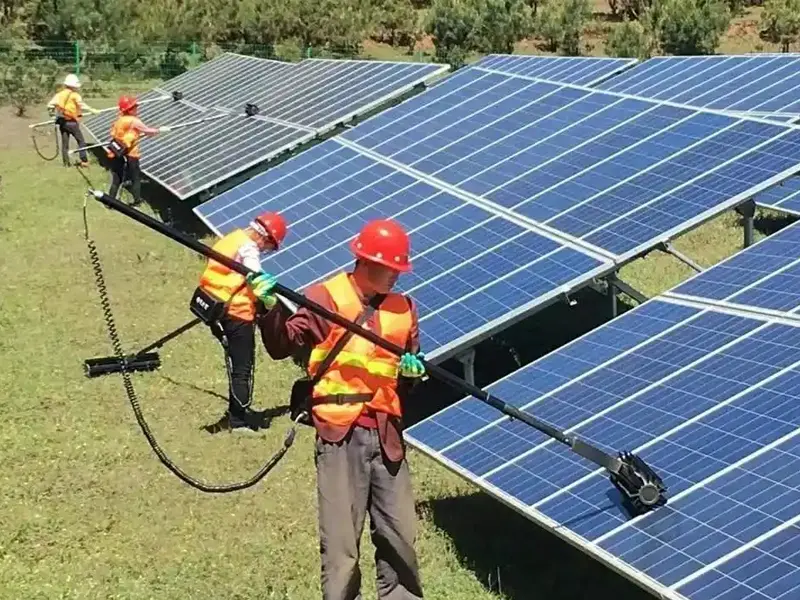
How Does Dust Monitoring Help Optimize Solar Panel Cleaning?
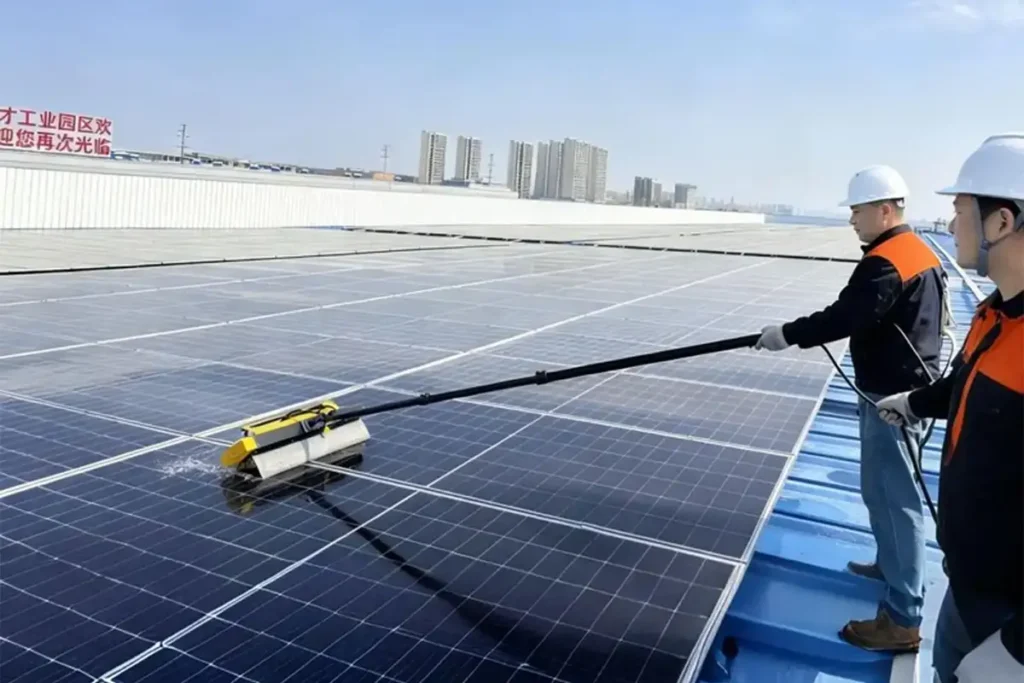
Traditional solar panel cleaning often follows fixed schedules, such as cleaning every 15, 30, or 60 days. However, a calendar-based approach does not reflect actual dust accumulation or changing weather conditions. Rainfall may reduce surface contamination, while prolonged dry periods can accelerate soiling. Solar panel dust monitoring provides site-specific data that allows O&M teams to track contamination trends and move toward a more condition-based approach: Measure → Monitor → Compare → Diagnose → Act. This helps determine when soiling has become significant enough to justify a cleaning action instead of relying only on visual inspection or fixed intervals.
The goal is not simply to clean panels more frequently, but to balance energy recovery against cleaning costs. Monitoring data can help identify areas with faster dust accumulation, compare soiling conditions with PV performance and weather data, and prioritize cleaning where it is most likely to provide value. Historical data can also reveal seasonal accumulation patterns and support adjustments to future cleaning schedules. In this way,solar panel dust monitoring turns cleaning from a routine calendar task into a data-based O&M decision, helping operators use labor, water, and cleaning resources more efficiently.
How to Integrate Dust Monitoring into a Solar PV Monitoring System?
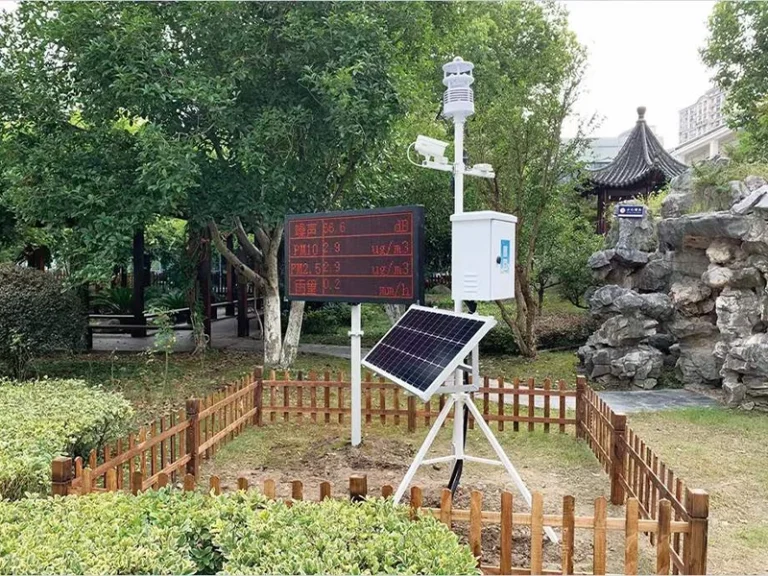
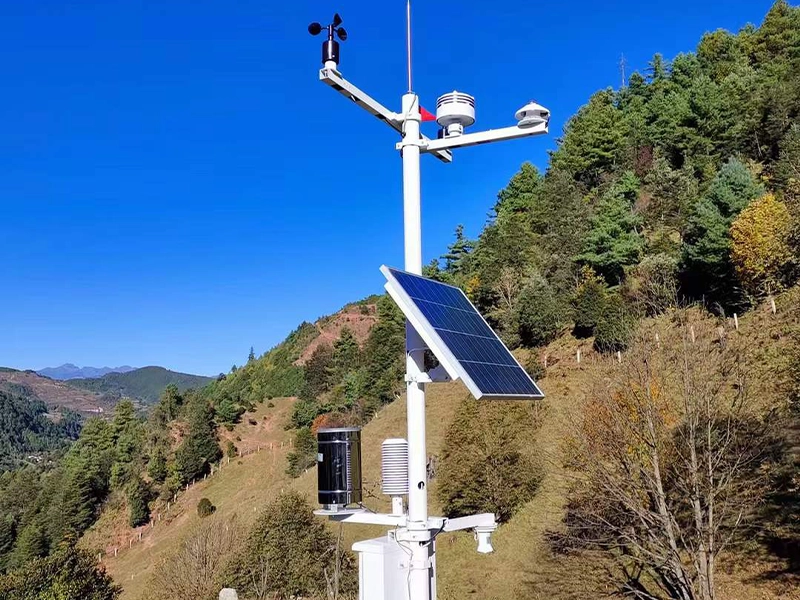
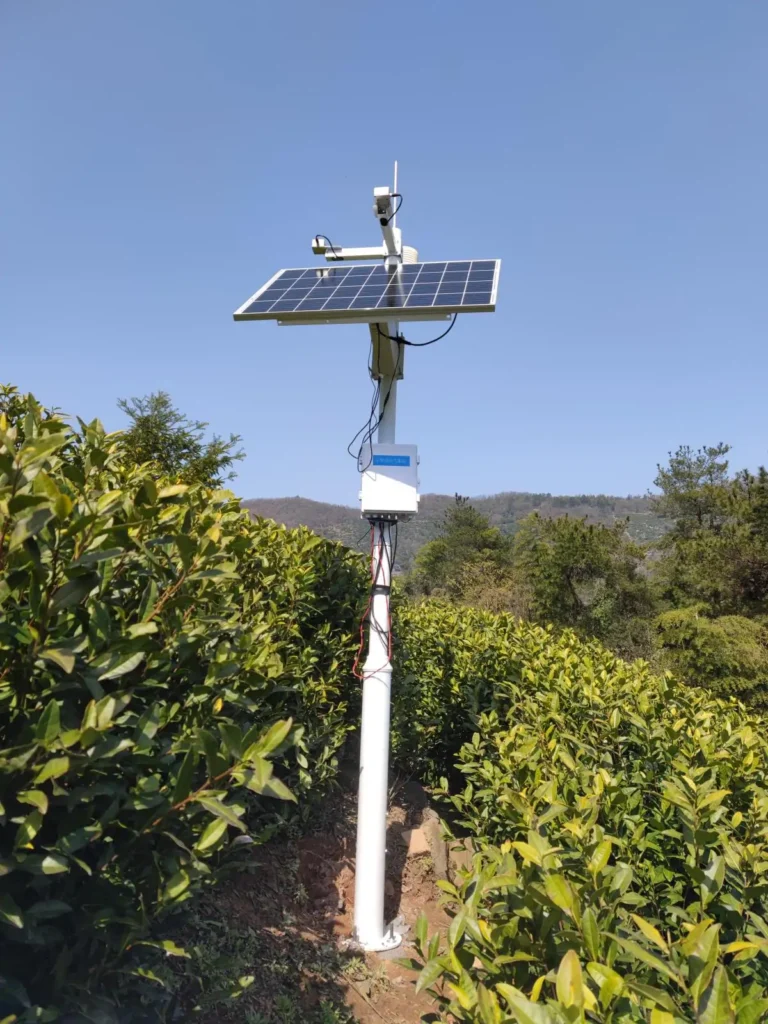
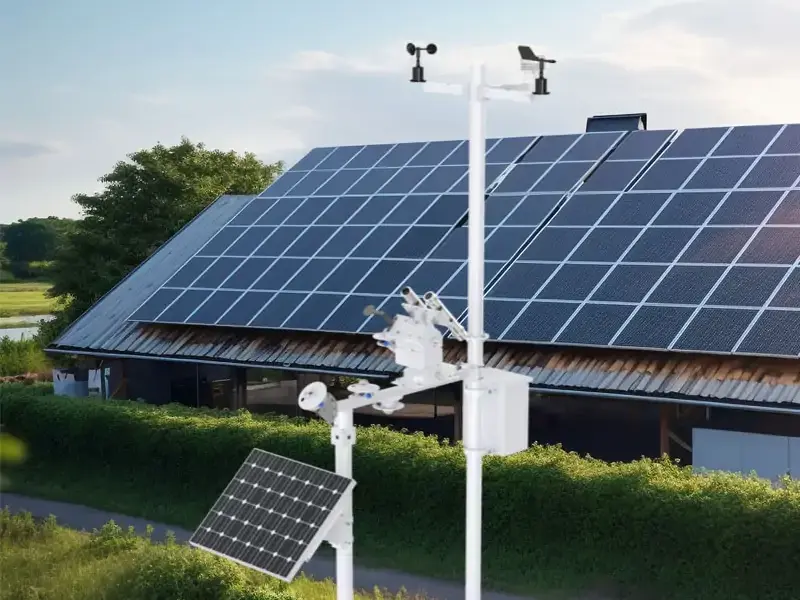
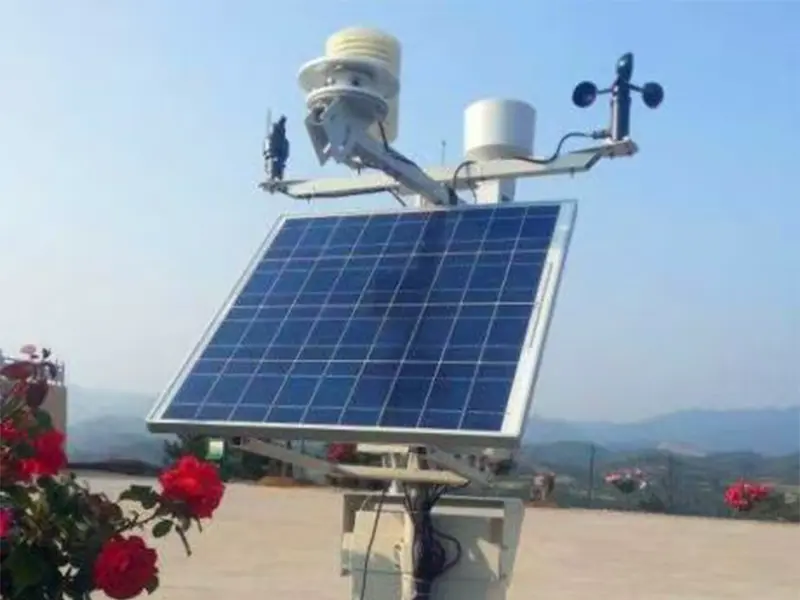
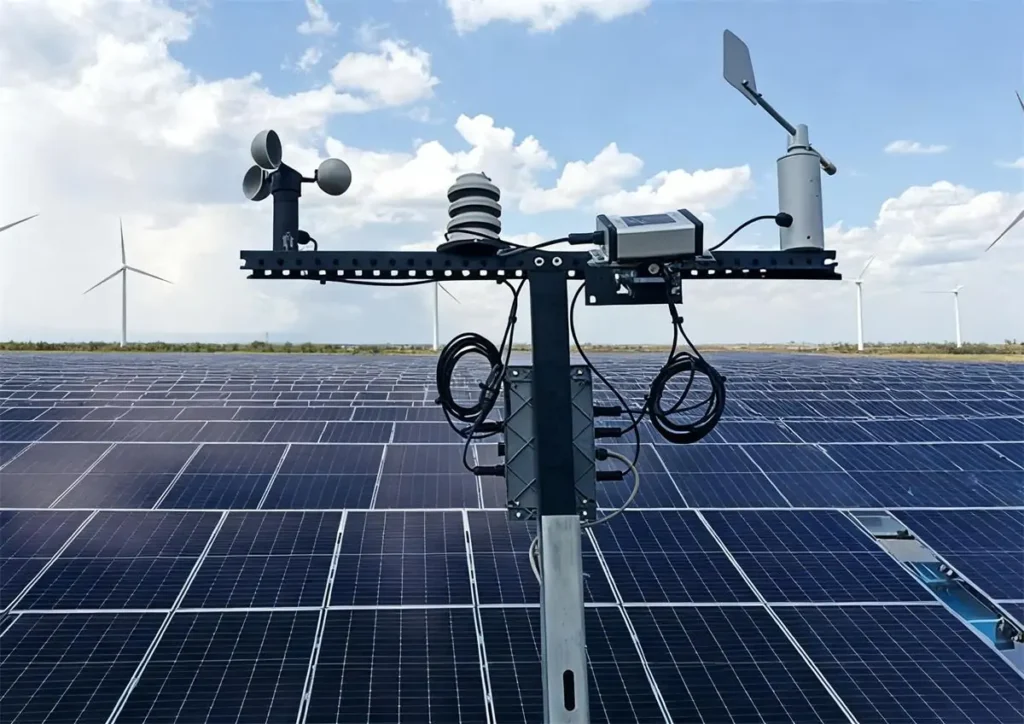
Solar panel dust monitoring should be integrated with other environmental and PV performance sensors rather than used as a standalone measurement. A typical setup can combine a dust sensor with l'irradiance solaire, module temperature, ambient temperature, humidity, précipitations, et wind sensors to provide a more complete picture of site conditions. This allows operators to compare dust accumulation with weather changes and PV output, helping distinguish soiling-related losses from normal environmental and operating variations.
The monitoring devices can send data through a data logger or RTU to the existing PV monitoring platform, SCADA, or EMS. With communication interfaces such as RS485 / Modbus RTU, dust data can be collected alongside other sensor measurements for trend analysis, threshold alarms, cleaning records, and O&M evaluation. This integrated approach provides the data needed to follow the Measure → Monitor → Compare → Diagnose → Act workflow and make cleaning decisions based on actual site conditions.
Where Should a Solar Dust Monitoring Sensor Be Installed?
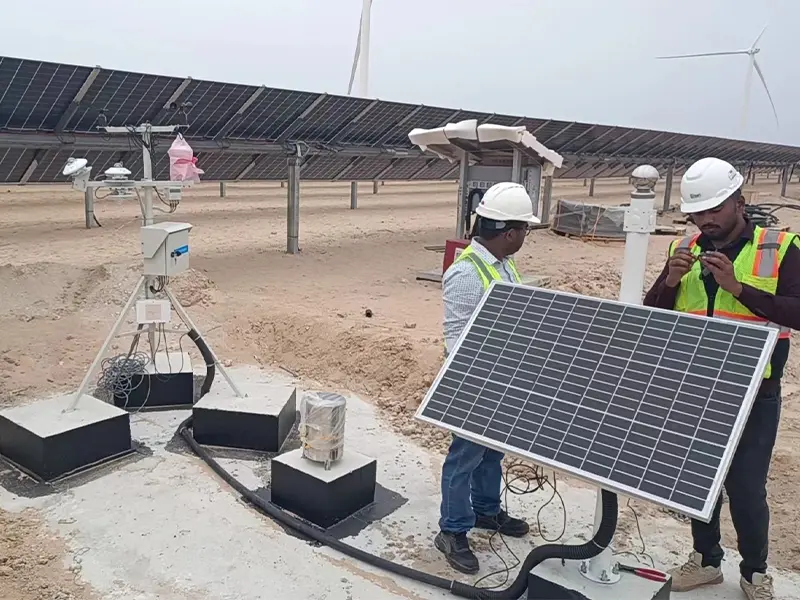
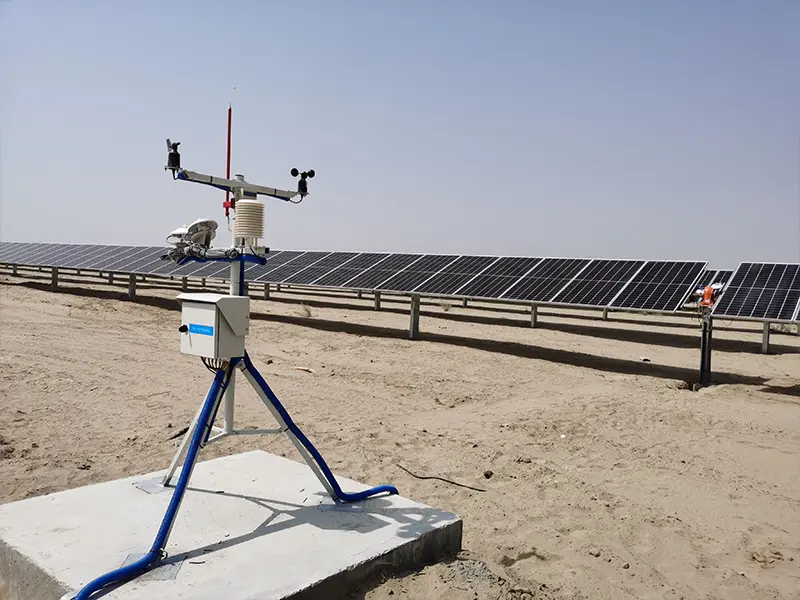
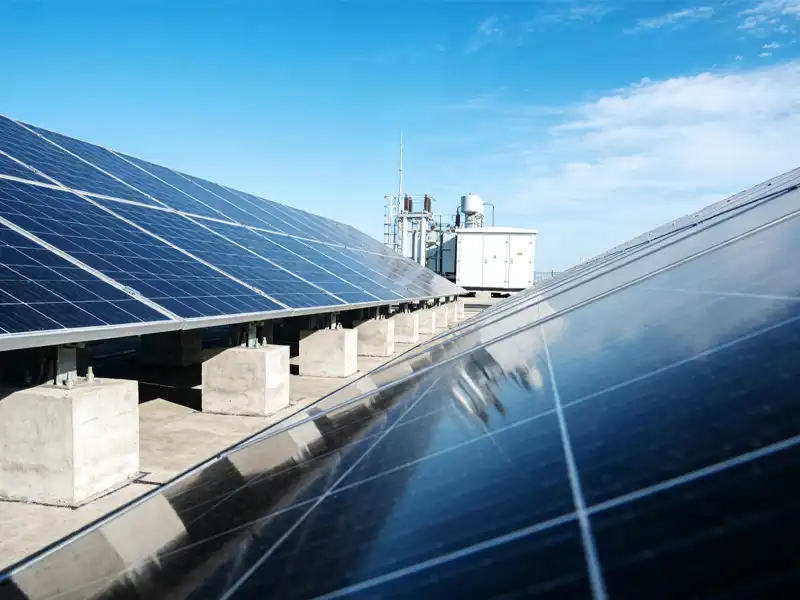
Install the solar panel dust monitoring sensor within a representative section of the PV array, where it is exposed to similar sunlight, wind, rainfall, and airborne particles as the monitored modules. For fixed-tilt systems, match the module tilt and orientation. Tracker installations require a setup that reflects the tracking configuration and the purpose of the monitoring point.
The surrounding environment is equally important. Roads, agricultural activity, construction, desert terrain, mining, and industrial operations can all introduce different dust sources and deposition patterns. On large sites, monitoring points may need to cover areas with noticeably different exposure, such as the upwind side, site perimeter, and central array, rather than relying on one location for the entire plant.
Avoid positions affected by shading, sheltered airflow, nearby structures, vegetation, or unusual cleaning practices. A sensor placed in a protected corner or an area cleaned more often than the surrounding modules may produce data that does not reflect actual array conditions. Proper placement therefore starts with matching the sensor’s exposure to the modules it is intended to represent.
Conclusion: Using Solar Dust Monitoring to Improve PV O&M
Dust on solar panels is not a problem that can be judged reliably by appearance alone. The actual impact of solar panel dust monitoring depends on the amount and type of soiling, weather conditions, module configuration, and how long contamination remains on the surface. For this reason, effective soiling management should focus on measuring site conditions and relating them to actual PV performance rather than relying only on fixed cleaning schedules.
The value of solar panel dust monitoring is to turn these conditions into usable O&M data. By measuring contamination, monitoring its trend, comparing it with PV performance, and evaluating the need for cleaning, operators can make better decisions about when and where maintenance is justified. Yantai Sensor provides DustLV and DustCom for different monitoring requirements, from contamination-status tracking to quantified soiling-impact assessment. Contactez Yantai Sensor to discuss a solar panel dust monitoring solution for your PV plant.