소개
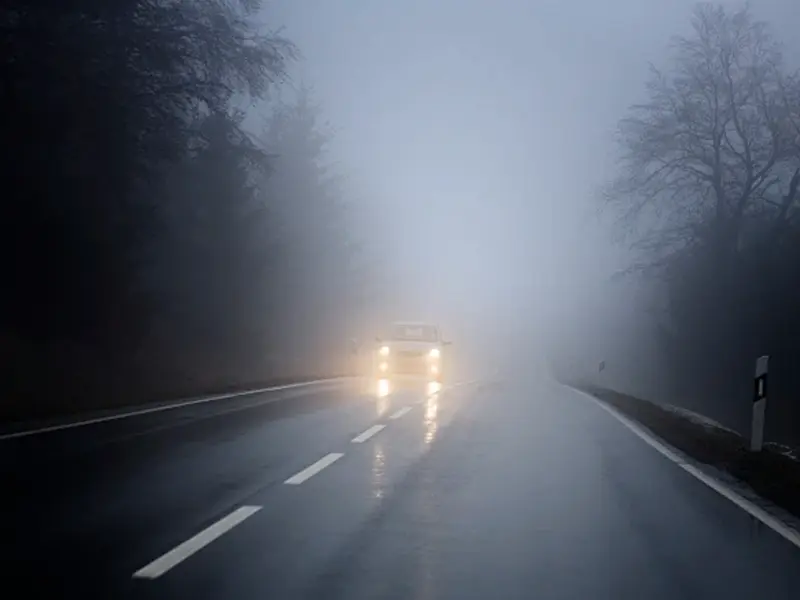
고속도로 운영자와 도로 기상 모니터링 프로젝트에서 안개는 단순한 기상 조건이 아니라 빠르게 변화하는 가시거리 문제입니다. 고속도로, 교량, 산악 도로, 터널 진입로에서는 가시거리가 몇 분 만에 급감할 수 있어 주기적인 육안 관측만으로는 연속 모니터링이 충분하지 않습니다. 안개 가시거리 센서는 실시간 가시거리 데이터를 제공하여 운영자가 저가시거리 조건을 식별하고 육안 판단만이 아닌 측정된 변화에 기반하여 대응할 수 있도록 합니다.
그렇다면 안개 가시거리 센서는 어떻게 작동할까요? 안개 방울과 기타 대기 중 입자에 의해 산란된 빛을 광학 기술로 감지한 후, 광학 신호를 처리하여 일반적으로 기상학적 광학 거리(MOR)로 표현되는 가시거리를 추정합니다. 생성된 데이터는 도로 안개 모니터링 시스템으로 전송되어 실시간 표시, 경보, 교통 관리 및 보다 광범위한 도로 기상 모니터링 시스템과의 통합에 활용될 수 있습니다.
이 글에서는 안개 가시거리 센서의 측정 원리, 도로변 측정에 영향을 미치는 요인, 그리고 센서가 실제 고속도로 안전 애플리케이션에 어떻게 통합되는지 설명합니다. 이러한 장치의 기본 기능과 응용 분야를 이해하려면 [가시거리 센서란 무엇인가].
안개 가시거리 센서는 어떻게 작동하는가?
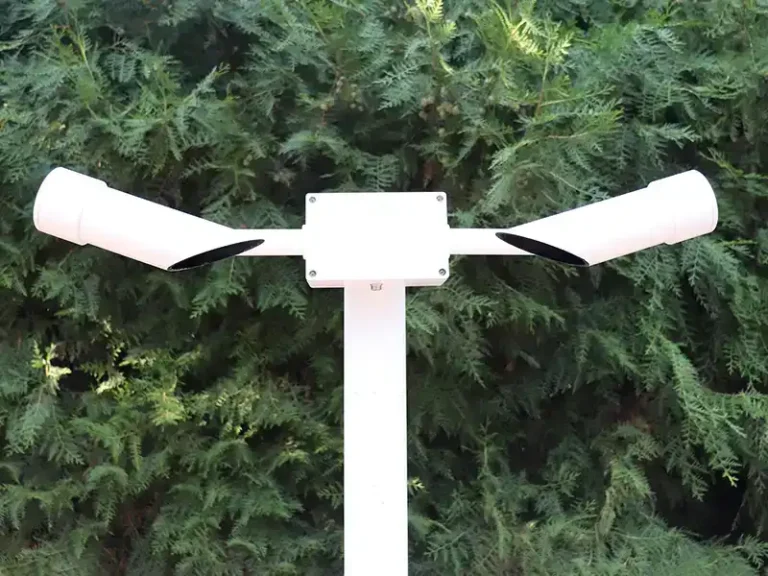
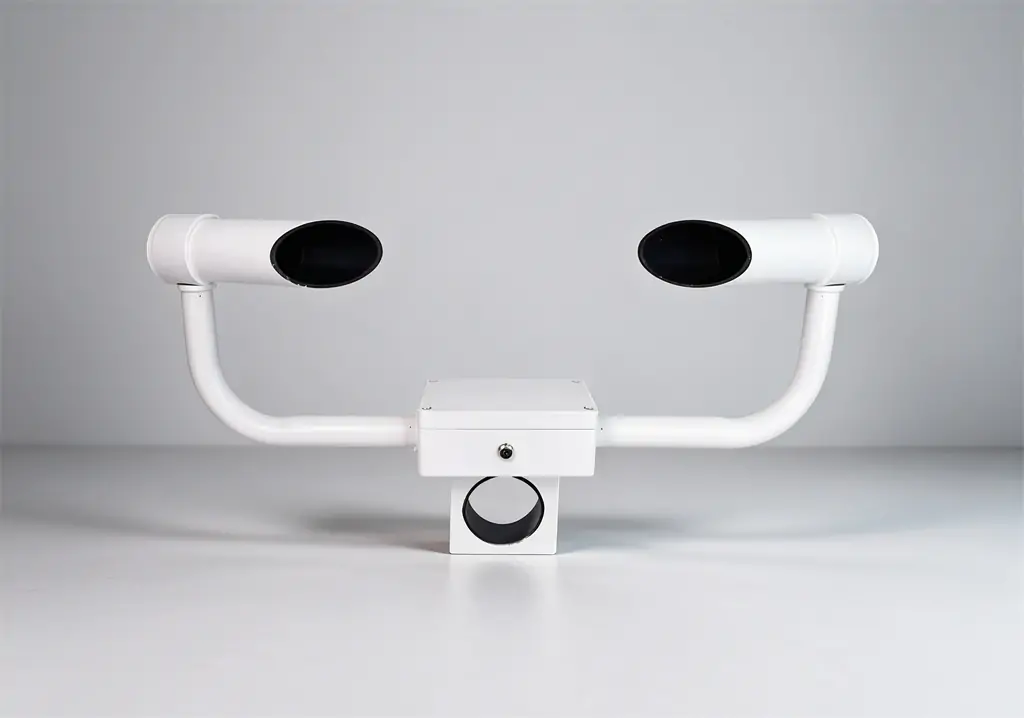
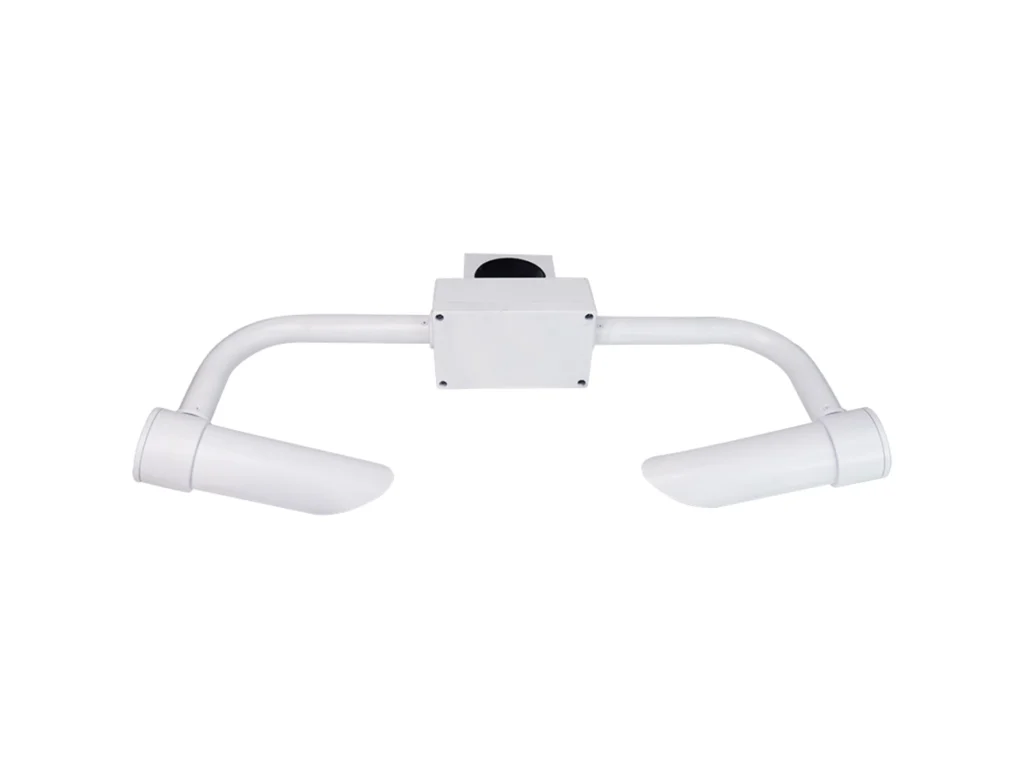
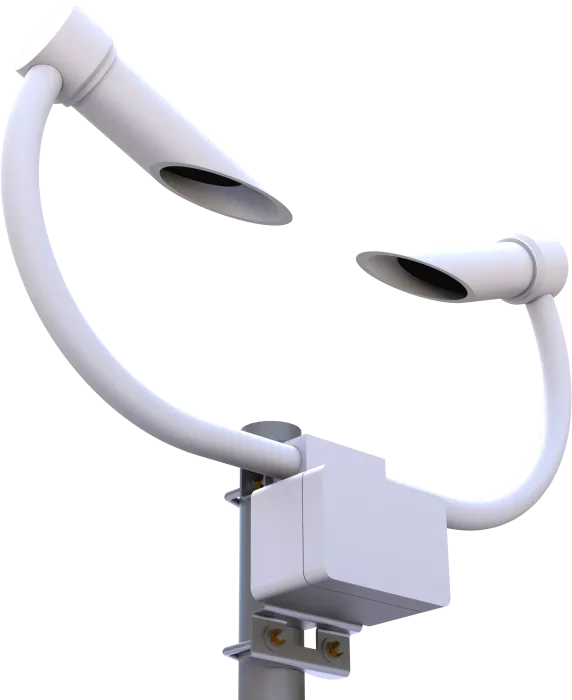
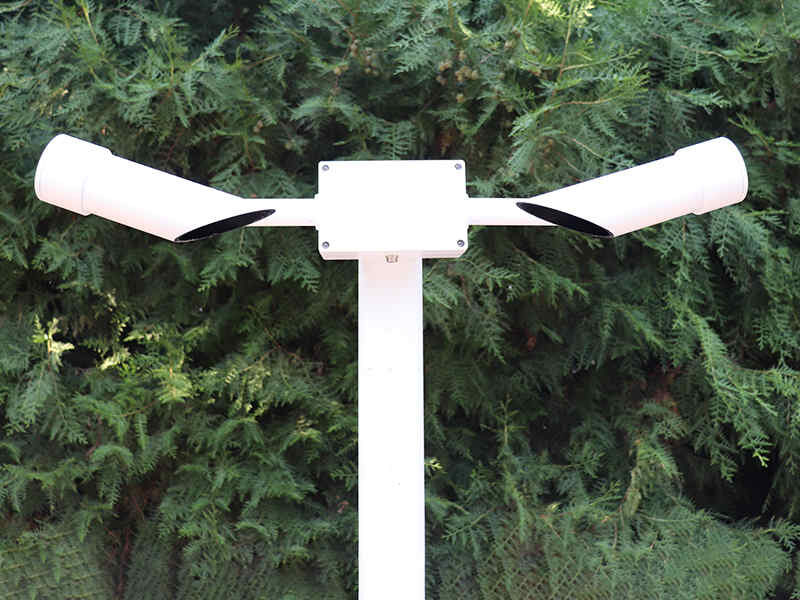
안개 가시거리 센서는 측정합니다 산란된 빛을 정의된 샘플링 볼륨 내에서 부유하는 안개 방울 및 기타 대기 중 입자에 의해. 일반적인 전방 산란 설계에서 광학 이미터는 제어된 광선을 샘플링 볼륨을 통해 보내고, 특정 각도에 위치한 수신기는 공기 중 입자에 의해 산란된 빛의 일부를 감지합니다. 측정된 산란광은 샘플링된 대기의 광학적 상태를 나타내는 전기 신호로 변환됩니다.
센서는 사람이 얼마나 멀리 볼 수 있는지를 직접 측정하지 않습니다. 대신, 처리 장치는 측정된 광학 응답을 사용하여 대기의 빛 감쇠 정도를 나타내는 대기 소광 계수(σ)를 추정합니다. 그런 다음 센서는 코슈미더 법칙(Koschmieder's law)과 일반적으로 관련된 관계식을 기반으로 소광 계수로부터 기상학적 광학 거리(MOR)를 도출할 수 있습니다:
MOR ≈ 3 / σ
대기 소광이 증가하면 빛이 더 강하게 감쇠되고 계산된 MOR이 감소하여 가시거리가 낮아짐을 나타냅니다. 소광이 감소하면 MOR이 증가하여 가시거리가 개선됨을 나타냅니다.
단순화된 형태로, 측정 과정은 다음과 같이 이해할 수 있습니다:
빛 방출 → 입자 산란 → 광학 신호 → 소광 계수 → MOR → 가시거리 데이터
핵심은 안개 가시거리 센서가 거리를 직접 측정하지 않는다는 것입니다. 대기의 광학적 특성을 측정하고 결과 신호를 표준화된 가시거리 파라미터로 처리합니다. 이 구분은 가시거리 데이터가 어떻게 생성되는지, 그리고 변화하는 야외 조건에서 센서가 어떻게 작동하는지를 평가할 때 중요합니다. 가시거리 측정 방법에 대한 보다 포괄적인 설명은 [가시성 측정 방법].
전방 산란이 도로 안개 모니터링에 널리 사용되는 이유는 무엇인가?
Road fog can vary significantly over short distances, especially around bridges, valleys, mountain roads, and tunnel approaches. For this reason, a road monitoring network often needs multiple measurement points rather than a single visibility instrument covering a long section of roadway. Forward-scatter sensors are well suited to this distributed approach because the optical components can be integrated into a relatively compact instrument and measure visibility within a local sampling volume.To learn more about highway visibility monitoring and how visibility sensors are used in road safety applications, see 고속도로 시정 센서: 도로 안전 모니터링을 위한 응용.
전방 산란 대 투과계
투과계와의 주요 차이점은 측정 구성입니다. 투과계는 분리된 송신기와 수신기를 사용하여 정의된 광학 경로를 가로질러 빛 감쇠를 측정하는 반면, 전방 산란 센서는 국소화된 샘플링 볼륨 내에서 산란된 빛을 측정합니다. 따라서 두 방법은 서로 다른 설치 요구 사항에 적합합니다.
| 측정 방법 | 측정 구성 | 도로 모니터링 특성 |
| 전방 산란 | 국소 샘플링 볼륨 내에서 산란된 빛을 측정 | 컴팩트하며 분산형 모니터링 지점에 적합 |
| 투과율계 | 정의된 광학 경로를 가로질러 빛 감쇠를 측정 | 분리된 광학 유닛과 고정된 측정 경로 필요 |
| 후방 산란 | 광원을 향해 다시 산란된 빛을 측정 | 컴팩트하지만 다른 광학 구조 사용 |
따라서 고속도로 모니터링에서 전방 산란의 실질적 가치는 단순히 더 높은 측정 성능이 아니라 배치 유연성입니다. 컴팩트한 센서는 국소 안개 조건이 빠르게 변화하는 것으로 알려진 선택된 위치에 설치할 수 있으며, 그 가시거리 데이터는 도로 안개 모니터링 시스템으로 전송되어 연속 관측 및 추가 의사 결정에 활용될 수 있습니다.
측정 기술의 선택은 여전히 요구되는 가시거리 범위, 측정 환경, 설치 조건, 정확도 요구 사항 및 시스템 아키텍처에 따라 달라져야 합니다. 전방 산란이 널리 사용되는 이유는 그 컴팩트한 구성이 분산형 도로변 모니터링의 요구에 부합하기 때문이며, 다른 가시거리 측정 방법보다 보편적으로 우수하기 때문이 아닙니다.
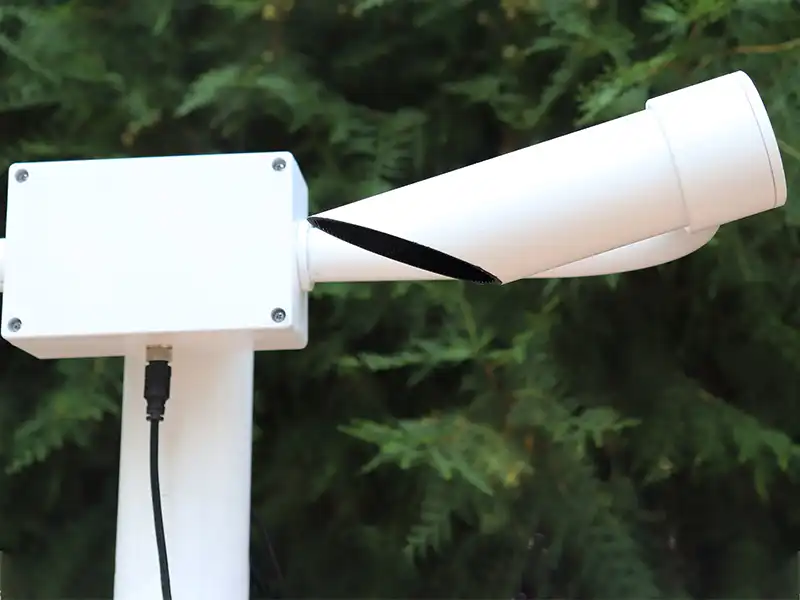
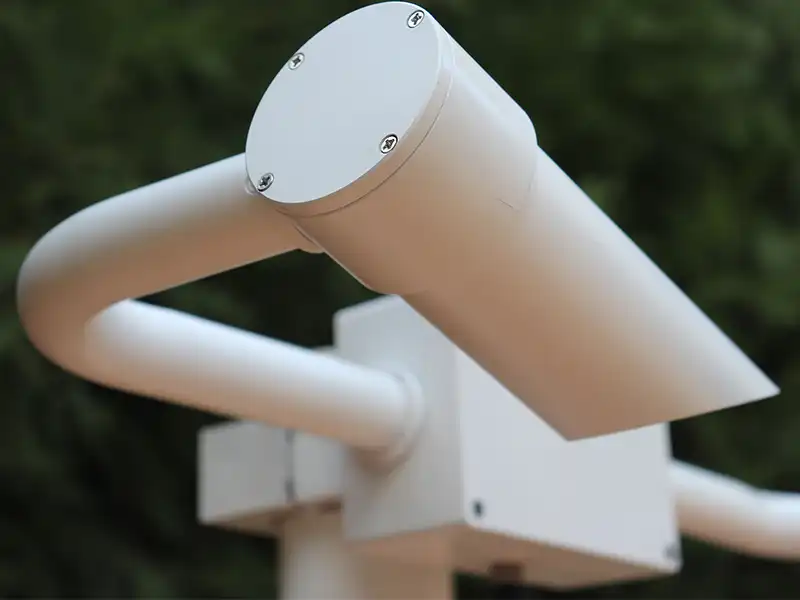
안개 가시거리 센서 내부에서는 무슨 일이 일어나는가?
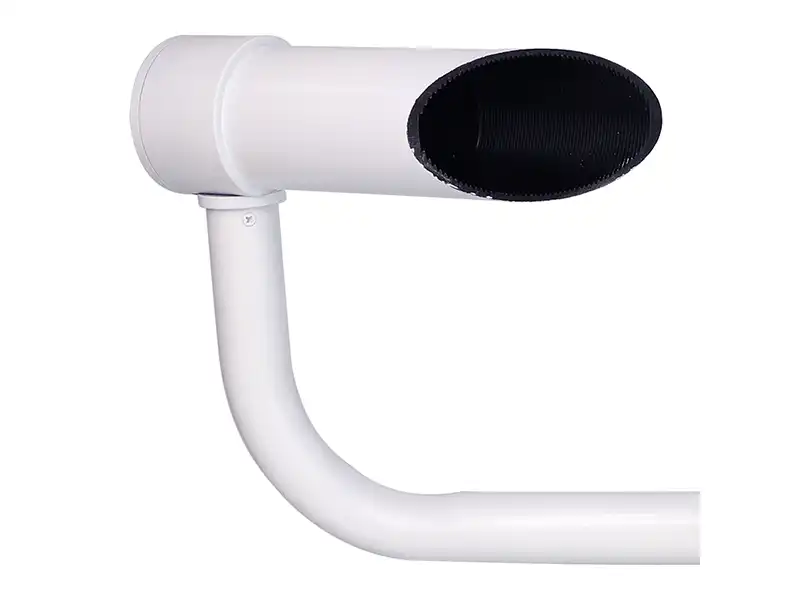
도로변 안개 가시거리 센서는 변화하는 기상 조건에서 안정적인 광학 측정을 유지하기 위해 여러 구성 요소를 결합합니다. 주요 부품으로는 광학 송신기, 광학 수신기, 신호 처리 장치 및 광학 보호 시스템이 있습니다. 각 구성 요소는 광학 신호의 생성 및 감지부터 측정 처리 및 광학 경로 보호에 이르기까지 특정한 역할을 합니다.
광학 송신기
광학 송신기는 측정 영역에 안정적인 광원을 제공합니다. 광 출력, 파장, 변조 및 빔 안정성은 센서가 수신하는 산란 신호의 품질에 영향을 미칩니다. 도로변 사용의 경우, 송신기는 온도와 기상 조건이 변화함에 따라 일관된 성능을 유지해야 합니다.
광학 수신기
광학 수신기는 측정 영역에서 산란된 빛을 감지하고 추가 처리를 위해 전기 신호로 변환합니다. 수신기의 감도, 광학 정렬, 시야각, 주변광에 대한 내성은 모두 측정 신호의 품질에 영향을 미칩니다. 안개 발생 시 시정이 빠르게 변화할 때 안정적인 수신기는 특히 중요합니다.
신호 처리 장치
신호 처리 장치는 수신기로부터의 전기 신호를 사용 가능한 시정 데이터로 변환합니다. 신호 조정, 필터링, 교정 및 시정 계산을 처리한 후 센서의 통신 인터페이스를 통해 결과를 전송합니다. 이 처리를 통해 센서는 측정 신호와 원치 않는 변동을 구분하고 모니터링 시스템에 일관된 시정 값을 제공할 수 있습니다.
광학 보호 및 가열
도로변 센서는 비, 눈, 먼지, 햇빛 및 큰 온도 변화 속에서 작동하므로 광학 경로를 보호하는 것이 설계의 중요한 부분입니다. 광학 창에 맺힌 결로, 서리, 물방울 또는 오염은 수신 신호를 변화시키고 측정에 영향을 미칠 수 있습니다. 설계에 따라 보호 하우징, 광학 차폐, 가열 및 기타 조치를 사용하여 야외 작동 중 광학 경로를 깨끗하게 유지할 수 있습니다.
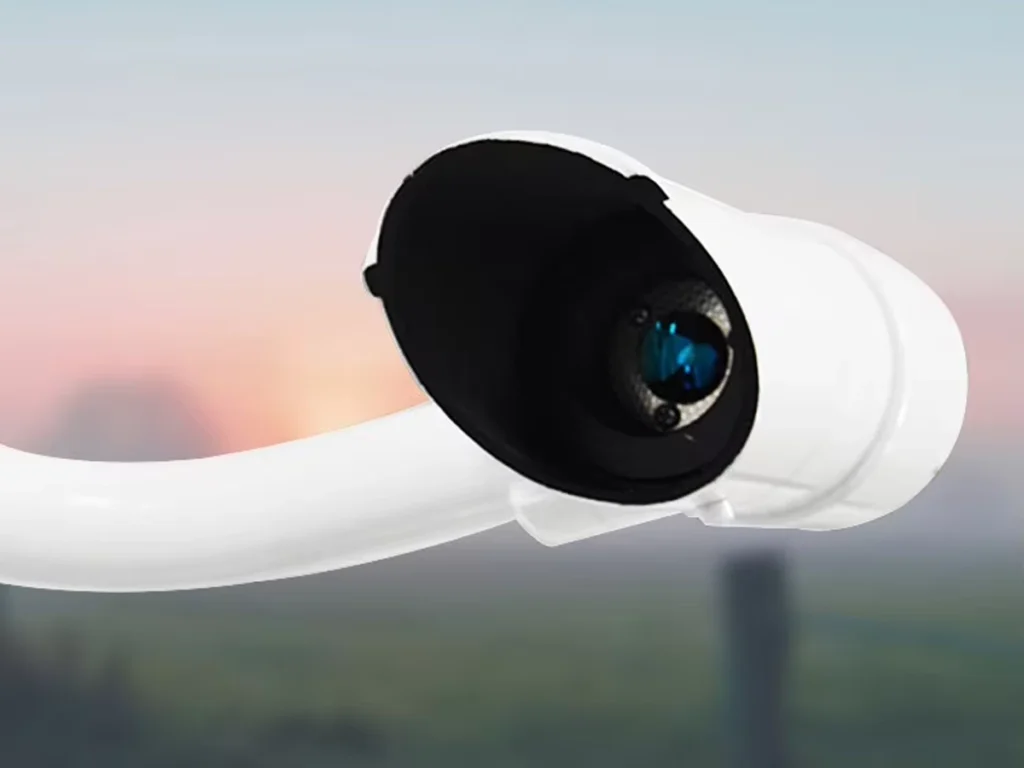
안개 시정 센서의 정확도에 영향을 미칠 수 있는 요인은 무엇인가?
안개 시정 센서는 정의된 샘플링 볼륨 내의 광학 조건을 측정하므로 판독값은 국지적 기상, 원치 않는 빛, 설치 조건 및 광학 경로의 상태에 영향을 받을 수 있습니다. 이러한 요인들은 측정 정확도와 장기 성능을 평가할 때 중요합니다.
주변광 및 미광
햇빛, 차량 전조등, 점멸 신호등 및 도로변 조명이 광학 수신기에 유입되어 측정 신호에 영향을 미칠 수 있습니다. 광학 차폐, 미광 억제 및 신호 필터링으로 이러한 영향을 줄일 수 있습니다. 적절한 설치는 특히 센서가 차로 근처나 기타 강한 광원 근처에 배치될 때 중요합니다.
기상 조건 및 광학 창 오염
비, 눈, 안개, 연무, 연기, 먼지 및 도로 물보라는 샘플링 볼륨 내의 광학 조건을 변화시킬 수 있습니다. 이는 시정 저하의 실제 원인일 수 있으며, 광학 창의 물방울, 서리, 결로 또는 먼지는 추가적으로 측정을 방해할 수 있습니다. 가열, 김서림 방지, 차폐 및 정기적인 청소는 광학 경로를 깨끗하게 유지하는 데 도움이 됩니다.
설치 및 유지보수
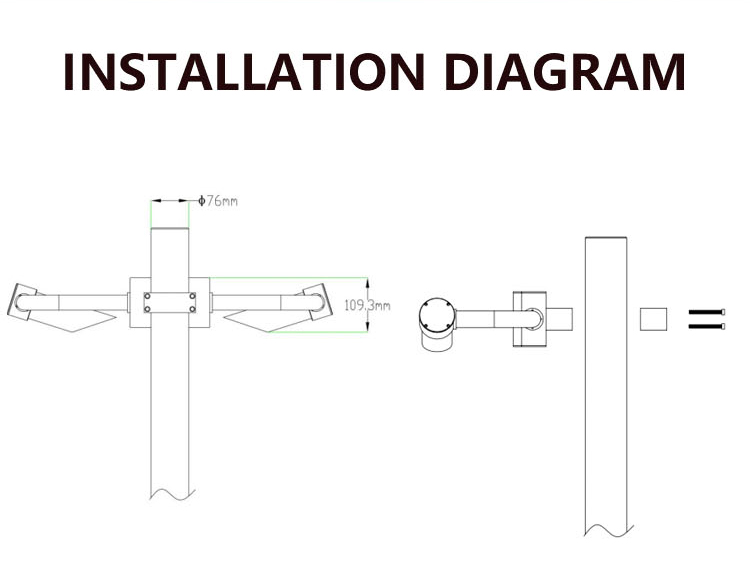
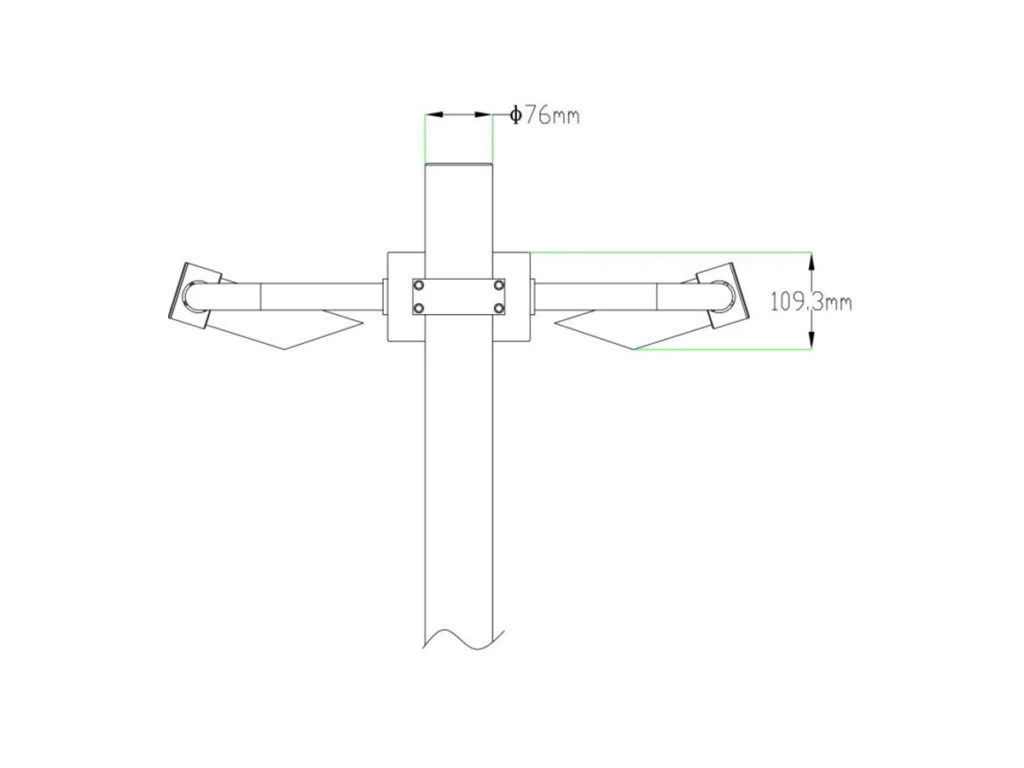
센서는 측정 볼륨이 주변 구조물, 식생, 배기구, 먼지 발생원 및 과도한 물보라로부터 깨끗한 곳에 설치해야 합니다. 시정은 도로 구간마다 상당히 다를 수 있으므로 올바른 정렬과 안정적인 장착도 중요합니다. 정기적인 점검, 광학 창 청소 및 교정은 장기적인 야외 운영에서 일관된 측정을 유지하는 데 도움이 됩니다.
안개 시정 센서는 도로 안개 모니터링 시스템에서 어떻게 사용됩니까?
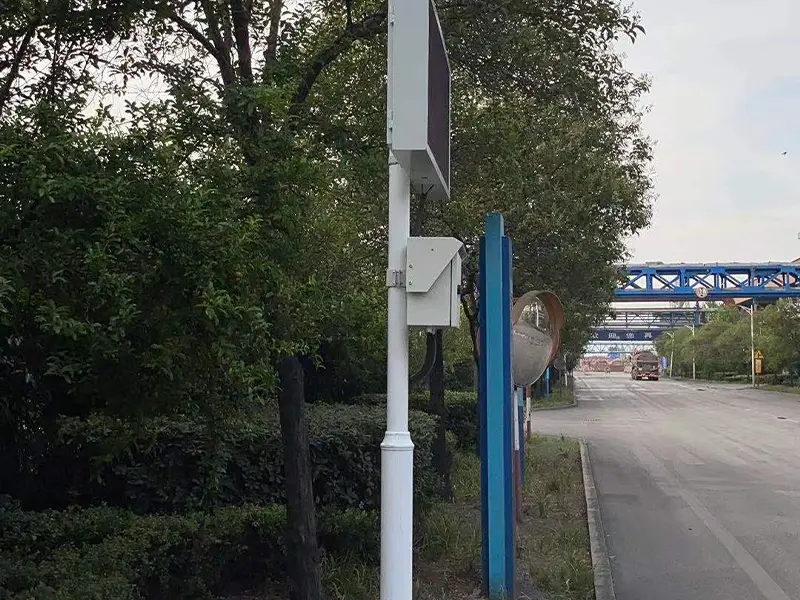
안개 시정 센서는 도로 안개 모니터링 시스템의 현장 측정 장치로 사용됩니다. 선택된 도로변 위치에서 도로 시정을 지속적으로 측정하고 MOR 데이터를 제공한 후 RS485 및 Modbus와 같은 인터페이스를 통해 컨트롤러 또는 데이터 로거로 측정값을 전송합니다.
The collected data is then transmitted to a monitoring platform, where operators can view real-time visibility, track changes over time, and apply predefined thresholds to identify low-visibility conditions. Data from multiple sensors can also be combined to monitor visibility changes across different sections of a road.
When visibility reaches a defined warning level, the monitoring system can pass the information to Variable Message Signs (VMS), warning lights, traffic management centers, and emergency response systems. The sensor provides the measured visibility data, while the connected systems use it to support traffic warnings and road safety decisions.
고속도로 안전을 위해 가시성 모니터링이 중요한 이유는 무엇인가?
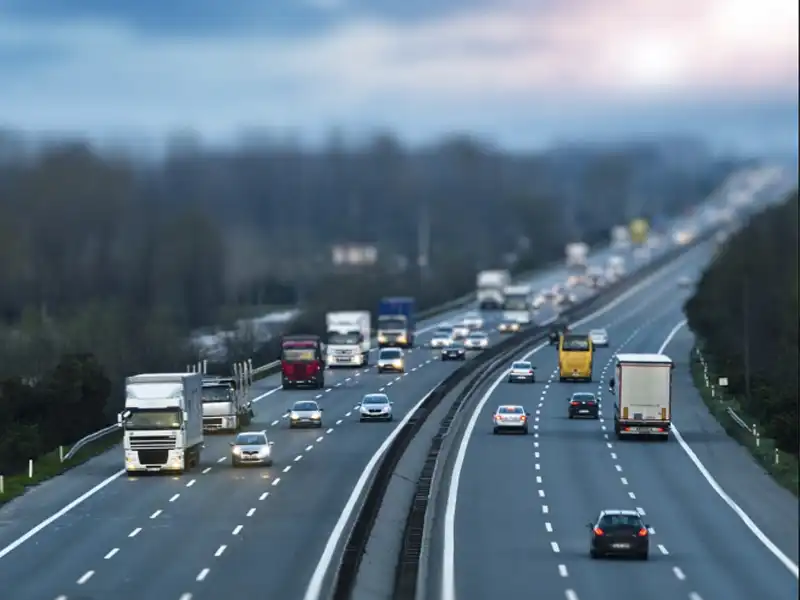
Visibility can change quickly on highways, especially around bridges, mountain roads, valleys, tunnel approaches, and water bodies. For road operators, the challenge is not simply knowing that fog is present, but knowing where visibility is changing and how quickly it is deteriorating. Continuous visibility monitoring provides localized field measurements for this purpose.
Detect Rapid Visibility Changes
Fog conditions can vary significantly over a short distance or within a short period. Terrain, wind, temperature, and moisture can create localized visibility changes that may not be reflected in regional weather observations. Continuous measurements make these changes visible as they develop, helping operators identify sections where visibility is deteriorating.
Support Early Warning
The measured visibility data can be compared with predefined warning thresholds. When visibility falls below a specified level, the system can generate an alert for operators to assess the conditions and initiate the appropriate response. This provides a continuous data basis for warnings instead of relying only on periodic manual observation.
Provide Data for Intelligent Traffic Systems
Visibility data can also feed into road weather information systems, traffic management platforms, Variable Message Signs (VMS), and other intelligent transportation systems. The basic chain is straightforward: sensor → data → decision. The sensor provides the field measurement, while connected systems use that information to support warnings, traffic control, and emergency response.
Where Are Fog Visibility Sensors Used?
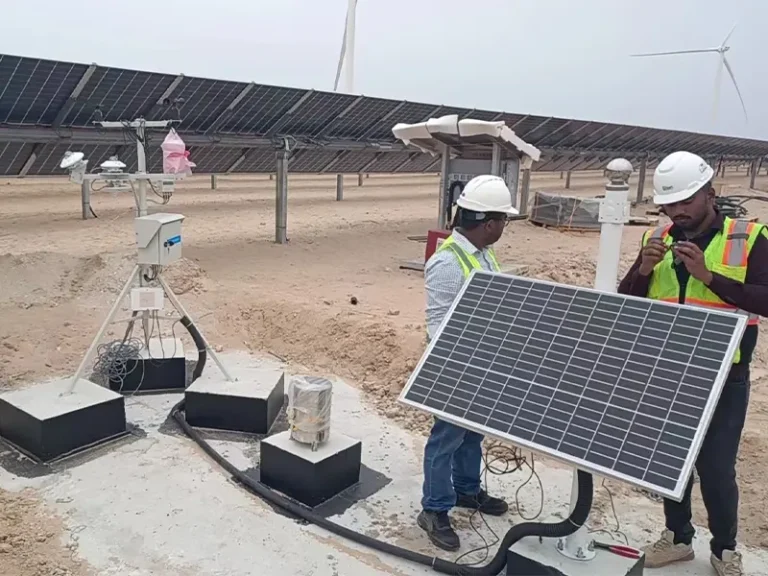
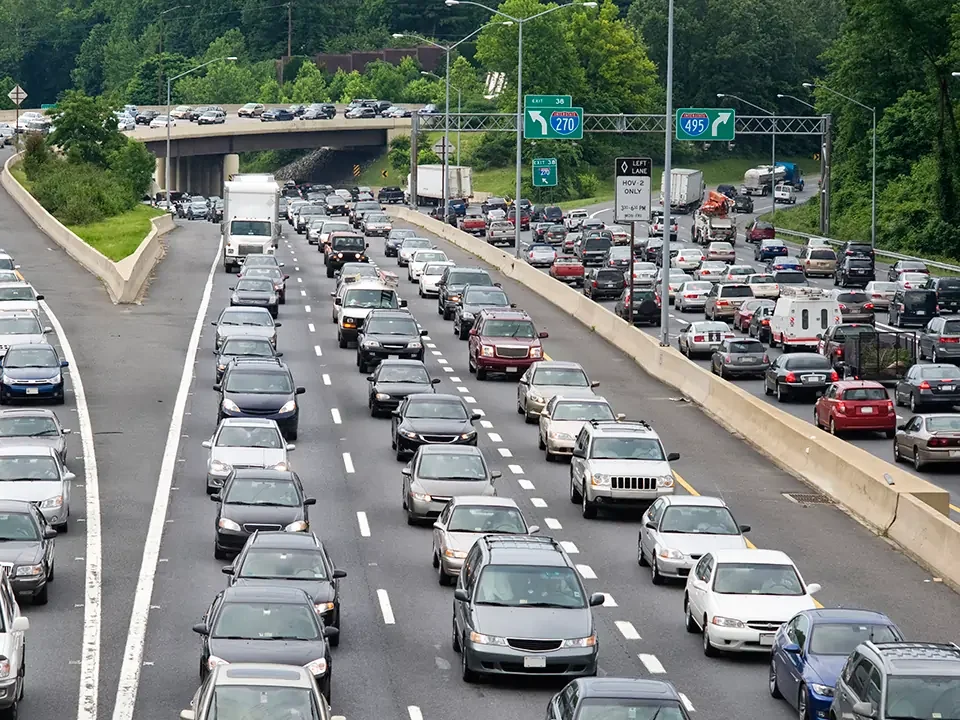
Fog visibility sensors are deployed where visibility can change quickly and where continuous, site-specific measurements are needed for road operations. In highway applications, typical locations include expressways, bridges, mountain roads, tunnel approaches, and road weather monitoring networks.
- Highways and Expressways — Installed along road sections prone to fog or other low-visibility conditions. Continuous measurements provide visibility data for roadside warnings, traffic management, and operational response.
- Bridges and Mountain Roads — Changes in terrain, elevation, wind, and moisture can create localized visibility conditions. A sensor provides measurements from the specific road section rather than relying only on wider-area weather observations.
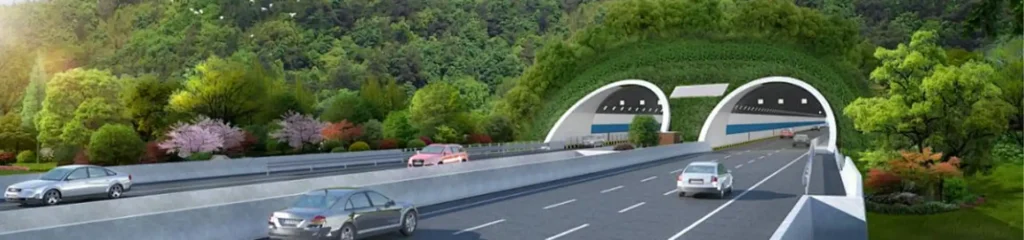
- Tunnel Entrances and Exits — Rapid changes in atmospheric conditions can occur around tunnel approaches. Visibility measurements can support broader road-weather monitoring and help operators track changing conditions near the entrance or exit. They are not intended to serve as dedicated tunnel smoke detectors.
- Road Weather Information Systems (RWIS) — Visibility data can be combined with air temperature, humidity, precipitation, wind, and road-condition measurements to provide a broader view of road weather. See our [Road Weather Information System (RWIS)] guide for more details.
Beyond road applications, fog visibility sensors may also be deployed for weather observation, airport visibility monitoring, port operations, environmental research, and other specialized projects. Measurement range, installation requirements, and communication interfaces should be selected according to the application and site conditions.
What Should You Consider When Selecting a Fog Visibility Sensor?
For road fog monitoring, sensor selection should be based on more than measurement accuracy or range. The sensor needs to match the site’s visibility conditions, outdoor environment, monitoring system, and maintenance requirements. Before comparing specific models, check these six factors:
- Measurement Range — Match the sensor’s range to the visibility conditions expected at the site.
- Measurement Principle — Compare forward scatter and transmissometer designs based on the application, installation space, and monitoring requirements.
- Optical Protection — Check protection against condensation, frost, rain, snow, dust, and optical-window contamination.
- Environmental Rating — Verify the operating temperature, humidity, enclosure protection, and weather resistance.
- Communication Interface — Confirm compatibility with existing RS485, Modbus, RWIS, PLC, or data logger systems.
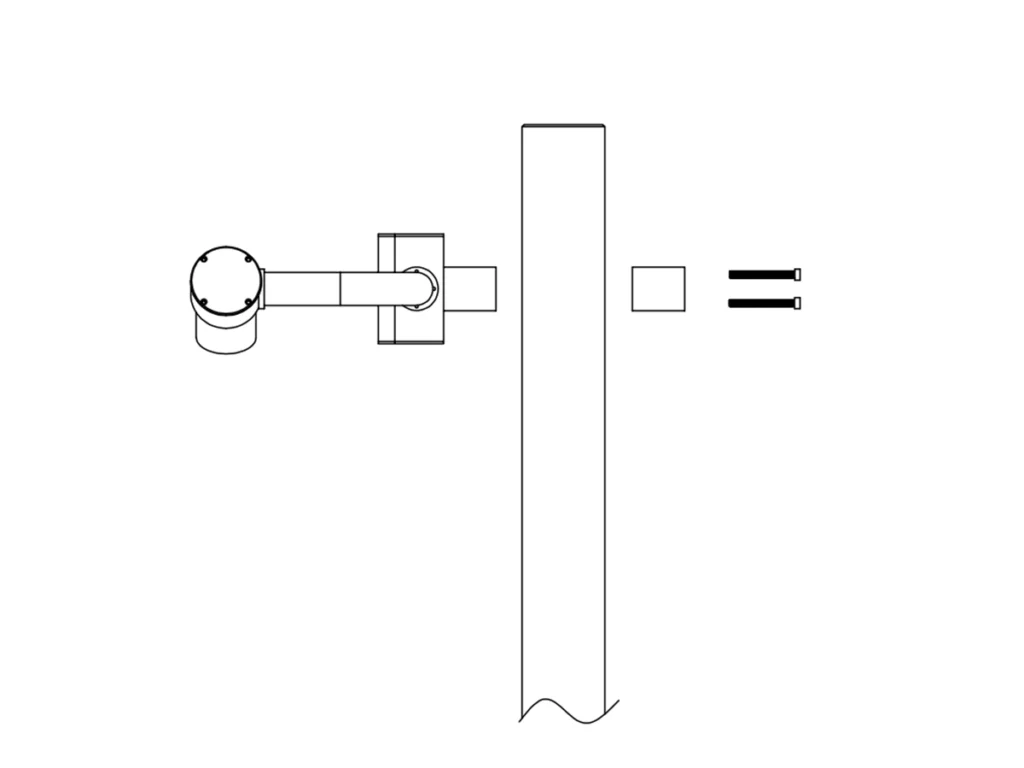
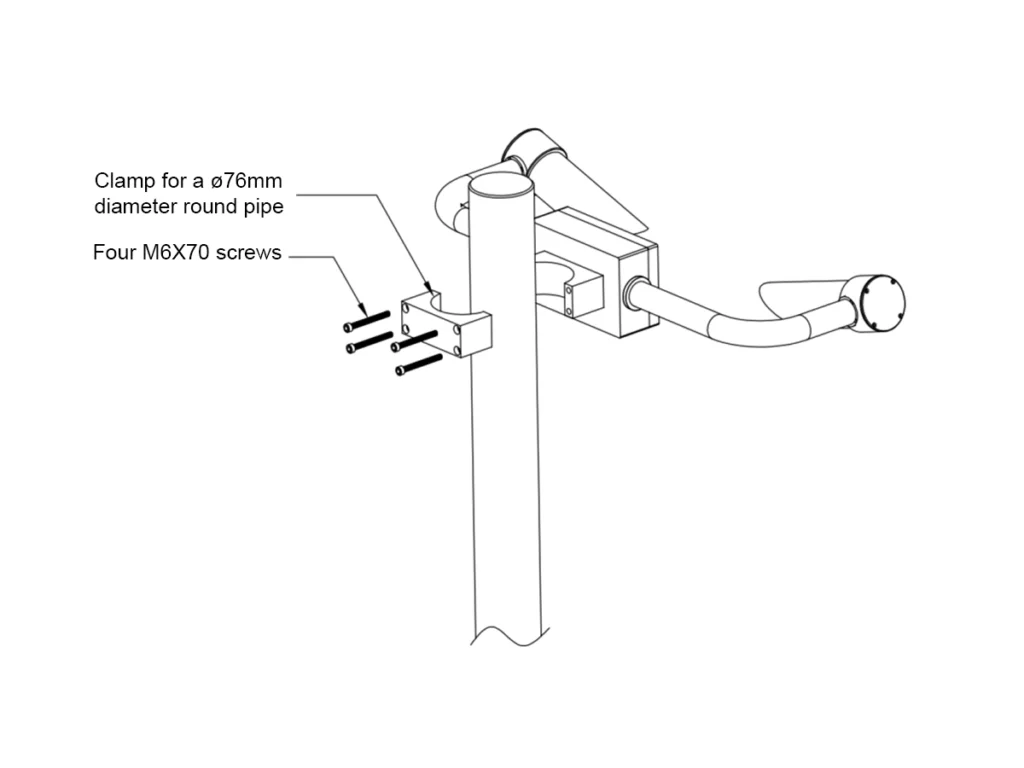
- Installation and Maintenance — Consider mounting, optical alignment, cleaning, calibration, and accessibility.
For most roadside projects, these factors should be evaluated together rather than separately. A suitable fog visibility sensor is one that fits the measurement requirements, site conditions, system architecture, and long-term maintenance plan of the project.
결론
A fog visibility sensor measures optical scattering rather than distance directly, with forward-scatter technology providing a practical approach for continuous roadside visibility monitoring. Its value goes beyond the sensor itself: when integrated into a road fog monitoring system, the measured visibility data can support low-visibility warnings, traffic management, and broader road weather monitoring.
For highway, bridge, tunnel, and road-weather projects, sensor selection should match the required measurement range, optical protection, environmental conditions, installation requirements, and system interface. Yantai Sensor provides visibility monitoring sensors for different roadside applications and can support project-specific selection based on site conditions and system requirements. 문의하기 to discuss your road visibility monitoring project.