Introdução
Balde Basculante vs Pluviômetro Piezoelétrico é uma comparação importante para usuários que selecionam soluções de monitoramento de chuva para observação meteorológica, sistemas hidrológicos, agricultura e aplicações de infraestrutura inteligente. Ambas as tecnologias são amplamente utilizadas para medição de precipitação, mas diferem em desempenho de medição, características de resposta, requisitos de manutenção e adequação de aplicação.
Os pluviômetros de balde basculante fornecem dados confiáveis de precipitação acumulada por meio de um design de medição comprovado e são comumente utilizados para monitoramento de chuva de longo prazo. Os Sensores de Chuva Piezoelétricos utilizam tecnologia de estado sólido para capturar variações de chuva com resposta mais rápida e maior resolução temporal, tornando-os adequados para análise de precipitação em tempo real.
Este guia compara as principais diferenças entre pluviômetros de balde basculante e piezoelétricos, ajudando os usuários a avaliar o desempenho dos sensores e selecionar a solução mais adequada com base em seus requisitos de monitoramento.Se você quiser saber mais sobre “O Que É um Pluviômetro,” clique aqui.
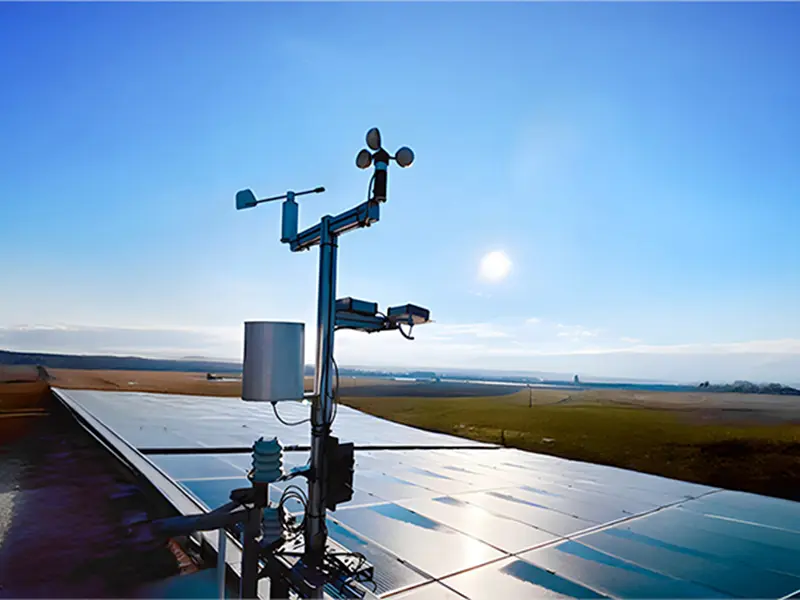

O Que É um Pluviômetro de Balde Basculante?
Um pluviômetro de balde basculante é um sensor automático de precipitação projetado para medir o acúmulo e a intensidade da chuva por meio de um mecanismo mecânico de basculamento. É amplamente utilizado em estações meteorológicas, redes de monitoramento hidrológico, monitoramento agrícola e sistemas de observação ambiental devido ao seu desempenho confiável, estrutura simples e operação de longo prazo comprovada.Se você quiser saber mais sobre “O Que é um Pluviômetro de Balde Basculante,” clique aqui.
Princípio de funcionamento
Um pluviômetro de balde basculante mede a chuva convertendo um volume fixo de água coletada em sinais elétricos de pulso. A água da chuva entra pelo coletor e flui para o mecanismo de basculamento de câmara dupla. Quando uma câmara atinge o volume de basculamento calibrado, como 0,1 mm, 0,2 mm ou 0,5 mm de precipitação, a mudança de peso faz com que o balde bascule e seja reiniciado para o próximo ciclo de medição.
Durante cada movimento de basculamento, o ímã integrado ativa um interruptor magnético para gerar um sinal de pulso. O registrador de dados conta esses sinais e os converte em dados de precipitação, incluindo precipitação acumulada e intensidade da chuva, permitindo monitoramento contínuo e automático de chuva.Se você quiser saber mais sobre “Como Funciona um Pluviômetro,” clique aqui
Componentes principais
Um pluviômetro de balde basculante consiste em componentes mecânicos de detecção e aquisição eletrônica de dados que trabalham juntos para transformar a chuva em medições digitais de precipitação. Da coleta de água e medição de volume à geração de pulsos e registro de dados, cada componente contribui para um monitoramento preciso e contínuo da precipitação.
| Componente | Função |
| Coletor de Chuva | Coleta a precipitação e direciona a água para o mecanismo de medição. |
| Tela de Filtro | Evita que detritos entrem e obstruam o sistema. |
| Conjunto do Balde Basculante | Mede a precipitação por meio de movimentos de basculamento calibrados. |
| Interruptor Magnético (Interruptor Reed) | Converte os movimentos de basculamento em sinais elétricos de pulso. |
| Registador de dados | Registra e processa os dados de medição de precipitação. |
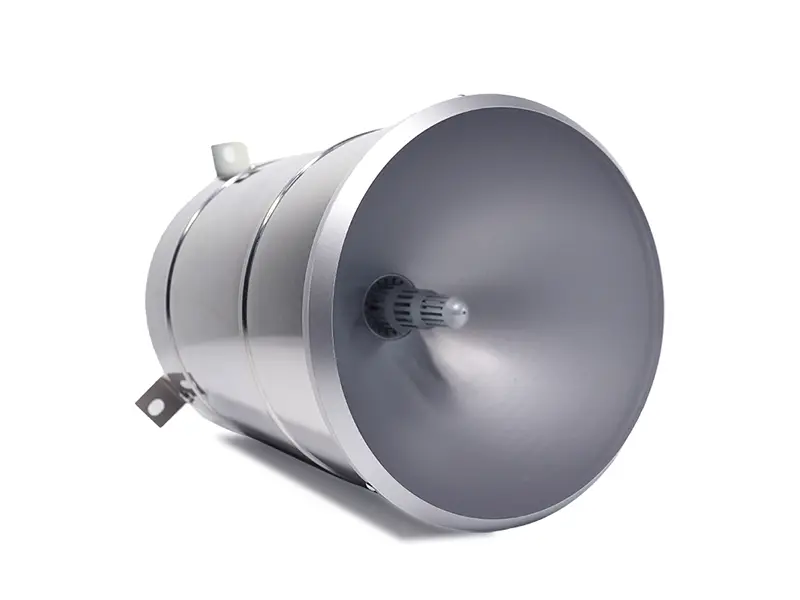
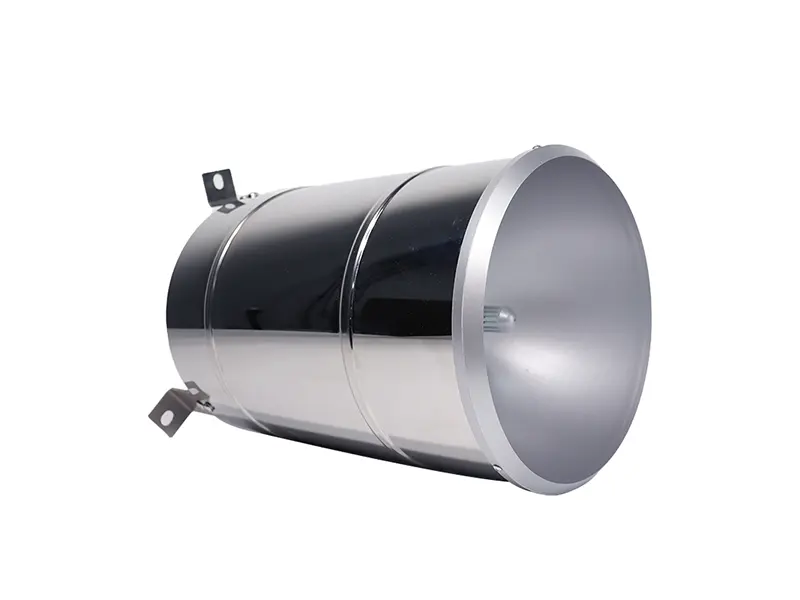
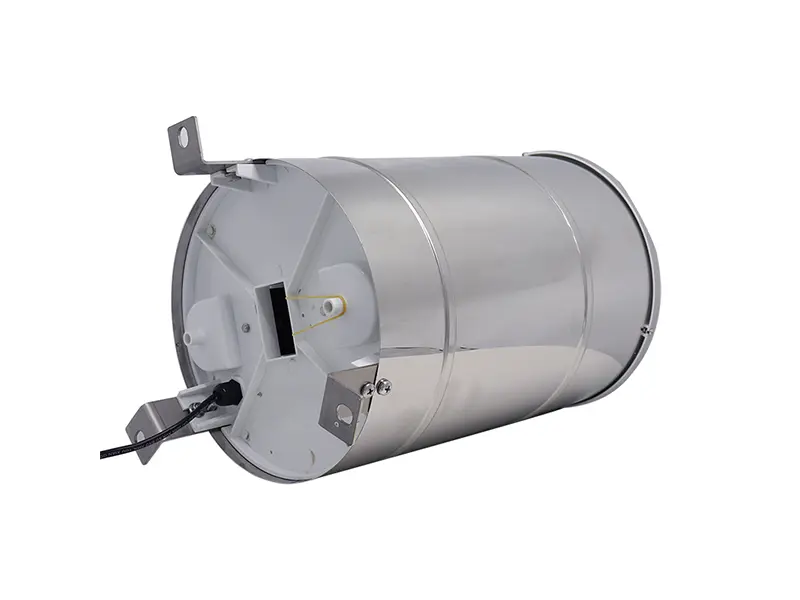
Vantagens e Limitações do Pluviômetro de Balde Basculante
O pluviômetro de balde basculante é amplamente utilizado para monitoramento de precipitação devido ao seu princípio de medição mecânica comprovado, desempenho estável e método direto de aquisição de dados. Ao converter um volume calibrado de chuva coletada em movimentos de basculamento e sinais elétricos de pulso, ele fornece dados confiáveis de precipitação acumulada para redes de monitoramento de longo prazo. No entanto, o mecanismo mecânico de basculamento também cria limitações na velocidade de resposta, resolução de medição e desempenho sob condições climáticas extremas.
Vantagens
Os pluviômetros de balde basculante são uma solução de medição de chuva amplamente utilizada, com confiabilidade comprovada no monitoramento meteorológico e hidrológico. Ao converter um volume calibrado de chuva coletada em sinais elétricos de pulso, eles fornecem dados estáveis de precipitação acumulada com resoluções típicas de 0,1–0,5 mm por basculamento. Sua estrutura mecânica simples permite fácil instalação, manutenção de rotina e implantação em larga escala com custo-benefício, tornando-os adequados para estações meteorológicas automáticas, monitoramento agrícola e redes de observação hidrológica.Se você quiser saber mais sobre “O Papel do Pluviômetro na Agricultura,” clique aqui.
Limitações
Um pluviômetro de balde basculante utiliza um mecanismo mecânico de basculamento, o que pode limitar a velocidade de resposta durante eventos de chuva de curta duração ou alta intensidade. Sua resolução fixa (tipicamente 0,1–0,5 mm por basculamento) registra a precipitação como eventos discretos, tornando-o menos adequado para análises detalhadas de variação da chuva. Além disso, os componentes mecânicos podem ser afetados por congelamento, poeira, detritos, interferência do vento e desgaste de longo prazo, exigindo manutenção regular e calibração para manter a precisão da medição.
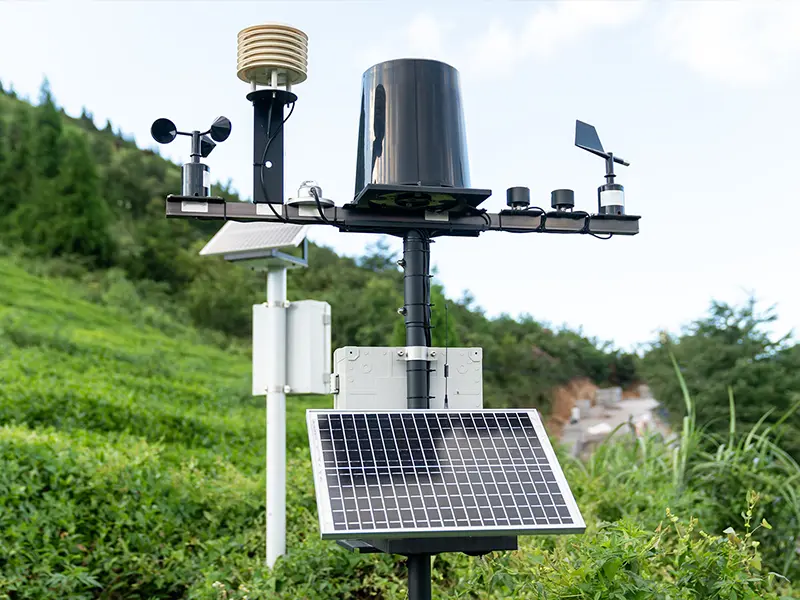
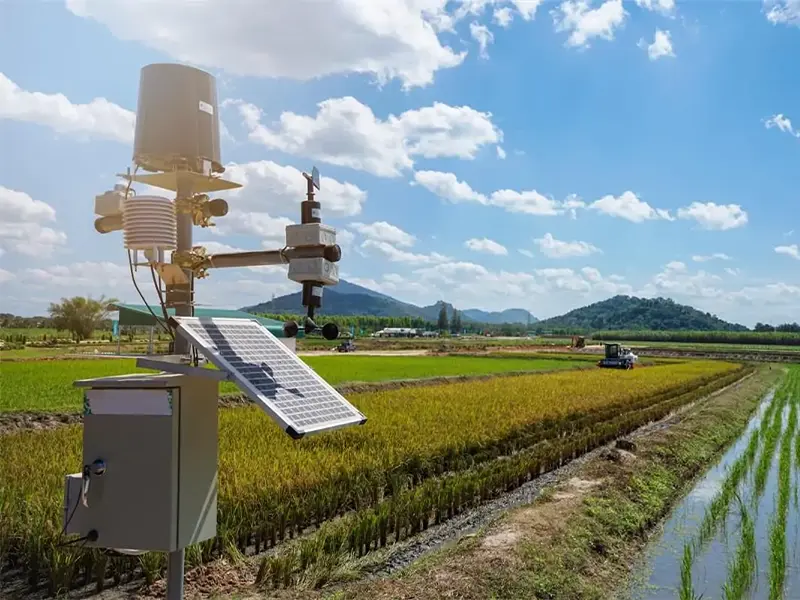
O Que É um Pluviômetro Piezoelétrico?
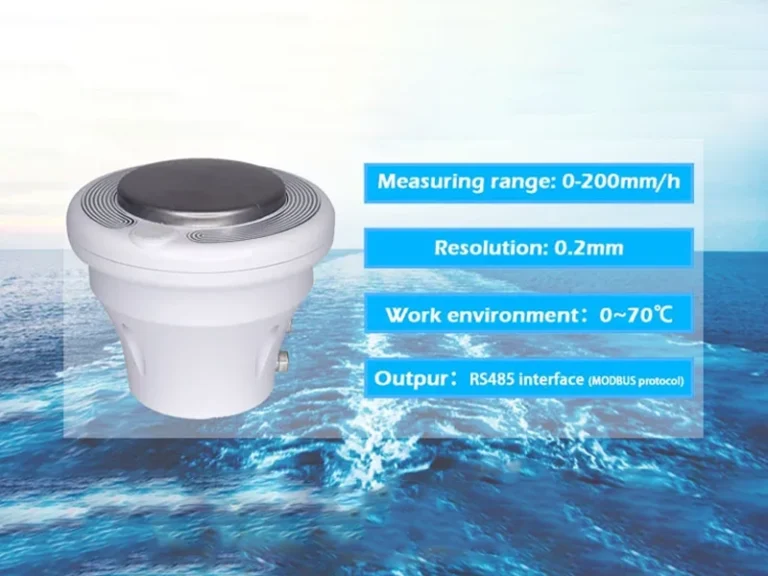
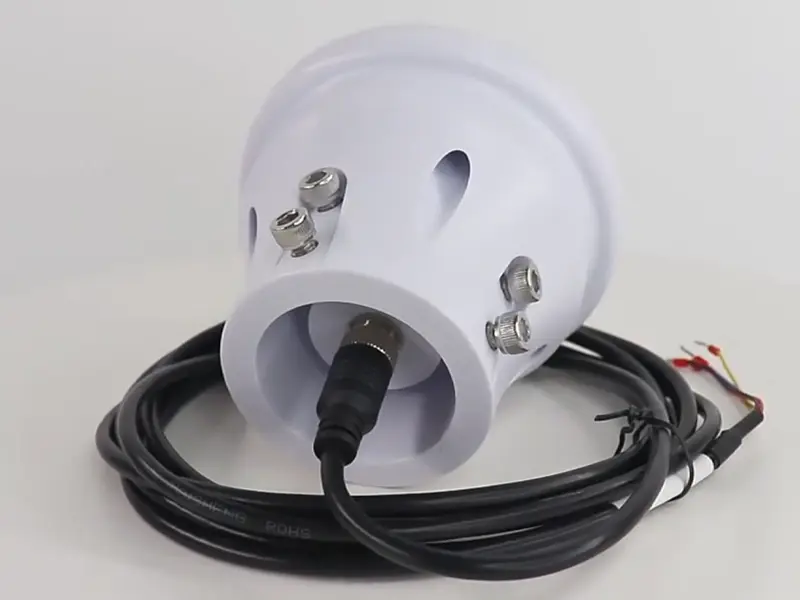
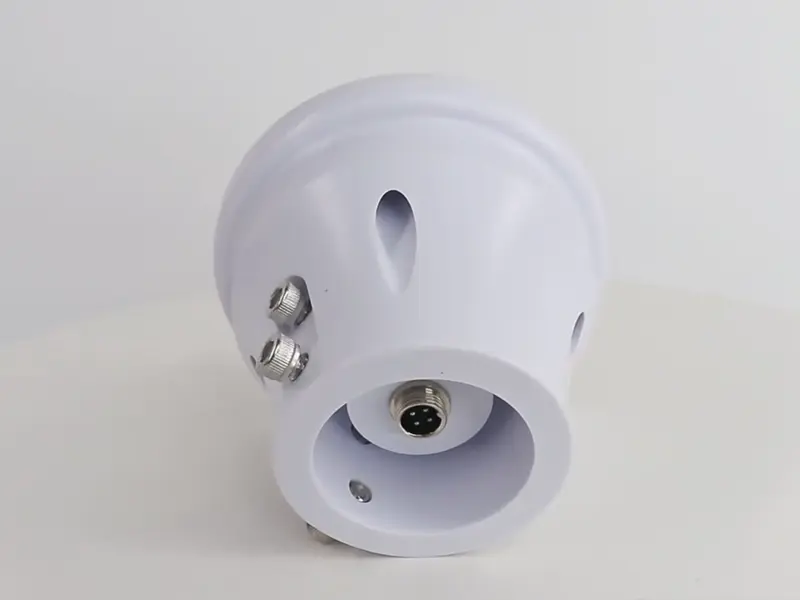
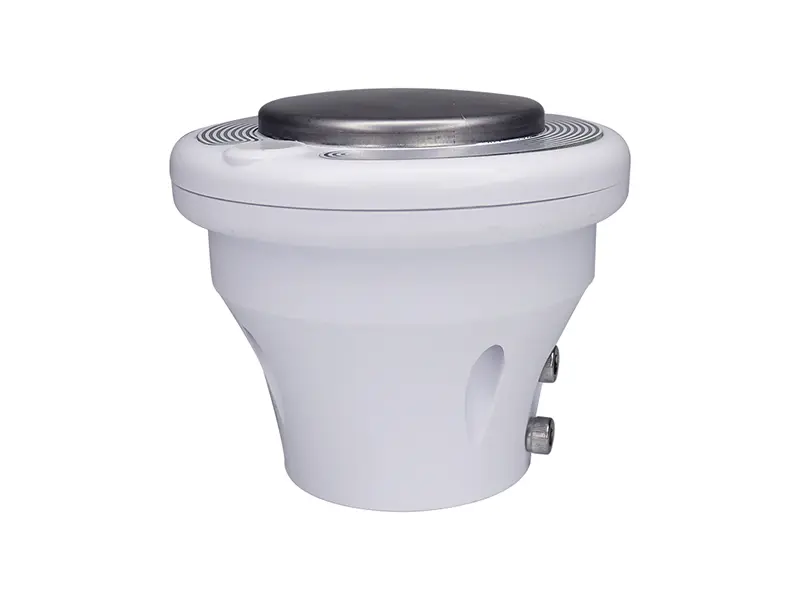
Um pluviômetro piezoelétrico é um sensor de precipitação de estado sólido projetado para medir chuva utilizando tecnologia de detecção piezoelétrica. Ao contrário dos pluviômetros mecânicos tradicionais, ele não possui partes móveis e se caracteriza por estrutura compacta, resposta rápida e baixos requisitos de manutenção. É amplamente utilizado em monitoramento meteorológico, observação hidrológica, infraestrutura inteligente, agricultura e outras aplicações de monitoramento ambiental.
Princípio de funcionamento
Um pluviômetro piezoelétrico funciona com base no efeito piezoelétrico, onde os impactos das gotas de chuva geram tensão mecânica que é convertida em sinais elétricos pelo elemento piezoelétrico interno. O sistema de processamento de sinais analisa parâmetros como amplitude do sinal, frequência e energia de impacto para calcular a intensidade da chuva, precipitação acumulada e outras características de precipitação para monitoramento digital contínuo.
Componentes principais
Um pluviômetro piezoelétrico consiste em componentes de detecção, processamento de sinais, comunicação e proteção que trabalham juntos para detectar impactos de gotas de chuva, converter sinais e transmitir dados de precipitação para sistemas de monitoramento.
| Componente | Função |
| Superfície sensora | Recebe os impactos das gotas de chuva e transfere a energia mecânica para o sensor. |
| Elemento Piezoelétrico | Converte as forças de impacto em sinais elétricos. |
| Processador de Sinais | Amplifica, filtra e analisa sinais para calcular dados de precipitação. |
| Módulo de comunicação | Transmite os dados de precipitação processados para plataformas de monitoramento. |
| Caixa de proteção | Protege os componentes internos contra condições externas. |
Vantagens e Limitações do Pluviômetro Piezoelétrico
Os pluviômetros piezoelétricos oferecem diversas vantagens por meio de sua estrutura de sensoriamento de estado sólido e tecnologia avançada de processamento de sinais. No entanto, como qualquer tecnologia de medição de chuva, eles também apresentam certas limitações relacionadas a custo, interferência ambiental e condições de medição. Compreender ambos os aspectos ajuda a fornecer uma visão mais completa de seu desempenho prático.
Vantagens
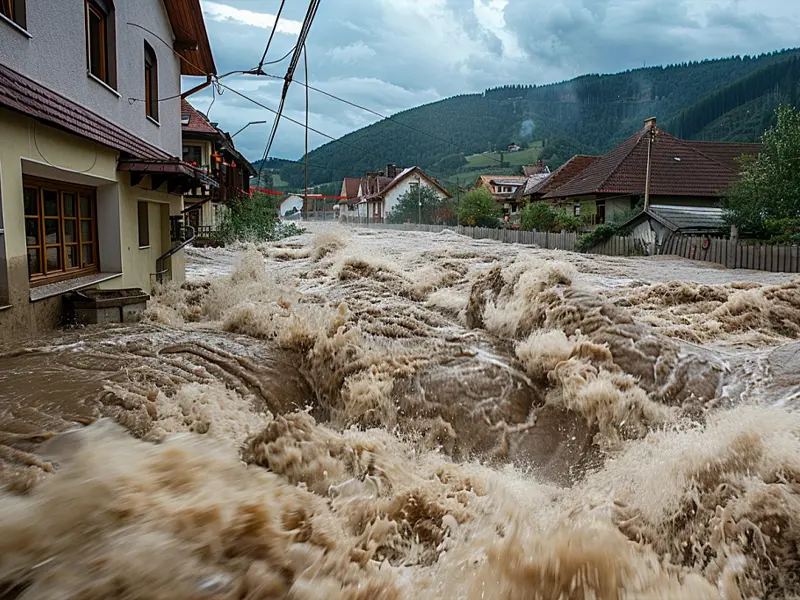
O sensor de chuva piezoelétrico utiliza tecnologia de sensoriamento de estado sólido, sem partes móveis mecânicas, reduzindo o desgaste mecânico e os requisitos de manutenção. Eles proporcionam resposta mais rápida às mudanças de precipitação e podem capturar dados de precipitação de maior resolução por meio da análise de sinais, tornando-os adequados para aplicações como monitoramento remoto, alerta de enchentes e observação de chuva em tempo real.
Limitações
Os pluviômetros geralmente apresentam um custo inicial mais elevado devido aos seus sistemas eletrônicos de sensoriamento e processamento de sinais. Sua precisão pode ser afetada por interferências ambientais, como vibração do vento e ruído de fundo, especialmente em condições de precipitação muito leve ou extrema. Calibração adequada e compensação de sinais são necessárias para manter uma precisão de medição confiável.

Pluviômetro de Báscula vs Pluviômetro Piezoelétrico: Principais Diferenças
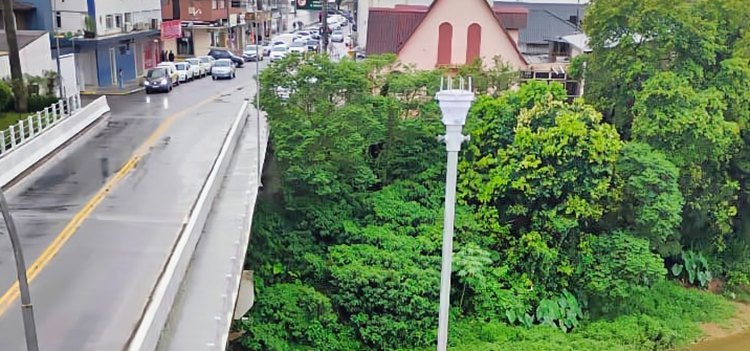
Embora tanto o pluviômetro de báscula quanto o piezoelétrico sejam amplamente utilizados para monitoramento de precipitação, eles diferem em desempenho de medição, design estrutural e requisitos de manutenção. As principais diferenças podem ser avaliadas em três aspectos principais: precisão e resolução de dados, velocidade de resposta e capacidade de análise de precipitação, e confiabilidade de longo prazo.
Precisão de Medição e Resolução de Dados
Os pluviômetros de báscula fornecem medição confiável de precipitação acumulada e são amplamente utilizados em observações meteorológicas e hidrológicas padrão. Com resoluções típicas de 0,1–0,5 mm por basculamento, eles são bem adequados para registros de precipitação de longo prazo e monitoramento rotineiro de chuva.
O sensor de chuva piezoelétrico fornece maior resolução temporal ao analisar sinais de impacto de gotas de chuva, em vez de depender da medição de volume fixo. Eles são mais adequados para aplicações que exigem análise detalhada de variação de precipitação, mudanças rápidas de intensidade e monitoramento de precipitação de curta duração.
Velocidade de Resposta e Capacidade de Análise de Precipitação
Os pluviômetros de báscula registram a precipitação por meio de eventos de medição discretos, o que significa que cada atualização de dados ocorre após o reservatório atingir um volume calibrado e completar um ciclo de basculamento. Esse método de medição fornece dados confiáveis de precipitação acumulada, mas pode apresentar limitações ao capturar mudanças rápidas na intensidade da chuva durante eventos de curta duração ou alta intensidade.
Os pluviômetros detectam impactos individuais de gotas de chuva e convertem os sinais em dados digitais de precipitação com maior resolução temporal. Isso permite uma detecção mais rápida de variações de chuva e fornece informações adicionais para analisar mudanças na intensidade da precipitação, tornando-os adequados para monitoramento de precipitação em tempo real e observação meteorológica dinâmica.
Manutenção e Confiabilidade de Longo Prazo
Os pluviômetros de báscula dependem de componentes mecânicos que exigem limpeza, calibração e inspeção periódicas. Sua estrutura simples e desempenho comprovado os tornam uma escolha confiável e econômica para monitoramento de precipitação de longo prazo.
Os pluviômetros piezoelétricos não possuem partes móveis, reduzindo o desgaste mecânico e as necessidades de manutenção rotineira. Calibração adequada e processamento de sinais ainda são necessários para manter a confiabilidade da medição sob condições ambientais variáveis.


Comparação Completa: Pluviômetro de Báscula vs. Pluviômetro Piezoelétrico
| Comparação | Pluviómetro de balde basculante | Pluviómetro piezoelétrico |
| Princípio de medição | Mecanismo mecânico de basculamento | Sensoriamento piezoelétrico por impacto |
| Peças Móveis | Sim | Não |
| Tempo de resposta | Moderado | Rápido |
| Requisito de Manutenção | Médio | Baixa |
| Detecção de Intensidade de Precipitação | Bom | Excelente |
| Análise de Gotas de Chuva | Limitada | Disponível |
| Resolução de Dados | 0,1–0,5 mm típico | Maior resolução temporal |
| Custo | Inferior | Mais alto |
| Operação de Longo Prazo | Confiabilidade comprovada | Desempenho estável de estado sólido |
| Adaptabilidade a Ambientes Adversos | Boa com manutenção adequada | Boa com compensação de sinal |
Qual Pluviômetro Oferece Melhor Precisão?
A precisão depende do objetivo da medição, das condições de precipitação e dos requisitos de monitoramento. Pluviômetros de báscula e sensores de chuva piezoelétricos oferecem diferentes vantagens para a medição de precipitação.
Os pluviômetros de báscula fornecem medição estável de precipitação acumulada e são amplamente utilizados em observações meteorológicas e hidrológicas padrão. São adequados para aplicações que exigem registros de precipitação de longo prazo, confiabilidade comprovada e implantação econômica.
Os pluviômetros piezoelétricos fornecem maior resolução temporal e resposta mais rápida às mudanças de precipitação. São mais adequados para aplicações que exigem análise detalhada de variação de chuva, monitoramento meteorológico rápido e observação de precipitação de curta duração ou alta intensidade.
Em aplicações práticas, os pluviômetros de báscula são frequentemente preferidos para registros confiáveis de precipitação de longo prazo, enquanto os sensores de chuva piezoelétricos são vantajosos quando mudanças rápidas de precipitação e dados de maior resolução são necessários. A seleção depende do propósito do monitoramento e dos requisitos de dados.

Como Escolher Entre Pluviômetro de Báscula e Pluviômetro Piezoelétrico?
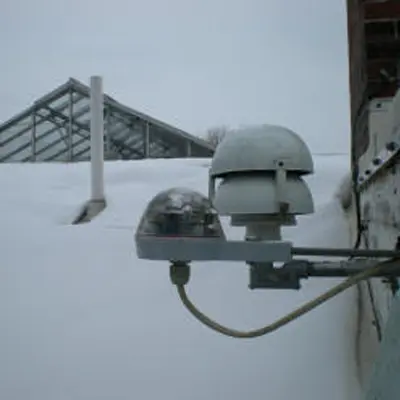
A seleção entre um pluviômetro de báscula e um piezoelétrico depende dos objetivos de monitoramento, da resolução de dados necessária, do ambiente de instalação e dos requisitos de manutenção. Cada tecnologia oferece vantagens específicas para diferentes aplicações de monitoramento de precipitação.
Escolha um Pluviômetro de Báscula Quando:
Um pluviômetro de báscula é adequado para aplicações que exigem medição confiável de precipitação acumulada, tecnologia de medição estabelecida e estabilidade operacional de longo prazo. É comumente usado em estações meteorológicas automáticas, monitoramento meteorológico agrícola, redes de observação hidrológica e sistemas de coleta de dados de precipitação.
Baseado em um projeto de medição mecânica comprovado, os pluviômetros de báscula fornecem registros consistentes de precipitação e são bem adequados para implantações de monitoramento em larga escala onde continuidade de dados de longo prazo, manutenção simples e eficiência de custos são considerações importantes.
Escolha um Pluviômetro Piezoelétrico Quando:
Um sensor de chuva piezoelétrico é adequado para aplicações que exigem resposta rápida à precipitação, alta resolução temporal e análise detalhada de precipitação. É comumente usado em sistemas de alerta de enchentes, infraestrutura de transporte inteligente, monitoramento meteorológico em tempo real e pesquisa científica de precipitação.
Com uma estrutura de sensoriamento de estado sólido e sem partes móveis mecânicas, ele reduz o desgaste mecânico e simplifica a manutenção de longo prazo. Sua resposta rápida e capacidade de processamento de sinais os tornam adequados para estações de monitoramento remoto e aplicações que exigem observação contínua de mudanças na intensidade da precipitação e eventos de chuva de curta duração. Se você quiser saber mais sobre “Como Medir a Precipitação,” clique aqui.

Conclusão
Pluviômetros de báscula e piezoelétricos oferecem cada um vantagens para diferentes requisitos de monitoramento de precipitação. Os pluviômetros de báscula continuam sendo uma escolha confiável para medição de precipitação acumulada de longo prazo, enquanto ele fornece resposta mais rápida e maior resolução temporal para análise de precipitação em tempo real. A melhor solução depende de fatores como objetivos de monitoramento, resolução de dados necessária, condições ambientais e expectativas de manutenção.
Escolher o sensor de precipitação certo pode melhorar a confiabilidade dos dados e a eficiência do monitoramento em aplicações meteorológicas, hidrológicas, agrícolas e de infraestrutura inteligente. A Yantai Sensor fornece soluções profissionais de monitoramento de precipitação e suporte técnico para ajudar os clientes a selecionar tecnologias de pluviômetro adequadas com base nos requisitos específicos de seus projetos. Contactar-nos para discutir suas necessidades de monitoramento de precipitação e encontrar a solução certa para sua aplicação. Se você quiser saber mais sobre “Qual é o Melhor Pluviômetro,” clique aqui