High-Precision Pyranometer for Solar PV Performance Ratio (PR) Monitoring

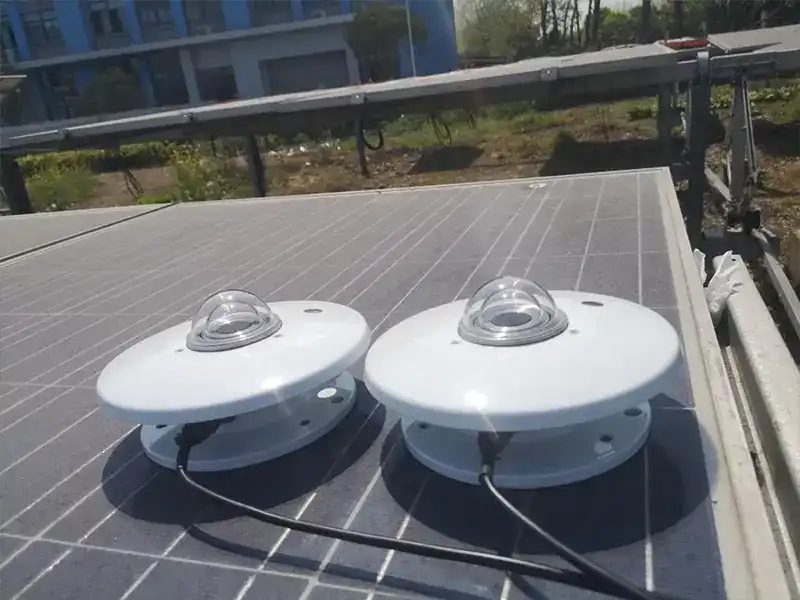
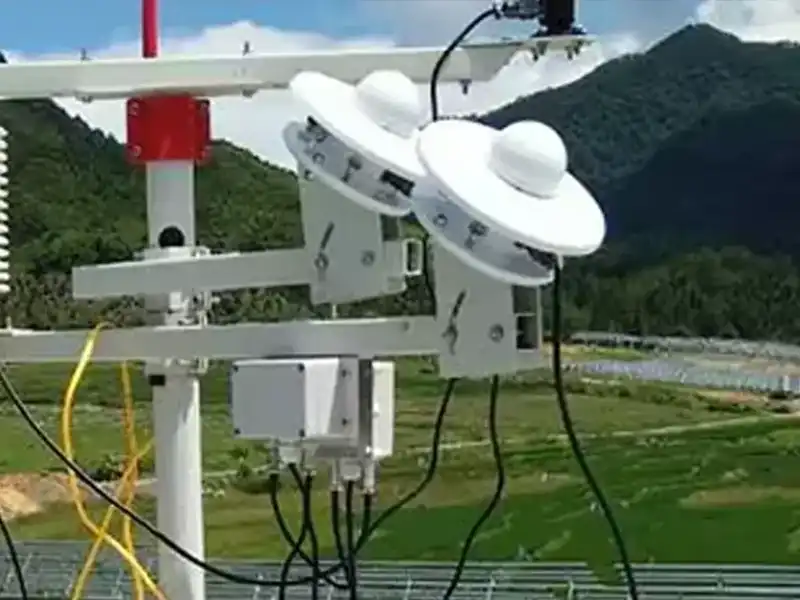
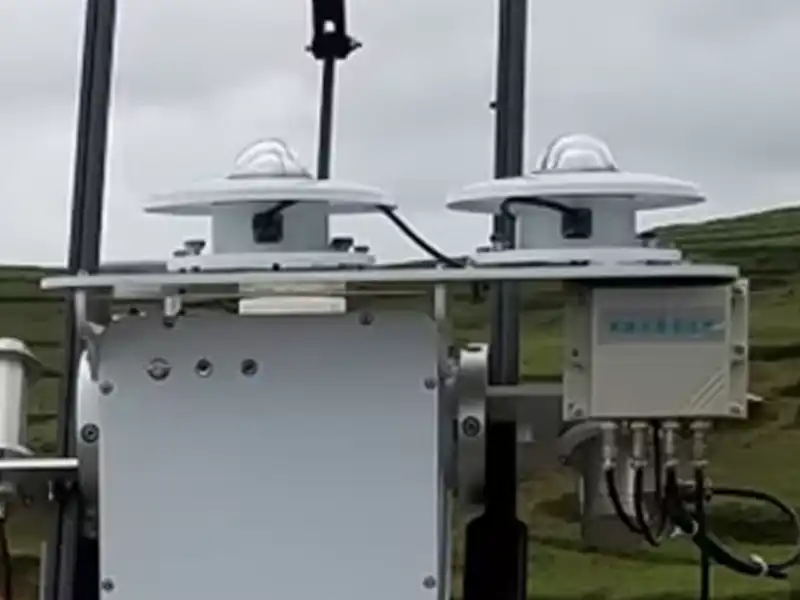
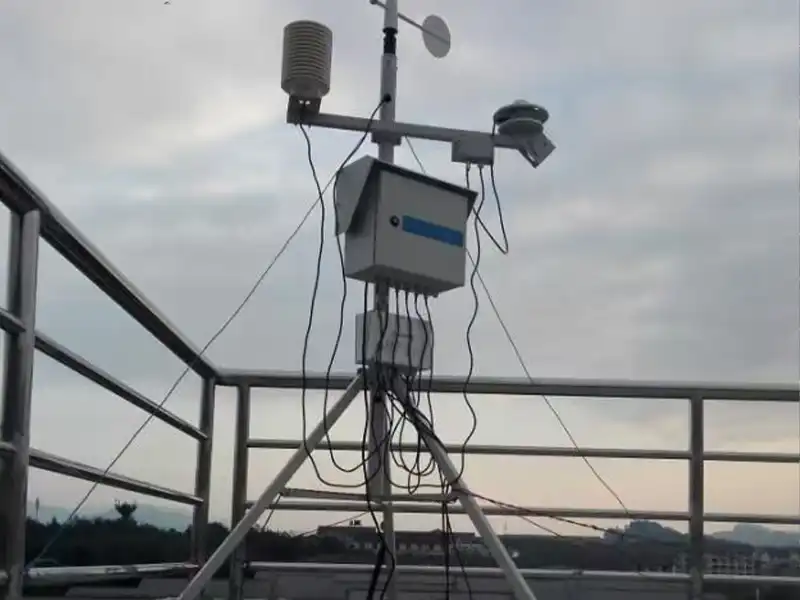
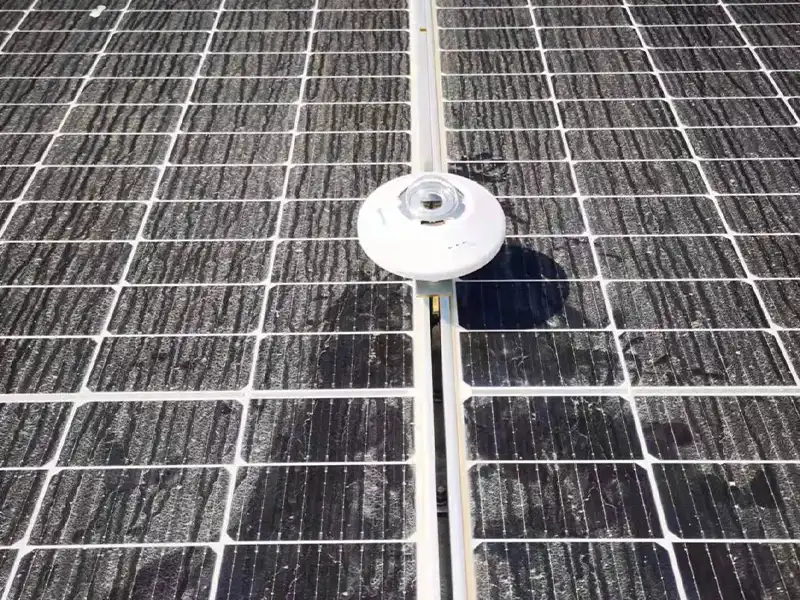
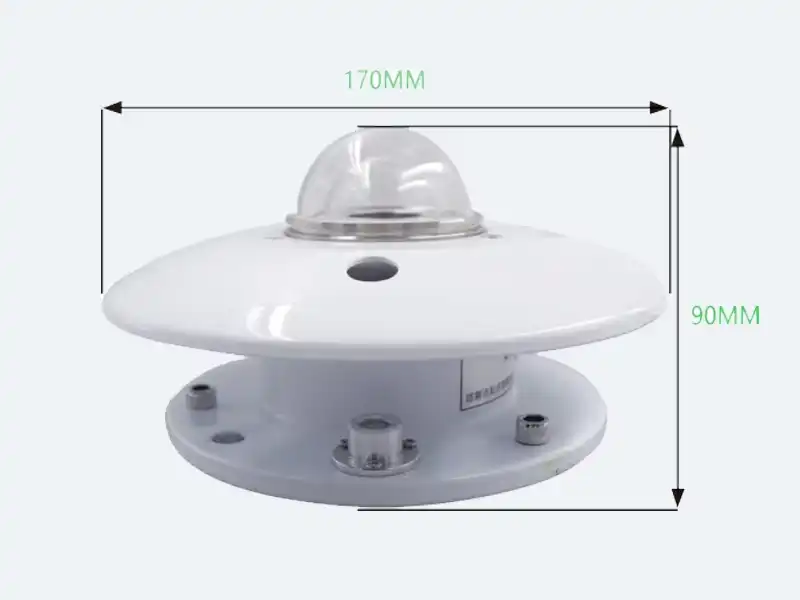
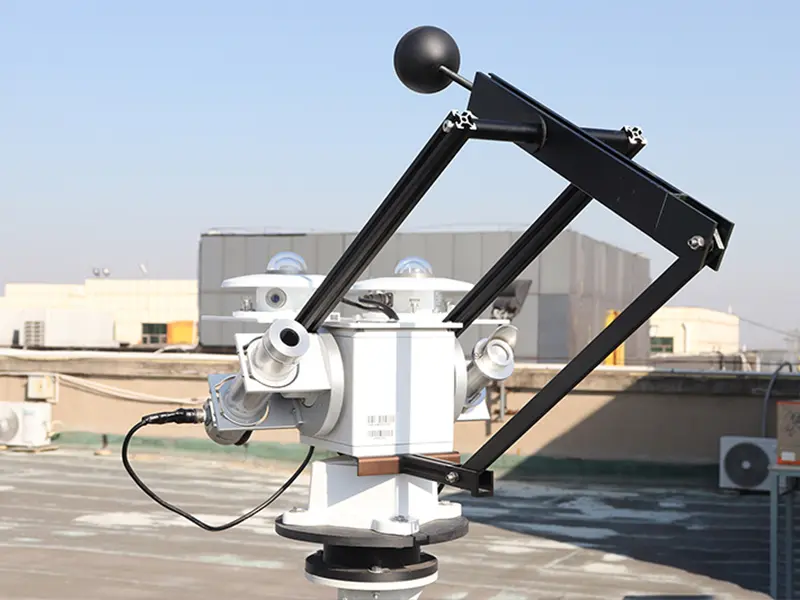
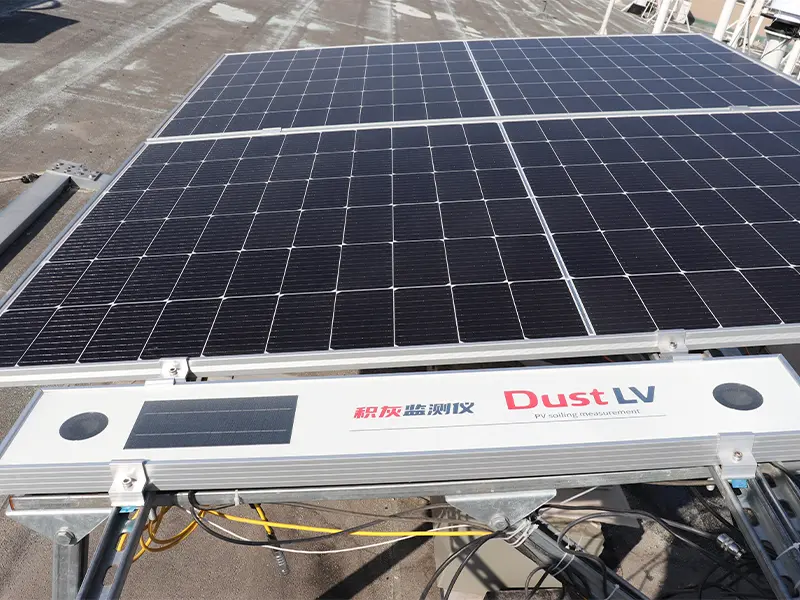
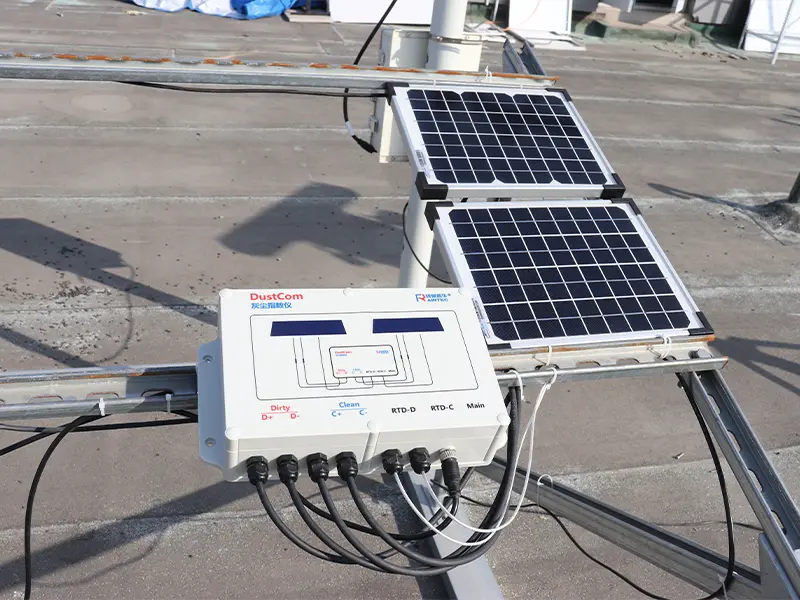
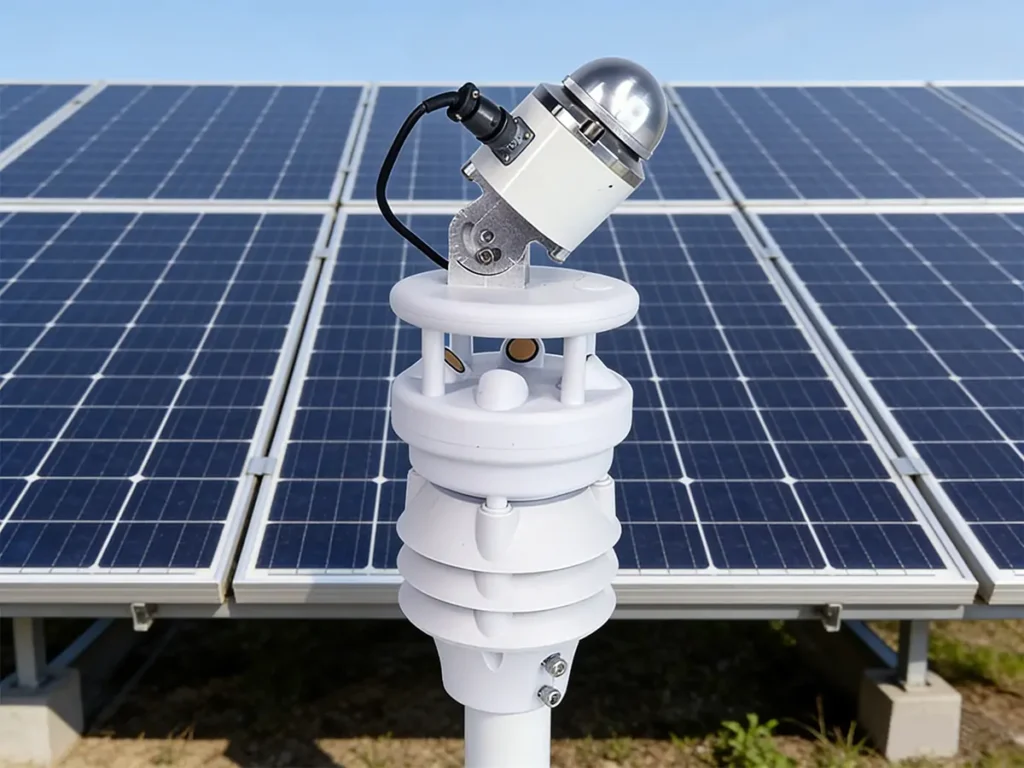
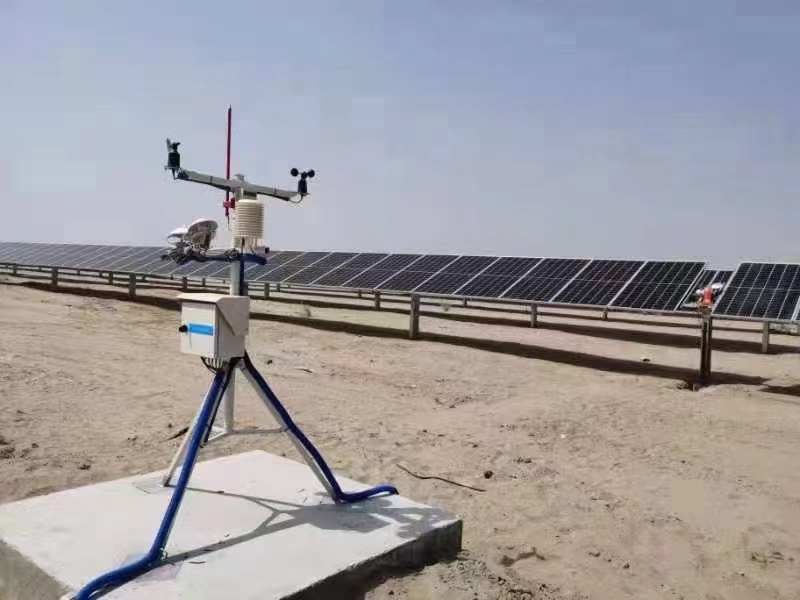
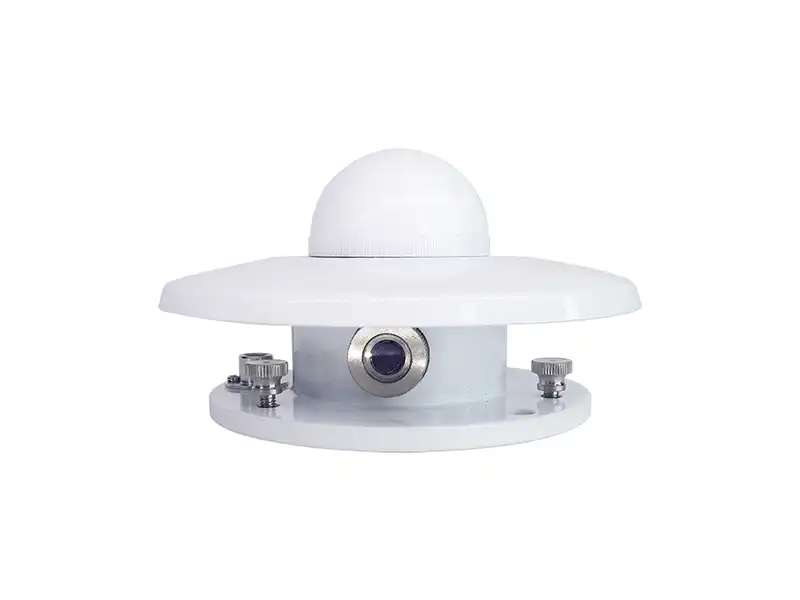
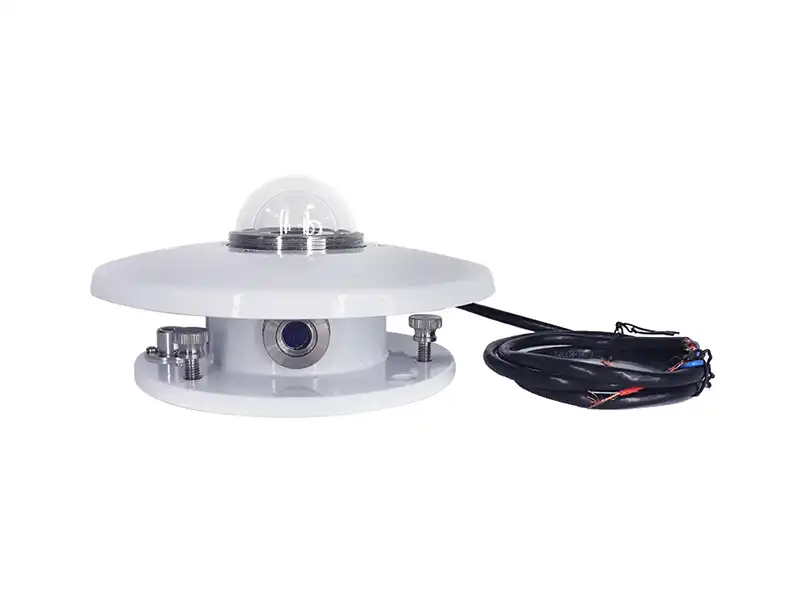
High-precision pyranometers (also known as solar radiation sensors) are essential tools in the performance monitoring of solar photovoltaic systems. Specifically designed to measure the intensity of solar radiation, they help monitor the energy output and system efficiency of photovoltaic power plants. These advanced instruments ensure the accuracy of Power Ratio (PR) calculations for photovoltaic systems, thereby providing users with reliable data support.

  • Output: 200mv of original output
  • Sensitivity: 7~14μV∕W.m-2
  • Response time: <35 s (99% response)
  • Cosine response: ≤ ±7% (at a solar altitude angle of 10°)
  • Azimuth: ≤ ±5% (at a solar altitude angle of 10°)
  • Nonlinearity: Not greater than ±2%
  • Spectral range: 0.3–3.2 μm

导言

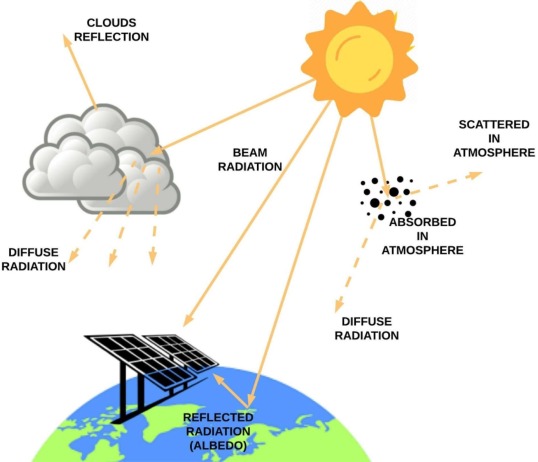
A pyranometer is a precision instrument used to measure the intensity of solar radiation and is widely used in solar photovoltaic systems. It employs a thermopile sensor to convert radiation intensity into an electrical signal based on the principle of thermoelectric potential. When sunlight strikes the sensing surface, the resulting temperature change generates an electromotive force that reflects the intensity of solar radiation. The double-layer quartz glass cover is designed to minimise the effects of air convection, ensuring measurement accuracy. Pyranometers can precisely measure solar radiation in the wavelength range of 0.3 to 3.2 micrometres and are widely used in fields such as photovoltaic power generation, meteorological monitoring, and climate research.

pyranometer working principle

The working principle of a Pyranometer is based on the thermopile sensor, which absorbs solar radiation and converts it into an electrical signal. Here’s how it works:

  • Absorption of Solar Radiation: The pyranometer’s sensor, typically a thermopile, absorbs solar radiation across the spectrum of 0.3 to 3.2 micrometers.
  • Temperature Difference: The absorbed radiation heats up the sensor, causing a temperature difference between the sensor’s hot and cold junctions.
  • Generation of Voltage: This temperature difference generates a small electrical voltage (Seebeck effect) that is directly proportional to the amount of solar radiation received.
  • Measurement of Voltage: The generated voltage is measured and recorded as a value representing the intensity of the solar radiation.
  • Conversion to Data: The voltage output is then converted into readable data, which indicates the solar radiation in watts per square meter (W/m²).
pyranometer-working-principle

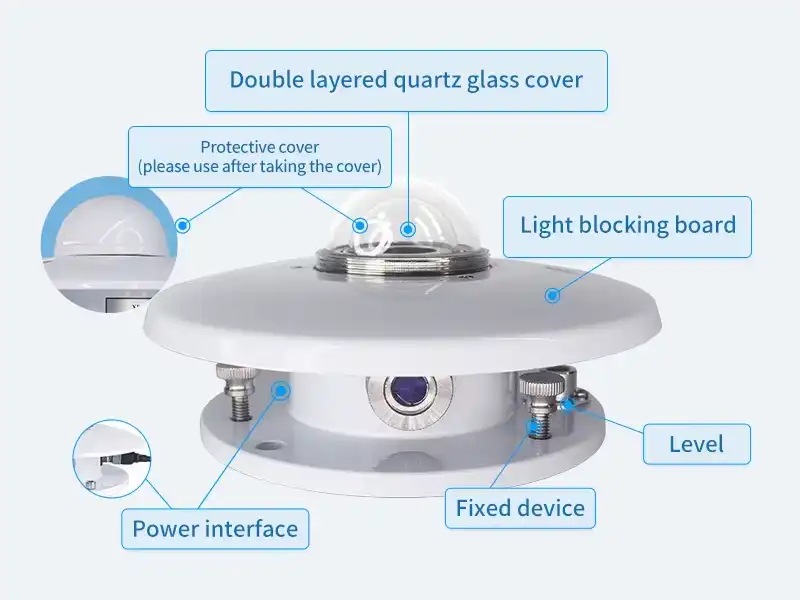
Structure pyranometer

  • Sensing Element
    Composed of a fast-response, wire-wound, electroplated thermopile, used to convert solar radiation into an electrical signal.
  • Sensing Surface
    Coated with matte black paint to increase radiation absorption efficiency, the sensing surface is connected to the hot junction.
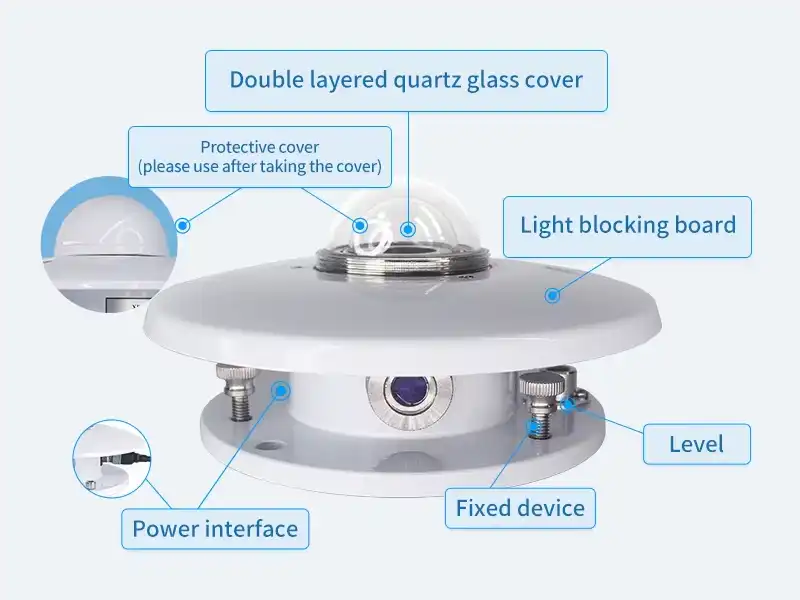
  • Double-Layer Quartz Glass Cover
    The outer cover reduces the effects of air convection, while the inner cover blocks infrared radiation from the outer cover, ensuring measurement accuracy.
  • Cold Junction
    Creates a temperature difference with the sensing surface; together with the hot junction, it generates an electromotive force proportional to the intensity of solar radiation.
  • Desiccant
    Protects internal electronic components from moisture, ensuring instrument stability.
  • Shade Plate
    Used to adjust and block excessive sunlight, ensuring the accuracy of the radiometer’s measurements.
pyranometer

详情显示

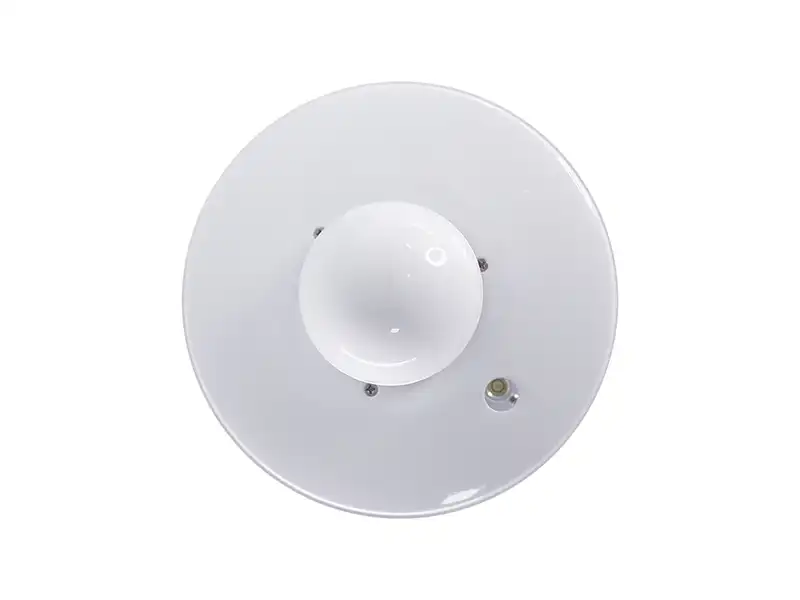
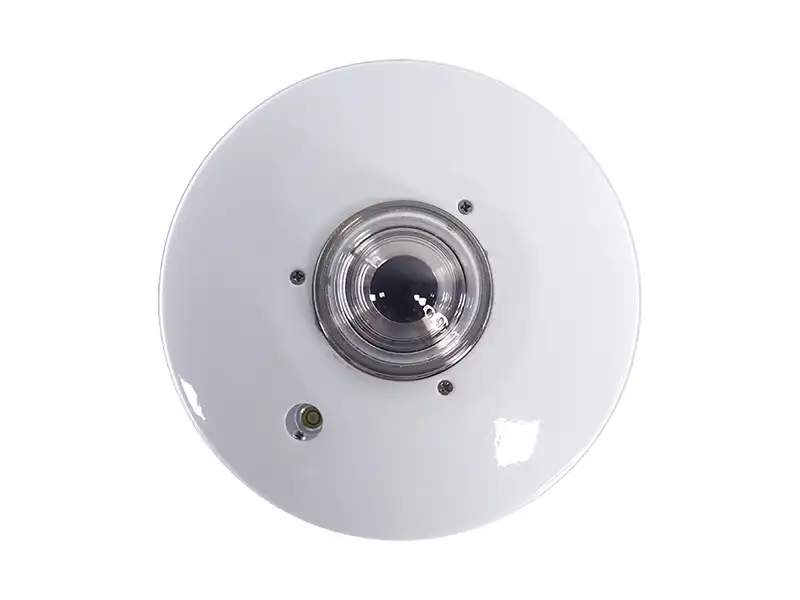
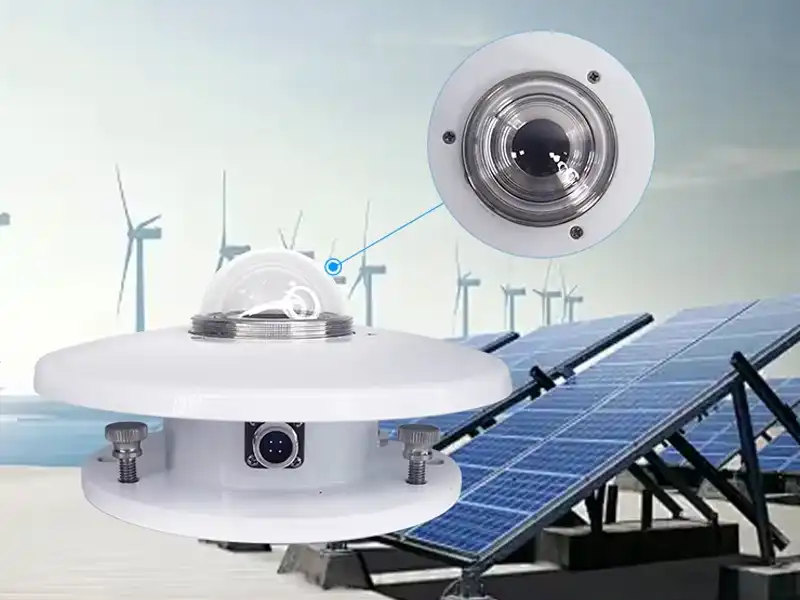
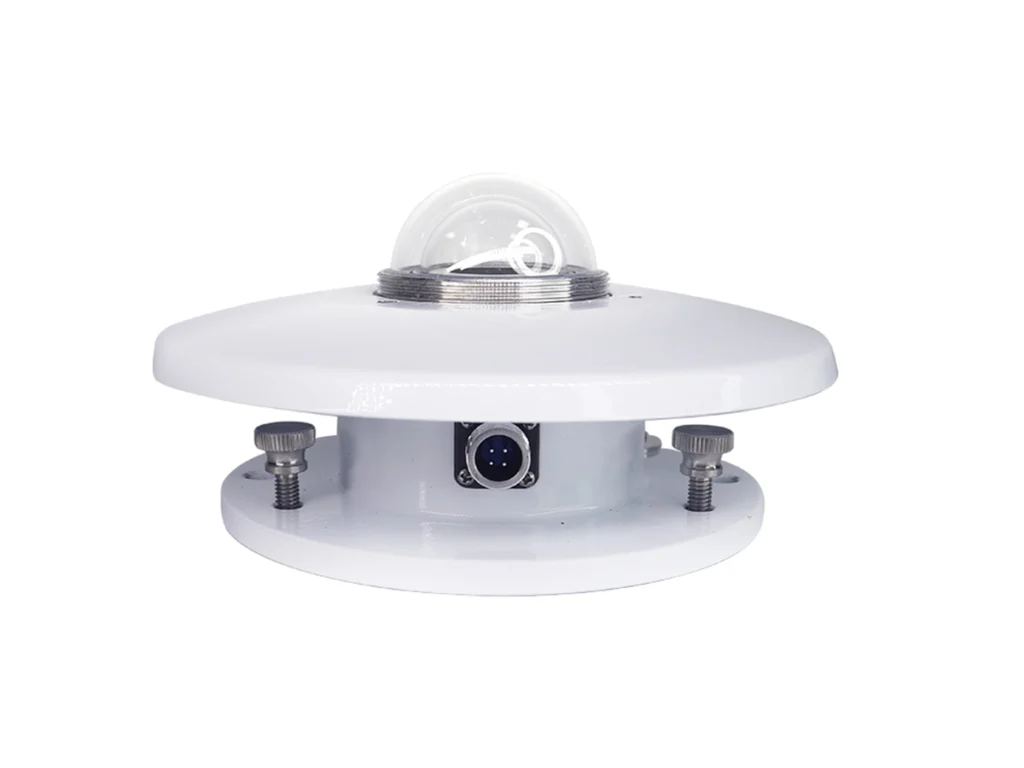
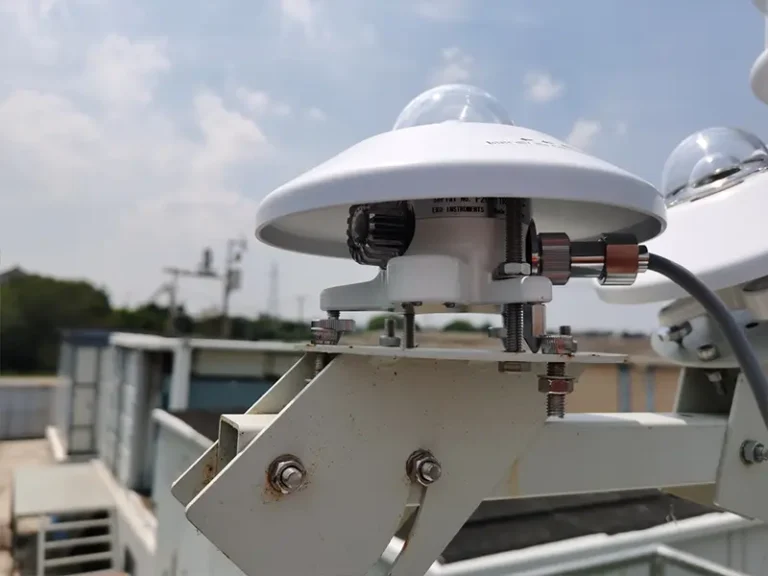
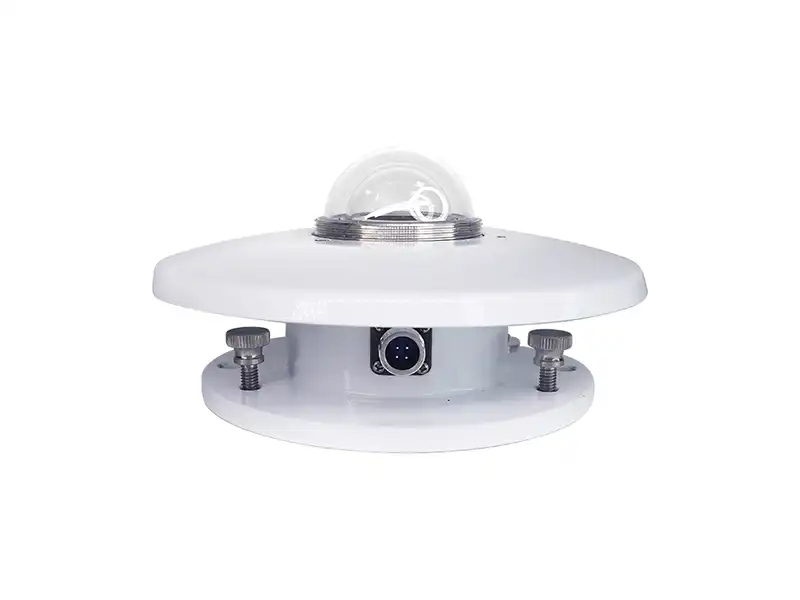
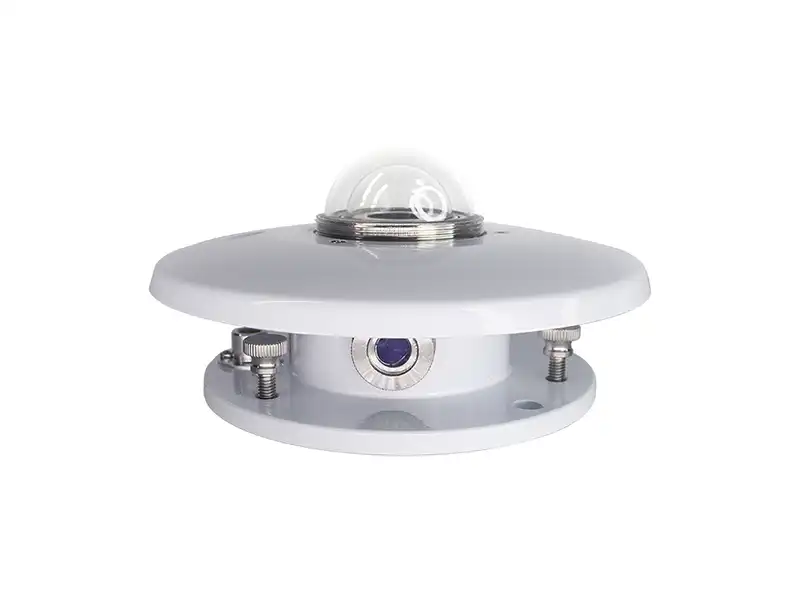
The solar pyranometer’s design details, from the sensing surface at the top to the mounting interface at the bottom, demonstrate superior construction, and the double-glazed housing effectively minimises external interference. Every component, including the sensing element, the desiccant in the housing, and the precision fittings, has been rigorously engineered and tested to ensure long-term, efficient operation. Below are details shown for the solar pyranometer:

规格

The pyranometer is specifically designed for measuring solar radiation, featuring a fast response time (<35 seconds) and exceptional stability (annual stability of ±2%). With a spectral range of 0.3–3.2 μm, it is suitable for a wide range of radiation monitoring applications. Below are the pyranometer specifications:

参数

TypeWeather Station输出RS485
UsagePARBrand Name烟台传感器
DescriptionFlange installationDescriptionTotal Solar Radiation Pyranometer Sensor / solar radiation sensor
特点High SensitivityManufacturer Part NumberTBQ-2C
Mounting TypeMulti-functionPlace of OriginHebei, China
SeriesHCD
输出200mv of original outputSensitivity7-14mv/kw·m²
响应时间<35s (99% response)Annual stability≤±2%
Cosine Response≤±7% (solar elevation 10°)Position≤±5% (solar elevation 10°)
Non linear≤±2%Spectral range0.3-3.2μm
Temperature coefficient≤±2% (-10–40°C)

Features pyranometer sensor

Applications pyranometer

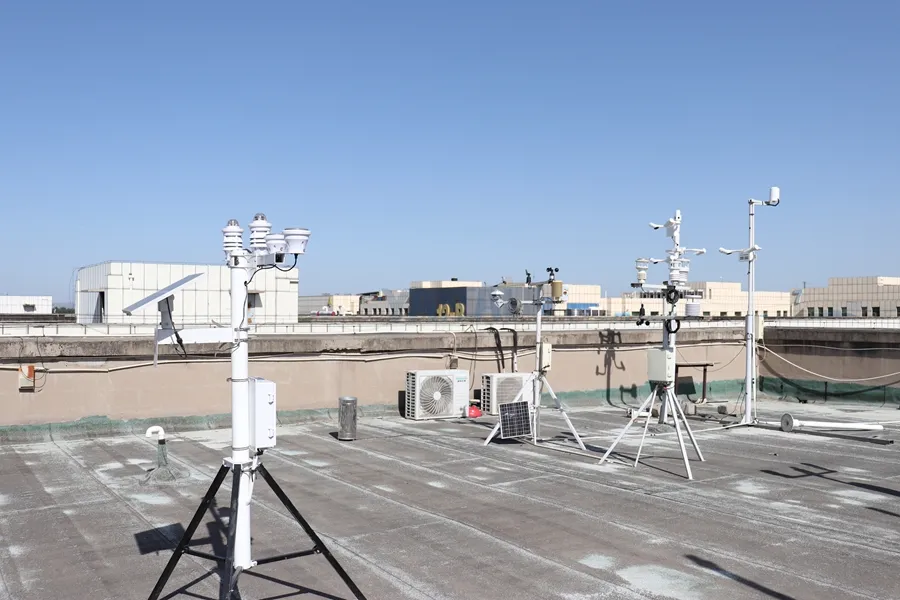
Pyranometers are widely used in various fields that require precise measurements of solar radiation intensity, particularly in solar power generation and meteorological research. By providing highly accurate radiation data, pyranometers help optimise the efficiency of solar power systems and support environmental monitoring and climate research. Below are specific applications of pyranometers:

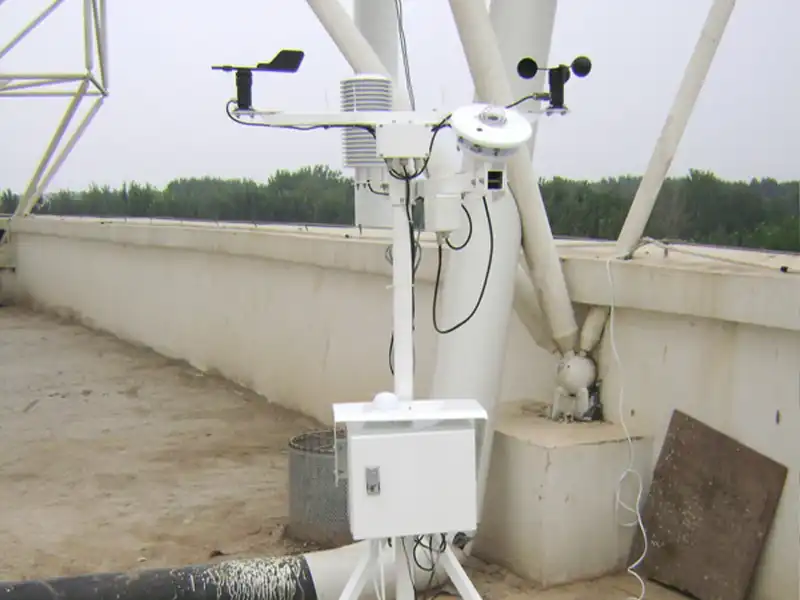
pyranometer for Photovoltaic Power Generation

Used to assess solar radiation intensity, helping to optimise the performance and efficiency of photovoltaic systems.

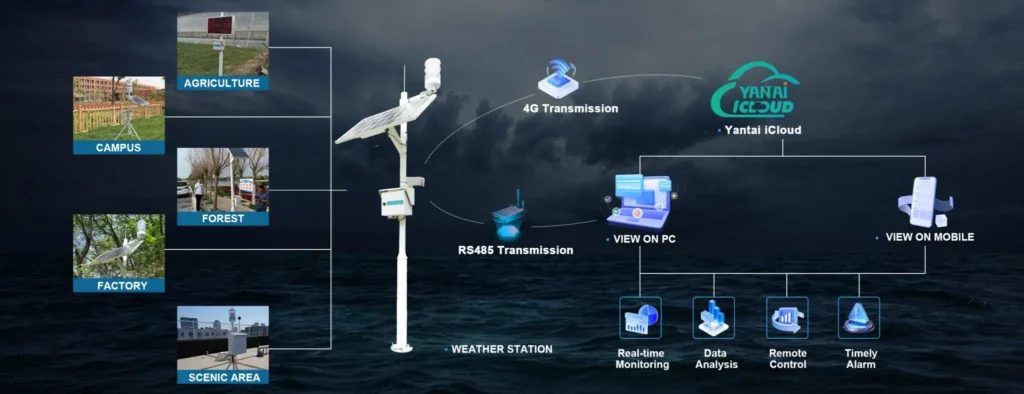
Used by weather stations to monitor solar radiation, supporting weather forecasting and climate research.

pyranometer for Environmental Monitoring

环境监测

In environmental protection and ecological research, it monitors radiation intensity to provide data for climate change studies.

Pyranometer for Agricultural Research

Used in agriculture and greenhouse cultivation to monitor light conditions, helping to optimise crop growth environments.

Pyranometer for Climate Research

Climate Research

Used in climate change research to measure solar radiation, providing data support for predicting global climate trends.

Pyranometer for Aerospace Applications

Used on satellites and space stations to measure solar radiation, supporting radiation monitoring during space missions.

custom solar pyranometer

Custom solar Pyranometers provide tailored solutions to meet the specific needs of different customers and application scenarios. By adjusting parameters, design, and functionality, these custom pyranometers can satisfy the precise requirements for solar radiation measurement across various professional fields, ensuring efficient performance and reliability in specific environments.

定制选项

  • Sensitivity Range: The sensitivity range can be adjusted to meet customer requirements and accommodate various radiation measurement needs.
  • Spectral Range: Custom spectral ranges are available to suit specific applications, such as the measurement of ultraviolet, visible, or infrared radiation.
  • 响应时间: Response time can be optimized to meet application requirements and adapt to rapidly changing radiation environments.
  • Housing Material: Select different housing materials based on the operating environment, such as waterproof, corrosion-resistant, or high-temperature-resistant options, to ensure reliable operation under harsh conditions.
  • Temperature Adaptability: Customise temperature coefficients to accommodate a wider temperature range based on the customer’s operating environment requirements, thereby maintaining measurement accuracy.
  • Custom Data Interfaces: We offer various data interface options, such as Modbus, RS485, and wireless communication, to facilitate integration with existing monitoring systems.
  • Mounting Options: We provide multiple mounting options, such as fixed-mount and adjustable-angle mounting, to accommodate different installation requirements.
  • Accuracy Requirements: We offer high-precision measurement options to meet the needs of specific applications with stringent data accuracy requirements.
pyranometer

pyranometer 制造商 和供应商

Yantai Sensor is a professional pyranometer manufacturer and supplier, specialising in high-precision solar radiation measurement solutions for solar energy systems, environmental monitoring, and scientific research. Our thermopile pyranometers are designed to accurately measure solar radiation levels, providing stable and reliable data for performance ratio (PR) monitoring, energy optimization, and climate studies.

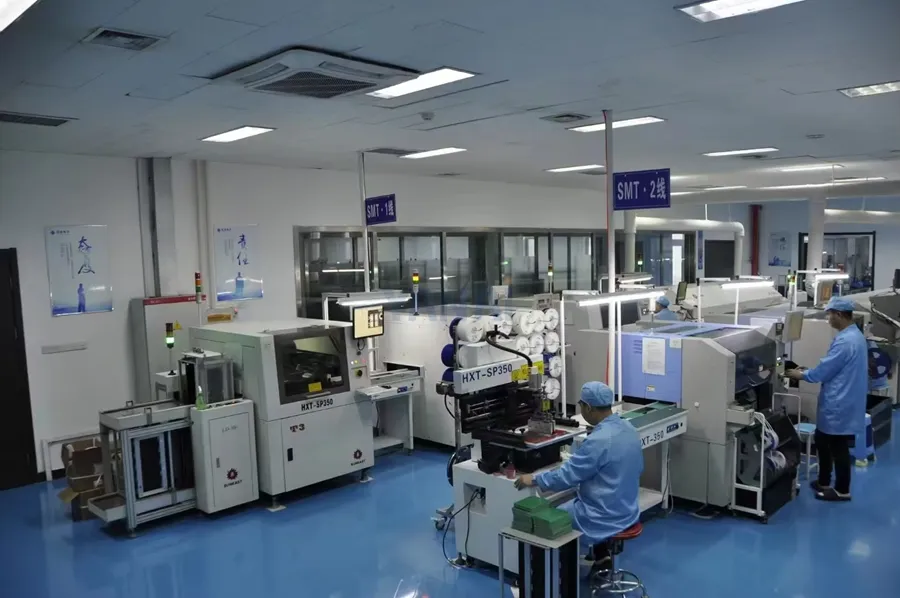
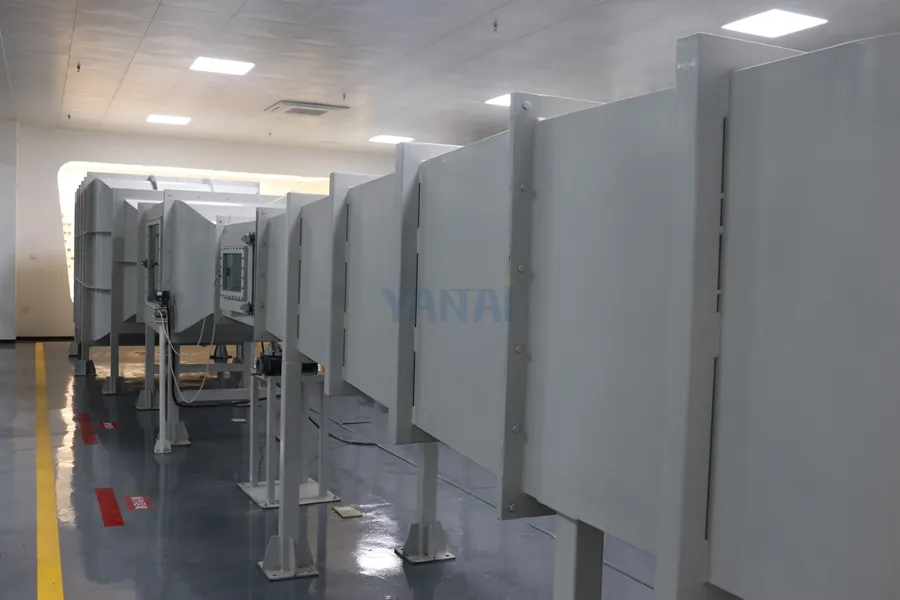
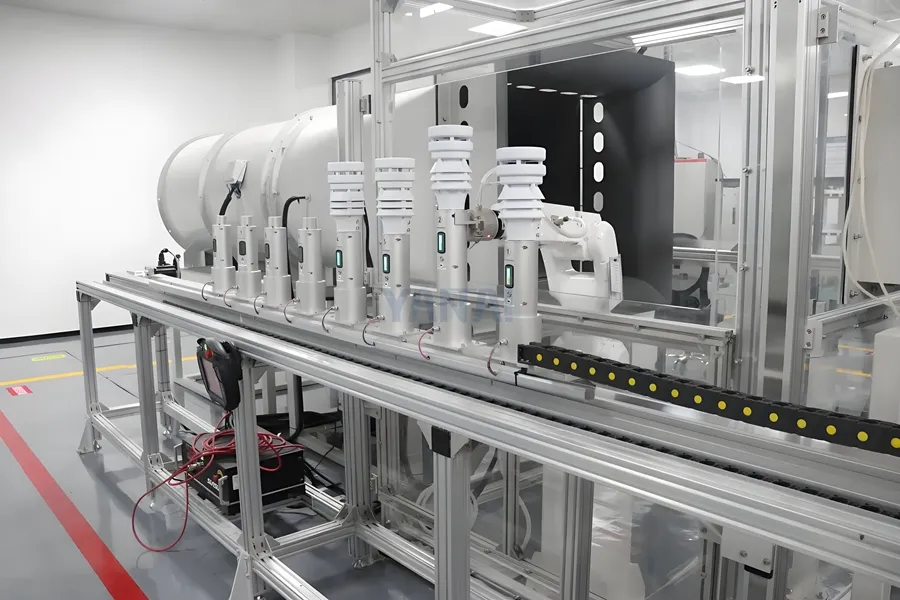
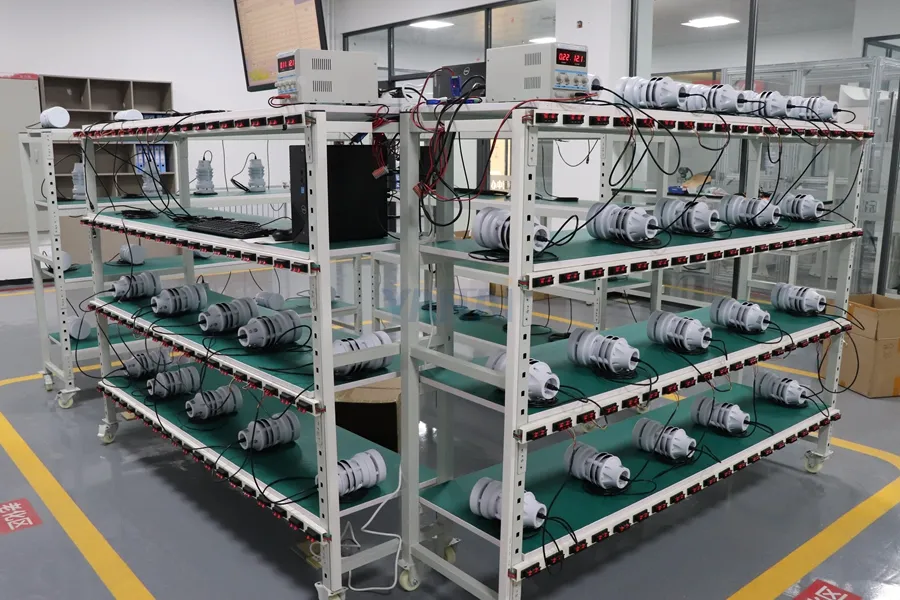
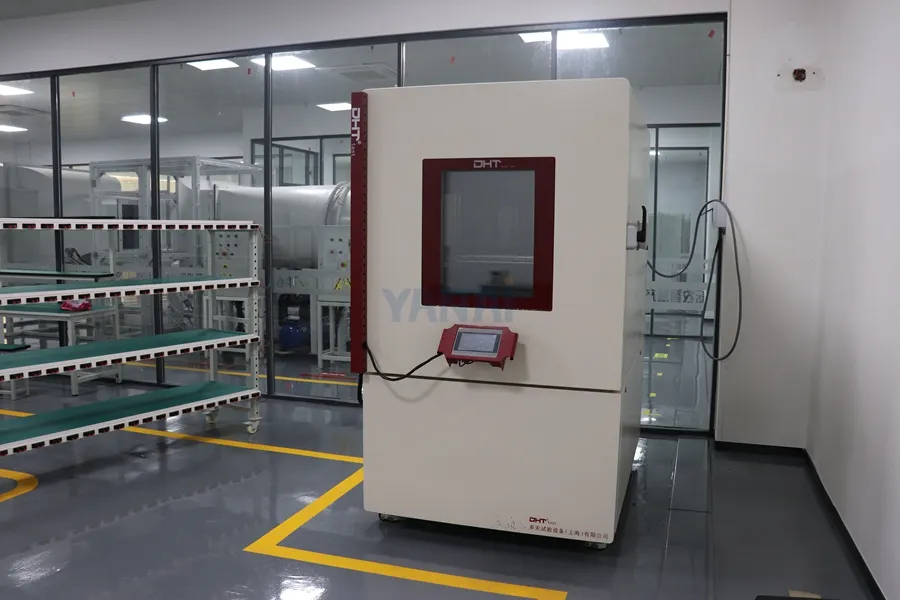
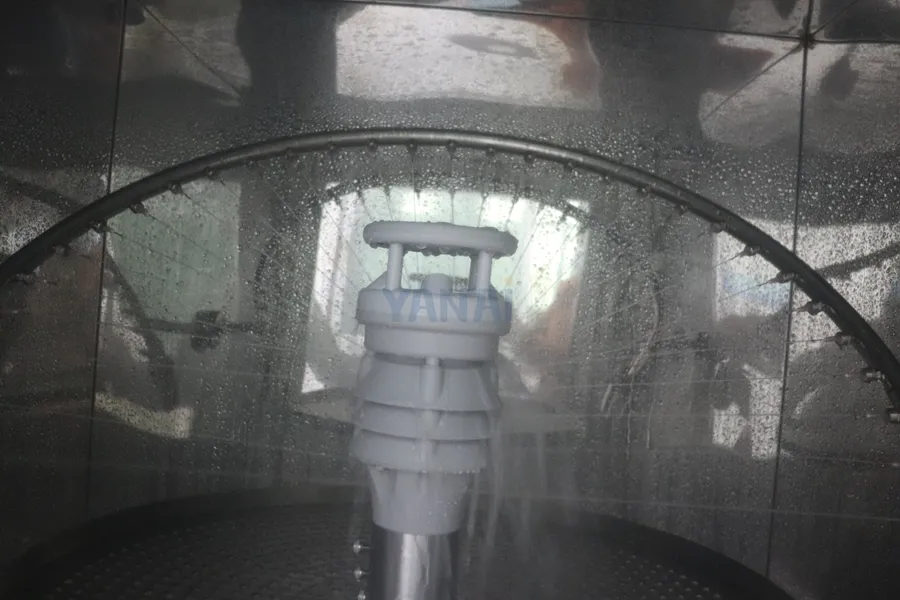
With strong independent R&D capabilities, advanced manufacturing facilities, and a dedicated environmental testing laboratory, each pyranometer undergoes rigorous quality checks, including temperature, humidity, vibration, and long-term performance tests. Certified with CE, ISO, and RoHS, we offer reliable products along with flexible OEM/ODM services to support global solar energy and climate monitoring projects.

证书

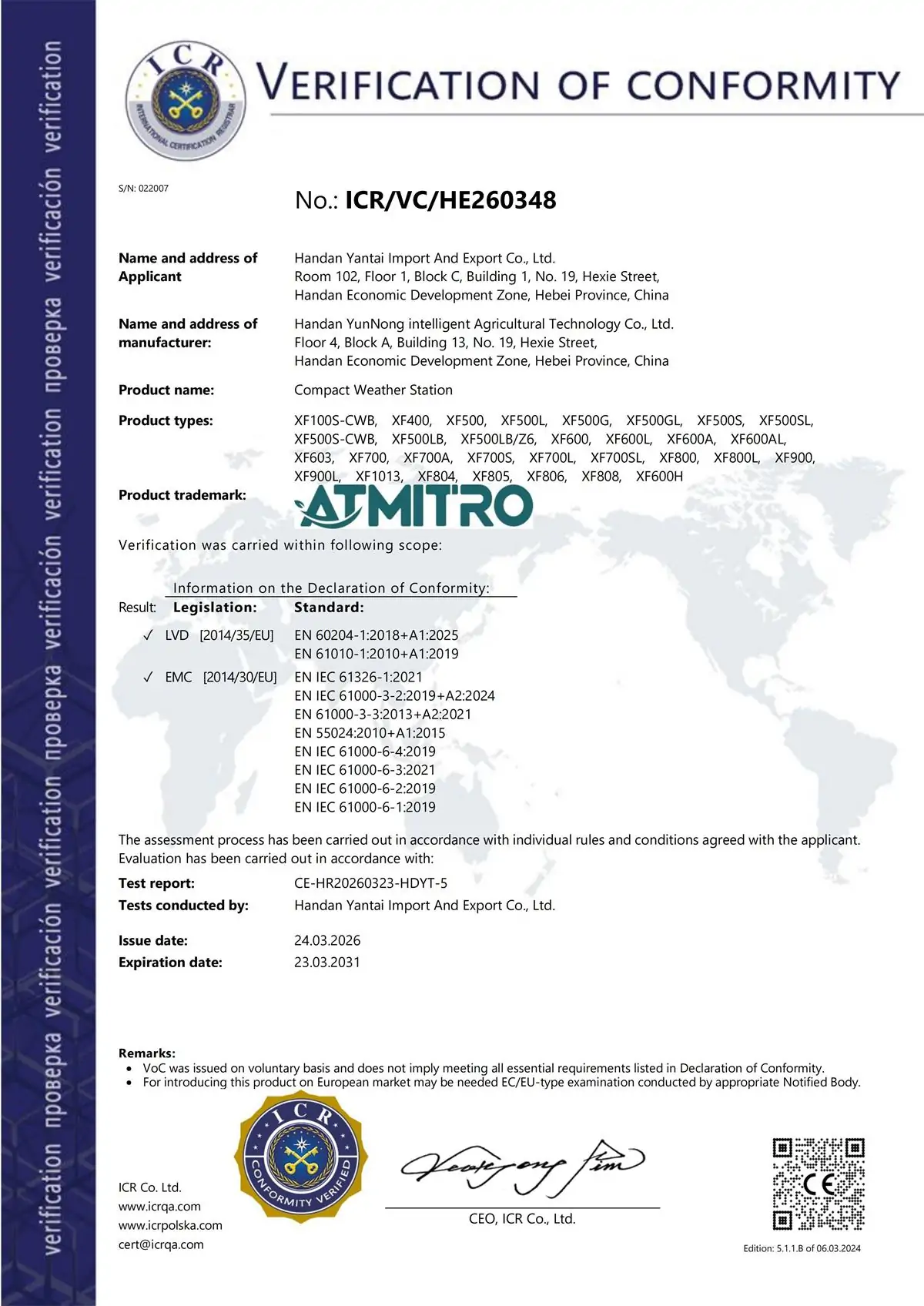
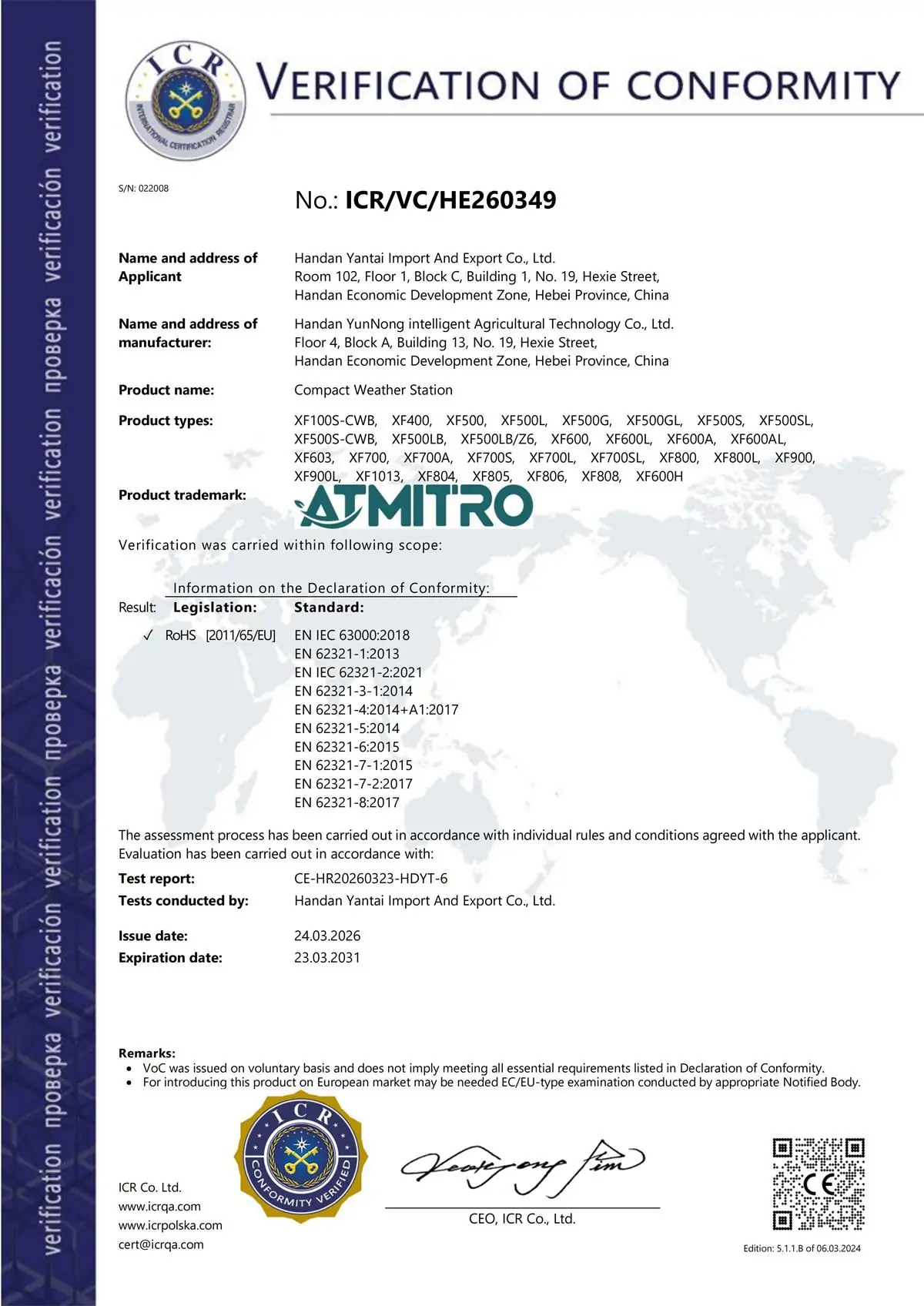
We have CNAS, ISO, CE, and RoHS certifications, and all weather monitoring systems meet rigorous international standards.

常见问题

What is a pyranometer used for?

A pyranometer is used to measure solar radiation, specifically the total amount of solar energy received over a given area. It is commonly used in solar energy systems, weather stations, environmental monitoring, and climate research.

How does a pyranometer work?

A pyranometer works by using a thermopile sensor that absorbs solar radiation. The radiation heats up the sensor, generating a temperature difference, which is then converted into an electrical signal proportional to the intensity of the solar radiation.

What is the measurement range of a pyranometer?

Pyranometers typically measure solar radiation in the range of 0.3 to 3.2 micrometers, covering the full spectrum of sunlight that reaches the Earth’s surface.

What is the difference between a pyranometer and a pyrheliometer?

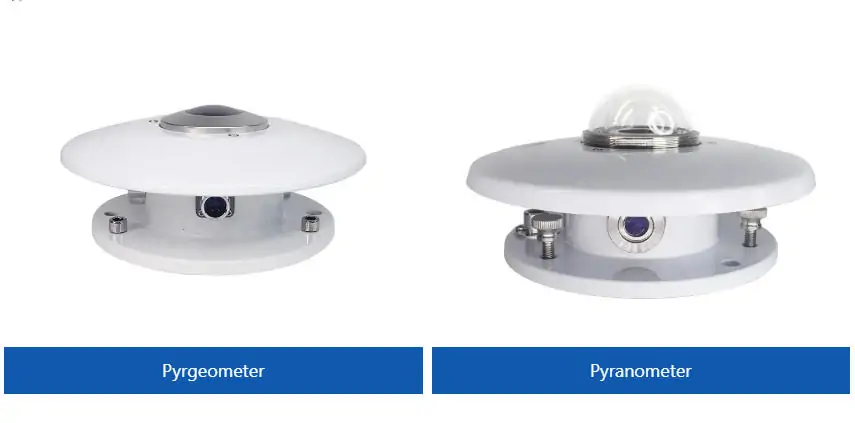
A pyranometer measures the total solar radiation received on a horizontal surface, while a pyrheliometer measures direct solar radiation received from the sun on a narrow field of view.

Can a pyranometer be used in extreme weather conditions?

Yes, many pyranometers are designed to withstand harsh environmental conditions, including extreme temperatures, humidity, and vibration, making them suitable for outdoor and industrial applications.

What are the typical applications for pyranometers?

Pyranometers are widely used in solar power plants, environmental research, agriculture, meteorology, and energy efficiency projects to monitor solar radiation and optimize energy systems.