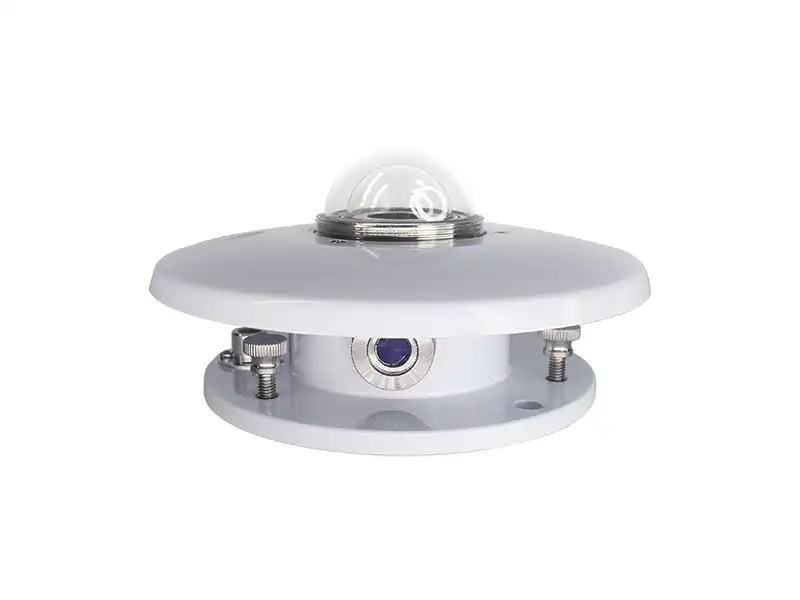
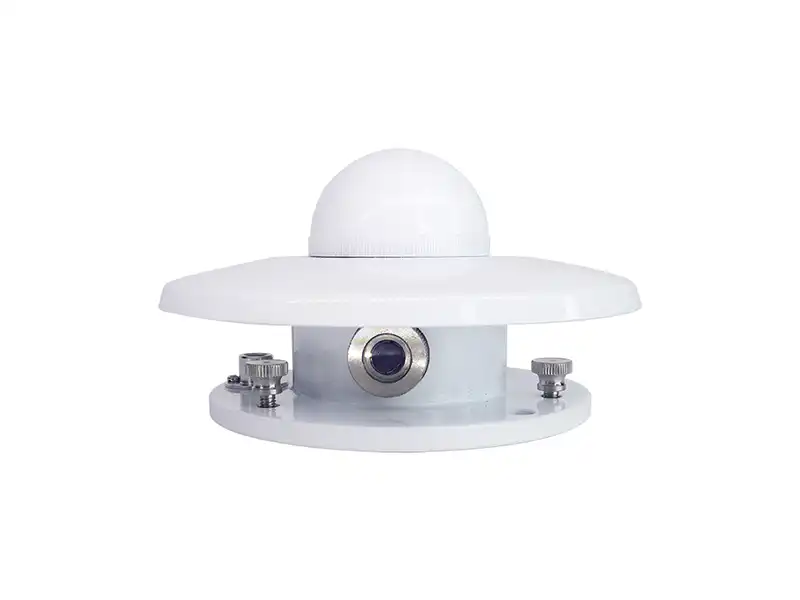
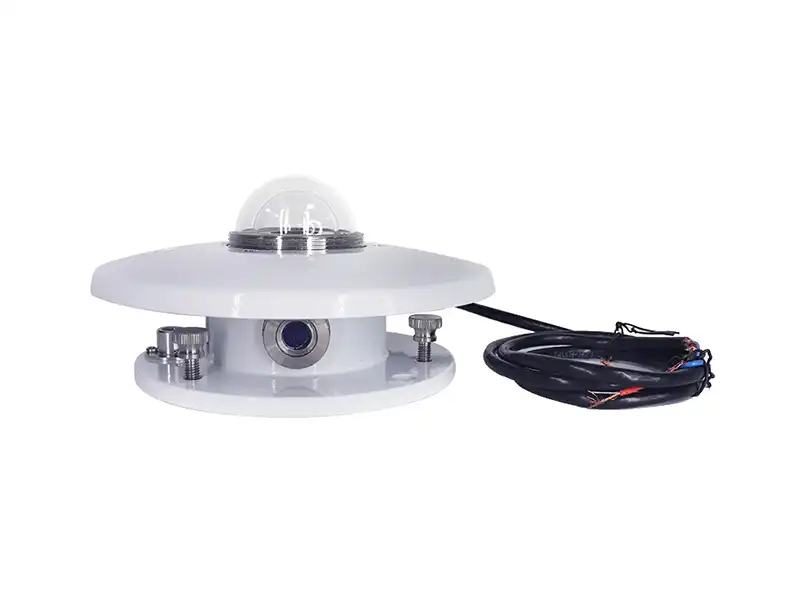
Sensor de intensidad solar total
Un sensor de intensidad solar es un dispositivo de monitorización medioambiental de alta precisión que se utiliza para medir la intensidad de la radiación solar. Se emplea ampliamente en centrales fotovoltaicas, monitorización meteorológica, agricultura inteligente, ahorro energético en edificios e investigación científica. Los sensores de intensidad solar resuelven de forma eficaz los problemas asociados a la monitorización manual tradicional, como la baja eficiencia, la discontinuidad de los datos y las dificultades para evaluar la eficiencia de generación de energía de los sistemas solares. Ayudan a los usuarios a lograr una monitorización medioambiental inteligente, optimizar el aprovechamiento de la energía solar, reducir los costes de funcionamiento y mantenimiento, y mejorar el rigor científico de la gestión energética y la producción agrícola.
- Salida: 200mv de salida original
- Sensibilidad: 7~14 μV/W·m⁻²
- Tiempo de respuesta: <35 s (respuesta 99%)
- Respuesta coseno: ≤ ±7% (con un ángulo de altitud solar de 10°)
- Azimut: ≤ ±5% (con un ángulo de altitud solar de 10°)
- No linealidad: No superior a ±2%
- Rango espectral: 0,3-3,2 μm
Precio: $420,86–$505,03
Introducción
Un sensor de radiación solar (también conocido como un sensor de radiación solar o fotómetro solar) es un dispositivo especializado que se utiliza para medir la energía de la radiación solar. Este sensor supervisa los cambios en la irradiancia solar en tiempo real, proporcionando datos fiables que sirven de base para el análisis de la eficiencia de la generación de energía solar, la investigación climática y medioambiental, y la gestión del riego agrícola. Entre sus características principales destacan su alta sensibilidad, su elevada precisión de medición, su rápido tiempo de respuesta, su gran resistencia a las interferencias, su diseño impermeable y resistente a la corrosión, y su funcionamiento estable a largo plazo. Es capaz de soportar entornos exteriores complejos, como temperaturas altas y bajas, así como vientos fuertes y tormentas de arena.
Estructura del sensor de intensidad solar
- Fotodetector: Utiliza un fotodetector de alta sensibilidad para detectar con precisión los cambios en la intensidad de la radiación solar.
- Sistema de filtrado óptico: Incorpora una estructura de filtro espectral integrada que reduce las interferencias de la luz parásita y mejora la precisión de la medición.
- Circuito de señal: Convierte señales luminosas en señales eléctricas estables para facilitar la adquisición y transmisión de datos.
- Salida de datos: Admite múltiples formatos de salida estándar, entre ellos RS485, 0–5 V y 4–20 mA.
- Carcasa protectora: Diseñado con materiales impermeables y resistentes a la corrosión, aptos para un uso prolongado al aire libre.
- Soporte de montaje: Equipado con un soporte de montaje ajustable que permite su instalación en distintos ángulos y en diferentes entornos.
- Compensación de temperatura: Incorpora un módulo de compensación de temperatura integrado para minimizar el impacto de la temperatura ambiente en los resultados de las mediciones.
- Construcción sellada: Su diseño de alta estanqueidad impide eficazmente que el polvo, la lluvia y la humedad penetren en el dispositivo.
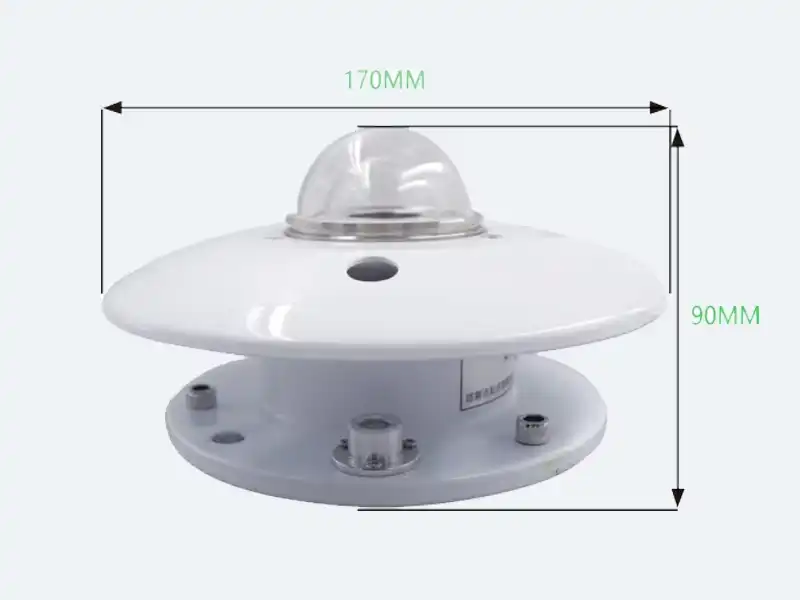
Detalles
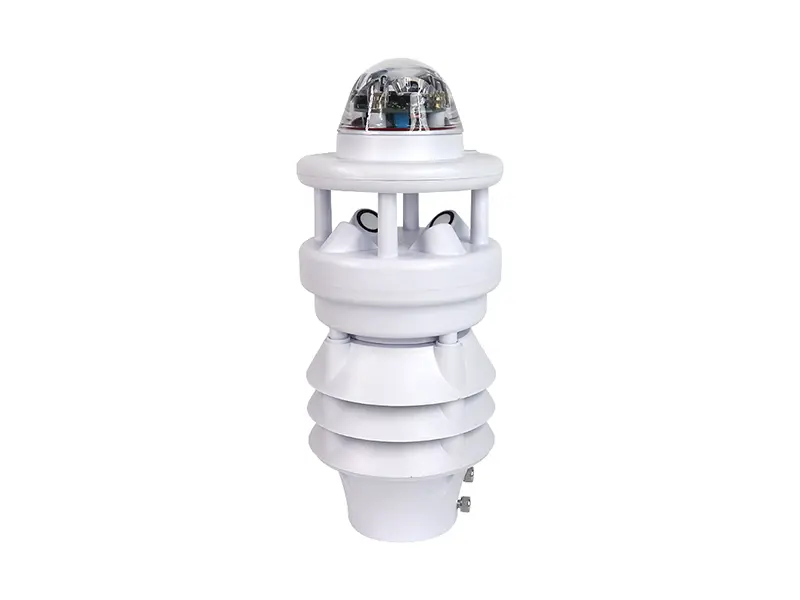
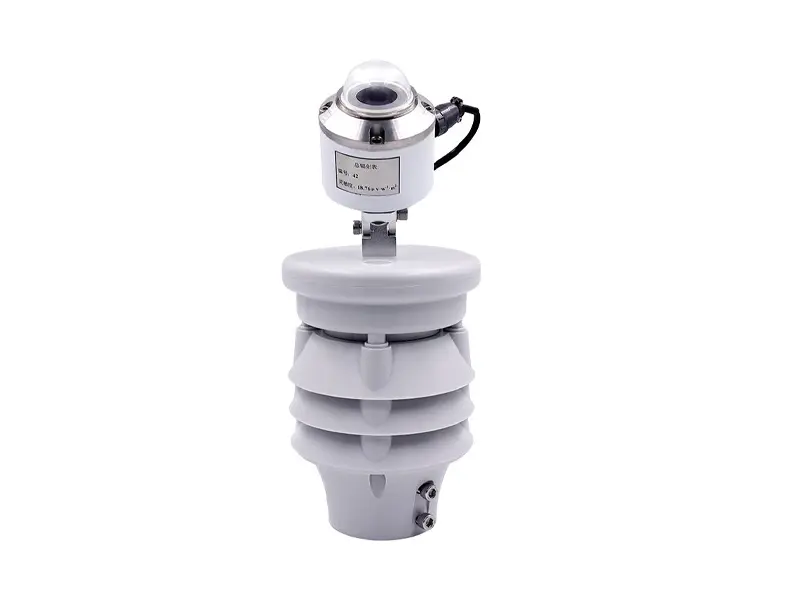
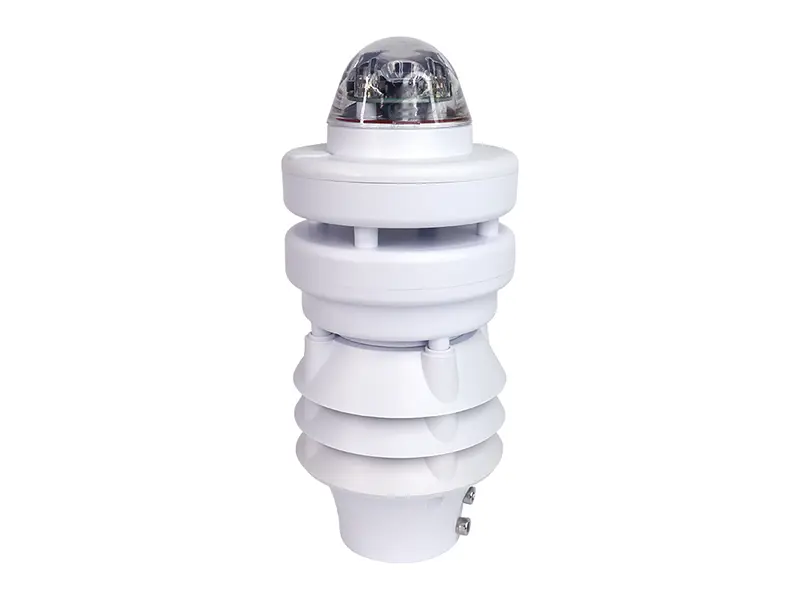
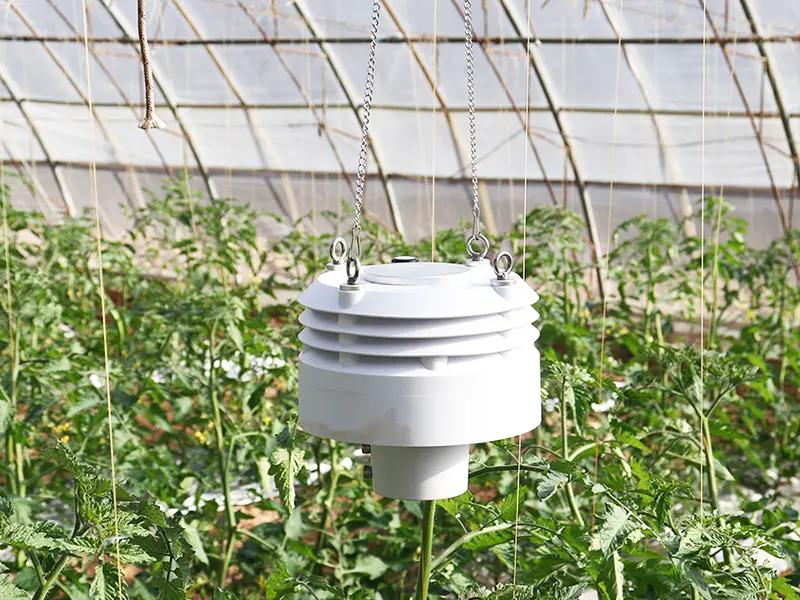
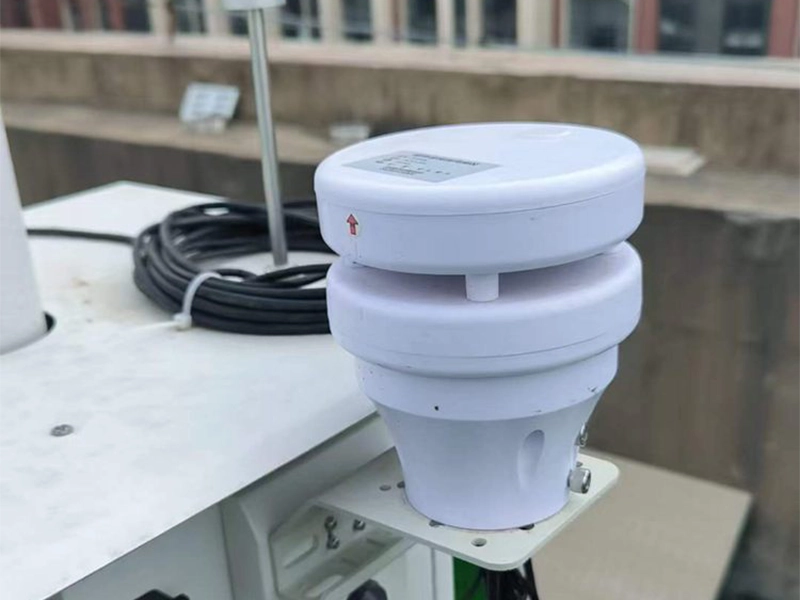
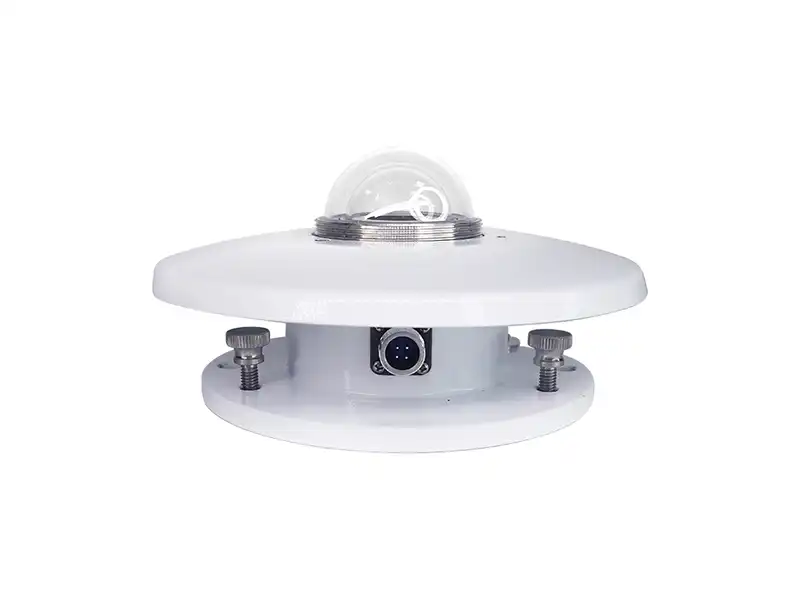
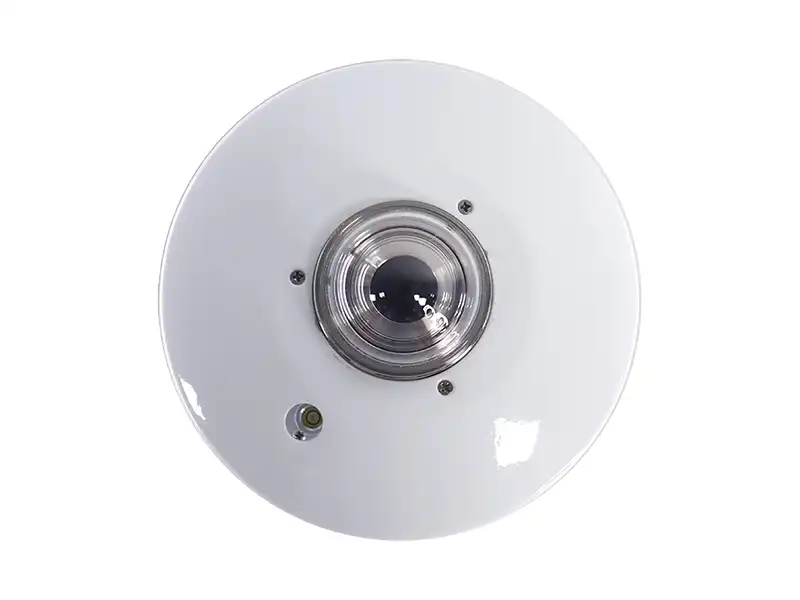
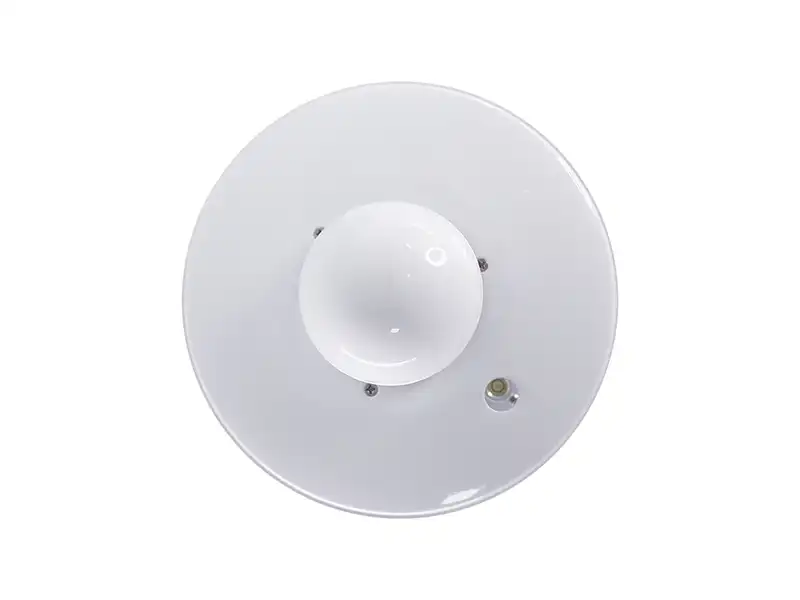
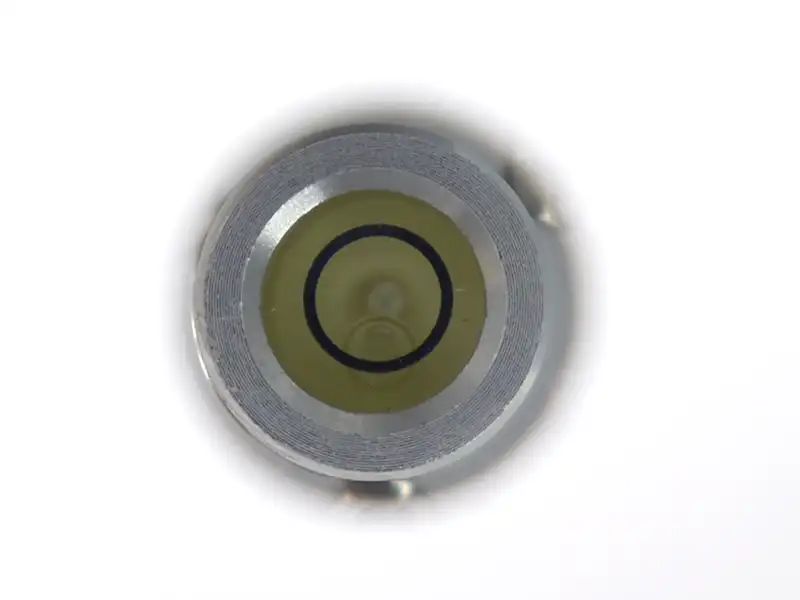
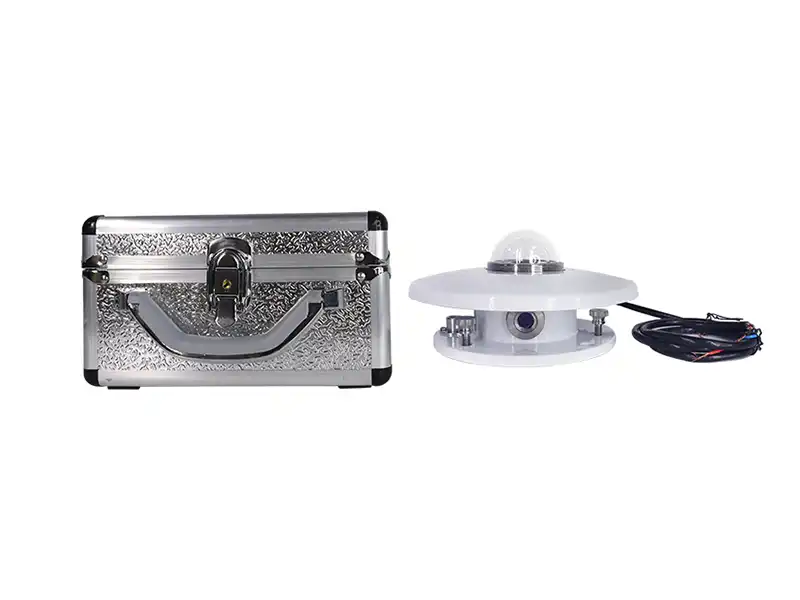
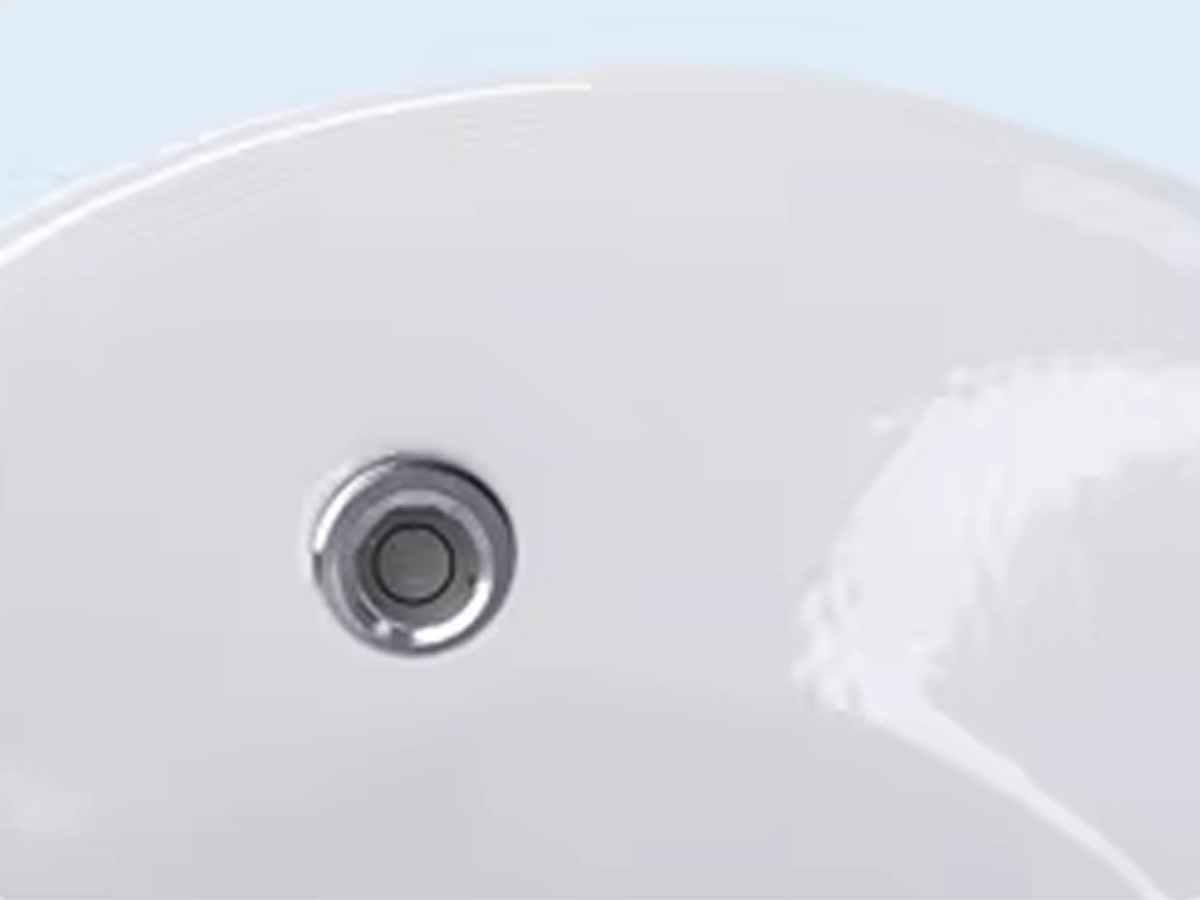
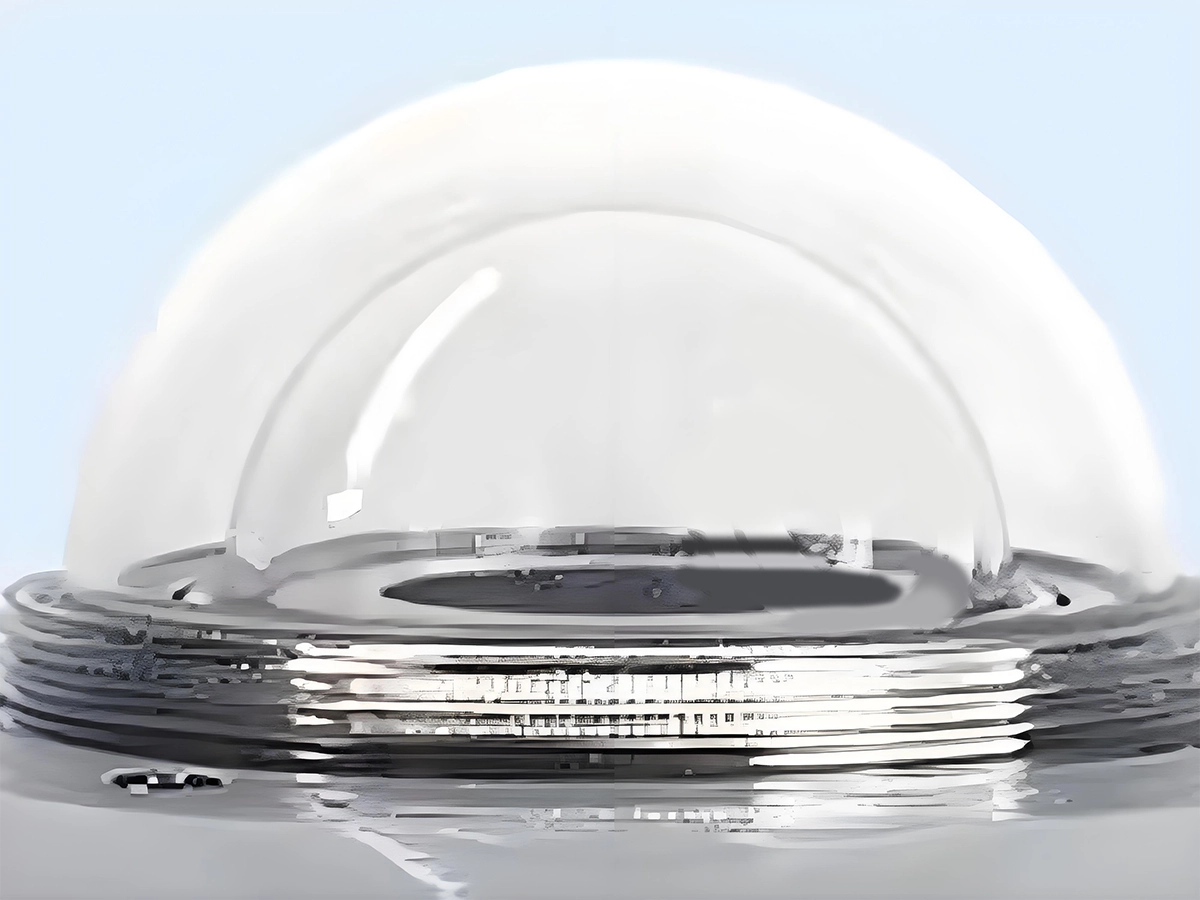
Estas fotografías reales y tomadas desde múltiples ángulos del sensor de radiación solar ofrecen una visión completa de su estructura externa, sus componentes sensores principales, sus puertos de cableado y la calidad de fabricación de la carcasa, lo que pone claramente de relieve la calidad de fabricación del producto y los detalles de su diseño. A continuación se muestran los detalles del sensor de radiación solar:
Principio de funcionamiento del sensor de intensidad solar
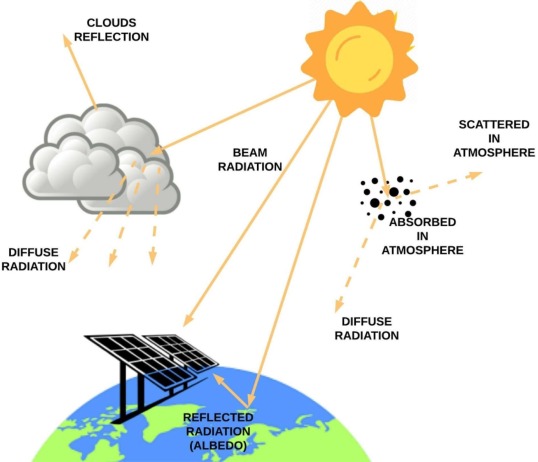
Los sensores de radiación solar funcionan principalmente basándose en el efecto termoeléctrico o en el principio de la conversión fotoeléctrica.
- Termoeléctrico (el más habitual)
El componente principal es una superficie sensora de termopila, que cuenta con un recubrimiento negro de alta absorción en la parte superior y una capa blanca altamente reflectante en la parte inferior. Cuando se expone a la radiación solar, la superficie sensora absorbe calor y se calienta, creando una diferencia de temperatura con la capa inferior. Basándose en la Efecto Seebeck, esto genera un potencial termoeléctrico débil, cuya magnitud es directamente proporcional a la intensidad de la radiación. Tras la conversión realizada por el circuito, se emite una señal eléctrica estándar, que luego se utiliza para calcular el valor de la radiación. - Tipo fotovoltaico
Este método aprovecha el efecto fotovoltaico de los elementos fotosensibles. La excitación lumínica hace que los electrones generen una corriente eléctrica, y la intensidad de la corriente varía en función de los cambios en la irradiancia. Tras el procesamiento de la señal, se obtienen los datos de medición. Este método se utiliza principalmente para la detección de radiación en el espectro de la luz visible.
Los sensores de radiación solar pueden medir diversos tipos de radiación, entre ellos radiación total, la radiación directa y la radiación difusa. Entre ellos, el fotómetro solar es un tipo de sensor de radiación solar que utiliza el principio de un espectrofotómetro con filtro óptico multibanda para medir parámetros atmosféricos como la profundidad óptica de los aerosoles y la turbidez.
Especificaciones
Las especificaciones de un sensor de intensidad solar suelen incluir información básica sobre el producto, métodos de instalación, tipos de señal de salida y parámetros clave de rendimiento, lo que ayuda a los usuarios a comprender de forma exhaustiva las capacidades de medición del sensor y su gama de aplicaciones. A continuación se detallan las especificaciones del sensor de intensidad solar:
Parámetros
| Serie | HCD |
| Características | Alta sensibilidad |
| Tipo de montaje | Multifunción |
| Descripción | Instalación de bridas |
| Número de modelo | XF-C60 |
| Tipo | estación meteorológica |
| Marca | Sensor Yantai |
| Utilización | PAR |
| Salida | RS485 |
| Descripción | Piranómetro total sensor de radiación solar |
| Descripción | sensor de radiación solar |
| Salida | 200mv de salida original |
| Sensibilidad | 7-14mv/kw*-2 |
| Tiempo de respuesta | <35s(respuesta 99%) |
| Estabilidad anual | ≤±2% |
| Respuesta coseno | ≤±7%(elevación solar 10°) |
| Posición | ≤±5%(elevación solar10°) |
| No lineal | ≤±2% |
| Gama espectral | 0,3-3,2μm |
| Coeficiente de temperatura | ≤±2%(-10-40℃) |
Incorpora un sensor de intensidad solar
Medición precisa
Utiliza componentes de detección de alta calidad para garantizar un error mínimo y una adquisición de datos estable y fiable.
Respuesta rápida
Destaca por su elevada sensibilidad de detección, lo que permite captar rápidamente los cambios en la intensidad de la radiación.
Gran resistencia a las inclemencias meteorológicas
Resistente al agua, al polvo y al desgaste; diseñado para soportar condiciones exteriores adversas.
Consumo energético ultrabajo
La unidad completa consume muy poca energía, lo que la hace ideal para la monitorización a largo plazo y sin supervisión sobre el terreno.
Amplio rango de medición
Abarca un amplio espectro de intensidades de radiación solar, lo que lo hace adecuado para una gran variedad de aplicaciones.
Construcción robusta
Cuenta con una carcasa resistente fabricada con materiales duraderos, lo que garantiza una larga vida útil.
Aplicaciones del sensor piránometrico
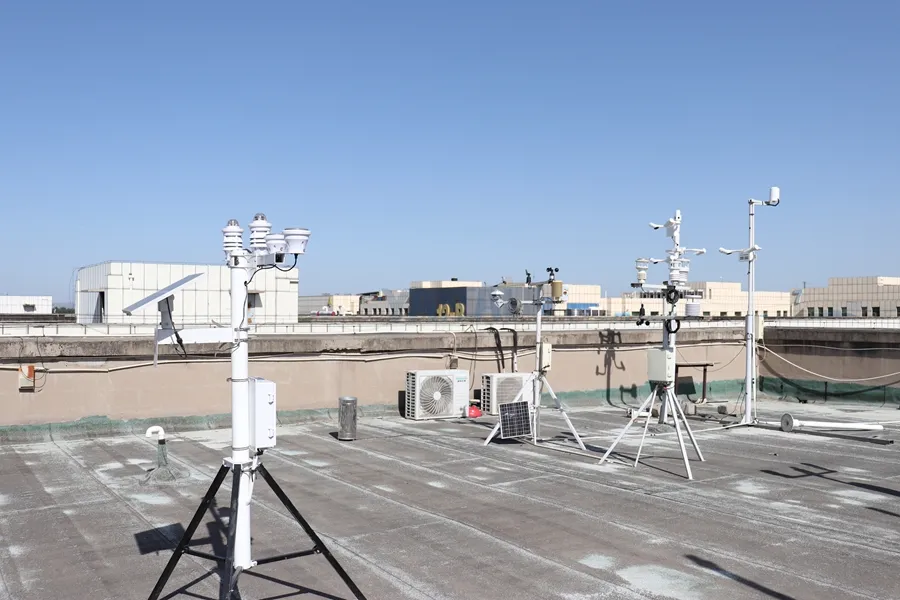
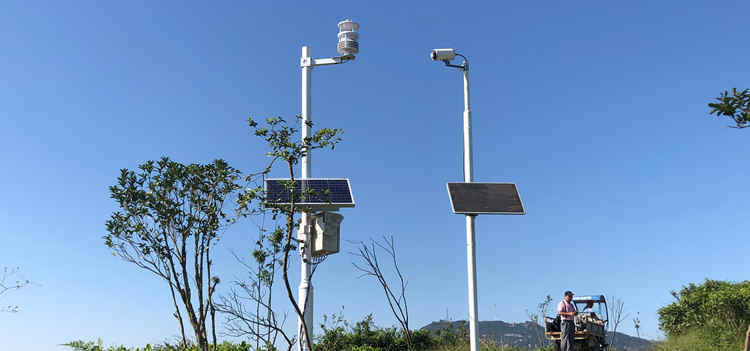
Los sensores piranométricos se utilizan ampliamente en sectores que requieren la monitorización de la radiación solar y la intensidad luminosa, ya que proporcionan datos precisos y en tiempo real para la monitorización medioambiental, la gestión energética y los sistemas de control inteligentes. Sus aplicaciones abarcan múltiples ámbitos, entre los que se incluyen la generación de energía fotovoltaica, la meteorología agrícola, la investigación científica, la eficiencia energética en edificios y la monitorización del transporte y del medio ambiente, lo que los convierte en un componente esencial de los sistemas modernos de monitorización inteligente.
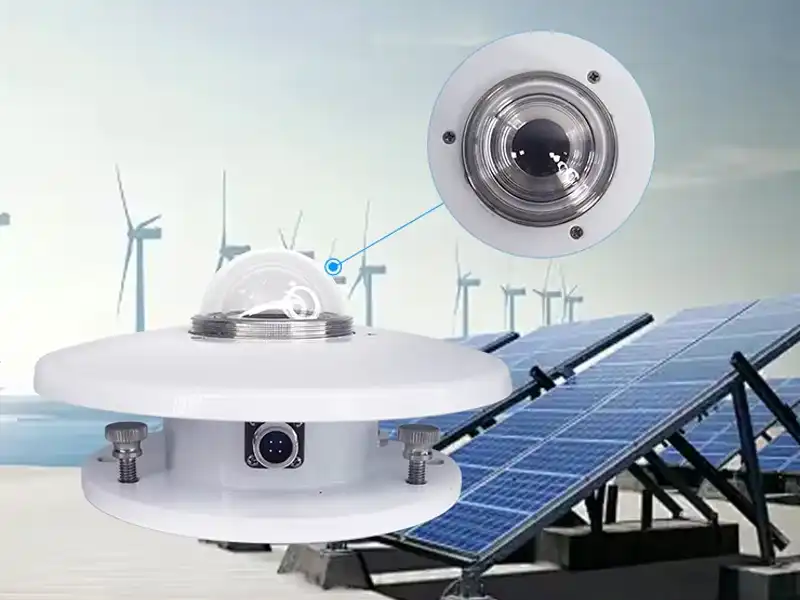
Supervisión de centrales fotovoltaicas
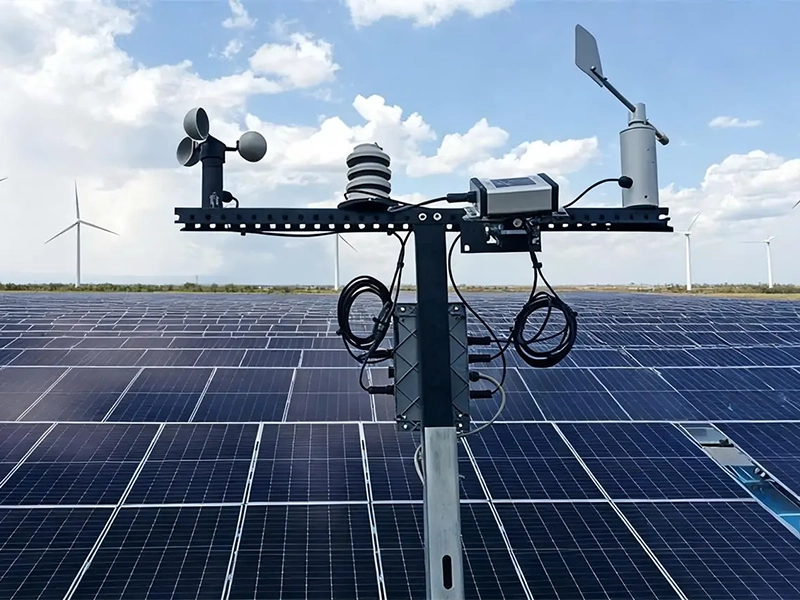
Monitorización en tiempo real de la irradiación solar para mejorar la eficiencia de la generación de energía solar y las capacidades de gestión operativa.
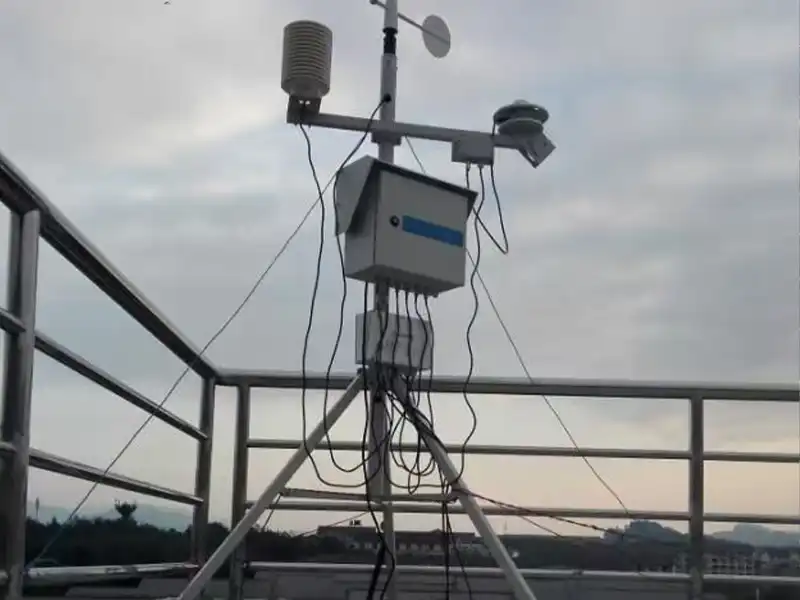
Meteorología y Medio Ambiente
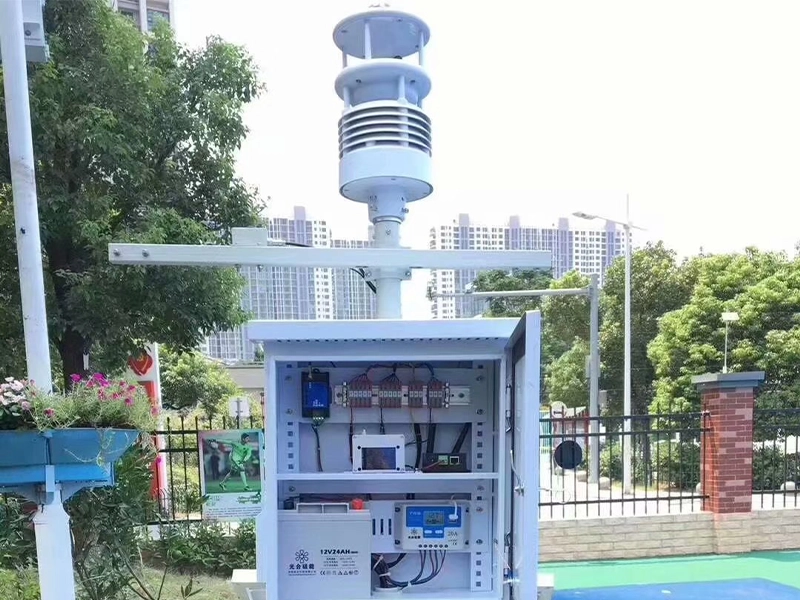
Se utilizan para la observación de la radiación solar en las estaciones meteorológicas, lo que proporciona datos para el análisis meteorológico y la investigación climática.
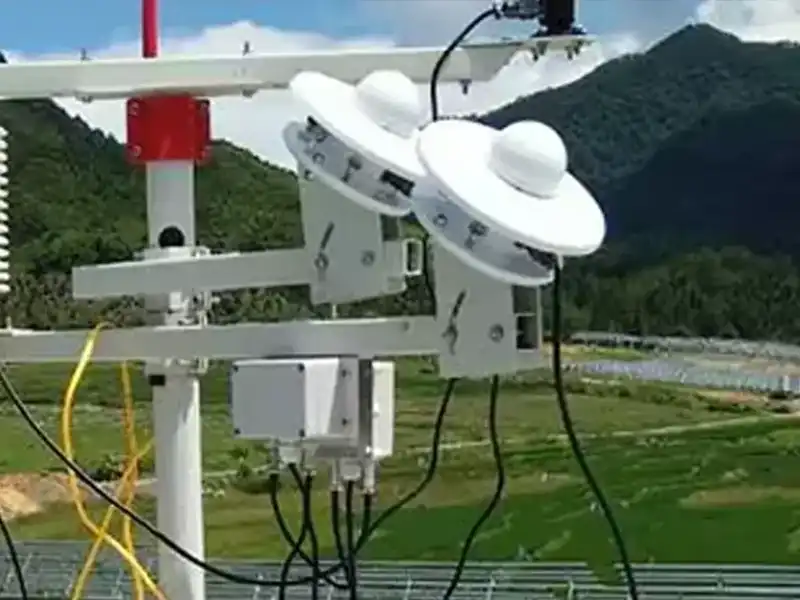
Agricultura inteligente
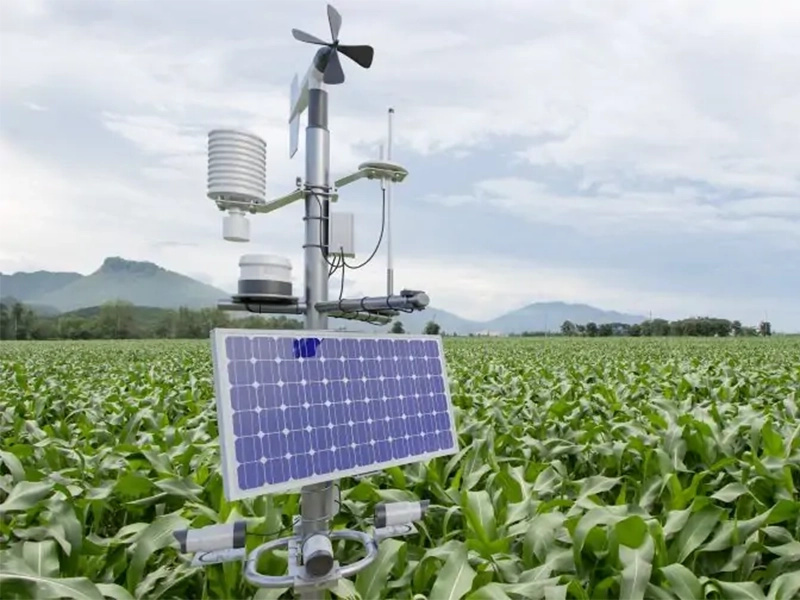
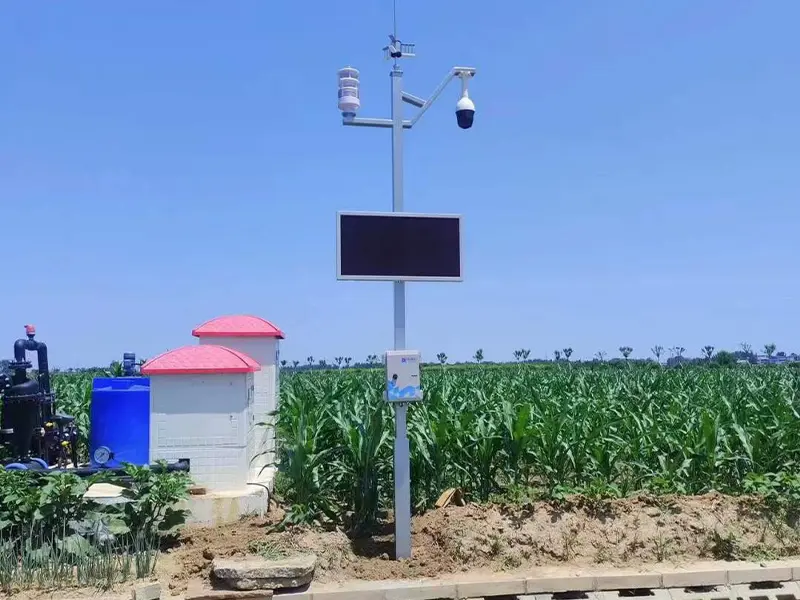
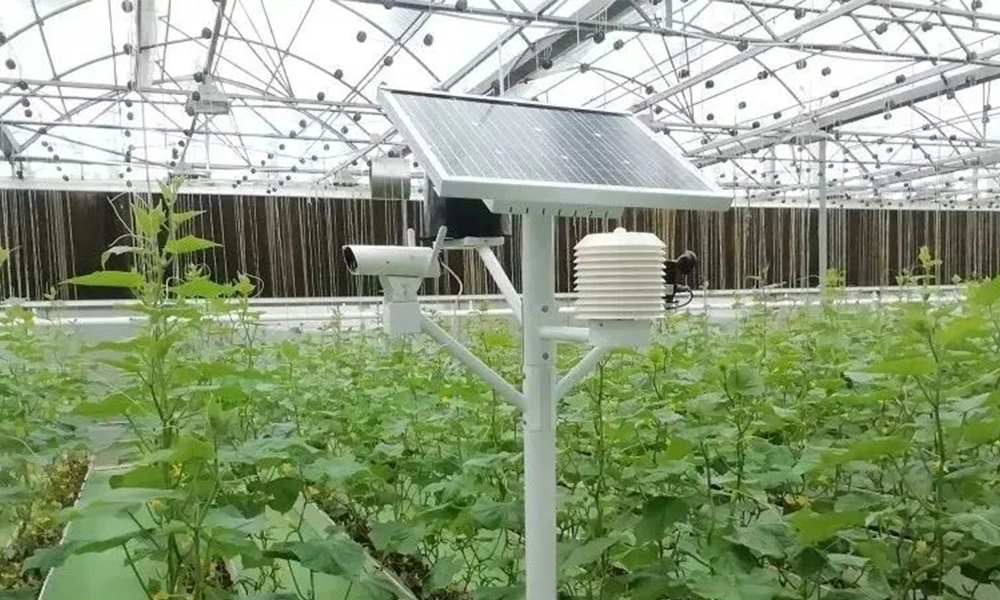
Supervisa las condiciones de luz en los campos agrícolas, lo que facilita el control de los invernaderos y el riego de precisión.
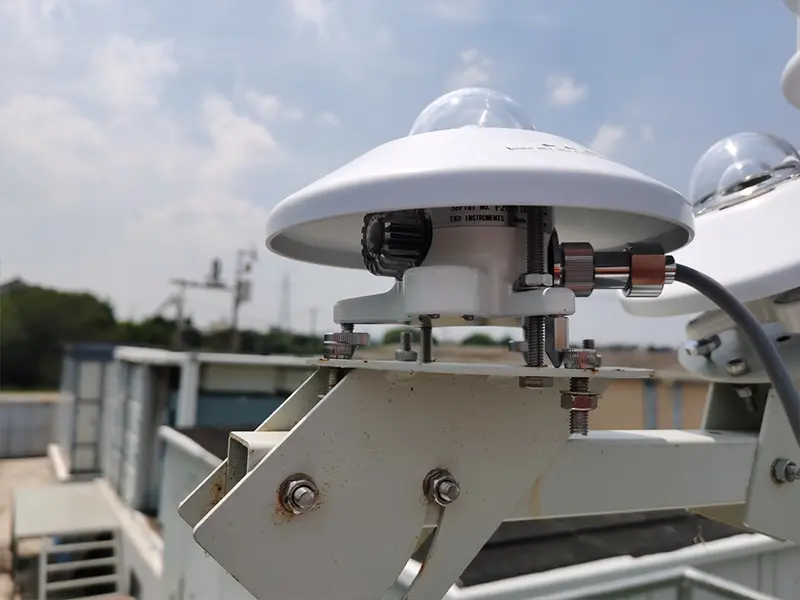
Sistemas de ahorro energético en edificios
En combinación con el sistema de control inteligente de edificios, esta solución permite una gestión optimizada de la iluminación natural y del consumo energético.
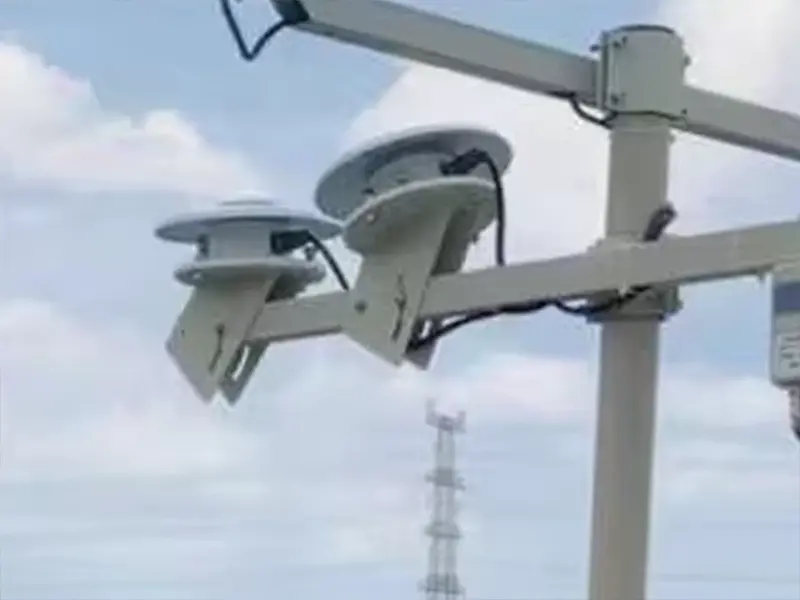
Supervisión de carreteras y tráfico
Se utiliza para la vigilancia medioambiental en autopistas y túneles con el fin de mejorar la gestión de la seguridad vial.
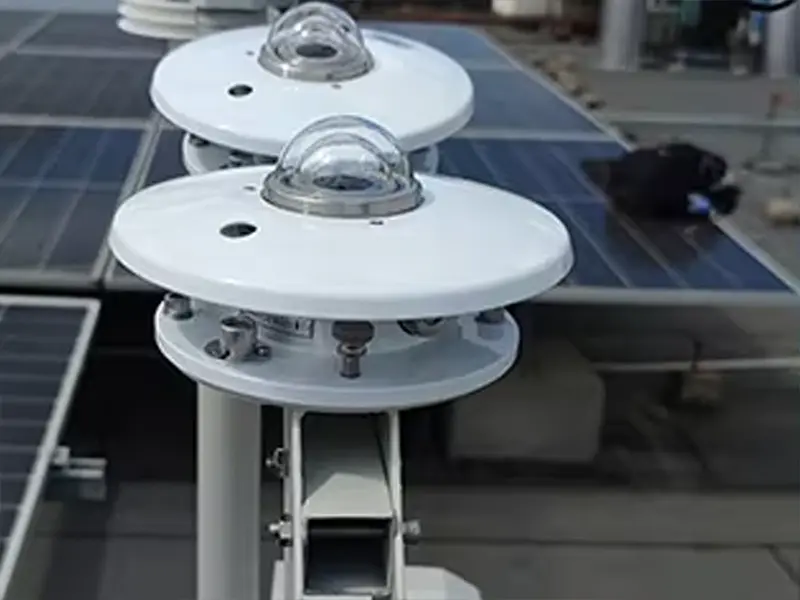
Ecológico y medioambiental
Permite el análisis a largo plazo de los datos sobre la luz en zonas de conservación ecológica y estaciones de vigilancia medioambiental.
sensor de intensidad solar a medida
El sensor de intensidad solar admite una personalización multidimensional, lo que permite realizar ajustes de configuración flexibles en función de diversos escenarios de aplicación, entornos de instalación, requisitos de salida de datos y normas operativas. Al equilibrar la compatibilidad funcional, las especificaciones físicas y la integración de accesorios, permite desarrollar soluciones de adquisición de datos que se adaptan de forma óptima al entorno específico de cada emplazamiento.
Opciones de personalización
- Métodos de salida: Admite diversas salidas de señal, entre ellas RS485, Modbus, 0–5 V y 4–20 mA.
- Rango de medición: El rango de medición de la irradiación solar se puede ajustar para adaptarse a los distintos requisitos de intensidad luminosa.
- Opciones de montaje: Admite diversos diseños de montaje, entre los que se incluyen configuraciones con soporte, brida y montaje en pared.
- Longitud del cable: Los cables de conexión se pueden personalizar con diferentes longitudes en función de los requisitos de cableado de la instalación.
- Material de la carcasa: Ofrece soluciones especiales de carcasa resistentes a la corrosión, a la niebla salina y a la radiación UV.
- Grado de protección: Existen diseños de protección para entornos con altas temperaturas, alta humedad y polvo.
- Protocolos de comunicación: Es compatible con múltiples protocolos de comunicación industriales y plataformas de sistema.
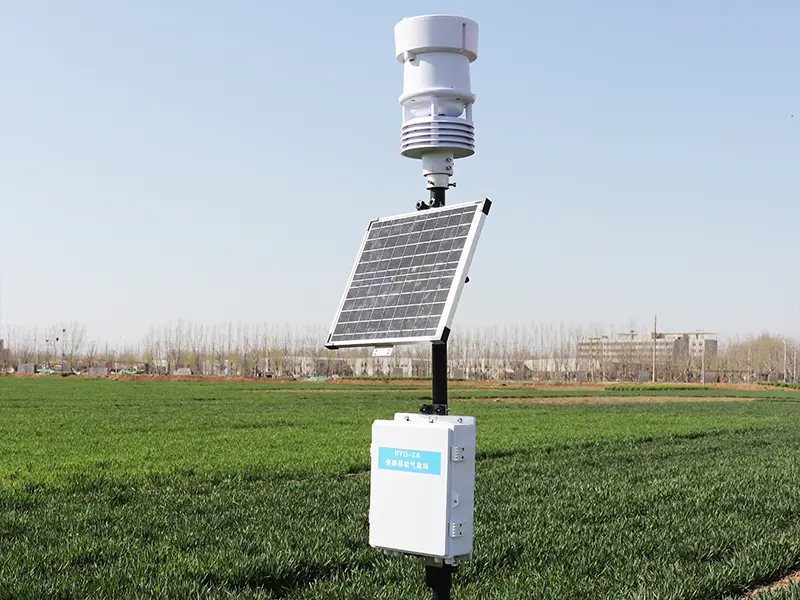
- Fuente de alimentación: Admite energía solar, alimentación de corriente continua y soluciones de bajo consumo.
- Logotipo y etiquetado: Ofrece servicios de personalización a medida para logotipos de marca, placas identificativas y embalajes.
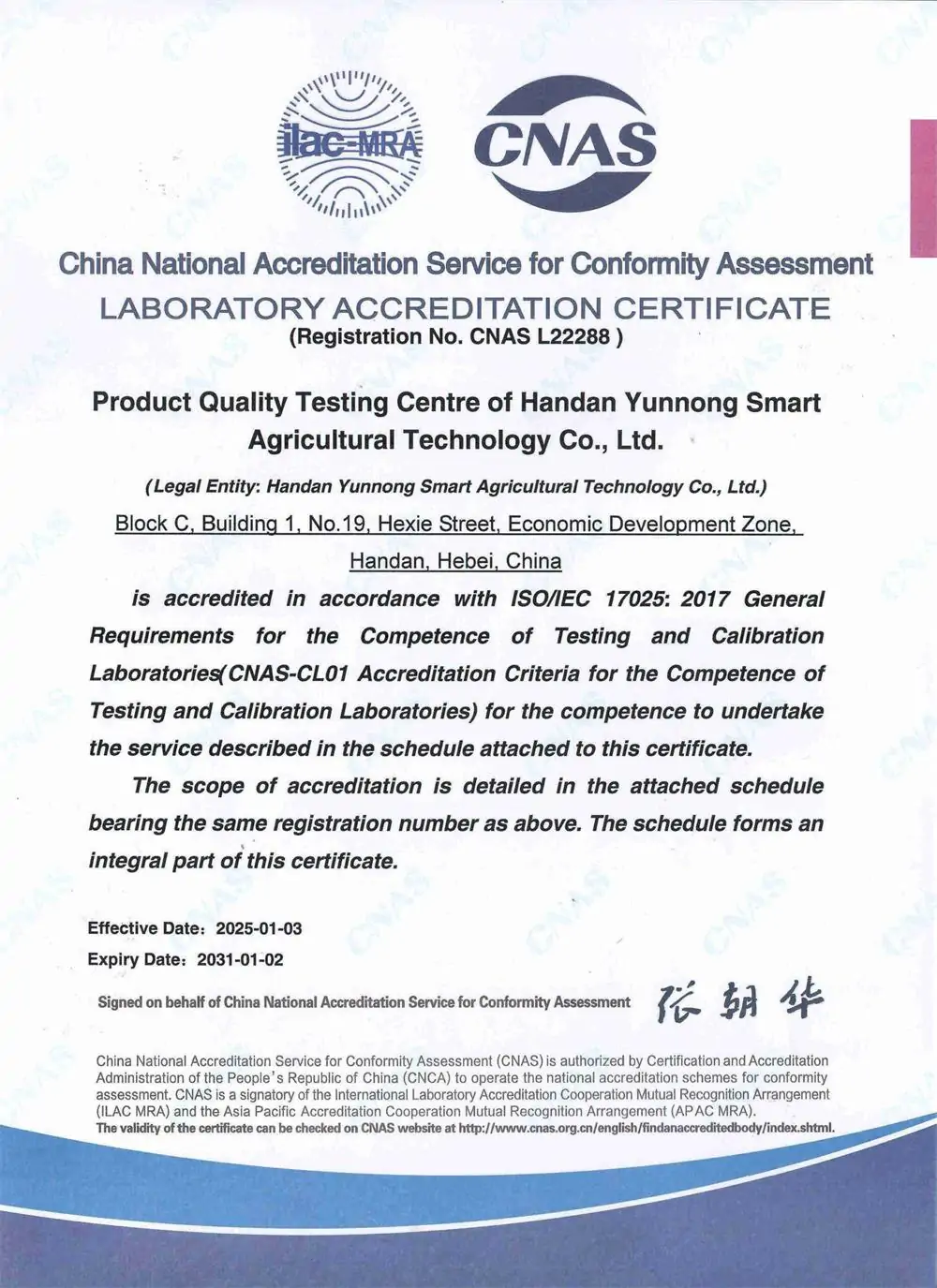
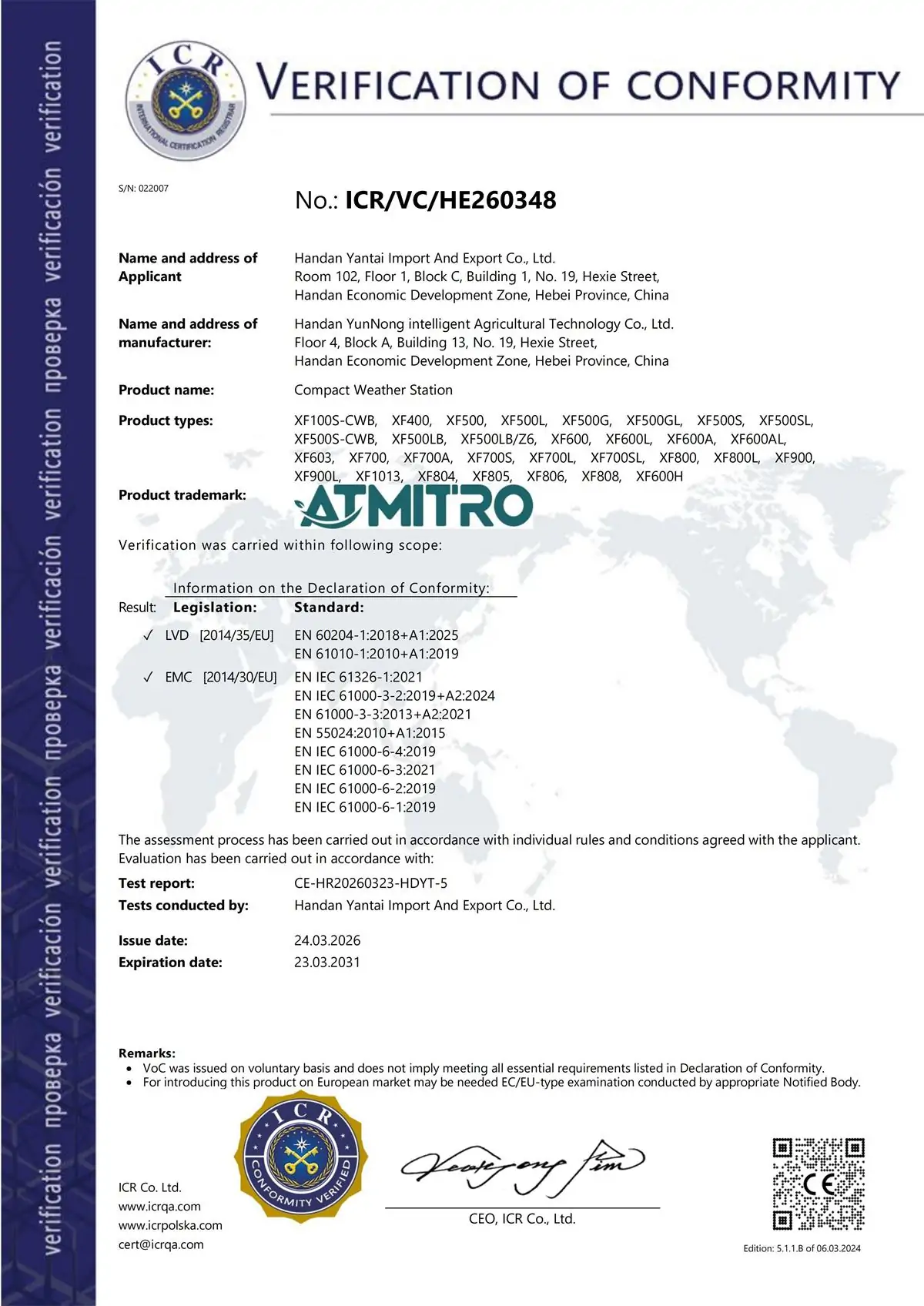
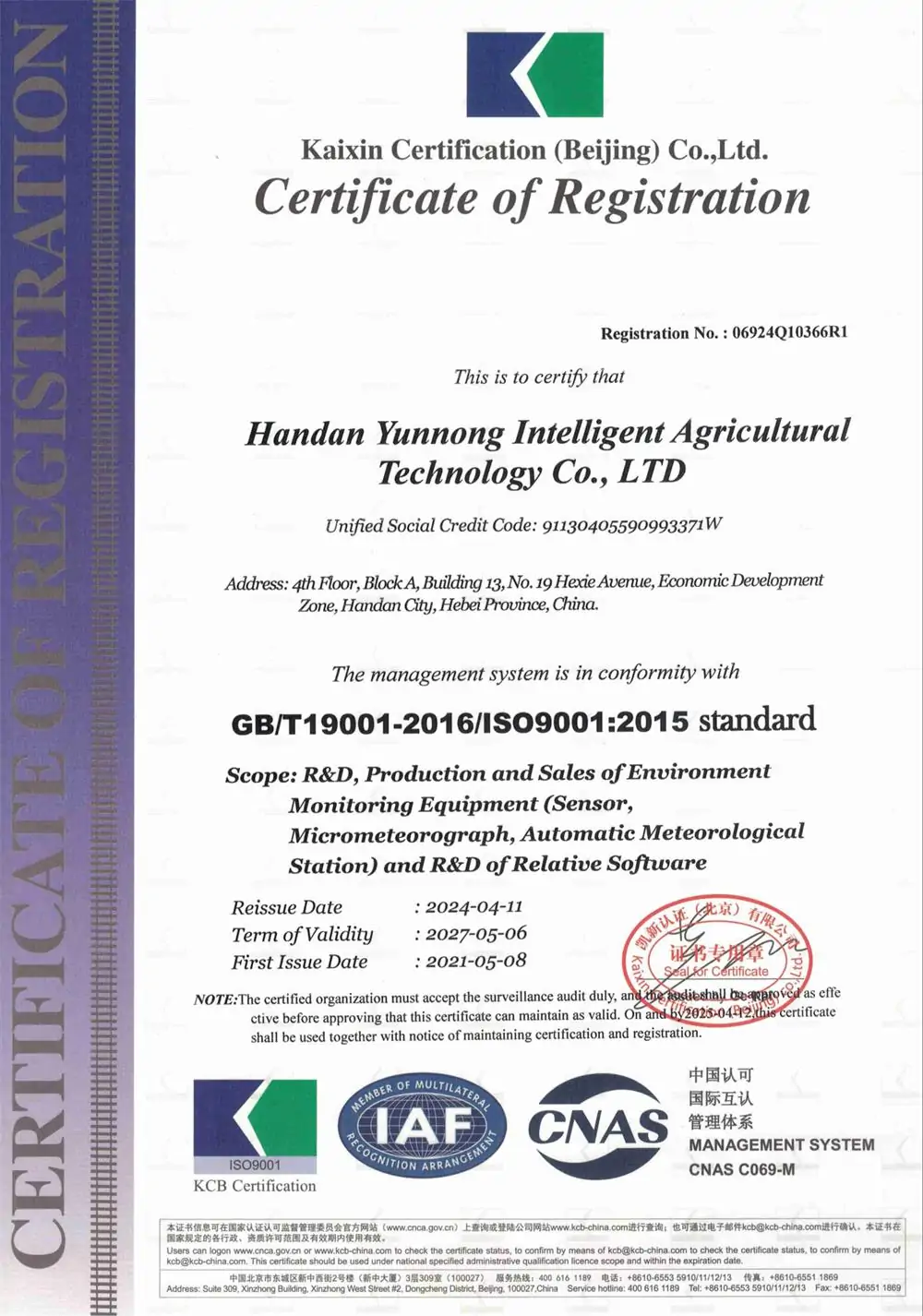
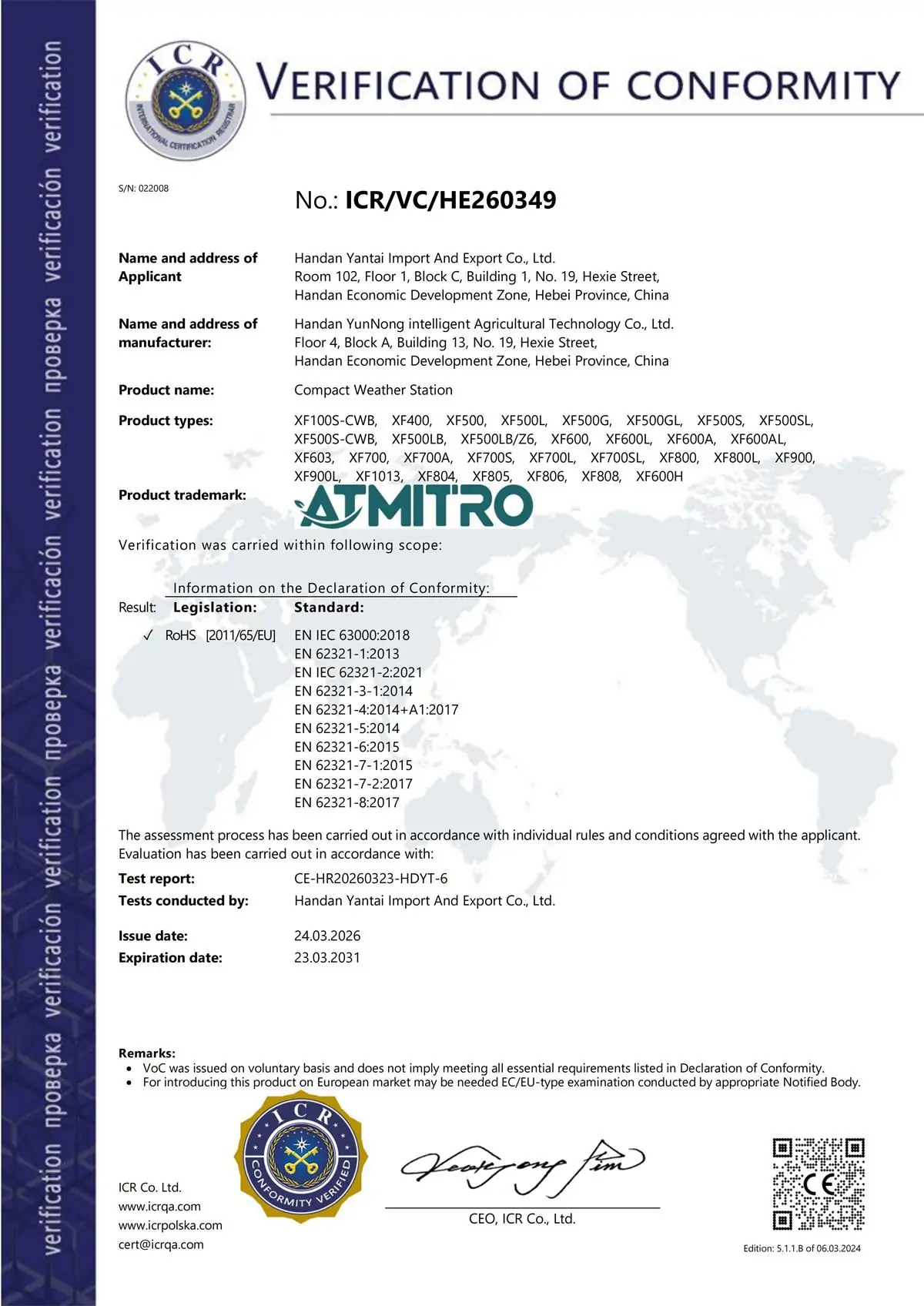
Fabricante y proveedor de sensores de intensidad solar
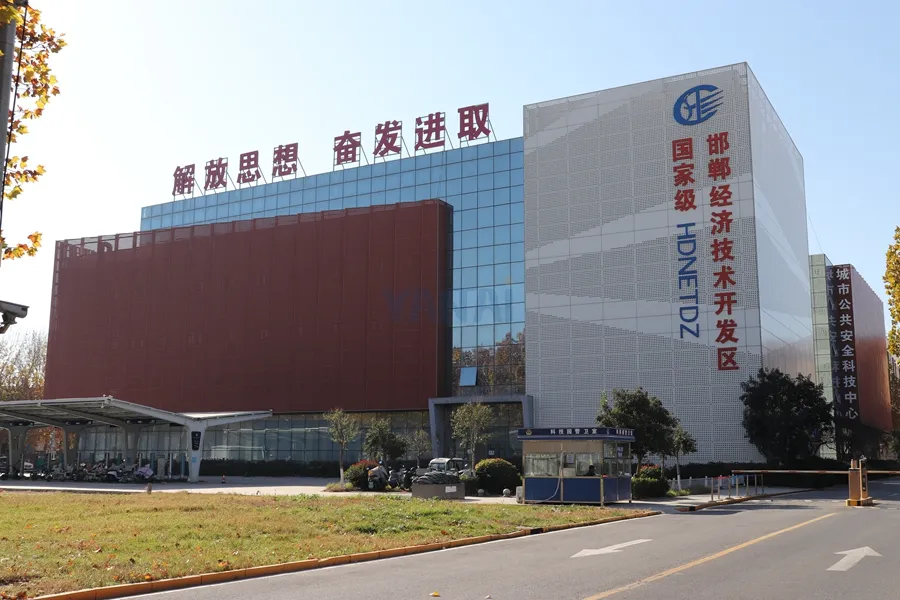
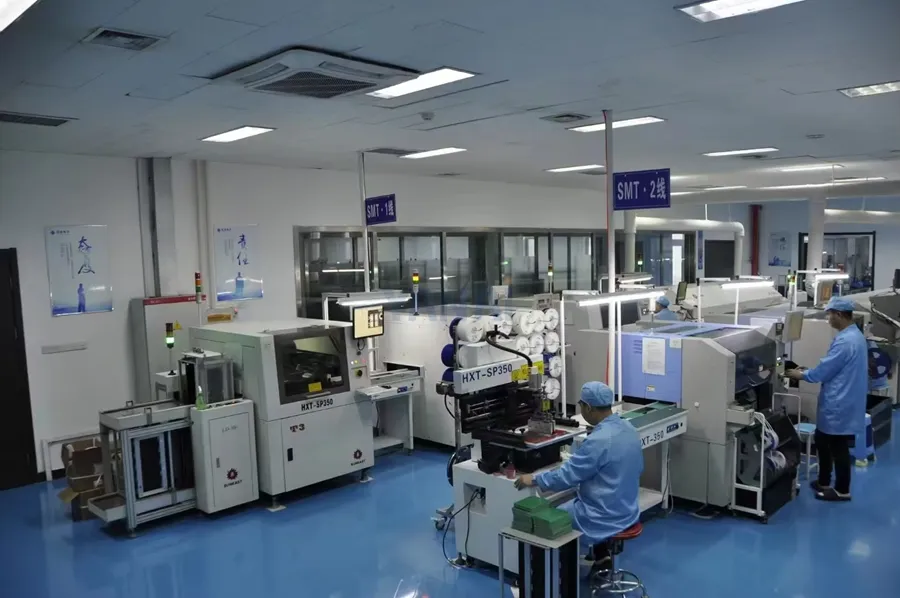
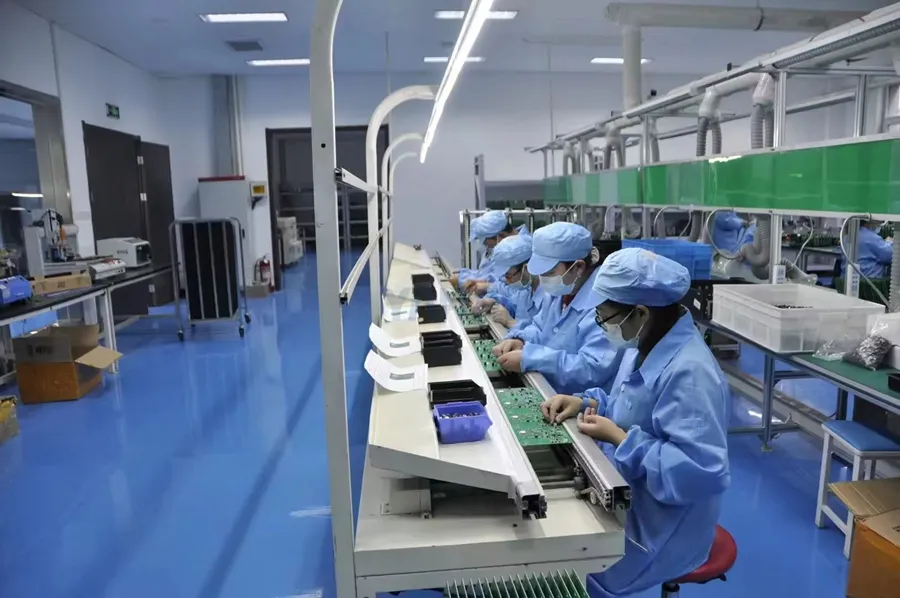
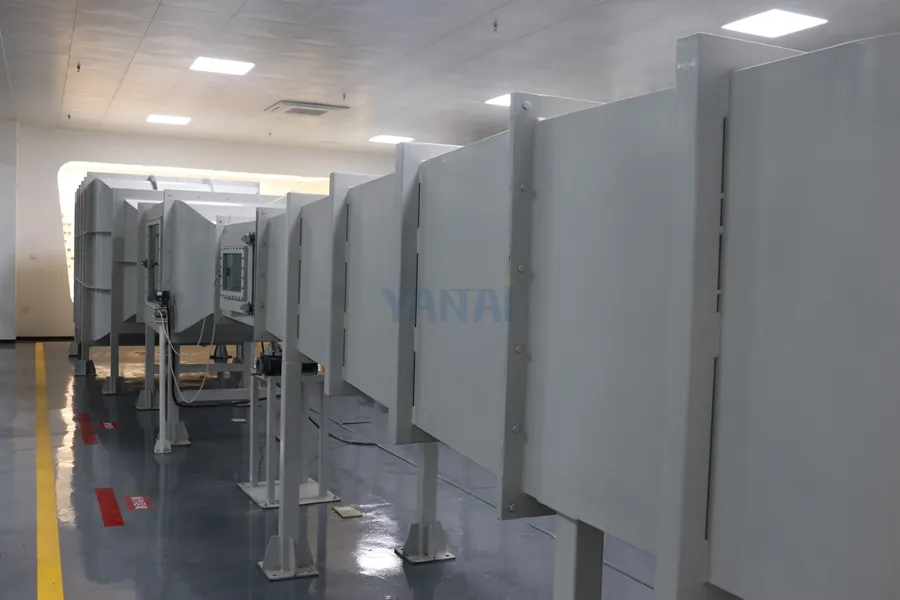
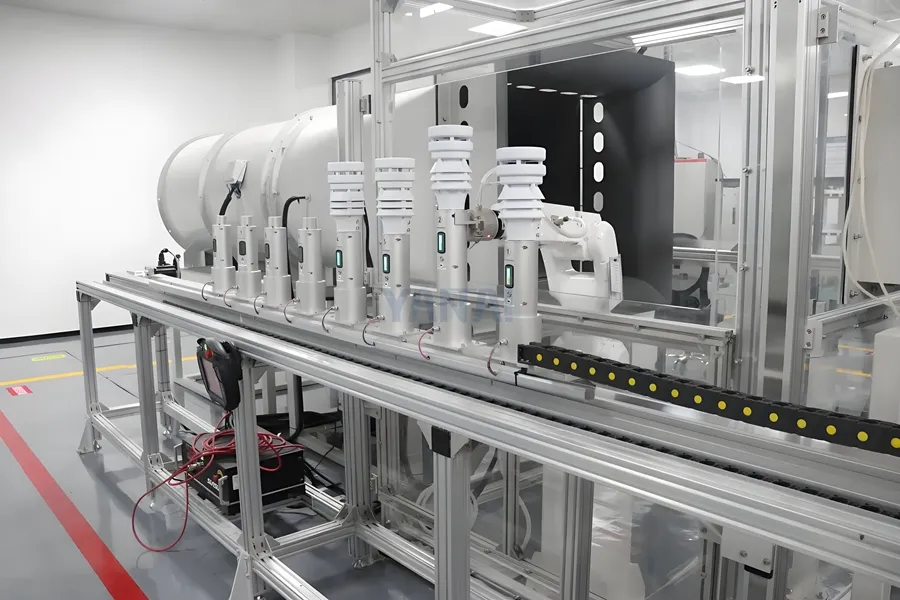
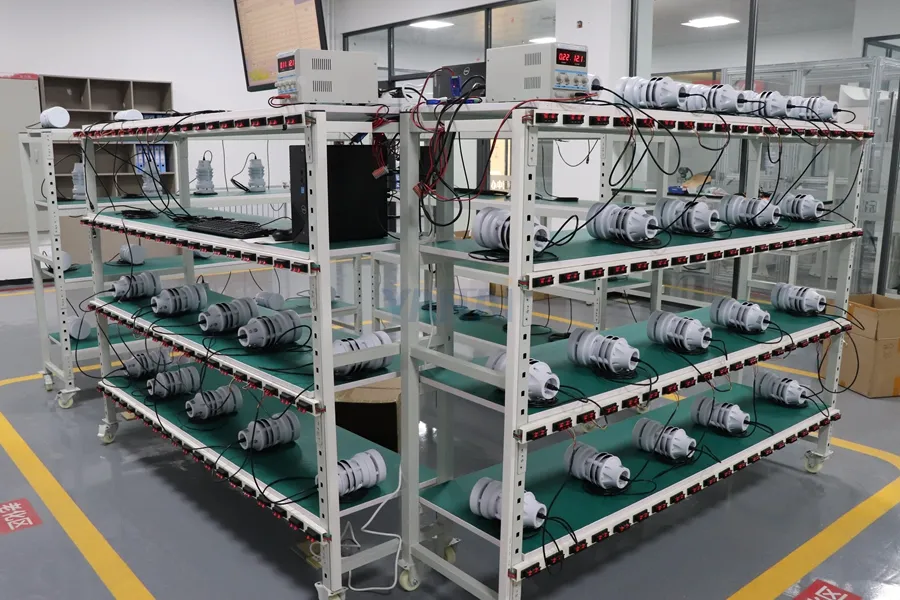
Yantai Sensor es un fabricante y proveedor especializado en sensores de intensidad solar que ofrece soluciones avanzadas de monitorización medioambiental para centrales de energía solar, agricultura inteligente, automatización industrial, transporte y aplicaciones de investigación medioambiental. Nuestro sensor de radiación solar de alto rendimiento ofrece una medición precisa y en tiempo real de la radiación solar, lo que garantiza una recopilación de datos fiable y continua para una monitorización de precisión y la optimización energética en aplicaciones modernas, como los sistemas de agricultura inteligente, las plantas de energía fotovoltaica y las implementaciones industriales del IoT.
Nuestra solución de sensores para sistemas de monitorización solar es compatible con múltiples interfaces de comunicación, como RS485, Modbus RTU, 4G, LoRa, NB-IoT y WiFi, lo que permite una integración perfecta con plataformas en la nube y sistemas de monitorización de terceros. Diseñado con protección impermeable de grado industrial, carcasa anticorrosiva, bajo consumo energético y configuraciones opcionales alimentadas por energía solar, el sistema garantiza un funcionamiento estable a largo plazo en entornos exteriores adversos. También ofrecemos servicios flexibles de personalización OEM/ODM para satisfacer los diversos requisitos de los proyectos. Póngase en contacto con para que podamos ofrecerte una solución fiable de sensores de intensidad solar y asistencia técnica profesional para tus proyectos de monitorización solar.