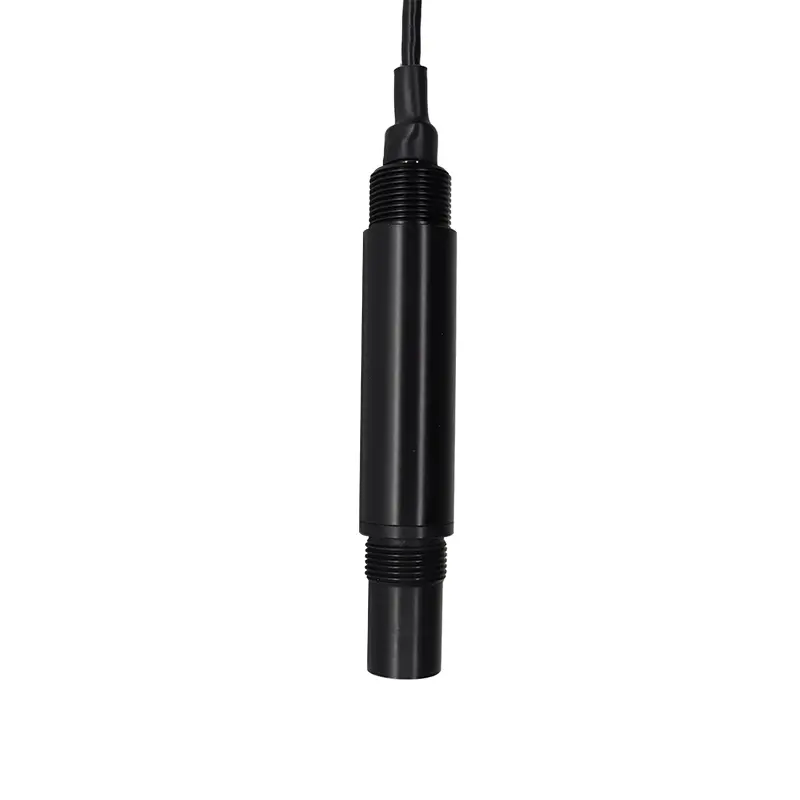
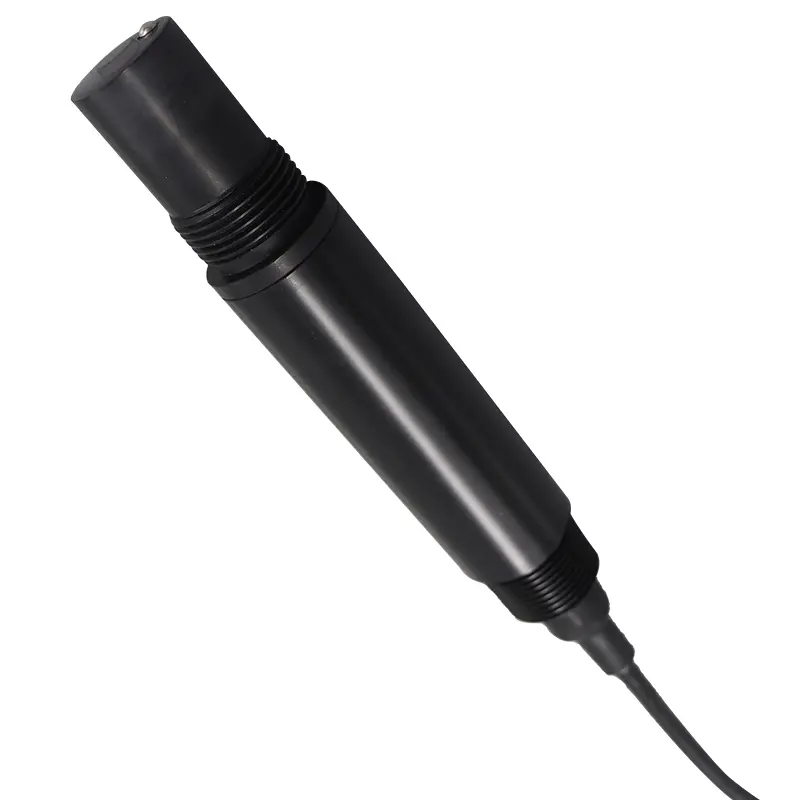
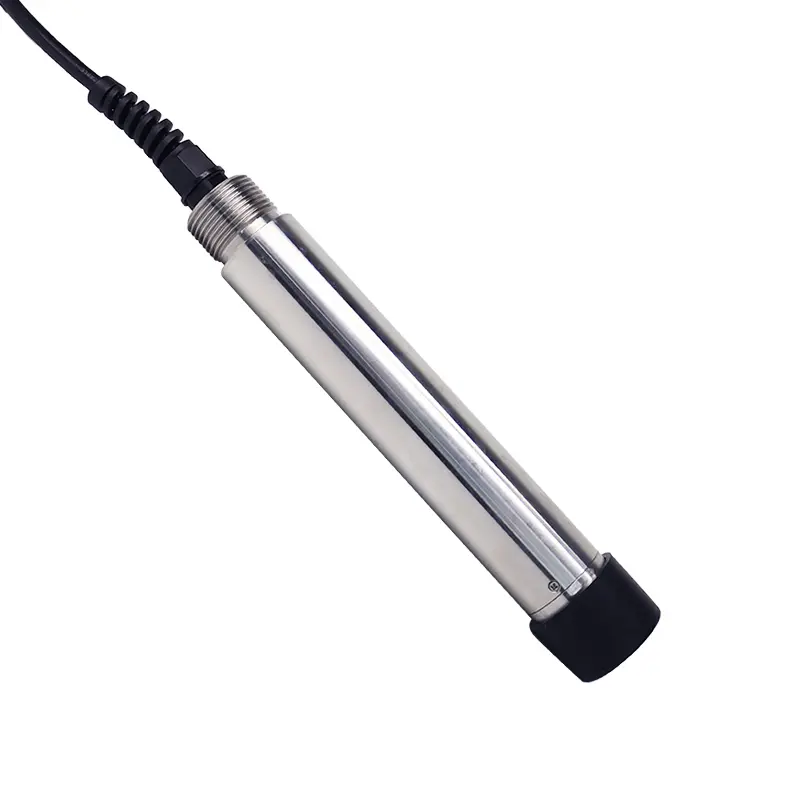
Sensor digital de calidad del agua
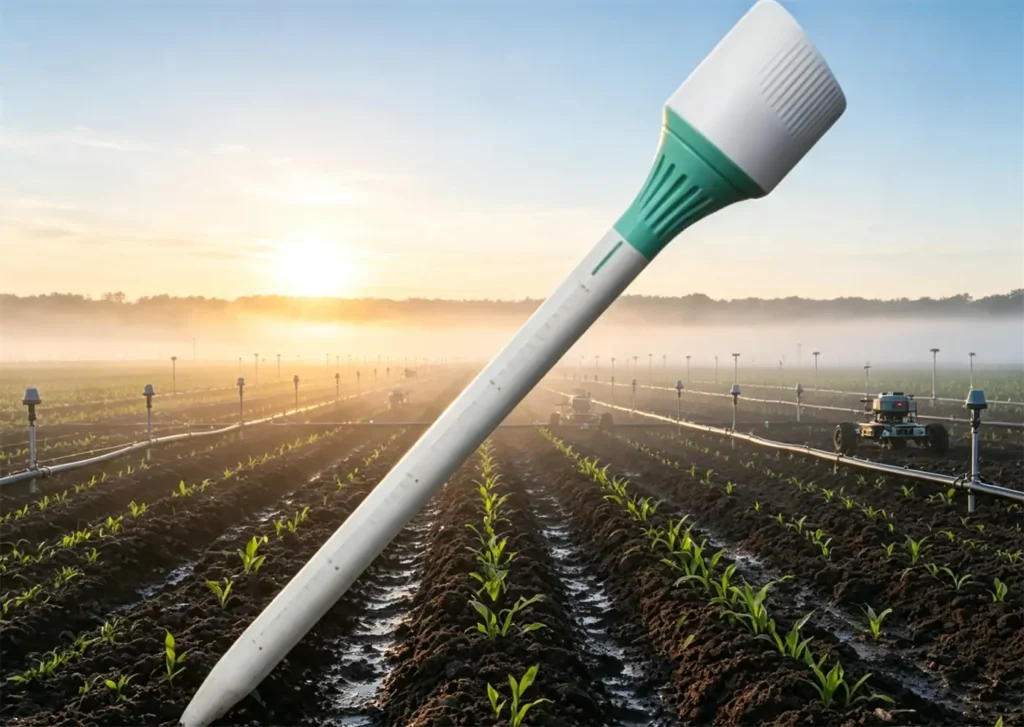
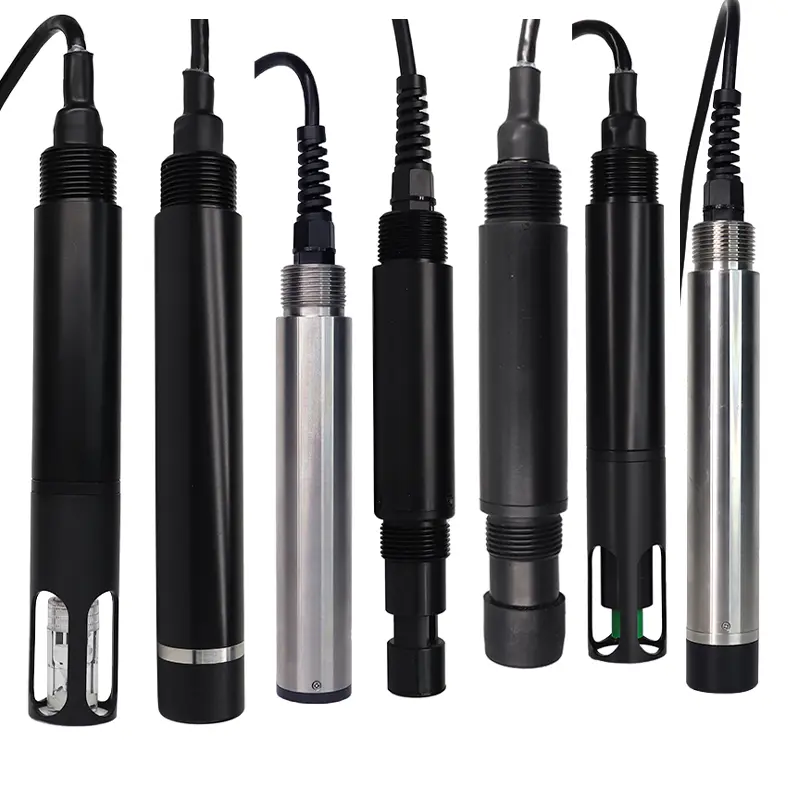
Los sensores de calidad del agua son instrumentos de precisión diseñados para la detección en tiempo real de parámetros físicos, químicos y biológicos en las masas de agua. Los principales tipos de sensores abarcan una amplia gama de sondas especializadas, entre las que se incluyen las de conductividad, salinidad, nitrógeno amoniacal, ORP (potencial de oxidación-reducción), cloro residual, sólidos en suspensión, iones fluoruro, iones calcio e iones cloruro.
- Señal de salida: RS485, protocolo Modbus/RTU
- Fuente de alimentación: 12 o 24 V CC ±10 %
- Calibración: calibración de dos puntos
- Compensación de temperatura: Automática (Pt100 / Pt1000 / NTC)
- Índice de protección: IP68
- Longitud del cable: 10 metros (por defecto), personalizable
Precio: $108.53-$1487.2
Introducción
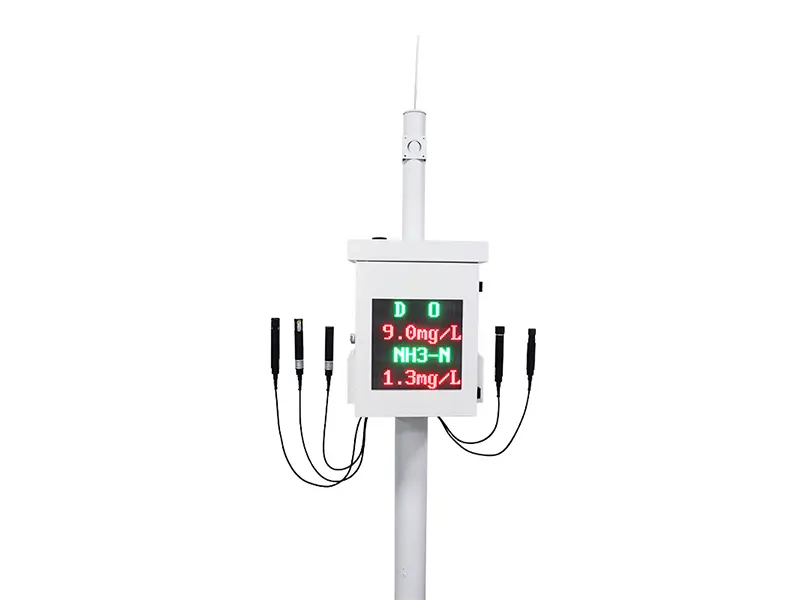
Un sensor de calidad del agua es un dispositivo que se utiliza para supervisar en tiempo real los parámetros físicos, químicos y biológicos de las masas de agua. Se utiliza ampliamente en los ámbitos de la protección del medio ambiente, el tratamiento del agua, la agricultura, la industria y la investigación científica. Al recopilar y transmitir de forma continua datos sobre la calidad del agua para su análisis mediante sistemas automatizados, permite una gestión inteligente de los entornos acuáticos.
Estos sensores, que se caracterizan por su respuesta continua en tiempo real, su facilidad de mantenimiento, sus escasos requisitos de calibración (especialmente en el caso de los de tipo óptico) y su compatibilidad con la transmisión remota de datos a través del Internet de las cosas (IoT), se utilizan ampliamente en diversos sectores. Entre ellos se incluyen los sistemas de alerta temprana para la seguridad del agua potable, la regulación de la calidad del agua en la acuicultura, la supervisión del tratamiento y vertido de aguas residuales industriales, la vigilancia medioambiental de las aguas superficiales y la evaluación de la calidad del agua para el riego agrícola, proporcionando así datos fundamentales para la conservación de los recursos hídricos y la gestión inteligente del agua.
Principio de funcionamiento del sensor de calidad del agua
Principio operativo fundamental: la integración de tres disciplinas principales: la óptica, la electrónica y la química
- Métodos electroquímicos: Se utiliza principalmente para medir el pH, el oxígeno disuelto y la conductividad. El principio se basa en una reacción electroquímica entre los electrodos del interior del sensor y la sustancia que se está midiendo, lo que genera una corriente o una diferencia de potencial proporcional a la concentración. Por ejemplo, un medidor de pH determina la acidez o la alcalinidad midiendo la diferencia de potencial entre el electrodo de vidrio y el electrodo de referencia.
- Métodos ópticos: Esta es la tecnología fundamental de los sensores de gama alta actuales, que ofrece las ventajas de no requerir reactivos y de necesitar un mantenimiento mínimo. Aprovecha la absorción o la dispersión de la luz en longitudes de onda específicas por parte de las sustancias para realizar mediciones:
1. Turbidez: Mide la intensidad de la luz dispersada por las partículas en suspensión en el agua.
2. Medición del oxígeno disuelto mediante fluorescencia: Aprovecha el efecto de “extinción” que ejercen las moléculas de oxígeno sobre las sustancias fluorescentes para calcular con precisión la concentración de oxígeno disuelto mediante la detección del tiempo de vida de la fluorescencia; este método no consume oxígeno y ofrece una excelente estabilidad a largo plazo.
3. Contra reembolso: Aprovecha las características de absorción de la materia orgánica bajo luz ultravioleta de 254 nm (principio SAC254) para lograr un control en tiempo real sin necesidad de reactivos y con tiempos de respuesta inferiores a un segundo. - Método del electrodo selectivo de iones: Una forma de análisis potenciométrico. La membrana sensible del sensor responde únicamente a iones específicos (como los iones de amoníaco, nitrógeno o fluoruro), generando un potencial de membrana que permite el análisis cuantitativo de dichos iones específicos.
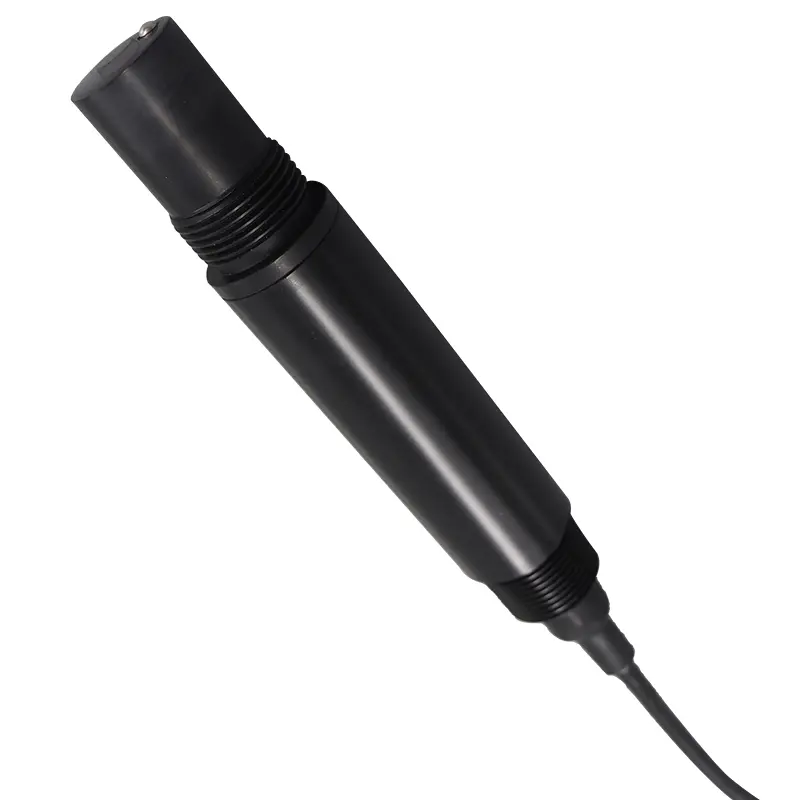
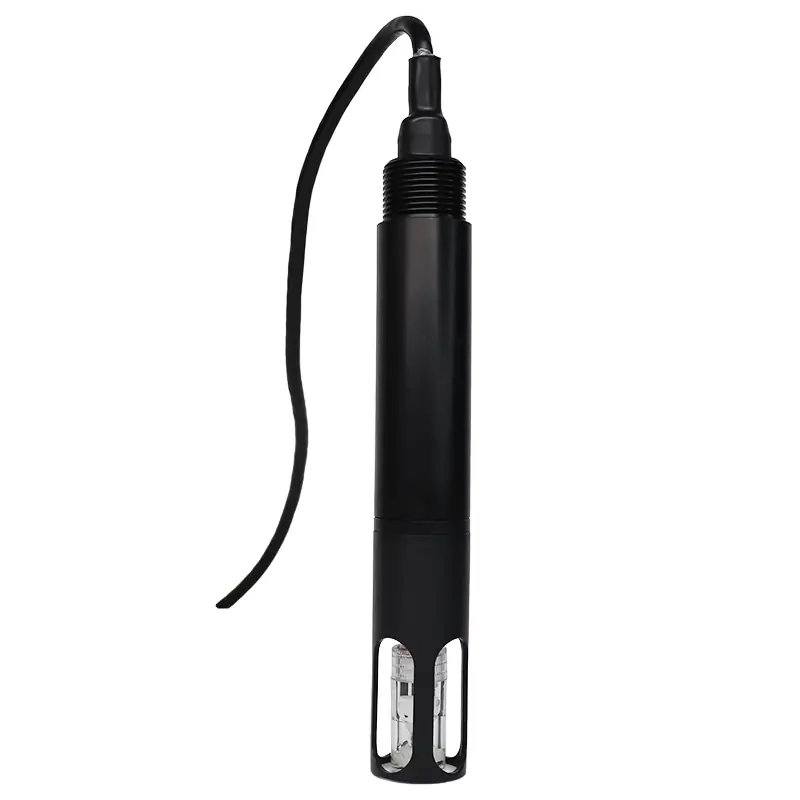
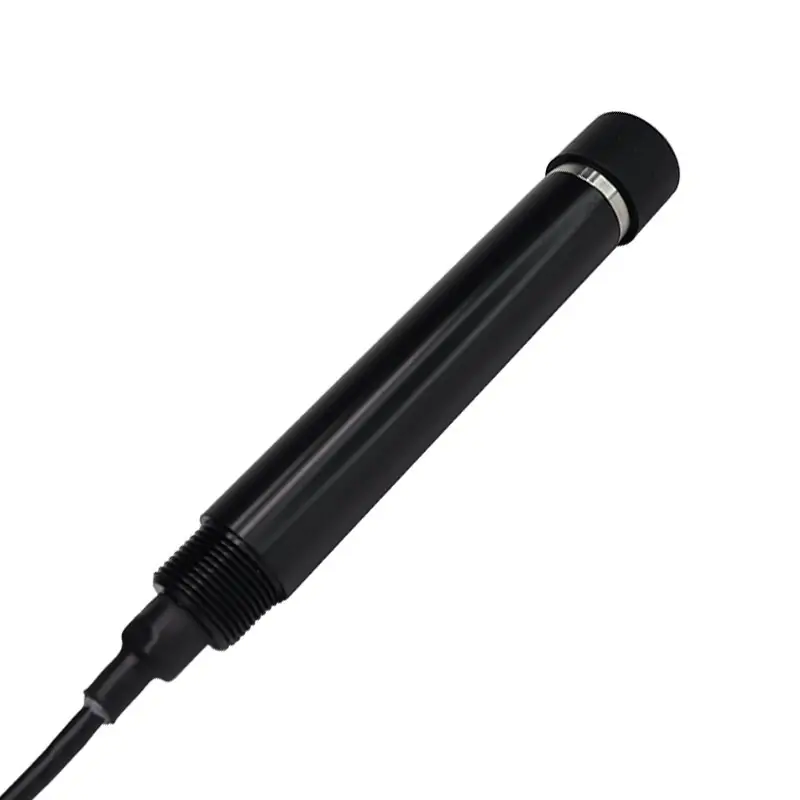
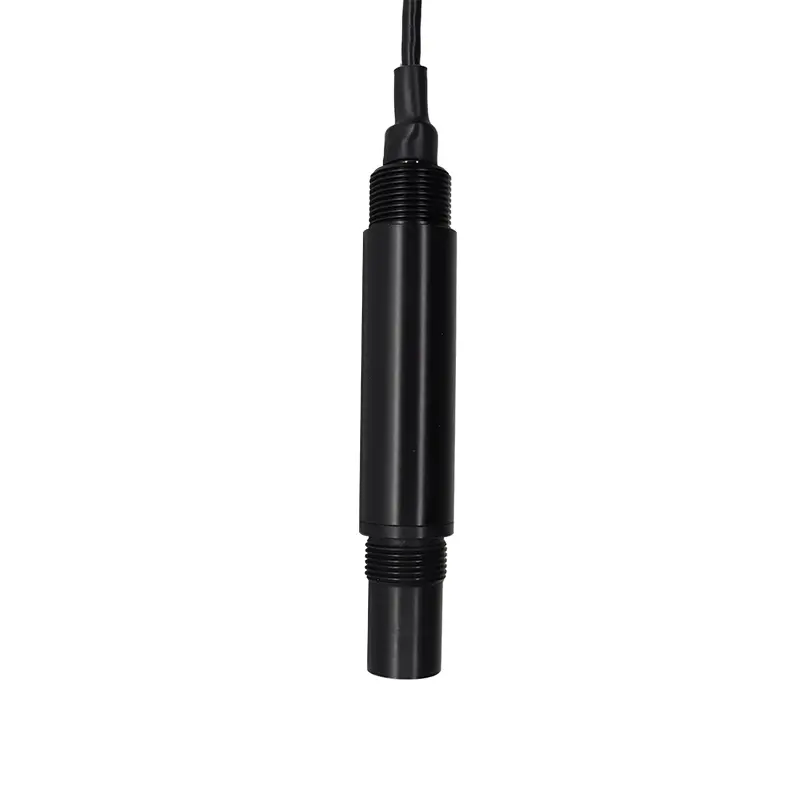
Estructura del sensor de calidad del agua
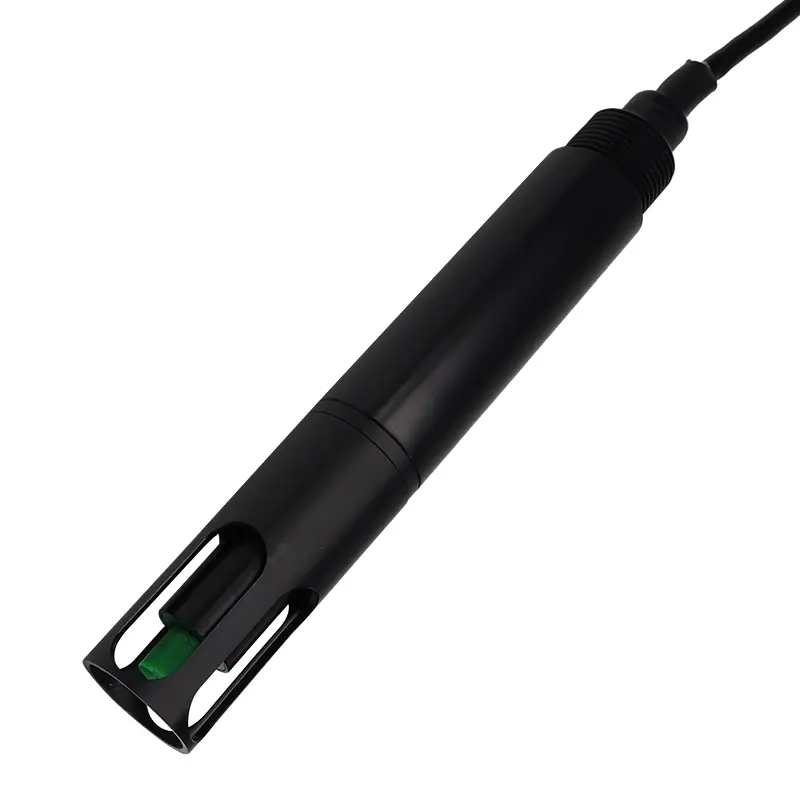
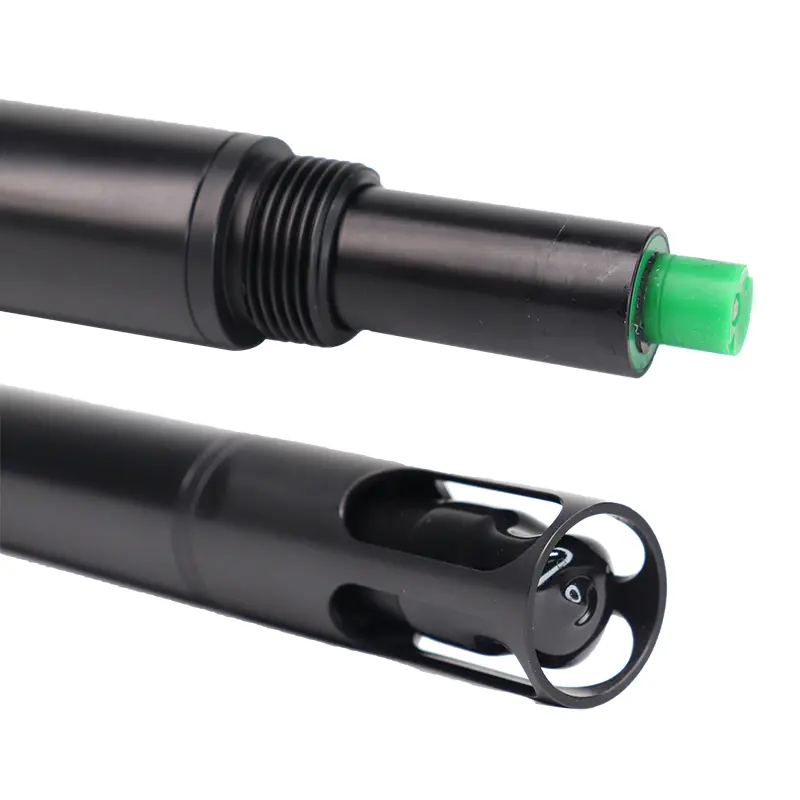
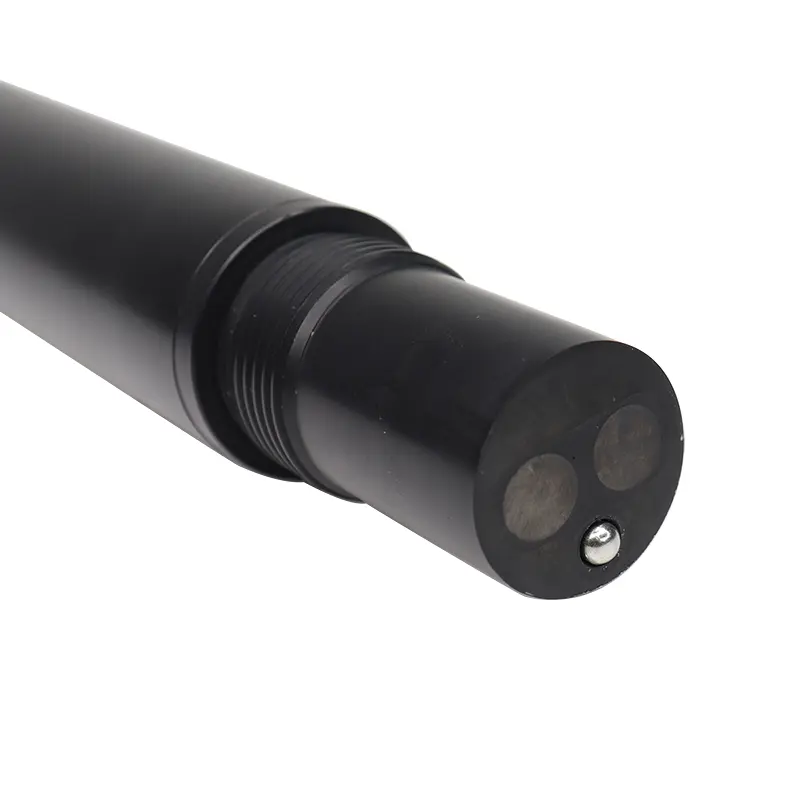
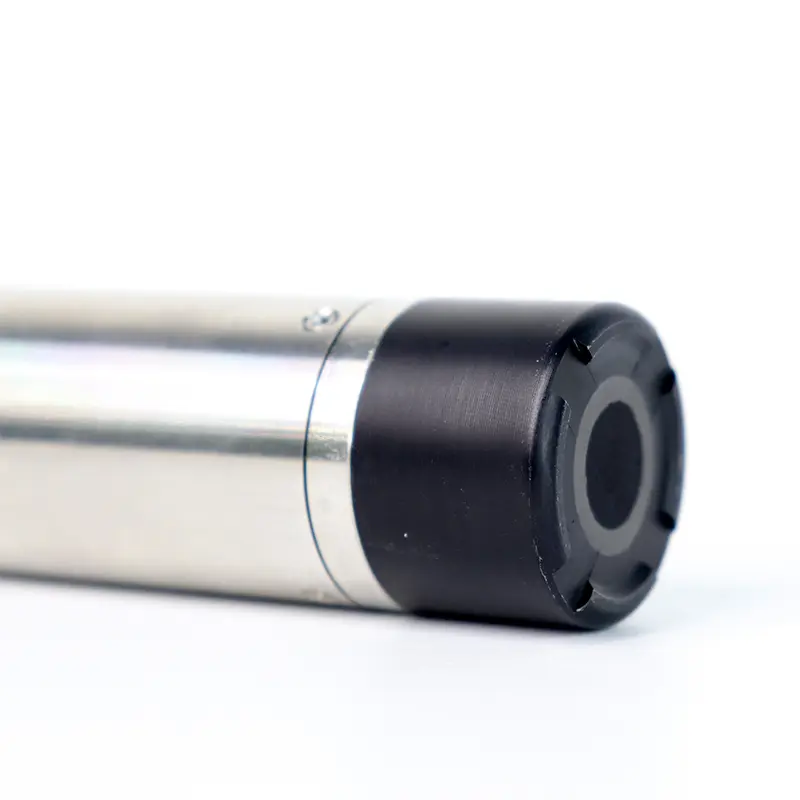
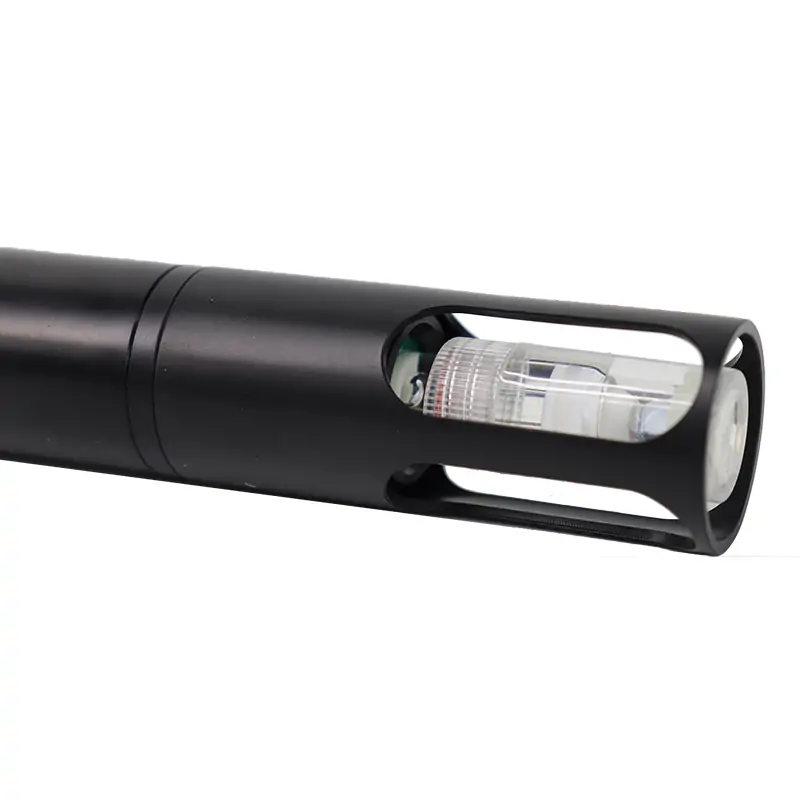
- Elemento sensor: El componente principal que detecta con gran precisión parámetros específicos del agua, como el pH, la conductividad, el oxígeno disuelto o la turbidez.
- Electrodo / Sonda: Entra en contacto directo con la muestra de agua para garantizar un rendimiento de medición preciso y estable.
- Unidad de procesamiento de señales: Convierte las señales brutas del sensor en señales eléctricas estables y fiables para su posterior análisis.
- Módulo de compensación de temperatura: Ajusta automáticamente las lecturas en función de las variaciones de temperatura para mejorar la precisión de la medición.
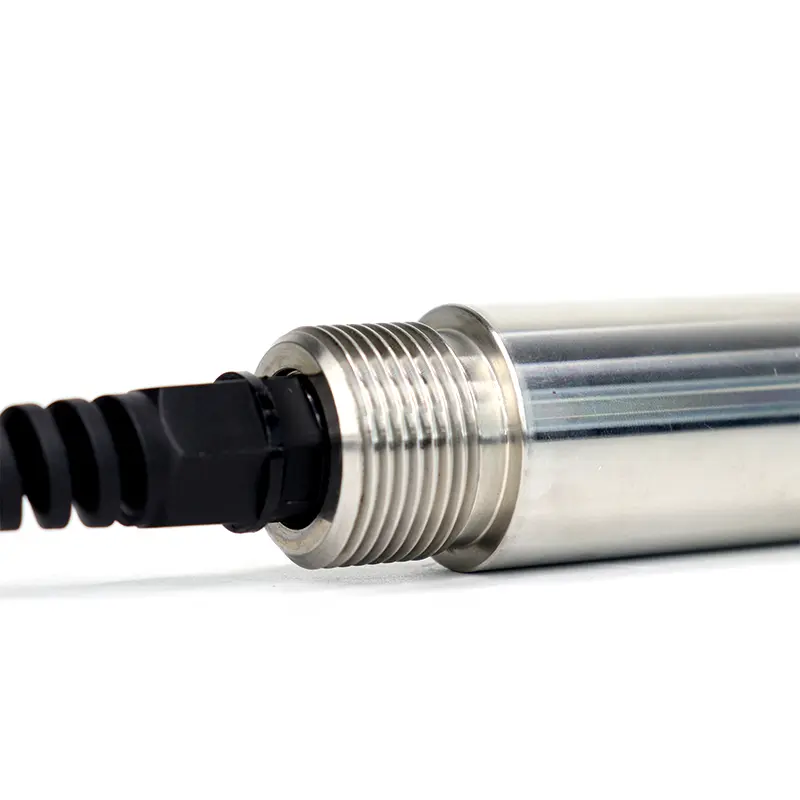
- Interfaz de salida digital: Admite RS485 y los protocolos MODBUS para una integración perfecta con los sistemas de monitorización.
- Carcasa protectora: Diseño resistente a la corrosión e impermeable, apto para condiciones ambientales adversas.
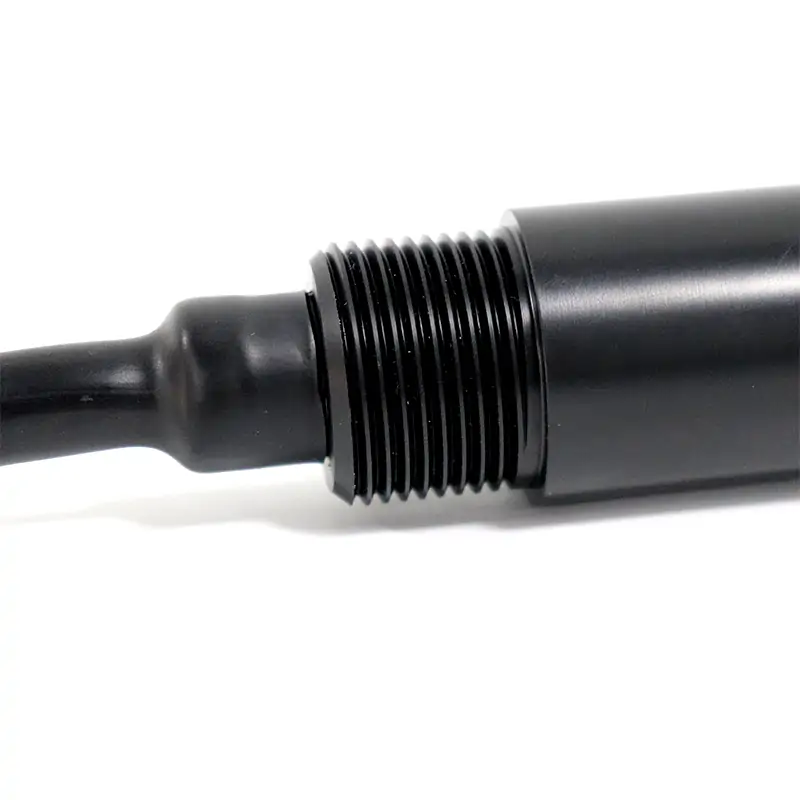
- Sistema de cables y conectores: Garantiza una transmisión de datos estable y una instalación sencilla en aplicaciones sobre el terreno.
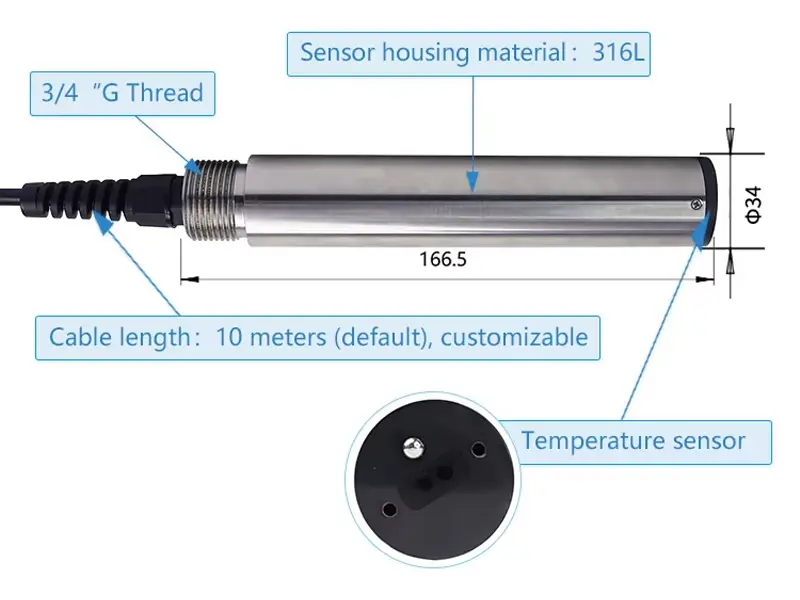
Tipos y guía de selección
Ofrecemos una amplia gama de sensores de calidad del agua para satisfacer las necesidades de monitorización de diversos entornos acuáticos. Ya sea para alertas sobre la seguridad del agua potable, la monitorización de vertidos de aguas residuales industriales, el control de la calidad del agua en la acuicultura o evaluaciones ecológicas de las aguas superficiales, puede seleccionar la configuración de sensores que mejor se adapte a los requisitos de su proyecto.
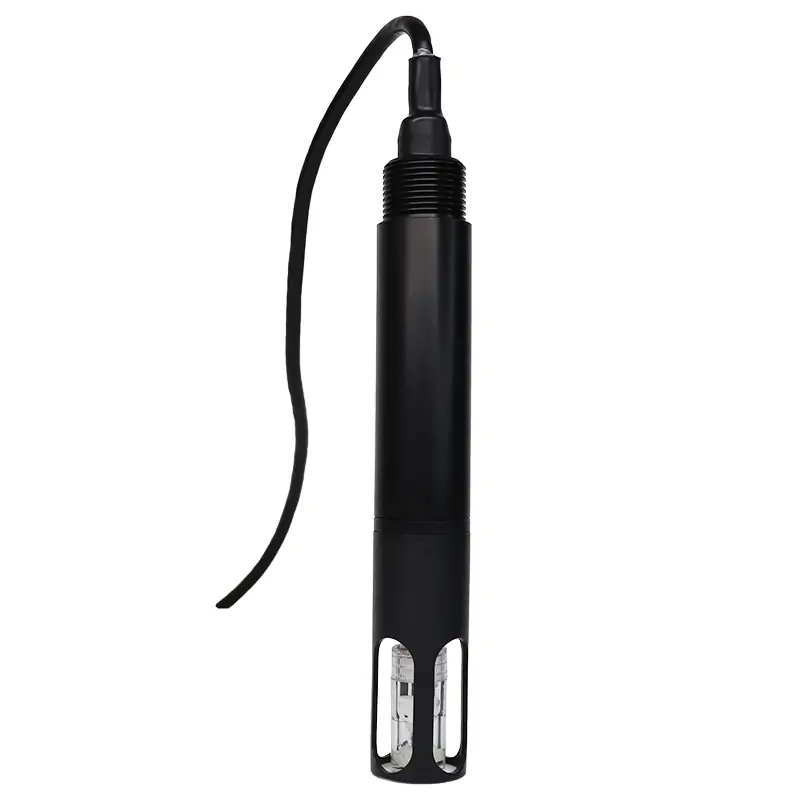
WCD3411 Calidad del agua
Sensor de pH
Electrodo de pH esférico industrial reemplazable en línea, de respuesta rápida y con compensación automática de temperatura.
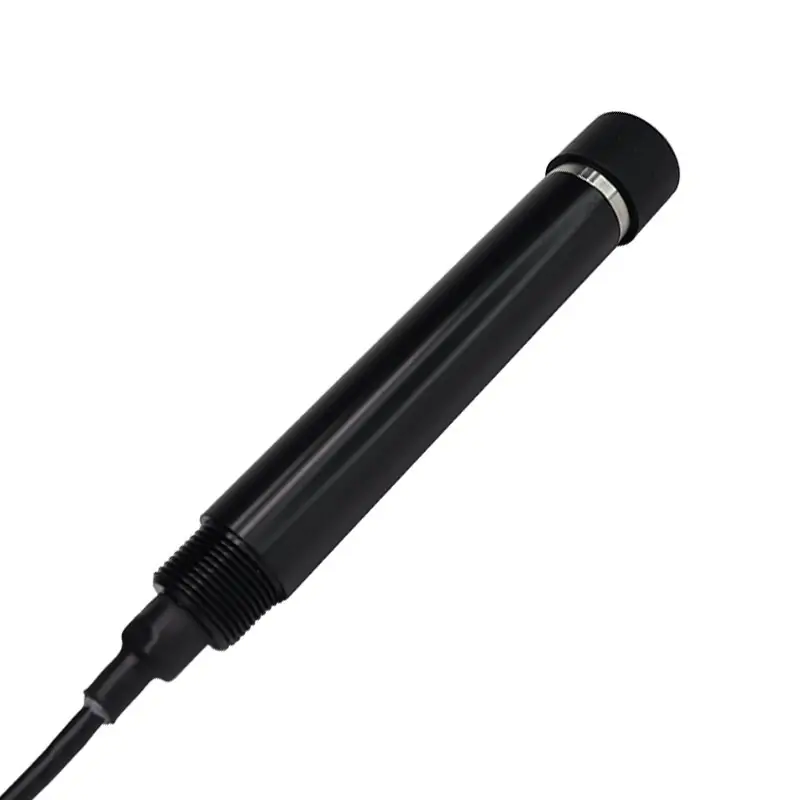
Sensor óptico de oxígeno disuelto WCD3412
Sensor óptico de oxígeno disuelto, basado en el principio de extinción de fluorescencia, con compensación de temperatura y presión integrada.
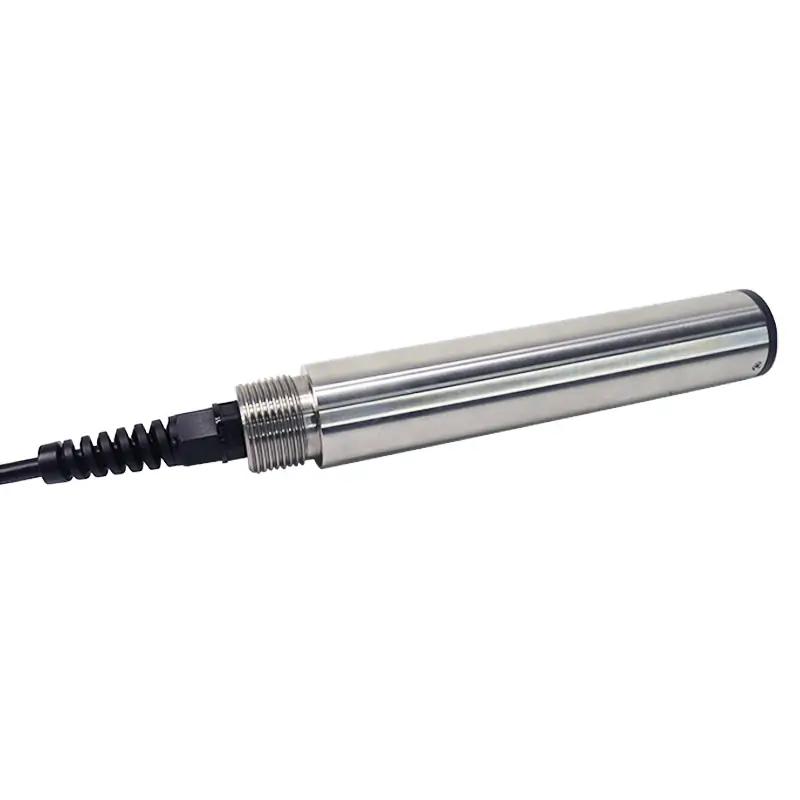
Sensor de turbidez de acero inoxidable WAD3413
Sensor de turbidez de acero inoxidable, basado en el principio de luz difusa a 90°, con protección contra interferencias y compensación automática de temperatura.
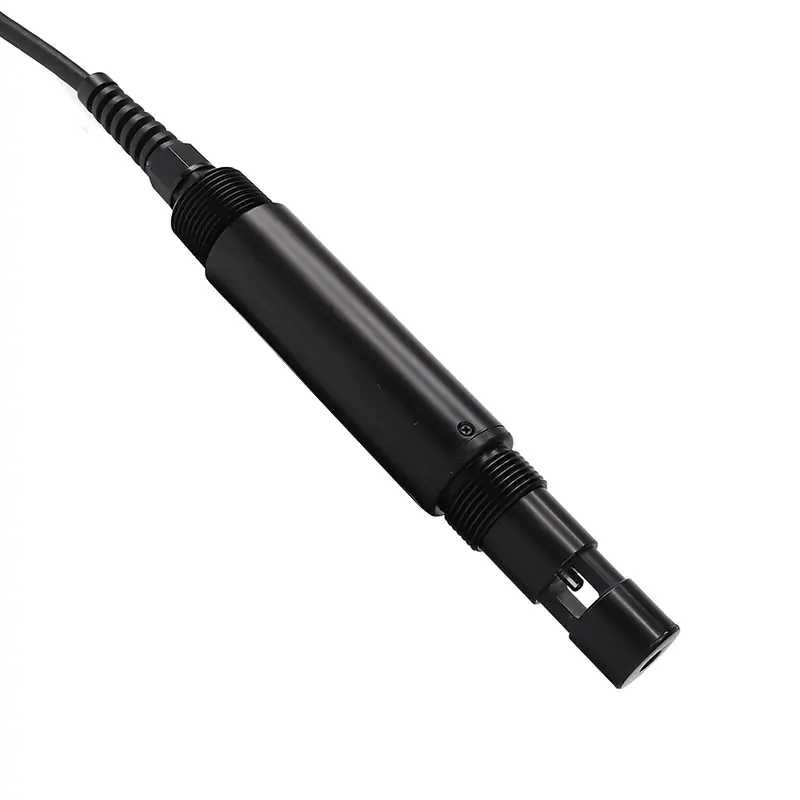
Sensor de conductividad electromagnética WCD3414A
Sensor inductivo de conductividad sin electrodos, medición mediante campo magnético alterno, compensación automática de la temperatura.
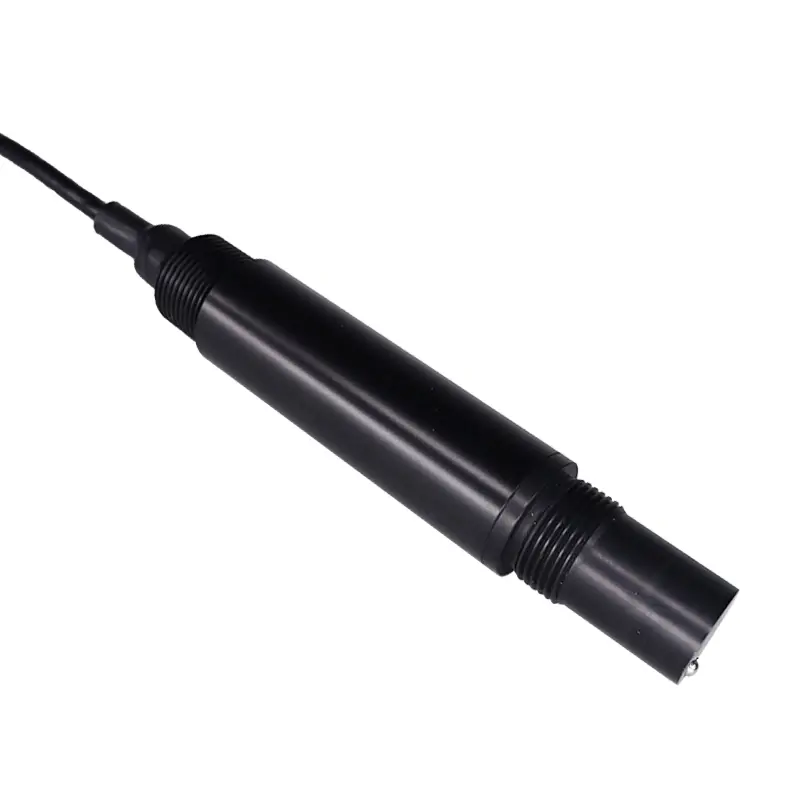
Sensor de conductividad del agua WCD3414
Sensor de conductividad plano de grafito de dos electrodos, fácil de limpiar, de respuesta rápida y con compensación automática de temperatura.
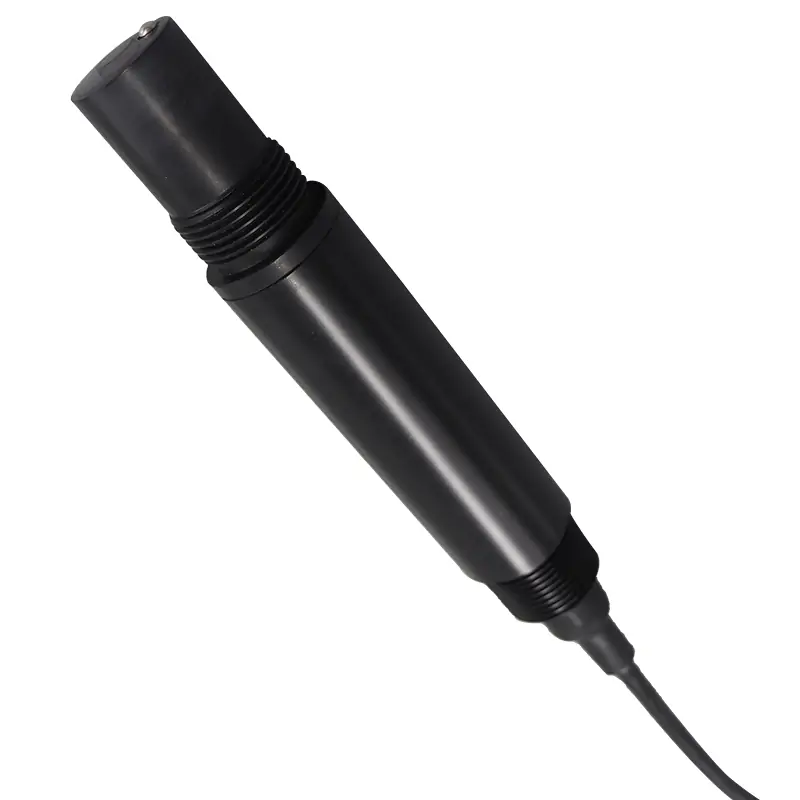
WCD3415 Agua
Sensor de salinidad
Sensor inductivo de salinidad sin electrodos, medición mediante campo magnético alterno, compensación automática de la temperatura.
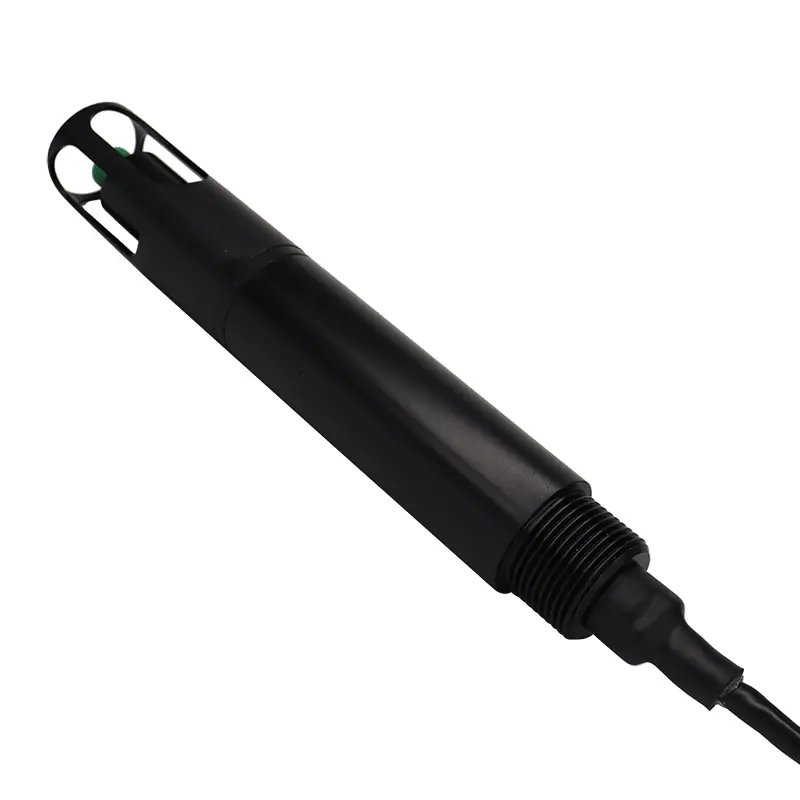
WCD3416: Sensor de nitrógeno amoniacal para el control de la calidad del agua
Electrodo industrial en línea selectivo de iones amonio para el análisis de nitrógeno amoniacal, con compensación automática de temperatura.
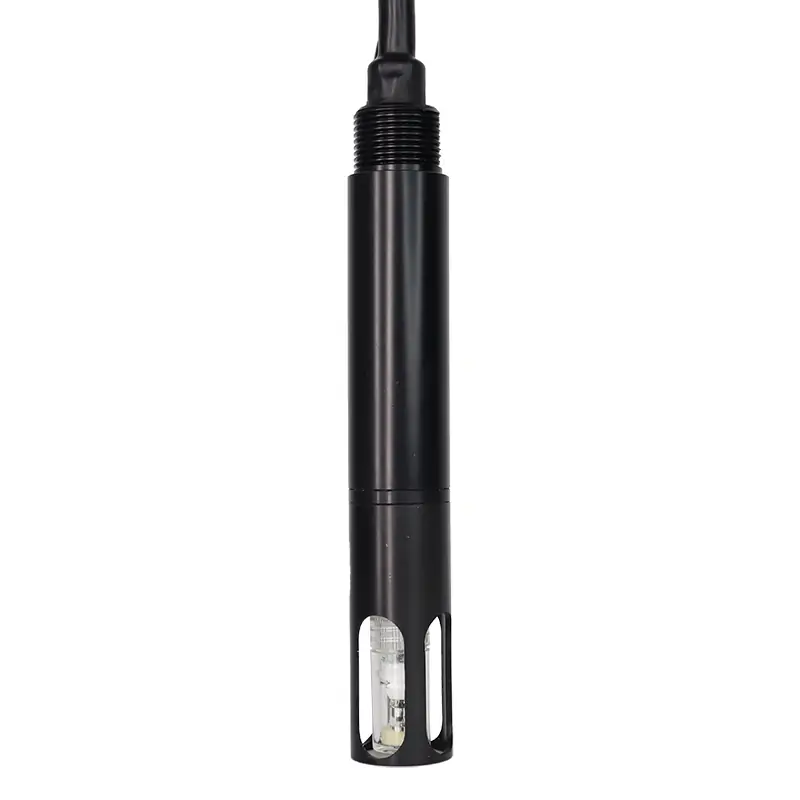
WCD3418: Sensor de cloro residual para el control de la calidad del agua
Sensor de cloro residual de tensión constante sin membrana, sin necesidad de reactivos, con una respuesta rápida y precisa.
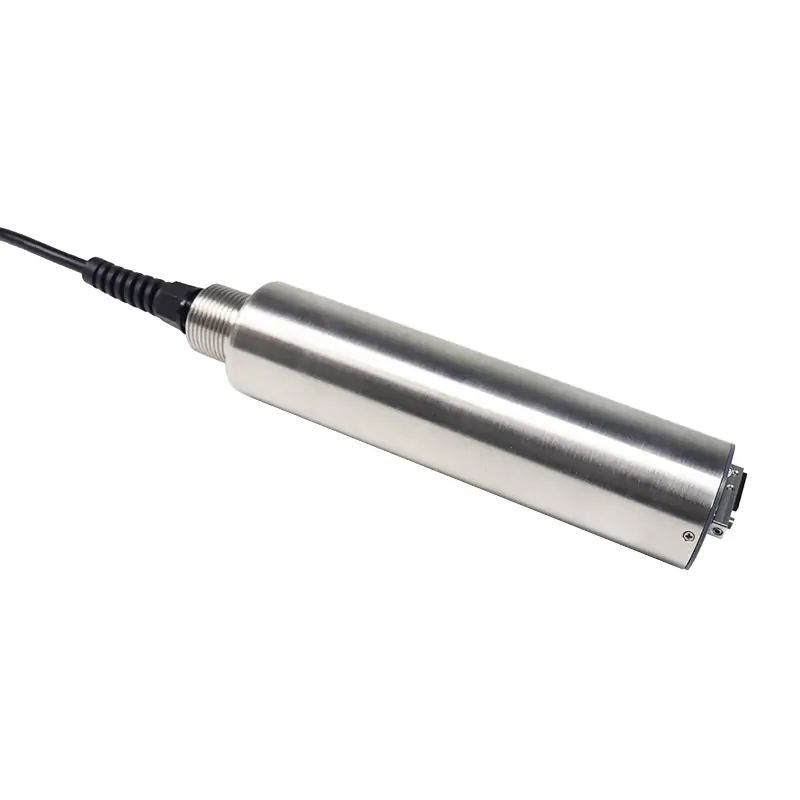
WCD3419: Sensor de clorofila con autolimpieza en línea
Sensor óptico de clorofila autolimpiante, que no requiere mantenimiento y permite una monitorización en línea a largo plazo.
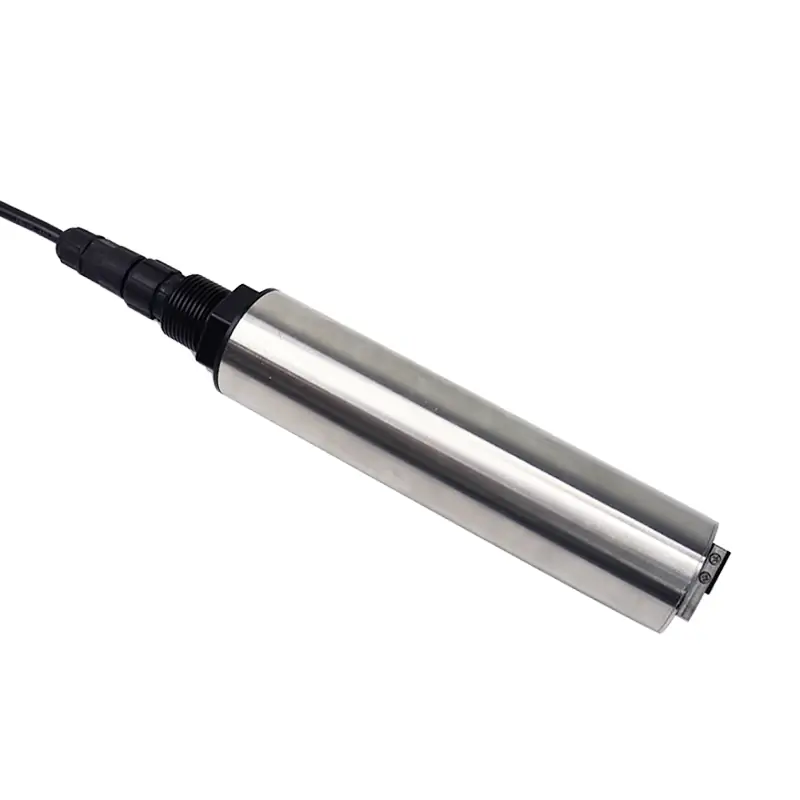
WCD3420: Sensor en línea de cianobacterias con autolimpieza
Sensor de algas verdeazuladas basado en fluorescencia con cepillo de limpieza automático, que avisa con antelación de la proliferación de algas.
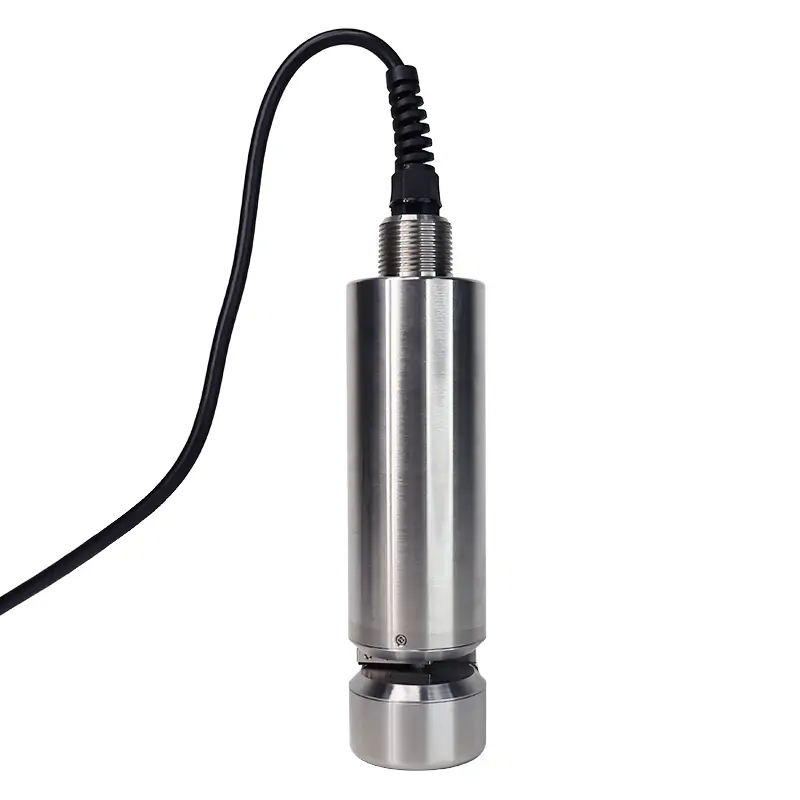
WCD3422: Sensor de DQO autolimpiante (acero inoxidable)
Sensor de DQO por absorción UV, sin reactivos, con autolimpieza y compensación de doble fuente de luz.
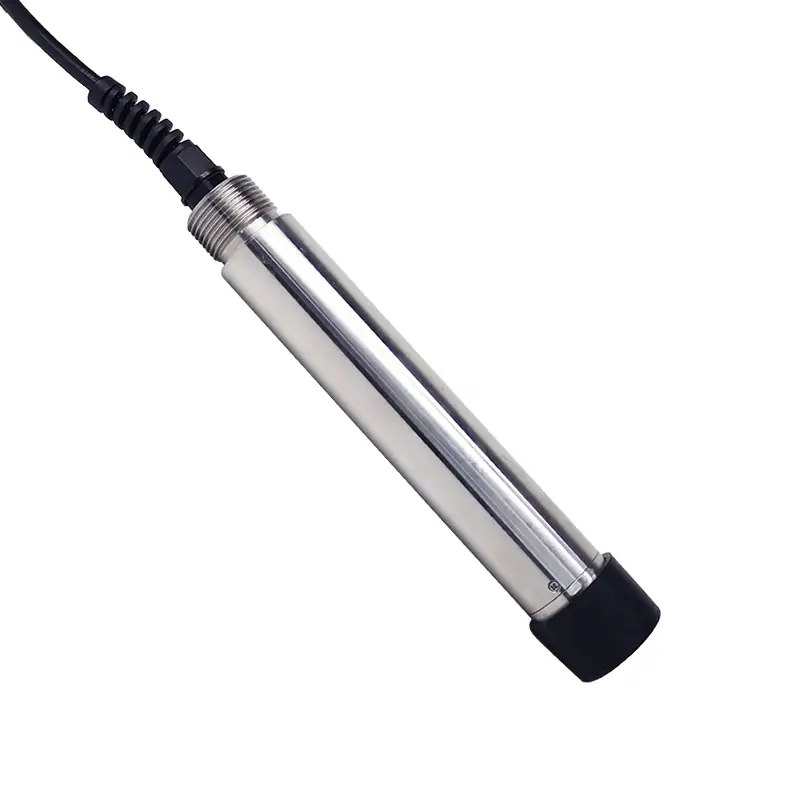
WCD3421: Sensor de sólidos en suspensión en el agua
Sensor de partículas en suspensión basado en el principio de luz difusa obtusa, con protección contra interferencias y compensación automática de temperatura.
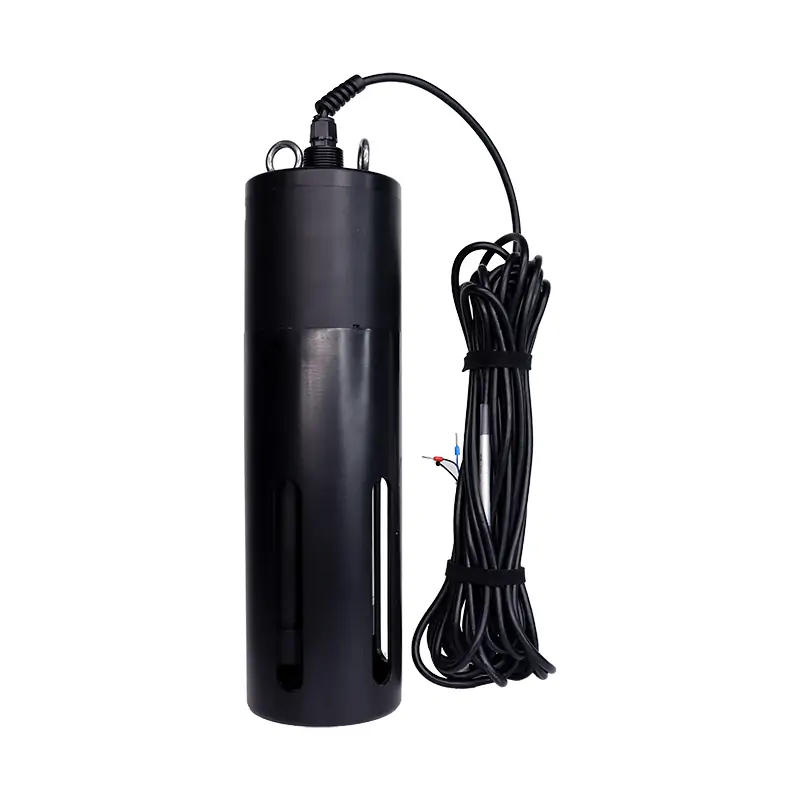
WCD3423: sensor multiparamétrico autolimpiante
Sensor multiparamétrico de calidad del agua, sondas intercambiables, autolimpiante, conexión rápida para facilitar el mantenimiento.
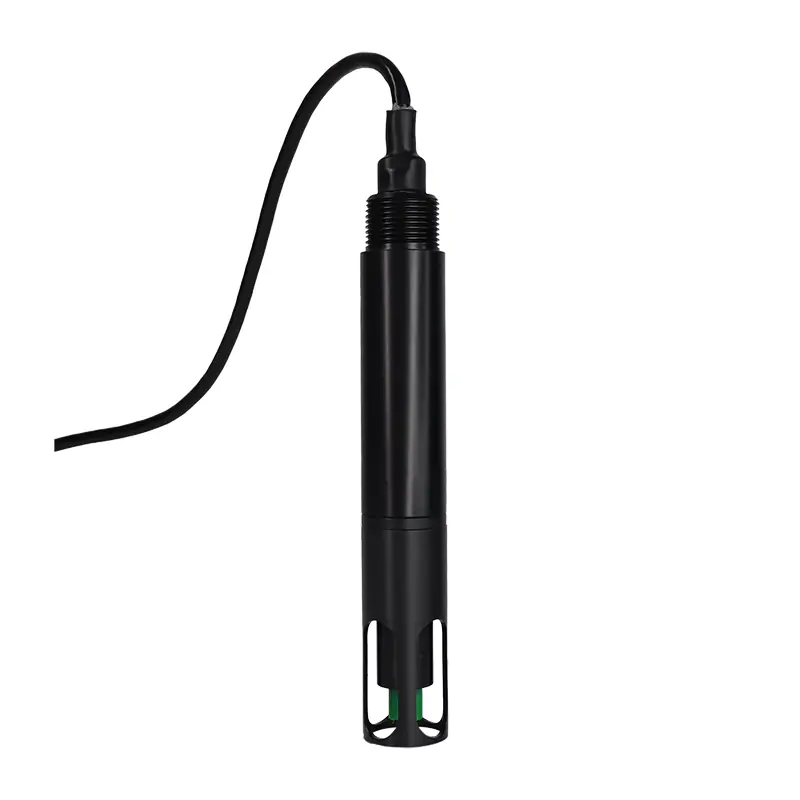
WCD3424 Fluoruro de agua
Sensor
Electrodo industrial en línea selectivo de iones fluoruro, de respuesta rápida con compensación automática de temperatura.
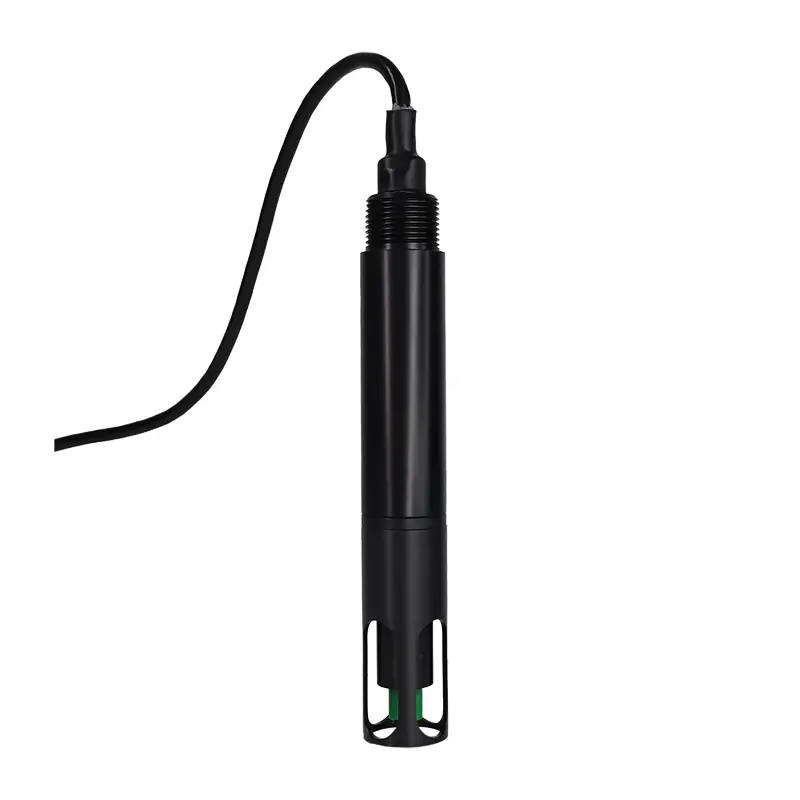
WCD3425 Calidad del agua
Sensor de iones de calcio
Electrodo industrial en línea selectivo de iones de calcio, de respuesta rápida con compensación automática de temperatura.
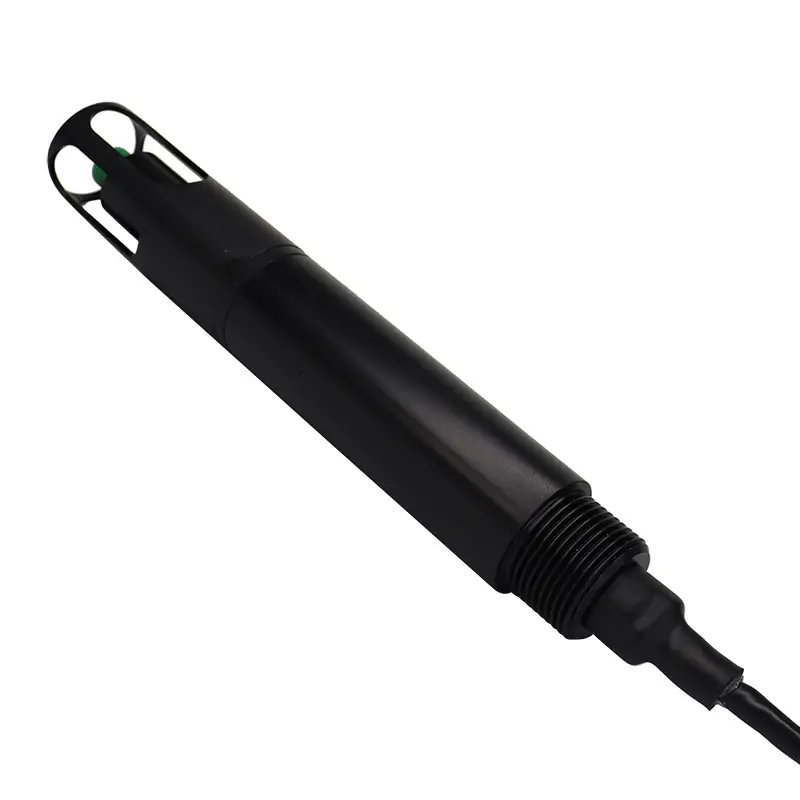
WCD3427: Sensor de cloruro para el análisis de la calidad del agua
Electrodo industrial en línea selectivo de iones cloruro, de respuesta rápida con compensación automática de temperatura.
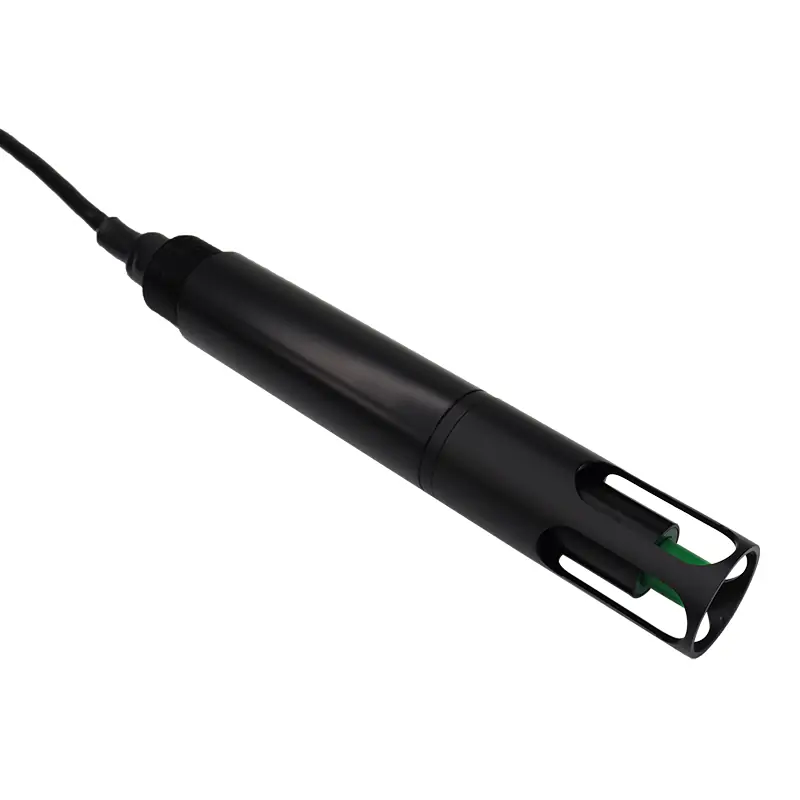
Sensor de nitratos WCD3428
Electrodo industrial en línea selectivo para nitratos, de respuesta rápida y con compensación automática de temperatura.
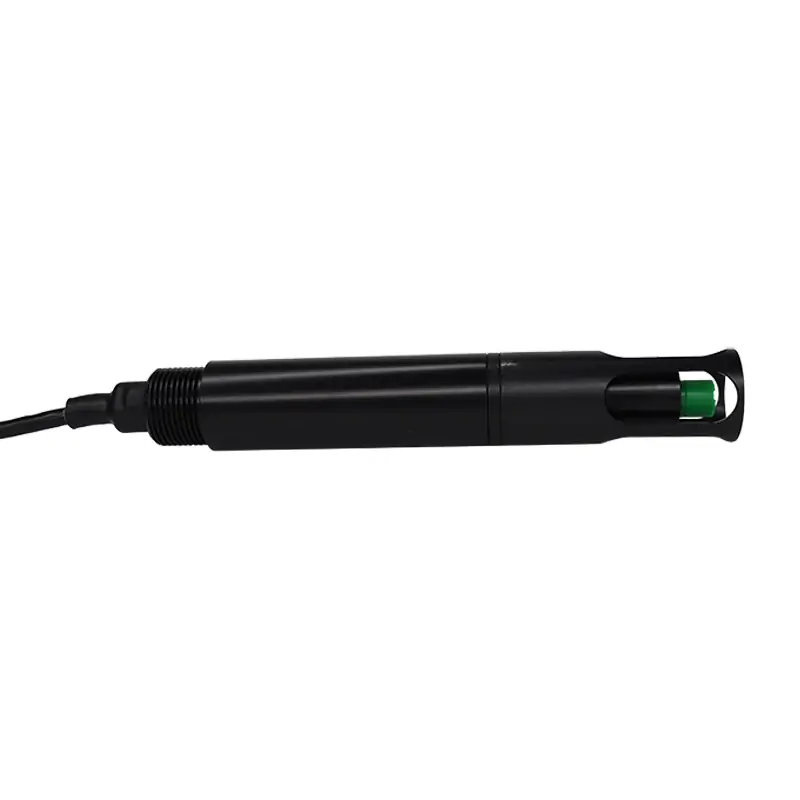
WCD3429 Sensor de nitritos
El sensor de nitritos utiliza un electrodo industrial en línea, concretamente un electrodo selectivo de iones con una membrana de PVC.
Detalles
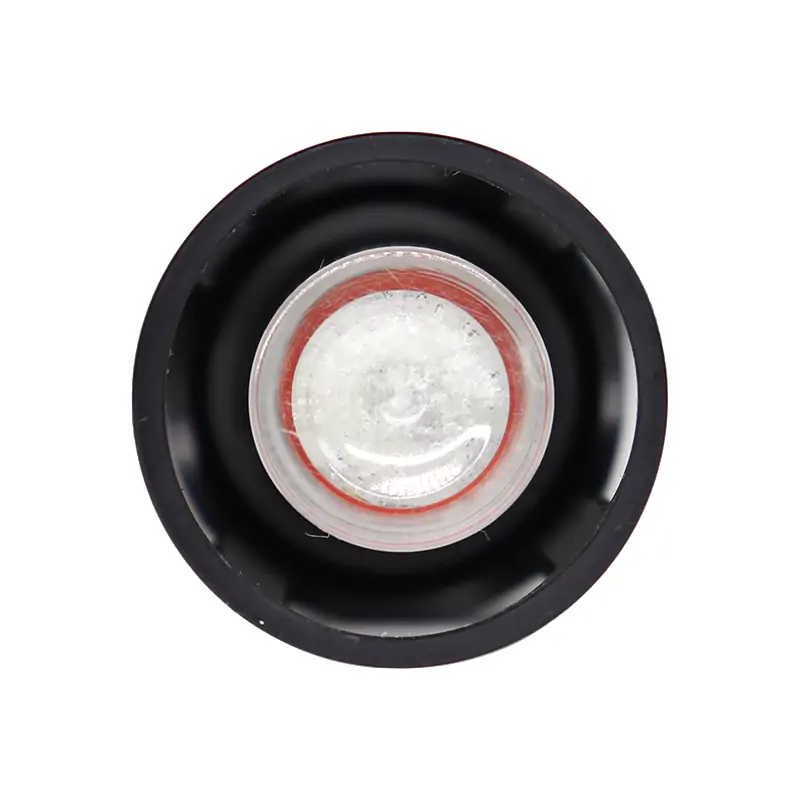
Un sensor de calidad del agua suele incluir elementos sensores, electrodos, unidades de procesamiento de señales e interfaces de salida digital. A continuación se ofrece una descripción detallada de cada uno de los componentes del sensor de calidad del agua:
Especificaciones
Ofrecemos una amplia gama de sensores para el control de la calidad del agua, que abarca el pH, el oxígeno disuelto, la turbidez, la conductividad, la salinidad, el nitrógeno amoniacal, el potencial de oxidación-reducción (ORP), el cloro residual, la clorofila, las cianobacterias, los sólidos en suspensión, la demanda química de oxígeno (DQO), diversos iones y sensores integrados multiparamétricos. Puede seleccionar la configuración que mejor se adapte a los requisitos de su proyecto en función de los principios de medición, el rango de medición y la precisión. A continuación se detallan las especificaciones de los sensores de control de la calidad del agua:
Parámetros
| Modelo | Tipo de sensor | Principio de medición | Gama | Precisión | Resolución | Tiempo de respuesta | Compensación de temperatura | Grado de protección | Características/Observaciones |
|---|---|---|---|---|---|---|---|---|---|
| WCD3411 | Sensor de pH | Método de selección iónica | 0~14 pH | ±0,1 pH | 0,01 pH | 10 segundos T90 | Automático (NTC) | IP68 (20 m) | Electrodo esférico reemplazable, carcasa de POM |
| WCD3412 | Sensor óptico de oxígeno disuelto | Extinción de fluorescencia | 0-20 mg/l (0-200% Sat.) | ±31 °C ±3 °C, ±0,5 °C | 0,01 mg/l, 0,1 ℃ | 90 segundos T90 | Automático (Pt1000) | IP68 (20 m) | Carcasa de POM/Ti, vida útil de la tapa de membrana ≥ 1 año |
| WAD3413 | Sensor de turbidez | Luz difusa a 90° | 0-1000/200 NTU | ±51 TP3T o ±3 NTU (0~1000); ±31 TP3T o ±2 NTU (0~200); ±0,5 ℃ | 0,1 NTU, 0,1 ℃ | 30 segundos T90 | Automático (Pt1000) | IP68 (20 m) | Carcasa de acero inoxidable 316L, resistente a las interferencias de la luz ambiental |
| WCD3414 | Sensor de conductividad | Contacto de 2 electrodos | 0~2000/5000 µS/cm | ±1,51 TP3T FS | 1 µS/cm | 10 segundos T90 | Automático (Pt1000) | IP68 (60 m) | Carcasa de POM/PEEK, Φ30 × 170 mm |
| WCD3414A | Sensor de conductividad inductivo | Electromagnético sin contacto | 0-200 mS/cm (ajustable hasta 600) | ±1,51 TP3T FS | 0,1 mS/cm | 10 segundos T90 | Automático (Pt1000) | IP68 (20 m) | Carcasa de POM/PEEK, Φ30 × 185,5 mm |
| WCD3415 | Sensor de salinidad | Electromagnético sin contacto | 0-70 PSU | ±11 TP3T FS o ±0,2 PSU (<10 PSU) | 0,1 PSU | 10 segundos T90 | Automático (Pt1000) | IP68 (20 m) | Carcasa de POM/PEEK, Φ30 × 185,5 mm |
| WCD3416 | Sensor de nitrógeno amoniacal | Membrana selectiva de iones | 0~10,0/100,0 mg/l (pH 4-10) | ±51 TP3T FS o ±3 mg/l | 0,01/0,1 mg/l | 30 segundos T90 | Automático (Pt100) | IP68 (20 m) | Carcasa de POM, vida útil de la tapa de membrana: 6 meses |
| WCD3417 | Sensor de ORP | Electrodo industrial en línea | -1999~1999 mV | ±5 mV | 1 mV | — | Automóvil | IP68 | Monitorización del potencial de oxidación-reducción |
| WCD3418 | Sensor de cloro residual | Método de tensión constante | 0~5,00/20,00 mg/l (HClO) | ±3% FS | 0,001/0,01 mg/l | <30 s | Automático (NTC) | IP68 (20 m) | Carcasa de POM, caudal de 10 a 30 cm³/s |
| WCD3419 | Sensor de clorofila | Método de fluorescencia | 0-500 µg/L o 0-100 RFU | ±5% FS | 0,1 µg/L | 30 segundos T90 | Automóvil | IP68 (10 m) | Carcasa de acero inoxidable 316L, limpiaparabrisas autolimpiante |
| WCD3420 | Sensor de algas verdeazuladas | Método de fluorescencia | 0-200,0 kcells/mL | ±5% FS | 0,1 kcells/mL | 30 segundos T90 | Automóvil | IP68 (10 m) | Carcasa de acero inoxidable 316L, limpiaparabrisas autolimpiante |
| WCD3421 | Sensor de sólidos en suspensión | Luz difusa de 135° | 0-5000 mg/l | ±51 TP3T FS, ±0,5 ℃ | 0,1 mg/l, 0,1 ℃ | 30 segundos T90 | Automático (Pt1000) | IP68 (20 m) | Carcasa de acero inoxidable 316L |
| WCD3422 | Sensor de DQO autolimpiante | Absorción de doble longitud de onda UV254 | DQO: 0,3-370 mg/l; Turbidez: 0-100 NTU | ±5% FS | DQO: 0,1/0,01 mg/l | 10 segundos T90 | — | IP68 (10 m) | Acero inoxidable 316L + cristal de cuarzo, limpiaparabrisas autolimpiante |
| WCD3423 | Sensor multiparamétrico | Integrado | Hasta 7 parámetros (véase la subtabla) | Por parámetro | Por parámetro | — | Automóvil | — | Sondas intercambiables, autolimpiantes, de conexión rápida |
| WCD3424 | Sensor de iones de flúor | Membrana selectiva de iones | 0~10,0/100,0 mg/l | ±51 TP3T FS o ±3 mg/l | 0,01/0,1 mg/l | 30 segundos T90 | Automático (Pt100) | IP68 (20 m) | Carcasa de POM, vida útil de la tapa de membrana: 6 meses |
| WCD3425 | Sensor de iones de calcio | Membrana selectiva de iones | 0~10,0/100,0 mg/l | ±51 TP3T FS o ±3 mg/l | 0,01/0,1 mg/l | 30 segundos T90 | Automático (Pt100) | IP68 (20 m) | Carcasa de POM, vida útil de la tapa de membrana: 6 meses |
| WCD3427 | Sensor de iones cloruro | Membrana selectiva de iones | 0~10,0/100,0 mg/l (pH 4-10) | ±51 TP3T FS o ±3 mg/l | 0,01/0,1 mg/l | 30 segundos T90 | Automático (Pt100) | IP68 (20 m) | Carcasa de POM, vida útil de la tapa de membrana: 6 meses |
| WCD3428 | Sensor de nitratos | Membrana selectiva de iones | 0~10,0/100,0 mg/l (pH 4-10) | ±51 TP3T FS o ±3 mg/l | 0,01/0,1 mg/l | 30 segundos T90 | Automático (Pt100) | IP68 (20 m) | Carcasa de POM, vida útil de la tapa de membrana: 6 meses |
| WCD3429 | Sensor de nitritos | Membrana selectiva de iones | 0~10,0/100,0 mg/l (pH 4-10) | ±51 TP3T FS o ±3 mg/l | 0,01/0,1 mg/l | 30 segundos T90 | Automático (Pt100) | IP68 (20 m) | Carcasa de POM, vida útil de la tapa de membrana: 6 meses |
Incluye un sensor de calidad del agua
Control en tiempo real
Permite la recopilación continua de datos las 24 horas del día, los 7 días de la semana, para un seguimiento instantáneo de la calidad del agua.
Alta precisión
Los sensores de grado industrial con compensación automática de temperatura garantizan mediciones fiables.
Fácil mantenimiento
Los sensores ópticos no requieren reactivos, y las opciones de autolimpieza reducen el mantenimiento manual.
Diseño resistente
La clasificación de resistencia al agua IP68 y los materiales resistentes a la corrosión lo hacen ideal para entornos de trabajo exigentes.
Fácil integración
Salida RS485 estándar con protocolo Modbus/RTU para una conexión perfecta con el sistema.
Amplia cobertura
Admite múltiples parámetros, desde el pH y el oxígeno disuelto (OD) básicos hasta el control de iones específicos y de las algas.
Aplicaciones del sensor de calidad del agua
Los sensores de calidad del agua se utilizan ampliamente en ámbitos como la seguridad del agua potable, el tratamiento de aguas residuales, la acuicultura, la vigilancia medioambiental y el control de procesos industriales. Al proporcionar un control en línea y en tiempo real del pH, el oxígeno disuelto, la turbidez, la conductividad, el nitrógeno amoniacal, el cloro residual, la clorofila, las cianobacterias, la DQO y diversos parámetros iónicos, ofrecen datos fundamentales para la conservación de los recursos hídricos, los sistemas de alerta temprana sobre la calidad del agua y la gestión inteligente del agua.
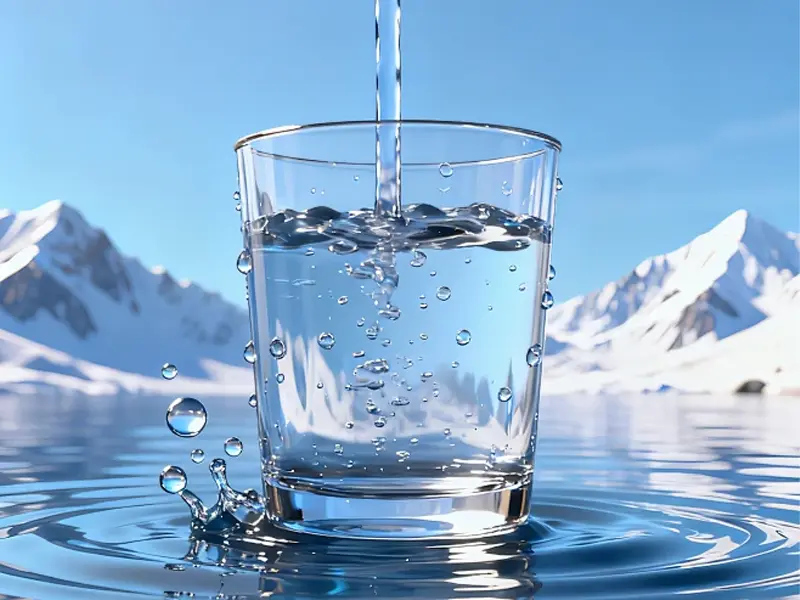
Control de la seguridad del agua potable
Monitorización en tiempo real de parámetros como el cloro residual, el pH y la turbidez en las fuentes de agua, las plantas de tratamiento de agua y los puntos finales de las redes de distribución, con el fin de garantizar la seguridad del agua potable desde el origen hasta el grifo.
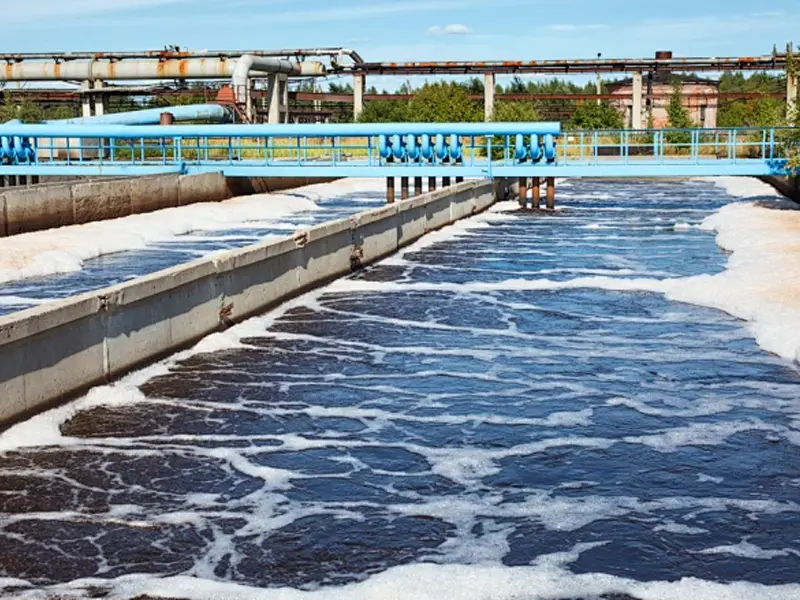
Tratamiento y vertido de aguas residuales
Monitorización en línea de parámetros como la DQO, el nitrógeno amoniacal, los sólidos en suspensión y el pH, con el fin de garantizar que las aguas residuales industriales y municipales se viertan de conformidad con la normativa.
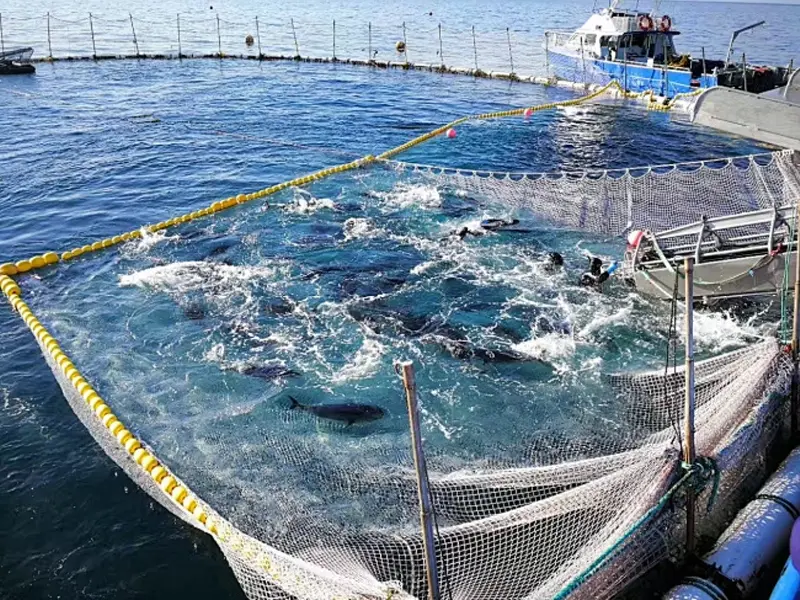
Control de la calidad del agua en la acuicultura
Supervisar de forma continua indicadores clave como el oxígeno disuelto, el pH, el nitrógeno amoniacal y la salinidad, y controlar automáticamente los equipos de aireación para garantizar el crecimiento saludable de los productos acuáticos.

Control de procesos industriales
Se utiliza en sectores como la generación de energía, el sector químico y el farmacéutico para controlar parámetros como la conductividad del agua purificada y el pH del agua de refrigeración, garantizando así la estabilidad de los procesos de producción.
Agrícola Riego
Controla parámetros como la salinidad, el pH y los iones de metales pesados en las fuentes de agua de riego para prevenir la degradación del suelo y la contaminación de los cultivos.

Estudios marinos y de aguas subterráneas
Supervisa parámetros como la salinidad, el oxígeno disuelto y la temperatura para contribuir a la investigación ecológica marina y a la evaluación de los recursos hídricos subterráneos.
sensor de calidad del agua a medida
Ofrecemos servicios de personalización flexibles para sensores de calidad del agua. En función de los distintos escenarios de aplicación y de las condiciones in situ, podemos adaptar el rango de medición, el material, la longitud del cable, el grado de protección y el método de integración del sensor para garantizar un funcionamiento estable y fiable incluso en entornos complejos, satisfaciendo así sus necesidades específicas de monitorización.
Opciones de personalización
- Rango de medición personalizable: El rango de medición de cada parámetro se puede ajustar en función de las condiciones reales de la calidad del agua (por ejemplo, la conductividad se puede personalizar hasta 600 mS/cm).
- Material de la carcasa del sensor: Disponible en POM, PEEK, acero inoxidable 316L o aleación de titanio para adaptarse a diversos entornos acuáticos corrosivos.
- Longitud del cable: Longitud predeterminada: 10 metros; se pueden fabricar cables más largos a medida en función de la profundidad de instalación y de los requisitos del lugar.
- Grado de protección: Estándar IP68 (profundidad de 20 metros); se pueden personalizar índices de estanqueidad superiores (por ejemplo, 60 metros).
- Rango de temperatura de funcionamiento: Rango estándar: 0-50 °C; se pueden personalizar rangos de temperatura especiales (por ejemplo, conductividad a altas temperaturas).
- Protocolo de salida: Modbus/RTU RS485 estándar; se pueden personalizar otros protocolos de comunicación.
- Combinación de múltiples parámetros: Seleccione libremente los tipos de parámetros que necesite e intégrelos en un único sensor multiparamétrico (hasta 7 parámetros).
- Métodos de instalación: Accesorios personalizables para montaje en canal de flujo continuo, sumergible o en tubería, en función de las condiciones del emplazamiento.
- Configuración del sistema de limpieza: Hay disponible un cepillo de limpieza automático opcional, adecuado para la monitorización a largo plazo en masas de agua muy turbias o propensas a la acumulación de sedimentos.
Fabricante y proveedor de sensores de calidad del agua
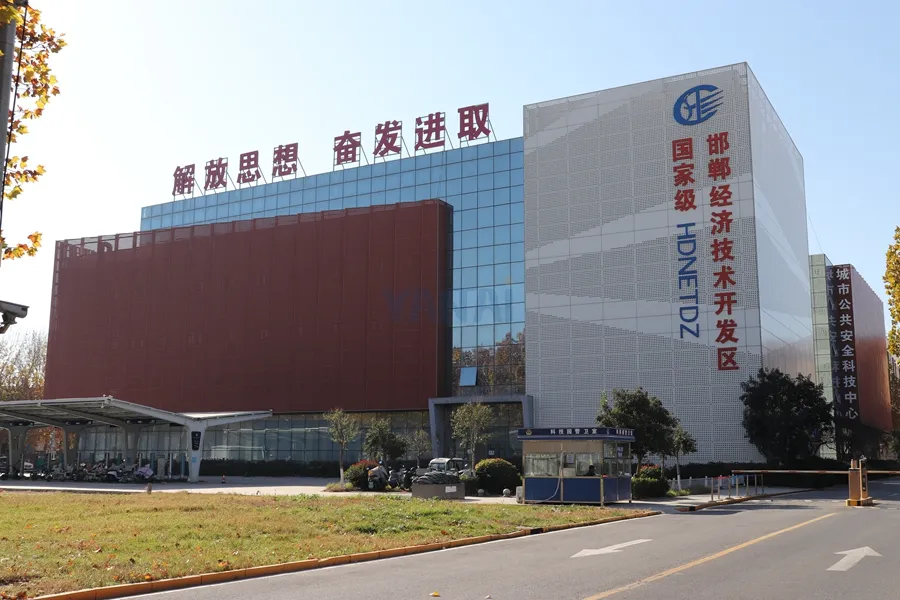
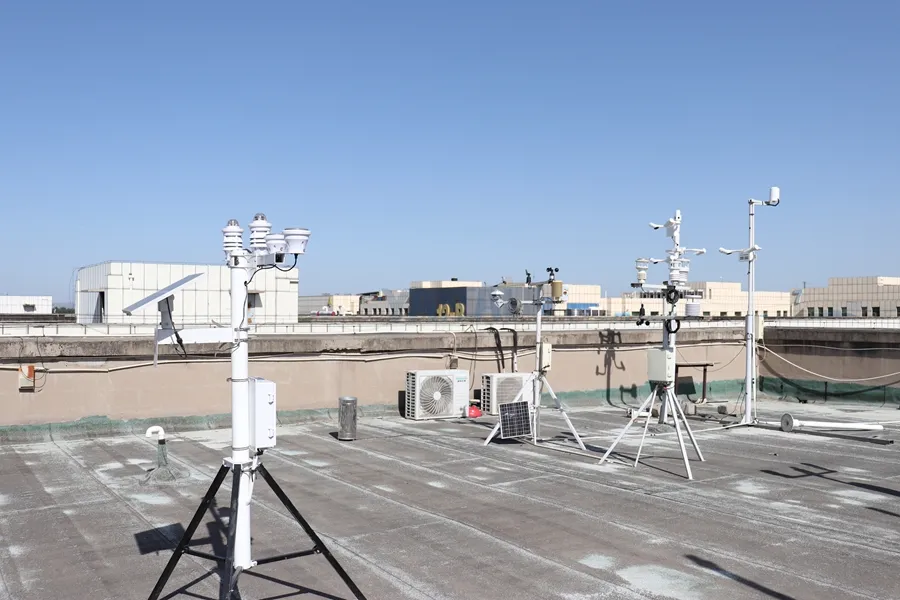
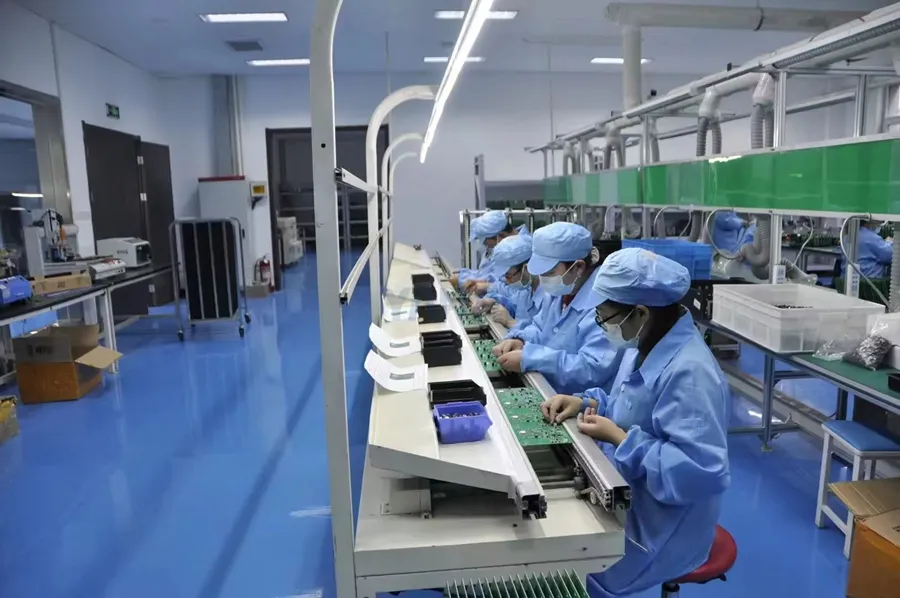
Yantai Sensor es un fabricante y proveedor profesional de sensores de calidad del agua, especializado en soluciones de medición de alta precisión para el control medioambiental y aplicaciones acuáticas. Nuestros sensores de calidad del agua están diseñados para proporcionar datos de monitorización precisos, estables y fiables para parámetros como el pH, el oxígeno disuelto, la turbidez, la conductividad, la salinidad, el nitrógeno amoniacal, el cloro residual, la clorofila, algas verdeazuladas, DQO y diversos iones (F⁻, Ca²⁺, Cl⁻, NO₃⁻, NO₂⁻), ampliamente utilizados en la seguridad del agua potable, el tratamiento de aguas residuales, la acuicultura, la monitorización de aguas superficiales y los sistemas inteligentes de gestión del agua.
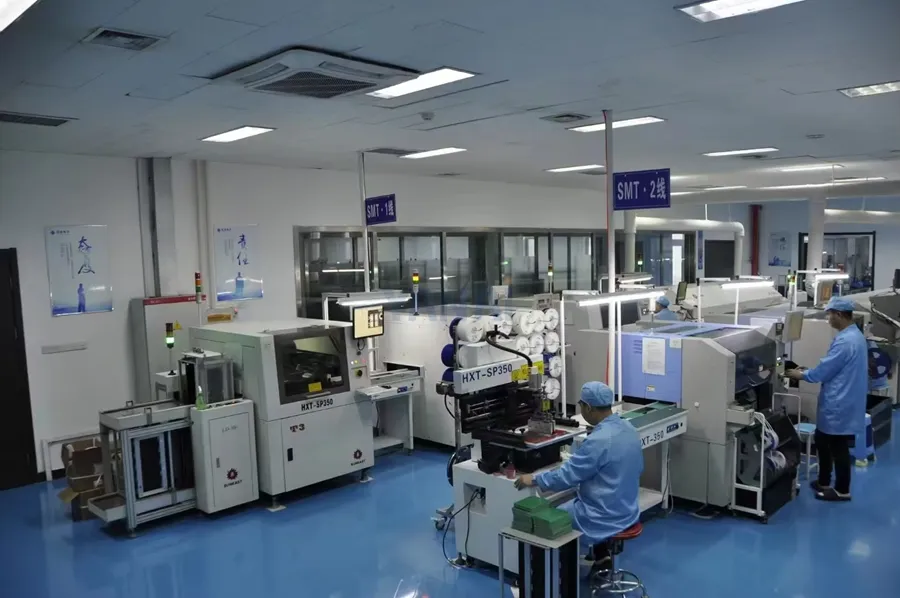
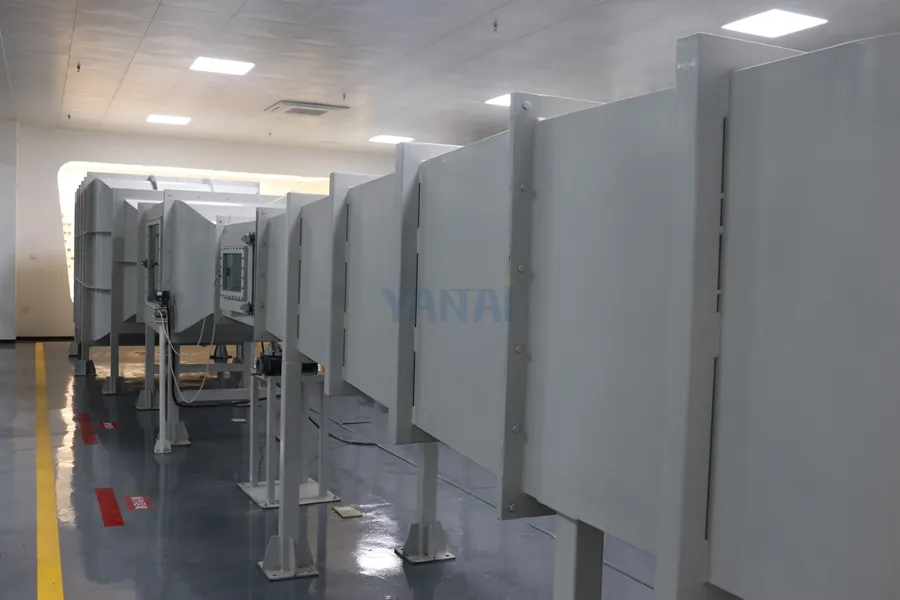
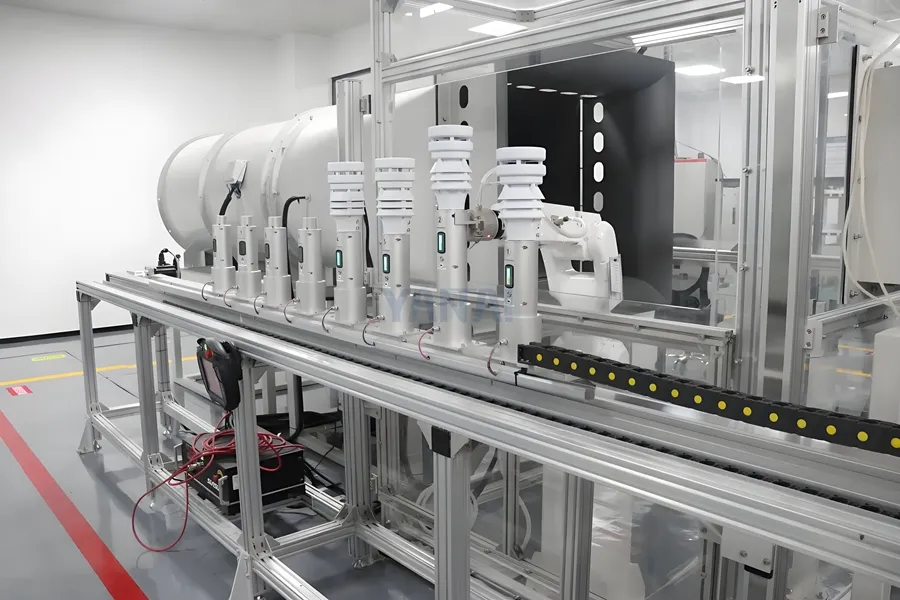
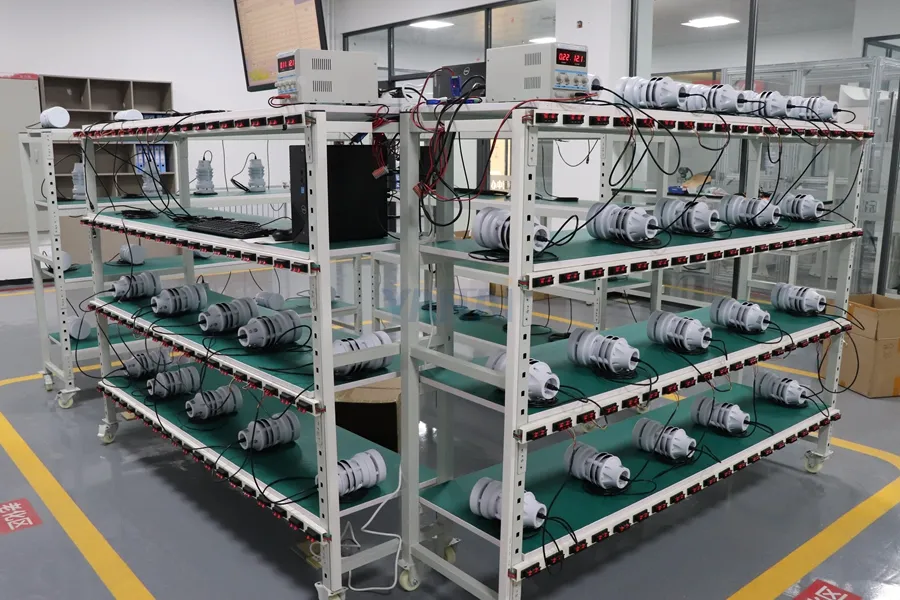
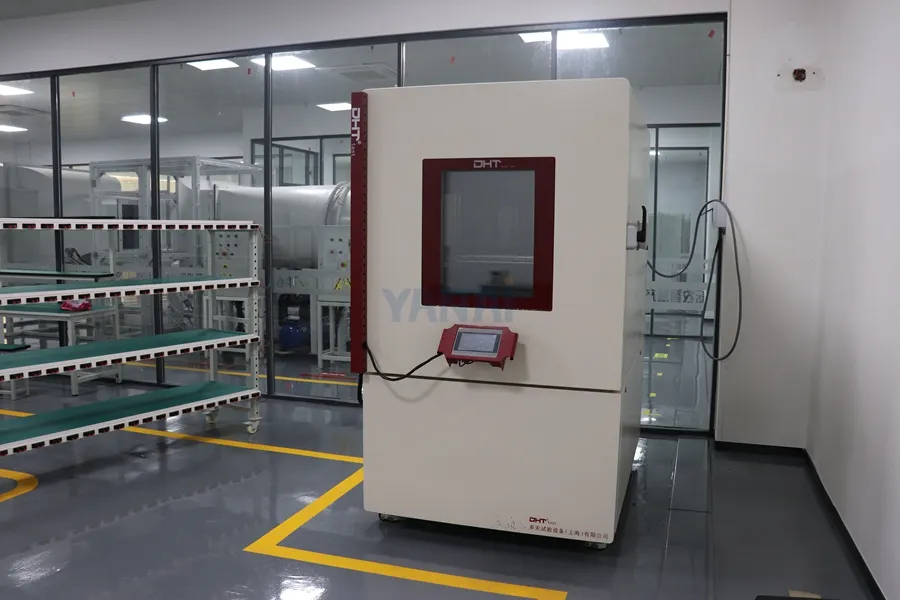
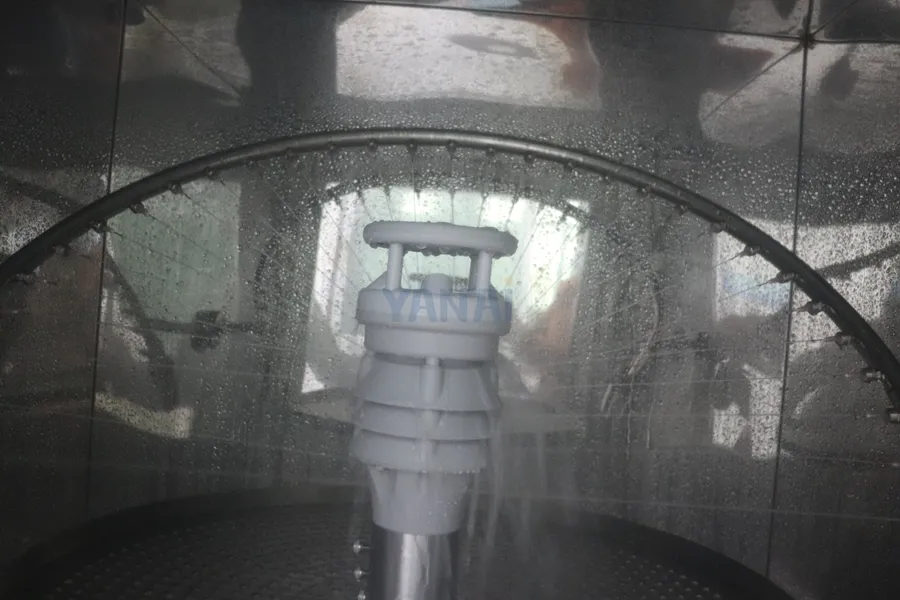
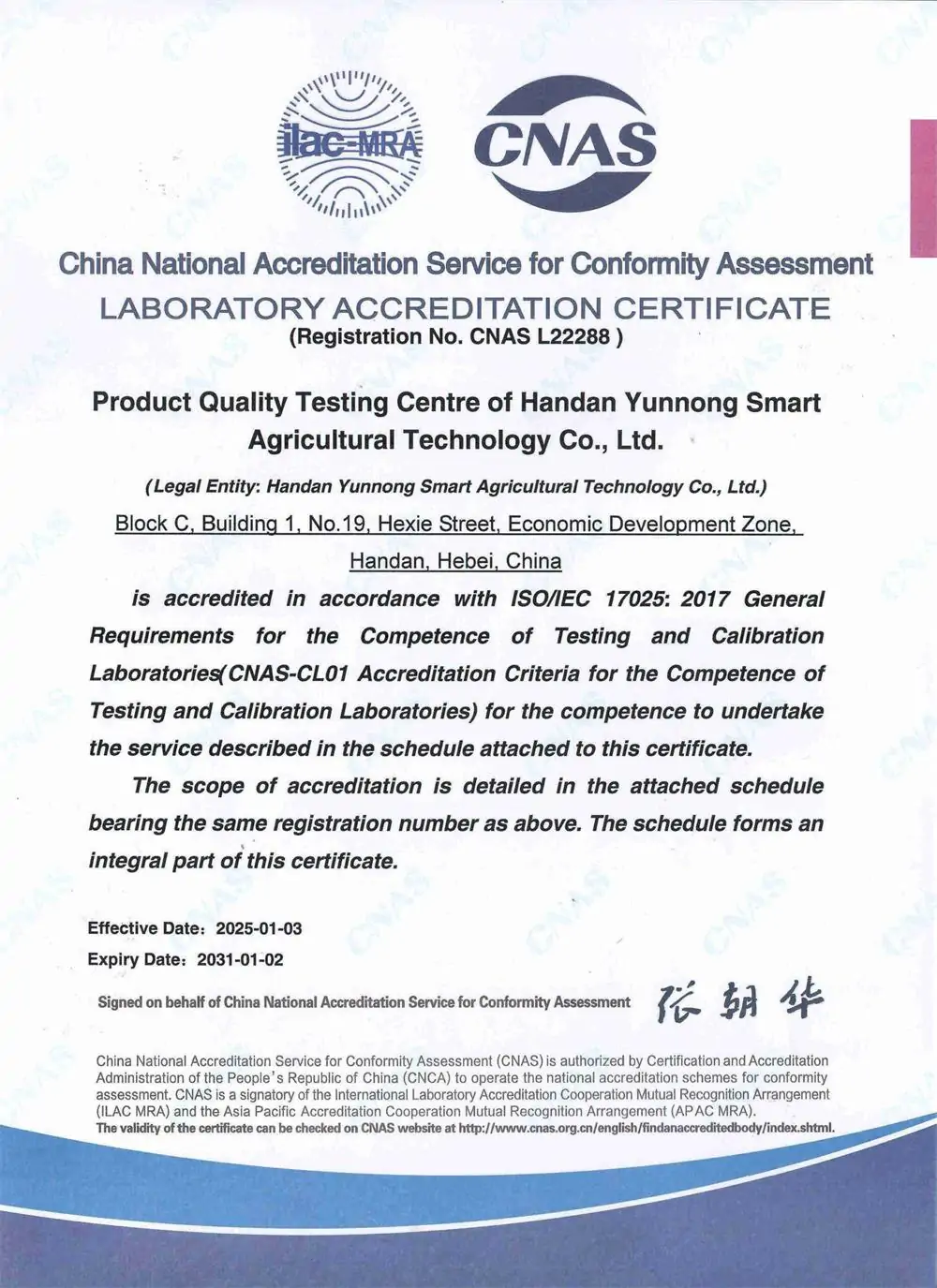
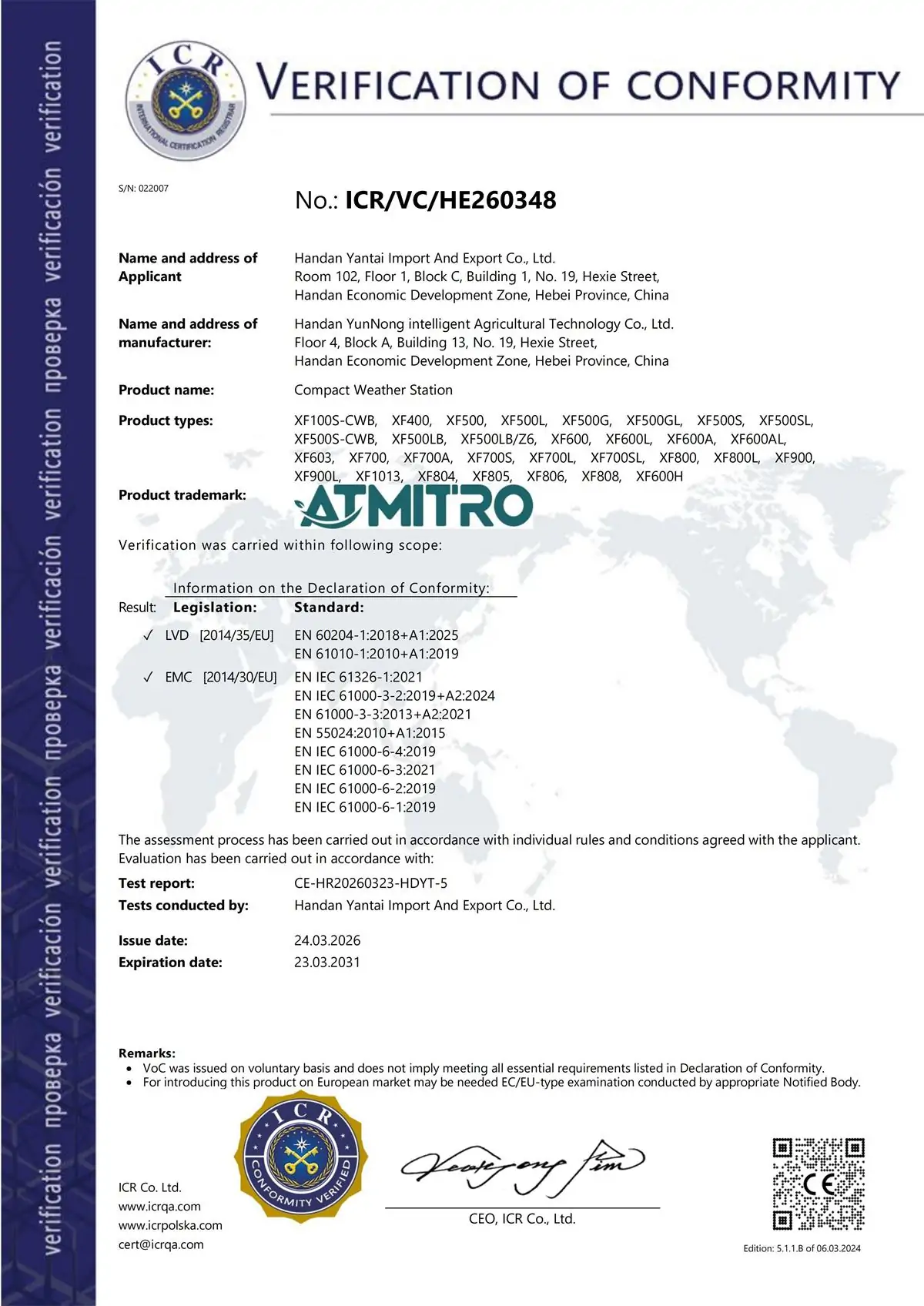
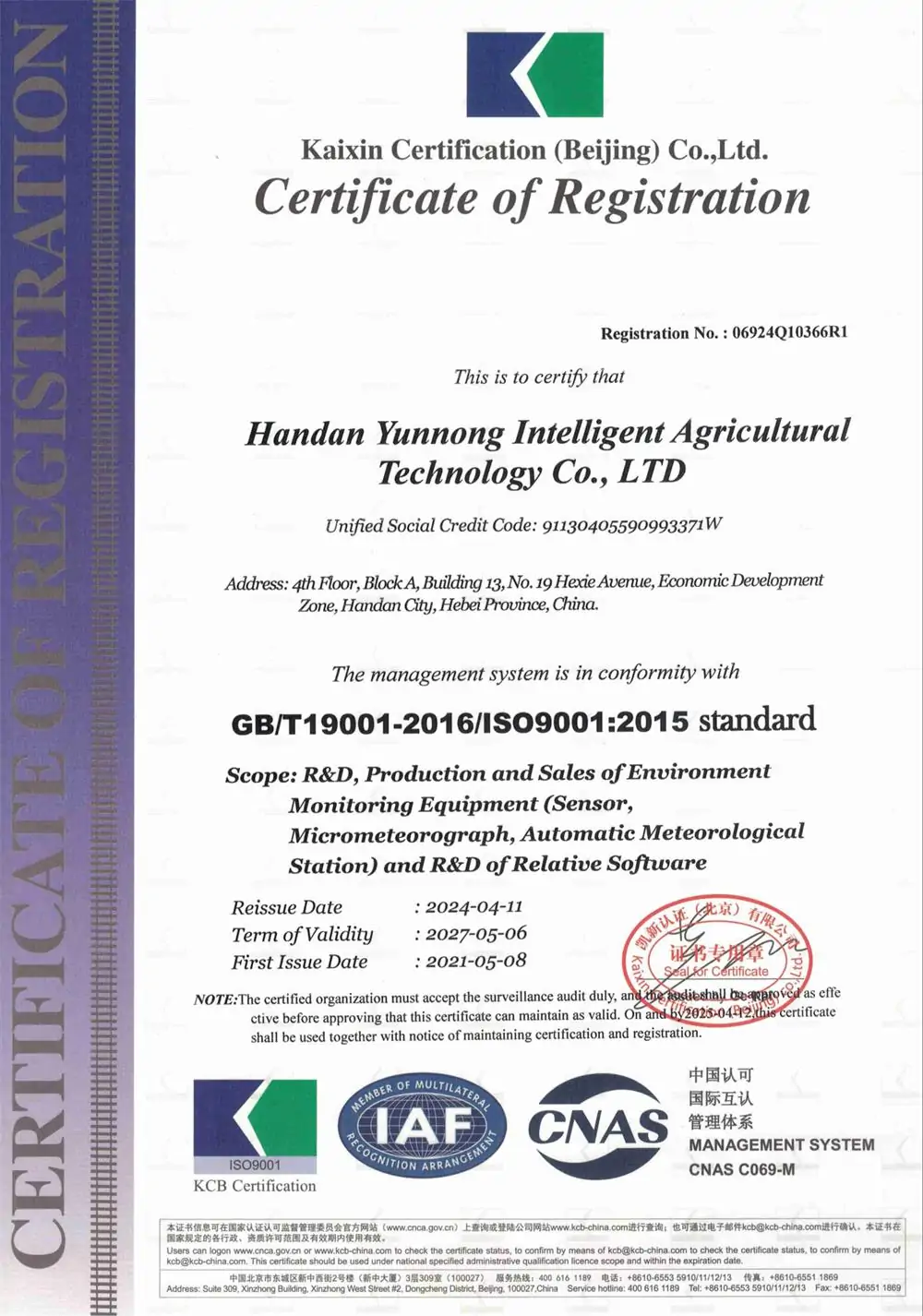
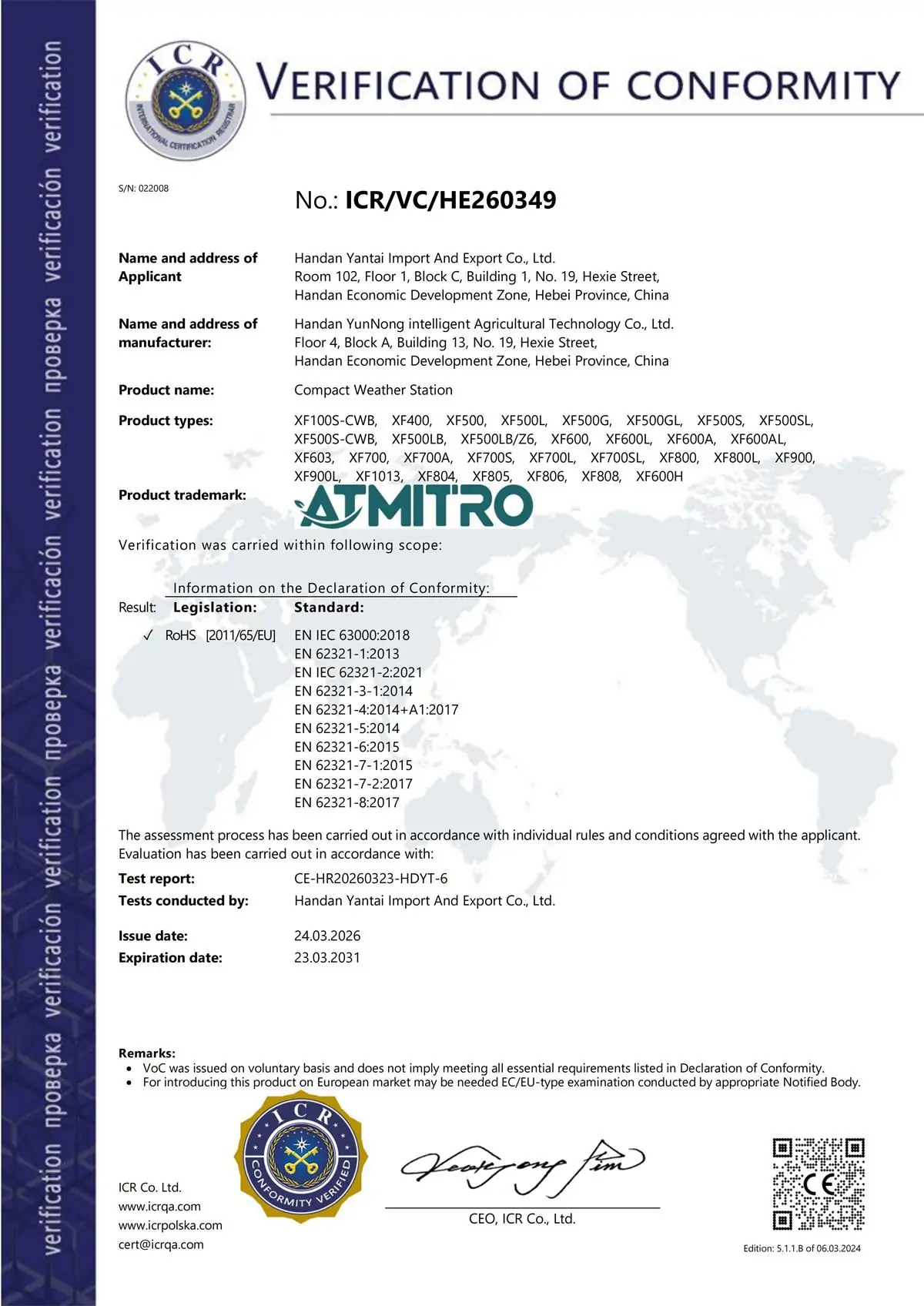
Gracias a nuestras sólidas capacidades internas de I+D, nuestras avanzadas instalaciones de fabricación y nuestros laboratorios de ensayo especializados, cada sensor de calidad del agua se somete a un estricto control de calidad, que incluye pruebas de precisión de calibración, resistencia ambiental y estabilidad a largo plazo. Contamos con las certificaciones CE, ISO y RoHS, y ofrecemos servicios flexibles de OEM/ODM como proveedor de confianza de sensores de calidad del agua. Nuestro experimentado equipo técnico ofrece soluciones personalizadas —desde los materiales de la carcasa del sensor (POM, PEEK, acero inoxidable 316L, aleación de titanio) hasta los rangos de medición, las longitudes de los cables, los índices de protección (IP68 hasta 60 m de profundidad) y la integración de múltiples parámetros— para satisfacer las diversas necesidades de los proyectos. Póngase en contacto con para obtener ayuda profesional.