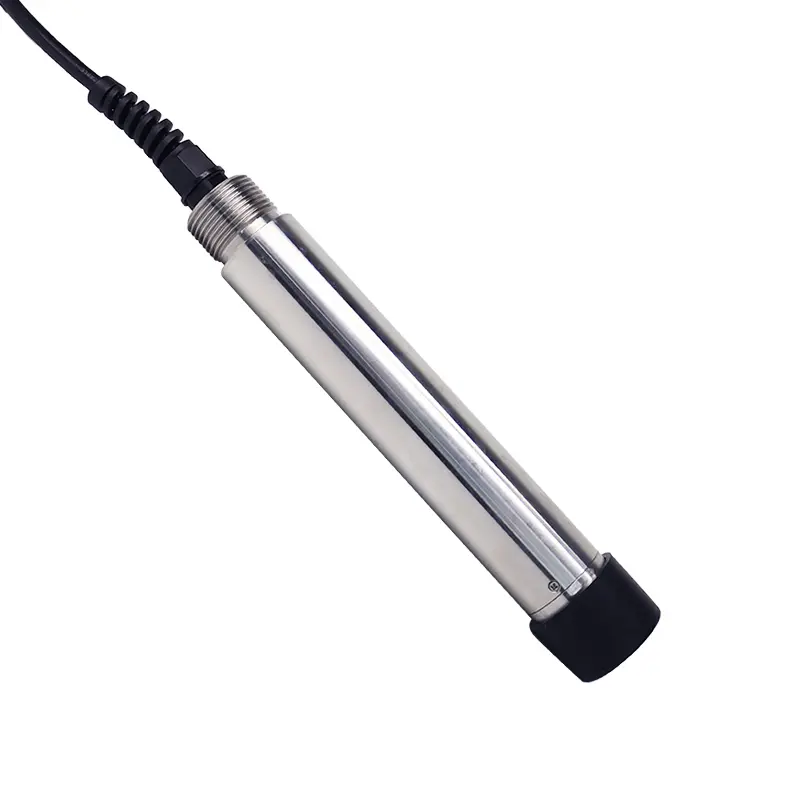
Digital Water Quality Sensor for Water Monitoring
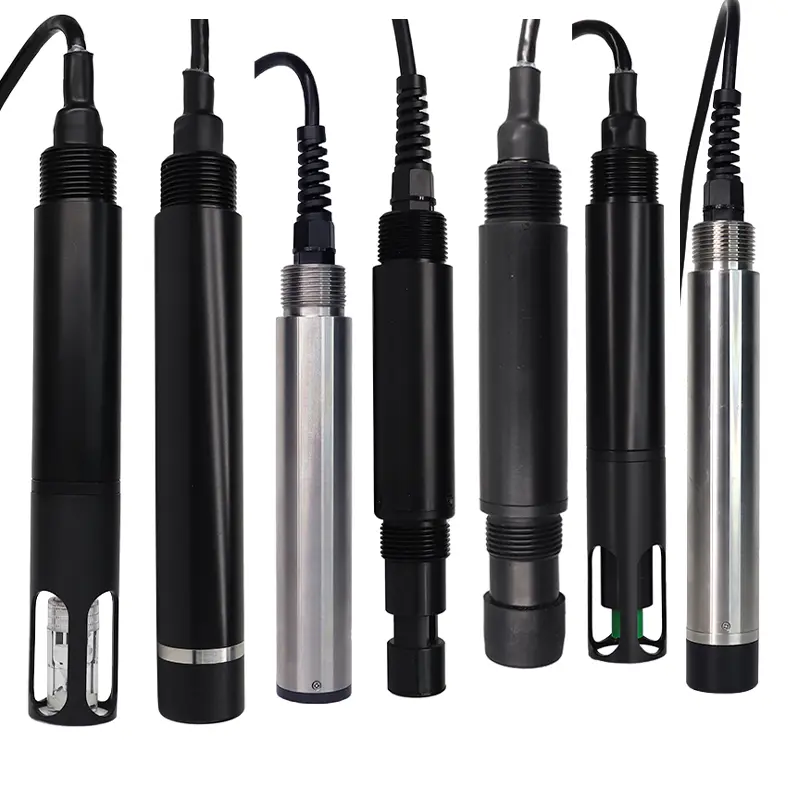
Water quality sensors are precision instruments designed for the real-time detection of physical, chemical, and biological parameters within water bodies. Key sensor types encompass a diverse range of specialized probes, including those for conductivity, salinity, ammonia nitrogen, ORP (Oxidation-Reduction Potential), residual chlorine, suspended solids, fluoride ions, calcium ions, and chloride ions. Characterized by real-time continuous response, ease of maintenance, infrequent calibration requirements (particularly for optical types), and support for remote data transmission via the Internet of Things (IoT), these sensors are widely deployed across various sectors. These include early warning systems for drinking water safety, water quality regulation in aquaculture, monitoring of industrial wastewater treatment and discharge, environmental surveillance of surface waters, and water quality assessment for agricultural irrigation—thereby providing critical data support for water resource conservation and smart water management.
- Output Signal: RS485, Modbus/RTU Protocol
- Power Supply: 12 or 24V DC ±10%
- Calibration: Two-point calibration
- Temperature Compensation: Automatic (Pt100 / Pt1000 / NTC)
- Protection Rating: IP68
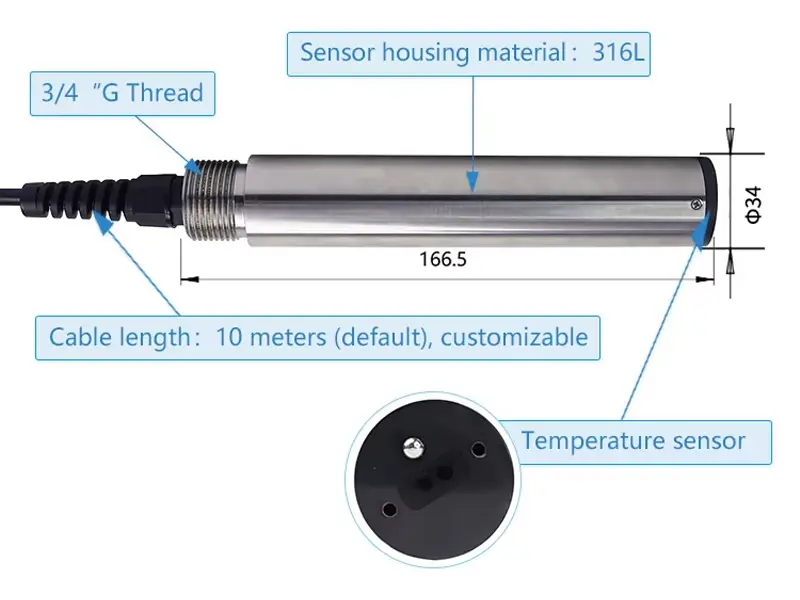
- Cable Length: 10 meters (default), customizable
Price: $128–$1157
Introduction
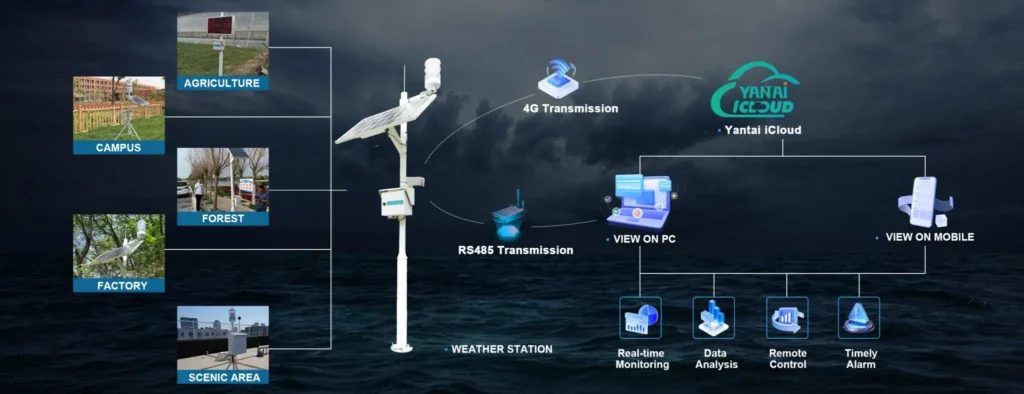
A water quality sensor is a device used to monitor the physical, chemical, and biological parameters of water bodies in real time. It is widely applied in the fields of environmental protection, water treatment, agriculture, industry, and scientific research. By continuously collecting water quality data and transmission for system-based analysis, it enables the intelligent management of aquatic environments.
water quality sensor working principle
Core Operating Principle: The Integration of Three Major Disciplines—Optics, Electronics, and Chemistry
- Electrochemical Methods: Primarily used to measure pH, dissolved oxygen, and conductivity. The principle involves an electrochemical reaction between the electrodes inside the sensor and the substance being measured, generating a current or potential difference that is proportional to the concentration. For example, a pH meter determines acidity or alkalinity by measuring the potential difference between the glass electrode and the reference electrode.
- Optical Methods: This is the core technology of current high-end sensors, offering the advantages of requiring no reagents and low maintenance. It utilizes the absorption or scattering of light at specific wavelengths by substances to perform measurements:
1. Turbidity: Measures the intensity of light scattered by suspended particles in water.
2. Fluorescence-based dissolved oxygen: Utilizes the “quenching” effect of oxygen molecules on fluorescent substances to precisely calculate dissolved oxygen concentration by detecting fluorescence lifetime; this method does not consume oxygen and offers excellent long-term stability.
3. COD: Utilizes the absorption characteristics of organic matter under 254 nm ultraviolet light (SAC254 principle) to achieve real-time monitoring with no reagents and sub-second response times. - Ion-selective electrode method: A form of potentiometric analysis. The sensor’s sensitive membrane responds only to specific ions (such as ammonia, nitrogen, or fluoride ions), generating a membrane potential that enables quantitative analysis of those specific ions.
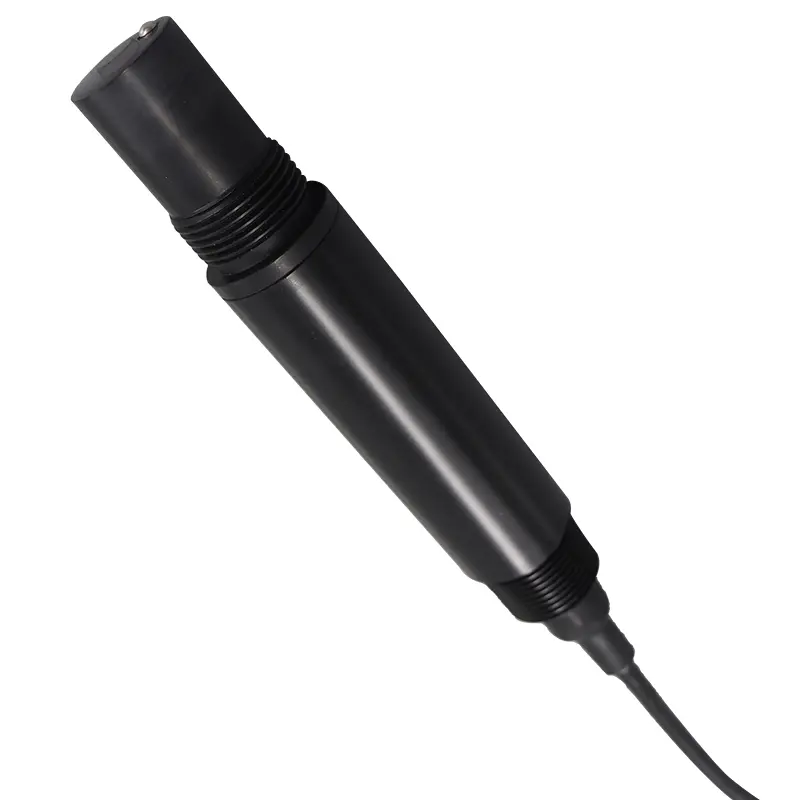
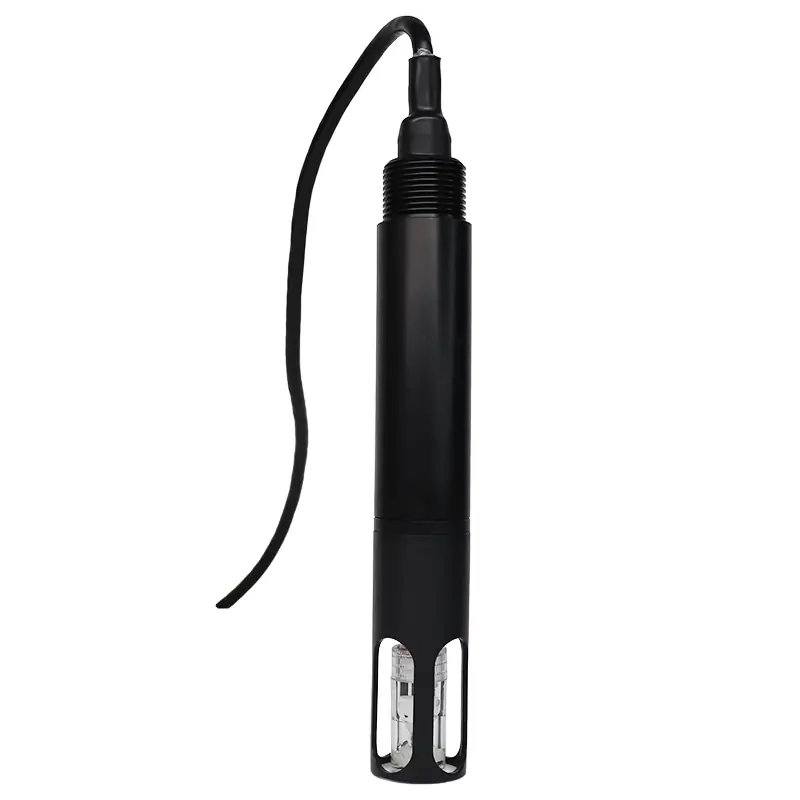
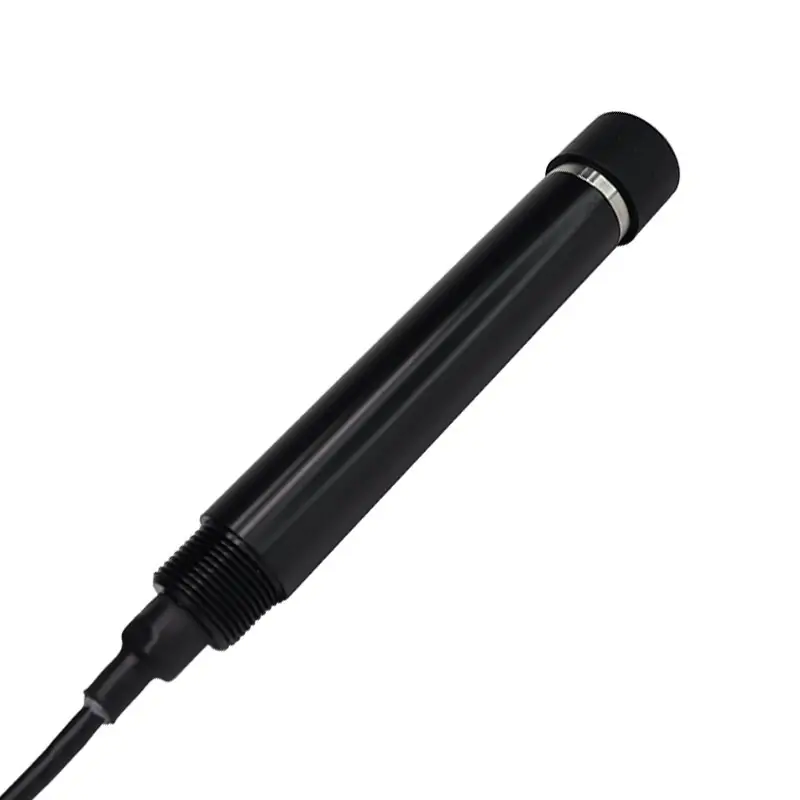
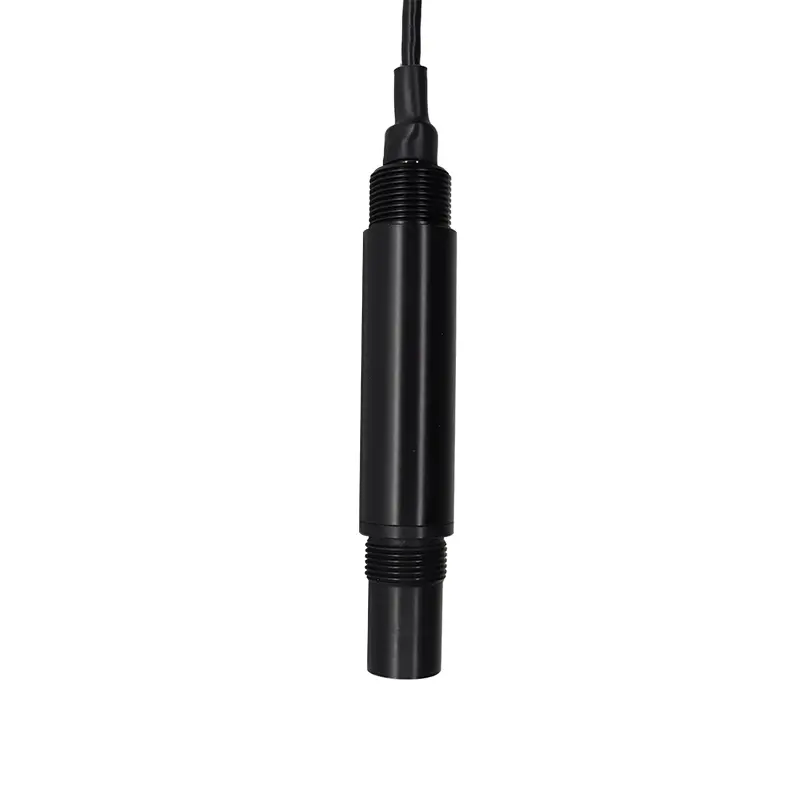
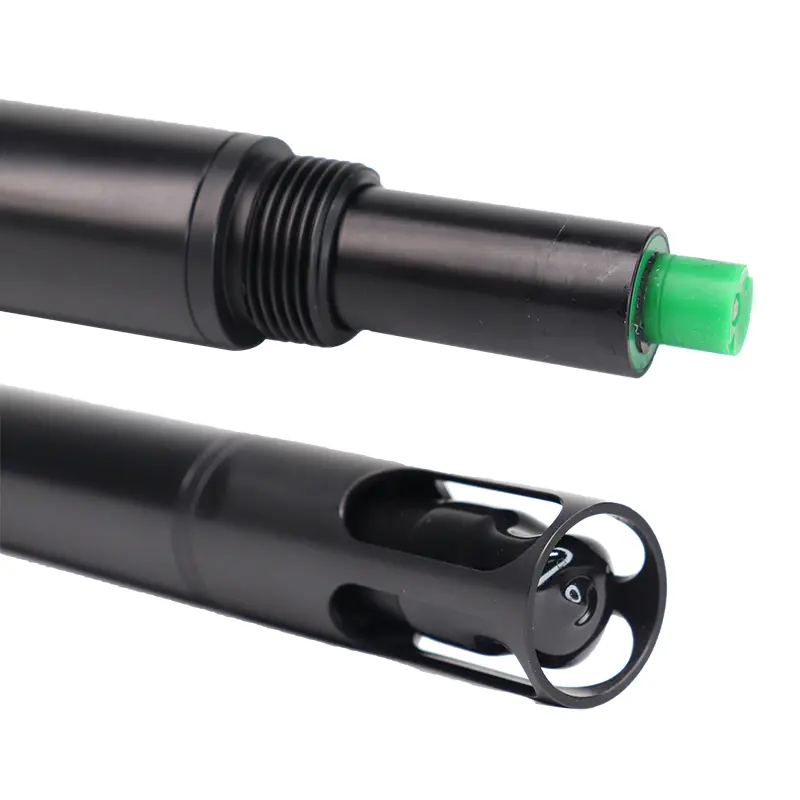
Water Quality Sensor Structure
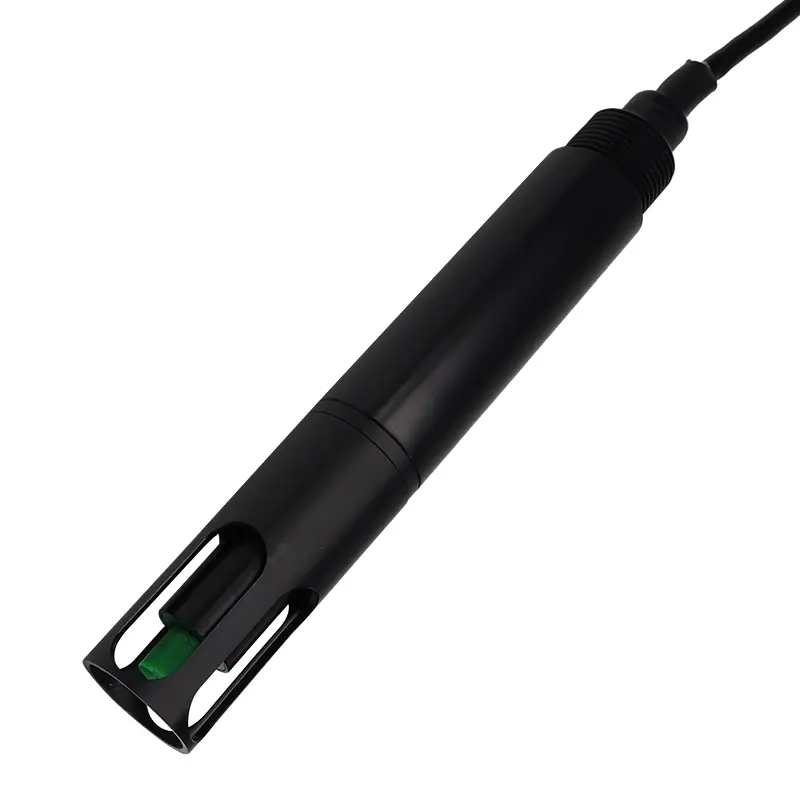
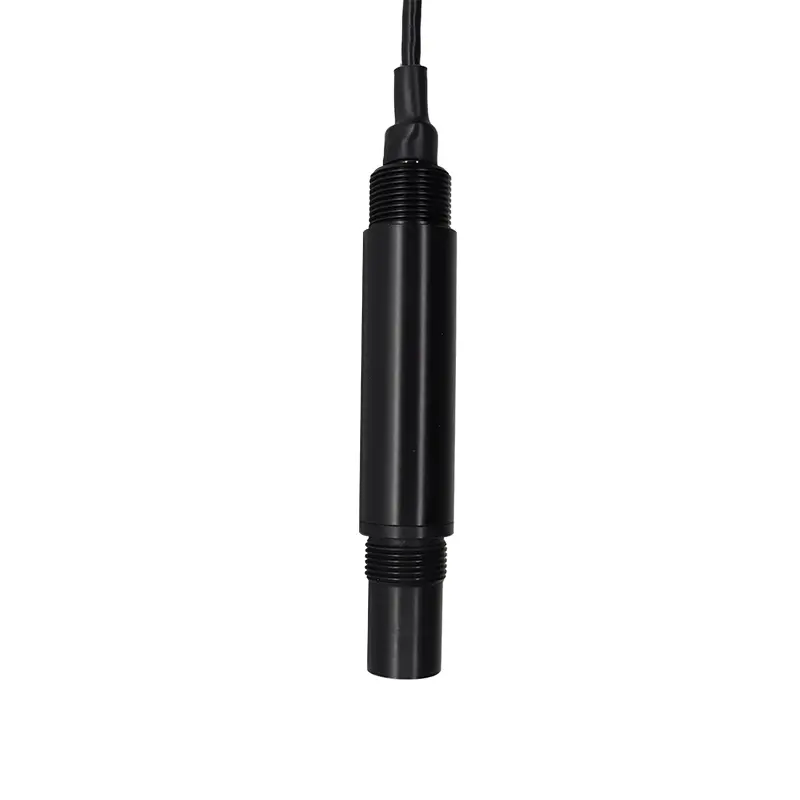
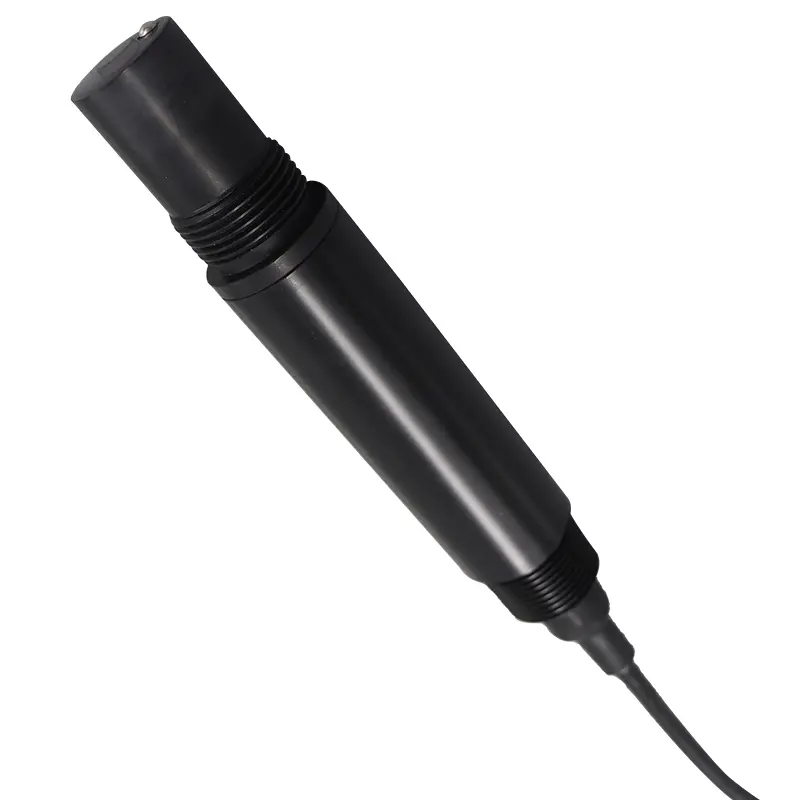
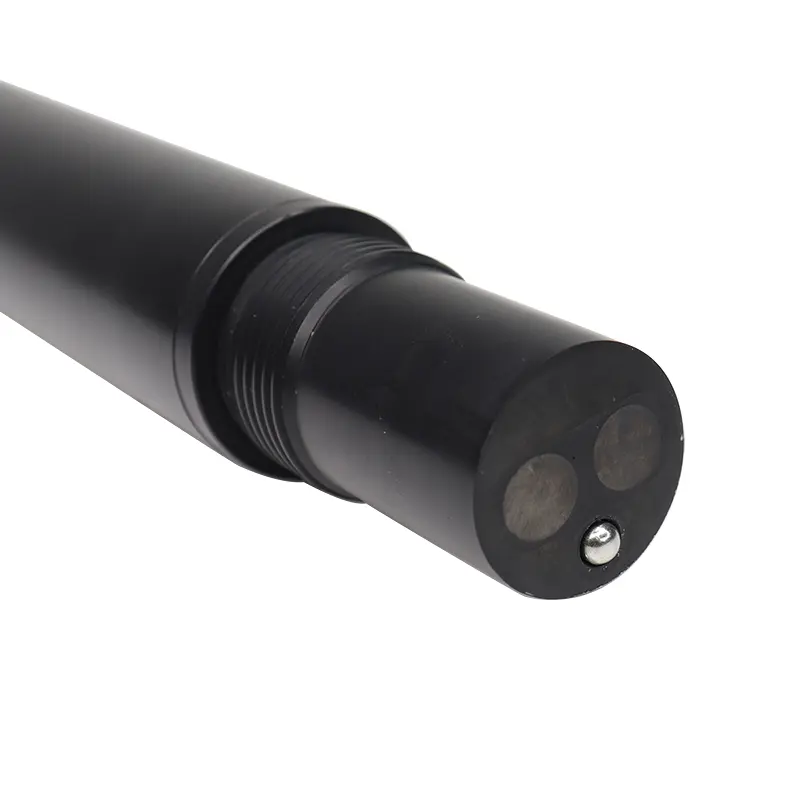
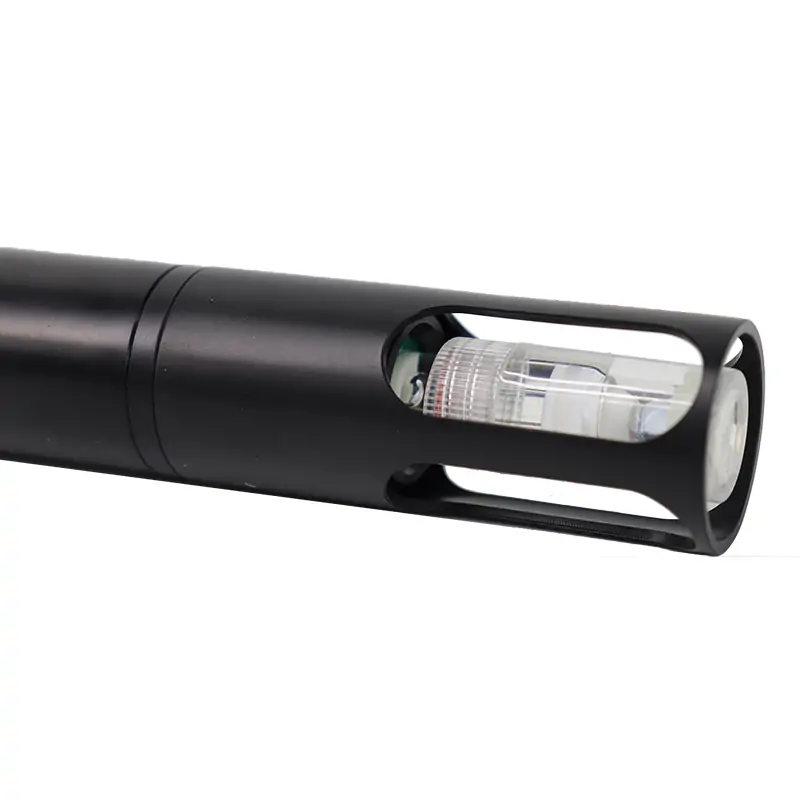
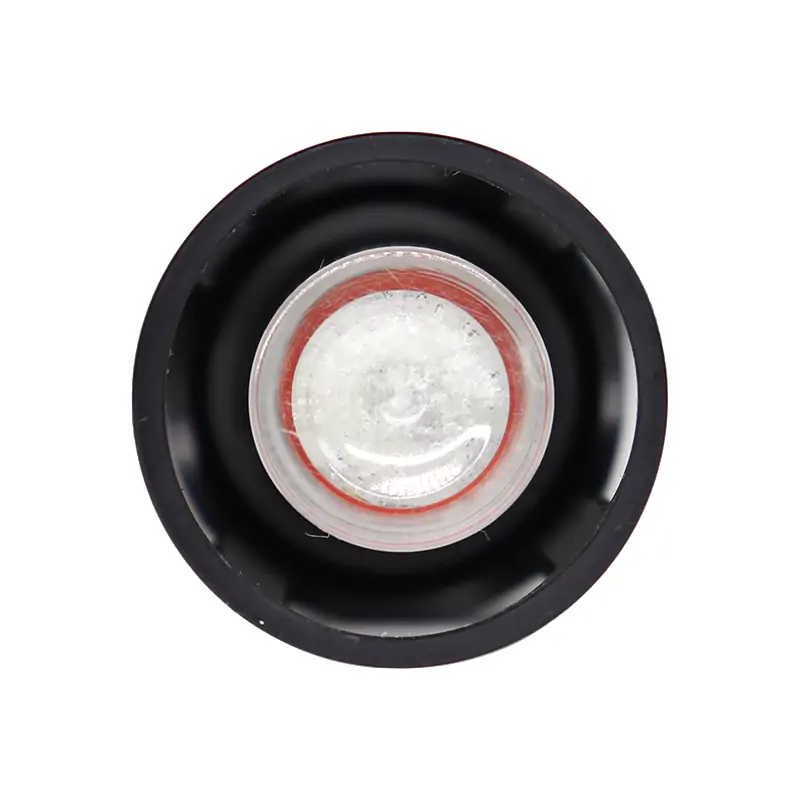
- Sensing Element: The core component that detects specific water parameters such as pH, conductivity, dissolved oxygen, or turbidity with high precision.
- Electrode / Probe: Directly contacts the water sample to ensure accurate and stable measurement performance.
- Signal Processing Unit: Converts raw sensor signals into stable and reliable electrical outputs for further analysis.
- Temperature Compensation Module: Automatically adjusts readings based on temperature variations to improve measurement accuracy.
- Digital Output Interface: Supports RS485 and MODBUS protocols for seamless integration with monitoring systems.
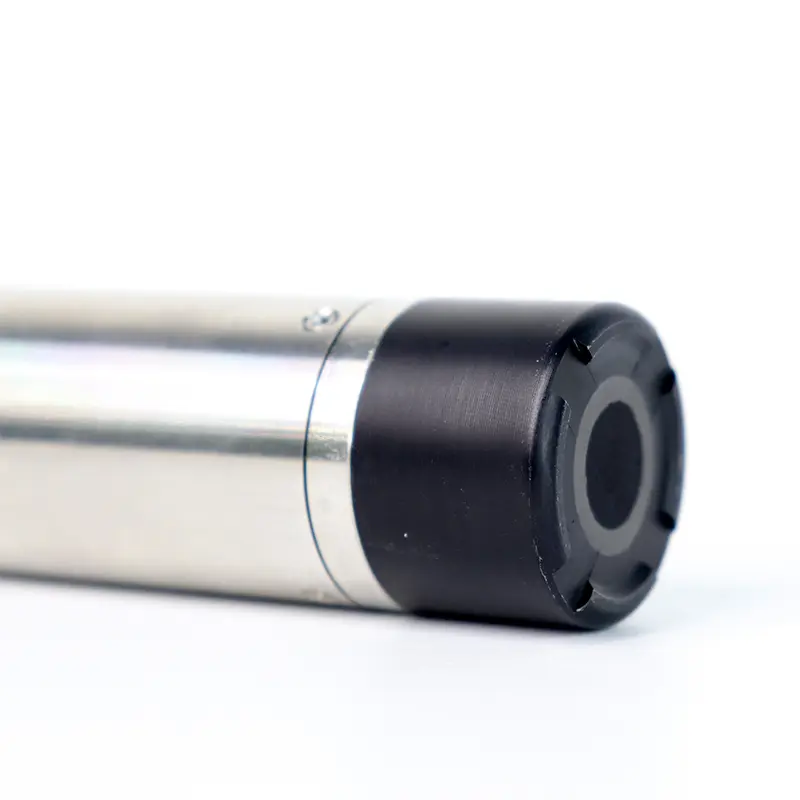
- Protective Housing: Corrosion-resistant and waterproof design, suitable for harsh environmental conditions.
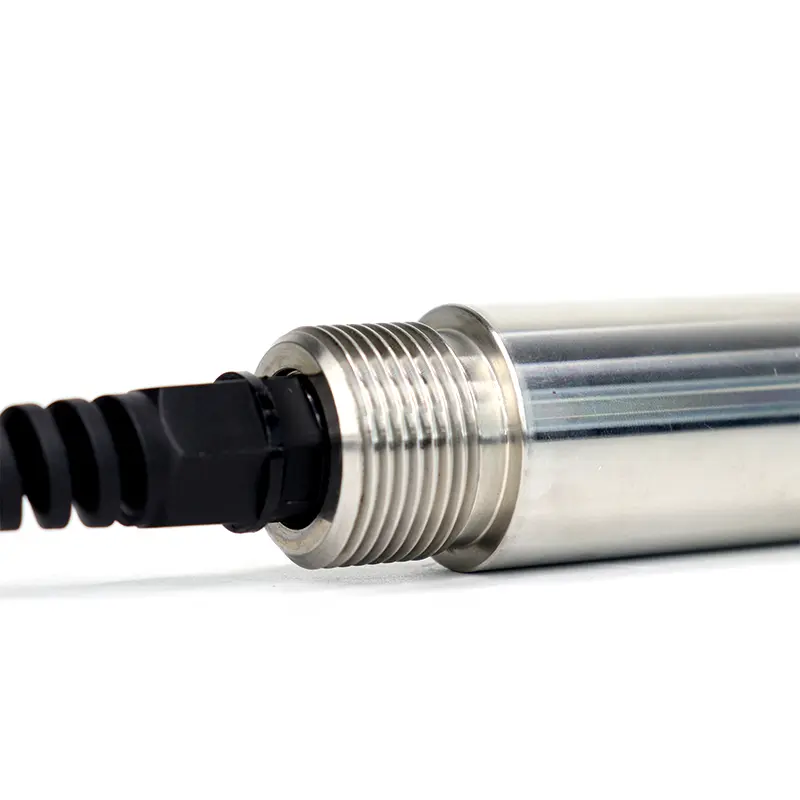
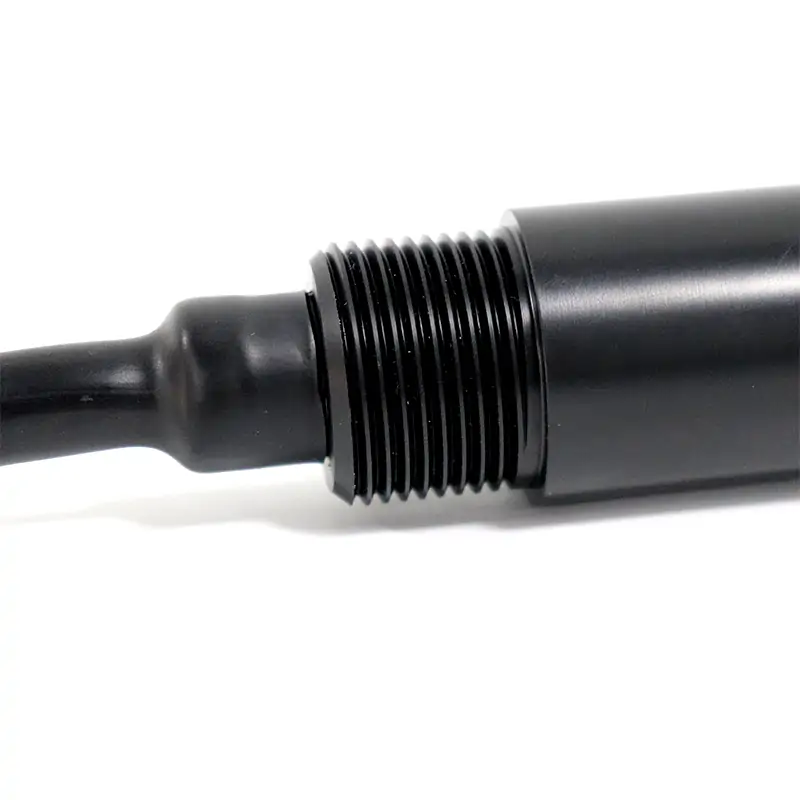
- Cable & Connector System: Ensures stable data transmission and easy installation in field applications.
Types and Selection Guide
We offer a wide range of water quality sensors to meet the monitoring needs of various aquatic environments. Whether for drinking water safety alerts, industrial wastewater discharge monitoring, aquaculture water quality control, or surface water ecological assessments, you can select the sensor configuration that best suits your project requirements.
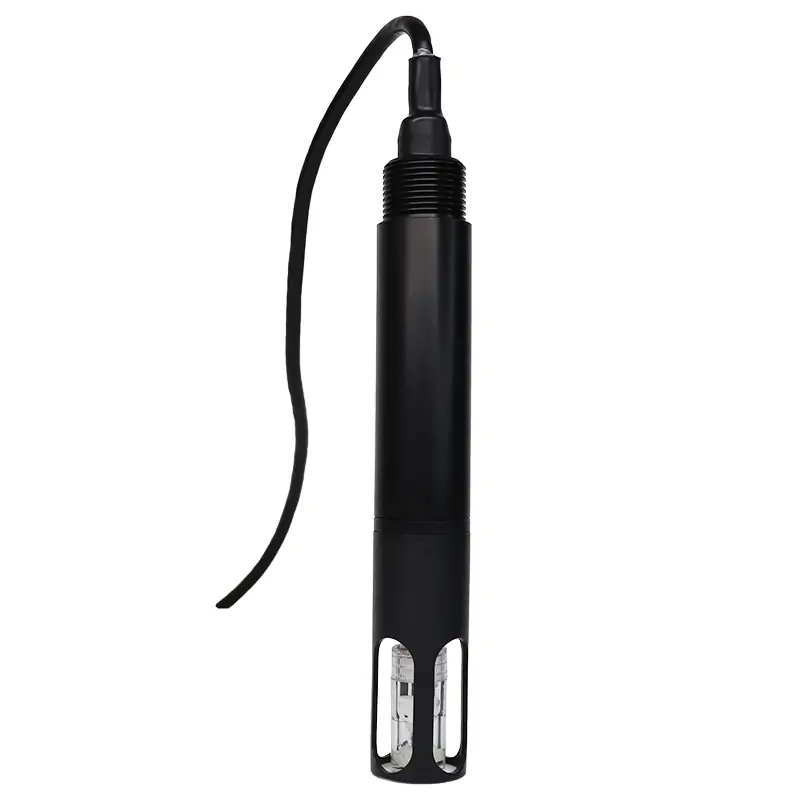
WCD3411 Water Quality
pH Sensor
Industrial online replaceable spherical pH electrode, fast response with automatic temperature compensation.
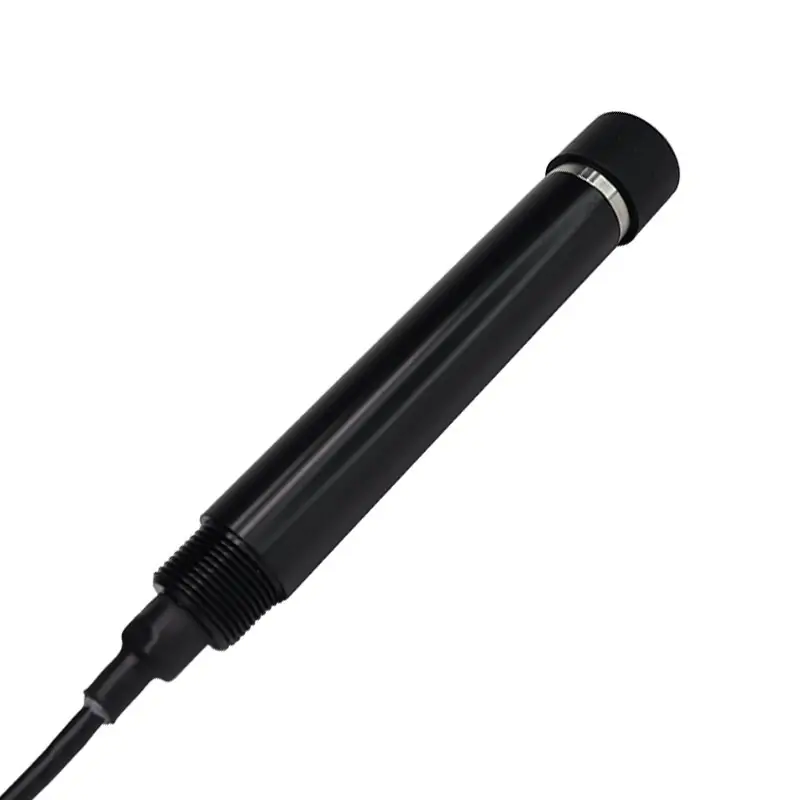
WCD3412 Optical Dissolved Oxygen Sensor
Optical dissolved oxygen sensor, fluorescence quenching principle, built-in temperature and pressure compensation.
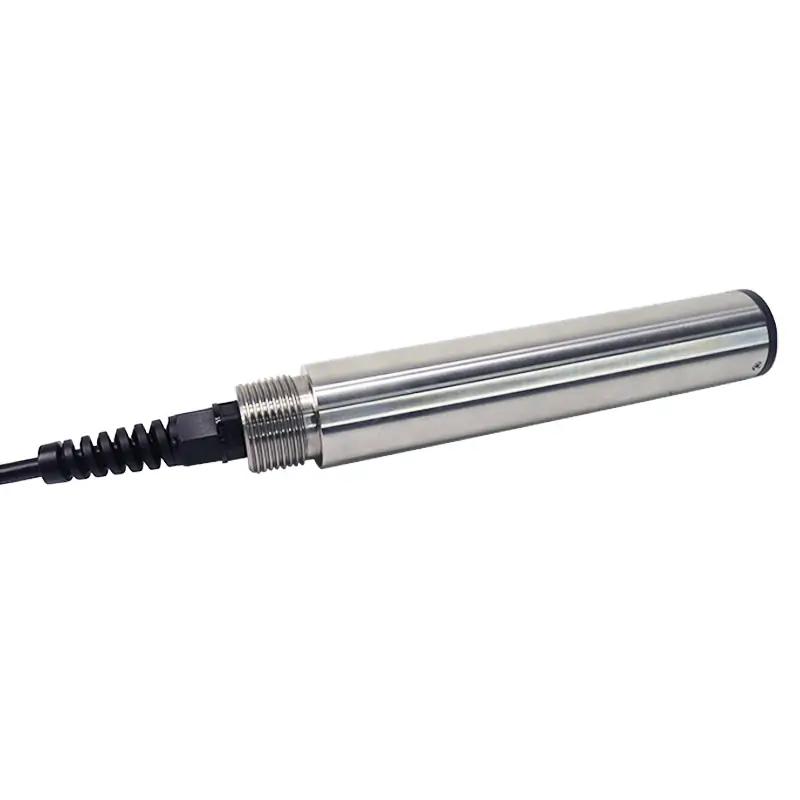
WAD3413 Stainless Steel Turbidity Sensor
Stainless steel turbidity sensor, 90° scattered light principle, anti-interference with automatic temperature compensation.
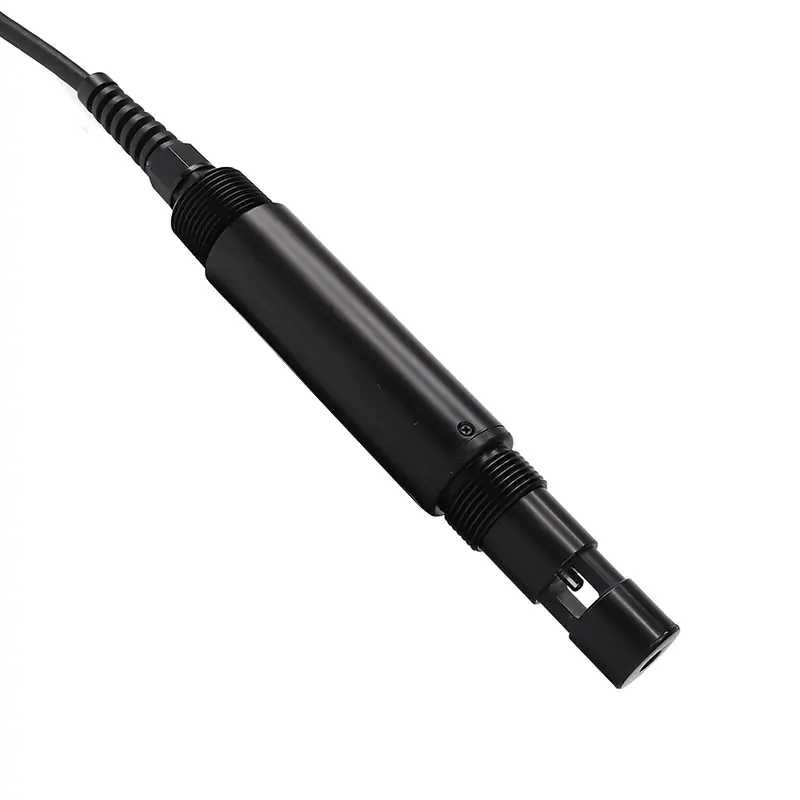
WCD3414A Electromagnetic Conductivity Sensor
Electrodeless inductive conductivity sensor, alternating magnetic field measurement, automatic temperature compensation.
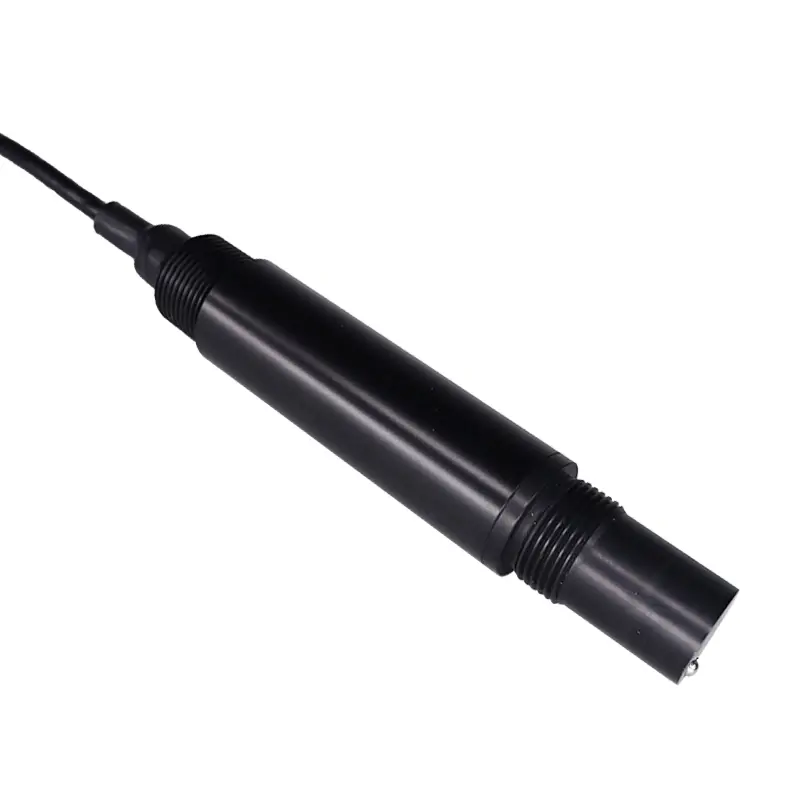
WCD3414 Water Conductivity Sensor
2-electrode graphite planar conductivity sensor, easy to clean, fast response, automatic temperature compensation.
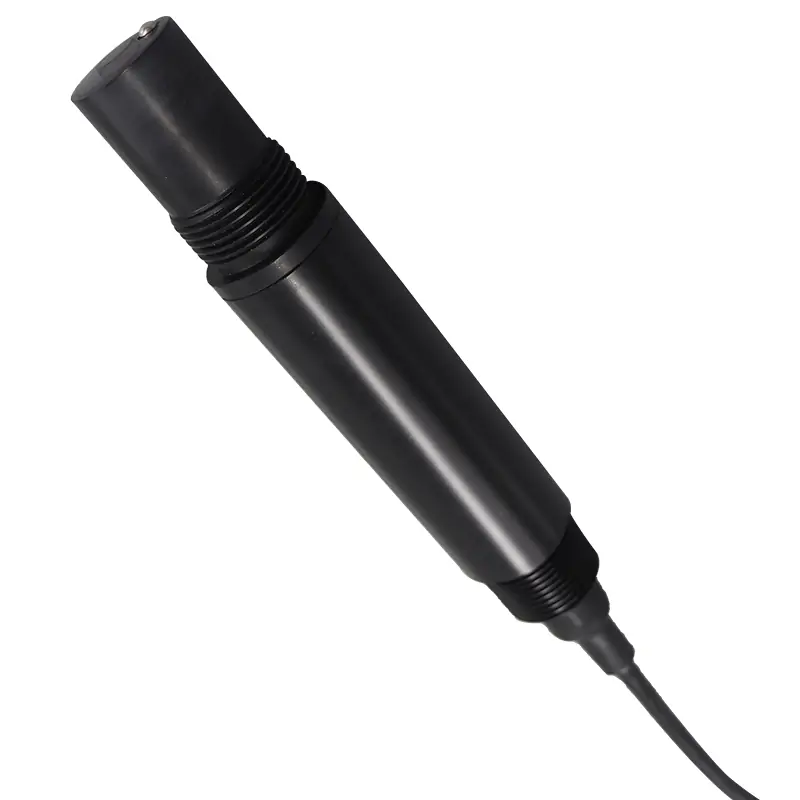
WCD3415 Water
Salinity Sensor
Electrodeless inductive salinity sensor, alternating magnetic field measurement, automatic temperature compensation.
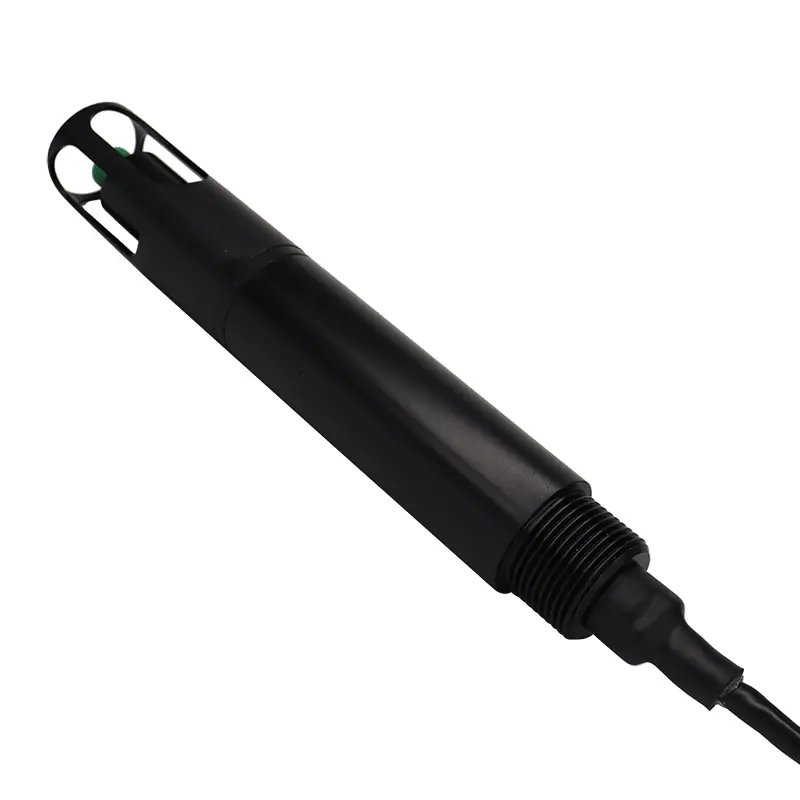
WCD3416 Ammonia Nitrogen Sensor for Water Quality
Industrial online ammonium ion selective electrode for ammonia nitrogen,with automatic temperature compensation.
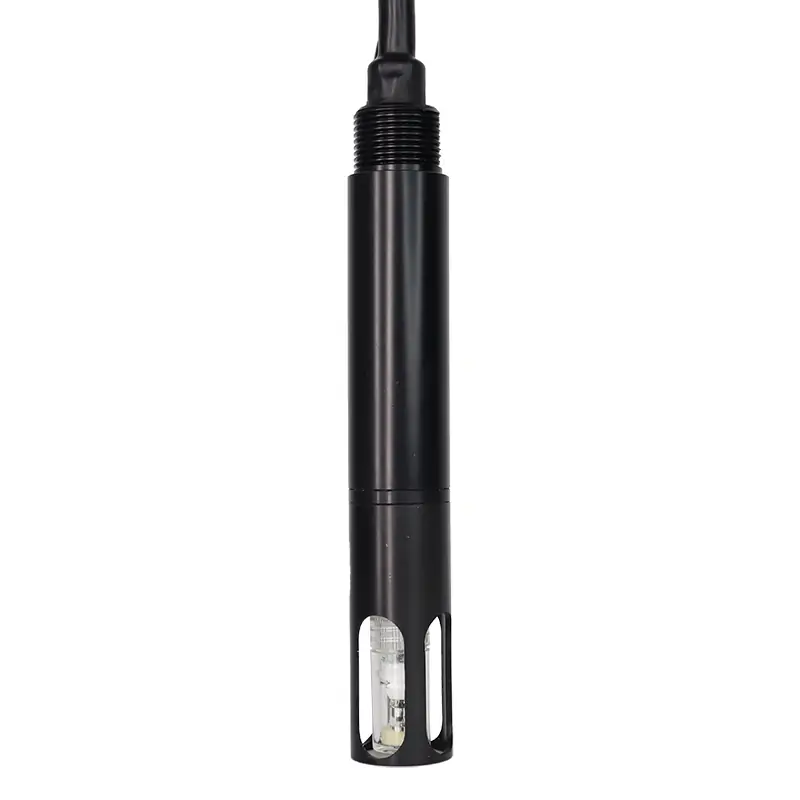
WCD3418 Residual Chlorine Sensor for Water Quality
Membrane-free constant voltage residual chlorine sensor, reagent-free maintenance, fast and accurate response.
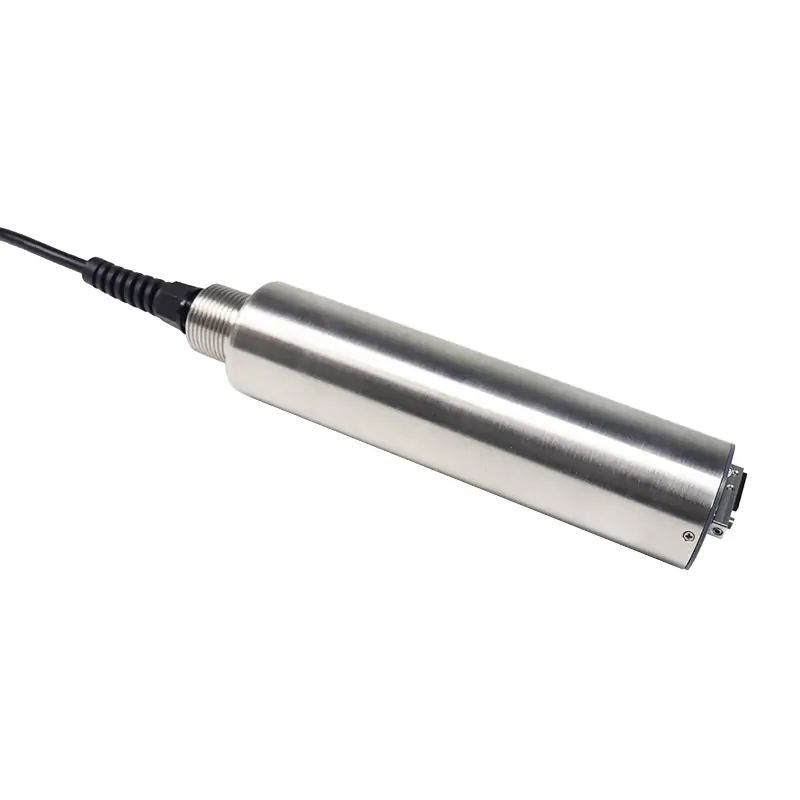
WCD3419 Online Self-Cleaning Chlorophyll Sensor
Self-cleaning optical chlorophyll sensor, maintenance-free for long-term online monitoring.
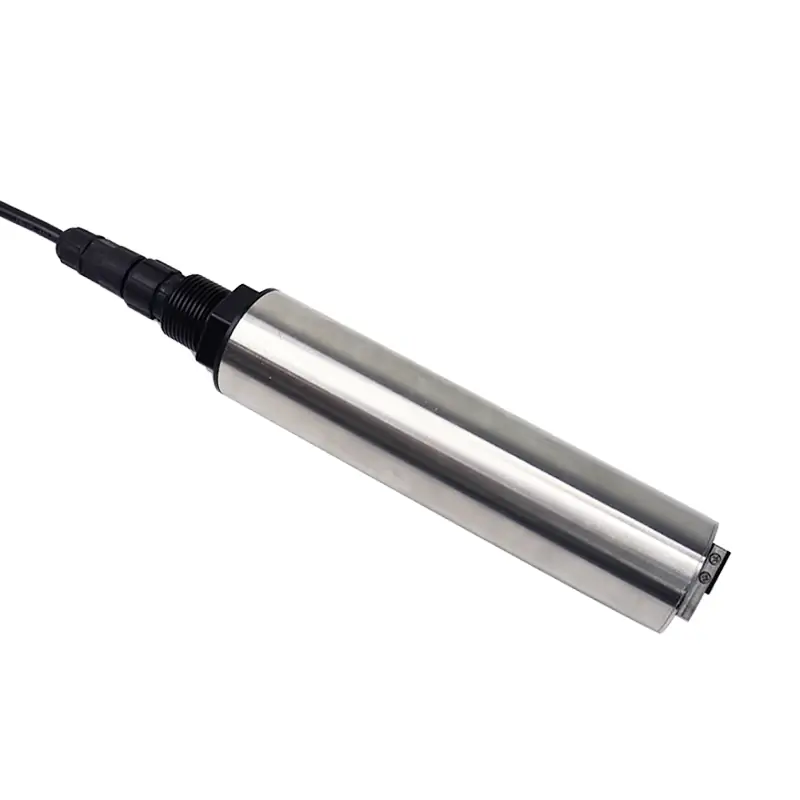
WCD3420 Online Self-Cleaning Cyanobacteria Sensor
Fluorescence-based blue-green algae sensor with automatic cleaning brush, providing early warning of algae proliferation.
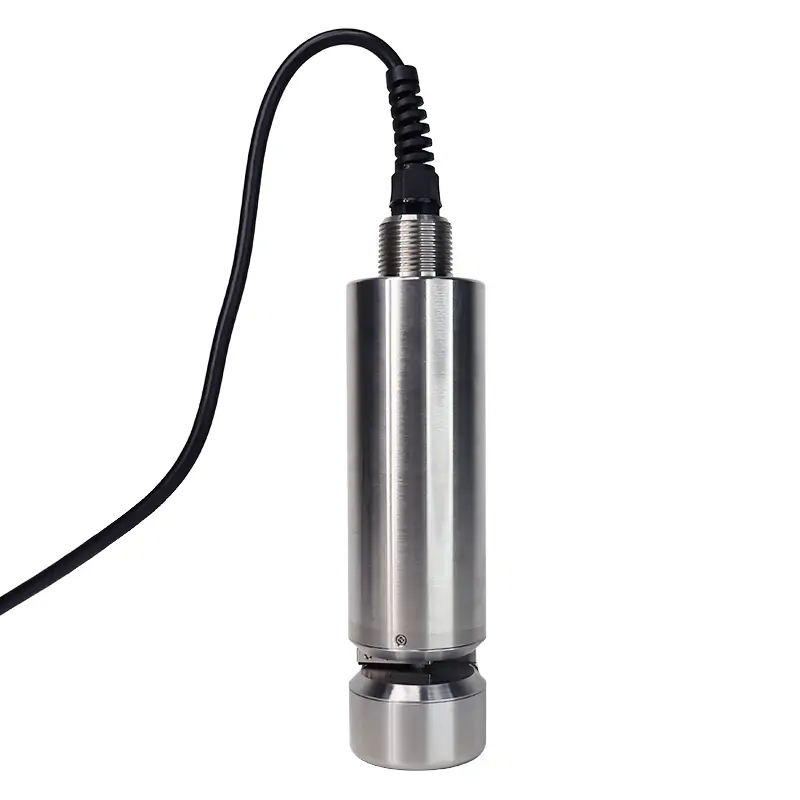
WCD3422 Self-Cleaning COD Sensor (Stainless Steel)
UV absorption COD sensor, reagent-free with self-cleaning, dual light source compensation.
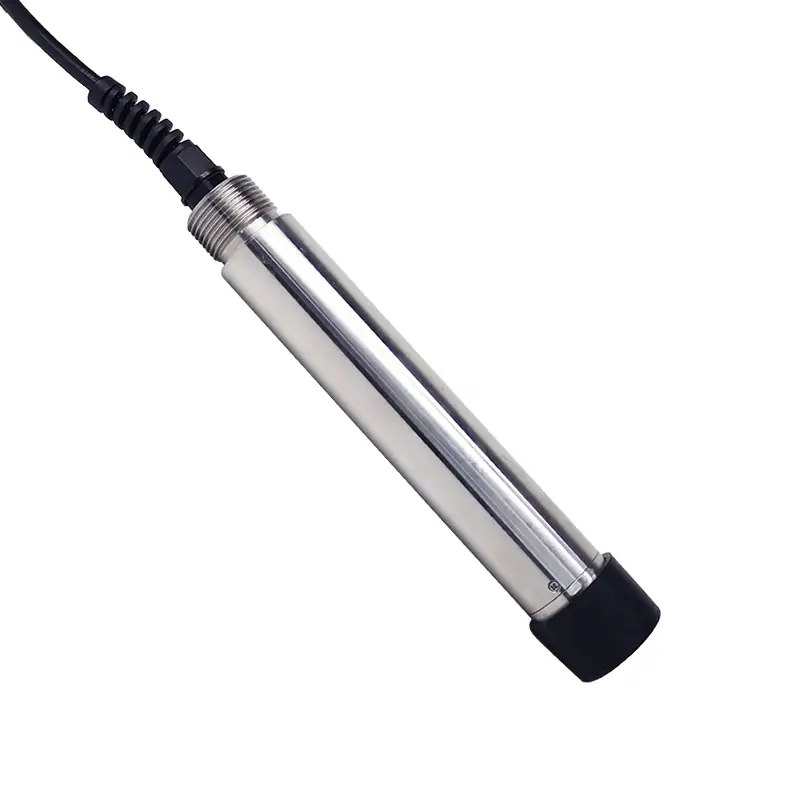
WCD3421 Water Suspended Solids Sensor
Suspended solid sensor with obtuse scattered light principle, anti-interference and automatic temperature compensation.
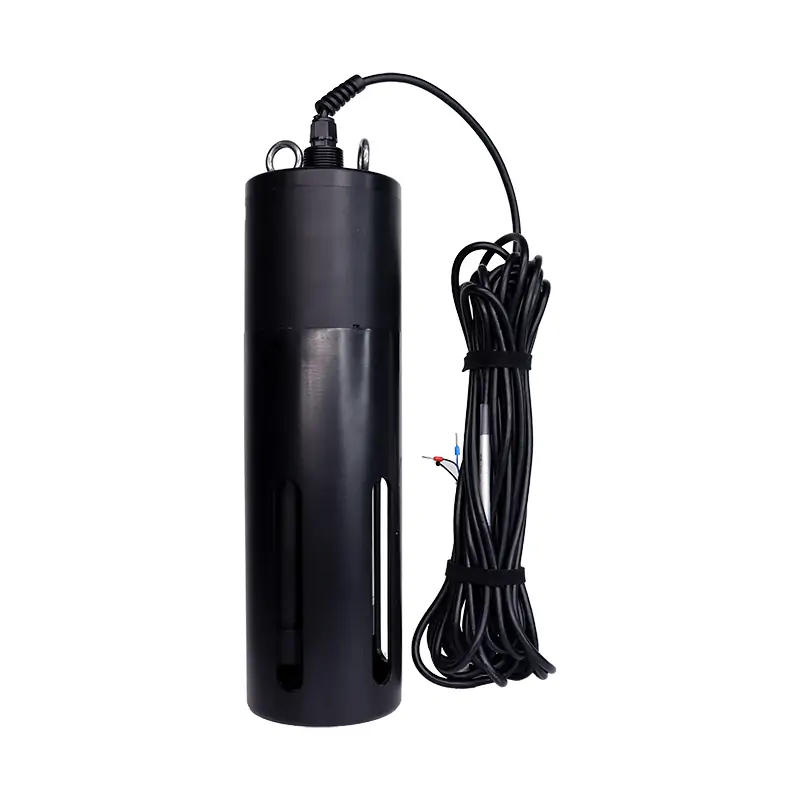
WCD3423 Multi-Parameter Self-Cleaning Sensor
Multi-parameter water quality sensor, interchangeable probes, self-cleaning, quick-connect for easy maintenance.
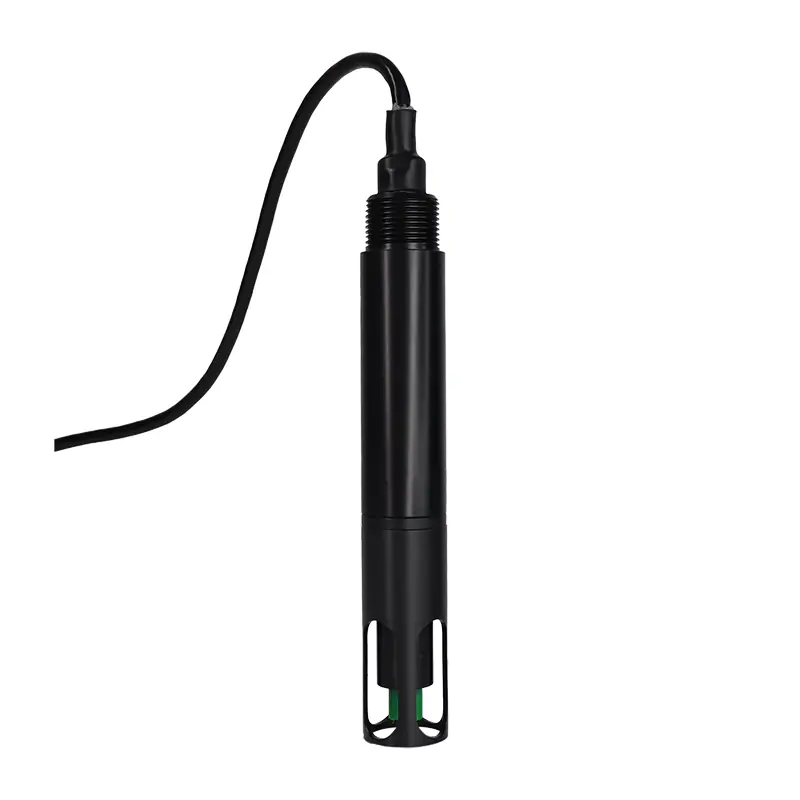
WCD3424 Water Fluoride
Sensor
Industrial online fluoride ion selective electrode, fast response with automatic temperature compensation.
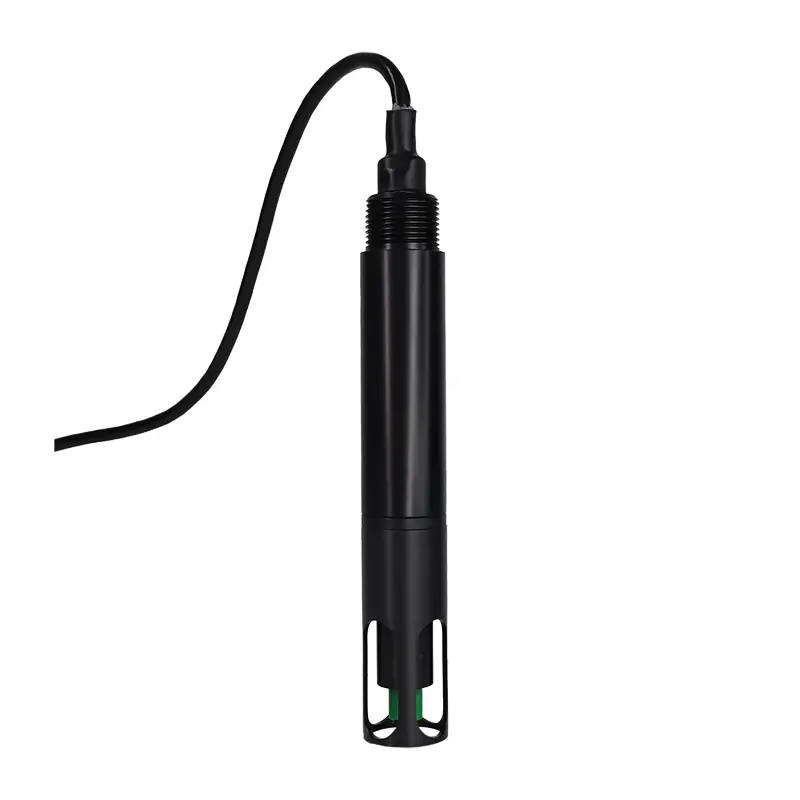
WCD3425 Water Quality
Calcium Ion Sensor
Industrial online calcium ion selective electrode, fast response with automatic temperature compensation.
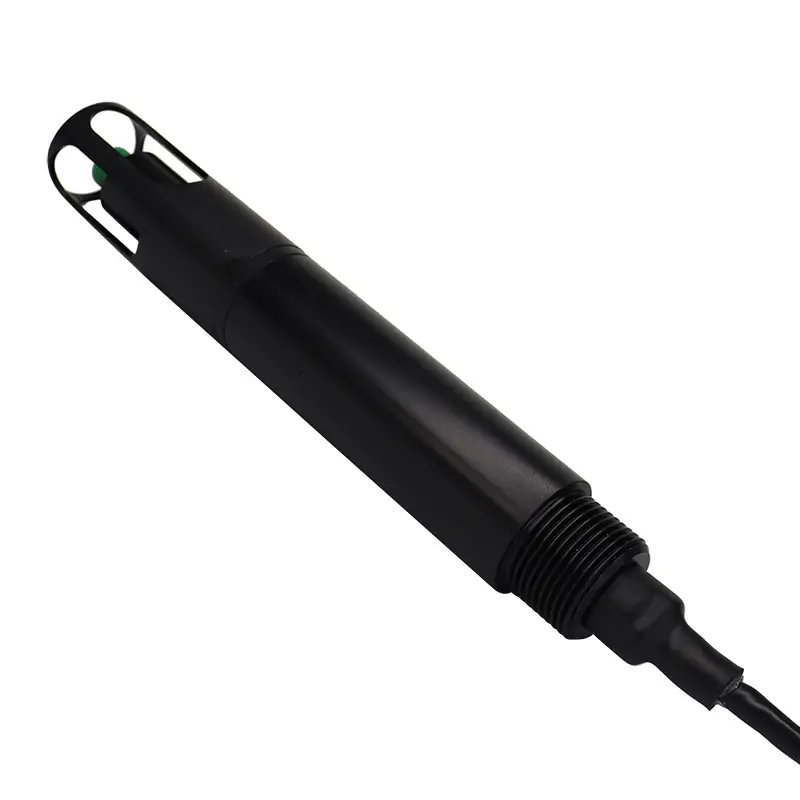
WCD3427 Water Quality Chloride Sensor
ndustrial online chloride ion selective electrode, fast response with automatic temperature compensation.
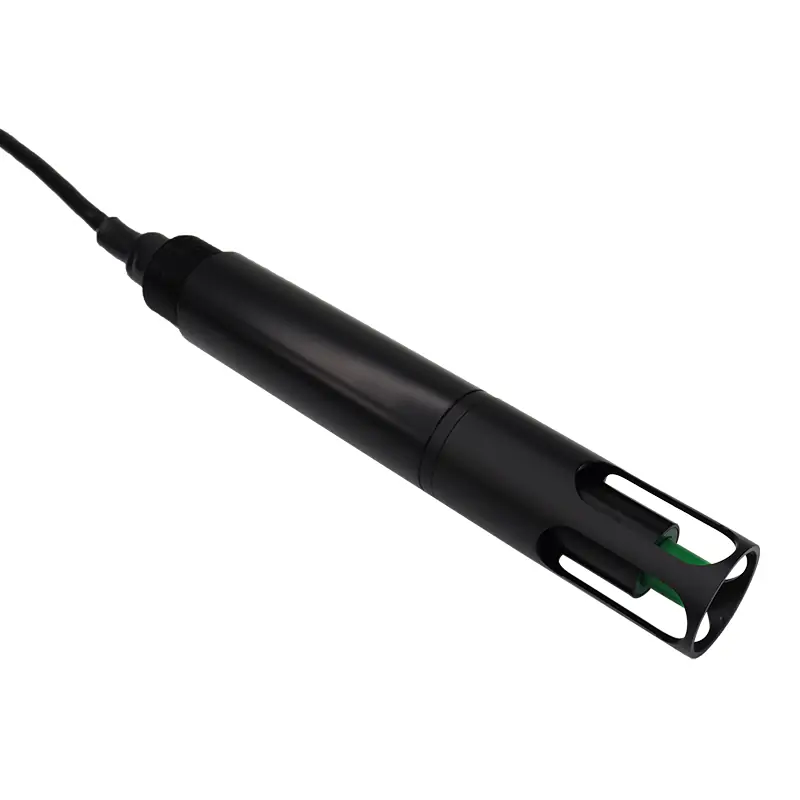
WCD3428 Nitrate Sensor
Industrial online nitrate selective electrode, fast response with automatic temperature compensation.
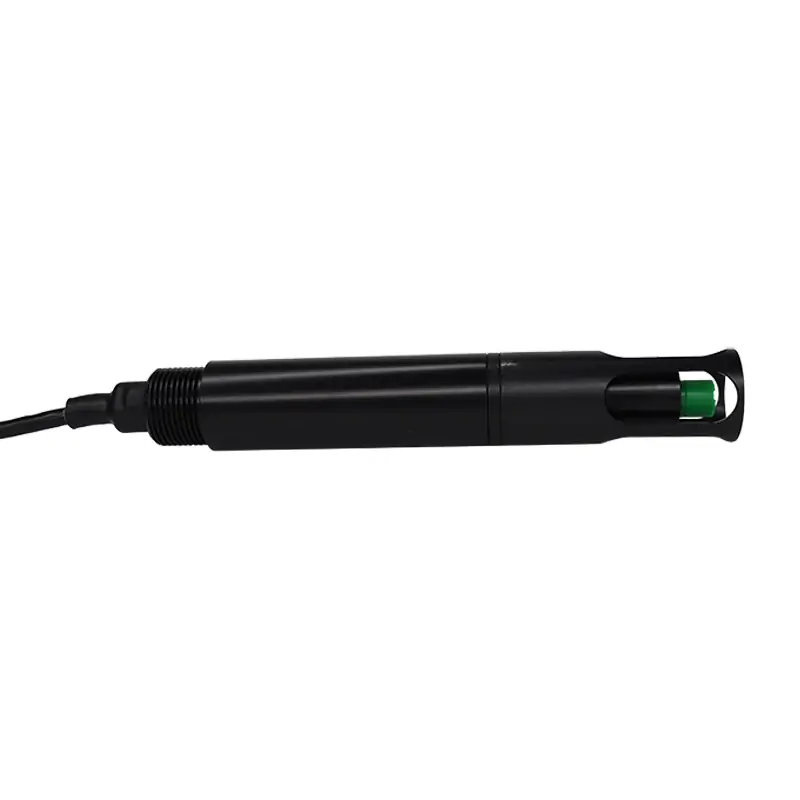
WCD3429 Nitrite Sensor
The nitrite sensor uses an industrial online electrode, specifically an ion-selective electrode with a PVC membrane.
Details Show
A water quality sensor typically includes sensing elements, electrodes, signal processing units, and digital output interfaces. Below is a detailed introduction to each component for the rwater quality sensor:
Specifications
We offer a comprehensive range of water quality monitoring sensors, covering pH, dissolved oxygen, turbidity, conductivity, salinity, ammonia nitrogen, ORP, residual chlorine, chlorophyll, cyanobacteria, suspended solids, COD, various ions, and multi-parameter integrated sensors. You can select the configuration that best meets your project requirements based on measurement principles, measurement range, and accuracy. Below are the water quality monitoring sensors specifications:
Parameters
| Model | Sensor Type | Measuring Principle | Range | Accuracy | Resolution | Response Time | Temp. Compensation | Protection Rating | Features/Remarks |
|---|---|---|---|---|---|---|---|---|---|
| WCD3411 | pH Sensor | Ion Selective Method | 0~14 pH | ±0.1 pH | 0.01 pH | 10 sec T90 | Auto (NTC) | IP68 (20m) | Spherical replaceable electrode, POM housing |
| WCD3412 | Optical DO Sensor | Fluorescence Quenching | 0~20 mg/L (0~200% Sat.) | ±3% FS, ±0.5℃ | 0.01 mg/L, 0.1℃ | 90 sec T90 | Auto (Pt1000) | IP68 (20m) | POM/Ti housing, membrane cap life ≥1 year |
| WAD3413 | Turbidity Sensor | 90° Scattered Light | 0~1000/200 NTU | ±5% reading or ±3NTU (0~1000); ±3% reading or ±2NTU (0~200); ±0.5℃ | 0.1 NTU, 0.1℃ | 30 sec T90 | Auto (Pt1000) | IP68 (20m) | 316L SS housing, anti-ambient light interference |
| WCD3414 | Conductivity Sensor | 2-Electrode Contact | 0~2000/5000 µS/cm | ±1.5% FS | 1 µS/cm | 10 sec T90 | Auto (Pt1000) | IP68 (60m) | POM/PEEK housing, Φ30×170mm |
| WCD3414A | Inductive Conductivity Sensor | Non-Contact Electromagnetic | 0~200 mS/cm (customizable within 600) | ±1.5% FS | 0.1 mS/cm | 10 sec T90 | Auto (Pt1000) | IP68 (20m) | POM/PEEK housing, Φ30×185.5mm |
| WCD3415 | Salinity Sensor | Non-Contact Electromagnetic | 0~70 PSU | ±1% FS or ±0.2PSU (<10PSU) | 0.1 PSU | 10 sec T90 | Auto (Pt1000) | IP68 (20m) | POM/PEEK housing, Φ30×185.5mm |
| WCD3416 | Ammonia Nitrogen Sensor | Membrane Ion Selective | 0~10.0/100.0 mg/L (pH4~10) | ±5% FS or ±3mg/L | 0.01/0.1 mg/L | 30 sec T90 | Auto (Pt100) | IP68 (20m) | POM housing, membrane cap life 6 months |
| WCD3417 | ORP Sensor | Industrial Online Electrode | -1999~1999 mV | ±5 mV | 1 mV | — | Auto | IP68 | Oxidation-reduction potential monitoring |
| WCD3418 | Residual Chlorine Sensor | Constant Voltage Method | 0~5.00/20.00 mg/L (HClO) | ±3% FS | 0.001/0.01 mg/L | <30 sec | Auto (NTC) | IP68 (20m) | POM housing, flow rate 10~30cm³/s |
| WCD3419 | Chlorophyll Sensor | Fluorescence Method | 0~500 µg/L or 0~100 RFU | ±5% FS | 0.1 µg/L | 30 sec T90 | Auto | IP68 (10m) | 316L SS housing, self-cleaning wiper |
| WCD3420 | Blue-Green Algae Sensor | Fluorescence Method | 0~200.0 kcells/mL | ±5% FS | 0.1 kcells/mL | 30 sec T90 | Auto | IP68 (10m) | 316L SS housing, self-cleaning wiper |
| WCD3421 | Suspended Solid Sensor | 135° Scattered Light | 0~5000 mg/L | ±5% FS, ±0.5℃ | 0.1 mg/L, 0.1℃ | 30 sec T90 | Auto (Pt1000) | IP68 (20m) | 316L SS housing |
| WCD3422 | Self-Cleaning COD Sensor | UV254 Dual-Wavelength Absorption | COD:0.3~370 mg/L; Turbidity:0~100 NTU | ±5% FS | COD:0.1/0.01 mg/L | 10 sec T90 | — | IP68 (10m) | 316L SS + quartz glass, self-cleaning wiper |
| WCD3423 | Multi-Parameter Sensor | Integrated | Up to 7 parameters (see sub-table) | Per parameter | Per parameter | — | Auto | — | Interchangeable probes, self-cleaning, quick-connect |
| WCD3424 | Fluoride Ion Sensor | Membrane Ion Selective | 0~10.0/100.0 mg/L | ±5% FS or ±3mg/L | 0.01/0.1 mg/L | 30 sec T90 | Auto (Pt100) | IP68 (20m) | POM housing, membrane cap life 6 months |
| WCD3425 | Calcium Ion Sensor | Membrane Ion Selective | 0~10.0/100.0 mg/L | ±5% FS or ±3mg/L | 0.01/0.1 mg/L | 30 sec T90 | Auto (Pt100) | IP68 (20m) | POM housing, membrane cap life 6 months |
| WCD3427 | Chloride Ion Sensor | Membrane Ion Selective | 0~10.0/100.0 mg/L (pH4~10) | ±5% FS or ±3mg/L | 0.01/0.1 mg/L | 30 sec T90 | Auto (Pt100) | IP68 (20m) | POM housing, membrane cap life 6 months |
| WCD3428 | Nitrate Sensor | Membrane Ion Selective | 0~10.0/100.0 mg/L (pH4~10) | ±5% FS or ±3mg/L | 0.01/0.1 mg/L | 30 sec T90 | Auto (Pt100) | IP68 (20m) | POM housing, membrane cap life 6 months |
| WCD3429 | Nitrite Sensor | Membrane Ion Selective | 0~10.0/100.0 mg/L (pH4~10) | ±5% FS or ±3mg/L | 0.01/0.1 mg/L | 30 sec T90 | Auto (Pt100) | IP68 (20m) | POM housing, membrane cap life 6 months |
Features water quality sensor
Real-time Monitoring
Provides 24/7 continuous data collection for instant water quality tracking.
High Accuracy
Industrial-grade sensors with automatic temperature compensation ensure reliable measurements.
Low Maintenance
Optical sensors require no reagents, and self-cleaning options reduce manual upkeep.
Durable Design
IP68 waterproof rating and corrosion-resistant materials suit harsh field environments.
Easy Integration
Standard RS485 output with Modbus/RTU protocol for seamless system connection.
Wide Coverage
Supports multiple parameters from basic pH/DO to specific ions and algae monitoring.
Applications water quality sensor
Water quality sensors are widely used in fields such as drinking water safety, wastewater treatment, aquaculture, environmental monitoring, and industrial process control. By providing real-time online monitoring of pH, dissolved oxygen, turbidity, conductivity, ammonia nitrogen, residual chlorine, chlorophyll, cyanobacteria, COD, and various ionic parameters, they offer critical data support for water resource conservation, water quality early warning systems, and smart water management.
Drinking Water Safety Monitoring
Real-time monitoring of parameters such as residual chlorine, pH, and turbidity at water sources, water treatment plants, and the end points of distribution networks to ensure drinking water safety from source to tap.
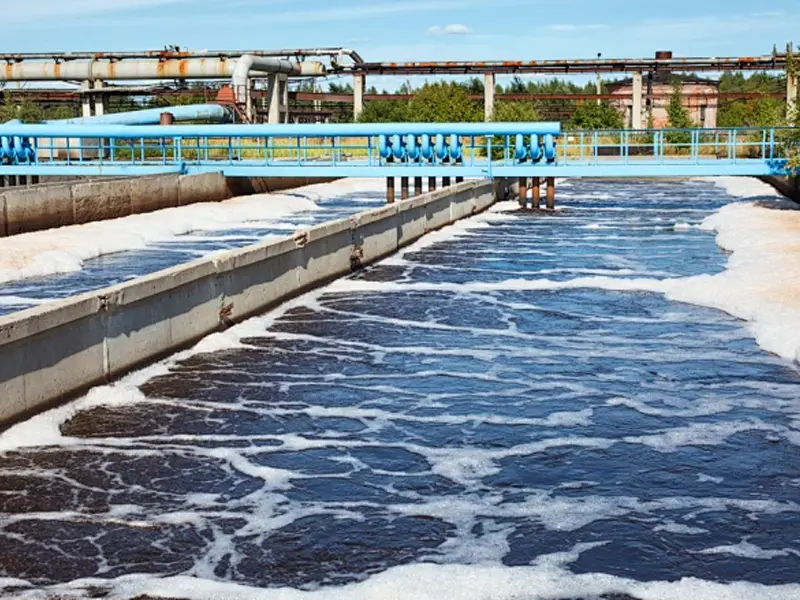
Wastewater Treatment and Discharge
Online monitoring of parameters such as COD, ammonia nitrogen, suspended solids, and pH to ensure that industrial and municipal wastewater is discharged in compliance with standards.
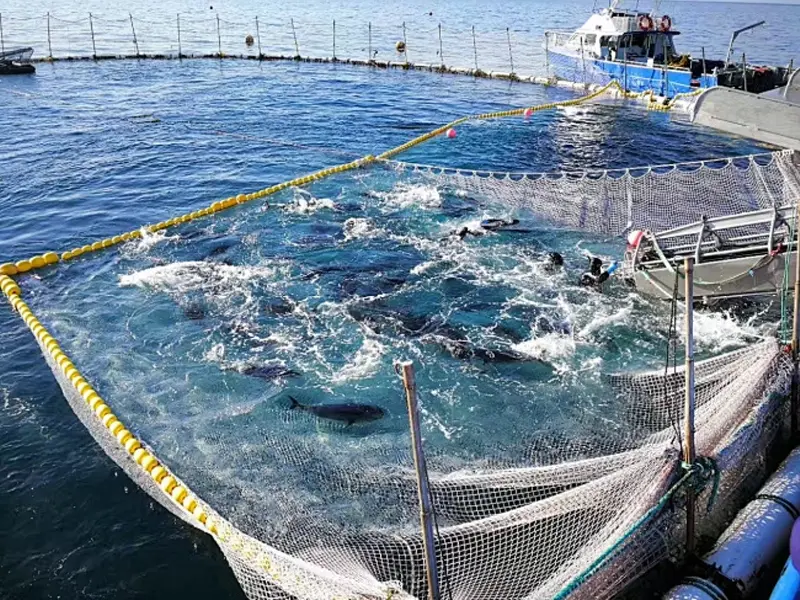
Aquaculture Water Quality Control
Continuously monitor key indicators such as dissolved oxygen, pH, ammonia nitrogen, and salinity, and automatically control aeration equipment to ensure the healthy growth of aquatic products.

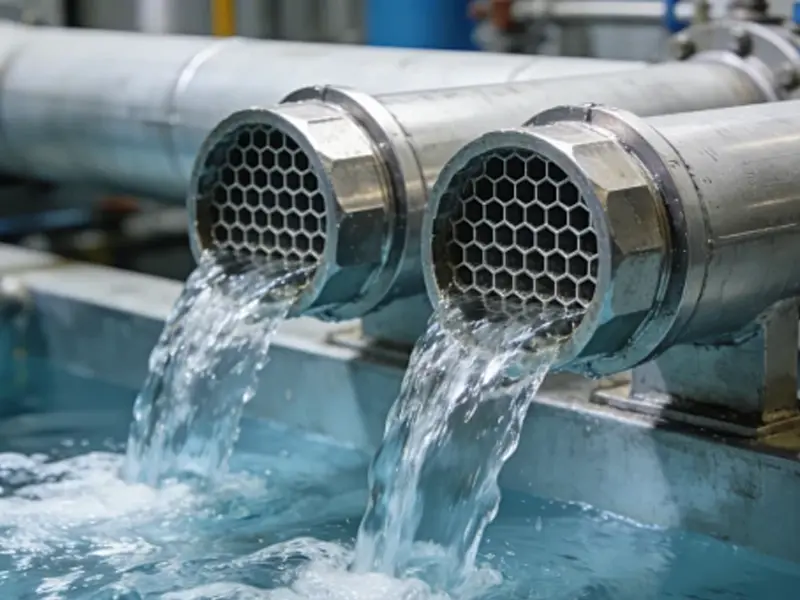
Industrial Process Control
Applied in industries such as power generation, chemicals, and pharmaceuticals to monitor parameters like the conductivity of purified water and the pH of cooling water, ensuring stable production processes.
Agricultural Irrigation
Monitors parameters such as salinity, pH, and heavy metal ions in irrigation water sources to prevent soil degradation and crop contamination.

Marine and Groundwater Surveys
Monitors parameters such as salinity, dissolved oxygen, and temperature to support marine ecological research and groundwater resource assessments.
custom water quality sensor
We offer flexible customization services for water quality sensors. Based on different application scenarios and on-site conditions, we can tailor the sensor’s measurement range, material, cable length, protection rating, and integration method to ensure stable and reliable operation even in complex environments, thereby meeting your specific monitoring needs.
Customization Options
- Customizable Measurement Range: The measurement range for each parameter can be adjusted based on actual water quality conditions (e.g., conductivity can be customized up to 600 mS/cm).
- Sensor Housing Material: Available in POM, PEEK, 316L stainless steel, or titanium alloy to suit various corrosive water environments.
- Cable Length: Default 10 meters; longer cables can be customized based on installation depth and on-site requirements.
- Protection Rating: Standard IP68 (water depth 20 meters); higher waterproof ratings (e.g., 60 meters) can be customized.
- Operating Temperature Range: Standard 0–50°C; special temperature ranges (e.g., high-temperature conductivity) can be customized.
- Output Protocol: Standard RS485 Modbus/RTU; other communication protocols can be customized.
- Multi-parameter Combination: Freely select the required parameter types and integrate them into a single multi-parameter sensor (up to 7 parameters).
- Installation Methods: Customizable flow-through channel, submersible, or pipe mounting accessories based on site conditions.
- Cleaning System Configuration: Optional automatic cleaning brush available, suitable for long-term monitoring in highly turbid or fouling-prone water bodies.
water quality sensor manufacturer and supplier
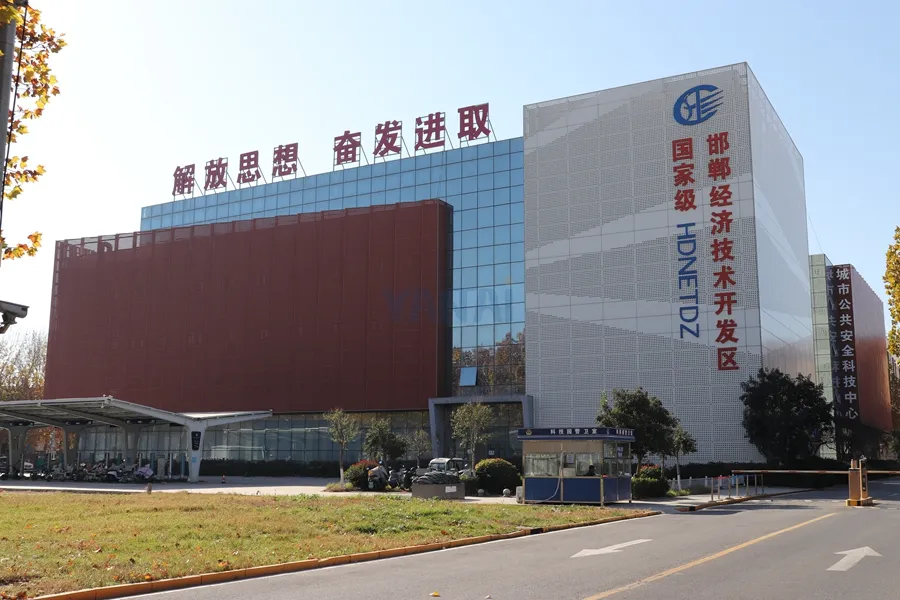
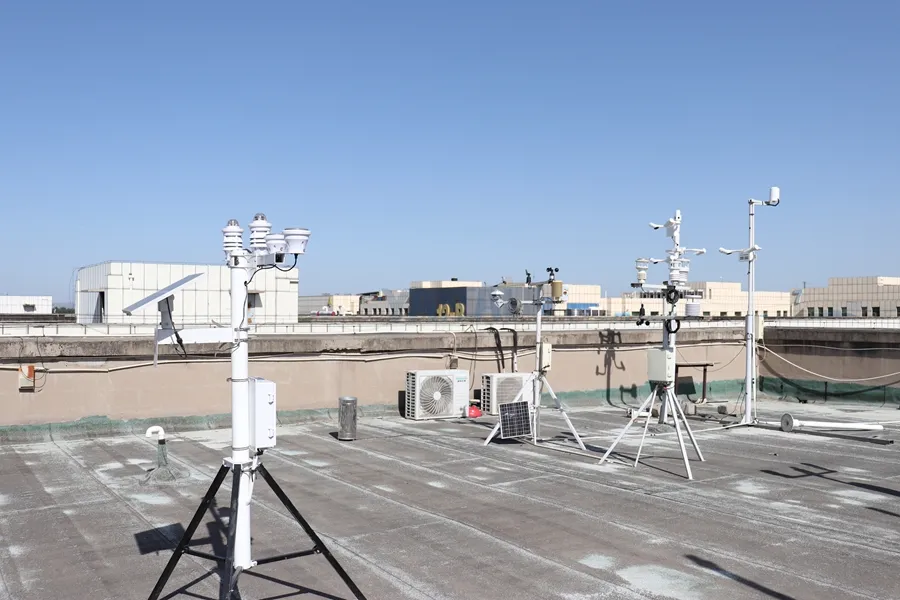
Yantai Sensor is a professional water quality sensor manufacturer and supplier, specializing in high-precision water quality measurement solutions for environmental monitoring and aquatic applications. Our water quality sensors are designed to provide accurate, stable, and reliable monitoring data for parameters including pH, dissolved oxygen, turbidity, conductivity, salinity, ammonia nitrogen, residual chlorine, chlorophyll, blue-green algae, COD, and various ions (F⁻, Ca²⁺, Cl⁻, NO₃⁻, NO₂⁻), widely used in drinking water safety, wastewater treatment, aquaculture, surface water monitoring, and smart water management systems.
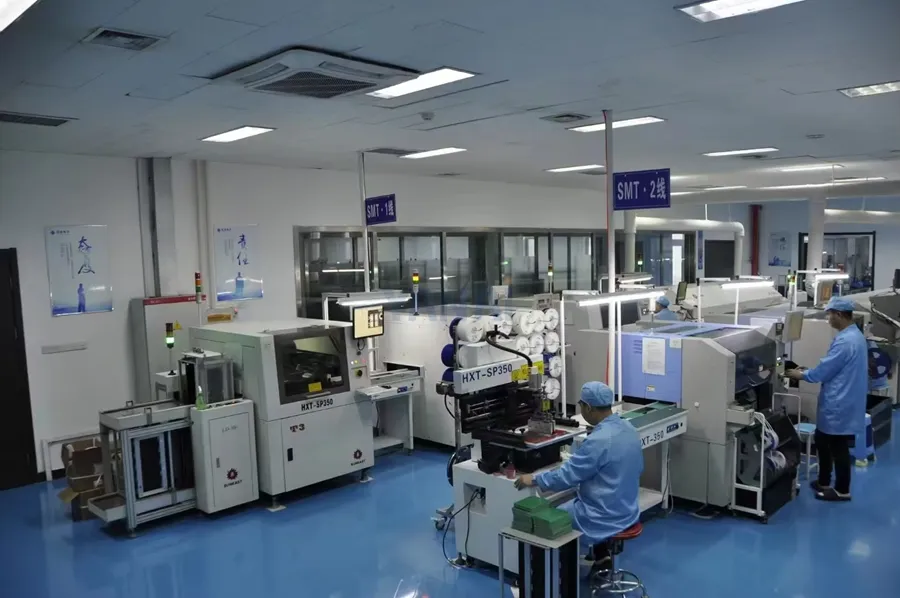
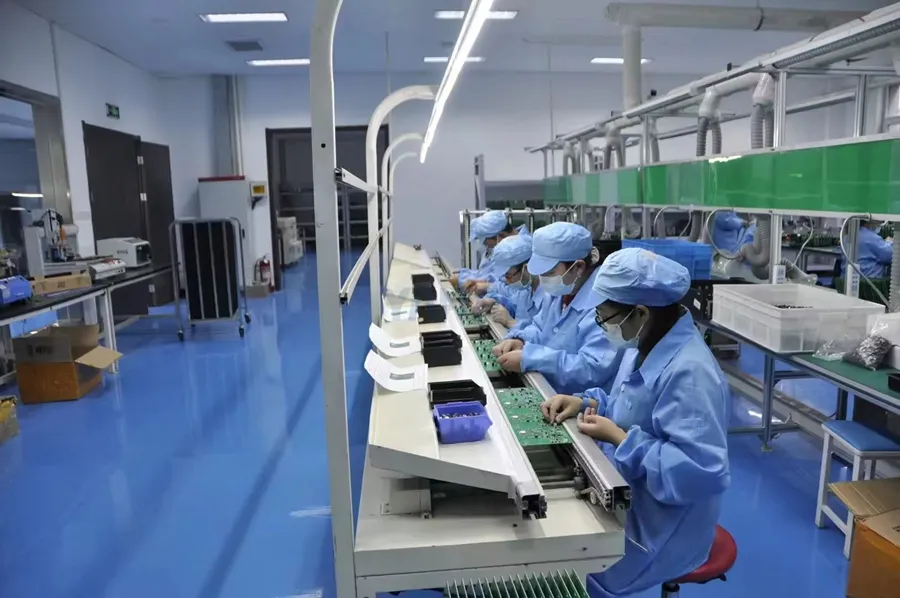
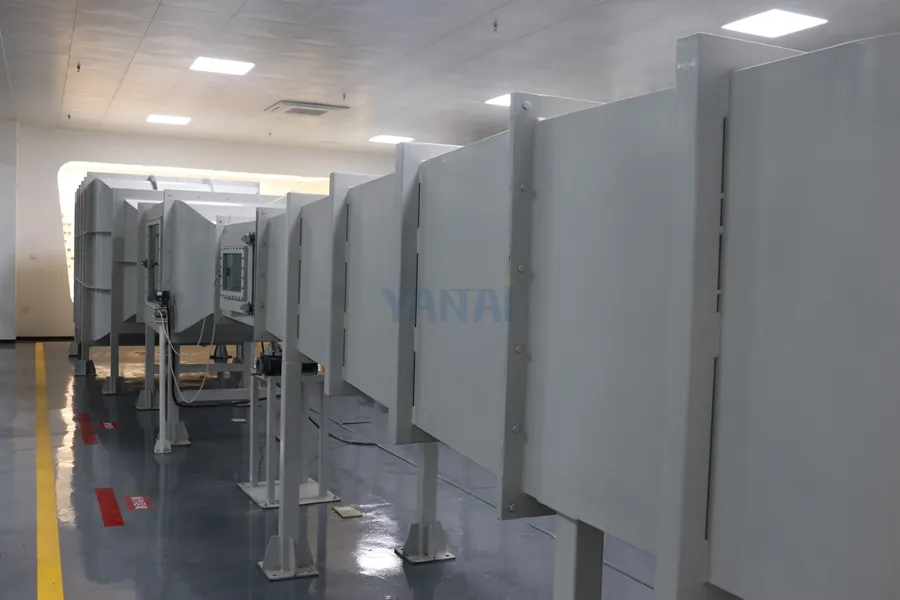
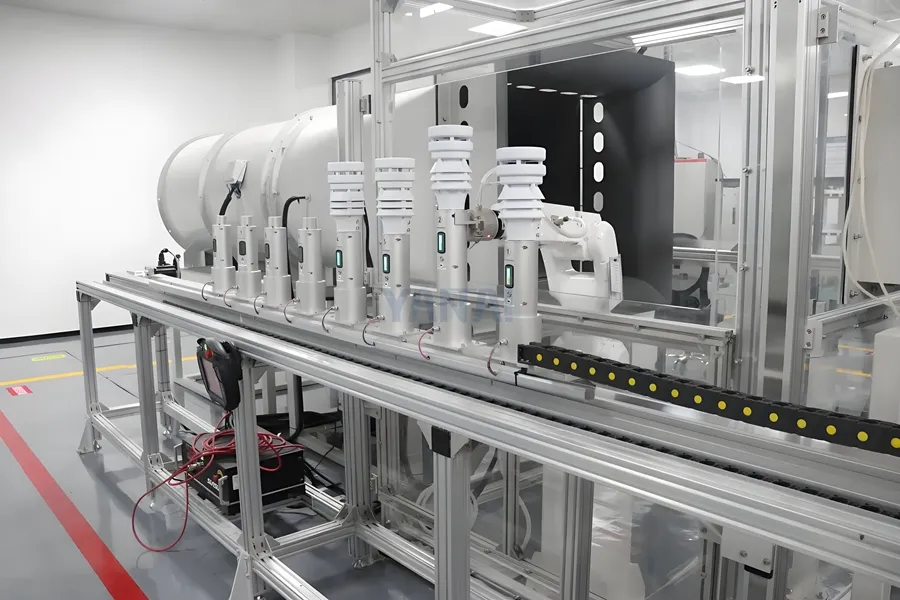
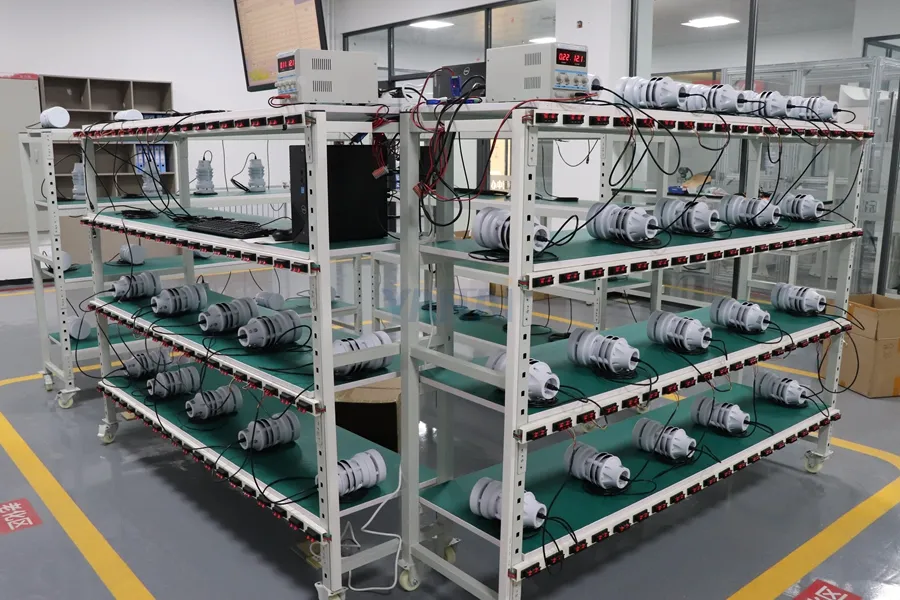
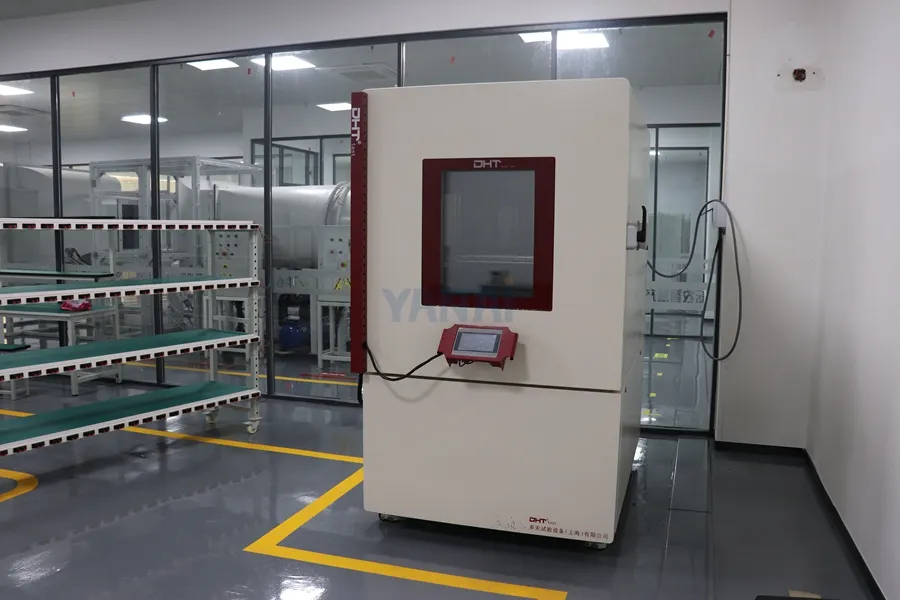
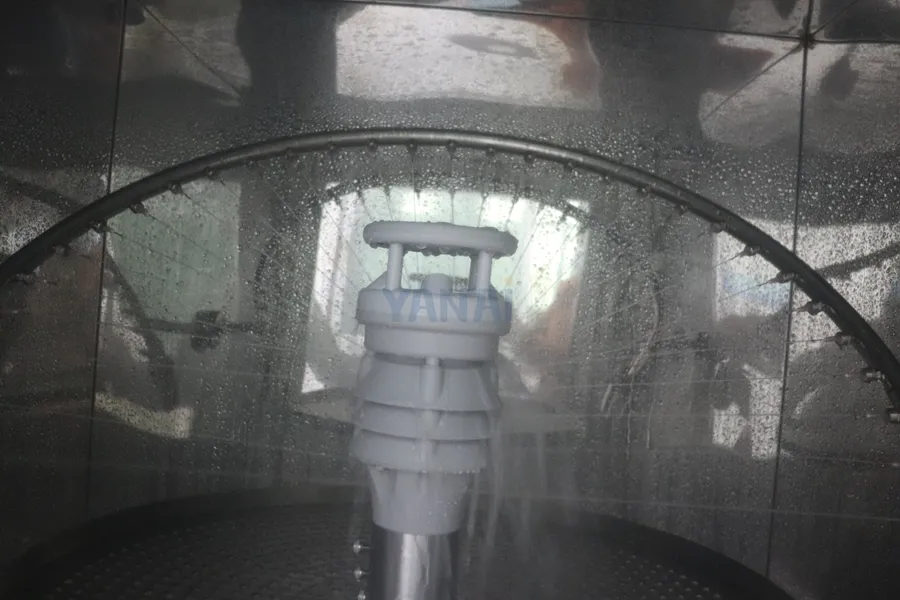
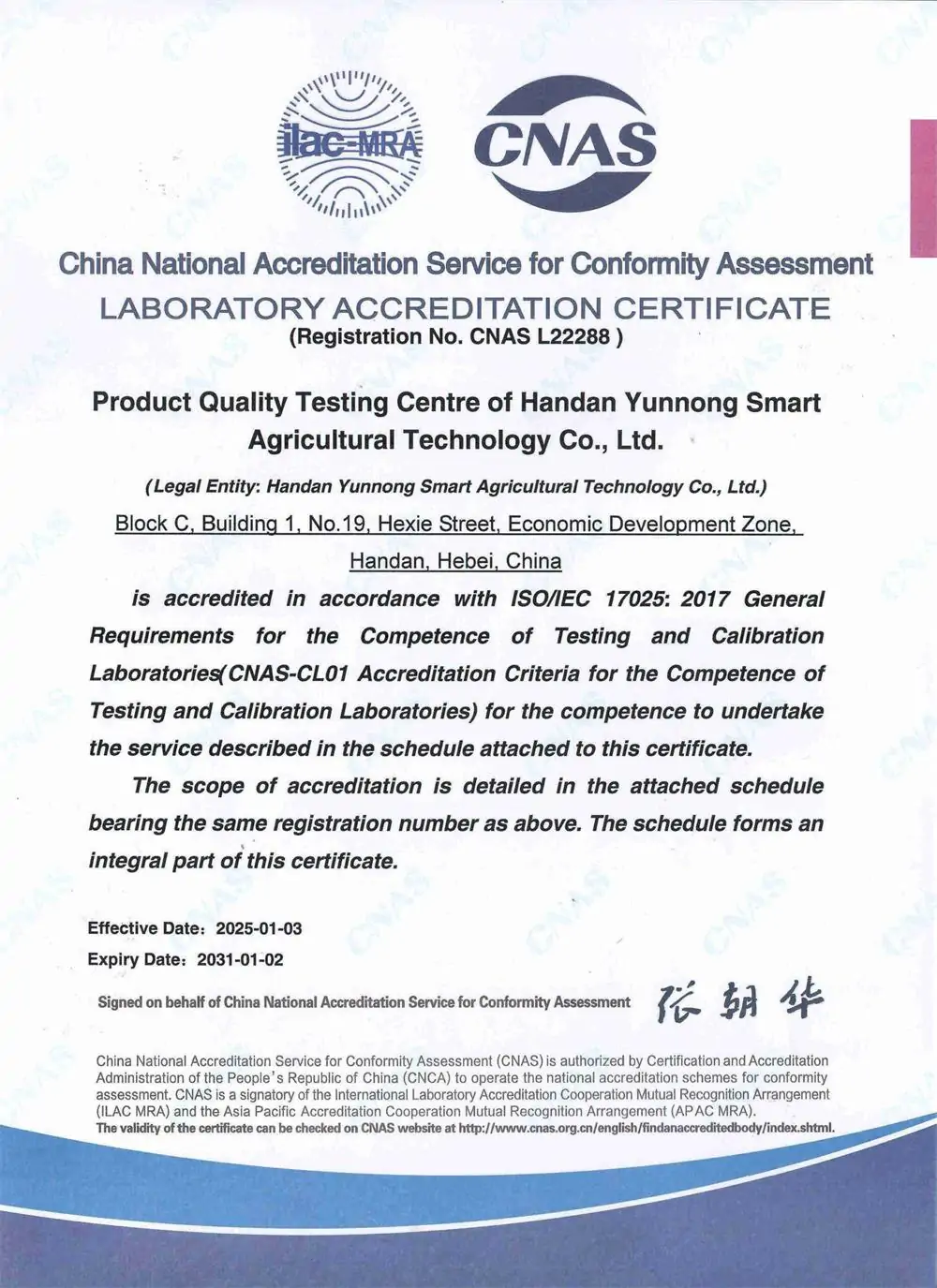
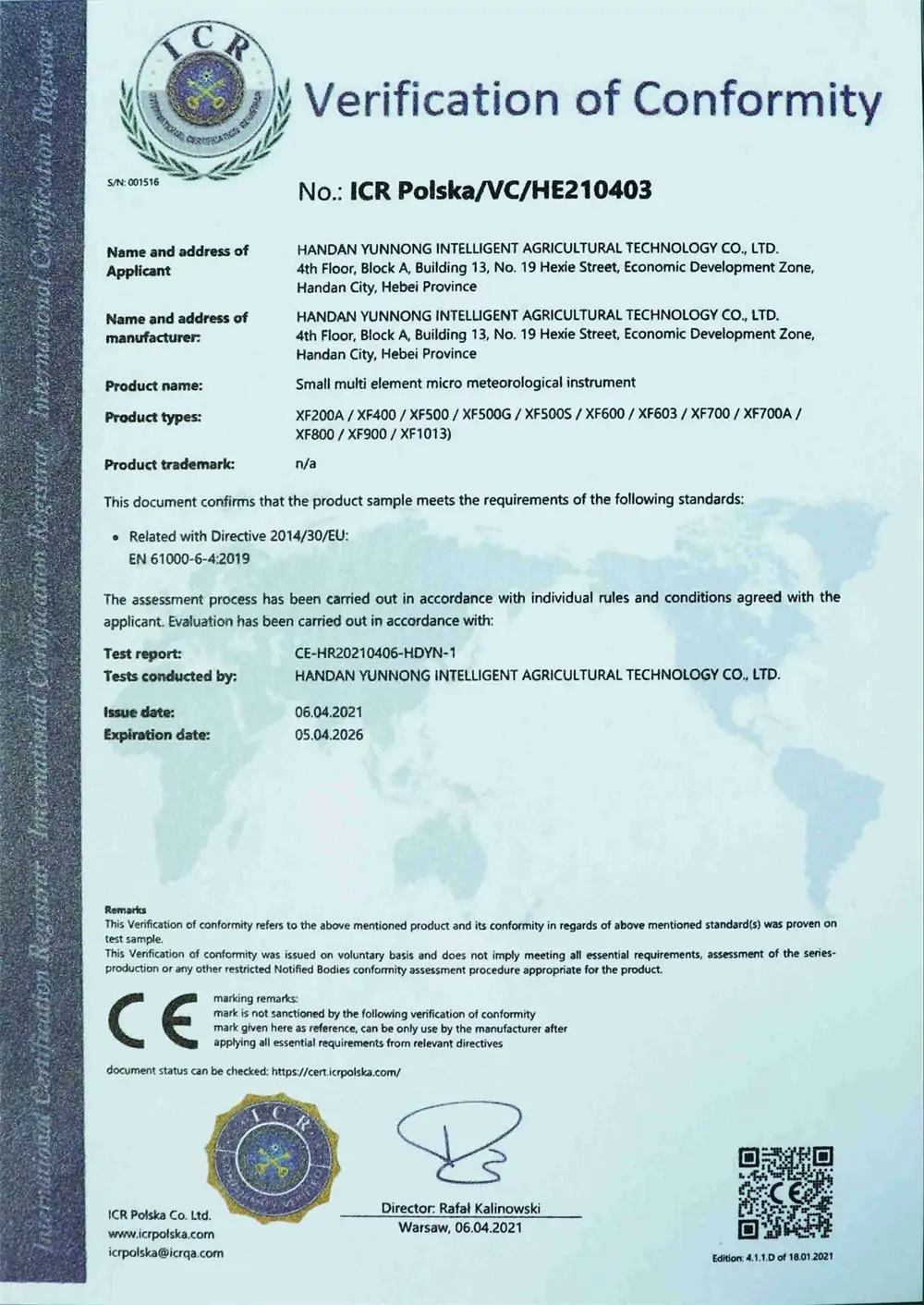
With strong in-house R&D capabilities, advanced manufacturing facilities, and dedicated testing laboratories, each water quality sensor undergoes strict quality control, including calibration accuracy, environmental durability, and long-term stability testing. Certified with CE, ISO, and RoHS, we offer flexible OEM/ODM services as a trusted water quality sensor supplier. Our experienced technical team delivers customized solutions—from sensor housing materials (POM, PEEK, 316L stainless steel, titanium alloy) to measurement ranges, cable lengths, protection ratings (IP68 up to 60m depth), and multi-parameter integration—to meet diverse project needs. Contact us for professional support.