Introduction
Auget à augets basculeurs vs Pluviomètre piézoélectrique est une comparaison importante pour les utilisateurs sélectionnant des solutions de surveillance des précipitations pour les applications d'observation météorologique, de systèmes hydrologiques, d'agriculture et d'infrastructures intelligentes. Les deux technologies sont largement utilisées pour la mesure des précipitations, mais elles diffèrent en termes de performance de mesure, de caractéristiques de réponse, d'exigences de maintenance et d'adéquation aux applications.
Les pluviomètres à augets basculeurs fournissent des données fiables de précipitations cumulées grâce à une conception de mesure éprouvée et sont couramment utilisés pour la surveillance des précipitations à long terme. Les capteurs de pluie piézoélectriques utilisent une technologie de détection à semi-conducteurs pour capturer les variations de précipitations avec une réponse plus rapide et une résolution temporelle plus élevée, ce qui les rend adaptés à l'analyse des précipitations en temps réel.
Ce guide compare les principales différences entre les pluviomètres à augets basculeurs et les pluviomètres piézoélectriques, aidant les utilisateurs à évaluer les performances des capteurs et à sélectionner la solution la plus adaptée en fonction de leurs exigences de surveillance. Si vous souhaitez en savoir plus sur “Qu'est-ce qu'un pluviomètre, ” veuillez cliquer ici.
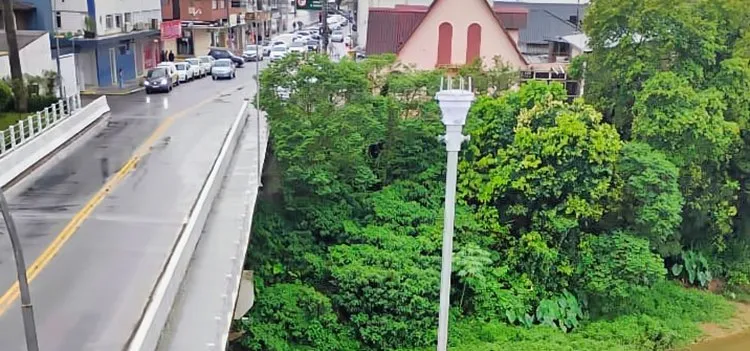
Qu'est-ce qu'un pluviomètre à augets basculeurs ?
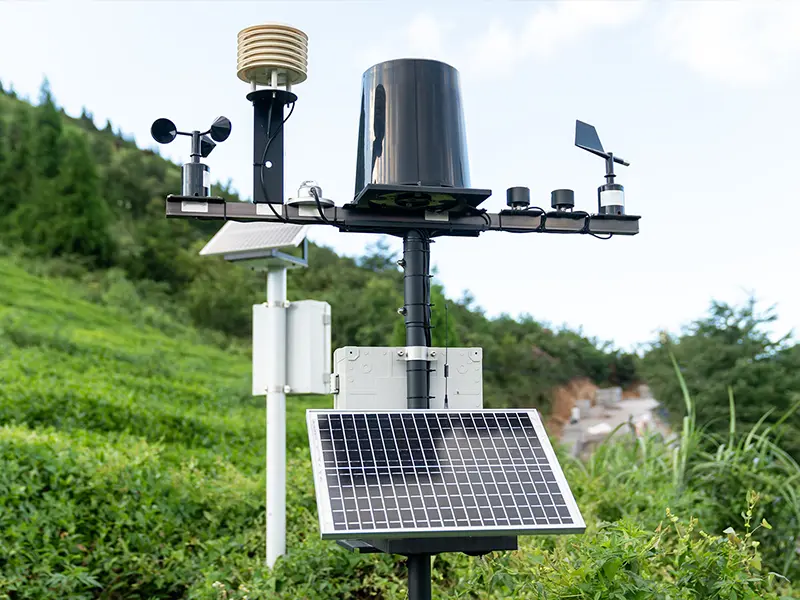
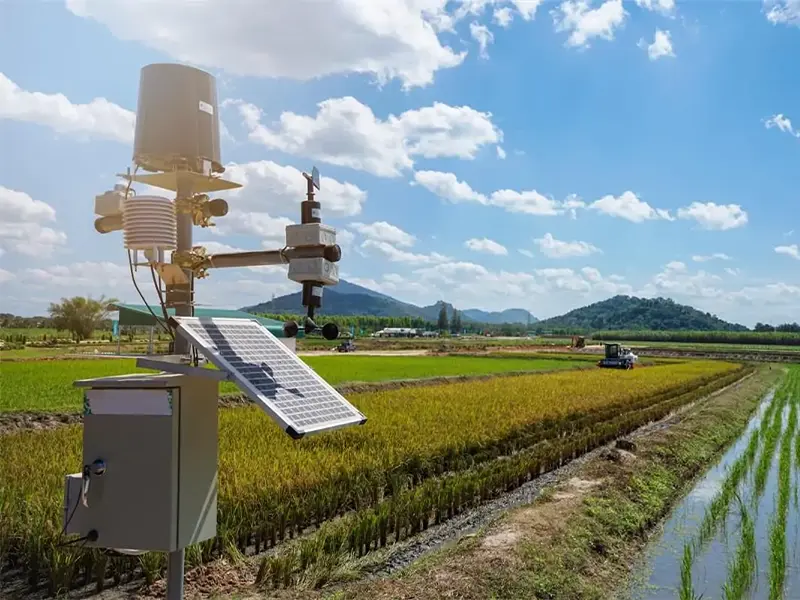
Un pluviomètre à augets basculeurs est un capteur de précipitations automatique conçu pour mesurer l'accumulation et l'intensité des précipitations grâce à un mécanisme de basculement mécanique. Il est largement utilisé dans les stations météorologiques, les réseaux de surveillance hydrologique, la surveillance agricole et les systèmes d'observation environnementale en raison de ses performances fiables, de sa structure simple et de son fonctionnement à long terme éprouvé. Si vous souhaitez en savoir plus sur “Qu'est-ce qu'un pluviomètre à augets basculeurs, ” veuillez cliquer ici.
Principe de fonctionnement
Un pluviomètre à augets basculeurs mesure les précipitations en convertissant un volume fixe d'eau collectée en signaux d'impulsions électriques. L'eau de pluie entre par le collecteur de pluie et s'écoule dans le mécanisme de basculement à double chambre. Lorsqu'une chambre atteint le volume de basculement calibré, tel que 0,1 mm, 0,2 mm ou 0,5 mm de précipitations, le changement de poids provoque le basculement de l'auget et sa réinitialisation pour le cycle de mesure suivant.
À chaque mouvement de basculement, l'aimant intégré active un interrupteur magnétique pour générer un signal d'impulsion. L'enregistreur de données compte ces signaux et les convertit en données de précipitations, y compris les précipitations cumulées et l'intensité des précipitations, permettant une surveillance des précipitations continue et automatique. Si vous souhaitez en savoir plus sur “Comment fonctionne un pluviomètre,”, veuillez cliquer ici
Principaux composants
Un pluviomètre à augets basculeurs se compose de composants mécaniques de détection et d'acquisition de données électroniques qui travaillent ensemble pour transformer les précipitations en mesures numériques de précipitations. De la collecte de l'eau et de la mesure du volume à la génération d'impulsions et à l'enregistrement des données, chaque composant contribue à une surveillance des précipitations précise et continue.
| Composant | Fonction |
| Collecteur de pluie | Collecte les précipitations et dirige l'eau vers le mécanisme de mesure. |
| Grille de filtration | Empêche les débris d'entrer et de bloquer le système. |
| Ensemble d'augets basculeurs | Mesure les précipitations grâce à des mouvements de basculement calibrés. |
| Interrupteur magnétique (interrupteur à lames) | Convertit les mouvements de basculement en signaux d'impulsions électriques. |
| Enregistreur de données | Enregistre et traite les données de mesure des précipitations. |
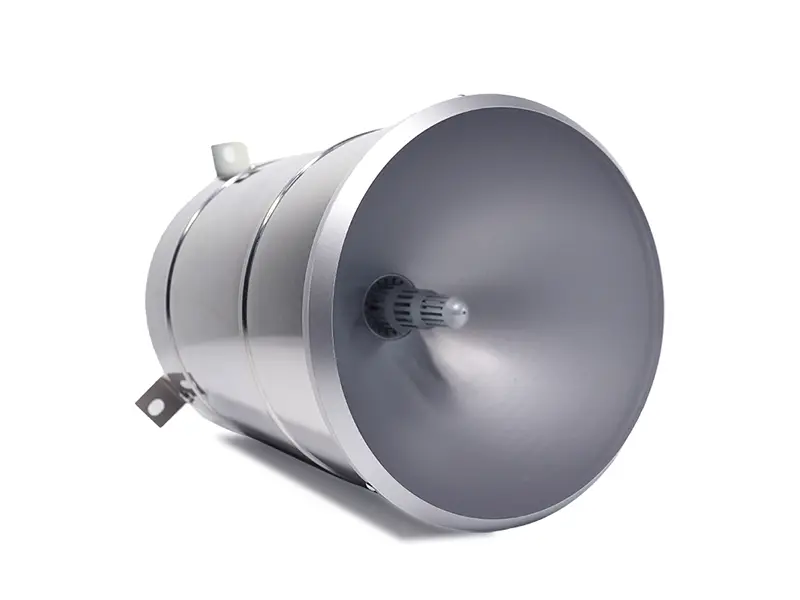
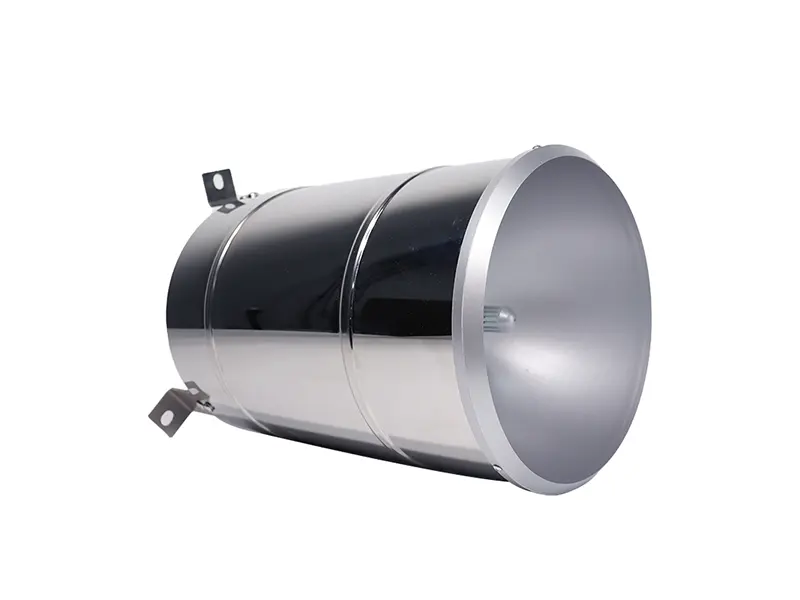
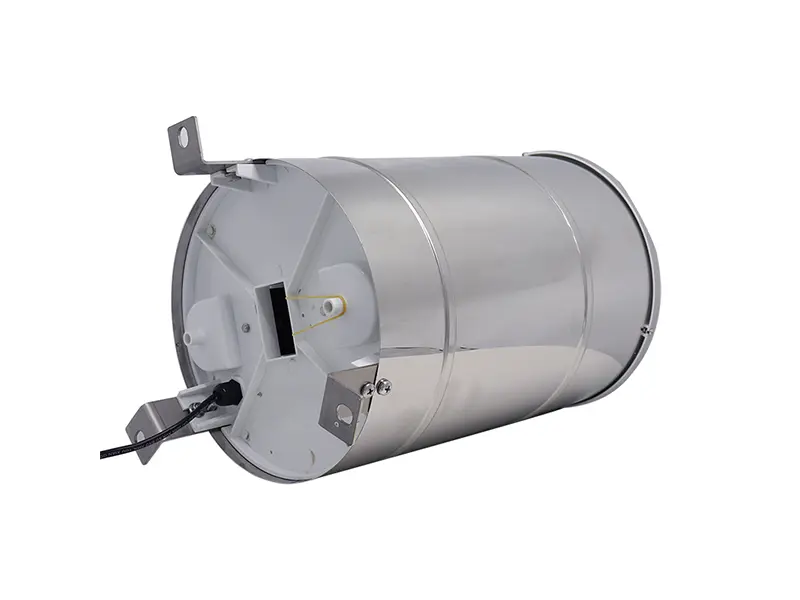
Avantages et limites du pluviomètre à augets basculeurs
Un pluviomètre à augets basculeurs est largement utilisé pour la surveillance des précipitations en raison de son principe de mesure mécanique éprouvé, de ses performances stables et de sa méthode d'acquisition de données simple. En convertissant un volume calibré de précipitations collectées en mouvements de basculement et en signaux d'impulsions électriques, il fournit des données fiables de précipitations cumulées pour les réseaux de surveillance à long terme. Cependant, le mécanisme de basculement mécanique crée également des limitations en termes de vitesse de réponse, de résolution de mesure et de performances dans des conditions météorologiques extrêmes.
Avantages
Les pluviomètres à augets basculeurs sont une solution de mesure des précipitations largement utilisée avec une fiabilité éprouvée dans la surveillance météorologique et hydrologique. En convertissant un volume calibré de précipitations collectées en signaux d'impulsions électriques, ils fournissent des données stables de précipitations cumulées avec des résolutions typiques de 0,1 à 0,5 mm par basculement. Leur structure mécanique simple permet une installation facile, une maintenance de routine et un déploiement à grande échelle rentable, ce qui les rend adaptés aux stations météorologiques automatiques, à la surveillance agricole et aux réseaux d'observation hydrologique. Si vous souhaitez en savoir plus sur “Le rôle du pluviomètre dans l'agriculture, ” veuillez cliquer ici.
Limitations
Un pluviomètre à augets basculeurs utilise un mécanisme de basculement mécanique, ce qui peut limiter la vitesse de réponse lors d'événements de précipitations de courte durée ou de forte intensité. Sa résolution fixe (généralement 0,1 à 0,5 mm par basculement) enregistre les précipitations comme des événements discrets, ce qui le rend moins adapté à l'analyse détaillée des variations de précipitations. De plus, les composants mécaniques peuvent être affectés par le gel, la poussière, les débris, les interférences du vent et l'usure à long terme, nécessitant une maintenance et un étalonnage réguliers pour maintenir la précision des mesures.
Qu'est-ce qu'un pluviomètre piézoélectrique ?
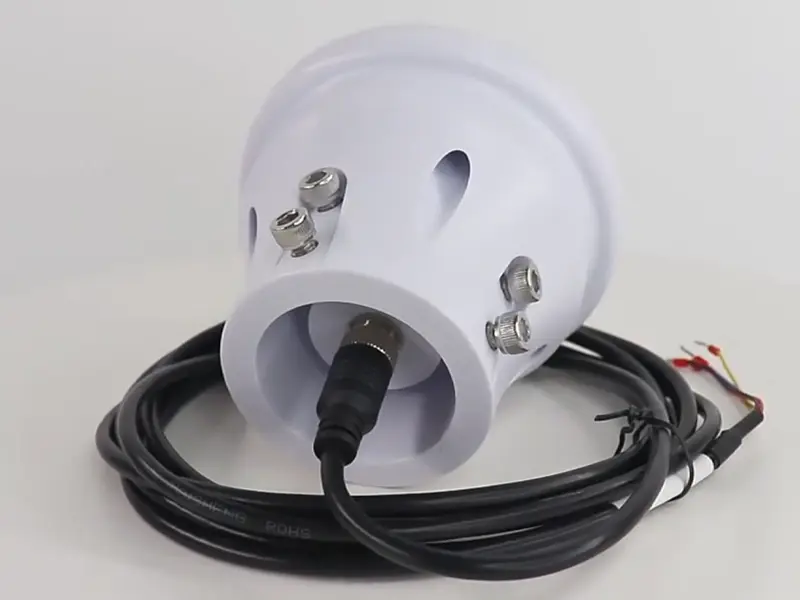
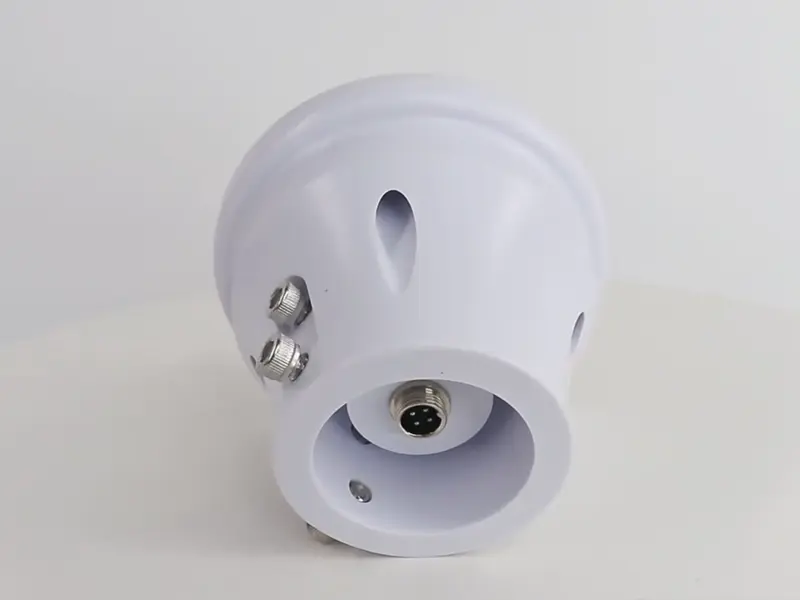
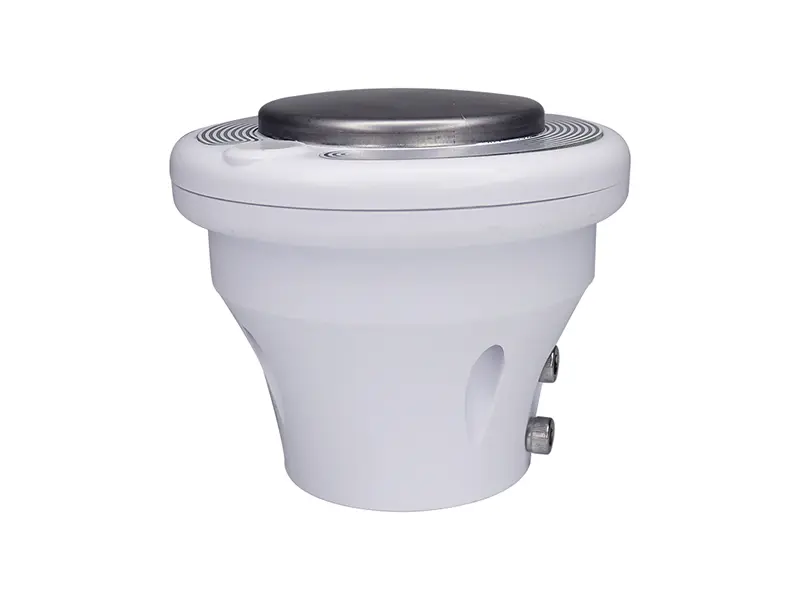
Un pluviomètre piézoélectrique est un capteur de précipitations à semi-conducteurs conçu pour mesurer les précipitations à l'aide de la technologie de détection piézoélectrique. Contrairement aux pluviomètres mécaniques traditionnels, il n'a pas de pièces mobiles et se caractérise par une structure compacte, une réponse rapide et de faibles exigences de maintenance. Il est largement utilisé dans la surveillance météorologique, l'observation hydrologique, les infrastructures intelligentes, l'agriculture et d'autres applications de surveillance environnementale.
Principe de fonctionnement
Un pluviomètre piézoélectrique fonctionne sur la base de l'effet piézoélectrique, où les impacts des gouttes de pluie génèrent une contrainte mécanique qui est convertie en signaux électriques par l'élément piézoélectrique interne. Le système de traitement du signal analyse des paramètres tels que l'amplitude du signal, la fréquence et l'énergie d'impact pour calculer l'intensité des précipitations, les précipitations cumulées et d'autres caractéristiques des précipitations pour une surveillance numérique continue.
Principaux composants
Un pluviomètre piézoélectrique se compose de composants de détection, de traitement du signal, de communication et de protection qui travaillent ensemble pour détecter les impacts des gouttes de pluie, convertir les signaux et transmettre les données de précipitations aux systèmes de surveillance.
| Composant | Fonction |
| Surface de Détection | Reçoit les impacts des gouttes de pluie et transfère l'énergie mécanique au capteur. |
| Élément piézoélectrique | Convertit les forces d'impact en signaux électriques. |
| Processeur de signaux | Amplifie, filtre et analyse les signaux pour calculer les données de précipitations. |
| Module de communication | Transmet les données de précipitations traitées aux plateformes de surveillance. |
| Boîtier de protection | Protège les composants internes des conditions extérieures. |
Avantages et limites du pluviomètre piézoélectrique
Les pluviomètres piézoélectriques offrent plusieurs avantages grâce à leur structure de détection à semi-conducteurs et leur technologie avancée de traitement des signaux. Cependant, comme toute technologie de mesure des précipitations, ils présentent également certaines limites liées aux coûts, aux interférences environnementales et aux conditions de mesure. Comprendre ces deux aspects permet d'avoir une vision plus complète de leurs performances pratiques.
Avantages
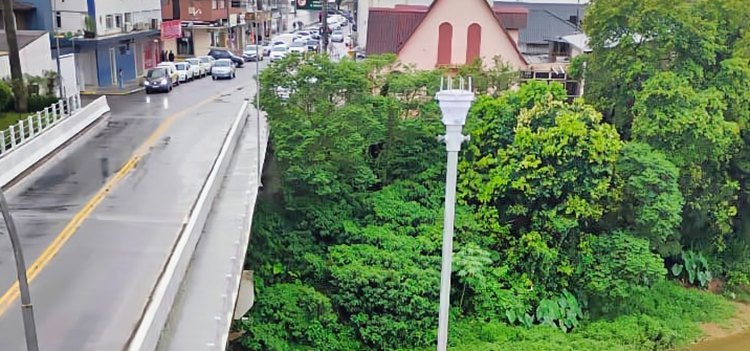
Les capteurs de pluie piézoélectriques utilisent une technologie de détection à semi-conducteurs sans pièces mécaniques mobiles, réduisant ainsi l'usure mécanique et les besoins de maintenance. Ils offrent une réponse plus rapide aux variations de précipitations et peuvent capturer des données pluviométriques à plus haute résolution grâce à l'analyse des signaux, ce qui les rend adaptés à des applications telles que la surveillance à distance, l'alerte aux inondations et l'observation des précipitations en temps réel.
Limitations
Ces pluviomètres présentent généralement un coût initial plus élevé en raison de leurs systèmes électroniques de détection et de traitement des signaux. Leur précision peut être affectée par des interférences environnementales telles que les vibrations du vent et le bruit de fond, en particulier dans des conditions de précipitations très faibles ou extrêmes. Un étalonnage approprié et une compensation des signaux sont nécessaires pour maintenir une précision de mesure fiable.

Pluviomètre à augets basculeurs vs pluviomètre piézoélectrique : différences clés
Bien que les pluviomètres à augets basculeurs et les pluviomètres piézoélectriques soient tous deux largement utilisés pour la surveillance des précipitations, ils diffèrent en termes de performance de mesure, de conception structurelle et d'exigences de maintenance. Les différences clés peuvent être évaluées selon trois aspects principaux : la précision et la résolution des données, la vitesse de réponse et la capacité d'analyse des précipitations, ainsi que la fiabilité à long terme.
Précision de mesure et résolution des données
Les pluviomètres à augets basculeurs fournissent une mesure fiable des précipitations cumulées et sont largement utilisés dans les observations météorologiques et hydrologiques standard. Avec des résolutions typiques de 0,1 à 0,5 mm par basculement, ils sont bien adaptés aux enregistrements de précipitations à long terme et à la surveillance de routine des précipitations.
Les capteurs de pluie piézoélectriques offrent une résolution temporelle plus élevée en analysant les signaux d'impact des gouttes de pluie plutôt qu'en s'appuyant sur une mesure à volume fixe. Ils sont plus adaptés aux applications nécessitant une analyse détaillée des variations de précipitations, des changements rapides d'intensité et une surveillance des précipitations de courte durée.
Vitesse de réponse et capacité d'analyse des précipitations
Les pluviomètres à augets basculeurs enregistrent les précipitations par événements de mesure discrets, ce qui signifie que chaque mise à jour des données se produit après que l'auget atteint un volume calibré et termine un cycle de basculement. Cette méthode de mesure fournit des données cumulatives fiables sur les précipitations, mais peut présenter des limitations lors de la capture de changements rapides de l'intensité des précipitations pendant des événements de courte durée ou de forte intensité.
Les pluviomètres détectent les impacts individuels des gouttes de pluie et convertissent les signaux en données numériques de précipitations avec une résolution temporelle plus élevée. Cela permet une détection plus rapide des variations de précipitations et fournit des informations supplémentaires pour analyser les changements d'intensité des précipitations, ce qui les rend adaptés à la surveillance des précipitations en temps réel et à l'observation météorologique dynamique.
Maintenance et fiabilité à long terme
Les pluviomètres à augets basculeurs reposent sur des composants mécaniques qui nécessitent un nettoyage, un étalonnage et une inspection périodiques. Leur structure simple et leurs performances éprouvées en font un choix fiable et rentable pour la surveillance des précipitations à long terme.
Les pluviomètres piézoélectriques n'ont pas de pièces mobiles, ce qui réduit l'usure mécanique et les besoins de maintenance de routine. Un étalonnage et un traitement du signal appropriés sont toujours nécessaires pour maintenir la fiabilité des mesures dans des conditions environnementales variables.

Comparaison complète : pluviomètre à augets basculeurs vs pluviomètre piézoélectrique
| Comparaison | Pluviomètre à seau basculant | Pluviomètre piézoélectrique |
| Principe de mesure | Mécanisme de basculement mécanique | Détection d'impact piézoélectrique |
| Pièces mobiles | Oui | Non |
| Temps de réponse | Modéré | Rapide |
| Exigence de maintenance | Moyen | Faible |
| Détection de l'intensité des précipitations | Bien | Excellent |
| Analyse des gouttes de pluie | En quantité limitée | Disponible |
| Résolution des données | 0,1 à 0,5 mm typique | Résolution temporelle plus élevée |
| Coût | Plus bas | Plus élevé |
| Fonctionnement à long terme | Fiabilité éprouvée | Performances stables à semi-conducteurs |
| Adaptabilité aux environnements difficiles | Bonne avec une maintenance appropriée | Bonne avec compensation du signal |
Quel pluviomètre offre une meilleure précision ?
La précision dépend de l'objectif de mesure, des conditions de précipitations et des exigences de surveillance. Les pluviomètres à augets basculeurs et les capteurs de pluie piézoélectriques offrent des avantages différents pour la mesure des précipitations.
Les pluviomètres à augets basculeurs fournissent une mesure cumulative stable des précipitations et sont largement utilisés dans les observations météorologiques et hydrologiques standard. Ils conviennent aux applications nécessitant des enregistrements de précipitations à long terme, une fiabilité éprouvée et un déploiement rentable.
Les pluviomètres piézoélectriques offrent une résolution temporelle plus élevée et une réponse plus rapide aux changements de précipitations. Ils sont mieux adaptés aux applications nécessitant une analyse détaillée des variations de précipitations, une surveillance météorologique rapide et l'observation de précipitations de courte durée ou de forte intensité.
Dans les applications pratiques, les pluviomètres à augets basculeurs sont souvent préférés pour les enregistrements fiables de précipitations à long terme, tandis que les capteurs de pluie piézoélectriques sont avantageux lorsque des changements rapides de précipitations et des données à plus haute résolution sont requis. Le choix dépend de l'objectif de surveillance et des exigences en matière de données.

Comment choisir entre un pluviomètre à augets basculeurs et un pluviomètre piézoélectrique ?
Le choix entre un pluviomètre à augets basculeurs et un pluviomètre piézoélectrique dépend des objectifs de surveillance, de la résolution de données requise, de l'environnement d'installation et des exigences de maintenance. Chaque technologie offre des avantages spécifiques pour différentes applications de surveillance des précipitations.
Choisissez un pluviomètre à augets basculeurs lorsque :
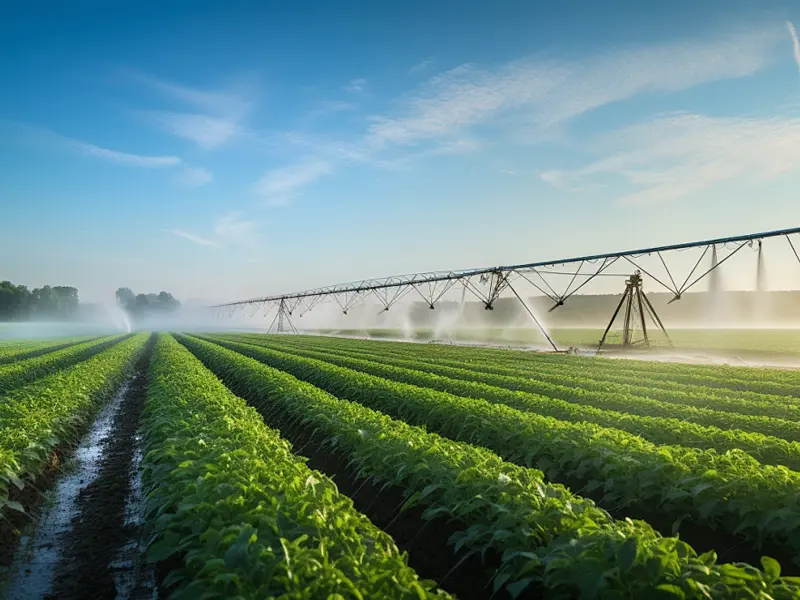
Un pluviomètre à augets basculeurs convient aux applications nécessitant une mesure cumulative fiable des précipitations, une technologie de mesure établie et une stabilité opérationnelle à long terme. Il est couramment utilisé dans les stations météorologiques automatiques, la surveillance météorologique agricole, les réseaux d'observation hydrologique et les systèmes de collecte de données sur les précipitations.
Basés sur une conception de mesure mécanique éprouvée, les pluviomètres à augets basculeurs fournissent des enregistrements de précipitations cohérents et sont bien adaptés aux déploiements de surveillance à grande échelle où la continuité des données à long terme, la maintenance simple et l'efficacité des coûts sont des considérations importantes.
Choisissez un pluviomètre piézoélectrique lorsque :
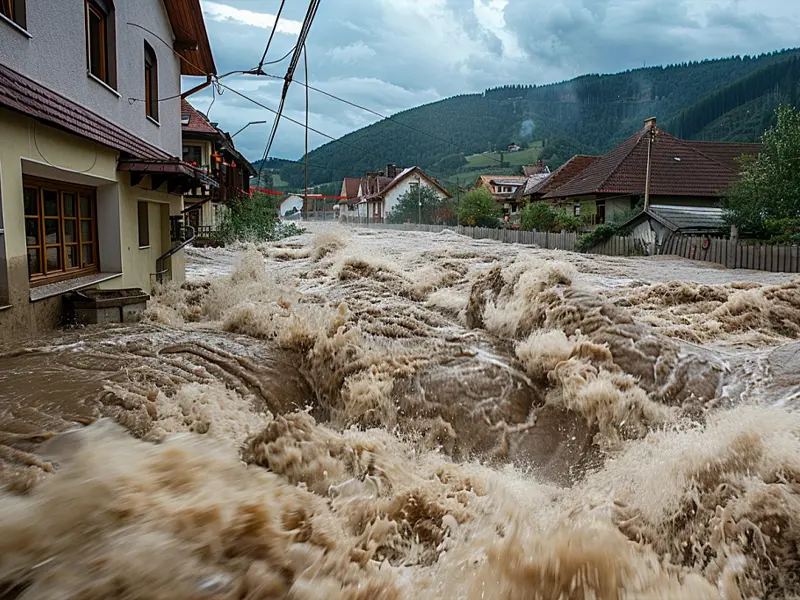
Un capteur de pluie piézoélectrique convient aux applications nécessitant une réponse rapide aux précipitations, une résolution temporelle élevée et une analyse détaillée des précipitations. Il est couramment utilisé dans les systèmes d'alerte aux inondations, les infrastructures de transport intelligentes, la surveillance météorologique en temps réel et la recherche scientifique sur les précipitations.
Avec une structure de détection à semi-conducteurs et sans pièces mobiles mécaniques, il réduit l'usure mécanique et simplifie la maintenance à long terme. Leur réponse rapide et leur capacité de traitement du signal les rendent adaptés aux stations de surveillance à distance et aux applications nécessitant une observation continue des changements d'intensité des précipitations et des événements de précipitations de courte durée. Si vous souhaitez en savoir plus sur “Comment mesurer les précipitations, ” veuillez cliquer ici.

Conclusion
Les pluviomètres à augets basculeurs et piézoélectriques offrent chacun des avantages pour différentes exigences de surveillance des précipitations. Les pluviomètres à augets basculeurs restent un choix fiable pour la mesure cumulative des précipitations à long terme, tandis qu'ils offrent une réponse plus rapide et une résolution temporelle plus élevée pour l'analyse des précipitations en temps réel. La meilleure solution dépend de facteurs tels que les objectifs de surveillance, la résolution de données requise, les conditions environnementales et les attentes en matière de maintenance.
Choisir le bon capteur de précipitations peut améliorer la fiabilité des données et l'efficacité de la surveillance dans les applications météorologiques, hydrologiques, agricoles et d'infrastructure intelligente. Yantai Sensor fournit des solutions professionnelles de surveillance des précipitations et un support technique pour aider les clients à sélectionner les technologies de pluviomètres adaptées en fonction de leurs exigences spécifiques de projet. Contactez nous pour discuter de vos besoins de surveillance des précipitations et trouver la solution adaptée à votre application. Si vous souhaitez en savoir plus sur “Quel est le meilleur pluviomètre,”, veuillez cliquer ici