태양 추적이 복사 측정에서 제공하는 이점

소개

The sun’s position changes continuously throughout the day, causing the angle of incoming 태양 복사 to vary over time. For fixed-position sensors, these changes can introduce measurement deviations and affect data reliability. Solar Tracking Benefits become important in high-precision solar radiation measurement by keeping sensors accurately aligned with the sun and improving the consistency of collected solar data.

By reducing angular errors and improving DNI measurement performance, solar tracking technology helps solar resource assessment, photovoltaic monitoring, and other renewable energy applications obtain more reliable radiation data. This article will explore how solar tracking improves measurement accuracy, enhances data quality, and supports more reliable solar monitoring systems.If you want to know “자동 태양 추적 측정 시스템이란 무엇인가?”에 대해 더 알아보려면 클릭하세요.
Why Solar Tracking Improves Radiation Measurement Accuracy?

The position of the sun is constantly changing throughout the day. From sunrise to solar noon and sunset, the sun’s elevation and azimuth angle continue to shift, while seasonal variations further change its movement path. For fixed-position radiation sensors, these changes can create different incident angles between sunlight and the sensor surface, affecting measurement consistency and increasing potential errors.

Solar radiation measurement accuracy depends not only on sensor performance but also on maintaining precise alignment with the sun. This is especially important for Direct Normal Irradiance (DNI) measurement, where the sensor must continuously face the direct solar beam to capture accurate radiation data. Without proper alignment, even high-quality sensors may experience measurement deviations caused by angular errors.If you’d like to learn more, click on “일사계(Pyranometer)란 무엇이며 어떻게 작동하나요?

Reducing Measurement Errors in Direct Solar Radiation Monitoring

Among different solar radiation parameters, DNI has the highest requirement for tracking accuracy because it measures only direct solar radiation coming from the direction of the sun. When the sensor deviates from the solar position, the effective radiation received by the detector decreases, resulting in cosine errors and reduced data accuracy.

An automatic tracking approach keeps the measurement device aligned with the sun throughout the day, helping minimize these angular deviations. By maintaining a stable measurement angle, tracking technology improves DNI measurement accuracy and provides more reliable radiation data for applications where precise solar information is essential.

Improving Long-Term Solar Data Reliability

Solar monitoring projects often require continuous data collection over months or even years. Small measurement errors that occur repeatedly can accumulate and affect the reliability of long-term radiation datasets. Fixed installations may require manual adjustment or cannot maintain optimal alignment as solar conditions change.

By automatically adapting to daily and seasonal solar movement, tracking-based measurement systems provide more consistent monitoring conditions. This improves Solar Radiation Monitoring quality and helps engineers obtain dependable data for solar resource evaluation, system performance analysis, and renewable energy planning.

Supporting More Accurate Renewable Energy Decisions

Reliable solar radiation data plays an important role throughout the lifecycle of renewable energy projects. During solar resource assessment, accurate DNI and radiation measurements help evaluate site potential and predict energy yield. During PV plant operation, high-quality radiation data supports performance analysis and helps identify differences between expected and actual system output.

Therefore, solar tracking is not simply an additional positioning function; it is an important factor in improving measurement reliability and data confidence. By ensuring sensors remain accurately aligned with the sun, tracking technology helps create higher-quality solar datasets for research, photovoltaic applications, and professional solar monitoring systems.

Solar Tracking Benefits in Radiation Measurement

Solar tracking plays an important role in improving the quality of solar radiation measurements. In professional monitoring applications, accurate radiation data depends not only on the performance of the sensor but also on maintaining the correct measurement orientation toward the sun. By keeping radiation sensors precisely aligned with solar movement, tracking systems reduce measurement uncertainty, improve data consistency, and support more reliable solar analysis.

For solar resource assessment, photovoltaic monitoring, and scientific research, the main value of tracking is not simply following the sun’s position. It is about improving measurement confidence by reducing alignment errors, maintaining stable observation conditions, and providing high-quality solar radiation datasets for engineering decisions.If you would like to learn more, click on “복사 측정에서 태양 추적의 이점.

Improve Solar Measurement Accuracy Through Continuous Sun Alignment

Solar radiation sensors measure incoming solar energy based on the angle and intensity of sunlight reaching the sensing surface. Since the sun’s position changes continuously throughout the day, a fixed installation cannot maintain the same optimal measurement angle from sunrise to sunset.

A solar tracking measurement system continuously adjusts the sensor position to follow the sun’s path, helping reduce angular deviation and maintain accurate alignment. This improves Solar Measurement Accuracy by minimizing errors caused by changing solar angles and ensures that measured radiation values better represent actual solar conditions.

For professional applications, improved alignment quality helps reduce measurement uncertainty and provides more reliable data for solar resource evaluation and system performance analysis.

Reduce Cosine Error and Improve DNI Measurement Accuracy

Direct Normal Irradiance (DNI) measurement is one of the most sensitive applications for solar tracking because the sensor must receive direct solar radiation along the exact direction of the sun. Even small deviations between the sensor axis and incoming sunlight can introduce cosine response errors and affect measurement results.

By maintaining the sensor perpendicular to the solar beam, tracking systems help reduce angular measurement errors and improve DNI Measurement Accuracy. This is particularly important for applications such as concentrated solar power (CSP), solar resource assessment, and high-precision photovoltaic analysis where reliable direct radiation data is essential.

Accurate DNI measurement requires the combination of precise tracking, proper sensor calibration, and stable operating conditions to achieve high-quality solar data.

Improve Long-Term Solar Radiation Data Reliability

Solar radiation monitoring projects depend on continuous and consistent data collection over long operating periods. Small positioning errors may have limited impact on individual measurements, but repeated deviations can reduce the reliability of long-term radiation datasets.

A tracking-based measurement approach maintains consistent observation conditions by automatically adapting to daily and seasonal solar movement. This improves Solar Radiation Monitoring reliability and supports higher-quality datasets for:

  • 태양광 자원 평가
  • PV power plant performance evaluation
  • Meteorological observation
  • Renewable energy research

Reliable long-term data helps engineers better understand solar conditions and make more accurate technical decisions.

Reduce Manual Operation and Improve Monitoring Efficiency

Traditional radiation measurement methods may require manual adjustments to maintain proper sensor orientation, especially in locations with changing solar conditions or limited site access. Manual operation can increase maintenance workload and introduce inconsistencies between measurements.

Automatic positioning reduces the need for frequent adjustments and enables more stable operation in remote monitoring environments. When combined with remote data acquisition and monitoring systems, solar tracking solutions improve operational efficiency while maintaining measurement quality.

Support More Reliable Solar Resource Assessment and Project Decisions

Accurate solar radiation data is the foundation of renewable energy planning. During solar resource assessment, high-quality DNI, GHI, and DHI measurements help engineers evaluate site conditions, estimate energy potential, and reduce uncertainty during project development.

For PV plants and CSP projects, reliable radiation datasets support performance evaluation, energy yield prediction, and long-term operational optimization. By improving measurement accuracy and data reliability, solar tracking becomes an essential part of professional solar radiation measurement systems.

How Automatic Solar Tracking Improves Radiation Measurement Performance?

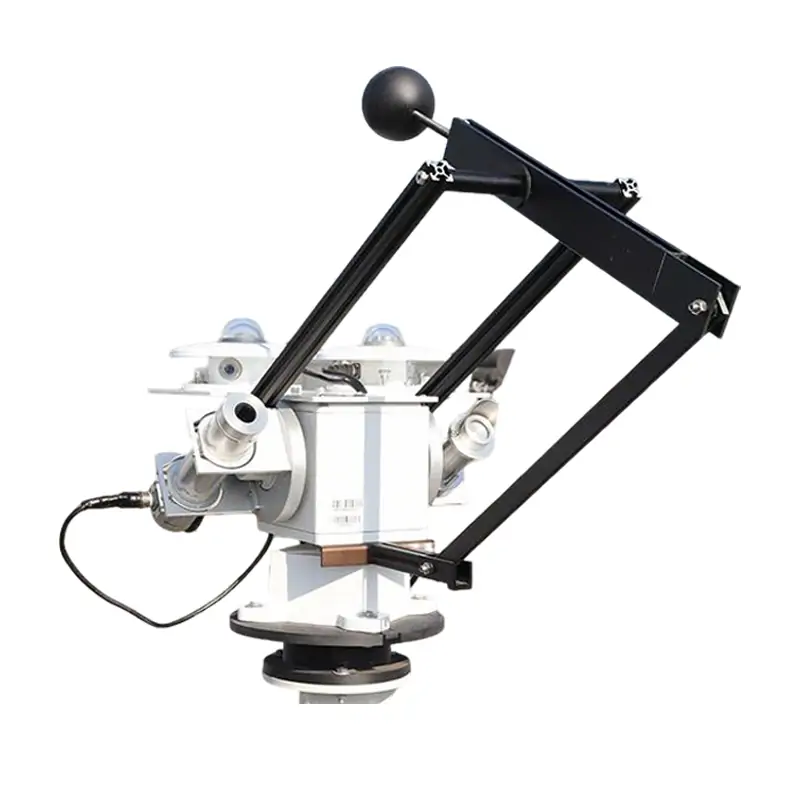
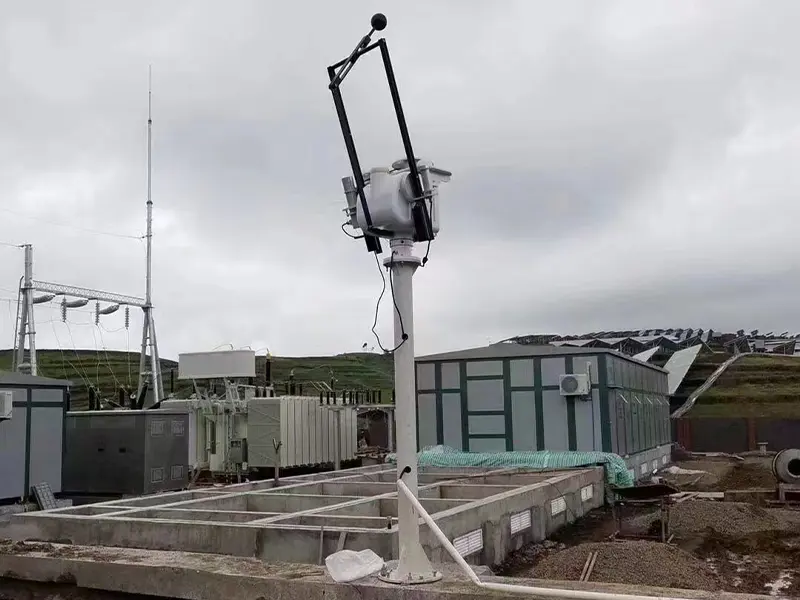
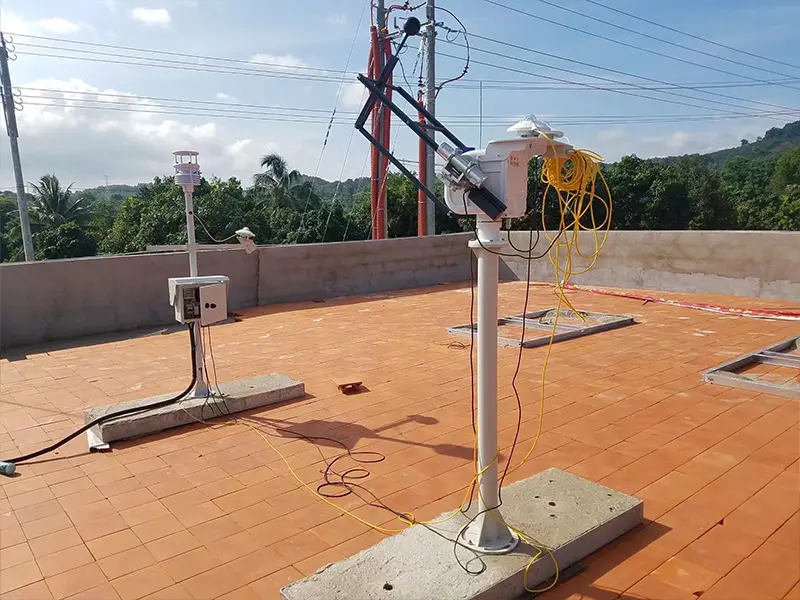
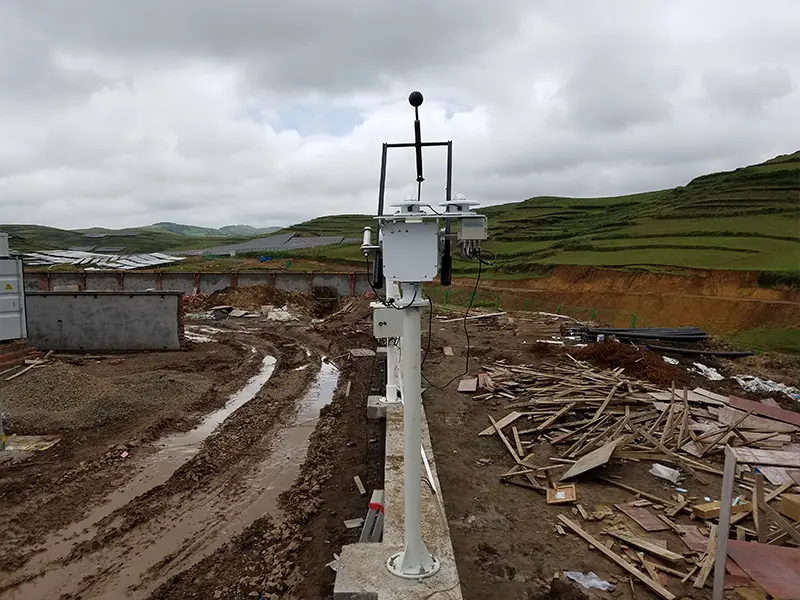
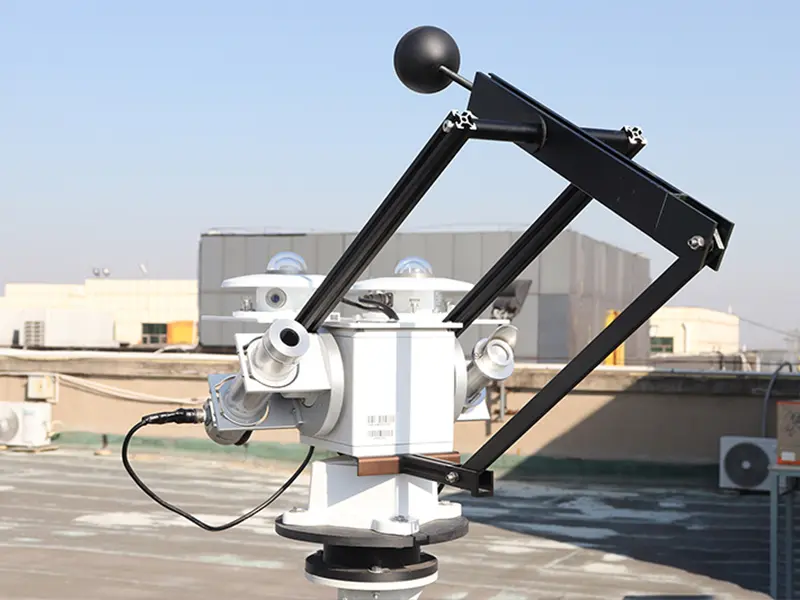
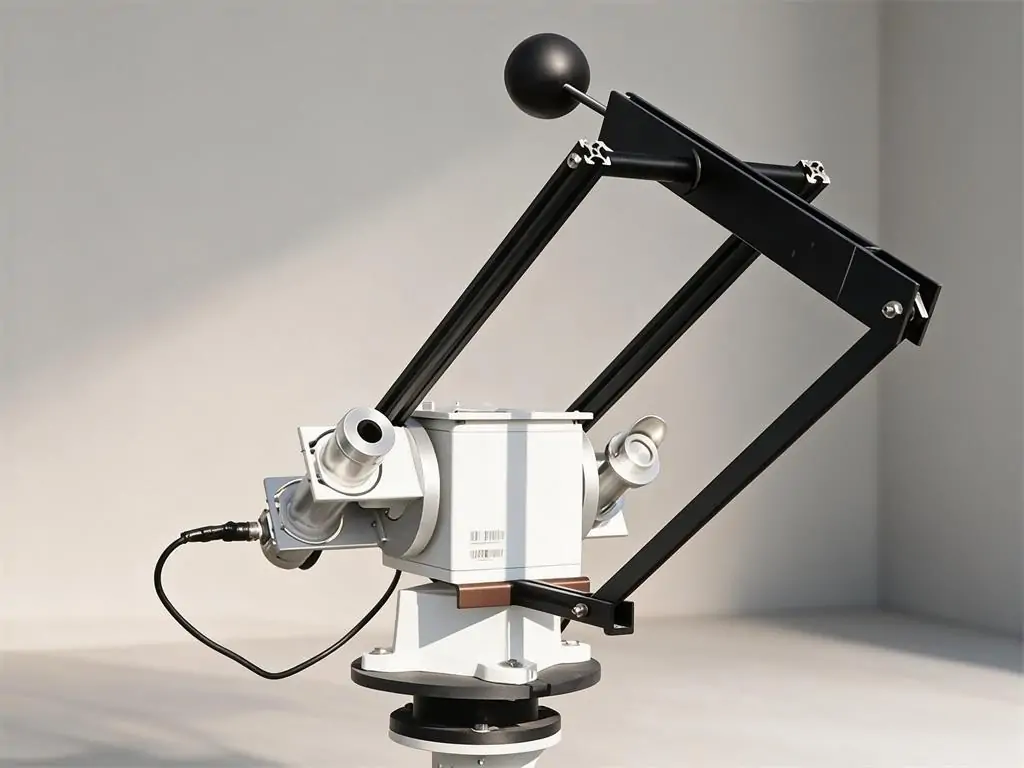
Automatic solar tracking improves radiation measurement performance by maintaining accurate alignment between radiation sensors and the sun throughout the measurement period. Since the sun’s position continuously changes with time, fixed-position sensors cannot always maintain the optimal angle for receiving solar radiation. By calculating the sun’s position and automatically adjusting the sensor orientation, tracking systems help reduce alignment errors and provide more stable measurement conditions for continuous solar monitoring.

The tracking process directly affects the accuracy of solar radiation data, especially for Direct Normal Irradiance (DNI) measurement. DNI sensors must remain precisely aligned with the incoming solar beam to capture direct radiation correctly. When the sensor deviates from the solar direction, cosine errors increase and the measured radiation value may become lower than the actual level. By maintaining continuous solar alignment and minimizing angular deviation, automatic tracking helps improve DNI Measurement Accuracy and ensures more reliable radiation data. For a detailed explanation of DNI measurement methods and accuracy requirements, refer to our guide on How to Measure Direct Normal Irradiance (DNI) Accurately.

Beyond improving individual measurement accuracy, automatic tracking also enhances long-term data reliability. Continuous positioning reduces the need for manual adjustments and helps maintain consistent observation conditions throughout daily and seasonal solar changes. This is especially valuable for solar resource assessment, photovoltaic performance evaluation, and meteorological radiation monitoring, where high-quality and continuous solar radiation datasets are essential for accurate analysis and project decisions.

Applications Requiring Solar Tracking Radiation Measurement

Solar tracking radiation measurement is mainly used in applications where accurate and continuous solar data is essential. In solar resource assessment, tracking systems combined with radiation sensors provide reliable GHI, DNI, and DHI measurements to support site evaluation, feasibility analysis, and energy yield prediction for renewable energy projects.

For photovoltaic power plant monitoring and concentrated solar power (CSP) applications, high-quality radiation data helps engineers evaluate system performance, optimize operation, and reduce uncertainty in project decisions. Solar tracking also supports meteorological stations and scientific research by providing stable long-term radiation measurements for environmental analysis and climate studies.To learn more, click here: 태양 측정 오류: 태양 일사량 데이터 품질에 영향을 미치는 일반적인 오류.

Factors Affecting Solar Tracking Measurement Accuracy

The accuracy of solar tracking measurement depends on more than the tracking mechanism itself. Reliable solar radiation data requires the combined performance of the tracking system, radiation sensors, calibration process, and installation conditions. Any factor that affects sensor alignment or measurement stability can introduce uncertainty into solar radiation monitoring results.

Tracking accuracy is one of the most important factors, especially for Direct Normal Irradiance (DNI) measurement. Small deviations between the sensor axis and the actual solar position can increase angular errors and affect the measured radiation value. A high-quality tracking system should maintain precise sun alignment through accurate positioning, stable control, and continuous correction.

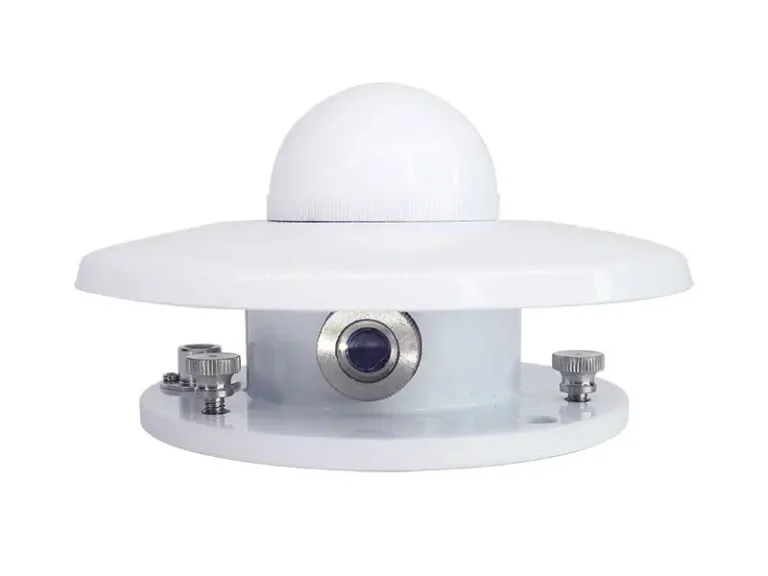
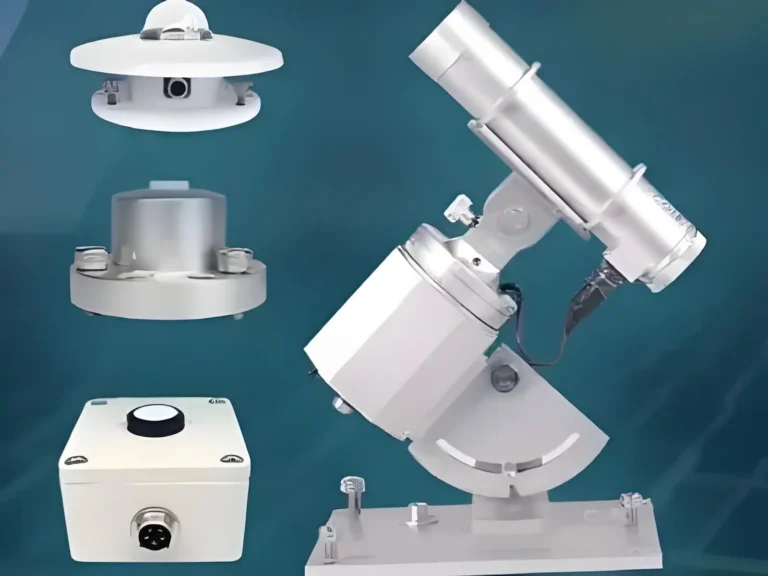
Sensor quality and calibration also directly influence measurement reliability. Different applications may require professional instruments such as pyrheliometers for direct radiation measurement and pyranometers for global or diffuse radiation monitoring. Even high-performance sensors require regular calibration to maintain measurement accuracy and ensure long-term data consistency.

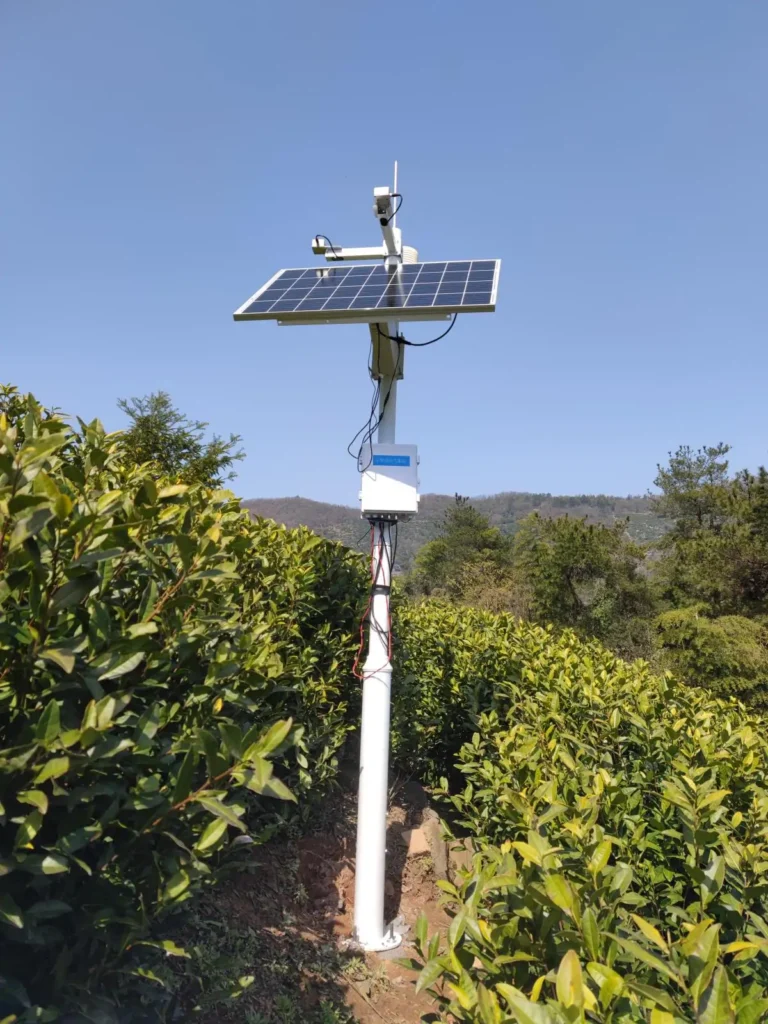
Installation conditions and environmental factors can further affect solar tracking performance. Incorrect installation angles, shading, dust accumulation, extreme weather, and temperature changes may reduce measurement stability. Proper site selection, regular maintenance, and suitable protection measures help maintain reliable radiation data over long-term operation.

Why Accurate Solar Tracking Matters for Solar Data Quality?

Accurate solar tracking plays an important role in ensuring the reliability of solar radiation data. In professional measurement applications, data quality depends on the entire measurement process, including sensor performance, system alignment, and long-term operating stability. A reliable tracking system helps maintain consistent measurement conditions, allowing collected radiation data to better represent actual solar conditions.

High-quality solar radiation data is essential for making informed decisions in renewable energy development, system performance analysis, and scientific research. By improving measurement consistency and reducing uncertainty caused by positioning errors, accurate solar tracking helps create more dependable datasets for engineering evaluation and long-term solar resource studies.

결론

Reliable solar tracking is a key component of high-quality solar radiation measurement. By maintaining precise sensor alignment and stable observation conditions, solar tracking helps improve solar measurement accuracy, enhance DNI measurement performance, ensure reliable long-term radiation data, and reduce manual intervention in professional monitoring applications.

Yantai Sensor provides automatic solar tracking measurement solutions designed for accurate solar radiation monitoring, solar resource assessment, and renewable energy applications. 지금 바로 문의하세요 to discuss your solar measurement requirements and find a reliable solution for improving data quality and monitoring performance.

자주 묻는 질문

태양 추적은 정확한 복사 측정을 위해 센서가 태양에 대해 올바른 위치를 유지해야 하므로 중요합니다. 추적 시스템은 태양의 움직임을 지속적으로 따라가며 정렬 오류를 줄이고 안정적인 측정 조건을 유지하는 데 도움을 줍니다. 이는 DNI 모니터링, 태양 자원 평가, 그리고 신뢰할 수 있는 장기 복사 데이터가 필요한 과학적 측정과 같은 응용 분야에서 특히 중요합니다.

DNI 측정은 센서가 태양 광선의 정확한 방향에서 직접 일사량을 수신해야 합니다. 태양 추적은 센서와 태양 사이의 정밀한 정렬을 유지하여 각도 편차와 코사인 오차를 줄입니다. 이는 직접 일사량 측정의 일관성을 향상시키며 태양 에너지 평가 및 성능 분석에 더 신뢰할 수 있는 DNI 데이터를 제공합니다.

고정 센서는 많은 응용 분야에서 GHI와 같은 특정 복사 파라미터를 효과적으로 측정할 수 있습니다. 그러나 태양의 변화하는 위치를 연속적으로 추적할 수 없으며, 고정밀 DNI 측정에는 적합하지 않습니다. 프로젝트에서 정밀한 직접 복사 데이터, 장기 모니터링 또는 전문적인 태양 자원 평가가 요구되는 경우 태양 추적 시스템이 권장됩니다.

태양 추적 측정 정확도는 추적 정밀도, 센서 품질, 교정 상태, 설치 정확도 및 환경 조건을 포함한 여러 요인에 따라 달라집니다. 먼지, 차광, 극한 기상 및 부적절한 설치로 인해 측정 안정성이 영향을 받을 수 있습니다. 정기적인 교정과 적절한 시스템 유지보수는 장기 운영 중 일관된 복사 데이터 품질을 보장하는 데 도움이 됩니다.

태양 추적 복사 측정은 고품질 태양 데이터가 요구되는 응용 분야에서 일반적으로 사용됩니다. 대표적인 응용 분야로는 태양 자원 평가, 태양광 발전소 모니터링, 집광형 태양광 발전 프로젝트, 기상 관측소, 과학 연구 등이 있습니다. 이러한 응용 분야는 시스템 평가, 에너지 분석, 기술 의사 결정을 지원하기 위해 정확한 복사 측정에 의존합니다.

자동 태양 추적은 프로그래밍된 제어와 자동 보정을 통해 태양의 위치를 지속적으로 추적함으로써 빈번한 수동 조정의 필요성을 줄입니다. 이는 운영 효율성을 향상시키고, 특히 원격 모니터링 지점에서 인간의 개입을 줄입니다. 자동화된 운영은 또한 일관된 측정 조건을 유지하는 데 도움이 되며, 장기적인 태양 복사 모니터링의 신뢰성을 향상시킵니다.

태양 추적 측정 시스템은 프로젝트 요구 사항에 따라 다양한 복사 센서를 통합할 수 있습니다. 직달 일사계는 정확한 DNI 측정에 일반적으로 사용되며, 전천 일사계는 GHI 및 DHI 모니터링에 사용됩니다. 적합한 센서와 정밀한 추적 기술을 결합하면 에너지, 연구 및 기상 응용 분야를 위한 완전한 태양 복사 측정 솔루션을 구축하는 데 도움이 됩니다.

태양 추적은 장기간 측정 기간 동안 안정적이고 정확한 복사 데이터 세트를 제공하여 태양 자원 평가를 지원합니다. 신뢰할 수 있는 DNI, GHI 및 DHI 데이터는 엔지니어가 태양 잠재력을 평가하고, 타당성 연구를 수행하며, 에너지 수율 예측을 개선하는 데 도움을 줍니다. 고품질 측정 결과는 불확실성을 줄이고 재생 에너지 프로젝트 개발 중 더 나은 의사 결정을 지원합니다.

관련 기사