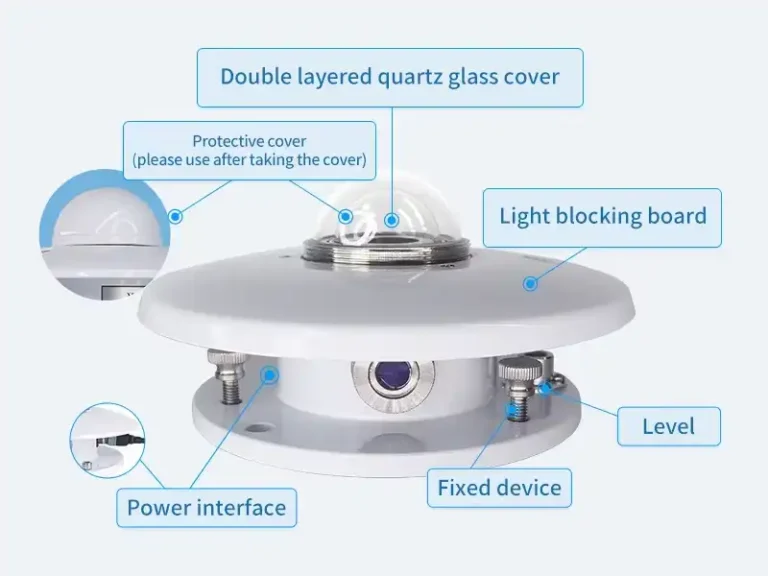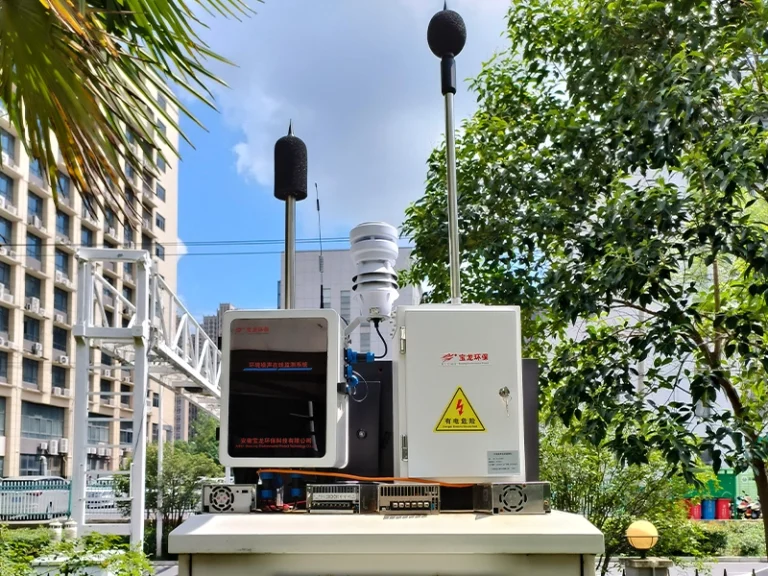
소개
올바른 선택 피라노미터 단순히 사양을 비교하는 것 이상으로, 시장에서 구매 가능한 일사계 옵션의 비용을 이해하는 것도 포함됩니다. 태양광 발전소, 기상 관측소, 농업 모니터링 시스템 또는 과학 연구 프로젝트를 위해 센서를 구매하는 경우, 일사계 가격은 감지 기술, 정확도 등급, 교정 표준 및 환경 성능에 따라 크게 달라질 수 있습니다. 일반적으로 보급형 실리콘 일사계가 가장 경제적인 반면, 전문적인 태양 복사 모니터링을 위해 설계된 고정밀 서모파일 모델은 몇 배 더 비쌀 수 있습니다.
이 가이드에서는 다양한 범주에 걸친 일사계 제품의 일반적인 비용을 분석하고, 일사계 비용에 영향을 미치는 주요 요인을 설명하며, 센서 유형과 성능 수준을 비교하고, 다양한 애플리케이션과 예산에 맞는 실용적인 구매 조언을 제공합니다. 이 글을 마치면, 귀하의 모니터링 프로젝트에 가장 적합한 가치를 제공하는 일사계가 무엇인지, 그리고 비용 효율적인 구매 결정을 내리는 방법을 명확히 이해하게 될 것입니다.
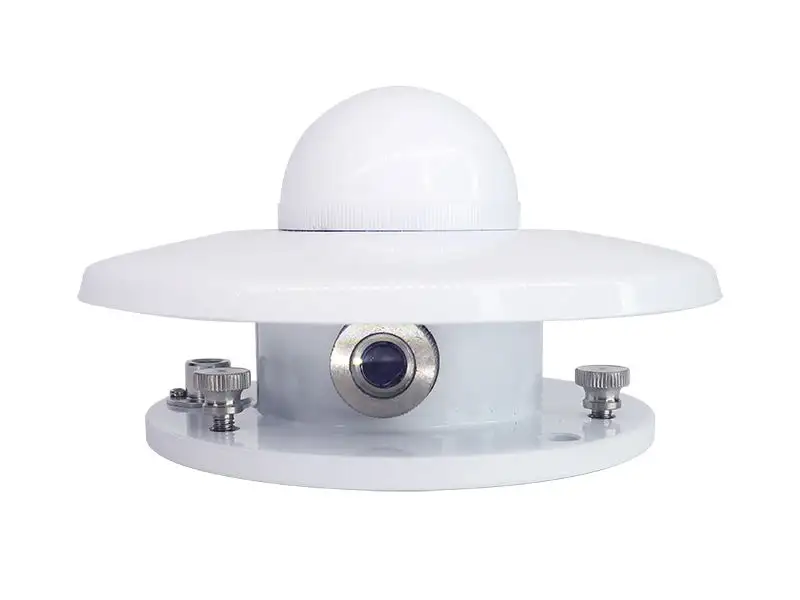
일사계 가격은 얼마인가요?
일사계의 비용은 센서 기술, 측정 정확도, 일사계 교정 표준, 및 의도된 용도에 따라 달라집니다. 기본 실리콘 모델은 저렴한 비용으로 일반 모니터링에 적합하며, 가장 저렴한 일사계인 반면, 기상 및 태양 에너지 응용 분야에 사용되는 고정밀 서모파일 일사계는 우수한 성능과 장기적인 안정성으로 인해 더 높은 태양 복사 모니터링 일사계 가격을 형성합니다.
| 일사계 유형 | 일반적인 가격대 (USD) | 대표적인 적용 분야 |
|---|---|---|
| 실리콘 일사계 | $50–$300 | 기상 관측소, 농업, 기본 태양 복사 모니터링 |
| 보급형 서모파일 일사계 | $300–$800 | 태양광 시스템, 환경 모니터링 |
| 2차급 서모파일 일사계 | $800–$1,500 | 전문 태양 자원 평가, 산업 모니터링 |
| 분광 평탄 Class A 일사계 | $1,500–$3,000+ | 과학 연구, 기상 관측 네트워크, 대규모 태양광 발전소 |
| 자동 추적 태양 복사 측정 시스템 | $5,000–$20,000+ | 태양 에너지 연구, 교정 실험실, 고정밀 태양 자원 평가 |
참고: 가격은 참고용이며, 제조사, ISO 9060 분류, 교정 인증서, 통신 인터페이스, 가열, 환기 또는 통합 데이터 로깅과 같은 옵션 기능에 따라 달라질 수 있습니다.
센서 유형별 일사계 가격
일사계 가격은 주로 센서 기술에 따라 달라집니다. 실리콘, 서모파일 및 분광 평탄 일사계는 정확도, 안정성 및 성능이 달라 다양한 애플리케이션에 대해 다양한 일사계 비용 옵션을 제공합니다. 아래는 다양한 유형의 일사계 가격입니다.:
실리콘 일사계
일반적인 가격: $50–$300
실리콘 일사계는 포토다이오드 센서를 사용하여 태양 복사량을 측정하며, 빠른 응답과 낮은 전력 소비로 비용 효율적인 솔루션을 제공합니다.
장점: 경제적이고 소형이며 설치가 쉬워 일상적인 태양 복사 모니터링에 이상적입니다.
애플리케이션: 일반적으로 농업 기상 관측소, 온실 모니터링, 소형 태양광 시스템, 환경 모니터링 및 교육 프로젝트에 사용됩니다.
서모파일 일사계
일반적인 가격: $300–$1,500+
서모파일 일사계는 전체 태양 스펙트럼을 측정하며 실리콘 모델보다 높은 정확도와 장기적인 안정성을 제공합니다.
장점: 다양한 환경 조건에서 연속적인 실외 모니터링에 적합한 신뢰할 수 있는 고정밀 측정을 제공합니다.
애플리케이션: 널리 사용되는 분야: 태양광 발전소, 기상 관측소, 태양 자원 평가, 환경 모니터링 및 과학 연구.
분광 평탄 일사계
일반적인 가격: $1,500–$3,000+
분광 평탄 Class A 일사계는 ISO 9060에 따라 최고 수준의 성능을 나타냅니다. 탁월한 정확도와 측정 안정성이 요구되는 애플리케이션을 위해 설계되었으며, 이는 표준 모델과 비교하여 더 높은 일사계 비용 비용을 설명합니다.
왜 더 비싼가요?
- 최고 ISO 9060 정확도 분류
- 우수한 분광 및 방향 응답
- 낮은 온도 의존성
- 탁월한 장기 안정성 및 낮은 드리프트
- 정밀 측정을 위한 개별 교정
- 과학 연구 및 금융 가능한 태양 자원 평가에 이상적
이러한 프리미엄 계측기는 측정 품질이 데이터 신뢰성과 투자 결정에 직접적인 영향을 미치는 교정 실험실, 국가 기상 관측 네트워크, 연구 기관 및 대규모 태양광 프로젝트에서 일반적으로 사용됩니다.
일사계 비용에 영향을 미치는 요소는 무엇인가요?
일사계의 가격은 수백 위안에서 수만 위안에 이르기까지 다양한 요소의 영향을 받습니다. 핵심적인 차이는 주로 센서 유형, 정확도 수준, 브랜드 및 품질 관리에 반영됩니다.
센서 기술 및 정확도 수준
- 열전대(써모파일) 유형: 전 스펙트럼(300-3000nm)을 측정하며, 높은 정확도와 안정적인 성능을 제공합니다. 고급 및 전문 분야 애플리케이션을 위한 최우선 선택입니다. ISO 9060 표준을 충족하는 등급(예: 서브벤치마크 레벨, 레벨 1, 레벨 2)이 높을수록 가격이 더 비쌉니다.
- 실리콘 포토다이오드 유형: 응답 속도가 빠르고 비용이 저렴하지만, 특정 스펙트럼 범위(400-1100nm)만 측정하며 주로 태양광 기준 셀 및 저비용 모니터링에 사용됩니다. 2025년 기준, 실리콘 기반 일사계의 글로벌 평균 판매 가격은 개당 약 US$220이며, 민수용 등급은 US$100-200 범위에 집중되어 있습니다.
브랜드, 품질 관리 및 제조 공정
- 브랜드 프리미엄: 잘 알려진 브랜드(예: 독일의 THIES CLIMA, 네덜란드의 Kipp & Zonen, 미국의 Apogee)는 일반적으로 더 비싸지만, 더 나은 품질 관리와 안정성을 제공합니다.
- 품질 관리 및 일관성: 고급 제품은 균질성(Homogeneity), 산란광 제어(Scattering) 및 스펙트럼 처리량(spectral throughput)에서 더 우수한 성능을 보입니다. 이러한 성능 차이는 장시간 노출 또는 고정밀 측정에서 매우 명확해집니다. 저가 제품은 이미지에서 색상 왜곡 및 불균일성과 같은 문제가 발생할 수 있습니다.
출력 신호 및 기능
- 출력 인터페이스: 아날로그 전압(mV)만 제공하는 센서가 가장 저렴한 반면, RS485/Modbus 디지털 출력이 있는 모델은 통합이 더 용이하여 더 비쌉니다.
- 추가 기능: 내장 온도 보상, 히터(결로/서리 방지용), 무선 통신(LoRa/4G)과 같은 기능은 비용을 크게 증가시킵니다.
설계 및 적용 시나리오
- 측정 범위 및 정확도: 높은 정확도(예: ±3% 이내)와 넓은 측정 범위(0–2000 W/m²)를 가진 센서는 더 비쌉니다.
- 보호 등급: 높은 보호 등급(예: IP67)과 실외 내구성을 갖춘 제품이 더 비쌉니다.
일사량계를 선택할 때는 가격만으로 결정해서는 안 되며, 특정 적용 시나리오를 고려해야 합니다. 요구 사항이 적당한 태양광 시스템의 효율을 모니터링하는 경우, 엔트리 레벨의 열전대 또는 실리콘 기반 센서로 충분합니다. 그러나 과학 연구 또는 극도로 높은 데이터 정확도가 필요한 애플리케이션의 경우, 프리미엄 브랜드의 고정밀 모델에 투자해야 합니다.
적절한 일사계 선택에 도움이 필요하십니까? Yantai Sensor에 문의하여 모델을 비교하고, 귀하의 애플리케이션에 대해 논의하며, 공장 직거래 견적을 받아보십시오. 당사 엔지니어가 귀하의 태양광 모니터링 프로젝트에 가장 비용 효율적인 솔루션을 추천해 드릴 것입니다..
애플리케이션별 일사계 비용
태양광 발전소
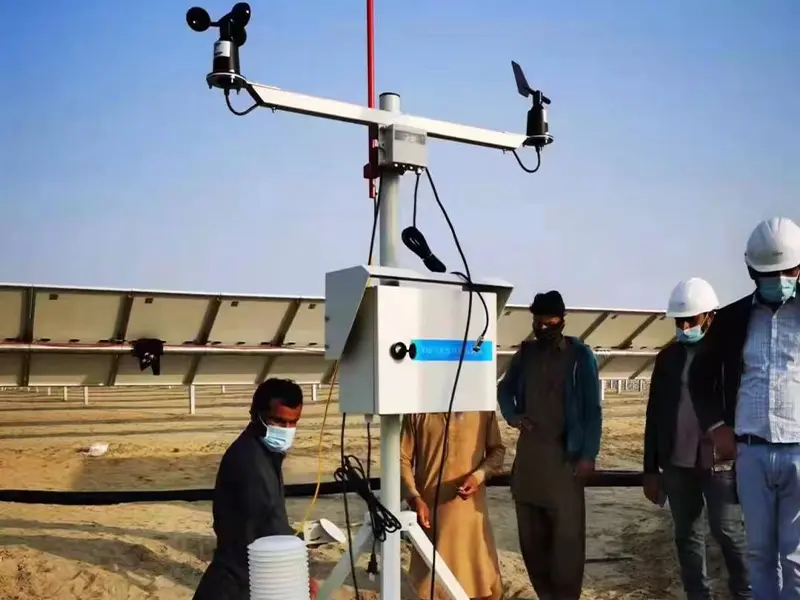
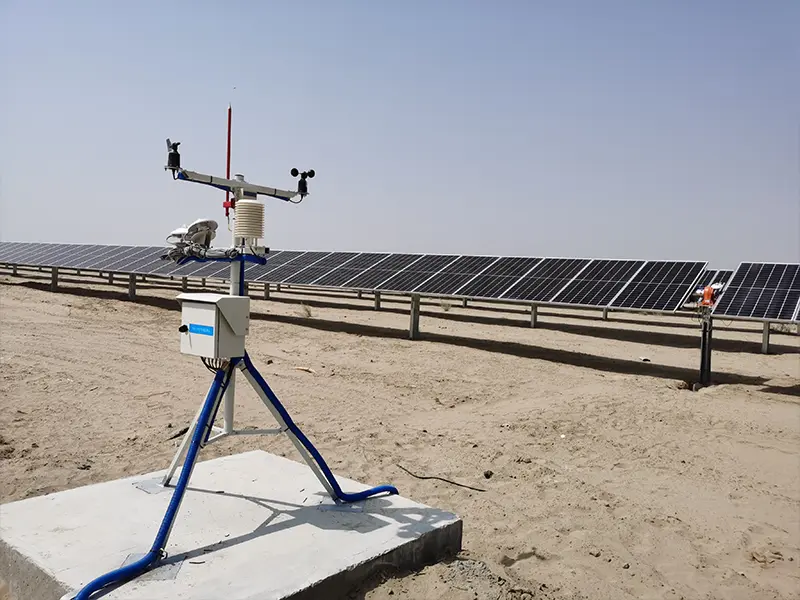
태양광 발전소는 일사량 데이터의 정확도에 대한 요구 사항이 높으며, 일반적으로 발전 성능 모니터링 및 자원 평가를 위해 열전대 또는 Spectrally Flat Class A 일사계를 사용합니다. 상업용 및 대규모 지상 발전소의 경우, 측정 정확도와 안정성을 모두 고려할 수 있는 US$300–3,000+ 제품을 선택하는 것이 좋습니다.
기상 관측소
기상 관측소는 장기적이고 지속적인 총 일사량, 모니터링이 필요하므로, 장비는 다양한 환경 조건에 대한 적응력이 뛰어나고 탁월한 안정성을 제공해야 합니다. 일반 기상 모니터링의 경우 $100~$1,500 사이의 제품이 적합하며, 고급 열전대 복사계는 전문 기상 관측 및 과학 연구 프로젝트에 더 적합합니다.
농업
농업 기상 모니터링은 주로 작물 생장 분석, 관개 관리 및 온실 환경 제어에 사용되며, 정확도 요구 사항은 비교적 적당합니다. 대부분의 프로젝트는 경제적인 실리콘 광전 일사 센서로 충분하며, 권장 예산은 $50~$300입니다.
과학 연구
연구 기관은 일반적으로 실험 데이터의 일관성과 추적성을 보장하기 위해 ISO 9060 표준을 준수하는 고정밀 복사 측정 장비를 필요로 합니다. 장기적이고 고정밀 관측 요구를 충족시키기 위해 $1,500~$3,000+ 사이의 Spectrally Flat Class A 일사계를 선택하는 것이 좋습니다.
건물 에너지 모니터링
건물 에너지 모니터링은 주로 건물 외벽, 지붕 및 태양광 시스템의 일사량 조건을 평가하여 건물 에너지 소비 분석 및 에너지 효율 설계를 위한 데이터를 제공합니다. 대부분의 상업용 건물 프로젝트의 경우, 비용과 성능 간의 적절한 균형을 위해 $100~$800 사이의 제품을 권장합니다.
저가형 vs 프리미엄 일사계
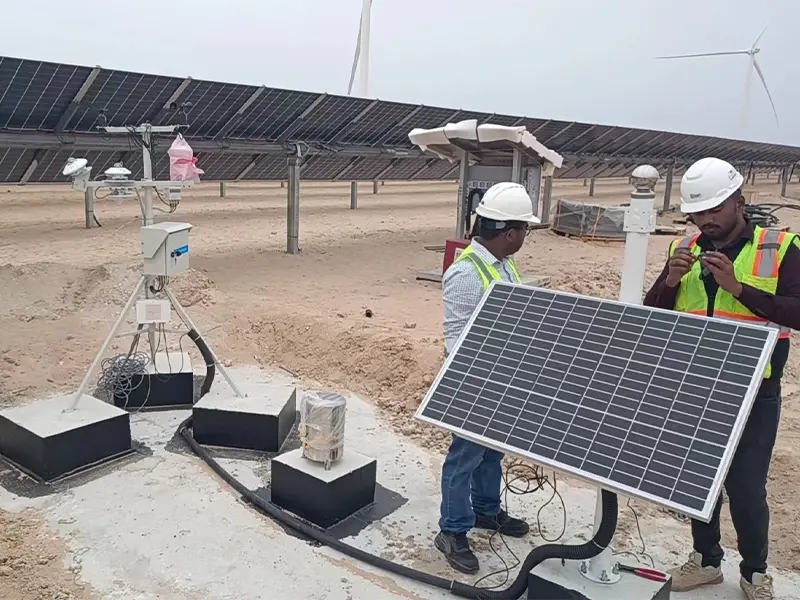
저가형 일사계와 프리미엄 일사계의 가장 큰 차이점은 구매 가격뿐만 아니라 측정 정확도, 장기 안정성 및 국제 표준 준수 여부입니다. 적절한 모델 선택은 애플리케이션, 데이터 품질 요구 사항 및 프로젝트 예산에 따라 달라집니다.
| 기능 | 저가형 일사계 | 프리미엄 일사계 |
|---|---|---|
| 일반 가격 | $50–$300 | $1,500–$3,000+ |
| 센서 기술 | 실리콘 포토다이오드 | 열전대 (Spectrally Flat Class A) |
| 측정 정확도 | 보통 | 매우 높음 |
| 분광 응답 | 한정판 | 전체 태양 스펙트럼 |
| 장기적인 안정성 | 일반 용도에 적합 | 우수하며 드리프트 최소화 |
| ISO 9060 분류 | 일반적으로 분류되지 않음 또는 엔트리 레벨 | Class A / 스펙트럼 평탄 Class A |
| 교정 | 공장 교정 | 개별 추적 가능 교정 |
| 환경 성능 | 일상적인 모니터링에 적합 | 혹독한 실외 조건용으로 설계됨 |
| 대표적인 적용 분야 | 농업, 기상 관측소, 소형 태양광 시스템 | 대규모 태양광 발전소, 기상 네트워크, 과학 연구 |
| 최적 용도 | 비용에 민감한 프로젝트 | High-accuracy and long-term monitoring projects |
Is an Expensive Pyranometer Worth the Cost?
Whether a premium pyranometer is worth the investment depends on how the measurement data will be used. Choosing the right sensor for your application often delivers a better return than simply selecting the lowest-priced option.
| 애플리케이션 | Recommended Pyranometer | Why It’s Worth the Cost |
|---|---|---|
| Solar Farms (10 MW+) | Class A Thermopile Pyranometer | Higher measurement accuracy improves performance ratio (PR) analysis, fault detection, and long-term energy yield evaluation. |
| 기상 관측소 | 서모파일 일사계 | Provides stable, continuous solar radiation data for long-term environmental monitoring. |
| 과학 연구 | 분광 평탄 Class A 일사계 | Delivers research-grade accuracy, low drift, and traceable calibration for reliable experimental data. |
| 건물 에너지 모니터링 | 보급형 서모파일 일사계 | Offers a good balance of accuracy and cost for building performance analysis and energy management. |
| Agriculture & Greenhouses | 실리콘 일사계 | Meets routine monitoring needs at a lower cost, making it a practical choice for budget-conscious projects. |
Tip: If your project relies on precise solar radiation data for performance analysis, compliance, or research, investing in a premium pyranometer can provide greater long-term value. For routine monitoring, an economical model is often the more cost-effective choice.
How to Choose the Right Pyranometer for Your Budget
Your budget should align with your accuracy requirements and application. Spending more doesn’t always mean better value—the right pyranometer is the one that meets your project’s performance needs without unnecessary cost.
| 예산 | Recommended Pyranometer | 최적 용도 | Buying Advice |
|---|---|---|---|
| Under $300 | 실리콘 일사계 | Agriculture, greenhouse monitoring, weather stations, small PV systems | A practical choice for routine solar radiation monitoring where moderate accuracy is sufficient. |
| $300–$1,000 | 보급형 서모파일 일사계 | Commercial PV systems, environmental monitoring, industrial applications | Offers improved accuracy, full-spectrum measurement, and better long-term stability at a reasonable cost. |
| Over $1,000 | Secondary Class or Spectrally Flat Class A Thermopile Pyranometer | Utility-scale solar farms, meteorological stations, scientific research | Recommended for projects requiring high-precision measurements, long-term reliability, and compliance with international standards. |
Buying Tip: Consider the total cost of ownership rather than the purchase price alone. Factors such as measurement accuracy, calibration, durability, maintenance requirements, and service life can have a greater impact on long-term value than the initial investment.
Why Buy Directly from a Pyranometer Manufacturer?
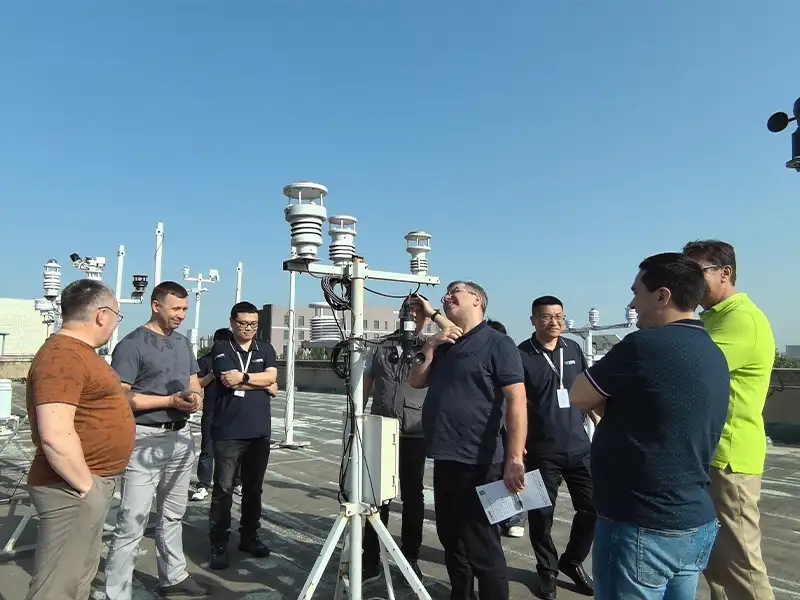
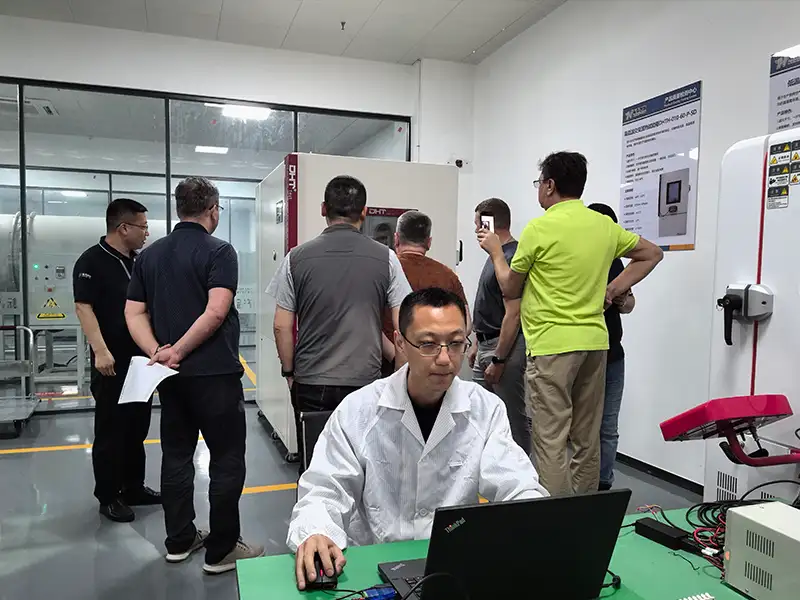
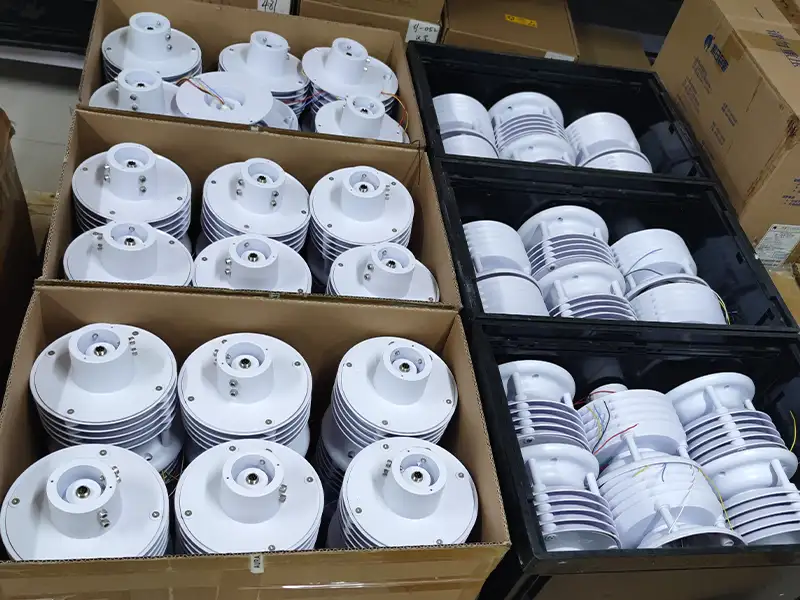
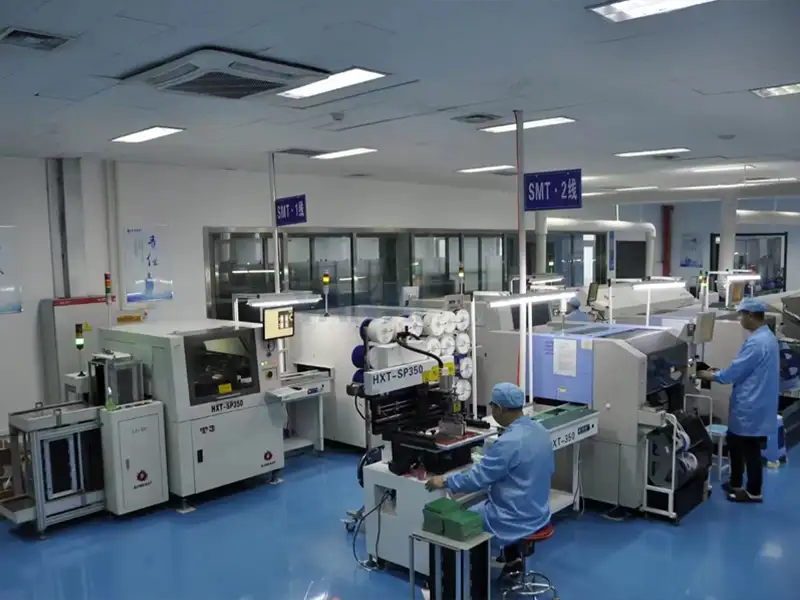
Purchasing directly from the manufacturer gives you more than a competitive price—it ensures you receive the right pyranometer for your application, along with reliable technical support throughout your project. At 옌타이 센서, we manufacture a complete range of solar radiation sensors and provide flexible solutions for customers worldwide.
- OEM & Private Label – Support for custom branding, labels, packaging, and product identification.
- Customized Solutions – Tailored sensor specifications, communication interfaces, mounting options, and system integration to meet specific project requirements.
- Bulk Order Support – Stable production capacity and consistent product quality for distributors, EPC contractors, and large-scale projects.
- Professional Technical Support – Experienced engineers provide product selection guidance, installation assistance, and after-sales technical support.
- Factory-Direct Pricing – Purchase directly from the manufacturer to reduce procurement costs without compromising product quality.
- Fast Delivery – Efficient production scheduling and global shipping help shorten lead times for standard and customized orders.
Whether you’re sourcing pyranometers for solar farms, weather stations, agricultural monitoring, or scientific research, 옌타이 센서 offers dependable products, competitive pricing, and responsive service. Contact us today to discuss your project and request a customized quotation.
결론
가격은 일사계를 구매할 때 중요한 고려 사항이지만, 유일한 결정 요인은 아닙니다. 초기 비용 외에도 측정 정확도, 장기 안정성, 교정 인증, 서비스 수명, 환경 적응성 및 지속적인 유지보수 비용을 평가해야 합니다. 특정 애플리케이션 요구 사항에 맞는 제품을 선택하면 장기적인 가치가 더 높아지고 프로젝트에 더 신뢰할 수 있는 데이터 지원을 보장할 수 있습니다.
2. 태양광 발전소, 기상 관측소, 농업 모니터링 시스템 또는 연구 프로젝트에 적합한 일사계를 찾고 계신다면, Yantai Sensor는 실리콘 기반, 열전퇴 기반 및 고정밀 태양 복사 센서를 포함한 다양한 솔루션과 함께 OEM 맞춤 제작, 대량 구매 및 전문 기술 서비스를 지원합니다.
3. 제품 사양, 기술 조언 및 공장 가격에 대해 문의하시면 프로젝트에 가장 비용 효율적인 태양 복사 측정 솔루션을 선택할 수 있도록 도와드리겠습니다.
If you are seeking a suitable pyranometer for a photovoltaic power plant, weather station, agricultural monitoring system, or research project, Yantai Sensor offers a range of solutions—including silicon-based, thermopile-based, and high-precision solar radiation sensors—along with support for OEM customization, bulk purchasing, and professional technical services.
Please contact us for product specifications, technical advice, and factory pricing to select the most cost-effective solar radiation measurement solution for your project.