导言
选择正确的 高温计 不仅仅涉及规格参数的比较——还需要了解市场上可用的总辐射表产品的成本。无论您是为光伏电站、气象站、农业监测系统还是科研项目采购传感器,总辐射表的价格都可能因传感技术、精度等级、校准标准以及环境性能而有显著差异。入门级硅总辐射表通常最为经济,而专为专业太阳监测设计的高精度热电堆型号,其成本可能高出数倍。.
在本指南中,我们将分解不同类别总辐射表产品的典型成本,解释影响总辐射表成本的关键因素,比较传感器类型和性能水平,并为不同应用场景和预算提供实用的购买建议。通过本文,您将清楚了解哪种总辐射表能为您的监测项目提供最佳价值,以及如何做出经济高效的采购决策。.

总辐射表的价格是多少?
总辐射表的成本取决于传感器技术、测量精度、, 总辐射表校准标准, 以及预期应用。基础型硅传感器适用于成本较低的一般性监测,是最便宜的总辐射表;而用于气象和太阳能应用的高精度热电堆总辐射表,因其卓越的性能和长期稳定性,其太阳监测总辐射表价格较高。.
| 总辐射表类型 | 典型价格范围(美元) | 典型应用 |
|---|---|---|
| 硅总辐射表 | $50–$300 | 气象站、农业、基础太阳监测 |
| 入门级热电堆总辐射表 | $300–$800 | 光伏系统、环境监测 |
| 二级标准热电堆总辐射表 | $800–$1,500 | 专业太阳能资源评估、工业监测 |
| 光谱平坦A级总辐射表 | $1,500–$3,000+ | 科学研究、气象网络、公用事业级太阳能电站 |
| 自动跟踪太阳辐射测量系统 | $5,000–$20,000+ | 太阳能研究、校准实验室、高精度太阳能资源评估 |
注: 价格仅供参考,可能因制造商、ISO 9060分类、校准证书、通讯接口以及加热、通风或集成数据记录等可选功能而有所不同。.
按传感器类型划分的总辐射表价格
总辐射表的价格主要随传感器技术而变化。硅、热电堆和光谱平坦型总辐射表在精度、稳定性和性能上存在差异,从而为不同应用提供了不同成本的总辐射表选项。以下是各类 总辐射表的价格:
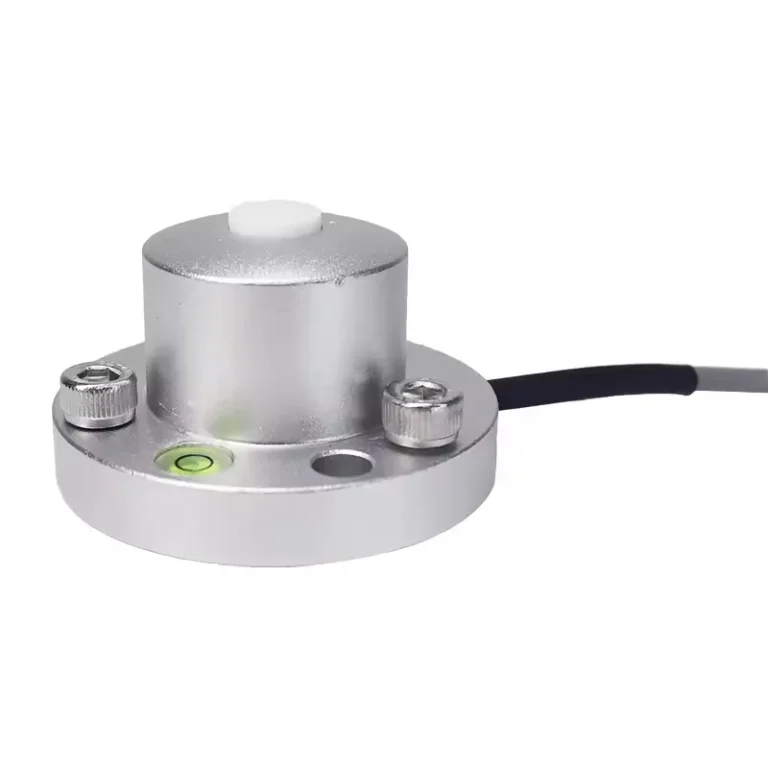
硅总辐射表
典型价格: $50–$300
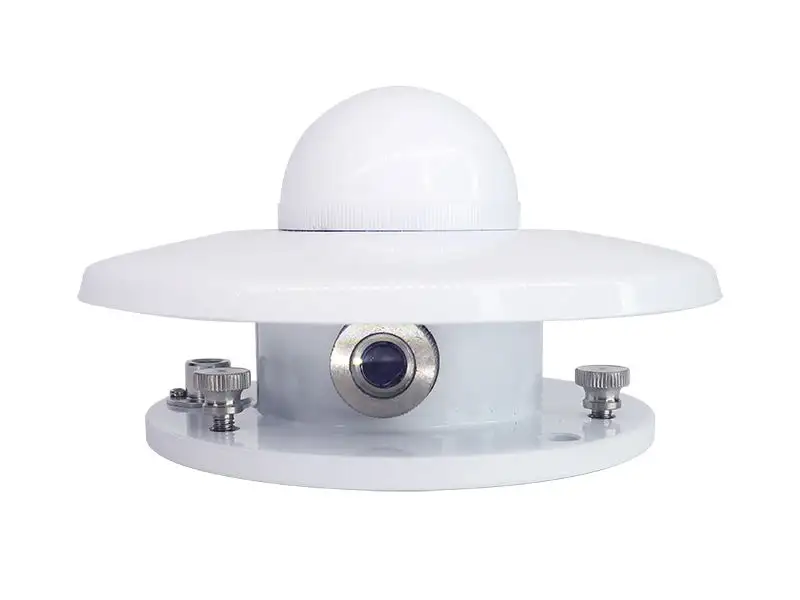
硅总辐射表使用光电二极管传感器测量太阳辐照度,提供经济高效的解决方案,具有响应快、功耗低的特点。.
优势 价格实惠、结构紧凑、易于安装,非常适合常规太阳辐射监测。.
应用: 常用于 农业气象站, 、温室监测、小型光伏系统、环境监测和教育项目。.
热电堆总辐射表
典型价格: $300–$1,500+
热电堆总辐射表测量全太阳光谱,提供比硅传感器更高的精度和长期稳定性。.
优势 提供可靠、高精度的测量,适用于不同环境条件下的连续户外监测。.
应用: 广泛应用于 光伏电站, 、气象站、太阳能资源评估、环境监测和科学研究。.
光谱平坦型总辐射表
典型价格: $1,500–$3,000+
光谱平坦A级总辐射表代表了ISO 9060标准下的最高性能水平。它们专为需要卓越精度和测量稳定性的应用而设计,这解释了其相较于标准型号更高的 总辐射表成本 成本。.
为什么它们更贵?
- 最高的ISO 9060精度分类
- 卓越的光谱和方向响应
- 低温度依赖性
- 卓越的长期稳定性和低漂移
- 单独校准以确保精确测量
- 是科学研究和可融资性太阳能资源评估的理想选择
这些高端仪器常用于校准实验室、国家气象网络、研究机构以及公用事业级光伏项目,在这些场景中,测量质量直接影响数据可靠性和投资决策。.
影响总辐射表成本的因素有哪些?
总辐射表的价格受多种因素影响,从几百元到数万元不等。核心差异主要体现在传感器类型、精度等级、品牌和质量控制上。.
传感器技术与精度等级
- Thermopile type: Measures the full spectrum (300-3000nm), with high accuracy and stable performance. It is the first choice for high-end and professional applications. The higher the level that meets the ISO 9060 standard (such as sub-benchmark level, level one, level two), the more expensive the price.
- Silicon photodiode type: fast response, low cost, but only measures a specific spectral range (400-1100nm), mainly used in photovoltaic reference cells and low-cost monitoring. In 2025, the global average selling price of silicon-based pyranometers will be approximately US$220 per unit, and the civilian grade will be concentrated in the range of US$100-200.
2. Brand, quality control and manufacturing process
- Brand premium: Well-known brands (such as THIES CLIMA from Germany, Kipp & Zonen from the Netherlands, Apogee from the United States) are usually more expensive, but provide better quality control and stability.
- Quality control and consistency: High-end products perform better in homogeneity (Homogeneity), stray light control (Scattering) and spectral throughput. These performance differences will become very obvious in long exposure or high-precision measurements. Low-priced products may suffer from problems such as color cast and heterogeneity in the picture.
3. Output Signals and Features
- Output Interfaces: Sensors that provide only analog voltage (mV) are the least expensive, while models with RS485/Modbus digital output are more expensive due to their easier integration.
- Additional Features: Features such as built-in temperature compensation, heaters (to prevent condensation/frost), and wireless communication (LoRa/4G) significantly increase the cost.
4. Design and Application Scenarios
- Measurement Range and Accuracy: Sensors with high accuracy (e.g., within ±3%) and a wide measurement range (0–2000 W/m²) are more expensive.
- Protection Rating: Products with a high protection rating (e.g., IP67) and outdoor durability are more expensive.
When selecting a solar irradiance meter, you shouldn’t base your decision solely on price; instead, you should consider the specific application scenario. For monitoring the efficiency of photovoltaic systems with modest requirements, an entry-level thermopile or silicon-based sensor is sufficient. However, for scientific research or applications requiring extremely high data accuracy, it is necessary to invest in a high-precision model from a premium brand.
Need help selecting the right pyranometer? Contact Yantai Sensor to compare models, discuss your application, and receive a factory-direct quote. Our engineers will recommend the most cost-effective solution for your solar monitoring project.
Pyranometer Cost by Application
太阳能发电厂
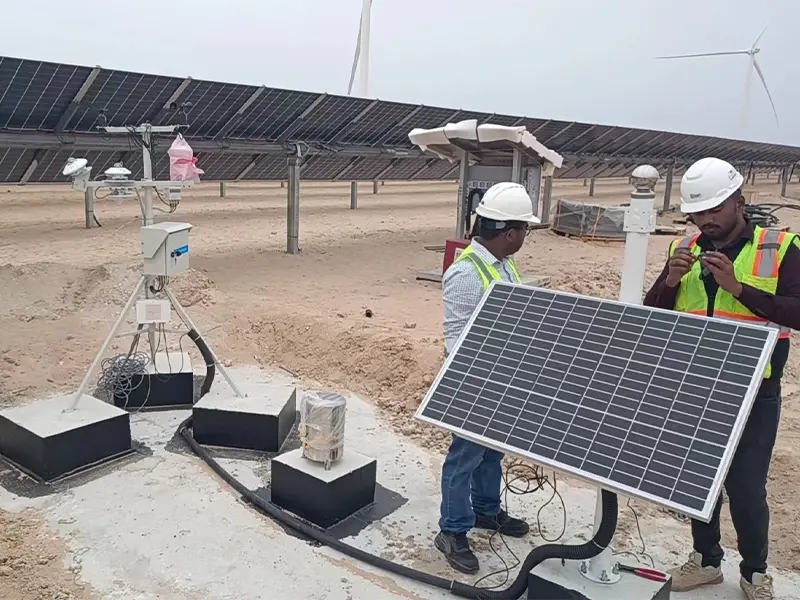
Photovoltaic power stations have high requirements for the accuracy of solar radiation data, and usually use thermopile or Spectrally Flat Class A Pyranometers for power generation performance monitoring and resource assessment. For commercial and large ground power stations, it is recommended to choose products priced at US$300–3,000+, which can take into account both measurement accuracy and stability.
气象站
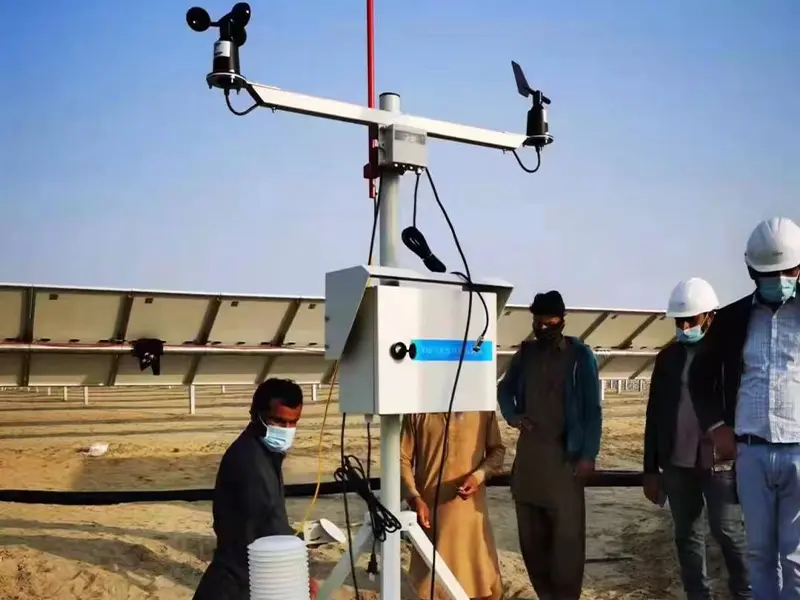
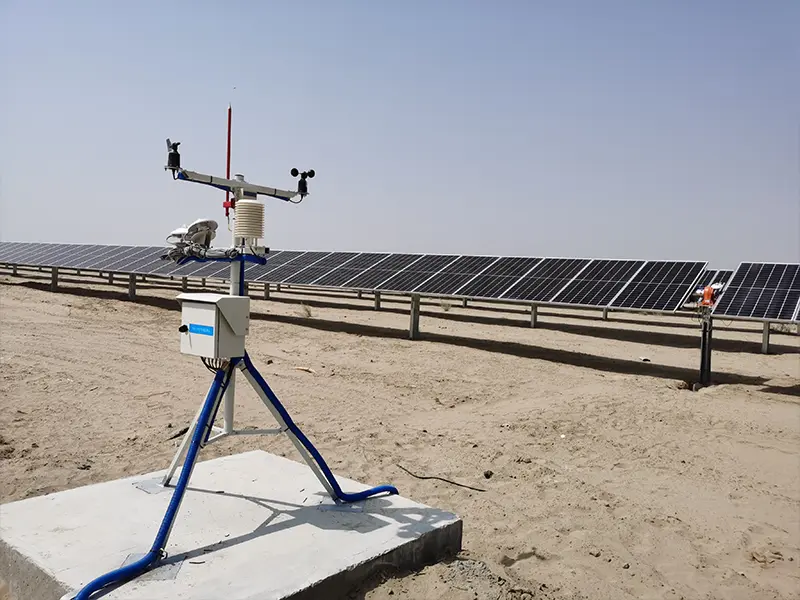
Weather stations require long-term, continuous monitoring of total solar radiation, so the equipment must be highly adaptable to various environmental conditions and offer excellent stability. For general weather monitoring, products priced between $100 and $1,500 are suitable, while high-grade thermopile radiometers are more appropriate for professional meteorological observations and scientific research projects.
农业
Agricultural meteorological monitoring is mainly used for crop growth analysis, irrigation management and greenhouse environment control, and has relatively moderate accuracy requirements. Most projects will suffice with an economical silicon photoelectric radiation sensor, with a recommended budget of $50–$300.
科学研究
Research institutions typically require high-precision radiation measurement equipment that complies with the ISO 9060 standard to ensure the consistency and traceability of experimental data. It is recommended to select a Spectrally Flat Class A Pyranometer priced between $1,500 and $3,000+ to meet long-term, high-precision observation needs.
Building Energy Monitoring
Building energy monitoring is primarily used to assess solar radiation conditions on building facades, roofs, and photovoltaic systems, providing data to support building energy consumption analysis and energy-efficient design. For most commercial building projects, products priced between $100 and $800 are recommended to achieve a good balance between cost and performance.
Cheap vs Premium Pyranometers
The biggest difference between a low-cost and a premium pyranometer is not just the purchase price, but also measurement accuracy, long-term stability, and compliance with international standards. Choosing the right model depends on your application, data quality requirements, and project budget.
| 特点 | Cheap Pyranometers | Premium Pyranometers |
|---|---|---|
| Typical Price | $50–$300 | $1,500–$3,000+ |
| Sensor Technology | Silicon Photodiode | Thermopile (Spectrally Flat Class A) |
| 测量精度 | 中等 | 极高 |
| 光谱响应 | 限量版 | Full Solar Spectrum |
| 长期稳定性 | Good for general use | Excellent with minimal drift |
| ISO 9060 Classification | Usually not classified or Entry Level | Class A / Spectrally Flat Class A |
| Calibration | Factory calibration | Individual traceable calibration |
| Environmental Performance | Suitable for routine monitoring | Designed for harsh outdoor conditions |
| 典型应用 | Agriculture, weather stations, small PV systems | Utility-scale solar farms, meteorological networks, scientific research |
| 最佳用途 | Cost-sensitive projects | High-accuracy and long-term monitoring projects |
Is an Expensive Pyranometer Worth the Cost?
Whether a premium pyranometer is worth the investment depends on how the measurement data will be used. Choosing the right sensor for your application often delivers a better return than simply selecting the lowest-priced option.
| 应用 | Recommended Pyranometer | Why It’s Worth the Cost |
|---|---|---|
| Solar Farms (10 MW+) | Class A Thermopile Pyranometer | Higher measurement accuracy improves performance ratio (PR) analysis, fault detection, and long-term energy yield evaluation. |
| 气象站 | 热电堆总辐射表 | Provides stable, continuous solar radiation data for long-term environmental monitoring. |
| 科学研究 | 光谱平坦A级总辐射表 | Delivers research-grade accuracy, low drift, and traceable calibration for reliable experimental data. |
| Building Energy Monitoring | 入门级热电堆总辐射表 | Offers a good balance of accuracy and cost for building performance analysis and energy management. |
| Agriculture & Greenhouses | 硅总辐射表 | Meets routine monitoring needs at a lower cost, making it a practical choice for budget-conscious projects. |
Tip: If your project relies on precise solar radiation data for performance analysis, compliance, or research, investing in a premium pyranometer can provide greater long-term value. For routine monitoring, an economical model is often the more cost-effective choice.
How to Choose the Right Pyranometer for Your Budget
Your budget should align with your accuracy requirements and application. Spending more doesn’t always mean better value—the right pyranometer is the one that meets your project’s performance needs without unnecessary cost.
| 预算 | Recommended Pyranometer | 最佳用途 | Buying Advice |
|---|---|---|---|
| Under $300 | 硅总辐射表 | Agriculture, greenhouse monitoring, weather stations, small PV systems | A practical choice for routine solar radiation monitoring where moderate accuracy is sufficient. |
| $300–$1,000 | 入门级热电堆总辐射表 | Commercial PV systems, environmental monitoring, industrial applications | Offers improved accuracy, full-spectrum measurement, and better long-term stability at a reasonable cost. |
| Over $1,000 | Secondary Class or Spectrally Flat Class A Thermopile Pyranometer | Utility-scale solar farms, meteorological stations, scientific research | Recommended for projects requiring high-precision measurements, long-term reliability, and compliance with international standards. |
Buying Tip: Consider the total cost of ownership rather than the purchase price alone. Factors such as measurement accuracy, calibration, durability, maintenance requirements, and service life can have a greater impact on long-term value than the initial investment.
Why Buy Directly from a Pyranometer Manufacturer?
Purchasing directly from the manufacturer gives you more than a competitive price—it ensures you receive the right pyranometer for your application, along with reliable technical support throughout your project. At 烟台传感器, we manufacture a complete range of solar radiation sensors and provide flexible solutions for customers worldwide.
- OEM & Private Label – Support for custom branding, labels, packaging, and product identification.
- Customized Solutions – Tailored sensor specifications, communication interfaces, mounting options, and system integration to meet specific project requirements.
- Bulk Order Support – Stable production capacity and consistent product quality for distributors, EPC contractors, and large-scale projects.
- Professional Technical Support – Experienced engineers provide product selection guidance, installation assistance, and after-sales technical support.
- Factory-Direct Pricing – Purchase directly from the manufacturer to reduce procurement costs without compromising product quality.
- Fast Delivery – Efficient production scheduling and global shipping help shorten lead times for standard and customized orders.
Whether you’re sourcing pyranometers for solar farms, weather stations, agricultural monitoring, or scientific research, 烟台传感器 offers dependable products, competitive pricing, and responsive service. Contact us today to discuss your project and request a customized quotation.
结论
While price is a key consideration when purchasing a pyranometer, it is not the sole deciding factor. Beyond the initial cost, one should also evaluate measurement accuracy, long-term stability, calibration certification, service life, environmental adaptability, and ongoing maintenance costs. Selecting a product that aligns with your specific application requirements often yields greater long-term value and ensures more reliable data support for your project.
If you are seeking a suitable pyranometer for a photovoltaic power plant, weather station, agricultural monitoring system, or research project, Yantai Sensor offers a range of solutions—including silicon-based, thermopile-based, and high-precision solar radiation sensors—along with support for OEM customization, bulk purchasing, and professional technical services.
Please contact us for product specifications, technical advice, and factory pricing to select the most cost-effective solar radiation measurement solution for your project.