Introduction
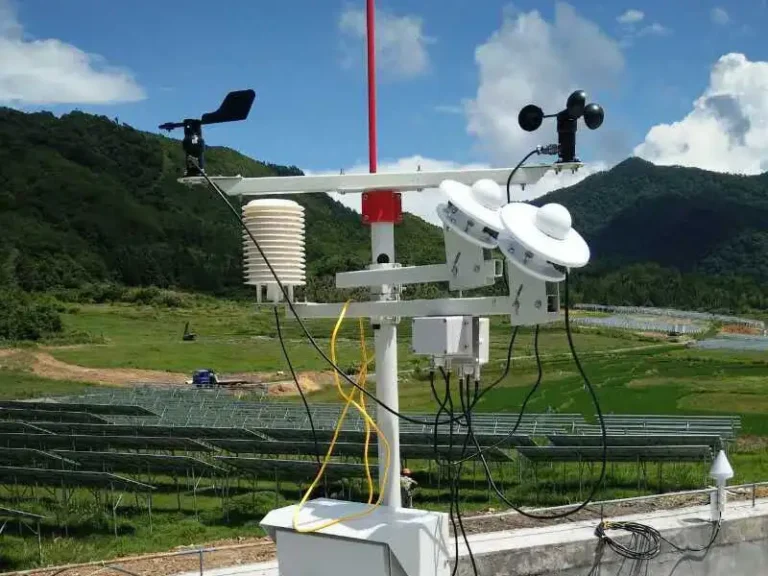
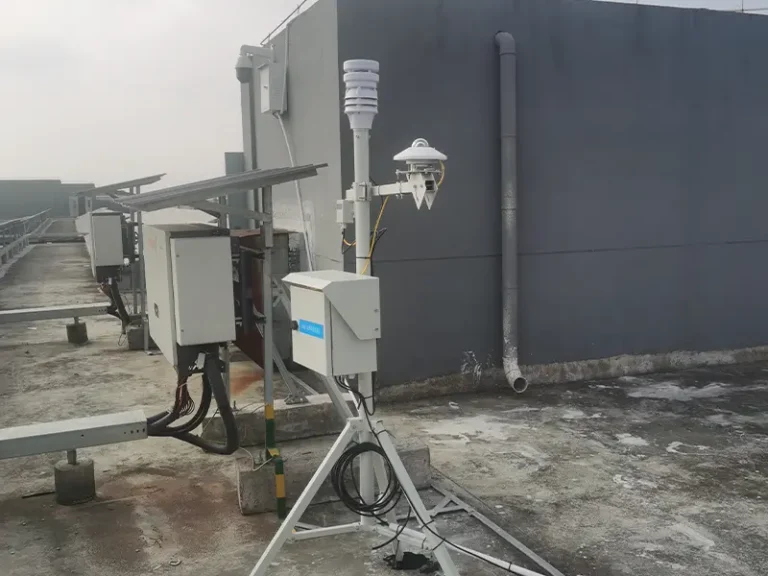
Choosing the right pyranometer involves more than comparing specifications—it also requires understanding the cost of pyranometer options available on the market. Whether you’re purchasing a sensor for a photovoltaic power plant, weather station, agricultural monitoring system, or scientific research project, the pyranometer price can vary significantly depending on the sensing technology, accuracy class, calibration standards, and environmental performance. Entry-level silicon pyranometers are generally the most economical, while high-precision thermopile models designed for professional solar monitoring can cost several times more.
In this guide, we’ll break down the typical cost of pyranometer products across different categories, explain the key factors that influence pyranometer cost, compare sensor types and performance levels, and provide practical buying advice for different applications and budgets. By the end of this article, you’ll have a clear understanding of which pyranometer offers the best value for your monitoring project and how to make a cost-effective purchasing decision.If you are comparing different pyranometer technologies, see our guide to thermopile vs silicon pyranometers for a closer look at their differences and selection criteria.
How Much Does a Pyranometer Cost?
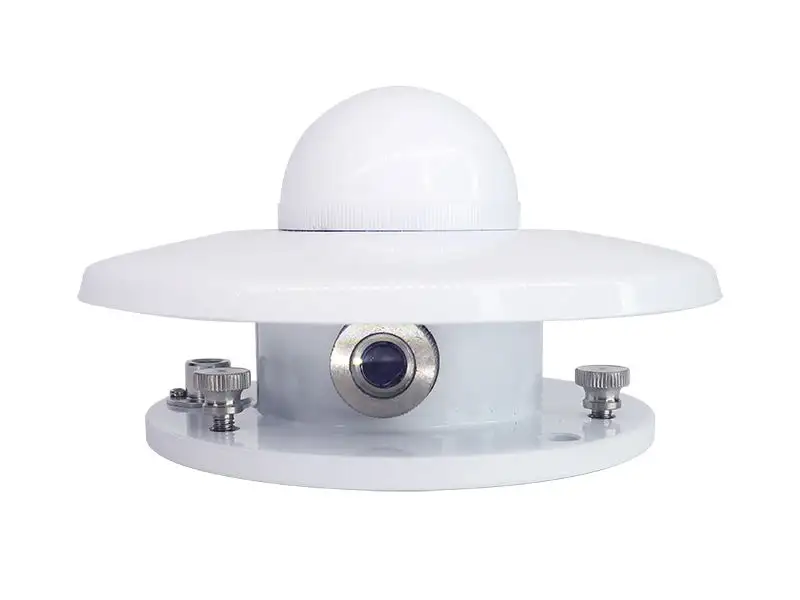
The cost of a pyranometer varies depending on the sensor technology, measurement accuracy, pyranometer calibration standards, and intended application. Basic silicon models are suitable for general monitoring at a lower cost,cheapest pyranometer, while high-precision thermopile pyranometers used in meteorological and solar energy applications command a higher solar monitoring pyranometer price due to their superior performance and long-term stability.
| Pyranometer Type | Typical Price Range (USD) | Typical Applications |
|---|---|---|
| Silicon Pyranometer | $50–$300 | Weather stations, agriculture, basic solar monitoring |
| Entry-Level Thermopile Pyranometer | $300–$800 | PV systems, environmental monitoring |
| Secondary Class Thermopile Pyranometer | $800–$1,500 | Professional solar resource assessment, industrial monitoring |
| Spectrally Flat Class A Pyranometer | $1,500–$3,000+ | Scientific research, meteorological networks, utility-scale solar farms |
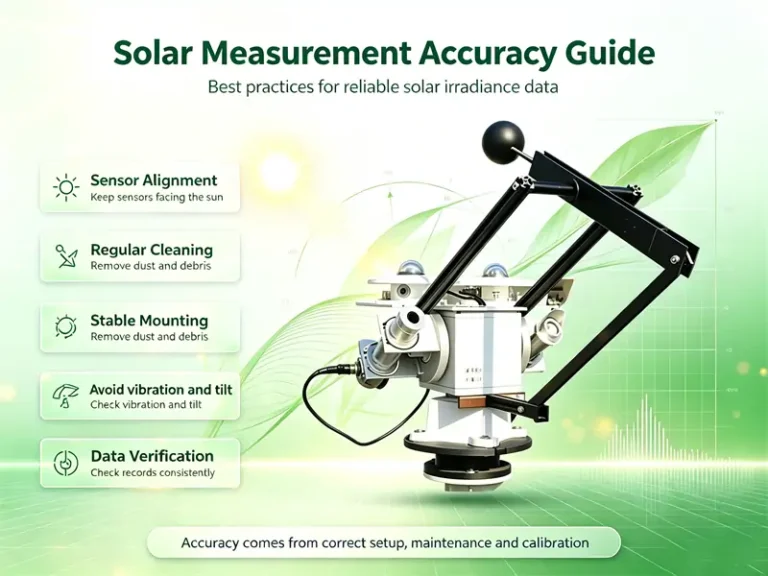
| Automatic Tracking Solar Radiation Measurement System | $5,000–$20,000+ | Solar energy research, calibration laboratories, high-precision solar resource assessment |
Note: Prices are for reference only and may vary depending on the manufacturer, ISO 9060 classification, calibration certificate, communication interface, and optional features such as heating, ventilation, or integrated data logging.
Pyranometer Price by Sensor Type
The pyranometer price varies mainly with sensor technology. Silicon, thermopile, and spectrally flat pyranometers differ in accuracy, stability, and performance, resulting in different cost of pyranometer options for various applications. Below are the prices for various types of pyranometers:
Silicon Pyranometer
Typical Price: $50–$300
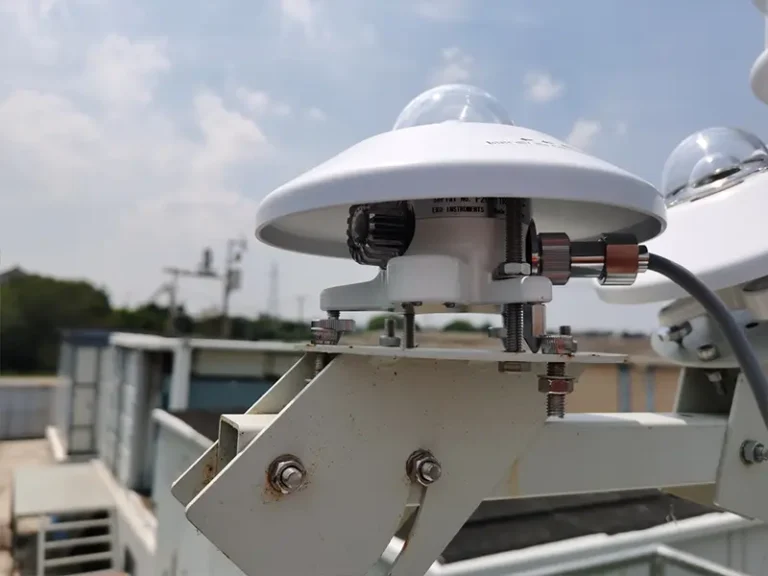
Silicon pyranometers use a photodiode sensor to measure solar irradiance, offering a cost-effective solution with fast response and low power consumption.
Advantages: Affordable, compact, and easy to install, making them ideal for routine solar radiation monitoring.
Applications: Commonly used in agricultural weather stations, greenhouse monitoring, small PV systems, environmental monitoring, and educational projects.
Thermopile Pyranometer
Typical Price: $300–$1,500+
Thermopile pyranometers measure the full solar spectrum and provide higher accuracy and long-term stability than silicon models.
Advantages: Delivers reliable, high-precision measurements suitable for continuous outdoor monitoring under varying environmental conditions.
Applications: Widely used in photovoltaic power plants, meteorological stations, solar resource assessment, environmental monitoring, and scientific research.
Spectrally Flat Pyranometer
Typical Price: $1,500–$3,000+
Spectrally Flat Class A pyranometers represent the highest level of performance under ISO 9060. They are designed for applications requiring exceptional accuracy and measurement stability, which explains their higher cost of pyranometer compared with standard models.
Why Are They More Expensive?
- Highest ISO 9060 accuracy classification
- Superior spectral and directional response
- Low temperature dependence
- Exceptional long-term stability and low drift
- Individually calibrated for precise measurements
- Ideal for scientific research and bankable solar resource assessment
These premium instruments are commonly used in calibration laboratories, national meteorological networks, research institutions, and utility-scale photovoltaic projects where measurement quality directly impacts data reliability and investment decisions.
What Factors Affect the Cost of a Pyranometer?
The price of a pyranometer is affected by many factors, ranging from a few hundred yuan to tens of thousands of yuan. The core differences are mainly reflected in the sensor type, accuracy level, brand and quality control.
1. Sensor technology and accuracy level
- Thermopile type: Measures the full spectrum (300-3000nm), with high accuracy and stable performance. It is the first choice for high-end and professional applications. The higher the level that meets the ISO 9060 standard (such as sub-benchmark level, level one, level two), the more expensive the price.
- Silicon photodiode type: fast response, low cost, but only measures a specific spectral range (400-1100nm), mainly used in photovoltaic reference cells and low-cost monitoring. In 2025, the global average selling price of silicon-based pyranometers will be approximately US$220 per unit, and the civilian grade will be concentrated in the range of US$100-200.
2. Brand, quality control and manufacturing process
- Brand premium: Well-known brands (such as THIES CLIMA from Germany, Kipp & Zonen from the Netherlands, Apogee from the United States) are usually more expensive, but provide better quality control and stability.
- Quality control and consistency: High-end products perform better in homogeneity (Homogeneity), stray light control (Scattering) and spectral throughput. These performance differences will become very obvious in long exposure or high-precision measurements. Low-priced products may suffer from problems such as color cast and heterogeneity in the picture.
3. Output Signals and Features
- Output Interfaces: Sensors that provide only analog voltage (mV) are the least expensive, while models with RS485/Modbus digital output are more expensive due to their easier integration.
- Additional Features: Features such as built-in temperature compensation, heaters (to prevent condensation/frost), and wireless communication (LoRa/4G) significantly increase the cost.
4. Design and Application Scenarios
- Measurement Range and Accuracy: Sensors with high accuracy (e.g., within ±3%) and a wide measurement range (0–2000 W/m²) are more expensive.
- Protection Rating: Products with a high protection rating (e.g., IP67) and outdoor durability are more expensive.
When selecting a solar irradiance meter, you shouldn’t base your decision solely on price; instead, you should consider the specific application scenario. For monitoring the efficiency of photovoltaic systems with modest requirements, an entry-level thermopile or silicon-based sensor is sufficient. However, for scientific research or applications requiring extremely high data accuracy, it is necessary to invest in a high-precision model from a premium brand.
Need help selecting the right pyranometer? Contact Yantai Sensor to compare models, discuss your application, and receive a factory-direct quote. Our engineers will recommend the most cost-effective solution for your solar monitoring project.
Pyranometer Cost by Application
Solar Power Plants
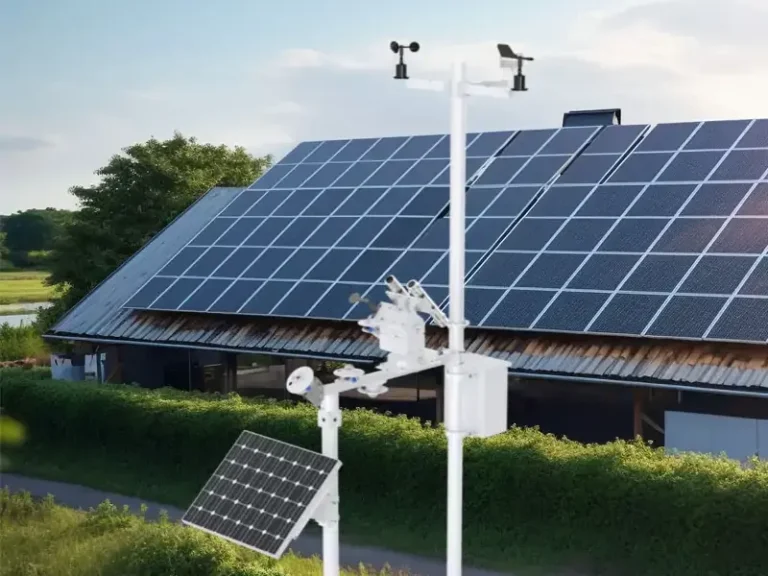
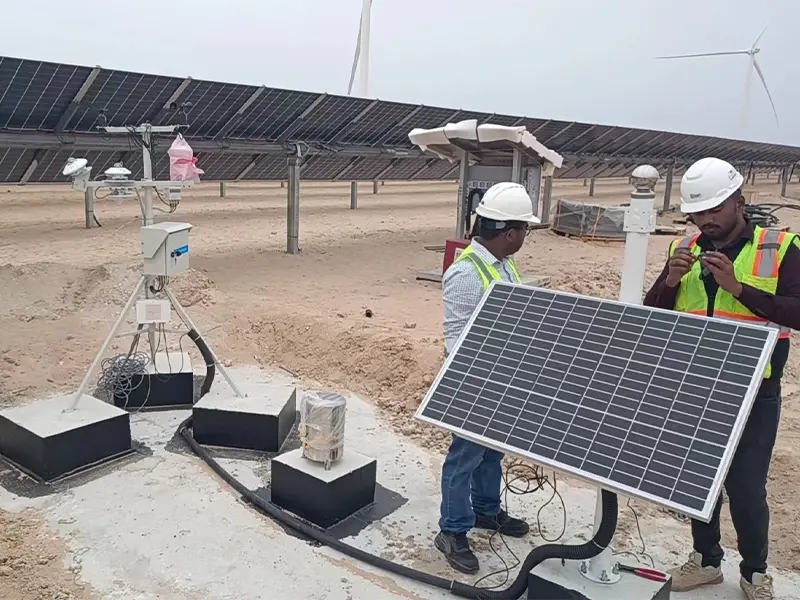
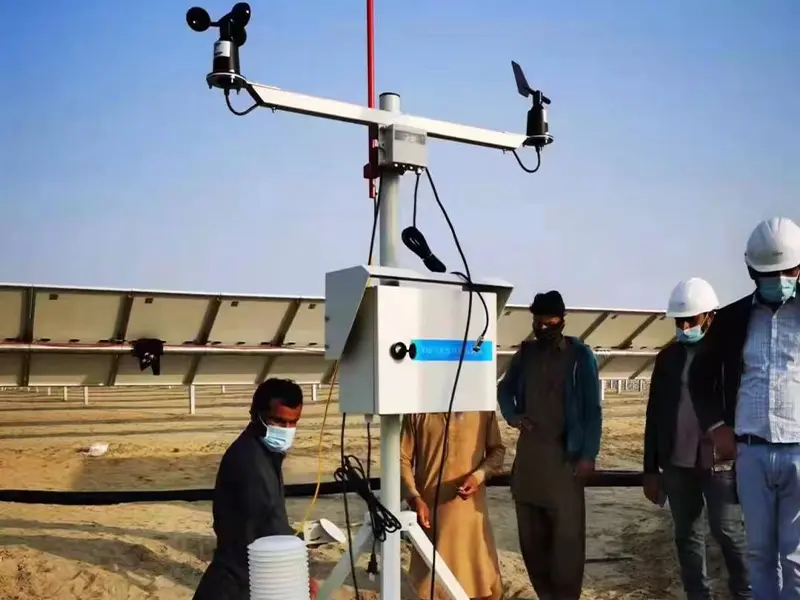
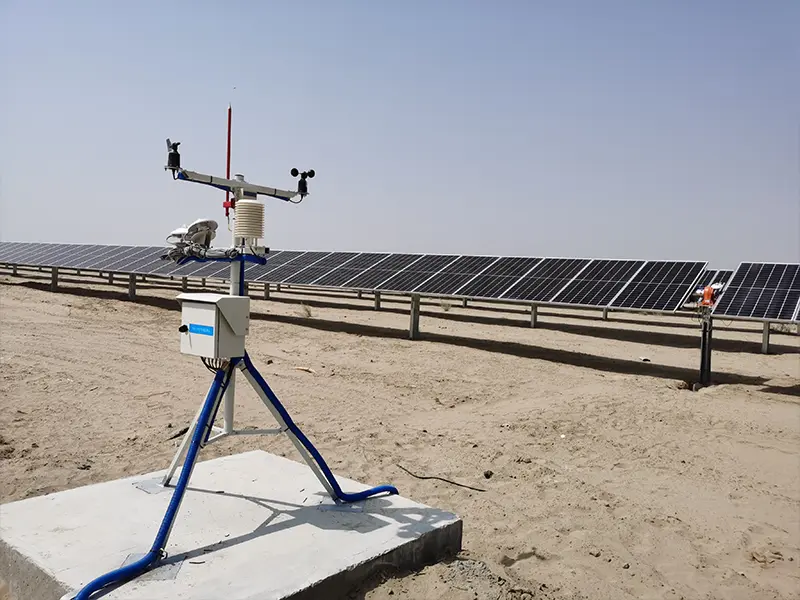
Photovoltaic power stations have high requirements for the accuracy of solar radiation data, and usually use thermopile or Spectrally Flat Class A Pyranometers for power generation performance monitoring and resource assessment. For commercial and large ground power stations, it is recommended to choose products priced at US$300–3,000+, which can take into account both measurement accuracy and stability.
Weather Stations
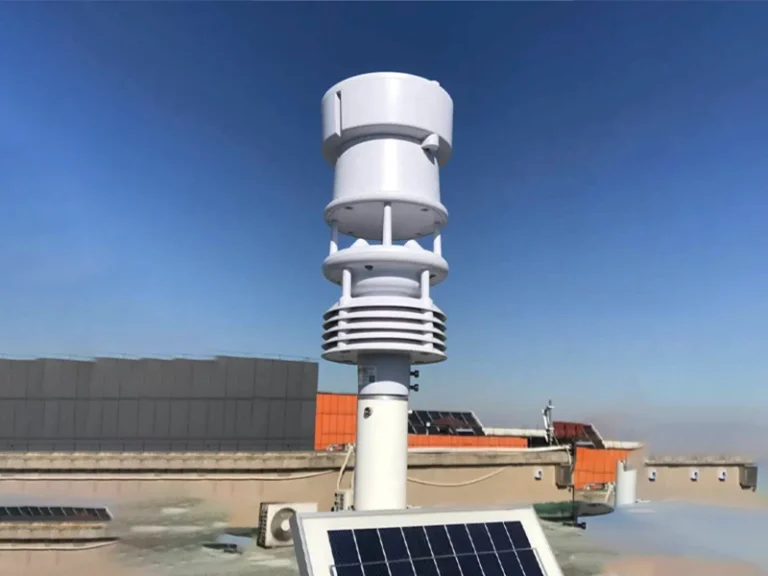
Weather stations require long-term, continuous monitoring of total solar radiation, so the equipment must be highly adaptable to various environmental conditions and offer excellent stability. For general weather monitoring, products priced between $100 and $1,500 are suitable, while high-grade thermopile radiometers are more appropriate for professional meteorological observations and scientific research projects.
Agriculture
Agricultural meteorological monitoring is mainly used for crop growth analysis, irrigation management and greenhouse environment control, and has relatively moderate accuracy requirements. Most projects will suffice with an economical silicon photoelectric radiation sensor, with a recommended budget of $50–$300.
Scientific Research
Research institutions typically require high-precision radiation measurement equipment that complies with the ISO 9060 standard to ensure the consistency and traceability of experimental data. It is recommended to select a Spectrally Flat Class A Pyranometer priced between $1,500 and $3,000+ to meet long-term, high-precision observation needs.
Building Energy Monitoring
Building energy monitoring is primarily used to assess solar radiation conditions on building facades, roofs, and photovoltaic systems, providing data to support building energy consumption analysis and energy-efficient design. For most commercial building projects, products priced between $100 and $800 are recommended to achieve a good balance between cost and performance.
Cheap vs Premium Pyranometers
The biggest difference between a low-cost and a premium pyranometer is not just the purchase price, but also measurement accuracy, long-term stability, and compliance with international standards. Choosing the right model depends on your application, data quality requirements, and project budget.
| Feature | Cheap Pyranometers | Premium Pyranometers |
|---|---|---|
| Typical Price | $50–$300 | $1,500–$3,000+ |
| Sensor Technology | Silicon Photodiode | Thermopile (Spectrally Flat Class A) |
| Measurement Accuracy | Moderate | Very High |
| Spectral Response | Limited | Full Solar Spectrum |
| Long-Term Stability | Good for general use | Excellent with minimal drift |
| ISO 9060 Classification | Usually not classified or Entry Level | Class A / Spectrally Flat Class A |
| Calibration | Factory calibration | Individual traceable calibration |
| Environmental Performance | Suitable for routine monitoring | Designed for harsh outdoor conditions |
| Typical Applications | Agriculture, weather stations, small PV systems | Utility-scale solar farms, meteorological networks, scientific research |
| Best For | Cost-sensitive projects | High-accuracy and long-term monitoring projects |
Is an Expensive Pyranometer Worth the Cost?
Whether a premium pyranometer is worth the investment depends on how the measurement data will be used. Choosing the right sensor for your application often delivers a better return than simply selecting the lowest-priced option.
| Application | Recommended Pyranometer | Why It’s Worth the Cost |
|---|---|---|
| Solar Farms (10 MW+) | Class A Thermopile Pyranometer | Higher measurement accuracy improves performance ratio (PR) analysis, fault detection, and long-term energy yield evaluation. |
| Weather Stations | Thermopile Pyranometer | Provides stable, continuous solar radiation data for long-term environmental monitoring. |
| Scientific Research | Spectrally Flat Class A Pyranometer | Delivers research-grade accuracy, low drift, and traceable calibration for reliable experimental data. |
| Building Energy Monitoring | Entry-Level Thermopile Pyranometer | Offers a good balance of accuracy and cost for building performance analysis and energy management. |
| Agriculture & Greenhouses | Silicon Pyranometer | Meets routine monitoring needs at a lower cost, making it a practical choice for budget-conscious projects. |
Tip: If your project relies on precise solar radiation data for performance analysis, compliance, or research, investing in a premium pyranometer can provide greater long-term value. For routine monitoring, an economical model is often the more cost-effective choice.
How to Choose the Right Pyranometer for Your Budget
Your budget should align with your accuracy requirements and application. Spending more doesn’t always mean better value—the right pyranometer is the one that meets your project’s performance needs without unnecessary cost.
| Budget | Recommended Pyranometer | Best For | Buying Advice |
|---|---|---|---|
| Under $300 | Silicon Pyranometer | Agriculture, greenhouse monitoring, weather stations, small PV systems | A practical choice for routine solar radiation monitoring where moderate accuracy is sufficient. |
| $300–$1,000 | Entry-Level Thermopile Pyranometer | Commercial PV systems, environmental monitoring, industrial applications | Offers improved accuracy, full-spectrum measurement, and better long-term stability at a reasonable cost. |
| Over $1,000 | Secondary Class or Spectrally Flat Class A Thermopile Pyranometer | Utility-scale solar farms, meteorological stations, scientific research | Recommended for projects requiring high-precision measurements, long-term reliability, and compliance with international standards. |
Buying Tip: Consider the total cost of ownership rather than the purchase price alone. Factors such as measurement accuracy, calibration, durability, maintenance requirements, and service life can have a greater impact on long-term value than the initial investment.
Why Buy Directly from a Pyranometer Manufacturer?
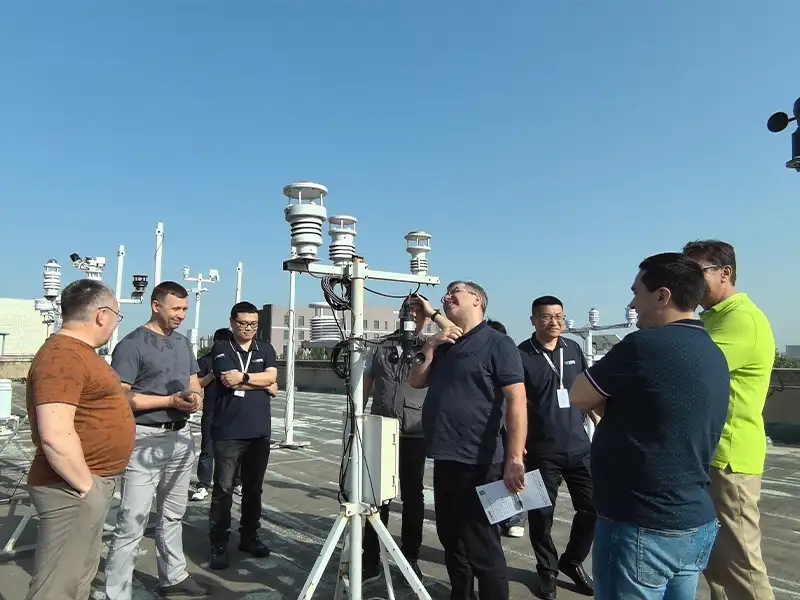
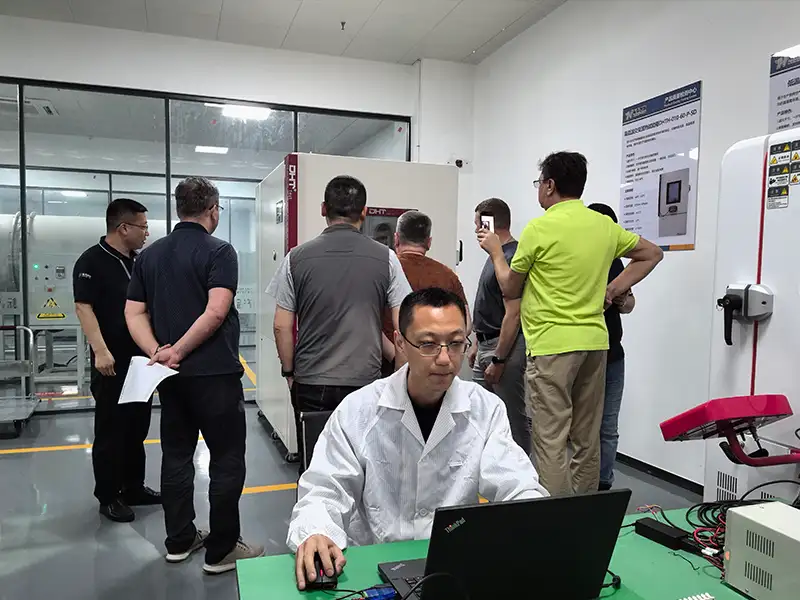
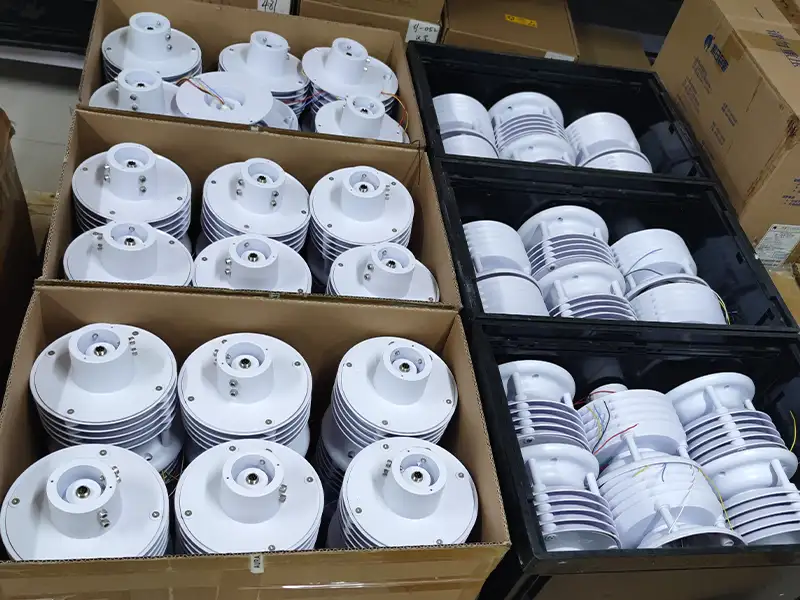
Purchasing directly from the manufacturer gives you more than a competitive price—it ensures you receive the right pyranometer for your application, along with reliable technical support throughout your project. At Yantai Sensor, we manufacture a complete range of solar radiation sensors and provide flexible solutions for customers worldwide.
- OEM & Private Label – Support for custom branding, labels, packaging, and product identification.
- Customized Solutions – Tailored sensor specifications, communication interfaces, mounting options, and system integration to meet specific project requirements.
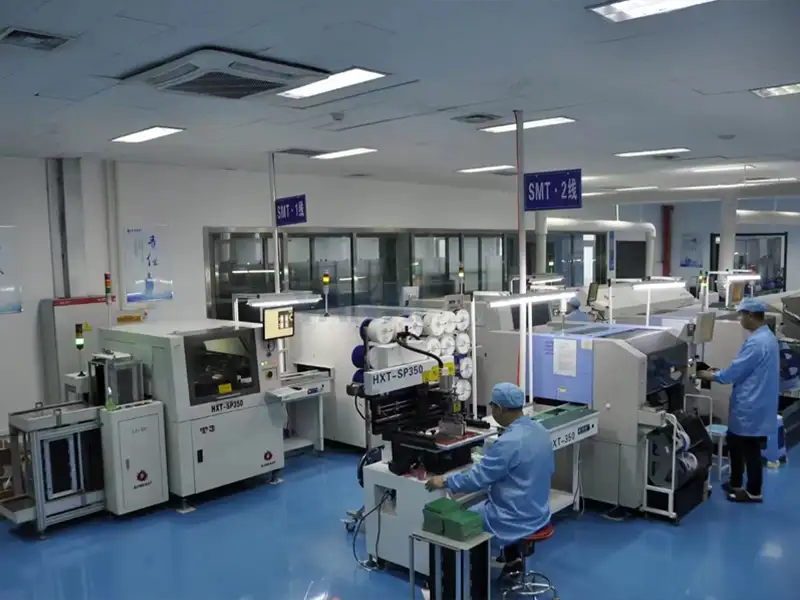
- Bulk Order Support – Stable production capacity and consistent product quality for distributors, EPC contractors, and large-scale projects.
- Professional Technical Support – Experienced engineers provide product selection guidance, installation assistance, and after-sales technical support.
- Factory-Direct Pricing – Purchase directly from the manufacturer to reduce procurement costs without compromising product quality.
- Fast Delivery – Efficient production scheduling and global shipping help shorten lead times for standard and customized orders.
Whether you’re sourcing pyranometers for solar farms, weather stations, agricultural monitoring, or scientific research, Yantai Sensor offers dependable products, competitive pricing, and responsive service. Contact us today to discuss your project and request a customized quotation.
Conclusion
While price is a key consideration when purchasing a pyranometer, it is not the sole deciding factor. Beyond the initial cost, one should also evaluate measurement accuracy, long-term stability, calibration certification, service life, environmental adaptability, and ongoing maintenance costs. Selecting a product that aligns with your specific application requirements often yields greater long-term value and ensures more reliable data support for your project.
If you are seeking a suitable pyranometer for a photovoltaic power plant, weather station, agricultural monitoring system, or research project, Yantai Sensor offers a range of solutions—including silicon-based, thermopile-based, and high-precision solar radiation sensors—along with support for OEM customization, bulk purchasing, and professional technical services.
Please contact us for product specifications, technical advice, and factory pricing to select the most cost-effective solar radiation measurement solution for your project.