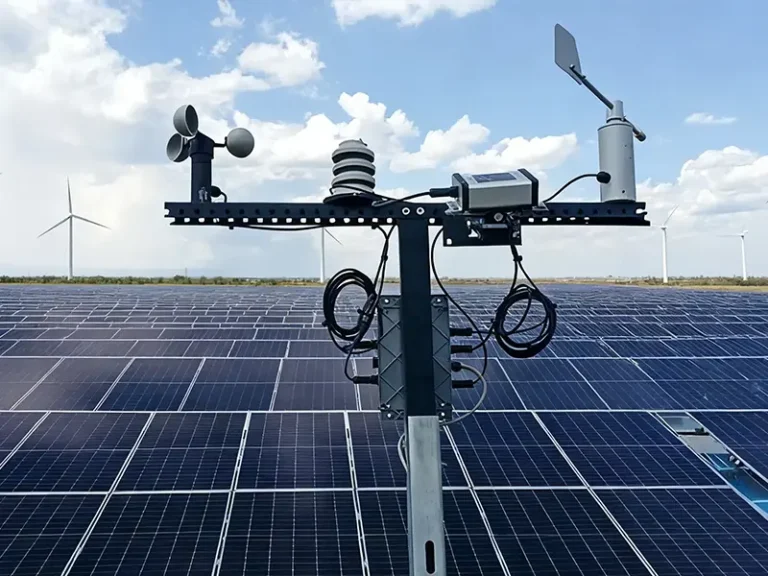
Introdução
Escolher o melhor piranómetro envolve mais do que comparar especificações—também requer entender o custo das opções de piranômetros disponíveis no mercado. Esteja você adquirindo um sensor para uma usina fotovoltaica, estação meteorológica, sistema de monitoramento agrícola ou projeto de pesquisa científica, o preço do piranômetro pode variar significativamente dependendo da tecnologia de sensoriamento, classe de precisão, padrões de calibração e desempenho ambiental. Piranômetros de silício de nível básico são geralmente os mais econômicos, enquanto modelos termopilha de alta precisão projetados para monitoramento solar profissional podem custar várias vezes mais.
Neste guia, detalharemos o custo típico dos produtos de piranômetro em diferentes categorias, explicaremos os principais fatores que influenciam o custo do piranômetro, compararemos tipos de sensores e níveis de desempenho e forneceremos conselhos práticos de compra para diferentes aplicações e orçamentos. Ao final deste artigo, você terá uma compreensão clara de qual piranômetro oferece o melhor custo-benefício para o seu projeto de monitoramento e de como tomar uma decisão de compra econômica.Se você está comparando diferentes tecnologias de piranômetro, consulte nosso guia para piranômetros termopilha vs silício para uma análise mais detalhada de suas diferenças e critérios de seleção.
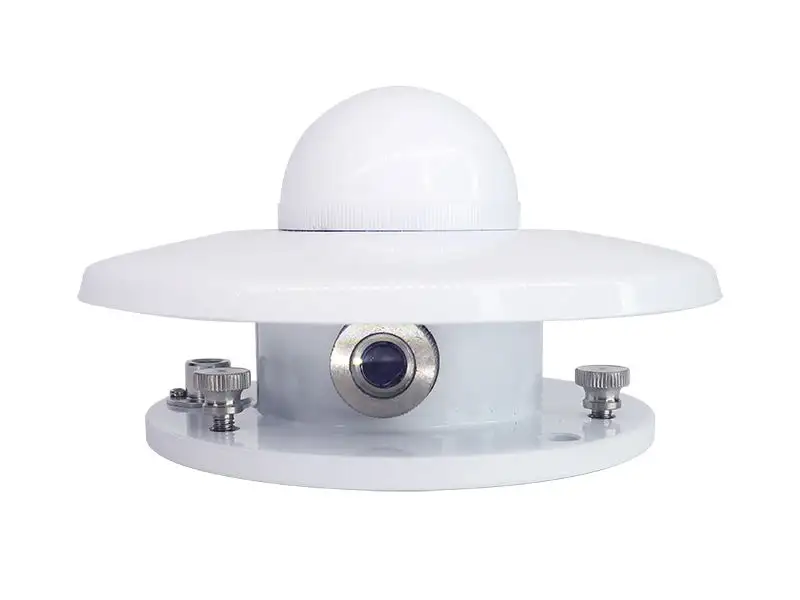
Quanto Custa um Piranômetro?
O custo de um piranômetro varia dependendo da tecnologia do sensor, precisão da medição, padrões de calibração de piranômetros, e aplicação pretendida. Modelos básicos de silício são adequados para monitoramento geral a um custo menor, piranômetro mais barato, enquanto piranômetros termopilha de alta precisão usados em aplicações meteorológicas e de energia solar exigem um preço mais alto de piranômetro para monitoramento solar devido ao seu desempenho superior e estabilidade de longo prazo.
| Tipo de Piranômetro | Faixa de Preço Típica (USD) | Aplicações típicas |
|---|---|---|
| Piranômetro de Silício | $50–$300 | Estações meteorológicas, agricultura, monitoramento solar básico |
| Piranômetro Termopilha de Nível Básico | $300–$800 | Sistemas fotovoltaicos, monitoramento ambiental |
| Piranômetro Termopilha Classe Secundária | $800–$1.500 | Avaliação profissional de recursos solares, monitoramento industrial |
| Piranômetro Classe A de Resposta Espectral Plana | $1.500–$3.000+ | Pesquisa científica, redes meteorológicas, usinas solares de grande escala |
| Sistema Automático de Medição de Radiação Solar com Rastreamento | $5.000–$20.000+ | Pesquisa em energia solar, laboratórios de calibração, avaliação de recursos solares de alta precisão |
Nota: Os preços são apenas para referência e podem variar dependendo do fabricante, classificação ISO 9060, certificado de calibração, interface de comunicação e recursos opcionais, como aquecimento, ventilação ou registro de dados integrado.
Preço do Piranômetro por Tipo de Sensor
O preço do piranômetro varia principalmente com a tecnologia do sensor. Piranômetros de silício, termopilha e de resposta espectral plana diferem em precisão, estabilidade e desempenho, resultando em diferentes opções de custo de piranômetro para várias aplicações. Abaixo estão os preços para vários tipos de piranômetros:
Piranômetro de Silício
Preço Típico: $50–$300
Piranômetros de silício usam um sensor fotodiodo para medir a irradiância solar, oferecendo uma solução econômica com resposta rápida e baixo consumo de energia.
Vantagens: Acessíveis, compactos e fáceis de instalar, tornando-os ideais para monitoramento rotineiro de radiação solar.
Aplicações: Comumente usados em estações meteorológicas agrícolas, monitoramento de estufas, pequenos sistemas fotovoltaicos, monitoramento ambiental e projetos educacionais.
Piranômetro Termopilha
Preço Típico: $300–$1.500+
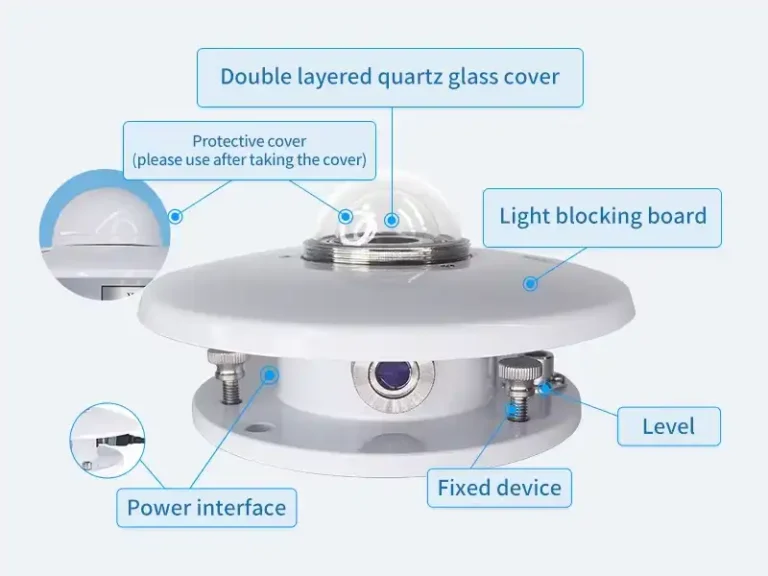
Piranômetros termopilha medem o espectro solar completo e fornecem maior precisão e estabilidade de longo prazo do que os modelos de silício.
Vantagens: Fornece medições confiáveis e de alta precisão adequadas para monitoramento contínuo ao ar livre sob condições ambientais variáveis.
Aplicações: Amplamente usados em centrais fotovoltaicas, estações meteorológicas, avaliação de recursos solares, monitoramento ambiental e pesquisa científica.
Piranômetro de Resposta Espectral Plana
Preço Típico: $1.500–$3.000+
Piranômetros Classe A de resposta espectral plana representam o mais alto nível de desempenho sob a ISO 9060. Eles são projetados para aplicações que exigem precisão e estabilidade de medição excepcionais, o que explica seu maior custo do piranômetro em comparação com modelos padrão.
Por Que São Mais Caros?
- Classificação de precisão mais alta da ISO 9060
- Resposta espectral e direcional superior
- Baixa dependência de temperatura
- Estabilidade excepcional de longo prazo e baixa deriva
- Calibrados individualmente para medições precisas
- Ideais para pesquisa científica e avaliação bancável de recursos solares
Esses instrumentos premium são comumente usados em laboratórios de calibração, redes meteorológicas nacionais, instituições de pesquisa e projetos fotovoltaicos de grande escala, onde a qualidade da medição impacta diretamente a confiabilidade dos dados e as decisões de investimento.
Quais Fatores Afetam o Custo de um Piranômetro?
O preço de um piranômetro é afetado por muitos fatores, variando de algumas centenas de yuans a dezenas de milhares de yuans. As diferenças principais são refletidas principalmente no tipo de sensor, nível de precisão, marca e controle de qualidade.
Tecnologia do sensor e nível de precisão
- Tipo termopilha: Mede o espectro completo (300-3000nm), com alta precisão e desempenho estável. É a primeira escolha para aplicações profissionais e de alto nível. Quanto maior o nível que atende ao padrão ISO 9060 (como nível sub-benchmark, nível um, nível dois), mais caro o preço.
- Tipo fotodiodo de silício: Resposta rápida, baixo custo, mas mede apenas uma faixa espectral específica (400-1100nm), usado principalmente em células de referência fotovoltaica e monitoramento de baixo custo. Em 2025, o preço médio global de venda de piranômetros de silício será de aproximadamente US$ 220 por unidade, e o grau civil estará concentrado na faixa de US$ 100-200.
Marca, controle de qualidade e processo de fabricação
- Prêmio de marca: Marcas conhecidas (como THIES CLIMA da Alemanha, Kipp & Zonen dos Países Baixos, Apogee dos Estados Unidos) geralmente são mais caras, mas oferecem melhor controle de qualidade e estabilidade.
- Controle de qualidade e consistência: Produtos de alto desempenho têm melhor desempenho em homogeneidade (Homogeneity), controle de luz parasita (Scattering) e rendimento espectral. Essas diferenças de desempenho se tornarão muito evidentes em exposições longas ou medições de alta precisão. Produtos de baixo preço podem sofrer problemas como distorção de cor e heterogeneidade na imagem.
Sinais de saída e recursos
- Interfaces de saída: Sensores que fornecem apenas tensão analógica (mV) são os menos caros, enquanto modelos com saída digital RS485/Modbus são mais caros devido à sua integração mais fácil.
- Recursos adicionais: Recursos como compensação de temperatura integrada, aquecedores (para evitar condensação/geada) e comunicação sem fio (LoRa/4G) aumentam significativamente o custo.
Design e cenários de aplicação
- Faixa de medição e precisão: Sensores com alta precisão (por exemplo, dentro de ±3%) e uma ampla faixa de medição (0–2000 W/m²) são mais caros.
- Classificação de proteção: Produtos com alta classificação de proteção (por exemplo, IP67) e durabilidade para exteriores são mais caros.
Ao selecionar um medidor de irradiância solar, você não deve basear sua decisão apenas no preço; em vez disso, deve considerar o cenário de aplicação específico. Para monitoramento da eficiência de sistemas fotovoltaicos com requisitos modestos, um termopilha de nível básico ou sensor de silício é suficiente. No entanto, para pesquisa científica ou aplicações que exigem precisão de dados extremamente alta, é necessário investir em um modelo de alta precisão de uma marca premium.
Precisa de ajuda para selecionar o piranômetro certo? Entre em contato com Yantai Sensor para comparar modelos, discutir sua aplicação e receber um orçamento direto da fábrica. Nossos engenheiros recomendarão a solução mais econômica para o seu projeto de monitoramento solar.
Custo do piranômetro por aplicação
Centrais de energia solar
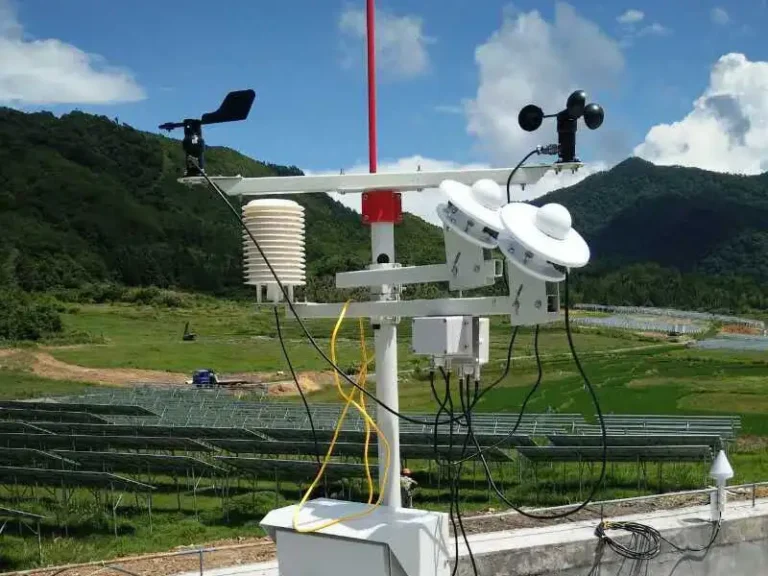
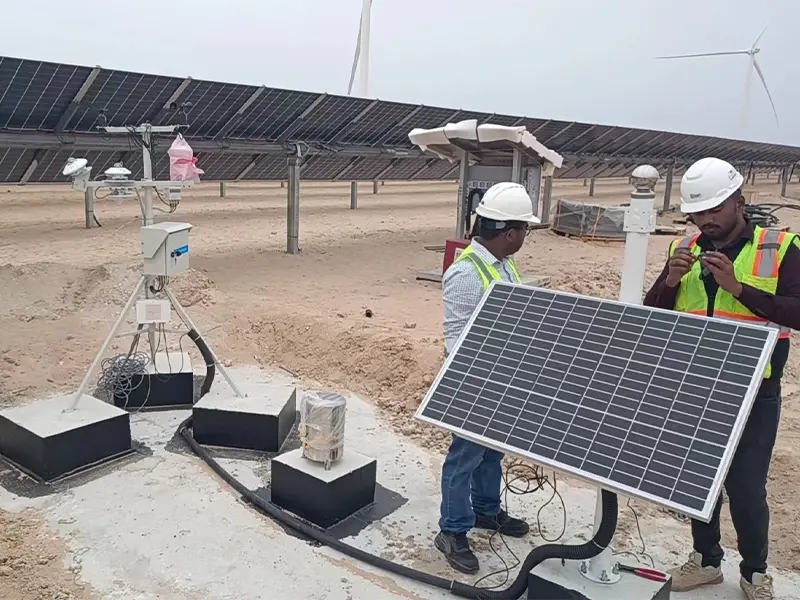
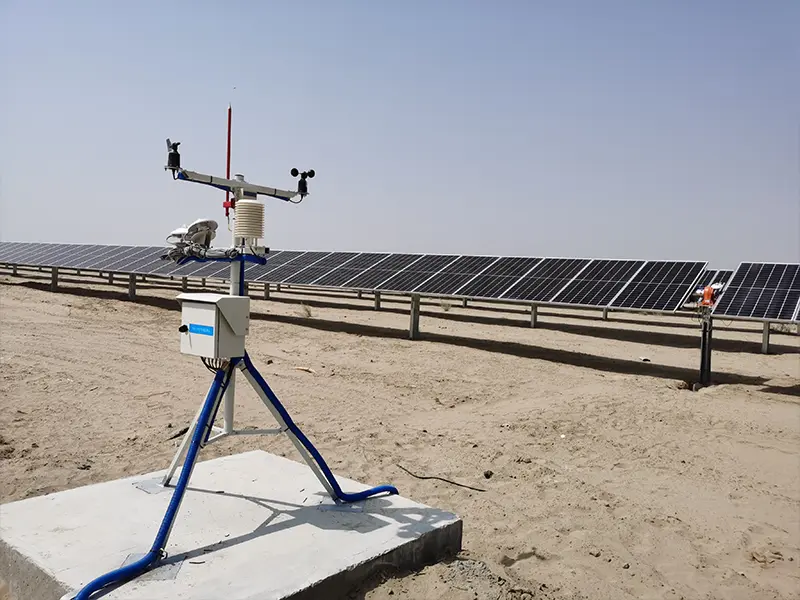
Usinas fotovoltaicas têm altos requisitos de precisão dos dados de radiação solar e geralmente usam termopilhas ou piranômetros Classe A de Espectro Plano para monitoramento de desempenho de geração e avaliação de recursos. Para usinas comerciais e grandes usinas de solo, recomenda-se escolher produtos com preço entre US$ 300 e US$ 3.000+, que podem equilibrar precisão de medição e estabilidade.
Estações meteorológicas
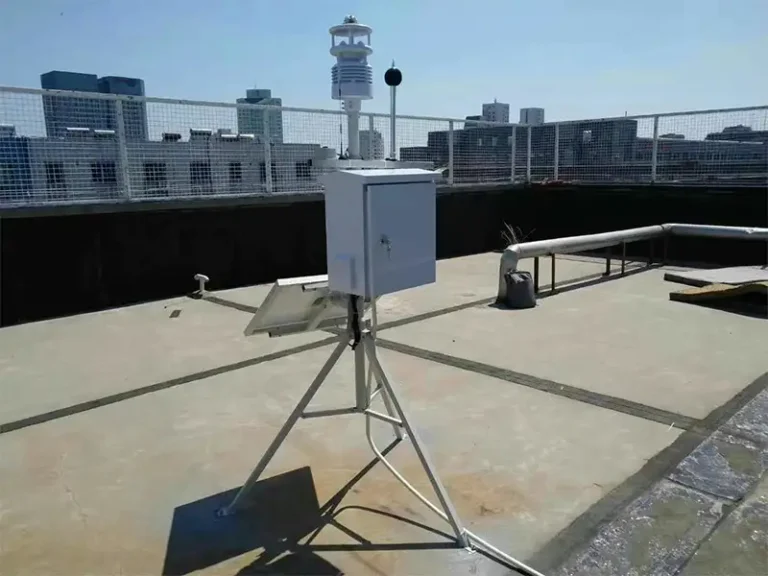
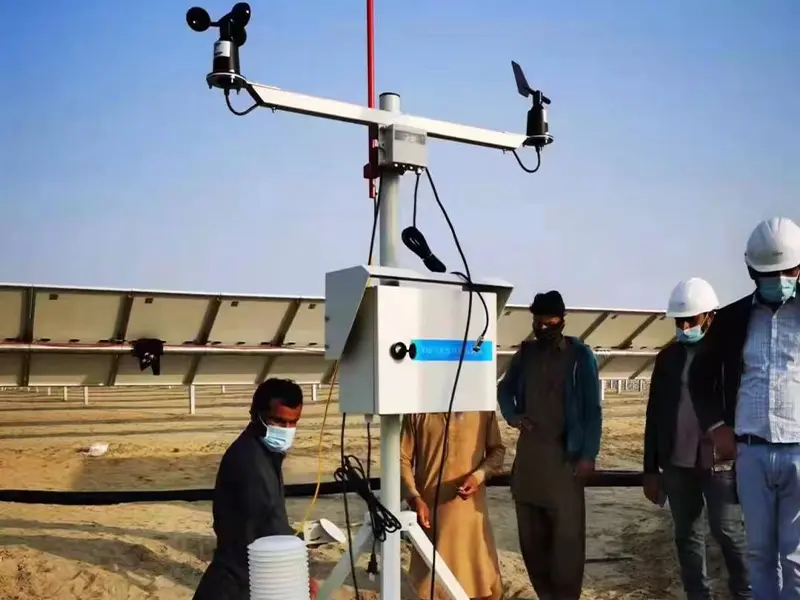
Estações meteorológicas exigem monitoramento contínuo e de longo prazo da radiação solar total, portanto, o equipamento deve ser altamente adaptável a várias condições ambientais e oferecer excelente estabilidade. Para monitoramento meteorológico geral, produtos com preço entre US$ 100 e US$ 1.500 são adequados, enquanto radiômetros termopilha de alto grau são mais apropriados para observações meteorológicas profissionais e projetos de pesquisa científica.
Agricultura
O monitoramento meteorológico agrícola é usado principalmente para análise de crescimento de culturas, gerenciamento de irrigação e controle de ambiente em estufas, e tem requisitos de precisão relativamente moderados. A maioria dos projetos será suficiente com um sensor de radiação fotoelétrico de silício econômico, com um orçamento recomendado de US$ 50 a US$ 300.
Investigação científica
Instituições de pesquisa geralmente exigem equipamentos de medição de radiação de alta precisão que estejam em conformidade com o padrão ISO 9060 para garantir a consistência e rastreabilidade dos dados experimentais. Recomenda-se selecionar um piranômetro Classe A de Espectro Plano com preço entre US$ 1.500 e US$ 3.000+ para atender às necessidades de observação de longo prazo e alta precisão.
Monitoramento de energia em edifícios
O monitoramento de energia em edifícios é usado principalmente para avaliar as condições de radiação solar em fachadas, telhados e sistemas fotovoltaicos, fornecendo dados para apoiar a análise de consumo de energia e o design energeticamente eficiente. Para a maioria dos projetos de edifícios comerciais, produtos com preço entre US$ 100 e US$ 800 são recomendados para alcançar um bom equilíbrio entre custo e desempenho.
Piranômetros baratos vs premium
A maior diferença entre um piranômetro de baixo custo e um premium não é apenas o preço de compra, mas também a precisão da medição, a estabilidade de longo prazo e a conformidade com padrões internacionais. Escolher o modelo certo depende da sua aplicação, requisitos de qualidade de dados e orçamento do projeto.
| Caraterística | Piranômetros baratos | Piranômetros premium |
|---|---|---|
| Preço típico | $50–$300 | $1.500–$3.000+ |
| Tecnologia do sensor | Fotodiodo de silício | Termopilha (Classe A de Espectro Plano) |
| Precisão da medição | Moderado | Muito elevado |
| Resposta Espectral | Limitada | Espectro solar completo |
| Estabilidade a longo prazo | Bom para uso geral | Excelente com deriva mínima |
| Classificação ISO 9060 | Geralmente não classificado ou nível básico | Classe A / Classe A de Espectro Plano |
| Calibração | Calibração de fábrica | Calibração individual rastreável |
| Desempenho ambiental | Adequado para monitoramento de rotina | Projetado para condições externas adversas |
| Aplicações típicas | Agricultura, estações meteorológicas, pequenos sistemas fotovoltaicos | Usinas solares de grande escala, redes meteorológicas, pesquisa científica |
| Melhor Para | Projetos sensíveis a custos | Projetos de monitoramento de alta precisão e longo prazo |
Um Piranômetro Caro Vale o Custo?
Se um piranômetro premium vale o investimento depende de como os dados de medição serão utilizados. Escolher o sensor certo para sua aplicação geralmente oferece um retorno melhor do que simplesmente selecionar a opção de menor preço.
| Aplicação | Piranômetro Recomendado | Por Que Vale o Custo |
|---|---|---|
| Usinas Solares (10 MW+) | Piranômetro Termopilha Classe A | Maior precisão de medição melhora a análise da taxa de desempenho (PR), detecção de falhas e avaliação de rendimento energético de longo prazo. |
| Estações meteorológicas | Piranômetro Termopilha | Fornece dados estáveis e contínuos de radiação solar para monitoramento ambiental de longo prazo. |
| Investigação científica | Piranômetro Classe A de Resposta Espectral Plana | Oferece precisão de nível de pesquisa, baixa deriva e calibração rastreável para dados experimentais confiáveis. |
| Monitoramento de energia em edifícios | Piranômetro Termopilha de Nível Básico | Oferece um bom equilíbrio entre precisão e custo para análise de desempenho de edifícios e gestão de energia. |
| Agricultura e Estufas | Piranômetro de Silício | Atende às necessidades rotineiras de monitoramento a um custo menor, tornando-se uma escolha prática para projetos com orçamento limitado. |
Dica: Se seu projeto depende de dados precisos de radiação solar para análise de desempenho, conformidade ou pesquisa, investir em um piranômetro premium pode proporcionar maior valor a longo prazo. Para monitoramento rotineiro, um modelo econômico é frequentemente a escolha mais custo-efetiva.
Como Escolher o Piranômetro Certo para Seu Orçamento
Seu orçamento deve estar alinhado com seus requisitos de precisão e aplicação. Gastar mais nem sempre significa melhor valor—o piranômetro certo é aquele que atende às necessidades de desempenho do seu projeto sem custos desnecessários.
| Orçamento | Piranômetro Recomendado | Melhor Para | Conselho de Compra |
|---|---|---|---|
| Abaixo de $300 | Piranômetro de Silício | Agricultura, monitoramento de estufas, estações meteorológicas, pequenos sistemas fotovoltaicos | Uma escolha prática para monitoramento rotineiro de radiação solar onde precisão moderada é suficiente. |
| $300–$1.000 | Piranômetro Termopilha de Nível Básico | Sistemas fotovoltaicos comerciais, monitoramento ambiental, aplicações industriais | Oferece precisão aprimorada, medição de espectro completo e melhor estabilidade de longo prazo a um custo razoável. |
| Acima de $1.000 | Piranômetro Termopilha Classe Secundária ou Classe A com Espectro Plano | Usinas solares de grande escala, estações meteorológicas, pesquisa científica | Recomendado para projetos que exigem medições de alta precisão, confiabilidade de longo prazo e conformidade com padrões internacionais. |
Dica de Compra: Considere o custo total de propriedade em vez do preço de compra isoladamente. Fatores como precisão de medição, calibração, durabilidade, requisitos de manutenção e vida útil podem ter um impacto maior no valor a longo prazo do que o investimento inicial.
Por Que Comprar Diretamente de um Fabricante de Piranômetros?
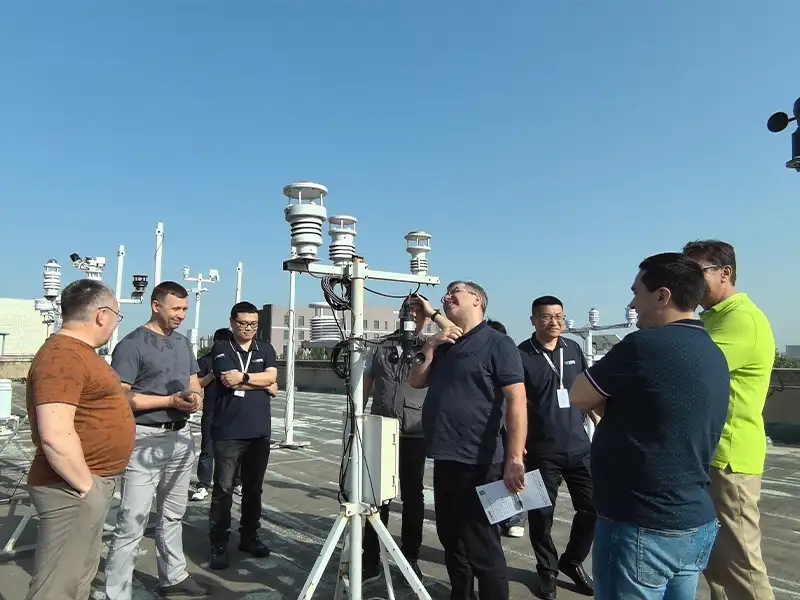
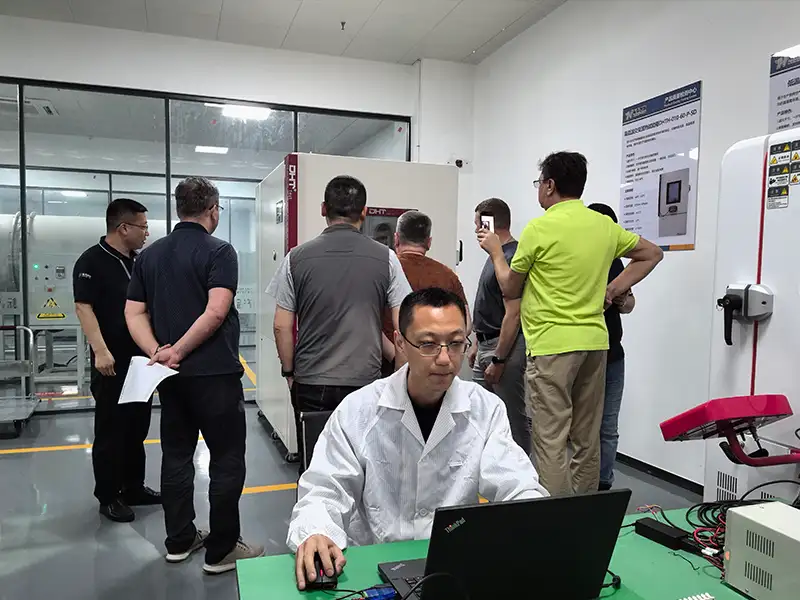
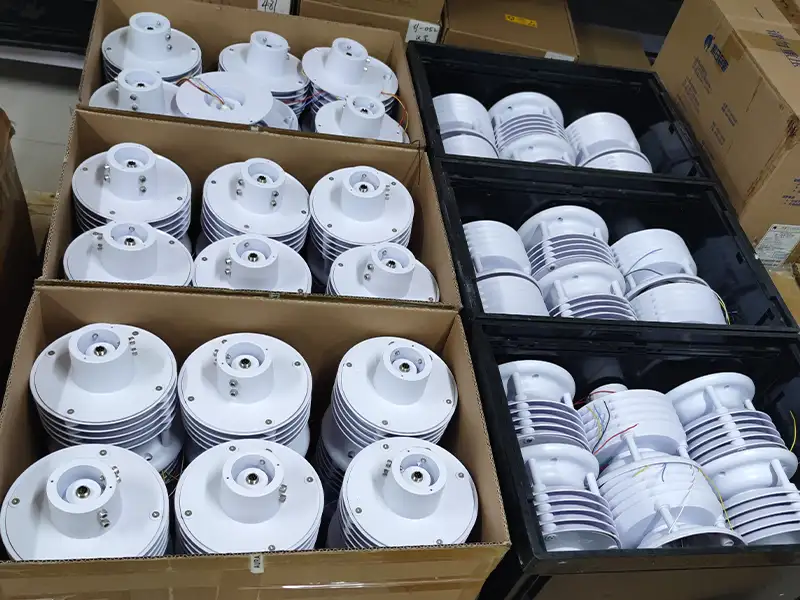
Comprar diretamente do fabricante oferece mais do que um preço competitivo—garante que você receba o piranômetro certo para sua aplicação, juntamente com suporte técnico confiável ao longo do seu projeto. Na Sensor de Yantai, fabricamos uma gama completa de sensores de radiação solar e fornecemos soluções flexíveis para clientes em todo o mundo.
- OEM e Marca Própria – Suporte para personalização de marca, etiquetas, embalagens e identificação de produtos.
- Soluções Personalizadas – Especificações de sensores adaptadas, interfaces de comunicação, opções de montagem e integração de sistemas para atender a requisitos específicos de projetos.
- Suporte para Pedidos em Grande Escala – Capacidade de produção estável e qualidade consistente de produtos para distribuidores, contratantes EPC e projetos de grande escala.
- Suporte Técnico Profissional – Engenheiros experientes fornecem orientação na seleção de produtos, assistência na instalação e suporte técnico pós-venda.
- Preço Direto de Fábrica – Compre diretamente do fabricante para reduzir custos de aquisição sem comprometer a qualidade do produto.
- Entrega Rápida – Programação de produção eficiente e envio global ajudam a encurtar prazos de entrega para pedidos padrão e personalizados.
Esteja você adquirindo piranômetros para usinas solares, estações meteorológicas, monitoramento agrícola ou pesquisa científica, Sensor de Yantai oferece produtos confiáveis, preços competitivos e serviço responsivo. Entre em contato conosco hoje para discutir seu projeto e solicitar um orçamento personalizado.
Conclusão
Embora o preço seja uma consideração chave ao adquirir um piranômetro, não é o único fator decisivo. Além do custo inicial, deve-se também avaliar a precisão da medição, estabilidade de longo prazo, certificação de calibração, vida útil, adaptabilidade ambiental e custos contínuos de manutenção. Selecionar um produto que esteja alinhado com os requisitos específicos da sua aplicação geralmente proporciona maior valor a longo prazo e garante suporte de dados mais confiável para seu projeto.
Se você está buscando um piranômetro adequado para uma usina fotovoltaica, estação meteorológica, sistema de monitoramento agrícola ou projeto de pesquisa, a Yantai Sensor oferece uma gama de soluções—incluindo sensores de radiação solar à base de silício, termopilha e de alta precisão—junto com suporte para personalização OEM, compras em grande escala e serviços técnicos profissionais.
Entre em contato conosco para obter especificações de produtos, conselhos técnicos e preços de fábrica, a fim de selecionar a solução de medição de radiação solar mais custo-efetiva para seu projeto.