Введение
Выбор правильного пиранометр включает в себя не только сравнение технических характеристик, но и понимание стоимости доступных на рынке вариантов пиранометров. Независимо от того, приобретаете ли вы датчик для фотоэлектрической электростанции, метеостанции, системы сельскохозяйственного мониторинга или научно-исследовательского проекта, цена пиранометра может значительно варьироваться в зависимости от технологии измерения, класса точности, стандартов калибровки и эксплуатационных характеристик. Начальные кремниевые пиранометры, как правило, наиболее экономичны, в то время как высокоточные термопильные модели, предназначенные для профессионального мониторинга солнечного излучения, могут стоить в несколько раз дороже.
В этом руководстве мы разберем типичную стоимость пиранометров в различных категориях, объясним ключевые факторы, влияющие на стоимость пиранометра, сравним типы датчиков и уровни производительности, а также предоставим практические советы по покупке для различных применений и бюджетов. К концу этой статьи вы будете четко понимать, какой пиранометр предлагает наилучшее соотношение цены и качества для вашего проекта мониторинга и как принять экономически эффективное решение о покупке.
Сколько стоит пиранометр?
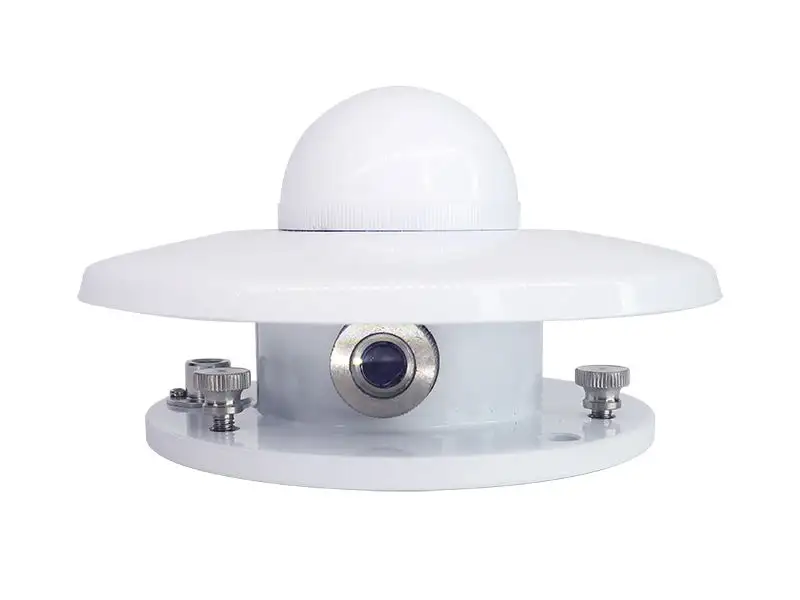
Стоимость пиранометра варьируется в зависимости от технологии датчика, точности измерений, стандарты калибровки пиранометров, и предполагаемого применения. Базовые кремниевые модели подходят для общего мониторинга по более низкой цене, самый дешевый пиранометр, в то время как высокоточные термопильные пиранометры, используемые в метеорологических и солнечных энергетических приложениях, имеют более высокую цену пиранометра для мониторинга солнечного излучения из-за их превосходной производительности и долгосрочной стабильности.
| Тип пиранометра | Типичный диапазон цен (USD) | Типичные области применения |
|---|---|---|
| Кремниевый пиранометр | $50–$300 | Метеостанции, сельское хозяйство, базовый мониторинг солнечного излучения |
| Начальный термопильный пиранометр | $300–$800 | Фотоэлектрические системы, экологический мониторинг |
| Термопильный пиранометр вторичного класса | $800–$1,500 | Профессиональная оценка солнечных ресурсов, промышленный мониторинг |
| Спектрально плоский пиранометр класса A | $1,500–$3,000+ | Научные исследования, метеорологические сети, промышленные солнечные электростанции |
| Автоматическая следящая система измерения солнечного излучения | $5,000–$20,000+ | Исследования солнечной энергии, калибровочные лаборатории, высокоточная оценка солнечных ресурсов |
Примечание: Цены приведены только для справки и могут варьироваться в зависимости от производителя, классификации ISO 9060, сертификата калибровки, интерфейса связи и дополнительных функций, таких как обогрев, вентиляция или встроенная регистрация данных.
Цена пиранометра по типу датчика
Цена пиранометра в основном варьируется в зависимости от технологии датчика. Кремниевые, термопильные и спектрально плоские пиранометры различаются по точности, стабильности и производительности, что приводит к различным вариантам стоимости пиранометра для различных применений. Ниже приведены цены для различных типов пиранометров:
Кремниевый пиранометр
Типичная цена: $50–$300
Кремниевые пиранометры используют фотодиодный датчик для измерения солнечного излучения, предлагая экономически эффективное решение с быстрым откликом и низким энергопотреблением.
Преимущества: Доступные, компактные и простые в установке, что делает их идеальными для рутинного мониторинга солнечного излучения.
Приложения: Обычно используются в сельскохозяйственных метеостанциях, мониторинге теплиц, небольших фотоэлектрических системах, экологическом мониторинге и образовательных проектах.
Термопильный пиранометр
Типичная цена: $300–$1,500+
Термопильные пиранометры измеряют полный солнечный спектр и обеспечивают более высокую точность и долгосрочную стабильность по сравнению с кремниевыми моделями.
Преимущества: Обеспечивает надежные высокоточные измерения, подходящие для непрерывного наружного мониторинга в различных условиях окружающей среды.
Приложения: Широко используется в фотоэлектрические станции, метеорологических станциях, оценке солнечных ресурсов, экологическом мониторинге и научных исследованиях.
Спектрально плоский пиранометр
Типичная цена: $1,500–$3,000+
Спектрально плоские пиранометры класса A представляют собой высший уровень производительности в соответствии с ISO 9060. Они разработаны для применений, требующих исключительной точности и стабильности измерений, что объясняет их более высокую стоимость пиранометра по сравнению со стандартными моделями.
Почему они дороже?
- Высшая классификация точности по ISO 9060
- Превосходная спектральная и угловая характеристика
- Низкая температурная зависимость
- Исключительная долгосрочная стабильность и низкий дрейф
- Индивидуальная калибровка для точных измерений
- Идеально подходят для научных исследований и банковской оценки солнечных ресурсов
Эти премиальные приборы обычно используются в калибровочных лабораториях, национальных метеорологических сетях, исследовательских институтах и промышленных фотоэлектрических проектах, где качество измерений напрямую влияет на надежность данных и инвестиционные решения.
Какие факторы влияют на стоимость пиранометра?
На цену пиранометра влияет множество факторов, от нескольких сотен юаней до десятков тысяч юаней. Основные различия в основном отражаются в типе датчика, уровне точности, бренде и контроле качества.
1. Sensor technology and accuracy level
- Thermopile type: Measures the full spectrum (300-3000nm), with high accuracy and stable performance. It is the first choice for high-end and professional applications. The higher the level that meets the ISO 9060 standard (such as sub-benchmark level, level one, level two), the more expensive the price.
- Silicon photodiode type: fast response, low cost, but only measures a specific spectral range (400-1100nm), mainly used in photovoltaic reference cells and low-cost monitoring. In 2025, the global average selling price of silicon-based pyranometers will be approximately US$220 per unit, and the civilian grade will be concentrated in the range of US$100-200.
2. Brand, quality control and manufacturing process
- Brand premium: Well-known brands (such as THIES CLIMA from Germany, Kipp & Zonen from the Netherlands, Apogee from the United States) are usually more expensive, but provide better quality control and stability.
- Quality control and consistency: High-end products perform better in homogeneity (Homogeneity), stray light control (Scattering) and spectral throughput. These performance differences will become very obvious in long exposure or high-precision measurements. Low-priced products may suffer from problems such as color cast and heterogeneity in the picture.
3. Output Signals and Features
- Output Interfaces: Sensors that provide only analog voltage (mV) are the least expensive, while models with RS485/Modbus digital output are more expensive due to their easier integration.
- Additional Features: Features such as built-in temperature compensation, heaters (to prevent condensation/frost), and wireless communication (LoRa/4G) significantly increase the cost.
4. Design and Application Scenarios
- Measurement Range and Accuracy: Sensors with high accuracy (e.g., within ±3%) and a wide measurement range (0–2000 W/m²) are more expensive.
- Protection Rating: Products with a high protection rating (e.g., IP67) and outdoor durability are more expensive.
When selecting a solar irradiance meter, you shouldn’t base your decision solely on price; instead, you should consider the specific application scenario. For monitoring the efficiency of photovoltaic systems with modest requirements, an entry-level thermopile or silicon-based sensor is sufficient. However, for scientific research or applications requiring extremely high data accuracy, it is necessary to invest in a high-precision model from a premium brand.
Need help selecting the right pyranometer? Contact Yantai Sensor to compare models, discuss your application, and receive a factory-direct quote. Our engineers will recommend the most cost-effective solution for your solar monitoring project.
Pyranometer Cost by Application
Солнечные электростанции
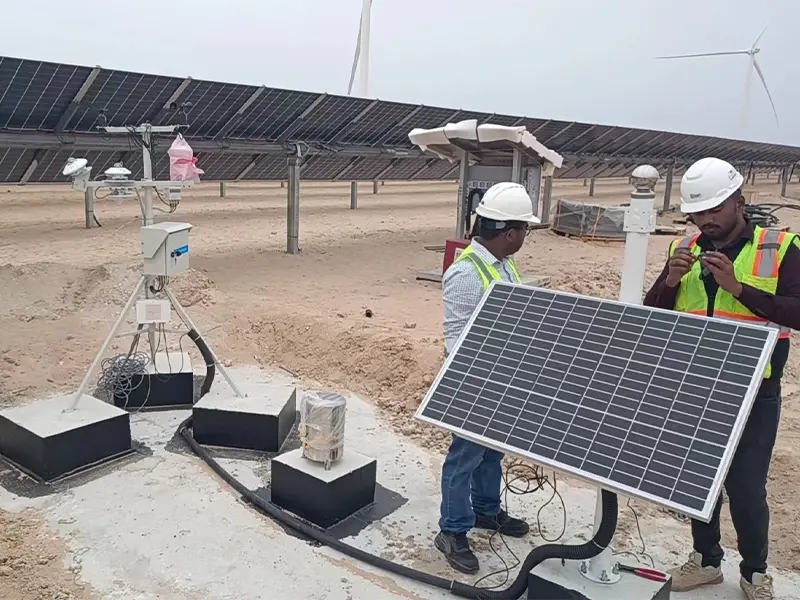
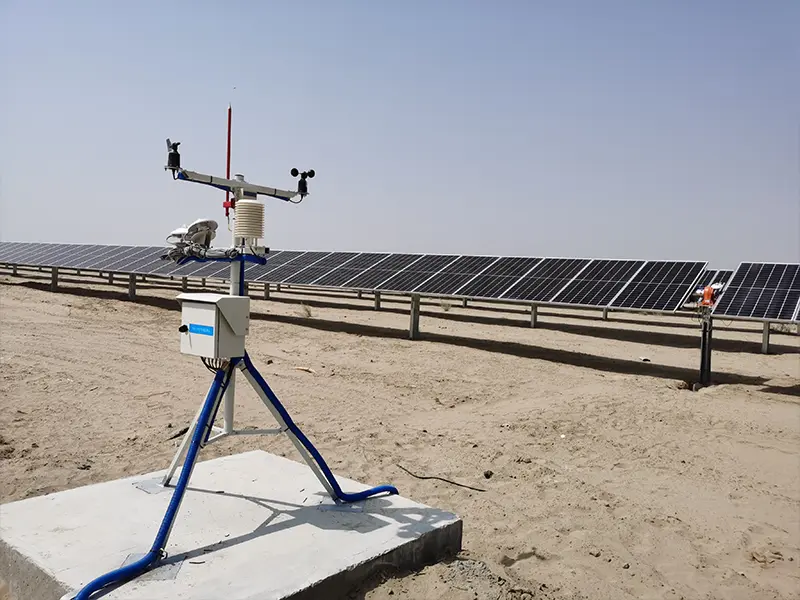
Photovoltaic power stations have high requirements for the accuracy of solar radiation data, and usually use thermopile or Spectrally Flat Class A Pyranometers for power generation performance monitoring and resource assessment. For commercial and large ground power stations, it is recommended to choose products priced at US$300–3,000+, which can take into account both measurement accuracy and stability.
Погодные станции
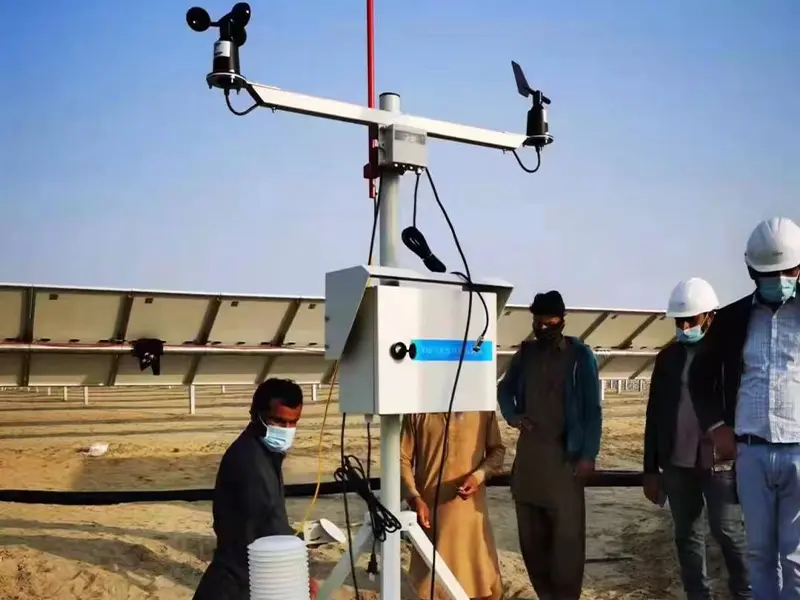
Weather stations require long-term, continuous monitoring of total solar radiation, so the equipment must be highly adaptable to various environmental conditions and offer excellent stability. For general weather monitoring, products priced between $100 and $1,500 are suitable, while high-grade thermopile radiometers are more appropriate for professional meteorological observations and scientific research projects.
Сельское хозяйство
Agricultural meteorological monitoring is mainly used for crop growth analysis, irrigation management and greenhouse environment control, and has relatively moderate accuracy requirements. Most projects will suffice with an economical silicon photoelectric radiation sensor, with a recommended budget of $50–$300.
Научные исследования
Research institutions typically require high-precision radiation measurement equipment that complies with the ISO 9060 standard to ensure the consistency and traceability of experimental data. It is recommended to select a Spectrally Flat Class A Pyranometer priced between $1,500 and $3,000+ to meet long-term, high-precision observation needs.
Building Energy Monitoring
Building energy monitoring is primarily used to assess solar radiation conditions on building facades, roofs, and photovoltaic systems, providing data to support building energy consumption analysis and energy-efficient design. For most commercial building projects, products priced between $100 and $800 are recommended to achieve a good balance between cost and performance.
Cheap vs Premium Pyranometers
The biggest difference between a low-cost and a premium pyranometer is not just the purchase price, but also measurement accuracy, long-term stability, and compliance with international standards. Choosing the right model depends on your application, data quality requirements, and project budget.
| Характеристика | Cheap Pyranometers | Premium Pyranometers |
|---|---|---|
| Typical Price | $50–$300 | $1,500–$3,000+ |
| Sensor Technology | Silicon Photodiode | Thermopile (Spectrally Flat Class A) |
| Точность измерений | Умеренный | Очень высокий |
| Спектральная характеристика | Ограниченный | Full Solar Spectrum |
| Долгосрочная стабильность | Good for general use | Excellent with minimal drift |
| ISO 9060 Classification | Usually not classified or Entry Level | Class A / Spectrally Flat Class A |
| Calibration | Factory calibration | Individual traceable calibration |
| Environmental Performance | Suitable for routine monitoring | Designed for harsh outdoor conditions |
| Типичные области применения | Agriculture, weather stations, small PV systems | Utility-scale solar farms, meteorological networks, scientific research |
| Лучше всего подходит для | Cost-sensitive projects | High-accuracy and long-term monitoring projects |
Is an Expensive Pyranometer Worth the Cost?
Whether a premium pyranometer is worth the investment depends on how the measurement data will be used. Choosing the right sensor for your application often delivers a better return than simply selecting the lowest-priced option.
| Приложение | Recommended Pyranometer | Why It’s Worth the Cost |
|---|---|---|
| Solar Farms (10 MW+) | Class A Thermopile Pyranometer | Higher measurement accuracy improves performance ratio (PR) analysis, fault detection, and long-term energy yield evaluation. |
| Погодные станции | Термопильный пиранометр | Provides stable, continuous solar radiation data for long-term environmental monitoring. |
| Научные исследования | Спектрально плоский пиранометр класса A | Delivers research-grade accuracy, low drift, and traceable calibration for reliable experimental data. |
| Building Energy Monitoring | Начальный термопильный пиранометр | Offers a good balance of accuracy and cost for building performance analysis and energy management. |
| Agriculture & Greenhouses | Кремниевый пиранометр | Meets routine monitoring needs at a lower cost, making it a practical choice for budget-conscious projects. |
Tip: If your project relies on precise solar radiation data for performance analysis, compliance, or research, investing in a premium pyranometer can provide greater long-term value. For routine monitoring, an economical model is often the more cost-effective choice.
How to Choose the Right Pyranometer for Your Budget
Your budget should align with your accuracy requirements and application. Spending more doesn’t always mean better value—the right pyranometer is the one that meets your project’s performance needs without unnecessary cost.
| Бюджет | Recommended Pyranometer | Лучше всего подходит для | Buying Advice |
|---|---|---|---|
| Under $300 | Кремниевый пиранометр | Agriculture, greenhouse monitoring, weather stations, small PV systems | A practical choice for routine solar radiation monitoring where moderate accuracy is sufficient. |
| $300–$1,000 | Начальный термопильный пиранометр | Commercial PV systems, environmental monitoring, industrial applications | Offers improved accuracy, full-spectrum measurement, and better long-term stability at a reasonable cost. |
| Over $1,000 | Secondary Class or Spectrally Flat Class A Thermopile Pyranometer | Utility-scale solar farms, meteorological stations, scientific research | Recommended for projects requiring high-precision measurements, long-term reliability, and compliance with international standards. |
Buying Tip: Consider the total cost of ownership rather than the purchase price alone. Factors such as measurement accuracy, calibration, durability, maintenance requirements, and service life can have a greater impact on long-term value than the initial investment.
Why Buy Directly from a Pyranometer Manufacturer?
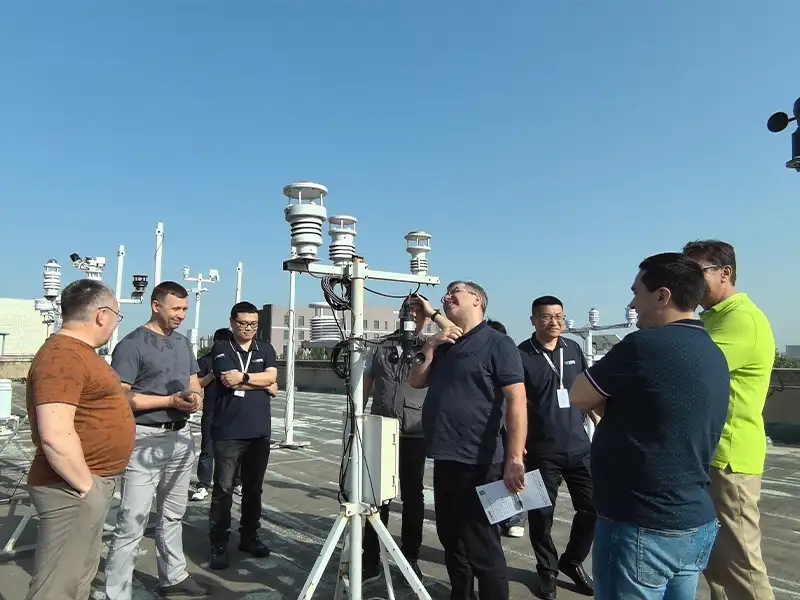
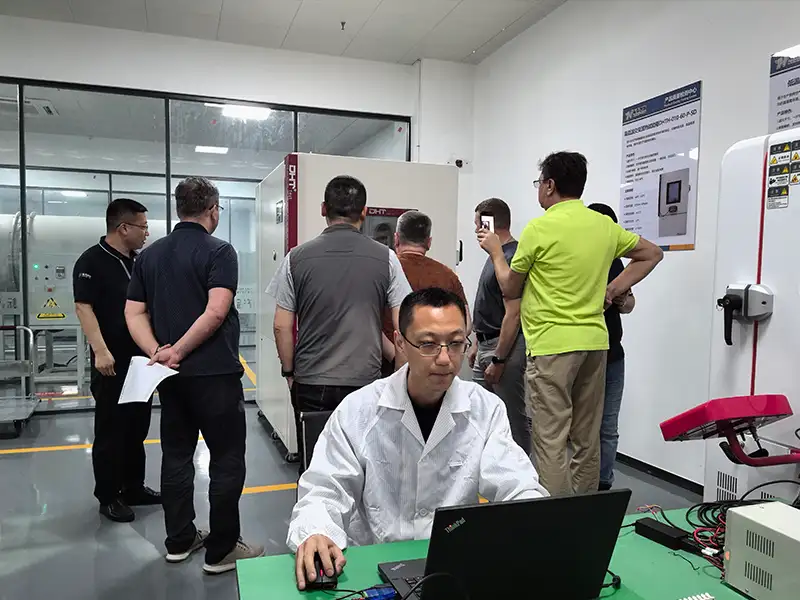
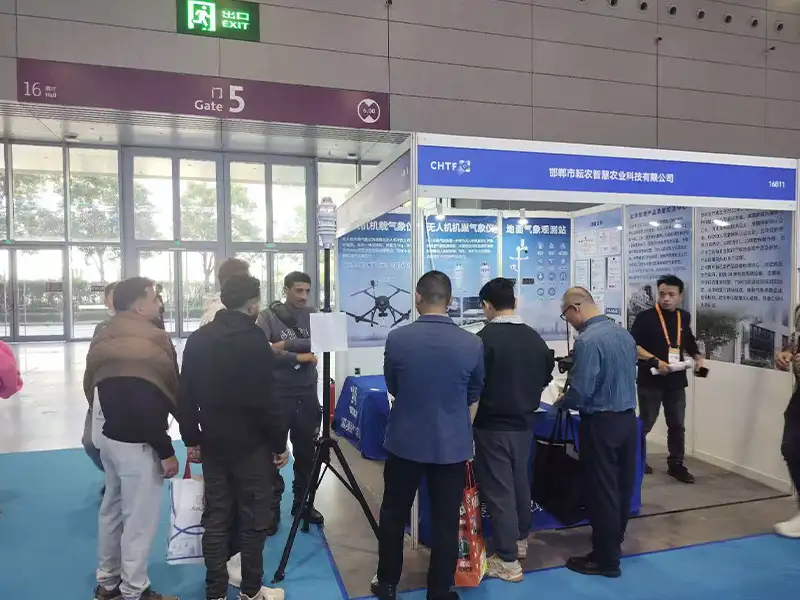
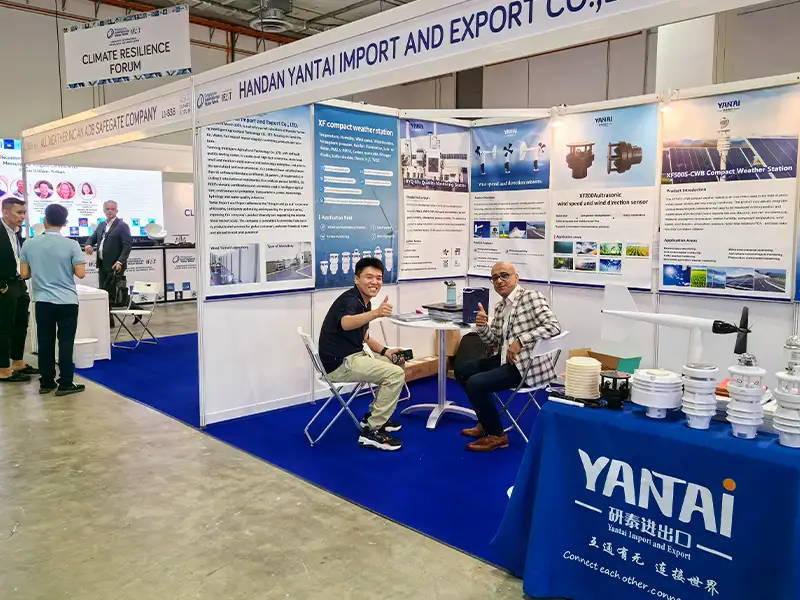
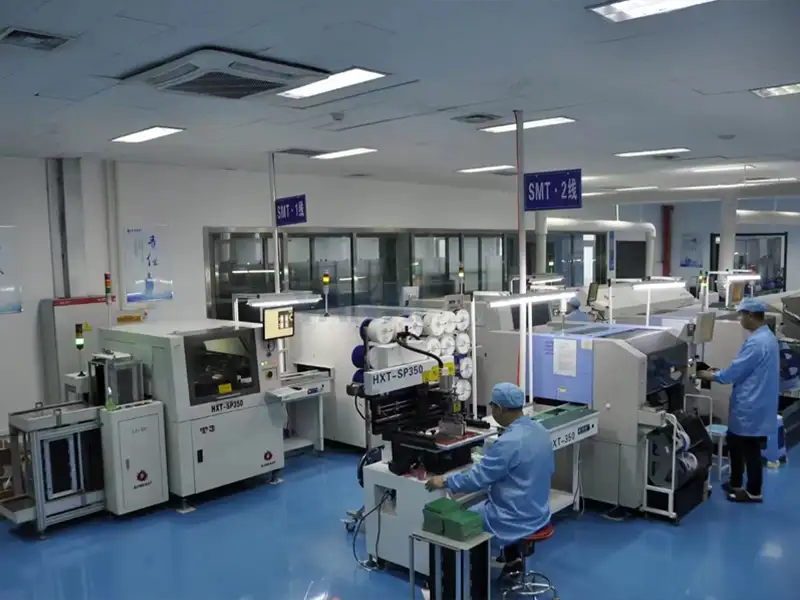
Purchasing directly from the manufacturer gives you more than a competitive price—it ensures you receive the right pyranometer for your application, along with reliable technical support throughout your project. At Яньтайский датчик, we manufacture a complete range of solar radiation sensors and provide flexible solutions for customers worldwide.
- OEM & Private Label – Support for custom branding, labels, packaging, and product identification.
- Customized Solutions – Tailored sensor specifications, communication interfaces, mounting options, and system integration to meet specific project requirements.
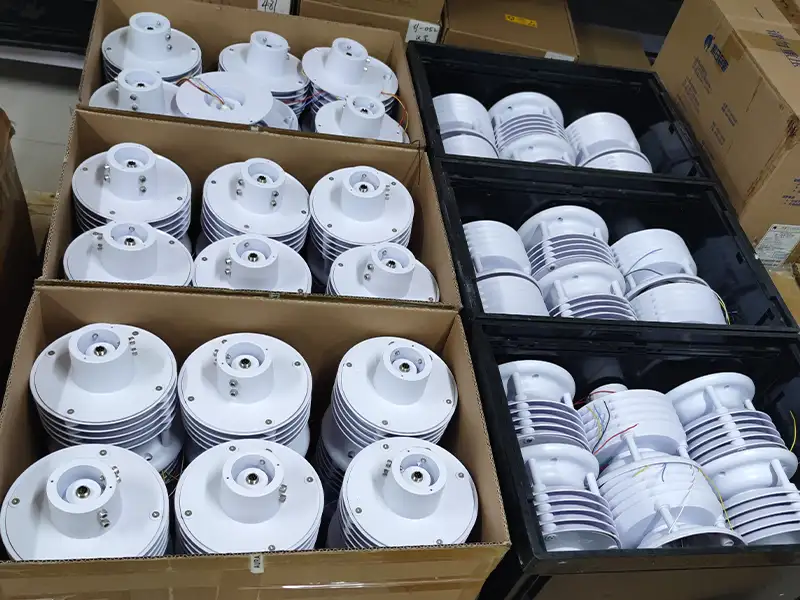
- Bulk Order Support – Stable production capacity and consistent product quality for distributors, EPC contractors, and large-scale projects.
- Professional Technical Support – Experienced engineers provide product selection guidance, installation assistance, and after-sales technical support.
- Factory-Direct Pricing – Purchase directly from the manufacturer to reduce procurement costs without compromising product quality.
- Fast Delivery – Efficient production scheduling and global shipping help shorten lead times for standard and customized orders.
Whether you’re sourcing pyranometers for solar farms, weather stations, agricultural monitoring, or scientific research, Яньтайский датчик offers dependable products, competitive pricing, and responsive service. Contact us today to discuss your project and request a customized quotation.
Заключение
While price is a key consideration when purchasing a pyranometer, it is not the sole deciding factor. Beyond the initial cost, one should also evaluate measurement accuracy, long-term stability, calibration certification, service life, environmental adaptability, and ongoing maintenance costs. Selecting a product that aligns with your specific application requirements often yields greater long-term value and ensures more reliable data support for your project.
If you are seeking a suitable pyranometer for a photovoltaic power plant, weather station, agricultural monitoring system, or research project, Yantai Sensor offers a range of solutions—including silicon-based, thermopile-based, and high-precision solar radiation sensors—along with support for OEM customization, bulk purchasing, and professional technical services.
Please contact us for product specifications, technical advice, and factory pricing to select the most cost-effective solar radiation measurement solution for your project.