บทนำ
เนื่องจากระบบพลังงานแสงอาทิตย์ เครือข่ายการตรวจวัดทางการเกษตร สถานีอุตุนิยมวิทยา และโครงการวิจัยด้านสิ่งแวดล้อมมีการขับเคลื่อนด้วยข้อมูลมากขึ้น ความต้องการโซลูชันการวัดรังสีแสงอาทิตย์ที่มีความยืดหยุ่นและเชื่อถือได้จึงเพิ่มขึ้นอย่างต่อเนื่อง เซนเซอร์แบบมีสายแบบดั้งเดิมมักเผชิญกับความท้าทาย เช่น การติดตั้งที่ซับซ้อน ค่าใช้จ่ายในการเดินสายสูง และข้อจำกัดด้านความยืดหยุ่นในการติดตั้ง โดยเฉพาะในสภาพแวดล้อมการตรวจวัดระยะไกลหรือขนาดใหญ่ เซนเซอร์วัดรังสีแสงอาทิตย์แบบไร้สายช่วยขจัดข้อจำกัดเหล่านี้ด้วยการเปิดใช้งานการตรวจวัดความเข้มรังสีแสงอาทิตย์แบบเรียลไทม์โดยไม่ต้องมีโครงสร้างพื้นฐานการเดินสายที่ซับซ้อน ด้วยการผสานการวัดรังสีแสงอาทิตย์ที่แม่นยำเข้ากับเทคโนโลยีการสื่อสารไร้สาย เช่น LoRaWAN, NB-IoT, 4G, Wi-Fi หรือ Zigbee เซนเซอร์เหล่านี้จึงเป็นโซลูชันที่คุ้มค่า ขยายขนาดได้ และมีประสิทธิภาพสำหรับการใช้งานตรวจวัดสิ่งแวดล้อมและทรัพยากรแสงอาทิตย์สมัยใหม่ บทความนี้สำรวจประโยชน์ของเซนเซอร์วัดรังสีแสงอาทิตย์แบบไร้สายและเหตุผลที่เซนเซอร์เหล่านี้กลายเป็นองค์ประกอบสำคัญของระบบตรวจวัดอัจฉริยะในหลากหลายอุตสาหกรรม หากคุณต้องการเรียนรู้เพิ่มเติมเกี่ยวกับ “ไพราโนมิเตอร์ vs เซนเซอร์วัดรังสีอาทิตย์: แตกต่างกันอย่างไร?”, กรุณาคลิกที่บทความ.
เซ็นเซอร์รังสีแสงอาทิตย์ไร้สายคืออะไร?
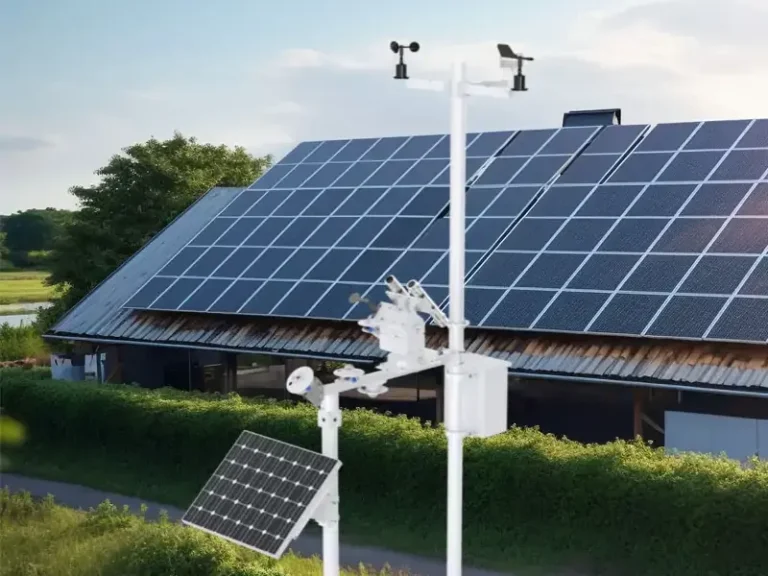
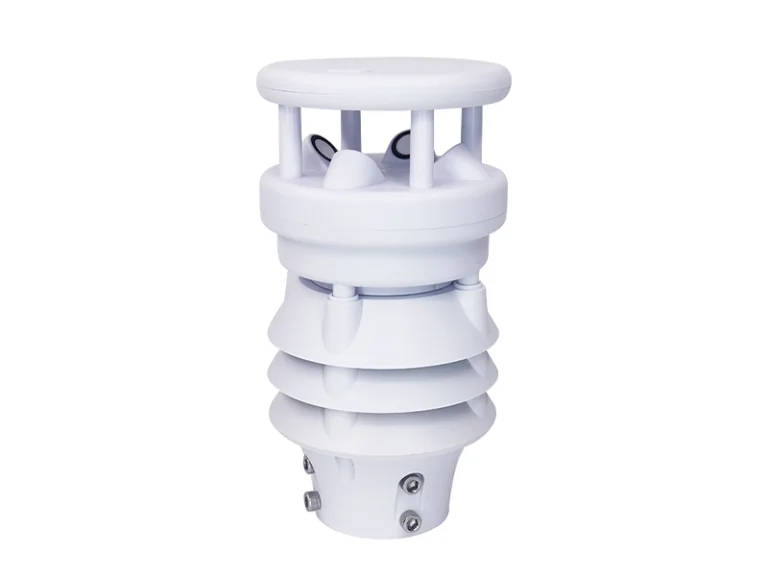
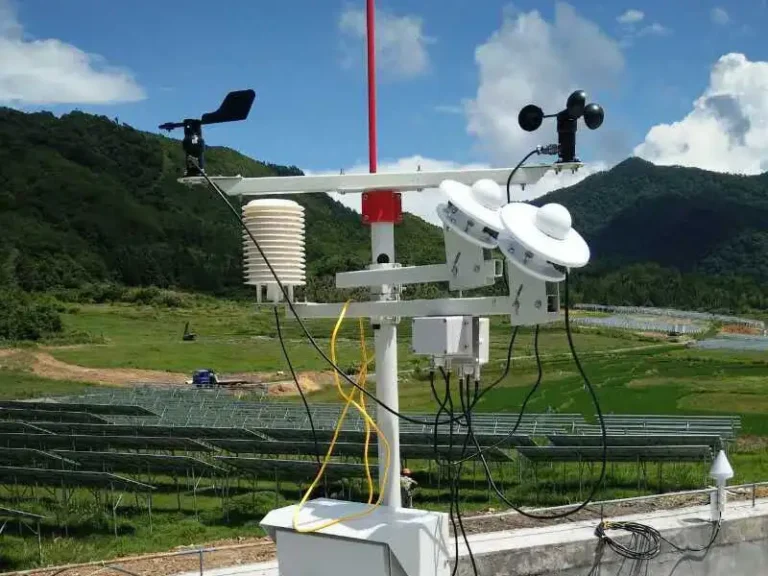
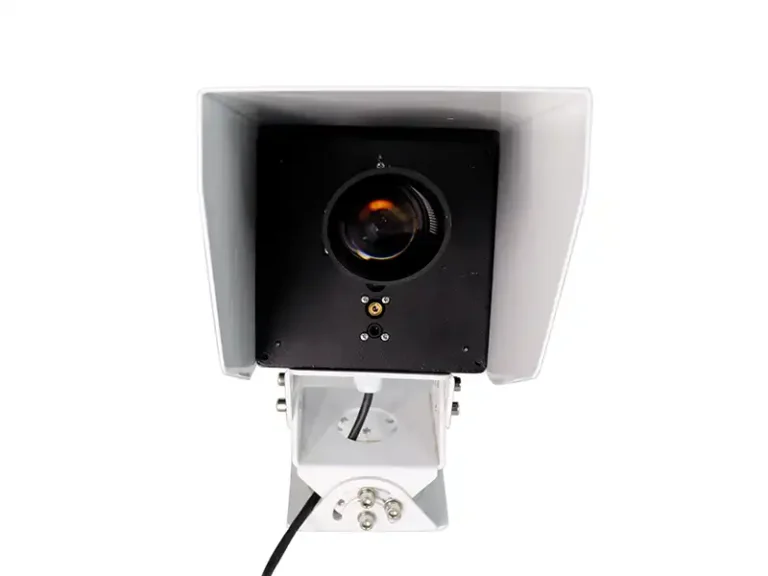
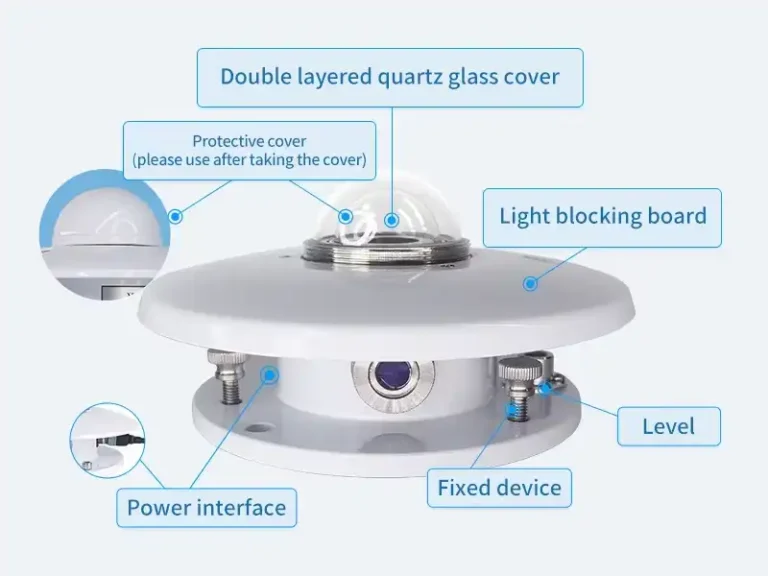
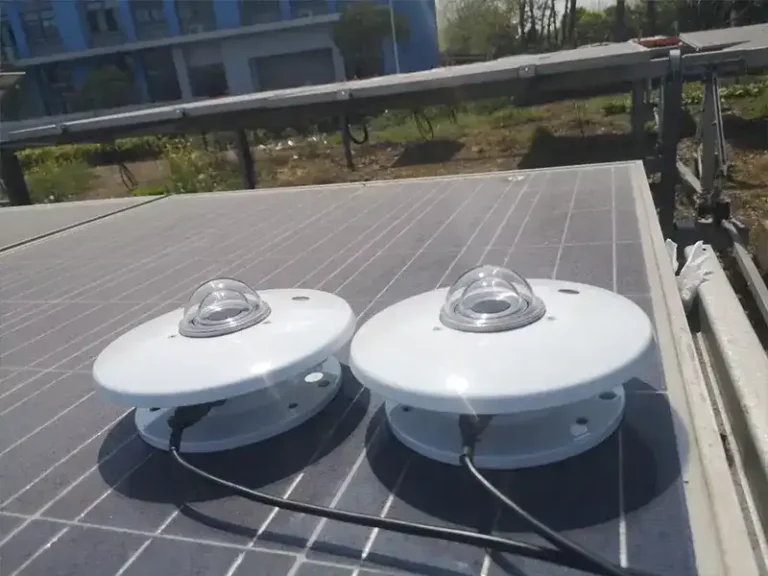
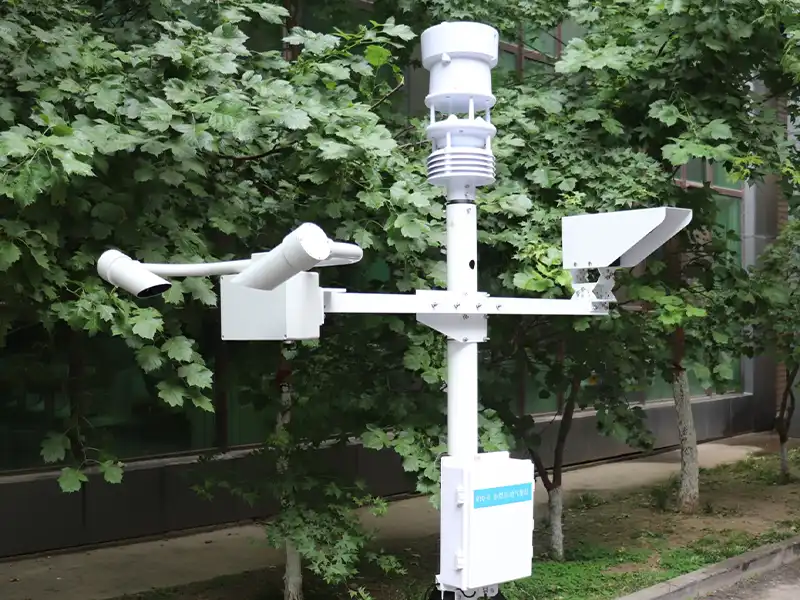
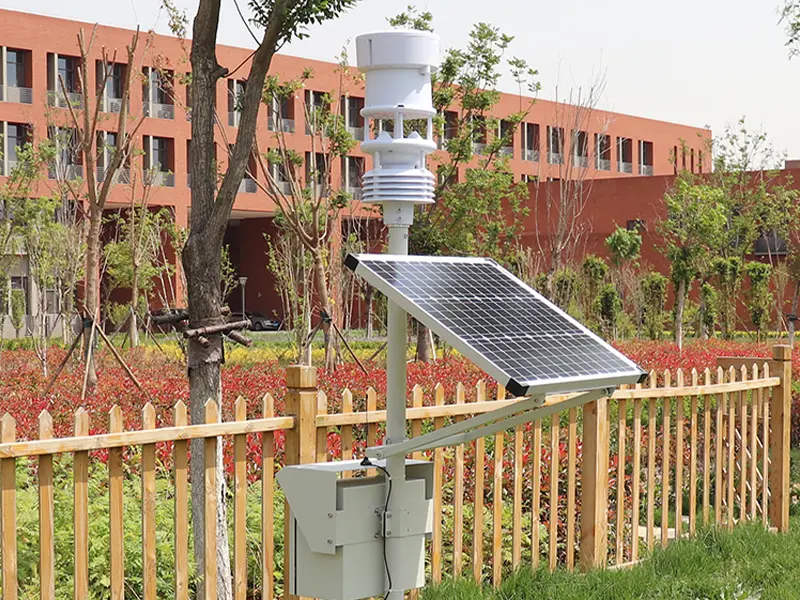
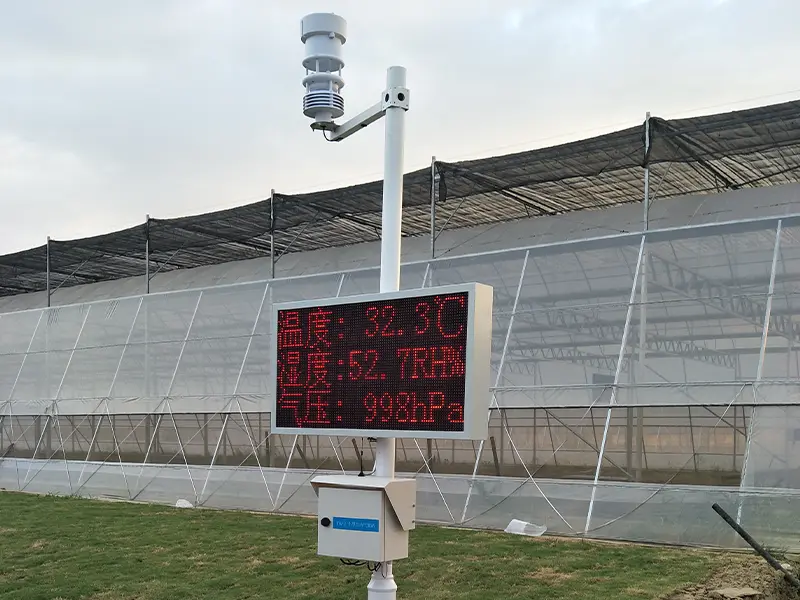
A เซ็นเซอร์รังสีความร้อนไร้สาย เป็นอุปกรณ์ที่วัดการแผ่รังสีของแสงอาทิตย์และส่งข้อมูลแบบไร้สายไปยังเกตเวย์ แพลตฟอร์มคลาวด์ หรือระบบตรวจสอบแบบเรียลไทม์ เมื่อเปรียบเทียบกับโซลูชันแบบมีสายแบบดั้งเดิม อุปกรณ์นี้ช่วยลดค่าใช้จ่ายในการติดตั้ง ทำให้การติดตั้งง่ายขึ้น และช่วยให้สามารถตรวจสอบได้อย่างยืดหยุ่นในพื้นที่ขนาดใหญ่หรือสถานที่ห่างไกล ไม่ว่าคุณจะกำลังบริหารจัดการโรงไฟฟ้าพลังงานแสงอาทิตย์ โครงการเกษตรกรรม, สถานีตรวจอากาศ, หรือเครือข่ายการตรวจสอบสิ่งแวดล้อม ข้อมูลการแผ่รังสีของดวงอาทิตย์ที่แม่นยำช่วยปรับปรุงประสิทธิภาพการดำเนินงานและการตัดสินใจให้ดีขึ้น ที่ Yantai Sensor เราให้บริการเซ็นเซอร์การแผ่รังสีของดวงอาทิตย์แบบไร้สายพร้อมตัวเลือกการสื่อสารหลายรูปแบบ รวมถึง LoRaWAN, NB-IoT, RS485 ไปจนถึงโซลูชันไร้สาย และการเชื่อมต่อ 4G เพื่อตอบสนองความต้องการของการนำไปใช้ในหลากหลายรูปแบบ.
เซ็นเซอร์รังสีแสงอาทิตย์แบบไร้สายทำงานอย่างไร?
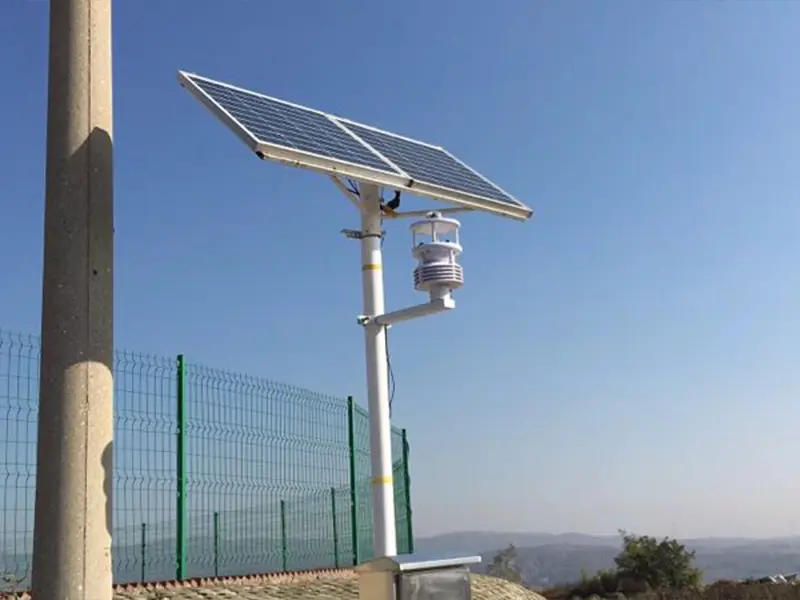
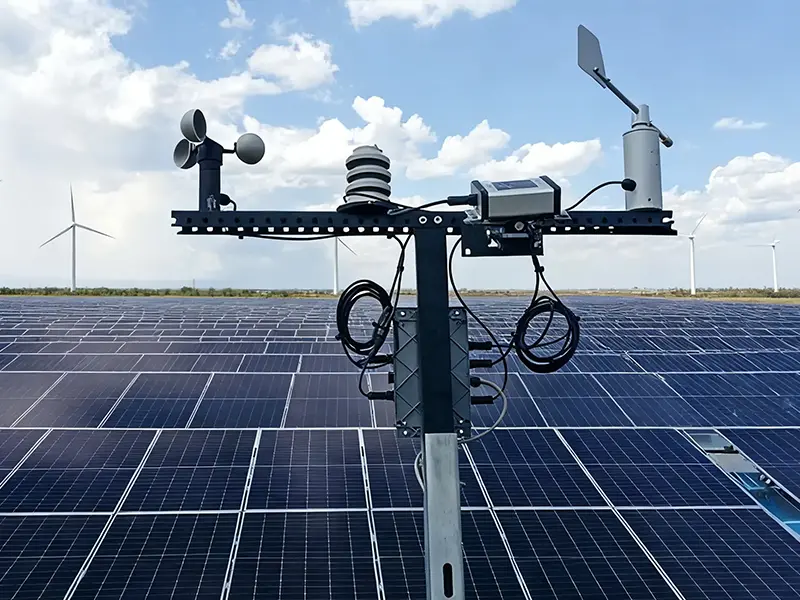
เซ็นเซอร์รังสีแสงอาทิตย์แบบไร้สายตรวจจับพลังงานแสงอาทิตย์ที่เข้ามาอย่างต่อเนื่องโดยใช้ส่วนประกอบที่ไวต่อรังสี ค่าการแผ่รังสีที่วัดได้จะถูกแปลงเป็นสัญญาณไฟฟ้าและประมวลผลโดยวงจรภายในของเซ็นเซอร์ จากนั้นข้อมูลจะถูกส่งผ่านเครือข่ายการสื่อสารไร้สาย เช่น LoRaWAN, NB-IoT, Wi-Fi, Zigbee หรือ 4G ไปยังแพลตฟอร์มการเก็บข้อมูลหรือระบบตรวจสอบบนคลาวด์.
ผู้ใช้สามารถดู, วิเคราะห์, และเก็บข้อมูลที่รวบรวมได้ผ่านแดชบอร์ดซอฟต์แวร์, แอปพลิเคชันมือถือ, หรือแพลตฟอร์มการตรวจสอบระยะไกล. ซึ่งทำให้สามารถตรวจสอบการแผ่รังสีของแสงอาทิตย์อย่างต่อเนื่องได้โดยไม่ต้องมีการดึงข้อมูลจากสถานที่จริง.
ส่วนประกอบหลัก
เซ็นเซอร์รังสีแสงอาทิตย์แบบไร้สายประกอบด้วยส่วนประกอบหลักหลายส่วนที่ทำงานร่วมกันเพื่อให้มั่นใจในการวัดที่แม่นยำ การสื่อสารที่เชื่อถือได้ และการทำงานภาคสนามในระยะยาว การทำความเข้าใจส่วนประกอบเหล่านี้จะช่วยให้คุณเลือกเซ็นเซอร์ที่เหมาะสมสำหรับโครงการตรวจสอบของคุณ.
- องค์ประกอบตรวจจับรังสี – วัดรังสีดวงอาทิตย์ที่เข้ามาและแปลงเป็นสัญญาณไฟฟ้าเพื่อประมวลผล.
- โมดูลการสื่อสารไร้สาย – ส่งข้อมูลการวัดไปยังเกตเวย์, แพลตฟอร์มคลาวด์, หรือศูนย์ตรวจสอบโดยใช้เทคโนโลยีเช่น LoRaWAN, NB-IoT, Wi-Fi, Zigbee, หรือ 4G.
- แหล่งจ่ายไฟ – ให้พลังงานที่เสถียรสำหรับการทำงานต่อเนื่อง โดยทั่วไปผ่านแบตเตอรี่ แผงโซลาร์เซลล์ หรือระบบพลังงานแบบไฮบริด.
- เครื่องบันทึกข้อมูล – บันทึก จัดเก็บ และจัดการข้อมูลการวัดอย่างครบถ้วน เพื่อให้แน่ใจว่าข้อมูลมีความถูกต้องสมบูรณ์แม้ในระหว่างการหยุดชะงักของการสื่อสารชั่วคราว.
ประโยชน์หลักของเซ็นเซอร์รังสีแสงอาทิตย์ไร้สาย
1. ลดค่าใช้จ่ายในการติดตั้งอย่างมีนัยสำคัญ
หนึ่งในข้อได้เปรียบที่เห็นได้ชัดที่สุดของเซ็นเซอร์รังสีความร้อนแบบไร้สายคือการลดค่าใช้จ่ายในการติดตั้ง.
ระบบตรวจสอบแบบใช้สายแบบดั้งเดิมมักต้องการ:
- สายสัญญาณ
- สายไฟ
- รางสายเคเบิล
- ท่อส่ง
- การขุดร่องใต้ดิน
- ขั้วต่อกันน้ำ
สำหรับการติดตั้งขนาดใหญ่ ค่าใช้จ่ายในการเดินสายเคเบิลอาจคิดเป็นสัดส่วนที่สำคัญของงบประมาณโครงการ ในฟาร์มพลังงานแสงอาทิตย์ขนาดใหญ่ที่ครอบคลุมพื้นที่หลายร้อยเอเคอร์ การเดินสายเคเบิลอาจยาวหลายกิโลเมตร ค่าใช้จ่ายด้านแรงงานที่เกี่ยวข้องกับการขุดร่อง การวางสายเคเบิล และการบำรุงรักษาโครงสร้างพื้นฐานอาจสูงกว่าต้นทุนของเซ็นเซอร์เอง ระบบไร้สายช่วยลดโครงสร้างพื้นฐานเหล่านี้ได้มาก ซึ่งช่วยลดทั้งค่าใช้จ่ายด้านวัสดุและแรงงาน.
การประหยัดค่าใช้จ่ายโดยทั่วไป
การประหยัดเหล่านี้จะมีความสำคัญมากขึ้นเมื่อขนาดของโครงการเพิ่มขึ้น โครงการที่เปลี่ยนจุดตรวจสอบแบบมีสายเป็นเซ็นเซอร์ไร้สายจะช่วยประหยัดค่าใช้จ่าย:
- 30–60% ลดค่าแรงติดตั้งด้านล่าง
- งานวิศวกรรมโยธาที่ลดลง
- ตารางการPLOYMENTที่รวดเร็วขึ้น
- ลดค่าใช้จ่ายในการขยายตัวในอนาคต
2. การปรับใช้ที่รวดเร็วและง่ายดายยิ่งขึ้น
ความเร็วในการติดตั้งเป็นอีกหนึ่งประโยชน์ที่สำคัญ การติดตั้งเซ็นเซอร์แบบมีสายอาจต้องใช้:
- การออกแบบเส้นทางสายเคเบิล
- ใบอนุญาตขุดร่อง
- ระบบสายไฟฟ้า
- การตั้งค่าเครือข่ายการสื่อสาร
- ระบบสายดิน
เซ็นเซอร์รังสีความร้อนแบบไร้สายสามารถติดตั้งและเริ่มใช้งานได้ภายในไม่กี่ชั่วโมง; องค์กรสามารถเริ่มเก็บข้อมูลได้เร็วกว่ามากโดยไม่ต้องเตรียมโครงสร้างพื้นฐานอย่างกว้างขวาง ความง่ายนี้มีความคุ้มค่าเป็นพิเศษสำหรับ:
- โครงการติดตามชั่วคราว
- ไซต์ก่อสร้าง
- สถานีวิจัย
- การทดสอบภาคสนามระยะไกล
- การนำไปใช้ในภาคเกษตรกรรม
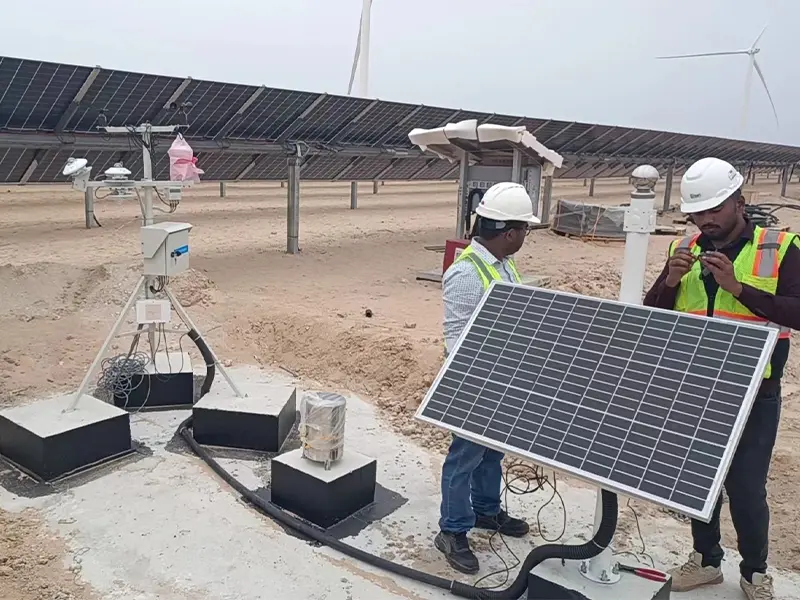
3. เหมาะอย่างยิ่งสำหรับสถานที่ห่างไกลและเข้าถึงยาก
หลายสถานีตรวจสอบตั้งอยู่ในพื้นที่ที่การติดตั้งสายเคเบิลเป็นเรื่องยากหรือไม่มีประสิทธิภาพทางเศรษฐกิจ ตัวอย่างเช่น:
- ฟาร์มพลังงานแสงอาทิตย์ในทะเลทราย
- สถานีอากาศบนภูเขา
- แปลงวิจัยป่าไม้
- ทุ่งเกษตรกรรม
- สถานีตรวจวัดอ่างเก็บน้ำ
- สถานีอุตุนิยมวิทยาทางไกล
การเดินสายสื่อสารผ่านพื้นที่ที่ท้าทายเพิ่มความซับซ้อนของโครงการและข้อกำหนดในการบำรุงรักษา การส่งสัญญาณแบบไร้สายช่วยให้สามารถเก็บข้อมูลได้อย่างน่าเชื่อถือจากสถานที่ที่การเชื่อมต่อแบบมีสายอาจไม่สามารถทำได้ เทคโนโลยีการสื่อสารระยะไกล เช่น LoRaWAN สามารถส่งข้อมูลได้ไกลเกินกว่า 5–15 กิโลเมตรภายใต้เงื่อนไขที่เหมาะสม ทำให้เหมาะสมอย่างยิ่งสำหรับเครือข่ายการตรวจสอบขนาดใหญ่.
4. การตรวจสอบระยะไกลแบบเรียลไทม์
เซ็นเซอร์รังสีแสงอาทิตย์ไร้สายสมัยใหม่ให้การเข้าถึงข้อมูลสิ่งแวดล้อมแบบเรียลไทม์อย่างต่อเนื่อง ผู้ใช้สามารถดู:
- ระดับการแผ่รังสีในปัจจุบัน
- แนวโน้มทางประวัติศาสตร์
- การสะสมพลังงานแสงอาทิตย์รายวัน
- การแจ้งเตือนเตือนภัย
- สถานะของอุปกรณ์
- การวินิจฉัยระบบ
สามารถเข้าถึงข้อมูลได้ผ่าน:
- แดชบอร์ดเว็บ
- แอปพลิเคชันมือถือ
- ระบบ SCADA
- แพลตฟอร์มการตรวจสอบบนระบบคลาวด์
ความสามารถนี้ช่วยให้ผู้ปฏิบัติงานสามารถตัดสินใจได้อย่างมีข้อมูลโดยไม่ต้องเดินทางไปยังสถานที่ตรวจสอบจริง สำหรับองค์กรที่บริหารจัดการหลายแห่ง การตรวจสอบแบบรวมศูนย์สามารถเพิ่มประสิทธิภาพการดำเนินงานได้อย่างมีนัยสำคัญ.
5. ความสามารถในการขยายขนาดที่ดีขึ้น
ข้อกำหนดในการติดตามมักจะเปลี่ยนแปลงไปตามกาลเวลา ระบบตรวจสอบฟาร์มพลังงานแสงอาทิตย์ อาจติดตั้งสถานีตรวจสอบห้าแห่งในตอนแรก และอาจขยายเป็นยี่สิบแห่งหรือมากกว่าในภายหลัง ด้วยระบบสายไฟ การขยายมักต้องการ:
- การขุดร่องเพิ่มเติม
- สายสื่อสารใหม่
- การออกแบบเครือข่ายใหม่
- การเพิ่มขึ้นของแรงงานติดตั้ง
เครือข่ายการตรวจสอบแบบไร้สายสามารถขยายขนาดได้ง่ายกว่ามาก เซ็นเซอร์ใหม่สามารถเพิ่มได้โดยไม่รบกวนโครงสร้างพื้นฐานที่มีอยู่ ทำให้องค์กรสามารถขยายการครอบคลุมการตรวจสอบได้ตามความต้องการในการดำเนินงานที่เปลี่ยนแปลงไป ความยืดหยุ่นนี้มีความสำคัญอย่างยิ่งสำหรับโครงการพลังงานแสงอาทิตย์ที่กำลังเติบโตและการใช้งานเกษตรกรรมอัจฉริยะ.
6. ความต้องการการบำรุงรักษาที่ต่ำลง
สายสื่อสารมักเป็นหนึ่งในส่วนที่เปราะบางที่สุดของระบบตรวจสอบแบบดั้งเดิม ปัญหาที่พบบ่อย ได้แก่:
- ความเสียหายจากหนู
- การแทรกซึมของความชื้น
- การกัดกร่อนของขั้วต่อ
- การตัดสายเคเบิลทางกายภาพ
- ความล้มเหลวที่เกี่ยวข้องกับฟ้าผ่า
ปัญหาเหล่านี้อาจส่งผลให้เกิดการขัดจังหวะในการสื่อสารและต้องซ่อมแซมที่มีค่าใช้จ่ายสูง ระบบไร้สายช่วยลดการพึ่งพาโครงสร้างพื้นฐานการสื่อสารทางกายภาพ ทำให้ลดความท้าทายในการบำรุงรักษาหลายประการ เซ็นเซอร์รังสีแสงอาทิตย์แบบไร้สายสมัยใหม่หลายรุ่นได้รับการออกแบบด้วย:
- ระดับการป้องกัน IP65 ถึง IP67
- ตู้ควบคุมอุตสาหกรรม
- อิเล็กทรอนิกส์กำลังต่ำ
- ระบบแบตเตอรี่อายุการใช้งานยาวนาน
ด้วยเหตุนี้ ช่วงเวลาการบำรุงรักษาสามารถขยายออกไปได้อย่างมีนัยสำคัญ.
7. การเข้าถึงข้อมูลและการบูรณาการที่ดีขึ้น
ระบบตรวจสอบแบบไร้สายได้รับการออกแบบมาเพื่อสภาพแวดล้อมดิจิทัลสมัยใหม่ ข้อมูลสามารถผสานรวมกับ:
- แพลตฟอร์มการจัดการพลังงาน
- ระบบติดตามสภาพอากาศ
- ระบบอัตโนมัติในอาคาร
- ซอฟต์แวร์การจัดการการเกษตร
- แพลตฟอร์มวิเคราะห์พลังงานหมุนเวียน
อุปกรณ์หลายชนิดรองรับ:
- Modbus RTU
- Modbus TCP
- เอ็มคิวทีที
- HTTP APIs
- โปรโตคอล IoT บนคลาวด์
การทำงานร่วมกันนี้ช่วยให้การแบ่งปันข้อมูลระหว่างแผนกและองค์กรต่างๆ ง่ายขึ้น หากคุณต้องการเรียนรู้เกี่ยวกับ ปัจจัยสำคัญ 5 อันดับแรกที่ลดประสิทธิภาพของแผงโซลาร์เซลล์, คลิกที่บทความ.
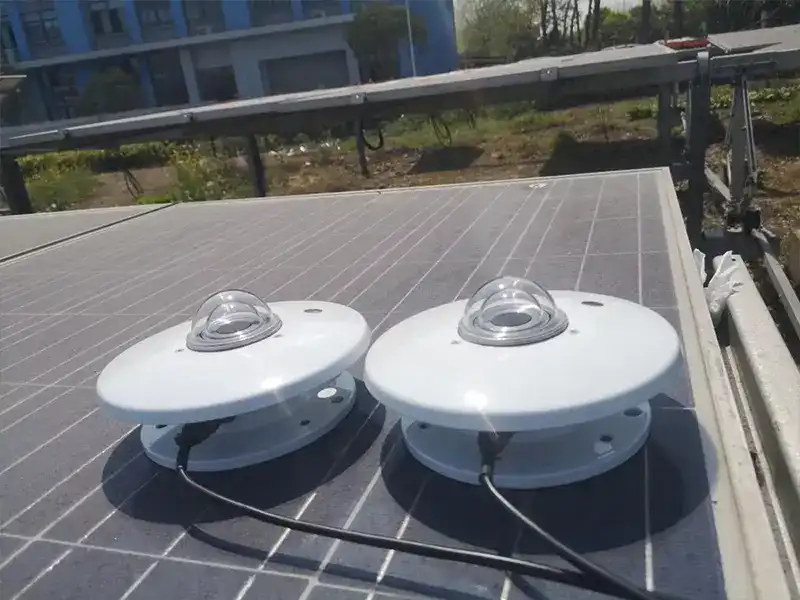
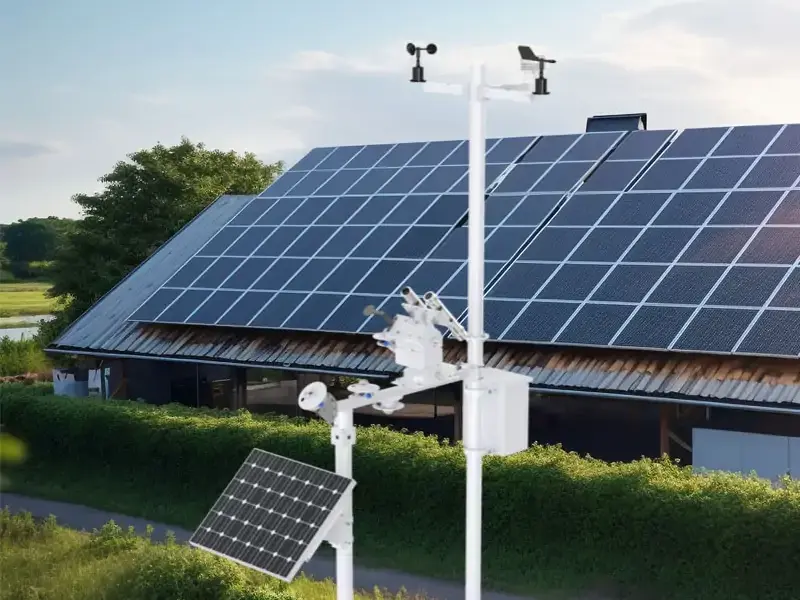
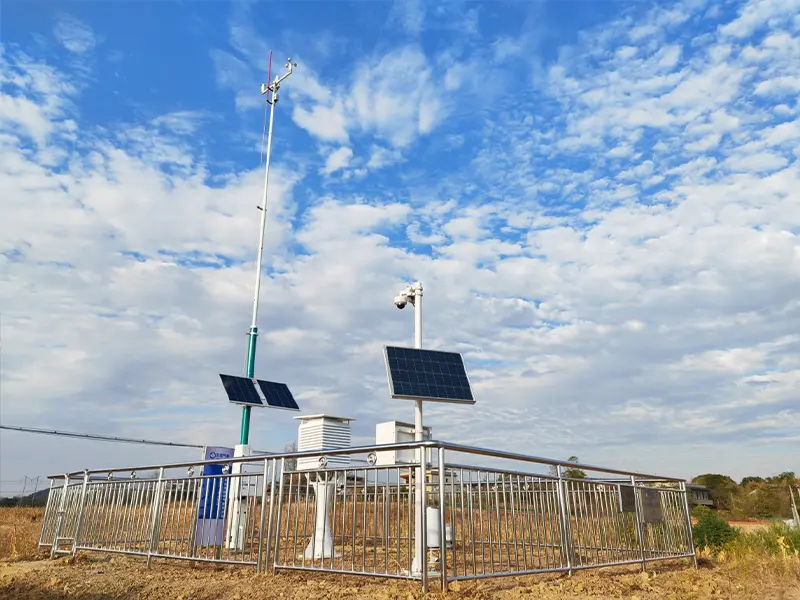
เซ็นเซอร์รังสีความร้อนแบบไร้สาย vs แบบมีสาย
| คุณสมบัติ | เซ็นเซอร์ไร้สาย | เซ็นเซอร์แบบมีสาย |
|---|---|---|
| ความซับซ้อนในการติดตั้ง | ต่ำ | สูง |
| ค่าใช้จ่ายโครงสร้างพื้นฐานเบื้องต้น | ต่ำกว่า | สูงขึ้น |
| ความเร็วในการปรับใช้ | รวดเร็ว | ช้าลง |
| ความสามารถในการขยายขนาด | ยอดเยี่ยม | ปานกลาง |
| ความเหมาะสมของสถานที่ห่างไกล | ยอดเยี่ยม | จำกัด |
| ข้อกำหนดการบำรุงรักษา | ต่ำ | ปานกลาง |
| ความเสถียรของการสื่อสาร | สูง | สูงมาก |
| ความยืดหยุ่นระยะยาว | ยอดเยี่ยม | ปานกลาง |
ในขณะที่ระบบสายอาจยังคงเป็นที่นิยมในบางสภาพแวดล้อมที่มีความปลอดภัยสูงหรือมีการควบคุมอย่างเข้มงวดในภาคอุตสาหกรรม แต่โซลูชันไร้สายมอบข้อได้เปรียบที่ชัดเจนสำหรับการใช้งานการตรวจสอบแบบกระจายตัวส่วนใหญ่.
เซ็นเซอร์รังสีแสงอาทิตย์ไร้สายช่วยปรับปรุงประสิทธิภาพของฟาร์มโซลาร์ได้อย่างไร
- ปรับปรุงความแม่นยำในการวิเคราะห์ประชาสัมพันธ์
ให้ข้อมูลการแผ่รังสีที่แม่นยำสำหรับการประเมินประสิทธิภาพของระบบ, การสูญเสียพลังงาน, และประสิทธิภาพโดยรวมของโรงงาน. - ตรวจจับข้อบกพร่องได้เร็วขึ้น
ช่วยระบุปัญหาของอินเวอร์เตอร์, การเสื่อมสภาพของโมดูล, การบังแสง, และความผิดปกติของประสิทธิภาพอื่น ๆ ในระยะเริ่มต้น. - เพิ่มประสิทธิภาพการพยากรณ์พลังงาน
สนับสนุนการคาดการณ์การผลิตที่แม่นยำยิ่งขึ้นสำหรับการจัดตารางระบบไฟฟ้าและการจัดการพลังงาน. - เพิ่มประสิทธิภาพการทำความสะอาดแผง
ช่วยให้ผู้ปฏิบัติงานสามารถประเมินการสูญเสียจากการสกปรกและกำหนดตารางการทำความสะอาดตามข้อมูลประสิทธิภาพจริง. - สนับสนุนการตรวจสอบระยะไกล
การสื่อสารแบบไร้สายช่วยให้สามารถเข้าถึงข้อมูลการแผ่รังสีได้แบบเรียลไทม์โดยไม่ต้องเดินทางไปยังสถานที่บ่อยครั้ง. - เพิ่มผลผลิตพลังงานและผลตอบแทนจากการลงทุน
โดยการปรับปรุงประสิทธิภาพการตรวจสอบระบบและการบำรุงรักษา ผู้ปฏิบัติงานสามารถเพิ่มการผลิตพลังงานและผลตอบแทนระยะยาวได้สูงสุด.
การประยุกต์ใช้เซ็นเซอร์รังสีแสงอาทิตย์ไร้สาย
- โรงไฟฟ้าพลังงานแสงอาทิตย์
ใช้สำหรับติดตามการแผ่รังสีของแสงอาทิตย์ ประเมินประสิทธิภาพการผลิตไฟฟ้า ปรับปรุงการดำเนินงานและการจัดการบำรุงรักษา และทำนายการผลิตไฟฟ้า. - ระบบพลังงานแสงอาทิตย์แบบกระจาย
ให้บริการข้อมูลการแผ่รังสีของดวงอาทิตย์แบบเรียลไทม์สำหรับระบบโซลาร์บนหลังคา และโครงการโซลาร์เชิงพาณิชย์และอุตสาหกรรม ช่วยปรับปรุงประสิทธิภาพของระบบ. - สถานีตรวจวัดสภาพอากาศ
ในฐานะส่วนประกอบสำคัญของสถานีตรวจอากาศอัตโนมัติ มันวัดปริมาณรังสีดวงอาทิตย์ทั้งหมดและสนับสนุนการวิเคราะห์สภาพอากาศและการวิจัยสภาพภูมิอากาศ. - เกษตรอัจฉริยะ
ตรวจสอบสภาพแสงในสภาพแวดล้อมการเจริญเติบโตของพืช ให้การสนับสนุนข้อมูลสำหรับการควบคุมโรงเรือน การจัดการการชลประทาน และการเกษตรแบบแม่นยำ. - โครงการติดตามตรวจสอบสิ่งแวดล้อม
ใช้ในเขตอนุรักษ์ทางนิเวศวิทยา สถาบันวิจัย และเครือข่ายการติดตามสิ่งแวดล้อม เพื่อบันทึกการเปลี่ยนแปลงในระยะยาวของรังสีดวงอาทิตย์. - การก่อสร้างและการจัดการพลังงานสีเขียว
ประเมินทรัพยากรพลังงานแสงอาทิตย์สำหรับอาคาร เพื่อให้เป็นพื้นฐานสำหรับการออกแบบอาคารที่ประหยัดพลังงานและการวางแผนระบบพลังงานแสงอาทิตย์.
วิธีการเลือกเซ็นเซอร์วัดรังสีแสงอาทิตย์แบบไร้สาย
การเลือกเซ็นเซอร์วัดรังสีแสงอาทิตย์แบบไร้สายที่เหมาะสมเริ่มต้นจากการทำความเข้าใจความต้องการในการใช้งานของคุณ ปัจจัยต่างๆ เช่น ความแม่นยำในการวัด วิธีการสื่อสาร แหล่งจ่ายพลังงาน และสภาพแวดล้อม สามารถส่งผลโดยตรงต่อประสิทธิภาพการตรวจสอบและความน่าเชื่อถือในระยะยาว เซ็นเซอร์ที่เหมาะสมควรให้ข้อมูลที่แม่นยำในขณะที่ตอบสนองความต้องการเฉพาะของโครงการของคุณ.
- ความถูกต้องของการวัด
เลือกเซ็นเซอร์ที่มีระดับความแม่นยำตามที่ต้องการสำหรับการใช้งานของคุณ โดยเฉพาะอย่างยิ่งสำหรับการวิเคราะห์ประสิทธิภาพของระบบพลังงานแสงอาทิตย์และการประเมินทรัพยากร. - เทคโนโลยีการสื่อสาร
เลือก LoRaWAN, NB-IoT, 4G, Wi-Fi หรือตัวเลือกการสื่อสารอื่น ๆ ตามระยะการส่งสัญญาณและความพร้อมใช้งานของเครือข่าย. - แหล่งจ่ายไฟ
สำหรับสถานที่ห่างไกล การออกแบบที่ใช้พลังงานต่ำพร้อมการชาร์จด้วยพลังงานแสงอาทิตย์และแบตเตอรี่สำรองสามารถลดค่าใช้จ่ายในการบำรุงรักษาได้. - การคุ้มครองสิ่งแวดล้อม
มองหาเซ็นเซอร์ที่ทนทานพร้อมตัวเครื่องที่ทนต่อสภาพอากาศ เหมาะสำหรับการใช้งานกลางแจ้งระยะยาว. - การรวมข้อมูล
ตรวจสอบให้แน่ใจว่าเซ็นเซอร์สามารถเชื่อมต่อกับเครื่องบันทึกข้อมูล ระบบ SCADA หรือแพลตฟอร์มการตรวจสอบบนคลาวด์ที่คุณมีอยู่ได้อย่างง่ายดาย. - ข้อกำหนดในการสมัคร
แอปพลิเคชันที่แตกต่างกันมีความสำคัญที่แตกต่างกันออกไป ฟาร์มโซลาร์มักให้ความสำคัญกับความถูกต้องแม่นยำ ในขณะที่โครงการติดตามการเกษตรและสิ่งแวดล้อมอาจให้ความสำคัญกับการครอบคลุมแบบไร้สายและประสิทธิภาพการใช้พลังงาน.
หากคุณไม่แน่ใจว่าวิธีใดเหมาะสมที่สุดสำหรับโครงการของคุณ, ยี่ห้อเซ็นเซอร์ หยานไถ่ ทีมของเราสามารถช่วยแนะนำเซ็นเซอร์รังสีความร้อนแบบไร้สายที่เหมาะสมที่สุดตามเป้าหมายการตรวจสอบของคุณและสภาพแวดล้อมการติดตั้ง.
แนวโน้มในอนาคตของการตรวจสอบรังสีแสงอาทิตย์แบบไร้สาย
ด้วยการพัฒนาอย่างรวดเร็วของ การตรวจสอบสิ่งแวดล้อมด้วยระบบ IoT, ปัญญาประดิษฐ์ (AI), การประมวลผลแบบเอดจ์, และเทคโนโลยีแพลตฟอร์มคลาวด์, การตรวจสอบรังสีความร้อนจากแสงอาทิตย์แบบไร้สายกำลังพัฒนาไปสู่ความฉลาด, การเชื่อมต่อ, และความแม่นยำที่มากขึ้น เซ็นเซอร์รังสีแสงอาทิตย์ไร้สายในอนาคตจะไม่เพียงแต่สามารถเก็บข้อมูลแบบเรียลไทม์และส่งข้อมูลระยะไกลได้เท่านั้น แต่ยังจะผสานอัลกอริทึมปัญญาประดิษฐ์เพื่อทำนายการผลิตไฟฟ้า, แจ้งเตือนล่วงหน้าเมื่ออุปกรณ์ล้มเหลว, และวิเคราะห์ประสิทธิภาพการทำงาน ซึ่งจะช่วยสนับสนุนการตัดสินใจในการดำเนินงานและบำรุงรักษาโรงไฟฟ้าพลังงานแสงอาทิตย์ ในขณะเดียวกัน การประยุกต์ใช้เทคโนโลยีการสื่อสารพลังงานต่ำ (เช่น LoRaWAN และ NB-IoT) และเทคโนโลยีดิจิทัลทวินจะช่วยเพิ่มการครอบคลุม ความน่าเชื่อถือของข้อมูล และประสิทธิภาพการจัดการของระบบตรวจสอบ ทำให้การตรวจสอบรังสีแสงอาทิตย์แบบไร้สายสามารถสร้างคุณค่าที่มากขึ้นในด้านต่างๆ เช่น การผลิตไฟฟ้าจากแสงอาทิตย์, เกษตรกรรมอัจฉริยะ, การติดตามสภาพอากาศ, และการวิจัยสิ่งแวดล้อม.
สรุป
เซ็นเซอร์รังสีความร้อนแบบไร้สายมอบข้อได้เปรียบอย่างมากเหนือระบบสายไฟแบบดั้งเดิม ซึ่งรวมถึงค่าใช้จ่ายในการติดตั้งที่ต่ำลง การติดตั้งที่ง่ายขึ้น ความยืดหยุ่นในการขยายระบบที่ดีขึ้น การเข้าถึงจากระยะไกล และความต้องการในการบำรุงรักษาที่น้อยลง.
ในขณะที่โครงการพลังงานหมุนเวียน ระบบเกษตรอัจฉริยะ และเครือข่ายการตรวจสอบสิ่งแวดล้อมยังคงขยายตัว เทคโนโลยีการตรวจสอบแบบไร้สายกำลังกลายเป็นทางเลือกที่ใช้งานได้จริงและคุ้มค่ามากขึ้นสำหรับองค์กรที่ต้องการข้อมูลการแผ่รังสีแสงอาทิตย์ที่เชื่อถือได้โดยไม่ต้องเผชิญกับความซับซ้อนของโครงสร้างพื้นฐานสายเคเบิลที่กว้างขวาง เซ็นเซอร์รังสีแสงอาทิตย์แบบไร้สายนำเสนอทางออกที่ยืดหยุ่นซึ่งรองรับทั้งความต้องการในการดำเนินงานปัจจุบันและการเติบโตในอนาคต.