Giới thiệu
天气状况可能迅速变化,给道路使用者带来意外风险。一场突如其来的雾情可能在几分钟内降低能见度,冰冻温度可能形成危险的结冰路面,而强降雨则会影响交通流量和道路安全。对于高速公路运营者和交通管理机构而言,了解实时路况对于做出更快、更有效的决策至关重要。.
Hệ thống Thông tin Thời tiết Đường bộ cung cấp giám sát liên tục các điều kiện thời tiết và bề mặt đường thông qua các cảm biến tiên tiến, công nghệ truyền thông và nền tảng dữ liệu. Bằng cách cung cấp dữ liệu môi trường chính xác, RWIS giúp cải thiện an toàn đường cao tốc, tối ưu hóa công tác bảo trì mùa đông và hỗ trợ quản lý giao thông thông minh hơn. Bài viết này khám phá hệ thống thông tin thời tiết đường bộ là gì, cách thức hoạt động, các thành phần chính, ứng dụng và lợi ích mà nó mang lại cho giao thông hiện đại. Nếu bạn quan tâm đến “Cảm biến điều kiện mặt đường là gì? Nguyên lý hoạt động & Ứng dụng,” vui lòng nhấp vào

什么是道路天气信息系统(RWIS)?
道路天气信息系统 是一个集成的监测与决策支持系统,旨在收集、处理和分析可能影响交通安全的实时天气和路况数据。它专为道路环境开发,帮助高速公路运营者和交通管理机构了解不断变化的条件,并应对潜在的天气相关风险。.
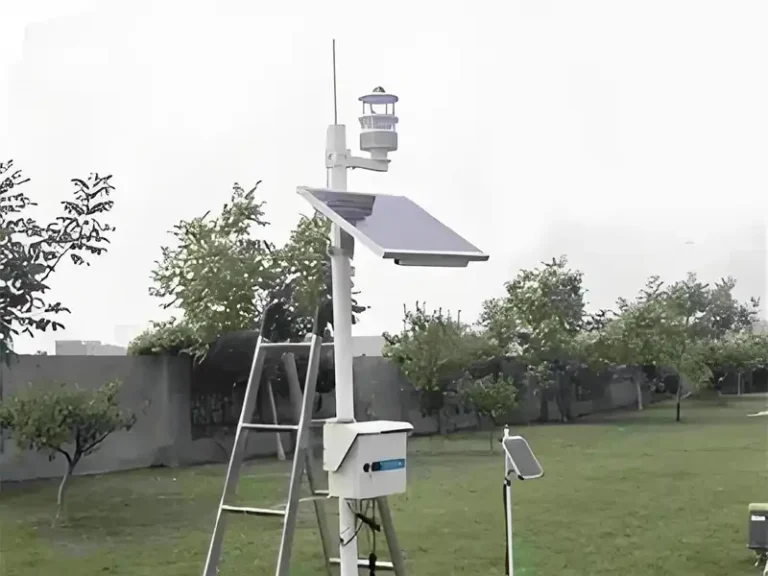
Khác với các trạm khí tượng truyền thống chủ yếu tập trung vào giám sát khí quyển tổng quát, RWIS cung cấp thông tin cục bộ liên quan đến an toàn đường bộ, bao gồm tình trạng mặt đường, tầm nhìn, lượng mưa, thay đổi nhiệt độ và các yếu tố khác ảnh hưởng trực tiếp đến hoạt động của phương tiện. Bằng cách kết hợp các công nghệ giám sát môi trường và hệ thống quản lý dữ liệu, RWIS hỗ trợ đường cao tốc an toàn hơn, hoạt động bảo trì hiệu quả hơn và quản lý giao thông thông minh hơn. Để có tổng quan thực tế về cách các cảm biến ven đường phối hợp với nhau để thu thập, xử lý và truyền dữ liệu thời tiết và tình trạng đường bộ, hãy xem hướng dẫn của chúng tôi về [Trạm Khí tượng Đường bộ Hoạt động Như Thế nào?].
道路天气信息系统如何帮助提升道路安全?
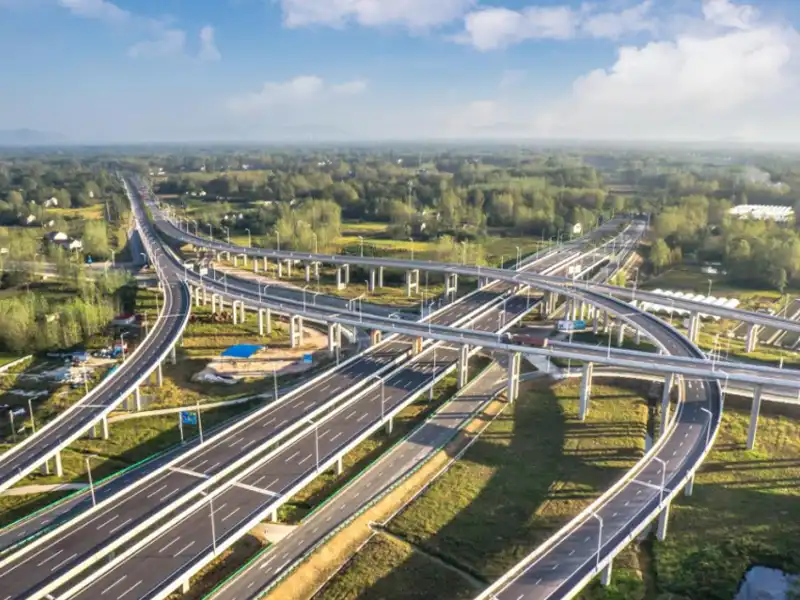
道路天气监测系统通过提供关于天气和路面状况变化的实时信息来提升道路安全。通过监测雾、强降雨、降雪、冰冻条件、风以及路面状态等因素,该系统帮助交通运营者更早识别潜在危险,并采取预防措施以减少天气相关风险。.
Đối với các nhà vận hành đường cao tốc, trạm khí tượng đường cao tốc cung cấp dữ liệu môi trường cục bộ hỗ trợ công tác bảo trì mùa đông, quản lý giao thông và ứng phó khẩn cấp. So với các phương pháp kiểm tra truyền thống và dự báo thời tiết chung, trạm này cung cấp thông tin tình trạng mặt đường liên tục và chính xác, giúp nâng cao hiệu quả bảo trì và hỗ trợ vận hành giao thông thông minh hơn. Nếu bạn quan tâm đến “Cảm biến điều kiện bề mặt đường phát hiện băng và nước như thế nào?”, vui lòng nhấp vào bài viết.
道路天气监测系统如何工作?
智能气象站通过数据采集、传输、分析和信息传递的连续循环运行。通过使用配备先进传感器的路边监测站,RWIS收集实时天气和路况数据,通过通信网络和监测平台处理信息,并提供可靠见解以支持道路安全管理和交通决策。.
通过传感器进行数据采集
RWIS首先通过安装在高速公路、桥梁、隧道及其他关键交通区域的监测站收集实时天气和路况数据。这些站点配备多种传感器,持续监测大气条件,包括气温、湿度、风速、风向、降雨量和能见度。同时,路况传感器收集路面相关信息,如地表温度、结冰风险、水膜和积雪状况。通过收集本地化的环境数据,RWIS提供关于变化路况和潜在安全风险的准确信息。.
数据传输与数据处理
数据采集后,从现场传感器收集的信息通过可靠的通信网络(包括有线连接、光纤网络、蜂窝通信及其他远程传输方式)传输到中央监测平台。在进一步分析之前,数据采集系统对收集的信息进行处理、验证和组织,以提高数据准确性和可靠性,确保交通运营者获得及时且有意义的道路天气见解。.
数据分析与预警支持
RWIS平台整合并分析从多个传感器收集的数据,以识别潜在的天气相关危险,包括雾、强降雨、降雪、冰冻条件和强风。通过评估实时环境和路况信息,该系统可生成及时警报,并为高速公路运营者提供决策支持。这使交通管理机构能够通过交通管控措施、养护规划和安全管理策略更有效地做出响应。.
Các thành phần chính
一个完整的道路天气监测系统由多个集成组件组成,这些组件协同工作,以监测、收集、传输和分析实时天气和路况数据。该系统通常包括气象传感器、能见度传感器、路况监测传感器、数据采集单元、通信系统和监测平台。.
通过结合这些技术,RWIS提供关于变化道路环境的准确且连续的信息,帮助交通管理机构提升高速公路安全、优化冬季养护作业,并支持智能交通管理。.
Cảm biến thời tiết
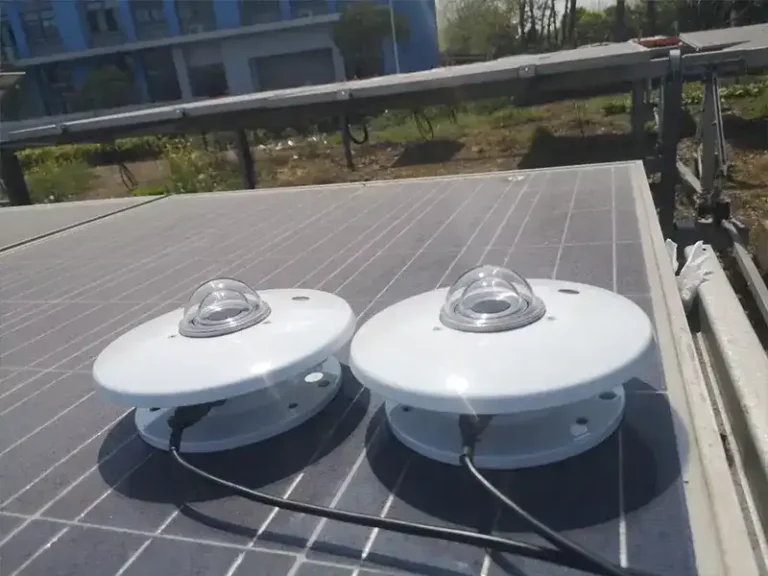
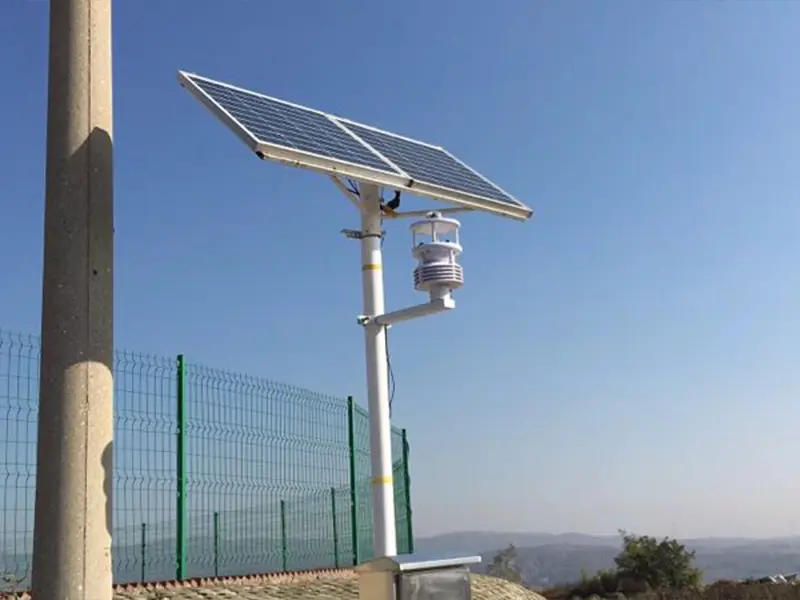
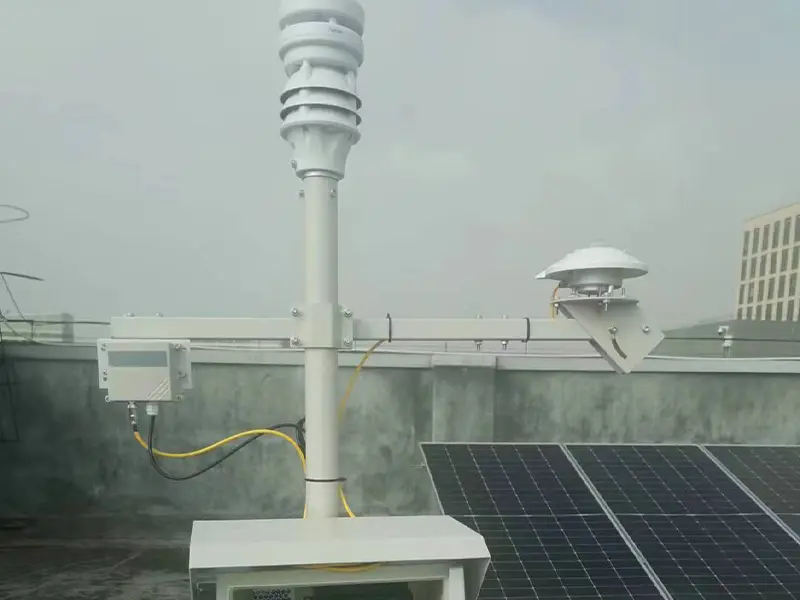
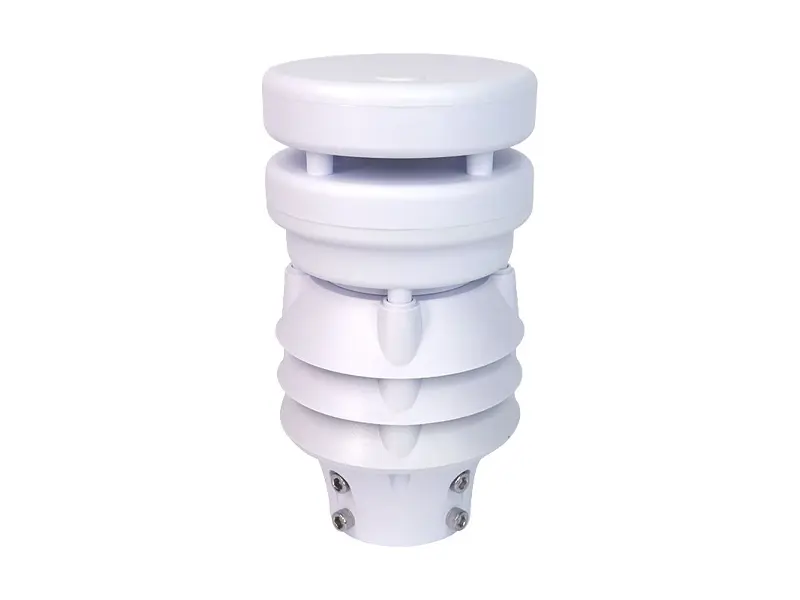
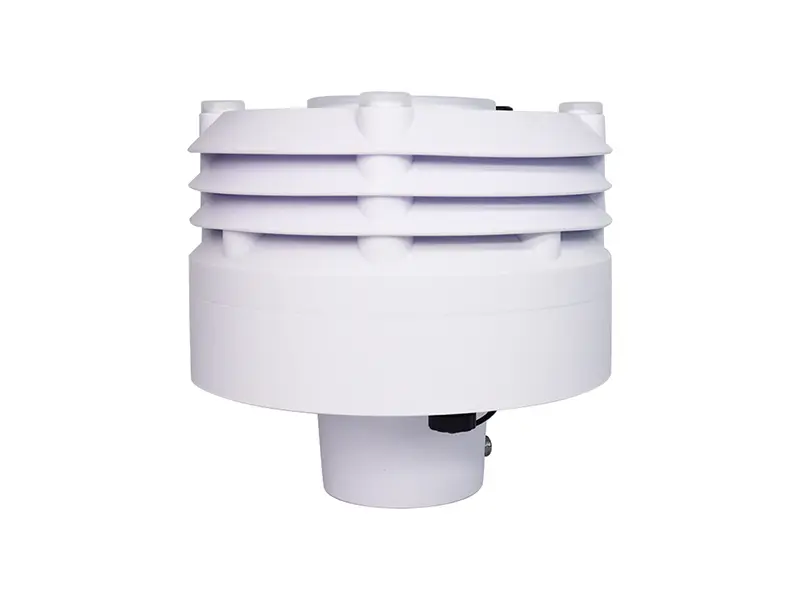
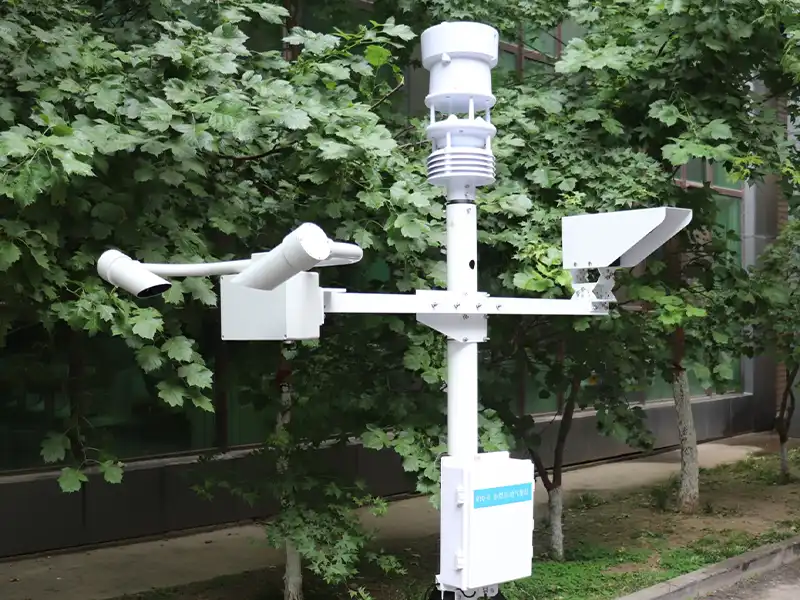
Cảm biến thời tiết 是智能气象站的基本组成部分,因为它们为道路天气监测提供实时大气数据。这些传感器安装在高速公路气象站和路边监测位置,测量关键环境参数,包括气温、湿度、风速、风向、降雨量和大气压力。.
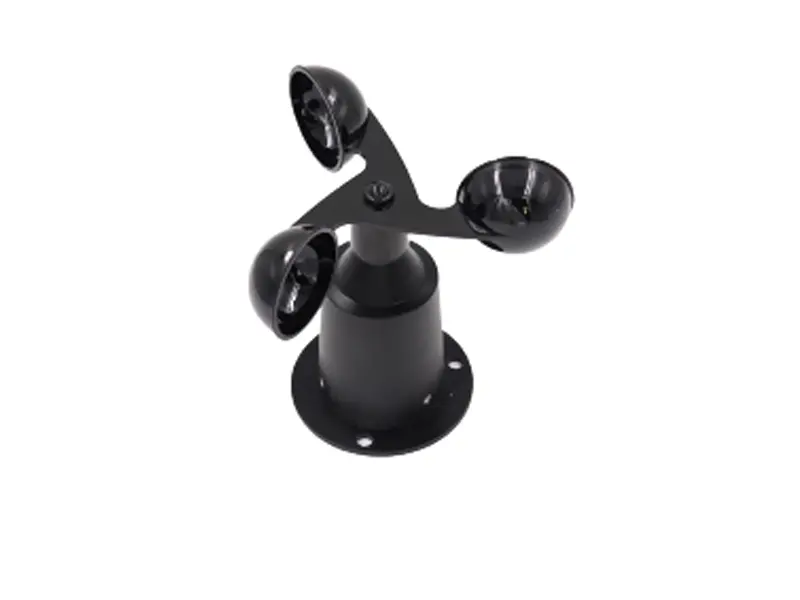
Các loại cảm biến thời tiết khác nhau, như cảm biến nhiệt độ và độ ẩm, cảm biến tốc độ và hướng gió, và cảm biến lượng mưa, phối hợp với nhau để cung cấp thông tin thời tiết chính xác nhằm giám sát các điều kiện đường thay đổi và hỗ trợ quản lý giao thông.
Cảm biến phát hiện
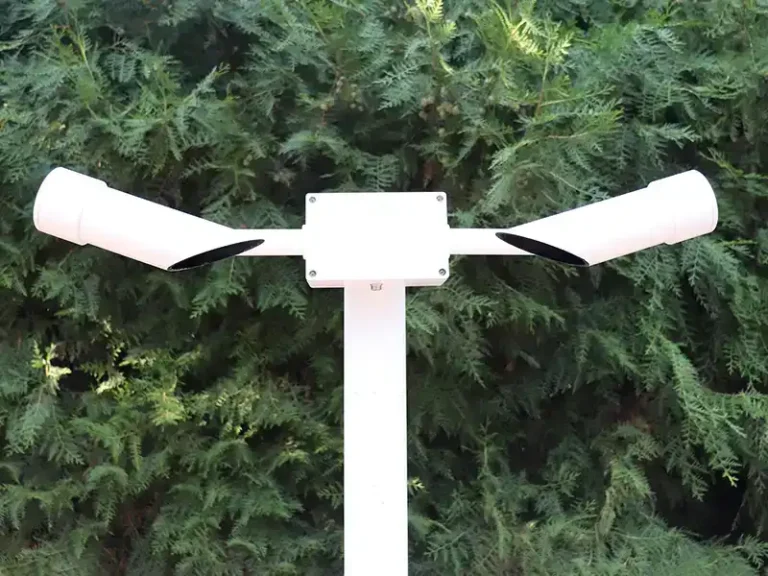
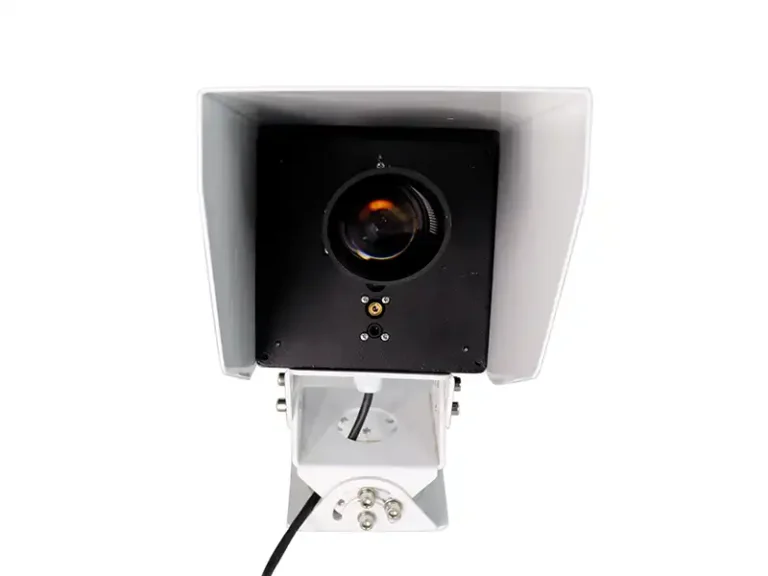
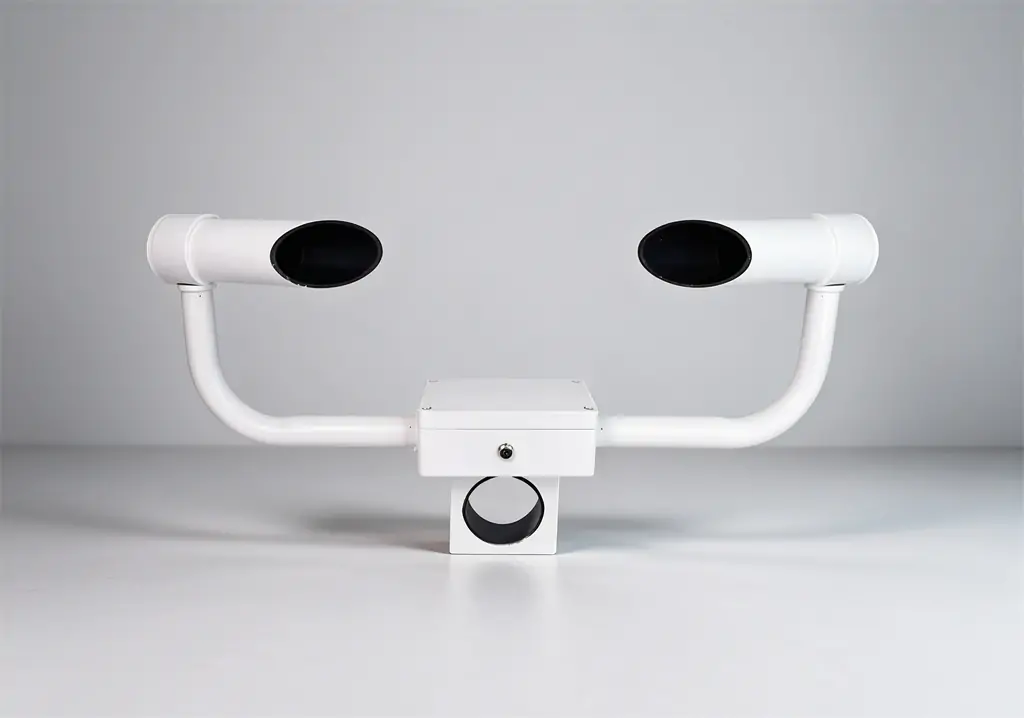
Cảm biến tầm nhìn là các thành phần quan trọng của hệ thống giám sát thời tiết đường bộ vì chúng cung cấp khả năng giám sát thời gian thực các điều kiện tầm nhìn khí quyển bị ảnh hưởng bởi sương mù, mù khói, mưa lớn, tuyết và các yếu tố môi trường khác. Các cảm biến này thường được lắp đặt trên đường cao tốc, cầu, hầm và các vị trí khác nơi sự thay đổi tầm nhìn có thể ảnh hưởng đến an toàn giao thông.
Ví dụ, Cảm biến tầm nhìn XF-CQ10 được thiết kế để đo các điều kiện tầm nhìn và cung cấp dữ liệu chính xác cho việc giám sát tầm nhìn thấp. Bằng cách tích hợp thông tin tầm nhìn vào hệ thống giám sát thời tiết đường bộ, nó giúp người vận hành hiểu rõ hơn về môi trường đường thay đổi và ứng phó với các điều kiện liên quan đến tầm nhìn.
Cảm biến điều kiện mặt đường
Cảm biến điều kiện mặt đường tập trung vào việc giám sát môi trường mặt đường thực tế ảnh hưởng trực tiếp đến an toàn phương tiện. Không giống như các cảm biến thời tiết truyền thống chủ yếu đo các điều kiện khí quyển, các cảm biến này cung cấp thông tin thời gian thực về nhiệt độ bề mặt đường, nguy cơ đóng băng, màng nước, lớp phủ tuyết và các điều kiện đóng băng.
Các giải pháp RWIS có thể tích hợp các loại thiết bị giám sát điều kiện đường khác nhau dựa trên các yêu cầu giám sát cụ thể. Ví dụ, Cảm biến điều kiện bề mặt đường XF-CQ11 cung cấp khả năng giám sát toàn diện các điều kiện mặt đường, trong khi Cảm biến nhiệt độ bề mặt đường XF-CQ16 tập trung vào đo nhiệt độ mặt đường thời gian thực để hỗ trợ đánh giá rủi ro đóng băng. Bằng cách thu thập dữ liệu bề mặt đường chính xác, các cảm biến này giúp cải thiện việc giám sát điều kiện đường và hỗ trợ các quyết định bảo trì hiệu quả hơn.
Hệ thống thu thập dữ liệu và truyền thông
Hệ thống thu thập dữ liệu và truyền thông đóng vai trò là kết nối giữa các thiết bị giám sát hiện trường và nền tảng RWIS trung tâm. Nó thu thập tín hiệu từ các cảm biến khác nhau, xử lý dữ liệu đo lường và truyền thông tin thời tiết và điều kiện đường đến trung tâm giám sát để phân tích và quản lý.
Tùy thuộc vào yêu cầu dự án và môi trường lắp đặt, các giải pháp RWIS có thể sử dụng truyền thông có dây, mạng cáp quang, truyền dẫn không dây hoặc mạng di động như 4G/5G. Một hệ thống truyền thông đáng tin cậy đảm bảo truyền dữ liệu liên tục từ các trạm giám sát ven đường và hỗ trợ giám sát từ xa ổn định các điều kiện thời tiết đường bộ.
Nền tảng giám sát và hệ thống trạm thời tiết thông minh
Nền tảng giám sát là thành phần quản lý trung tâm của RWIS, nơi dữ liệu thu thập từ các cảm biến khác nhau được tích hợp, phân tích và hiển thị. Thông qua bảng điều khiển thời gian thực, thông báo cảnh báo và phân tích dữ liệu lịch sử, người vận hành có thể giám sát từ xa các điều kiện thời tiết và đường bộ trên nhiều địa điểm.
Một trạm thời tiết thông minh kết hợp các công nghệ cảm biến khác nhau, hệ thống truyền thông và chức năng quản lý dữ liệu thành một giải pháp giám sát tích hợp. Nó cho phép giám sát thời tiết đường cao tốc liên tục bằng cách kết nối các cảm biến hiện trường với một nền tảng tập trung, cung cấp hỗ trợ dữ liệu đáng tin cậy cho quản lý an toàn đường bộ, bảo trì mùa đông và các ứng dụng giao thông thông minh.
Nền tảng giám sát và hệ thống phần mềm
Nền tảng giám sát là thành phần phần mềm trung tâm của trạm thời tiết đường cao tốc, nơi dữ liệu thu thập từ các cảm biến khác nhau được tích hợp, xử lý và trình bày ở định dạng dễ hiểu. Nó chuyển đổi dữ liệu thời tiết và điều kiện đường thô thành thông tin hữu ích cho quản lý giao thông và giám sát từ xa.
Nền tảng thường cung cấp các chức năng như bảng điều khiển thời gian thực, thông báo cảnh báo, trực quan hóa dữ liệu, phân tích xu hướng lịch sử và quản lý thiết bị từ xa. Bằng cách kết nối với các cảm biến thời tiết, cảm biến tầm nhìn và thiết bị giám sát điều kiện đường, hệ thống phần mềm RWIS cho phép người vận hành giám sát môi trường đường, quản lý nhiều địa điểm giám sát và truy cập dữ liệu đáng tin cậy cho các hoạt động giao thông.
Ứng dụng
Hệ thống Thông tin Thời tiết Đường bộ được ứng dụng trong nhiều tình huống giao thông khác nhau, nơi điều kiện thời tiết và đường sá có thể ảnh hưởng đến an toàn và hoạt động giao thông. Bằng cách cung cấp thông tin môi trường theo thời gian thực và dữ liệu điều kiện đường sá, RWIS hỗ trợ quản lý đường cao tốc, hoạt động bảo trì và các ứng dụng giao thông thông minh. Khi lựa chọn cảm biến để giám sát đường bộ, hãy xem hướng dẫn của chúng tôi về Trạm Khí tượng Đường bộ vs Trạm Khí tượng: Giải thích Những Khác biệt Chính
Giám sát thời tiết đường cao tốc
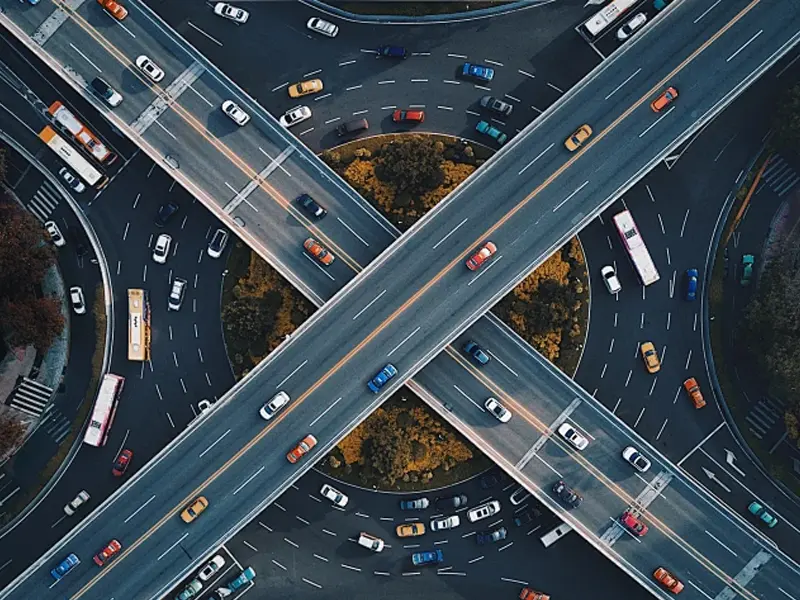
Các trạm thời tiết đường cao tốc được trang bị cảm biến RWIS được sử dụng rộng rãi để giám sát thời gian thực các điều kiện môi trường đường cao tốc. Hệ thống tích hợp các cảm biến thời tiết, cảm biến tầm nhìn và cảm biến điều kiện đường để thu thập dữ liệu như nhiệt độ, lượng mưa, điều kiện gió, tầm nhìn và tình trạng mặt đường.
Bằng cách cung cấp thông tin thời tiết đường bộ liên tục, RWIS giúp người vận hành đường cao tốc giám sát các điều kiện thay đổi, phát hiện các rủi ro an toàn tiềm ẩn và hỗ trợ các cảnh báo giao thông, quản lý đường bộ và các quyết định vận hành hàng ngày.
Bảo trì đường bộ vào mùa đông
RWIS đóng vai trò quan trọng trong bảo trì đường bộ mùa đông bằng cách giám sát các điều kiện mặt đường và thay đổi thời tiết ở các vùng lạnh. Thông qua các cảm biến điều kiện đường và thiết bị giám sát thời tiết, hệ thống cung cấp thông tin thời gian thực về nhiệt độ mặt đường, rủi ro đóng băng, điều kiện tuyết và các yếu tố khác ảnh hưởng đến an toàn đường bộ.
Dữ liệu thu thập được giúp các đội bảo trì tối ưu hóa các hoạt động dọn tuyết và khử băng, cải thiện hiệu quả ứng phó và giảm việc sử dụng không cần thiết các nguồn lực bảo trì.
Cầu, hầm và các đoạn đường có rủi ro cao
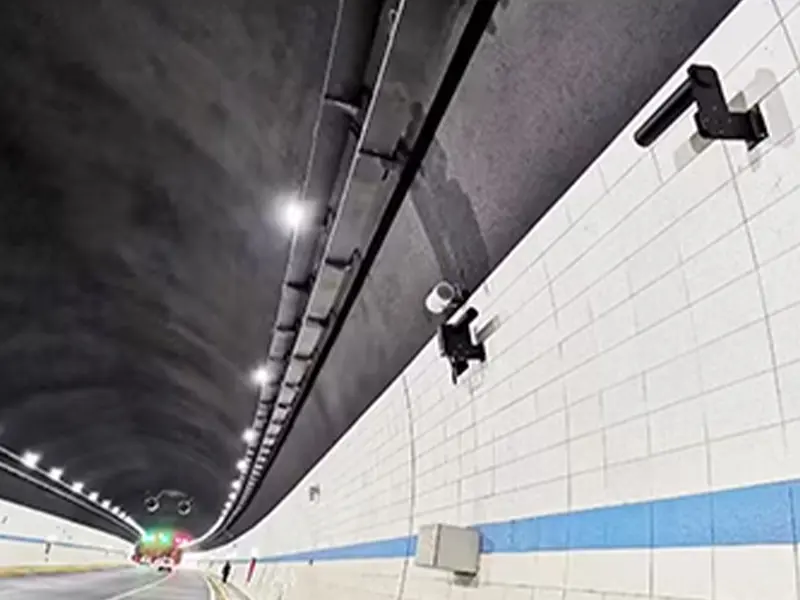
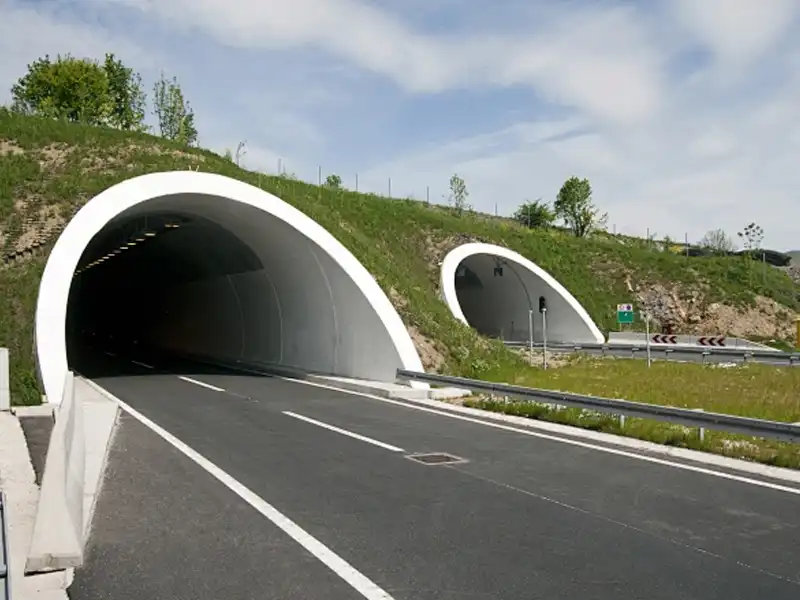
RWIS giúp cải thiện an toàn trên cầu, hầm, đường đèo núi và các khu vực có rủi ro cao khác bằng cách giám sát điều kiện thời tiết và đường bộ địa phương. Thông qua các cảm biến thời tiết và thiết bị giám sát điều kiện đường bộ, hệ thống cung cấp dữ liệu thời gian thực về nguy cơ đóng băng, điều kiện gió, thay đổi nhiệt độ và tầm nhìn.
Thông tin thu thập được giúp người vận hành xác định sớm các mối nguy hiểm tiềm ẩn, cải thiện quản lý an toàn giao thông và hỗ trợ phản ứng kịp thời trong các môi trường đường bộ khó khăn.
Giao thông Thông minh và Quản lý Khẩn cấp
Hệ thống giám sát thời tiết đường bộ cung cấp dữ liệu môi trường quan trọng cho giao thông thông minh và quản lý khẩn cấp. Bằng cách tích hợp các thiết bị giám sát thời tiết với nền tảng kiểm soát giao thông và các giải pháp đường cao tốc thông minh, hệ thống hỗ trợ cảnh báo điều kiện đường bộ thời gian thực, quản lý giao thông và ứng phó khẩn cấp.
Kết hợp với các trạm thời tiết thông minh và công nghệ giám sát điều kiện đường bộ, các giải pháp này giúp các cơ quan giao thông cải thiện việc ra quyết định dựa trên dữ liệu và phát triển các chiến lược quản lý đường bộ hiệu quả hơn.
Xu hướng và Phát triển Tương lai của Hệ thống Giám sát Thời tiết Đường bộ
Các hệ thống giám sát thời tiết đường bộ hiện đại đang phát triển từ các công cụ thu thập dữ liệu thời tiết truyền thống thành các giải pháp thông minh và kết nối. Bằng cách tích hợp cảm biến IoT, trạm thời tiết thông minh, nền tảng đám mây và công nghệ truyền thông tiên tiến, các hệ thống này cung cấp thông tin thời gian thực về điều kiện đường bộ và thời tiết để cải thiện hiệu quả giám sát và quản lý an toàn.
Với sự phát triển của AI và phân tích dữ liệu, các hệ thống thông tin thời tiết đường bộ đang trở nên mang tính dự báo và chủ động hơn. Bằng cách phân tích dữ liệu thời gian thực và lịch sử, chúng có thể xác định các mối nguy hiểm tiềm ẩn như đóng băng, mưa lớn, gió mạnh và tầm nhìn thấp, giúp người vận hành giao thông cải thiện cảnh báo sớm và tối ưu hóa các quyết định bảo trì.
Trong tương lai, các giải pháp giám sát thời tiết đường bộ sẽ trở thành một phần thiết yếu của hệ thống giao thông thông minh. Tích hợp với xe kết nối, nền tảng quản lý giao thông và hệ thống đường cao tốc tự động sẽ cho phép phản ứng nhanh hơn, bảo trì đường bộ hiệu quả hơn và vận hành giao thông an toàn hơn trong các điều kiện thời tiết thay đổi.
Làm thế nào để Chọn Hệ thống Thông tin Thời tiết Đường bộ Phù hợp?
Việc chọn hệ thống thông tin thời tiết đường bộ phù hợp đòi hỏi phải xem xét môi trường giám sát cụ thể, điều kiện khí hậu và nhu cầu vận hành. Các yếu tố như loại đường, rủi ro thời tiết, vị trí lắp đặt và mục tiêu giám sát cần được đánh giá trước tiên. Các ứng dụng khác nhau có thể yêu cầu các tổ hợp cảm biến khác nhau, chẳng hạn như cảm biến thời tiết, cảm biến tầm nhìn, cảm biến điều kiện đường bộ, cảm biến nhiệt độ mặt đường hoặc cảm biến phát hiện băng, để đảm bảo thu thập dữ liệu chính xác và đáng tin cậy.
Phương thức truyền thông, tùy chọn nguồn điện và khả năng quản lý dữ liệu cũng là những cân nhắc quan trọng. Đối với các địa điểm xa xôi, giải pháp truyền thông không dây và năng lượng mặt trời có thể cải thiện tính linh hoạt của hệ thống và giảm thách thức lắp đặt. Một hệ thống phù hợp cũng nên hỗ trợ giám sát từ xa, tích hợp dữ liệu, quản lý cảnh báo và phân tích dữ liệu lịch sử, cho phép người vận hành giao thông đưa ra quyết định tốt hơn và cải thiện quản lý an toàn đường bộ.

Kết luận
Một hệ thống thông tin thời tiết đường bộ đáng tin cậy giúp người vận hành giao thông cải thiện an toàn đường bộ, tối ưu hóa hoạt động bảo trì và phản ứng nhanh hơn với các điều kiện thời tiết thay đổi. Bằng cách kết hợp cảm biến thời tiết, công nghệ giám sát điều kiện đường bộ và nền tảng dữ liệu thông minh, các giải pháp này cung cấp thông tin môi trường chính xác cho đường cao tốc, cầu, hầm và các khu vực giao thông quan trọng khác.
Với sự phát triển không ngừng của giao thông thông minh, các giải pháp giám sát thời tiết tích hợp sẽ ngày càng trở nên quan trọng đối với việc quản lý đường bộ an toàn và hiệu quả hơn. Chúng tôi cung cấp các giải pháp giám sát thời tiết đường bộ tùy chỉnh dựa trên các môi trường ứng dụng và yêu cầu vận hành khác nhau. Liên hệ với chúng tôi để thảo luận về nhu cầu dự án của bạn và tìm cấu hình hệ thống phù hợp cho các mục tiêu an toàn đường bộ của bạn.