Introducción
Las condiciones climáticas pueden cambiar rápidamente y generar riesgos inesperados para los usuarios de la carretera. Un evento repentino de niebla puede reducir la visibilidad en minutos, las temperaturas bajo cero pueden crear superficies de hielo peligrosas y las fuertes lluvias pueden afectar el flujo del tráfico y la seguridad vial. Para los operadores de autopistas y las agencias de transporte, comprender las condiciones de la carretera en tiempo real es esencial para tomar decisiones más rápidas y efectivas.
Un Sistema de Información Meteorológica Vial proporciona monitoreo continuo de las condiciones meteorológicas y de la superficie de la carretera mediante sensores avanzados, tecnologías de comunicación y plataformas de datos. Al ofrecer datos ambientales precisos, el RWIS ayuda a mejorar la seguridad vial, optimizar el mantenimiento invernal y respaldar una gestión del tráfico más inteligente. Este artículo explora qué es un sistema de información meteorológica vial, cómo funciona, sus componentes clave, aplicaciones y los beneficios que aporta al transporte moderno. Si está interesado en “¿Qué es un Sensor de Condición de Carretera? Principio de Funcionamiento y Aplicaciones,”, por favor haga clic

¿Qué es un Sistema de Información Meteorológica Vial (RWIS)?
Un Sistema de Información Meteorológica Vial es un sistema integrado de monitoreo y apoyo a la toma de decisiones diseñado para recopilar, procesar y analizar datos en tiempo real sobre el clima y las condiciones de la carretera que pueden afectar la seguridad del transporte. Está desarrollado específicamente para entornos viales, ayudando a los operadores de autopistas y agencias de transporte a comprender las condiciones cambiantes y responder a posibles riesgos relacionados con el clima.
A diferencia de las estaciones meteorológicas tradicionales que se centran principalmente en la monitorización atmosférica general, el RWIS proporciona información localizada relacionada con la seguridad vial, incluidas las condiciones del pavimento, la visibilidad, la precipitación, los cambios de temperatura y otros factores que influyen directamente en el funcionamiento de los vehículos. Al combinar tecnologías de monitorización ambiental y sistemas de gestión de datos, el RWIS contribuye a autopistas más seguras, operaciones de mantenimiento más eficientes y una gestión del transporte más inteligente. Para obtener una visión práctica de cómo los sensores en carretera trabajan juntos para recopilar, procesar y transmitir datos meteorológicos y de las condiciones de la carretera, consulte nuestra guía sobre [¿Cómo funciona una estación meteorológica de carretera?].
¿Cómo Ayuda un Sistema de Información Meteorológica Vial a Mejorar la Seguridad Vial?
Un sistema de monitoreo meteorológico vial mejora la seguridad vial al proporcionar información en tiempo real sobre las condiciones climáticas y del pavimento cambiantes. Al monitorear factores como niebla, lluvias intensas, nieve, condiciones de congelación, viento y el estado de la superficie de la carretera, el sistema ayuda a los operadores de transporte a identificar peligros potenciales con anticipación y tomar acciones preventivas para reducir los riesgos relacionados con el clima.
Para los operadores de autopistas, una estación meteorológica de autopista proporciona datos ambientales localizados que respaldan el mantenimiento invernal, la gestión del tráfico y la respuesta ante emergencias. En comparación con las inspecciones tradicionales y los pronósticos meteorológicos generales, la estación ofrece información continua y precisa sobre las condiciones de la carretera, lo que ayuda a mejorar la eficiencia del mantenimiento y a respaldar operaciones de transporte más inteligentes.Si está interesado en “¿Cómo detecta un sensor de condición de superficie vial el hielo y el agua?”, haga clic en el artículo.

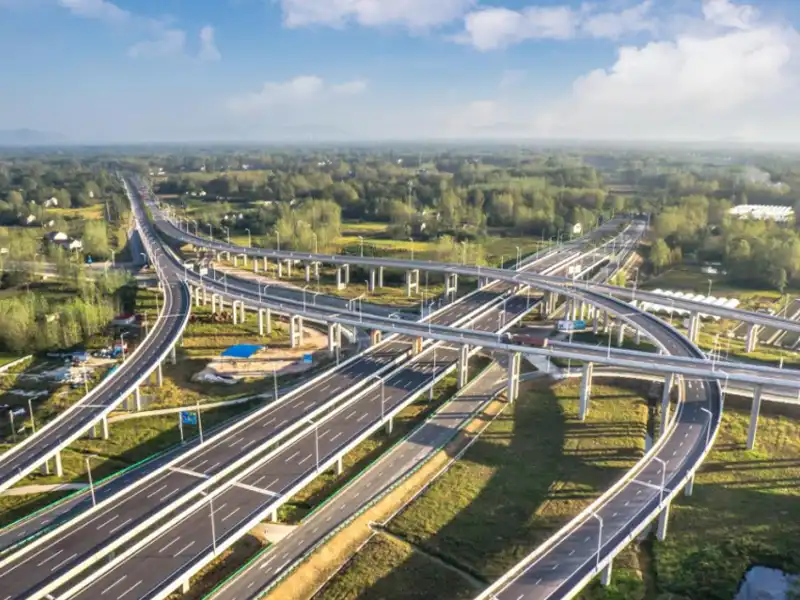
¿Cómo Funciona un Sistema de Monitoreo Meteorológico Vial?
Una estación meteorológica inteligente opera a través de un ciclo continuo de recopilación, transmisión, análisis y entrega de datos. Al utilizar estaciones de monitoreo en la vía equipadas con sensores avanzados, el RWIS recopila datos en tiempo real sobre el clima y las condiciones de la carretera, procesa la información a través de redes de comunicación y plataformas de monitoreo, y proporciona información confiable para respaldar la gestión de la seguridad vial y las decisiones de transporte.
Recopilación de Datos a Través de Sensores
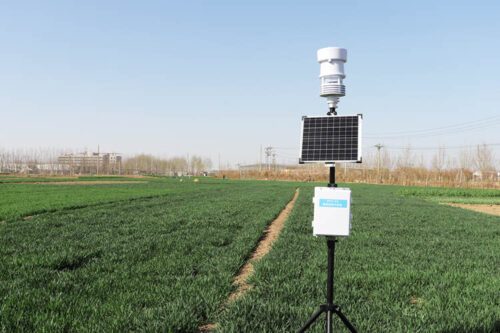
El RWIS comienza recopilando datos en tiempo real sobre el clima y las condiciones de la carretera a través de estaciones de monitoreo instaladas a lo largo de autopistas, puentes, túneles y otras áreas críticas de transporte. Estas estaciones están equipadas con varios sensores que monitorean continuamente las condiciones atmosféricas, incluyendo temperatura del aire, humedad, velocidad del viento, dirección del viento, precipitación y visibilidad. Al mismo tiempo, los sensores de condición de la carretera recopilan información relacionada con el pavimento, como temperatura superficial, riesgos de hielo, película de agua y condiciones de nieve. Al recopilar datos ambientales localizados, el RWIS proporciona información precisa sobre las condiciones cambiantes de la carretera y los posibles riesgos de seguridad.
Transmisión y Procesamiento de Datos
Después de la recopilación de datos, la información obtenida de los sensores de campo se transmite a una plataforma central de monitoreo a través de redes de comunicación confiables, incluyendo conexiones por cable, redes de fibra, comunicación celular y otros métodos de transmisión remota. Antes de un análisis más detallado, el sistema de adquisición de datos procesa, valida y organiza la información recopilada para mejorar la precisión y confiabilidad de los datos, asegurando que los operadores de transporte reciban información meteorológica vial oportuna y significativa.
Análisis de Datos y Soporte de Alertas
La plataforma RWIS integra y analiza datos recopilados de múltiples sensores para identificar posibles peligros relacionados con el clima, incluyendo niebla, lluvias intensas, nevadas, condiciones de congelación y vientos fuertes. Al evaluar información en tiempo real sobre el medio ambiente y las condiciones de la carretera, el sistema puede generar alertas oportunas y proporcionar apoyo a la toma de decisiones para los operadores de autopistas. Esto permite a las agencias de transporte responder de manera más efectiva a través de medidas de control de tráfico, planificación de mantenimiento y estrategias de gestión de seguridad.
Componentes principales
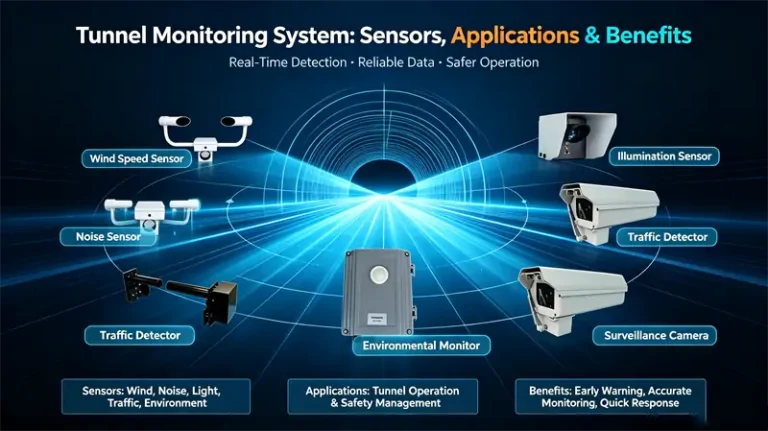
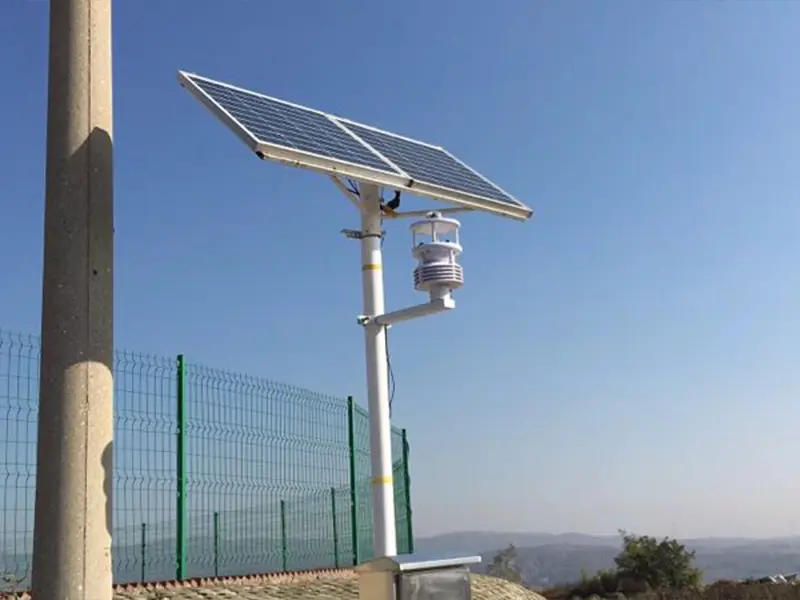
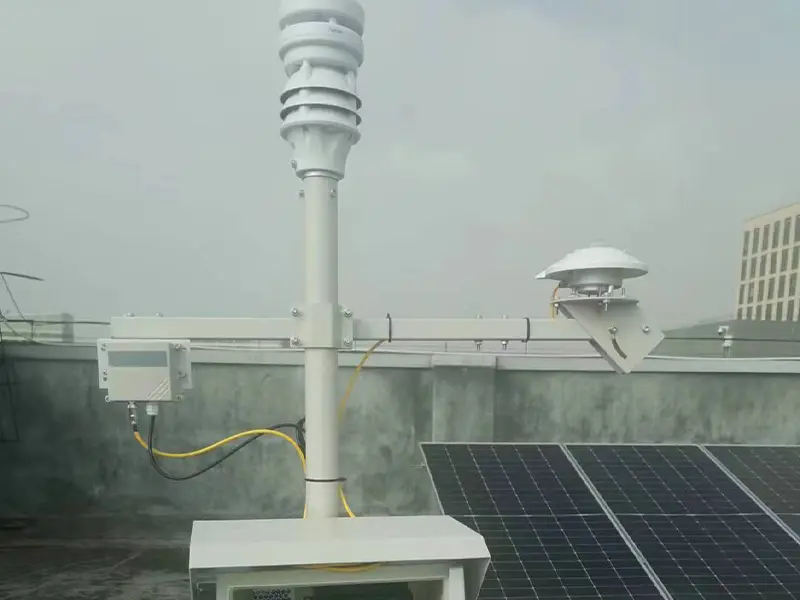
Un sistema completo de monitoreo meteorológico vial consta de múltiples componentes integrados que trabajan juntos para monitorear, recopilar, transmitir y analizar datos en tiempo real sobre el clima y las condiciones de la carretera. El sistema típicamente incluye sensores meteorológicos, sensores de visibilidad, sensores de monitoreo de condición de la carretera, unidades de adquisición de datos, sistemas de comunicación y plataformas de monitoreo.
Al combinar estas tecnologías, el RWIS proporciona información precisa y continua sobre los entornos viales cambiantes, ayudando a las agencias de transporte a mejorar la seguridad en las autopistas, optimizar las operaciones de mantenimiento invernal y respaldar la gestión inteligente del transporte.
Sensores meteorológicos
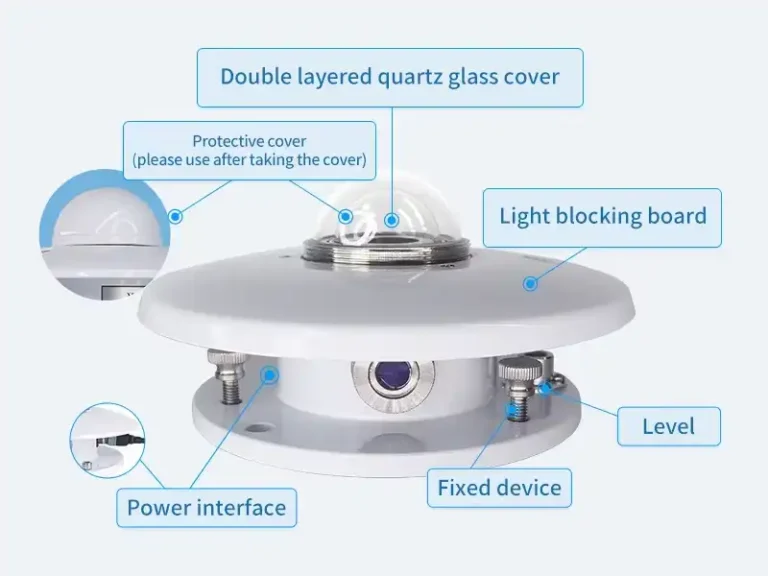
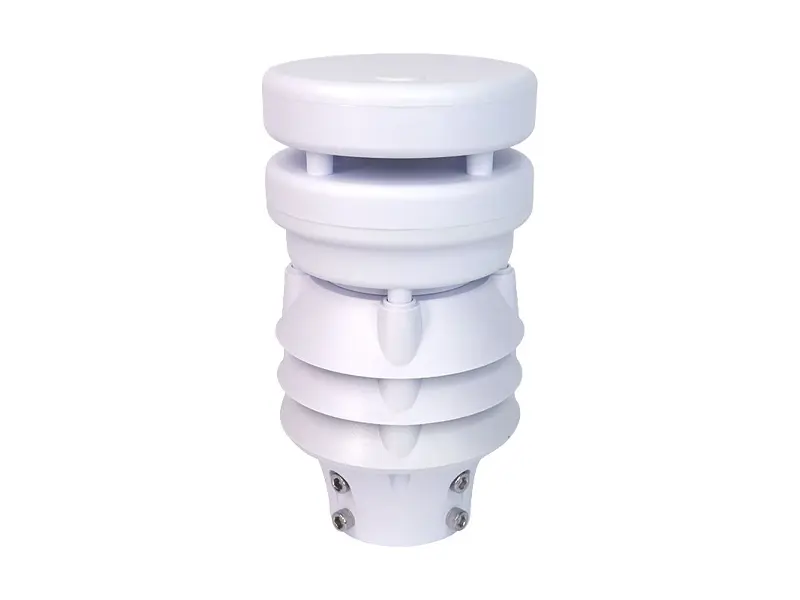
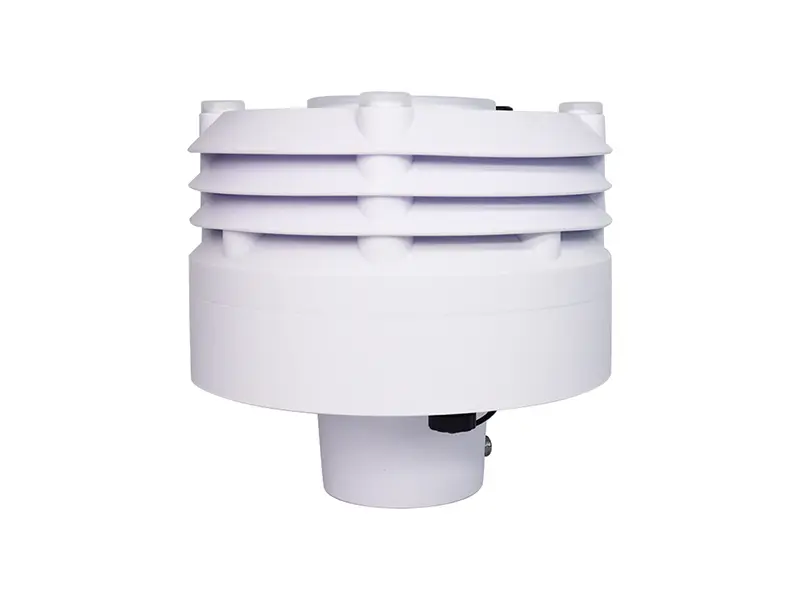
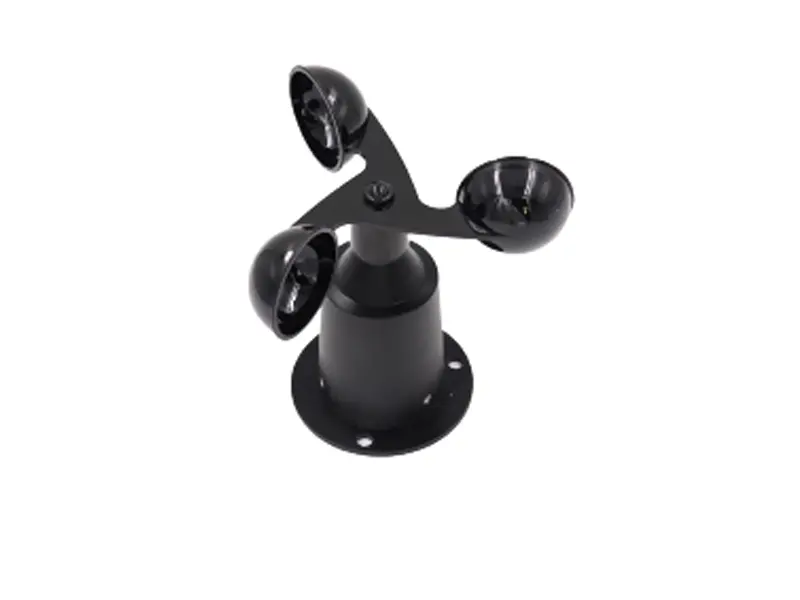
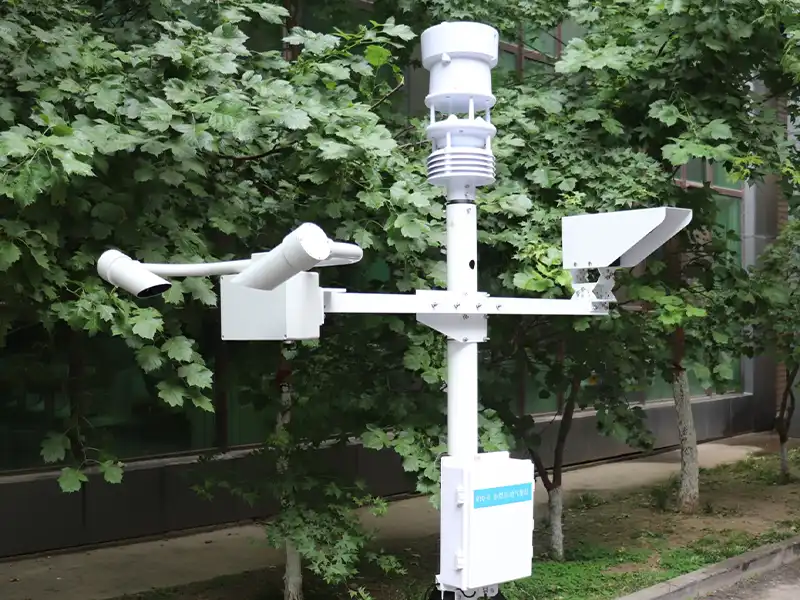
Sensores meteorológicos son componentes fundamentales de una estación meteorológica inteligente porque proporcionan datos atmosféricos en tiempo real para el monitoreo meteorológico vial. Instalados en estaciones meteorológicas de autopistas y ubicaciones de monitoreo en la vía, estos sensores miden parámetros ambientales clave, incluyendo temperatura del aire, humedad, velocidad del viento, dirección del viento, precipitación y presión atmosférica.
Diferentes tipos de sensores meteorológicos, como sensores de temperatura y humedad, sensores de velocidad y dirección del viento, y sensores de lluvia, trabajan en conjunto para proporcionar información meteorológica precisa que permita monitorear las condiciones cambiantes de la carretera y respaldar la gestión del transporte.
Sensores de visibilidad
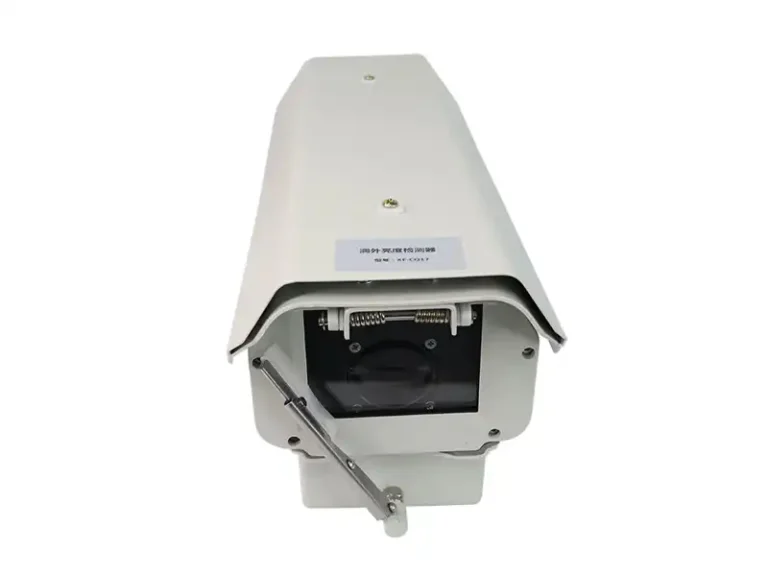
Los sensores de visibilidad son componentes importantes de un sistema de monitoreo meteorológico vial porque proporcionan monitoreo en tiempo real de las condiciones de visibilidad atmosférica afectadas por niebla, bruma, lluvia intensa, nieve y otros factores ambientales. Estos sensores se instalan comúnmente en autopistas, puentes, túneles y otras ubicaciones donde los cambios de visibilidad pueden afectar la seguridad del transporte.
Por ejemplo, el Sensor de Visibilidad XF-CQ10 está diseñado para medir las condiciones de visibilidad y proporcionar datos precisos para el monitoreo de baja visibilidad. Al integrar la información de visibilidad en un sistema de monitoreo meteorológico vial, ayuda a los operadores a comprender mejor los entornos viales cambiantes y responder a condiciones relacionadas con la visibilidad.
Sensores de Condición de la Carretera
Los sensores de condición de la carretera se centran en monitorear el entorno real del pavimento que afecta directamente la seguridad del vehículo. A diferencia de los sensores meteorológicos tradicionales que miden principalmente condiciones atmosféricas, estos sensores proporcionan información en tiempo real sobre la temperatura de la superficie de la carretera, riesgos de hielo, película de agua, cobertura de nieve y condiciones de congelación.
Las soluciones RWIS pueden integrar diferentes tipos de dispositivos de monitoreo de condición de la carretera según requisitos específicos de monitoreo. Por ejemplo, el Sensor de Condición de la Superficie de la Carretera XF-CQ11 proporciona un monitoreo integral de las condiciones del pavimento, mientras que el Sensor de Temperatura de la Superficie de la Carretera XF-CQ16 se centra en la medición en tiempo real de la temperatura del pavimento para respaldar la evaluación de riesgos de congelación. Al recopilar datos precisos de la superficie de la carretera, estos sensores ayudan a mejorar el monitoreo de las condiciones viales y respaldan decisiones de mantenimiento más eficientes.
Sistema de Adquisición de Datos y Comunicación
El sistema de adquisición de datos y comunicación sirve como conexión entre los dispositivos de monitoreo de campo y la plataforma central del RWIS. Recoge señales de diferentes sensores, procesa los datos de medición y transfiere la información meteorológica y de condición de la carretera al centro de monitoreo para su análisis y gestión.
Dependiendo de los requisitos del proyecto y los entornos de instalación, las soluciones RWIS pueden utilizar comunicación por cable, redes de fibra, transmisión inalámbrica o redes celulares como 4G/5G. Un sistema de comunicación confiable asegura la transmisión continua de datos desde las estaciones de monitoreo en la carretera y respalda el monitoreo remoto estable de las condiciones meteorológicas viales.
Plataforma de Monitoreo y Sistema de Estación Meteorológica Inteligente
La plataforma de monitoreo es el componente central de gestión de un RWIS, donde los datos recopilados de diferentes sensores se integran, analizan y muestran. A través de paneles en tiempo real, notificaciones de alerta y análisis de datos históricos, los operadores pueden monitorear de forma remota las condiciones meteorológicas y viales en múltiples ubicaciones.
Una estación meteorológica inteligente combina diversas tecnologías de detección, sistemas de comunicación y funciones de gestión de datos en una solución de monitoreo integrada. Permite el monitoreo continuo del clima en autopistas al conectar sensores de campo con una plataforma centralizada, proporcionando soporte de datos confiable para la gestión de seguridad vial, mantenimiento invernal y aplicaciones de transporte inteligente.
Plataforma de Monitoreo y Sistema de Software
La plataforma de monitoreo es el componente de software central de una estación meteorológica de autopista, donde los datos recopilados de diferentes sensores se integran, procesan y presentan en un formato fácil de entender. Convierte los datos brutos de clima y condición de la carretera en información útil para la gestión del transporte y el monitoreo remoto.
La plataforma generalmente proporciona funciones como paneles en tiempo real, notificaciones de alarma, visualización de datos, análisis de tendencias históricas y gestión remota de dispositivos. Al conectarse con sensores meteorológicos, sensores de visibilidad y dispositivos de monitoreo de condición de la carretera, el sistema de software RWIS permite a los operadores monitorear entornos viales, gestionar múltiples ubicaciones de monitoreo y acceder a datos confiables para operaciones de transporte.

Aplicaciones
Un Sistema de Información Meteorológica Vial se aplica en diversos escenarios de transporte donde las condiciones meteorológicas y de la carretera pueden afectar la seguridad y las operaciones de tráfico. Al proporcionar información ambiental en tiempo real y datos sobre el estado de la carretera, el RWIS respalda la gestión de autopistas, las actividades de mantenimiento y las aplicaciones de transporte inteligente.Al seleccionar sensores para el monitoreo vial, consulte nuestra guía sobre Estación Meteorológica de Carretera vs Estación Meteorológica: Diferencias Clave Explicadas
Monitoreo Meteorológico en Autopistas
Las estaciones meteorológicas de autopistas equipadas con sensores RWIS se utilizan ampliamente para el monitoreo en tiempo real de las condiciones ambientales de las autopistas. El sistema integra sensores meteorológicos, sensores de visibilidad y sensores de condición de la carretera para recopilar datos como temperatura, precipitación, condiciones del viento, visibilidad y estado del pavimento.
Al proporcionar información meteorológica vial continua, el RWIS ayuda a los operadores de autopistas a monitorear condiciones cambiantes, detectar posibles riesgos de seguridad y respaldar advertencias de tráfico, gestión vial y decisiones operativas diarias.
Mantenimiento de carreteras en invierno
El RWIS desempeña un papel importante en el mantenimiento invernal de carreteras al monitorear las condiciones del pavimento y los cambios climáticos en regiones frías. A través de sensores de condición de la carretera y dispositivos de monitoreo meteorológico, el sistema proporciona información en tiempo real sobre la temperatura del pavimento, riesgos de congelación, condiciones de nieve y otros factores que afectan la seguridad vial.
Los datos recopilados ayudan a los equipos de mantenimiento a optimizar las operaciones de remoción de nieve y deshielo, mejorar la eficiencia de respuesta y reducir el uso innecesario de recursos de mantenimiento.
Puentes, Túneles y Secciones de Carretera de Alto Riesgo
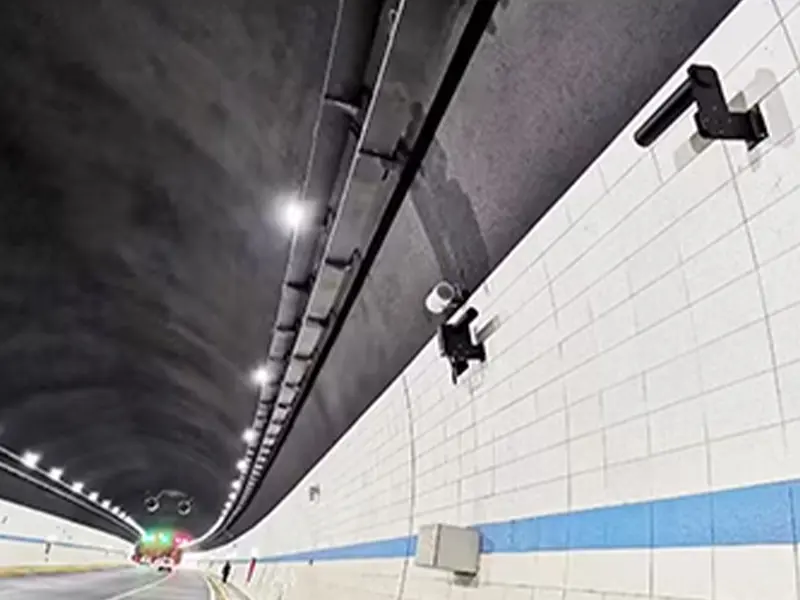
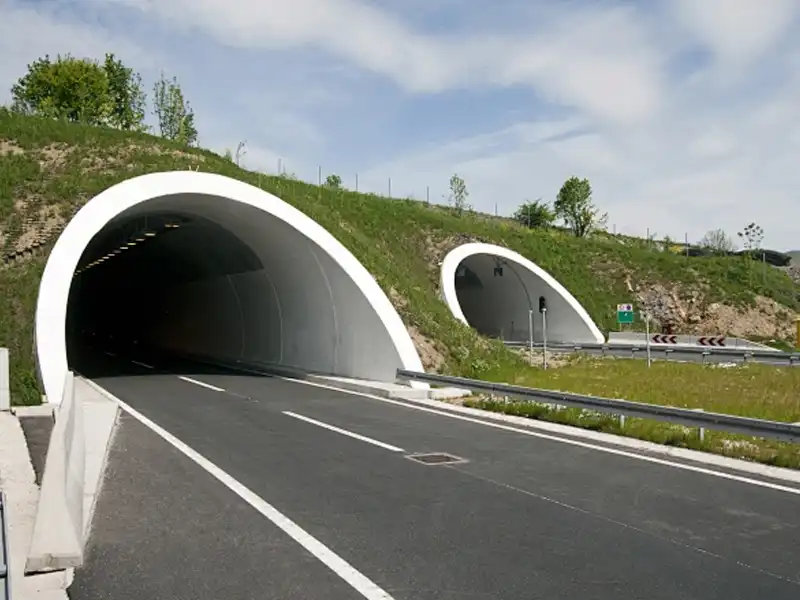
El RWIS ayuda a mejorar la seguridad en puentes, túneles, carreteras de montaña y otras áreas de alto riesgo al monitorear las condiciones climáticas y viales locales. A través de sensores meteorológicos y dispositivos de monitoreo de condición de la carretera, el sistema proporciona datos en tiempo real sobre riesgos de hielo, condiciones del viento, cambios de temperatura y visibilidad.
La información recopilada ayuda a los operadores a identificar peligros potenciales con mayor antelación, mejorar la gestión de la seguridad vial y respaldar respuestas oportunas en entornos viales desafiantes.
Transporte Inteligente y Gestión de Emergencias
Un sistema de monitoreo meteorológico vial proporciona datos ambientales importantes para el transporte inteligente y la gestión de emergencias. Al integrar dispositivos de monitoreo meteorológico con plataformas de control de tráfico y soluciones de autopistas inteligentes, el sistema respalda alertas en tiempo real sobre el estado de las carreteras, la gestión del tráfico y la respuesta a emergencias.
Combinadas con estaciones meteorológicas inteligentes y tecnologías de monitoreo del estado de las carreteras, estas soluciones ayudan a las agencias de transporte a mejorar la toma de decisiones basada en datos y desarrollar estrategias de gestión vial más eficientes.

Tendencias y Desarrollo Futuro de los Sistemas de Monitoreo Meteorológico Vial
Los sistemas modernos de monitoreo meteorológico vial están evolucionando de herramientas tradicionales de recopilación de datos meteorológicos a soluciones inteligentes y conectadas. Al integrar sensores IoT, estaciones meteorológicas inteligentes, plataformas en la nube y tecnologías de comunicación avanzadas, estos sistemas proporcionan información en tiempo real sobre el estado de las carreteras y las condiciones meteorológicas para mejorar la eficiencia del monitoreo y la gestión de la seguridad.
Con el desarrollo de la IA y el análisis de datos, los sistemas de información meteorológica vial se están volviendo más predictivos y proactivos. Al analizar datos en tiempo real e históricos, pueden identificar peligros potenciales como formación de hielo, precipitaciones intensas, vientos fuertes y baja visibilidad, ayudando a los operadores de transporte a mejorar las alertas tempranas y optimizar las decisiones de mantenimiento.
En el futuro, las soluciones de monitoreo meteorológico vial se convertirán en una parte esencial de los sistemas de transporte inteligente. La integración con vehículos conectados, plataformas de gestión de tráfico y sistemas de autopistas automatizados permitirá respuestas más rápidas, un mantenimiento vial más eficiente y operaciones de transporte más seguras en condiciones climáticas cambiantes.

¿Cómo Elegir el Sistema de Información Meteorológica Vial Adecuado?
Elegir el sistema de información meteorológica vial adecuado requiere considerar el entorno de monitoreo específico, las condiciones climáticas y las necesidades operativas. Factores como el tipo de carretera, los riesgos meteorológicos, la ubicación de instalación y los objetivos de monitoreo deben evaluarse primero. Diferentes aplicaciones pueden requerir diferentes combinaciones de sensores, como sensores meteorológicos, sensores de visibilidad, sensores del estado de la carretera, sensores de temperatura del pavimento o sensores de detección de hielo, para garantizar una recopilación de datos precisa y confiable.
Los métodos de comunicación, las opciones de suministro de energía y las capacidades de gestión de datos también son consideraciones importantes. Para ubicaciones remotas, la comunicación inalámbrica y las soluciones de energía solar pueden mejorar la flexibilidad del sistema y reducir los desafíos de instalación. Un sistema adecuado también debe admitir monitoreo remoto, integración de datos, gestión de alarmas y análisis de datos históricos, lo que permite a los operadores de transporte tomar mejores decisiones y mejorar la gestión de la seguridad vial.


Conclusión
Un sistema de información meteorológica vial confiable ayuda a los operadores de transporte a mejorar la seguridad vial, optimizar las operaciones de mantenimiento y responder más rápido a las condiciones climáticas cambiantes. Al combinar sensores meteorológicos, tecnologías de monitoreo del estado de las carreteras y plataformas de datos inteligentes, estas soluciones proporcionan información ambiental precisa para autopistas, puentes, túneles y otras áreas de transporte críticas.
Con el desarrollo continuo del transporte inteligente, las soluciones integradas de monitoreo meteorológico serán cada vez más importantes para una gestión vial más segura y eficiente. Proporcionamos soluciones personalizadas de monitoreo meteorológico vial basadas en diferentes entornos de aplicación y requisitos operativos. Póngase en contacto con nosotros para discutir las necesidades de su proyecto y encontrar la configuración de sistema adecuada para sus objetivos de seguridad vial.