什么是道路气象信息系统(RWIS)?组件与应用

导言

Weather conditions can change quickly and create unexpected risks for road users. A sudden fog event can reduce visibility within minutes, freezing temperatures can create hazardous icy surfaces, and heavy rainfall can affect traffic flow and road safety. For highway operators and transportation agencies, understanding real-time road conditions is essential for making faster and more effective decisions.

A Road Weather Information System provides continuous monitoring of weather and road surface conditions through advanced sensors, communication technologies, and data platforms. By delivering accurate environmental data, RWIS helps improve highway safety, optimize winter maintenance, and support smarter traffic management. This article explores what a road weather information system is, how it works, its key components, applications, and the benefits it brings to modern transportation.

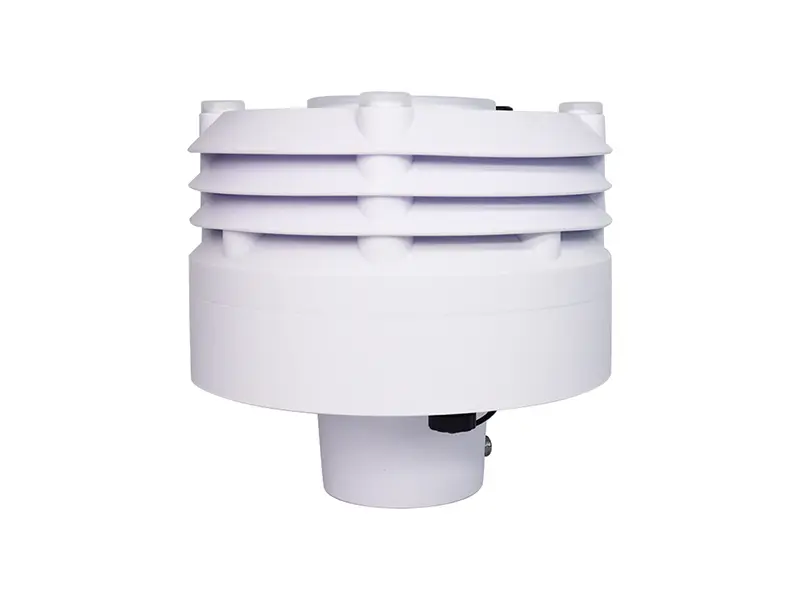
道路气象信息系统(RWIS)的能见度传感器

What Is a Road Weather Information System (RWIS)?

A Road Weather Information System is an integrated monitoring and decision-support system designed to collect, process, and analyze real-time weather and road condition data that may affect transportation safety. It is specifically developed for road environments, helping highway operators and transportation agencies understand changing conditions and respond to potential weather-related risks.

Unlike traditional weather stations that mainly focus on general atmospheric monitoring, RWIS provides localized information related to road safety, including pavement conditions, visibility, precipitation, temperature changes, and other factors that directly influence vehicle operation. By combining environmental monitoring technologies and data management systems, RWIS supports safer highways, more efficient maintenance operations, and smarter transportation management.

How Does a Road Weather Information System Help Improve Road Safety?

A road weather monitoring system improves road safety by providing real-time information about changing weather and pavement conditions. By monitoring factors such as fog, heavy rainfall, snow, freezing conditions, wind, and road surface status, the system helps transportation operators identify potential hazards earlier and take preventive actions to reduce weather-related risks.

For highway operators, a highway weather station provides localized environmental data that supports winter maintenance, traffic management, and emergency response. Compared with traditional inspections and general weather forecasts, the station delivers continuous and accurate road condition information, helping improve maintenance efficiency and support smarter transportation operations.

How Does a road weather monitoring system Work?

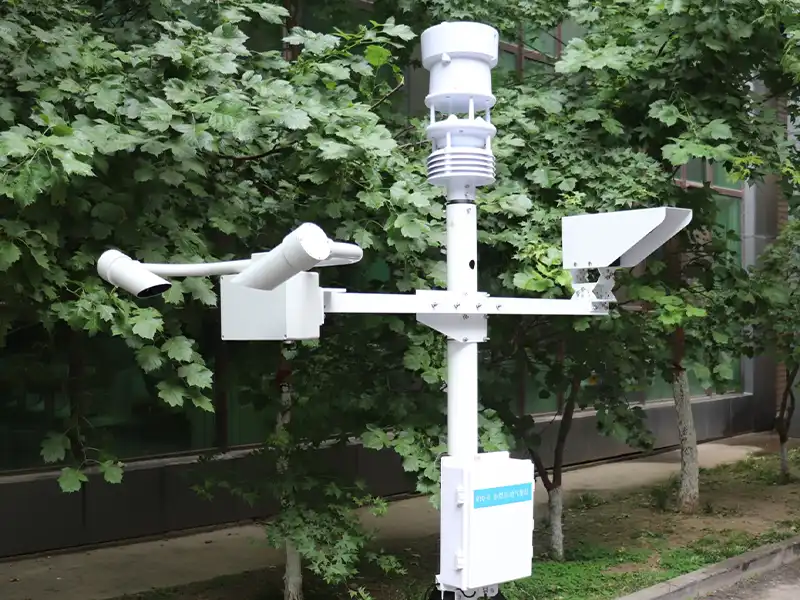
A smart weather station operates through a continuous cycle of data collection, transmission, analysis, and information delivery. By using roadside monitoring stations equipped with advanced sensors, RWIS collects real-time weather and road condition data, processes the information through communication networks and monitoring platforms, and provides reliable insights to support road safety management and transportation decisions.

Data Collection Through Sensors

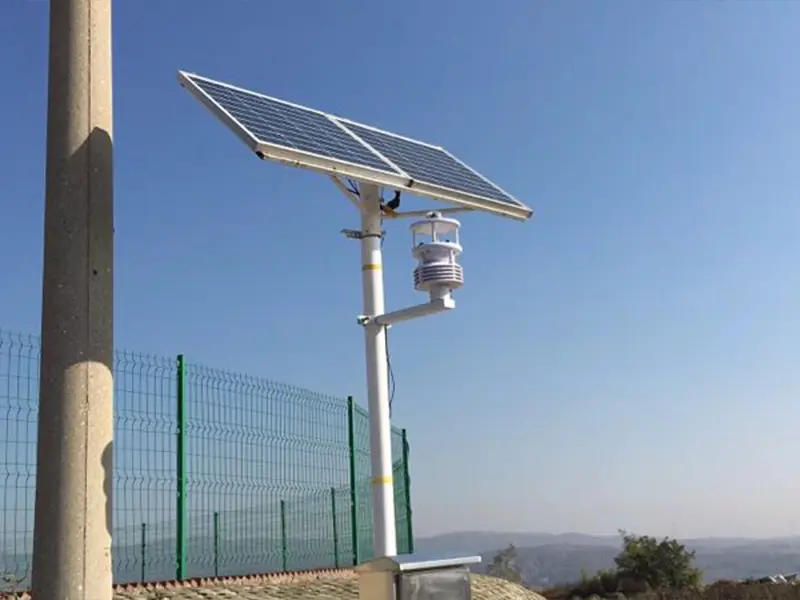
RWIS begins by collecting real-time weather and road condition data through monitoring stations installed along highways, bridges, tunnels, and other critical transportation areas. These stations are equipped with various sensors that continuously monitor atmospheric conditions, including air temperature, humidity, wind speed, wind direction, rainfall, and visibility. At the same time, road condition sensors collect pavement-related information such as surface temperature, icing risks, water film, and snow conditions. By gathering localized environmental data, RWIS provides accurate information about changing road conditions and potential safety risks.

Data Transmission and Data Processing

After data collection, the information gathered from field sensors is transmitted to a central monitoring platform through reliable communication networks, including wired connections, fiber networks, cellular communication, and other remote transmission methods. Before further analysis, the data acquisition system processes, validates, and organizes the collected information to improve data accuracy and reliability, ensuring that transportation operators receive timely and meaningful road weather insights.

Data Analysis and Warning Support

The RWIS platform integrates and analyzes data collected from multiple sensors to identify potential weather-related hazards, including fog, heavy rainfall, snowfall, freezing conditions, and strong winds. By evaluating real-time environmental and road condition information, the system can generate timely alerts and provide decision support for highway operators. This enables transportation agencies to respond more effectively through traffic control measures, maintenance planning, and safety management strategies.

主要组件

A complete road weather monitoring system consists of multiple integrated components that work together to monitor, collect, transmit, and analyze real-time weather and road condition data. The system typically includes weather sensors, visibility sensors, road condition monitoring sensors, data acquisition units, communication systems, and monitoring platforms.

By combining these technologies, RWIS provides accurate and continuous information about changing road environments, helping transportation agencies improve highway safety, optimize winter maintenance operations, and support intelligent transportation management.

天气传感器

气象传感器 are fundamental components of a smart weather station because they provide real-time atmospheric data for road weather monitoring. Installed at highway weather stations and roadside monitoring locations, these sensors measure key environmental parameters, including air temperature, humidity, wind speed, wind direction, rainfall, and atmospheric pressure.

Different types of weather sensors, such as temperature and humidity sensors, wind speed and direction sensors, and rainfall sensors, work together to provide accurate weather information for monitoring changing road conditions and supporting transportation management.

可见度传感器

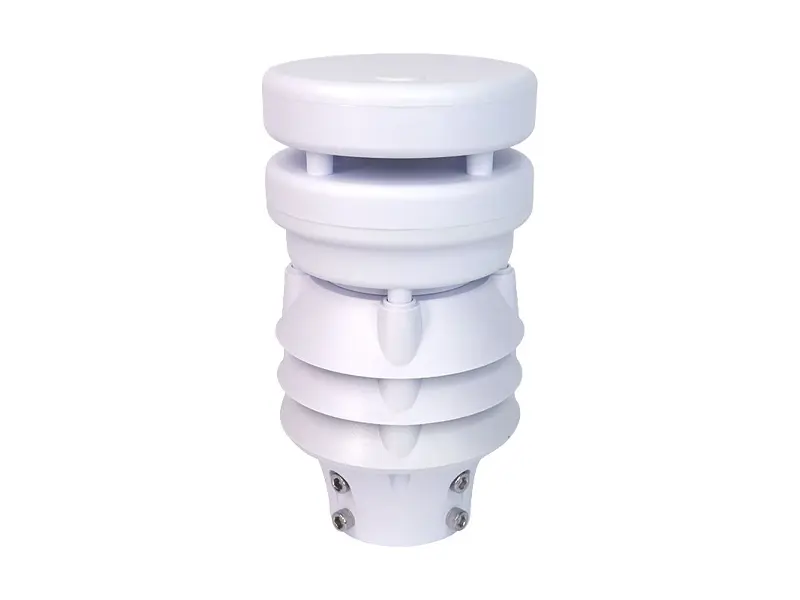
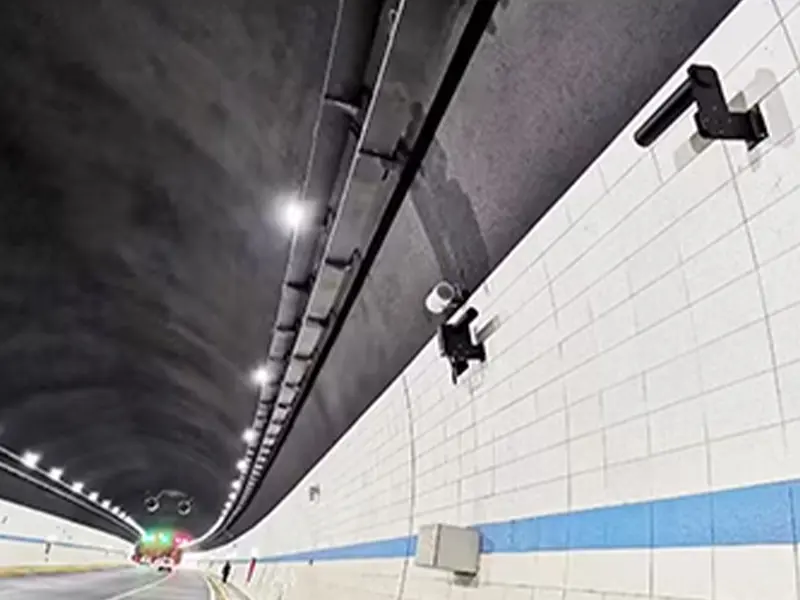
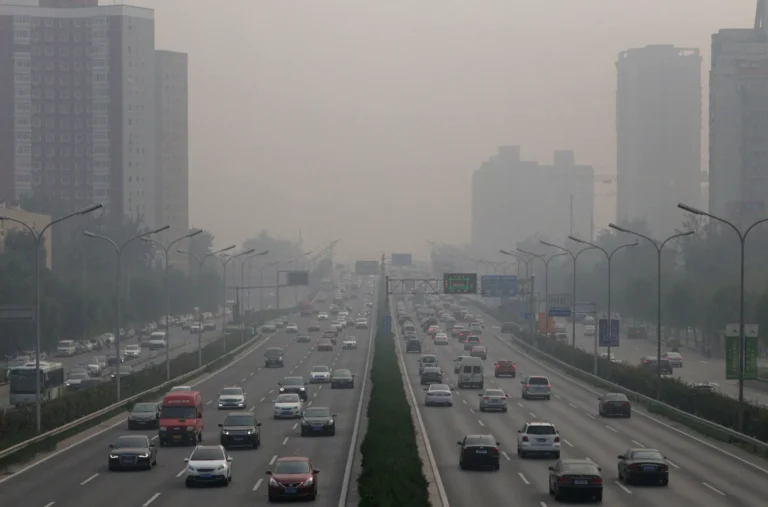
Visibility sensors are important components of a road weather monitoring system because they provide real-time monitoring of atmospheric visibility conditions affected by fog, haze, heavy rain, snow, and other environmental factors. These sensors are commonly installed on highways, bridges, tunnels, and other locations where visibility changes may affect transportation safety.

For example, the XF-CQ10 Visibility Sensor is designed to measure visibility conditions and provide accurate data for low-visibility monitoring. By integrating visibility information into a road weather monitoring system, it helps operators better understand changing road environments and respond to visibility-related conditions.

Road Condition Sensors

Road condition sensors focus on monitoring the actual pavement environment that directly affects vehicle safety. Unlike traditional weather sensors that mainly measure atmospheric conditions, these sensors provide real-time information about road surface temperature, icing risks, water film, snow coverage, and freezing conditions.

RWIS solutions can integrate different types of road condition monitoring devices based on specific monitoring requirements. For example, the XF-CQ11 Road Surface Condition Sensor provides comprehensive monitoring of pavement conditions, while the XF-CQ16 Road Surface Temperature Sensor focuses on real-time pavement temperature measurement to support freezing risk assessment. By collecting accurate road surface data, these sensors help improve road condition monitoring and support more efficient maintenance decisions.

Data Acquisition and Communication System

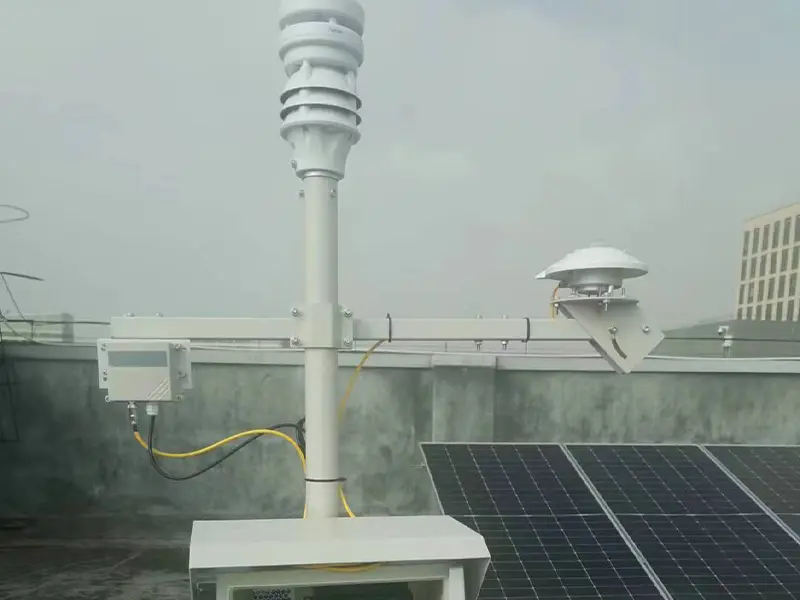
The data acquisition and communication system serves as the connection between field monitoring devices and the central RWIS platform. It collects signals from different sensors, processes measurement data, and transfers weather and road condition information to the monitoring center for analysis and management.

Depending on project requirements and installation environments, RWIS solutions can use wired communication, fiber networks, wireless transmission, or cellular networks such as 4G/5G. A reliable communication system ensures continuous data transmission from roadside monitoring stations and supports stable remote monitoring of road weather conditions.

Monitoring Platform and Smart Weather Station System

The monitoring platform is the central management component of an RWIS, where data collected from different sensors is integrated, analyzed, and displayed. Through real-time dashboards, alert notifications, and historical data analysis, operators can remotely monitor weather and road conditions across multiple locations.

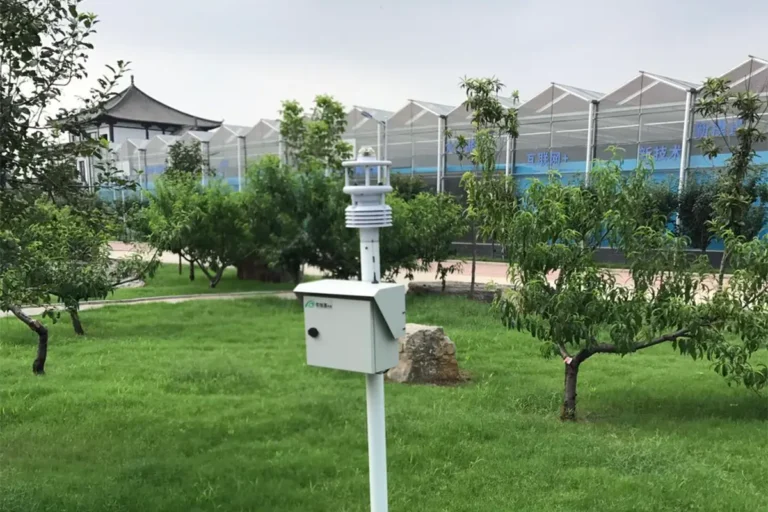
A smart weather station combines various sensing technologies, communication systems, and data management functions into an integrated monitoring solution. It enables continuous highway weather monitoring by connecting field sensors with a centralized platform, providing reliable data support for road safety management, winter maintenance, and intelligent transportation applications.

Monitoring Platform and Software System

The monitoring platform is the central software component of a highway weather station , where data collected from different sensors is integrated, processed, and presented in an easy-to-understand format. It converts raw weather and road condition data into useful information for transportation management and remote monitoring.

The platform typically provides functions such as real-time dashboards, alarm notifications, data visualization, historical trend analysis, and remote device management. By connecting with weather sensors, visibility sensors, and road condition monitoring devices, the RWIS software system enables operators to monitor road environments, manage multiple monitoring locations, and access reliable data for transportation operations.

应用

A Road Weather Information System is applied in various transportation scenarios where weather and road conditions can impact safety and traffic operations. By providing real-time environmental information and road condition data, RWIS supports highway management, maintenance activities, and intelligent transportation applications.

Highway Weather Monitoring

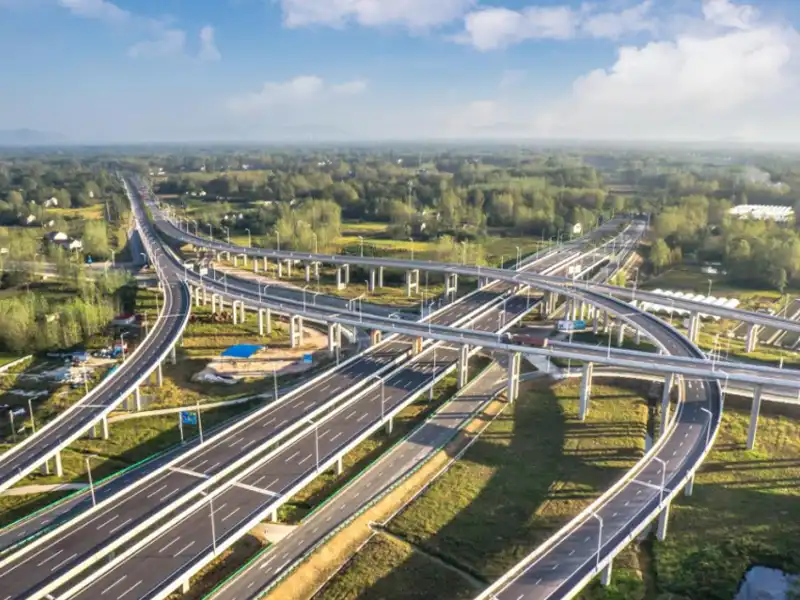
Highway weather stations equipped with RWIS sensors are widely used for real-time monitoring of highway environmental conditions. The system integrates weather sensors, visibility sensors, and road condition sensors to collect data such as temperature, rainfall, wind conditions, visibility, and pavement status.

By providing continuous road weather information, RWIS helps highway operators monitor changing conditions, detect potential safety risks, and support traffic warnings, road management, and daily operation decisions.

冬季道路养护

RWIS plays an important role in winter road maintenance by monitoring pavement conditions and weather changes in cold regions. Through road condition sensors and weather monitoring devices, the system provides real-time information on pavement temperature, freezing risks, snow conditions, and other factors that affect road safety.

The collected data helps maintenance teams optimize snow removal and deicing operations, improve response efficiency, and reduce unnecessary use of maintenance resources.

Bridges, Tunnels and High-Risk Road Sections

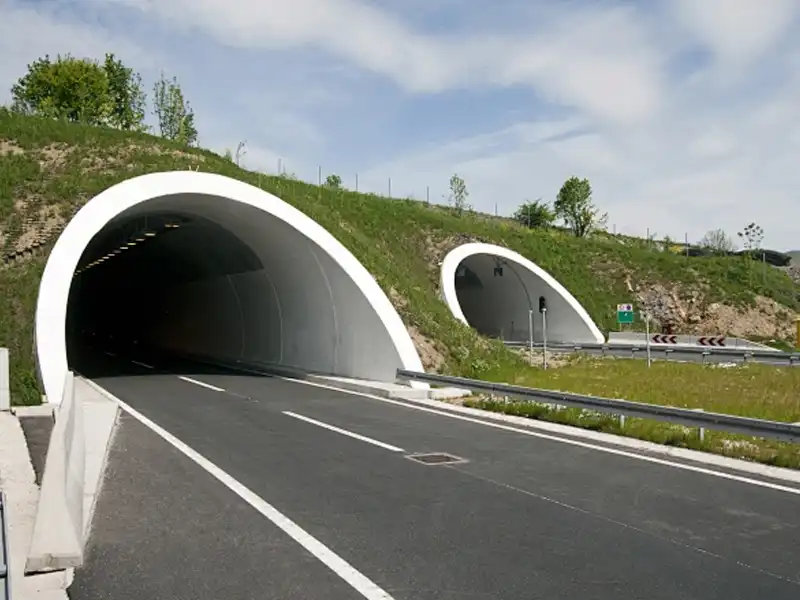
RWIS helps improve safety in bridges, tunnels, mountain roads, and other high-risk areas by monitoring local weather and road conditions. Through weather sensors and road condition monitoring devices, the system provides real-time data on icing risks, wind conditions, temperature changes, and visibility.

The collected information helps operators identify potential hazards earlier, improve traffic safety management, and support timely responses in challenging road environments.

Intelligent Transportation and Emergency Management

A road weather monitoring system provides important environmental data for intelligent transportation and emergency management. By integrating weather monitoring devices with traffic control platforms and smart highway solutions, the system supports real-time road condition warnings, traffic management, and emergency response.

Combined with smart weather stations and road condition monitoring technologies, these solutions help transportation agencies improve data-driven decision-making and develop more efficient road management strategies.

Road Weather Monitoring System Trends and Future Development

Modern road weather monitoring systems are evolving from traditional weather data collection tools into intelligent and connected solutions. By integrating IoT sensors, smart weather stations, cloud platforms, and advanced communication technologies, these systems provide real-time information on road and weather conditions to improve monitoring efficiency and safety management.

With the development of AI and data analytics, road weather information systems are becoming more predictive and proactive. By analyzing real-time and historical data, they can identify potential hazards such as icing, heavy precipitation, strong winds, and low visibility, helping transportation operators improve early warning and optimize maintenance decisions.

In the future, road weather monitoring solutions will become an essential part of intelligent transportation systems. Integration with connected vehicles, traffic management platforms, and automated highway systems will enable faster responses, more efficient road maintenance, and safer transportation operations under changing weather conditions.

烟台传感器

How to Choose the Right Road Weather Information System?

Choosing the right road weather information system requires considering the specific monitoring environment, climate conditions, and operational needs. Factors such as road type, weather risks, installation location, and monitoring objectives should be evaluated first. Different applications may require different sensor combinations, such as weather sensors, visibility sensors, road condition sensors, pavement temperature sensors, or ice detection sensors, to ensure accurate and reliable data collection.

Communication methods, power supply options, and data management capabilities are also important considerations. For remote locations, wireless communication and solar power solutions can improve system flexibility and reduce installation challenges. A suitable system should also support remote monitoring, data integration, alarm management, and historical data analysis, enabling transportation operators to make better decisions and improve road safety management.

结论

A reliable road weather information system helps transportation operators improve road safety, optimize maintenance operations, and respond faster to changing weather conditions. By combining weather sensors, road condition monitoring technologies, and intelligent data platforms, these solutions provide accurate environmental information for highways, bridges, tunnels, and other critical transportation areas.

With the continuous development of smart transportation, integrated weather monitoring solutions will become increasingly important for safer and more efficient road management. We provide customized road weather monitoring solutions based on different application environments and operational requirements. 联系我们 to discuss your project needs and find the right system configuration for your road safety goals.

常见问题

道路气象信息系统(RWIS)是一种智能监测解决方案,通过传感器、通信设备和数据平台实时采集天气和路面状况数据。该系统可测量路面温度、能见度、降水量、风速及结冰风险等要素,帮助交通管理部门提升道路安全、天气预报精度及运营决策能力。.

高速公路常受快速变化的天气条件影响,包括降雪、大雾、暴雨和强风。道路气象监测系统提供关于环境和路面状况的精确信息,使运营方能够发布早期预警、优化维护作业、减少天气相关事故,并提升整体高速公路安全管理水平。.

一个典型的道路气象信息系统可能包含气象传感器、能见度传感器、路面状态传感器、路面温度传感器、风速传感器和降水传感器。传感器组合取决于应用环境,例如高速公路、隧道、桥梁、山区道路或冬季养护区域,以确保对特定气象风险进行精准监测。.

是的。通过采用太阳能供电系统、无线通信和低功耗监测技术,RWIS解决方案可针对偏远及恶劣环境进行设计。这些配置能够确保在山区高速公路、乡村道路以及缺乏稳定电力或通信基础设施的区域实现持续运行。.

RWIS 通过提供关于路面温度、结冰风险、积雪状况和天气变化的实时信息,支持冬季道路维护。维护团队可利用这些数据更精准地规划除雪和融冰作业,提升响应速度,减少不必要的材料消耗,并在冬季天气期间维持更安全的道路状况。.

是的。现代道路气象信息系统可与智能交通系统、交通管理平台及智慧高速解决方案集成。所采集的数据可用于集中监测、自动预警、交通控制决策及应急响应,帮助交通运营者构建更高效、互联的道路管理系统。.

Choosing the right system depends on road type, climate conditions, monitoring objectives, installation environment, communication methods, and power availability. Users should evaluate required sensors, data management functions, and future expansion needs. A properly configured system can provide reliable monitoring performance while avoiding unnecessary equipment investment.

The cost of an RWIS depends on factors such as the number of monitoring sites, sensor configuration, communication method, power supply, and software requirements. A basic station may require fewer sensors, while large highway projects may include multiple monitoring points and integrated platforms. Customized system design helps balance performance requirements and project budget.

相关文章