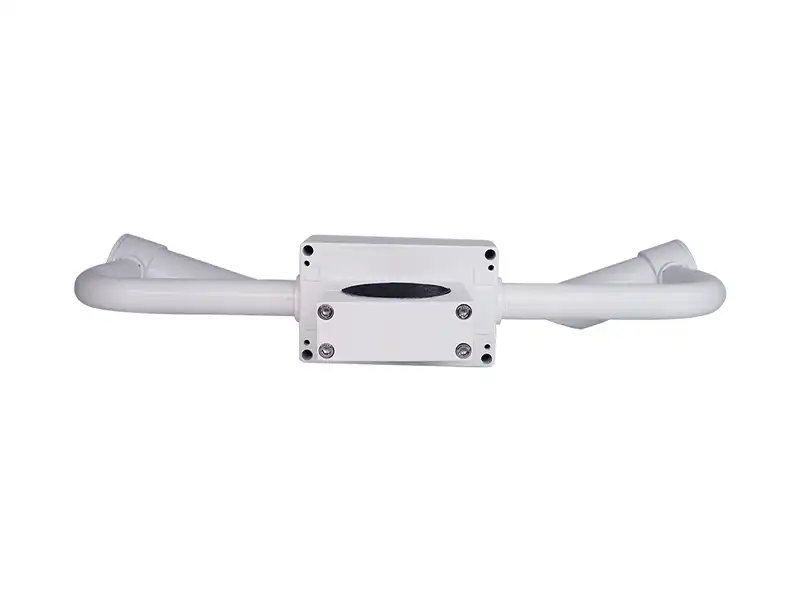
Atmospheric Visibility Sensor for Weather Monitoring SystemsThe

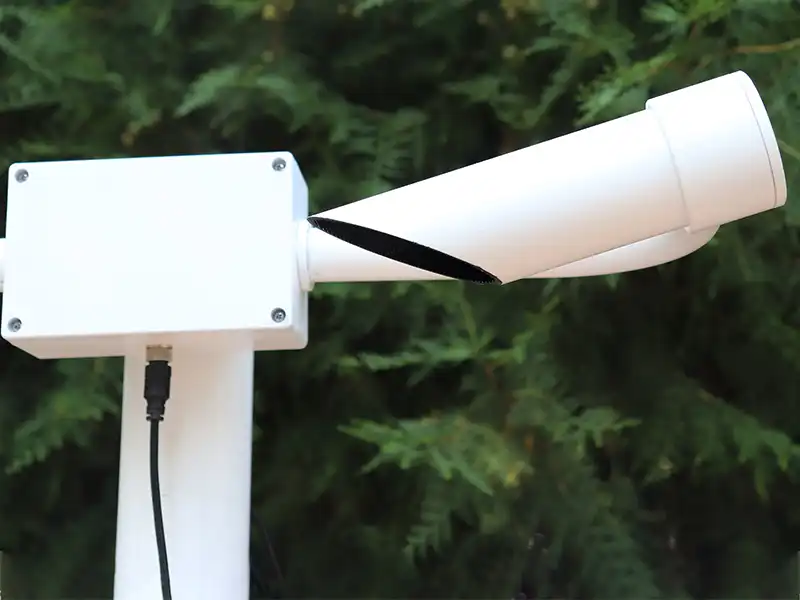
An atmospheric visibility sensor is a device used to measure atmospheric visibility in real time by detecting fog, haze, rain, dust, and other environmental conditions. It features high accuracy, fast response, stable outdoor performance, and low maintenance, making it ideal for weather stations, highways, airports, ports, and smart transportation safety monitoring solutions.

  • Atmospheric temperature: -40-60℃
  • Atmospheric humidity: 0-100%RH
  • Supply: 12-24VDC
  • 출력: RS485(모드버스)
  • Range: 10m-10km
  • Accuracy: <2km

소개

An atmospheric visibility sensor is a precision instrument used to measure atmospheric transparency and determine meteorological optical range (MOR). Currently, mainstream visibility sensors operate based on the principle of forward scattering. Simply put, an emitter inside the sensor emits a beam of infrared light into the air, while a receiver, positioned at a specific angle (typically between 33° and 45°) relative to the emitted light, measures the intensity of the scattered light caused by airborne particles (such as fog, haze, rain, or snow). Using a specific mathematical model, the sensor converts the scattered light intensity into a current visibility value.

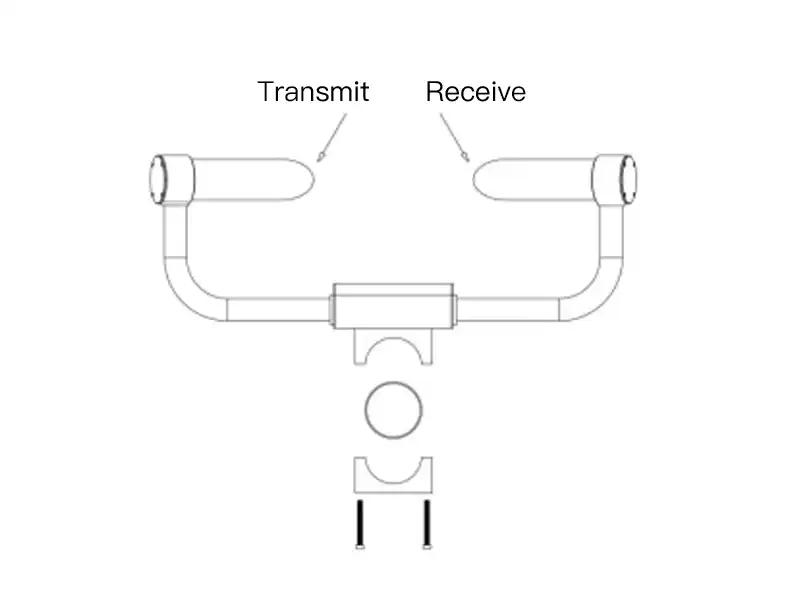
Structure atmospheric visibility sensor

  • Optical Transmitter Module
    Emits stable light signals for atmospheric visibility measurement.
  • Optical Receiver Module
    Receives scattered light signals and converts them into visibility data.
  • High-Precision Detection Chamber
    Ensures accurate monitoring under fog, haze, rain, and dust conditions.
  • LED / Infrared Light Source
    Provides long-life and stable optical performance for continuous operation.
  • Signal Processing Circuit Board
    Processes optical signals quickly for real-time visibility analysis.
  • Microprocessor Control Unit
    Controls sensor operation and improves overall measurement accuracy.
  • Temperature Compensation Module
    Reduces environmental temperature influence on sensor performance.
  • Anti-Condensation Protection System
    Prevents moisture buildup and ensures reliable outdoor monitoring.
  • Weatherproof Protective Housing
    Protects internal components from rain, dust, and harsh environments.
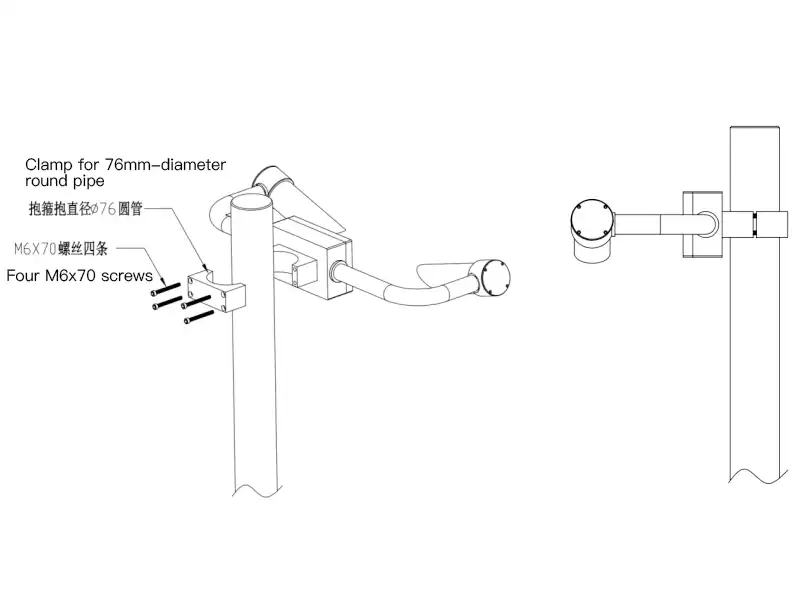
  • Mounting Bracket and Pole Clamp
    Supports stable installation for highways, airports, and weather stations.

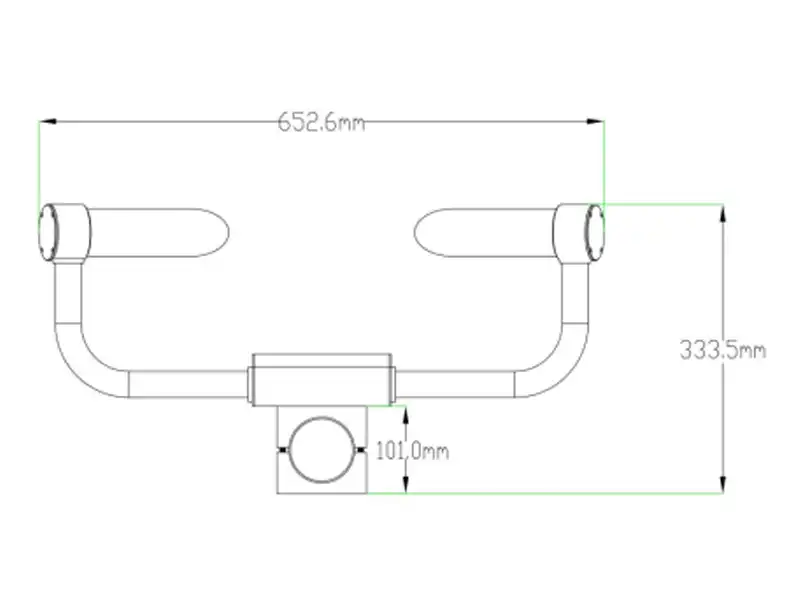
sizes

세부 정보 표시

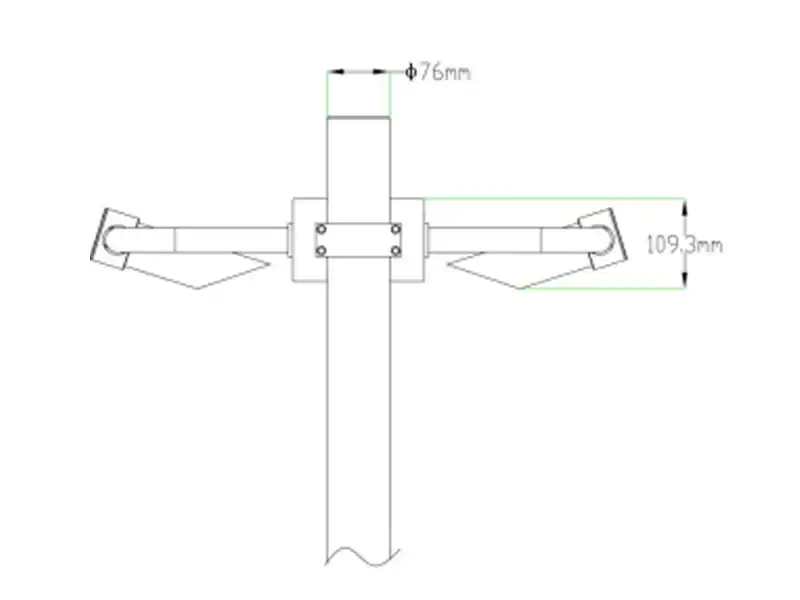
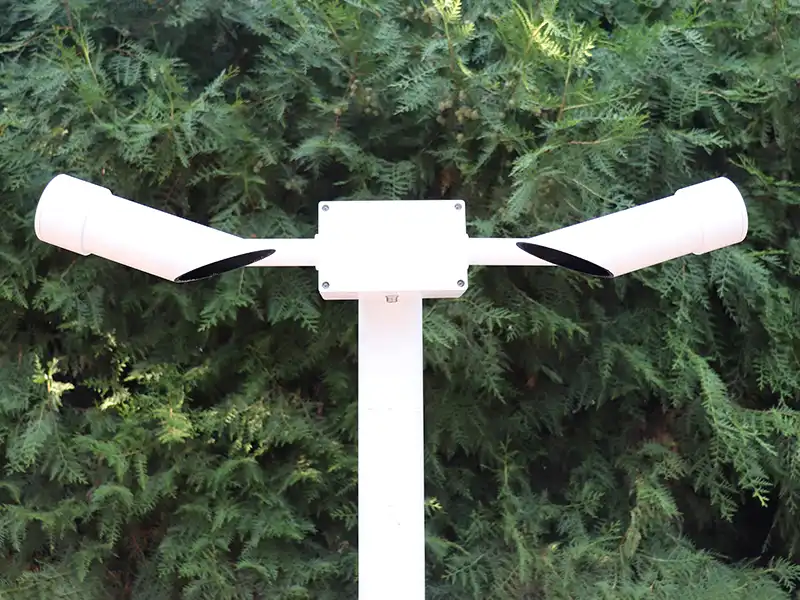
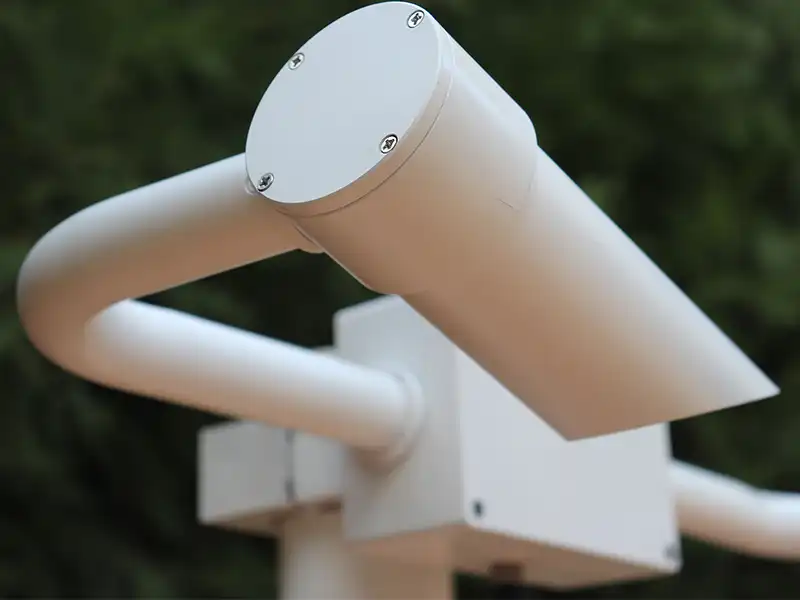
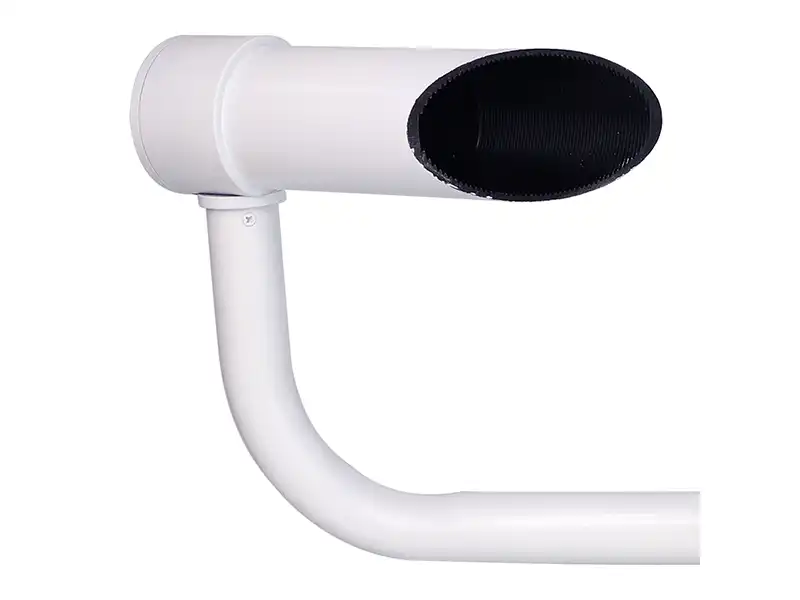
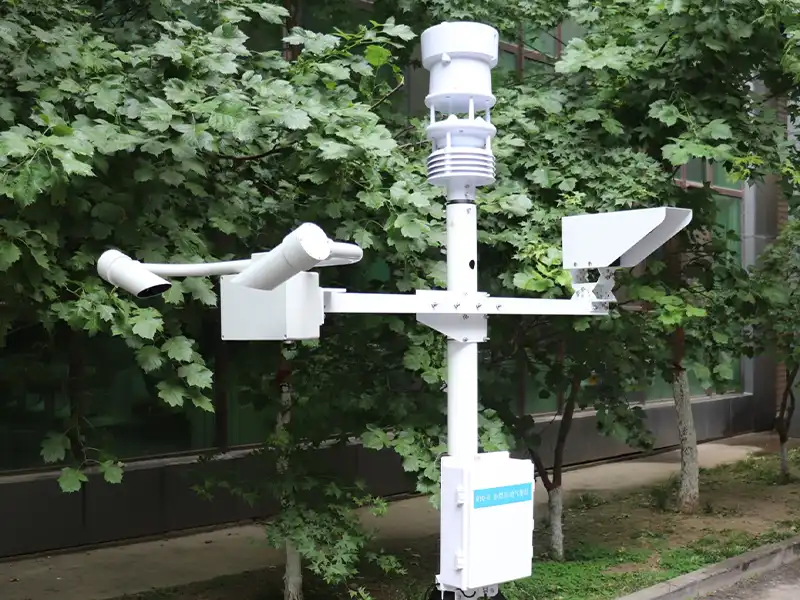
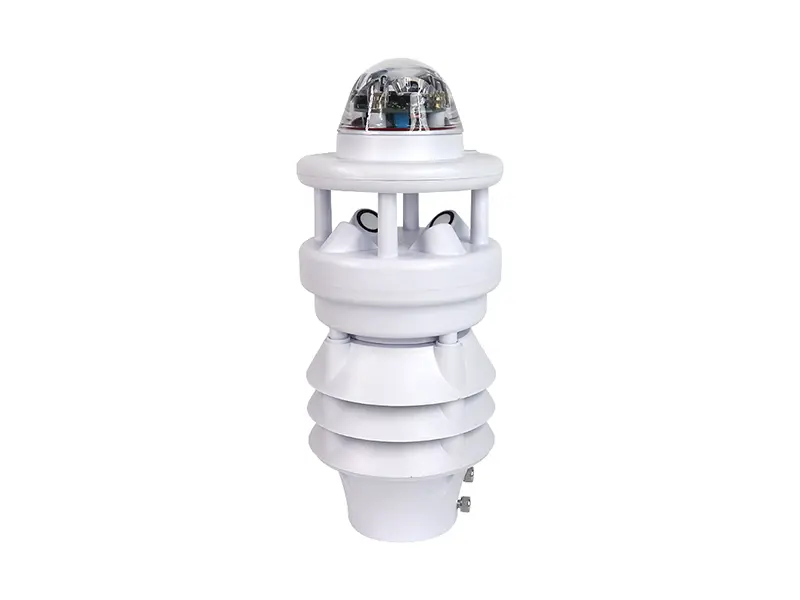
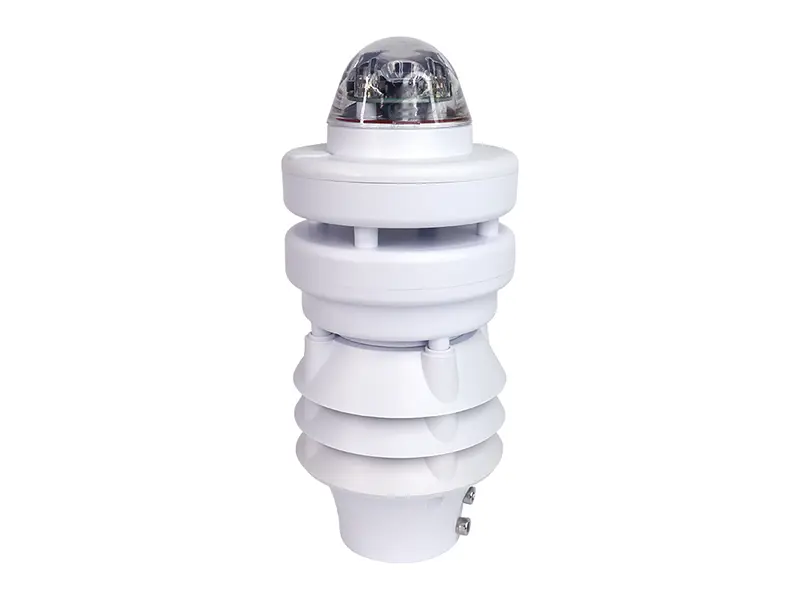
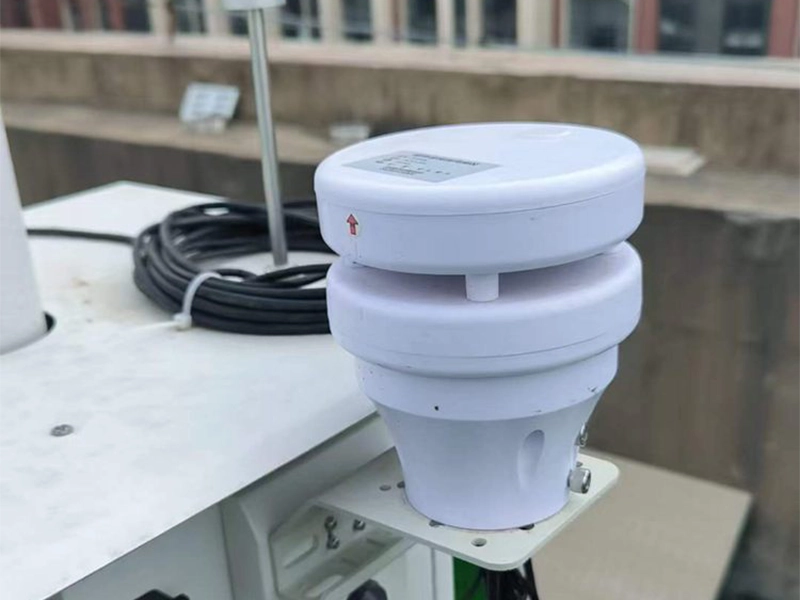
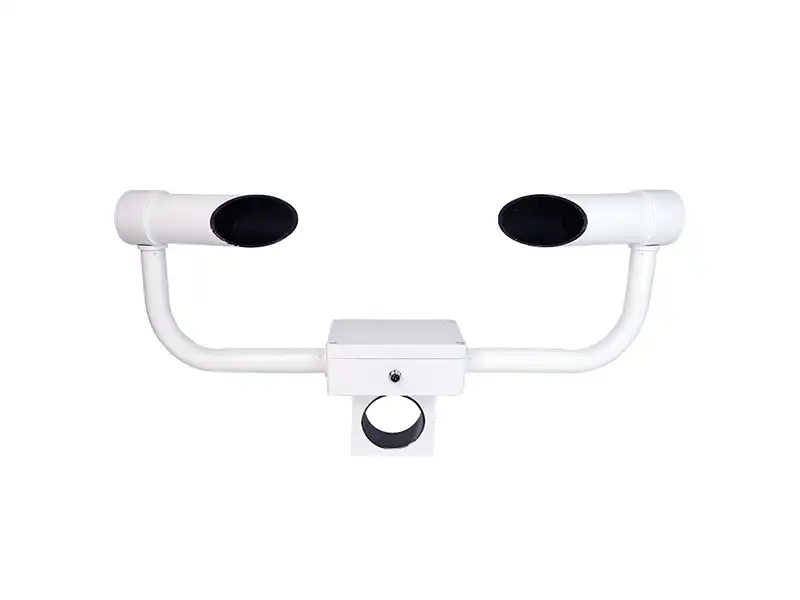
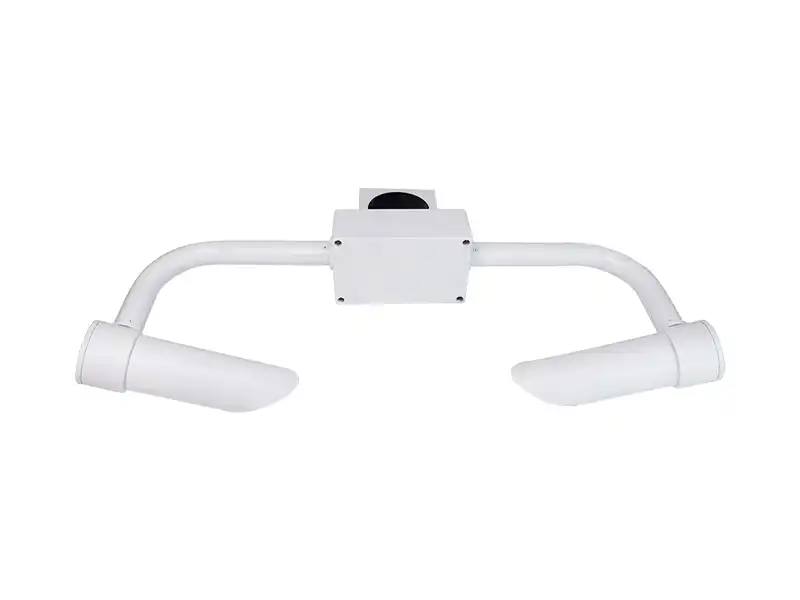
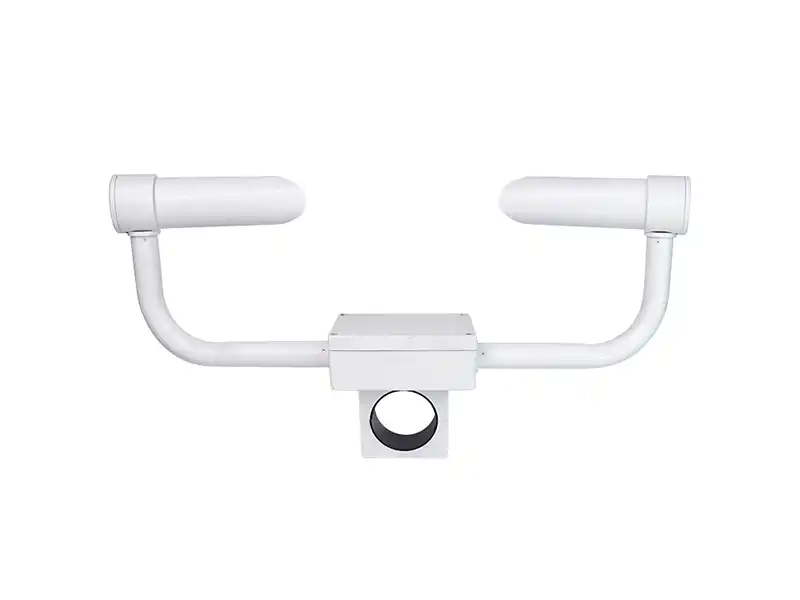
This atmospheric visibility sensor features a compact design, durability, and excellent weather resistance, making it ideal for long-term use in harsh outdoor environments. Detailed structural diagrams and multi-angle views clearly demonstrate its exceptional build quality, making it well-suited for applications in meteorology, transportation, and industrial monitoring. Below are detailed images of the atmospheric visibility sensor:

가시성 센서 원리

  • 전방 산란 원리: 공기 중 입자에 의한 광선의 산란 강도를 측정하여 가시성을 예측합니다.
  • 빛 감쇠 분석: 입자상 물질로 인한 빛의 강도 감쇠 변화를 기반으로 대기 투과율을 계산합니다.
  • 다중 입자 응답 모델: 연기, 먼지, 안개, 비, 눈 등 다양한 크기와 형태를 가진 입자의 산란 특성을 알고리즘 차별화를 통해 구분하고 보정합니다.
  • 주변광 억제: 광학 음영 구조와 필터링 알고리즘을 사용하여 햇빛이나 차량 헤드라이트와 같은 배경 광원의 간섭을 제거합니다.
  • 온도 및 습도 보정: 빛의 전파에 영향을 미치는 환경 변화를 자동으로 보정하여 가시성 계산 정확도를 높입니다.
  • 동적 필터링 및 안정성 처리: 측정 신호를 부드럽게 처리하여 비/눈 펄스 및 일시적인 변동으로 인한 오해를 방지합니다.

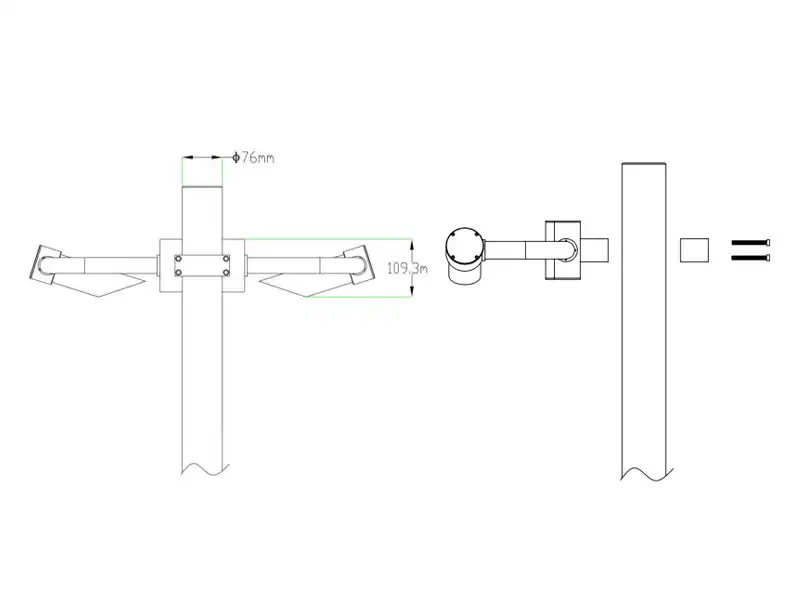
설치 다이어그램
사양

The atmospheric visibility sensor is designed with high-precision optical technology and stable signal processing performance. Below are the key technical parameters that define its measurement accuracy, environmental adaptability, and long-term reliability for outdoor monitoring applications.

매개변수

측정 범위10m-10km
작동 전압DC12V ~ 24V
전력 소비비가열 ≤ 2W
난방≤ 6 W
출력RS485 표준 모드버스 프로토콜
정확성≤2km ± 2%;

2km~10km ± 5%

데이터 업데이트 간격15대/60대
작동 온도-40-60℃
작동 습도0-100%RH
보관 온도-50-85℃

Features Meteorological Visibility Sensor

Applications atmospheric visibility sensor

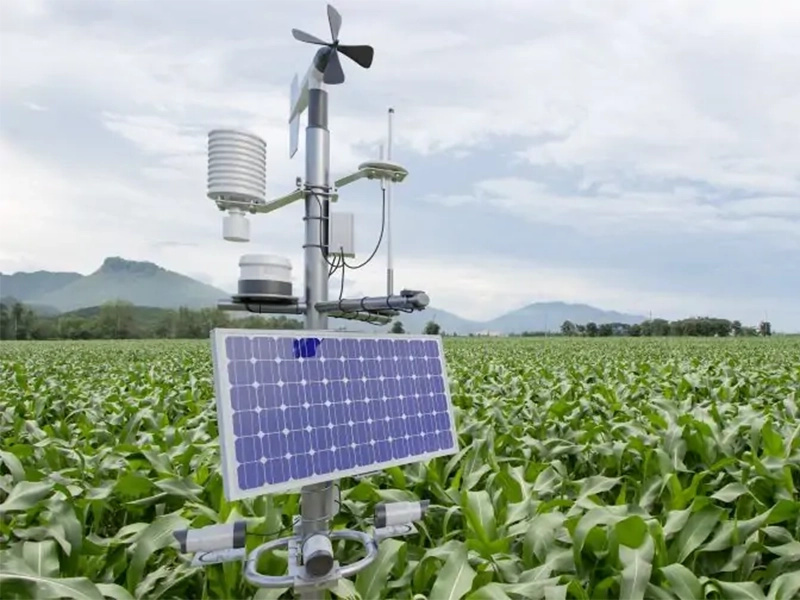
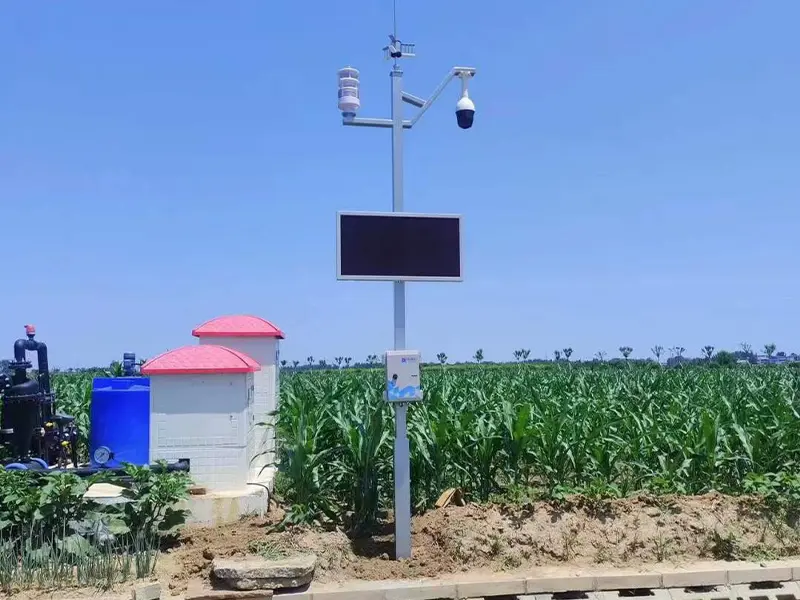
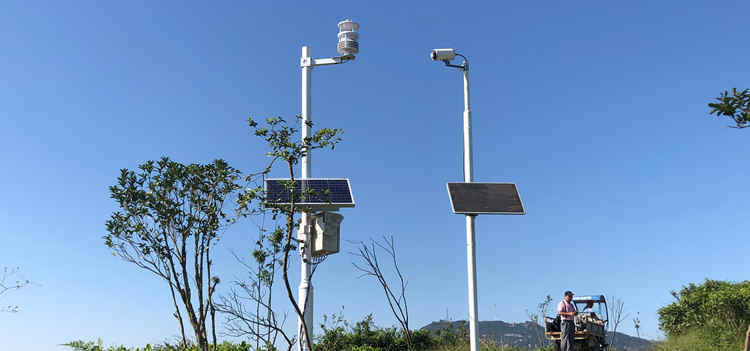
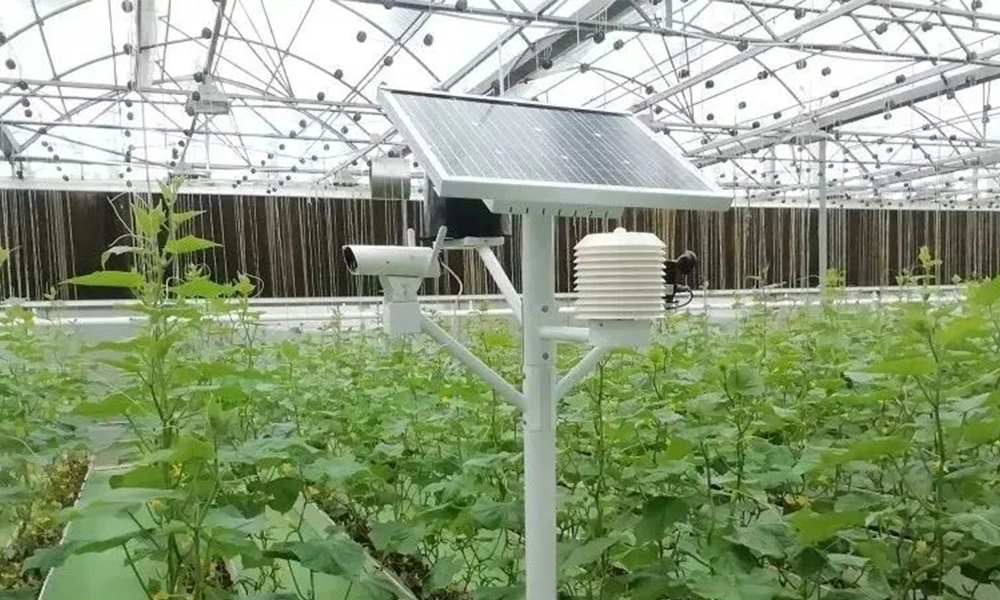
The atmospheric visibility sensor is widely used in meteorological monitoring, transportation safety, aviation, maritime operations, and industrial environmental systems. It provides real-time and reliable visibility data, helping improve safety, operational efficiency, and early warning capabilities in complex weather conditions.

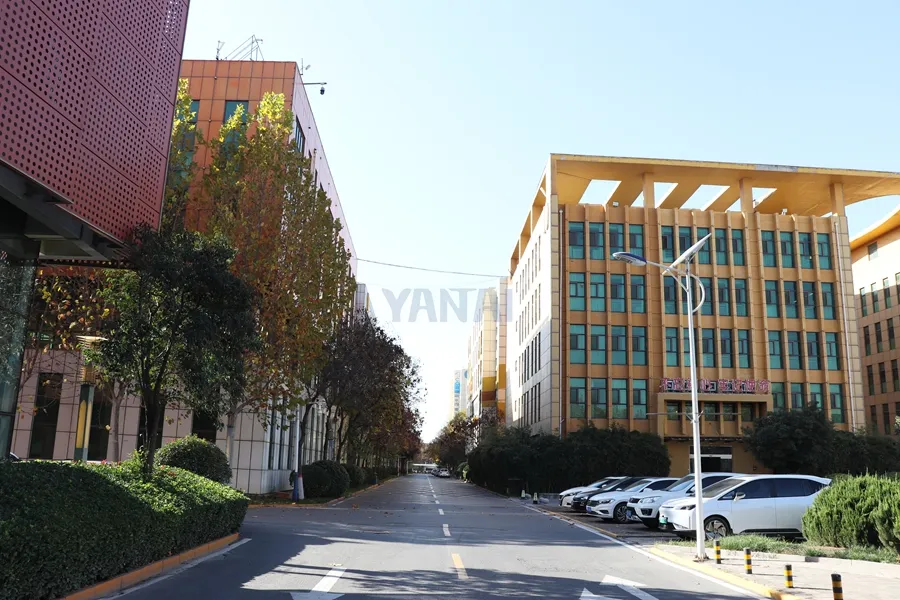
visibility sensor for road weather information system (RWIS)

Provides real-time visibility data to support highway safety management and traffic control decisions.

Fog Detection Networks

Enables wide-area monitoring of fog events and supports early warning systems for low-visibility conditions.

대기 가시성 센서

Port Safety Management

It monitors weather conditions such as fog, haze, rain, and dust storms in real time, providing critical data for weather analysis and forecasting.

airport atmospheric visibility sensor for aviation safety

Supplies critical visibility data for aviation safety and flight operations.

visibility monitoring system for tunnel safety control

Tunnel Air Quality Monitoring

Supports safety and ventilation control in enclosed transportation tunnels.

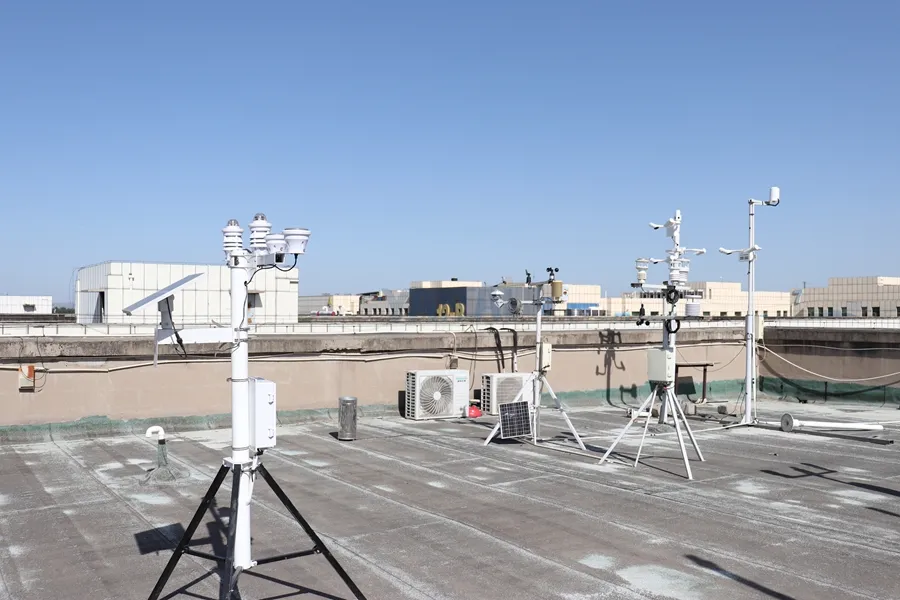
atmospheric visibility sensor for weather monitoring

Provides essential data for weather forecasting, climate analysis, and environmental research.

atmospheric visibility sensor custom

The optical visibility sensor can be flexibly customized to meet different project requirements across meteorology, transportation, aviation, and industrial monitoring applications. From output interfaces to measurement range and structural design, customized solutions ensure better system compatibility, improved performance, and reliable operation in diverse environmental conditions.

Customization Options

  • Measurement Range
    The visibility range can be adjusted to meet specific application scenarios such as highways, airports, or industrial zones.
  • Output Signal Options
    Supports customization of RS485, Modbus, analog output, or other communication protocols for seamless system integration.
  • Structural Design
    Housing materials, mounting methods, and compact designs can be adapted for different installation environments.
  • Environmental Adaptation Upgrade
  • Enhanced protection levels, such as anti-corrosion, anti-salt fog, and anti-icing, can be customized for harsh climates.
  • Power Supply Configuration
    Flexible voltage options can be provided to match different power system requirements.
  • Calibration & Software Support
    Custom calibration standards and software integration services ensure compatibility with user platforms and data systems.
대기 가시성 센서

인증서

저희는 CNAS, ISO, CE, RoHS 인증을 받았으며, 모든 기상 모니터링 시스템은 엄격한 국제 표준을 충족합니다.

atmospheric visibility sensor manufacturer and supplier

Yantai Sensor is a professional atmospheric visibility sensor manufacturer and supplier, providing advanced visibility monitoring solutions for meteorology, transportation, aviation, maritime, and environmental monitoring applications. Our visibility sensor delivers accurate real-time measurement of visibility conditions in fog, haze, rain, snow, and dust environments, ensuring reliable data for road safety, airport operations, and intelligent weather monitoring systems, including an atmospheric visibility sensor for highway safety systems and fog detection visibility sensors for traffic monitoring applications.

Our IoT-based atmospheric visibility sensor supports RS485, Modbus RTU, 4G, LoRa, WiFi, and cloud-based remote monitoring, enabling stable data transmission and seamless system integration. Designed with weatherproof protection, anti-icing structure, low power consumption, and corrosion resistance, the sensor also supports flexible OEM/ODM customization services to meet diverse project and industry requirements. 연락처 us to get the best atmospheric visibility sensor solution and professional technical support for your project.

자주 묻는 질문

What is an atmospheric visibility sensor used for?

An atmospheric visibility sensor is used to measure real-time visibility in the atmosphere, especially in fog, haze, rain, snow, and dust conditions. It is widely applied in weather stations, highways, airports, ports, and environmental monitoring systems.

How does an atmospheric visibility sensor work?

It works based on optical scattering principles, typically using a forward scatter or backscatter method. The sensor emits a light beam and measures the scattered light caused by particles in the air to calculate visibility distance.

Where is an atmospheric visibility sensor commonly installed?

It is commonly installed in road weather information systems (RWIS), airport weather observation systems (AWOS), fog detection networks, tunnels, ports, and industrial monitoring sites.

What is the measurement range of a visibility sensor?

The measurement range depends on the model, but typical atmospheric visibility sensors can measure from a few meters up to 10–20 kilometers or more, depending on environmental conditions.

Can it be integrated into a weather station system?

Yes. The atmospheric visibility sensor is designed for easy integration with automatic weather stations (AWS) and environmental monitoring platforms.

Do you support OEM/ODM customization?

Yes. OEM/ODM customization is available, including measurement range, output interface, housing design, communication protocol, and installation requirements.