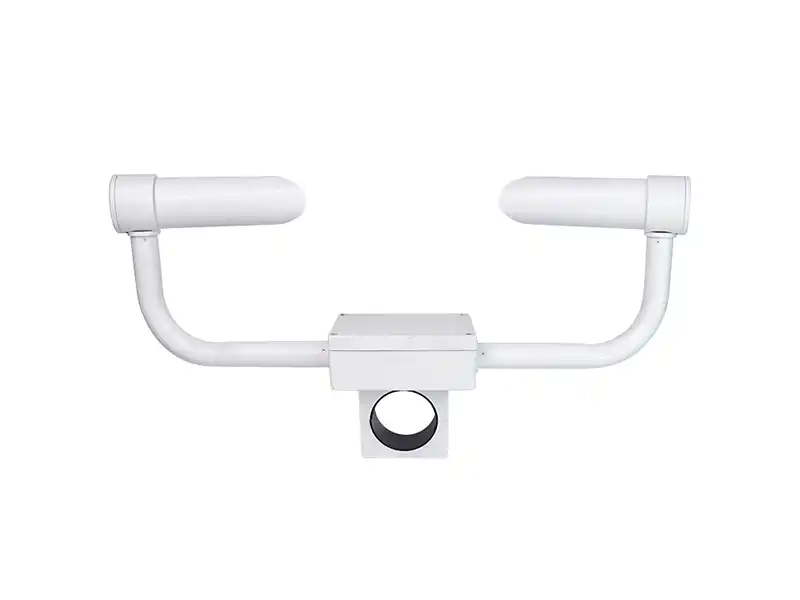
Cảm biến tầm nhìn khí quyển cho hệ thống giám sát thời tiết
Cảm biến tầm nhìn khí quyển là thiết bị được sử dụng để đo lường tầm nhìn khí quyển theo thời gian thực thông qua việc phát hiện sương mù, khói mù, mưa, bụi và các điều kiện môi trường khác. Thiết bị này có độ chính xác cao, phản ứng nhanh, hoạt động ổn định ngoài trời và ít cần bảo trì, khiến nó trở thành lựa chọn lý tưởng cho các trạm khí tượng, đường cao tốc, sân bay, cảng biển và các giải pháp giám sát an toàn giao thông thông minh.
- Nhiệt độ không khí: -40°C đến 60°C
- Độ ẩm không khí: 0-100%RH
- Nguồn cung: 12-24 V DC
- Kết quả: RS485 (Modbus)
- Phạm vi: 10 mét - 10 kilômét
- Độ chính xác: <2 km
Giá: $1898.21-$2277.85
Giới thiệu
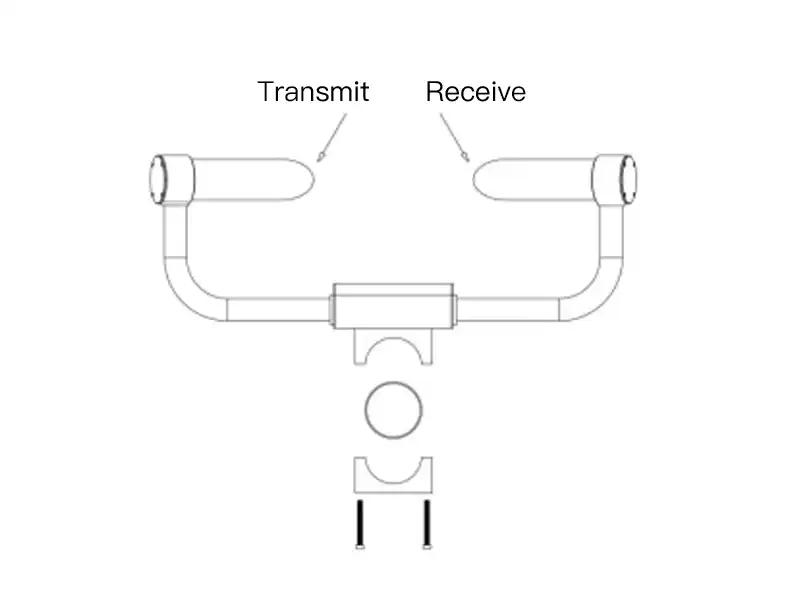
Cảm biến tầm nhìn khí quyển là một thiết bị đo lường chính xác được sử dụng để đo độ trong suốt của khí quyển và xác định tầm nhìn quang học khí tượng (MOR). Hiện nay, các loại cảm biến phổ biến cảm biến phát hiện hoạt động dựa trên nguyên lý tán xạ thuận. Nói một cách đơn giản, một bộ phát bên trong cảm biến phát ra một chùm tia hồng ngoại vào không khí, trong khi một bộ thu, được đặt ở một góc cụ thể (thường từ 33° đến 45°) so với tia phát ra, đo cường độ ánh sáng tán xạ do các hạt trong không khí (như sương mù, mây mù, mưa hoặc tuyết) gây ra. Sử dụng một mô hình toán học cụ thể, cảm biến chuyển đổi cường độ ánh sáng tán xạ thành giá trị tầm nhìn hiện tại. Nếu bạn muốn tìm hiểu thêm về “Cảm biến tầm nhìn là gì? Nguyên lý hoạt động, Các loại & Ứng dụng,” vui lòng nhấp vào đây.
Cấu trúc cảm biến tầm nhìn trong khí quyển
- Mô-đun bộ phát quang
Phát ra các tín hiệu ánh sáng ổn định để đo độ trong suốt của khí quyển. - Mô-đun thu tín hiệu quang
Nhận các tín hiệu ánh sáng phân tán và chuyển đổi chúng thành dữ liệu về độ sáng. - Buồng phát hiện độ chính xác cao
Đảm bảo khả năng giám sát chính xác trong điều kiện sương mù, khói mù, mưa và bụi. - Nguồn sáng LED / hồng ngoại
Đảm bảo tuổi thọ cao và hiệu suất quang học ổn định cho hoạt động liên tục. - Bảng mạch xử lý tín hiệu
Xử lý tín hiệu quang học một cách nhanh chóng để phân tích khả năng quan sát theo thời gian thực. - Bộ điều khiển vi xử lý
Điều khiển hoạt động của cảm biến và nâng cao độ chính xác tổng thể của phép đo. - Mô-đun bù nhiệt độ
Giảm thiểu ảnh hưởng của nhiệt độ môi trường đối với hiệu suất của cảm biến. - Hệ thống chống đọng sương
Ngăn ngừa sự tích tụ độ ẩm và đảm bảo hoạt động giám sát ngoài trời ổn định. - Vỏ bảo vệ chống thời tiết
Bảo vệ các bộ phận bên trong khỏi mưa, bụi và điều kiện môi trường khắc nghiệt. - Giá đỡ và kẹp cột
Hỗ trợ lắp đặt ổn định cho các tuyến đường cao tốc, sân bay và trạm khí tượng.
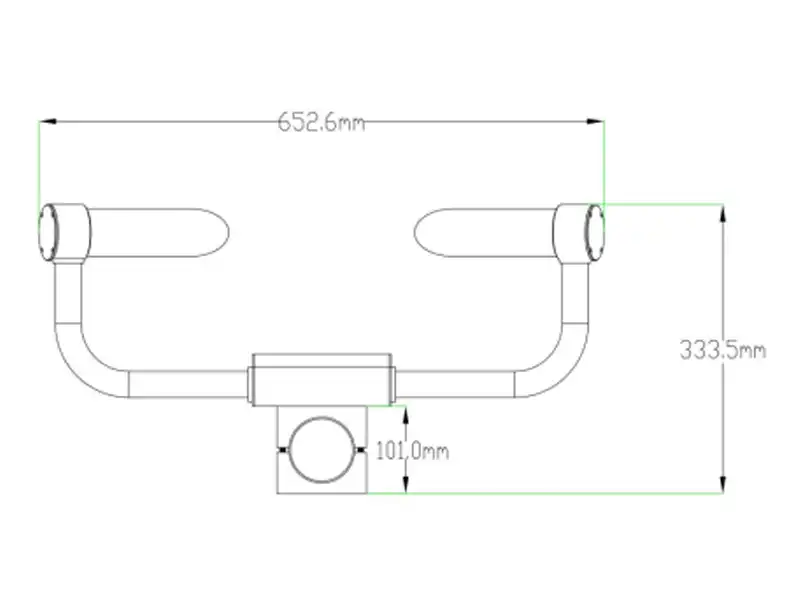
kích cỡ
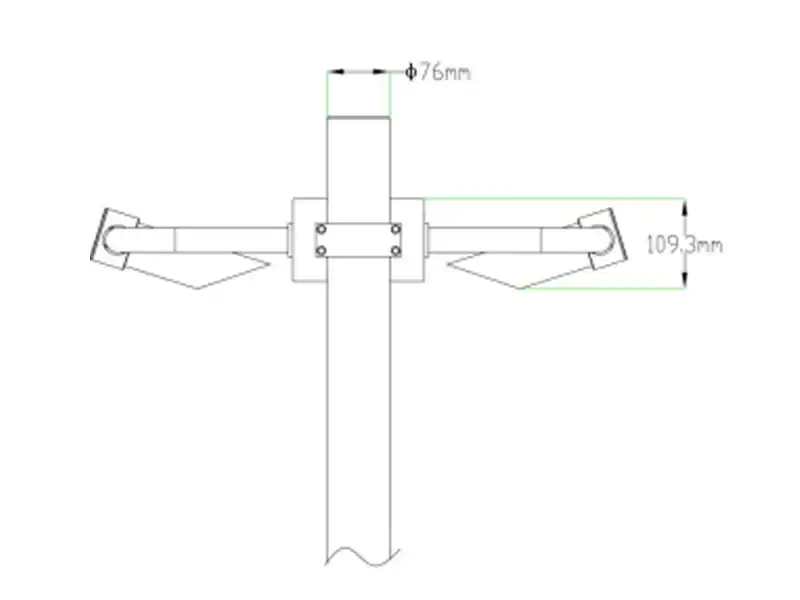
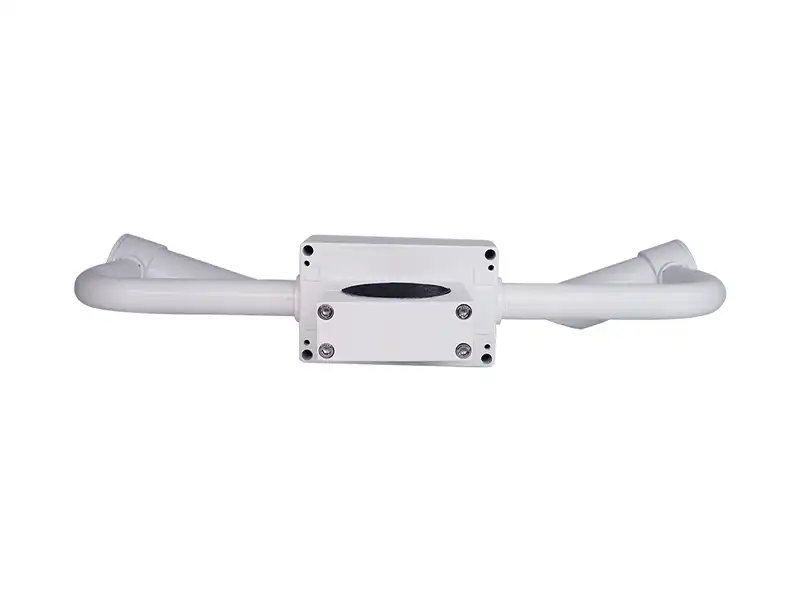
Chi tiết hiển thị
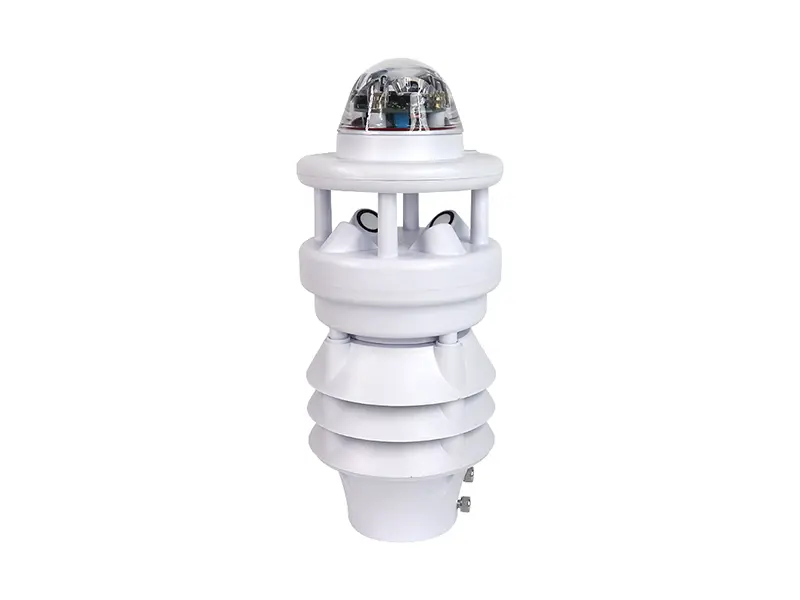
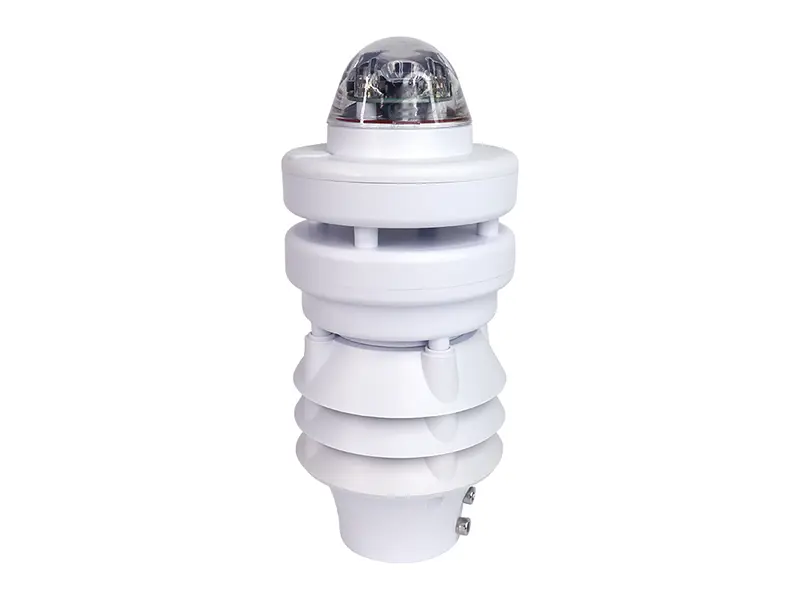
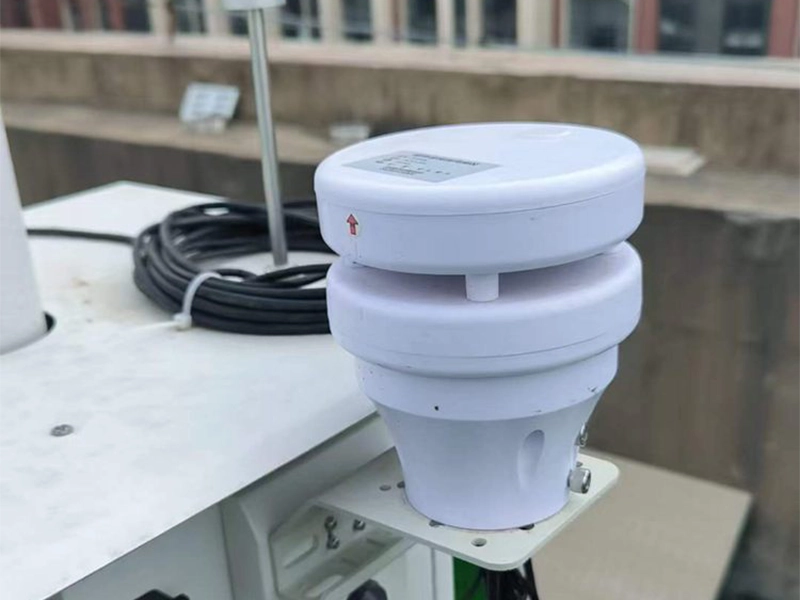
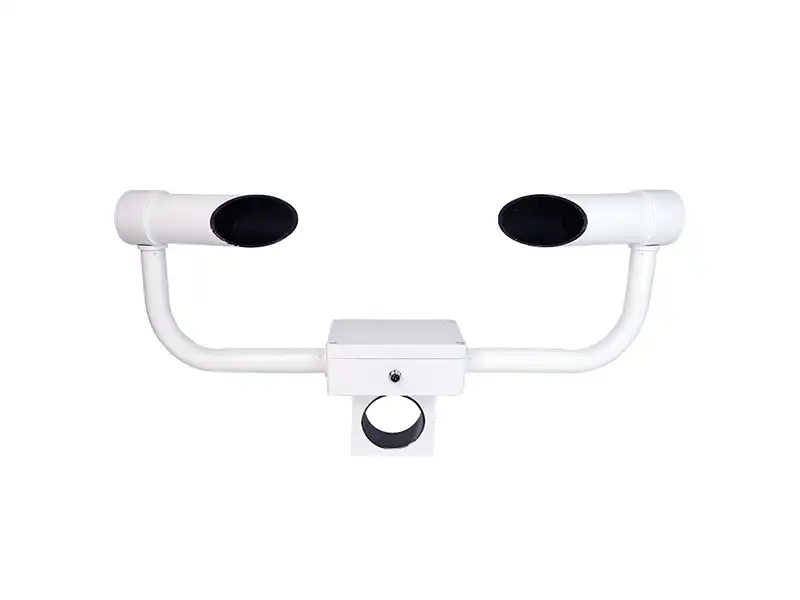
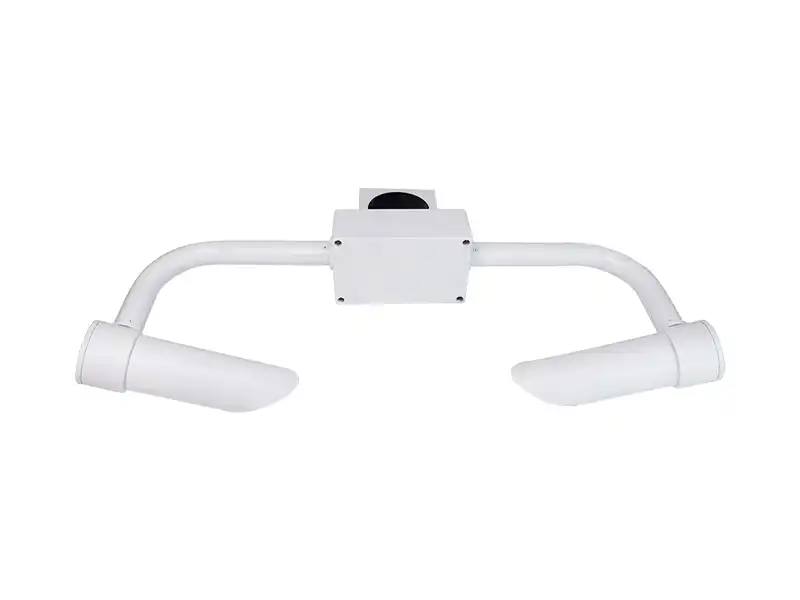
Cảm biến tầm nhìn khí quyển này sở hữu thiết kế nhỏ gọn, độ bền cao và khả năng chống chịu thời tiết tuyệt vời, khiến nó trở thành lựa chọn lý tưởng cho việc sử dụng lâu dài trong các môi trường ngoài trời khắc nghiệt. Các sơ đồ cấu trúc chi tiết và hình ảnh quan sát từ nhiều góc độ đã minh họa rõ ràng chất lượng gia công vượt trội của sản phẩm, giúp nó phù hợp cho các ứng dụng trong lĩnh vực khí tượng, giao thông vận tải và giám sát công nghiệp. Dưới đây là các hình ảnh chi tiết về cảm biến tầm nhìn khí quyển:
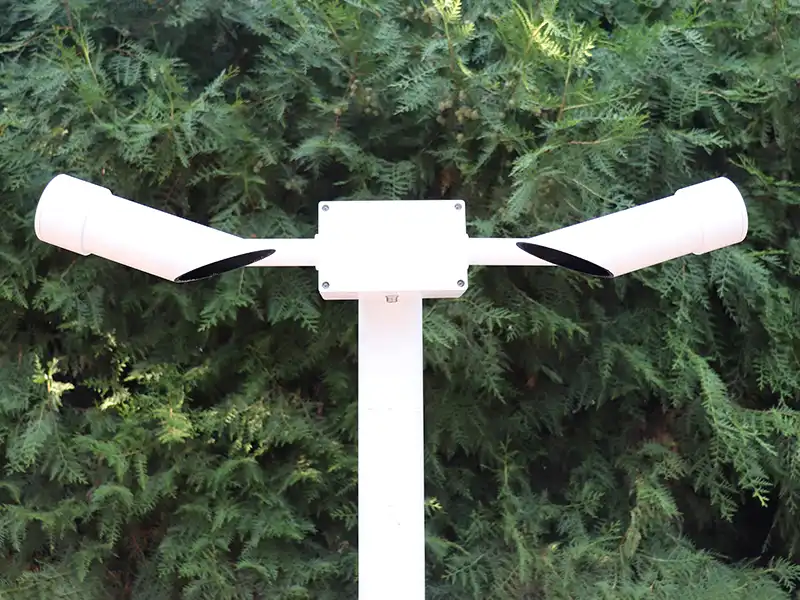
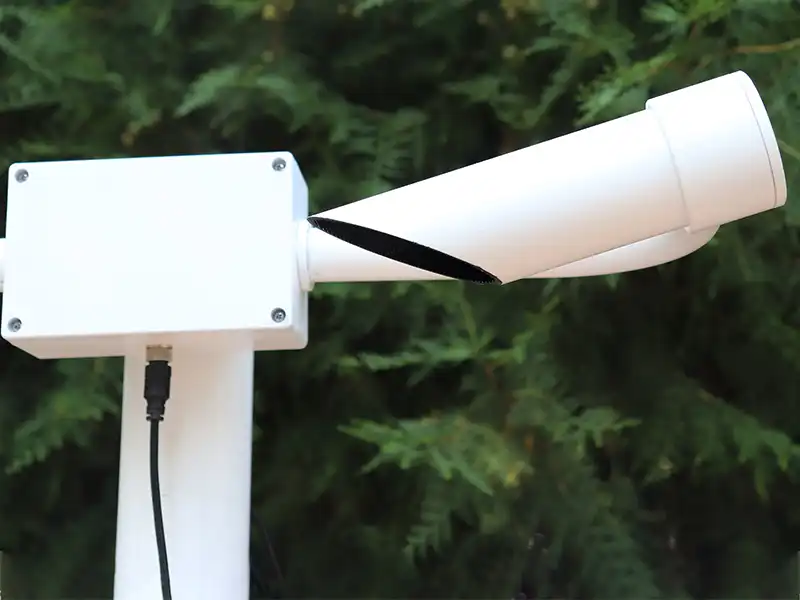
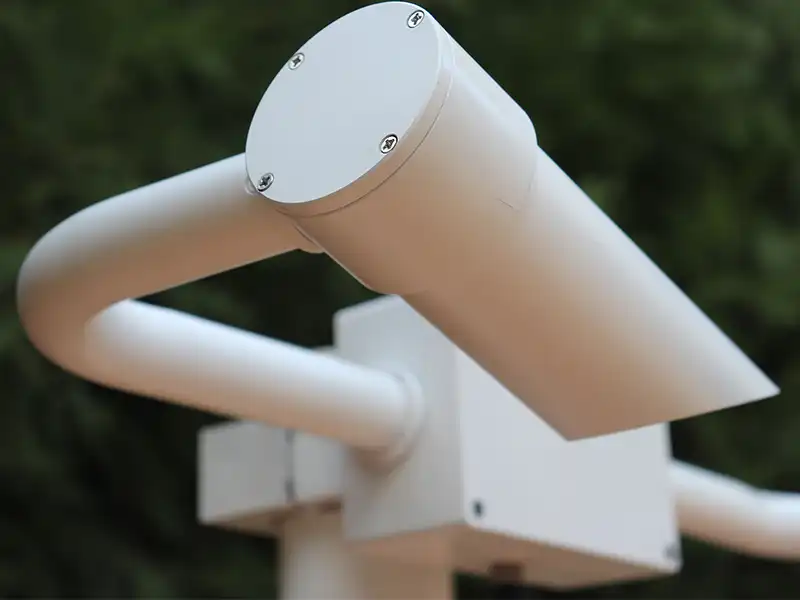
.webp)
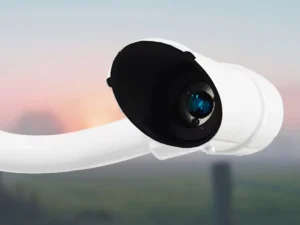
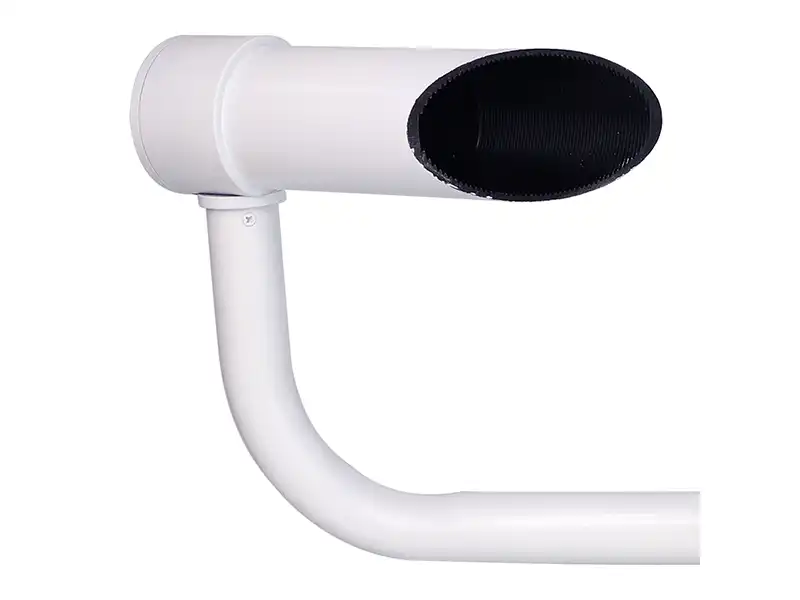
Nguyên lý hoạt động của cảm biến phát hiện vật cản
- Nguyên lý tán xạ phía trước: Đánh giá độ trong suốt bằng cách đo cường độ tán xạ của các tia sáng do các hạt trong không khí gây ra.
- Phân tích suy giảm ánh sáng: Tính toán độ truyền qua của khí quyển dựa trên sự thay đổi độ suy giảm cường độ ánh sáng do các hạt bụi gây ra.
- Mô hình phản ứng đa hạt: Phân biệt và bù đắp cho các đặc tính tán xạ của các hạt có kích thước và hình dạng khác nhau—chẳng hạn như khói, bụi, sương mù, mưa và tuyết—thông qua phân biệt thuật toán.
- Ức chế ánh sáng môi trường: Loại bỏ nhiễu từ các nguồn ánh sáng nền như ánh sáng mặt trời và đèn pha xe hơi bằng cách sử dụng các cấu trúc che chắn quang học và thuật toán lọc.
- Bù nhiệt độ và độ ẩm: Tự động điều chỉnh các biến đổi môi trường ảnh hưởng đến sự truyền ánh sáng để nâng cao độ chính xác của tính toán khả năng quan sát.
- Lọc động & Xử lý ổn định: Làm mịn tín hiệu đo lường để ngăn chặn sự hiểu lầm do các xung mưa/tuyết và dao động tạm thời gây ra.
Sơ đồ lắp đặt
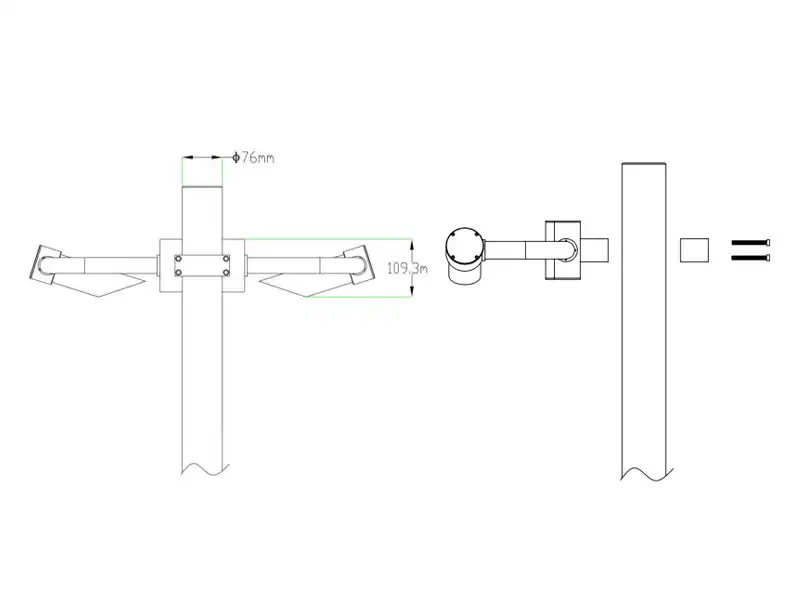
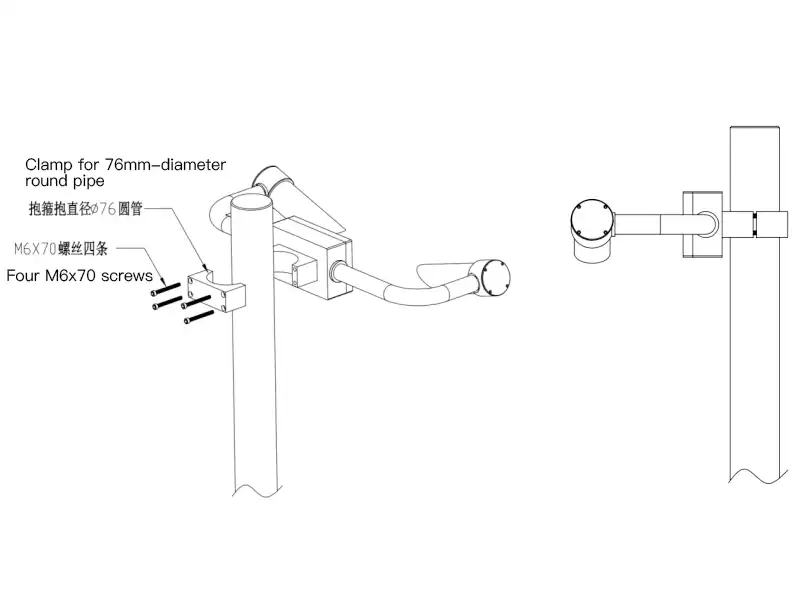
Thông số kỹ thuật
Cảm biến tầm nhìn khí quyển được thiết kế dựa trên công nghệ quang học có độ chính xác cao và khả năng xử lý tín hiệu ổn định. Dưới đây là các thông số kỹ thuật chính xác định độ chính xác đo lường, khả năng thích ứng với môi trường và độ tin cậy lâu dài của thiết bị trong các ứng dụng giám sát ngoài trời.
Tham số
| Dải đo | 10 mét - 10 kilômét |
| Điện áp hoạt động | DC 12V đến 24V |
| Tiêu thụ điện năng | Không sưởi ấm ≤ 2 W |
| Sưởi ấm | ≤ 6 W |
| Đầu ra | Tiêu chuẩn giao thức Modbus RS485 |
| Độ chính xác | ≤2km ± 2%;
2km~10km ± 5% |
| Khoảng thời gian cập nhật dữ liệu | 15 giây/60 giây |
| Nhiệt độ hoạt động | -40 đến 60°C |
| Độ ẩm làm việc | 0-100%RH |
| Nhiệt độ bảo quản | -50°C đến 85°C |
Tính năng Cảm biến tầm nhìn khí tượng
Tầm hoạt động 16 km
Đo tầm nhìn với độ chính xác cao lên đến 16 km để giám sát diện rộng.
Đầu ra linh hoạt
Nhiều tùy chọn đầu ra giúp dễ dàng tích hợp hệ thống và truyền dữ liệu.
Góc tán xạ về phía trước 42°
Thiết kế quang học đã được kiểm chứng đảm bảo hiệu suất đo lường ổn định và đáng tin cậy.
Thiết kế chống đóng băng
Cấu trúc hình học giúp giảm thiểu tác động của băng giá trong các hoạt động bay trong điều kiện thời tiết khắc nghiệt.
Nhỏ gọn & Nhẹ
Cấu trúc nhỏ gọn và nhẹ, thuận tiện cho việc lắp đặt và triển khai.
Lắp đặt dễ dàng
Thiết lập và bảo trì đơn giản, đảm bảo hoạt động hiệu quả tại hiện trường.
Ứng dụng của cảm biến tầm nhìn trong điều kiện khí quyển
Cảm biến tầm nhìn trong khí quyển được sử dụng rộng rãi trong giám sát khí tượng, giao thông an toàn, hàng không, hoạt động hàng hải và các hệ thống môi trường công nghiệp. Hệ thống này cung cấp dữ liệu quan sát thời gian thực và đáng tin cậy, góp phần nâng cao an toàn, hiệu quả hoạt động và khả năng cảnh báo sớm trong điều kiện thời tiết phức tạp.

Hệ thống thông tin thời tiết đường bộ (Hệ thống thông tin đường bộ (RWIS))
Cung cấp dữ liệu theo dõi thời gian thực để hỗ trợ công tác quản lý an toàn giao thông đường bộ và các quyết định điều tiết giao thông.

Mạng lưới phát hiện sương mù
Cho phép giám sát trên diện rộng các hiện tượng sương mù và hỗ trợ các hệ thống cảnh báo sớm trong điều kiện tầm nhìn hạn chế.

Quản lý an toàn cảng
Hệ thống này theo dõi các điều kiện thời tiết như sương mù, khói mù, mưa và bão cát theo thời gian thực, cung cấp dữ liệu quan trọng cho việc phân tích và dự báo thời tiết.
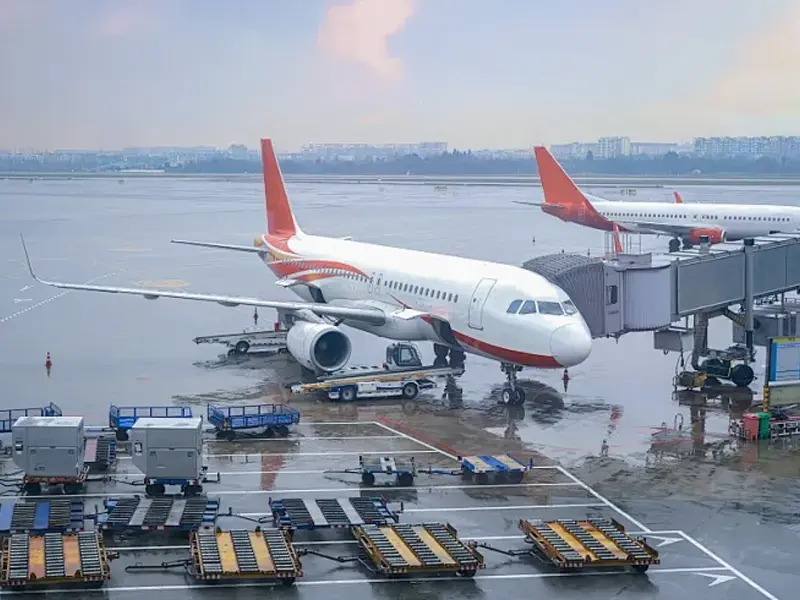
Hệ thống quan trắc thời tiết sân bay (AWOS)
Cung cấp dữ liệu quan trọng về khả năng quan sát nhằm đảm bảo an toàn hàng không và hoạt động bay.
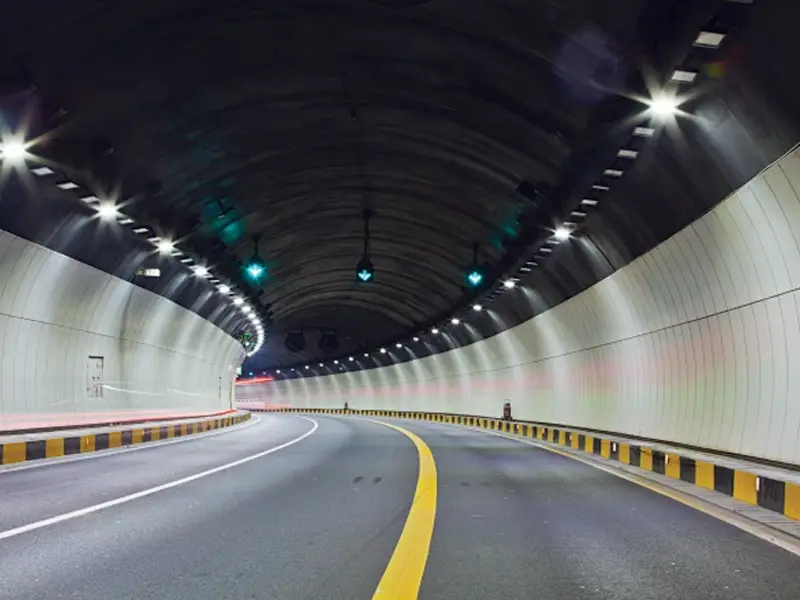
Giám sát chất lượng không khí trong hầm
Hỗ trợ kiểm soát an toàn và thông gió trong các đường hầm giao thông kín.

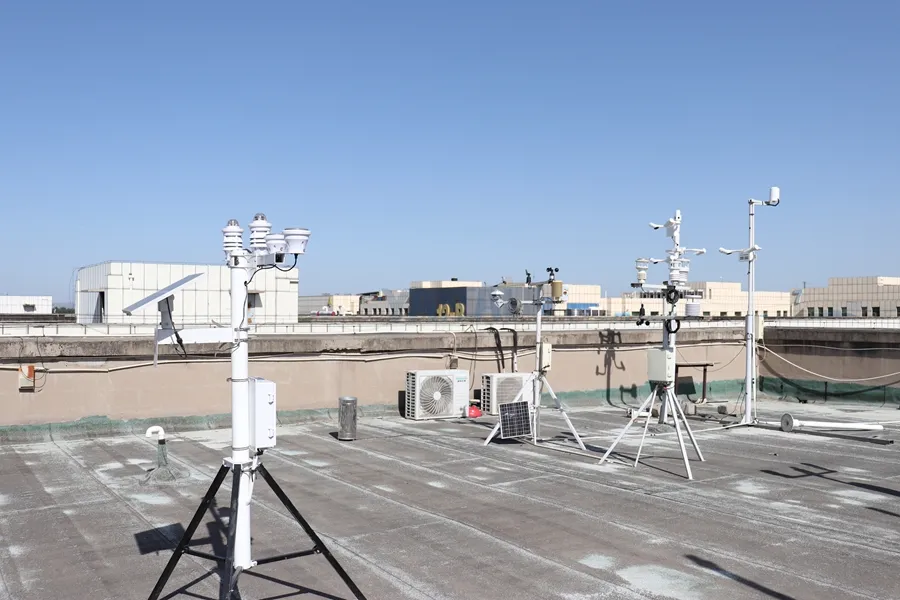
Trạm quan trắc khí tượng
Cung cấp dữ liệu cần thiết cho công tác dự báo thời tiết, phân tích khí hậu và nghiên cứu môi trường.
Cảm biến tầm nhìn trong khí quyển tùy chỉnh
Cảm biến phát hiện quang học có thể được tùy chỉnh linh hoạt để đáp ứng các yêu cầu khác nhau của các dự án trong các lĩnh vực khí tượng, giao thông, hàng không và giám sát công nghiệp. Từ giao diện đầu ra đến phạm vi đo lường và thiết kế cấu trúc, các giải pháp tùy chỉnh đảm bảo khả năng tương thích hệ thống tốt hơn, hiệu suất được nâng cao và hoạt động đáng tin cậy trong các điều kiện môi trường đa dạng.
Tùy chọn tùy chỉnh
- Dải đo
Phạm vi quan sát có thể được điều chỉnh để phù hợp với các tình huống ứng dụng cụ thể như đường cao tốc, sân bay hoặc khu công nghiệp. - Các tùy chọn tín hiệu đầu ra
Hỗ trợ tùy chỉnh các giao thức truyền thông như RS485, Modbus, đầu ra tương tự hoặc các giao thức khác để tích hợp hệ thống một cách liền mạch. - Thiết kế kết cấu
Vật liệu vỏ máy, phương pháp lắp đặt và thiết kế nhỏ gọn có thể được điều chỉnh để phù hợp với các môi trường lắp đặt khác nhau. - Nâng cấp khả năng thích ứng với môi trường
- Các mức độ bảo vệ nâng cao, chẳng hạn như chống ăn mòn, chống sương muối và chống đóng băng, có thể được tùy chỉnh để phù hợp với điều kiện khí hậu khắc nghiệt.
- Cấu hình nguồn điện
Có thể cung cấp các tùy chọn điện áp linh hoạt để phù hợp với các yêu cầu khác nhau của hệ thống điện. - Hỗ trợ hiệu chuẩn và phần mềm
Các tiêu chuẩn hiệu chuẩn tùy chỉnh và dịch vụ tích hợp phần mềm đảm bảo tính tương thích với các nền tảng và hệ thống dữ liệu của người dùng.
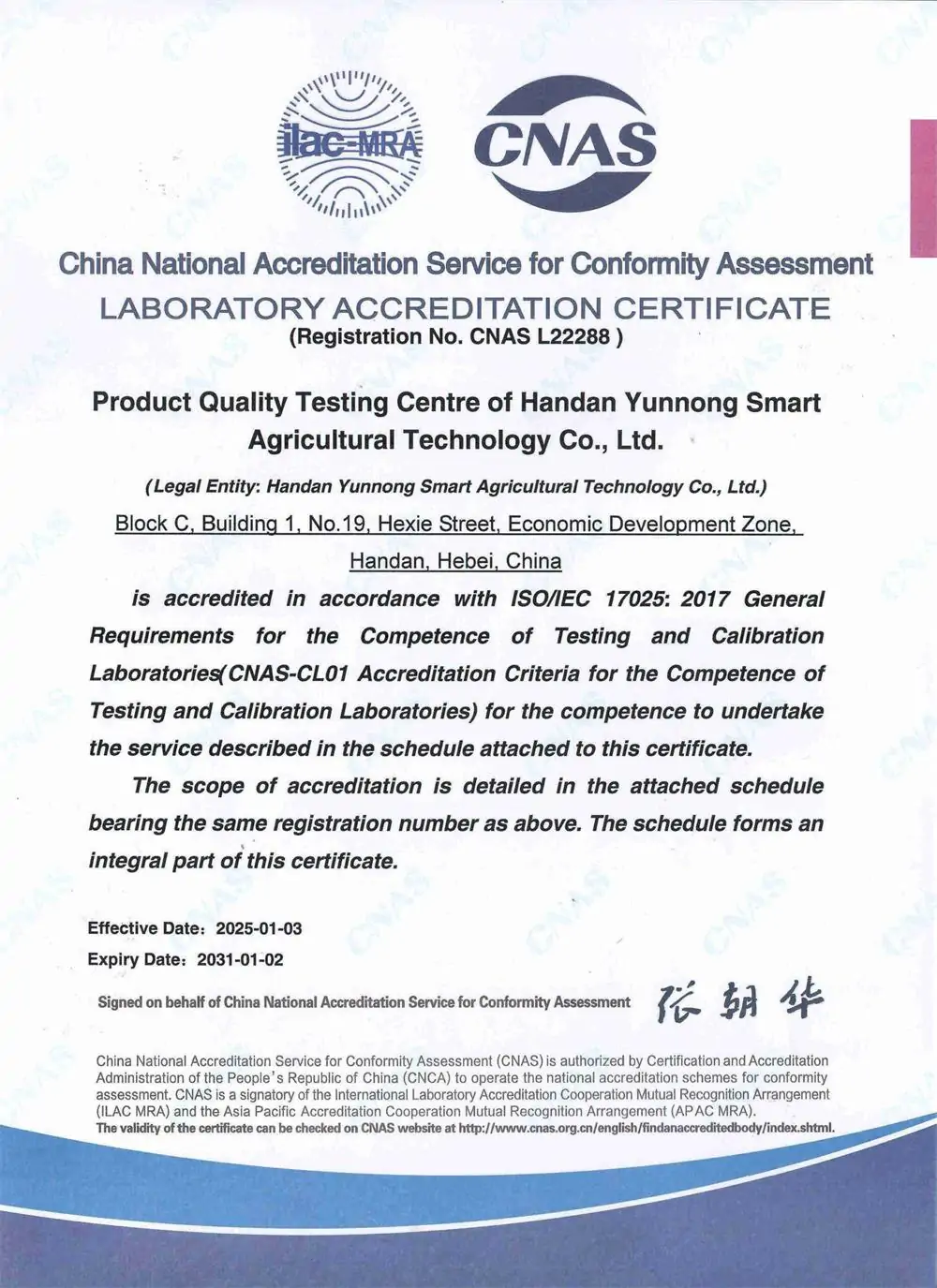
Chứng chỉ
Chúng tôi sở hữu các chứng nhận CNAS, ISO, CE và RoHS, và tất cả các hệ thống giám sát thời tiết đều đáp ứng các tiêu chuẩn quốc tế nghiêm ngặt.
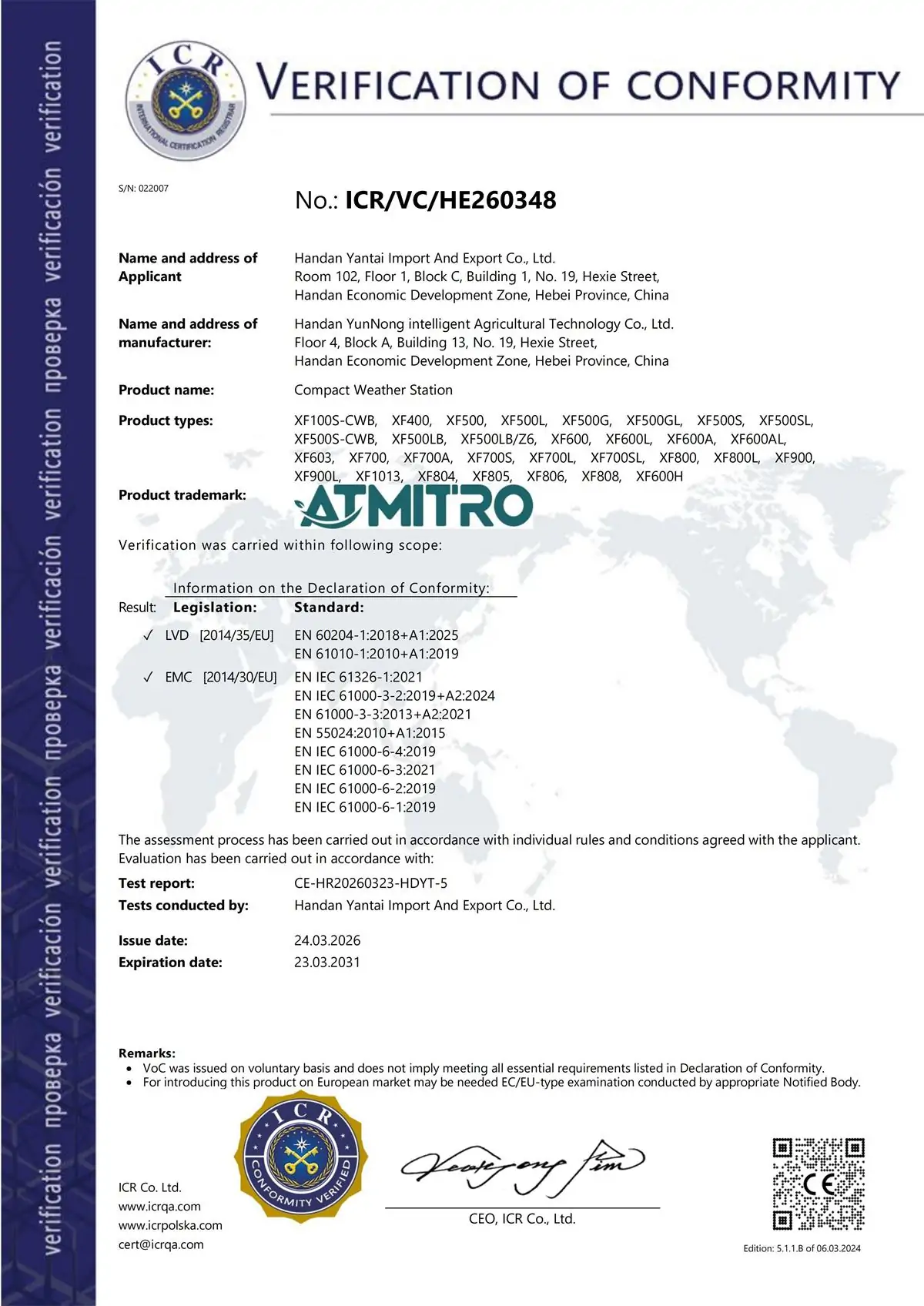
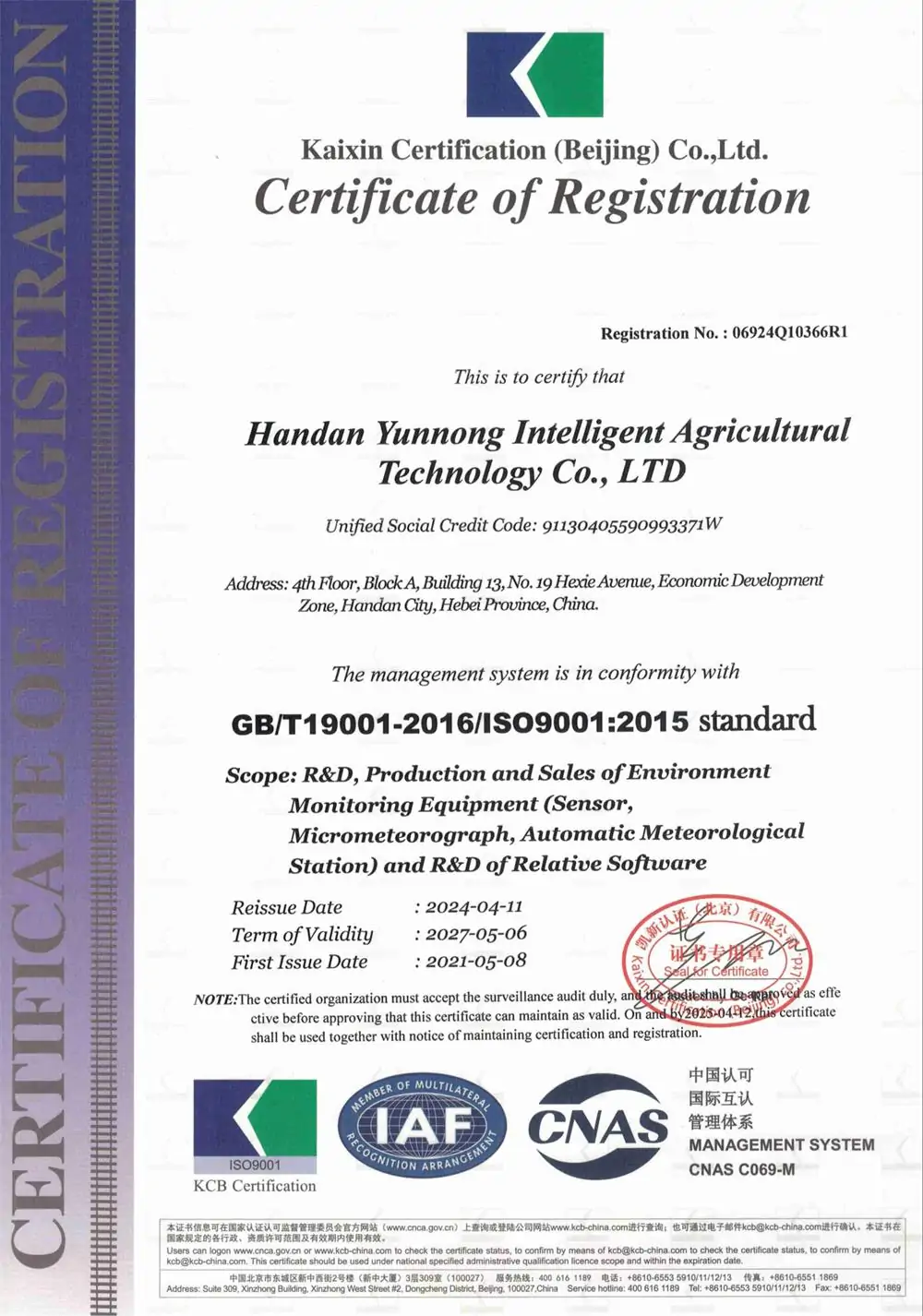
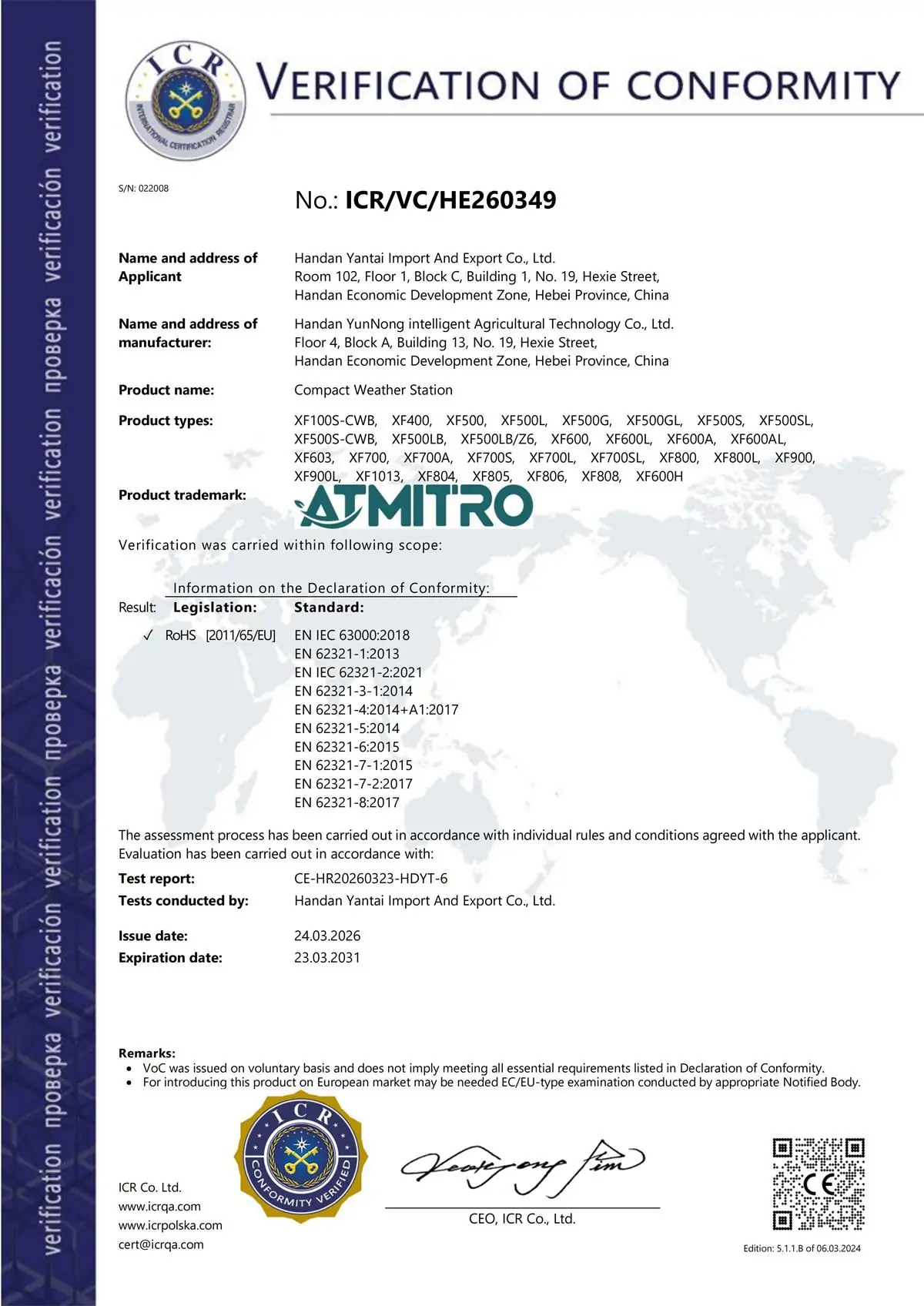
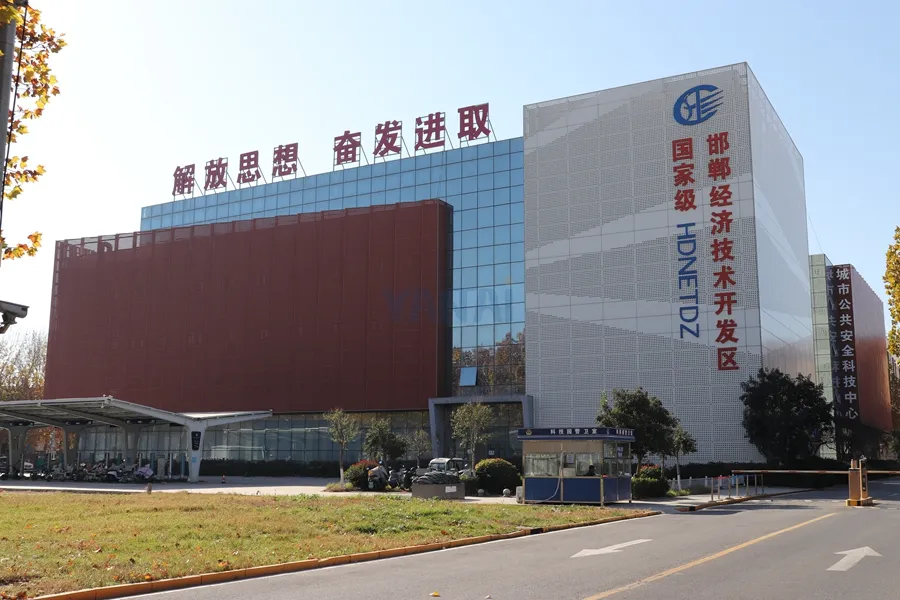
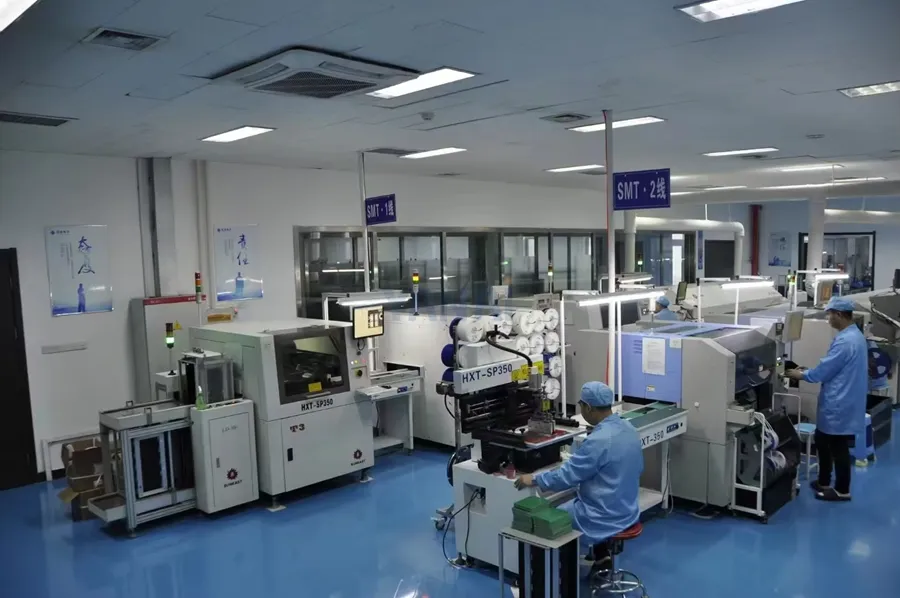
Nhà sản xuất và nhà cung cấp cảm biến tầm nhìn trong khí quyển
Yantai Sensor là nhà sản xuất và cung cấp chuyên nghiệp các cảm biến tầm nhìn khí quyển, cung cấp các giải pháp giám sát tầm nhìn tiên tiến cho các ứng dụng trong lĩnh vực khí tượng, giao thông, hàng không, hàng hải và giám sát môi trường. Cảm biến tầm nhìn của chúng tôi cung cấp các số liệu đo lường chính xác theo thời gian thực về điều kiện tầm nhìn trong các môi trường sương mù, khói mù, mưa, tuyết và bụi, đảm bảo dữ liệu đáng tin cậy cho an toàn giao thông đường bộ, hoạt động sân bay và các hệ thống giám sát thời tiết thông minh, bao gồm cảm biến tầm nhìn khí quyển dành cho hệ thống an toàn đường cao tốc và cảm biến tầm nhìn phát hiện sương mù dành cho các ứng dụng giám sát giao thông.
Cảm biến đo tầm nhìn khí quyển dựa trên công nghệ IoT của chúng tôi hỗ trợ các giao thức RS485, Modbus RTU, 4G, LoRa, WiFi và giám sát từ xa trên nền tảng đám mây, giúp đảm bảo truyền dữ liệu ổn định và tích hợp hệ thống mượt mà. Được thiết kế với khả năng chống thời tiết, cấu trúc chống đóng băng, tiêu thụ điện năng thấp và khả năng chống ăn mòn, cảm biến này còn hỗ trợ các dịch vụ tùy chỉnh OEM/ODM linh hoạt để đáp ứng các yêu cầu đa dạng của dự án và ngành công nghiệp. Liên hệ Hãy liên hệ với chúng tôi để có được giải pháp cảm biến tầm nhìn trong điều kiện thời tiết tốt nhất cùng với sự hỗ trợ kỹ thuật chuyên nghiệp cho dự án của quý vị.