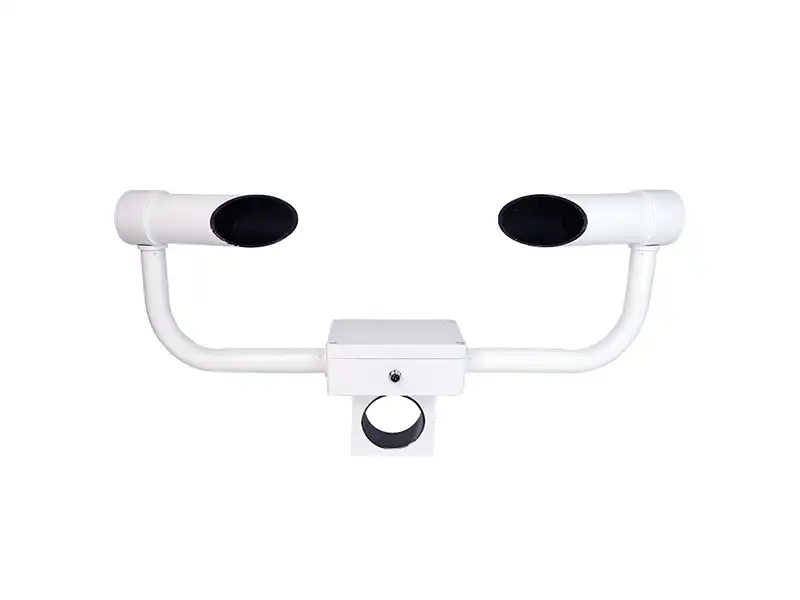
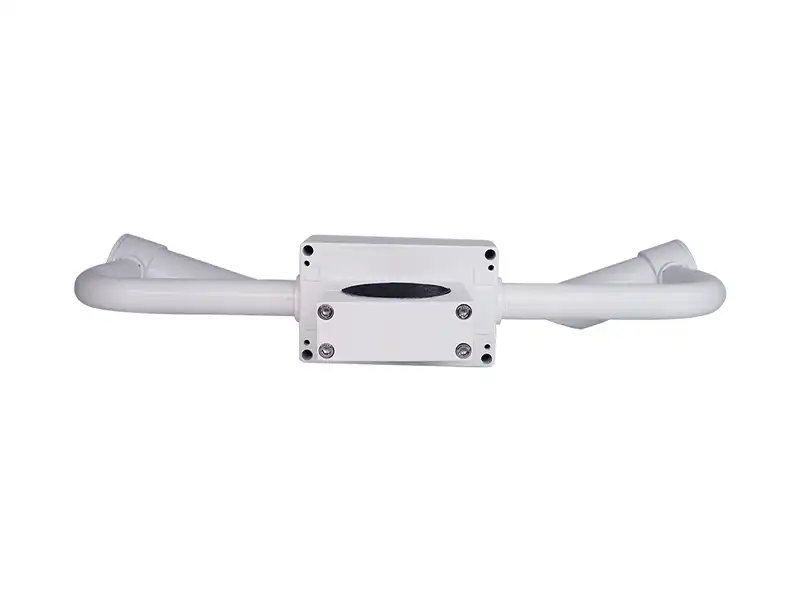
Sensor de visibilidad atmosférica para sistemas de vigilancia meteorológica
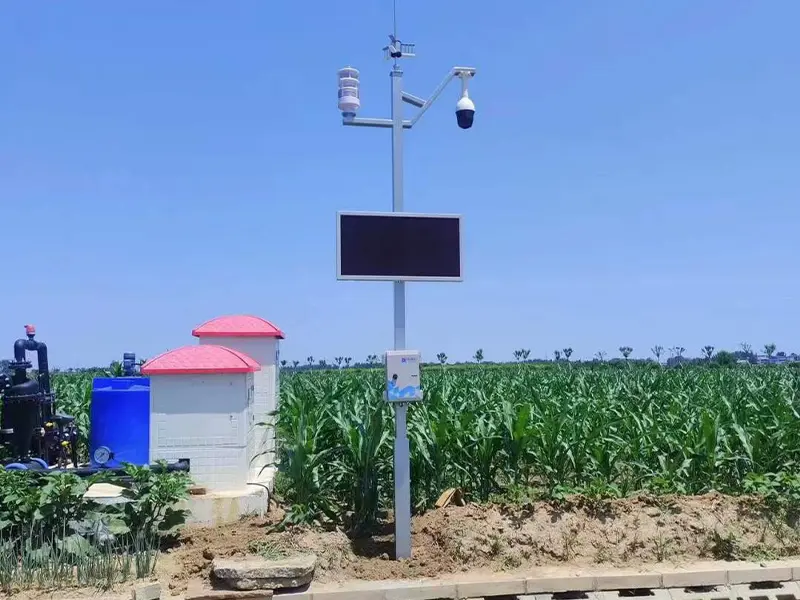
Un sensor de visibilidad atmosférica es un dispositivo utilizado para medir la visibilidad atmosférica en tiempo real mediante la detección de niebla, neblina, lluvia, polvo y otras condiciones ambientales. Se caracteriza por su alta precisión, rápida respuesta, rendimiento estable en exteriores y bajo mantenimiento, lo que lo hace ideal para estaciones meteorológicas, autopistas, aeropuertos, puertos y soluciones inteligentes de supervisión de la seguridad en el transporte.
- Temperatura atmosférica: -40-60℃
- Humedad atmosférica: 0-100%RH
- Suministro: 12-24VDC
- Salida: RS485(Modbus)
- Alcance: 10m-10km
- Precisión: <2km
Precio: $1898.21-$2277.85
Introducción
Un sensor de visibilidad atmosférica es un instrumento de precisión utilizado para medir la transparencia atmosférica y determinar el alcance óptico meteorológico (MOR). En la actualidad, los sensores de visibilidad funcionan basándose en el principio de dispersión hacia adelante. En términos simples, un emisor dentro del sensor emite un haz de luz infrarroja al aire, mientras que un receptor, posicionado en un ángulo específico (generalmente entre 33° y 45°) con respecto a la luz emitida, mide la intensidad de la luz dispersada por partículas en el aire (como niebla, neblina, lluvia o nieve). Utilizando un modelo matemático específico, el sensor convierte la intensidad de la luz dispersada en un valor de visibilidad actual. Si desea obtener más información sobre “¿Qué es un sensor de visibilidad? Principio de funcionamiento, tipos y aplicaciones,”, haga clic aquí.
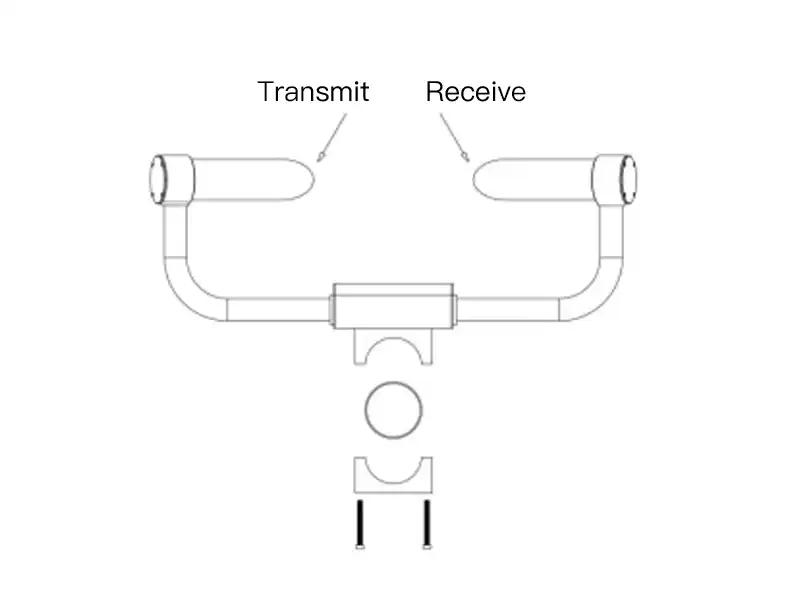
Estructura sensor de visibilidad atmosférica
- Módulo transmisor óptico
Emite señales luminosas estables para medir la visibilidad atmosférica. - Módulo receptor óptico
Recibe señales luminosas dispersas y las convierte en datos de visibilidad. - Cámara de detección de alta precisión
Garantiza un control preciso en condiciones de niebla, neblina, lluvia y polvo. - LED / Fuente de luz infrarroja
Proporciona una larga vida útil y un rendimiento óptico estable para un funcionamiento continuo. - Placa de circuito de procesamiento de señales
Procesa rápidamente las señales ópticas para analizar la visibilidad en tiempo real. - Unidad de control por microprocesador
Controla el funcionamiento del sensor y mejora la precisión general de las mediciones. - Módulo de compensación de temperatura
Reduce la influencia de la temperatura ambiente en el rendimiento del sensor. - Sistema de protección anticondensación
Evita la acumulación de humedad y garantiza una vigilancia fiable en exteriores. - Carcasa protectora resistente a la intemperie
Protege los componentes internos de la lluvia, el polvo y los entornos agresivos. - Soporte de montaje y abrazadera para mástil
Admite una instalación estable para autopistas, aeropuertos y estaciones meteorológicas.
tallas
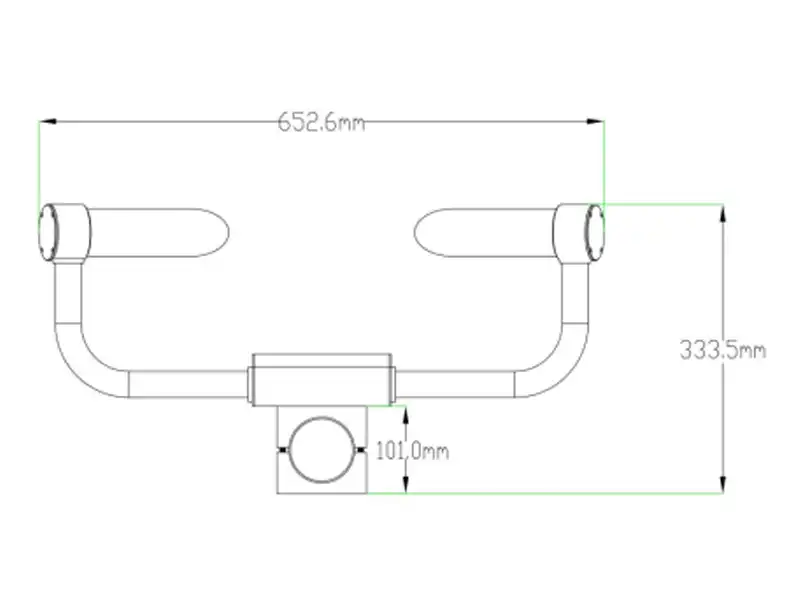
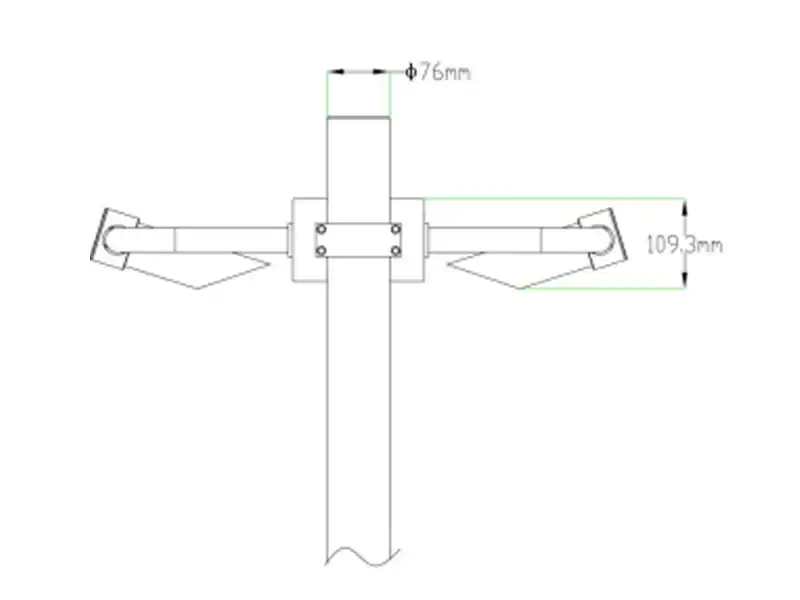
Detalles
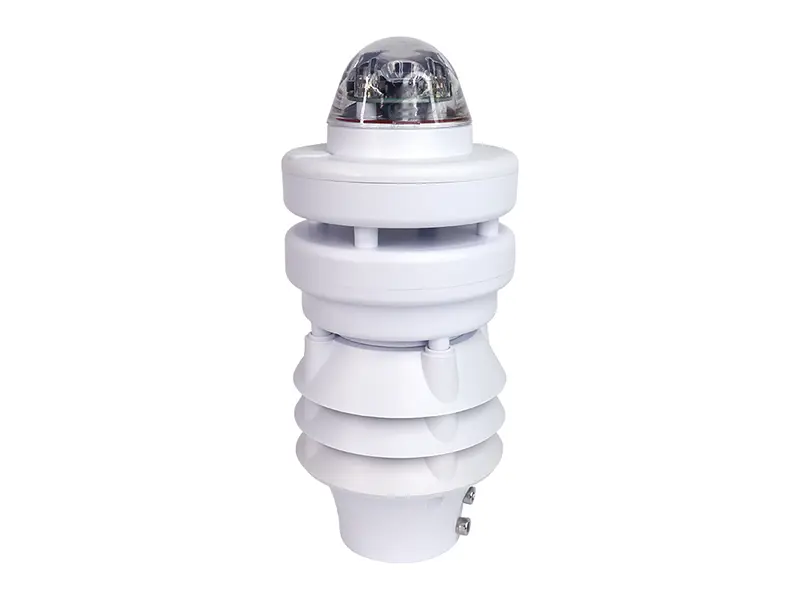
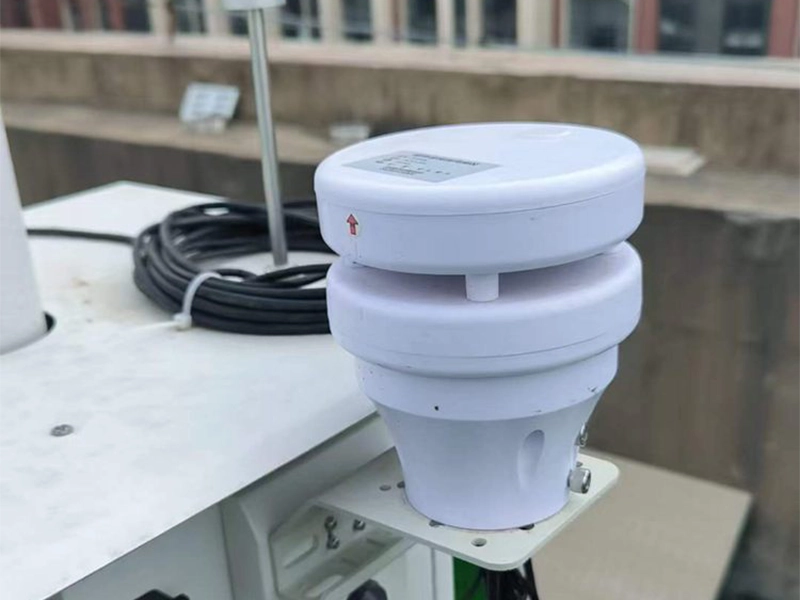
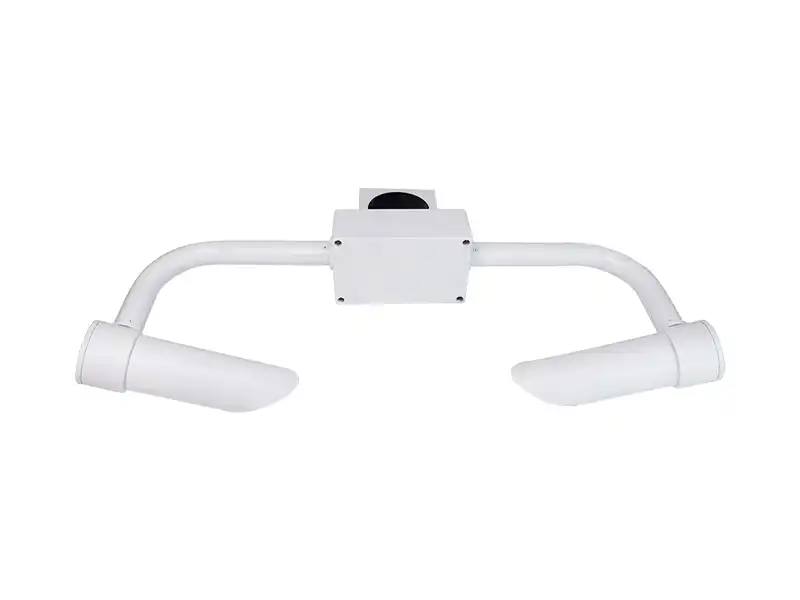
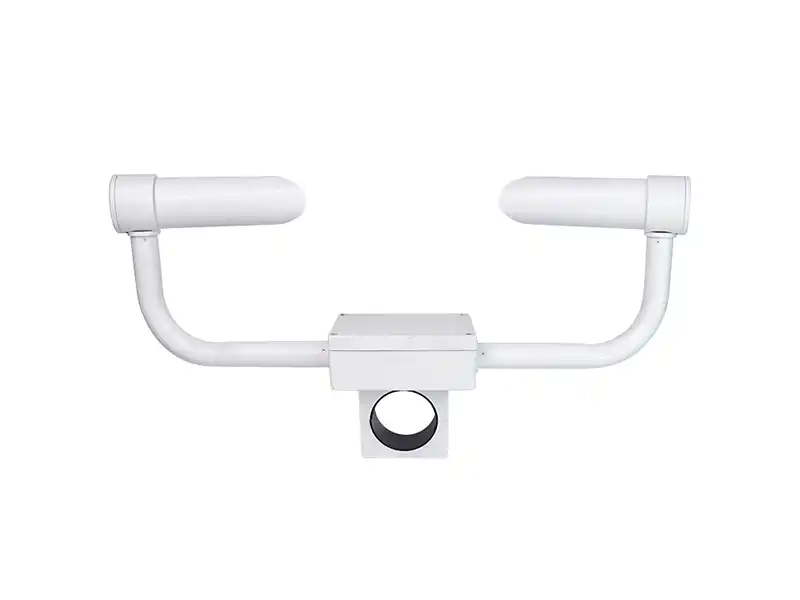
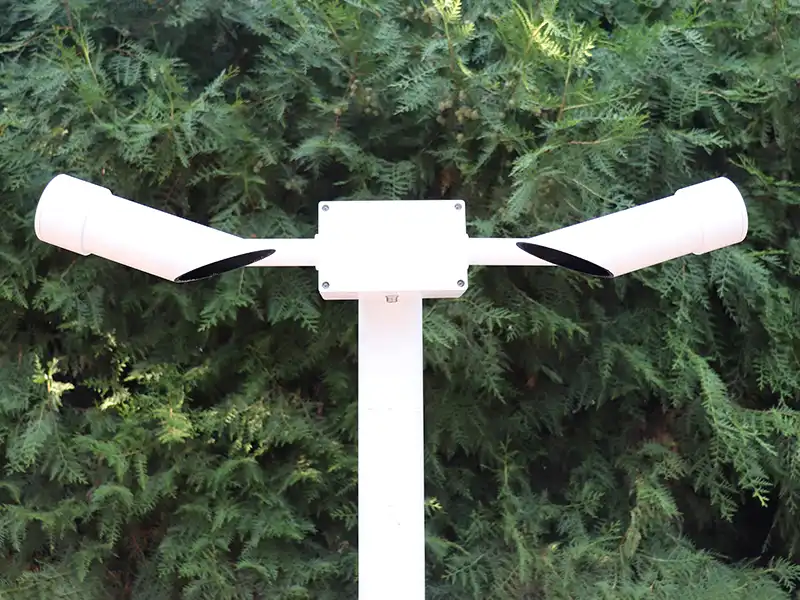
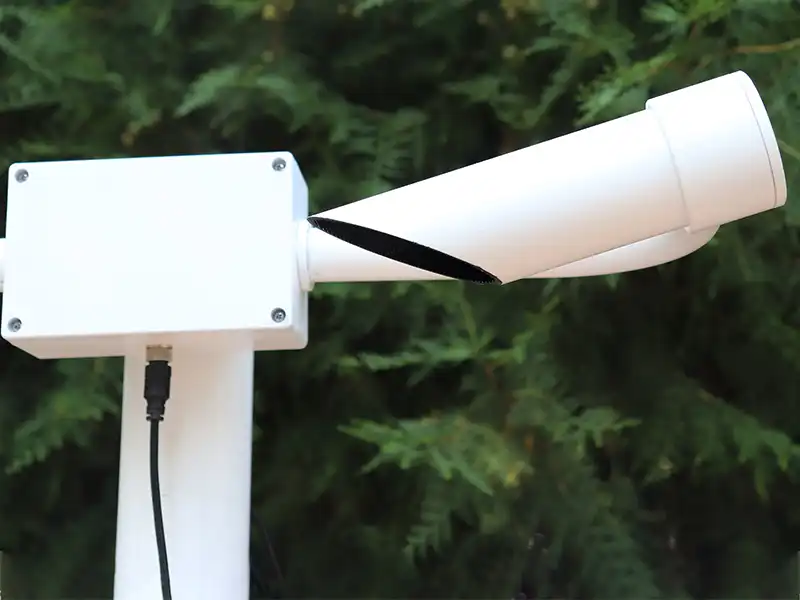
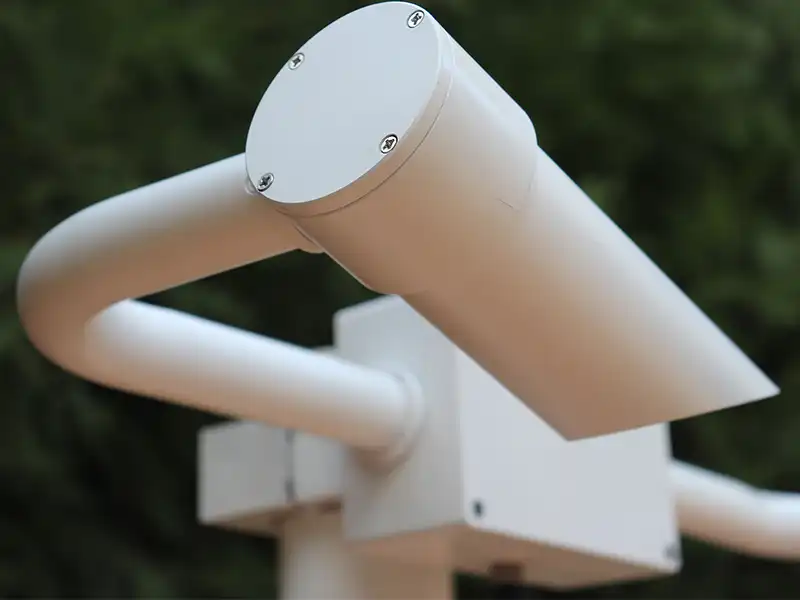
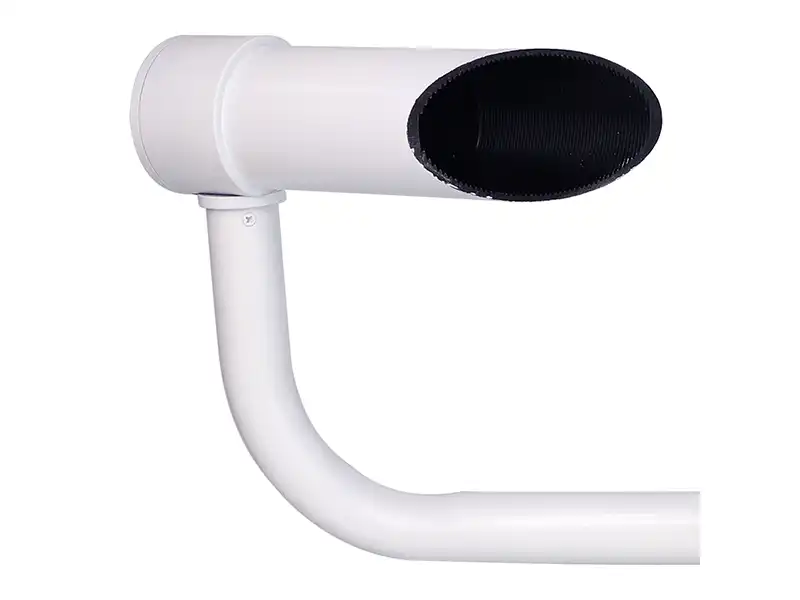
Este sensor de visibilidad atmosférica se caracteriza por su diseño compacto, su durabilidad y su excelente resistencia a la intemperie, lo que lo hace ideal para su uso a largo plazo en entornos exteriores adversos. Los diagramas estructurales detallados y las vistas multiángulo demuestran claramente su excepcional calidad de construcción, lo que lo hace idóneo para aplicaciones en meteorología, transporte y monitorización industrial. A continuación se muestran imágenes detalladas del sensor de visibilidad atmosférica:
.webp)
principio del sensor de visibilidad
- Principio de dispersión hacia delante: Estima la visibilidad midiendo la intensidad de dispersión de los haces luminosos por las partículas suspendidas en el aire.
- Análisis de la atenuación luminosa: Calcula la transmitancia atmosférica a partir de los cambios en la atenuación de la intensidad luminosa causados por las partículas.
- Modelo de respuesta multipartícula: Distingue y compensa las características de dispersión de partículas de distintos tamaños y formas -como humo, polvo, bruma, lluvia y nieve- mediante diferenciación algorítmica.
- Supresión de la luz ambiental: Elimina las interferencias de las fuentes de luz de fondo, como la luz solar y los faros de los vehículos, mediante estructuras ópticas de sombreado y algoritmos de filtrado.
- Compensación de temperatura y humedad: Corrige automáticamente las variaciones ambientales que afectan a la propagación de la luz para mejorar la precisión del cálculo de la visibilidad.
- Filtrado dinámico y procesamiento de estabilidad: Suaviza las señales de medición para evitar interpretaciones erróneas causadas por pulsos de lluvia/nieve y fluctuaciones transitorias.
Diagrama de instalación
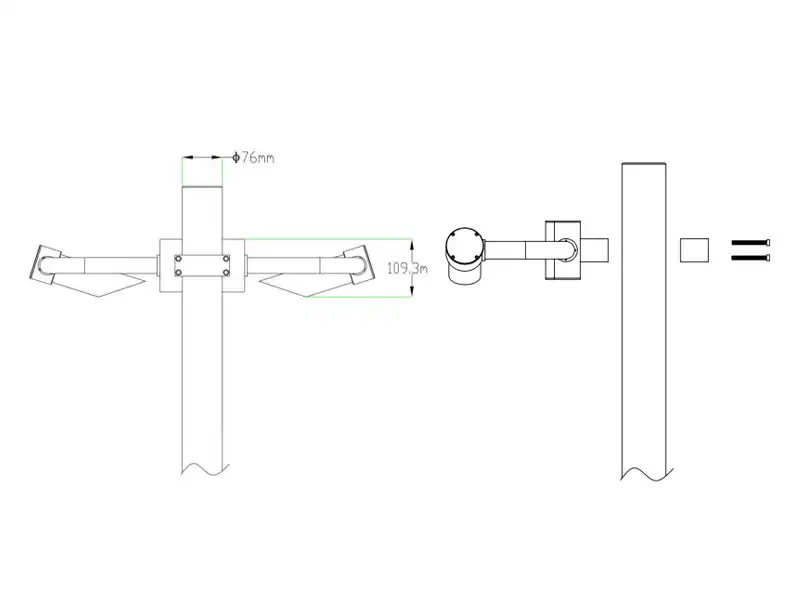
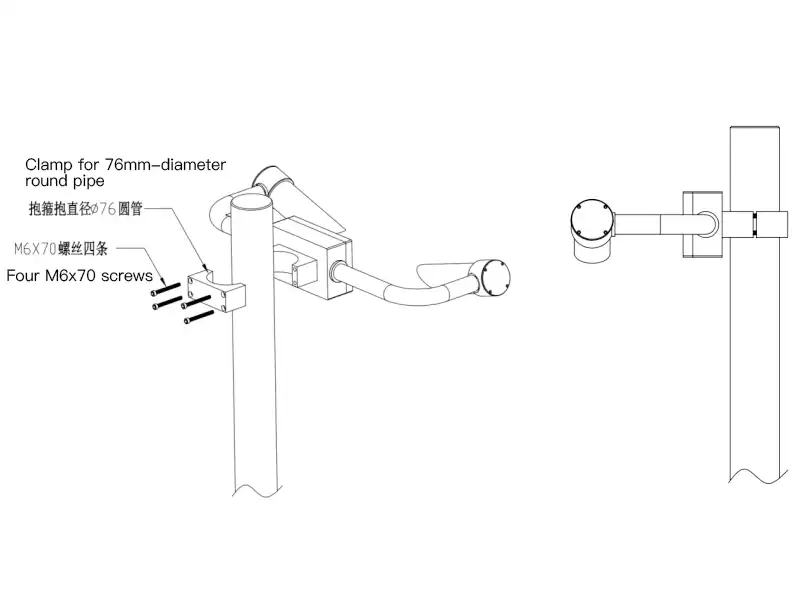
Especificaciones
El sensor de visibilidad atmosférica está diseñado con una tecnología óptica de alta precisión y un rendimiento de procesamiento de señales estable. A continuación se indican los parámetros técnicos clave que definen su precisión de medición, adaptabilidad al entorno y fiabilidad a largo plazo para aplicaciones de vigilancia en exteriores.
Parámetros
| Rango de medición | 10m-10km |
| Tensión de funcionamiento | DC12V ~24V |
| Consumo de energía | Sin calefacción ≤ 2 W |
| Calefacción | ≤ 6 W |
| Salida | Protocolo modbus estándar RS485 |
| Precisión | ≤2km ± 2%;
2km~10km ± 5% |
| Intervalo de actualización de datos | 15s/60s |
| Temperatura de funcionamiento | -40-60℃ |
| Humedad de trabajo | 0-100%RH |
| Temperatura de almacenamiento | -50-85℃ |
Características Sensor de visibilidad meteorológica
16 km Alcance
Medición de visibilidad de alta precisión de hasta 16 km para la vigilancia de zonas amplias.
Salida flexible
Múltiples opciones de salida para facilitar la integración del sistema y la transmisión de datos.
42° Dispersión hacia delante
El diseño óptico probado garantiza un rendimiento de medición estable y fiable.
Diseño antihielo
La estructura geométrica reduce los efectos de la formación de hielo en operaciones con condiciones meteorológicas adversas.
Compacto y ligero
Estructura pequeña y ligera para una instalación y despliegue cómodos.
Fácil instalación
Configuración y mantenimiento sencillos para un funcionamiento eficaz sobre el terreno.
Aplicaciones sensor de visibilidad atmosférica
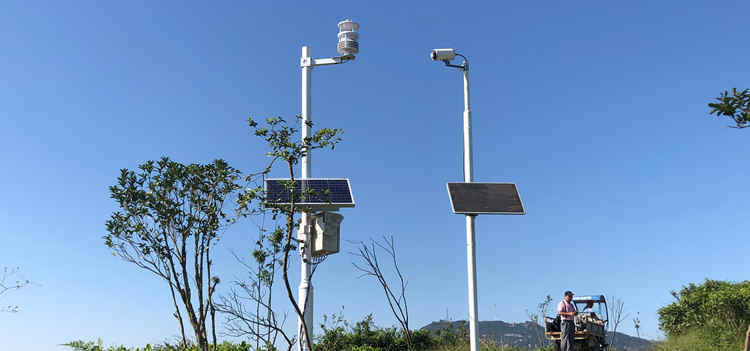
El sensor de visibilidad atmosférica se utiliza ampliamente en vigilancia meteorológica, transporte seguridad, aviación, operaciones marítimas y sistemas medioambientales industriales. Proporciona datos de visibilidad fiables y en tiempo real, ayudando a mejorar la seguridad, la eficiencia operativa y las capacidades de alerta temprana en condiciones meteorológicas complejas.

Sistemas de información meteorológica vial (RWIS)
Proporciona datos de visibilidad en tiempo real para apoyar la gestión de la seguridad vial y las decisiones de control del tráfico.

Redes de detección de niebla
Permite supervisar los fenómenos de niebla en una zona amplia y sirve de apoyo a los sistemas de alerta temprana en condiciones de baja visibilidad.

Gestión de la seguridad portuaria
Supervisa en tiempo real condiciones meteorológicas como la niebla, la bruma, la lluvia y las tormentas de polvo, proporcionando datos fundamentales para el análisis y la previsión meteorológicos.

Sistemas meteorológicos aeroportuarios (AWOS)
Proporciona datos de visibilidad críticos para la seguridad de la aviación y las operaciones de vuelo.

Control de la calidad del aire en los túneles
Apoya la seguridad y el control de la ventilación en túneles de transporte cerrados.

Estaciones de vigilancia meteorológica
Proporciona datos esenciales para la previsión meteorológica, el análisis del clima y la investigación medioambiental.
sensor de visibilidad atmosférica custom
El sensor óptico de visibilidad puede personalizarse de forma flexible para satisfacer los requisitos de distintos proyectos en aplicaciones de meteorología, transporte, aviación y vigilancia industrial. Desde las interfaces de salida hasta el rango de medición y el diseño estructural, las soluciones personalizadas garantizan una mayor compatibilidad del sistema, un mejor rendimiento y un funcionamiento fiable en diversas condiciones ambientales.
Opciones de personalización
- Rango de medición
El rango de visibilidad puede ajustarse para adaptarse a escenarios de aplicación específicos, como autopistas, aeropuertos o zonas industriales. - Opciones de señal de salida
Admite la personalización de RS485, Modbus, salida analógica u otros protocolos de comunicación para una integración perfecta del sistema. - Diseño estructural
Los materiales de la carcasa, los métodos de montaje y los diseños compactos pueden adaptarse a distintos entornos de instalación. - Mejora de la adaptación medioambiental
- Los niveles de protección mejorados, como anticorrosión, antiniebla salina y antihielo, pueden personalizarse para climas difíciles.
- Configuración de la fuente de alimentación
Se pueden ofrecer opciones de tensión flexibles para adaptarse a los distintos requisitos de los sistemas de alimentación. - Calibración y soporte de software
Las normas de calibración personalizadas y los servicios de integración de software garantizan la compatibilidad con las plataformas y los sistemas de datos de los usuarios.
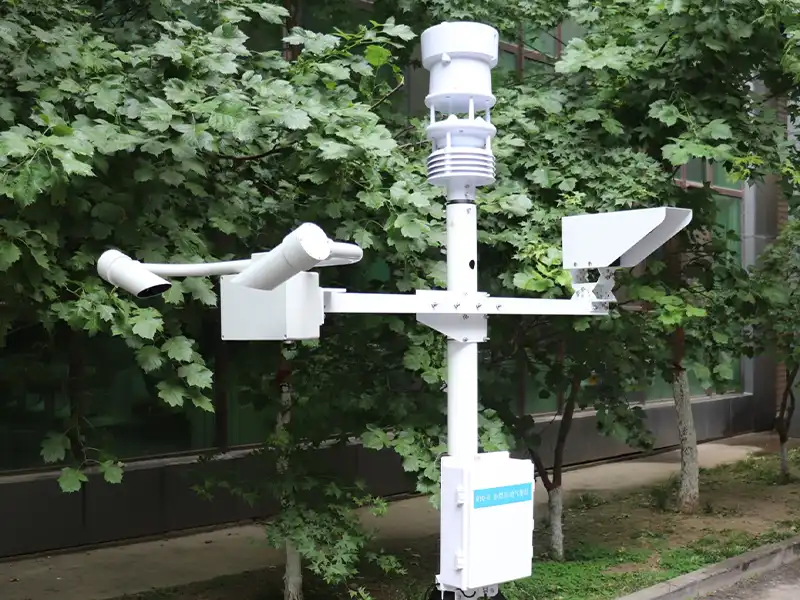

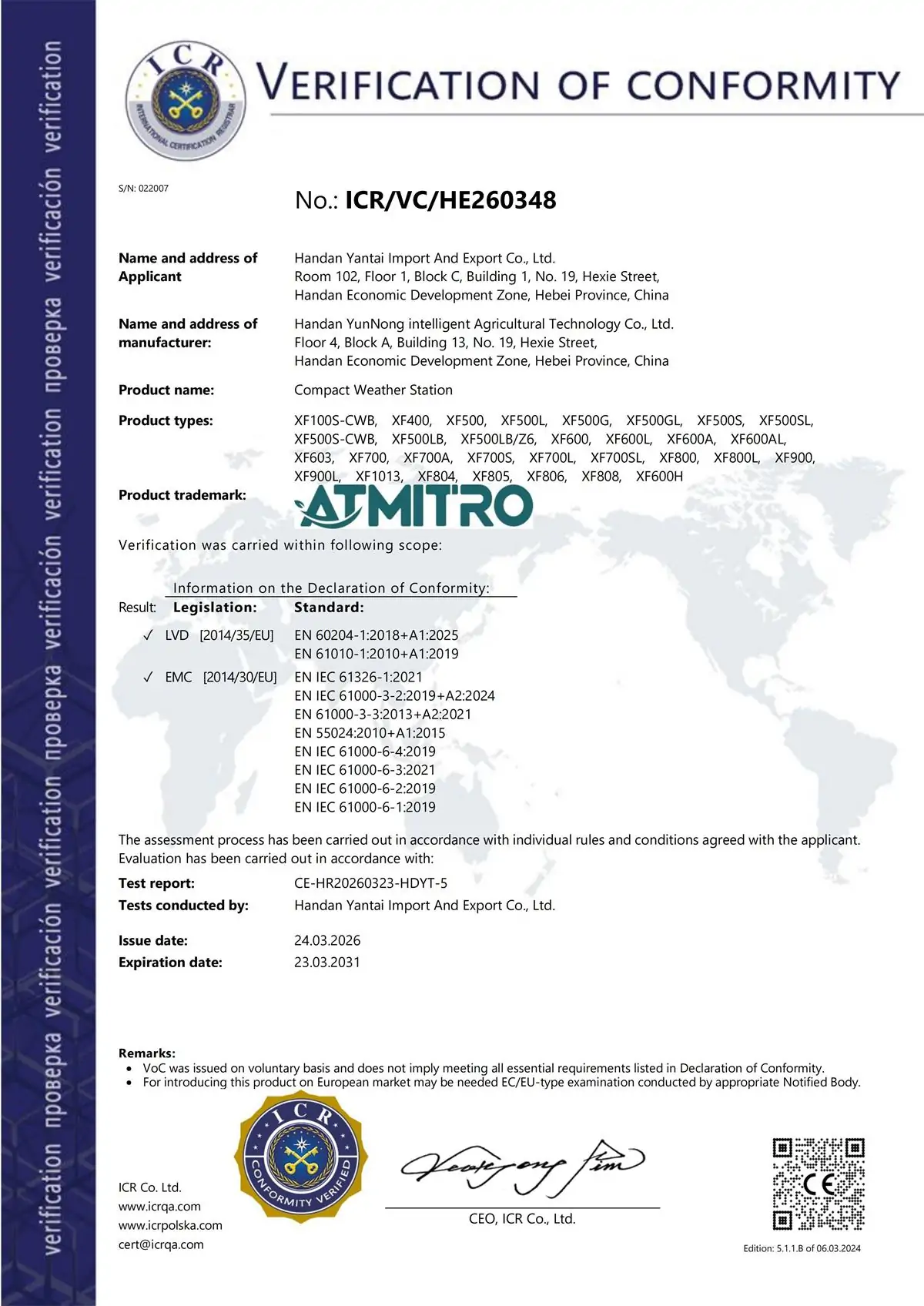


fabricante y proveedor de sensores de visibilidad atmosférica
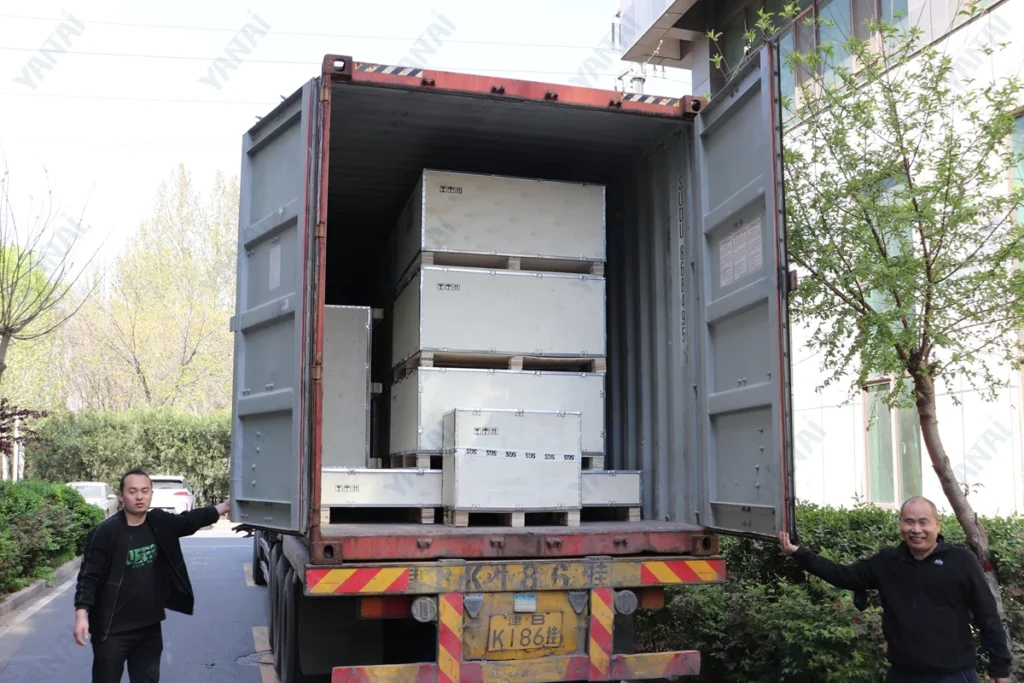
Yantai Sensor es un fabricante y proveedor profesional de sensores de visibilidad atmosférica, que proporciona soluciones avanzadas de monitorización de la visibilidad para aplicaciones de meteorología, transporte, aviación, marítimas y de monitorización medioambiental. Nuestro sensor de visibilidad ofrece una medición precisa en tiempo real de las condiciones de visibilidad en entornos de niebla, neblina, lluvia, nieve y polvo, garantizando datos fiables para la seguridad vial, las operaciones aeroportuarias y los sistemas inteligentes de monitorización meteorológica, incluyendo un sensor de visibilidad atmosférica para sistemas de seguridad vial y sensores de visibilidad de detección de niebla para aplicaciones de monitorización del tráfico.
Nuestro sensor de visibilidad atmosférica basado en IoT es compatible con RS485, Modbus RTU, 4G, LoRa, WiFi y monitorización remota basada en la nube, lo que permite una transmisión de datos estable y una integración perfecta del sistema. Diseñado con protección resistente a la intemperie, estructura antihielo, bajo consumo de energía y resistencia a la corrosión, el sensor también admite servicios flexibles de personalización OEM/ODM para satisfacer diversos requisitos de proyectos e industrias. Póngase en contacto con para obtener la mejor solución de sensor de visibilidad atmosférica y asistencia técnica profesional para su proyecto.