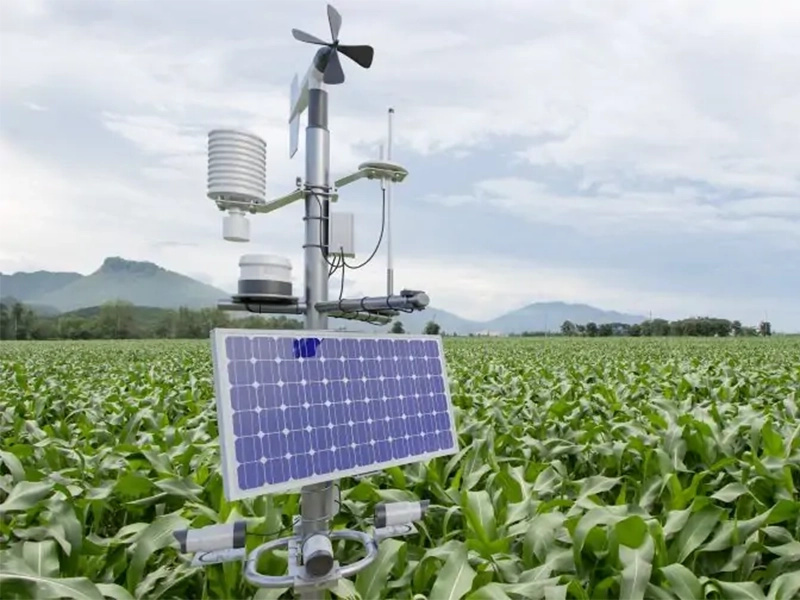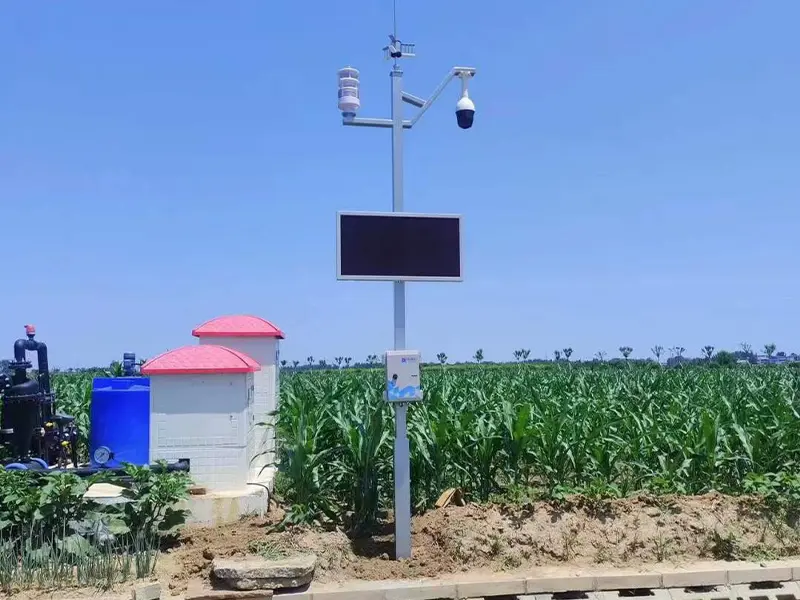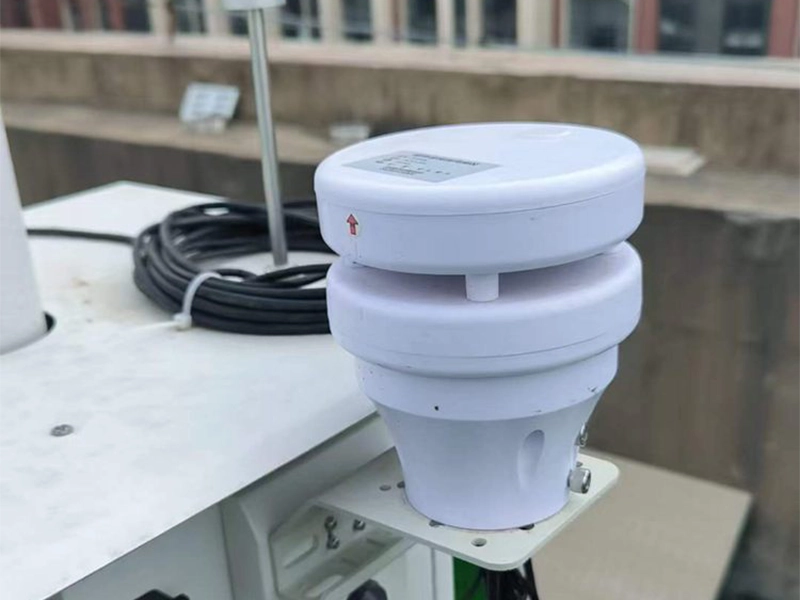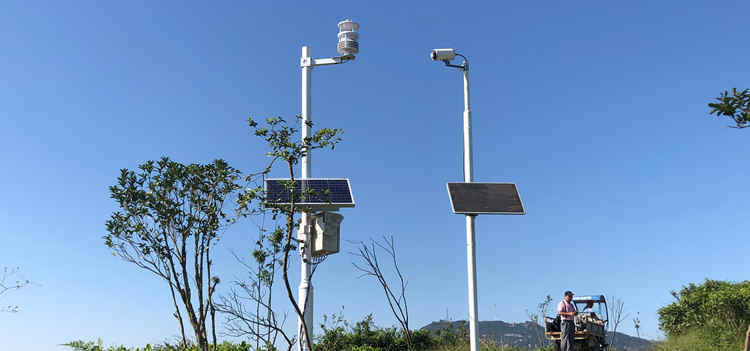
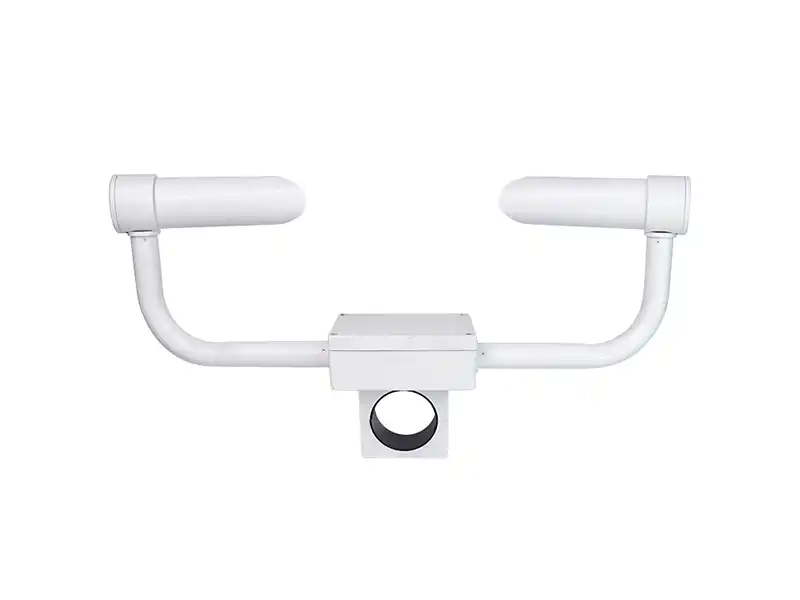
Датчик атмосферной видимости для систем мониторинга погоды
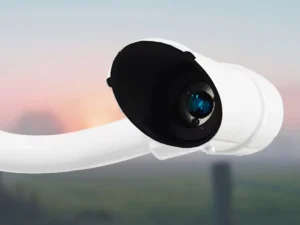
Датчик атмосферной видимости - это устройство, используемое для измерения атмосферной видимости в реальном времени путем обнаружения тумана, дымки, дождя, пыли и других условий окружающей среды. Он отличается высокой точностью, быстрым откликом, стабильностью работы вне помещений и неприхотливостью в обслуживании, что делает его идеальным для метеостанций, автомагистралей, аэропортов, портов и интеллектуальных решений по мониторингу безопасности на транспорте.
- Атмосферная температура: -40-60℃
- Атмосферная влажность: 0-100%RH
- Поставка: 12-24 В ПОСТОЯННОГО ТОКА
- Выход: RS485 (Modbus)
- Диапазон: 10 м-10 км
- Точность: <2 км
Цена: $1898.21-$2277.85
Введение
Датчик видимости атмосферы - это прецизионный прибор, используемый для измерения прозрачности атмосферы и определения метеорологического оптического диапазона (MOR). В настоящее время основные датчики видимости работают на основе принципа прямого рассеяния. Проще говоря, излучатель внутри датчика испускает в воздух пучок инфракрасного света, а приёмник, расположенный под определённым углом (обычно от 33° до 45°) относительно излучаемого света, измеряет интенсивность рассеянного света, вызванного взвешенными в воздухе частицами (такими как туман, дымка, дождь или снег). Используя определённую математическую модель, датчик преобразует интенсивность рассеянного света в текущее значение видимости. Если вы хотите узнать больше о “Что такое датчик видимости? Принцип работы, типы и применение,”, пожалуйста, нажмите здесь.
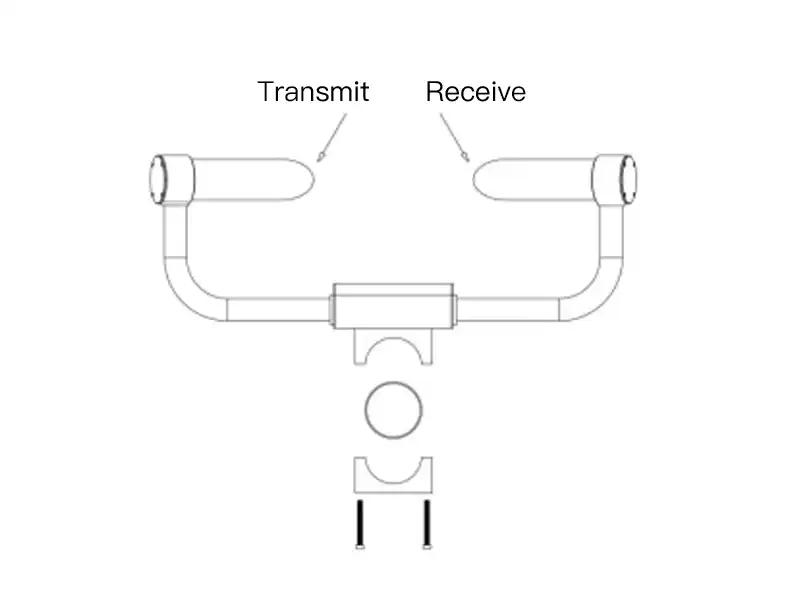
Структурный датчик атмосферной видимости
- Модуль оптического передатчика
Излучает стабильные световые сигналы для измерения видимости в атмосфере. - Модуль оптического приемника
Принимает рассеянные световые сигналы и преобразует их в данные о видимости. - Высокоточная камера обнаружения
Обеспечивает точное наблюдение в условиях тумана, дымки, дождя и пыли. - Светодиодный / инфракрасный источник света
Обеспечивает длительный срок службы и стабильные оптические характеристики для непрерывной работы. - Печатная плата обработки сигналов
Быстро обрабатывает оптические сигналы для анализа видимости в реальном времени. - Микропроцессорный блок управления
Контролирует работу датчика и повышает общую точность измерений. - Модуль температурной компенсации
Снижает влияние температуры окружающей среды на работу датчика. - Система защиты от конденсата
Предотвращает накопление влаги и обеспечивает надежное наблюдение на улице. - Всепогодный защитный корпус
Защищает внутренние компоненты от дождя, пыли и неблагоприятных условий окружающей среды. - Монтажный кронштейн и зажим для столба
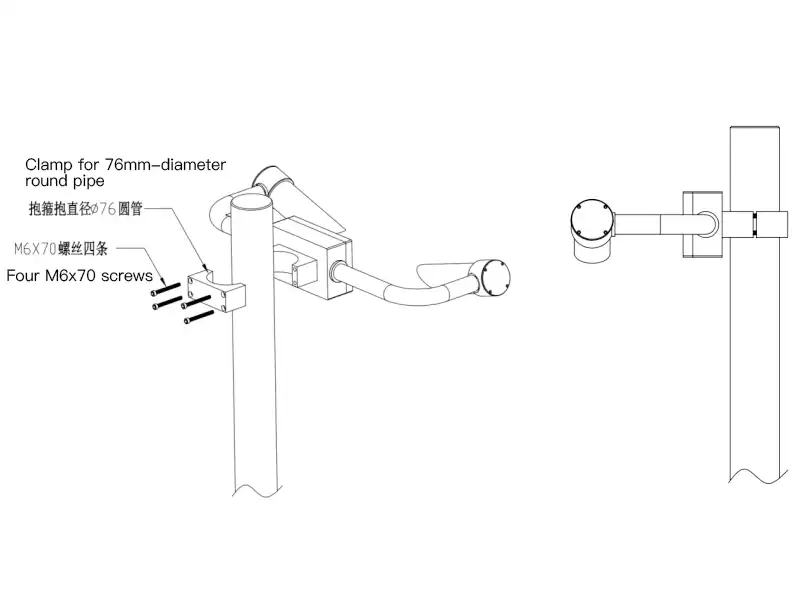
Поддерживает стабильную установку на автомагистралях, в аэропортах и на метеостанциях.
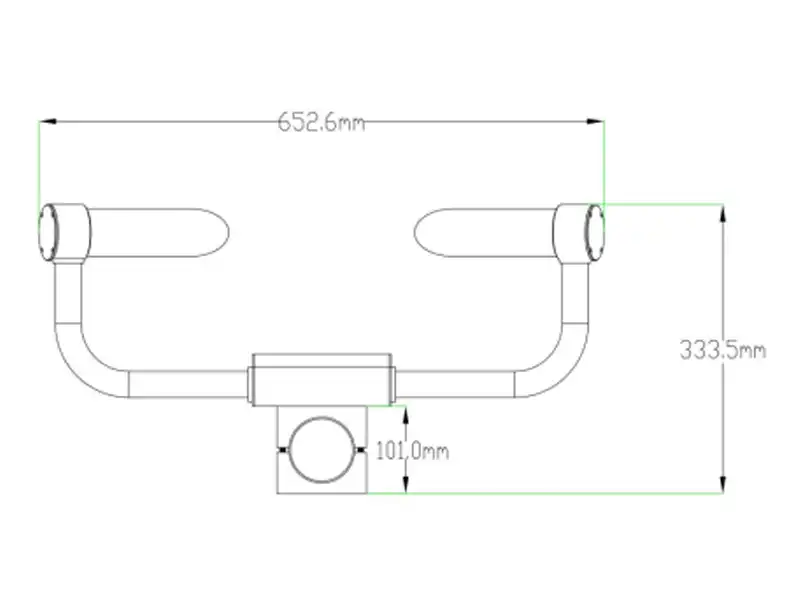
размеры
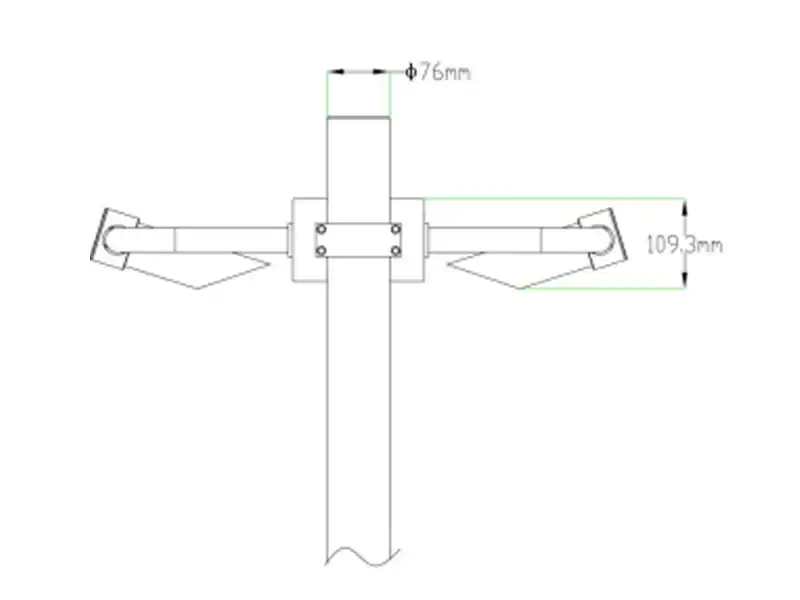
Подробнее Показать
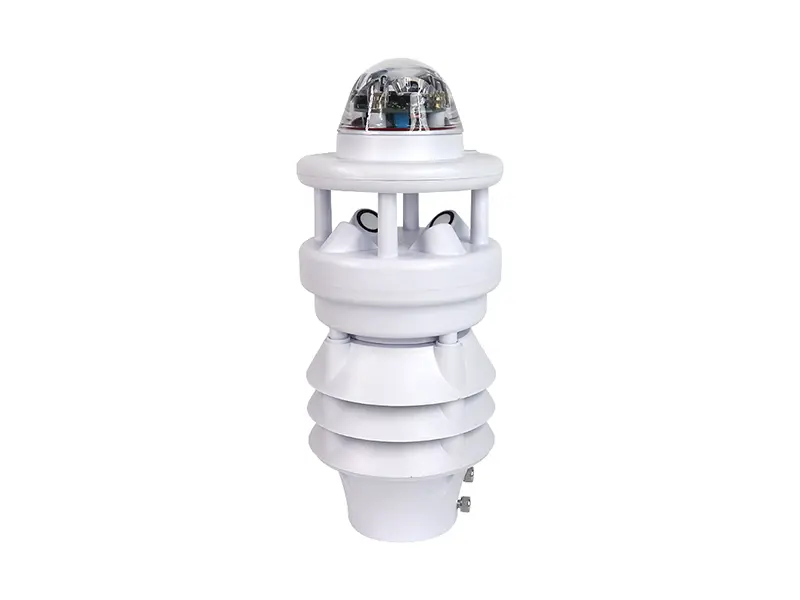
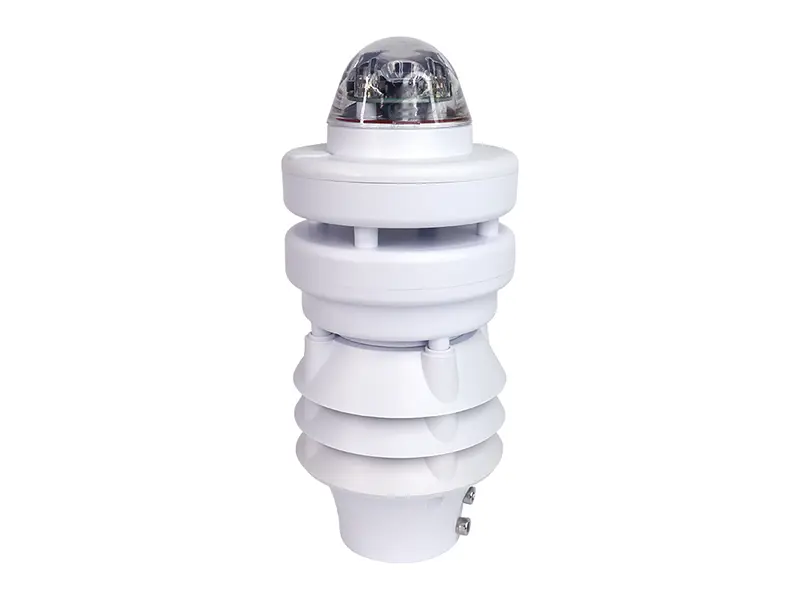
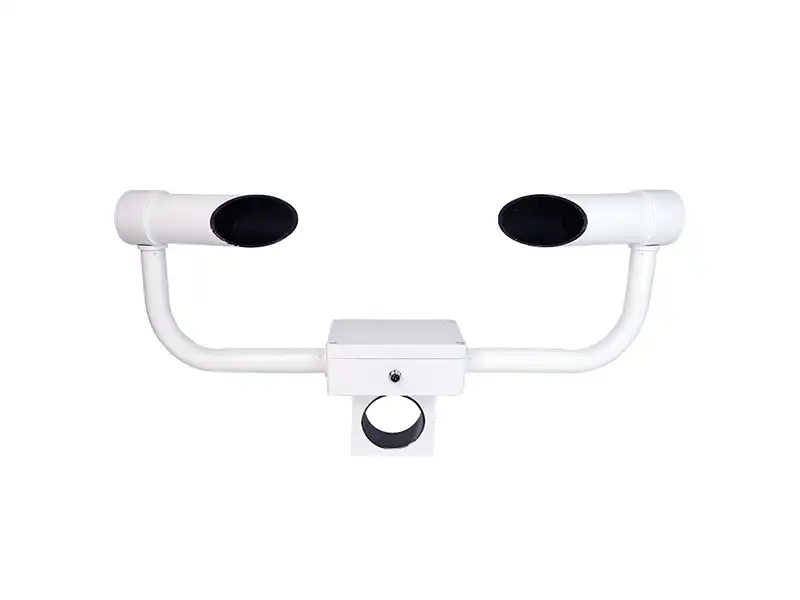
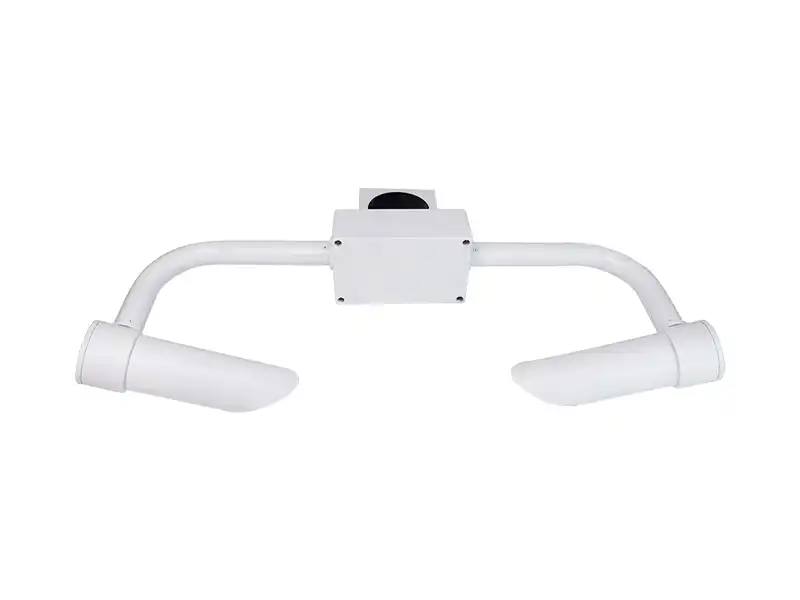
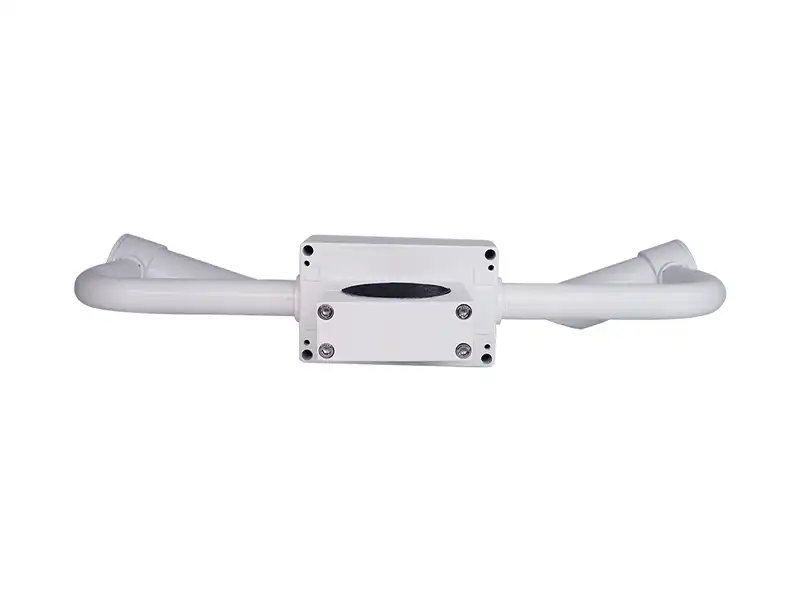
Этот датчик видимости атмосферы отличается компактной конструкцией, долговечностью и отличной погодоустойчивостью, что делает его идеальным для длительного использования в суровых внешних условиях. Подробные структурные схемы и многоугольные виды наглядно демонстрируют исключительное качество сборки, что делает его хорошо подходящим для применения в метеорологии, транспорте и промышленном мониторинге. Ниже приведены подробные изображения датчика видимости атмосферы:
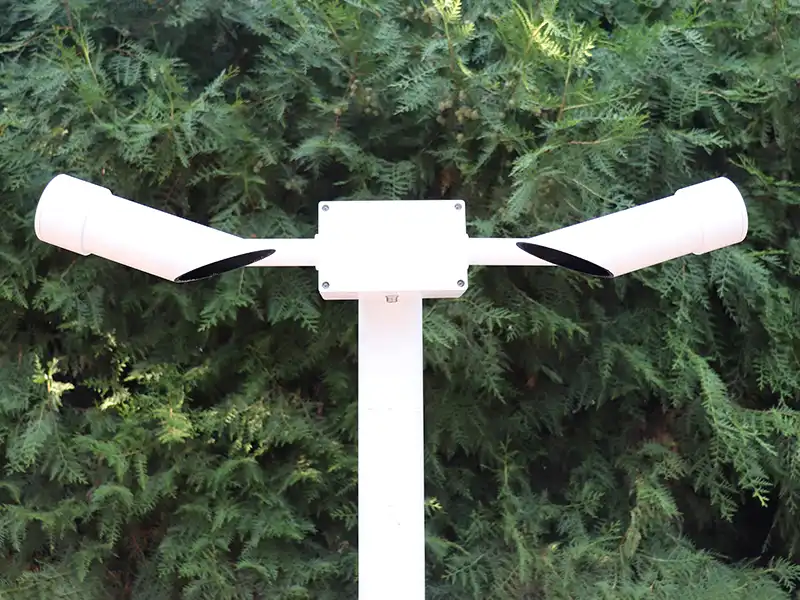
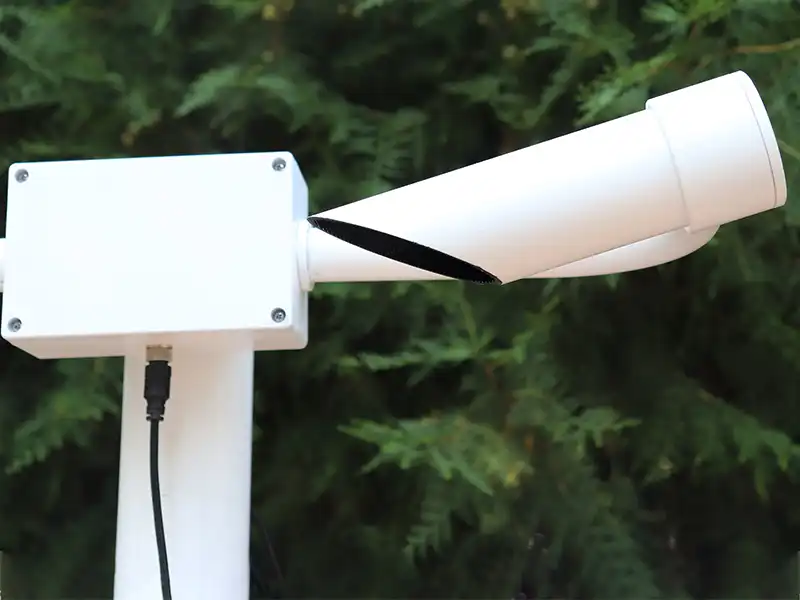
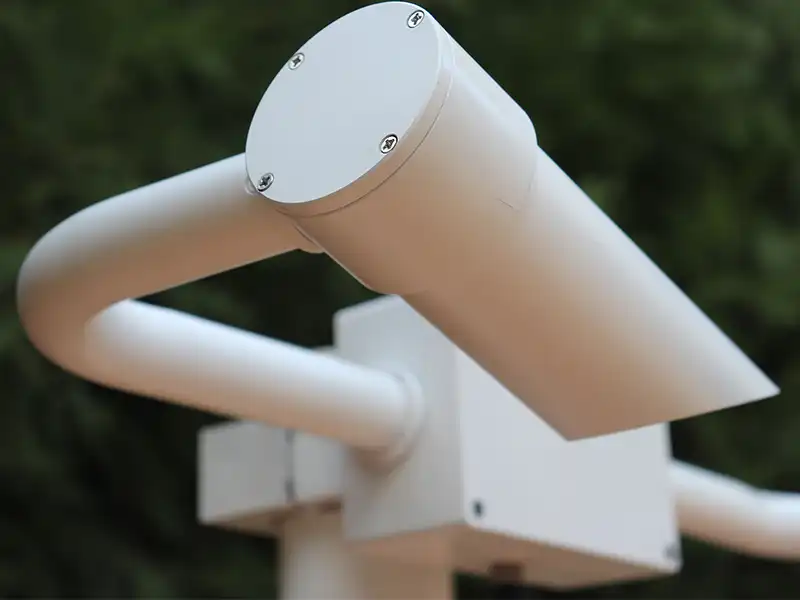
.webp)
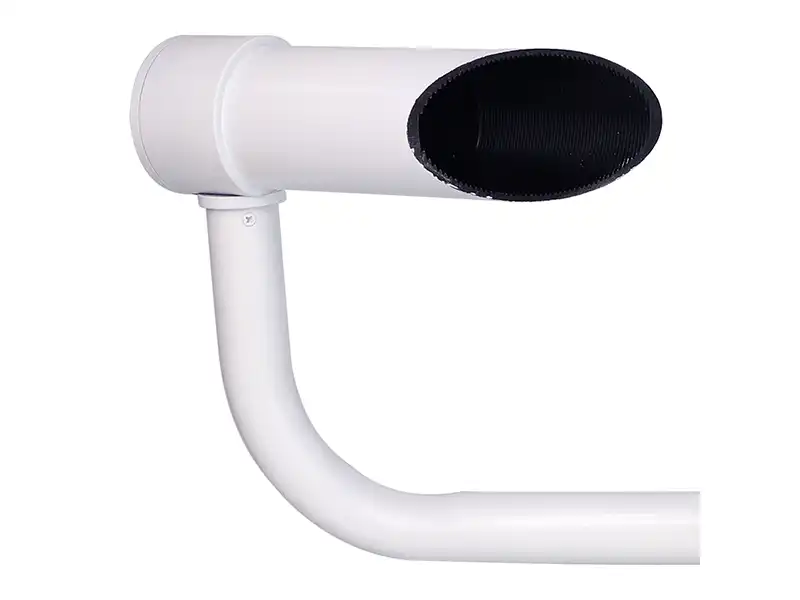
Принцип работы датчика видимости
- Принцип прямого рассеяния: Оценивает видимость, измеряя интенсивность рассеивания световых лучей частицами, находящимися в воздухе.
- Анализ затухания света: Рассчитывает пропускание атмосферы на основе изменений в ослаблении интенсивности света, вызванных твердыми частицами.
- Модель отклика нескольких частиц: Различает и компенсирует характеристики рассеяния частиц разного размера и формы - дыма, пыли, дымки, дождя и снега - с помощью алгоритмического дифференцирования.
- Подавление рассеянного света: Устранение помех от фоновых источников света, таких как солнечный свет и фары автомобилей, с помощью оптических затеняющих структур и алгоритмов фильтрации.
- Компенсация температуры и влажности: Автоматически корректирует колебания окружающей среды, влияющие на распространение света, для повышения точности расчета видимости.
- Динамическая фильтрация и обработка стабильности: Сглаживает измерительные сигналы, чтобы предотвратить неправильную интерпретацию, вызванную импульсами дождя/снега и переходными флуктуациями.
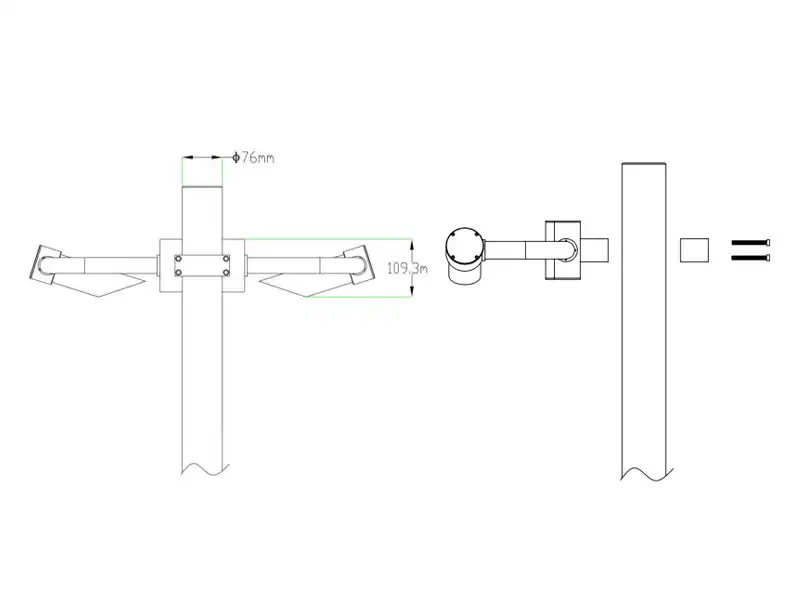
Схема установки
Технические характеристики
Датчик видимости атмосферы разработан с использованием высокоточной оптической технологии и стабильной обработки сигнала. Ниже приведены ключевые технические параметры, определяющие точность измерений, приспособленность к окружающей среде и долговременную надежность для применения в системах мониторинга вне помещений.
Параметры
| Диапазон измерения | 10 м-10 км |
| Рабочее напряжение | DC12V ~24V |
| Потребляемая мощность | Без нагрева ≤ 2 Вт |
| Отопление | ≤ 6 W |
| Выход | Стандартный протокол RS485 modbus |
| Точность | ≤2 км ± 2%;
2км~10км ± 5% |
| Интервал обновления данных | 15s/60s |
| Рабочая температура | -40-60℃ |
| Рабочая влажность | 0-100%RH |
| Температура хранения | -50-85℃ |
Характеристики Метеорологический датчик видимости
16 км Дальность
Высокоточное измерение видимости до 16 км для мониторинга широкой территории.
Гибкий выход
Несколько вариантов вывода для упрощения системной интеграции и передачи данных.
42° Передний разброс
Проверенная оптическая конструкция обеспечивает стабильность и надежность измерений.
Антиобледенительная конструкция
Геометрическая структура снижает эффект обледенения при работе в суровых погодных условиях.
Компактный и легкий
Небольшая и легкая конструкция обеспечивает удобство установки и развертывания.
Простая установка
Простая настройка и обслуживание для эффективной работы в полевых условиях.
Прикладной датчик атмосферной видимости
Датчик атмосферной видимости широко используется в метеорологический мониторинг, транспорт безопасности, авиации, морских операций и промышленных экологических систем. Он обеспечивает надежные данные о видимости в реальном времени, помогая повысить безопасность, эффективность работы и возможности раннего предупреждения в сложных погодных условиях.

Системы информации о дорожной погоде (RWIS)
Предоставляет данные о видимости в режиме реального времени для поддержки принятия решений по управлению безопасностью дорожного движения и регулированию движения.
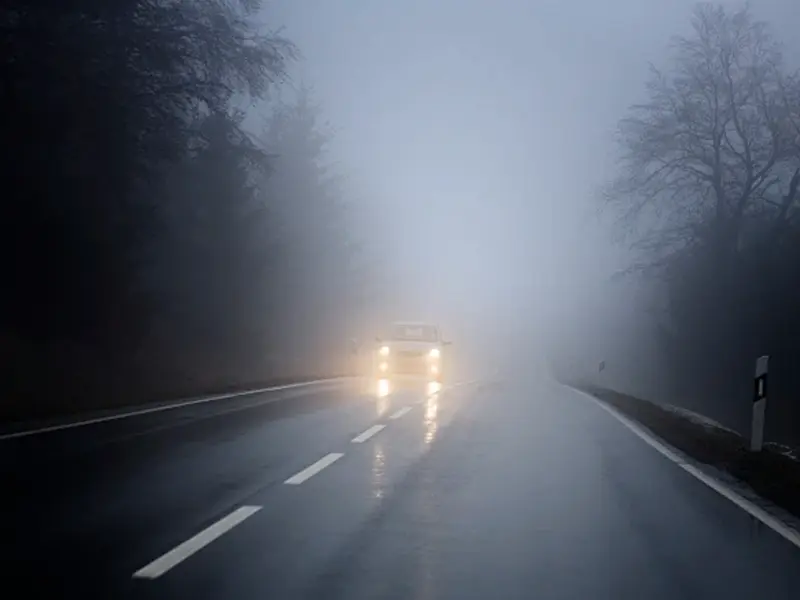
Сети обнаружения туманов
Обеспечивает мониторинг тумана на широкой территории и поддерживает системы раннего оповещения в условиях плохой видимости.

Управление безопасностью порта
Он отслеживает такие погодные условия, как туман, дымка, дождь и пыльные бури в режиме реального времени, предоставляя важнейшие данные для анализа и прогнозирования погоды.
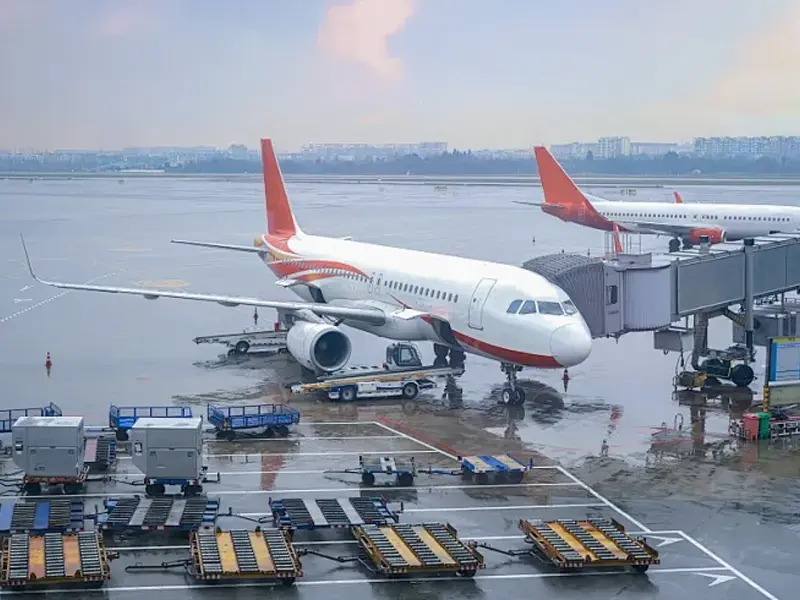
Системы метеорологического обеспечения аэропортов (AWOS)
Предоставляет критически важные данные о видимости для обеспечения авиационной безопасности и выполнения полетов.
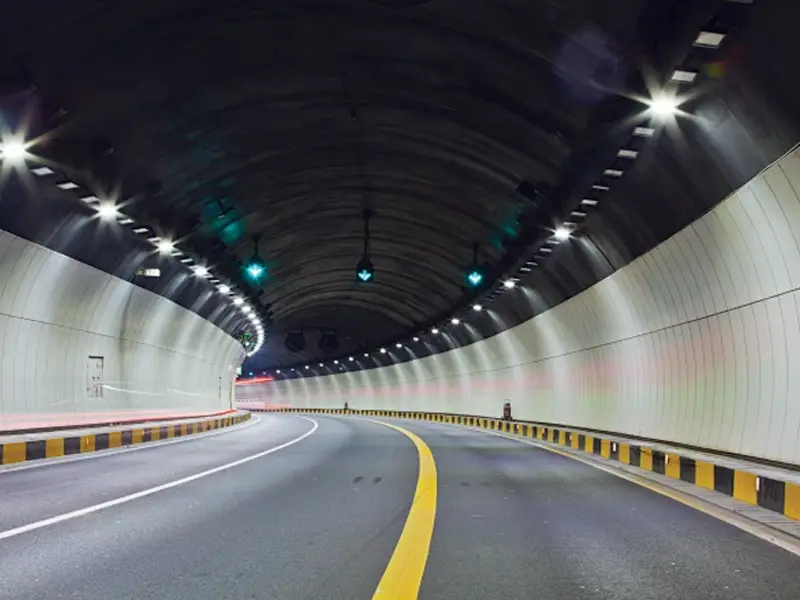
Мониторинг качества воздуха в туннелях
Обеспечивает безопасность и контроль вентиляции в закрытых транспортных туннелях.

Станции метеорологического мониторинга
Предоставляет важные данные для прогнозирования погоды, анализа климата и экологических исследований.
датчик атмосферной видимости на заказ
Оптический датчик видимости может быть гибко настроен для удовлетворения различных требований проектов в области метеорологии, транспорта, авиации и промышленного мониторинга. Индивидуальные решения - от выходных интерфейсов до диапазона измерений и конструктивного исполнения - обеспечивают лучшую совместимость систем, улучшенную производительность и надежную работу в различных условиях окружающей среды.
Параметры настройки
- Диапазон измерений
Дальность видимости может быть настроена в соответствии с конкретными сценариями применения, например, на автомагистралях, в аэропортах или промышленных зонах. - Варианты выходных сигналов
Поддерживает настройку RS485, Modbus, аналогового выхода или других протоколов связи для беспрепятственной интеграции в систему. - Структурное проектирование
Материалы корпуса, способы монтажа и компактные конструкции могут быть адаптированы к различным условиям установки. - Модернизация системы адаптации к окружающей среде
- Для суровых климатических условий можно подобрать усиленные уровни защиты, такие как антикоррозийная, антисолевая и антиобледенительная.
- Конфигурация источника питания
Для соответствия различным требованиям энергосистем могут быть предусмотрены гибкие варианты напряжения. - Калибровка и поддержка программного обеспечения
Индивидуальные стандарты калибровки и услуги по интеграции программного обеспечения обеспечивают совместимость с пользовательскими платформами и системами данных.
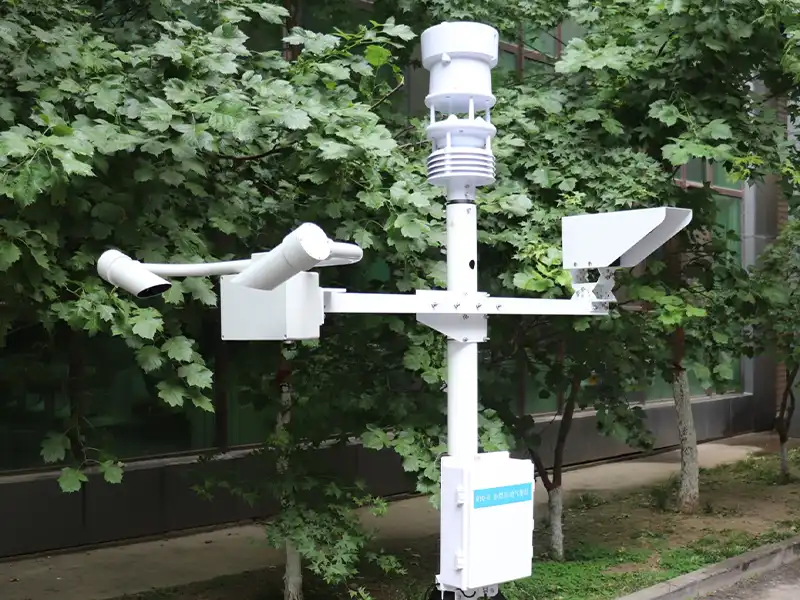

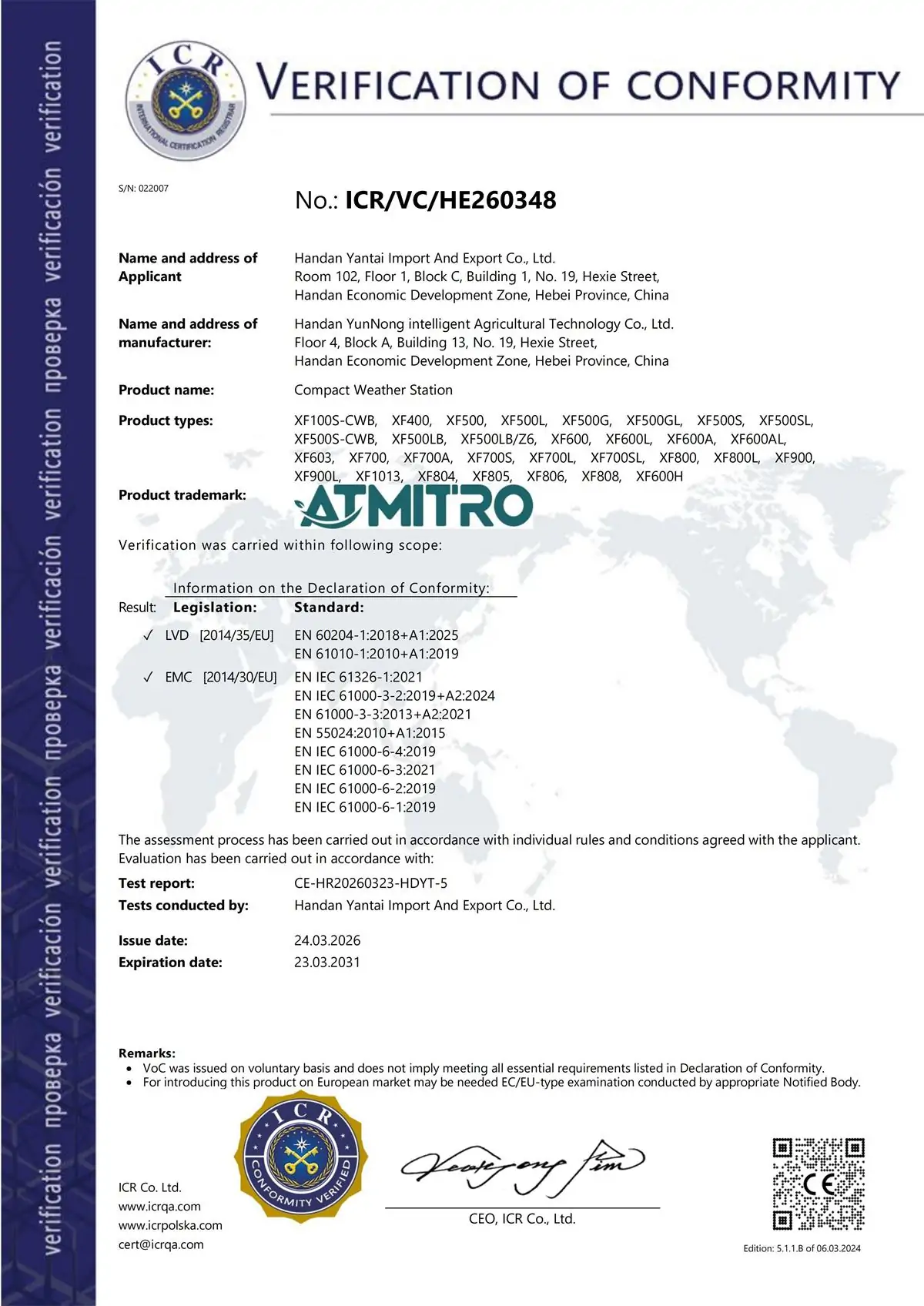
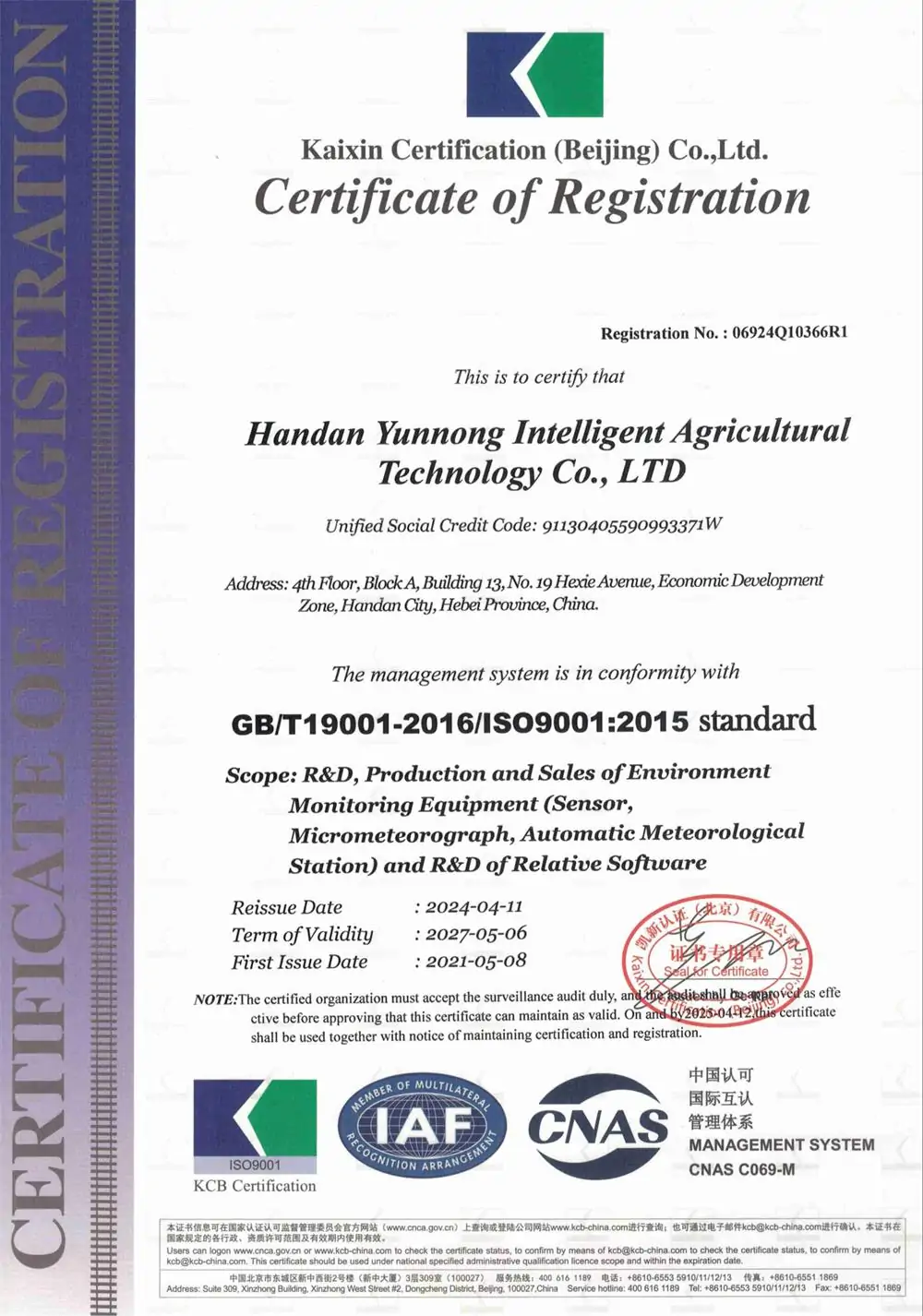
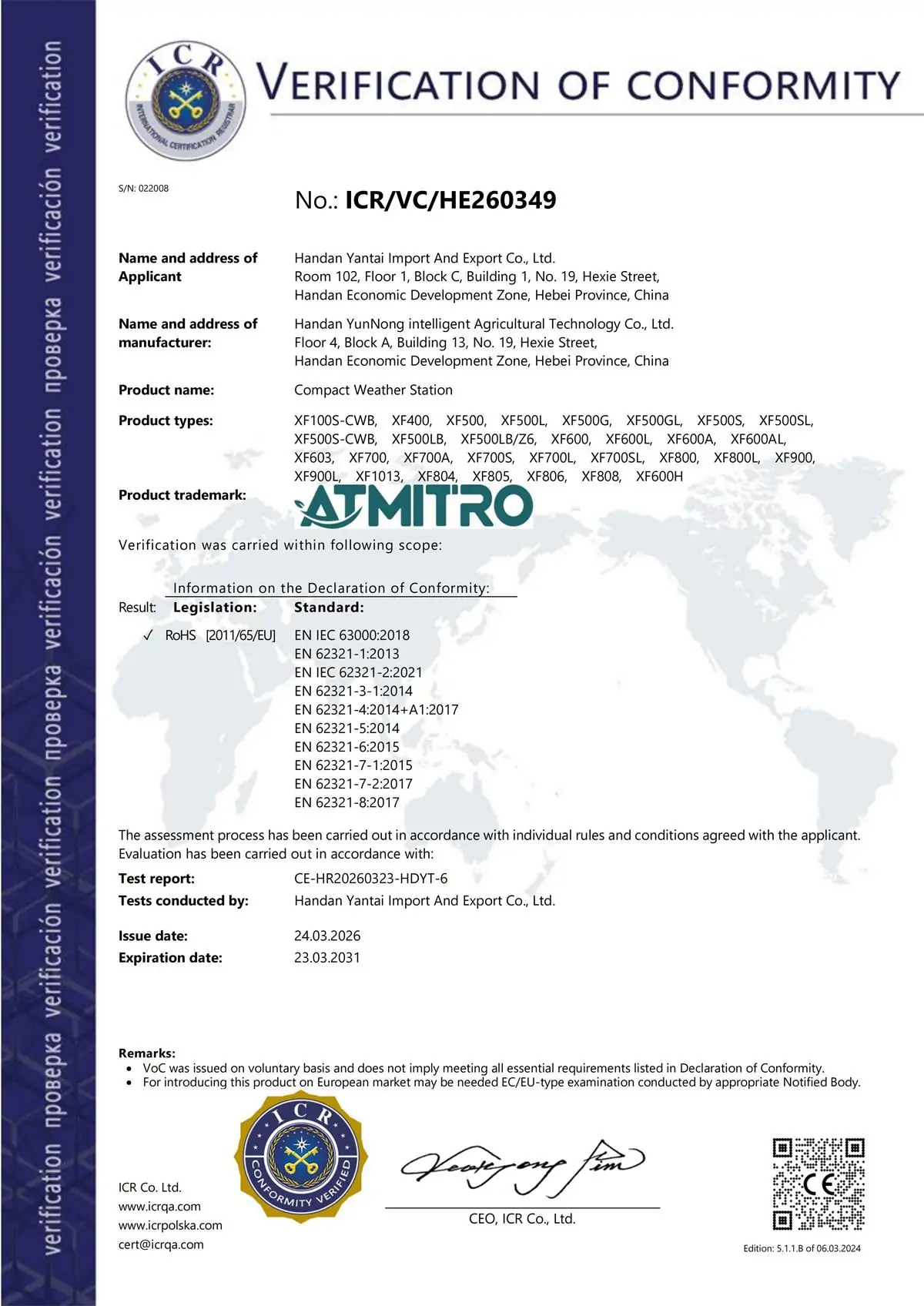
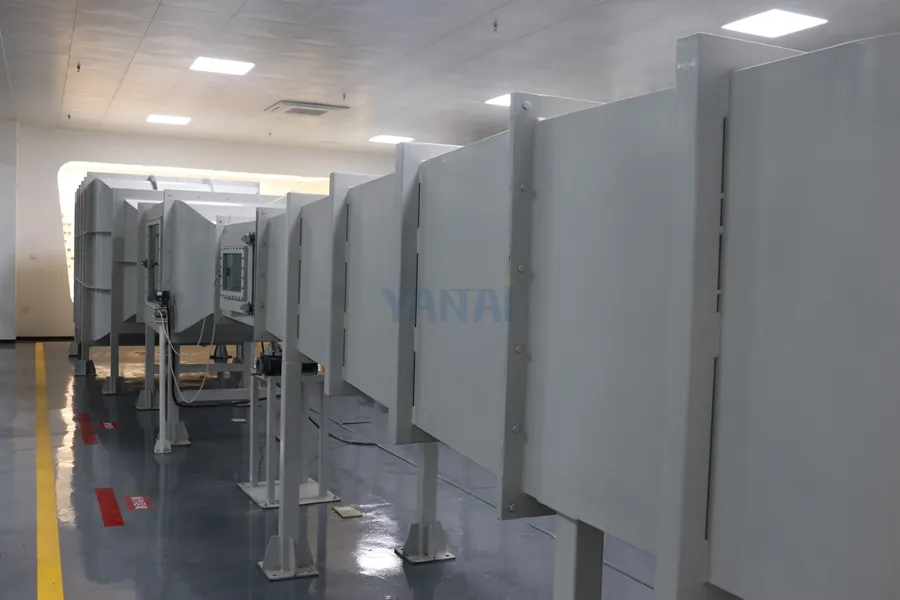
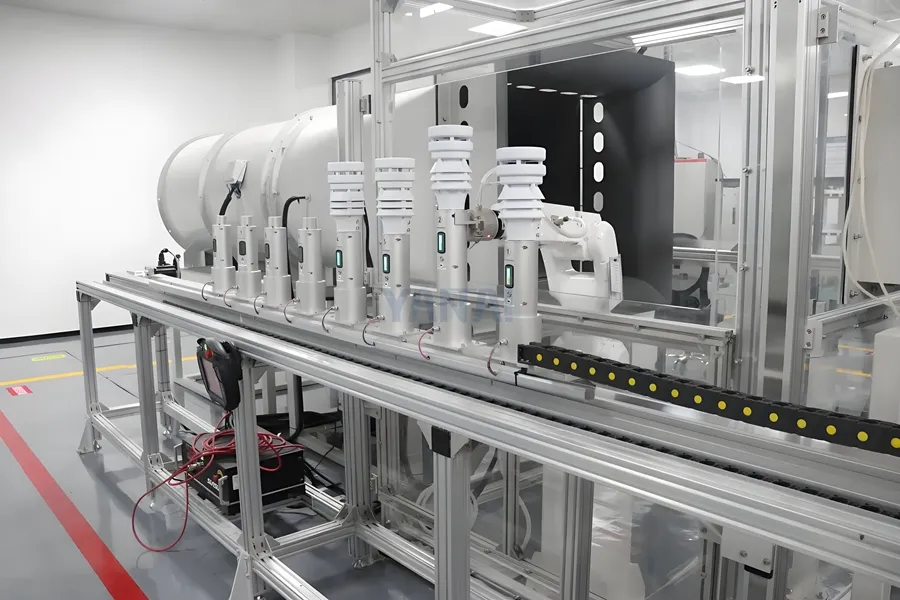
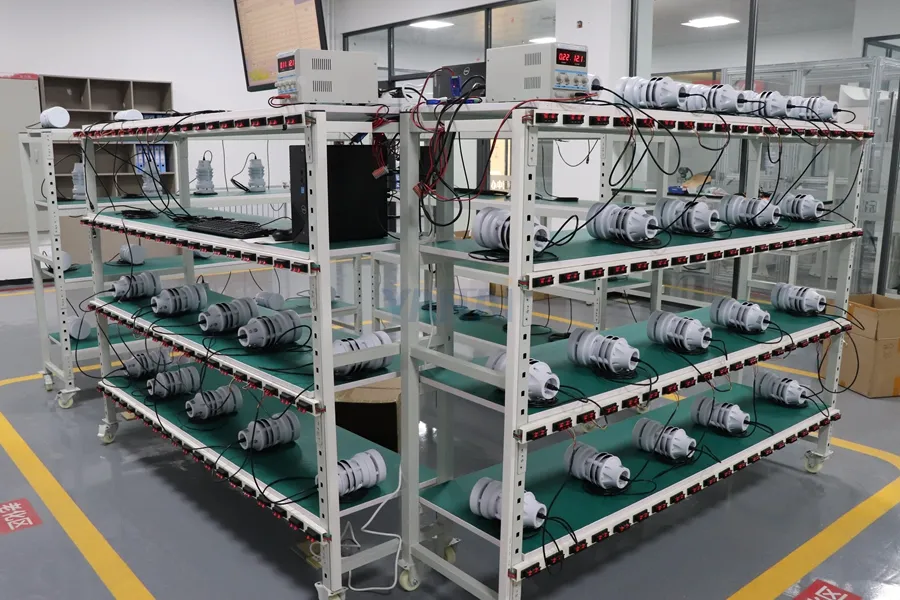
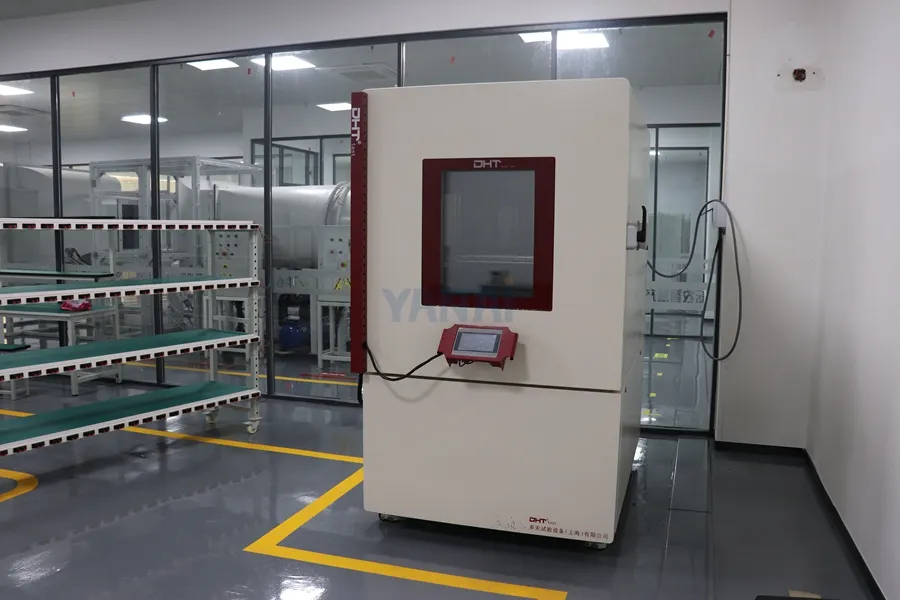
Производитель и поставщик датчиков атмосферной видимости
Компания Yantai Sensor является профессиональным производителем и поставщиком датчиков видимости в атмосфере, предоставляя передовые решения по мониторингу видимости для метеорологии, транспорта, авиации, морского транспорта и мониторинга окружающей среды. Наши датчики видимости обеспечивают точное измерение условий видимости в реальном времени в условиях тумана, дымки, дождя, снега и пыли, обеспечивая надежные данные для систем безопасности дорожного движения, аэропортов и интеллектуальных систем мониторинга погоды, включая атмосферные датчики видимости для систем безопасности дорожного движения и датчики видимости для обнаружения тумана для систем мониторинга дорожного движения.
Наш датчик видимости атмосферы на базе IoT поддерживает RS485, Modbus RTU, 4G, LoRa, WiFi и облачный удаленный мониторинг, обеспечивая стабильную передачу данных и бесшовную системную интеграцию. Разработанный с защитой от погодных условий, антиобледенительной структурой, низким энергопотреблением и коррозионной стойкостью, датчик также поддерживает гибкие услуги OEM/ODM по настройке для удовлетворения различных проектов и отраслевых требований. Связаться с Мы предлагаем лучшие решения для датчиков атмосферной видимости и профессиональную техническую поддержку для вашего проекта.