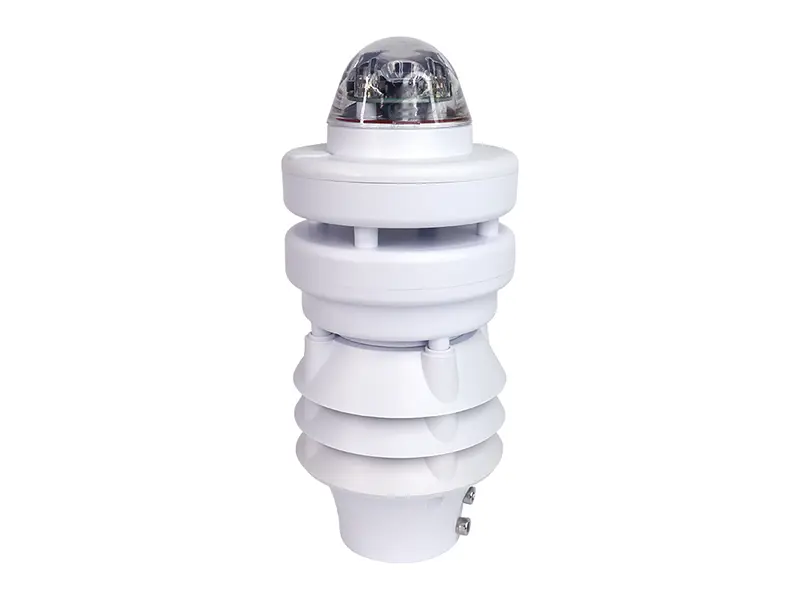
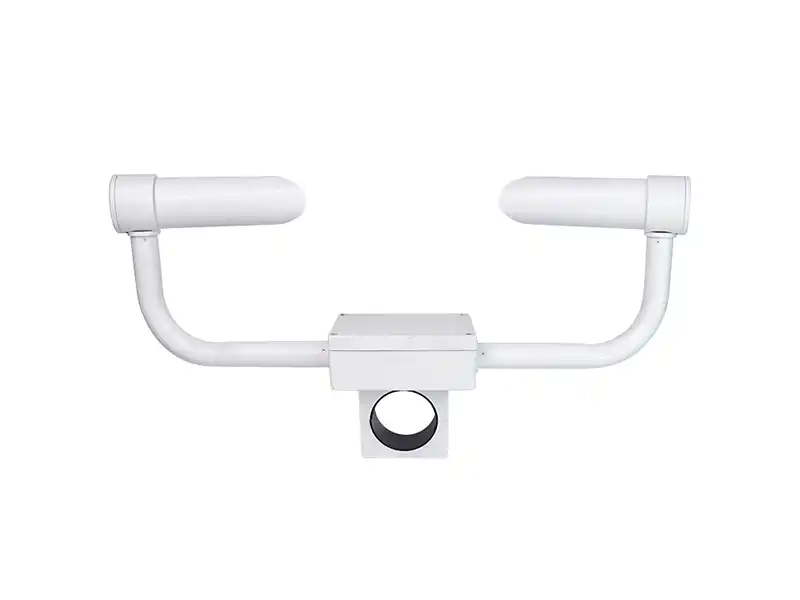
Capteur de visibilité atmosphérique pour les systèmes de surveillance météorologique
Un capteur de visibilité atmosphérique est un dispositif utilisé pour mesurer la visibilité atmosphérique en temps réel en détectant le brouillard, la brume, la pluie, la poussière et d'autres conditions environnementales. Il offre une haute précision, une réponse rapide, des performances stables en extérieur et une faible maintenance, ce qui le rend idéal pour les stations météorologiques, les autoroutes, les aéroports, les ports et les solutions de surveillance de la sécurité des transports intelligents.
- Température atmosphérique : -40-60℃
- Humidité atmosphérique : 0-100%RH
- Alimentation : 12-24VDC
- Sortie : RS485 (Modbus)
- Plage : 10m-10km
- Précision : <2 km
Prix : $1898.21-$2277.85
Introduction
Un capteur de visibilité atmosphérique est un instrument de précision utilisé pour mesurer la transparence atmosphérique et déterminer la portée optique météorologique (MOR). Actuellement, les capteurs de visibilité fonctionnent selon le principe de la diffusion avant. En termes simples, un émetteur situé à l’intérieur du capteur émet un faisceau de lumière infrarouge dans l’air, tandis qu’un récepteur, positionné à un angle spécifique (généralement entre 33° et 45°) par rapport à la lumière émise, mesure l’intensité de la lumière diffusée par les particules en suspension (comme le brouillard, la brume, la pluie ou la neige). À l’aide d’un modèle mathématique spécifique, le capteur convertit l’intensité de la lumière diffusée en une valeur de visibilité instantanée. Si vous souhaitez en savoir plus sur “Qu'est-ce qu'un capteur de visibilité ? Principe de fonctionnement, types et applications, ” veuillez cliquer ici.
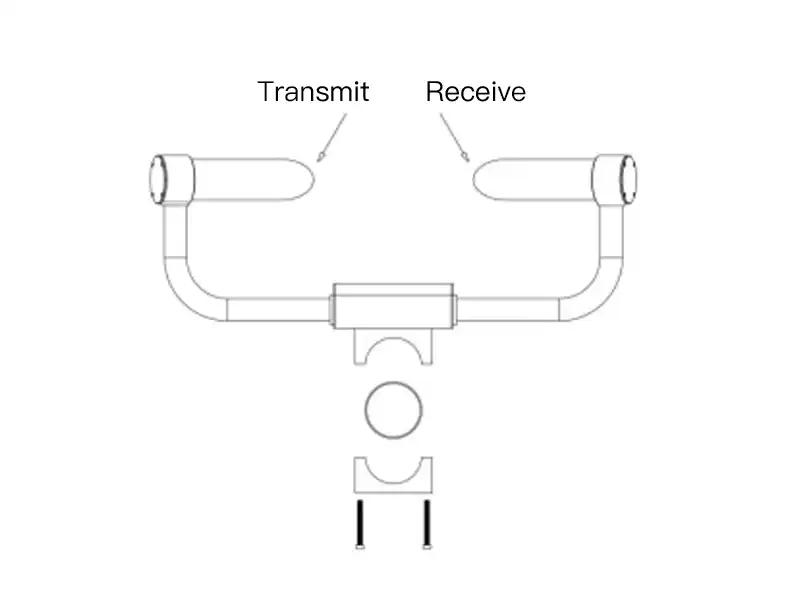
Structure du capteur de visibilité atmosphérique
- Module émetteur optique
Émet des signaux lumineux stables pour la mesure de la visibilité atmosphérique. - Module récepteur optique
Reçoit les signaux lumineux diffusés et les convertit en données de visibilité. - Chambre de détection haute précision
Assure une surveillance précise dans des conditions de brouillard, brume, pluie et poussière. - Source lumineuse LED / infrarouge
Offre des performances optiques stables et une longue durée de vie pour un fonctionnement continu. - Carte de circuit imprimé pour le traitement du signal
Traite rapidement les signaux optiques pour une analyse de visibilité en temps réel. - Unité de contrôle à microprocesseur
Contrôle le fonctionnement du capteur et améliore la précision globale des mesures. - Module de compensation de température
Réduit l'influence de la température ambiante sur les performances du capteur. - Système de protection anti-condensation
Empêche l'accumulation d'humidité et assure une surveillance fiable en extérieur. - Boîtier de protection résistant aux intempéries
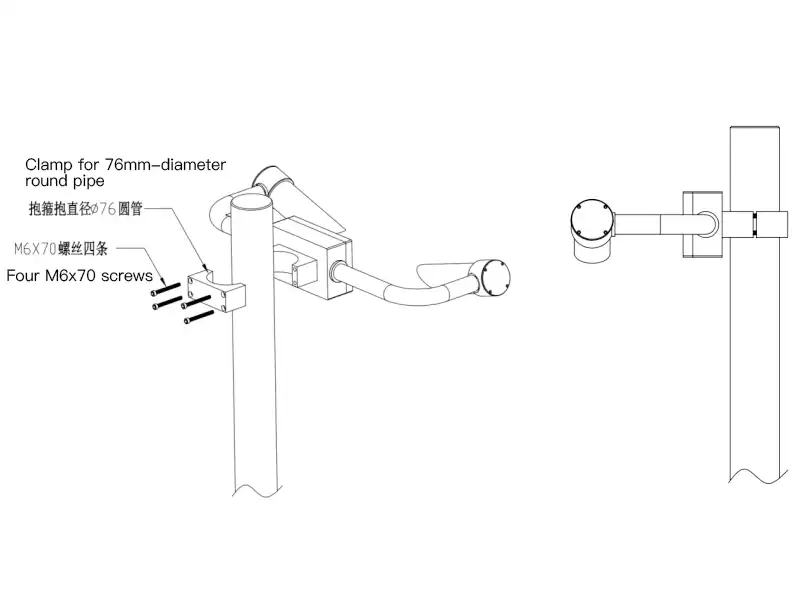
Protège les composants internes de la pluie, de la poussière et des environnements difficiles. - Support de montage et collier de fixation pour poteau
Permet une installation stable sur les autoroutes, les aéroports et les stations météorologiques.
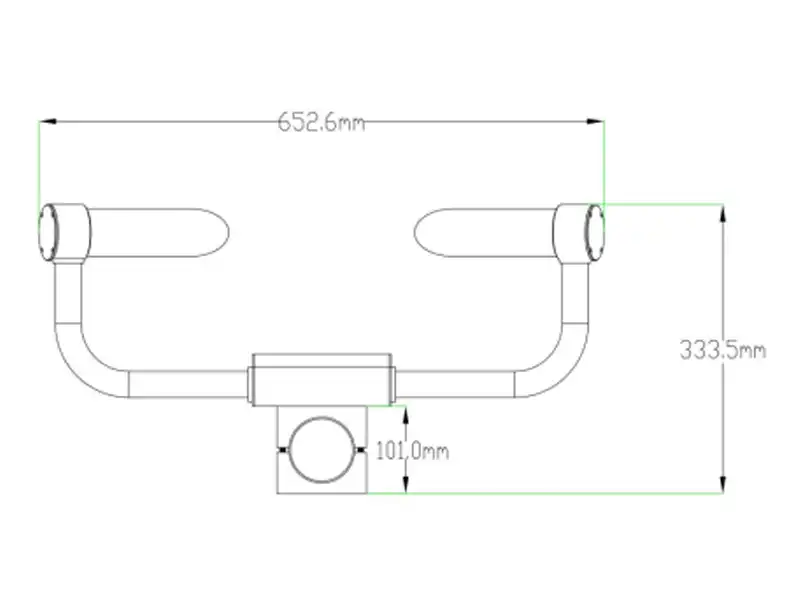
tailles
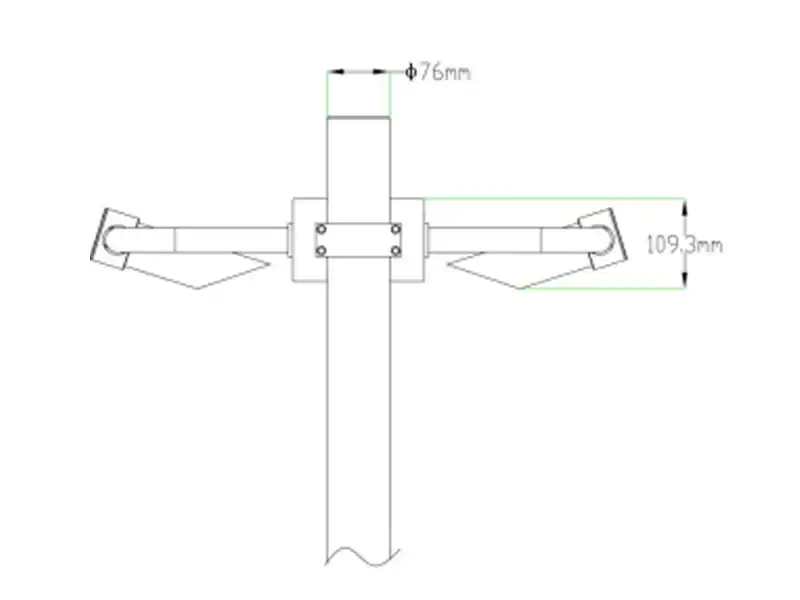
Détails Afficher
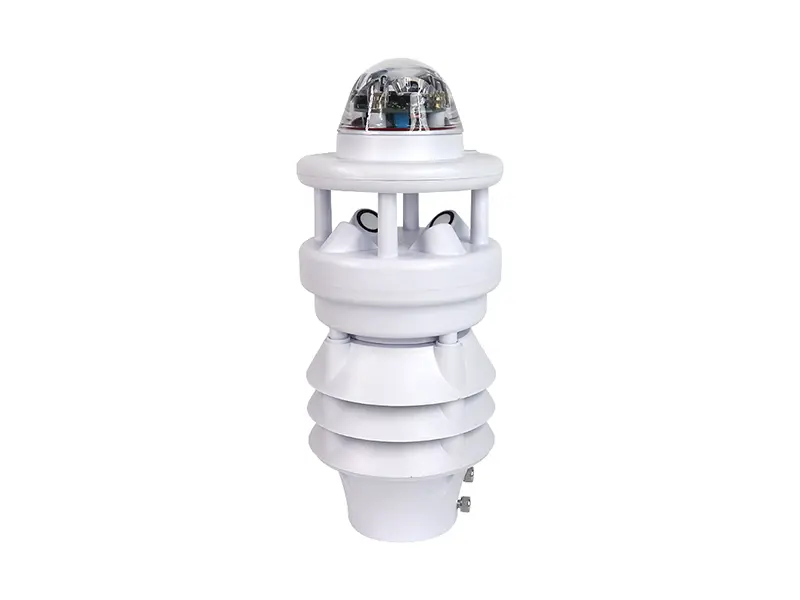
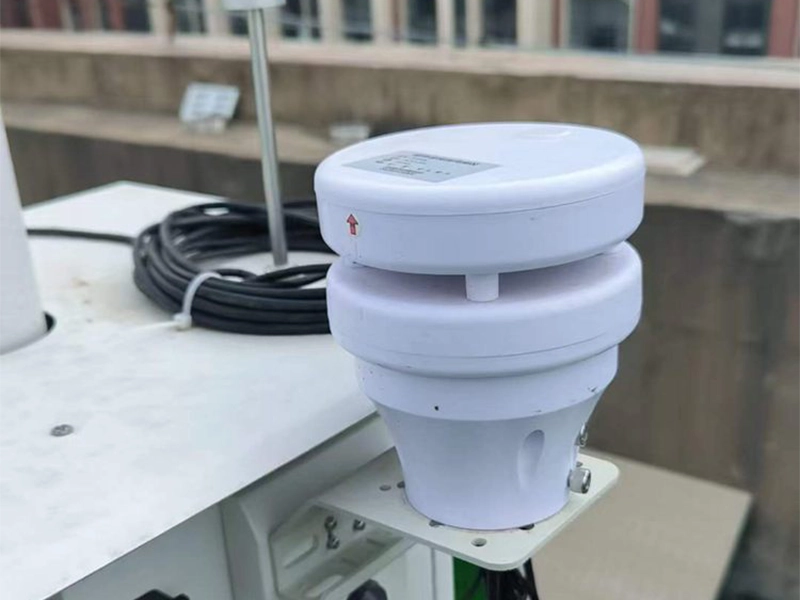
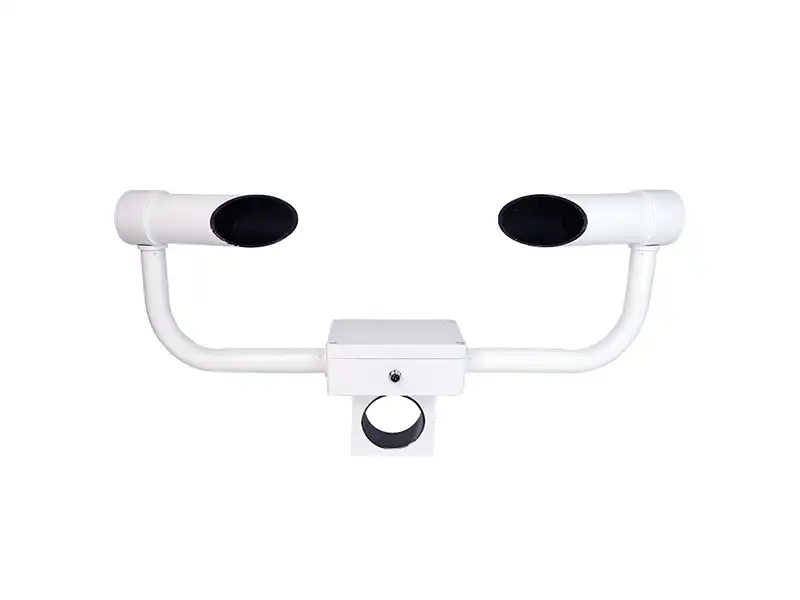
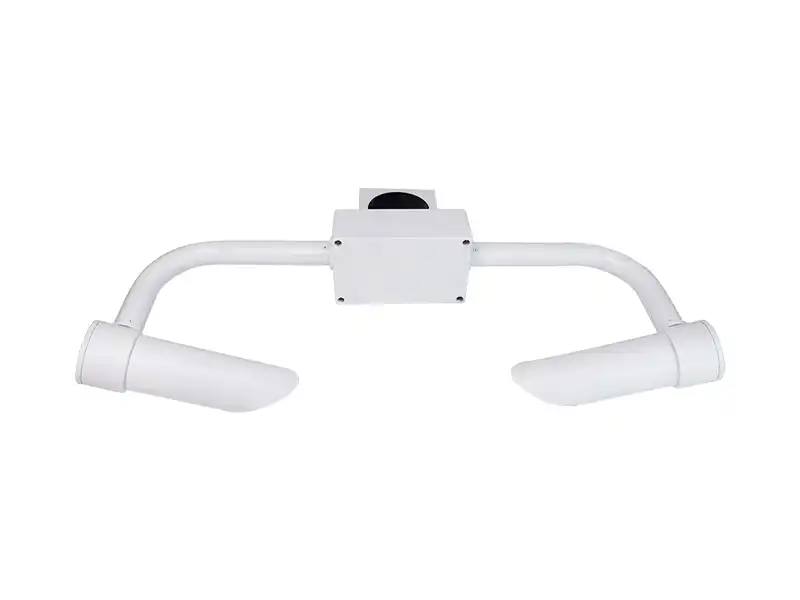
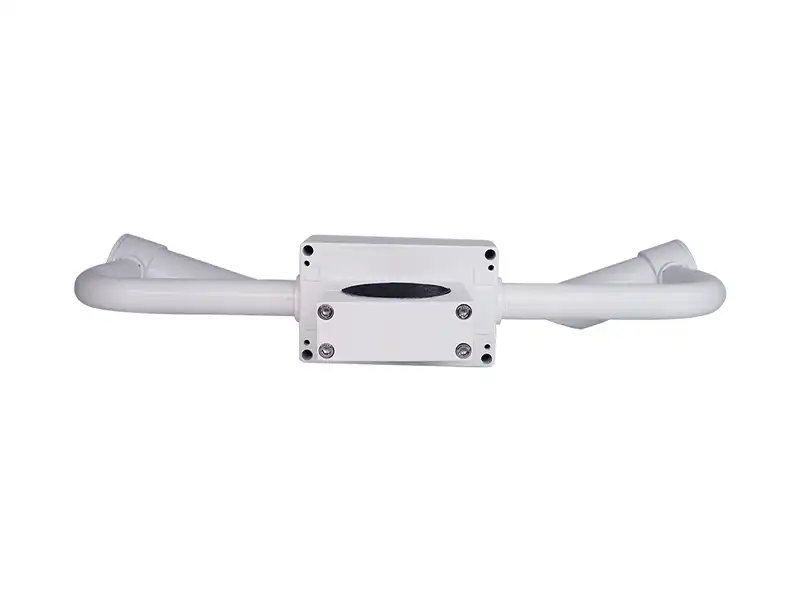
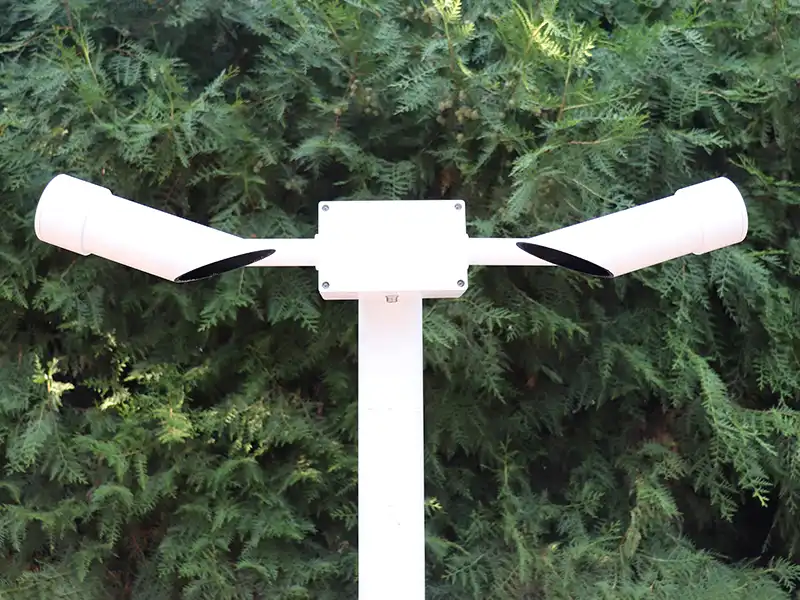
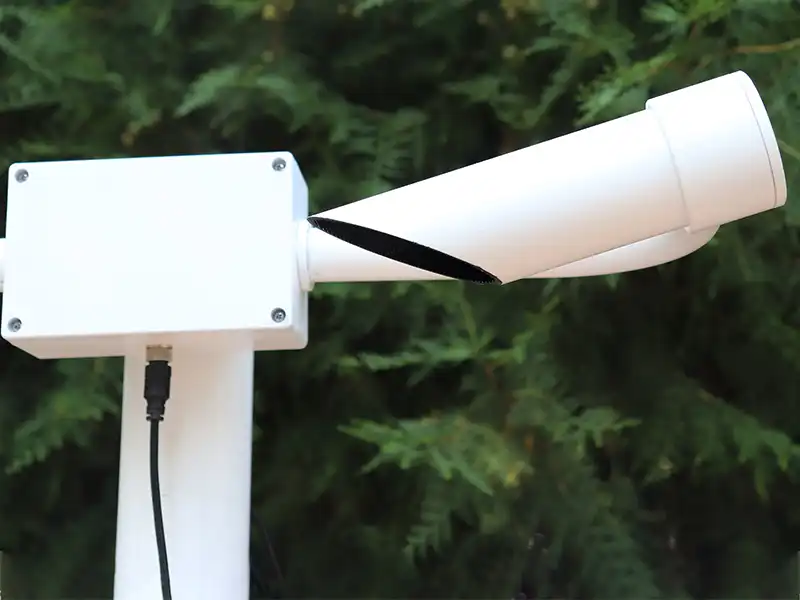
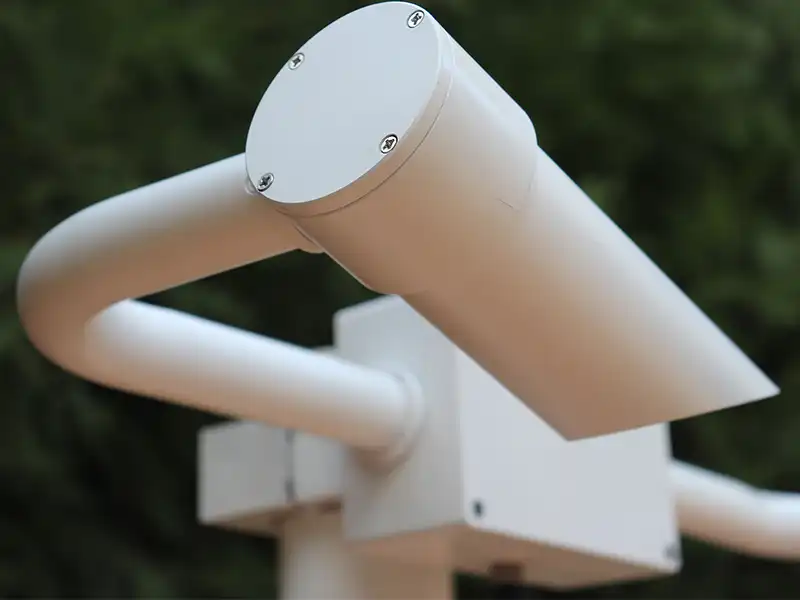
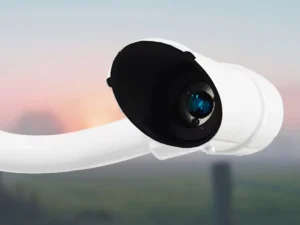
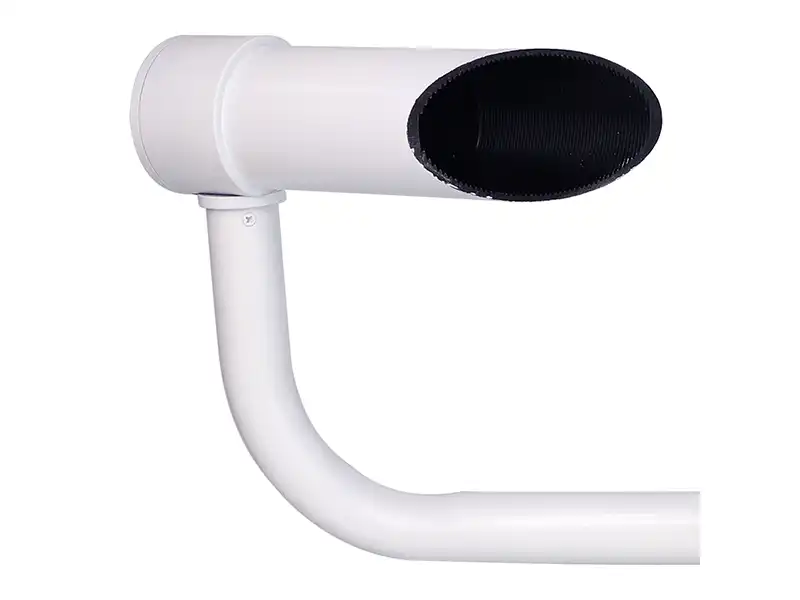
Ce capteur de visibilité atmosphérique présente une conception compacte, une durabilité et une excellente résistance aux intempéries, ce qui le rend idéal pour une utilisation à long terme dans des environnements extérieurs difficiles. Des schémas structurels détaillés et des vues multi-angles démontrent clairement sa qualité de construction exceptionnelle, le rendant bien adapté aux applications en météorologie, transport et surveillance industrielle. Vous trouverez ci-dessous des images détaillées du capteur de visibilité atmosphérique :
.webp)
principe du capteur de visibilité
- Principe de la diffusion vers l'avant : Estime la visibilité en mesurant l'intensité de la diffusion des faisceaux lumineux par les particules en suspension dans l'air.
- Analyse de l'atténuation de la lumière : Calcule le facteur de transmission atmosphérique sur la base des changements dans l'atténuation de l'intensité lumineuse provoquée par les particules.
- Modèle de réponse à particules multiples : Distingue et compense les caractéristiques de diffusion des particules de tailles et de formes différentes, telles que la fumée, la poussière, la brume, la pluie et la neige, grâce à la différenciation algorithmique.
- Suppression de la lumière ambiante : Élimine les interférences des sources de lumière de fond telles que la lumière du soleil et les phares des véhicules en utilisant des structures d'ombrage optique et des algorithmes de filtrage.
- Compensation de la température et de l'humidité : Corrige automatiquement les variations environnementales affectant la propagation de la lumière afin d'améliorer la précision des calculs de visibilité.
- Filtrage dynamique et traitement de la stabilité : Lisse les signaux de mesure pour éviter les erreurs d'interprétation causées par les impulsions de pluie/neige et les fluctuations transitoires.
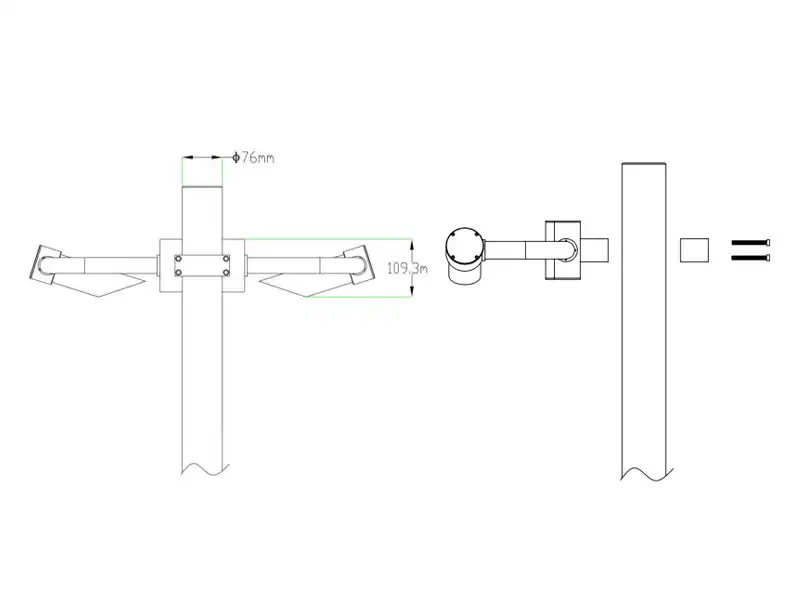
Schéma d'installation
Spécifications
Le capteur de visibilité atmosphérique est conçu avec une technologie optique haute précision et des performances de traitement du signal stables. Vous trouverez ci-dessous les paramètres techniques clés qui définissent sa précision de mesure, son adaptabilité environnementale et sa fiabilité à long terme pour les applications de surveillance en extérieur.
Paramètres
| Plage de mesure | 10m-10km |
| Tension de fonctionnement | DC12V ~24V |
| Consommation électrique | Hors chauffage ≤ 2 W |
| Chauffage | ≤ 6 W |
| Sortie | Protocole modbus standard RS485 |
| Précision | ≤2km ± 2% ;
2km~10km ± 5% |
| Intervalle de mise à jour des données | 15s/60s |
| Température de fonctionnement | -40-60℃ |
| Humidité de fonctionnement | 0-100%RH |
| Température de stockage | -50-85℃ |
Caractéristiques du capteur de visibilité météorologique
Portée de 16 km
Mesure de visibilité haute précision jusqu'à 16 km pour une surveillance de grande zone.
Sortie flexible
Options de sortie multiples pour une intégration système et une transmission de données faciles.
Diffusion vers l'avant à 42°
Conception optique éprouvée garantissant des performances de mesure stables et fiables.
Conception anti-givrage
Structure géométrique réduisant les effets du givrage pour un fonctionnement par conditions météorologiques difficiles.
Compact et léger
Structure petite et légère pour une installation et un déploiement pratiques.
Installation facile
Configuration et maintenance simples pour une opération terrain efficace.
Applications du capteur de visibilité atmosphérique
Le capteur de visibilité atmosphérique est largement utilisé dans la surveillance météorologique, sécurité des transports , l'aviation, les opérations maritimes et les systèmes environnementaux industriels. Il fournit des données de visibilité fiables en temps réel, contribuant à améliorer la sécurité, l'efficacité opérationnelle et les capacités d'alerte précoce dans des conditions météorologiques complexes.

Systèmes d'information météorologique routière (RWIS)
Fournit des données de visibilité en temps réel pour soutenir la gestion de la sécurité autoroutière et les décisions de contrôle du trafic.

Réseaux de détection du brouillard
Permet une surveillance étendue des épisodes de brouillard et soutient les systèmes d'alerte précoce pour les conditions de faible visibilité.

Gestion de la sécurité portuaire
Il surveille en temps réel les conditions météorologiques telles que le brouillard, la brume, la pluie et les tempêtes de poussière, fournissant des données essentielles pour l'analyse et la prévision météorologiques.
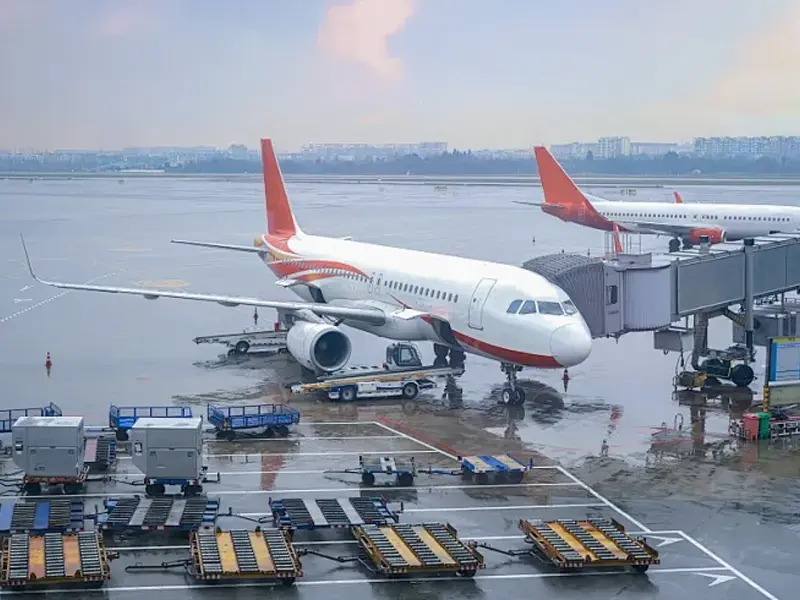
Systèmes météorologiques aéroportuaires (AWOS)
Fournit des données critiques de visibilité pour la sécurité aérienne et les opérations de vol.
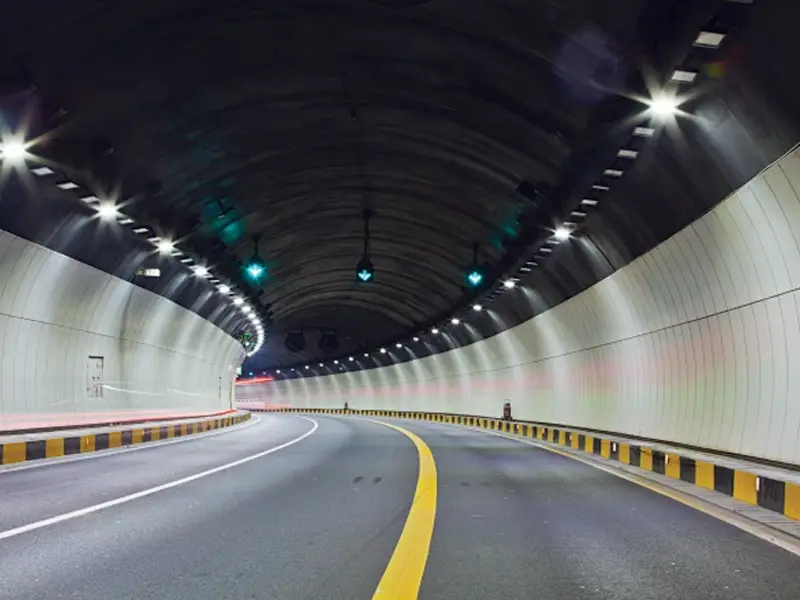
Surveillance de la qualité de l'air dans les tunnels
Soutient le contrôle de la sécurité et de la ventilation dans les tunnels de transport fermés.

Stations de surveillance météorologique
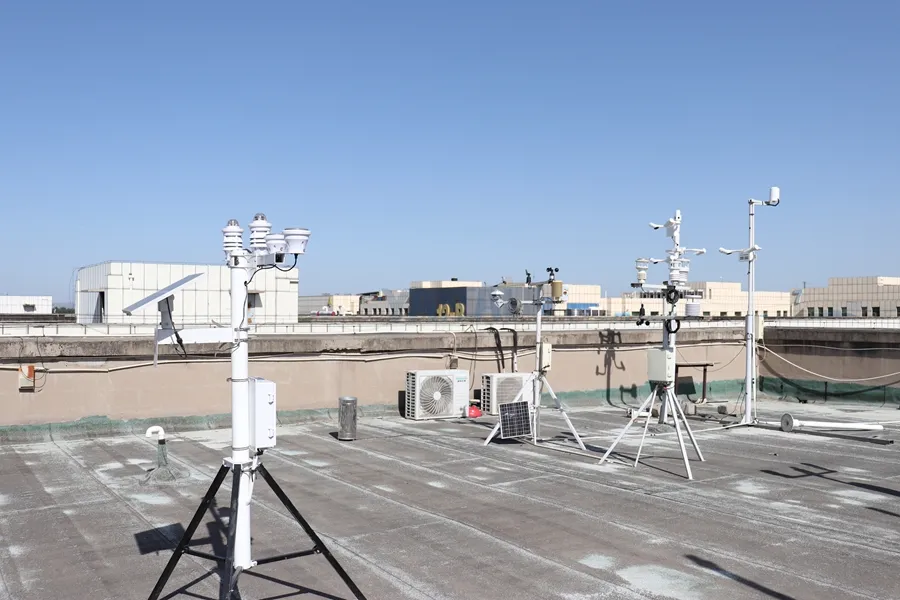
Fournit des données essentielles pour la prévision météorologique, l'analyse climatique et la recherche environnementale.
Capteur de visibilité atmosphérique personnalisé
Le capteur de visibilité optique peut être personnalisé de manière flexible pour répondre aux différentes exigences de projet dans les applications de météorologie, de transport, d'aviation et de surveillance industrielle. Des interfaces de sortie à la plage de mesure et à la conception structurelle, les solutions personnalisées garantissent une meilleure compatibilité du système, des performances améliorées et un fonctionnement fiable dans diverses conditions environnementales.
Options de personnalisation
- Plage de mesure
La plage de visibilité peut être ajustée pour répondre à des scénarios d'application spécifiques tels que les autoroutes, les aéroports ou les zones industrielles. - Options de signal de sortie
Prend en charge la personnalisation des protocoles de communication RS485, Modbus, sortie analogique ou autres pour une intégration système transparente. - Conception structurelle
Les matériaux du boîtier, les méthodes de montage et les conceptions compactes peuvent être adaptés à différents environnements d'installation. - Mise à niveau de l'adaptation environnementale
- Des niveaux de protection renforcés, tels que la résistance à la corrosion, au brouillard salin et au givrage, peuvent être personnalisés pour les climats rigoureux.
- Configuration de l'alimentation
Des options de tension flexibles peuvent être fournies pour correspondre aux différentes exigences du système d'alimentation. - Support d'étalonnage et logiciel
Des services d'étalonnage personnalisés et d'intégration logicielle garantissent la compatibilité avec les plateformes utilisateur et les systèmes de données.
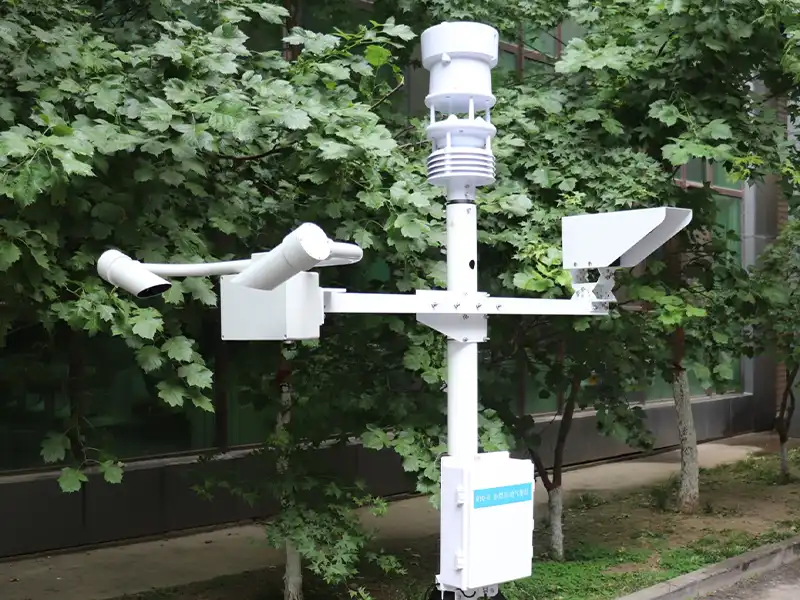

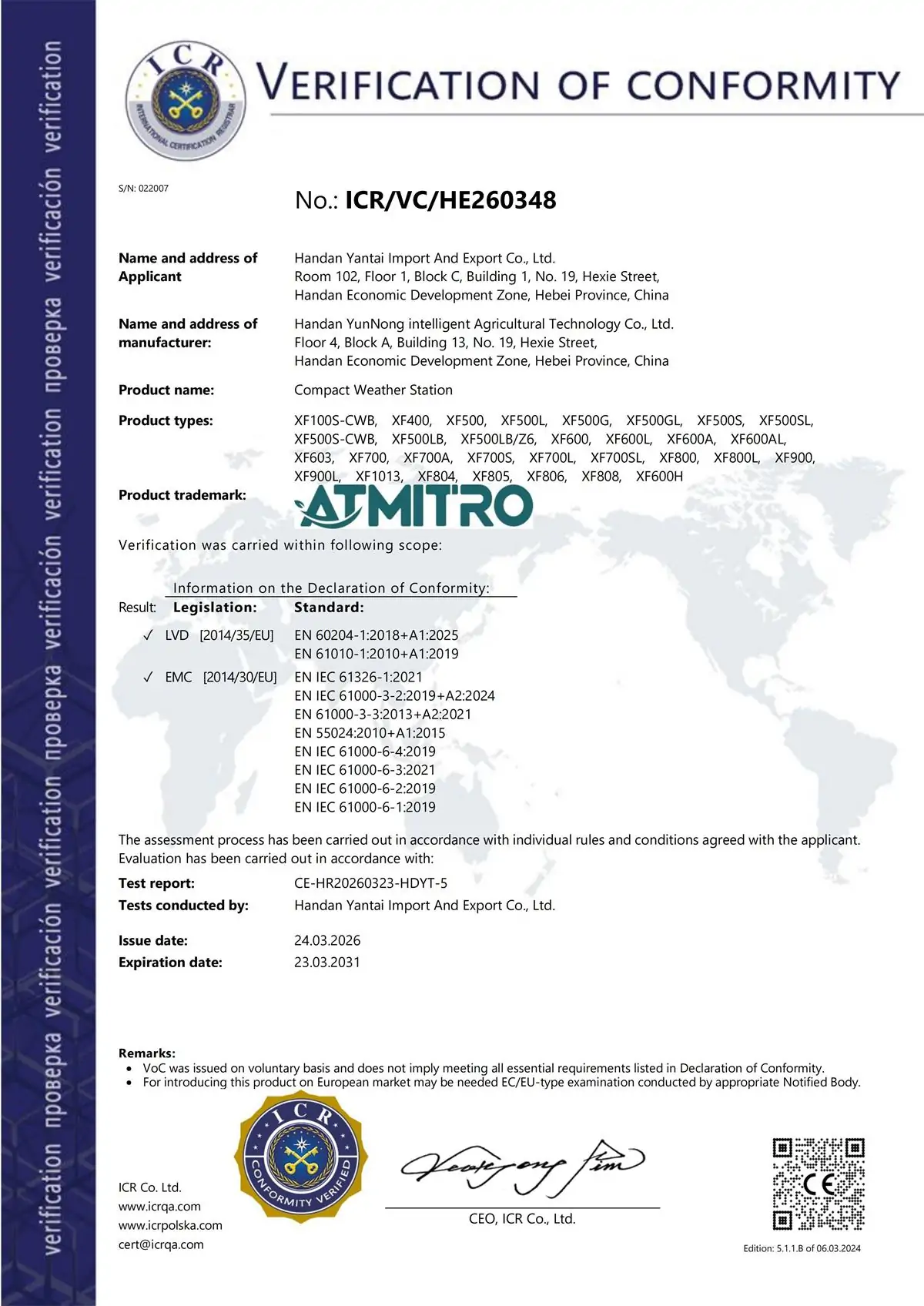

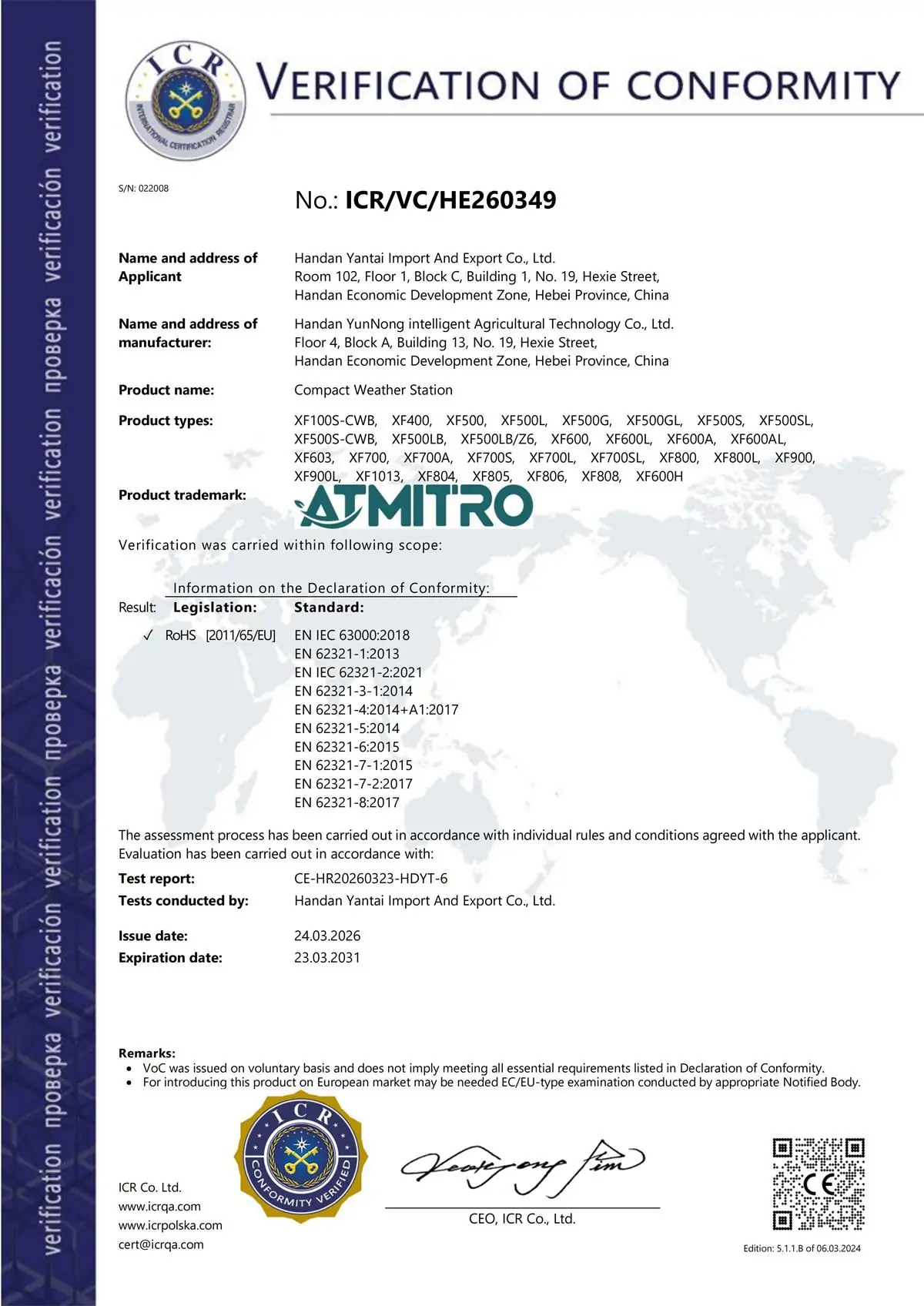
Fabricant et fournisseur de capteurs de visibilité atmosphérique
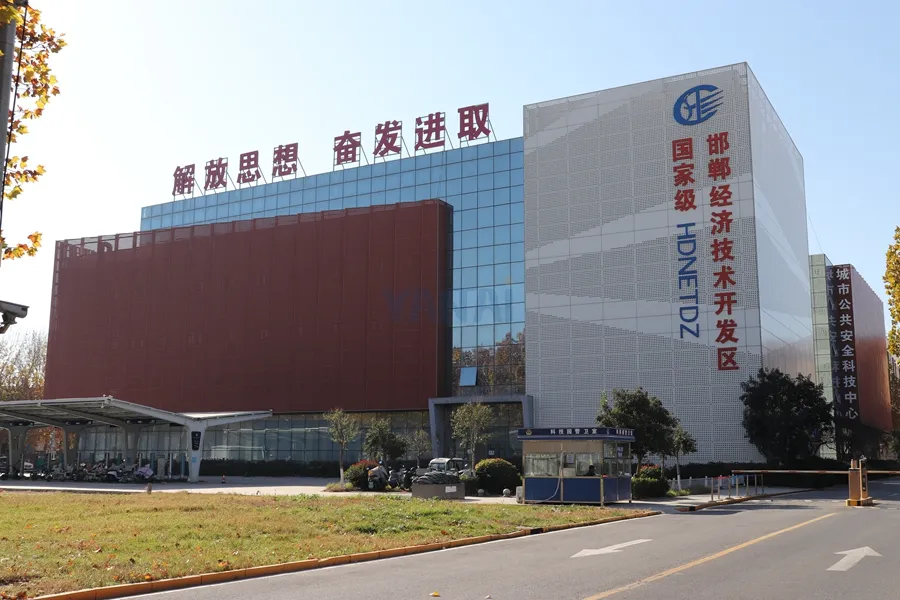
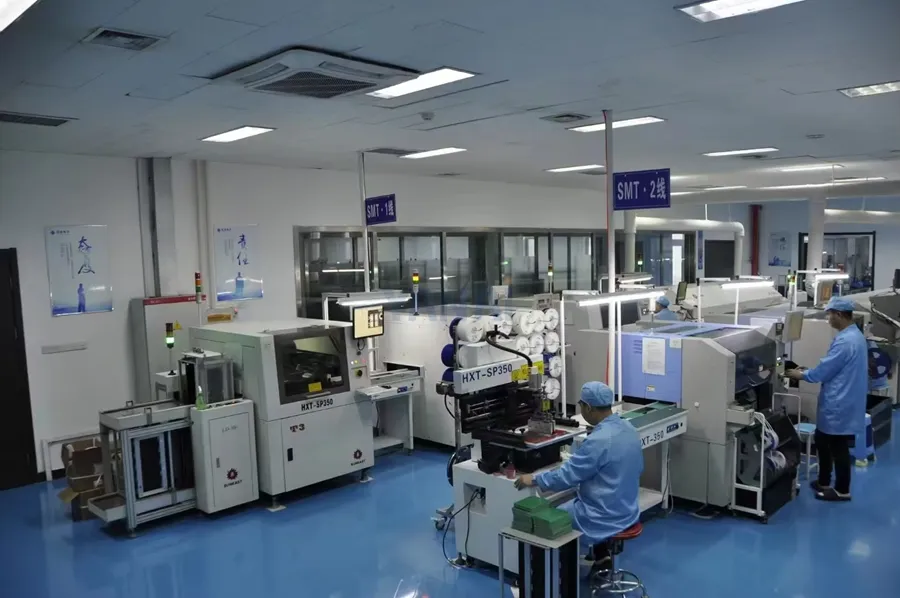
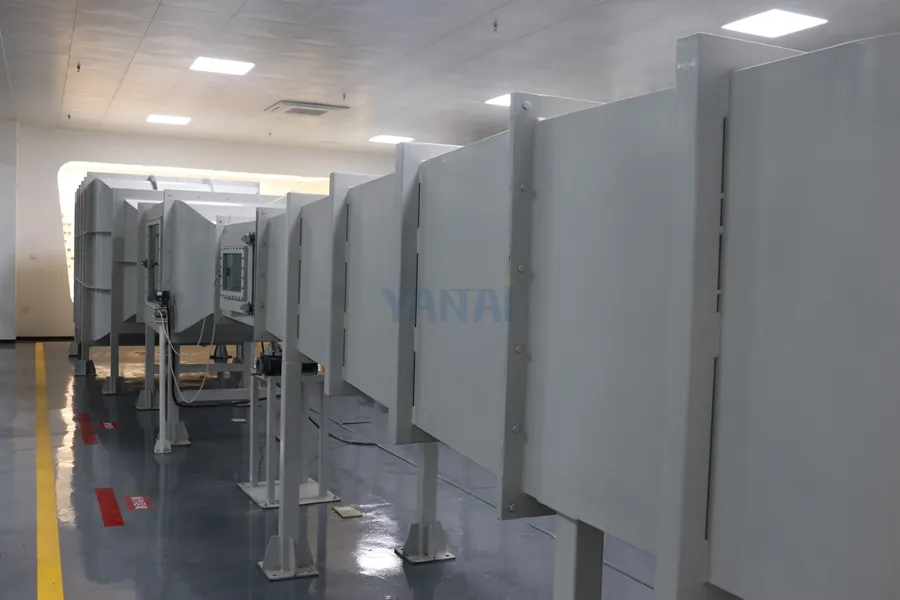
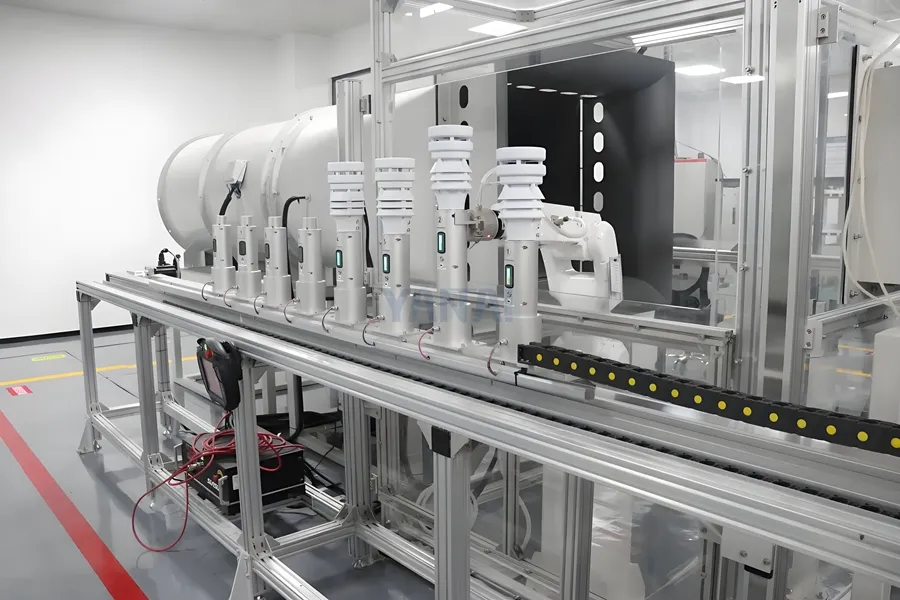
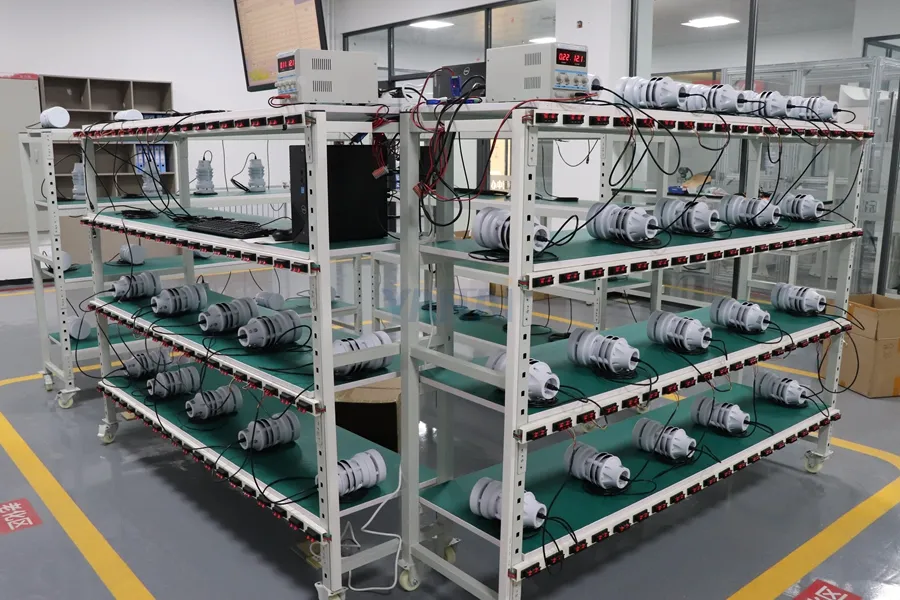
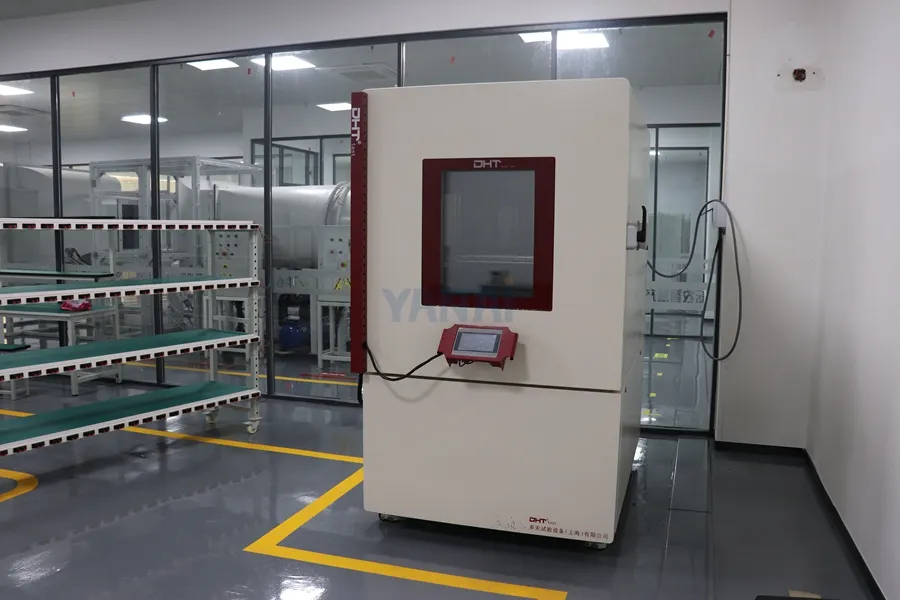
Yantai Sensor est un fabricant et fournisseur professionnel de capteurs de visibilité atmosphérique, fournissant des solutions avancées de surveillance de la visibilité pour les applications de météorologie, de transport, d'aviation, maritimes et de surveillance environnementale. Notre capteur de visibilité fournit une mesure précise en temps réel des conditions de visibilité dans les environnements de brouillard, brume, pluie, neige et poussière, garantissant des données fiables pour la sécurité routière, les opérations aéroportuaires et les systèmes de surveillance météorologique intelligents, y compris un capteur de visibilité atmosphérique pour les systèmes de sécurité autoroutiers et des capteurs de visibilité de détection de brouillard pour les applications de surveillance du trafic.
Notre capteur de visibilité atmosphérique basé sur l'IdO prend en charge la surveillance à distance via RS485, Modbus RTU, 4G, LoRa, WiFi et le cloud, permettant une transmission de données stable et une intégration système transparente. Conçu avec une protection contre les intempéries, une structure antigivre, une faible consommation d'énergie et une résistance à la corrosion, le capteur prend également en charge des services de personnalisation OEM/ODM flexibles pour répondre à divers projets et exigences industrielles. Contact Contactez-nous pour obtenir la meilleure solution de capteur de visibilité atmosphérique et un support technique professionnel pour votre projet.