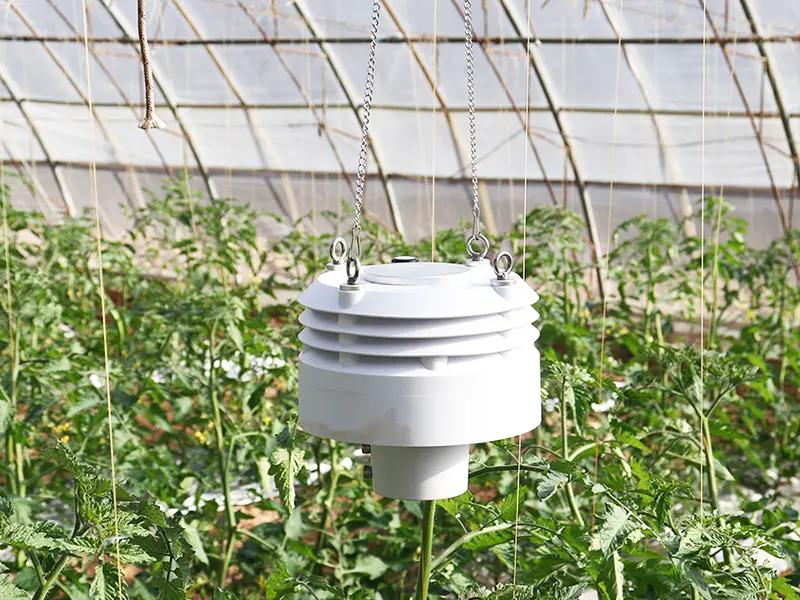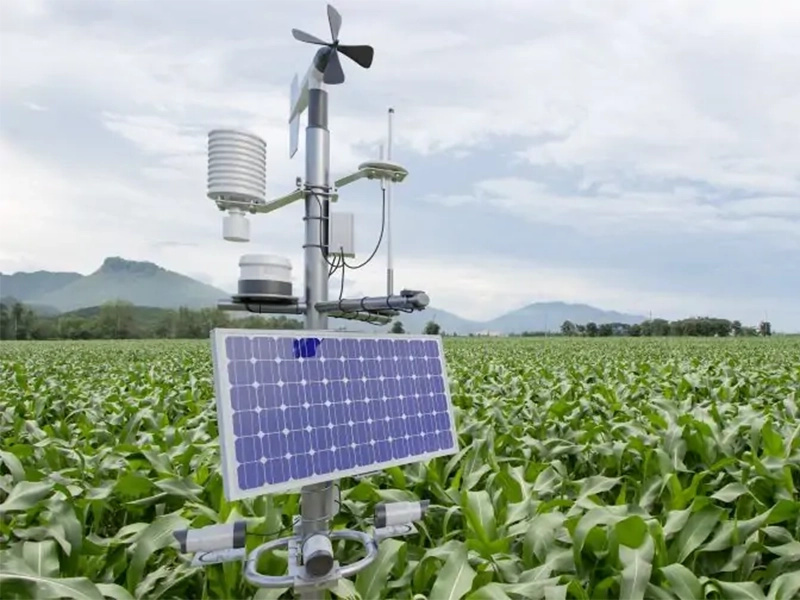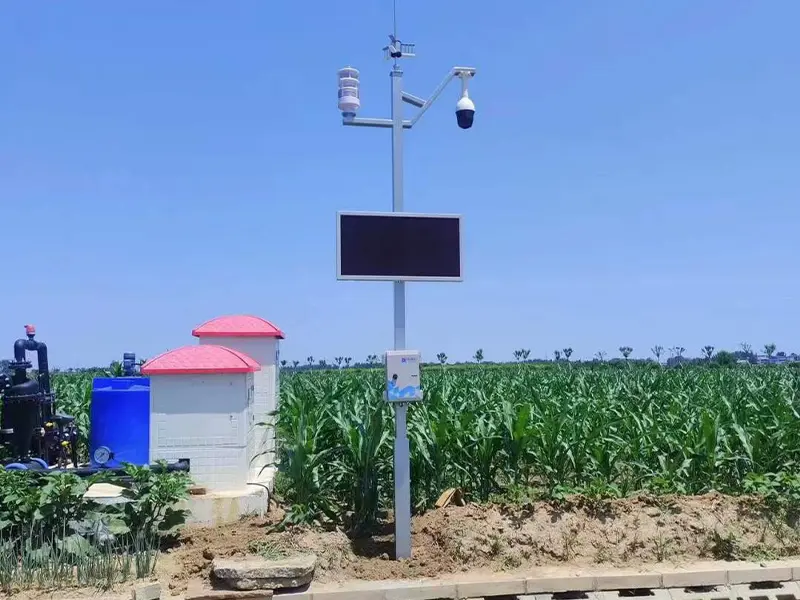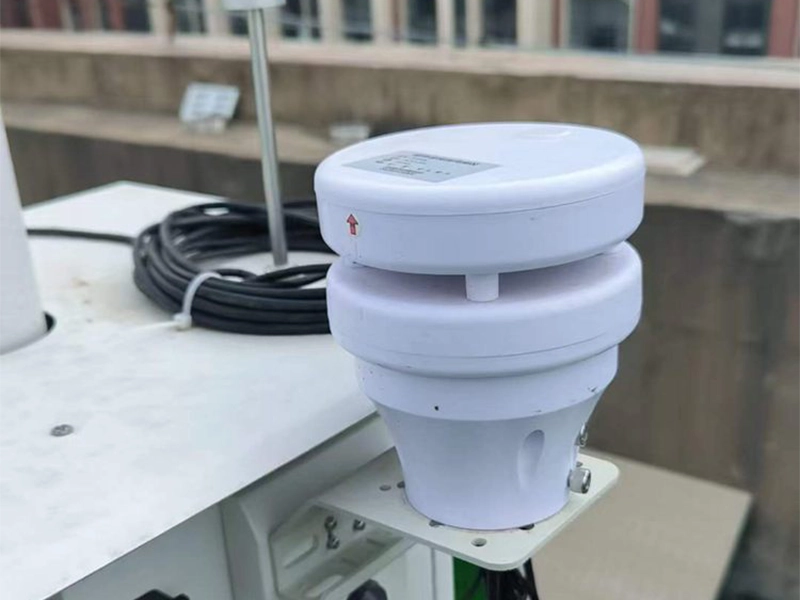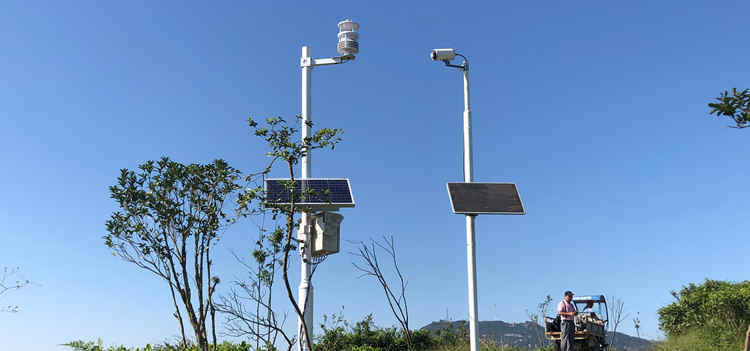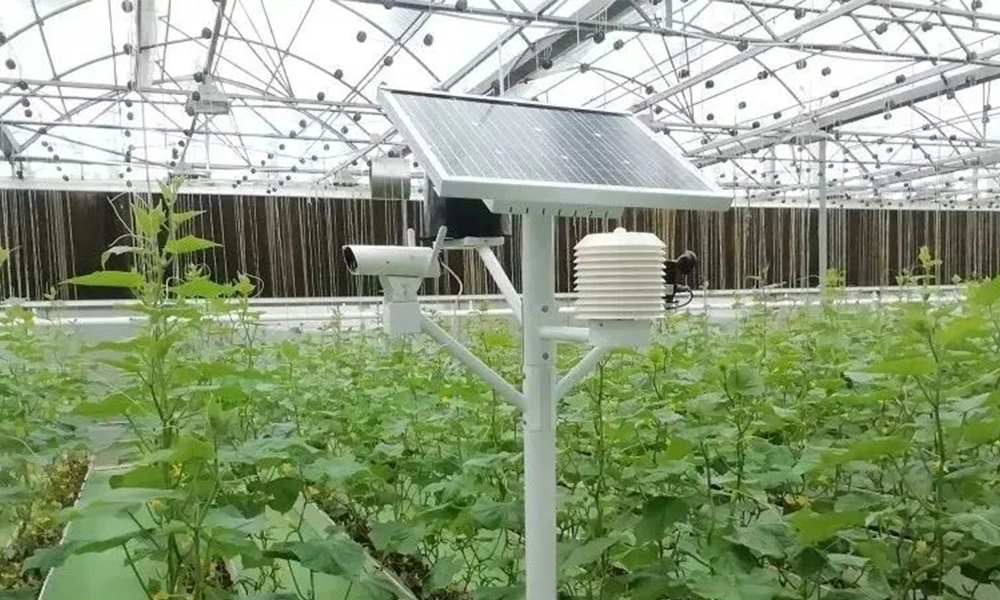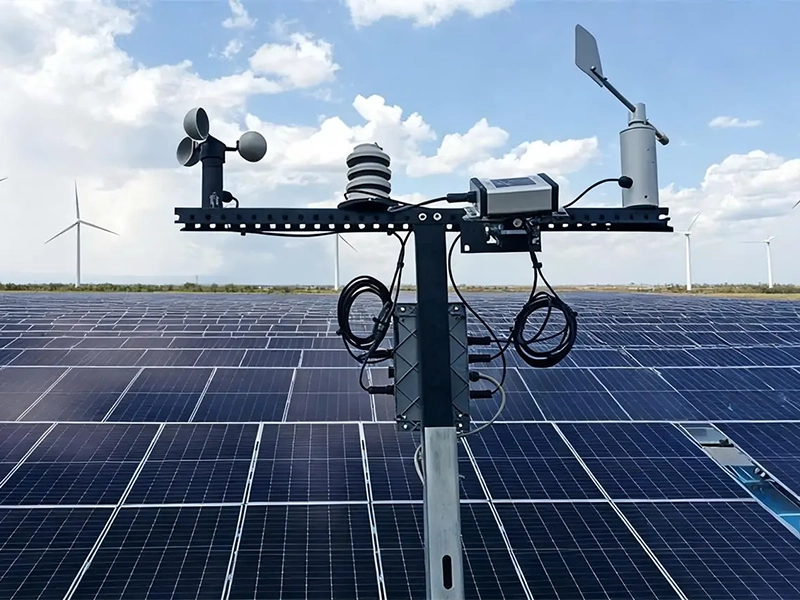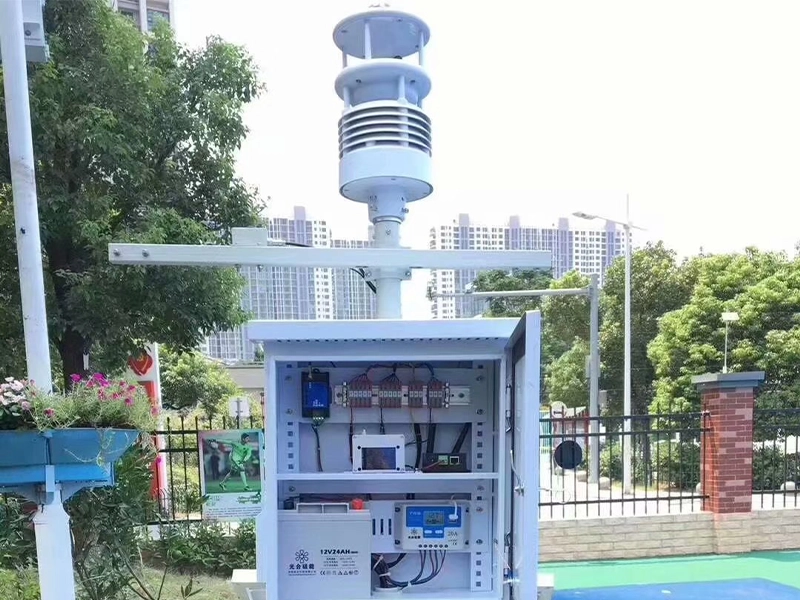
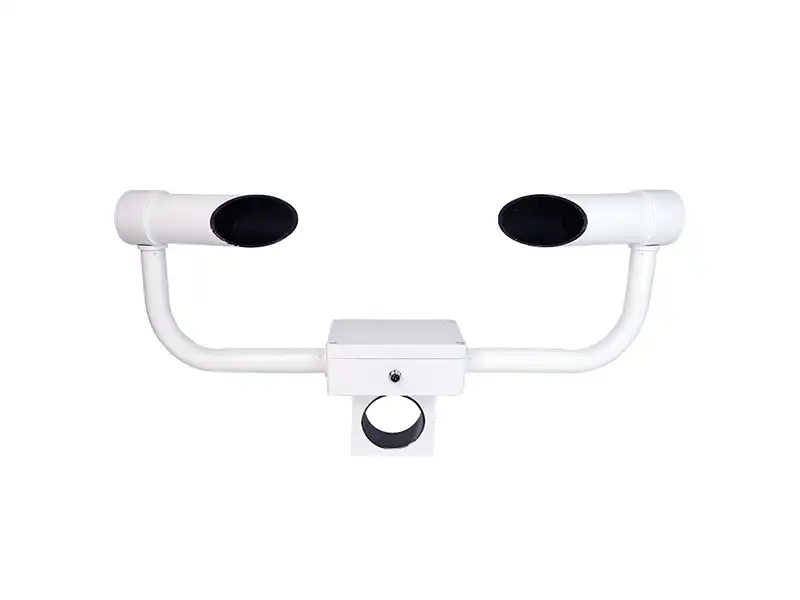
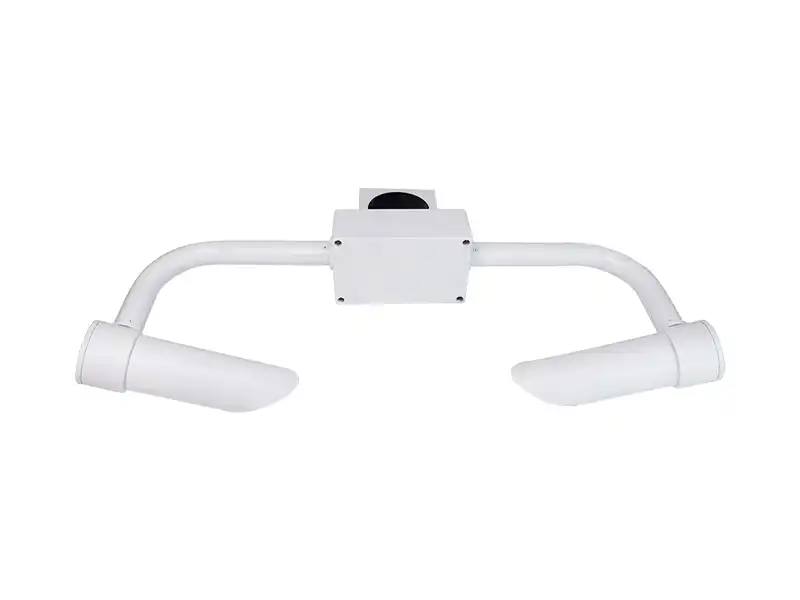
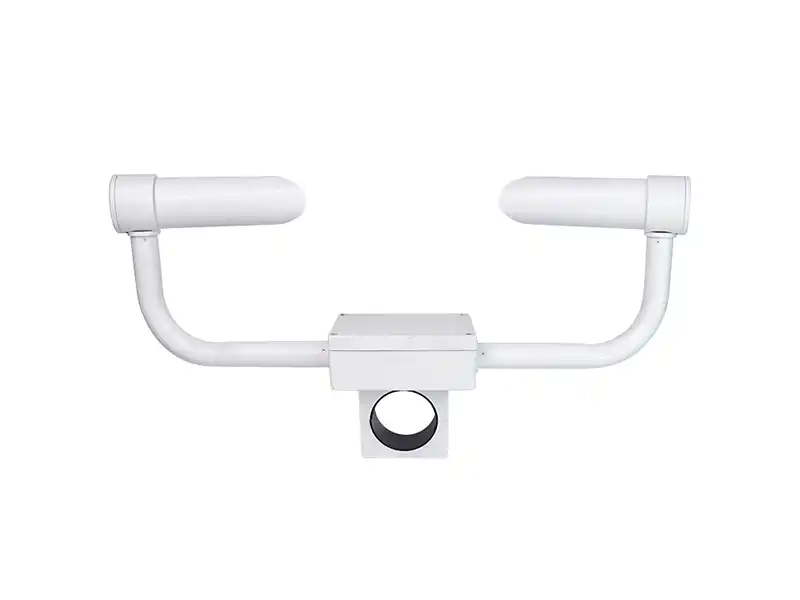
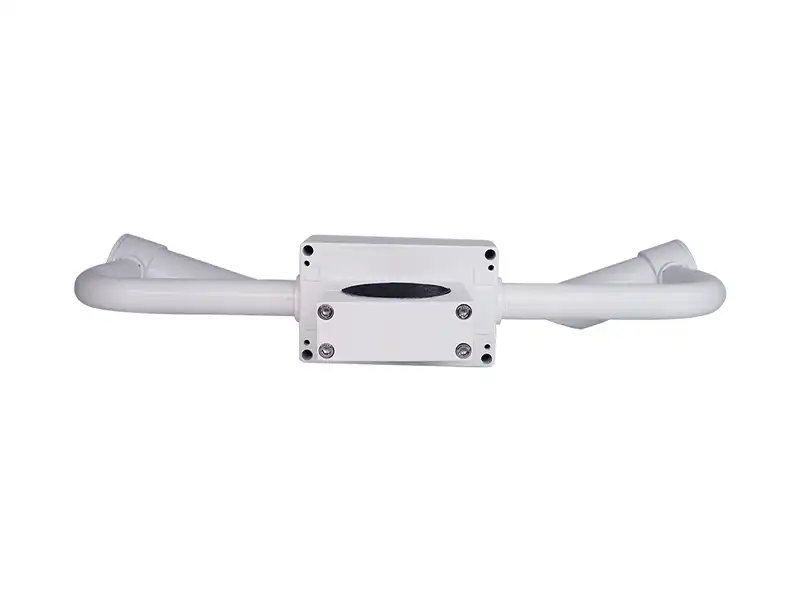
기상 모니터링 시스템용 대기 가시성 센서
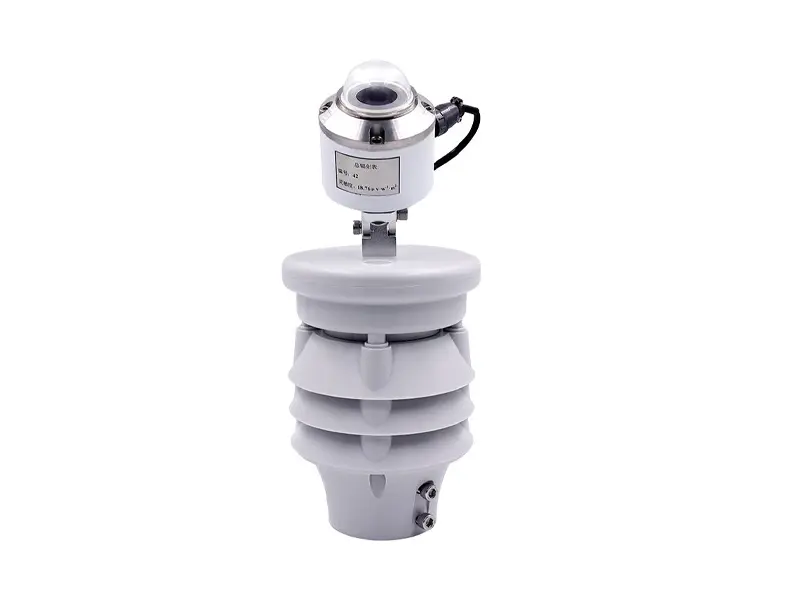
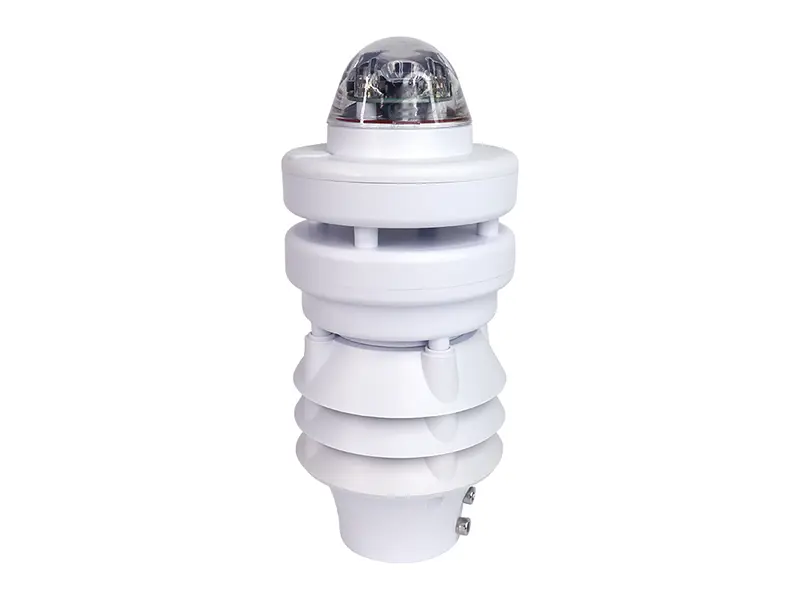
대기 가시성 센서는 안개, 안개, 비, 먼지 및 기타 환경 조건을 감지하여 실시간으로 대기의 가시성을 측정하는 데 사용되는 장치입니다. 높은 정확도, 빠른 응답, 안정적인 실외 성능, 낮은 유지보수 비용이 특징으로 기상 관측소, 고속도로, 공항, 항만 및 스마트 교통 안전 모니터링 솔루션에 이상적입니다.
- 대기 온도: -40-60℃
- 대기 습도: 0-100%RH
- 공급: 12-24VDC
- 출력: RS485(모드버스)
- 범위: 10m-10km
- 정확성: <2km
가격: $1898.21-$2277.85
소개
대기 가시성 센서는 대기 투명도를 측정하고 기상 광학 범위(MOR)를 결정하는 데 사용되는 정밀 기기입니다. 현재 주류 가시성 센서 operate based on the principle of forward scattering. Simply put, an emitter inside the sensor emits a beam of infrared light into the air, while a receiver, positioned at a specific angle (typically between 33° and 45°) relative to the emitted light, measures the intensity of the scattered light caused by airborne particles (such as fog, haze, rain, or snow). Using a specific mathematical model, the sensor converts the scattered light intensity into a current visibility value.
If you’d like to learn more about “가시성 센서란 무엇인가? 작동 원리, 유형 및 응용 분야,”에 대해 더 자세히 알아보려면 여기를 클릭하십시오.
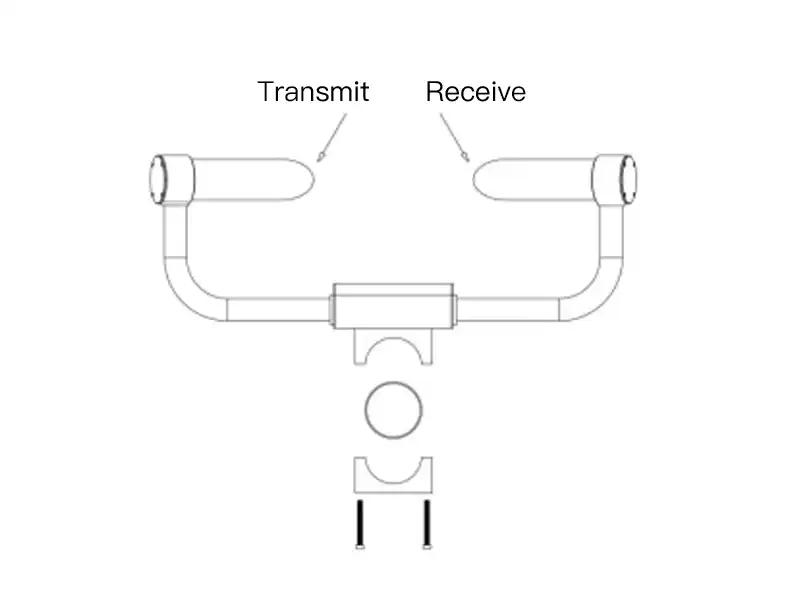
구조 대기 가시성 센서
- 광 송신기 모듈
대기 가시성 측정을 위해 안정적인 광신호를 방출합니다. - 광 수신기 모듈
산란광 신호를 수신하여 가시성 데이터로 변환합니다. - 고정밀 감지 챔버
안개, 안개, 비, 먼지 등의 조건에서도 정확한 모니터링을 보장합니다. - LED/적외선 광원
지속적인 작동을 위해 수명이 길고 안정적인 광학 성능을 제공합니다. - 신호 처리 회로 기판
실시간 가시성 분석을 위해 광 신호를 빠르게 처리합니다. - 마이크로프로세서 제어 장치
센서 작동을 제어하고 전반적인 측정 정확도를 향상시킵니다. - 온도 보정 모듈
센서 성능에 미치는 환경 온도의 영향을 줄입니다. - 결로 방지 보호 시스템
습기가 쌓이는 것을 방지하고 안정적인 실외 모니터링을 보장합니다. - 내후성 보호 하우징
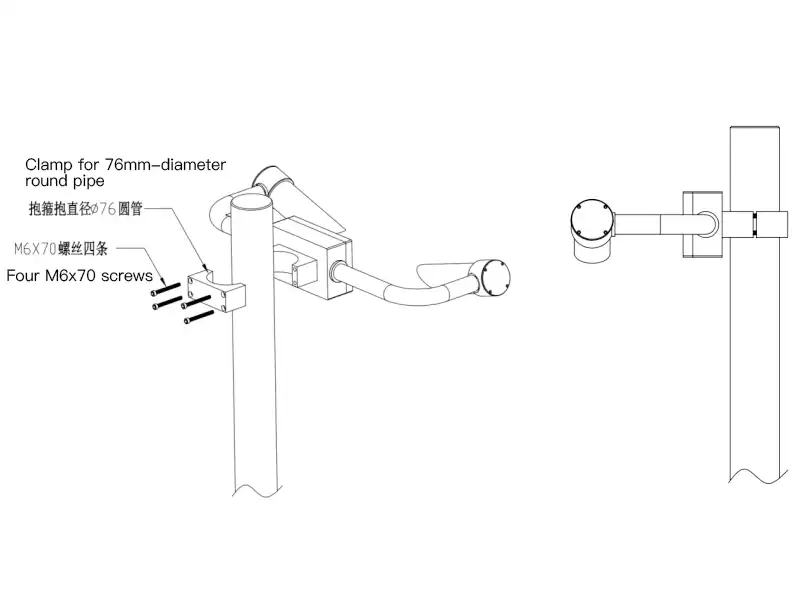
비, 먼지, 열악한 환경으로부터 내부 부품을 보호합니다. - 마운팅 브래킷 및 폴 클램프
고속도로, 공항, 기상 관측소 등에 안정적인 설치를 지원합니다.
크기
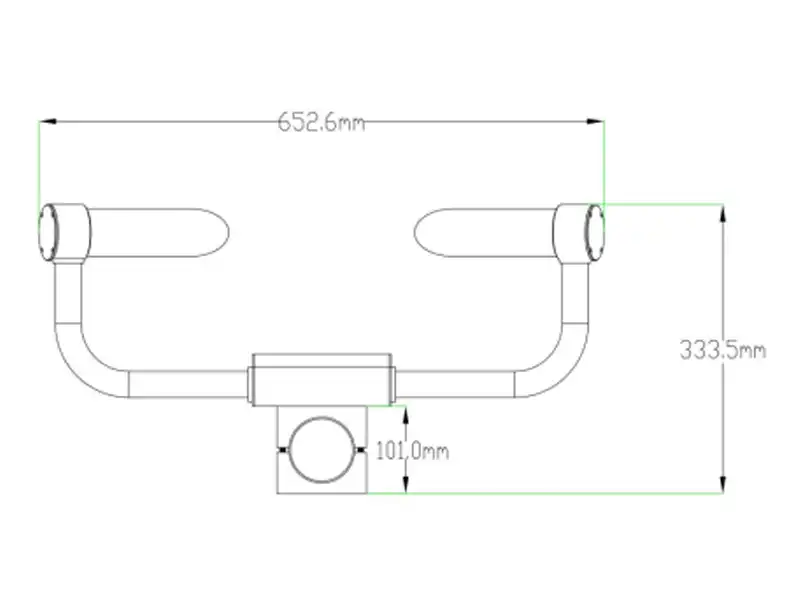
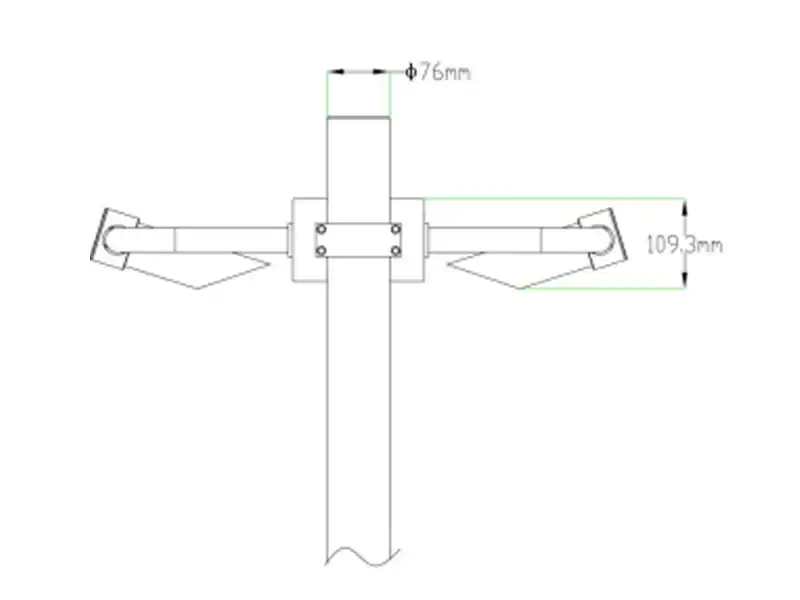
세부 정보 표시
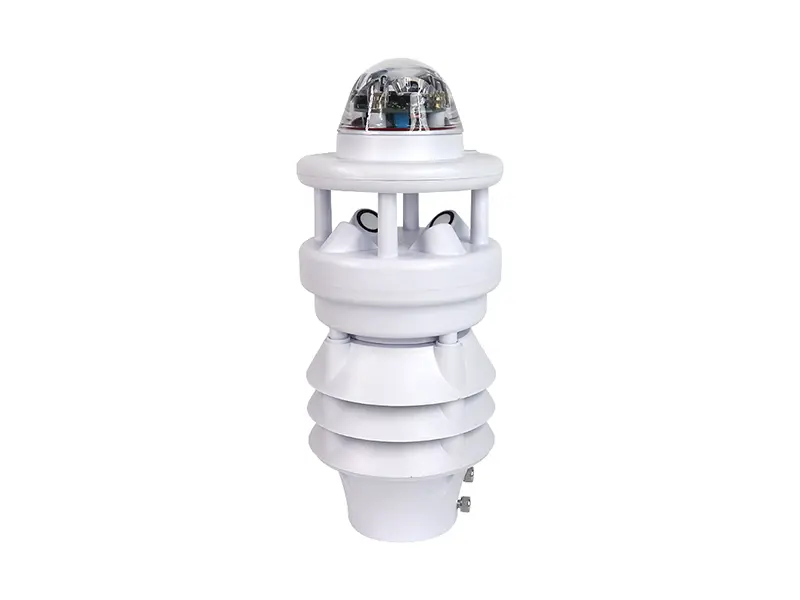
이 대기 가시성 센서는 컴팩트한 디자인과 내구성, 뛰어난 내후성을 갖추고 있어 열악한 실외 환경에서 장기간 사용하기에 이상적입니다. 상세한 구조 다이어그램과 다각도 보기를 통해 뛰어난 제작 품질을 확인할 수 있어 기상학, 교통 및 산업 모니터링 분야에 적합합니다. 아래는 대기 가시성 센서의 상세 이미지입니다:
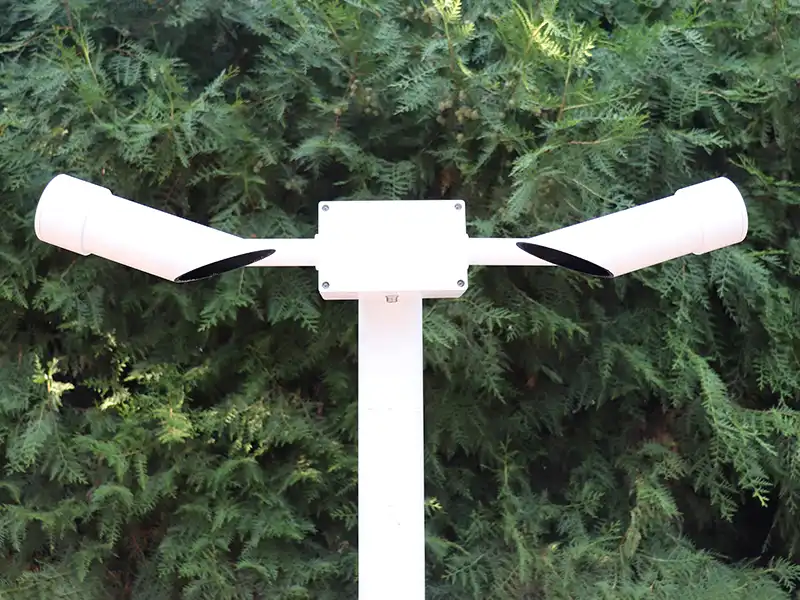
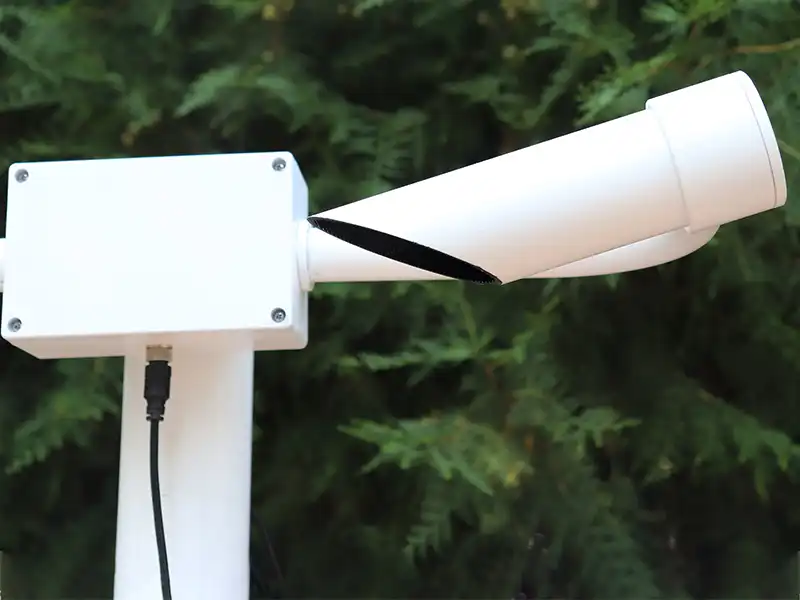
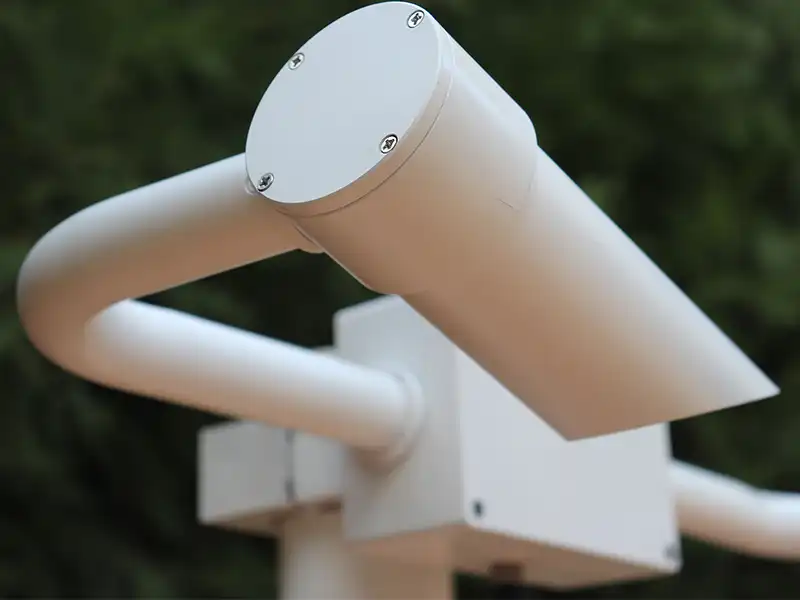
.webp)
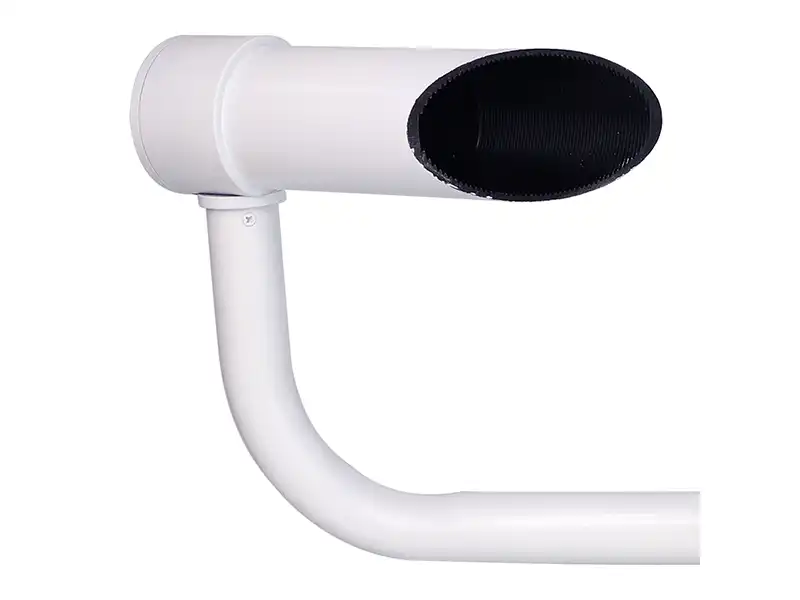
가시성 센서 원리
- 전방 산란 원리: 공기 중 입자에 의한 광선의 산란 강도를 측정하여 가시성을 예측합니다.
- 빛 감쇠 분석: 입자상 물질로 인한 빛의 강도 감쇠 변화를 기반으로 대기 투과율을 계산합니다.
- 다중 입자 응답 모델: 연기, 먼지, 안개, 비, 눈 등 다양한 크기와 형태를 가진 입자의 산란 특성을 알고리즘 차별화를 통해 구분하고 보정합니다.
- 주변광 억제: 광학 음영 구조와 필터링 알고리즘을 사용하여 햇빛이나 차량 헤드라이트와 같은 배경 광원의 간섭을 제거합니다.
- 온도 및 습도 보정: 빛의 전파에 영향을 미치는 환경 변화를 자동으로 보정하여 가시성 계산 정확도를 높입니다.
- 동적 필터링 및 안정성 처리: 측정 신호를 부드럽게 처리하여 비/눈 펄스 및 일시적인 변동으로 인한 오해를 방지합니다.
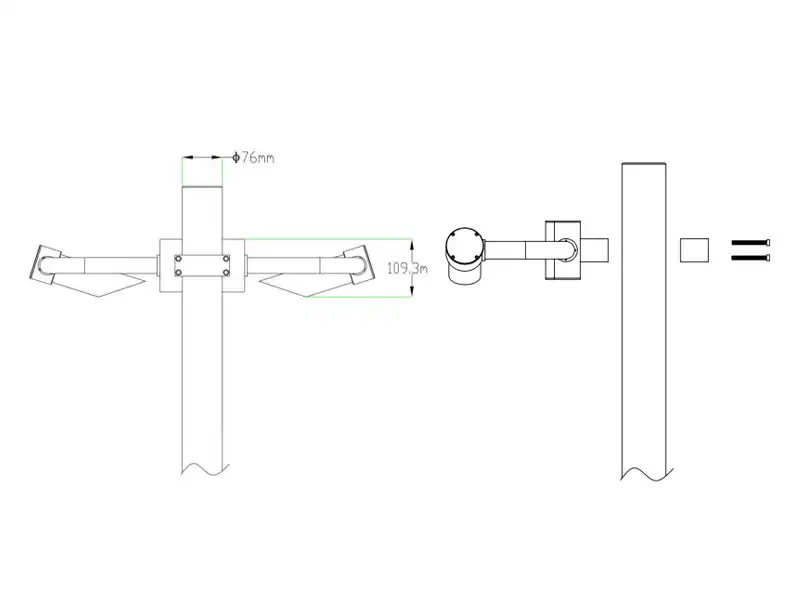
설치 다이어그램
사양
대기 가시성 센서는 고정밀 광학 기술과 안정적인 신호 처리 성능으로 설계되었습니다. 다음은 실외 모니터링 애플리케이션을 위한 측정 정확도, 환경 적응성 및 장기적인 신뢰성을 정의하는 주요 기술 파라미터입니다.
매개변수
| 측정 범위 | 10m-10km |
| 작동 전압 | DC12V ~ 24V |
| 전력 소비 | 비가열 ≤ 2W |
| 난방 | ≤ 6 W |
| 출력 | RS485 표준 모드버스 프로토콜 |
| 정확성 | ≤2km ± 2%;
2km~10km ± 5% |
| 데이터 업데이트 간격 | 15대/60대 |
| 작동 온도 | -40-60℃ |
| 작동 습도 | 0-100%RH |
| 보관 온도 | -50-85℃ |
기상 가시성 센서 기능
16km 범위
광역 모니터링을 위해 최대 16km까지 고정밀 가시성을 측정합니다.
유연한 출력
간편한 시스템 통합과 데이터 전송을 위한 다양한 출력 옵션을 제공합니다.
42° 전방 산란
검증된 광학 설계로 안정적이고 신뢰할 수 있는 측정 성능을 보장합니다.
결빙 방지 설계
기하학적 구조로 악천후 작업 시 결빙 효과를 줄여줍니다.
컴팩트 & 경량
작고 가벼운 구조로 설치와 배포가 편리합니다.
간편한 설치
효율적인 현장 운영을 위한 간단한 설정 및 유지 관리.
애플리케이션 대기 가시성 센서
대기 가시성 센서는 다음 분야에서 널리 사용됩니다. 기상 모니터링, 운송 안전, 항공, 해상 운영 및 산업 환경 시스템에 사용됩니다. 신뢰할 수 있는 실시간 가시성 데이터를 제공하여 복잡한 기상 조건에서 안전, 운영 효율성 및 조기 경보 기능을 개선하는 데 도움이 됩니다.


안개 감지 네트워크
안개 이벤트의 광역 모니터링을 가능하게 하고 가시성이 낮은 조건에 대한 조기 경보 시스템을 지원합니다.

항만 안전 관리
안개, 안개, 비, 먼지 폭풍과 같은 기상 조건을 실시간으로 모니터링하여 날씨 분석 및 예보에 중요한 데이터를 제공합니다.
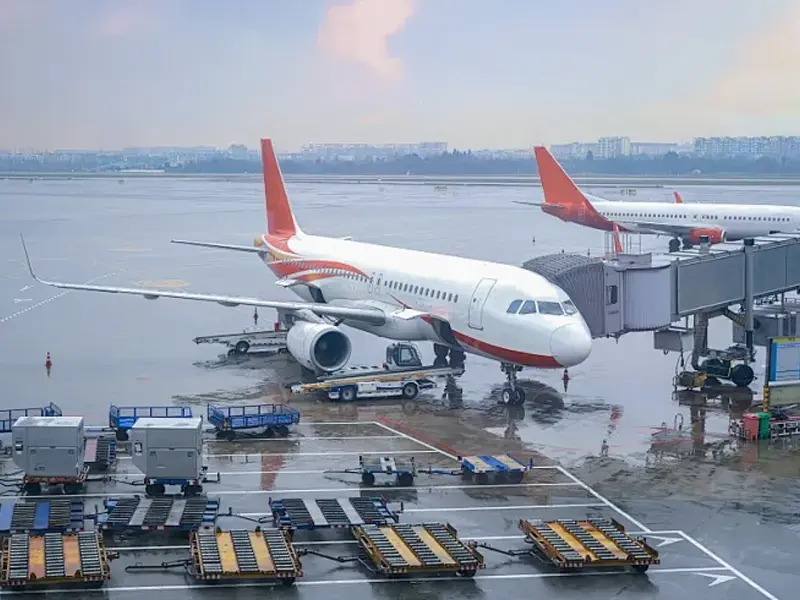
공항 기상 시스템(AWOS)
항공 안전 및 비행 운영을 위한 중요한 가시성 데이터를 제공합니다.
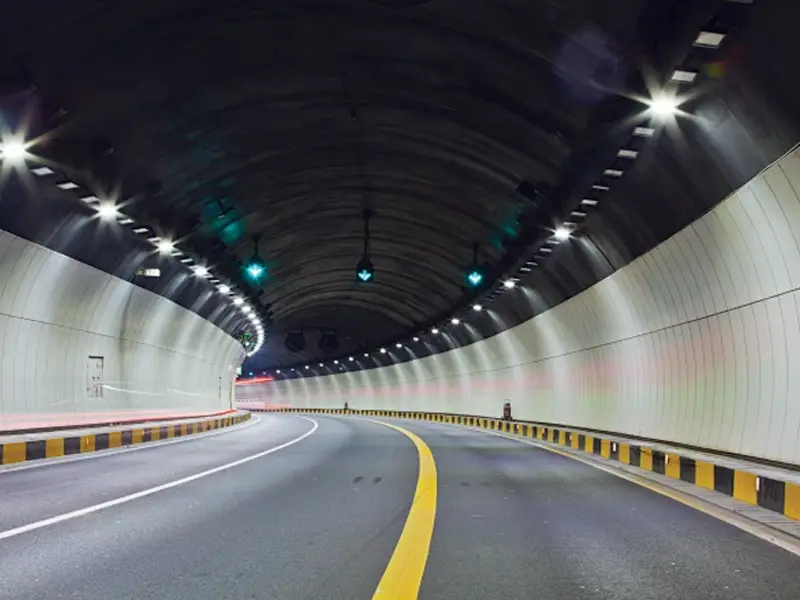
터널 공기질 모니터링
밀폐된 운송 터널의 안전 및 환기 제어를 지원합니다.

기상 관측소
일기 예보, 기후 분석, 환경 연구에 필수적인 데이터를 제공합니다.
대기 가시성 센서 사용자 지정
광학 가시성 센서는 기상, 교통, 항공 및 산업 모니터링 애플리케이션의 다양한 프로젝트 요구 사항을 충족하도록 유연하게 맞춤화할 수 있습니다. 출력 인터페이스부터 측정 범위 및 구조 설계에 이르기까지 맞춤형 솔루션은 다양한 환경 조건에서 시스템 호환성 향상, 성능 개선 및 안정적인 작동을 보장합니다.
사용자 지정 옵션
- 측정 범위
가시성 범위는 고속도로, 공항 또는 산업 지역과 같은 특정 애플리케이션 시나리오에 맞게 조정할 수 있습니다. - 출력 신호 옵션
원활한 시스템 통합을 위해 RS485, 모드버스, 아날로그 출력 또는 기타 통신 프로토콜의 커스터마이징을 지원합니다. - 구조 설계
다양한 설치 환경에 맞게 하우징 재질, 장착 방법, 컴팩트한 디자인을 조정할 수 있습니다. - 환경 적응 업그레이드
- 부식 방지, 염수 분무 방지, 결빙 방지 등 강화된 보호 수준을 혹독한 기후에 맞게 맞춤 설정할 수 있습니다.
- 전원 공급 장치 구성
다양한 전력 시스템 요구 사항에 맞게 유연한 전압 옵션을 제공할 수 있습니다. - 캘리브레이션 및 소프트웨어 지원
맞춤형 보정 표준 및 소프트웨어 통합 서비스는 사용자 플랫폼 및 데이터 시스템과의 호환성을 보장합니다.
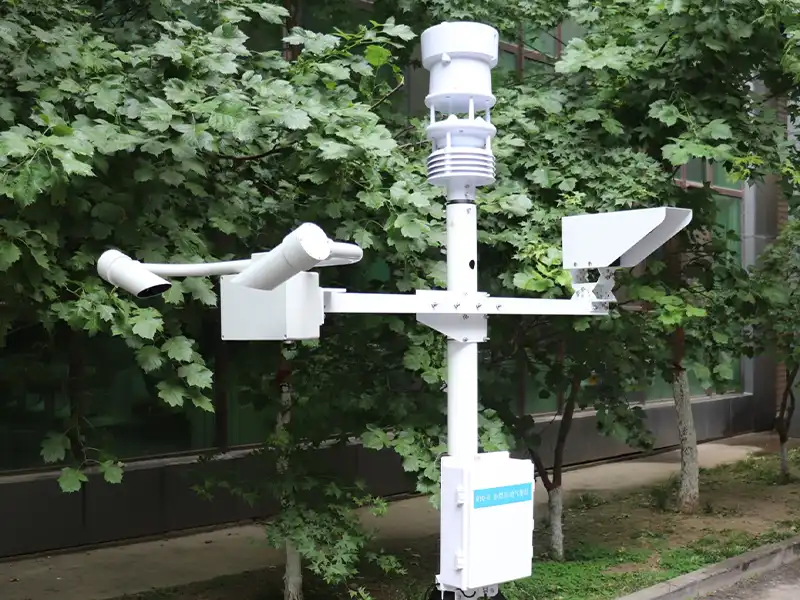
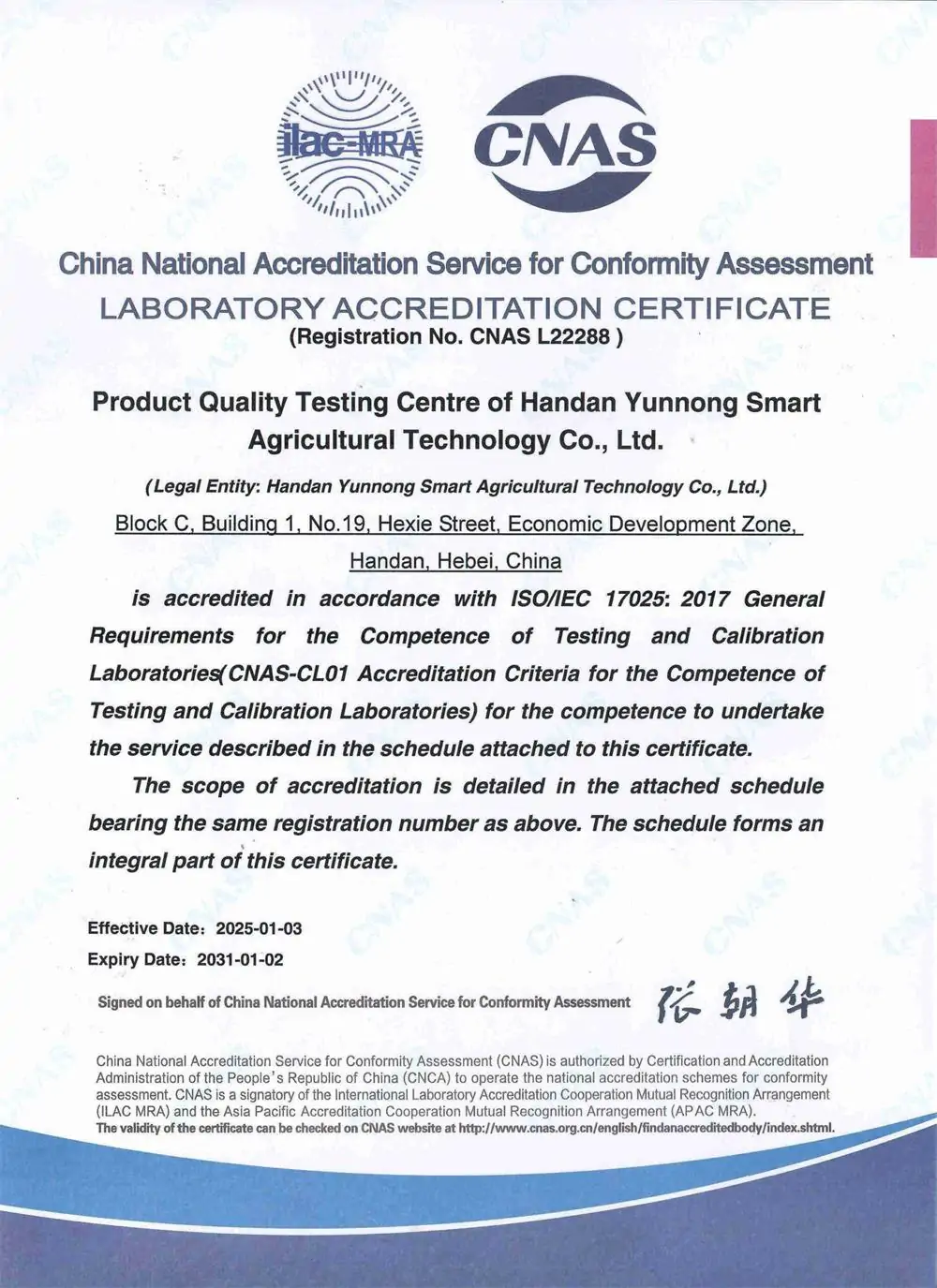
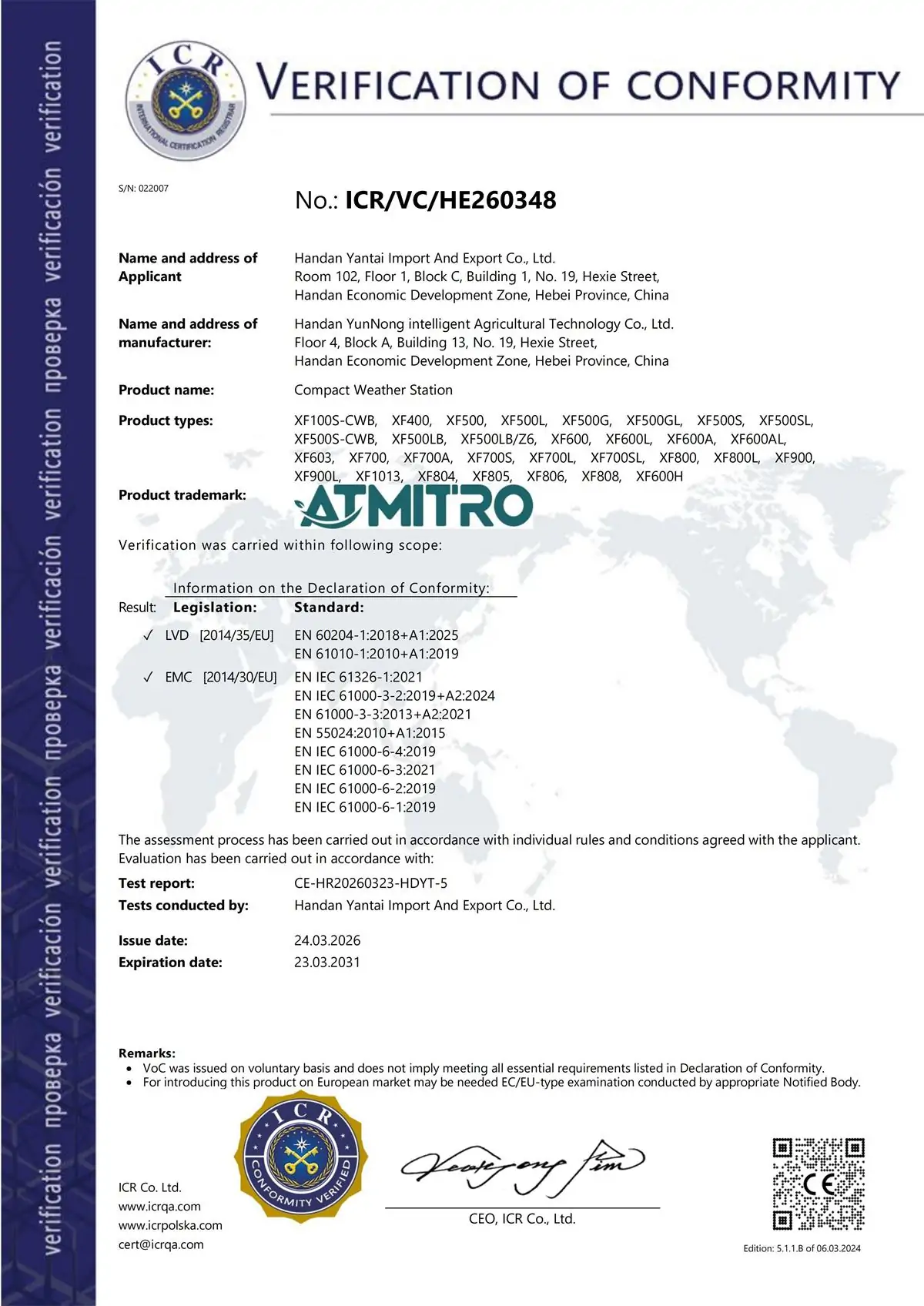
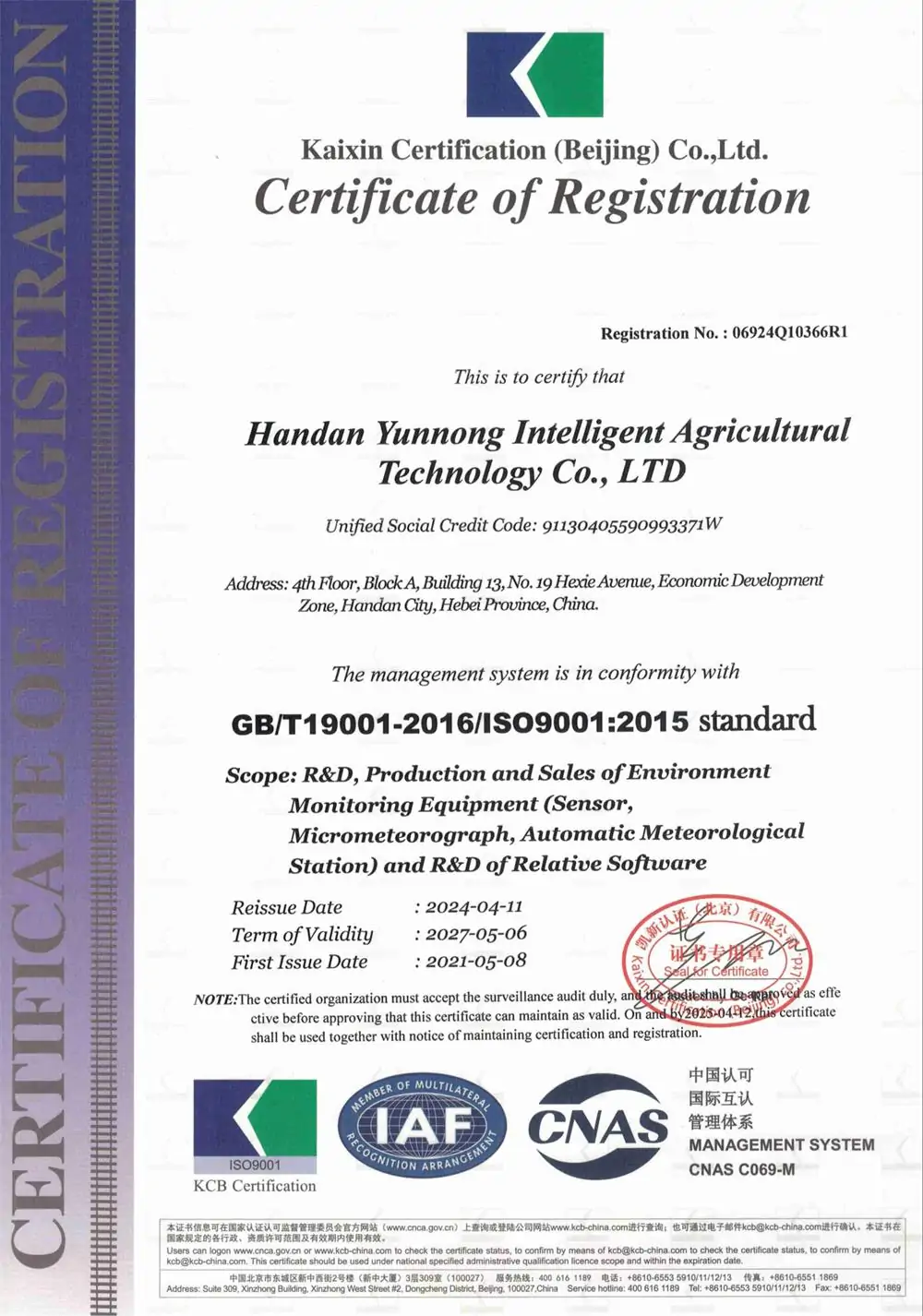
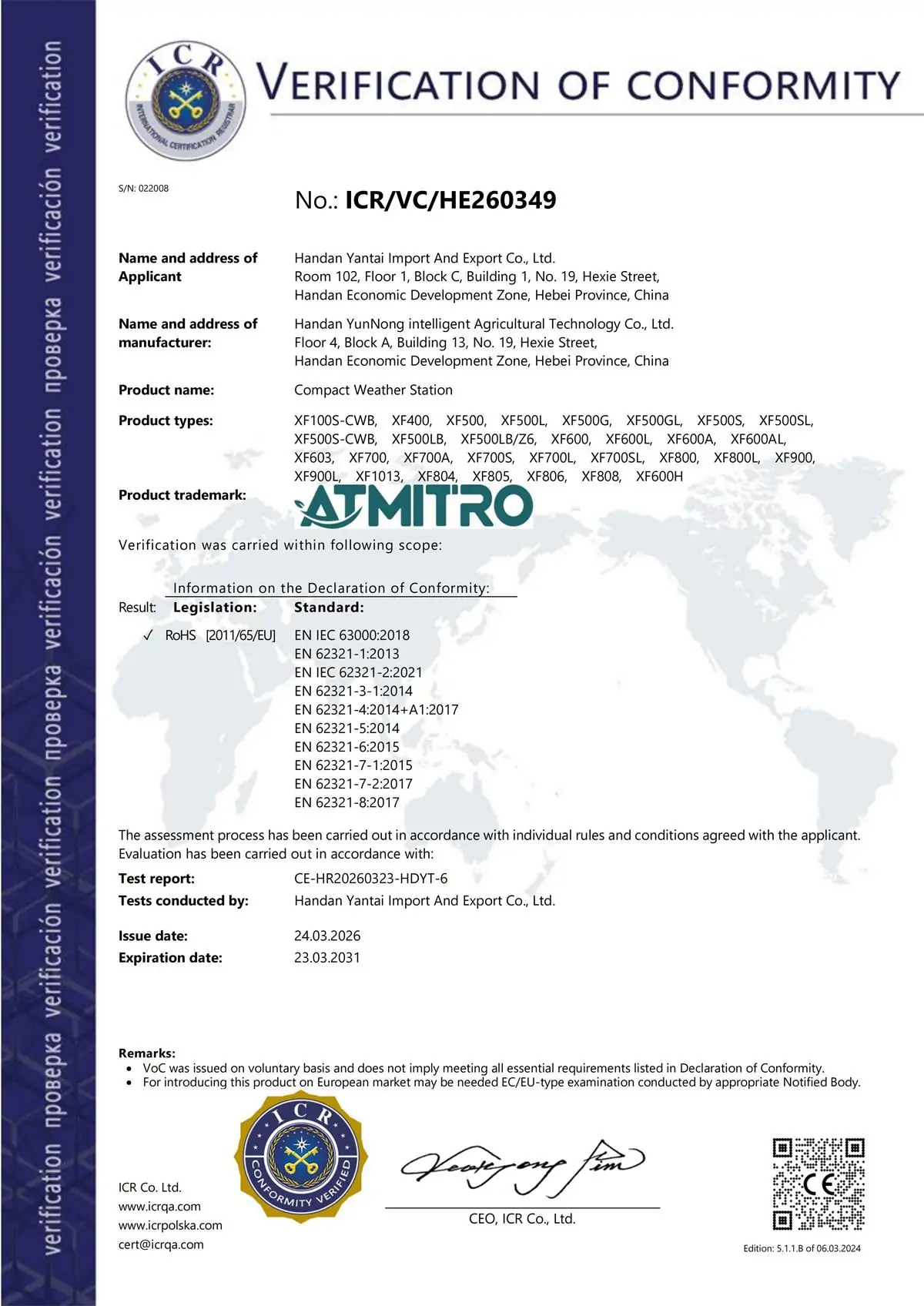
대기 가시성 센서 제조업체 및 공급업체
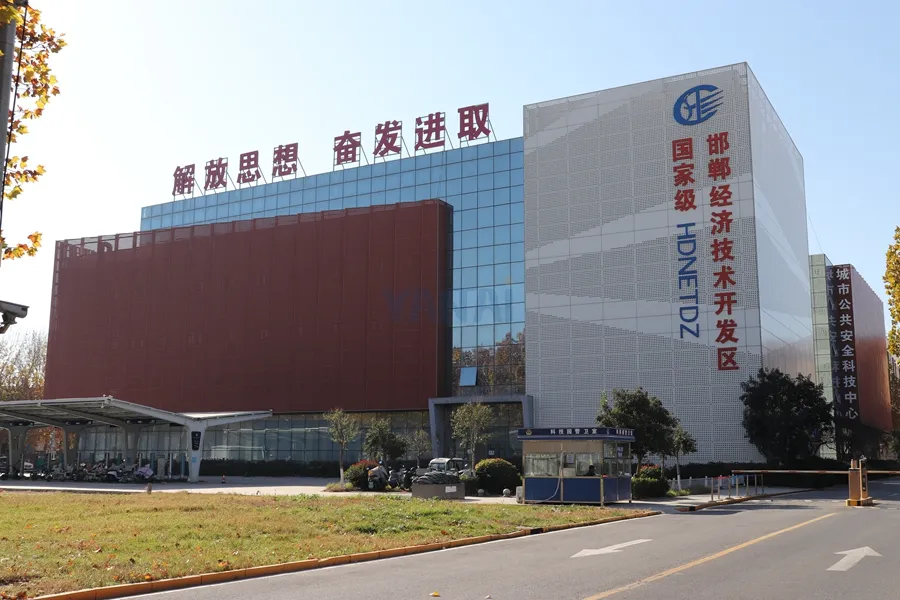
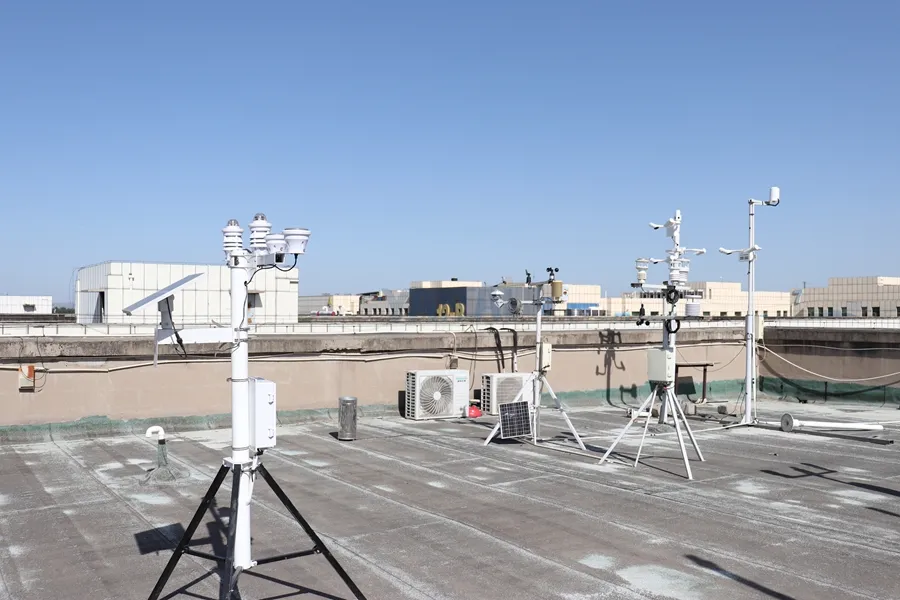
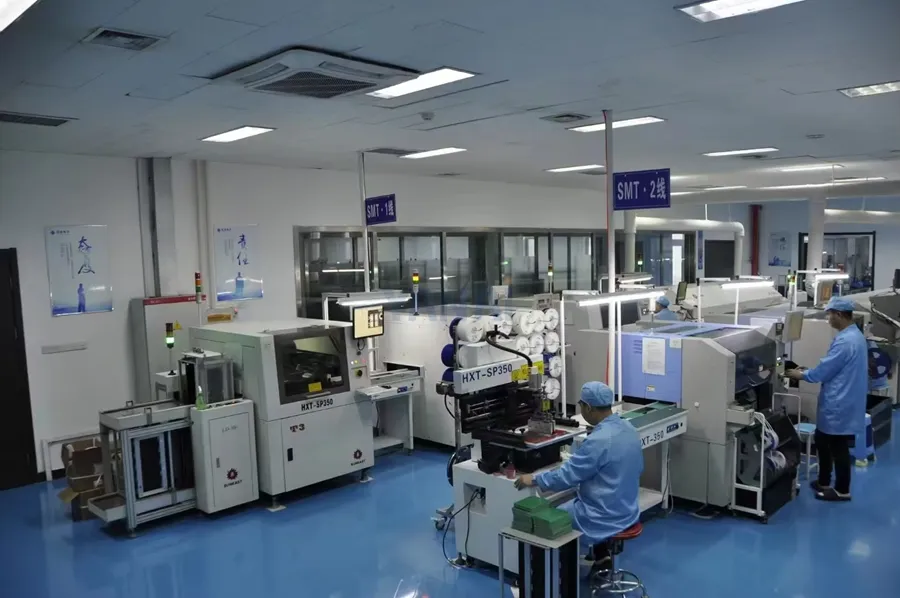
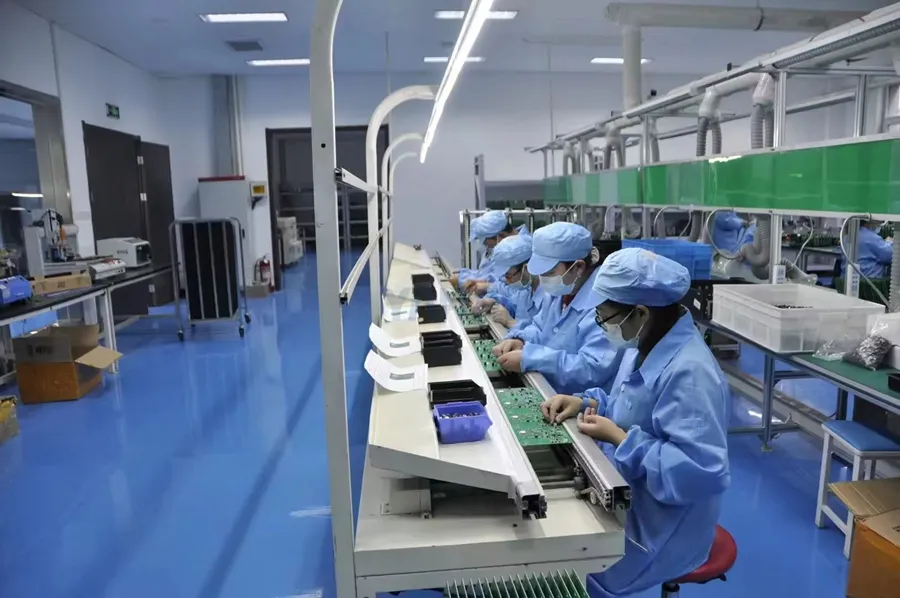
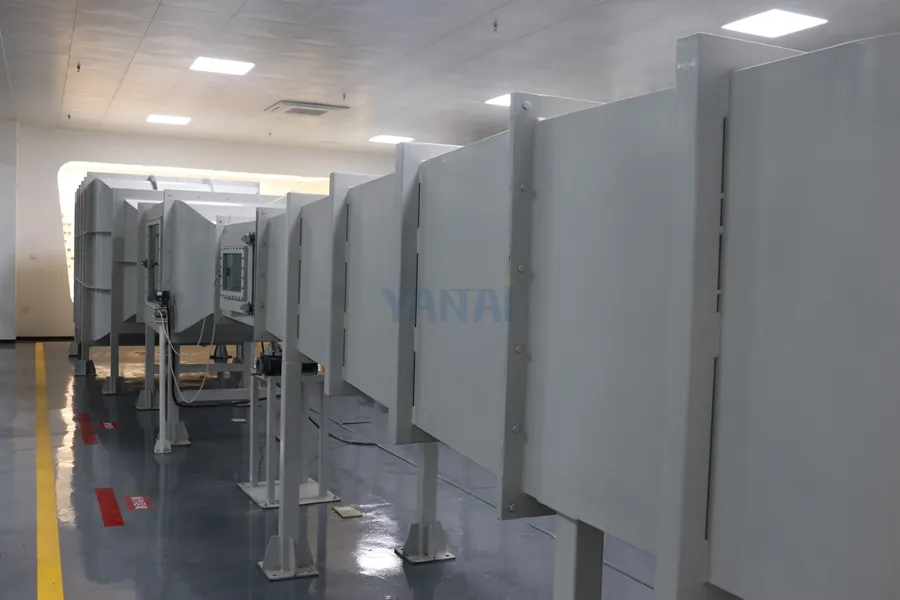
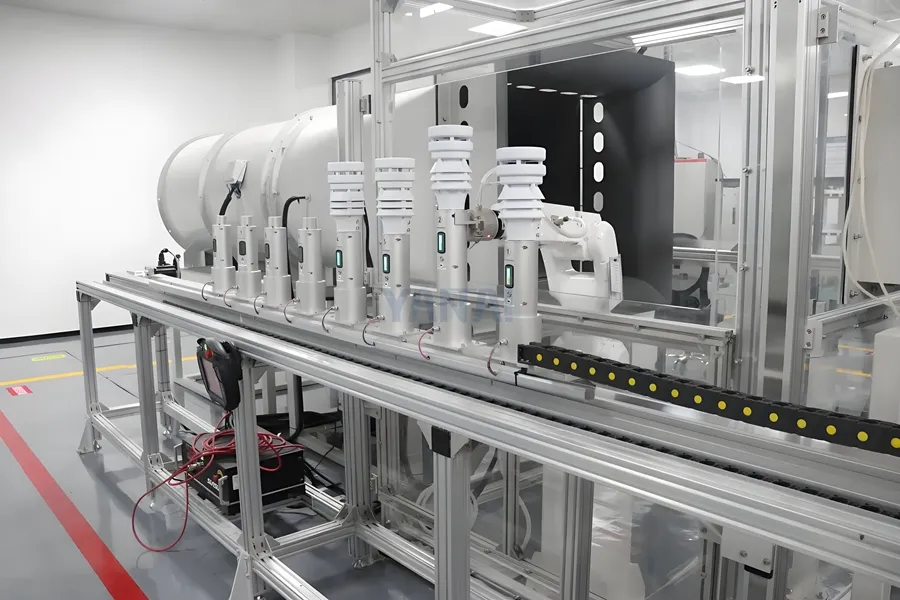
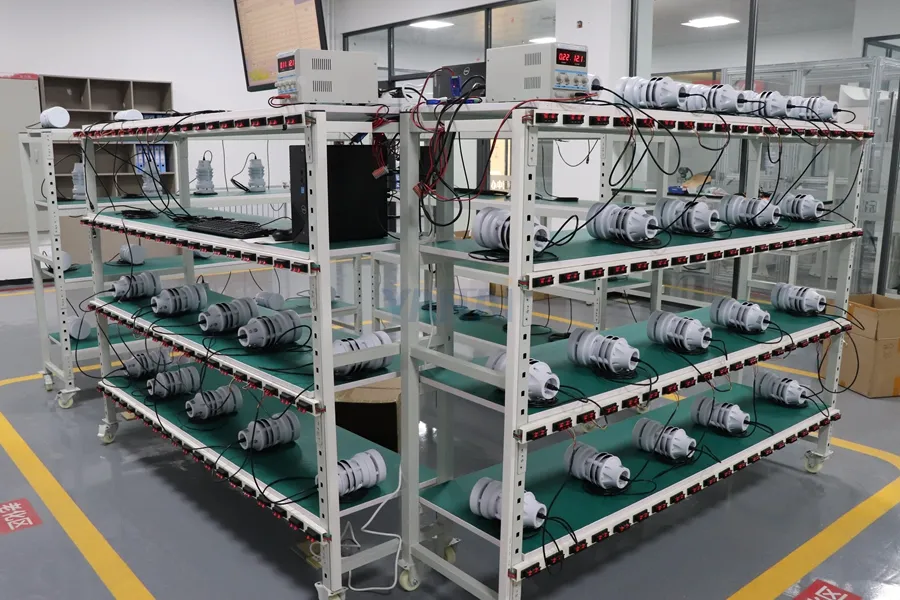
얀타이 센서는 기상, 교통, 항공, 해양 및 환경 모니터링 애플리케이션을 위한 고급 가시성 모니터링 솔루션을 제공하는 전문 대기 가시성 센서 제조 및 공급업체입니다. 당사의 가시성 센서는 안개, 안개, 비, 눈, 먼지 환경에서 가시성 상태를 실시간으로 정확하게 측정하여 고속도로 안전 시스템용 대기 가시성 센서와 교통 모니터링 애플리케이션용 안개 감지 가시성 센서를 포함하여 도로 안전, 공항 운영 및 지능형 기상 모니터링 시스템에 신뢰할 수 있는 데이터를 제공합니다.
IoT 기반 대기 가시성 센서는 RS485, Modbus RTU, 4G, LoRa, WiFi 및 클라우드 기반 원격 모니터링을 지원하여 안정적인 데이터 전송과 원활한 시스템 통합을 가능하게 합니다. 내후성 보호, 결빙 방지 구조, 저전력 소비, 내식성으로 설계된 이 센서는 다양한 프로젝트 및 산업 요구 사항을 충족하는 유연한 OEM/ODM 맞춤화 서비스도 지원합니다. 연락처 프로젝트에 가장 적합한 대기 가시성 센서 솔루션과 전문적인 기술 지원을 받을 수 있습니다.