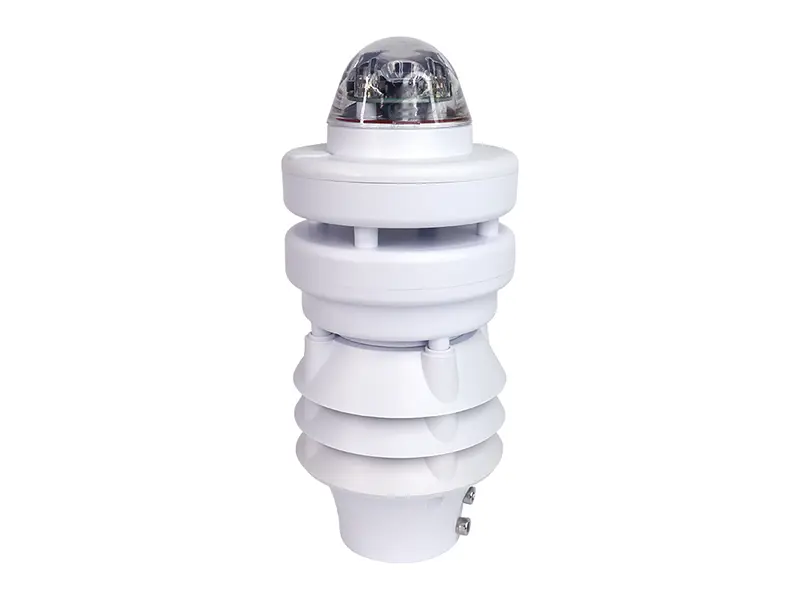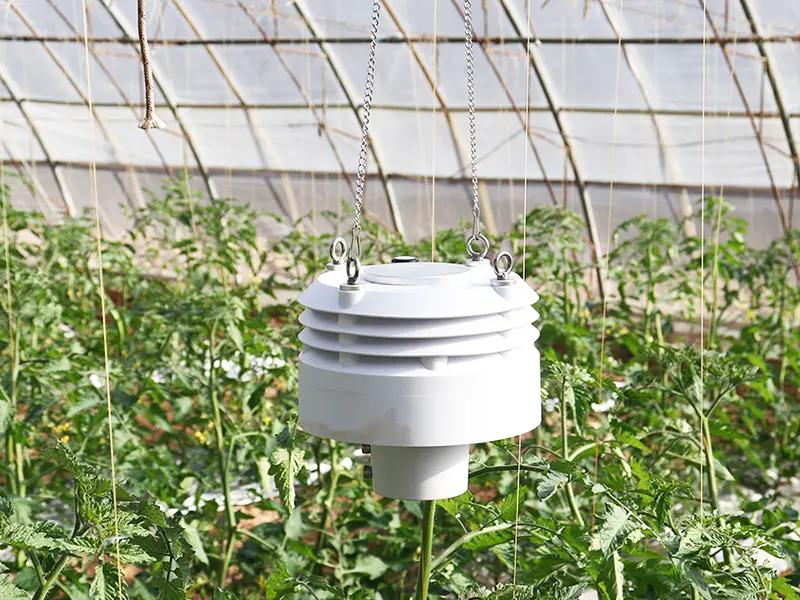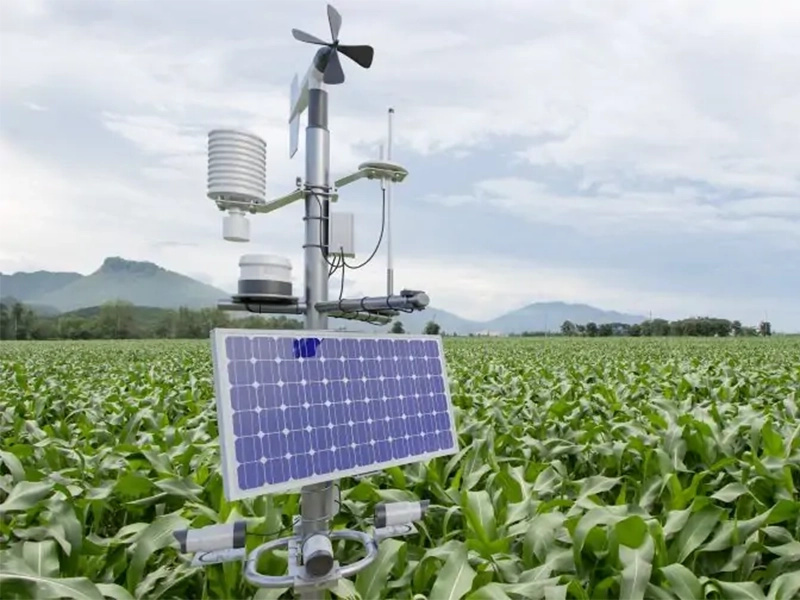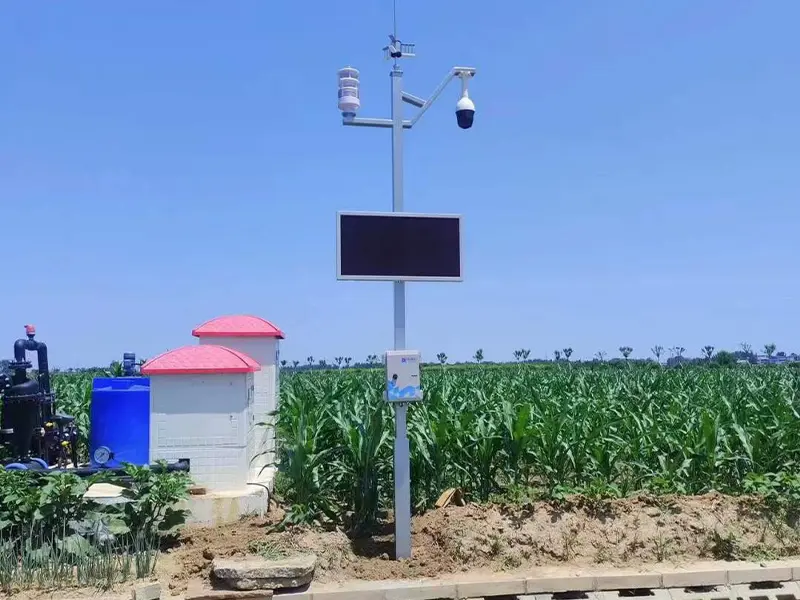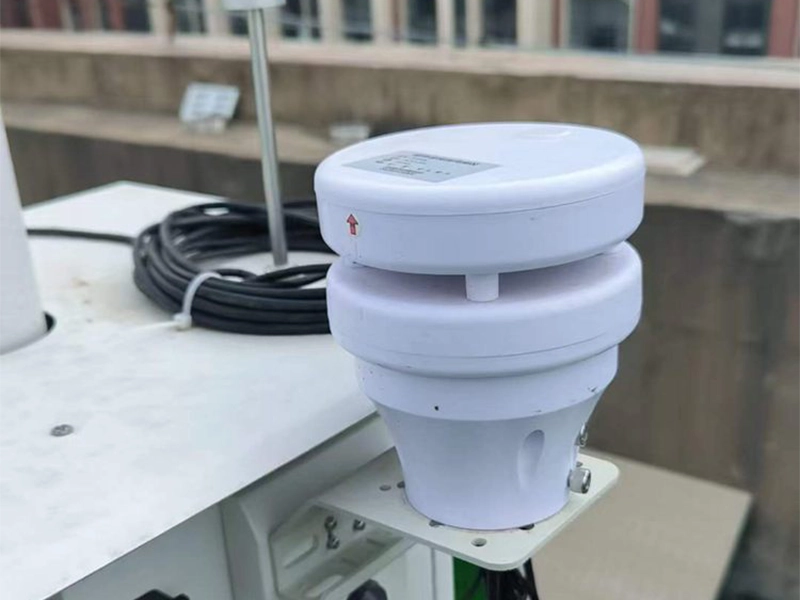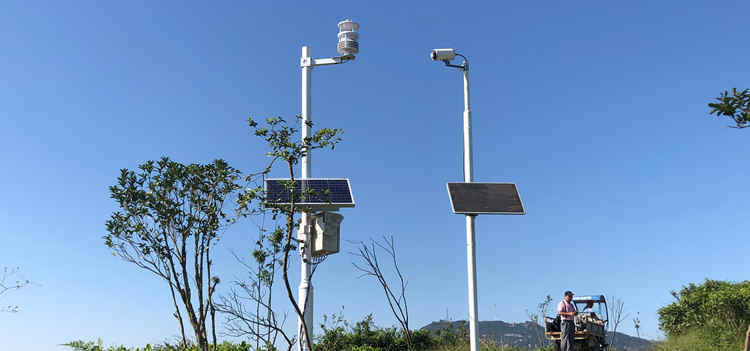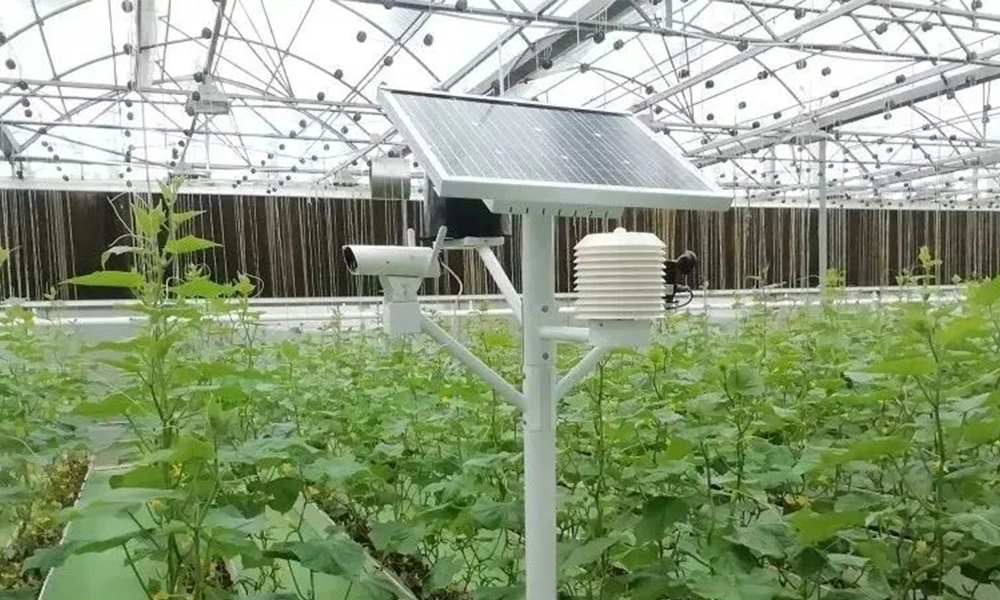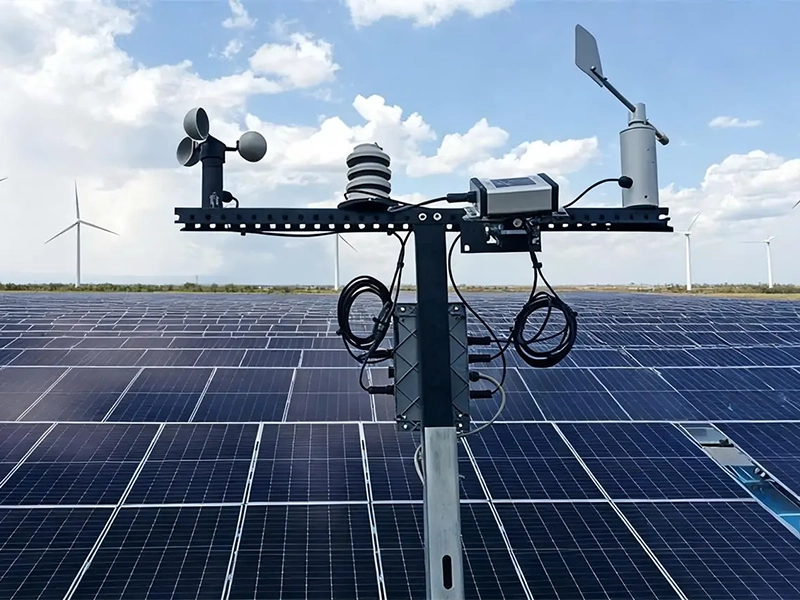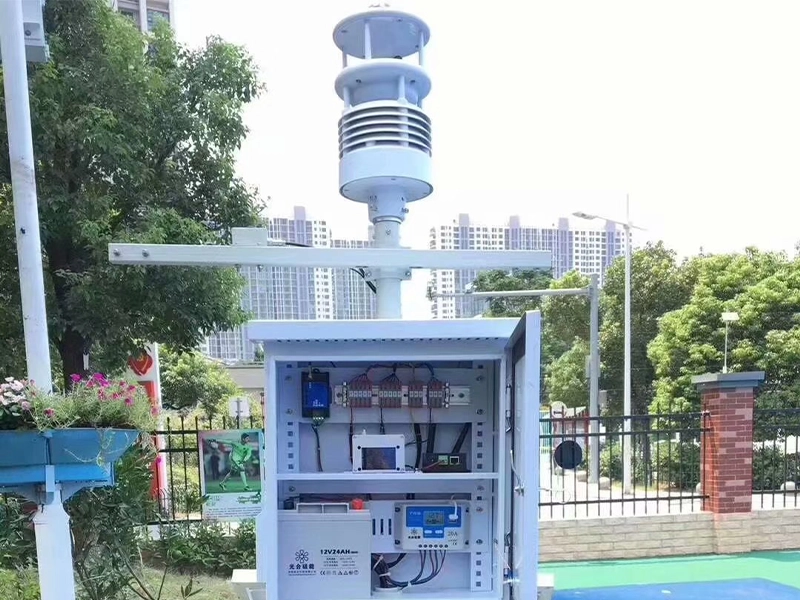
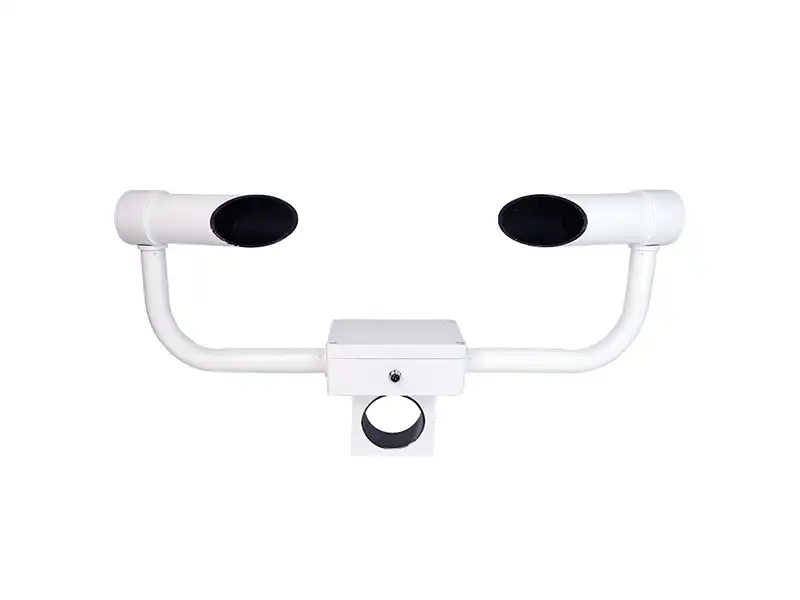
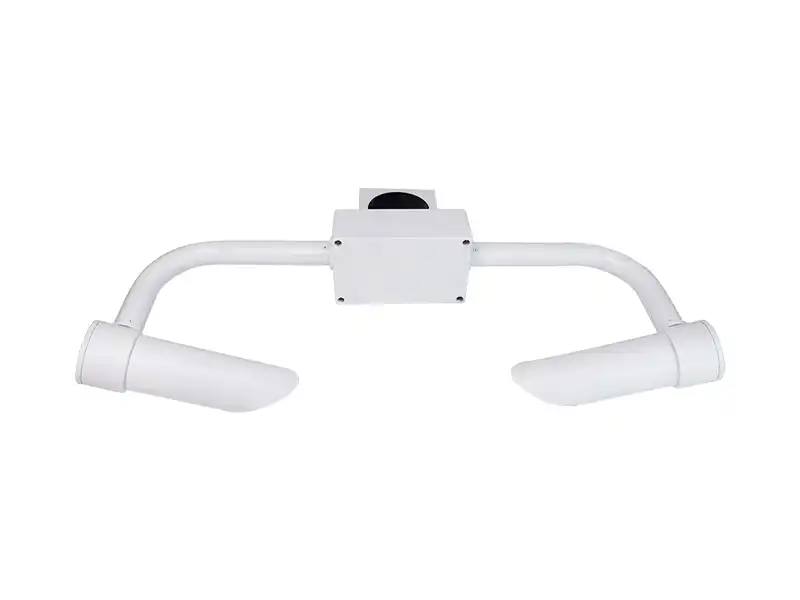
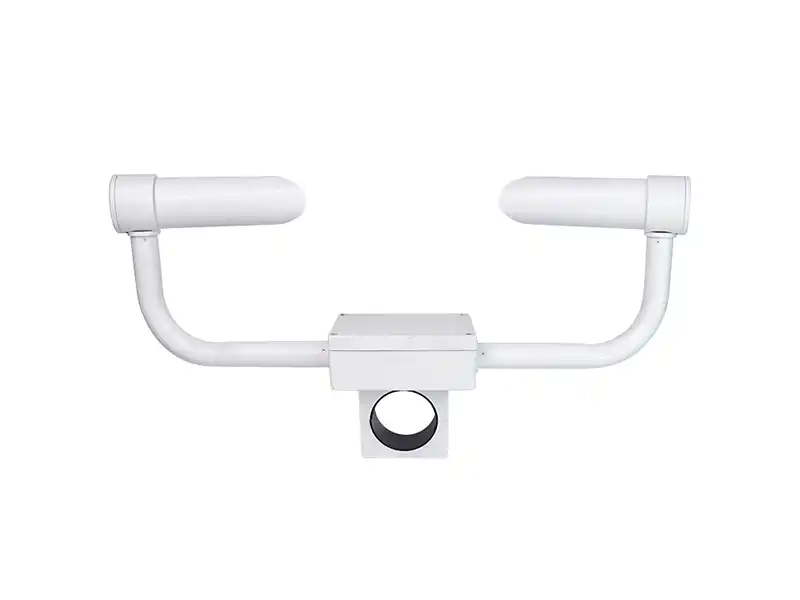
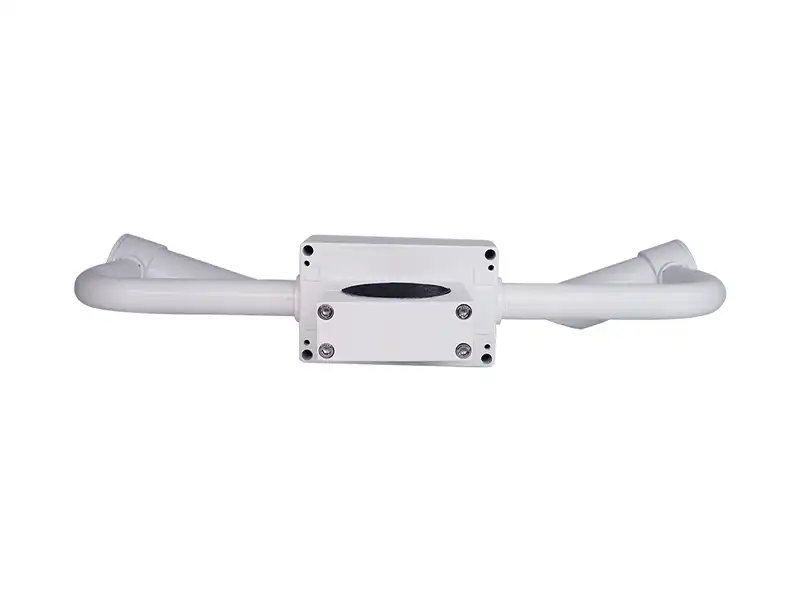
مستشعر رؤية الغلاف الجوي لأنظمة مراقبة الطقس
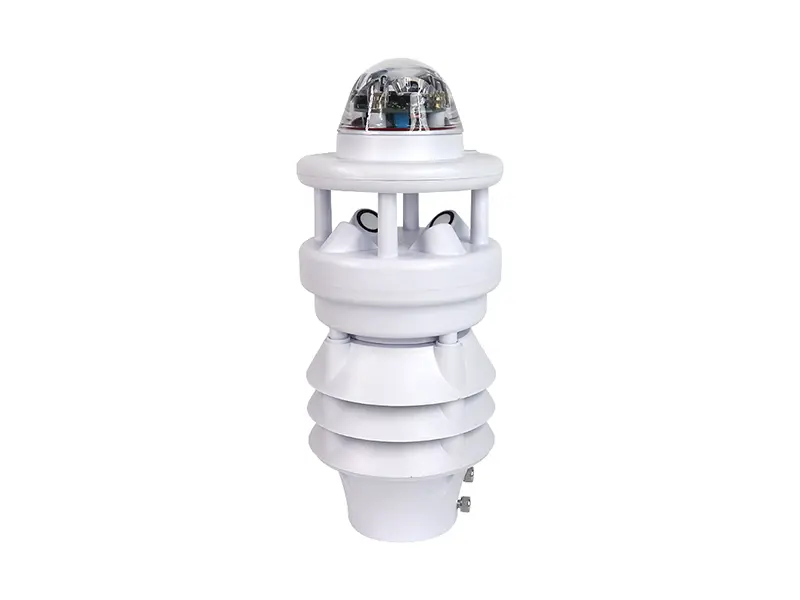
جهاز استشعار الرؤية الجوية هو جهاز يستخدم لقياس الرؤية الجوية في الوقت الحقيقي من خلال الكشف عن الضباب والضباب والمطر والغبار والظروف البيئية الأخرى. وهو يتميز بالدقة العالية والاستجابة السريعة والأداء المستقر في الهواء الطلق وانخفاض مستوى الصيانة، مما يجعله مثاليًا لمحطات الطقس والطرق السريعة والمطارات والموانئ وحلول مراقبة سلامة النقل الذكية.
- درجة حرارة الغلاف الجوي: -40-60℃
- رطوبة الغلاف الجوي: 0-100%RH-0-100%RH
- التوريد: 12-24 فولت تيار مستمر
- المخرجات: RS485 (مودبوس)
- النطاق: 10 م - 10 كم
- الدقة: <2 كم
السعر: $1898.21-$2277.85
مقدمة
جهاز استشعار الرؤية الجوية هو أداة دقيقة تُستخدم لقياس شفافية الغلاف الجوي وتحديد المدى البصري للأرصاد الجوية (MOR). وفي الوقت الحالي، فإن مستشعرات الرؤية تعمل بناءً على مبدأ التشتت الأمامي. ببساطة، يُصدر باعث داخل المستشعر شعاعًا من الضوء تحت الأحمر في الهواء، بينما يقيس مستقبل، موضوع بزاوية محددة (عادةً بين 33° و45°) بالنسبة للضوء المنبعث، شدة الضوء المتناثر الناتج عن الجسيمات المحمولة في الهواء (مثل الضباب، والضباب الخفيف، والمطر، أو الثلج). باستخدام نموذج رياضي محدد، يحول المستشعر شدة الضوء المتناثر إلى قيمة رؤية حالية. إذا كنت ترغب في معرفة المزيد عن “ما هو مستشعر الرؤية؟ مبدأ العمل، الأنواع والتطبيقات,،” يرجى النقر هنا.
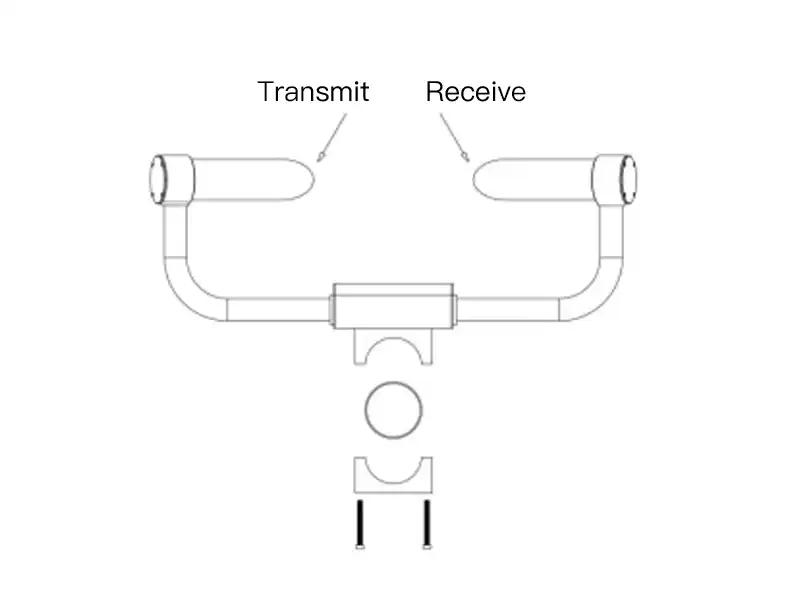
مستشعر رؤية الغلاف الجوي للهيكل
- وحدة الإرسال الضوئي
تنبعث منها إشارات ضوئية مستقرة لقياس الرؤية في الغلاف الجوي. - وحدة الاستقبال البصري
تستقبل إشارات الضوء المتناثرة وتحولها إلى بيانات رؤية. - غرفة كشف عالية الدقة
يضمن المراقبة الدقيقة في ظروف الضباب والضباب والأمطار والغبار. - مصدر ضوء LED/الأشعة تحت الحمراء
يوفر عمرًا طويلاً وأداءً بصريًا مستقرًا للتشغيل المستمر. - لوحة دائرة معالجة الإشارات
يعالج الإشارات الضوئية بسرعة لتحليل الرؤية في الوقت الفعلي. - وحدة التحكم في المعالجات الدقيقة
يتحكم في تشغيل المستشعر ويحسن دقة القياس الكلية. - وحدة تعويض درجة الحرارة
يقلل من تأثير درجة الحرارة البيئية على أداء المستشعر. - نظام حماية ضد التكثيف
يمنع تراكم الرطوبة ويضمن مراقبة موثوقة في الهواء الطلق. - غلاف واقٍ مقاوم للعوامل الجوية
يحمي المكونات الداخلية من المطر والغبار والبيئات القاسية. - كتيفة التركيب ومشبك العمود
يدعم التركيب الثابت للطرق السريعة والمطارات ومحطات الطقس.
الأحجام
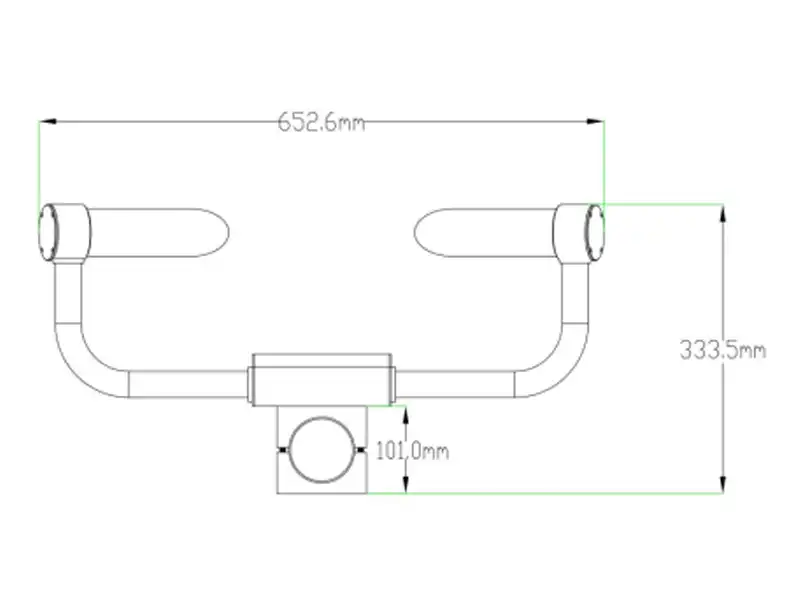
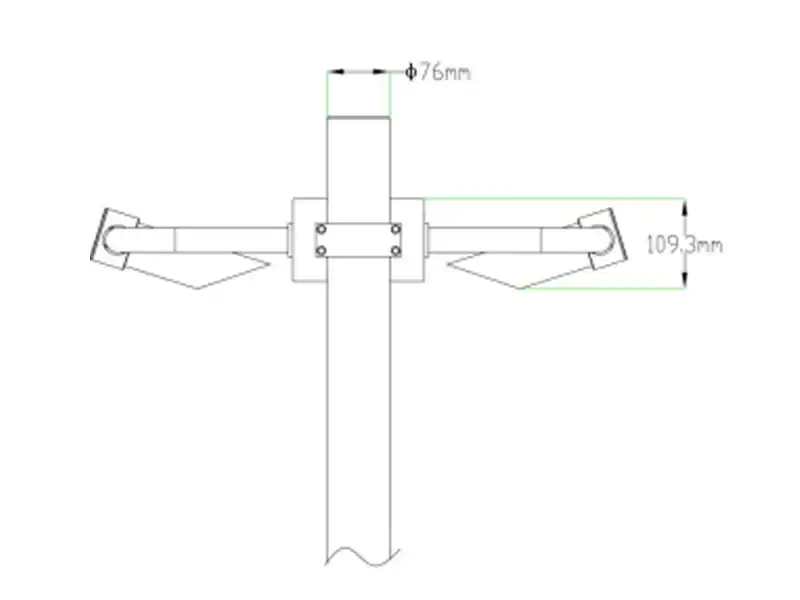
عرض التفاصيل
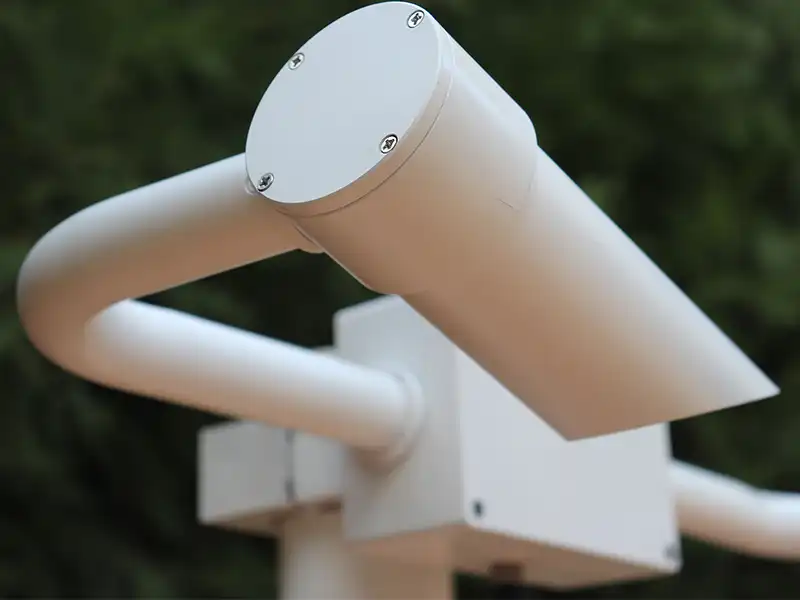
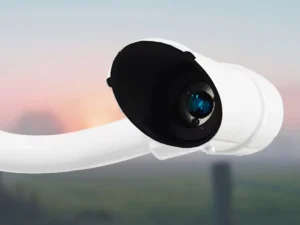
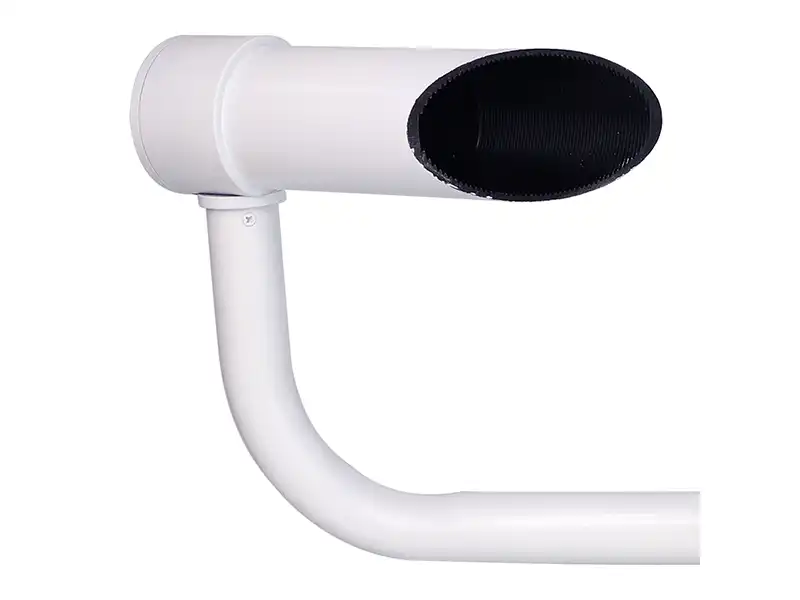
يتميز مستشعر الرؤية الجوية هذا بتصميم مدمج ومتانة ومقاومة ممتازة للعوامل الجوية، مما يجعله مثاليًا للاستخدام طويل الأمد في البيئات الخارجية القاسية. تُظهر المخططات الهيكلية المفصّلة والمناظر متعددة الزوايا بوضوح جودة بنائه الاستثنائية، مما يجعله مناسبًا تمامًا للتطبيقات في مجالات الأرصاد الجوية والنقل والمراقبة الصناعية. فيما يلي صور تفصيلية لمستشعر الرؤية الجوية:
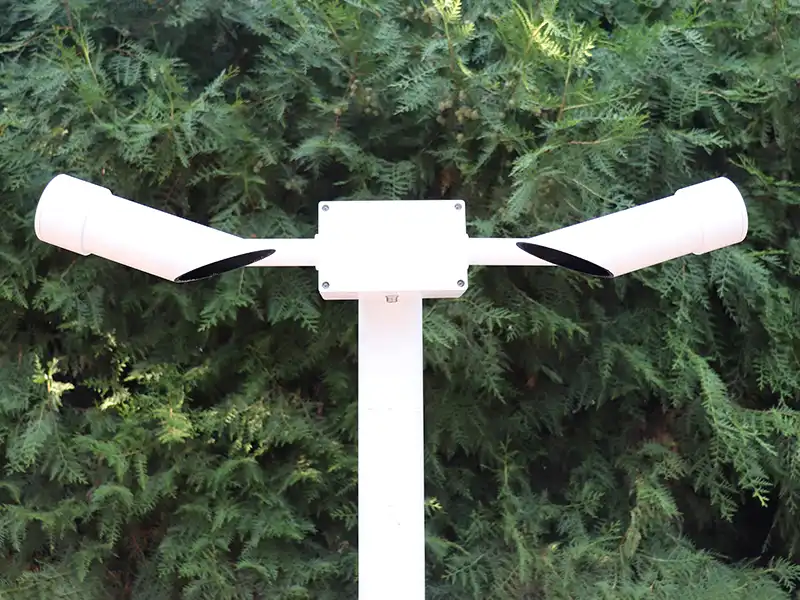
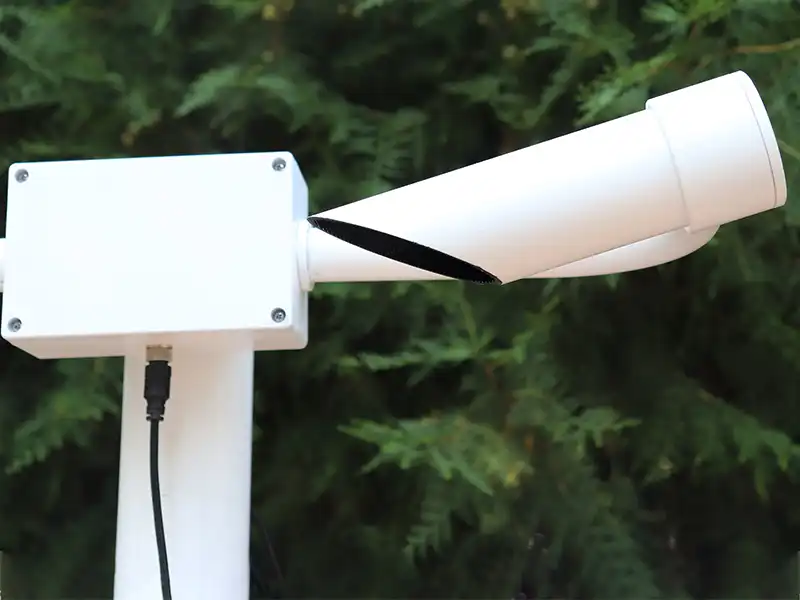
.webp)
مبدأ مستشعر الرؤية
- مبدأ التشتت الأمامي: تقدير مدى الرؤية من خلال قياس شدة تشتت أشعة الضوء بواسطة الجسيمات المحمولة جواً.
- تحليل التوهين الضوئي: يحسب نفاذية الغلاف الجوي بناءً على التغيرات في توهين شدة الضوء الناجم عن الجسيمات.
- نموذج الاستجابة متعددة الجسيمات: يميز خصائص التشتت للجسيمات ذات الأحجام والأشكال المختلفة - مثل الدخان والغبار والضباب والمطر والثلج - ويعوضها من خلال التفريق الخوارزمي.
- كبت الإضاءة المحيطة: يزيل التداخل من مصادر الضوء في الخلفية مثل ضوء الشمس والمصابيح الأمامية للمركبة باستخدام هياكل التظليل البصري وخوارزميات التصفية.
- تعويض درجة الحرارة والرطوبة: يصحح تلقائيًا الاختلافات البيئية التي تؤثر على انتشار الضوء لتحسين دقة حساب الرؤية.
- التصفية الديناميكية ومعالجة الاستقرار: ينعم إشارات القياس لمنع سوء التفسير الناجم عن نبضات المطر/الثلج والتقلبات العابرة.
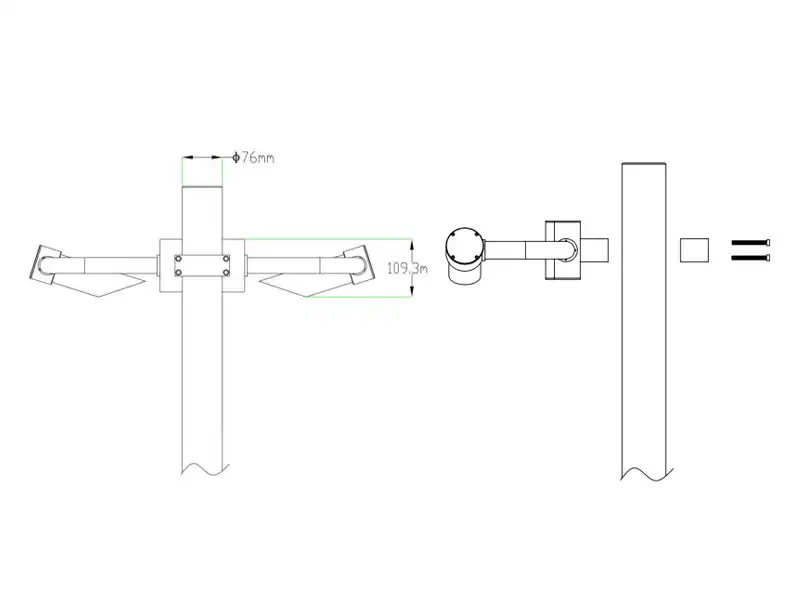
رسم تخطيطي للتركيب
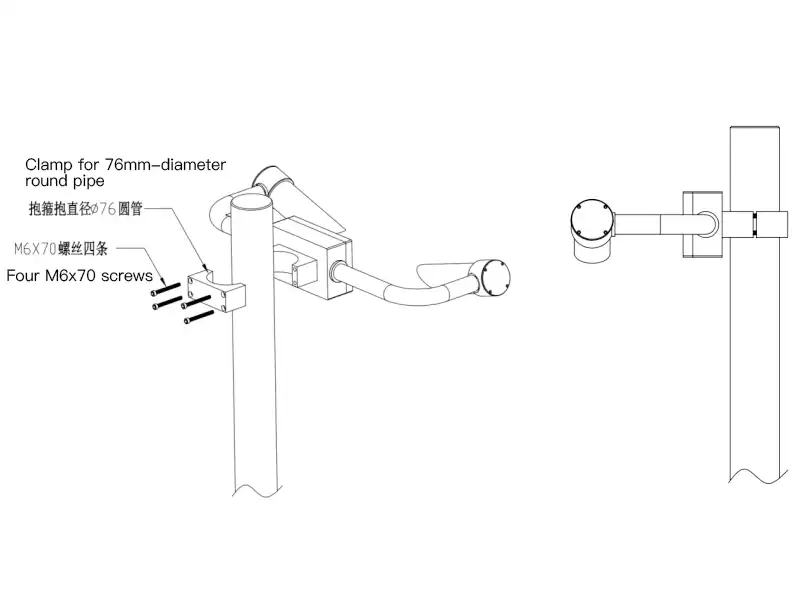
المواصفات
تم تصميم مستشعر رؤية الغلاف الجوي بتقنية بصرية عالية الدقة وأداء مستقر لمعالجة الإشارات. فيما يلي المعلمات التقنية الرئيسية التي تحدد دقة القياس والقدرة على التكيف البيئي والموثوقية طويلة الأجل لتطبيقات المراقبة الخارجية.
المعلمات
| نطاق القياس | 10 م - 10 كم |
| جهد التشغيل | DC12 فولت ~ 24 فولت |
| استهلاك الطاقة | عدم التدفئة ≤ 2 وات |
| التدفئة | ≤ 6 W |
| المخرجات | بروتوكول مودبوس القياسي RS485 |
| الدقة | ≤2 كم ± 2%;
2 كم ~ 10 كم ± 5% |
| الفترة الزمنية لتحديث البيانات | 15s/60s |
| درجة حرارة التشغيل | -40-60℃ |
| رطوبة العمل | 0-100%RH-0-100%RH |
| درجة حرارة التخزين | -50-85℃ |
ميزات مستشعر الرؤية الجوية
مدى 16 كم
قياس رؤية عالي الدقة يصل إلى 16 كم لرصد منطقة واسعة.
مخرجات مرنة
خيارات إخراج متعددة لسهولة تكامل النظام ونقل البيانات.
42 درجة مبعثر إلى الأمام 42°
يضمن التصميم البصري المثبت أداء قياس مستقر وموثوق به.
تصميم مضاد للتجمد
يقلل الهيكل الهندسي من آثار الجليد في عمليات الطقس القاسي.
مدمجة وخفيفة الوزن
هيكل صغير وخفيف للتركيب والنشر المريح.
سهولة التركيب
إعداد وصيانة بسيطة للتشغيل الميداني الفعال.
التطبيقات مستشعر رؤية الغلاف الجوي
يُستخدم مستشعر رؤية الغلاف الجوي على نطاق واسع في مراقبة الأرصاد الجوية, وسائل النقل السلامة والطيران والعمليات البحرية والأنظمة البيئية الصناعية. وهو يوفر بيانات رؤية موثوقة وفي الوقت الحقيقي، مما يساعد على تحسين السلامة والكفاءة التشغيلية وقدرات الإنذار المبكر في الظروف الجوية المعقدة.

أنظمة معلومات حالة الطقس على الطرقات (RWIS)
يوفر بيانات الرؤية في الوقت الفعلي لدعم إدارة السلامة على الطرق السريعة وقرارات التحكم في حركة المرور.
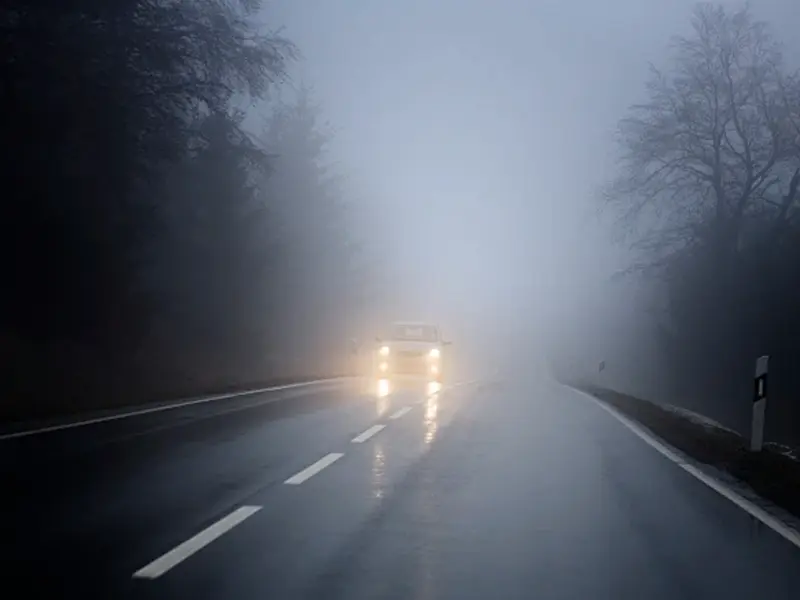
شبكات كشف الضباب
تمكن من مراقبة أحداث الضباب على نطاق واسع وتدعم أنظمة الإنذار المبكر لظروف انخفاض الرؤية.

إدارة سلامة الموانئ
فهو يراقب أحوال الطقس مثل الضباب والضباب والأمطار والعواصف الترابية في الوقت الفعلي، مما يوفر بيانات مهمة لتحليل الطقس والتنبؤ به.
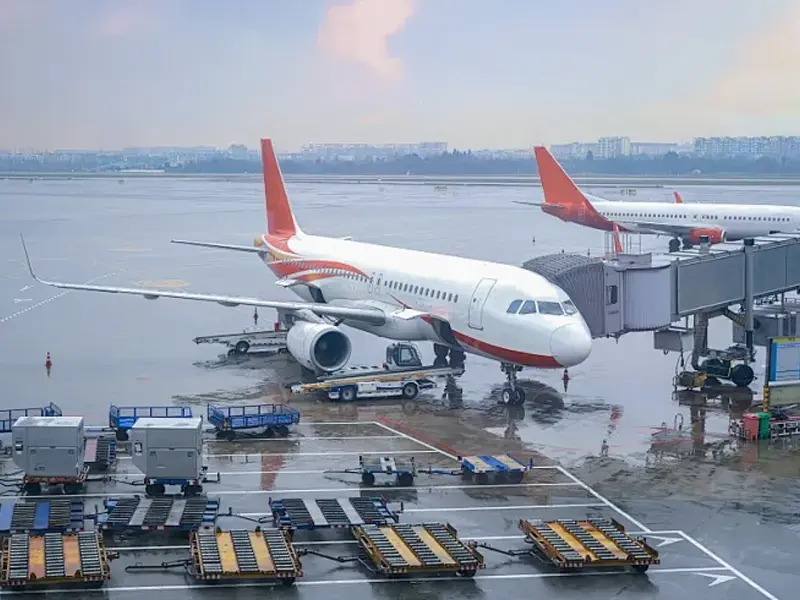
أنظمة طقس المطارات (AWOS)
توفير بيانات الرؤية الهامة لسلامة الطيران وعمليات الطيران.
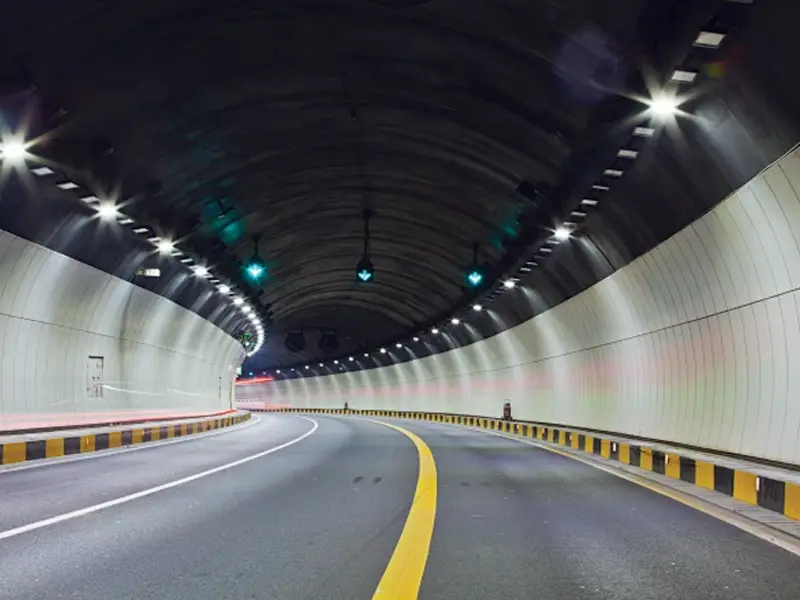
مراقبة جودة هواء النفق
يدعم التحكم في السلامة والتهوية في أنفاق النقل المغلقة.
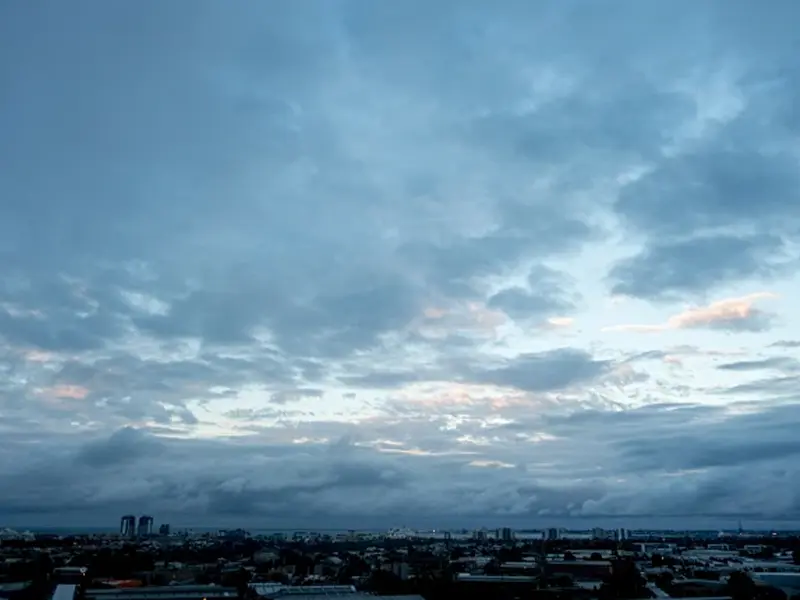
محطات مراقبة الأرصاد الجوية
يوفر بيانات أساسية للتنبؤ بالطقس وتحليل المناخ والبحوث البيئية.
مستشعر رؤية الغلاف الجوي المخصص
يمكن تخصيص مستشعر الرؤية البصرية بمرونة لتلبية متطلبات المشاريع المختلفة عبر تطبيقات الأرصاد الجوية والنقل والطيران والمراقبة الصناعية. بدءًا من واجهات الإخراج إلى نطاق القياس والتصميم الهيكلي، تضمن الحلول المخصصة توافقًا أفضل للنظام وتحسين الأداء والتشغيل الموثوق به في ظروف بيئية متنوعة.
خيارات التخصيص
- نطاق القياس
يمكن تعديل نطاق الرؤية لتلبية سيناريوهات تطبيق محددة مثل الطرق السريعة أو المطارات أو المناطق الصناعية. - خيارات إشارة الإخراج
يدعم تخصيص بروتوكولات RS485 أو Modbus أو الإخراج التناظري أو بروتوكولات الاتصال الأخرى لتكامل النظام بسلاسة. - التصميم الإنشائي
يمكن تكييف مواد الإيواء وطرق التركيب والتصميمات المدمجة مع بيئات التركيب المختلفة. - ترقية التكيف البيئي
- يمكن تخصيص مستويات الحماية المحسّنة، مثل مقاومة التآكل، ومقاومة الضباب الملحي ومقاومة الجليد، لتناسب المناخات القاسية.
- تكوين مصدر الطاقة
يمكن توفير خيارات جهد مرنة لتتناسب مع متطلبات أنظمة الطاقة المختلفة. - المعايرة ودعم البرامج
تضمن معايير المعايرة المخصصة وخدمات تكامل البرامج التوافق مع منصات المستخدمين وأنظمة البيانات.
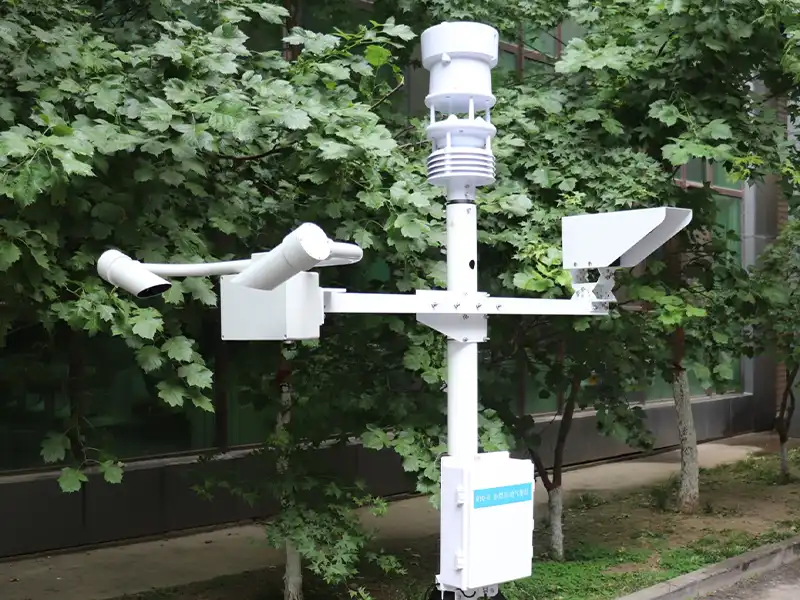

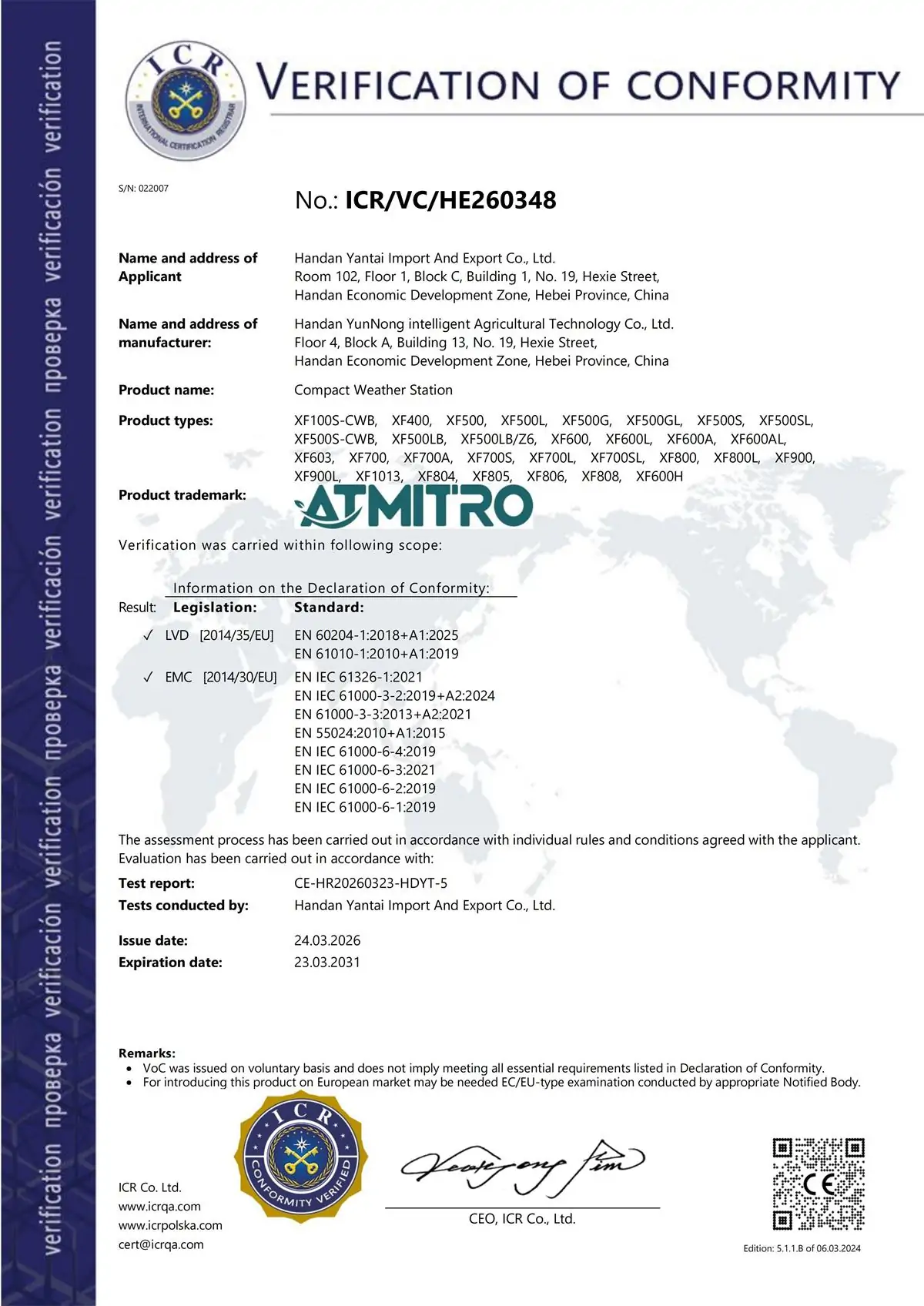
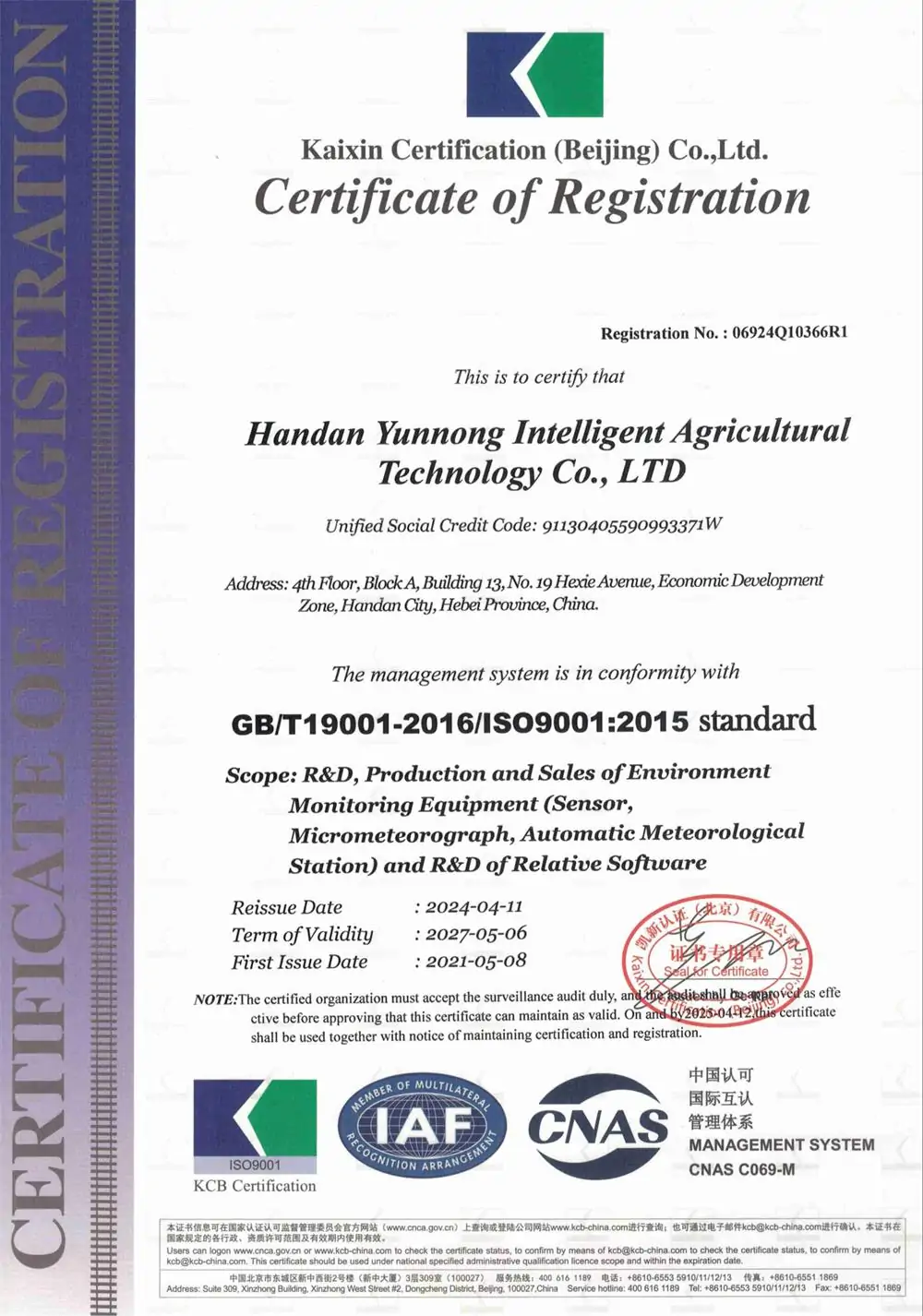
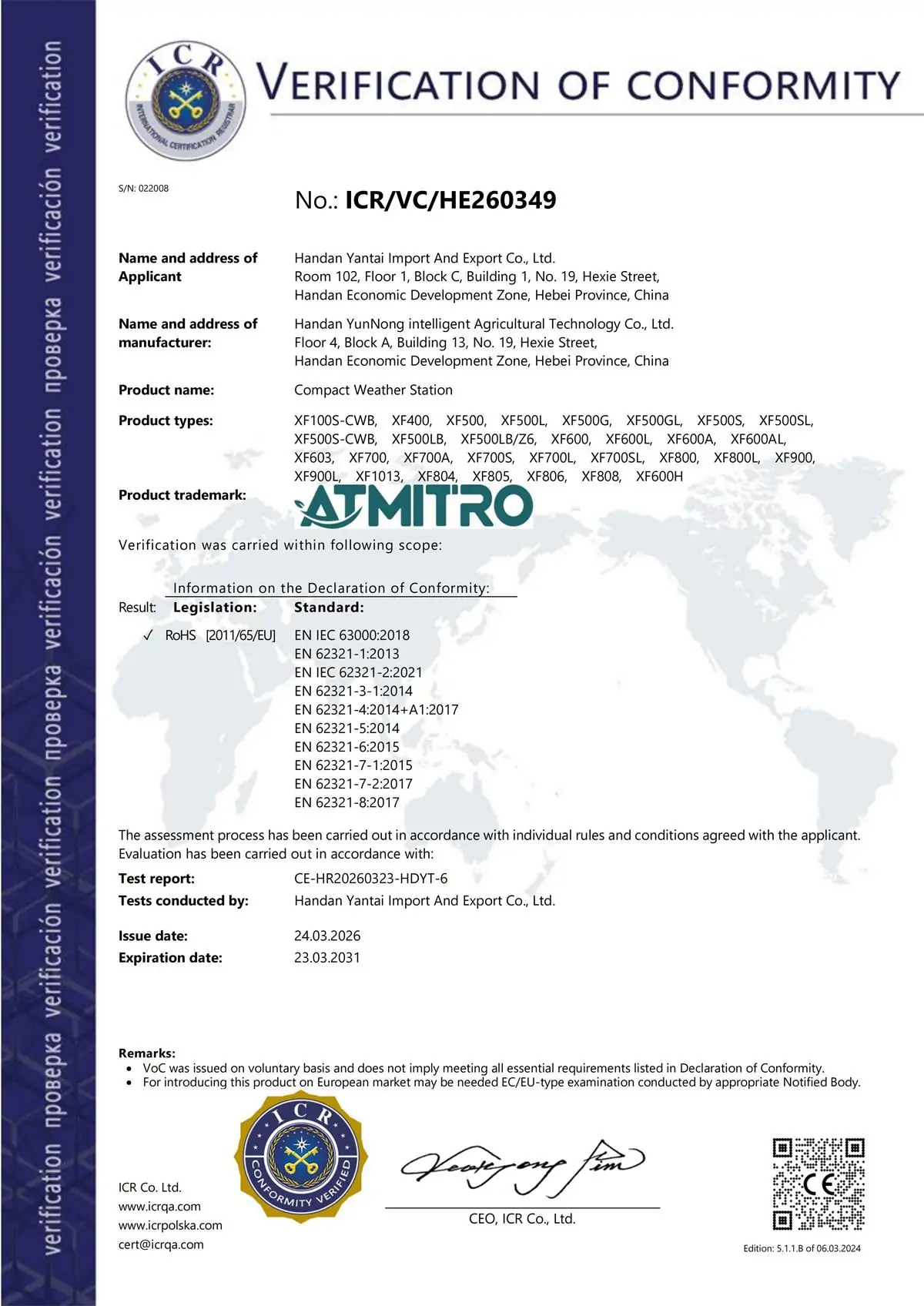
الشركة المصنعة والموردة لمستشعر الرؤية الجوية
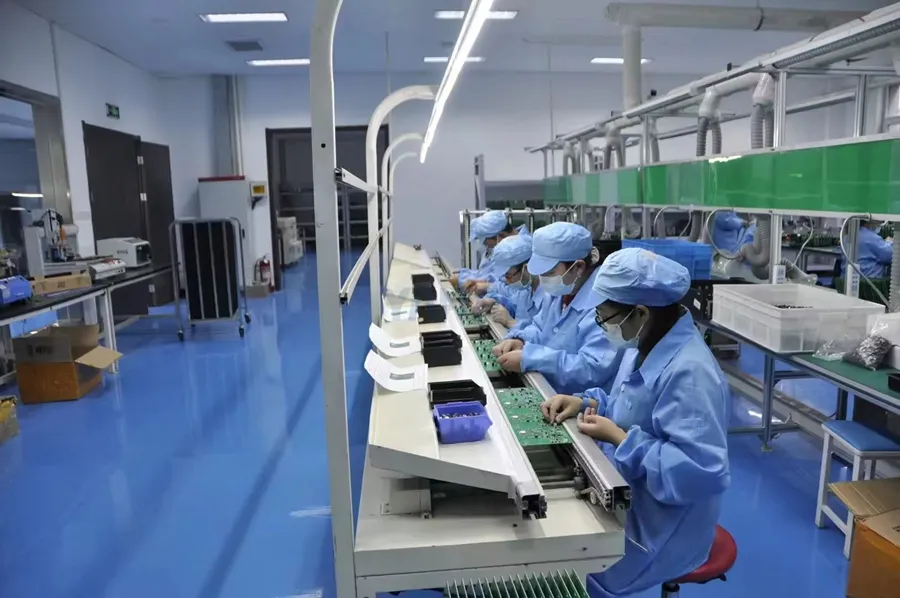
شركة Yantai Sensor هي شركة متخصصة في تصنيع وتوريد أجهزة استشعار الرؤية في الغلاف الجوي، حيث توفر حلولاً متقدمة لمراقبة الرؤية لتطبيقات الأرصاد الجوية والنقل والطيران والملاحة البحرية والمراقبة البيئية. يوفر مستشعر الرؤية الخاص بنا قياسًا دقيقًا في الوقت الفعلي لظروف الرؤية في بيئات الضباب والضباب والمطر والثلج والغبار، مما يضمن بيانات موثوقة لسلامة الطرق وعمليات المطارات وأنظمة المراقبة الجوية الذكية، بما في ذلك مستشعر الرؤية الجوية لأنظمة السلامة على الطرق السريعة ومستشعرات الرؤية للكشف عن الضباب لتطبيقات مراقبة حركة المرور.
يدعم مستشعر رؤية الغلاف الجوي القائم على إنترنت الأشياء RS485 و Modbus RTU و 4G و LoRa و WiFi والمراقبة عن بُعد القائمة على السحابة، مما يتيح نقل البيانات بشكل مستقر وتكامل النظام بسلاسة. صُمم المستشعر بحماية ضد العوامل الجوية، وهيكل مضاد للتجمد، واستهلاك منخفض للطاقة، ومقاومة للتآكل، كما يدعم المستشعر خدمات التخصيص المرنة لتصنيع المعدات الأصلية/التصنيع حسب الطلب لتلبية متطلبات المشاريع والصناعات المتنوعة. اتصل بنا لنا للحصول على أفضل حلول مستشعرات الرؤية الجوية والدعم الفني الاحترافي لمشروعك.