Atmospheric Visibility Sensor for Weather Monitoring SystemsThe

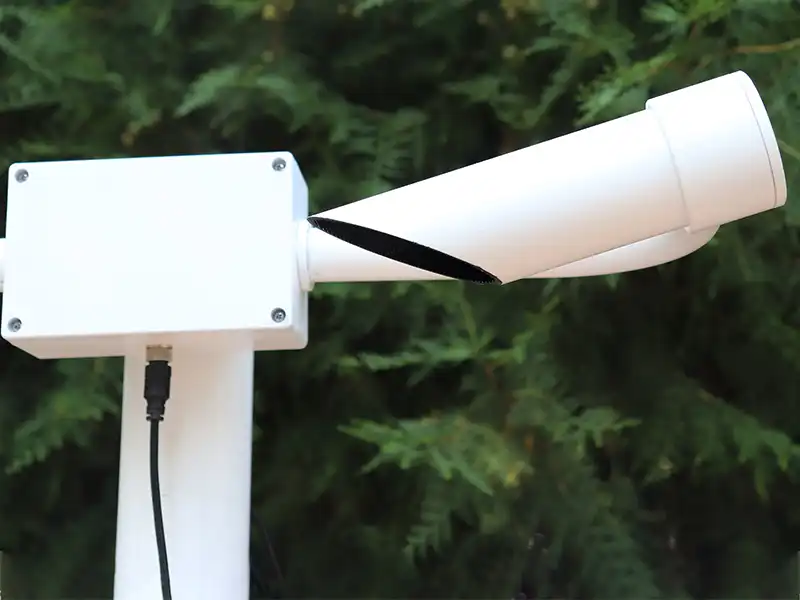
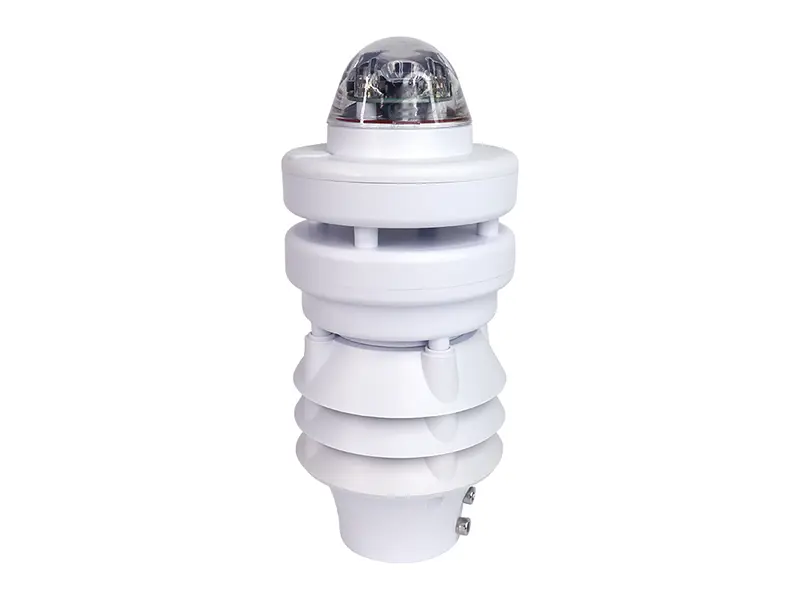
An atmospheric visibility sensor is a device used to measure atmospheric visibility in real time by detecting fog, haze, rain, dust, and other environmental conditions. It features high accuracy, fast response, stable outdoor performance, and low maintenance, making it ideal for weather stations, highways, airports, ports, and smart transportation safety monitoring solutions.

  • Atmospheric temperature: -40-60℃
  • Atmospheric humidity: 0-100%RH
  • Supply: 12-24VDC
  • 输出: RS485(Modbus)
  • Range: 10 米-10 公里
  • Accuracy: <2km

导言

An atmospheric visibility sensor is a precision instrument used to measure atmospheric transparency and determine meteorological optical range (MOR). Currently, mainstream visibility sensors operate based on the principle of forward scattering. Simply put, an emitter inside the sensor emits a beam of infrared light into the air, while a receiver, positioned at a specific angle (typically between 33° and 45°) relative to the emitted light, measures the intensity of the scattered light caused by airborne particles (such as fog, haze, rain, or snow). Using a specific mathematical model, the sensor converts the scattered light intensity into a current visibility value.

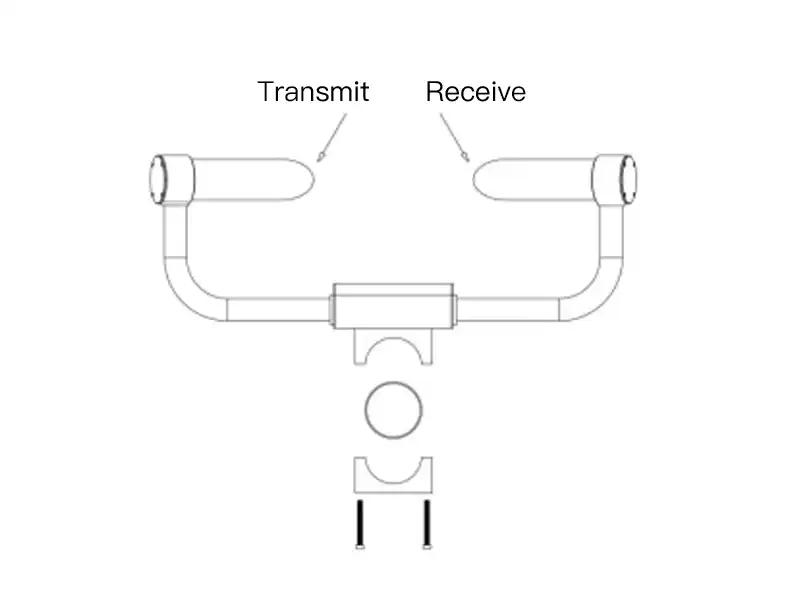
Structure atmospheric visibility sensor

  • Optical Transmitter Module
    Emits stable light signals for atmospheric visibility measurement.
  • Optical Receiver Module
    Receives scattered light signals and converts them into visibility data.
  • High-Precision Detection Chamber
    Ensures accurate monitoring under fog, haze, rain, and dust conditions.
  • LED / Infrared Light Source
    Provides long-life and stable optical performance for continuous operation.
  • Signal Processing Circuit Board
    Processes optical signals quickly for real-time visibility analysis.
  • Microprocessor Control Unit
    Controls sensor operation and improves overall measurement accuracy.
  • Temperature Compensation Module
    Reduces environmental temperature influence on sensor performance.
  • Anti-Condensation Protection System
    Prevents moisture buildup and ensures reliable outdoor monitoring.
  • Weatherproof Protective Housing
    Protects internal components from rain, dust, and harsh environments.
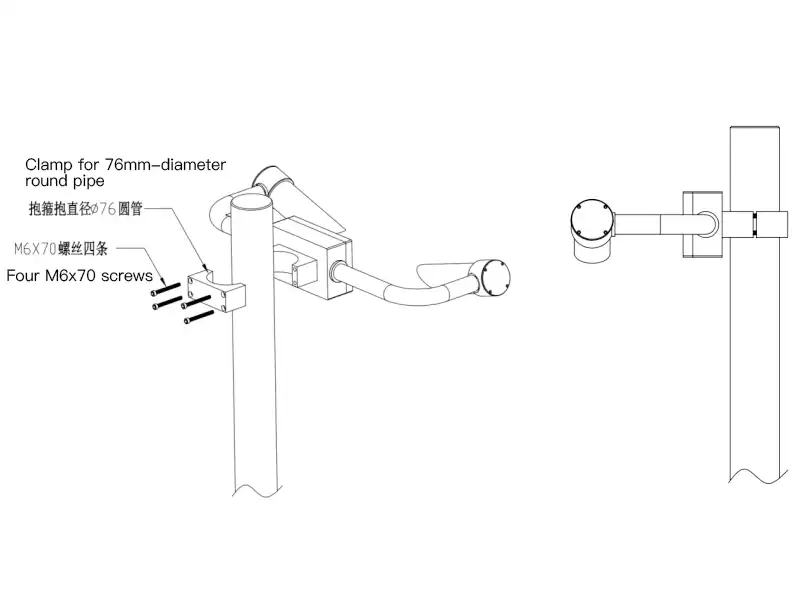
  • Mounting Bracket and Pole Clamp
    Supports stable installation for highways, airports, and weather stations.

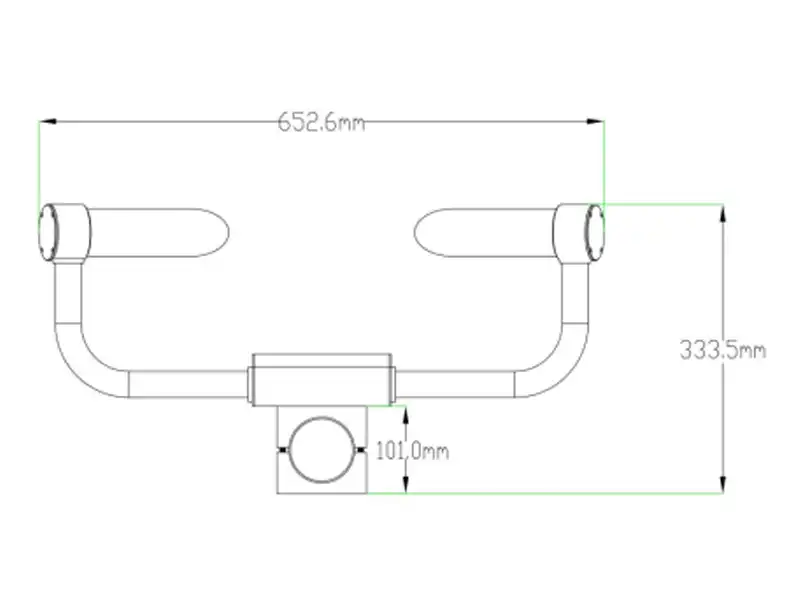
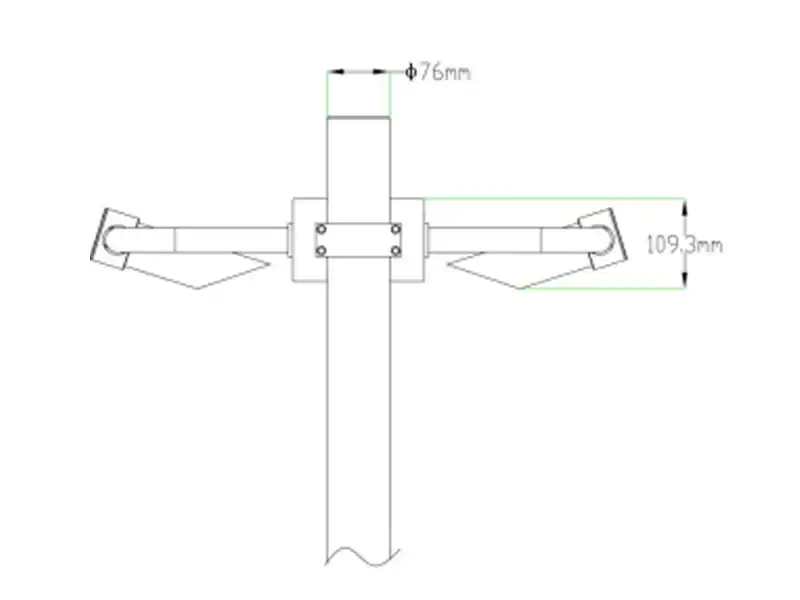
尺寸

详情显示

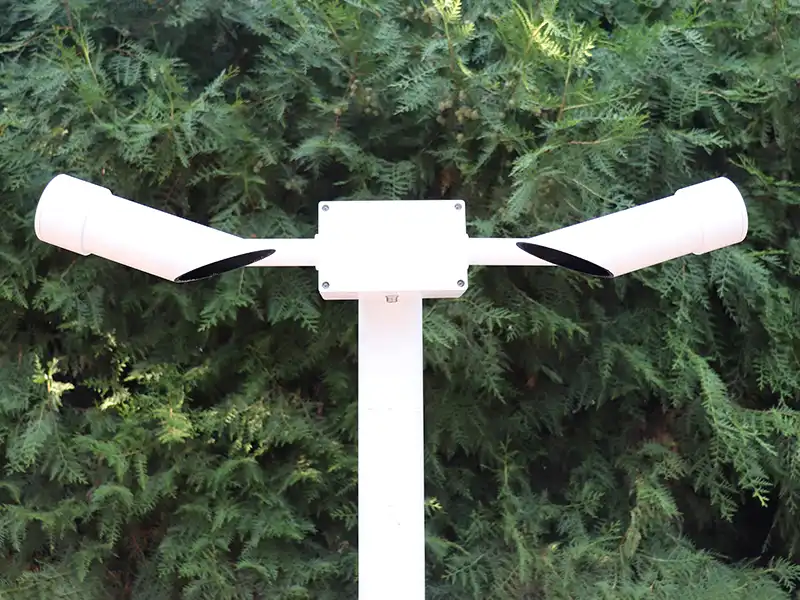
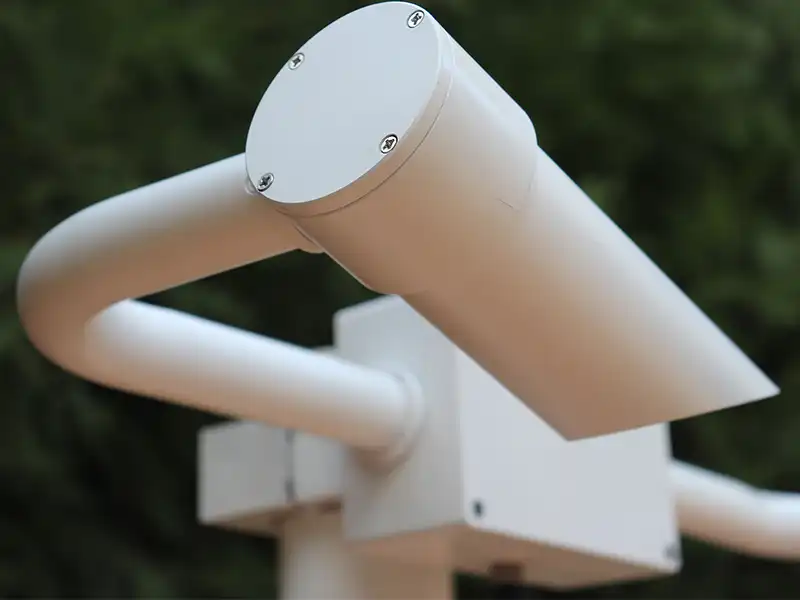
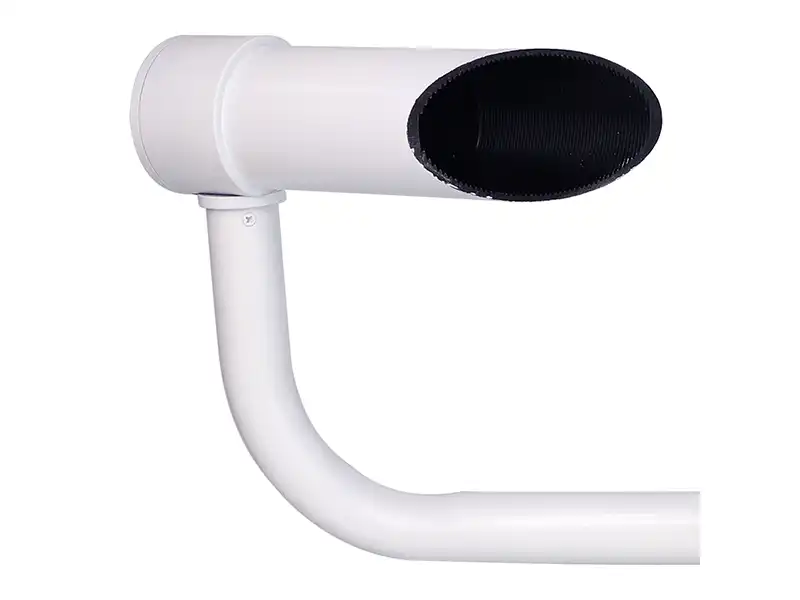
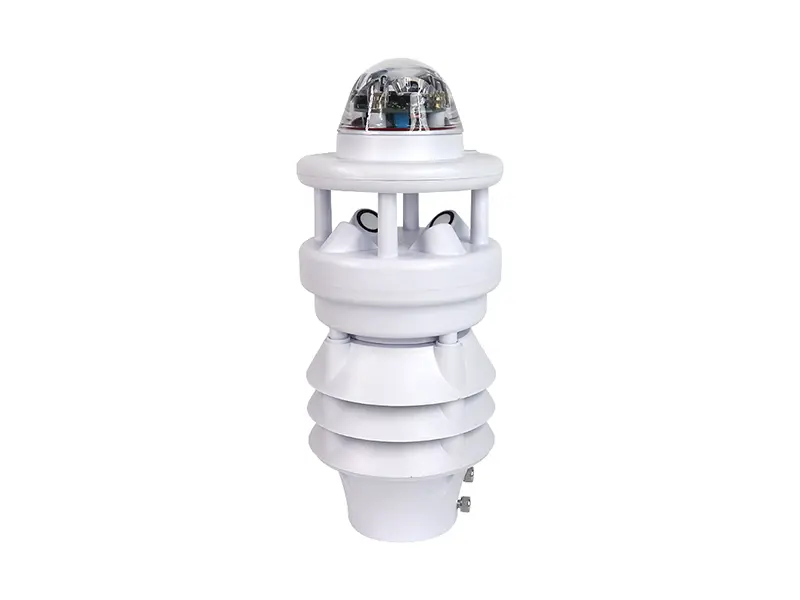
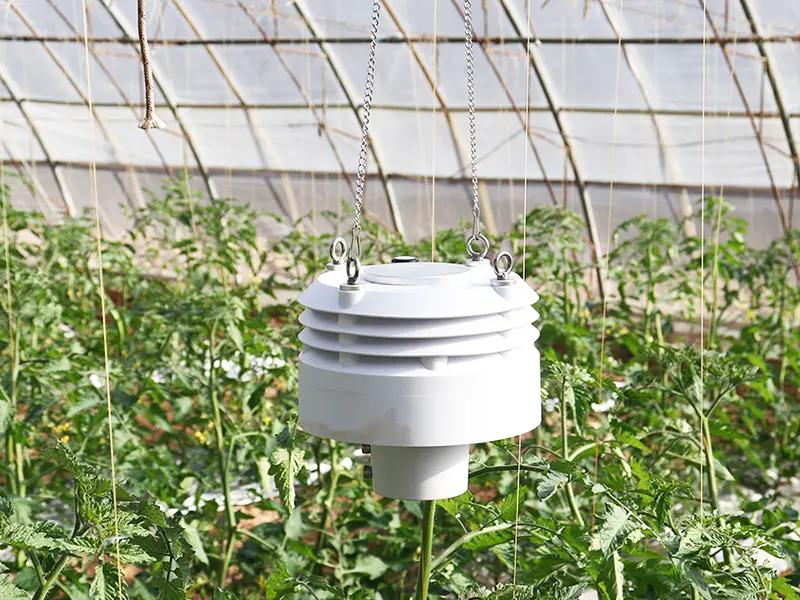
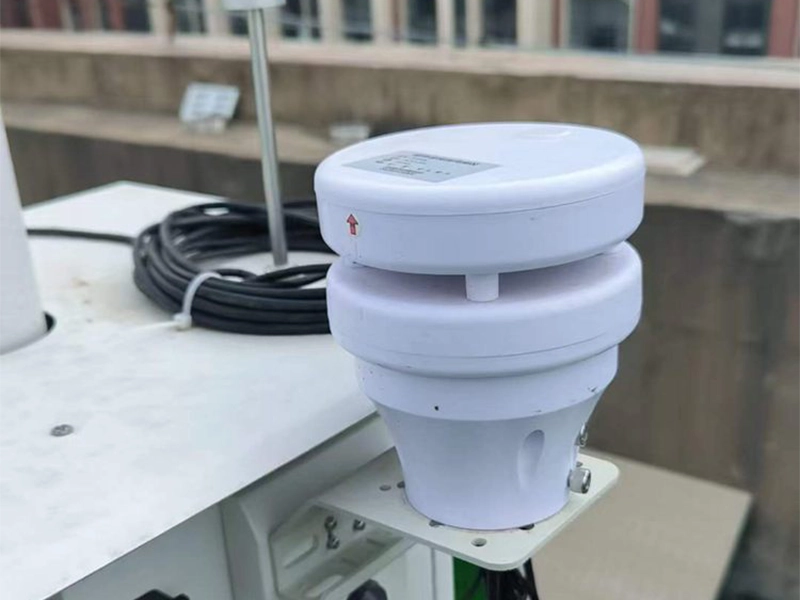
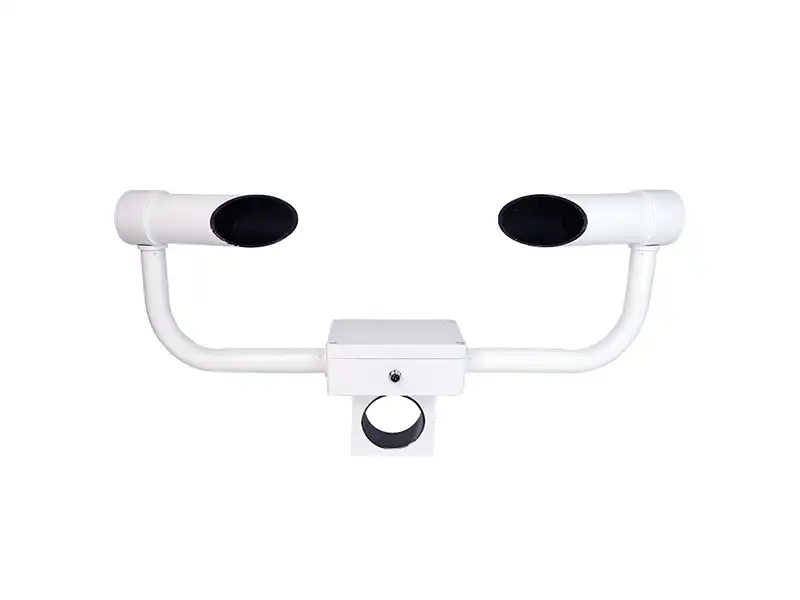
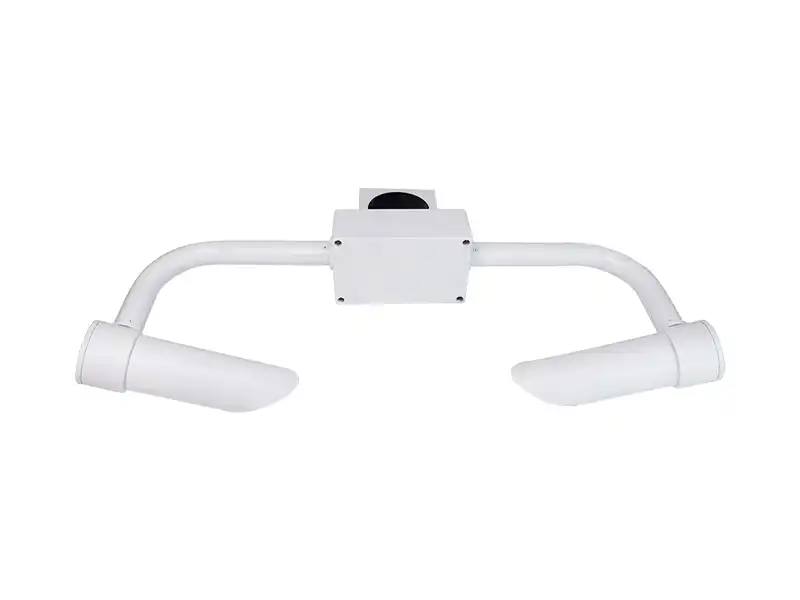
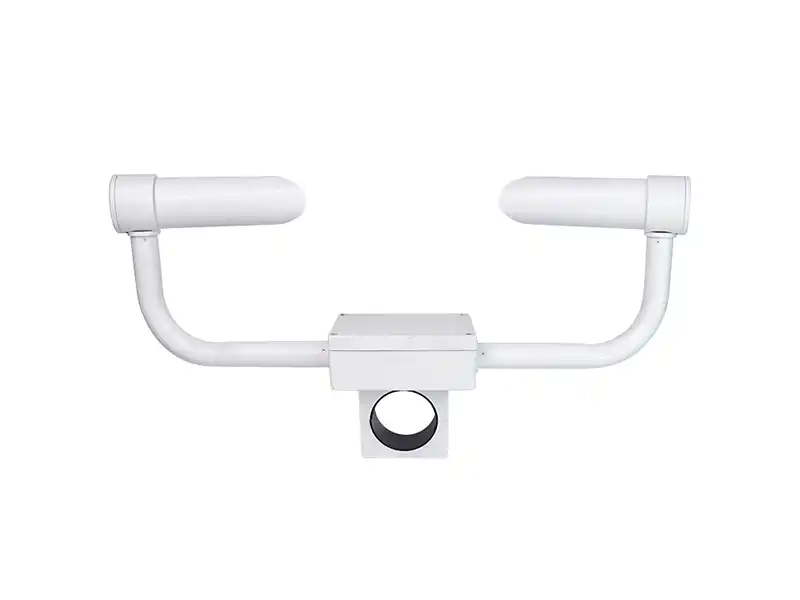
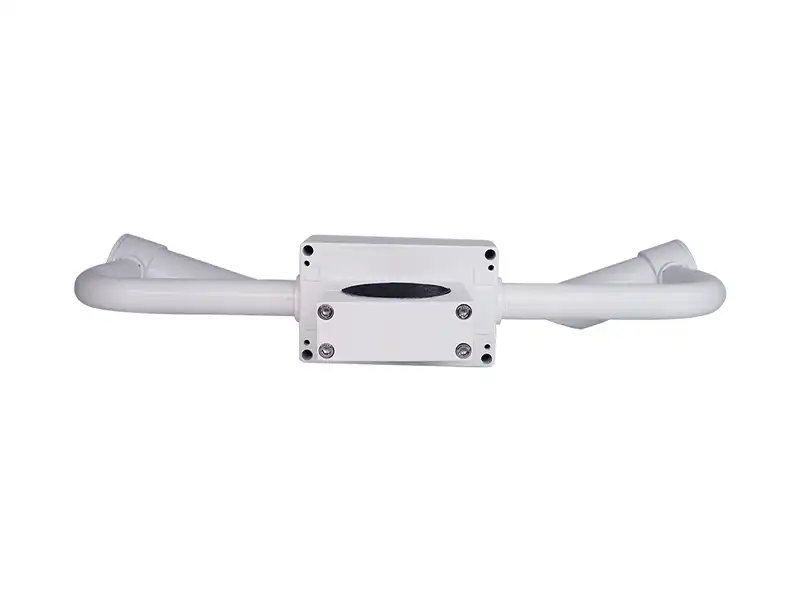
This atmospheric visibility sensor features a compact design, durability, and excellent weather resistance, making it ideal for long-term use in harsh outdoor environments. Detailed structural diagrams and multi-angle views clearly demonstrate its exceptional build quality, making it well-suited for applications in meteorology, transportation, and industrial monitoring. Below are detailed images of the atmospheric visibility sensor:

可见度传感器原理

  • 前向散射原理 通过测量空气颗粒对光束的散射强度来估计能见度。.
  • 光衰减分析: 根据颗粒物质造成的光强衰减变化计算大气透射率。.
  • 多粒子响应模型 通过算法微分,区分并补偿不同大小和形态的颗粒(如烟、尘、霾、雨和雪)的散射特性。.
  • 环境光抑制: 利用光学遮光结构和过滤算法,消除阳光和汽车前灯等背景光源的干扰。.
  • 温湿度补偿: 自动修正影响光线传播的环境变化,提高能见度计算的准确性。.
  • 动态过滤和稳定性处理 平滑测量信号,防止因雨雪脉冲和瞬时波动造成误读。.

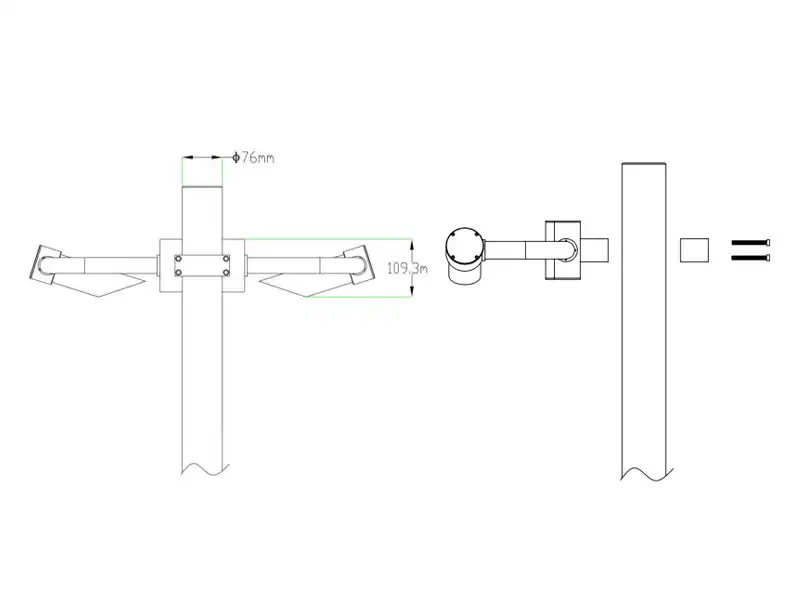
安装示意图
规格

The atmospheric visibility sensor is designed with high-precision optical technology and stable signal processing performance. Below are the key technical parameters that define its measurement accuracy, environmental adaptability, and long-term reliability for outdoor monitoring applications.

参数

测量范围10 米-10 公里
工作电压DC12V ~24V
耗电量非加热 ≤ 2 W
暖气≤ 6 W
输出RS485 标准 modbus 协议
准确性≤2km ± 2%;;

2km~10km ± 5%

数据更新间隔15/60 年代
工作温度-40-60℃
工作湿度0-100%RH
储存温度-50-85℃

Features Meteorological Visibility Sensor

Applications atmospheric visibility sensor

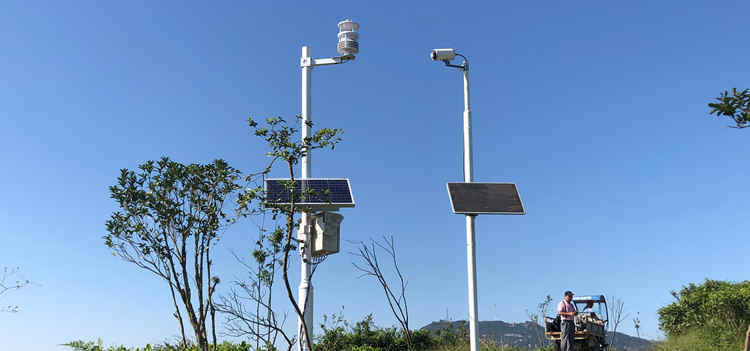
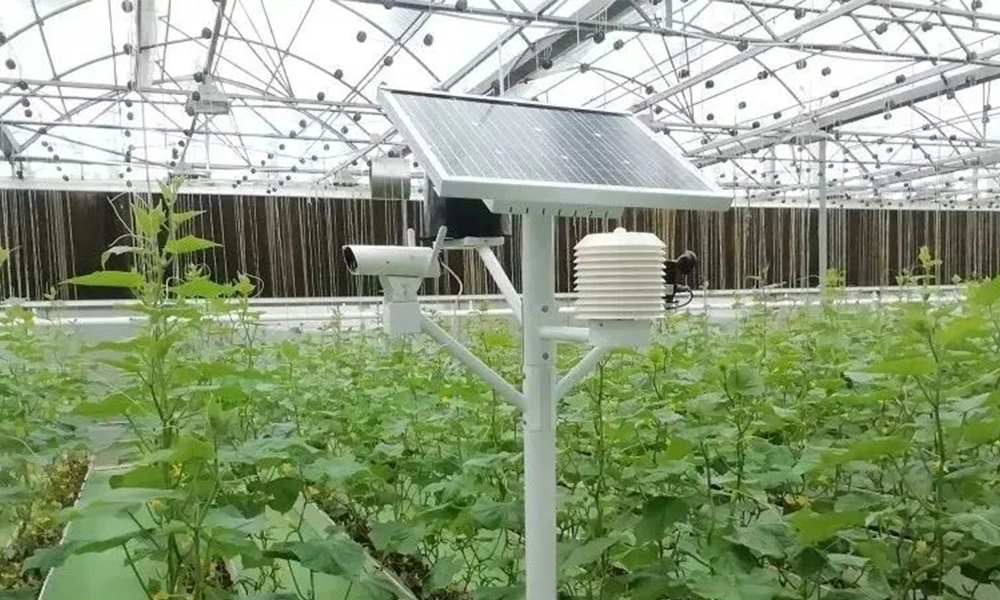
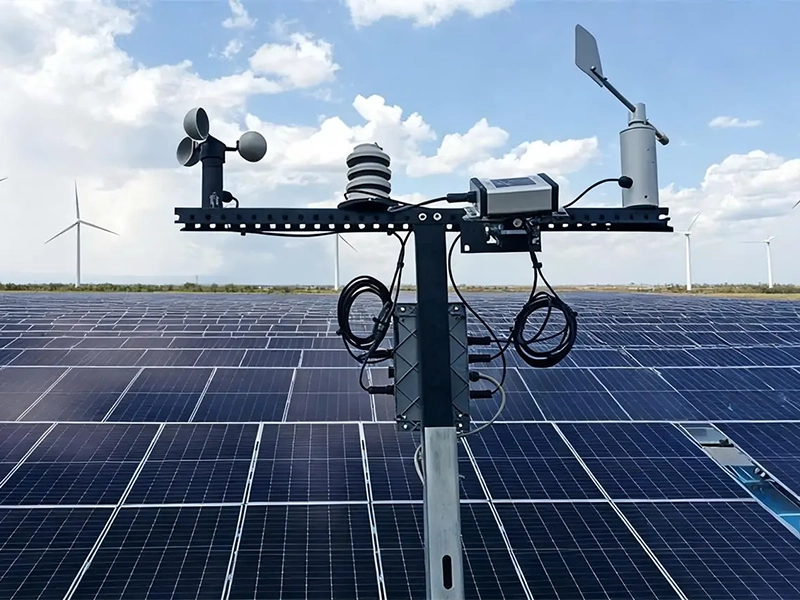
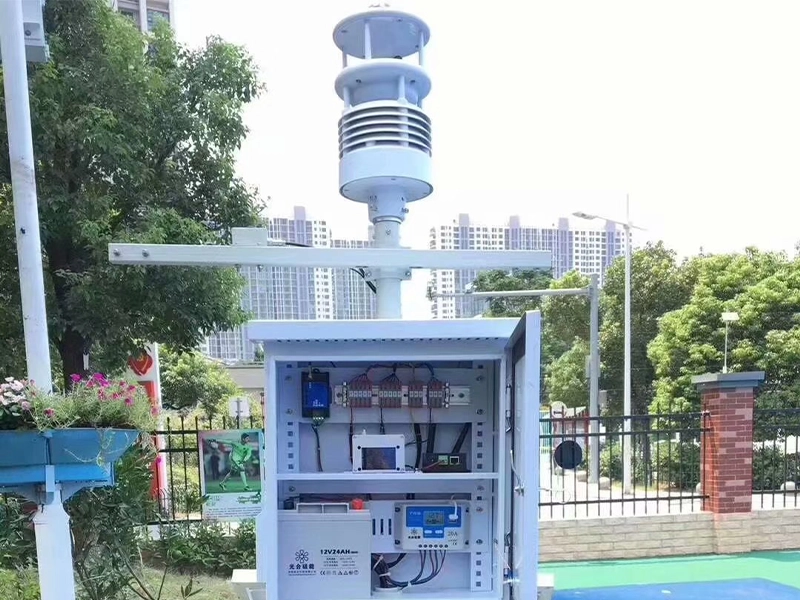
The atmospheric visibility sensor is widely used in 气象监测, transportation safety, aviation, maritime operations, and industrial environmental systems. It provides real-time and reliable visibility data, helping improve safety, operational efficiency, and early warning capabilities in complex weather conditions.

visibility sensor for road weather information system (RWIS)

Provides real-time visibility data to support highway safety management and traffic control decisions.

Fog Detection Networks

Enables wide-area monitoring of fog events and supports early warning systems for low-visibility conditions.

大气能见度传感器

Port Safety Management

It monitors weather conditions such as fog, haze, rain, and dust storms in real time, providing critical data for weather analysis and forecasting.

airport atmospheric visibility sensor for aviation safety

Supplies critical visibility data for aviation safety and flight operations.

visibility monitoring system for tunnel safety control

Tunnel Air Quality Monitoring

Supports safety and ventilation control in enclosed transportation tunnels.

atmospheric visibility sensor for weather monitoring

Provides essential data for weather forecasting, climate analysis, and environmental research.

atmospheric visibility sensor custom

The optical visibility sensor can be flexibly customized to meet different project requirements across meteorology, transportation, aviation, and industrial monitoring applications. From output interfaces to measurement range and structural design, customized solutions ensure better system compatibility, improved performance, and reliable operation in diverse environmental conditions.

定制选项

  • 测量范围
    The visibility range can be adjusted to meet specific application scenarios such as highways, airports, or industrial zones.
  • Output Signal Options
    Supports customization of RS485, Modbus, analog output, or other communication protocols for seamless system integration.
  • Structural Design
    Housing materials, mounting methods, and compact designs can be adapted for different installation environments.
  • Environmental Adaptation Upgrade
  • Enhanced protection levels, such as anti-corrosion, anti-salt fog, and anti-icing, can be customized for harsh climates.
  • Power Supply Configuration
    Flexible voltage options can be provided to match different power system requirements.
  • Calibration & Software Support
    Custom calibration standards and software integration services ensure compatibility with user platforms and data systems.
大气能见度传感器

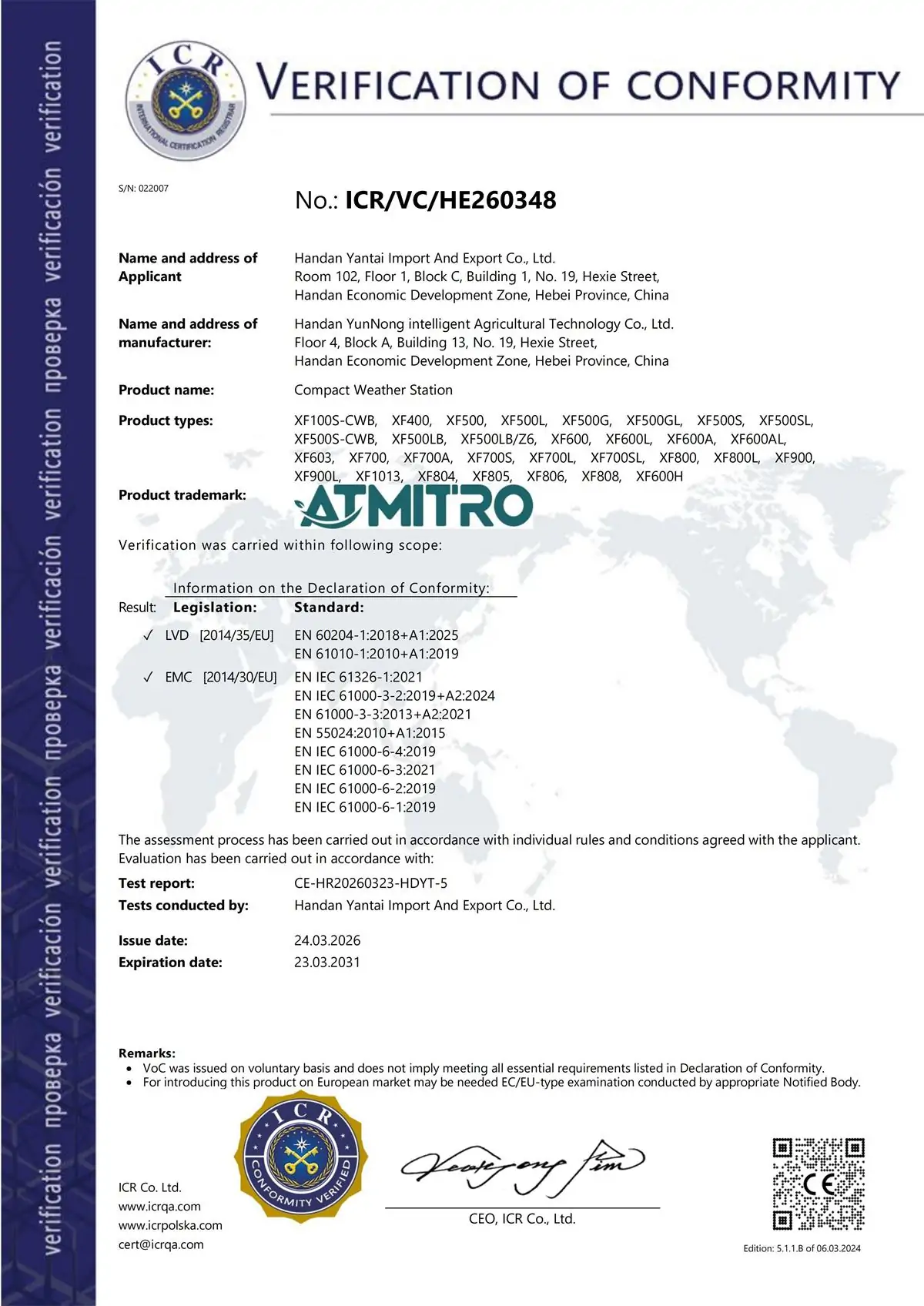
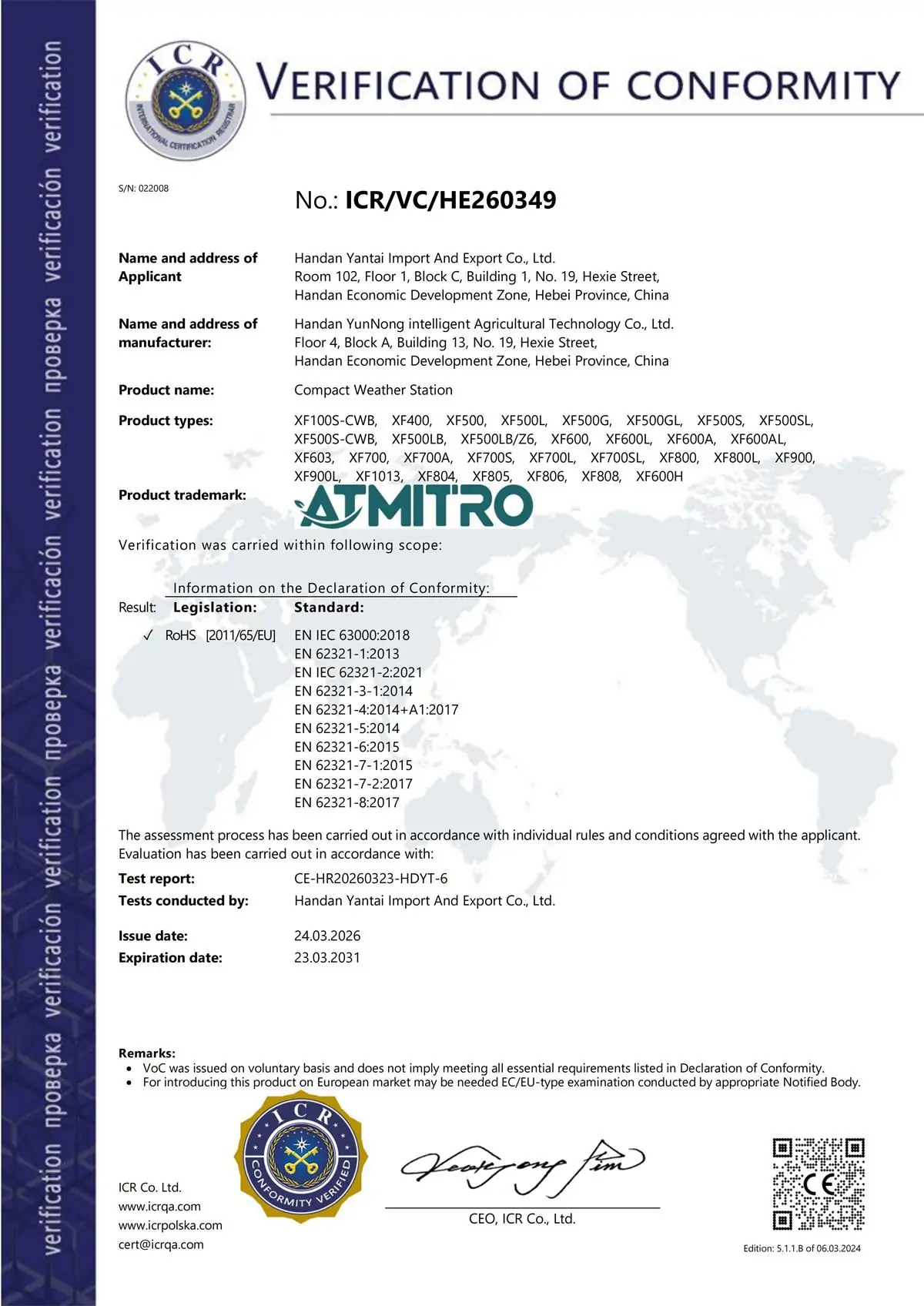
证书

我们拥有 CNAS、ISO、CE 和 RoHS 认证,所有气象监测系统均符合严格的国际标准。.

atmospheric visibility sensor manufacturer and supplier

Yantai Sensor is a professional atmospheric visibility sensor manufacturer and supplier, providing advanced visibility monitoring solutions for meteorology, transportation, aviation, maritime, and environmental monitoring applications. Our visibility sensor delivers accurate real-time measurement of visibility conditions in fog, haze, rain, snow, and dust environments, ensuring reliable data for road safety, airport operations, and intelligent weather monitoring systems, including an atmospheric visibility sensor for highway safety systems and fog detection visibility sensors for traffic monitoring applications.

Our IoT-based atmospheric visibility sensor supports RS485, Modbus RTU, 4G, LoRa, WiFi, and cloud-based remote monitoring, enabling stable data transmission and seamless system integration. Designed with weatherproof protection, anti-icing structure, low power consumption, and corrosion resistance, the sensor also supports flexible OEM/ODM customization services to meet diverse project and industry requirements. 联系方式 us to get the best atmospheric visibility sensor solution and professional technical support for your project.

常见问题

What is an atmospheric visibility sensor used for?

An atmospheric visibility sensor is used to measure real-time visibility in the atmosphere, especially in fog, haze, rain, snow, and dust conditions. It is widely applied in weather stations, highways, airports, ports, and environmental monitoring systems.

How does an atmospheric visibility sensor work?

It works based on optical scattering principles, typically using a forward scatter or backscatter method. The sensor emits a light beam and measures the scattered light caused by particles in the air to calculate visibility distance.

Where is an atmospheric visibility sensor commonly installed?

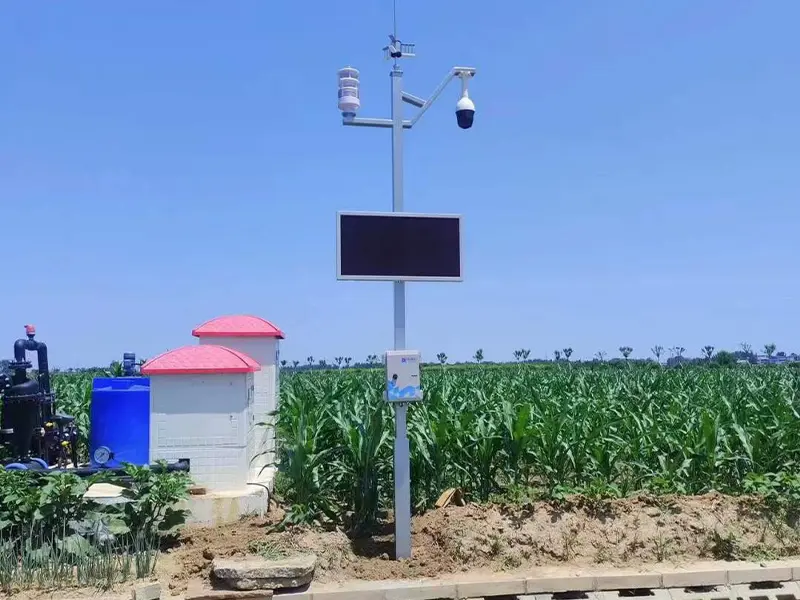
It is commonly installed in road weather information systems (RWIS), airport weather observation systems (AWOS), fog detection networks, tunnels, ports, and industrial monitoring sites.

What is the measurement range of a visibility sensor?

The measurement range depends on the model, but typical atmospheric visibility sensors can measure from a few meters up to 10–20 kilometers or more, depending on environmental conditions.

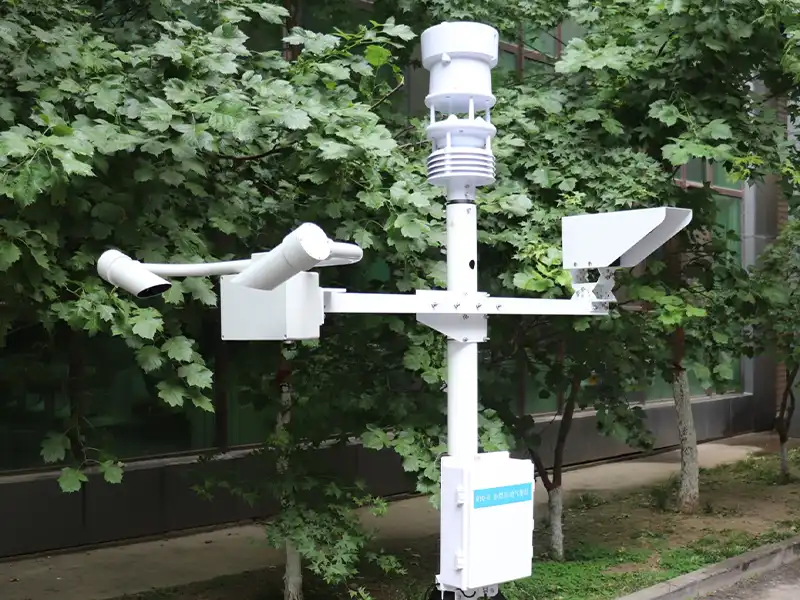
Can it be integrated into a weather station system?

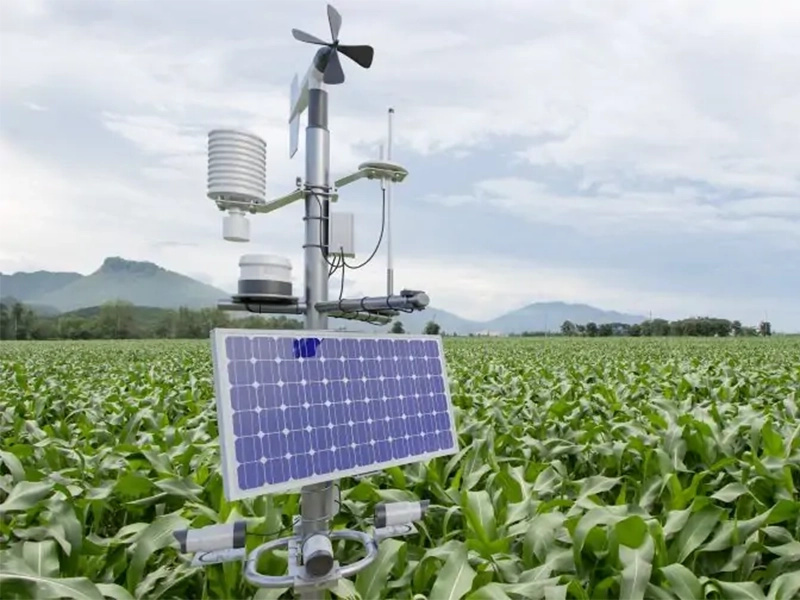
Yes. The atmospheric visibility sensor is designed for easy integration with automatic weather stations (AWS) and environmental monitoring platforms.

Do you support OEM/ODM customization?

Yes. OEM/ODM customization is available, including measurement range, output interface, housing design, communication protocol, and installation requirements.