Introduction
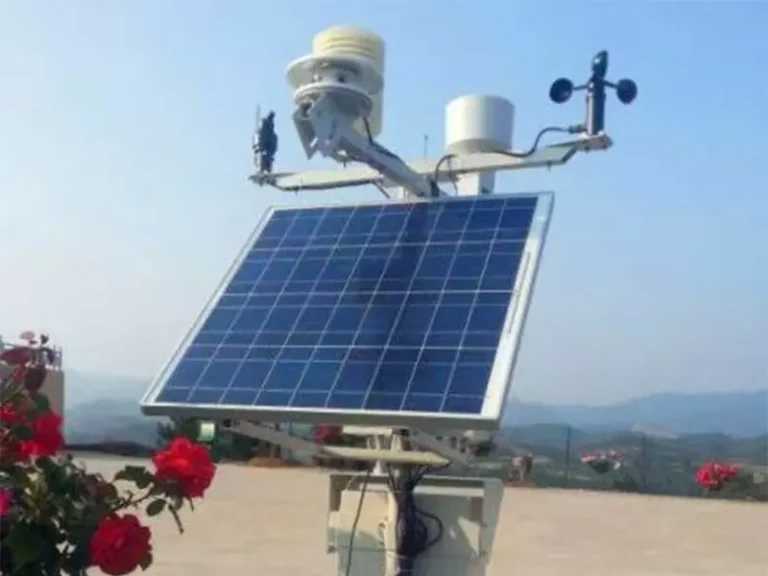
A visibility sensor is a device used to measure atmospheric visibility and detect changes caused by fog, rain, snow, dust, and other airborne particles. By providing real-time visibility data, it helps identify low-visibility conditions and improve safety in transportation and environmental monitoring. The sensors are widely used in highway safety, RWIS (Road Weather Information Systems), smart transportation, and airport weather monitoring applications.
With reliable visibility monitoring, these sensors assist operators respond quickly to changing weather conditions and improve decision-making. This article explains what a visibility sensor is, how it works, its types, features, applications, and how to choose the right visibility monitoring solution.If you are interested in “What Is a Road Condition Sensor? Working Principle & Applications,” please click
What Is a Visibility Sensor?
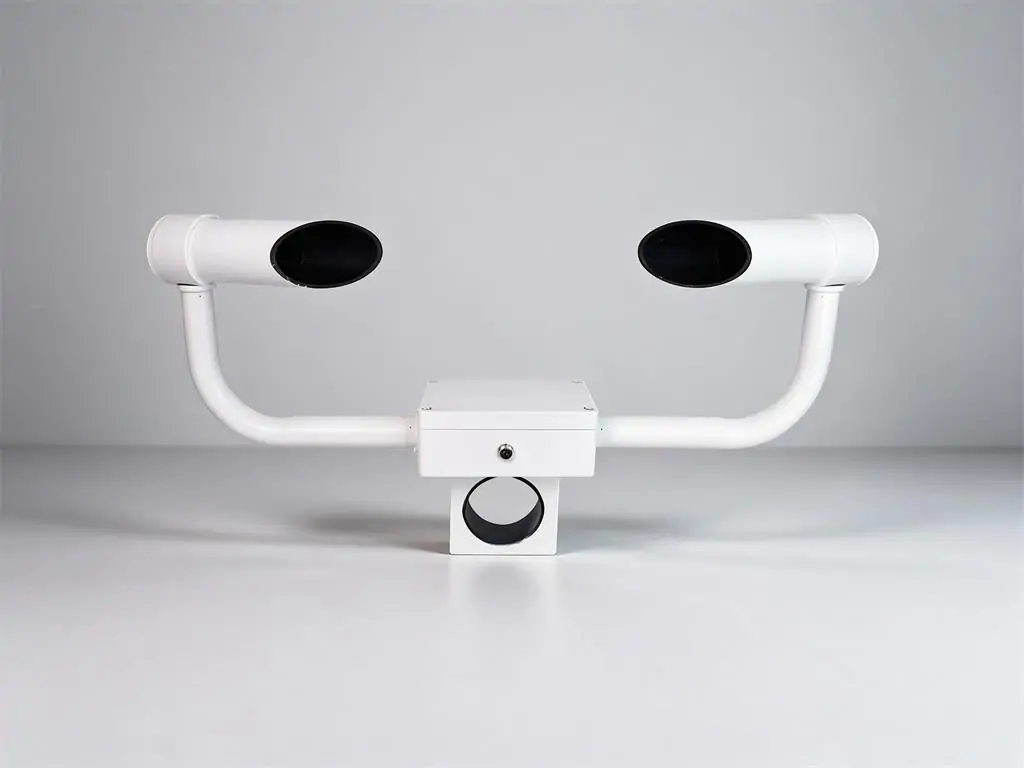
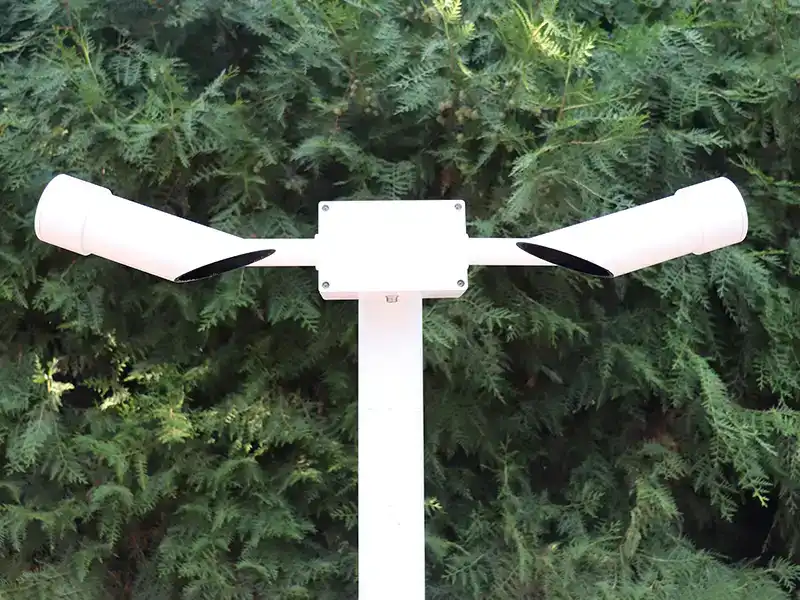
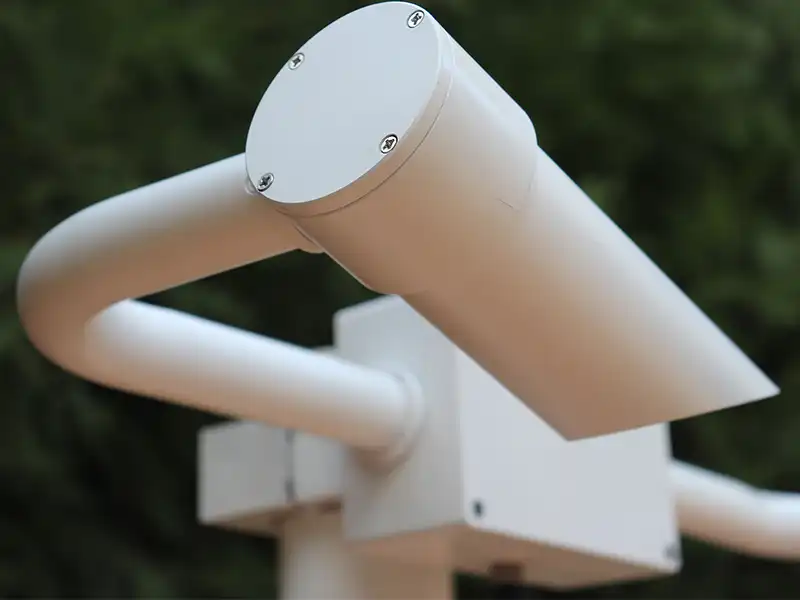
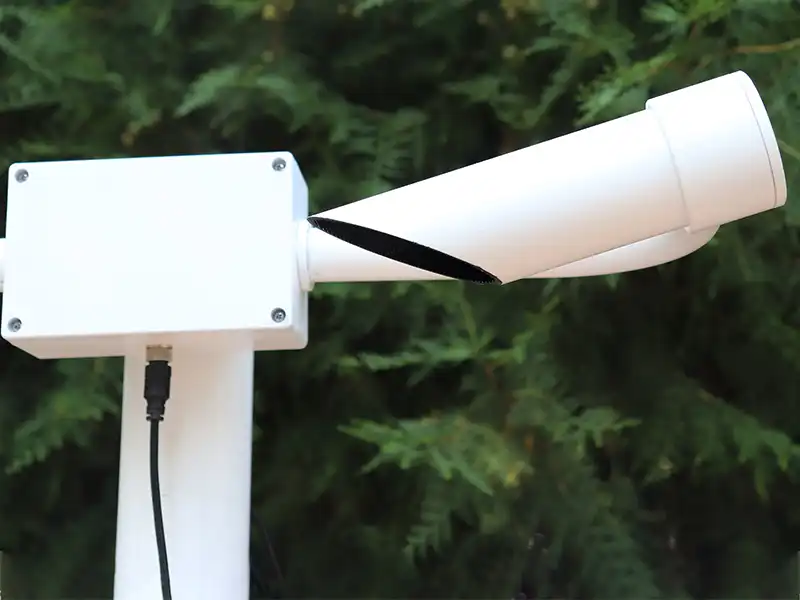
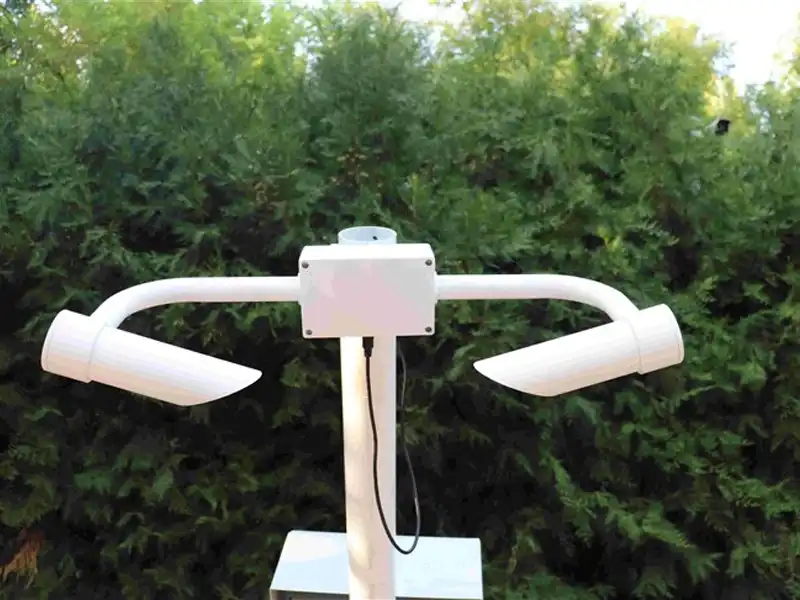
A visibility sensor is an optical measurement device used to determine atmospheric visibility by measuring how light is affected by particles in the air. It calculates Meteorological Optical Range (MOR) and visibility distance, providing dependable environmental data for weather monitoring and transportation management. Unlike manual observation methods, the sensor enables continuous and automated visibility monitoring under changing weather conditions.
Visibility monitoring is essential for applications where reduced visibility can affect safety and operations. In highway systems, visibility monitoring sensors support fog warning and traffic management by detecting hazardous conditions; in airports, they help monitor runway visibility and improve flight safety; in tunnels, they provide valuable data for smoke monitoring and emergency response. By integrating with low visibility warning systems, atmospheric visibility sensor support operators make faster and more accurate decisions.For a closer look at fog visibility monitoring and its applications, see How Does a Fog Visibility Sensor Work? Technology & Applications.
How Does a Visibility Sensor Work?
The sensor uses optical measurement technology to analyze how light interacts with airborne particles such as fog, dust, rain, and snow. By measuring light scattering or attenuation, it calculates atmospheric visibility and converts optical signals into Meteorological Optical Range (MOR) data. Most modern optical visibility monitoring sensor use forward scattering or light transmission principles, providing reliable visibility measurements for applications including RWIS, road weather monitoring, airports, and smart transportation systems.To learn more about highway visibility monitoring and how visibility sensors are used in road safety applications, see Highway Visibility Sensor: Applications for Road Safety Monitoring.
Optical Scattering Measurement Principle
The forward scatter visibility monitoring sensor is the most widely used visibility monitoring technology for highway and weather applications. It works by detecting the intensity of light scattered by airborne particles. During operation, the sensor emits an infrared or visible light beam, and when the light interacts with particles such as fog droplets, dust, smoke, or snow, the scattered light is captured by the optical receiver. The system then processes the signal to calculate visibility distance and Meteorological Optical Range (MOR).
Compared with other measurement methods, forward scatter sensors offer a compact design, fast response, and flexible installation because they do not require a long optical path between the transmitter and receiver. These advantages make them suitable for continuous visibility monitoring in applications such as highways, bridges, RWIS stations, and smart transportation systems.
Light Transmission Measurement Principle
The transmissometer is another visibility measurement technology that determines visibility by measuring the attenuation of a light beam passing through a known atmospheric path. A transmitter emits a focused light beam toward a receiver installed at a fixed distance, and the system calculates visibility based on the reduction in received light intensity caused by atmospheric particles.
Compared with forward scatter visibility sensors, transmissometers provide high measurement accuracy in extremely low-visibility conditions and are commonly used for specialized applications such as airport runway visual range (RVR) monitoring. However, they require a longer installation distance between the transmitter and receiver, resulting in higher installation and maintenance requirements.
Types
The sensors are mainly categorized by their optical measurement technologies, including forward scatter sensors, transmissometers, and laser-based sensors. Each type offers different advantages in accuracy, installation flexibility, and application suitability for various visibility monitoring needs.
Forward Scatter Sensor
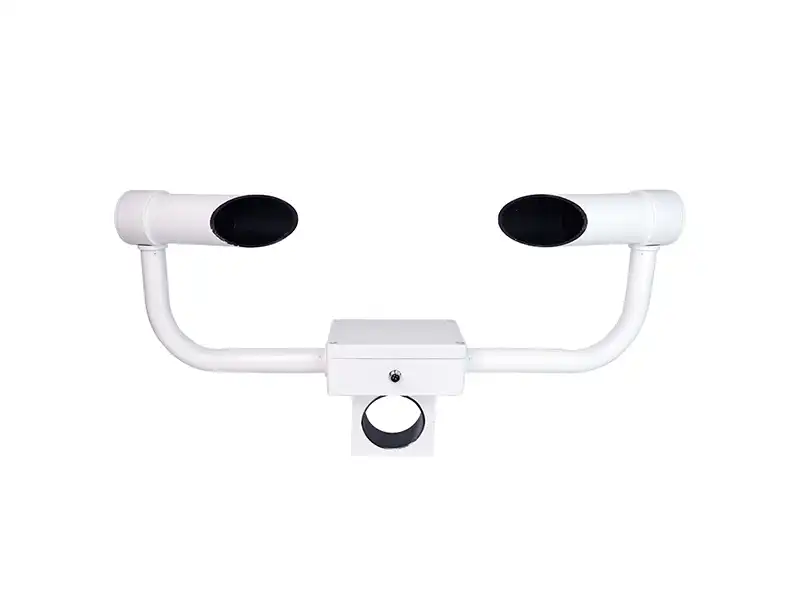
A forward scatter visibility sensor is the most widely used visibility monitoring technology for transportation and weather applications. It is designed for continuous outdoor visibility monitoring and is commonly selected for environments that require secure real-time visibility data.
With flexible deployment and suitability for distributed monitoring networks, forward scatter sensors are widely used as road visibility monitoring sensor in applications such as highways, bridges, RWIS stations, and road weather monitoring systems.
Transmissometer Sensor
A transmissometer visibility sensor is a high-precision visibility monitoring solution mainly used in applications where strict measurement accuracy is required. Compared with forward scatter sensors, it is typically deployed in fixed monitoring environments with higher installation requirements.
Due to its accuracy and reliability, transmissometers are widely used for airport visibility monitoring, runway visual range (RVR) systems, and other professional meteorological observation applications.
Laser Sensor
Laser visibility sensors use laser light to measure changes caused by airborne particles and calculate visibility conditions. Compared with conventional visibility sensors, they can provide more detailed measurements and are used in applications where higher sensitivity is needed.
These sensors are mainly used for atmospheric research, industrial monitoring, and specialized weather observation. Due to their higher system requirements, laser-based visibility sensors are usually applied in professional monitoring environments rather than standard road visibility monitoring.
Advantage
A visibility monitoring sensor provides continuous and reliable visibility monitoring through optical measurement technology. It delivers accurate environmental data for transportation, weather monitoring, and smart infrastructure applications, with key advantages including measurement accuracy, outdoor durability, system integration capability, and flexible installation.
High Accuracy and Real Time Visibility Measurement
A visibility sensor provides accurate visibility data by continuously monitoring atmospheric conditions and detecting changes caused by fog, rain, snow, and airborne particles. Compared with manual observation, it minimizes human errors and delivers stable measurement data for real-time monitoring and operational decisions.
Reliable Performance in Harsh Weather Conditions
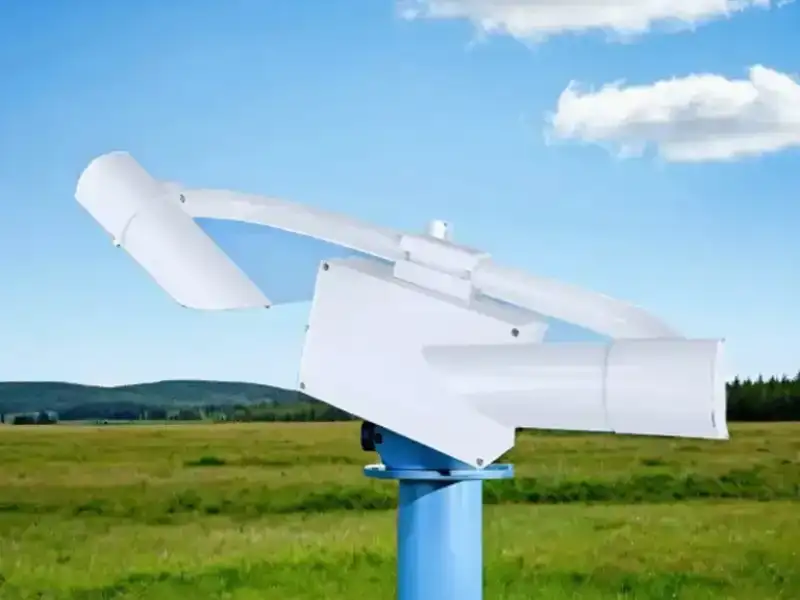
Designed for outdoor use, the sensor maintains stable performance under different weather conditions, including fog, rain, snow, dust, and temperature changes. Its weather-resistant housing and optical design allow continuous operation in outdoor locations such as highways, bridges, and weather monitoring stations.
Easy Integration with RWIS and ITS Platforms
The sensor can be connected with RWIS, weather stations, environmental monitoring systems, and intelligent transportation platforms. With standard communication interfaces and remote data transmission, visibility data can be combined with weather and traffic information for fog warnings, traffic control, and road safety management.
Compact Design and Low Maintenance
The sensor features a compact design for easy installation on highway poles, bridges, tunnels, and weather stations. Its automated operation reduces manual inspection needs and assists maintain stable visibility monitoring with minimal maintenance.
Visibility Sensor vs Fog Detection Sensor: What Is the Difference?
Although visibility monitoring sensor and fog detection sensors are both used for low-visibility monitoring, they serve different purposes. A visibility sensor measures atmospheric visibility distance, while a fog detection sensor is designed to detect fog conditions and provide early warnings.
| Feature | visibility monitoring sensor | Fog Detection Sensor |
| Purpose | Measure atmospheric visibility distance | Detect fog occurrence and fog conditions |
| Output | Visibility value (MOR) | Fog status or alarm signal |
| Technology | Optical visibility measurement | Fog detection algorithms and sensing methods |
| Application | RWIS, airports, weather monitoring | Road fog warning systems |
Applications
A visibility sensor are widely applied in transportation, weather monitoring, and safety systems where continuous visibility measurement is needed. They measure atmospheric visibility changes caused by fog, rain, snow, and airborne particles, providing data for road management, weather observation, and emergency response.
Highway Visibility Monitoring
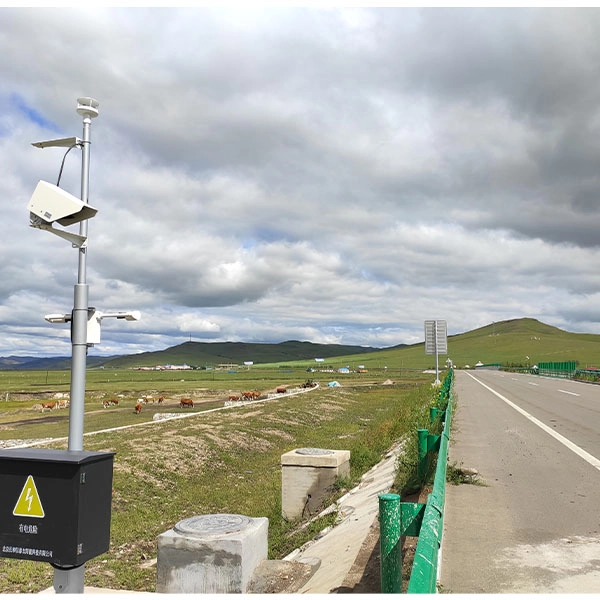
A highway visibility sensor is installed along roads, bridges, and expressways to monitor visibility changes caused by fog, rain, snow, dust, and other weather conditions. The measured data supports road visibility monitoring systems and provides operators manage low-visibility situations more effectively.
Typical applications include fog warnings, low-visibility alerts, traffic management, variable speed control, and road safety improvement. By connecting with RWIS and traffic management platforms, visibility data can be combined with weather and road condition information to support safer highway operations.
Tunnel Visibility Monitoring
The atmospheric visibility sensor are used for tunnel visibility monitoring in tunnels where changes in visibility can affect driving safety and emergency response. By continuously measuring visibility conditions, they help identify reductions caused by smoke, dust, and other factors.
Typical applications include smoke visibility monitoring, fire and emergency management, and tunnel environmental monitoring. The collected visibility data can be used by ventilation systems and safety management platforms to support faster response during emergencies.

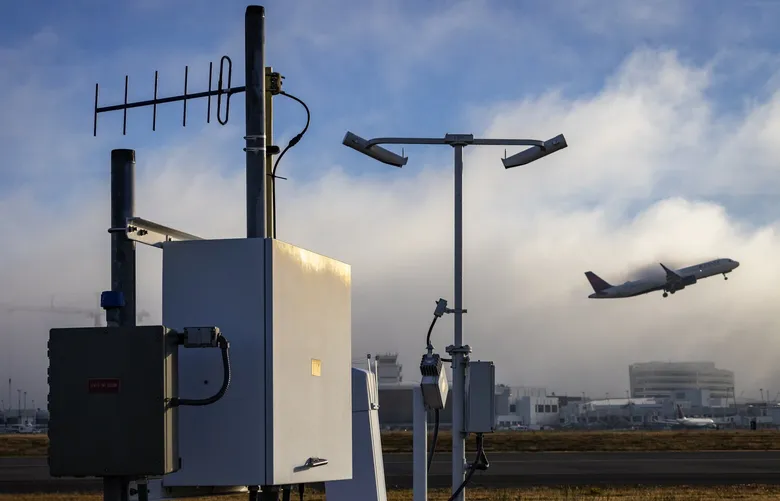
Airport Weather Monitoring
An airport visibility sensor is used in airport weather monitoring systems to measure atmospheric visibility and provide visibility data for aviation operations. The sensor plays an important role in monitoring runway conditions, especially during fog and other low-visibility weather.
Typical applications include runway visual range (RVR) monitoring, aviation weather observation, and low-visibility operation management. The collected visibility data supports airport operators assess weather conditions and support safer aircraft takeoff and landing decisions.
Smart Transportation Systems (ITS)
In intelligent transportation systems, visibility sensors act as smart transportation sensors by providing real-time visibility data for traffic management and road monitoring. The collected information assists identify low-visibility conditions and supports automated responses in connected transportation systems.
Typical applications include intelligent traffic management, automated warning systems, and connected road monitoring. When integrated with ITS platforms, visibility data can be combined with traffic and weather information to improve response efficiency during fog, heavy rain, snow, and other low-visibility conditions.

Visibility Sensor Integration with RWIS
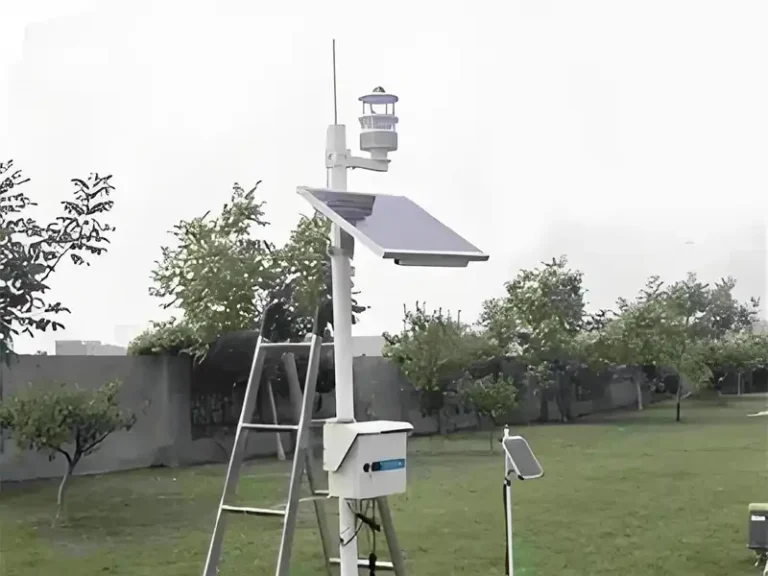
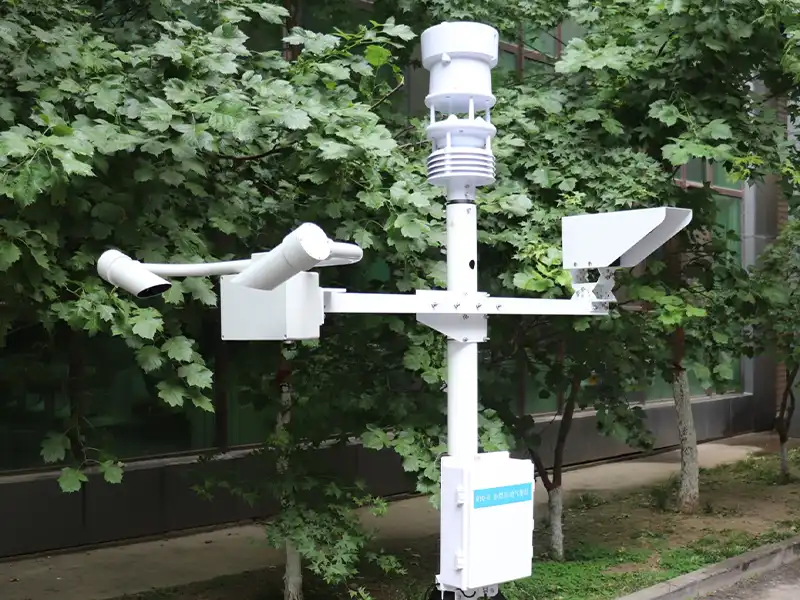
A RWIS visibility sensor provides real-time visibility measurements for a road weather information system, helping monitor low-visibility conditions caused by fog, rain, snow, and other weather factors. Through standard communication interfaces, it can be integrated with other road weather sensors to support centralized data collection and monitoring.
In an RWIS application, the sensor is commonly combined with road temperature sensors, weather stations, precipitation sensors, and wind sensors. The integrated system provides a complete view of road weather conditions for fog warnings, traffic management, and winter maintenance decisions
How to Choose the Right Visibility Sensor?
Choosing the right atmospheric visibility sensor depends on the application requirements, measurement range, accuracy, environmental conditions, and system integration needs. A suitable visibility monitoring system should provide stable measurements in local weather conditions and support easy connection with platforms such as RWIS.
Measurement Range
The measurement range should be selected based on the application scenario and visibility conditions. Highways, airports, and tunnels may require different ranges to meet specific monitoring needs, such as traffic safety, runway visibility, or tunnel operation monitoring.
Accuracy and Calibration
Measurement stability and calibration frequency are important considerations when selecting a visibility sensor. Stable optical performance and proper calibration help maintain accurate visibility measurements during long-term operation.
Environmental Adaptability
Outdoor visibility monitoring sensor should be suitable for different weather conditions, including temperature changes, humidity, rain, and snow. A weather-resistant design provides protect the sensor and maintain stable measurement performance in outdoor environments.
Communication and System Integration
For RWIS integration and connection with other monitoring platforms, the visibility sensor should support suitable communication interfaces. Common options include RS485, Modbus, wireless communication, and cloud platform connectivity.
Visibility Sensor Installation and Maintenance
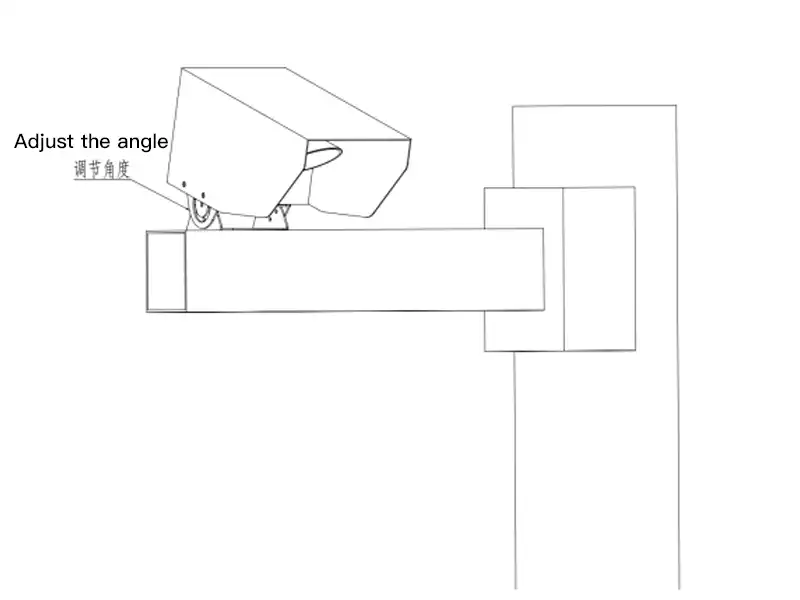
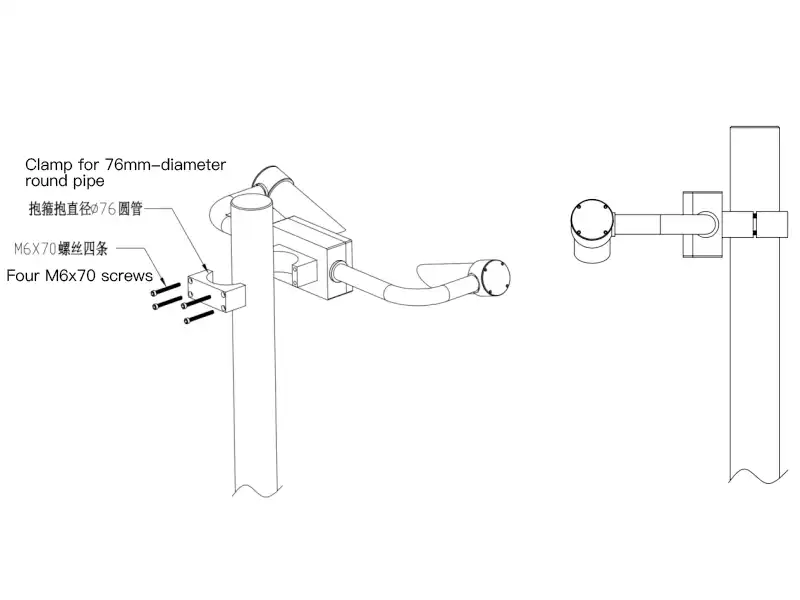
Proper visibility monitoring sensor installation helps ensure accurate and stable measurements. The sensor should be installed in an open area away from obstacles, direct light interference, and strong electromagnetic sources. Correct mounting position, height, and alignment are important for maintaining reliable optical measurement in outdoor applications such as highways, airports, and weather stations.
Routine maintenance is required to keep the sensor operating properly. Common tasks include cleaning the optical window, checking calibration, and verifying measurement data. Regular inspection of the sensor and communication connections helps maintain stable visibility monitoring performance.
The following table summarizes key maintenance items and recommended intervals for professional field management.
| Maintenance Item | Recommended Interval | Maintenance Procedure |
|---|---|---|
| Sensor Lens Cleaning | Every 1–3 months (or as required by site conditions) | Remove dust, dirt, water stains, and other contaminants from the optical lens using a soft cloth or suitable cleaning tools. Avoid scratching the optical surface. |
| Optical Window Inspection | Every 3 months | Check the transmitter and receiver windows for cracks, fogging, condensation, or contamination that may affect measurement accuracy. |
| Sensor Alignment Check | Every 6 months | Verify that the transmitter and receiver (or optical path) remain correctly aligned. Adjust the installation position if signal attenuation occurs. |
| Cable and Connector Inspection | Every 6 months | Check cables, connectors, and junction boxes for damage, corrosion, loose connections, or water ingress. Ensure all connections remain secure. |
| Power Supply Inspection | Every 6 months | Confirm that the operating voltage is within the specified range and check for unstable power conditions that may affect sensor performance. |
| Data Accuracy Verification | Every 6–12 months | Compare sensor readings with reference visibility measurements or calibration equipment to verify measurement accuracy. |
| Calibration Check | Every 12 months (recommended) | Perform calibration according to manufacturer specifications to maintain measurement accuracy and comply with monitoring requirements. |
| Mounting Structure Inspection | Every 12 months | Inspect brackets, poles, and mounting hardware for looseness, deformation, vibration damage, or corrosion. Tighten or replace components when necessary. |
| Firmware / System Check | As required | Check data acquisition systems, communication interfaces, and firmware updates to ensure stable data transmission and system compatibility. |
| Environmental Protection Check | Before extreme weather seasons | Inspect protective covers, sealing components, and drainage structures to ensure reliable operation in rain, snow, dust, or high-humidity environments. |
Conclusion
A visibility sensor provides continuous and accurate visibility measurements for transportation, weather monitoring, and safety applications. With stable optical performance, flexible installation options, and compatibility with RWIS and other monitoring platforms, it improves users build stable visibility monitoring systems for highways, airports, tunnels, and other low-visibility environments.
Choosing the right visibility monitoring sensor depends on the application requirements, measurement range, environmental conditions, and system integration needs. If you are looking for a visibility monitoring solution tailored to your project, contact us to discuss your application requirements and find a suitable sensor configuration.