Introduction
Many solar plants today are equipped with inverter monitoring systems to track electricity generation, but operational teams often need more information to understand the reasons behind performance variations. When actual output does not meet expectations, questions remain: Is the difference caused by weather changes, insufficient solar irradiance, module soiling, or potential system issues? Without reliable environmental data, it is difficult to accurately evaluate plant conditions and make informed maintenance decisions.
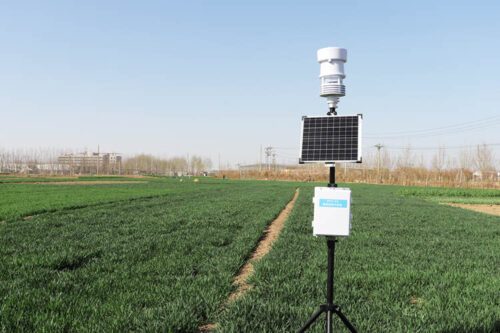
A well-designed PV Monitoring System combines power generation data with environmental measurements such as solar irradiance, temperature, wind conditions, and other site-specific factors. This additional layer of monitoring allows solar plant owners and O&M teams to better analyze performance, identify influencing factors, and develop more targeted maintenance strategies.
Selecting the right PV monitoring solution requires more than choosing individual sensors. The system configuration should match the project scale, monitoring objectives, environmental conditions, and integration requirements. This guide explores key selection factors, including monitoring requirements, system configurations, sensor options, application scenarios, and Yantai Sensor’s PV monitoring solutions for different photovoltaic applications.If you’d like to learn how weather monitoring improves the ROI of solar plants, click on the article.
Functions of a PV Monitoring System
A PV Monitoring System helps solar plant operators collect operational and environmental data, evaluate performance changes, and support more accurate maintenance decisions. By combining power generation information with environmental measurements, it provides a clearer understanding of actual PV plant operating conditions.Learn which sensors are commonly required for PV plants in our guide: What Sensors Are Required for a Solar Power Plant?
Real-Time Data Acquisition and PV Performance Monitoring
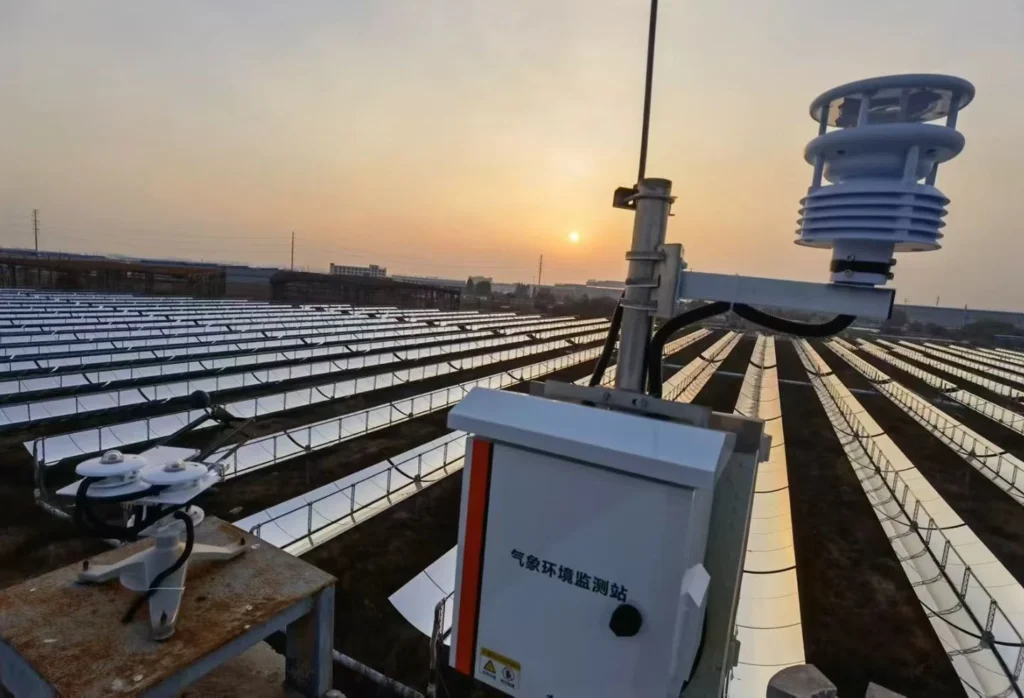
A PV Monitoring System collects key parameters including solar irradiance, module temperature, ambient temperature, wind conditions, and power generation data. Compared with inverter data alone, environmental measurements help operators analyze the difference between actual and expected output and evaluate factors affecting PV performance.
Environmental Condition Monitoring for Solar Plants
Solar plants in different environments face different operational challenges, such as dust accumulation in desert areas, temperature changes in extreme climates, and weather variations. Environmental monitoring provides additional data to evaluate external impacts on energy production and support site-specific operation strategies.
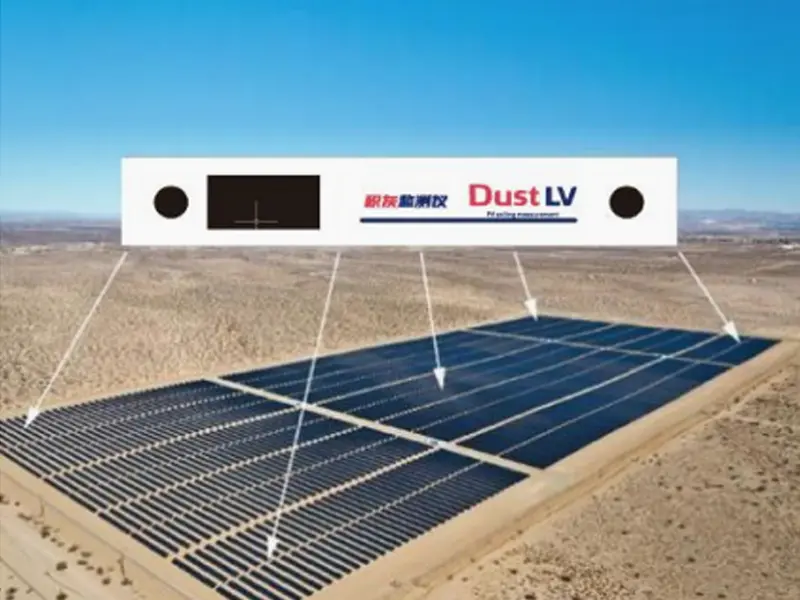
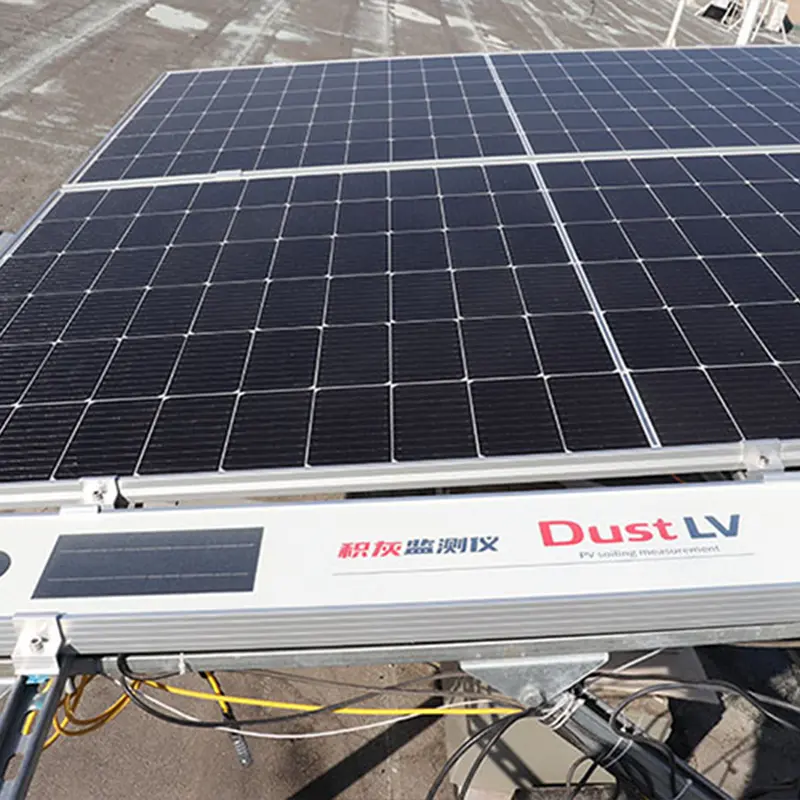
For high-dust PV applications, DustLV Photovoltaic Module Pollution Status Monitor helps track module pollution conditions and provides data support for cleaning planning.
Data Analysis and Maintenance Decision Support
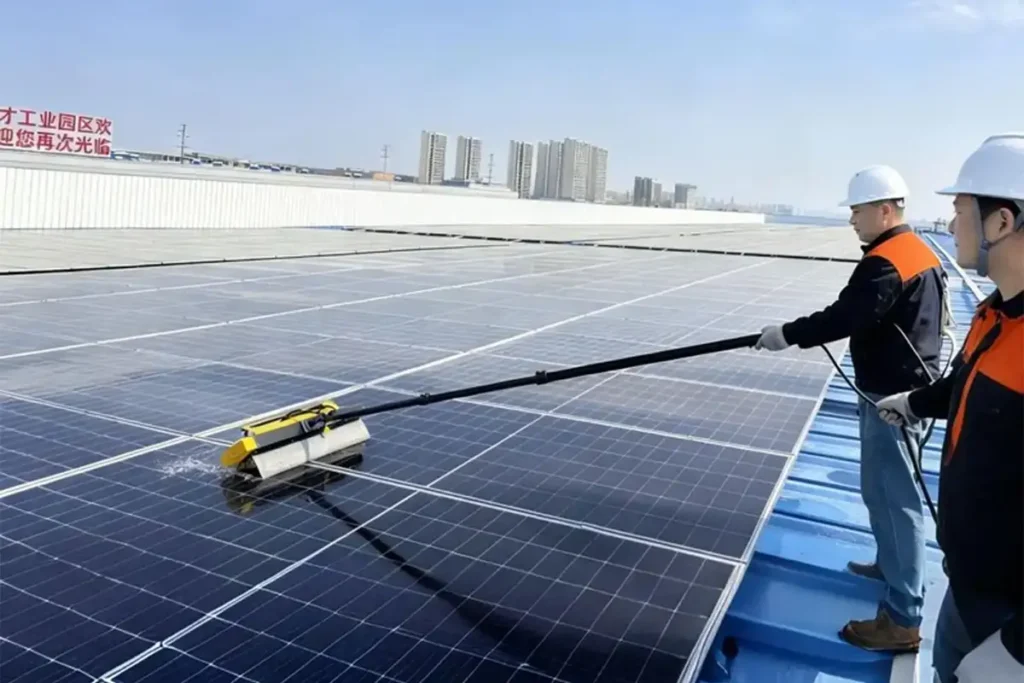
Continuous data analysis allows PV operators to identify performance deviations, abnormal operating conditions, and potential maintenance requirements. By combining generation data with environmental information, maintenance teams can make more targeted decisions for inspection, cleaning, and long-term PV plant operation.
Choose PV Monitoring System Configuration Based on Application Requirements
The selection of a PV Monitoring System should be based on the project scale, installation environment, and operational objectives. Different photovoltaic applications have different requirements for data collection, measurement accuracy, and system integration. A suitable configuration ensures that collected information can support performance evaluation, maintenance planning, and long-term plant management.If you want to see how IEC 61724 affects PV monitoring and sensor selection, our [IEC 61724 Guide] provides a practical overview.
Compact PV Monitoring for Small and Distributed Solar Systems
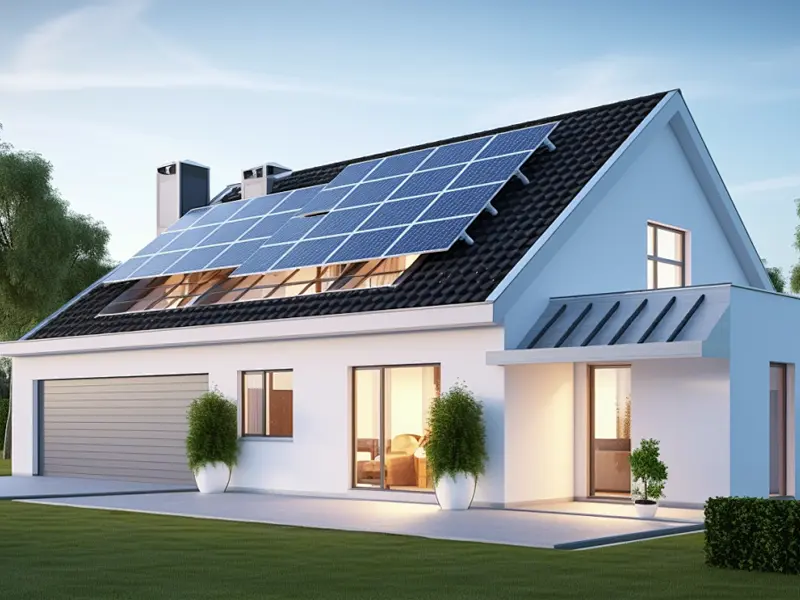
Small and distributed PV systems, including rooftop solar installations and small commercial projects, usually have limited installation space and straightforward monitoring requirements. These projects mainly require essential environmental data to understand operating conditions without adding unnecessary system complexity. A compact monitoring configuration is suitable for applications that need simple deployment, stable data collection, and basic PV performance analysis.
Recommended Product:
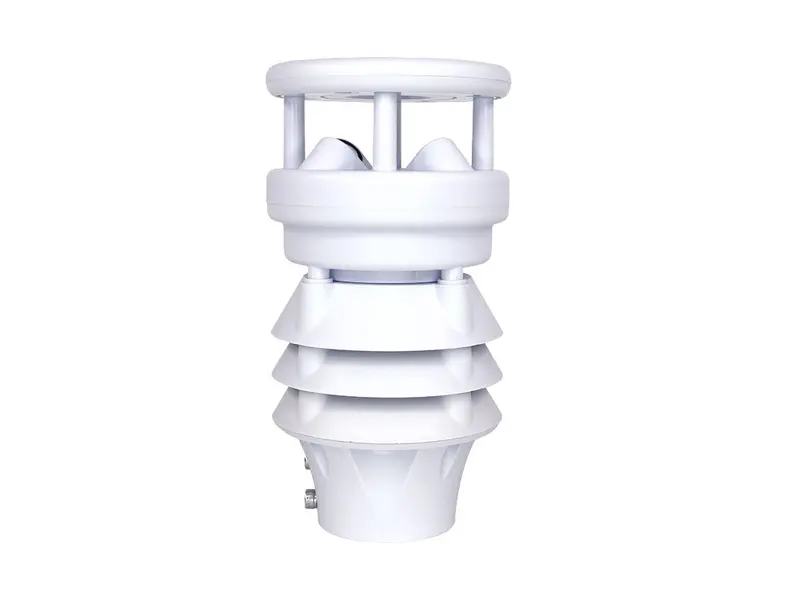
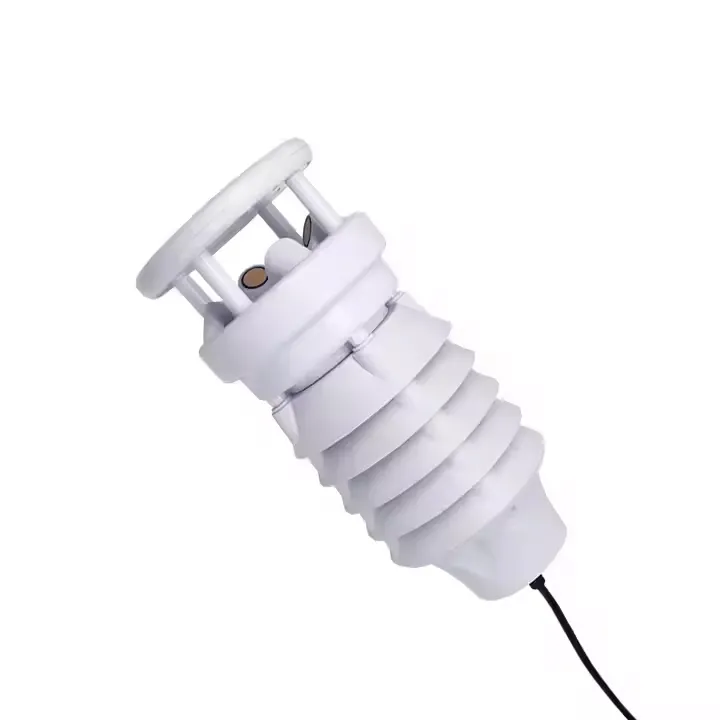
XF500S-CWB Photovoltaic Power Station Compact Weather Sensor
XF500S-CWB is designed for distributed PV applications where installation flexibility and space efficiency are important. The sensor integrates solar radiation, ambient temperature, humidity, wind speed, wind direction, and module temperature measurement in one compact structure. It provides essential weather data for PV performance monitoring and helps operators understand environmental conditions affecting power generation.

Integrated Environmental Monitoring for Commercial and Industrial PV Projects
Commercial and industrial PV projects require more detailed environmental information to evaluate energy production and support operation planning. Compared with small systems, these projects often involve larger installation areas and more complex operating conditions, requiring continuous weather data collection and compatibility with monitoring platforms.
Recommended Product:
RYQ-3 Solar Photovoltaic Environmental Monitoring Station
RYQ-3 provides a multi-parameter PV environmental monitoring solution for commercial solar applications. It collects key environmental factors including solar radiation, temperature, humidity, wind conditions, and module temperature. The system supports weather data collection, PV performance evaluation, and integration with existing monitoring systems for long-term operational analysis.
High-Accuracy Monitoring Configuration for Utility-Scale Solar Farms
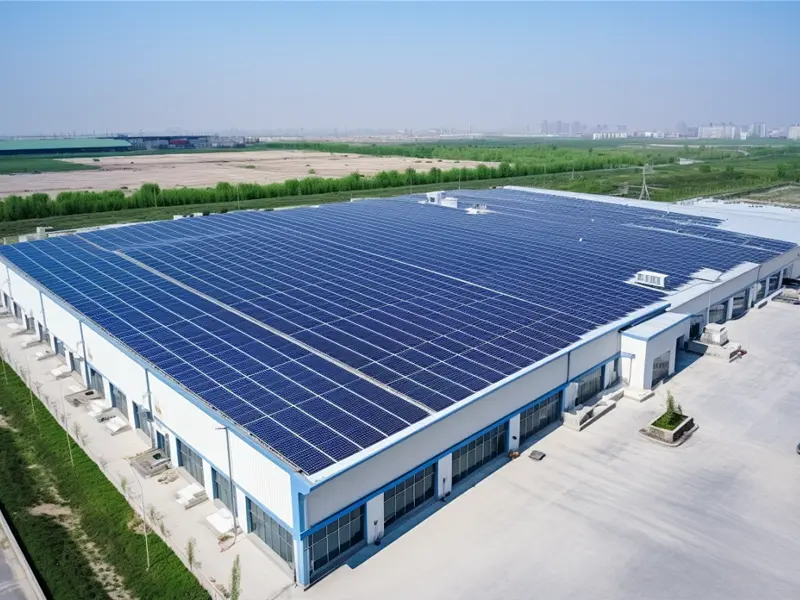
Utility-scale solar farms require accurate environmental measurements because variations in solar resources and weather conditions can directly influence energy output. A complete monitoring configuration should combine meteorological data with precise solar irradiance measurement to support performance ratio (PR) analysis, expected versus actual output comparison, and long-term solar resource assessment.
Recommended Solution:
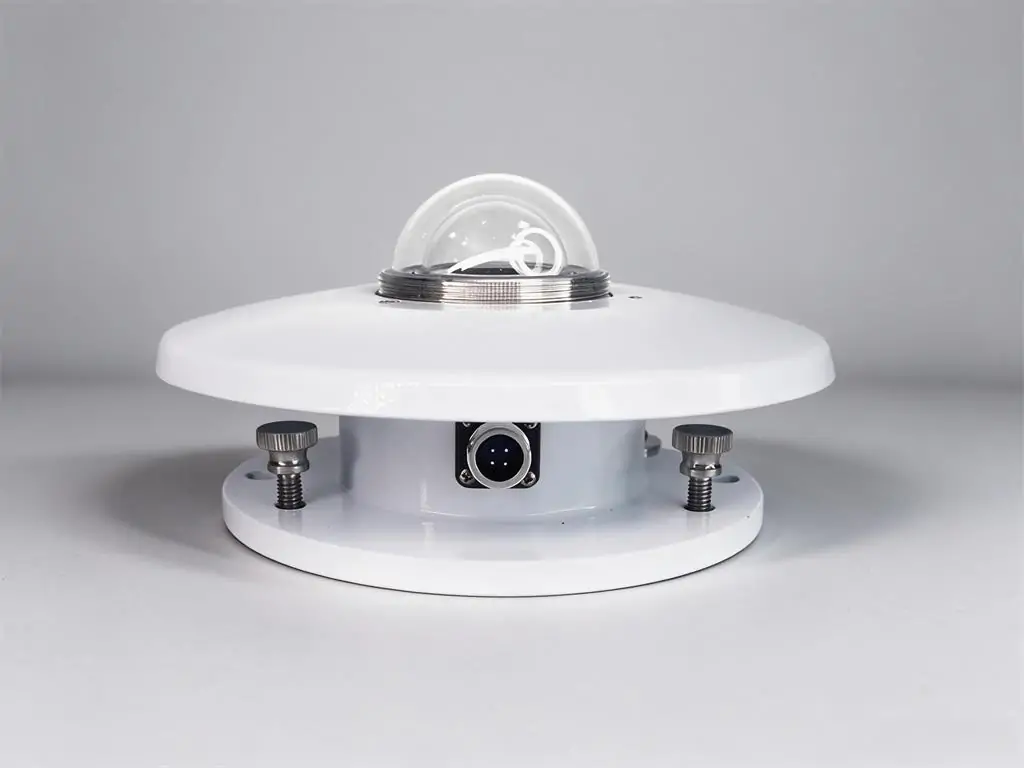
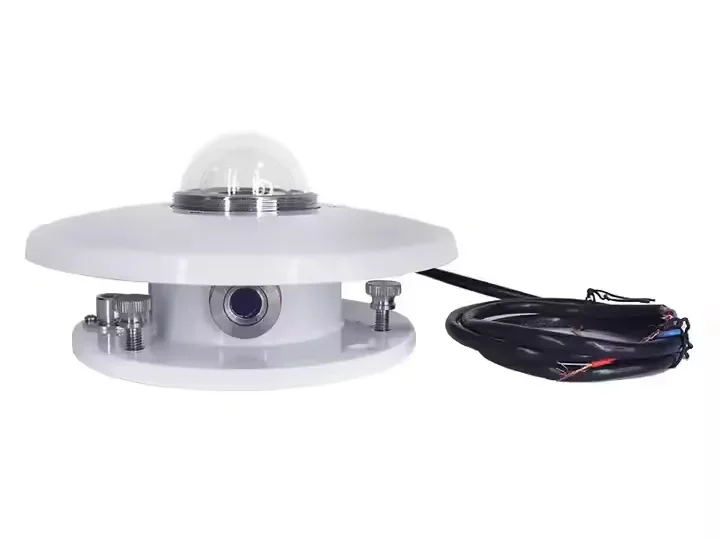
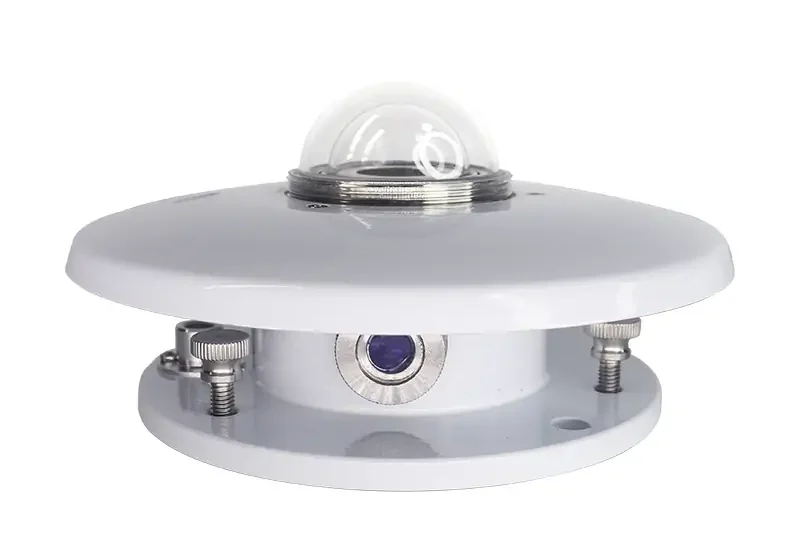
TBQ-2C Pyranometer Solar Radiation Sensor
TBQ-2C is designed for utility-scale PV applications that require accurate solar irradiance measurement. Using thermopile sensing technology, it measures solar radiation with high precision and provides essential data for PV performance evaluation, performance ratio (PR) analysis, and solar resource assessment. Its stable measurement performance makes it suitable for long-term solar monitoring applications.
Soiling Monitoring Configuration for Dust-Affected PV Plants
PV plants located in desert areas, dry regions, and industrial environments may experience dust accumulation on module surfaces, which can affect energy yield and increase maintenance requirements. Traditional cleaning schedules may not accurately reflect actual module conditions, making it difficult to determine the appropriate cleaning time. Soiling monitoring provides direct information about contamination levels and supports more precise maintenance decisions.If you want to learn about the best solar dust monitoring solutions for solar PV plants, please click on the article.
Recommended Product:
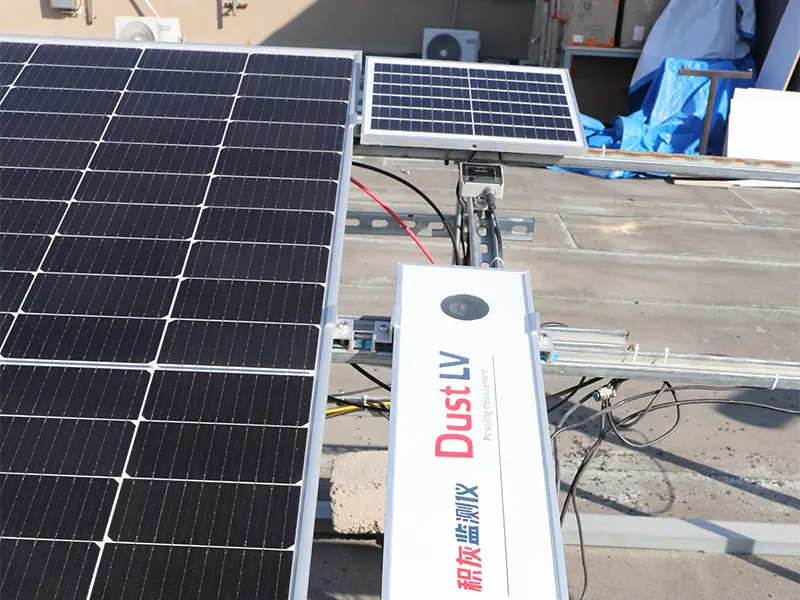
DustLV Photovoltaic Module Pollution Status Monitor
DustLV is developed for PV soiling monitoring applications by tracking changes related to module surface contamination. Through optical measurement technology, it evaluates dust accumulation conditions and provides data support for cleaning planning. It is suitable for solar plants operating in dusty environments where maintenance decisions depend on actual module conditions.
Factors to Consider When Choosing a PV Monitoring System
Selecting the right PV Monitoring System should start with understanding the monitoring purpose and required data. Different photovoltaic projects may focus on different objectives, such as evaluating power generation performance, analyzing weather impact, or identifying environmental factors affecting output. Therefore, the system configuration should match the required measurements, including solar irradiance, module temperature, ambient conditions, and other parameters needed for operational analysis.
The selected monitoring system should also be compatible with the existing PV infrastructure and installation environment. For commercial and utility-scale solar plants, communication compatibility with SCADA systems, data acquisition platforms, and energy management systems is essential for centralized operation. At the same time, equipment stability under outdoor conditions such as dust, humidity, temperature variation, and long-term solar exposure directly affects measurement consistency and maintenance requirements.
Long-term scalability and supplier capability are also important considerations for PV monitoring projects. As monitoring requirements may expand during the operation lifecycle, the system should allow additional sensors, data functions, or customized configurations when needed. A supplier with experience in photovoltaic applications can provide more suitable system integration, technical support, and application-based recommendations for different project conditions.To learn more, click on the Solar Measurement Accuracy Guide
Common Mistakes When Choosing PV Monitoring Systems
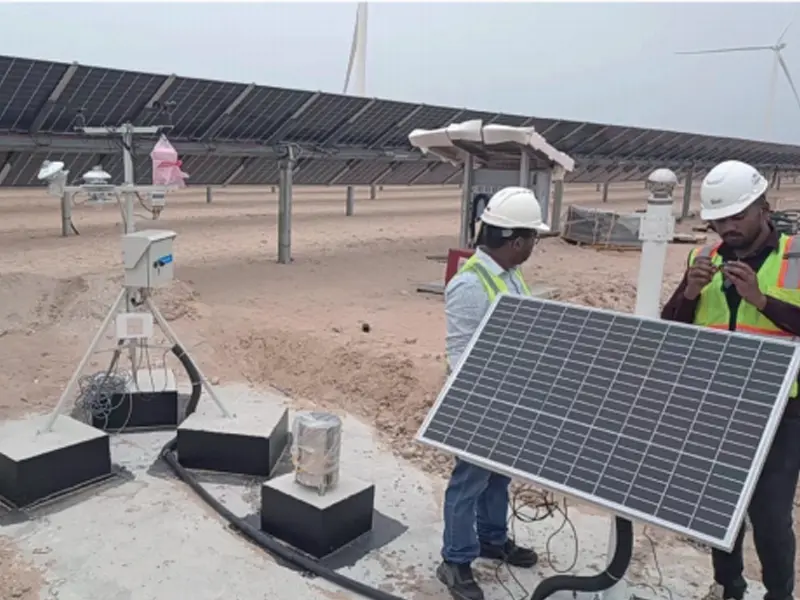
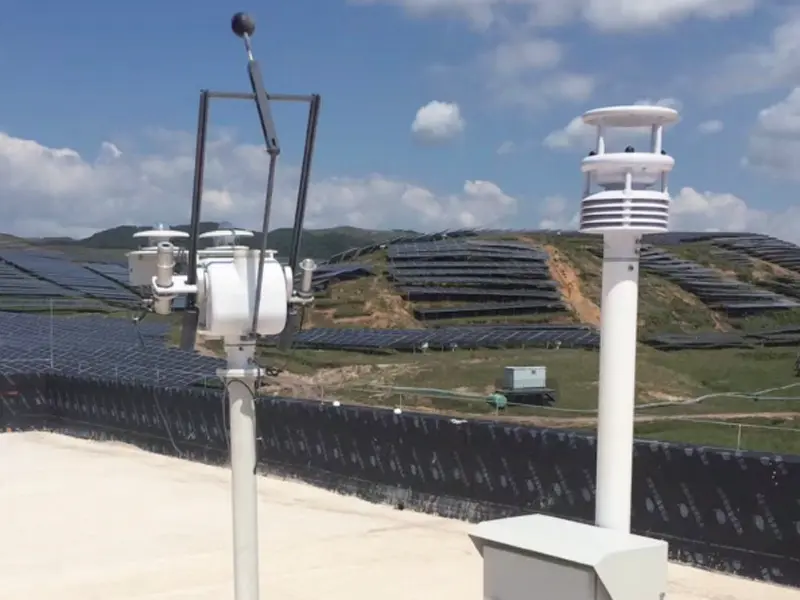
A common mistake in selecting a PV Monitoring System is focusing only on equipment specifications without first defining the required monitoring objectives. Based on our experience with photovoltaic monitoring applications, many projects initially focus on purchasing sensors and devices but overlook what data is truly needed for operation analysis and maintenance decisions. Different projects may require different measurements, such as solar irradiance, weather conditions, module temperature, or soiling information. Without clear data requirements, the system may collect unnecessary information while failing to provide effective support for evaluating performance changes.
Another issue is overlooking future expansion needs. As PV projects grow, limited communication compatibility or insufficient system scalability can create difficulties when adding new sensors, integrating with SCADA platforms, or managing multiple sites. A suitable monitoring solution should not only meet current project requirements but also provide flexibility for future upgrades and long-term operation.
Installation and Long-Term Maintenance Considerations
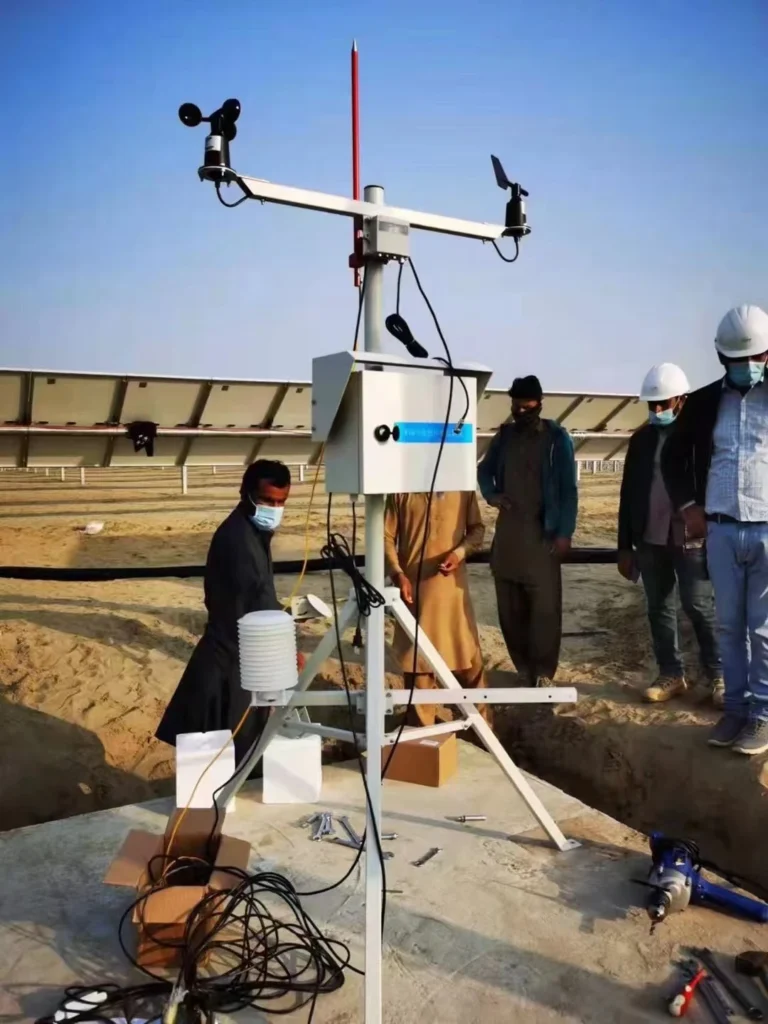
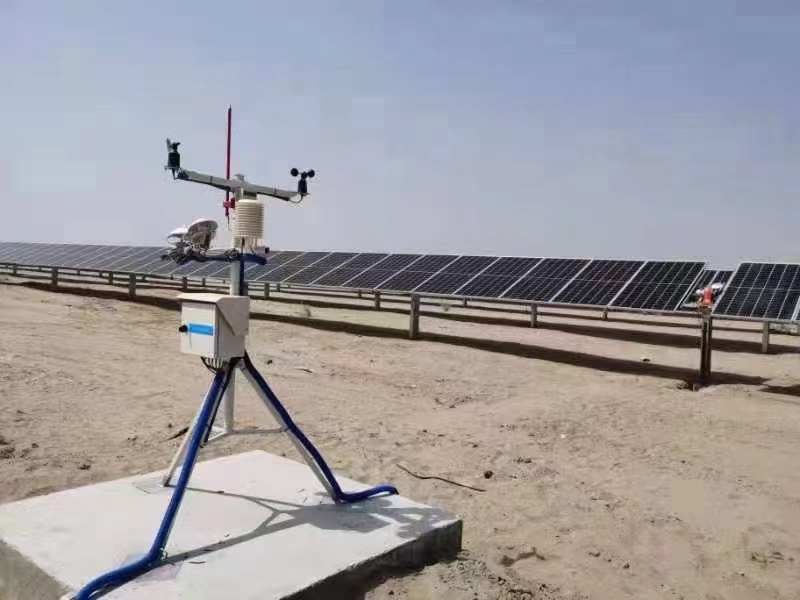
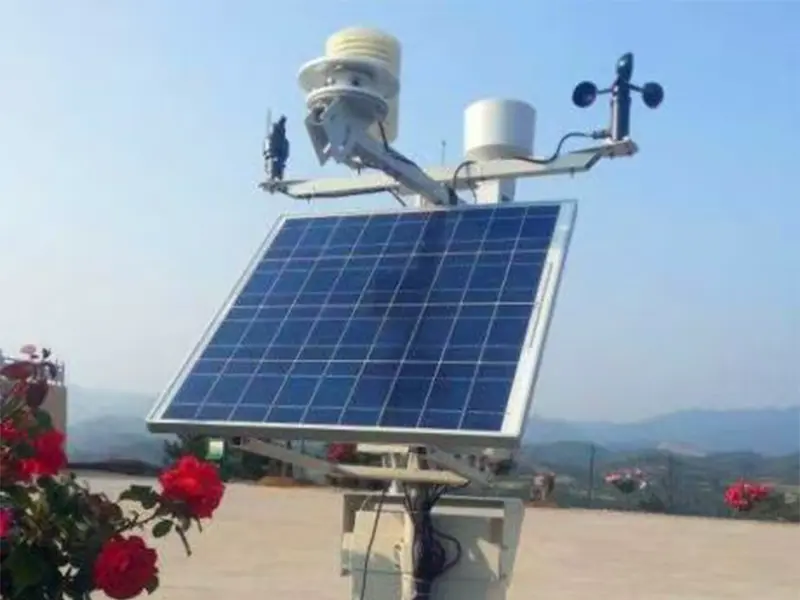
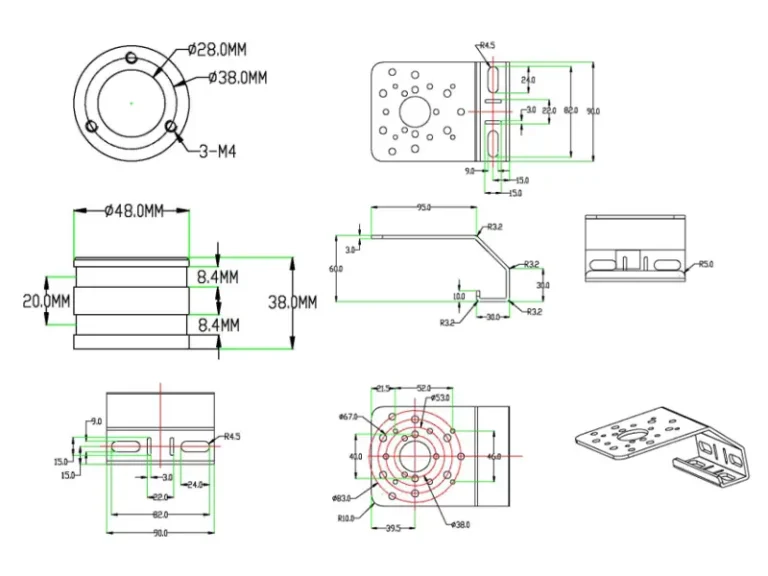
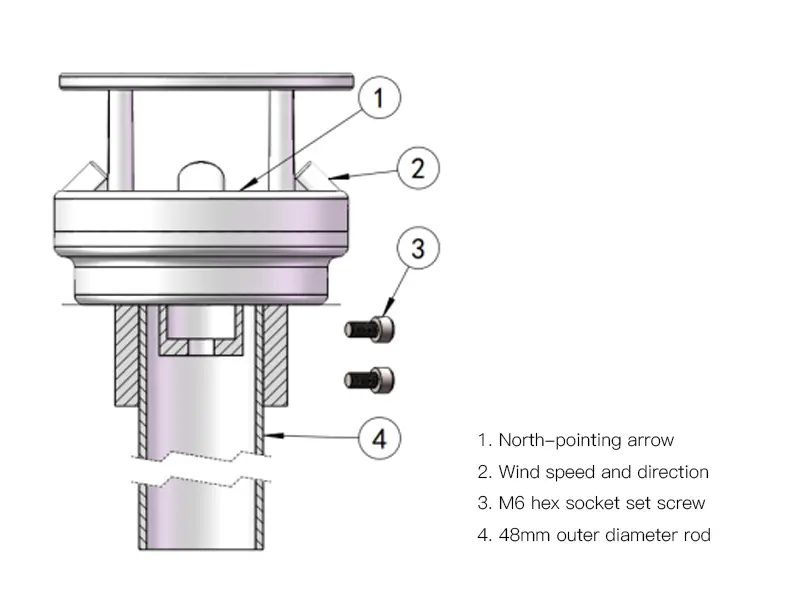
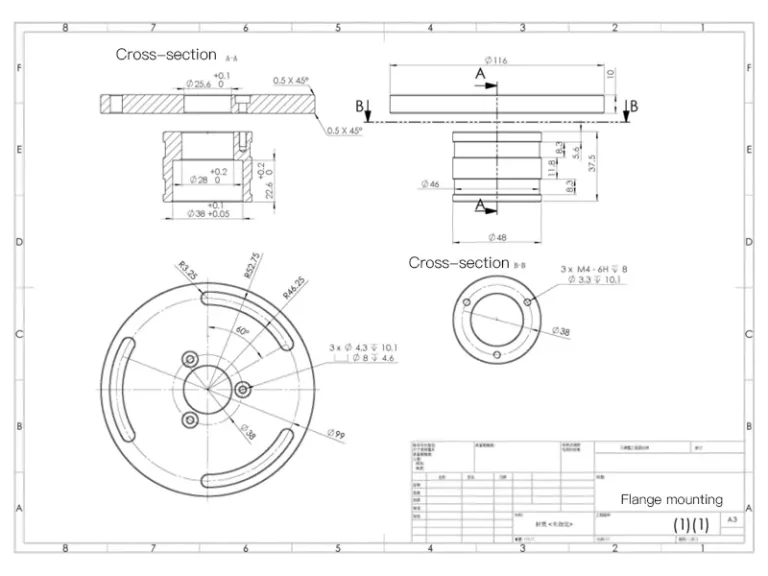
The accuracy of a PV Monitoring System depends not only on the sensor itself but also on whether it is correctly installed in the field. During deployment, sensor location should represent the actual operating environment of the PV plant, while avoiding shading, surrounding obstacles, and improper mounting angles that may affect measurement results. For parameters such as solar irradiance, temperature, and wind conditions, proper exposure and installation position are essential to ensure that collected data can be used for reliable performance analysis.
Long-term operation also requires regular maintenance to keep monitoring data consistent and accurate. Routine cleaning of radiation measurement surfaces, calibration verification, and data comparison with plant operating conditions help identify potential measurement deviations at an early stage. In practical PV projects, monitoring systems often operate for many years under outdoor conditions, so selecting equipment with stable performance, easy maintenance, and suitable environmental protection is important for reducing service costs and ensuring continuous data availability.For more practical guidance on sensor selection, placement, and environmental data collection at large PV sites, see Utility Solar Monitoring Solutions.
Conclusion
Selecting the right PV Monitoring System requires more than simply tracking power generation data. A suitable solution should be evaluated based on the project scale, monitoring objectives, environmental conditions, and system integration requirements. By matching monitoring functions with actual operational needs, solar plant operators can obtain more reliable data for performance evaluation, maintenance planning, and long-term management.
Yantai Sensor provides customized PV monitoring solutions by combining environmental monitoring sensors, solar radiation measurement devices, and soiling monitoring technologies for different photovoltaic applications. With flexible configurations and application-focused measurement solutions, Yantai Sensor helps PV projects build reliable monitoring systems that support efficient operation and data-driven maintenance.