Introduction
When we discuss weather monitoring for a highway, bridge, tunnel entrance, or other road section, one question comes up frequently: Is a standard weather station enough, or do we need a road weather station? A conventional weather station can provide basic atmospheric data such as air temperature, relative humidity, wind, and rainfall. However, these measurements do not always show the conditions that directly affect road operations. Fog, low visibility, freezing temperatures, and wet or icy pavement may require additional measurements.
This is the practical difference between a road weather station vs weather station. A road weather station is not simply a weather station with more sensors; its configuration is based on the road environment, monitoring objectives, and the data needed for traffic management or road maintenance. In this article, we compare the two approaches, explain when road weather sensors, a visibility sensor, or road surface monitoring are needed, and show how these components can form part of a road weather monitoring or road weather information system (RWIS).
Road Weather Station vs Weather Station: What Is the Difference?
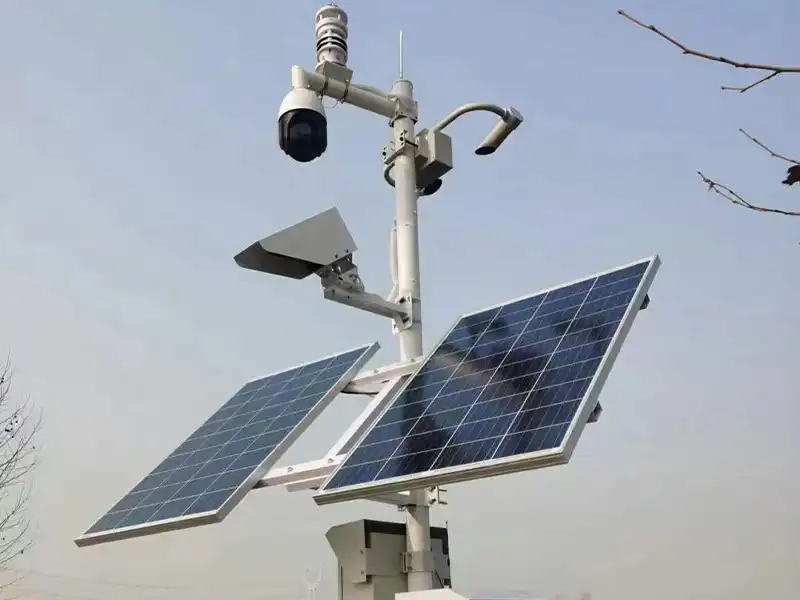
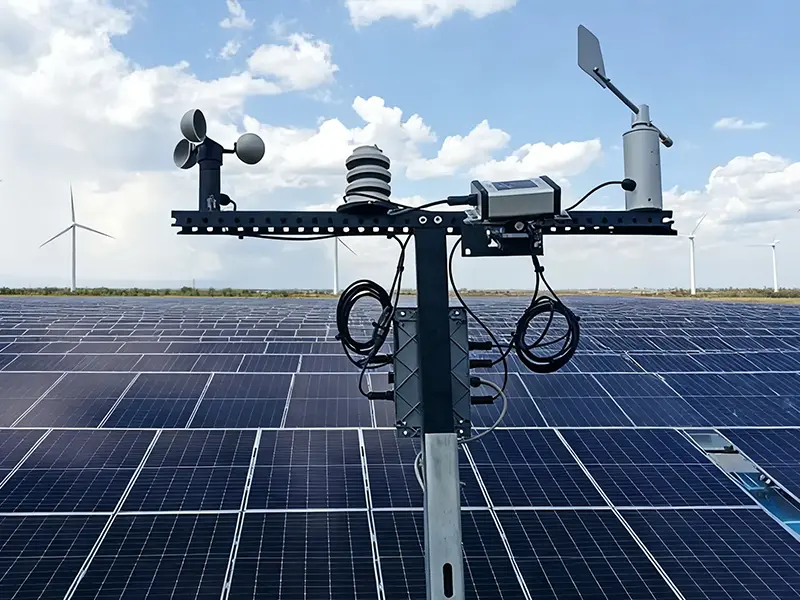
A conventional weather station and a road weather station can measure many of the same atmospheric parameters, including air temperature, relative humidity, wind, and precipitation. The main difference is the monitoring objective. A weather station is generally used for weather and environmental observation, while a road weather station is configured around the data required for road weather monitoring and transportation operations. Depending on the site, this may include additional measurements such as visibility, road surface temperature, or road surface condition.
| Aspect | Weather Station | Road Weather Station |
| Main purpose | General weather and environmental monitoring | Road weather and transportation monitoring |
| Air temperature | Commonly measured | Commonly measured |
| Relative humidity | Commonly measured | Commonly measured |
| Wind speed/direction | Commonly measured | Commonly measured |
| Precipitation | Commonly measured | Commonly measured |
| Visibility | Optional | Added when required |
| Road surface temperature | Usually not included | Added when required |
| Road surface condition | Usually not included | Can be monitored with dedicated sensors |
| Typical applications | Weather and environmental observation | Highways, bridges, tunnels, and road monitoring |
Why a Standard Weather Station May Not Be Enough for Road Monitoring?
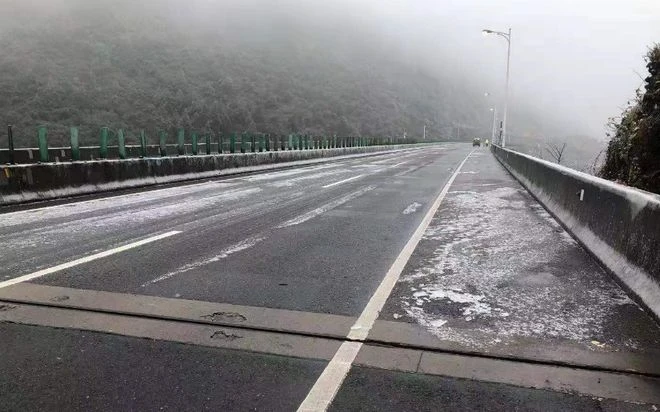
A standard weather station provides useful atmospheric data such as air temperature, relative humidity, wind, and precipitation. However, these measurements do not always describe the actual condition of the road. For example, air temperature does not necessarily represent road surface temperature, while rainfall data alone cannot determine whether the road surface is wet, frozen, or affected by other road conditions. When these factors are important to the monitoring objective, additional road-specific measurements may be required.
For road monitoring, the required sensors should therefore be selected according to what needs to be measured and how the data will be used. FHWA guidance lists visibility, pavement temperature, pavement condition, precipitation type and intensity among the possible ESS measurements, while noting that sensor combinations should be tailored to site-specific requirements. A conventional weather station may be sufficient for basic atmospheric monitoring, but additional road weather sensors are needed when the project requires visibility or road-surface information.

What Sensors Are Used in a Road Weather Station?
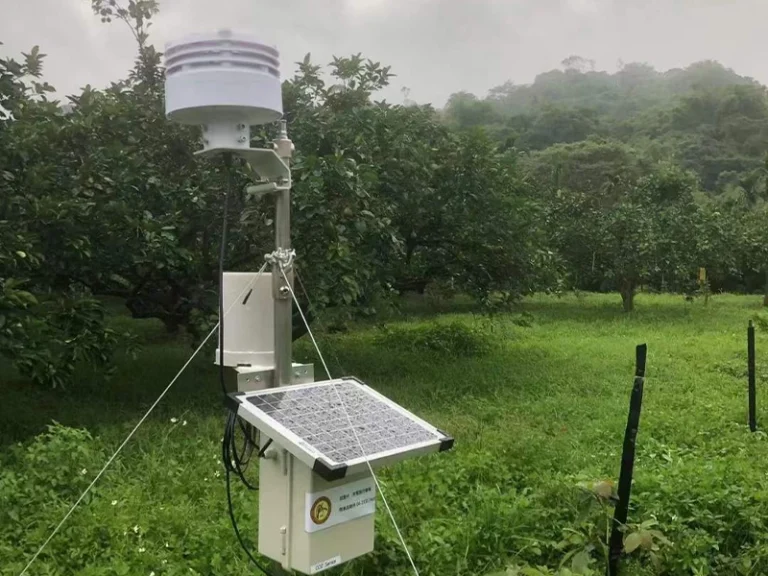
A road weather station is configured according to the conditions that need to be monitored at a specific road section. Basic monitoring usually covers temperature, humidity, wind, and precipitation, while sites affected by fog, icing, snow, or wet roads may require additional road weather sensors.
Air Temperature and Relative Humidity Sensors
Air temperature and relative humidity provide basic atmospheric data. Temperature is useful for identifying freezing conditions, while humidity helps assess fog and precipitation.
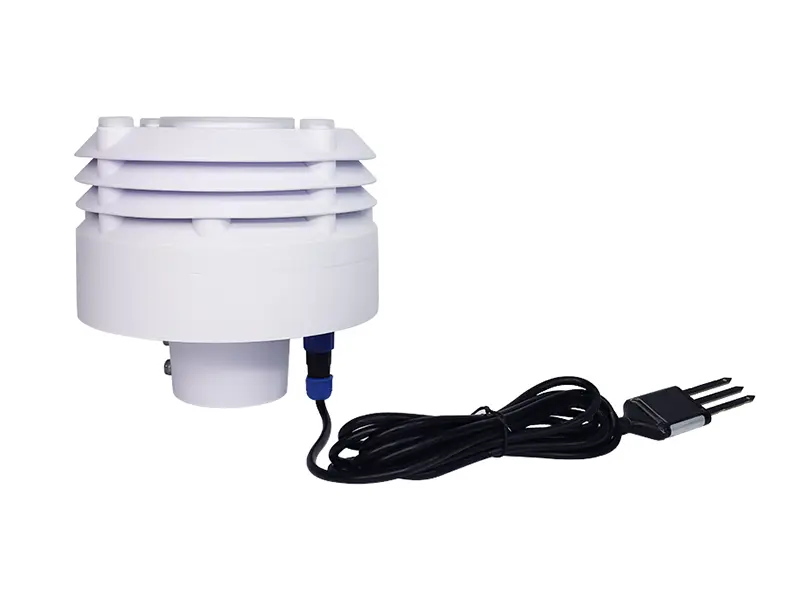
The XF103 Temperature Humidity Pressure Sensor measures temperature, relative humidity, and atmospheric pressure. It covers -40°C to +85°C, 0–100% RH, and supports RS485/Modbus communication.
Wind Speed and Direction Sensor
Wind data is important for exposed highways, bridges, elevated roads, and mountain roads, especially where crosswinds can affect local conditions.
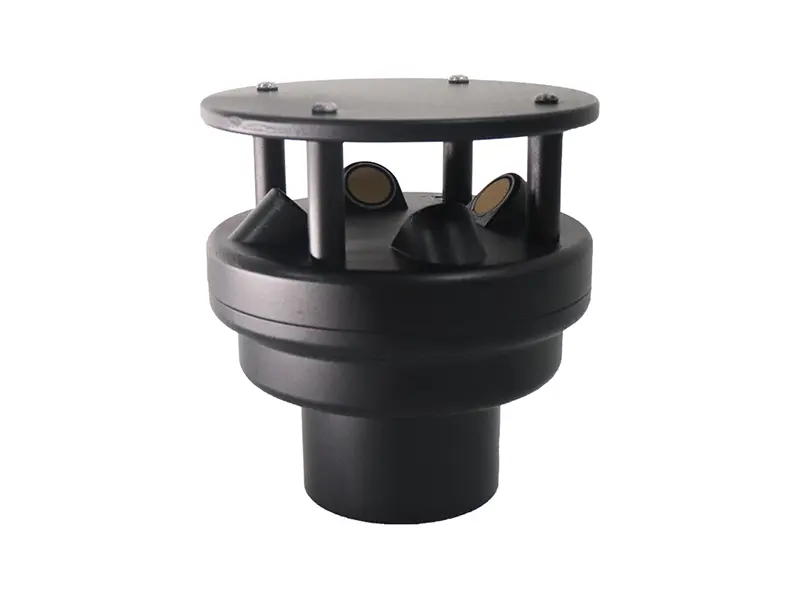
The XF200A Ultrasonic Wind Speed and Direction Sensor measures wind speed and direction without mechanical moving parts. The RY-FX01-X provides wind speed measurement with RS485, 4–20 mA, voltage, or pulse outputs.
Rainfall and Precipitation Sensors
Precipitation data helps identify rain and snow conditions and can be combined with temperature, visibility, and road surface data for road weather monitoring.
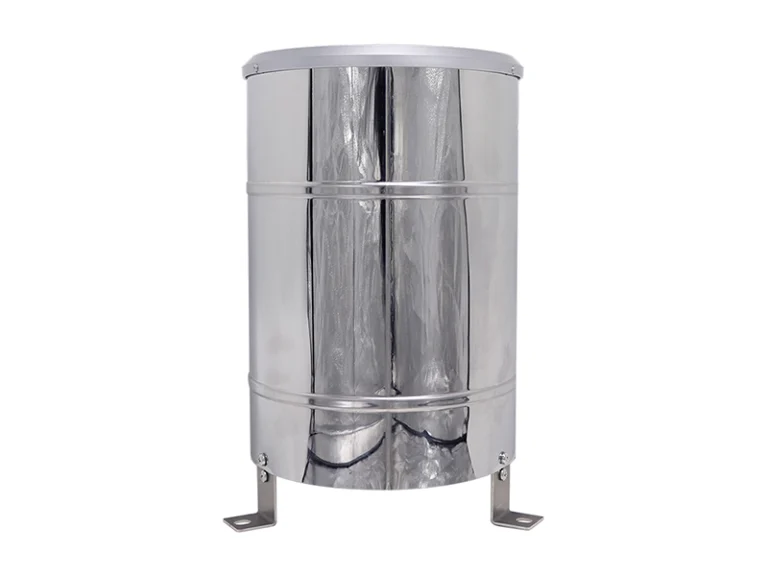
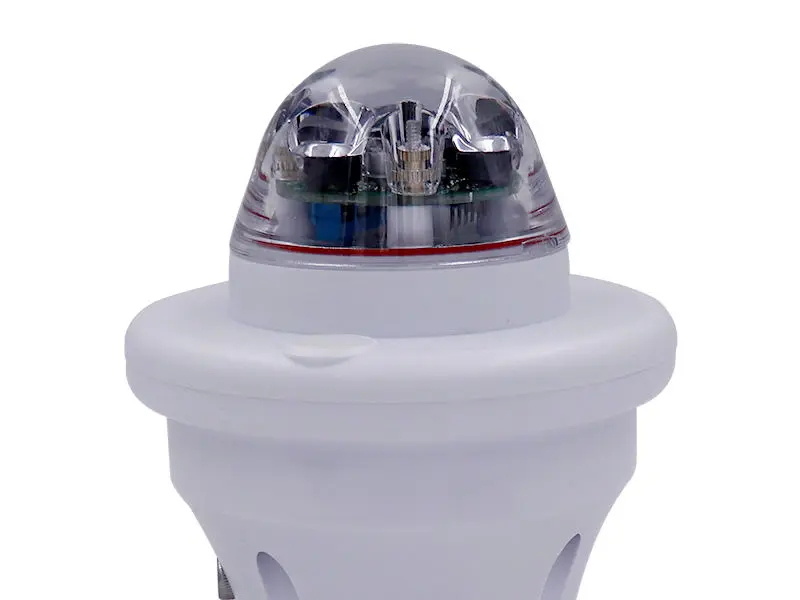
The XF100A Optical Rain Sensor uses optical detection, while the XF100 Piezoelectric Rain Gauge uses piezoelectric sensing. The RY-YLX Tipping Bucket Rain Sensor is used for quantitative rainfall measurement, while RY-CYX detects rain or snow presence.
Visibility Sensor for Fog and Low-Visibility Conditions
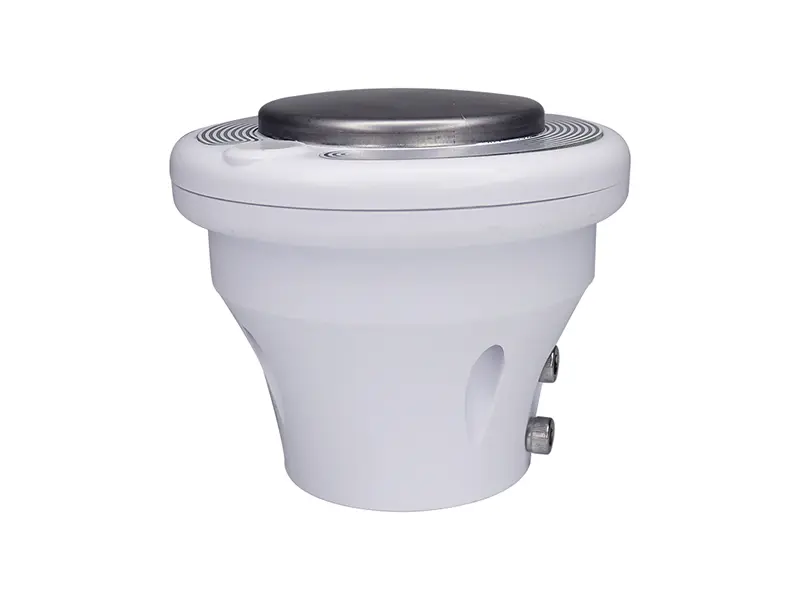
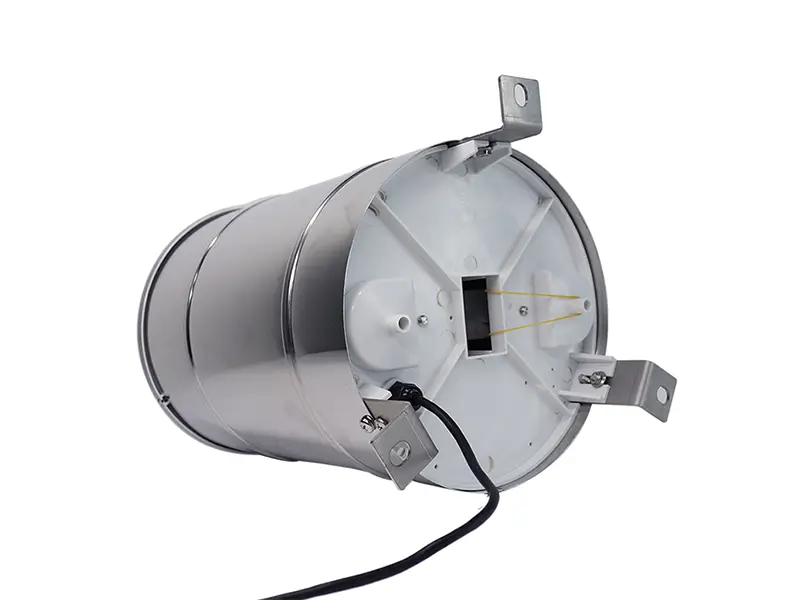
Visibility monitoring is important for fog-prone highways, bridges, mountain roads, and tunnel approaches. It provides information that temperature, humidity, and rainfall sensors cannot directly measure.
The XF-CQ10 Visibility Sensor uses forward-scattering optical measurement and covers 10 m to 10 km visibility. It supports RS485/Modbus and monitors reduced visibility caused by fog, haze, dust, smoke, rain, and snow.
Road Surface Condition Sensor
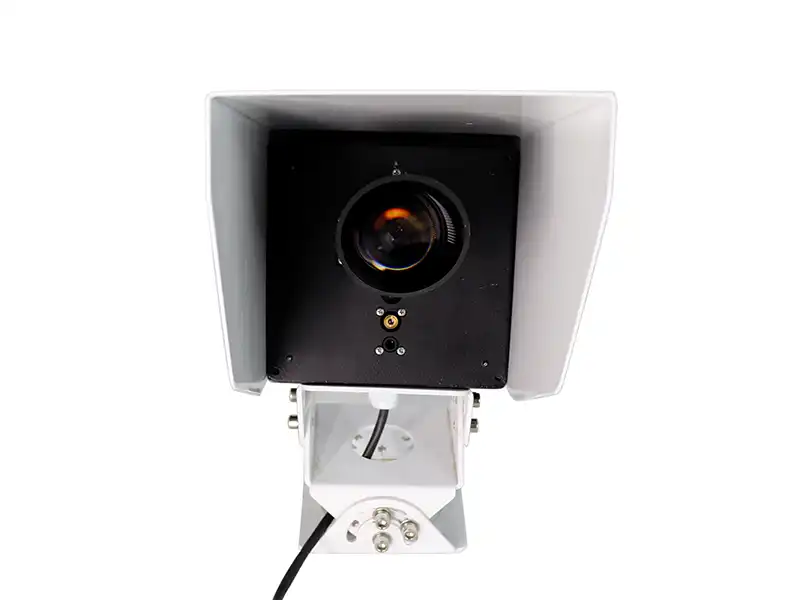
Air temperature does not show whether the road is wet, icy, or covered with snow. A dedicated road condition sensor is needed when pavement conditions are part of the monitoring objective.
The XF-CQ11 Road Condition Sensor uses non-contact infrared laser sensing to detect water, ice, and snow, while also measuring road surface temperature and slipperiness. Its detection distance is 3–10 m, with RS485 communication.

Road Weather Station vs Weather Station: How Sensor Configuration Changes
The key difference is not simply the number of sensors installed, but what conditions the station needs to measure. A conventional weather station focuses on atmospheric parameters, while a road weather station can add visibility and road-surface measurements when these data are relevant to road monitoring.
| Monitoring Aspect | Weather Station | Road Weather Station |
| Air temperature | Commonly measured | Commonly measured |
| Relative humidity | Commonly measured | Commonly measured |
| Wind speed & direction | Commonly measured | Commonly measured |
| Precipitation | Commonly measured | Commonly measured |
| Atmospheric pressure | Commonly measured | Commonly measured |
| Visibility | Optional | Added when required |
| Road surface temperature | Usually not monitored | Added when required |
| Road surface condition | Usually not monitored | Added when required |
| Water, ice, and snow detection | Usually not included | Added when required |
| Monitoring focus | Atmospheric weather conditions | Weather conditions affecting road operations |
For basic weather observation, a conventional weather station may be sufficient. When a project needs to monitor fog, low visibility, freezing, wet pavement, snow, or ice, additional road weather sensors can be added according to the site and monitoring objective. This means a road weather station does not require one fixed sensor package; its configuration should match the road environment, required measurements, and intended use of the data.
When Should You Choose a Road Weather Station?
A road weather station is needed when the project must monitor weather conditions that directly affect a specific road section. In our experience, the decision mainly depends on the local weather risks and whether the project needs visibility or road surface data in addition to basic atmospheric measurements.
Highways and Expressways
Highways and expressways may be affected by fog, heavy rain, crosswinds, freezing temperatures, and wet road surfaces. Temperature, humidity, wind, and precipitation are usually the basic measurements, while visibility sensors or road condition sensors can be added for sections with specific risks.
Bridges and Elevated Roads
Bridges and elevated roads are more exposed to wind and temperature changes. Wind speed and direction are important measurements, while road surface monitoring may be required where freezing or icing is a concern.
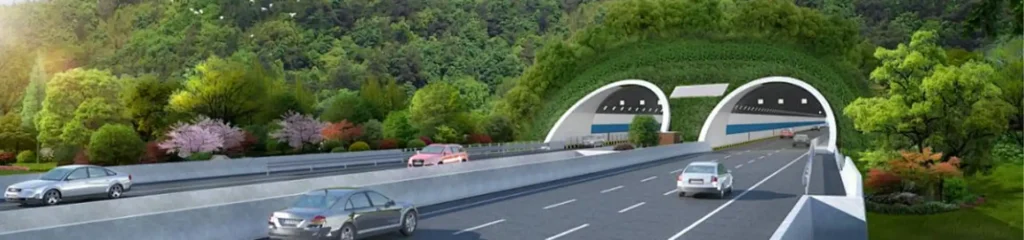
Tunnel Entrances and Exits
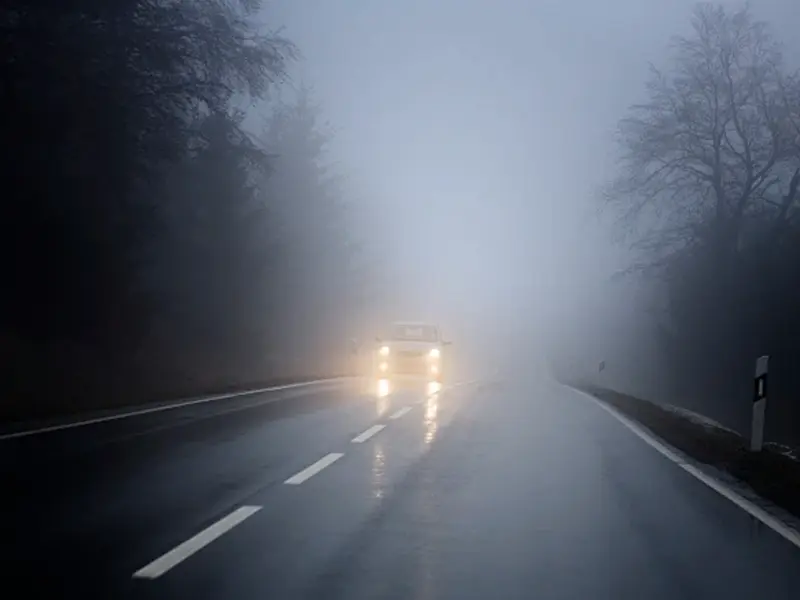
Tunnel entrances and exits are transition areas where visibility and road conditions can change quickly. A visibility sensor can monitor reduced visibility, while a road condition sensor can detect road surface temperature, water, ice, or snow.
Mountain Roads and Fog-Prone Areas
Mountain roads can experience rapid changes in fog, rainfall, wind, and temperature. A road weather station can combine atmospheric and visibility measurements, with road condition monitoring added where freezing or slippery surfaces are a concern. In actual sensor selection, we also check whether the installation point represents the road section being monitored.


How to Build a Road Weather Station for a Specific Road Section?
A road weather station should be configured according to the road environment, monitoring objective, and required data rather than a fixed sensor package. A practical configuration process can be divided into three steps.
1. Assess the Road Environment and Monitoring Objective
First identify the road type and the conditions that need to be monitored, such as highways, bridges, tunnel entrances, mountain roads, or fog-prone sections. Then define the operational question: Is basic weather information enough, or does the project also need visibility and road surface data? This determines which measurements are actually necessary.
2. Match Sensors to Required Measurements
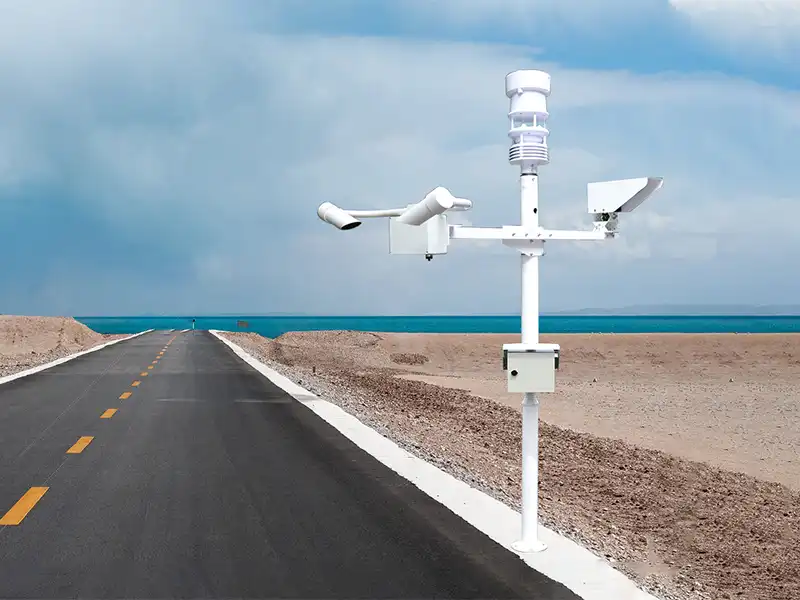
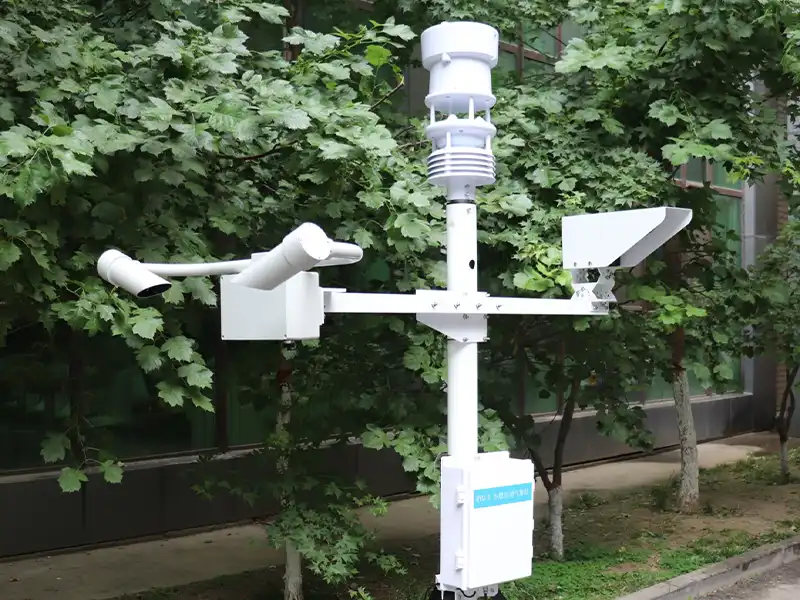
Select sensors based on the required parameters and site conditions. Basic monitoring may use temperature, humidity, wind, and precipitation sensors. XF600L Compact Weather Station can cover these basic atmospheric measurements. If fog or low visibility is a concern, the XF-CQ10 Visibility Sensor can be added; where freezing, water, ice, or snow on the road needs to be monitored, the XF-CQ11 Road Condition Sensor provides road-specific measurements.
3. Check Integration and Installation Requirements
The final configuration should also consider power supply, communication, mounting position, environmental exposure, and data interfaces. In actual projects, these factors can affect sensor selection as much as the measurement specifications. The result is a site-specific configuration in which each sensor has a clear monitoring purpose, rather than simply adding sensors to the station.
Road environment → Monitoring objective → Required measurements → Sensor selection → Station integration
This station-level configuration provides the field data needed for the next stage: connecting road weather stations, data transmission, and monitoring platforms into a Road Weather Information System (RWIS).
From Road Weather Station to Road Weather Information System
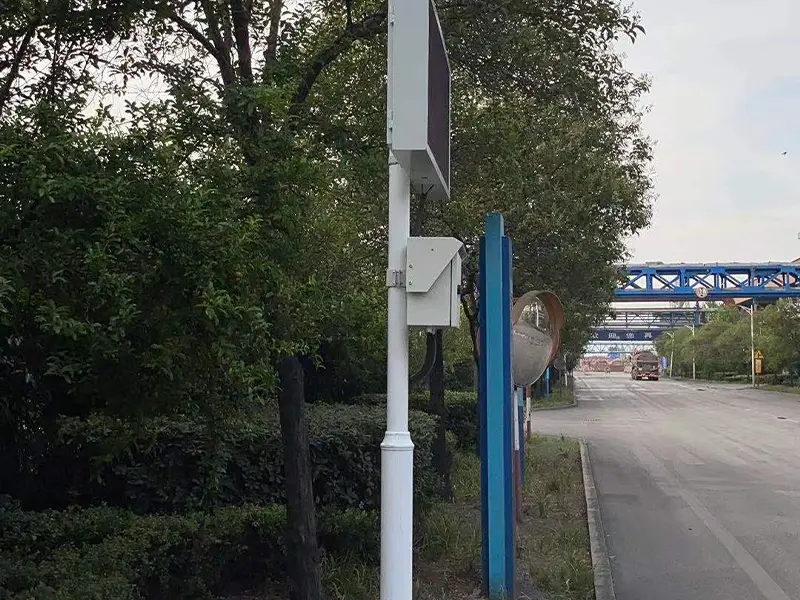
A road weather station is a field monitoring point that collects weather and road-condition data from a specific location. A Road Weather Information System (RWIS) connects data from multiple monitoring points and brings them into a centralized system. The basic structure is Sensors → Environmental Sensor Station (ESS) → Data Transmission → Monitoring Platform, allowing weather and road-condition data from different road sections to be collected and viewed in one place.
The difference is therefore mainly at the system level. A road weather station focuses on collecting local observations, while an RWIS combines data from multiple stations to support road operations, maintenance planning, and traffic management. For more details on RWIS components, data flow, and applications, see our guide to Road Weather Information System.

Conclusion
The difference between a weather station and a road weather station comes down to the monitoring purpose and required data. A weather station provides general atmospheric measurements, while a road weather station is configured for road-specific conditions such as visibility, road surface temperature, water, ice, or snow. The required sensors should therefore be selected according to the road environment, monitoring objectives, and how the data will be used.
For road weather monitoring projects, Yantai Sensor provides weather, visibility, and road-condition sensing options that can be combined according to actual site requirements. Our experience with different monitoring parameters and communication interfaces allows us to support practical sensor selection and project configuration rather than applying one fixed setup to every road. If you are planning a road weather monitoring project, contact our team with your road type, required parameters, installation conditions, and communication requirements for technical discussion.