
Air Quality Outdoor Sensor for Environmental Monitoring
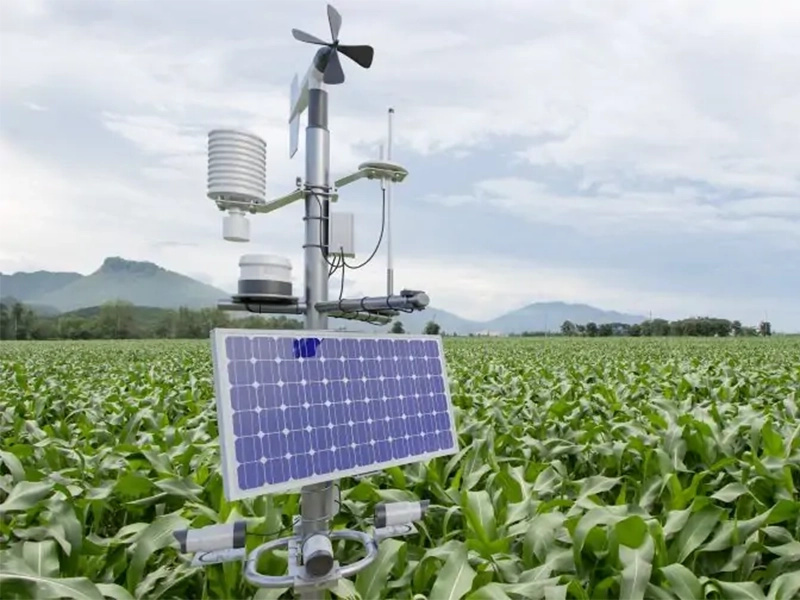
An air quality outdoor sensor is a device used to monitor atmospheric environmental parameters in real time. It primarily measures the concentrations of particulate matter such as PM2.5 and PM10, and can be expanded to monitor gases such as CO, NO₂, SO₂, O₃, and VOCs, as well as meteorological parameters including temperature, humidity, wind speed, and wind direction. These devices typically utilize principles such as laser scattering and feature high precision, high integration, and remote transmission capabilities. They are widely used in scenarios such as smart cities, construction site dust monitoring, industrial parks, and roadside environmental monitoring.
- Measurement Range: 0–1000 μg/m³ (PM2.5 / PM10); 0–20 mg/m³ (PM100)
- Resolution: 1 μg/m³ (PM); 0.1°C; 0.1%RH
- Particle Size Range: 1–100 μm
- Response Time: ≤120 s
- Power Supply: DC 12–24V
Price: $86.60–$101.15
Introduction
Outdoor air quality sensors are devices designed to monitor environmental conditions in real time by measuring pollutants such as PM2.5, PM10, CO₂, NO₂, and ozone. Installed in outdoor environments like cities, roads, industrial zones, and parks, these sensors provide accurate data to support air quality management, public health protection, and smart city systems.
Structure air quality outdoor sensor
- Sensing Module: Integrates PM2.5/PM10 laser particulate sensors and gas sensors (CO, NO₂, SO₂, O₃, VOCs, etc.) for core data acquisition.
- Sampling System (Air Inlet & Flow Structure): Features a scientifically designed air intake structure to ensure stable airflow, thereby improving measurement accuracy and response speed.
- Data Processing Unit (MCU Processing Module): Equipped with a built-in microprocessor that processes collected signals using algorithms to output stable and reliable monitoring data.
- Communication Interface: Typically equipped with industrial communication interfaces such as RS485 and Modbus, supporting long-distance data transmission and system integration.
- Outdoor Enclosure: Features a waterproof, dustproof, and corrosion-resistant design (e.g., IP65 or higher) to withstand harsh outdoor environments.
- Expansion Ports: Supports connection to meteorological sensors (wind speed, wind direction, temperature, humidity, atmospheric pressure, rainfall, etc.) or other gas modules.
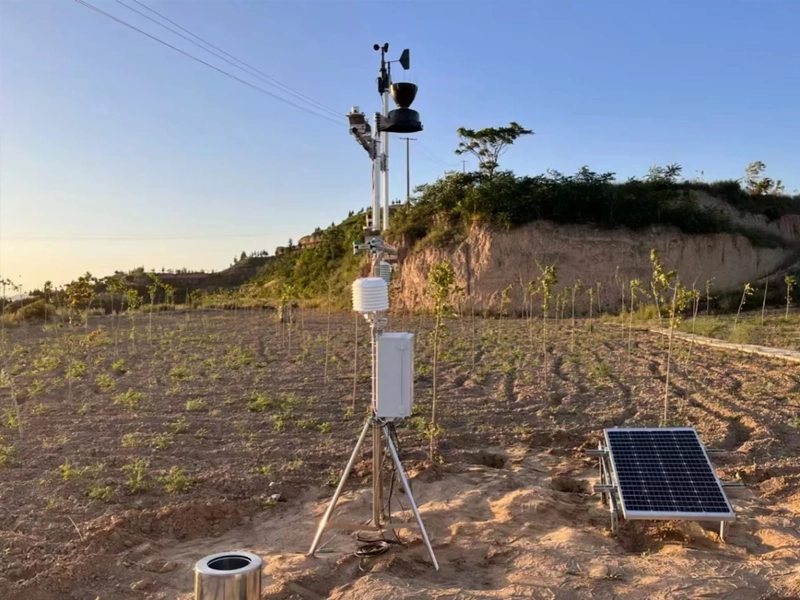
- Power Supply Module: Supports multiple power supply methods, such as DC power and solar power, to meet the needs of various application scenarios.
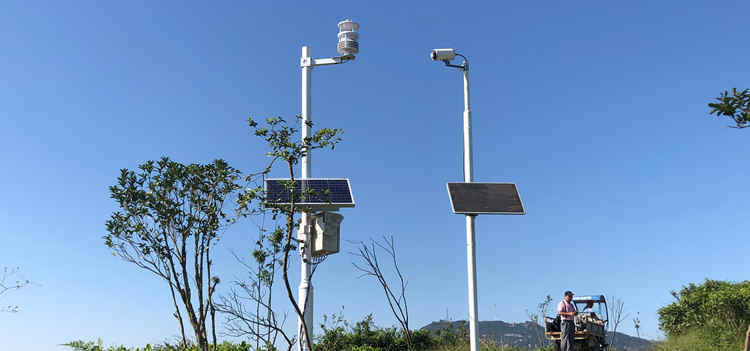
- Mounting Bracket: Equipped with a standard mounting bracket for quick deployment in various scenarios, such as on utility poles or walls.

Types and Selection Guide
The air quality outdoor sensor series provides comprehensive solutions for monitoring PM2.5, PM10, and other environmental parameters in outdoor environments. This series includes the RY-CPM2510, RY-CPM2511, RY-CPM2512, and RY-CPM2516 models, each designed for high-precision, reliable air quality measurement with options to expand for gas detection, meteorological sensing, and remote data transmission, making them ideal for urban monitoring, industrial sites, and smart city applications.

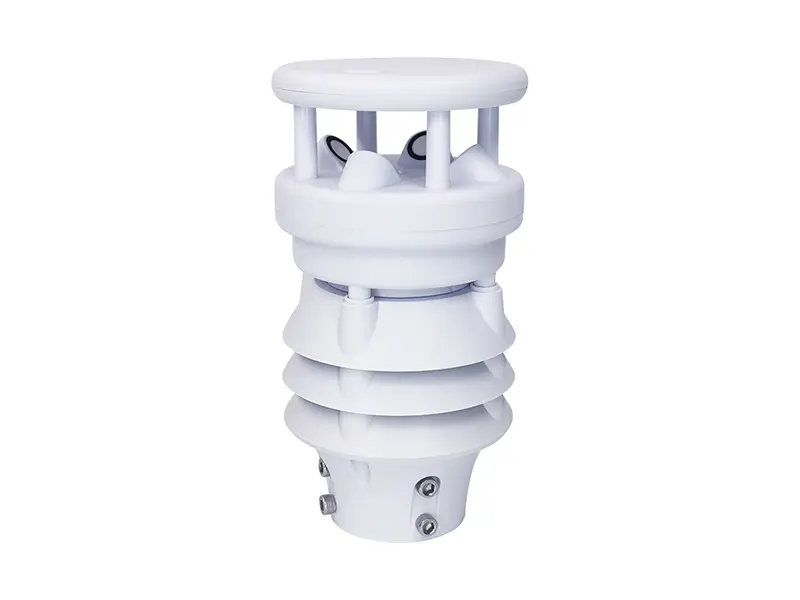
RY-CPM2510 Factory Supply PM2.5 PM10 Dust Particle Sensor Air Quality Meter For Air Quality Monitoring
Compact sensor for PM2.5 and PM10 monitoring, with optional gas and meteorological sensor integration.

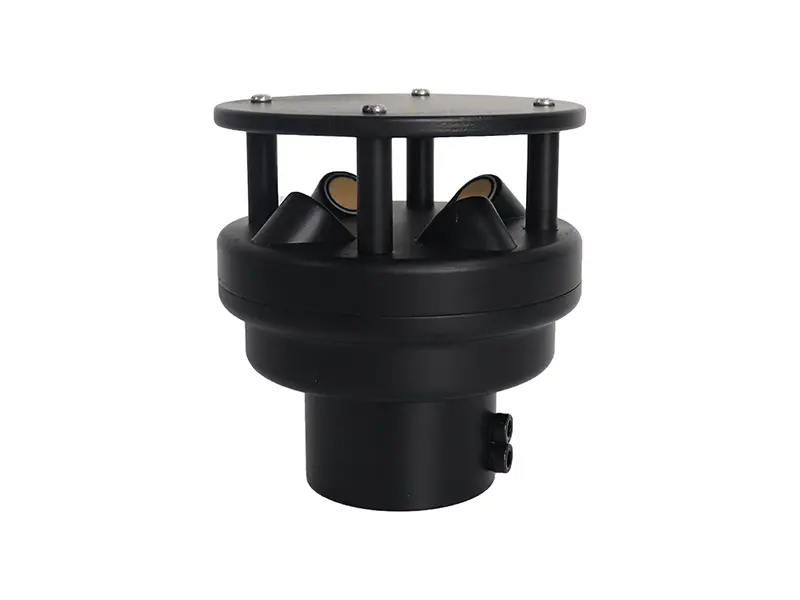
RY-CPM2511 Best Outdoor Air Quality Sensor For Atmospheric Monitoring PM2.5 PM10 Noise
Specifically designed for industrial and high-concentration environments, this device primarily monitors PM100 dust and is suitable for dust monitoring.

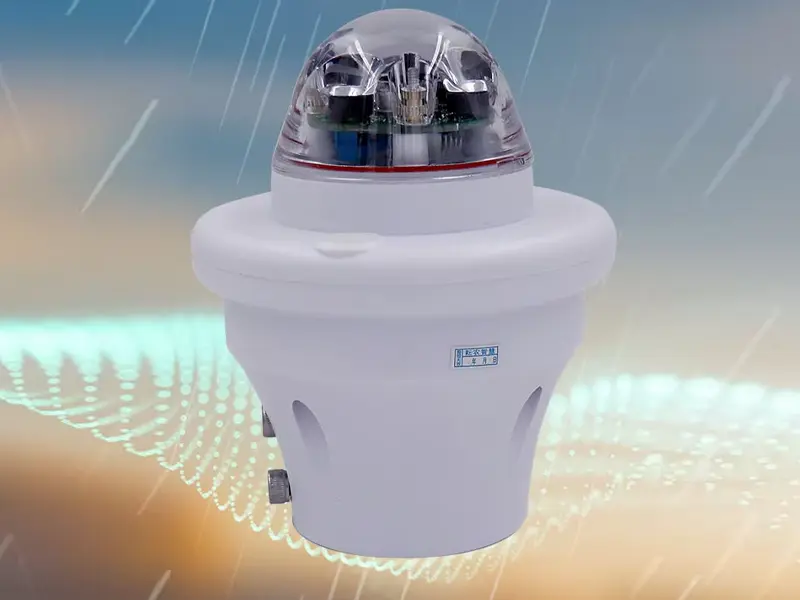
RY-CPM2512 Air Quality Monitor for Industrial Smart Agriculture Meteorologica
Advanced outdoor sensor measuring PM2.5, PM10, temperature, and humidity, expandable to multiple gas and weather parameters.

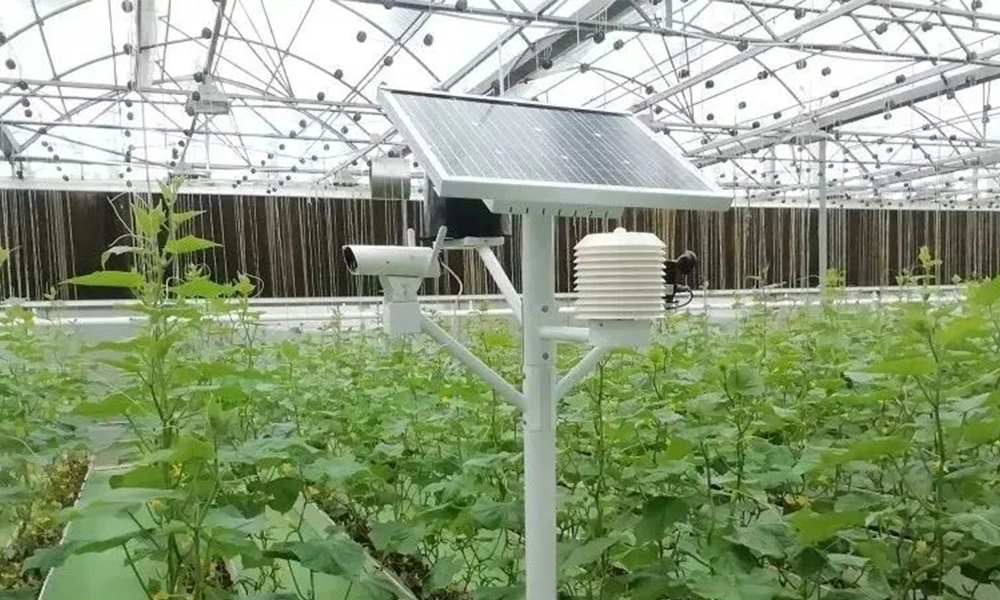
RY-CPM2516 Compact Weather Sensor for Scenic Spots Parks Atmospheric Monitoring
High-precision sensor for PM2.5 and PM10, with robust performance for urban, industrial, and construction site air quality monitoring.
Details Show
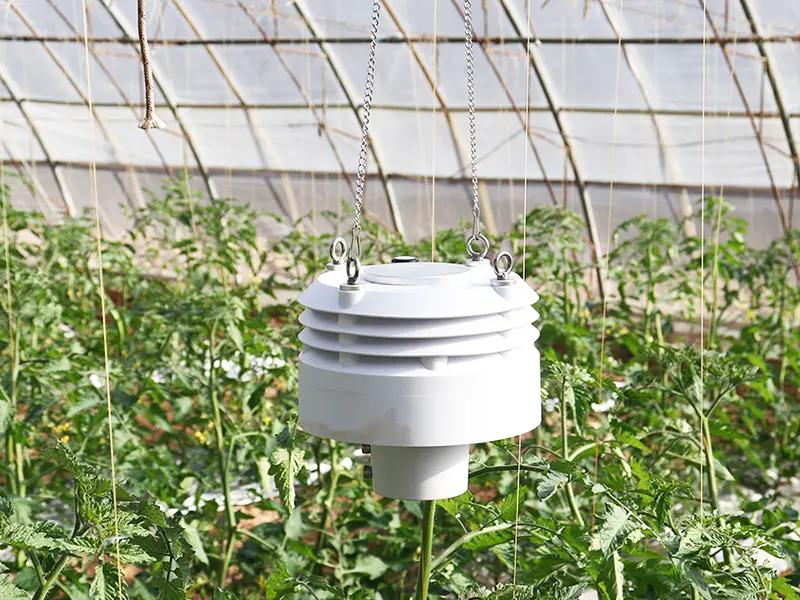
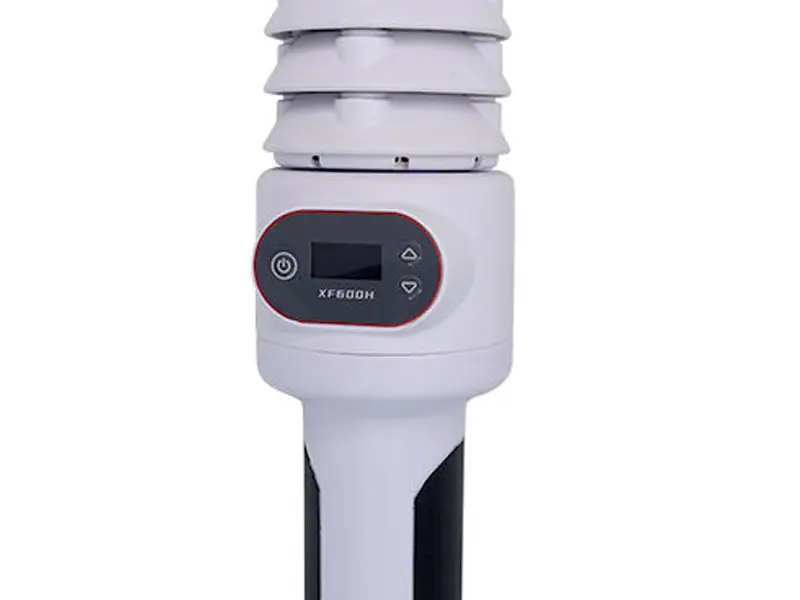
The outdoor air quality sensor features a compact and aesthetically pleasing design, with an integrated structure and a high-protection housing that provides excellent water and dust resistance. Its overall layout is well-designed, and the air intake is engineered to ensure smooth airflow while effectively minimizing external interference. Below are the details shown for the outdoor air quality monitoring sensor :


Specifications
The following specifications provide a comprehensive overview of the air quality outdoor sensor’s performance, including measurement capabilities, accuracy, environmental adaptability, and communication features. Designed for reliable outdoor monitoring, these parameters help ensure accurate data collection and seamless integration into various environmental and industrial applications.
Parameters
| Feature / Model | RY-CPM2510 | RY-CPM2511 | RY-CPM2512 | RY-CPM2516 |
|---|---|---|---|---|
| PM Monitoring | PM2.5, PM10 | PM100 | PM2.5, PM10 | PM2.5, PM10 |
| Temperature | Optional | Optional | -40–60°C | -40–60°C |
| Humidity | Optional | Optional | 0–100%RH | 0–100%RH |
| Detection Principle | Laser scattering | Laser scattering | Laser scattering + Temp/Humidity chip | Laser scattering + Temp/Humidity chip |
| PM Measurement Range | 0–1000 μg/m³ | 0–20 mg/m³ | 0–1000 μg/m³ | 0–1000 μg/m³ |
| Resolution | 1 μg/m³ | 1 μg/m³ | 1 μg/m³ | 1 μg/m³ |
| Accuracy | ±(10±10%) | ±15% or ±10 μg/m³ | ±(10±10%) | ±(10±10%) |
| Power Supply | DC12–24V | DC12V/24V | DC12–24V | DC12–24V |
| Power Consumption | <1W | <1.1W | <1W | <1W |
| Communication | RS485 / MODBUS | RS485 / MODBUS | RS485 / MODBUS | RS485 / MODBUS |
| Optional Features | CO, NO₂, SO₂, O₃, H₂S, VOCs, GPS | CO, NO₂, SO₂, O₃, H₂S, VOCs, GPS | CO, NO₂, SO₂, O₃, H₂S, VOCs, GPS | CO, NO₂, SO₂, O₃, H₂S, VOCs, GPS |
| Operating Environment | -40–70°C, 5–90%RH | -10–50°C, 0–70%RH | -40–85°C, 5–100%RH | -40–70°C, 5–90%RH |
| Housing Material | ASA | ASA | ASA | ASA |
| Protection Rating | IP65 | IP65 | IP65 | IP65 |
| Installation | Sleeve / Flange | Sleeve / Flange | Sleeve / Flange | Sleeve / Flange |
Features outdoor air quality sensor
Complete parameters
standard PM2.5, PM10, temperature, humidity, supports RS485 and MODBUS protocol.
Reliable performance
low cost, high stability, suitable for outdoor and industrial environment monitoring.
Data networking
Optional wireless data collector enables automatic uploading and real-time viewing on the mobile client.
Real-time monitoring
Instantly obtain atmospheric environment data to facilitate grid distribution management.
Compact module
small size, modular design, flexible installation and deployment.
Location Tracking
Optional GPS functionality for device location tracking and management.
Applications outdoor air quality sensor
Tunnel brightness detectors are widely used in intelligent lighting and visibility management systems, providing accurate brightness data to ensure safety, comfort, and energy efficiency in complex lighting environments.

Urban grid monitoring
Ambient air monitoring points in various areas of the city.

Smart Street Lighting System
Integrated air quality monitoring for smart city management.

Factories and mines
Industrial dust and emission monitoring to ensure the safety of the production environment.

Construction site
Dust monitoring and construction site environmental management.

cases
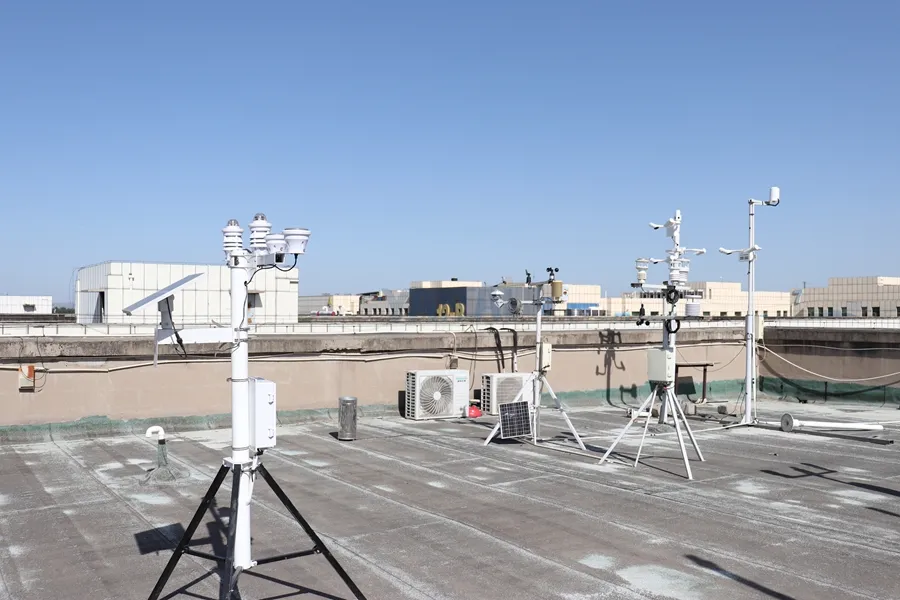
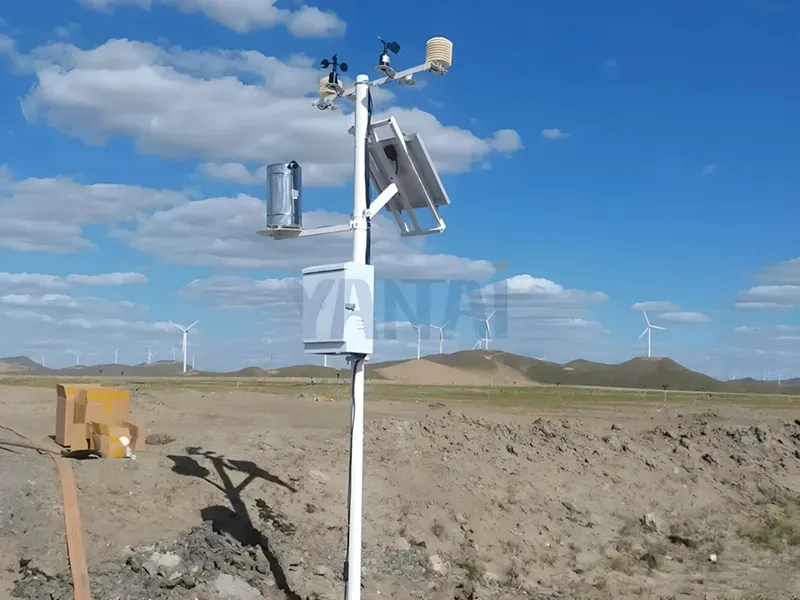
The following showcases real-world applications of the outdoor air quality sensor in various scenarios, including urban environmental monitoring, construction site dust control, and air quality management in industrial parks. Through real-world data and application results, these examples provide an intuitive understanding of the product’s monitoring capabilities and stability in different environments.


custom air quality outdoor sensor
Outdoor air quality monitoring sensor solutions meet diverse environmental monitoring needs by offering flexible configuration of sensing parameters, communication methods, and system integration. With their modular design and scalable functionality, these sensors can be customized for specific application scenarios, such as smart cities, industrial monitoring, and construction site management.
Customization Options
- Customizable Parameters – Select from PM2.5, PM10, gases (CO, NO₂, SO₂, O₃, VOCs), and meteorological parameters (temperature, humidity, wind speed, etc.) based on your needs.
- Customizable Communication Methods – Supports multiple data transmission methods, including RS485, 4G, LoRa, and NB-IoT.
- Functionality Expansion – Optional features include GPS positioning, data storage, and integration with remote monitoring platforms.
- Custom Structural Design – Housing material, mounting method (pole-mounted/wall-mounted), and protection rating can be adjusted to meet project requirements.
- Custom Power Supply Solutions – Supports both mains power and solar power to adapt to various outdoor environments.
- System Integration – Seamless integration with smart city platforms, environmental monitoring systems, or third-party data platforms.

Air Quality Outdoor Sensor Manufacturer and Supplier
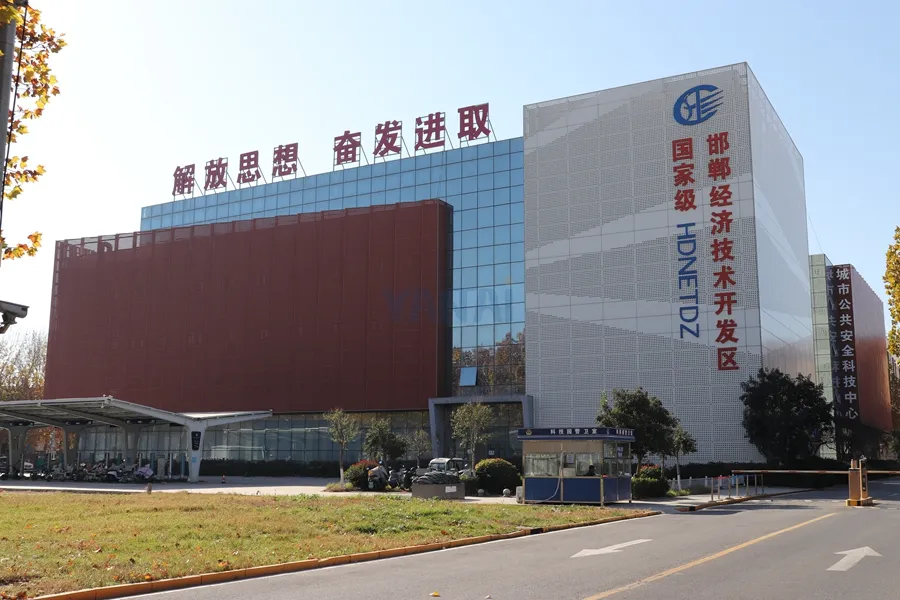
Yantai Sensor is a professional air quality outdoor sensor manufacturer and supplier, specializing in high-precision solutions for real-time environmental monitoring in smart cities, industrial zones, and transportation systems. Our outdoor air quality sensors, including advanced PM2.5 outdoor sensor and PM10 outdoor sensor solutions, are designed to measure key parameters such as particulate matter and various gases, ensuring accurate and stable data for air pollution monitoring and environmental management.
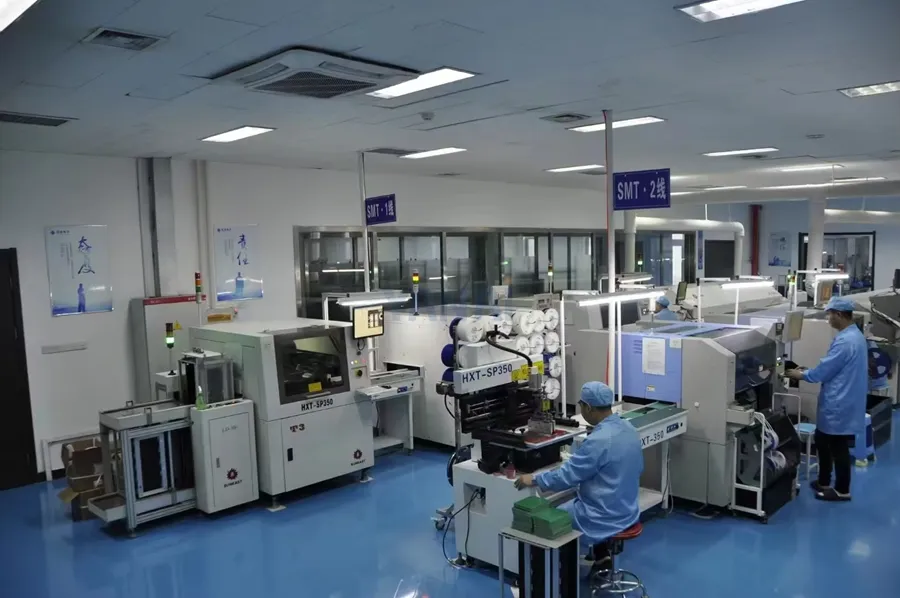
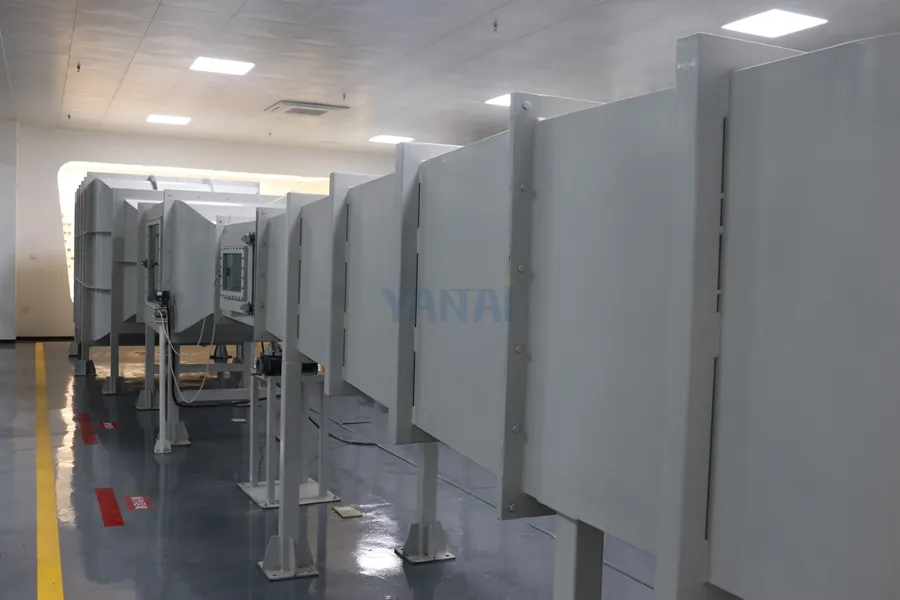
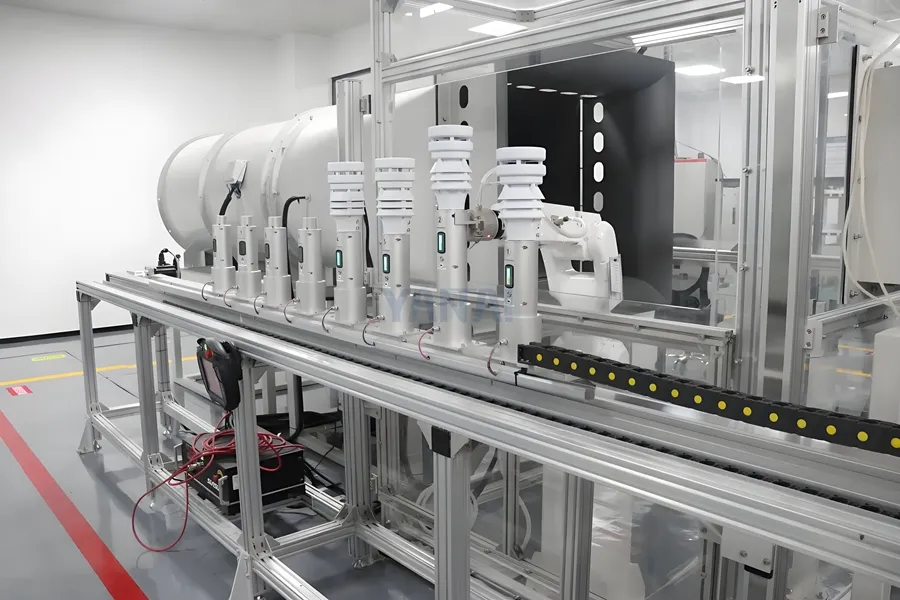
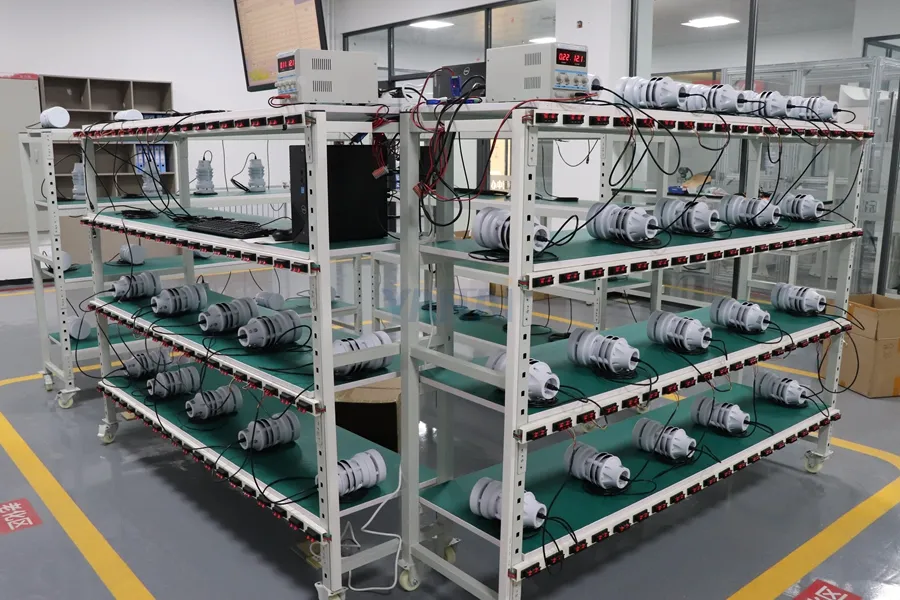
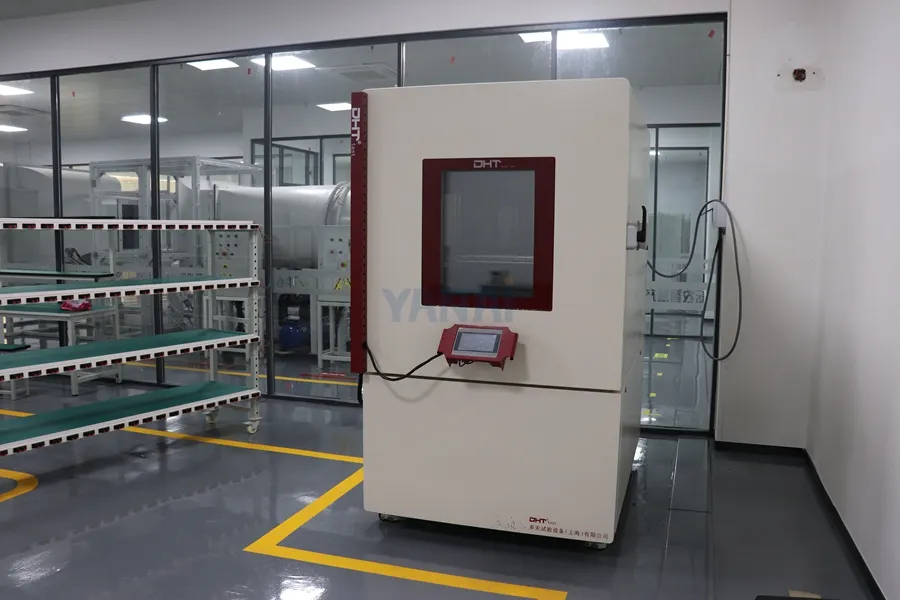
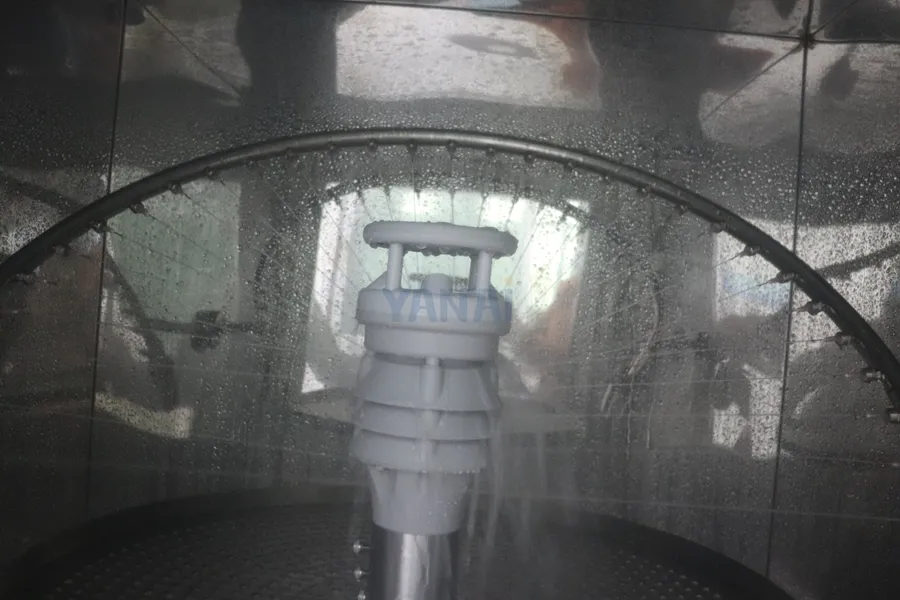
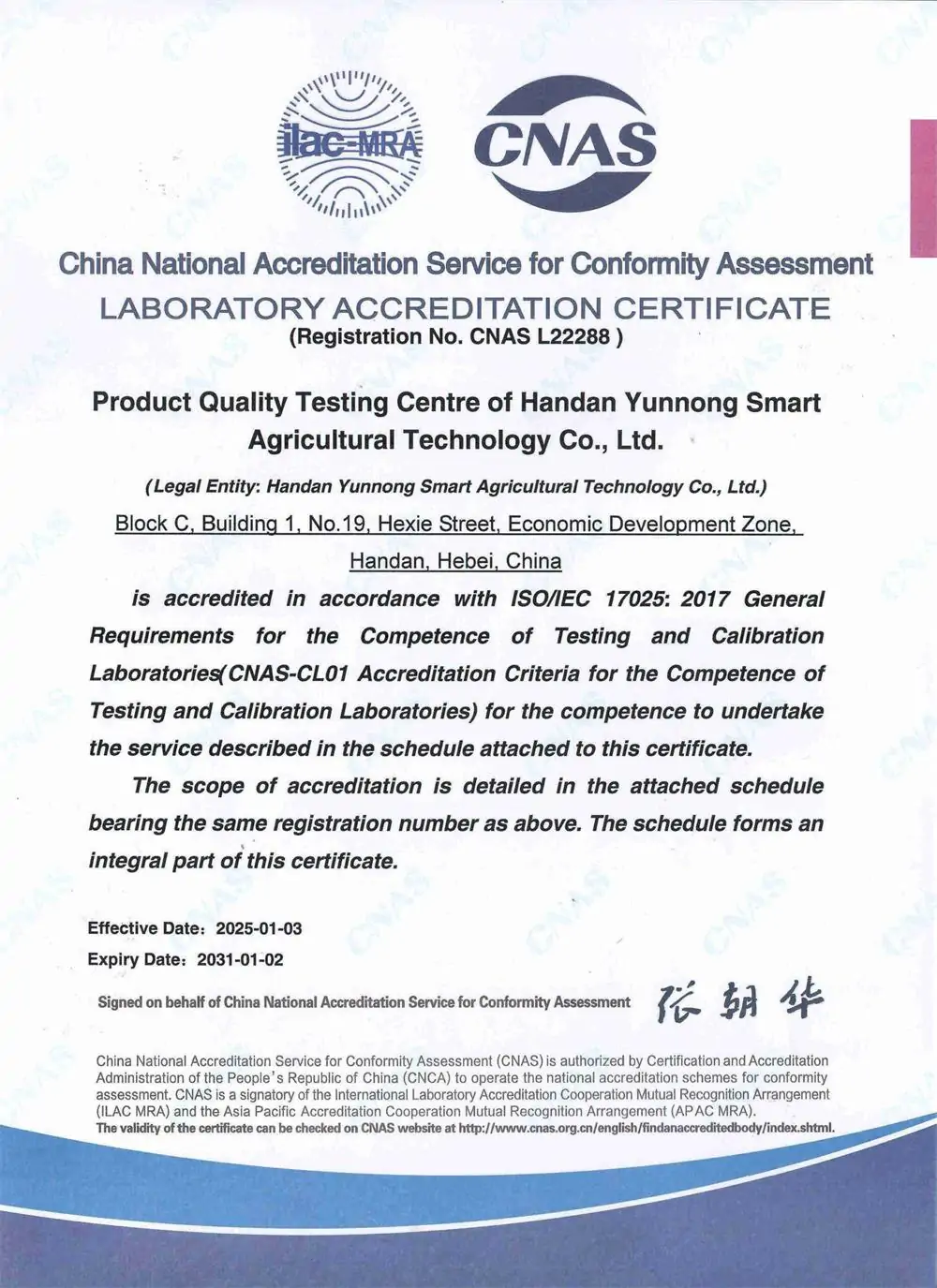
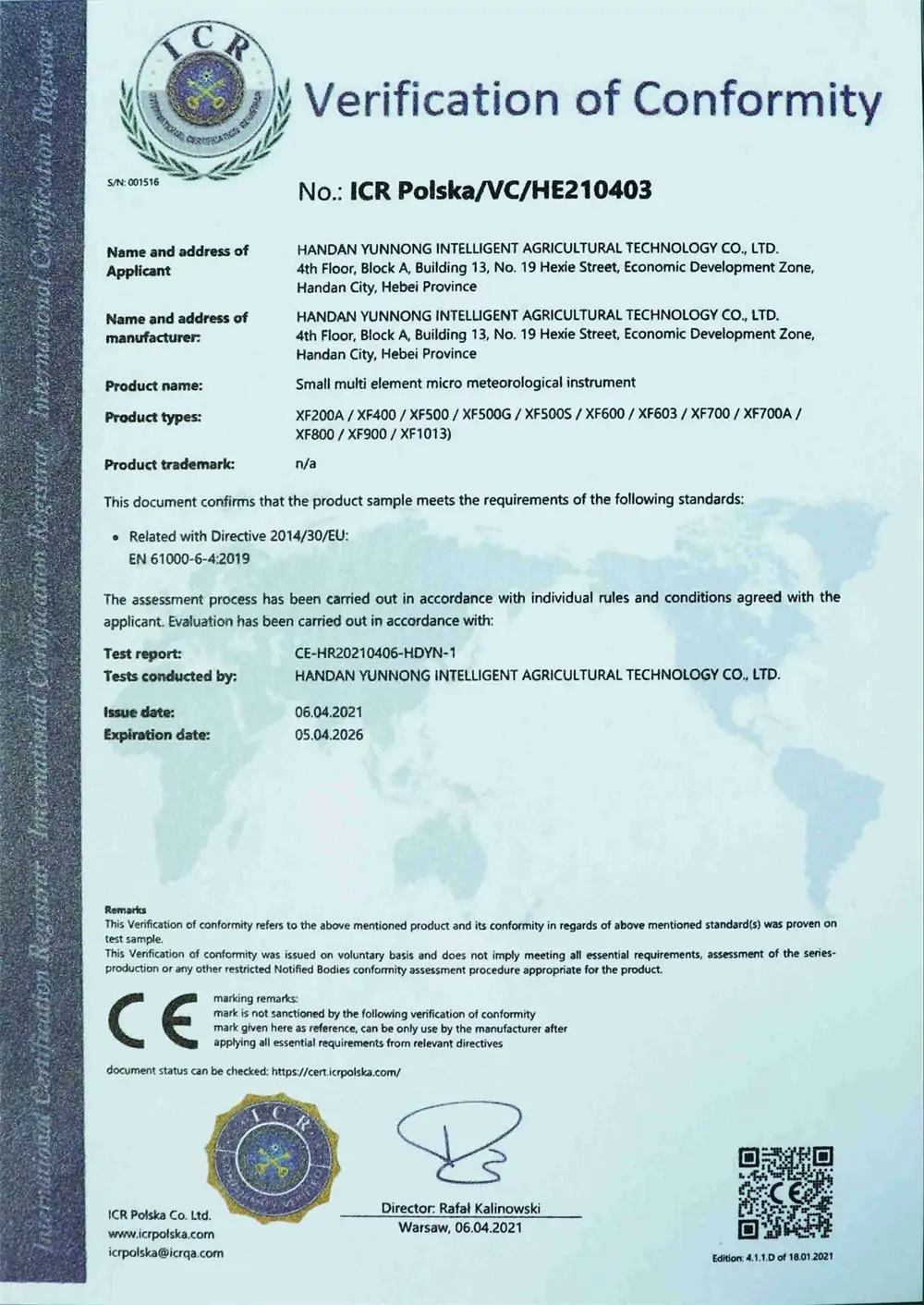
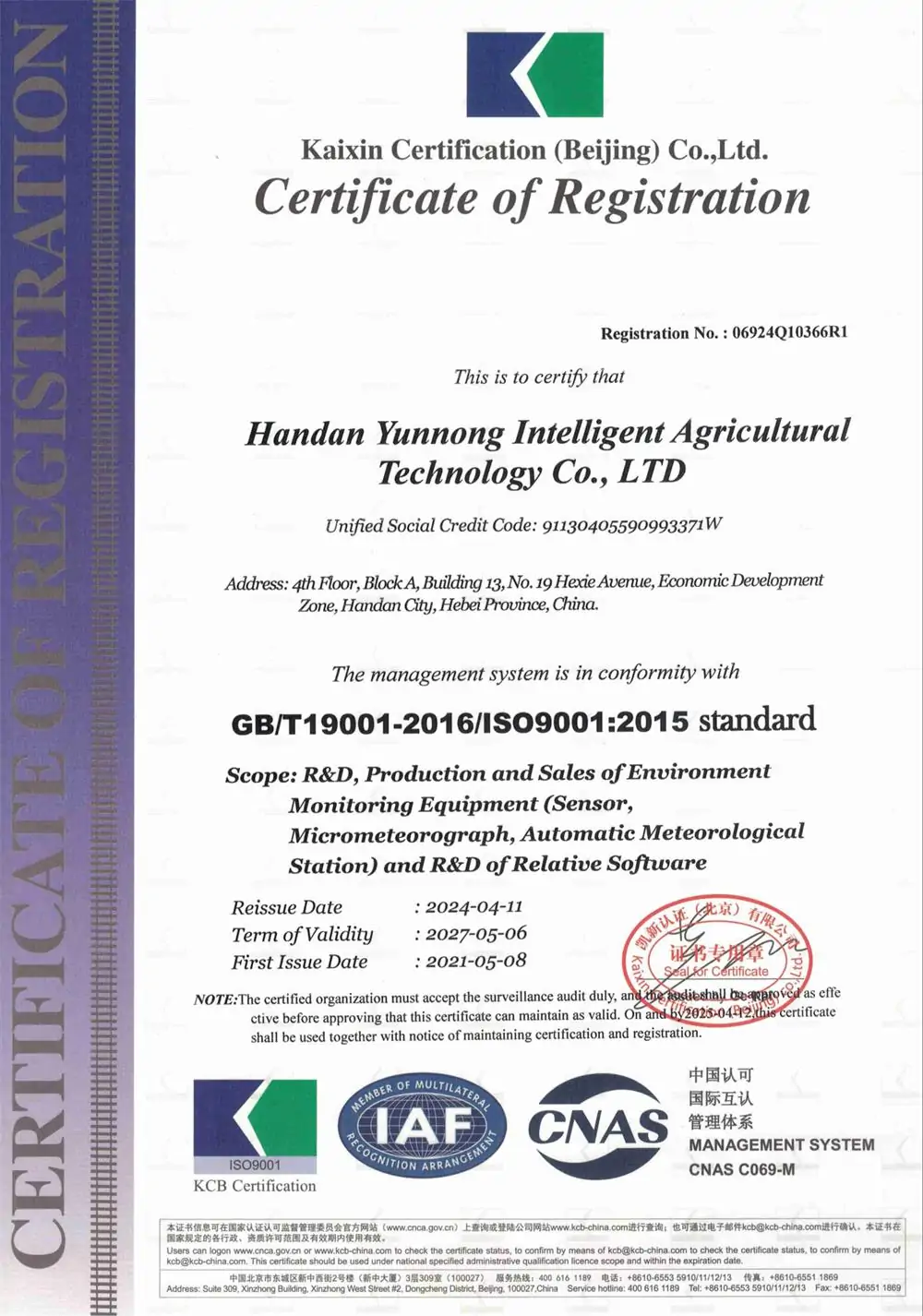
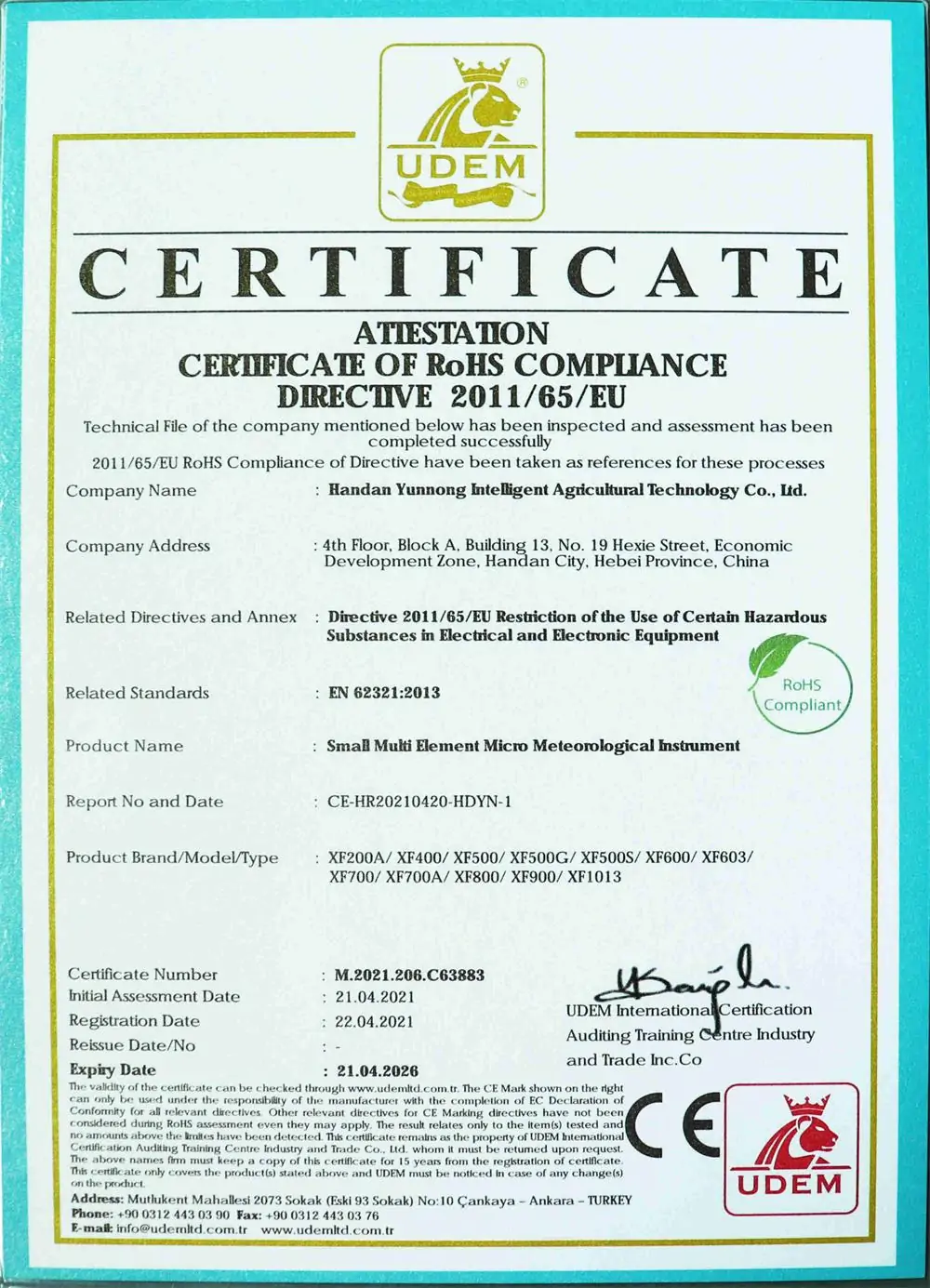
With strong independent R&D capabilities, advanced manufacturing facilities, and a dedicated environmental testing laboratory, each sensor undergoes strict quality control, including temperature and humidity testing, vibration testing, and long-term performance evaluation. Certified with CE, ISO, and RoHS, we provide reliable products along with flexible OEM/ODM services to support global air quality monitoring solution providers and smart environmental solutions.