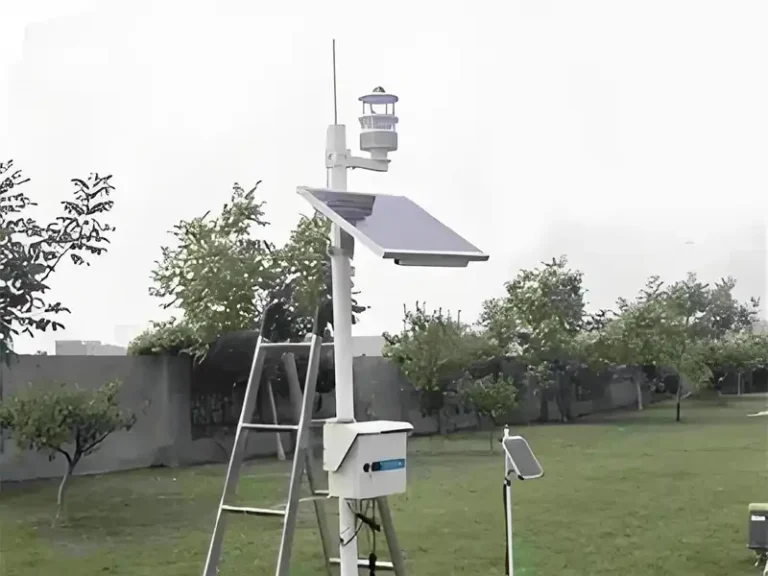
Understanding environmental changes is essential for evaluating environmental quality, identifying pollution levels, and ensuring public safety. By continuously monitoring key environmental parameters, we can accurately assess weather conditions, detect environmental risks, and track long-term trends. Environmental monitoring covers multiple dimensions—including air quality, temperature, humidity, wind speed and direction, and soil conditions. In this process, environmental monitoring sensors play a vital role. They are also a core component of IoT-based monitoring systems. So, What Are Environmental Monitoring Sensors?
What are environmental monitoring sensors?
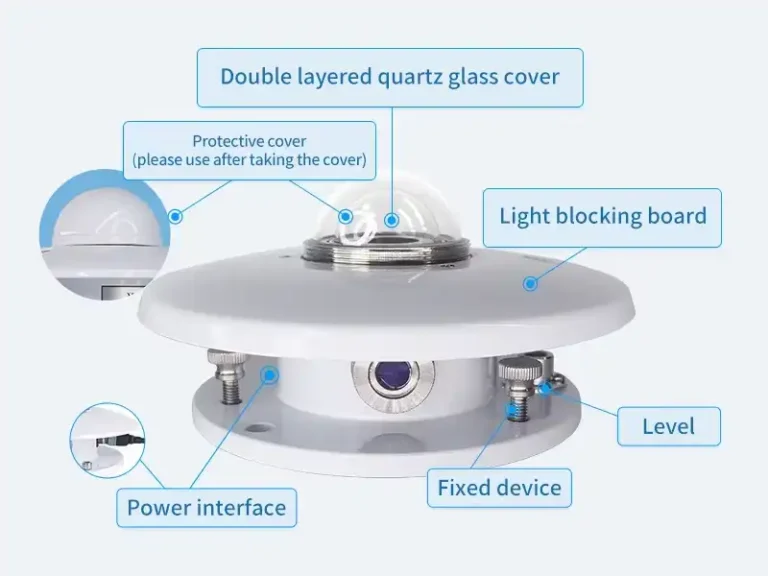
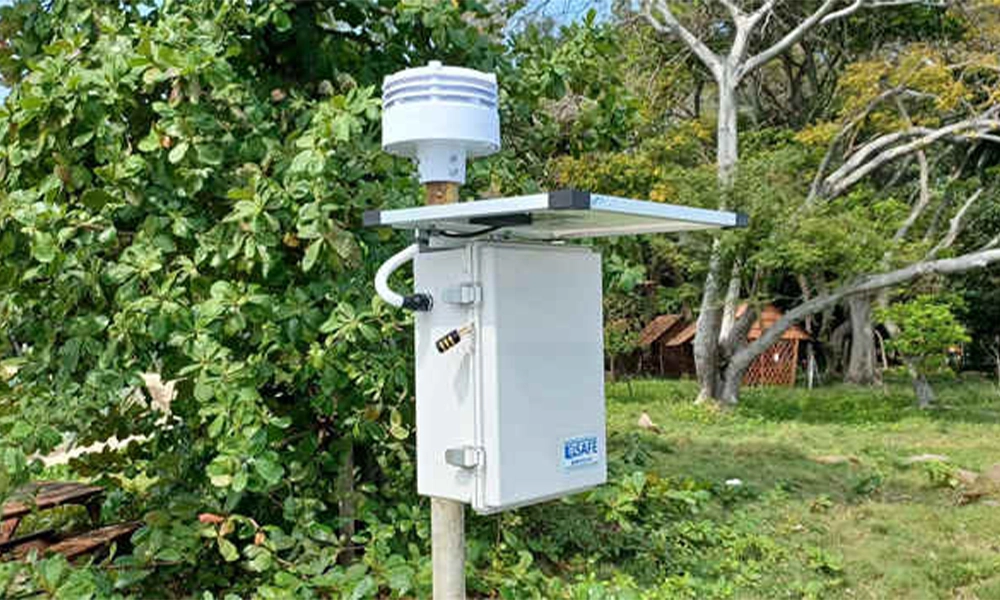
Environmental monitoring sensors are devices used to monitor various environmental factors (such as temperature, humidity, wind speed, wind direction, and air quality). Examples include temperature and humidity sensors, rainfall sensors, light intensity sensors, soil pH sensors, wind speed and direction sensors, and water quality dissolved oxygen sensors. They help us obtain accurate environmental information and can also record and store data.
how do environmental sensors work?
Four types of environmental monitoring sensors
There are various types of environmental monitoring sensors on the market, and their applications vary depending on the field. When choosing an environmental monitoring sensor, accuracy, sensitivity, and price are all important considerations. Environmental sensors are categorized into the following types based on their application:
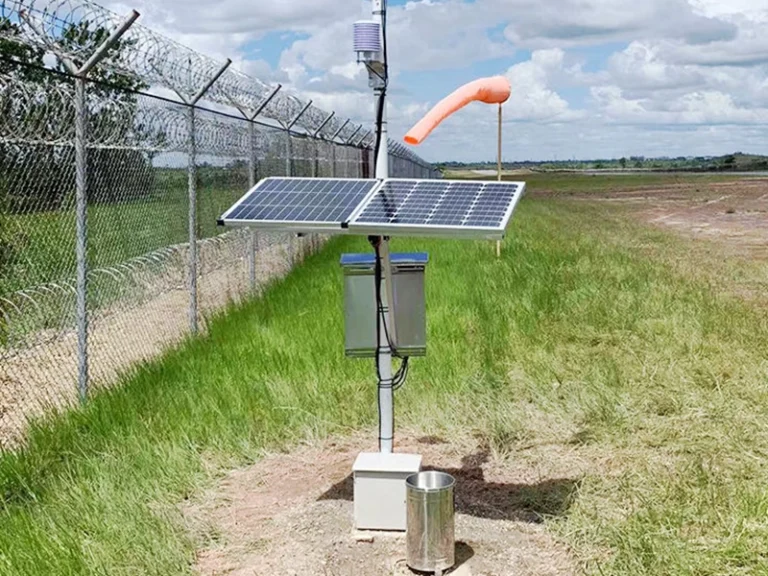
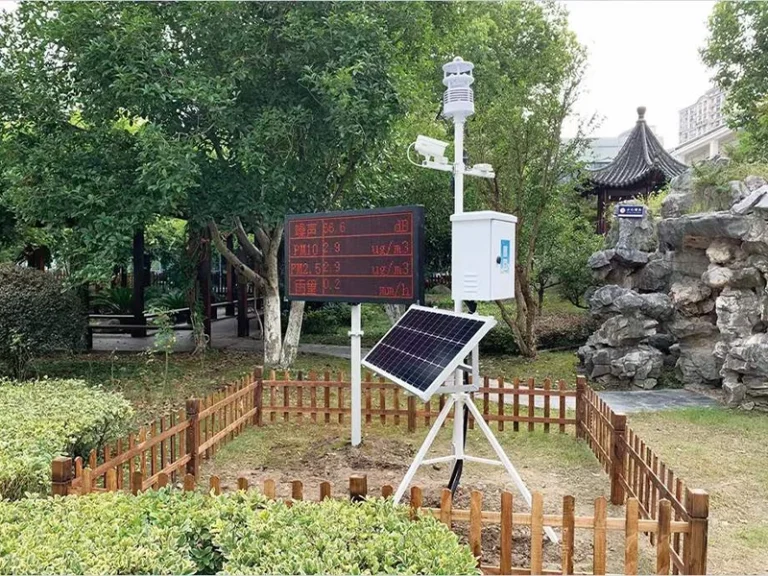
1. Meteorological and Environmental Monitoring Sensors
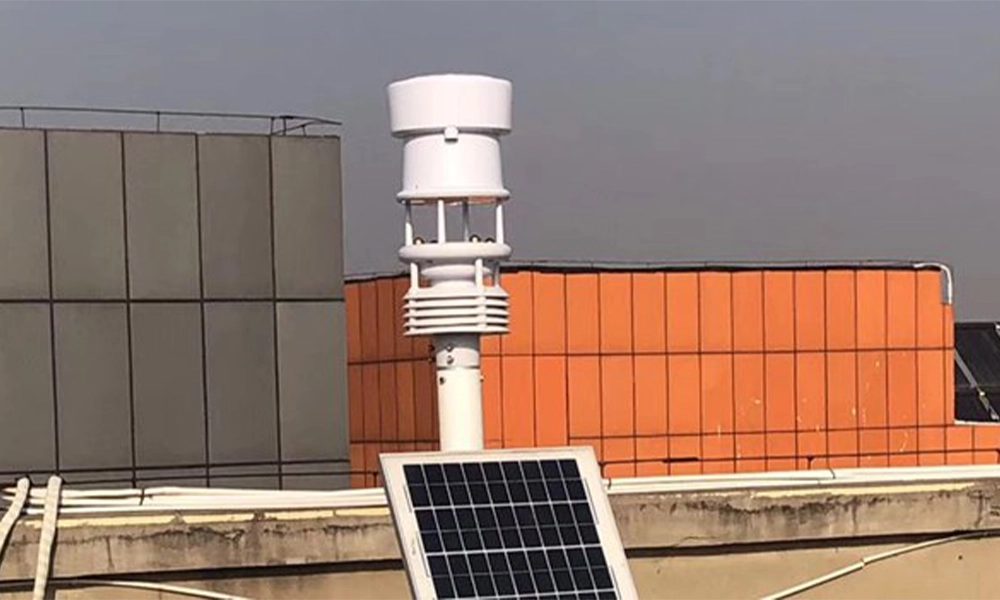
Meteorological monitoring often involves sensors for temperature, humidity, wind speed, wind direction, and atmospheric pressure. These five common meteorological parameters impact every aspect of our lives.
For example, smart cities and smart transportation often utilize environmental monitoring sensors to monitor weather and environmental changes in real time, improve safety and early warning capabilities, optimize scheduling and management, and ensure operational efficiency.
2. Water Quality Monitoring Sensors
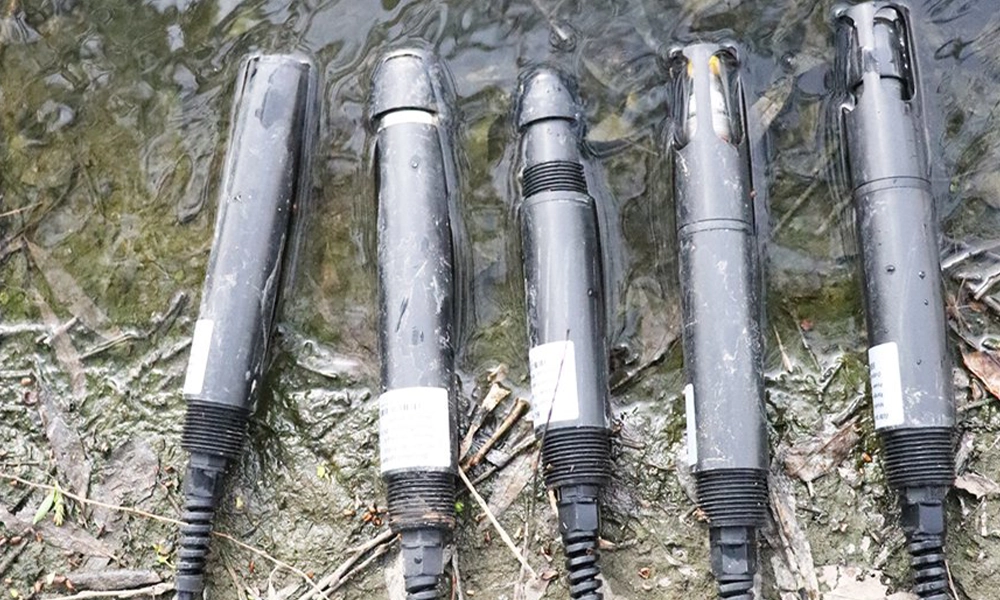
Water quality monitoring sensors are devices used to monitor the physical and chemical parameters of water in real time. Common indicators include pH, dissolved oxygen, turbidity, conductivity, ammonia nitrogen, and COD.
They are widely used in rivers, lakes, reservoirs, drinking water sources, industrial discharge outlets, and other locations. They continuously collect water quality data, helping managers quickly identify pollution sources, assess water health, and enhance the intelligence of water resource management. They are key technologies in environmental protection and water management.
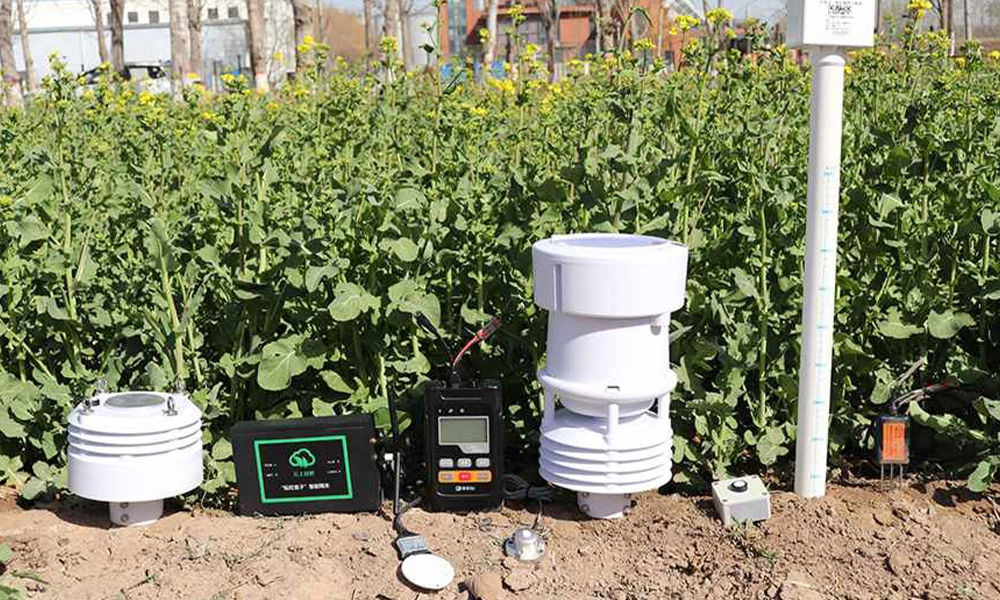
3. Agricultural Environmental Monitoring Sensors
Agricultural environmental monitoring sensors are used to monitor key environmental factors that affect crop growth. Common sensors include temperature and humidity sensors, soil temperature and humidity sensors, light intensity sensors, CO₂ concentration sensors, wind speed and direction sensors, and rainfall sensors.
They collect real-time farmland environmental data, helping farmers accurately understand climate change, soil moisture conditions, and crop growing conditions. This helps guide agricultural activities such as irrigation, fertilization, and pest control, enabling precision agricultural management and improving yield and quality while reducing resource waste and environmental pollution.
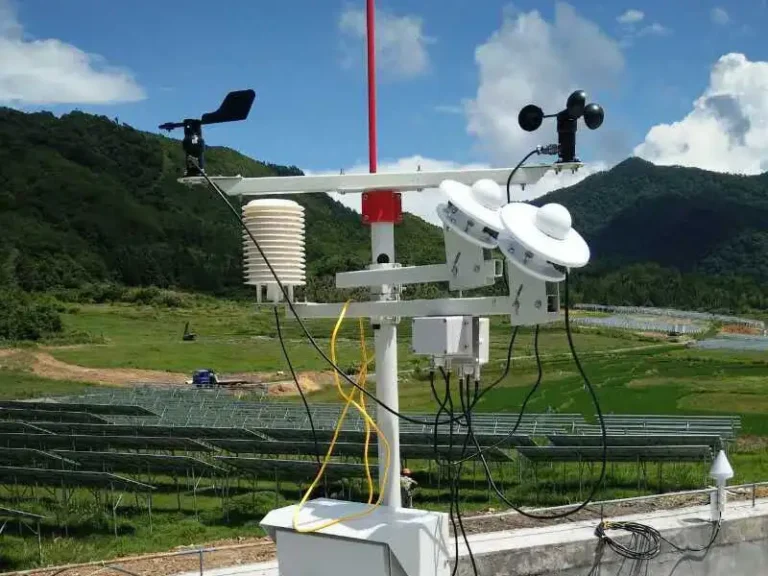
4. Photovoltaic Environmental Monitoring Sensors
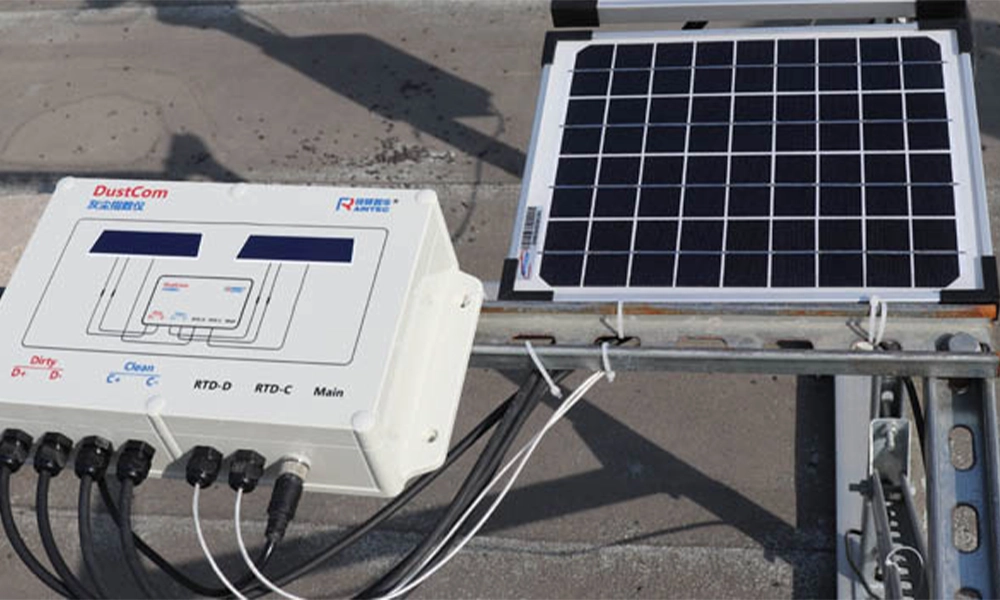
Photovoltaic environmental monitoring sensors monitor environmental factors that affect the efficiency of solar power generation. Common sensors include global solar radiation sensors, light intensity sensors, temperature sensors, wind speed and direction sensors, and module temperature sensors.
These sensors collect real-time meteorological and equipment status data around photovoltaic power stations, helping to evaluate power generation performance, analyze power fluctuations, and predict equipment failures. They also provide decision-making support for intelligent operation and maintenance, clean scheduling, and energy efficiency optimization. They are environmental science and technology for ensuring efficient and stable operation of photovoltaic systems.
Conclusion
In summary, environmental monitoring sensors are essential devices designed to measure key environmental parameters, helping you understand real-time conditions and long-term trends. They operate by converting physical, chemical, or biological signals—such as temperature, humidity, particulate matter, wind, soil metrics, or water quality—into readable digital data for analysis and decision-making.
If you have further questions about ”What Are Environmental Monitoring Sensors”, need technical guidance, or require customized monitoring solutions, please feel free to contact our professional team.