

Cup Type Anemometer for Outdoor Wind Speed Measurement
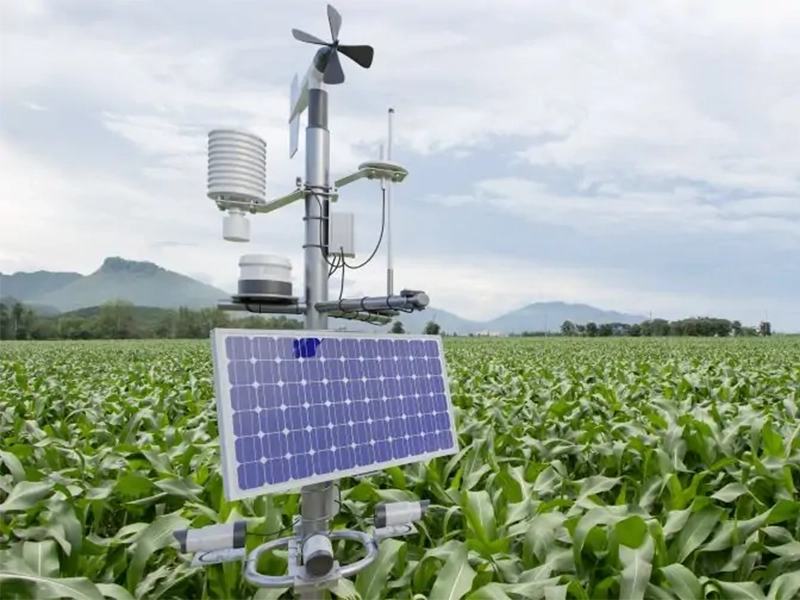
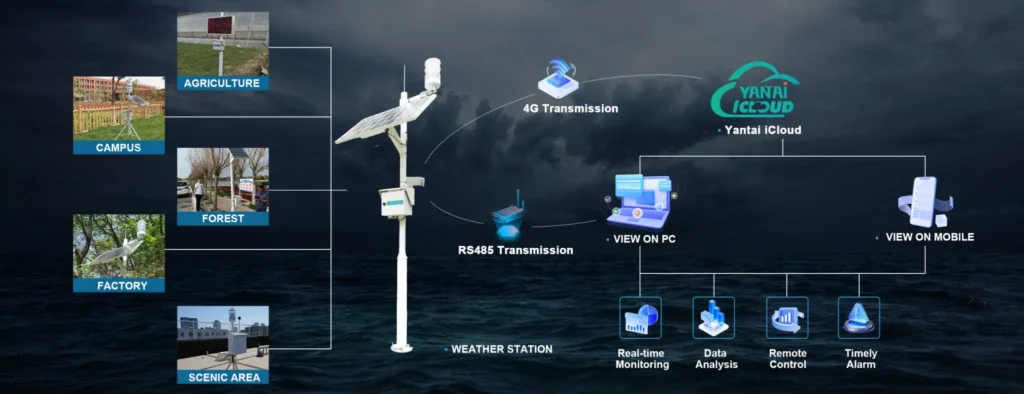
The cup type anemometer measures outdoor wind speed through the rotation of its three-cup rotor. It converts rotational movement into electrical signals for monitoring systems and is suitable for applications such as weather stations, agricultural monitoring, and environmental monitoring.
- Wind Speed Range: 0–60 m/s
- Output Signal: RS485 (Modbus RTU)
- Power Supply: DC 12–24V
Price: $18.83-$24.65
Introduction
A cup type anemometer, also known as a wind cup anemometer, is a mechanical sensor used for outdoor wind speed measurement. Its three-cup rotor rotates under wind force, and the sensor converts this movement into an electrical signal for measuring wind speed. This type of cup anemometer is commonly used in meteorological stations, agricultural weather monitoring systems, environmental monitoring, and outdoor infrastructure projects.
When evaluating an anemometer cup type for a monitoring project, buyers should consider its wind speed range, starting wind speed, measurement accuracy, output signal, power supply, and operating conditions. Depending on its configuration, the sensor can be integrated with a compatible data logger or automatic weather station for continuous wind speed monitoring.If you’d like to learn more about “Ultrasonic vs. Mechanical Anemometers: Which is Better for Solar Farm Monitoring?”, please click here.
Structure
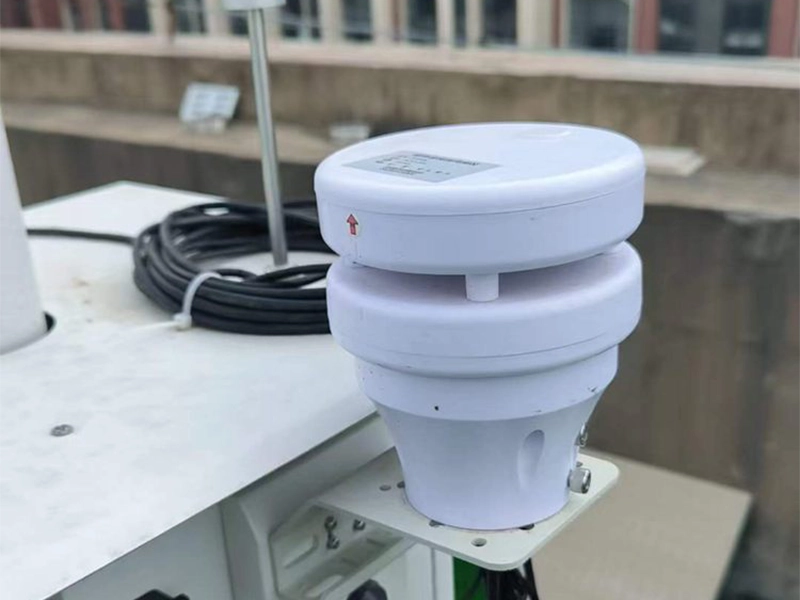
A cup type anemometer consists of a rotating cup assembly, a shaft, a sensing mechanism, and a mounting structure. The specific design varies by model, particularly in cup configuration and signal output.
- Wind Cups: Typically arranged in a three-cup or four-cup configuration, the cups catch the wind and rotate around a central axis. Their rotation is used to determine wind speed.
- Rotor Arms and Shaft: Support the cups and transfer rotational movement to the sensing mechanism.
- Bearings: Support the rotating shaft and reduce friction during operation.
- Sensing Mechanism: Detects the rotation speed and converts it into a wind speed signal. Depending on the design, the sensor may use optical, magnetic, or other sensing technologies.
- Housing and Mounting Base: Protect internal components and secure the sensor to a mast or monitoring structure.
- Signal Output Interface: Sends wind speed data to a compatible data logger, weather station, or monitoring system. The available output depends on the model.

Types of Anemometer
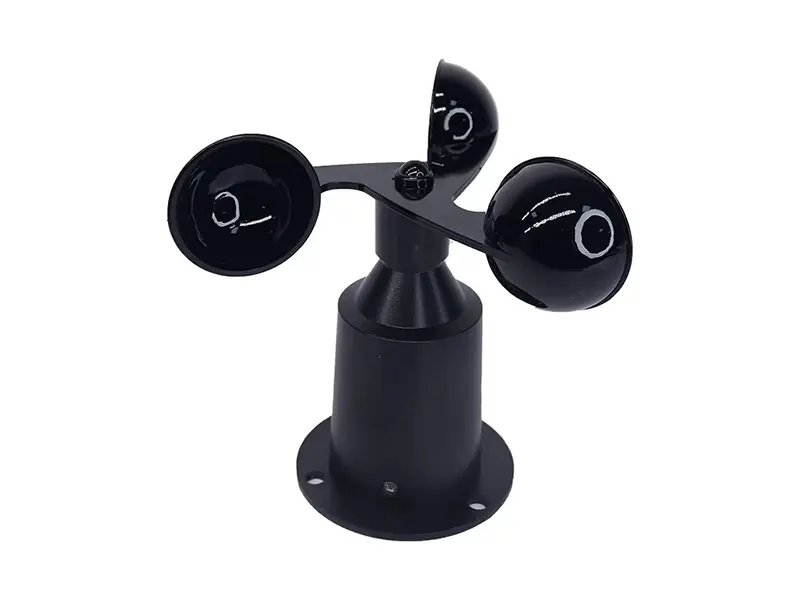
RY-FX01-X wind speed sensor outdoor
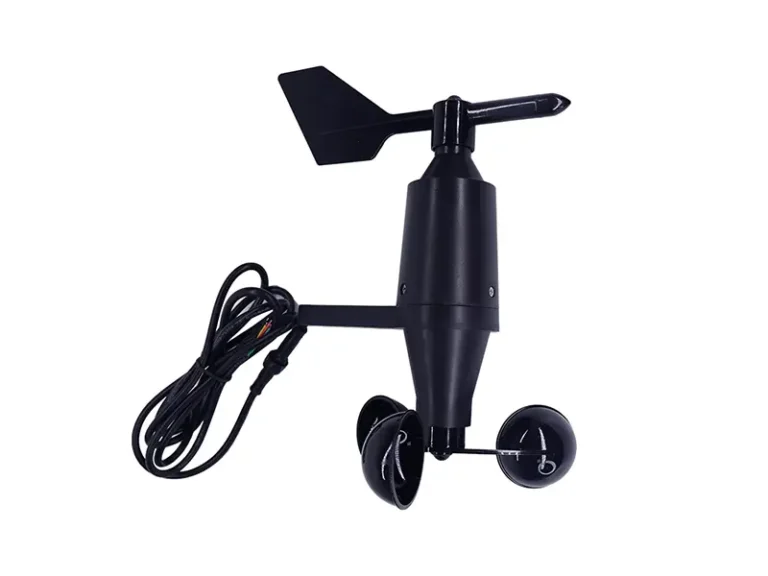
RY-FSX Integrated wind speed and direction sensor
Working Principle of cup type wind speed sensor
The cup anemometer working principle is based on the rotation of wind cups under airflow. The difference in aerodynamic force between the concave and convex sides of the cups creates torque, causing the rotor to turn around its axis. As wind speed increases, the rotor generally rotates faster, allowing the sensor to determine wind speed through a calibrated relationship between rotational speed and airflow.
The sensing mechanism detects rotor movement and converts it into an electrical signal that can be processed by a compatible monitoring system. Depending on the model, the sensor may use optical, magnetic, or other detection technologies, with output options determined by the product configuration. In integrated wind speed and direction sensors, a separate wind direction sensing component measures wind direction alongside wind speed.
This measurement principle applies to cup-based wind speed sensors with different cup configurations. The specific rotor design, sensing method, and output interface should be confirmed against the selected model.
Specifications
The cup type anemometer measures wind speed and direction, with specifications for each parameter listed below. Confirm the applicable configuration and output requirements when selecting a model.
| Item | Wind Speed | Wind Direction |
| Measuring Range | 0-60 m/s | 0-360° |
| Working Principle | Hall Effect Principle | Hall Effect Principle |
| Accuracy | ±(0.3+0.03V) m/s | ±3° |
| Resolution | 0.3 m/s | 0.1° |
| Starting Wind Speed | ≤0.6 m/s | ≤0.8 m/s |
| Response Time | <1 s | <1 s |
| Power Supply | DC 12V ~ DC 24V | DC 12V ~ DC 24V |
| Power Consumption | ≤200 mW | ≤200 mW |
| Operating Temperature | -20 ~ 80 ℃ | -20 ~ 80 ℃ |
| Operating Humidity | 0 ~ 100 %RH | 0 ~ 100 %RH |
| Output Signal | RS485 (ModBus-RTU) | RS485 (ModBus-RTU) |
Advantages
Cup type anemometers are widely used for routine outdoor wind speed monitoring because of their established measurement principle, maintainable mechanical design, and compatibility with common data acquisition systems. Their practical advantages depend on the sensor configuration and operating conditions.
Established Measurement Principle
Wind speed is calculated from cup rotation using a calibrated relationship with airflow. Maintenance focuses on bearings, moving parts, and starting wind speed changes.
Flexible Signal Integration
Depending on the model, pulse, analog, or RS485 outputs connect the sensor to compatible data loggers and monitoring controllers.
Outdoor Environmental Adaptability
Different measurement ranges and environmental ratings support varied outdoor conditions. Model selection should match site temperature, wind conditions, and exposure.
Details
The following details cover the cup anemometer’s main components, design features, and configuration options.


Applications
A cup type anemometer provides outdoor wind speed data for weather observation, agricultural monitoring, and site-specific environmental assessments. Its suitability depends on the measurement requirements and integration with the monitoring system.
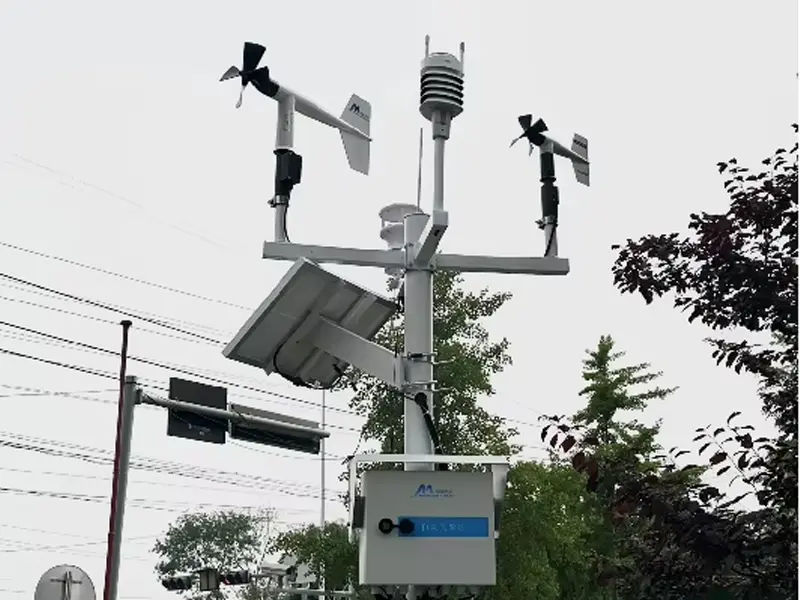
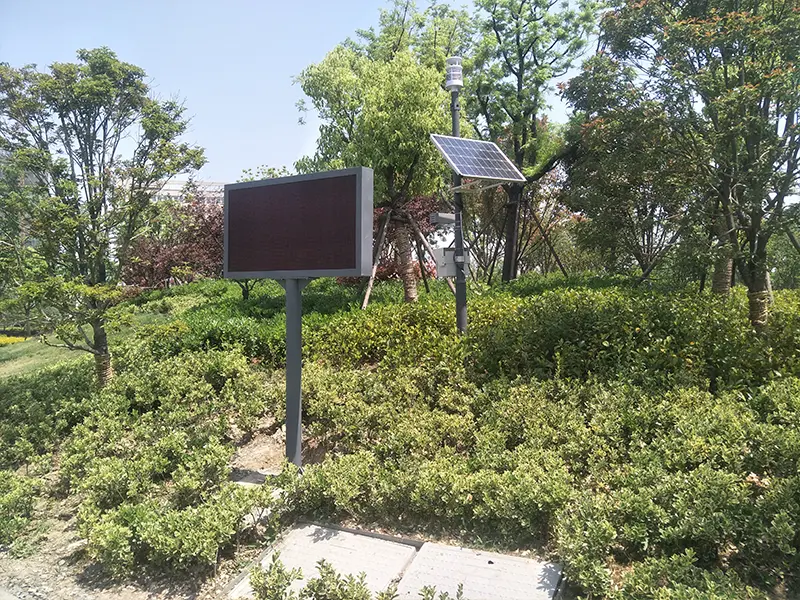
Automatic Weather Stations
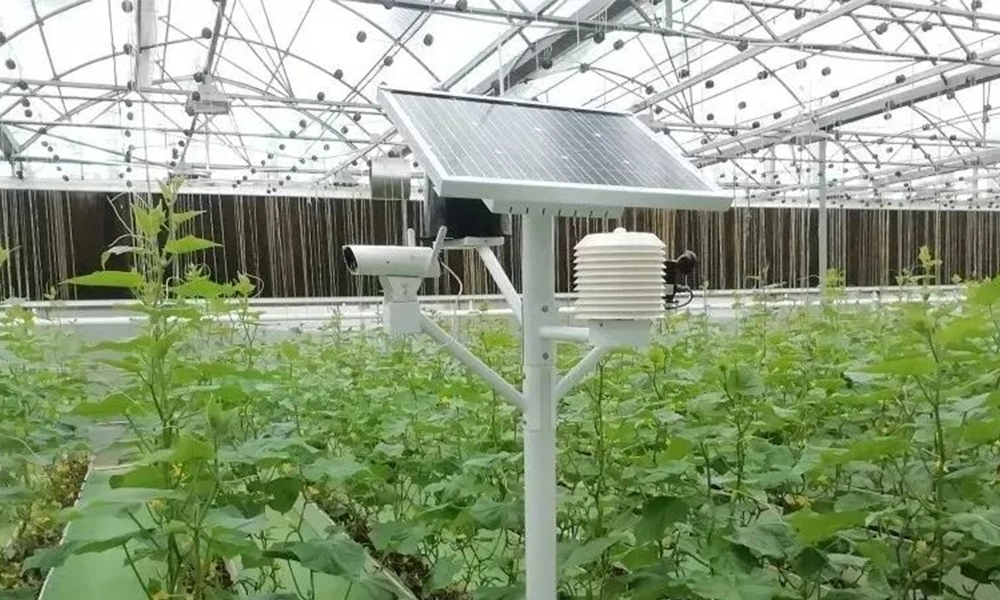
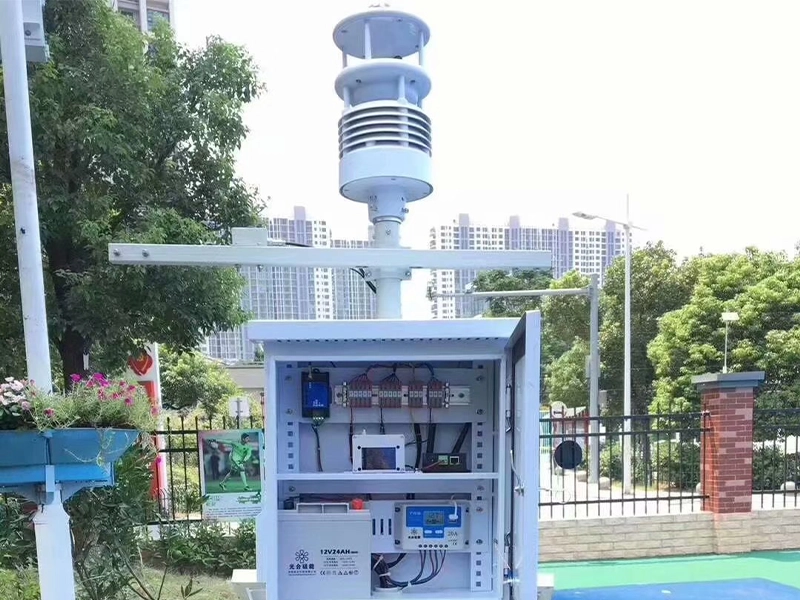
A cup anemometer supplies wind speed data to a data logger or controller in an automatic weather station. Confirm output signal and communication compatibility before integration.

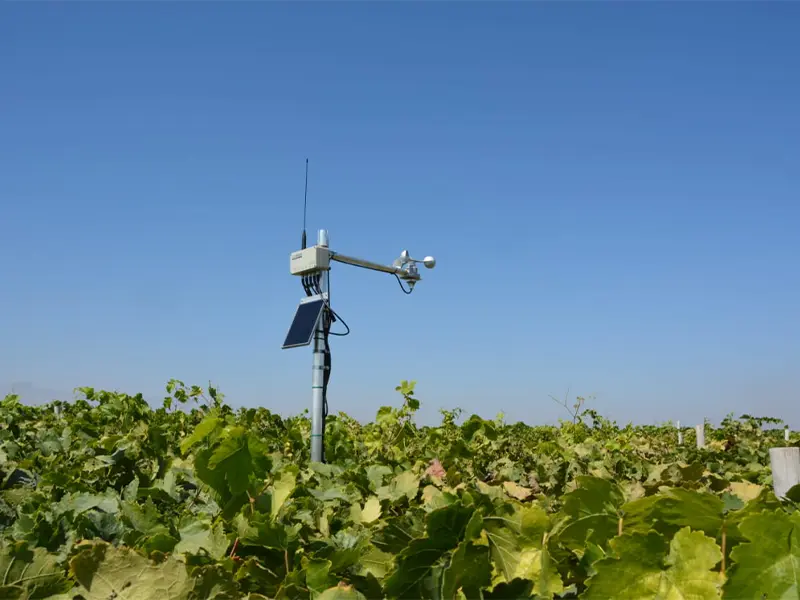
Agricultural Weather Monitoring
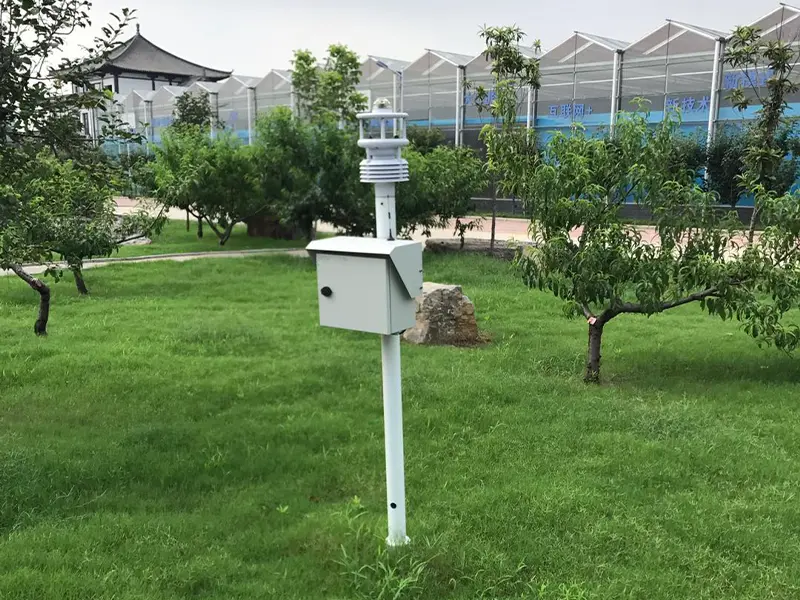
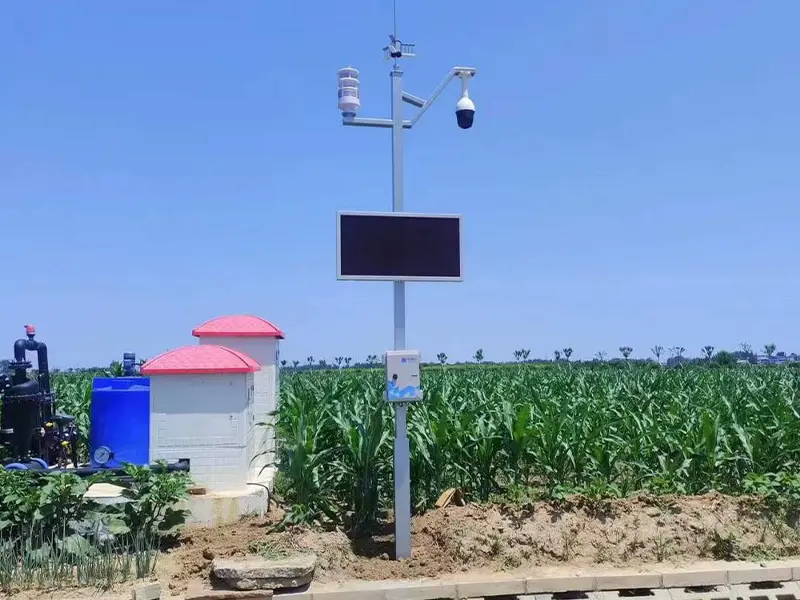
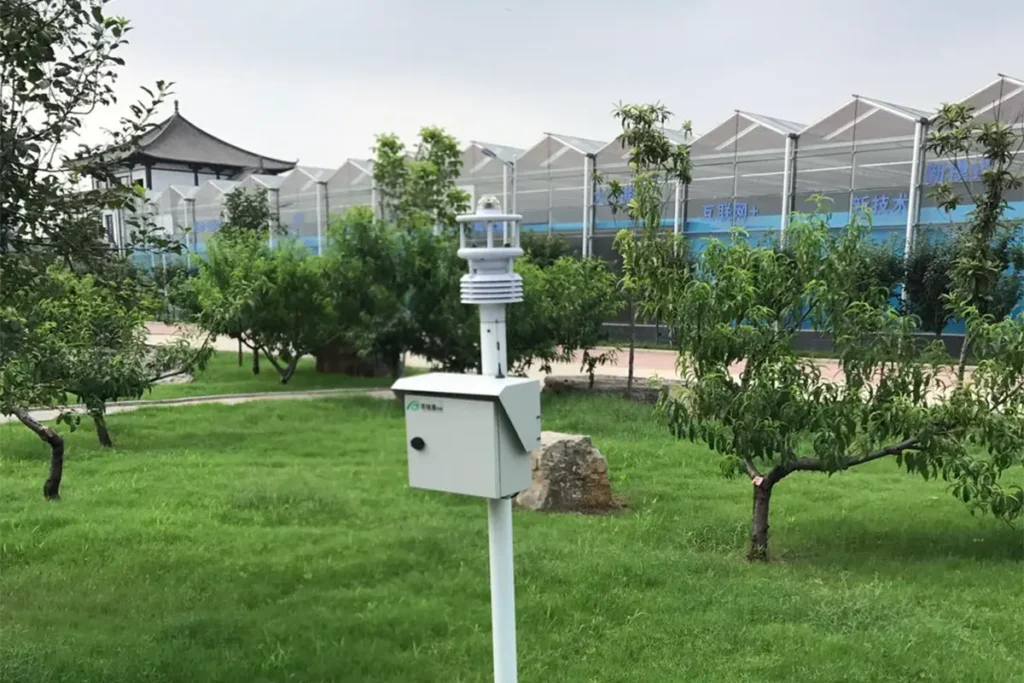
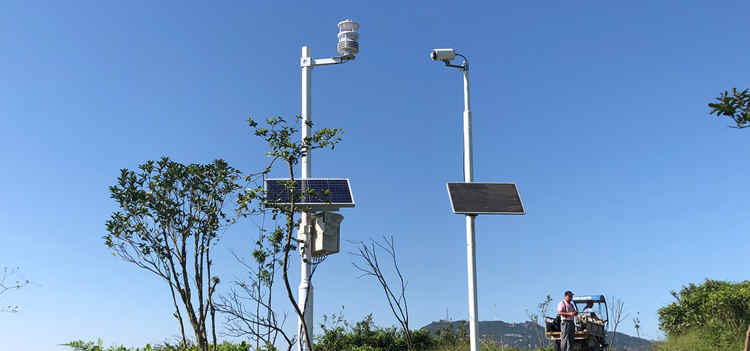
Installed in fields and orchards, a cup type anemometer records local wind speed to support weather observation and field operation planning.
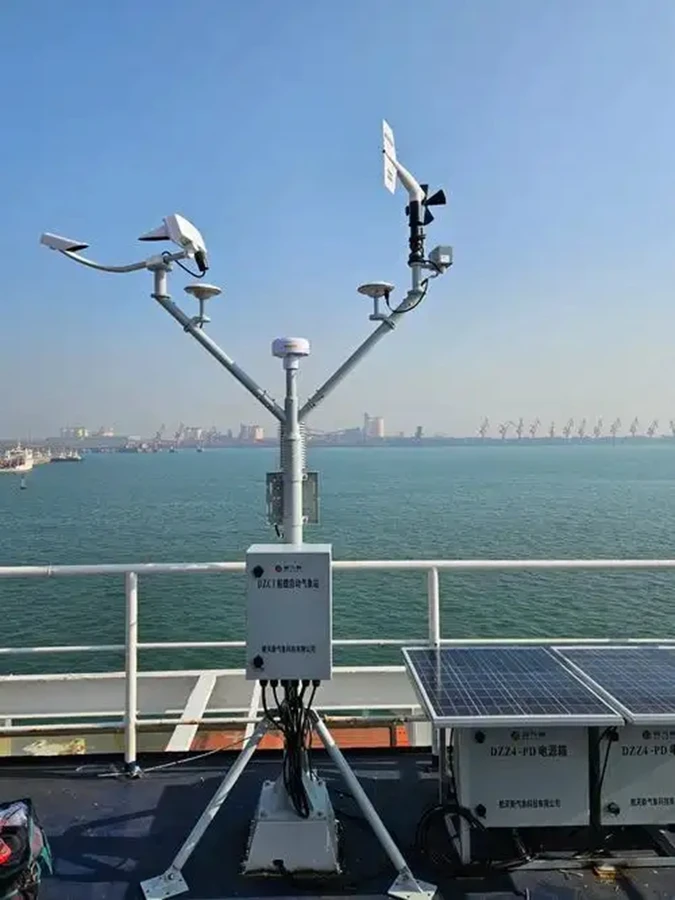
Environmental and Infrastructure Monitoring
A wind cup anemometer can be integrated into environmental or infrastructure monitoring systems to record site wind conditions, according to project requirements.
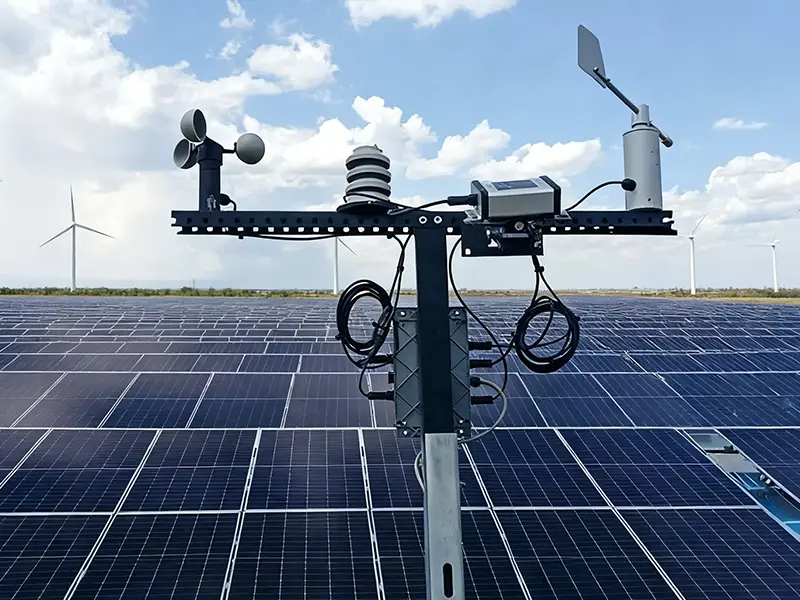
Solar and Wind-Related Projects
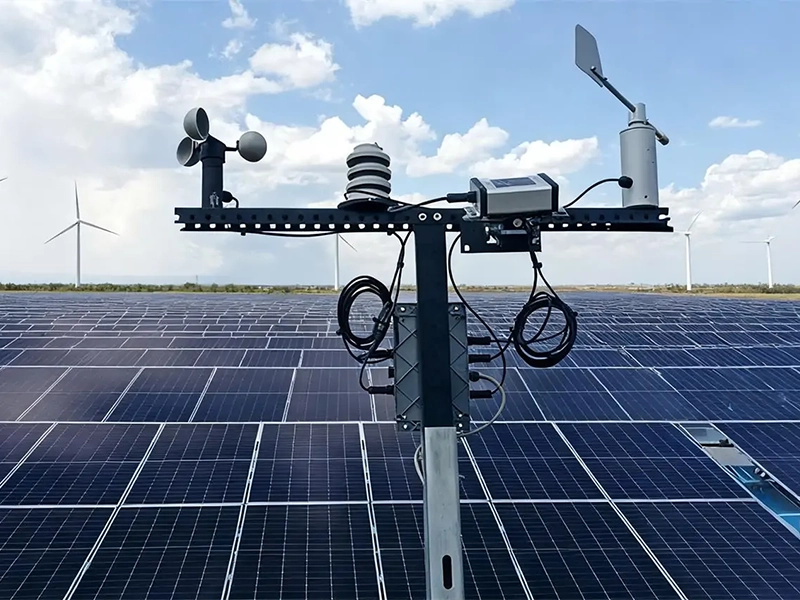
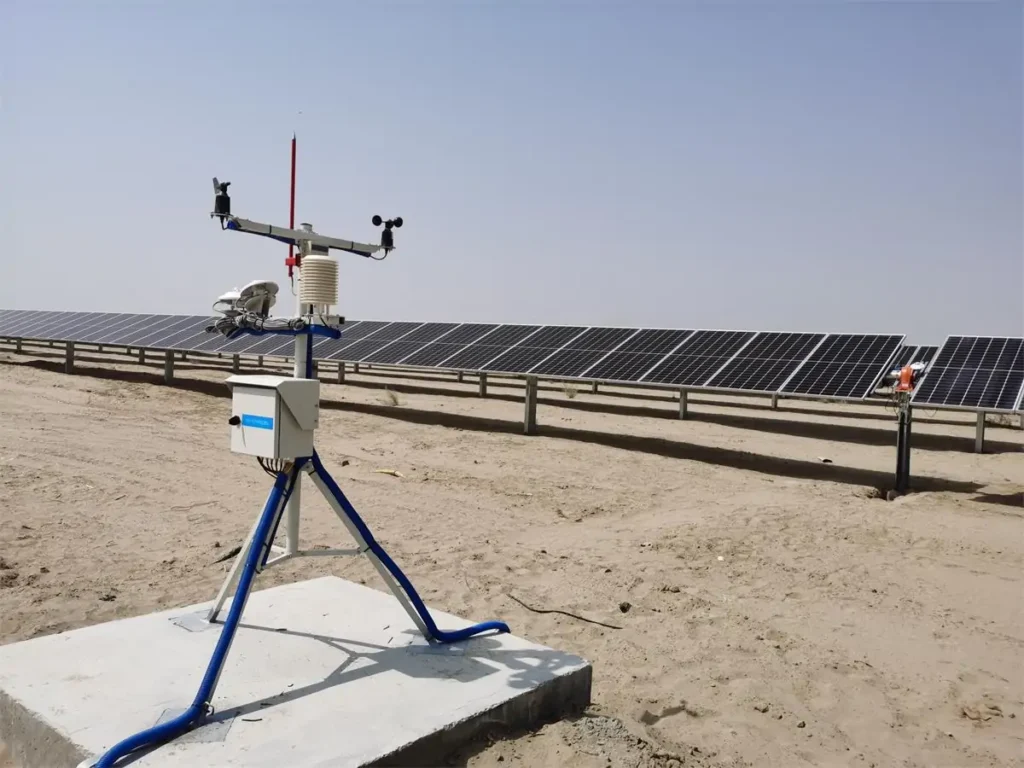
A cup anemometer measures outdoor wind speed for solar site monitoring and wind-related assessments. Wind direction and broader wind resource analysis may require additional instruments or data sources.
Custom cup type anemometer
Selecting a suitable weather sensor is only part of building an effective monitoring system. The right configuration also depends on your application, installation environment, and data collection requirements. Explore our Agricultural Weather Monitoring Solutions to see how monitoring equipment can be configured for specific project needs. Contact us to discuss your requirements and find a suitable solution for your project.
If you are looking for a wind speed/wind direction sensor measurement solution that meets your project’s needs, please feel free to contact us for professional selection advice and customized services.
- Wind Speed Range: Select a measurement range suited to the site’s expected wind conditions.
- Output Signal: Available options may include RS485 (Modbus RTU), 4–20 mA, voltage, or pulse output, depending on the model.
- Power Supply: Confirm the required DC supply voltage and compatibility with the monitoring system.
- Housing Material: Select from available materials, such as engineering plastic, aluminum alloy, or stainless steel, according to environmental and installation requirements.
- Mounting Method: Specify pole mounting, cross-arm mounting, or other installation requirements.
- Cable and Connector: Customize cable length and connector type to match installation and wiring requirements.
- Protection and Environmental Resistance: Confirm the required IP rating, operating temperature range, and resistance to UV exposure or salt spray where applicable.
- Communication Protocol: Specify the required protocol, such as Modbus RTU or SDI-12, for compatibility with the data logger or control system.
- OEM/ODM Services: Discuss available options for branding, product labeling, and packaging.



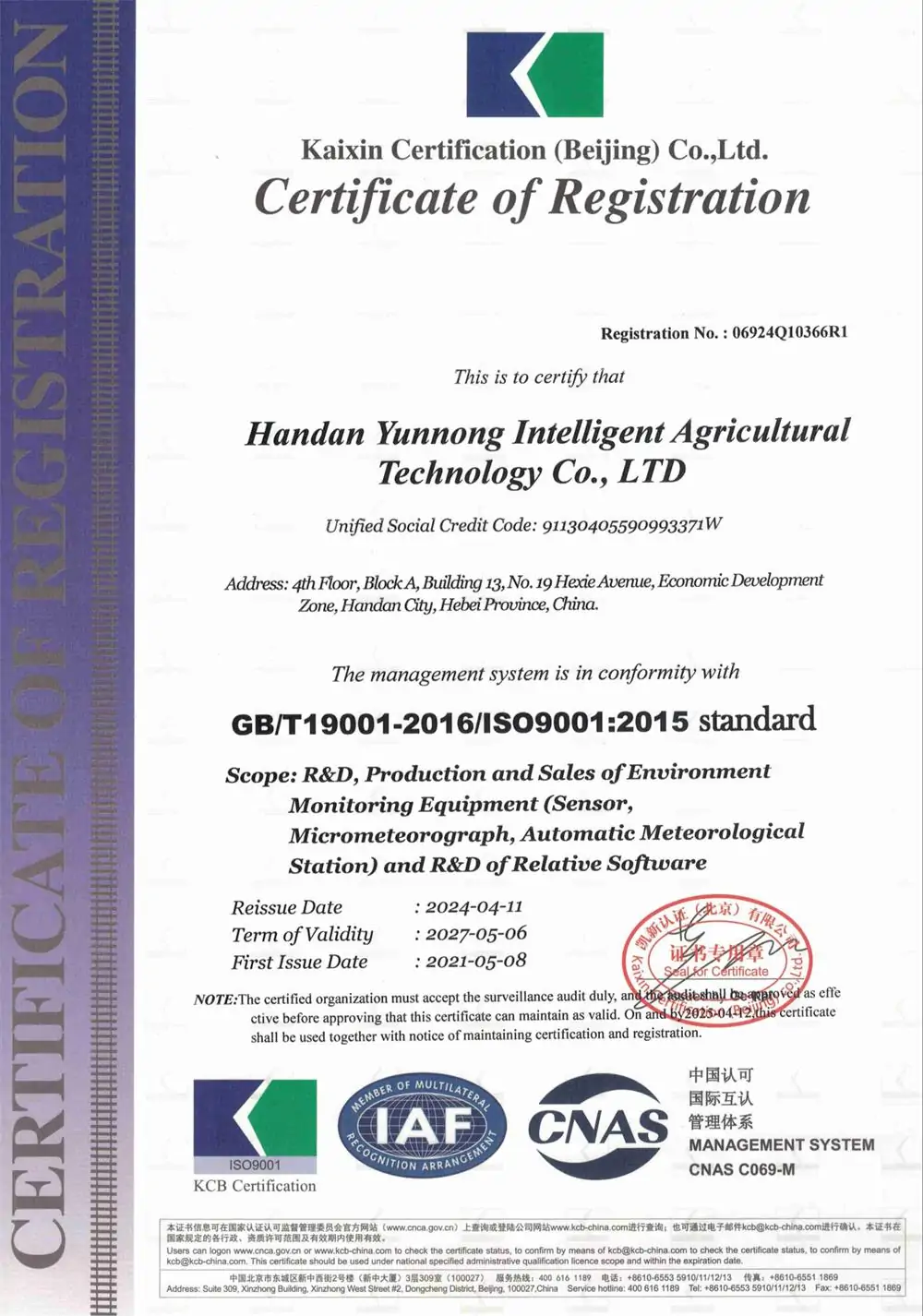

cup type anemometer manufacturer and supplier
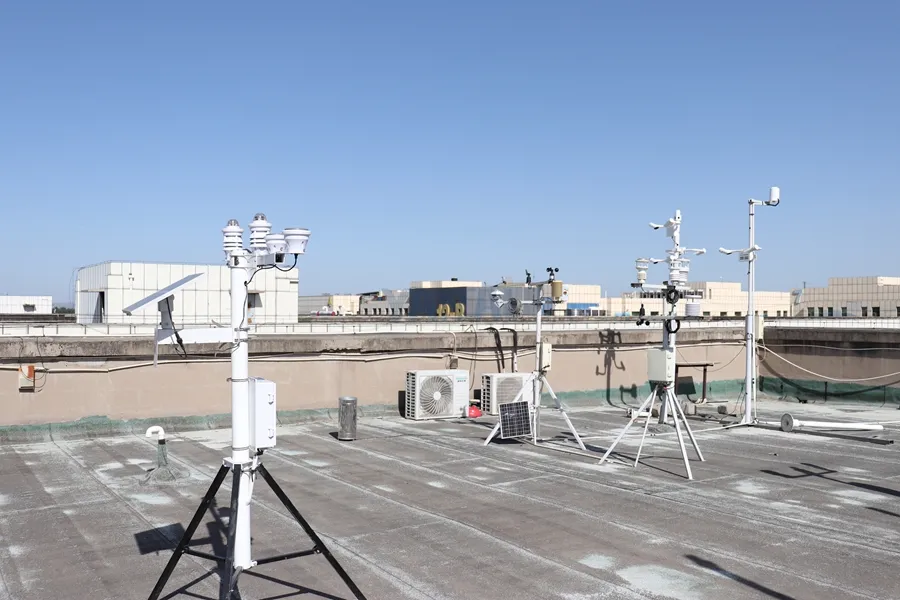
Yantai Sensor supplies cup type anemometers for outdoor wind speed monitoring in weather stations, agricultural monitoring systems, and industrial applications. Product selection is based on measurement requirements, installation conditions, and compatibility with the data acquisition system.
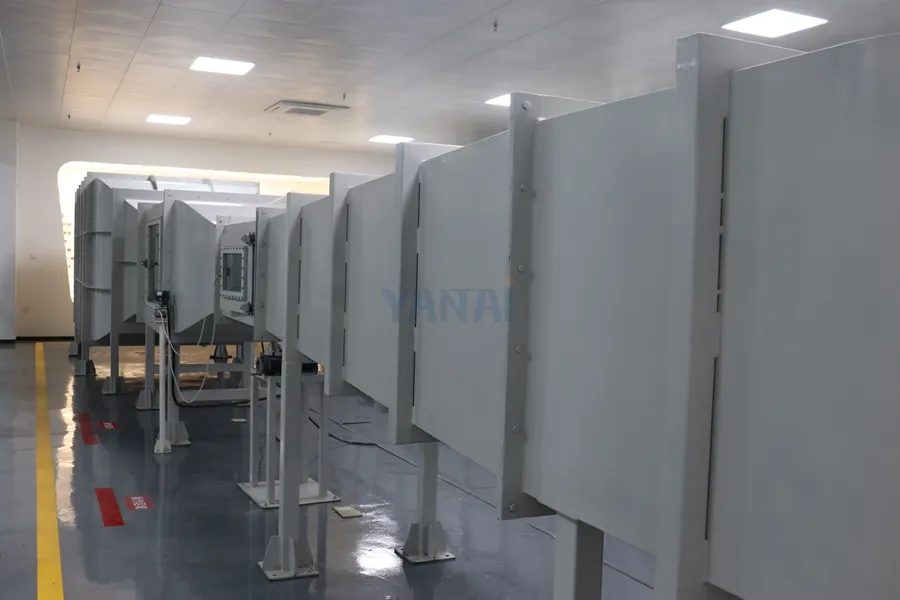
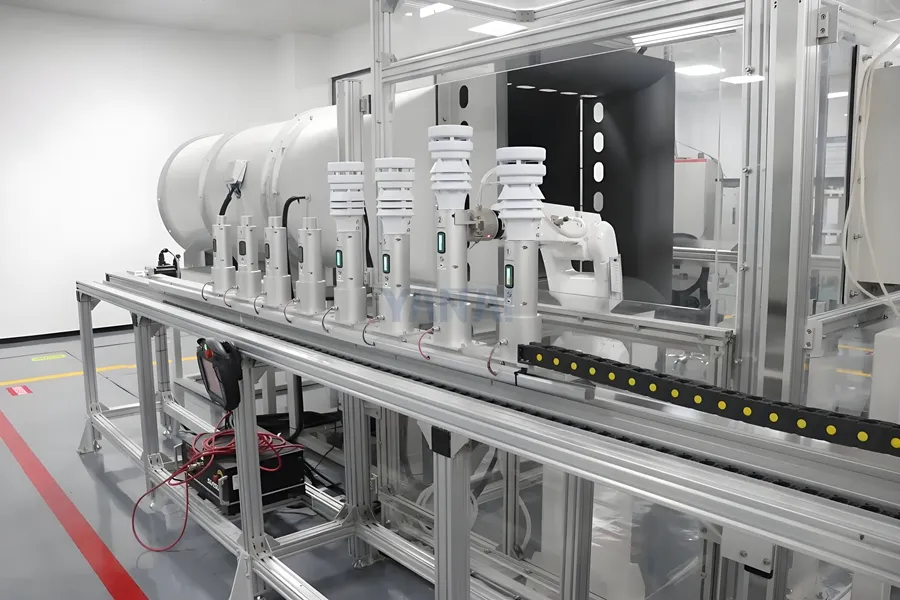
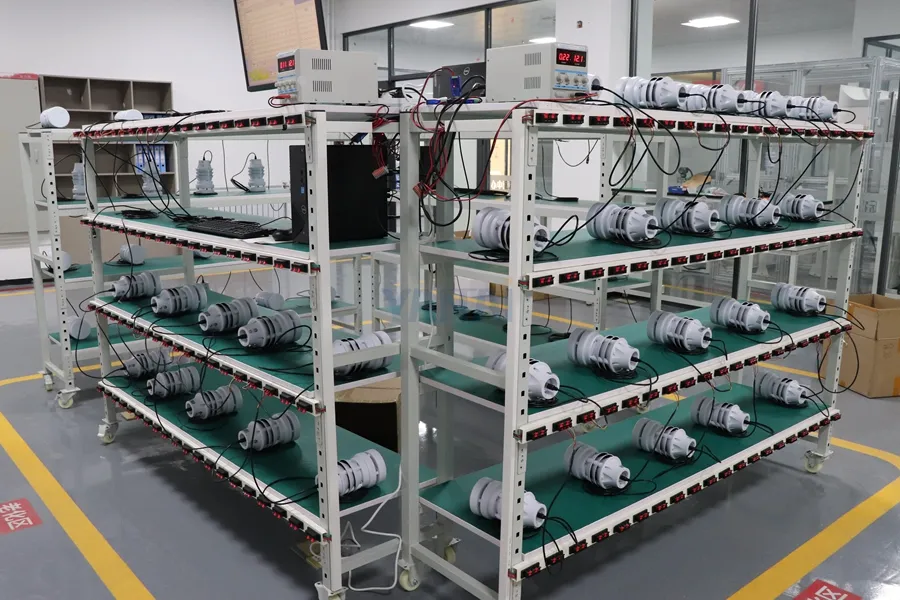
For project-specific requirements, our team can review available measurement ranges, output interfaces, mounting options, and cable configurations to help identify a suitable model. Quality verification should follow the specifications and inspection procedures applicable to the selected product.
Whether you need a standard sensor or a customized configuration, share your application, required specifications, and integration requirements with our team. Contact Yantai Sensor to discuss your project.