Introduction
A PV Environmental Monitoring System is a complete solution for collecting and managing environmental data in photovoltaic power plants. It combines environmental sensors, data acquisition devices, communication modules, and monitoring software to provide accurate measurements of solar irradiance, temperature, wind conditions, humidity, and other factors that influence PV system performance.
Designed for different solar project requirements, the system can be configured with various monitoring components and integrated with existing SCADA or energy management platforms. By providing reliable field data and centralized monitoring capabilities, it helps operators improve plant visibility, optimize maintenance planning, and make data-driven decisions throughout the solar project lifecycle.A complete PV monitoring setup requires compatible sensors, reliable data acquisition, and appropriate installation locations. Our PV Monitoring Installation Guide explains how to connect these components and verify data collection after installation.
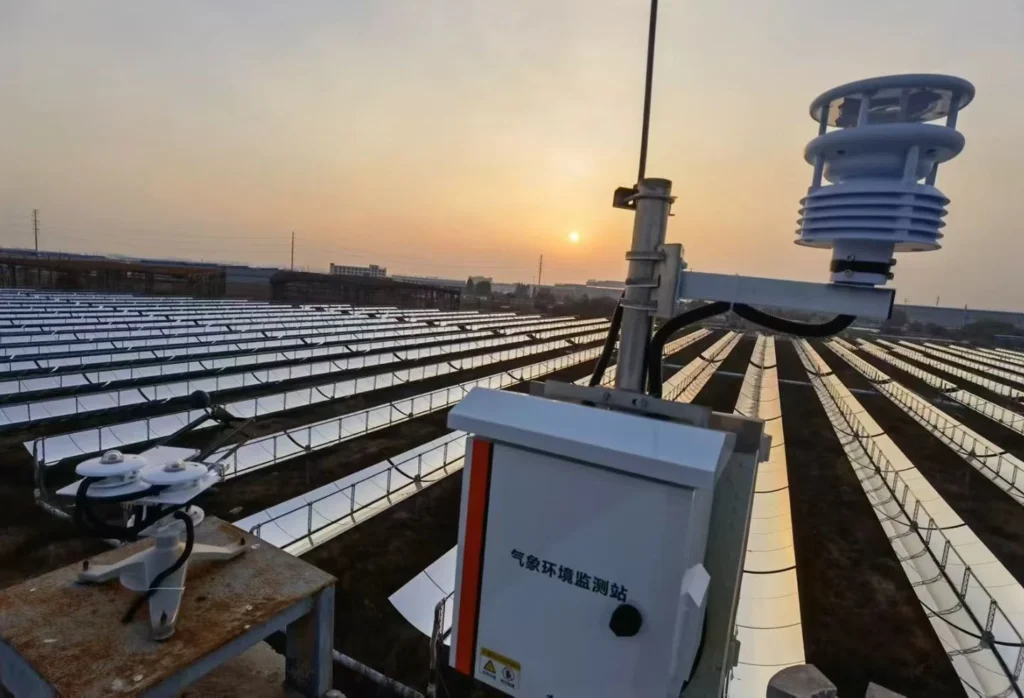
What Is a PV Environmental Monitoring System?
A PV Environmental Monitoring System is a complete monitoring solution designed for solar farms and photovoltaic projects. It integrates environmental sensors, data loggers, communication systems, and monitoring software to measure key environmental parameters, including solar irradiance, module temperature, ambient temperature, wind speed, humidity, and rainfall. The collected data supports PV performance evaluation, power forecasting, and daily plant operation management.
Unlike PV SCADA systems that mainly monitor and control electrical equipment, PV Environmental Monitoring Systems focus on collecting external environmental conditions that influence solar power generation. When connected with solar monitoring platforms, they provide reliable environmental data to help operators analyze performance, optimize maintenance strategies, and improve PV plant management.
| System | Primary Purpose |
| PV Environmental Monitoring System | Collect environmental data affecting solar power generation |
| PV SCADA System | Monitor and control electrical equipment and plant operating status |
| Solar Monitoring Platform | Display, analyze, and manage PV operational data |
Components of PV Environmental Monitoring System
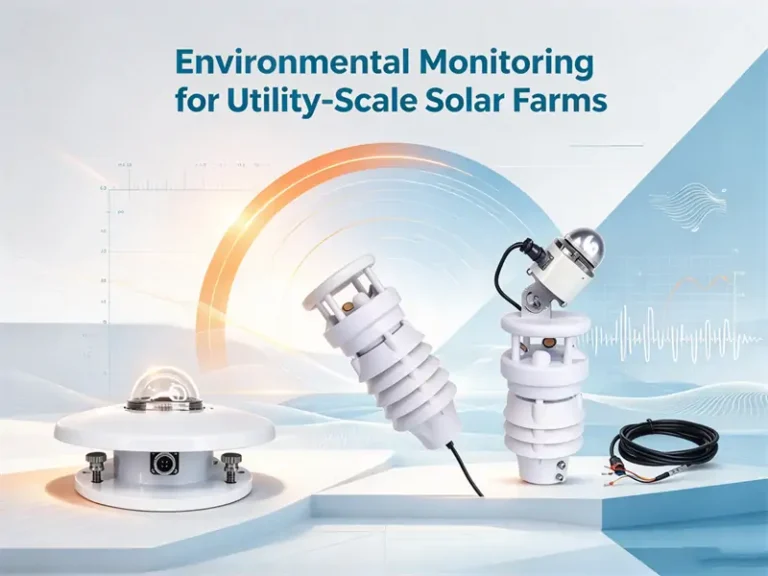
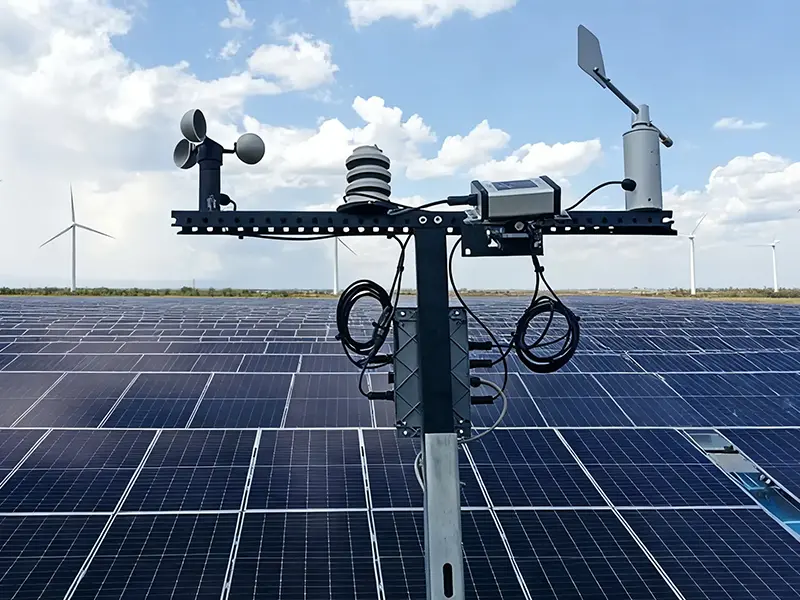
A PV Environmental Monitoring System combines different sensing devices and a cloud platform to build a complete environmental data monitoring solution for solar power plants. Each component is responsible for collecting specific environmental information, such as solar irradiance, temperature, wind conditions, and atmospheric changes. These data are integrated and analyzed to support PV performance evaluation, power forecasting, maintenance planning, and overall plant operation management.
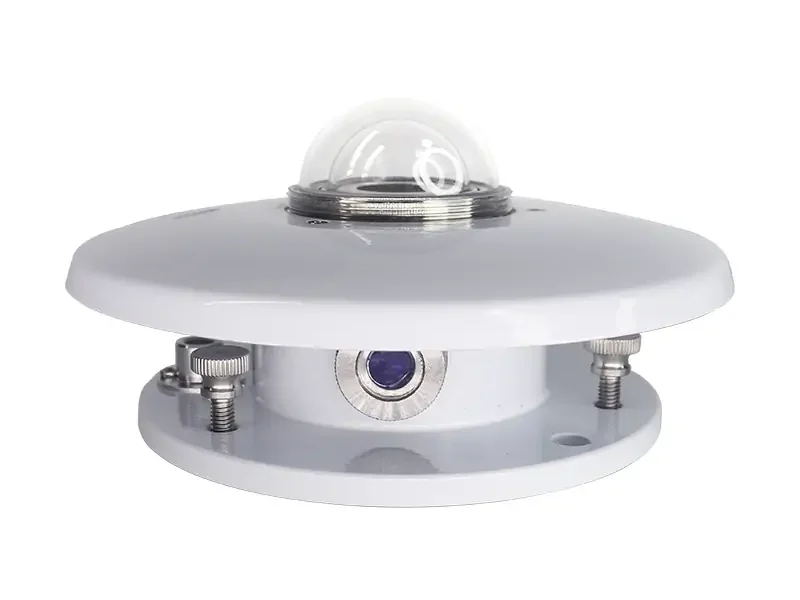
TBQ-2C Total Radiation Meter
The TBQ-2C Total Radiation Meter serves as the core solar resource monitoring component in the system. It collects solar irradiance data to evaluate available solar energy conditions, supporting PV power forecasting, performance analysis, and energy yield assessment.
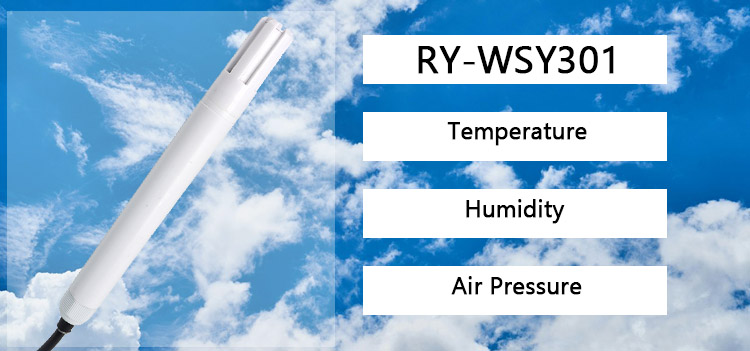
RY-WSY301 Temperature, Humidity, and Pressure Sensor
The RY-WSY301 Temperature, Humidity, and Pressure Sensor provides essential atmospheric monitoring data for the PV system. It collects ambient temperature, humidity, and pressure information to help analyze weather impacts and improve the accuracy of PV operating condition evaluation.
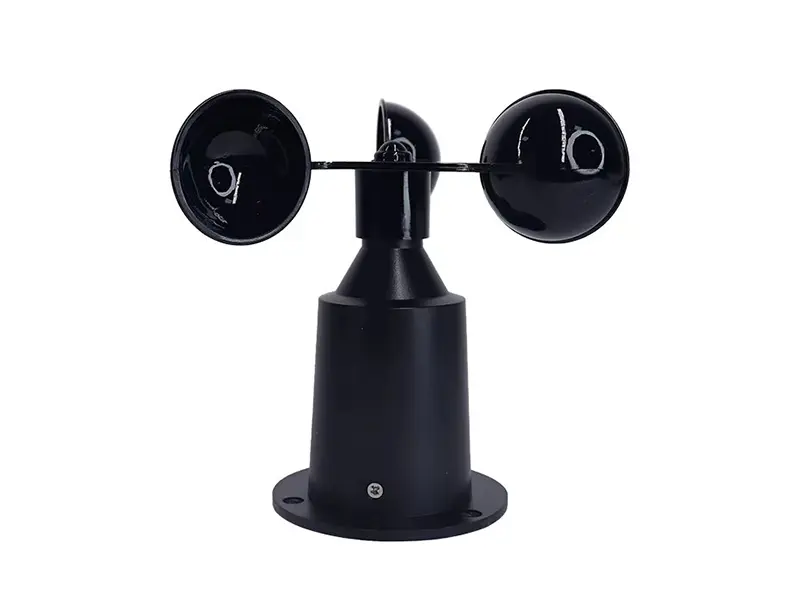
RY-FS01/X/485 Wind Speed Sensor
The RY-FS01/X/485 Wind Speed Sensor monitors wind conditions around the photovoltaic site. The collected wind speed data helps assess environmental changes, support weather condition analysis, and provide references for safe and reliable solar plant operation.
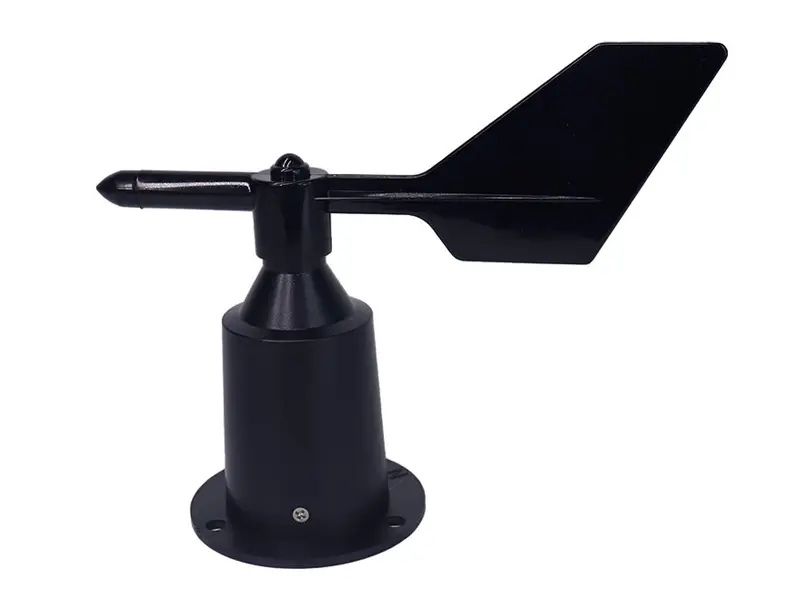
RY-FX02/X/485 Wind Direction Sensor
The RY-FX02/X/485 Wind Direction Sensor works together with wind speed monitoring to provide complete wind condition information. Its data helps operators understand local weather patterns and evaluate potential environmental impacts on PV equipment and operation.
RYQ-3 Solar Photovoltaic Environmental Monitoring Station Cloud Platform
The RYQ-3 Solar Photovoltaic Environmental Monitoring Station Cloud Platform acts as the data management center of the monitoring system. It collects and analyzes sensor data, providing real-time monitoring, historical records, and alarm notifications to support remote PV plant management and maintenance decisions.
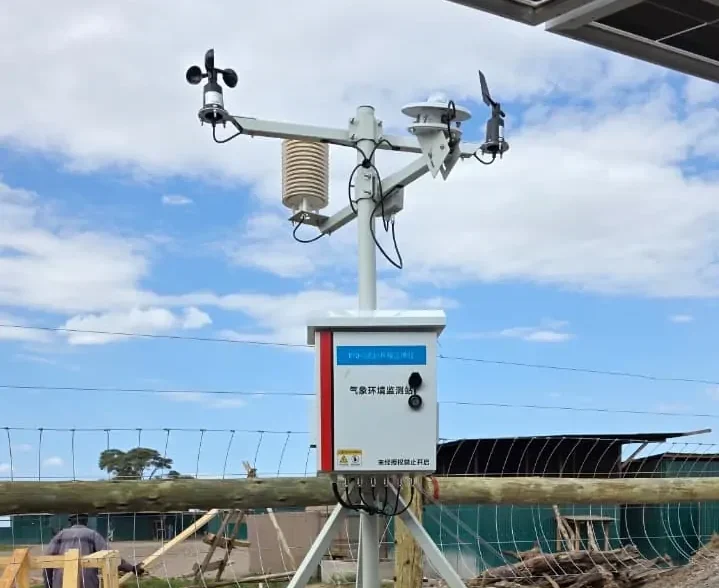
How Does a PV Environmental Monitoring System Work?
A PV Environmental Monitoring System works through a closed-loop process of measuring, collecting, transmitting, analyzing, and applying environmental data. Sensors installed at the solar plant continuously monitor key conditions that affect energy production, including solar irradiance, module temperature, ambient temperature, wind speed, wind direction, humidity, atmospheric pressure, and rainfall. The collected signals are gathered by a data logger and transmitted through communication methods such as RS485, Ethernet, or wireless networks to a local server, SCADA system, or cloud monitoring platform.
The monitoring platform processes and analyzes the collected data to evaluate environmental impacts on PV performance and energy output. By combining weather information with power generation data, operators can improve performance evaluation, support power forecasting, identify abnormal conditions, and optimize maintenance planning. This data-driven workflow enables solar plants to better manage environmental risks and achieve more efficient long-term operation.
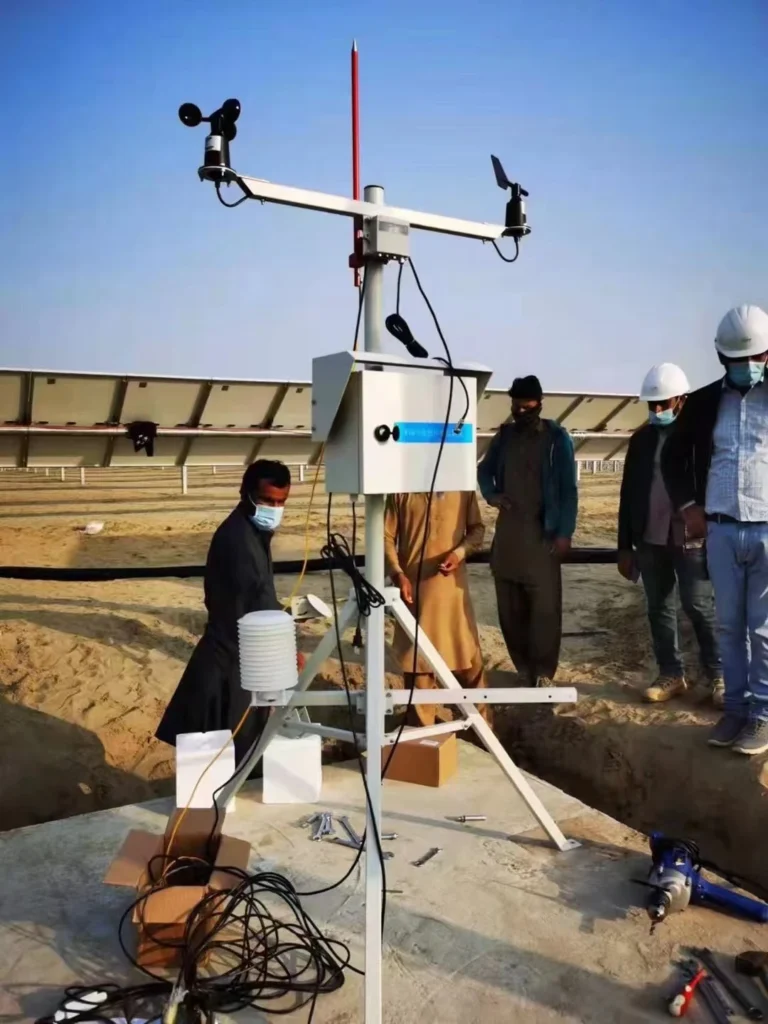
Main Monitoring Parameters of PV Environmental Monitoring System
A PV Environmental Monitoring System collects key environmental data that influences solar power generation and plant operation. By monitoring solar radiation, temperature, wind, and weather conditions, the system provides essential information for PV performance evaluation, power forecasting, and efficient operation management.
| Parameter | Unit | Purpose |
| Solar Irradiance | W/m² | Solar resource evaluation and power forecasting |
| Module Temperature | ℃ | PV efficiency and temperature loss analysis |
| Ambient Temperature | ℃ | Environmental impact assessment |
| Wind Speed & Direction | m/s, ° | Weather monitoring and safety evaluation |
| Humidity | %RH | Environmental condition analysis |
| Rainfall | mm | Weather correlation and maintenance planning |
Functions of PV Environmental Monitoring System
A PV Environmental Monitoring System converts real-time environmental data into actionable insights for solar plant operation. By monitoring key factors affecting power generation, it helps improve PV power forecasting accuracy, evaluate system performance, and optimize operation and maintenance decisions.
Solar Radiation Monitoring
Measures solar irradiance to provide essential data for PV power forecasting, energy yield evaluation, and performance ratio analysis.
Weather Condition Monitoring
Monitors temperature, humidity, wind, atmospheric pressure, and rainfall to evaluate environmental impacts, assess weather risks, and support maintenance planning.
Module Temperature Monitoring
Tracks PV module temperature to analyze thermal losses, evaluate efficiency changes, and identify potential performance issues.
Data Analysis and Remote Monitoring
Combines collected environmental data through monitoring platforms for real-time visualization, historical analysis, and remote operation support.
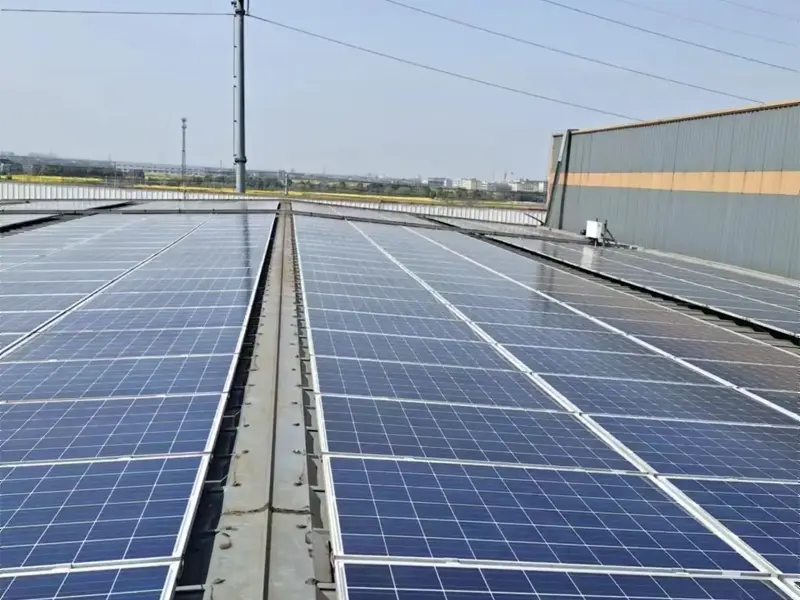
Features of Solar PV Environmental Monitoring System
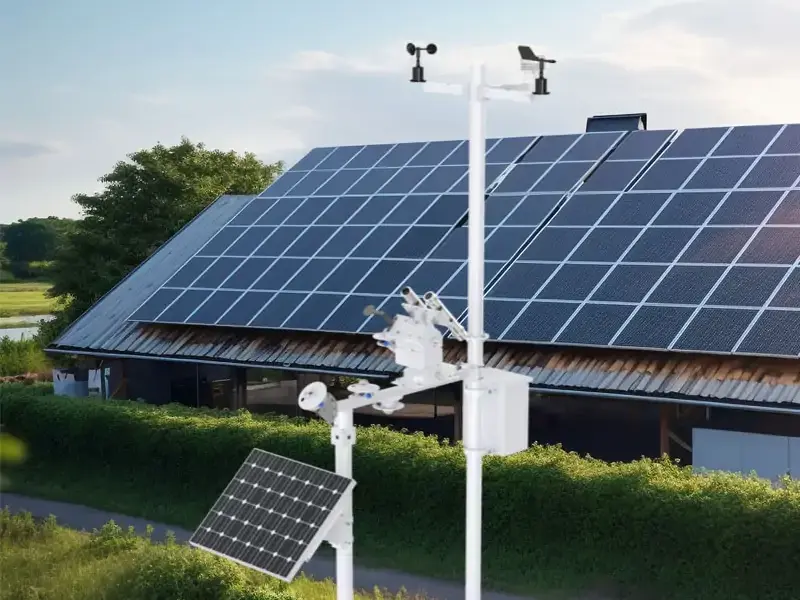
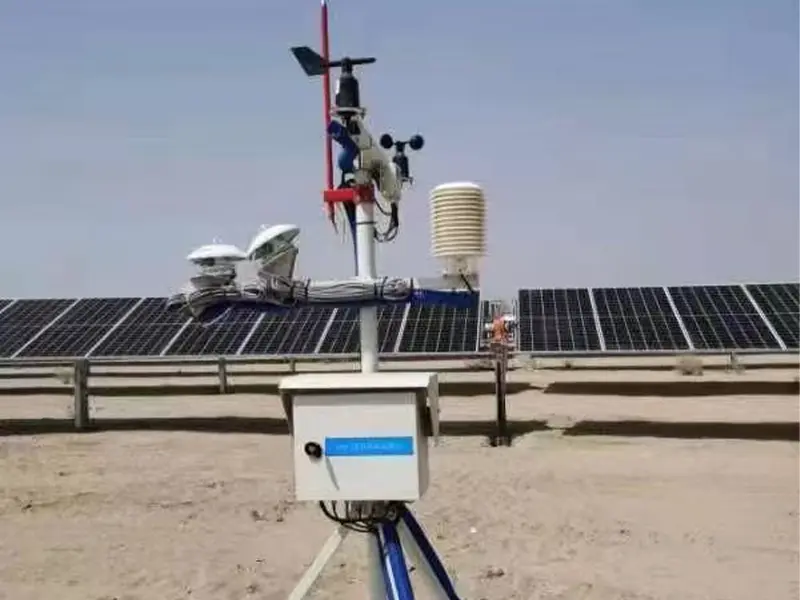
A Solar PV Environmental Monitoring System combines environmental sensors, data acquisition units, and monitoring software to collect and manage weather data from photovoltaic plants. The system provides accurate environmental information for PV performance analysis, power forecasting, and daily operation management.
High Accuracy Environmental Data Collection
The system uses reliable sensors to measure key parameters such as solar irradiance, ambient temperature, module temperature, wind speed, and humidity. Accurate environmental data helps evaluate PV output conditions and analyze factors affecting power generation.
Real-time Remote Monitoring
Collected data is transferred to the monitoring platform through communication interfaces such as RS485 and wireless networks. Users can view current environmental conditions, access historical records, and track changes in plant operating conditions remotely.
Easy Integration with Existing Systems
The system supports connection with existing PV monitoring platforms, SCADA systems, and cloud platforms through standard communication protocols such as RS485 and Modbus. This allows smooth data integration and system expansion.
Customized Configuration for Different PV Projects
The system configuration can be adjusted based on project scale, installation environment, and monitoring requirements. Different sensor combinations and communication solutions can be provided for residential PV, commercial PV, and utility-scale solar plants.
PV Environmental Monitoring System Cost Considerations
The cost of a PV Environmental Monitoring System varies depending on system configuration, monitoring requirements, project scale, and installation conditions. The total investment usually includes equipment procurement, system integration, installation, and long-term maintenance. Customized solutions may require different sensor combinations, communication methods, and platform functions.
| Cost Category | Included Items | Factors Affecting Cost |
| Initial Investment | Sensors, data logger, communication system, monitoring platform | Accuracy, monitoring points, system configuration |
| Installation & Integration | Installation, wiring, SCADA connection, commissioning | Site conditions, integration requirements |
| Operation & Maintenance | Calibration, equipment service, software support | Service frequency, equipment reliability |
ROI Analysis of PV Environmental Monitoring System
A PV Environmental Monitoring System improves ROI by converting environmental data into actionable insights for solar plant operation. By monitoring irradiance, temperature, wind, and other weather conditions, the system helps identify performance losses, optimize maintenance strategies, and improve energy production efficiency.
How Does PV Monitoring System Generate ROI?
| ROI Source | Value Creation |
| Energy Loss Reduction | Identify losses caused by environmental changes and abnormal conditions |
| Power Forecast Improvement | Provide reliable weather data for forecasting and grid planning |
| Fault Detection | Detect abnormal performance and reduce downtime |
| Maintenance Optimization | Reduce unnecessary inspections and improve O&M efficiency |
| Performance Analysis | Support data-based plant optimization |
Main Factors Affecting ROI
Solar Plant Capacity: Project scale directly affects ROI. Large solar plants can achieve greater economic benefits from improved performance and reduced downtime.
Environmental Conditions: High-temperature, dusty, windy, or unstable weather conditions increase the value of environmental monitoring by reducing environmental-related losses.
Data Accuracy and System Configuration: Reliable sensors and suitable system configurations provide accurate data for forecasting, performance evaluation, and maintenance decisions.
Existing O&M Strategy: Compared with manual inspections, remote monitoring improves maintenance efficiency, reduces site visits, and shortens troubleshooting time.
Long-term Benefits of PV Environmental Monitoring System
A PV Environmental Monitoring System provides continuous environmental data to support smarter plant management. It helps maintain stable power generation, improve operational decisions, reduce risks, and enhance the long-term efficiency of solar assets. By building a reliable data foundation, the system also supports better performance tracking, preventive maintenance planning, and more effective operation throughout the PV plant lifecycle.
Types Of PV Monitoring Service Providers
The right PV monitoring provider depends on project requirements, such as equipment supply, software management, system integration, or long-term operation support. Different providers focus on different parts of the PV monitoring process.
| Provider Type | Main Services |
| PV Environmental Monitoring Equipment Manufacturers | Sensors, monitoring systems, cloud platforms, and customized solutions |
| PV Monitoring Software Providers | Data platforms, analytics, and remote monitoring |
| EPC Contractors | System design, integration, installation, and commissioning |
| PV O&M Service Providers | Remote monitoring, performance optimization, and maintenance support |
PV Environmental Monitoring System Applications and Deployment
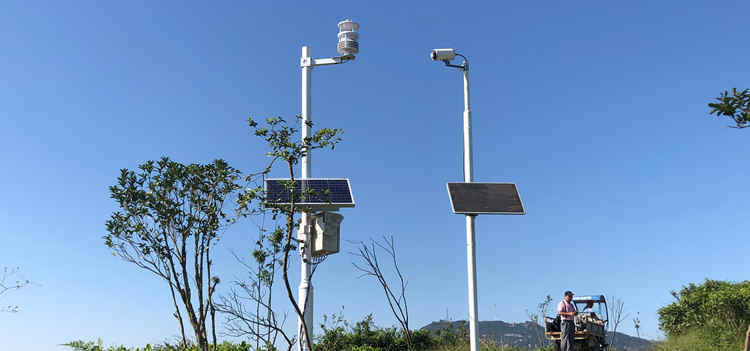
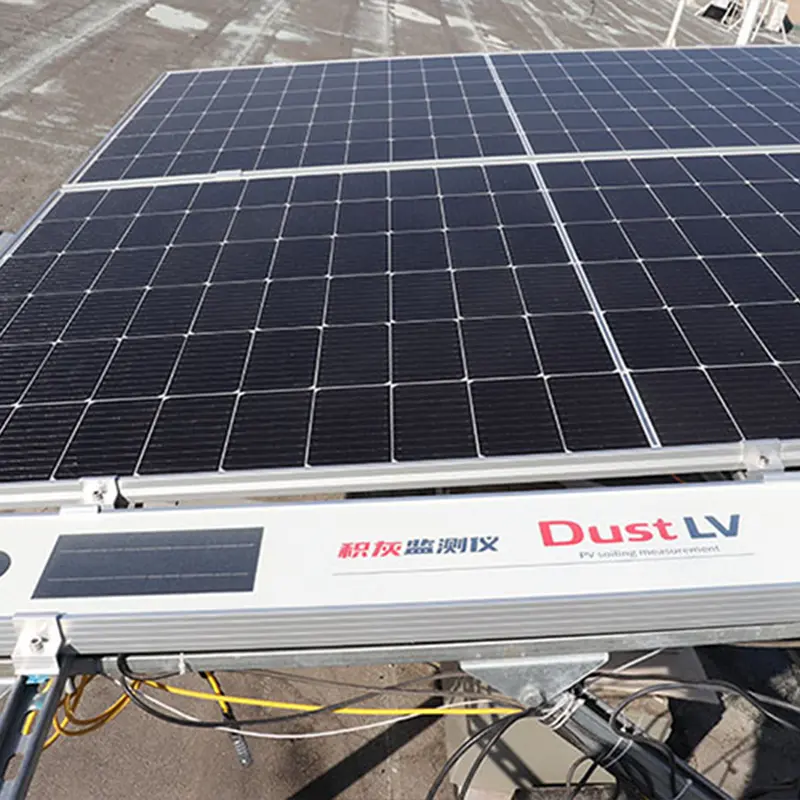
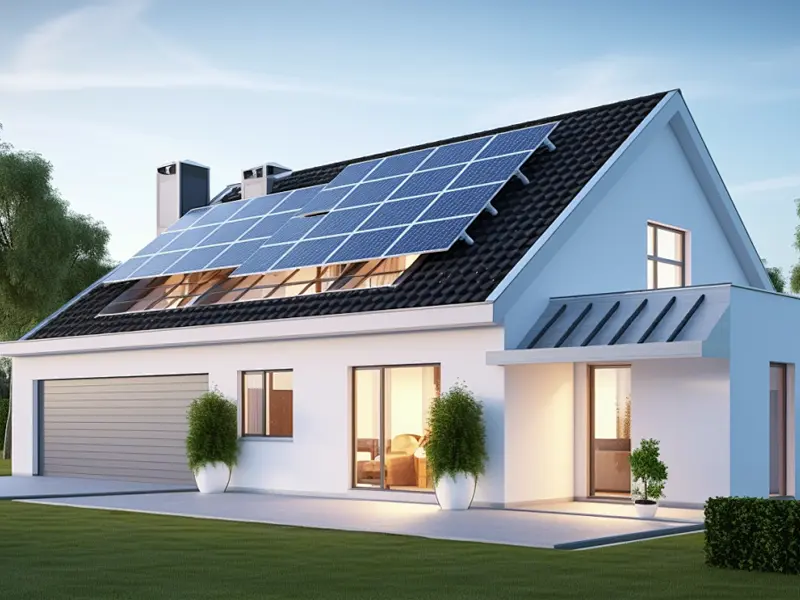
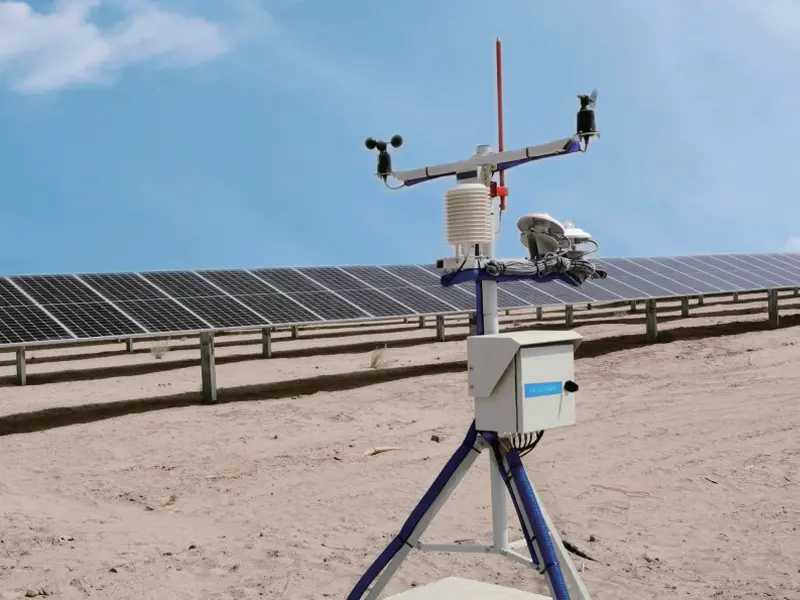
The deployment of a PV Environmental Monitoring System varies according to project scale, installation environment, and monitoring requirements. Different solar applications may require different sensor configurations, communication methods, and data management solutions to ensure accurate and reliable environmental monitoring.
| Deployment Type | Typical Configuration |
| Ground-mounted Solar Farms | Fixed monitoring stations with multiple sensors for solar resource and weather monitoring |
| Rooftop PV Systems | Compact monitoring solutions with flexible installation and wireless communication |
| Large-scale Utility PV Plants | Multiple monitoring stations with SCADA integration and centralized data management |
Challenges in PV Monitoring and Fault Diagnosis
Although PV Environmental Monitoring Systems improve solar plant visibility and operational efficiency, accurate monitoring still faces challenges from sensor reliability, data transmission, and changing environmental conditions. These factors may affect data accuracy and fault diagnosis results.
Sensor Accuracy Degradation
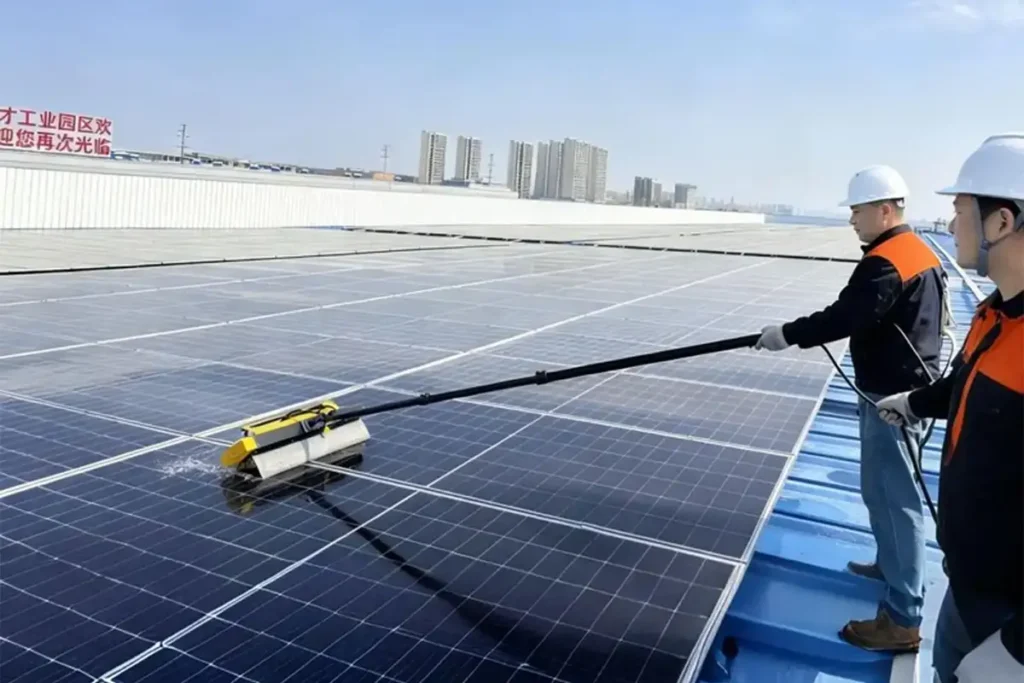
Outdoor sensors may experience performance changes due to dust, aging, humidity, and long-term weather exposure. Regular calibration and maintenance are important to maintain accurate environmental measurements.
Data Quality and Communication Problems
Missing data, network interruptions, and synchronization issues can reduce monitoring reliability. Stable communication and proper data management ensure continuous and accurate information for analysis.
Environmental Factors Affecting PV Performance
Cloud cover, temperature changes, soiling, and extreme weather can influence PV output. Reliable environmental data helps identify performance losses and support effective operation decisions.
How to Choose the Right PV Environmental Monitoring System?
Selecting a suitable PV Environmental Monitoring System requires considering project size, monitoring requirements, sensor performance, and system compatibility. The right configuration should match the operating conditions and management needs of the solar plant.
Define Monitoring Requirements
Consider the plant scale, required environmental parameters, and data accuracy. Large solar farms usually require more monitoring points and comprehensive weather data, while smaller projects may focus on basic environmental monitoring.
Evaluate Sensor Quality
Reliable sensors are essential for long-term outdoor operation.Key factors include measurement accuracy, calibration, IP protection rating, and resistance to dust, humidity, and temperature changes.
Check System Integration Capability
Ensure the system supports existing monitoring platforms and communication methods. Compatibility with SCADA, RS485, Modbus, and cloud platforms helps achieve reliable data transmission and centralized management.
Select Based on Project Application
Different PV projects require different configurations. Residential systems typically need compact monitoring solutions, commercial projects focus on performance analysis, and utility-scale plants require multi-point monitoring and centralized data management.
Future Trends of PV Environmental Monitoring Systems
As utility-scale solar projects continue to expand and plant management becomes increasingly data-driven, Solar PV Environmental Monitoring Systems are evolving beyond traditional weather monitoring. Future systems will combine AI, IoT, cloud computing, and digital twin technologies to deliver more accurate environmental data, support intelligent operation, and improve the overall efficiency and reliability of solar power plants.
Future development will focus on AI-based solar forecasting, IoT-enabled smart monitoring, and digital twin technology. AI will combine real-time weather data with historical operating records to improve forecasting accuracy, while IoT sensors and cloud platforms will enable continuous remote monitoring across multiple sites. Digital twins will further support virtual performance analysis, predictive maintenance, and lifecycle optimization, helping reduce maintenance costs, improve asset utilization, and enable smarter long-term solar plant management.

Conclusion
A Solar PV Environmental Monitoring System is more than a weather monitoring solution—it provides the environmental intelligence needed to improve power forecasting, evaluate plant performance, optimize maintenance, and support long-term operational decisions. By continuously monitoring key environmental parameters, it helps solar power plants reduce uncertainty, improve energy yield, and maximize the value of their assets throughout the project lifecycle.
Choosing the right system requires careful consideration of monitoring requirements, environmental conditions, deployment methods, system integration, and long-term operating costs. Understanding these factors helps ensure reliable environmental data and better decision-making for efficient solar plant management. Contact our team to find the right Solar PV Environmental Monitoring System for your application.